

Poems in this theme
Youth
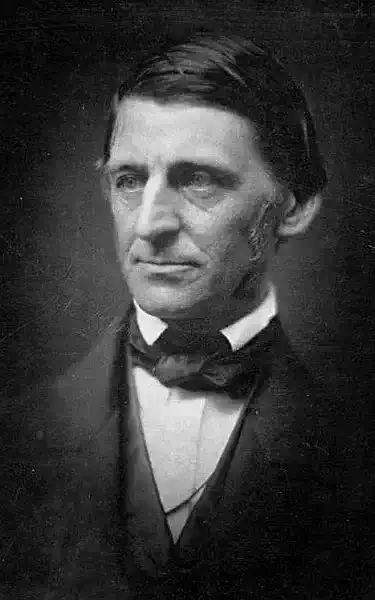
Ralph Waldo Emerson
To-day
To-day
I rake no coffined clay, nor publish wide
The resurrection of departed pride.
Safe in their ancient crannies, dark and deep,
Let kings and conquerors, saints and soldiers sleep--
Late in the world,--too late perchance for fame,
Just late enough to reap abundant blame,--
I choose a novel theme, a bold abuse
Of critic charters, an unlaurelled Muse.
Old mouldy men and books and names and lands
Disgust my reason and defile my hands.
I had as lief respect an ancient shoe,
As love old things for age, and hate the new.
I spurn the Past, my mind disdains its nod,
Nor kneels in homage to so mean a God.
I laugh at those who, while they gape and gaze,
The bald antiquity of China praise.
Youth is (whatever cynic tubs pretend)
The fault that boys and nations soonest mend.
I rake no coffined clay, nor publish wide
The resurrection of departed pride.
Safe in their ancient crannies, dark and deep,
Let kings and conquerors, saints and soldiers sleep--
Late in the world,--too late perchance for fame,
Just late enough to reap abundant blame,--
I choose a novel theme, a bold abuse
Of critic charters, an unlaurelled Muse.
Old mouldy men and books and names and lands
Disgust my reason and defile my hands.
I had as lief respect an ancient shoe,
As love old things for age, and hate the new.
I spurn the Past, my mind disdains its nod,
Nor kneels in homage to so mean a God.
I laugh at those who, while they gape and gaze,
The bald antiquity of China praise.
Youth is (whatever cynic tubs pretend)
The fault that boys and nations soonest mend.
320
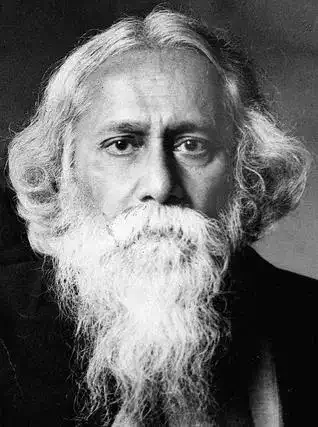
Rabindranath Tagore
When The Two Sisters Go To Fetch Water
When The Two Sisters Go To Fetch Water
WHEN the two sisters go to fetch water, they come to this spot and they smile.
They must be aware of somebody who stands behind the trees whenever they go to
fetch water.
The two sisters whisper to each other when they pass this spot.
They must have guessed the secret of that somebody who stands behind the trees
whenever they go to fetch water.
Their pitchers lurch suddenly, and water spills when they reach this spot.
They must have found out that somebody's heart is beating who stands behind the
trees whenever they go to fetch water.
The two sisters glance at each other when they come to this spot, and they smile.
There is a laughter in their swift-stepping feet, which makes confusion in somebody's
mind who stands behind the trees whenever they go to fetch water.
WHEN the two sisters go to fetch water, they come to this spot and they smile.
They must be aware of somebody who stands behind the trees whenever they go to
fetch water.
The two sisters whisper to each other when they pass this spot.
They must have guessed the secret of that somebody who stands behind the trees
whenever they go to fetch water.
Their pitchers lurch suddenly, and water spills when they reach this spot.
They must have found out that somebody's heart is beating who stands behind the
trees whenever they go to fetch water.
The two sisters glance at each other when they come to this spot, and they smile.
There is a laughter in their swift-stepping feet, which makes confusion in somebody's
mind who stands behind the trees whenever they go to fetch water.
609
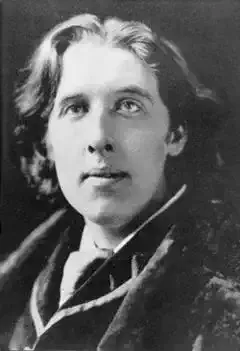
Oscar Wilde
Impressions I. Les Silhouettes
Impressions I. Les Silhouettes
THE sea is flecked with bars of grey
The dull dead wind is out of tune,
And like a withered leaf the moon
Is blown across the stormy bay.
Etched clear upon the pallid sand
The black boat lies: a sailor boy
Clambers aboard in careless joy
With laughing face and gleaming hand.
And overhead the curlews cry,
Where through the dusky upland grass
The young brown-throated reapers pass,
Like silhouettes against the sky.
THE sea is flecked with bars of grey
The dull dead wind is out of tune,
And like a withered leaf the moon
Is blown across the stormy bay.
Etched clear upon the pallid sand
The black boat lies: a sailor boy
Clambers aboard in careless joy
With laughing face and gleaming hand.
And overhead the curlews cry,
Where through the dusky upland grass
The young brown-throated reapers pass,
Like silhouettes against the sky.
208

Ogden Nash
A Lady Who Thinks She Is Thirty
A Lady Who Thinks She Is Thirty
Unwillingly Miranda wakes,
Feels the sun with terror,
One unwilling step she takes,
Shuddering to the mirror.
Miranda in Miranda's sight
Is old and gray and dirty;
Twenty-nine she was last night;
This morning she is thirty.
Shining like the morning star,
Like the twilight shining,
Haunted by a calendar,
Miranda is a-pining.
Silly girl, silver girl,
Draw the mirror toward you;
Time who makes the years to whirl
Adorned as he adored you.
Time is timelessness for you;
Calendars for the human;
What's a year, or thirty, to
Loveliness made woman?
Oh, Night will not see thirty again,
Yet soft her wing, Miranda;
Pick up your glass and tell me, then--
How old is Spring, Miranda?
Unwillingly Miranda wakes,
Feels the sun with terror,
One unwilling step she takes,
Shuddering to the mirror.
Miranda in Miranda's sight
Is old and gray and dirty;
Twenty-nine she was last night;
This morning she is thirty.
Shining like the morning star,
Like the twilight shining,
Haunted by a calendar,
Miranda is a-pining.
Silly girl, silver girl,
Draw the mirror toward you;
Time who makes the years to whirl
Adorned as he adored you.
Time is timelessness for you;
Calendars for the human;
What's a year, or thirty, to
Loveliness made woman?
Oh, Night will not see thirty again,
Yet soft her wing, Miranda;
Pick up your glass and tell me, then--
How old is Spring, Miranda?
255
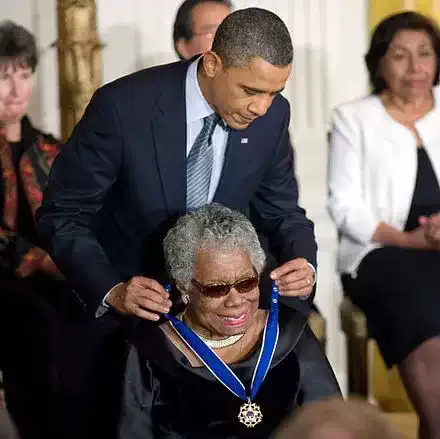
Maya Angelou
Men
Men
When I was young, I used to
Watch behind the curtains
As men walked up and down the street. Wino men, old men.
Young men sharp as mustard.
See them. Men are always
Going somewhere.
They knew I was there. Fifteen
Years old and starving for them.
Under my window, they would pauses,
Their shoulders high like the
Breasts of a young girl,
Jacket tails slapping over
Those behinds,
Men.
One day they hold you in the
Palms of their hands, gentle, as if you
Were the last raw egg in the world. Then
They tighten up. Just a little. The
First squeeze is nice. A quick hug.
Soft into your defenselessness. A little
More. The hurt begins. Wrench out a
Smile that slides around the fear. When the
Air disappears,
Your mind pops, exploding fiercely, briefly,
Like the head of a kitchen match. Shattered.
It is your juice
That runs down their legs. Staining their shoes.
When the earth rights itself again,
And taste tries to return to the tongue,
Your body has slammed shut. Forever.
No keys exist.
Then the window draws full upon
Your mind. There, just beyond
The sway of curtains, men walk.
Knowing something.
Going someplace.
But this time, I will simply
Stand and watch.
Maybe.
When I was young, I used to
Watch behind the curtains
As men walked up and down the street. Wino men, old men.
Young men sharp as mustard.
See them. Men are always
Going somewhere.
They knew I was there. Fifteen
Years old and starving for them.
Under my window, they would pauses,
Their shoulders high like the
Breasts of a young girl,
Jacket tails slapping over
Those behinds,
Men.
One day they hold you in the
Palms of their hands, gentle, as if you
Were the last raw egg in the world. Then
They tighten up. Just a little. The
First squeeze is nice. A quick hug.
Soft into your defenselessness. A little
More. The hurt begins. Wrench out a
Smile that slides around the fear. When the
Air disappears,
Your mind pops, exploding fiercely, briefly,
Like the head of a kitchen match. Shattered.
It is your juice
That runs down their legs. Staining their shoes.
When the earth rights itself again,
And taste tries to return to the tongue,
Your body has slammed shut. Forever.
No keys exist.
Then the window draws full upon
Your mind. There, just beyond
The sway of curtains, men walk.
Knowing something.
Going someplace.
But this time, I will simply
Stand and watch.
Maybe.
179

Kazi Nazrul Islam
Song of the Student
Song of the Student
We are the power, we are the strength,
We the band of students.
The stormy wind makes obeisance tonus
And clouds and airships bow
Before us, the students class.
We can move in the darkness of the night
Needing no guiding light.
We walk with bare feet
Ever ready to dangers meet.
We move like a terrific flood
Making the stony earth scarlet with our blood.
Throughout the ages
Our blood has wet this soil.
We are not afraid of work or toil,
We the student class.
We hold the reins of the horse
Of the great King Deat.
Our lifeless corpse
Will write the history of our fights.
In the country of laughter, whenever needed,
We bring tears, bitter and cold.
We the students, mighty bold.
When everybody gives wise counsel
We are the people who err.
When the cautious one builds embankments
We sit still and do not stir.
We are the dare-devil youth
Who care for none,
We make our path slippery with blood,
We the student class.
The light of knowledge shines in our eyes,
And in our hearts burn boble ideas.
On our lips dwell no lies,
Which only proclaim
Effortlessly and with ease
The call of all times,
That has survived through war and peace,
And we have made the white lilies
Purple with our blood,
We the students; who move like a mighty flood.
In these terrible days of revolution
We are eager to march ahead and fight,
So that light may burst out
Ending the eternal darkness of the night.
In us seeks the twentieth century
Her emancipation.
With our tears of glory
The mother-earth clothes herself
In resignation.
There is no fear of death for us,
The mighty student class.
We dream of a joyous future, gay and bright,
Built on hope and love,
The milky-way in the sky
Shows us our path, straight and wide.
Let the dream of millions come true and right,
Let them see the splendid sight
Through the eyes of us.
The student class.
Translation: Kabir Chowdhury
We are the power, we are the strength,
We the band of students.
The stormy wind makes obeisance tonus
And clouds and airships bow
Before us, the students class.
We can move in the darkness of the night
Needing no guiding light.
We walk with bare feet
Ever ready to dangers meet.
We move like a terrific flood
Making the stony earth scarlet with our blood.
Throughout the ages
Our blood has wet this soil.
We are not afraid of work or toil,
We the student class.
We hold the reins of the horse
Of the great King Deat.
Our lifeless corpse
Will write the history of our fights.
In the country of laughter, whenever needed,
We bring tears, bitter and cold.
We the students, mighty bold.
When everybody gives wise counsel
We are the people who err.
When the cautious one builds embankments
We sit still and do not stir.
We are the dare-devil youth
Who care for none,
We make our path slippery with blood,
We the student class.
The light of knowledge shines in our eyes,
And in our hearts burn boble ideas.
On our lips dwell no lies,
Which only proclaim
Effortlessly and with ease
The call of all times,
That has survived through war and peace,
And we have made the white lilies
Purple with our blood,
We the students; who move like a mighty flood.
In these terrible days of revolution
We are eager to march ahead and fight,
So that light may burst out
Ending the eternal darkness of the night.
In us seeks the twentieth century
Her emancipation.
With our tears of glory
The mother-earth clothes herself
In resignation.
There is no fear of death for us,
The mighty student class.
We dream of a joyous future, gay and bright,
Built on hope and love,
The milky-way in the sky
Shows us our path, straight and wide.
Let the dream of millions come true and right,
Let them see the splendid sight
Through the eyes of us.
The student class.
Translation: Kabir Chowdhury
672
Kazi Nazrul Islam
Irrepressible Youth
Irrepressible Youth
O restless and impetuous youth!
Who hid thy face with the mask of wisdom
And clothed thee with the apparel of patience?
All the morality-mongers advise restraint
For the arrogant power of youth
Only to hide their own inner fears.
O thou impetuous! Who fettered thy flying wings?
Fearless youth! Thou, who from the crowd
Of begging weaklings, used to snatch light
Out of the womb of darkness, dost rest today
In thy nest,
How couldst thou check
Thy terrific onrush of life at the bidding
Of those whose spine is broken by
The cold touch of the polar wind and
Whose life is made powerless by the shadow of
hardened frost.
How strange to see the lion of the desert
Meekly enter the cage and submit to punishment!
Those who to want create to and yet are afraid to destroy
Are themselves victims of destruction first.
What fool says that thou canst kindle the fire
Without burning firewood? How
Canst thou get the shade of the forest
If the seed does not supply the life?
The swift flowing river as it rushes madly on
Impelled by its richness of life erodes the
two banks
And yet, at the same time, makes the flowers blossom.
She is thirsty for the sea and knows not
Who is her friend or foe. She cares
Not how many boats she sinks. All she
Wants is ever to be on the move, for that is
Her religion, Who ever heard that the breakers
Of the sea quietly slept lest two merchant ships sank?
Will not the elephant walk on the roads
Lest it tramples an ant under its feet?
Will not the mighty fire burn lest
It destroys healths and homes?
Will the sight of gaping, tattered roofs
Make the rains cease its heavy downpour?
Will the summer storms fail to come
Lest the trees in the woods tumble arid break?
Will there be no eagle because the timid
Baby-Lamb might take fright at his sight ?
O uncalculating youth,
Thou dost never waste thy time making out
The balance sheet of loss and gain !
O tempestuous youth, wake up!
Come like a tornado, trampling everything that falls
In front of thee, in causeless glee.
Bring generous life, wide as the horizons,
And a mighty current of motion strong enough
To wash tile debris off the banks
In a wild rush.
Embrace sorrow with a stout heart
And laugh loudly with frankness and joy.
Freedom will come later, but sing now
Of the fresh and the young. Untimely and
Ugly sickness has attacked the kingdom of youth.
This nation is inert as the dead
Long before its real decease. Open the iron door
And let joy unbounded flow
Like the smooth easy flight of the pigeons
In the blue firmament. Rush into the ocean
For no reason and climb the peak
Of that distant hill! If thou meetest
Death round the corner, embrace him as thy comrade.
Get rid of all the prejudices that reside
Inside thy heart and outside of thee, All the swords
Of Ali are rusted today and gone to seed!
[Original: Durbar joubon; Translation: Kabir Chowdhury]
O restless and impetuous youth!
Who hid thy face with the mask of wisdom
And clothed thee with the apparel of patience?
All the morality-mongers advise restraint
For the arrogant power of youth
Only to hide their own inner fears.
O thou impetuous! Who fettered thy flying wings?
Fearless youth! Thou, who from the crowd
Of begging weaklings, used to snatch light
Out of the womb of darkness, dost rest today
In thy nest,
How couldst thou check
Thy terrific onrush of life at the bidding
Of those whose spine is broken by
The cold touch of the polar wind and
Whose life is made powerless by the shadow of
hardened frost.
How strange to see the lion of the desert
Meekly enter the cage and submit to punishment!
Those who to want create to and yet are afraid to destroy
Are themselves victims of destruction first.
What fool says that thou canst kindle the fire
Without burning firewood? How
Canst thou get the shade of the forest
If the seed does not supply the life?
The swift flowing river as it rushes madly on
Impelled by its richness of life erodes the
two banks
And yet, at the same time, makes the flowers blossom.
She is thirsty for the sea and knows not
Who is her friend or foe. She cares
Not how many boats she sinks. All she
Wants is ever to be on the move, for that is
Her religion, Who ever heard that the breakers
Of the sea quietly slept lest two merchant ships sank?
Will not the elephant walk on the roads
Lest it tramples an ant under its feet?
Will not the mighty fire burn lest
It destroys healths and homes?
Will the sight of gaping, tattered roofs
Make the rains cease its heavy downpour?
Will the summer storms fail to come
Lest the trees in the woods tumble arid break?
Will there be no eagle because the timid
Baby-Lamb might take fright at his sight ?
O uncalculating youth,
Thou dost never waste thy time making out
The balance sheet of loss and gain !
O tempestuous youth, wake up!
Come like a tornado, trampling everything that falls
In front of thee, in causeless glee.
Bring generous life, wide as the horizons,
And a mighty current of motion strong enough
To wash tile debris off the banks
In a wild rush.
Embrace sorrow with a stout heart
And laugh loudly with frankness and joy.
Freedom will come later, but sing now
Of the fresh and the young. Untimely and
Ugly sickness has attacked the kingdom of youth.
This nation is inert as the dead
Long before its real decease. Open the iron door
And let joy unbounded flow
Like the smooth easy flight of the pigeons
In the blue firmament. Rush into the ocean
For no reason and climb the peak
Of that distant hill! If thou meetest
Death round the corner, embrace him as thy comrade.
Get rid of all the prejudices that reside
Inside thy heart and outside of thee, All the swords
Of Ali are rusted today and gone to seed!
[Original: Durbar joubon; Translation: Kabir Chowdhury]
592
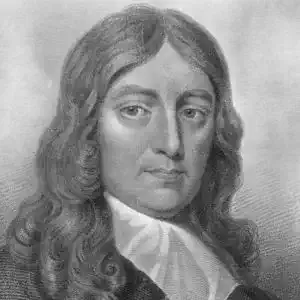
John Milton
How Soon Hath Time
How Soon Hath Time
How soon hath Time, the subtle thief of youth,
Stoln on his wing my three and twentieth year!
My hasting days fly on wtih full career,
But my late spring no bud or blossom shew'th.
Perhaps my semblance might deceive the truth,
That I to manhood am arrived so near,
And inward ripeness doth much less appear,
That some more timely-happy spirits endu'th.
Yet be it less or more, or soon or slow,
It shall be still in strictest measure even
To that same lot, however mean or high,
Toward which Time leads me, and the will of Heaven;
All is, if I have grace to use it so,
As ever in my great Taskmaster's eye.
How soon hath Time, the subtle thief of youth,
Stoln on his wing my three and twentieth year!
My hasting days fly on wtih full career,
But my late spring no bud or blossom shew'th.
Perhaps my semblance might deceive the truth,
That I to manhood am arrived so near,
And inward ripeness doth much less appear,
That some more timely-happy spirits endu'th.
Yet be it less or more, or soon or slow,
It shall be still in strictest measure even
To that same lot, however mean or high,
Toward which Time leads me, and the will of Heaven;
All is, if I have grace to use it so,
As ever in my great Taskmaster's eye.
563
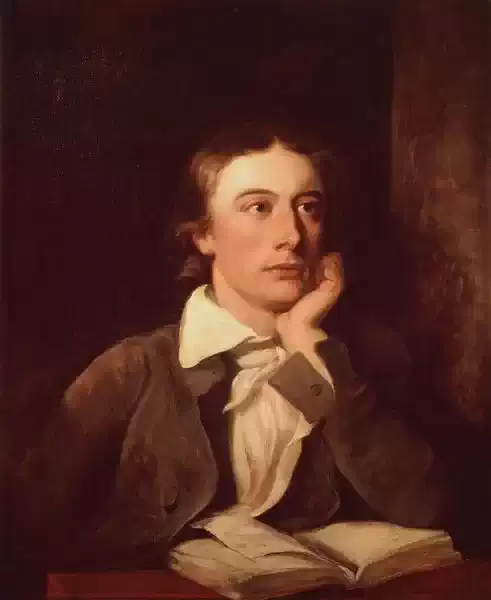
John Keats
O Blush Not So!
O Blush Not So!
O BLUSH not so! O blush not so!
Or I shall think you knowing;
And if you smile the blushing while,
Then maidenheads are going.
There's a blush for want, and a blush for shan't,
And a blush for having done it;
There's a blush for thought, and a blush for nought,
And a blush for just begun it.
O sigh not so! O sigh not so!
For it sounds of Eve's sweet pippin;
By these loosen'd lips you have tasted the pips
And fought in an amorous nipping.
Will you play once more at nice-cut-core,
For it only will last our youth out,
And we have the prime of the kissing time,
We have not one sweet tooth out.
There's a sigh for aye, and a sigh for nay,
And a sigh for "I can't bear it!"
O what can be done, shall we stay or run?
O cut the sweet apple and share it!
O BLUSH not so! O blush not so!
Or I shall think you knowing;
And if you smile the blushing while,
Then maidenheads are going.
There's a blush for want, and a blush for shan't,
And a blush for having done it;
There's a blush for thought, and a blush for nought,
And a blush for just begun it.
O sigh not so! O sigh not so!
For it sounds of Eve's sweet pippin;
By these loosen'd lips you have tasted the pips
And fought in an amorous nipping.
Will you play once more at nice-cut-core,
For it only will last our youth out,
And we have the prime of the kissing time,
We have not one sweet tooth out.
There's a sigh for aye, and a sigh for nay,
And a sigh for "I can't bear it!"
O what can be done, shall we stay or run?
O cut the sweet apple and share it!
534
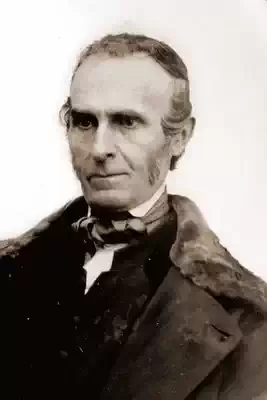
John Greenleaf Whittier
The Hero
The Hero
'O for a knight like Bayard,
Without reproach or fear;
My light glove on his casque of steel,
My love-knot on his spear!
'O for the white plume floating
Sad Zutphen's field above,
The lion heart in battle,
The woman's heart in love!
'O that man once more were manly,
Woman's pride, and not her scorn
That once more the pale young mother
Dared to boast `a man is born'!
'But, now life's slumberous current
No sun-bowed cascade wakes;
No tall, heroic manhood
The level dulness breaks.
'O for a knight like Bayard,
Without reproach or fear!
My light glove on his casque of steel
My love-knot on his spear!'
Then I said, my own heart throbbing
To the time her proud pulse beat,
'Life hath its regal natures yet,True,
tender, brave, and sweet!
'Smile not, fair unbeliever!
One man, at least, I know,
Who might wear the crest of Bayard
Or Sydney's plume of snow.
'Once, when over purple mountains
Died away the Grecian sun,
And the far Cyllenian ranges
Paled and darkened, one by one,
'Fell the Turk, a bolt of thunder,
Cleaving all the quiet sky,
And against his sharp steel lightnings
Stood the Suliote but to die.
'Woe for the weak and halting!
The crescent blazed behind
A curving line of sabres
Like fire before the wind!
'Last to fly, and first to rally,
Rode he of whom I speak,
When, groaning in his bridle path,
Sank down like a wounded Greek.
'With the rich Albanian costume
Wet with many a ghastly stain,
Gazing on earth and sky as one
Who might not gaze again!
'He looked forward to the mountains,
Back on foes that never spare,
Then flung him from his saddle,
And place the stranger there.
''Allah! hu!' Through flashing sabres,
Through a stormy hail of lead,
The good Thessalian charger
Up the slopes of olives sped.
'Hot spurred the turbaned riders;
He almost felt their breath,
Where a mountain stream rolled darkly down
Between the hills and death.
'One brave and manful struggle,He
gained the solid land,
And the cover of the mountains,
And the carbines of his band!'
'It was very great and noble,'
Said the moist-eyed listener then,
'But one brave deed makes no hero;
Tell me what he since hath been!'
'Still a brave and generous manhood,
Still and honor without stain,
In the prison of the Kaiser,
By the barricades of Seine.
'But dream not helm and harness
The sign of valor true;
Peace bath higher tests of manhood
Than battle ever knew.
'Wouldst know him now? Behold him,
The Cadmus of the blind,
Giving the dumb lip language,
The idiot clay a mind.
'Walking his round of duty
Serenely day by day,
With the strong man's hand of labor
And childhood's heart of play.
'True as the knights of story,
Sir Lancelot and his peers,
Brave in his calm endurance
As they in tilt of spears.
'As waves in stillest waters,
As stars in noonday skies,
All that wakes to noble action
In his noon of calmness lies.
'Wherever outraged Nature
Asks word or action brave,
Wherever struggles labor,
Wherever groans a slave,
'Wherever rise the peoples,
Wherever sinks a throne,
The throbbing heart of Freedom finds
An answer in his own.
'Knight of a better era,
Without reproach or fear!
Said I not well that Bayards
And Sidneys still are here?
'O for a knight like Bayard,
Without reproach or fear;
My light glove on his casque of steel,
My love-knot on his spear!
'O for the white plume floating
Sad Zutphen's field above,
The lion heart in battle,
The woman's heart in love!
'O that man once more were manly,
Woman's pride, and not her scorn
That once more the pale young mother
Dared to boast `a man is born'!
'But, now life's slumberous current
No sun-bowed cascade wakes;
No tall, heroic manhood
The level dulness breaks.
'O for a knight like Bayard,
Without reproach or fear!
My light glove on his casque of steel
My love-knot on his spear!'
Then I said, my own heart throbbing
To the time her proud pulse beat,
'Life hath its regal natures yet,True,
tender, brave, and sweet!
'Smile not, fair unbeliever!
One man, at least, I know,
Who might wear the crest of Bayard
Or Sydney's plume of snow.
'Once, when over purple mountains
Died away the Grecian sun,
And the far Cyllenian ranges
Paled and darkened, one by one,
'Fell the Turk, a bolt of thunder,
Cleaving all the quiet sky,
And against his sharp steel lightnings
Stood the Suliote but to die.
'Woe for the weak and halting!
The crescent blazed behind
A curving line of sabres
Like fire before the wind!
'Last to fly, and first to rally,
Rode he of whom I speak,
When, groaning in his bridle path,
Sank down like a wounded Greek.
'With the rich Albanian costume
Wet with many a ghastly stain,
Gazing on earth and sky as one
Who might not gaze again!
'He looked forward to the mountains,
Back on foes that never spare,
Then flung him from his saddle,
And place the stranger there.
''Allah! hu!' Through flashing sabres,
Through a stormy hail of lead,
The good Thessalian charger
Up the slopes of olives sped.
'Hot spurred the turbaned riders;
He almost felt their breath,
Where a mountain stream rolled darkly down
Between the hills and death.
'One brave and manful struggle,He
gained the solid land,
And the cover of the mountains,
And the carbines of his band!'
'It was very great and noble,'
Said the moist-eyed listener then,
'But one brave deed makes no hero;
Tell me what he since hath been!'
'Still a brave and generous manhood,
Still and honor without stain,
In the prison of the Kaiser,
By the barricades of Seine.
'But dream not helm and harness
The sign of valor true;
Peace bath higher tests of manhood
Than battle ever knew.
'Wouldst know him now? Behold him,
The Cadmus of the blind,
Giving the dumb lip language,
The idiot clay a mind.
'Walking his round of duty
Serenely day by day,
With the strong man's hand of labor
And childhood's heart of play.
'True as the knights of story,
Sir Lancelot and his peers,
Brave in his calm endurance
As they in tilt of spears.
'As waves in stillest waters,
As stars in noonday skies,
All that wakes to noble action
In his noon of calmness lies.
'Wherever outraged Nature
Asks word or action brave,
Wherever struggles labor,
Wherever groans a slave,
'Wherever rise the peoples,
Wherever sinks a throne,
The throbbing heart of Freedom finds
An answer in his own.
'Knight of a better era,
Without reproach or fear!
Said I not well that Bayards
And Sidneys still are here?
242
John Greenleaf Whittier
Memories
Memories
A beautiful and happy girl,
With step as light as summer air,
Eyes glad with smiles, and brow of pearl,
Shadowed by many a careless curl
Of unconfined and flowing hair;
A seeming child in everything,
Save thoughtful brow and ripening charms,
As Nature wears the smile of Spring
When sinking into Summer's arms.
A mind rejoicing in the light
Which melted through its graceful bower,
Leaf after leaf, dew-moist and bright,
And stainless in its holy white,
Unfolding like a morning flower
A heart, which, like a fine-toned lute,
With every breath of feeling woke,
And, even when the tongue was mute,
From eye and lip in music spoke.
How thrills once more the lengthening chain
Of memory, at the thought of thee!
Old hopes which long in dust have lain
Old dreams, come thronging back again,
And boyhood lives again in me;
I feel its glow upon my cheek,
Its fulness of the heart is mine,
As when I leaned to hear thee speak,
Or raised my doubtful eye to thine.
I hear again thy low replies,
I feel thy arm within my own,
And timidly again uprise
The fringed lids of hazel eyes,
With soft brown tresses overblown.
Ah! memories of sweet summer eves,
Of moonlit wave and willowy way,
Of stars and flowers, and dewy leaves,
And smiles and tones more dear than they!
Ere this, thy quiet eye hath smiled
My picture of thy youth to see,
When, half a woman, half a child,
Thy very artlessness beguiled,
And folly's self seemed wise in thee;
I too can smile, when o'er that hour
The lights of memory backward stream,
Yet feel the while that manhood's power
Is vainer than my boyhood's dream.
Years have passed on, and left their trace,
Of graver care and deeper thought;
And unto me the calm, cold face
Of manhood, and to thee the grace
Of woman's pensive beauty brought.
More wide, perchance, for blame than praise,
The school-boy's humble name has flown;
Thine, in the green and quiet ways
Of unobtrusive goodness known.
And wider yet in thought and deed
Diverge our pathways, one in youth;
Thine the Genevan's sternest creed,
While answers to my spirit's need
The Derby dalesman's simple truth.
For thee, the priestly rite and prayer,
And holy day, and solemn psalm;
For me, the silent reverence where
My brethren gather, slow and calm.
Yet hath thy spirit left on me
An impress Time has worn not out,
And something of myself in thee,
A shadow from the past, I see,
Lingering, even yet, thy way about;
Not wholly can the heart unlearn
That lesson of its better hours,
Not yet has Time's dull footstep worn
To common dust that path of flowers.
Thus, while at times before our eyes
The shadows melt, and fall apart,
And, smiling through them, round us lies
The warm light of our morning skies,-The
Indian Summer of the heart!
In secret sympathies of mind,
In founts of feeling which retain
Their pure, fresh flow, we yet may find
Our early dreams not wholly vain
A beautiful and happy girl,
With step as light as summer air,
Eyes glad with smiles, and brow of pearl,
Shadowed by many a careless curl
Of unconfined and flowing hair;
A seeming child in everything,
Save thoughtful brow and ripening charms,
As Nature wears the smile of Spring
When sinking into Summer's arms.
A mind rejoicing in the light
Which melted through its graceful bower,
Leaf after leaf, dew-moist and bright,
And stainless in its holy white,
Unfolding like a morning flower
A heart, which, like a fine-toned lute,
With every breath of feeling woke,
And, even when the tongue was mute,
From eye and lip in music spoke.
How thrills once more the lengthening chain
Of memory, at the thought of thee!
Old hopes which long in dust have lain
Old dreams, come thronging back again,
And boyhood lives again in me;
I feel its glow upon my cheek,
Its fulness of the heart is mine,
As when I leaned to hear thee speak,
Or raised my doubtful eye to thine.
I hear again thy low replies,
I feel thy arm within my own,
And timidly again uprise
The fringed lids of hazel eyes,
With soft brown tresses overblown.
Ah! memories of sweet summer eves,
Of moonlit wave and willowy way,
Of stars and flowers, and dewy leaves,
And smiles and tones more dear than they!
Ere this, thy quiet eye hath smiled
My picture of thy youth to see,
When, half a woman, half a child,
Thy very artlessness beguiled,
And folly's self seemed wise in thee;
I too can smile, when o'er that hour
The lights of memory backward stream,
Yet feel the while that manhood's power
Is vainer than my boyhood's dream.
Years have passed on, and left their trace,
Of graver care and deeper thought;
And unto me the calm, cold face
Of manhood, and to thee the grace
Of woman's pensive beauty brought.
More wide, perchance, for blame than praise,
The school-boy's humble name has flown;
Thine, in the green and quiet ways
Of unobtrusive goodness known.
And wider yet in thought and deed
Diverge our pathways, one in youth;
Thine the Genevan's sternest creed,
While answers to my spirit's need
The Derby dalesman's simple truth.
For thee, the priestly rite and prayer,
And holy day, and solemn psalm;
For me, the silent reverence where
My brethren gather, slow and calm.
Yet hath thy spirit left on me
An impress Time has worn not out,
And something of myself in thee,
A shadow from the past, I see,
Lingering, even yet, thy way about;
Not wholly can the heart unlearn
That lesson of its better hours,
Not yet has Time's dull footstep worn
To common dust that path of flowers.
Thus, while at times before our eyes
The shadows melt, and fall apart,
And, smiling through them, round us lies
The warm light of our morning skies,-The
Indian Summer of the heart!
In secret sympathies of mind,
In founts of feeling which retain
Their pure, fresh flow, we yet may find
Our early dreams not wholly vain
293
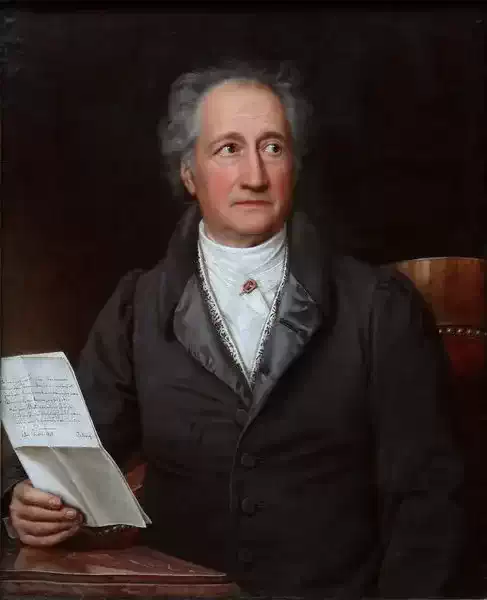
Johann Wolfgang von Goethe
Maiden Wishes
Maiden Wishes
WHAT pleasure to me
A bridegroom would be!
When married we are,
They call us mamma.
No need then to sew,
To school we ne'er go;
Command uncontroll'd,
Have maids, whom to scold;
Choose clothes at our ease,
Of what tradesmen we please;
Walk freely about,
And go to each rout,
And unrestrained are
By papa or mamma.
WHAT pleasure to me
A bridegroom would be!
When married we are,
They call us mamma.
No need then to sew,
To school we ne'er go;
Command uncontroll'd,
Have maids, whom to scold;
Choose clothes at our ease,
Of what tradesmen we please;
Walk freely about,
And go to each rout,
And unrestrained are
By papa or mamma.
336
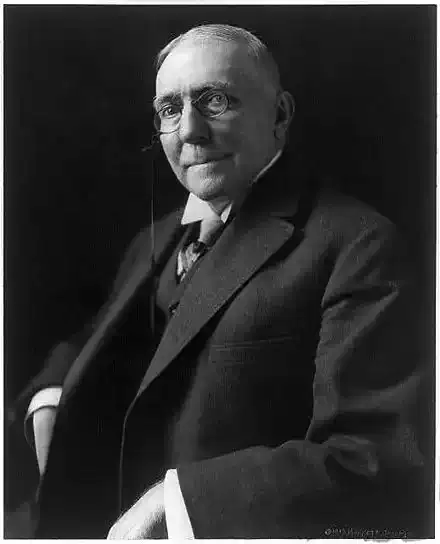
James Whitcomb Riley
The Same Old Story
The Same Old Story
The same old story told again--
The maiden droops her head,
The ripening glow of her crimson cheek
Is answering in her stead.
The pleading tone of a trembling voice
Is telling her the way
He loved her when his heart was young
In Youth's sunshiny day:
The trembling tongue, the longing tone,
Imploringly ask why
They can not be as happy now
As in the days gone by.
And two more hearts, tumultuous
With overflowing joy,
Are dancing to the music
Which that dear, provoking boy
Is twanging on his bowstring,
As, fluttering his wings,
He sends his love-charged arrows
While merrily be sings:
'Ho! ho! my dainty maiden,
It surely can not be
You are thinking you are master
Of your heart, when it is me.'
And another gleaming arrow
Does the little god's behest,
And the dainty little maiden
Falls upon her lover's breast.
'The same old story told again,'
And listened o'er and o'er,
Will still be new, and pleasing, too,
Till 'Time shall be no more.'
The same old story told again--
The maiden droops her head,
The ripening glow of her crimson cheek
Is answering in her stead.
The pleading tone of a trembling voice
Is telling her the way
He loved her when his heart was young
In Youth's sunshiny day:
The trembling tongue, the longing tone,
Imploringly ask why
They can not be as happy now
As in the days gone by.
And two more hearts, tumultuous
With overflowing joy,
Are dancing to the music
Which that dear, provoking boy
Is twanging on his bowstring,
As, fluttering his wings,
He sends his love-charged arrows
While merrily be sings:
'Ho! ho! my dainty maiden,
It surely can not be
You are thinking you are master
Of your heart, when it is me.'
And another gleaming arrow
Does the little god's behest,
And the dainty little maiden
Falls upon her lover's breast.
'The same old story told again,'
And listened o'er and o'er,
Will still be new, and pleasing, too,
Till 'Time shall be no more.'
282
James Whitcomb Riley
Philiper Flash
Philiper Flash
Young Philiper Flash was a promising lad,
His intentions were good--but oh, how sad
For a person to think
How the veriest pink
And bloom of perfection may turn out bad.
Old Flash himself was a moral man,
And prided himself on a moral plan,
Of a maxim as old
As the calf of gold,
Of making that boy do what he was told.
And such a good mother had Philiper Flash;
Her voice was as soft as the creamy plash
Of the milky wave
With its musical lave
That gushed through the holes of her patent churn-dash;--
And the excellent woman loved Philiper so,
She could cry sometimes when he stumped his toe,--
And she stroked his hair
With such motherly care
When the dear little angel learned to swear.
Old Flash himself would sometimes say
That his wife had 'such a ridiculous way,-She'd,
humor that child
Till he'd soon be sp'iled,
And then there'd be the devil to pay!'
And the excellent wife, with a martyr's look,
Would tell old Flash himself 'he took
No notice at all
Of the bright-eyed doll
Unless when he spanked him for getting a fall!'
Young Philiper Flash, as time passed by,
Grew into 'a boy with a roguish eye':
He could smoke a cigar,
And seemed by far
The most promising youth.--'He's powerful sly,
Old Flash himself once told a friend,
'Every copper he gets he's sure to spend--
And,' said he, 'don't you know
If he keeps on so
What a crop of wild oats the boy will grow!'
But his dear good mother knew Philiper's ways
So--well, she managed the money to raise;
And old Flash himself
Was 'laid on the shelf,'
(In the manner of speaking we have nowadays).
For 'gracious knows, her darling child,
If he went without money he'd soon grow wild.'
So Philiper Flash
With a regular dash
'Swung on to the reins,' and went 'slingin' the cash.'
As old Flash himself, in his office one day,
Was shaving notes in a barberous way,
At the hour of four
Death entered the door
And shaved the note on his life, they say.
And he had for his grave a magnificent tomb,
Though the venturous finger that pointed 'Gone Home,'
Looked white and cold
From being so bold,
As it feared that a popular lie was told.
Young Philiper Flash was a man of style
When he first began unpacking the pile
Of the dollars and dimes
Whose jingling chimes
Had clinked to the tune of his father's smile;
And he strewed his wealth with such lavish hand,
His rakish ways were the talk of the land,
And gossipers wise
Sat winking their eyes
(A certain foreboding of fresh surprise).
A 'fast young man' was Philiper Flash,
And wore 'loud clothes' and a weak mustache,
And 'done the Park,'
For an 'afternoon lark,'
With a very fast horse of 'remarkable dash.'
And Philiper handled a billiard-cue
About as well as the best he knew,
And used to say
'He could make it pay
By playing two or three games a day.'
And Philiper Flash was his mother's joy,
He seemed to her the magic alloy
That made her glad,
When her heart was sad,
With the thought that 'she lived for her darling boy.'
His dear good mother wasn't aware
How her darling boy relished a 'tare.'--
She said 'one night
He gave her a fright
By coming home late and ACTING tight.'
Young Philiper Flash, on a winterish day,
Was published a bankrupt, so they say--
And as far as I know
I suppose it was so,
For matters went on in a singular way;
His excellent mother, I think I was told,
Died from exposure and want and cold;
And Philiper Flash,
With a horrible slash,
Whacked his jugular open and went to smash.
Young Philiper Flash was a promising lad,
His intentions were good--but oh, how sad
For a person to think
How the veriest pink
And bloom of perfection may turn out bad.
Old Flash himself was a moral man,
And prided himself on a moral plan,
Of a maxim as old
As the calf of gold,
Of making that boy do what he was told.
And such a good mother had Philiper Flash;
Her voice was as soft as the creamy plash
Of the milky wave
With its musical lave
That gushed through the holes of her patent churn-dash;--
And the excellent woman loved Philiper so,
She could cry sometimes when he stumped his toe,--
And she stroked his hair
With such motherly care
When the dear little angel learned to swear.
Old Flash himself would sometimes say
That his wife had 'such a ridiculous way,-She'd,
humor that child
Till he'd soon be sp'iled,
And then there'd be the devil to pay!'
And the excellent wife, with a martyr's look,
Would tell old Flash himself 'he took
No notice at all
Of the bright-eyed doll
Unless when he spanked him for getting a fall!'
Young Philiper Flash, as time passed by,
Grew into 'a boy with a roguish eye':
He could smoke a cigar,
And seemed by far
The most promising youth.--'He's powerful sly,
Old Flash himself once told a friend,
'Every copper he gets he's sure to spend--
And,' said he, 'don't you know
If he keeps on so
What a crop of wild oats the boy will grow!'
But his dear good mother knew Philiper's ways
So--well, she managed the money to raise;
And old Flash himself
Was 'laid on the shelf,'
(In the manner of speaking we have nowadays).
For 'gracious knows, her darling child,
If he went without money he'd soon grow wild.'
So Philiper Flash
With a regular dash
'Swung on to the reins,' and went 'slingin' the cash.'
As old Flash himself, in his office one day,
Was shaving notes in a barberous way,
At the hour of four
Death entered the door
And shaved the note on his life, they say.
And he had for his grave a magnificent tomb,
Though the venturous finger that pointed 'Gone Home,'
Looked white and cold
From being so bold,
As it feared that a popular lie was told.
Young Philiper Flash was a man of style
When he first began unpacking the pile
Of the dollars and dimes
Whose jingling chimes
Had clinked to the tune of his father's smile;
And he strewed his wealth with such lavish hand,
His rakish ways were the talk of the land,
And gossipers wise
Sat winking their eyes
(A certain foreboding of fresh surprise).
A 'fast young man' was Philiper Flash,
And wore 'loud clothes' and a weak mustache,
And 'done the Park,'
For an 'afternoon lark,'
With a very fast horse of 'remarkable dash.'
And Philiper handled a billiard-cue
About as well as the best he knew,
And used to say
'He could make it pay
By playing two or three games a day.'
And Philiper Flash was his mother's joy,
He seemed to her the magic alloy
That made her glad,
When her heart was sad,
With the thought that 'she lived for her darling boy.'
His dear good mother wasn't aware
How her darling boy relished a 'tare.'--
She said 'one night
He gave her a fright
By coming home late and ACTING tight.'
Young Philiper Flash, on a winterish day,
Was published a bankrupt, so they say--
And as far as I know
I suppose it was so,
For matters went on in a singular way;
His excellent mother, I think I was told,
Died from exposure and want and cold;
And Philiper Flash,
With a horrible slash,
Whacked his jugular open and went to smash.
280
James Whitcomb Riley
Grant At Rest-- August 8, 1885
Grant At Rest-- August 8, 1885
Sir Launcelot rode overthwart and endlong in a wide forest, and held no
path but as wild adventure led him... And he returned and came again to his
horse, and took off his saddle and his bridle, and let him pasture; and
unlaced his helm, and ungirdled his sword, and laid him down to sleep upon
his shield before the cross. --Age of Chivalary
_Grant_
What shall we say of the soldier. Grant,
His sword put by and his great soul free?
How shall we cheer him now or chant
His requiem befittingly?
The fields of his conquest now are seen
Ranged no more with his armed men--
But the rank and file of the gold and green
Of the waving grain is there again.
Though his valiant life is a nation's pride,
And his death heroic and half divine,
And our grief as great as the world is wide,
There breaks in speech but a single line--:
We loved him living, revere him dead--!
A silence then on our lips is laid:
We can say no thing that has not been said,
Nor pray one prayer that has not been prayed.
But a spirit within us speaks: and lo,
We lean and listen to wondrous words
That have a sound as of winds that blow,
And the voice of waters and low of herds;
And we hear, as the song flows on serene,
The neigh of horses, and then the beat
Of hooves that skurry o'er pastures green,
And the patter and pad of a boy's bare feet.
A brave lad, wearing a manly brow,
Knit as with problems of grave dispute,
And a face, like the bloom of the orchard bough,
Pink and pallid, but resolute;
And flushed it grows as the clover-bloom,
And fresh it gleams as the morning dew,
As he reins his steed where the quick quails boom
Up from the grasses he races through.
And ho! As he rides what dreams are his?
And what have the breezes to suggest--?
Do they whisper to him of shells that whiz
O'er fields made ruddy with wrongs redressed?
Does the hawk above him an Eagle float?
Does he thrill and his boyish heart beat high,
Hearing the ribbon about his throat
Flap as a Flag as the winds go by?
And does he dream of the Warrior's fame--
This Western boy in his rustic dress?
For in miniature, this is the man that came
Riding out of the Wilderness--!
The selfsame figure-- the knitted brow--
The eyes full steady-- the lips full mute--
And the face, like the bloom of the orchard bough,
Pink and pallid, but resolute.
Ay, this is the man, with features grim
And stoical as the Sphinx's own,
That heard the harsh guns calling him,
As musical as the bugle blown,
When the sweet spring heavens were clouded o'er
With a tempest, glowering and wild,
And our country's flag bowed down before
Its bursting wrath as a stricken child.
Thus, ready mounted and booted and spurred,
He loosed his bridle and dashed away--!
Like a roll of drums were his hoof-beats heard,
Like the shriek of the fife his charger's neigh!
And over his shoulder and backward blown,
We heard his voice, and we saw the sod
Reel, as our wild steeds chased his own
As though hurled on by the hand of God!
And still, in fancy, we see him ride
In the blood-red front of a hundred frays,
His face set stolid, but glorified
As a knight's of the old Arthurian days:
And victor ever as courtly too,
Gently lifting the vanquished foe,
And staying him with a hand as true
As dealt the deadly avenging blow.
So brighter than all of the cluster of stars
Of the flag enshrouding his form to-day,
His face shines forth from the grime of wars
With a glory that shall not pass away:
He rests at last: he has borne his part
Of salutes and salvos and cheers on cheers--
But O the sobs of his country's heart,
And the driving rain of a nations tears!
Sir Launcelot rode overthwart and endlong in a wide forest, and held no
path but as wild adventure led him... And he returned and came again to his
horse, and took off his saddle and his bridle, and let him pasture; and
unlaced his helm, and ungirdled his sword, and laid him down to sleep upon
his shield before the cross. --Age of Chivalary
_Grant_
What shall we say of the soldier. Grant,
His sword put by and his great soul free?
How shall we cheer him now or chant
His requiem befittingly?
The fields of his conquest now are seen
Ranged no more with his armed men--
But the rank and file of the gold and green
Of the waving grain is there again.
Though his valiant life is a nation's pride,
And his death heroic and half divine,
And our grief as great as the world is wide,
There breaks in speech but a single line--:
We loved him living, revere him dead--!
A silence then on our lips is laid:
We can say no thing that has not been said,
Nor pray one prayer that has not been prayed.
But a spirit within us speaks: and lo,
We lean and listen to wondrous words
That have a sound as of winds that blow,
And the voice of waters and low of herds;
And we hear, as the song flows on serene,
The neigh of horses, and then the beat
Of hooves that skurry o'er pastures green,
And the patter and pad of a boy's bare feet.
A brave lad, wearing a manly brow,
Knit as with problems of grave dispute,
And a face, like the bloom of the orchard bough,
Pink and pallid, but resolute;
And flushed it grows as the clover-bloom,
And fresh it gleams as the morning dew,
As he reins his steed where the quick quails boom
Up from the grasses he races through.
And ho! As he rides what dreams are his?
And what have the breezes to suggest--?
Do they whisper to him of shells that whiz
O'er fields made ruddy with wrongs redressed?
Does the hawk above him an Eagle float?
Does he thrill and his boyish heart beat high,
Hearing the ribbon about his throat
Flap as a Flag as the winds go by?
And does he dream of the Warrior's fame--
This Western boy in his rustic dress?
For in miniature, this is the man that came
Riding out of the Wilderness--!
The selfsame figure-- the knitted brow--
The eyes full steady-- the lips full mute--
And the face, like the bloom of the orchard bough,
Pink and pallid, but resolute.
Ay, this is the man, with features grim
And stoical as the Sphinx's own,
That heard the harsh guns calling him,
As musical as the bugle blown,
When the sweet spring heavens were clouded o'er
With a tempest, glowering and wild,
And our country's flag bowed down before
Its bursting wrath as a stricken child.
Thus, ready mounted and booted and spurred,
He loosed his bridle and dashed away--!
Like a roll of drums were his hoof-beats heard,
Like the shriek of the fife his charger's neigh!
And over his shoulder and backward blown,
We heard his voice, and we saw the sod
Reel, as our wild steeds chased his own
As though hurled on by the hand of God!
And still, in fancy, we see him ride
In the blood-red front of a hundred frays,
His face set stolid, but glorified
As a knight's of the old Arthurian days:
And victor ever as courtly too,
Gently lifting the vanquished foe,
And staying him with a hand as true
As dealt the deadly avenging blow.
So brighter than all of the cluster of stars
Of the flag enshrouding his form to-day,
His face shines forth from the grime of wars
With a glory that shall not pass away:
He rests at last: he has borne his part
Of salutes and salvos and cheers on cheers--
But O the sobs of his country's heart,
And the driving rain of a nations tears!
311
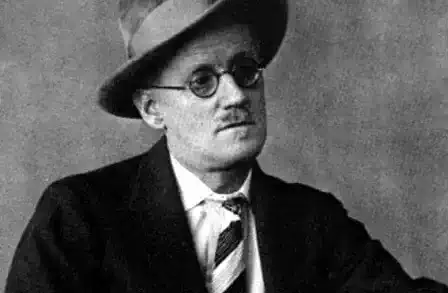
James Joyce
Bid Adieu to Maidenhood
Bid Adieu to Maidenhood
Bid adieu, adieu, adieu,
Bid adieu to girlish days,
Happy Love is come to woo
Thee and woo thy girlish ways—
The zone that doth become thee fair,
The snood upon thy yellow hair,
When thou hast heard his name upon
The bugles of the cherubim
Begin thou softly to unzone
Thy girlish bosom unto him
And softly to undo the snood
That is the sign of maidenhood.
Bid adieu, adieu, adieu,
Bid adieu to girlish days,
Happy Love is come to woo
Thee and woo thy girlish ways—
The zone that doth become thee fair,
The snood upon thy yellow hair,
When thou hast heard his name upon
The bugles of the cherubim
Begin thou softly to unzone
Thy girlish bosom unto him
And softly to undo the snood
That is the sign of maidenhood.
182
Horácio
BkIII:XII Neobule, to Herself
BkIII:XII Neobule, to Herself
Girls are wretched who can’t allow free play to love, or drown their cares
with sweet wine, those who, terrified, go around in fear of a tongue
lashing from one of their uncles.
Neobule, Cytherea’s winged boy snatches your wool stuff away
and your work, your devotion to busy Minerva, whenever
shining Liparean Hebrus,
that lover of yours, has bathed his oiled shoulders in Tiber’s waters,
even better a horseman than Bellerephon, never beaten
through slowness of fists or of feet,
clever too at spearing the deer, as they pour, in a startled herd,
across the wide open spaces, and quick to come at the wild boar
as it lurks in the dense thicket.
Girls are wretched who can’t allow free play to love, or drown their cares
with sweet wine, those who, terrified, go around in fear of a tongue
lashing from one of their uncles.
Neobule, Cytherea’s winged boy snatches your wool stuff away
and your work, your devotion to busy Minerva, whenever
shining Liparean Hebrus,
that lover of yours, has bathed his oiled shoulders in Tiber’s waters,
even better a horseman than Bellerephon, never beaten
through slowness of fists or of feet,
clever too at spearing the deer, as they pour, in a startled herd,
across the wide open spaces, and quick to come at the wild boar
as it lurks in the dense thicket.
254
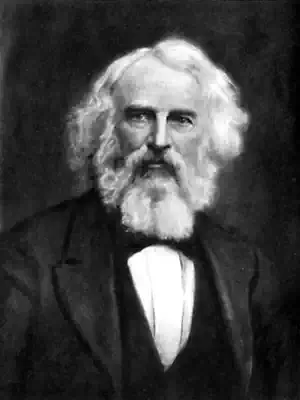
Henry Wadsworth Longfellow
Youth And Age. (Sonnet III.)
Youth And Age. (Sonnet III.)
Oh give me back the days when loose and free
To my blind passion were the curb and rein,
Oh give me back the angelic face again,
With which all virtue buried seems to be!
Oh give my panting footsteps back to me,
That are in age so slow and fraught with pain,
And fire and moisture in the heart and brain,
If thou wouldst have me burn and weep for thee!
If it be true thou livest alone, Amor,
On the sweet-bitter tears of human hearts,
In an old man thou canst not wake desire;
Souls that have almost reached the other shore
Of a diviner love should feel the darts,
And be as tinder to a holier fire.
Oh give me back the days when loose and free
To my blind passion were the curb and rein,
Oh give me back the angelic face again,
With which all virtue buried seems to be!
Oh give my panting footsteps back to me,
That are in age so slow and fraught with pain,
And fire and moisture in the heart and brain,
If thou wouldst have me burn and weep for thee!
If it be true thou livest alone, Amor,
On the sweet-bitter tears of human hearts,
In an old man thou canst not wake desire;
Souls that have almost reached the other shore
Of a diviner love should feel the darts,
And be as tinder to a holier fire.
406
Henry Wadsworth Longfellow
The Song Of Hiawatha IV: Hiawatha And Mudjekeewis
The Song Of Hiawatha IV: Hiawatha And Mudjekeewis
Out of childhood into manhood
Now had grown my Hiawatha,
Skilled in all the craft of hunters,
Learned in all the lore of old men,
In all youthful sports and pastimes,
In all manly arts and labors.
Swift of foot was Hiawatha;
He could shoot an arrow from him,
And run forward with such fleetness,
That the arrow fell behind him!
Strong of arm was Hiawatha;
He could shoot ten arrows upward,
Shoot them with such strength and swiftness,
That the tenth had left the bow-string
Ere the first to earth had fallen!
He had mittens, Minjekahwun,
Magic mittens made of deer-skin;
When upon his hands he wore them,
He could smite the rocks asunder,
He could grind them into powder.
He had moccasins enchanted,
Magic moccasins of deer-skin;
When he bound them round his ankles,
When upon his feet he tied them,
At each stride a mile he measured!
Much he questioned old Nokomis
Of his father Mudjekeewis;
Learned from her the fatal secret
Of the beauty of his mother,
Of the falsehood of his father;
And his heart was hot within him,
Like a living coal his heart was.
Then he said to old Nokomis,
'I will go to Mudjekeewis,
See how fares it with my father,
At the doorways of the West-Wind,
At the portals of the Sunset!'
From his lodge went Hiawatha,
Dressed for travel, armed for hunting;
Dressed in deer-skin shirt and leggings,
Richly wrought with quills and wampum;
On his head his eagle-feathers,
Round his waist his belt of wampum,
In his hand his bow of ash-wood,
Strung with sinews of the reindeer;
In his quiver oaken arrows,
Tipped with jasper, winged with feathers;
With his mittens, Minjekahwun,
With his moccasins enchanted.
Warning said the old Nokomis,
'Go not forth, O Hiawatha!
To the kingdom of the West-Wind,
To the realms of Mudjekeewis,
Lest he harm you with his magic,
Lest he kill you with his cunning!'
But the fearless Hiawatha
Heeded not her woman's warning;
Forth he strode into the forest,
At each stride a mile he measured;
Lurid seemed the sky above him,
Lurid seemed the earth beneath him,
Hot and close the air around him,
Filled with smoke and fiery vapors,
As of burning woods and prairies,
For his heart was hot within him,
Like a living coal his heart was.
So he journeyed westward, westward,
Left the fleetest deer behind him,
Left the antelope and bison;
Crossed the rushing Esconaba,
Crossed the mighty Mississippi,
Passed the Mountains of the Prairie,
Passed the land of Crows and Foxes,
Passed the dwellings of the Blackfeet,
Came unto the Rocky Mountains,
To the kingdom of the West-Wind,
Where upon the gusty summits
Sat the ancient Mudjekeewis,
Ruler of the winds of heaven.
Filled with awe was Hiawatha
At the aspect of his father.
On the air about him wildly
Tossed and streamed his cloudy tresses,
Gleamed like drifting snow his tresses,
Glared like Ishkoodah, the comet,
Like the star with fiery tresses.
Filled with joy was Mudjekeewis
When he looked on Hiawatha,
Saw his youth rise up before him
In the face of Hiawatha,
Saw the beauty of Wenonah
From the grave rise up before him.
'Welcome!' said he, 'Hiawatha,
To the kingdom of the West-Wind
Long have I been waiting for you
Youth is lovely, age is lonely,
Youth is fiery, age is frosty;
You bring back the days departed,
You bring back my youth of passion,
And the beautiful Wenonah!'
Many days they talked together,
Questioned, listened, waited, answered;
Much the mighty Mudjekeewis
Boasted of his ancient prowess,
Of his perilous adventures,
His indomitable courage,
His invulnerable body.
Patiently sat Hiawatha,
Listening to his father's boasting;
With a smile he sat and listened,
Uttered neither threat nor menace,
Neither word nor look betrayed him,
But his heart was hot within him,
Like a living coal his heart was.
Then he said, 'O Mudjekeewis,
Is there nothing that can harm you?
Nothing that you are afraid of?'
And the mighty Mudjekeewis,
Grand and gracious in his boasting,
Answered, saying, 'There is nothing,
Nothing but the black rock yonder,
Nothing but the fatal Wawbeek!'
And he looked at Hiawatha
With a wise look and benignant,
With a countenance paternal,
Looked with pride upon the beauty
Of his tall and graceful figure,
Saying, 'O my Hiawatha!
Is there anything can harm you?
Anything you are afraid of?'
But the wary Hiawatha
Paused awhile, as if uncertain,
Held his peace, as if resolving,
And then answered, 'There is nothing,
Nothing but the bulrush yonder,
Nothing but the great Apukwa!'
And as Mudjekeewis, rising,
Stretched his hand to pluck the bulrush,
Hiawatha cried in terror,
Cried in well-dissembled terror,
'Kago! kago! do not touch it!'
'Ah, kaween!' said Mudjekeewis,
'No indeed, I will not touch it!'
Then they talked of other matters;
First of Hiawatha's brothers,
First of Wabun, of the East-Wind,
Of the South-Wind, Shawondasee,
Of the North, Kabibonokka;
Then of Hiawatha's mother,
Of the beautiful Wenonah,
Of her birth upon the meadow,
Of her death, as old Nokomis
Had remembered and related.
And he cried, 'O Mudjekeewis,
It was you who killed Wenonah,
Took her young life and her beauty,
Broke the Lily of the Prairie,
Trampled it beneath your footsteps;
You confess it! you confess it!'
And the mighty Mudjekeewis
Tossed upon the wind his tresses,
Bowed his hoary head in anguish,
With a silent nod assented.
Then up started Hiawatha,
And with threatening look and gesture
Laid his hand upon the black rock,
On the fatal Wawbeek laid it,
With his mittens, Minjekahwun,
Rent the jutting crag asunder,
Smote and crushed it into fragments,
Hurled them madly at his father,
The remorseful Mudjekeewis,
For his heart was hot within him,
Like a living coal his heart was.
But the ruler of the West-Wind
Blew the fragments backward from him,
With the breathing of his nostrils,
With the tempest of his anger,
Blew them back at his assailant;
Seized the bulrush, the Apukwa,
Dragged it with its roots and fibres
From the margin of the meadow,
From its ooze the giant bulrush;
Long and loud laughed Hiawatha!
Then began the deadly conflict,
Hand to hand among the mountains;
From his eyry screamed the eagle,
The Keneu, the great war-eagle,
Sat upon the crags around them,
Wheeling flapped his wings above them.
Like a tall tree in the tempest
Bent and lashed the giant bulrush;
And in masses huge and heavy
Crashing fell the fatal Wawbeek;
Till the earth shook with the tumult
And confusion of the battle,
And the air was full of shoutings,
And the thunder of the mountains,
Starting, answered, 'Baim-wawa!'
Back retreated Mudjekeewis,
Rushing westward o'er the mountains,
Stumbling westward down the mountains,
Three whole days retreated fighting,
Still pursued by Hiawatha
To the doorways of the West-Wind,
To the portals of the Sunset,
To the earth's remotest border,
Where into the empty spaces
Sinks the sun, as a flamingo
Drops into her nest at nightfall
In the melancholy marshes.
'Hold!' at length cried Mudjekeewis,
'Hold, my son, my Hiawatha!
'T is impossible to kill me,
For you cannot kill the immortal
I have put you to this trial,
But to know and prove your courage;
Now receive the prize of valor!
'Go back to your home and people,
Live among them, toil among them,
Cleanse the earth from all that harms it,
Clear the fishing-grounds and rivers,
Slay all monsters and magicians,
All the Wendigoes, the giants,
All the serpents, the Kenabeeks,
As I slew the Mishe-Mokwa,
Slew the Great Bear of the mountains.
'And at last when Death draws near you,
When the awful eyes of Pauguk
Glare upon you in the darkness,
I will share my kingdom with you,
Ruler shall you be thenceforward
Of the Northwest-Wind, Keewaydin,
Of the home-wind, the Keewaydin.'
Thus was fought that famous battle
In the dreadful days of Shah-shah,
In the days long since departed,
In the kingdom of the West-Wind.
Still the hunter sees its traces
Scattered far o'er hill and valley;
Sees the giant bulrush growing
By the ponds and water-courses,
Sees the masses of the Wawbeek
Lying still in every valley.
Homeward now went Hiawatha;
Pleasant was the landscape round him,
Pleasant was the air above him,
For the bitterness of anger
Had departed wholly from him,
From his brain the thought of vengeance,
From his heart the burning fever.
Only once his pace he slackened,
Only once he paused or halted,
Paused to purchase heads of arrows
Of the ancient Arrow-maker,
In the land of the Dacotahs,
Where the Falls of Minnehaha
Flash and gleam among the oak-trees,
Laugh and leap into the valley.
There the ancient Arrow-maker
Made his arrow-heads of sandstone,
Arrow-heads of chalcedony,
Arrow-heads of flint and jasper,
Smoothed and sharpened at the edges,
Hard and polished, keen and costly.
With him dwelt his dark-eyed daughter,
Wayward as the Minnehaha,
With her moods of shade and sunshine,
Eyes that smiled and frowned alternate,
Feet as rapid as the river,
Tresses flowing like the water,
And as musical a laughter:
And he named her from the river,
From the water-fall he named her,
Minnehaha, Laughing Water.
Was it then for heads of arrows,
Arrow-heads of chalcedony,
Arrow-heads of flint and jasper,
That my Hiawatha halted
In the land of the Dacotahs?
Was it not to see the maiden,
See the face of Laughing Water
Peeping from behind the curtain,
Hear the rustling of her garments
From behind the waving curtain,
As one sees the Minnehaha
Gleaming, glancing through the branches,
As one hears the Laughing Water
From behind its screen of branches?
Who shall say what thoughts and visions
Fill the fiery brains of young men?
Who shall say what dreams of beauty
Filled the heart of Hiawatha?
All he told to old Nokomis,
When he reached the lodge at sunset,
Was the meeting with his father,
Was his fight with Mudjekeewis;
Not a word he said of arrows,
Not a word of Laughing Water.
Out of childhood into manhood
Now had grown my Hiawatha,
Skilled in all the craft of hunters,
Learned in all the lore of old men,
In all youthful sports and pastimes,
In all manly arts and labors.
Swift of foot was Hiawatha;
He could shoot an arrow from him,
And run forward with such fleetness,
That the arrow fell behind him!
Strong of arm was Hiawatha;
He could shoot ten arrows upward,
Shoot them with such strength and swiftness,
That the tenth had left the bow-string
Ere the first to earth had fallen!
He had mittens, Minjekahwun,
Magic mittens made of deer-skin;
When upon his hands he wore them,
He could smite the rocks asunder,
He could grind them into powder.
He had moccasins enchanted,
Magic moccasins of deer-skin;
When he bound them round his ankles,
When upon his feet he tied them,
At each stride a mile he measured!
Much he questioned old Nokomis
Of his father Mudjekeewis;
Learned from her the fatal secret
Of the beauty of his mother,
Of the falsehood of his father;
And his heart was hot within him,
Like a living coal his heart was.
Then he said to old Nokomis,
'I will go to Mudjekeewis,
See how fares it with my father,
At the doorways of the West-Wind,
At the portals of the Sunset!'
From his lodge went Hiawatha,
Dressed for travel, armed for hunting;
Dressed in deer-skin shirt and leggings,
Richly wrought with quills and wampum;
On his head his eagle-feathers,
Round his waist his belt of wampum,
In his hand his bow of ash-wood,
Strung with sinews of the reindeer;
In his quiver oaken arrows,
Tipped with jasper, winged with feathers;
With his mittens, Minjekahwun,
With his moccasins enchanted.
Warning said the old Nokomis,
'Go not forth, O Hiawatha!
To the kingdom of the West-Wind,
To the realms of Mudjekeewis,
Lest he harm you with his magic,
Lest he kill you with his cunning!'
But the fearless Hiawatha
Heeded not her woman's warning;
Forth he strode into the forest,
At each stride a mile he measured;
Lurid seemed the sky above him,
Lurid seemed the earth beneath him,
Hot and close the air around him,
Filled with smoke and fiery vapors,
As of burning woods and prairies,
For his heart was hot within him,
Like a living coal his heart was.
So he journeyed westward, westward,
Left the fleetest deer behind him,
Left the antelope and bison;
Crossed the rushing Esconaba,
Crossed the mighty Mississippi,
Passed the Mountains of the Prairie,
Passed the land of Crows and Foxes,
Passed the dwellings of the Blackfeet,
Came unto the Rocky Mountains,
To the kingdom of the West-Wind,
Where upon the gusty summits
Sat the ancient Mudjekeewis,
Ruler of the winds of heaven.
Filled with awe was Hiawatha
At the aspect of his father.
On the air about him wildly
Tossed and streamed his cloudy tresses,
Gleamed like drifting snow his tresses,
Glared like Ishkoodah, the comet,
Like the star with fiery tresses.
Filled with joy was Mudjekeewis
When he looked on Hiawatha,
Saw his youth rise up before him
In the face of Hiawatha,
Saw the beauty of Wenonah
From the grave rise up before him.
'Welcome!' said he, 'Hiawatha,
To the kingdom of the West-Wind
Long have I been waiting for you
Youth is lovely, age is lonely,
Youth is fiery, age is frosty;
You bring back the days departed,
You bring back my youth of passion,
And the beautiful Wenonah!'
Many days they talked together,
Questioned, listened, waited, answered;
Much the mighty Mudjekeewis
Boasted of his ancient prowess,
Of his perilous adventures,
His indomitable courage,
His invulnerable body.
Patiently sat Hiawatha,
Listening to his father's boasting;
With a smile he sat and listened,
Uttered neither threat nor menace,
Neither word nor look betrayed him,
But his heart was hot within him,
Like a living coal his heart was.
Then he said, 'O Mudjekeewis,
Is there nothing that can harm you?
Nothing that you are afraid of?'
And the mighty Mudjekeewis,
Grand and gracious in his boasting,
Answered, saying, 'There is nothing,
Nothing but the black rock yonder,
Nothing but the fatal Wawbeek!'
And he looked at Hiawatha
With a wise look and benignant,
With a countenance paternal,
Looked with pride upon the beauty
Of his tall and graceful figure,
Saying, 'O my Hiawatha!
Is there anything can harm you?
Anything you are afraid of?'
But the wary Hiawatha
Paused awhile, as if uncertain,
Held his peace, as if resolving,
And then answered, 'There is nothing,
Nothing but the bulrush yonder,
Nothing but the great Apukwa!'
And as Mudjekeewis, rising,
Stretched his hand to pluck the bulrush,
Hiawatha cried in terror,
Cried in well-dissembled terror,
'Kago! kago! do not touch it!'
'Ah, kaween!' said Mudjekeewis,
'No indeed, I will not touch it!'
Then they talked of other matters;
First of Hiawatha's brothers,
First of Wabun, of the East-Wind,
Of the South-Wind, Shawondasee,
Of the North, Kabibonokka;
Then of Hiawatha's mother,
Of the beautiful Wenonah,
Of her birth upon the meadow,
Of her death, as old Nokomis
Had remembered and related.
And he cried, 'O Mudjekeewis,
It was you who killed Wenonah,
Took her young life and her beauty,
Broke the Lily of the Prairie,
Trampled it beneath your footsteps;
You confess it! you confess it!'
And the mighty Mudjekeewis
Tossed upon the wind his tresses,
Bowed his hoary head in anguish,
With a silent nod assented.
Then up started Hiawatha,
And with threatening look and gesture
Laid his hand upon the black rock,
On the fatal Wawbeek laid it,
With his mittens, Minjekahwun,
Rent the jutting crag asunder,
Smote and crushed it into fragments,
Hurled them madly at his father,
The remorseful Mudjekeewis,
For his heart was hot within him,
Like a living coal his heart was.
But the ruler of the West-Wind
Blew the fragments backward from him,
With the breathing of his nostrils,
With the tempest of his anger,
Blew them back at his assailant;
Seized the bulrush, the Apukwa,
Dragged it with its roots and fibres
From the margin of the meadow,
From its ooze the giant bulrush;
Long and loud laughed Hiawatha!
Then began the deadly conflict,
Hand to hand among the mountains;
From his eyry screamed the eagle,
The Keneu, the great war-eagle,
Sat upon the crags around them,
Wheeling flapped his wings above them.
Like a tall tree in the tempest
Bent and lashed the giant bulrush;
And in masses huge and heavy
Crashing fell the fatal Wawbeek;
Till the earth shook with the tumult
And confusion of the battle,
And the air was full of shoutings,
And the thunder of the mountains,
Starting, answered, 'Baim-wawa!'
Back retreated Mudjekeewis,
Rushing westward o'er the mountains,
Stumbling westward down the mountains,
Three whole days retreated fighting,
Still pursued by Hiawatha
To the doorways of the West-Wind,
To the portals of the Sunset,
To the earth's remotest border,
Where into the empty spaces
Sinks the sun, as a flamingo
Drops into her nest at nightfall
In the melancholy marshes.
'Hold!' at length cried Mudjekeewis,
'Hold, my son, my Hiawatha!
'T is impossible to kill me,
For you cannot kill the immortal
I have put you to this trial,
But to know and prove your courage;
Now receive the prize of valor!
'Go back to your home and people,
Live among them, toil among them,
Cleanse the earth from all that harms it,
Clear the fishing-grounds and rivers,
Slay all monsters and magicians,
All the Wendigoes, the giants,
All the serpents, the Kenabeeks,
As I slew the Mishe-Mokwa,
Slew the Great Bear of the mountains.
'And at last when Death draws near you,
When the awful eyes of Pauguk
Glare upon you in the darkness,
I will share my kingdom with you,
Ruler shall you be thenceforward
Of the Northwest-Wind, Keewaydin,
Of the home-wind, the Keewaydin.'
Thus was fought that famous battle
In the dreadful days of Shah-shah,
In the days long since departed,
In the kingdom of the West-Wind.
Still the hunter sees its traces
Scattered far o'er hill and valley;
Sees the giant bulrush growing
By the ponds and water-courses,
Sees the masses of the Wawbeek
Lying still in every valley.
Homeward now went Hiawatha;
Pleasant was the landscape round him,
Pleasant was the air above him,
For the bitterness of anger
Had departed wholly from him,
From his brain the thought of vengeance,
From his heart the burning fever.
Only once his pace he slackened,
Only once he paused or halted,
Paused to purchase heads of arrows
Of the ancient Arrow-maker,
In the land of the Dacotahs,
Where the Falls of Minnehaha
Flash and gleam among the oak-trees,
Laugh and leap into the valley.
There the ancient Arrow-maker
Made his arrow-heads of sandstone,
Arrow-heads of chalcedony,
Arrow-heads of flint and jasper,
Smoothed and sharpened at the edges,
Hard and polished, keen and costly.
With him dwelt his dark-eyed daughter,
Wayward as the Minnehaha,
With her moods of shade and sunshine,
Eyes that smiled and frowned alternate,
Feet as rapid as the river,
Tresses flowing like the water,
And as musical a laughter:
And he named her from the river,
From the water-fall he named her,
Minnehaha, Laughing Water.
Was it then for heads of arrows,
Arrow-heads of chalcedony,
Arrow-heads of flint and jasper,
That my Hiawatha halted
In the land of the Dacotahs?
Was it not to see the maiden,
See the face of Laughing Water
Peeping from behind the curtain,
Hear the rustling of her garments
From behind the waving curtain,
As one sees the Minnehaha
Gleaming, glancing through the branches,
As one hears the Laughing Water
From behind its screen of branches?
Who shall say what thoughts and visions
Fill the fiery brains of young men?
Who shall say what dreams of beauty
Filled the heart of Hiawatha?
All he told to old Nokomis,
When he reached the lodge at sunset,
Was the meeting with his father,
Was his fight with Mudjekeewis;
Not a word he said of arrows,
Not a word of Laughing Water.
401
Henry Wadsworth Longfellow
My Lost Youth
My Lost Youth
Often I think of the beautiful town
That is seated by the sea;
Often in thought go up and down
The pleasant streets of that dear old town,
And my youth comes back to me.
And a verse of a Lapland song
Is haunting my memory still:
"A boy's will is the wind's will,
And the thoughts of youth are long, long thoughts."
I can see the shadowy lines of its trees,
And catch, in sudden gleams,
The sheen of the far-surrounding seas,
And islands that were the Hesperides
Of all my boyish dreams.
And the burden of that old song,
It murmurs and whispers still:
"A boy's will is the wind's will,
And the thoughts of youth are long, long thoughts."
I remember the black wharves and the ships,
And the sea-tides tossing free;
And Spanish sailors with bearded lips,
And the beauty and mystery of the ships,
And the magic of the sea.
And the voice of that wayward song
Is singing and saying still:
"A boy's will is the wind's will,
And the thoughts of youth are long, long thoughts."
I remember the bulwarks by the shore,
And the fort upon the hill;
The sunrise gun, with its hollow roar,
The drum-beat repeated o'er and o'er,
And the bugle wild and shrill.
And the music of that old song
Throbs in my memory still:
"A boy's will is the wind's will,
And the thoughts of youth are long, long thoughts."
I remember the sea-fight far away,
How it thundered o'er the tide!
And the dead captains, as they lay
In their graves, o'erlooking the tranquil bay
Where they in battle died.
And the sound of that mournful song
Goes through me with a thrill:
"A boy's will is the wind's will,
And the thoughts of youth are long, long thoughts."
I can see the breezy dome of groves,
The shadows of Deering's Woods;
And the friendships old and the early loves
Come back with a Sabbath sound, as of doves
In quiet neighborhoods.
And the verse of that sweet old song,
It flutters and murmurs still:
"A boy's will is the wind's will,
And the thoughts of youth are long, long thoughts."
I remember the gleams and glooms that dart
Across the school-boy's brain;
The song and the silence in the heart,
That in part are prophecies, and in part
Are longings wild and vain.
And the voice of that fitful song
Sings on, and is never still:
"A boy's will is the wind's will,
And the thoughts of youth are long, long thoughts."
There are things of which I may not speak;
There are dreams that cannot die;
There are thoughts that make the strong heart weak,
And bring a pallor into the cheek,
And a mist before the eye.
And the words of that fatal song
Come over me like a chill:
"A boy's will is the wind's will,
And the thoughts of youth are long, long thoughts."
Strange to me now are the forms I meet
When I visit the dear old town;
But the native air is pure and sweet,
And the trees that o'ershadow each well-known street,
As they balance up and down,
Are singing the beautiful song,
Are sighing and whispering still:
"A boy's will is the wind's will,
And the thoughts of youth are long, long thoughts."
And Deering's Woods are fresh and fair,
And with joy that is almost pain
My heart goes back to wander there,
And among the dreams of the days that were,
I find my lost youth again.
And the strange and beautiful song,
The groves are repeating it still:
"A boy's will is the wind's will,
And the thoughts of youth are long, long thoughts."
Often I think of the beautiful town
That is seated by the sea;
Often in thought go up and down
The pleasant streets of that dear old town,
And my youth comes back to me.
And a verse of a Lapland song
Is haunting my memory still:
"A boy's will is the wind's will,
And the thoughts of youth are long, long thoughts."
I can see the shadowy lines of its trees,
And catch, in sudden gleams,
The sheen of the far-surrounding seas,
And islands that were the Hesperides
Of all my boyish dreams.
And the burden of that old song,
It murmurs and whispers still:
"A boy's will is the wind's will,
And the thoughts of youth are long, long thoughts."
I remember the black wharves and the ships,
And the sea-tides tossing free;
And Spanish sailors with bearded lips,
And the beauty and mystery of the ships,
And the magic of the sea.
And the voice of that wayward song
Is singing and saying still:
"A boy's will is the wind's will,
And the thoughts of youth are long, long thoughts."
I remember the bulwarks by the shore,
And the fort upon the hill;
The sunrise gun, with its hollow roar,
The drum-beat repeated o'er and o'er,
And the bugle wild and shrill.
And the music of that old song
Throbs in my memory still:
"A boy's will is the wind's will,
And the thoughts of youth are long, long thoughts."
I remember the sea-fight far away,
How it thundered o'er the tide!
And the dead captains, as they lay
In their graves, o'erlooking the tranquil bay
Where they in battle died.
And the sound of that mournful song
Goes through me with a thrill:
"A boy's will is the wind's will,
And the thoughts of youth are long, long thoughts."
I can see the breezy dome of groves,
The shadows of Deering's Woods;
And the friendships old and the early loves
Come back with a Sabbath sound, as of doves
In quiet neighborhoods.
And the verse of that sweet old song,
It flutters and murmurs still:
"A boy's will is the wind's will,
And the thoughts of youth are long, long thoughts."
I remember the gleams and glooms that dart
Across the school-boy's brain;
The song and the silence in the heart,
That in part are prophecies, and in part
Are longings wild and vain.
And the voice of that fitful song
Sings on, and is never still:
"A boy's will is the wind's will,
And the thoughts of youth are long, long thoughts."
There are things of which I may not speak;
There are dreams that cannot die;
There are thoughts that make the strong heart weak,
And bring a pallor into the cheek,
And a mist before the eye.
And the words of that fatal song
Come over me like a chill:
"A boy's will is the wind's will,
And the thoughts of youth are long, long thoughts."
Strange to me now are the forms I meet
When I visit the dear old town;
But the native air is pure and sweet,
And the trees that o'ershadow each well-known street,
As they balance up and down,
Are singing the beautiful song,
Are sighing and whispering still:
"A boy's will is the wind's will,
And the thoughts of youth are long, long thoughts."
And Deering's Woods are fresh and fair,
And with joy that is almost pain
My heart goes back to wander there,
And among the dreams of the days that were,
I find my lost youth again.
And the strange and beautiful song,
The groves are repeating it still:
"A boy's will is the wind's will,
And the thoughts of youth are long, long thoughts."
329
Henry Wadsworth Longfellow
Morituri Salutamus: Poem for the Fiftieth Anniversary of th
Morituri Salutamus: Poem for the Fiftieth Anniversary of th
Tempora labuntur, tacitisque senescimus annis,
Et fugiunt freno non remorante dies.
Ovid, Fastorum, Lib. vi.
"O Cæsar, we who are about to die
Salute you!" was the gladiators' cry
In the arena, standing face to face
With death and with the Roman populace.
O ye familiar scenes,--ye groves of pine,
That once were mine and are no longer mine,-Thou
river, widening through the meadows green
To the vast sea, so near and yet unseen,-Ye
halls, in whose seclusion and repose
Phantoms of fame, like exhalations, rose
And vanished,--we who are about to die,
Salute you; earth and air and sea and sky,
And the Imperial Sun that scatters down
His sovereign splendors upon grove and town.
Ye do not answer us! ye do not hear!
We are forgotten; and in your austere
And calm indifference, ye little care
Whether we come or go, or whence or where.
What passing generations fill these halls,
What passing voices echo from these walls,
Ye heed not; we are only as the blast,
A moment heard, and then forever past.
Not so the teachers who in earlier days
Led our bewildered feet through learning's maze;
They answer us--alas! what have I said?
What greetings come there from the voiceless dead?
What salutation, welcome, or reply?
What pressure from the hands that lifeless lie?
They are no longer here; they all are gone
Into the land of shadows,--all save one.
Honor and reverence, and the good repute
That follows faithful service as its fruit,
Be unto him, whom living we salute.
The great Italian poet, when he made
His dreadful journey to the realms of shade,
Met there the old instructor of his youth,
And cried in tones of pity and of ruth:
"Oh, never from the memory of my heart
Your dear, paternal image shall depart,
Who while on earth, ere yet by death surprised,
Taught me how mortals are immortalized;
How grateful am I for that patient care
All my life long my language shall declare."
To-day we make the poet's words our own,
And utter them in plaintive undertone;
Nor to the living only be they said,
But to the other living called the dead,
Whose dear, paternal images appear
Not wrapped in gloom, but robed in sunshine here;
Whose simple lives, complete and without flaw,
Were part and parcel of great Nature's law;
Who said not to their Lord, as if afraid,
"Here is thy talent in a napkin laid,"
But labored in their sphere, as men who live
In the delight that work alone can give.
Peace be to them; eternal peace and rest,
And the fulfilment of the great behest:
"Ye have been faithful over a few things,
Over ten cities shall ye reign as kings."
And ye who fill the places we once filled,
And follow in the furrows that we tilled,
Young men, whose generous hearts are beating high,
We who are old, and are about to die,
Salute you; hail you; take your hands in ours,
And crown you with our welcome as with flowers!
How beautiful is youth! how bright it gleams
With its illusions, aspirations, dreams!
Book of Beginnings, Story without End,
Each maid a heroine, and each man a friend!
Aladdin's Lamp, and Fortunatus' Purse,
That holds the treasures of the universe!
All possibilities are in its hands,
No danger daunts it, and no foe withstands;
In its sublime audacity of faith,
"Be thou removed!" it to the mountain saith,
And with ambitious feet, secure and proud,
Ascends the ladder leaning on the cloud!
As ancient Priam at the Scæan gate
Sat on the walls of Troy in regal state
With the old men, too old and weak to fight,
Chirping like grasshoppers in their delight
To see the embattled hosts, with spear and shield,
Of Trojans and Achaians in the field;
So from the snowy summits of our years
We see you in the plain, as each appears,
And question of you; asking, "Who is he
That towers above the others? Which may be
Atreides, Menelaus, Odysseus,
Ajax the great, or bold Idomeneus?"
Let him not boast who puts his armor on
As he who puts it off, the battle done.
Study yourselves; and most of all note well
Wherein kind Nature meant you to excel.
Not every blossom ripens into fruit;
Minerva, the inventress of the flute,
Flung it aside, when she her face surveyed
Distorted in a fountain as she played;
The unlucky Marsyas found it, and his fate
Was one to make the bravest hesitate.
Write on your doors the saying wise and old,
"Be bold! be bold!" and everywhere, "Be bold;
Be not too bold!" Yet better the excess
Than the defect; better the more than less;
Better like Hector in the field to die,
Than like a perfumed Paris turn and fly.
And now, my classmates; ye remaining few
That number not the half of those we knew,
Ye, against whose familiar names not yet
The fatal asterisk of death is set,
Ye I salute! The horologe of Time
Strikes the half-century with a solemn chime,
And summons us together once again,
The joy of meeting not unmixed with pain.
Where are the others? Voices from the deep
Caverns of darkness answer me: "They sleep!"
I name no names; instinctively I feel
Each at some well-remembered grave will kneel,
And from the inscription wipe the weeds and moss,
For every heart best knoweth its own loss.
I see their scattered gravestones gleaming white
Through the pale dusk of the impending night;
O'er all alike the impartial sunset throws
Its golden lilies mingled with the rose;
We give to each a tender thought, and pass
Out of the graveyards with their tangled grass,
Unto these scenes frequented by our feet
When we were young, and life was fresh and sweet.
What shall I say to you? What can I say
Better than silence is? When I survey
This throng of faces turned to meet my own,
Friendly and fair, and yet to me unknown,
Transformed the very landscape seems to be;
It is the same, yet not the same to me.
So many memories crowd upon my brain,
So many ghosts are in the wooded plain,
I fain would steal away, with noiseless tread,
As from a house where some one lieth dead.
I cannot go;--I pause;--I hesitate;
My feet reluctant linger at the gate;
As one who struggles in a troubled dream
To speak and cannot, to myself I seem.
Vanish the dream! Vanish the idle fears!
Vanish the rolling mists of fifty years!
Whatever time or space may intervene,
I will not be a stranger in this scene.
Here every doubt, all indecision, ends;
Hail, my companions, comrades, classmates, friends!
Ah me! the fifty years since last we met
Seem to me fifty folios bound and set
By Time, the great transcriber, on his shelves,
Wherein are written the histories of ourselves.
What tragedies, what comedies, are there;
What joy and grief, what rapture and despair!
What chronicles of triumph and defeat,
Of struggle, and temptation, and retreat!
What records of regrets, and doubts, and fears!
What pages blotted, blistered by our tears!
What lovely landscapes on the margin shine,
What sweet, angelic faces, what divine
And holy images of love and trust,
Undimmed by age, unsoiled by damp or dust!
Whose hand shall dare to open and explore
These volumes, closed and clasped forevermore?
Not mine. With reverential feet I pass;
I hear a voice that cries, "Alas! alas!
Whatever hath been written shall remain,
Nor be erased nor written o'er again;
The unwritten only still belongs to thee:
Take heed, and ponder well what that shall be."
As children frightened by a thunder-cloud
Are reassured if some one reads aloud
A tale of wonder, with enchantment fraught,
Or wild adventure, that diverts their thought,
Let me endeavor with a tale to chase
The gathering shadows of the time and place,
And banish what we all too deeply feel
Wholly to say, or wholly to conceal.
In mediæval Rome, I know not where,
There stood an image with its arm in air,
And on its lifted finger, shining clear,
A golden ring with the device, "Strike here!"
Greatly the people wondered, though none guessed
The meaning that these words but half expressed,
Until a learned clerk, who at noonday
With downcast eyes was passing on his way,
Paused, and observed the spot, and marked it well,
Whereon the shadow of the finger fell;
And, coming back at midnight, delved, and found
A secret stairway leading underground.
Down this he passed into a spacious hall,
Lit by a flaming jewel on the wall;
And opposite, in threatening attitude,
With bow and shaft a brazen statue stood.
Upon its forehead, like a coronet,
Were these mysterious words of menace set:
"That which I am, I am; my fatal aim
None can escape, not even yon luminous flame!"
Midway the hall was a fair table placed,
With cloth of gold, and golden cups enchased
With rubies, and the plates and knives were gold,
And gold the bread and viands manifold.
Around it, silent, motionless, and sad,
Were seated gallant knights in armor clad,
And ladies beautiful with plume and zone,
But they were stone, their hearts within were stone;
And the vast hall was filled in every part
With silent crowds, stony in face and heart.
Long at the scene, bewildered and amazed
The trembling clerk in speechless wonder gazed;
Then from the table, by his greed made bold,
He seized a goblet and a knife of gold,
And suddenly from their seats the guests upsprang,
The vaulted ceiling with loud clamors rang,
The archer sped his arrow, at their call,
Shattering the lambent jewel on the wall,
And all was dark around and overhead;-Stark
on the floor the luckless clerk lay dead!
The writer of this legend then records
Its ghostly application in these words:
The image is the Adversary old,
Whose beckoning finger points to realms of gold;
Our lusts and passions are the downward stair
That leads the soul from a diviner air;
The archer, Death; the flaming jewel, Life;
Terrestrial goods, the goblet and the knife;
The knights and ladies, all whose flesh and bone
By avarice have been hardened into stone;
The clerk, the scholar whom the love of pelf
Tempts from his books and from his nobler self.
The scholar and the world! The endless strife,
The discord in the harmonies of life!
The love of learning, the sequestered nooks,
And all the sweet serenity of books;
The market-place, the eager love of gain,
Whose aim is vanity, and whose end is pain!
But why, you ask me, should this tale be told
To men grown old, or who are growing old?
It is too late! Ah, nothing is too late
Till the tired heart shall cease to palpitate.
Cato learned Greek at eighty; Sophocles
Wrote his grand Oedipus, and Simonides
Bore off the prize of verse from his compeers,
When each had numbered more than fourscore years,
And Theophrastus, at fourscore and ten,
Had but begun his "Characters of Men."
Chaucer, at Woodstock with the nightingales,
At sixty wrote the Canterbury Tales;
Goethe at Weimar, toiling to the last,
Completed Faust when eighty years were past.
These are indeed exceptions; but they show
How far the gulf-stream of our youth may flow
Into the arctic regions of our lives,
Where little else than life itself survives.
As the barometer foretells the storm
While still the skies are clear, the weather warm
So something in us, as old age draws near,
Betrays the pressure of the atmosphere.
The nimble mercury, ere we are aware,
Descends the elastic ladder of the air;
The telltale blood in artery and vein
Sinks from its higher levels in the brain;
Whatever poet, orator, or sage
May say of it, old age is still old age.
It is the waning, not the crescent moon;
The dusk of evening, not the blaze of noon;
It is not strength, but weakness; not desire,
But its surcease; not the fierce heat of fire,
The burning and consuming element,
But that of ashes and of embers spent,
In which some living sparks we still discern,
Enough to warm, but not enough to burn.
What then? Shall we sit idly down and say
The night hath come; it is no longer day?
The night hath not yet come; we are not quite
Cut off from labor by the failing light;
Something remains for us to do or dare;
Even the oldest tree some fruit may bear;
Not Oedipus Coloneus, or Greek Ode,
Or tales of pilgrims that one morning rode
Out of the gateway of the Tabard Inn,
But other something, would we but begin;
For age is opportunity no less
Than youth itself, though in another dress,
And as the evening twilight fades away
The sky is filled with stars, invisible by day.
Tempora labuntur, tacitisque senescimus annis,
Et fugiunt freno non remorante dies.
Ovid, Fastorum, Lib. vi.
"O Cæsar, we who are about to die
Salute you!" was the gladiators' cry
In the arena, standing face to face
With death and with the Roman populace.
O ye familiar scenes,--ye groves of pine,
That once were mine and are no longer mine,-Thou
river, widening through the meadows green
To the vast sea, so near and yet unseen,-Ye
halls, in whose seclusion and repose
Phantoms of fame, like exhalations, rose
And vanished,--we who are about to die,
Salute you; earth and air and sea and sky,
And the Imperial Sun that scatters down
His sovereign splendors upon grove and town.
Ye do not answer us! ye do not hear!
We are forgotten; and in your austere
And calm indifference, ye little care
Whether we come or go, or whence or where.
What passing generations fill these halls,
What passing voices echo from these walls,
Ye heed not; we are only as the blast,
A moment heard, and then forever past.
Not so the teachers who in earlier days
Led our bewildered feet through learning's maze;
They answer us--alas! what have I said?
What greetings come there from the voiceless dead?
What salutation, welcome, or reply?
What pressure from the hands that lifeless lie?
They are no longer here; they all are gone
Into the land of shadows,--all save one.
Honor and reverence, and the good repute
That follows faithful service as its fruit,
Be unto him, whom living we salute.
The great Italian poet, when he made
His dreadful journey to the realms of shade,
Met there the old instructor of his youth,
And cried in tones of pity and of ruth:
"Oh, never from the memory of my heart
Your dear, paternal image shall depart,
Who while on earth, ere yet by death surprised,
Taught me how mortals are immortalized;
How grateful am I for that patient care
All my life long my language shall declare."
To-day we make the poet's words our own,
And utter them in plaintive undertone;
Nor to the living only be they said,
But to the other living called the dead,
Whose dear, paternal images appear
Not wrapped in gloom, but robed in sunshine here;
Whose simple lives, complete and without flaw,
Were part and parcel of great Nature's law;
Who said not to their Lord, as if afraid,
"Here is thy talent in a napkin laid,"
But labored in their sphere, as men who live
In the delight that work alone can give.
Peace be to them; eternal peace and rest,
And the fulfilment of the great behest:
"Ye have been faithful over a few things,
Over ten cities shall ye reign as kings."
And ye who fill the places we once filled,
And follow in the furrows that we tilled,
Young men, whose generous hearts are beating high,
We who are old, and are about to die,
Salute you; hail you; take your hands in ours,
And crown you with our welcome as with flowers!
How beautiful is youth! how bright it gleams
With its illusions, aspirations, dreams!
Book of Beginnings, Story without End,
Each maid a heroine, and each man a friend!
Aladdin's Lamp, and Fortunatus' Purse,
That holds the treasures of the universe!
All possibilities are in its hands,
No danger daunts it, and no foe withstands;
In its sublime audacity of faith,
"Be thou removed!" it to the mountain saith,
And with ambitious feet, secure and proud,
Ascends the ladder leaning on the cloud!
As ancient Priam at the Scæan gate
Sat on the walls of Troy in regal state
With the old men, too old and weak to fight,
Chirping like grasshoppers in their delight
To see the embattled hosts, with spear and shield,
Of Trojans and Achaians in the field;
So from the snowy summits of our years
We see you in the plain, as each appears,
And question of you; asking, "Who is he
That towers above the others? Which may be
Atreides, Menelaus, Odysseus,
Ajax the great, or bold Idomeneus?"
Let him not boast who puts his armor on
As he who puts it off, the battle done.
Study yourselves; and most of all note well
Wherein kind Nature meant you to excel.
Not every blossom ripens into fruit;
Minerva, the inventress of the flute,
Flung it aside, when she her face surveyed
Distorted in a fountain as she played;
The unlucky Marsyas found it, and his fate
Was one to make the bravest hesitate.
Write on your doors the saying wise and old,
"Be bold! be bold!" and everywhere, "Be bold;
Be not too bold!" Yet better the excess
Than the defect; better the more than less;
Better like Hector in the field to die,
Than like a perfumed Paris turn and fly.
And now, my classmates; ye remaining few
That number not the half of those we knew,
Ye, against whose familiar names not yet
The fatal asterisk of death is set,
Ye I salute! The horologe of Time
Strikes the half-century with a solemn chime,
And summons us together once again,
The joy of meeting not unmixed with pain.
Where are the others? Voices from the deep
Caverns of darkness answer me: "They sleep!"
I name no names; instinctively I feel
Each at some well-remembered grave will kneel,
And from the inscription wipe the weeds and moss,
For every heart best knoweth its own loss.
I see their scattered gravestones gleaming white
Through the pale dusk of the impending night;
O'er all alike the impartial sunset throws
Its golden lilies mingled with the rose;
We give to each a tender thought, and pass
Out of the graveyards with their tangled grass,
Unto these scenes frequented by our feet
When we were young, and life was fresh and sweet.
What shall I say to you? What can I say
Better than silence is? When I survey
This throng of faces turned to meet my own,
Friendly and fair, and yet to me unknown,
Transformed the very landscape seems to be;
It is the same, yet not the same to me.
So many memories crowd upon my brain,
So many ghosts are in the wooded plain,
I fain would steal away, with noiseless tread,
As from a house where some one lieth dead.
I cannot go;--I pause;--I hesitate;
My feet reluctant linger at the gate;
As one who struggles in a troubled dream
To speak and cannot, to myself I seem.
Vanish the dream! Vanish the idle fears!
Vanish the rolling mists of fifty years!
Whatever time or space may intervene,
I will not be a stranger in this scene.
Here every doubt, all indecision, ends;
Hail, my companions, comrades, classmates, friends!
Ah me! the fifty years since last we met
Seem to me fifty folios bound and set
By Time, the great transcriber, on his shelves,
Wherein are written the histories of ourselves.
What tragedies, what comedies, are there;
What joy and grief, what rapture and despair!
What chronicles of triumph and defeat,
Of struggle, and temptation, and retreat!
What records of regrets, and doubts, and fears!
What pages blotted, blistered by our tears!
What lovely landscapes on the margin shine,
What sweet, angelic faces, what divine
And holy images of love and trust,
Undimmed by age, unsoiled by damp or dust!
Whose hand shall dare to open and explore
These volumes, closed and clasped forevermore?
Not mine. With reverential feet I pass;
I hear a voice that cries, "Alas! alas!
Whatever hath been written shall remain,
Nor be erased nor written o'er again;
The unwritten only still belongs to thee:
Take heed, and ponder well what that shall be."
As children frightened by a thunder-cloud
Are reassured if some one reads aloud
A tale of wonder, with enchantment fraught,
Or wild adventure, that diverts their thought,
Let me endeavor with a tale to chase
The gathering shadows of the time and place,
And banish what we all too deeply feel
Wholly to say, or wholly to conceal.
In mediæval Rome, I know not where,
There stood an image with its arm in air,
And on its lifted finger, shining clear,
A golden ring with the device, "Strike here!"
Greatly the people wondered, though none guessed
The meaning that these words but half expressed,
Until a learned clerk, who at noonday
With downcast eyes was passing on his way,
Paused, and observed the spot, and marked it well,
Whereon the shadow of the finger fell;
And, coming back at midnight, delved, and found
A secret stairway leading underground.
Down this he passed into a spacious hall,
Lit by a flaming jewel on the wall;
And opposite, in threatening attitude,
With bow and shaft a brazen statue stood.
Upon its forehead, like a coronet,
Were these mysterious words of menace set:
"That which I am, I am; my fatal aim
None can escape, not even yon luminous flame!"
Midway the hall was a fair table placed,
With cloth of gold, and golden cups enchased
With rubies, and the plates and knives were gold,
And gold the bread and viands manifold.
Around it, silent, motionless, and sad,
Were seated gallant knights in armor clad,
And ladies beautiful with plume and zone,
But they were stone, their hearts within were stone;
And the vast hall was filled in every part
With silent crowds, stony in face and heart.
Long at the scene, bewildered and amazed
The trembling clerk in speechless wonder gazed;
Then from the table, by his greed made bold,
He seized a goblet and a knife of gold,
And suddenly from their seats the guests upsprang,
The vaulted ceiling with loud clamors rang,
The archer sped his arrow, at their call,
Shattering the lambent jewel on the wall,
And all was dark around and overhead;-Stark
on the floor the luckless clerk lay dead!
The writer of this legend then records
Its ghostly application in these words:
The image is the Adversary old,
Whose beckoning finger points to realms of gold;
Our lusts and passions are the downward stair
That leads the soul from a diviner air;
The archer, Death; the flaming jewel, Life;
Terrestrial goods, the goblet and the knife;
The knights and ladies, all whose flesh and bone
By avarice have been hardened into stone;
The clerk, the scholar whom the love of pelf
Tempts from his books and from his nobler self.
The scholar and the world! The endless strife,
The discord in the harmonies of life!
The love of learning, the sequestered nooks,
And all the sweet serenity of books;
The market-place, the eager love of gain,
Whose aim is vanity, and whose end is pain!
But why, you ask me, should this tale be told
To men grown old, or who are growing old?
It is too late! Ah, nothing is too late
Till the tired heart shall cease to palpitate.
Cato learned Greek at eighty; Sophocles
Wrote his grand Oedipus, and Simonides
Bore off the prize of verse from his compeers,
When each had numbered more than fourscore years,
And Theophrastus, at fourscore and ten,
Had but begun his "Characters of Men."
Chaucer, at Woodstock with the nightingales,
At sixty wrote the Canterbury Tales;
Goethe at Weimar, toiling to the last,
Completed Faust when eighty years were past.
These are indeed exceptions; but they show
How far the gulf-stream of our youth may flow
Into the arctic regions of our lives,
Where little else than life itself survives.
As the barometer foretells the storm
While still the skies are clear, the weather warm
So something in us, as old age draws near,
Betrays the pressure of the atmosphere.
The nimble mercury, ere we are aware,
Descends the elastic ladder of the air;
The telltale blood in artery and vein
Sinks from its higher levels in the brain;
Whatever poet, orator, or sage
May say of it, old age is still old age.
It is the waning, not the crescent moon;
The dusk of evening, not the blaze of noon;
It is not strength, but weakness; not desire,
But its surcease; not the fierce heat of fire,
The burning and consuming element,
But that of ashes and of embers spent,
In which some living sparks we still discern,
Enough to warm, but not enough to burn.
What then? Shall we sit idly down and say
The night hath come; it is no longer day?
The night hath not yet come; we are not quite
Cut off from labor by the failing light;
Something remains for us to do or dare;
Even the oldest tree some fruit may bear;
Not Oedipus Coloneus, or Greek Ode,
Or tales of pilgrims that one morning rode
Out of the gateway of the Tabard Inn,
But other something, would we but begin;
For age is opportunity no less
Than youth itself, though in another dress,
And as the evening twilight fades away
The sky is filled with stars, invisible by day.
347
Henry Wadsworth Longfellow
Maidenhood
Maidenhood
Maiden! with the meek, brown eyes,
In whose orbs a shadow lies
Like the dusk in evening skies!
Thou whose locks outshine the sun,
Golden tresses, wreathed in one,
As the braided streamlets run!
Standing, with reluctant feet,
Where the brook and river meet,
Womanhood and childhood fleet!
Gazing, with a timid glance,
On the brooklet's swift advance,
On the river's broad expanse!
Deep and still, that gliding stream
Beautiful to thee must seem,
As the river of a dream.
Then why pause with indecision,
When bright angels in thy vision
Beckon thee to fields Elysian?
Seest thou shadows sailing by,
As the dove, with startled eye,
Sees the falcon's shadow fly?
Hearest thou voices on the shore,
That our ears perceive no more,
Deafened by the cataract's roar?
O, thou child of many prayers!
Life hath quickeands,--Life hath snares
Care and age come unawares!
Like the swell of some sweet tune,
Morning rises into noon,
May glides onward into June.
Childhood is the bough, where slumbered
Birds and blossoms many-numbered;--
Age, that bough with snows encumbered.
Gather, then, each flower that grows,
When the young heart overflows,
To embalm that tent of snows.
Bear a lily in thy hand;
Gates of brass cannot withstand
One touch of that magic wand.
Bear through sorrow, wrong, and ruth,
In thy heart the dew of youth,
On thy lips the smile of truth1
O, that dew, like balm, shall steal
Into wounds that cannot heal,
Even as sleep our eyes doth seal;
And that smile, like sunshine, dart
Into many a sunless heart,
For a smile of God thou art.
Maiden! with the meek, brown eyes,
In whose orbs a shadow lies
Like the dusk in evening skies!
Thou whose locks outshine the sun,
Golden tresses, wreathed in one,
As the braided streamlets run!
Standing, with reluctant feet,
Where the brook and river meet,
Womanhood and childhood fleet!
Gazing, with a timid glance,
On the brooklet's swift advance,
On the river's broad expanse!
Deep and still, that gliding stream
Beautiful to thee must seem,
As the river of a dream.
Then why pause with indecision,
When bright angels in thy vision
Beckon thee to fields Elysian?
Seest thou shadows sailing by,
As the dove, with startled eye,
Sees the falcon's shadow fly?
Hearest thou voices on the shore,
That our ears perceive no more,
Deafened by the cataract's roar?
O, thou child of many prayers!
Life hath quickeands,--Life hath snares
Care and age come unawares!
Like the swell of some sweet tune,
Morning rises into noon,
May glides onward into June.
Childhood is the bough, where slumbered
Birds and blossoms many-numbered;--
Age, that bough with snows encumbered.
Gather, then, each flower that grows,
When the young heart overflows,
To embalm that tent of snows.
Bear a lily in thy hand;
Gates of brass cannot withstand
One touch of that magic wand.
Bear through sorrow, wrong, and ruth,
In thy heart the dew of youth,
On thy lips the smile of truth1
O, that dew, like balm, shall steal
Into wounds that cannot heal,
Even as sleep our eyes doth seal;
And that smile, like sunshine, dart
Into many a sunless heart,
For a smile of God thou art.
352

Henry Lawson
The Gathering of the Brown-Eyed
The Gathering of the Brown-Eyed
The brown eyes came from Asia, where all mystery is true,
Ere the masters of Soul Secrets dreamed of hazel, grey, and blue;
And the Brown Eyes came to Egypt, which is called the gypsies’ home,
And the Brown Eyes went from Egypt and Jerusalem to Rome.
There was strife amongst the Brown Eyes for the false things and the true;
There was war amongst the Brown Eyes for the old gods and the new;
But the old gods live for ever, and their goddesses are bright
In the temples of Old Passions with the Brown Eyes of the White.
The Brown Eyes east, by Africa, they saw and conquered Spain,
And the Brown Eyes marched as Christians till a Brown Eye met a Dane,
The Dane had Brown-Eyed children who in blue eyes took delight—
And a son of blue-eyed sailors, brown-eyed, reads the stars to-night.
Oh, Knowledge from Old Deserts, where the great stars rocked the world!
Oh, courage from grim seaboards, where the Viking ships were hurled!
The clear skin of the Norseman, and the desert strength and sight,
The power to fathom mankind, and the glorious gift to write!
We can look in souls of women, aye! and let them know we do;
We can fix the false eyes earthward; we can meet and match the true;
We can startle Voice from Silence, and from Darkness flash the Light—
And the eyes to fathom Asia are the Brown Eyes of the White.
There’s a legend in the nations that all Brown Eyes once were true,
But were taught in love and warfare by the sinful shades of blue;
There’s a story amongst sinners that all Brown Eyes once were kind,
Till the Steel-Blue struck the Red-Fire in a hatred that was blind.
But the Brown Eyes are the saddest at the death of Love and Truth.
And the Brown Eyes are the grandest and the dreamiest of Youth.
They have risen in rebellion unto leadership sublime—
And the grey-eyed queens of women loved, and love them for all time!
Brown Eyes never married Brown Eyes but unhappiness held sway,
For the real mates of the Brown Eyes have for ever been the grey.
But though Brown Eyes quarrel hotly, though their very souls be wrenched,
Never Blue-Eye wronged a Brown-Eye but the Brown-Eye was avenged!
Through the breadth of wide Australia, waiting desert-like and vast,
We have sent our Brown-Eyed children, who are multiplying fast.
Patriots, picture-writers, sages, fill the Brown-Eyed rolls to-night—
’Tis the gathering from all ages of the Brown-Eyed of the White.
The brown eyes came from Asia, where all mystery is true,
Ere the masters of Soul Secrets dreamed of hazel, grey, and blue;
And the Brown Eyes came to Egypt, which is called the gypsies’ home,
And the Brown Eyes went from Egypt and Jerusalem to Rome.
There was strife amongst the Brown Eyes for the false things and the true;
There was war amongst the Brown Eyes for the old gods and the new;
But the old gods live for ever, and their goddesses are bright
In the temples of Old Passions with the Brown Eyes of the White.
The Brown Eyes east, by Africa, they saw and conquered Spain,
And the Brown Eyes marched as Christians till a Brown Eye met a Dane,
The Dane had Brown-Eyed children who in blue eyes took delight—
And a son of blue-eyed sailors, brown-eyed, reads the stars to-night.
Oh, Knowledge from Old Deserts, where the great stars rocked the world!
Oh, courage from grim seaboards, where the Viking ships were hurled!
The clear skin of the Norseman, and the desert strength and sight,
The power to fathom mankind, and the glorious gift to write!
We can look in souls of women, aye! and let them know we do;
We can fix the false eyes earthward; we can meet and match the true;
We can startle Voice from Silence, and from Darkness flash the Light—
And the eyes to fathom Asia are the Brown Eyes of the White.
There’s a legend in the nations that all Brown Eyes once were true,
But were taught in love and warfare by the sinful shades of blue;
There’s a story amongst sinners that all Brown Eyes once were kind,
Till the Steel-Blue struck the Red-Fire in a hatred that was blind.
But the Brown Eyes are the saddest at the death of Love and Truth.
And the Brown Eyes are the grandest and the dreamiest of Youth.
They have risen in rebellion unto leadership sublime—
And the grey-eyed queens of women loved, and love them for all time!
Brown Eyes never married Brown Eyes but unhappiness held sway,
For the real mates of the Brown Eyes have for ever been the grey.
But though Brown Eyes quarrel hotly, though their very souls be wrenched,
Never Blue-Eye wronged a Brown-Eye but the Brown-Eye was avenged!
Through the breadth of wide Australia, waiting desert-like and vast,
We have sent our Brown-Eyed children, who are multiplying fast.
Patriots, picture-writers, sages, fill the Brown-Eyed rolls to-night—
’Tis the gathering from all ages of the Brown-Eyed of the White.
291
Henry Lawson
Let’s Be Fools To-Night
Let’s Be Fools To-Night
We, three men of commerce,
Striving wealth to raise,
See but little promise
In the coming days;
Though our hearts are brittle,
Hardened near to stone,
We can think a little
Of the seasons flown.
Lily days and rose days:
Youthful days so bright;
We were fools in those days,
Let’s be fools to-night.
We, three men of commerce,
Men of business we,
Gave but little promise
Of what we would be
When we wandered urchins—
Foes of law and rule—
Fearing only birchings
And the village school.
Lily days and rose days,
Boyhood’s days so bright;
We were fools in those days,
Let’s be fools to-night.
We, three men of commerce,
Men of business we,
Gave but little promise
Of ability
When we lived in riot;
Never drew the line,
Hating peace and quiet,
Loving maids and wine.
Days when money goes—days
When men’s hearts are right;
We were fools in those days,
Let’s be fools to-night.
We must wear to-morrow
All our worldly marks,
Calm looks for our sorrow,
Stern looks for our clerks,
Who, from trouble shrinking,
Tasting earthly joys,
Hate us, little thinking
Ever we were boys.
Days when kindness flows—days
When men’s hearts are white;
We’ve been wise since those days,
Let’s be fools to-night.
We, three men of commerce,
Striving wealth to raise,
See but little promise
In the coming days;
Though our hearts are brittle,
Hardened near to stone,
We can think a little
Of the seasons flown.
Lily days and rose days:
Youthful days so bright;
We were fools in those days,
Let’s be fools to-night.
We, three men of commerce,
Men of business we,
Gave but little promise
Of what we would be
When we wandered urchins—
Foes of law and rule—
Fearing only birchings
And the village school.
Lily days and rose days,
Boyhood’s days so bright;
We were fools in those days,
Let’s be fools to-night.
We, three men of commerce,
Men of business we,
Gave but little promise
Of ability
When we lived in riot;
Never drew the line,
Hating peace and quiet,
Loving maids and wine.
Days when money goes—days
When men’s hearts are right;
We were fools in those days,
Let’s be fools to-night.
We must wear to-morrow
All our worldly marks,
Calm looks for our sorrow,
Stern looks for our clerks,
Who, from trouble shrinking,
Tasting earthly joys,
Hate us, little thinking
Ever we were boys.
Days when kindness flows—days
When men’s hearts are white;
We’ve been wise since those days,
Let’s be fools to-night.
224