

Poems in this theme
Fear and Anxiety
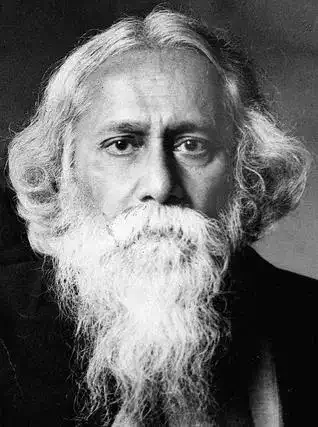
Rabindranath Tagore
Hard Times
Hard Times
Music is silenced, the dark descending slowly
Has stripped unending skies of all companions.
Weariness grips your limbs and within the locked horizons
Dumbly ring the bells of hugely gathering fears.
Still, O bird, O sightless bird,
Not yet, not yet the time to furl your wings.
It's not melodious woodlands but the leaps and falls
Of an ocean's drowsy booming,
Not a grove bedecked with flowers but a tumult flecked with foam.
Where is the shore that stored your buds and leaves?
Where the nest and the branch's hold?
Still, O bird, my sightless bird,
Not yet, not yet the time to furl your wings.
Stretching in front of you the night's immensity
Hides the western hill where sleeps the distant sun;
Still with bated breath the world is counting time and swimming
Across the shoreless dark a crescent moon
Has thinly just appeared upon the dim horizon.
-But O my bird, O sightless bird,
Not yet, not yet the time to furl your wings.
From upper skies the stars with pointing fingers
Intently watch your course and death's impatience
Lashes at you from the deeps in swirling waves;
And sad entreaties line the farthest shore
With hands outstretched and crooning 'Come, O come!'
Still, O bird, O sightless bird,
Not yet, not yet the time to furl your wings.
All that is past: your fears and loves and hopes;
All that is lost: your words and lamentation;
No longer yours a home nor a bed composed of flowers.
For wings are all you have, and the sky's broadening countryard,
And the dawn steeped in darkness, lacking all direction.
Dear bird, my sightless bird,
Not yet, not yet the time to furl your wings!
Music is silenced, the dark descending slowly
Has stripped unending skies of all companions.
Weariness grips your limbs and within the locked horizons
Dumbly ring the bells of hugely gathering fears.
Still, O bird, O sightless bird,
Not yet, not yet the time to furl your wings.
It's not melodious woodlands but the leaps and falls
Of an ocean's drowsy booming,
Not a grove bedecked with flowers but a tumult flecked with foam.
Where is the shore that stored your buds and leaves?
Where the nest and the branch's hold?
Still, O bird, my sightless bird,
Not yet, not yet the time to furl your wings.
Stretching in front of you the night's immensity
Hides the western hill where sleeps the distant sun;
Still with bated breath the world is counting time and swimming
Across the shoreless dark a crescent moon
Has thinly just appeared upon the dim horizon.
-But O my bird, O sightless bird,
Not yet, not yet the time to furl your wings.
From upper skies the stars with pointing fingers
Intently watch your course and death's impatience
Lashes at you from the deeps in swirling waves;
And sad entreaties line the farthest shore
With hands outstretched and crooning 'Come, O come!'
Still, O bird, O sightless bird,
Not yet, not yet the time to furl your wings.
All that is past: your fears and loves and hopes;
All that is lost: your words and lamentation;
No longer yours a home nor a bed composed of flowers.
For wings are all you have, and the sky's broadening countryard,
And the dawn steeped in darkness, lacking all direction.
Dear bird, my sightless bird,
Not yet, not yet the time to furl your wings!
601
Rabindranath Tagore
Friend
Friend
Art thou abroad on this stormy night
on thy journey of love, my friend?
The sky groans like one in despair.
I have no sleep tonight.
Ever and again I open my door and look out on
the darkness, my friend!
I can see nothing before me.
I wonder where lies thy path!
By what dim shore of the ink-black river,
by what far edge of the frowning forest,
through what mazy depth of gloom art thou threading
thy course to come to me, my friend?
Art thou abroad on this stormy night
on thy journey of love, my friend?
The sky groans like one in despair.
I have no sleep tonight.
Ever and again I open my door and look out on
the darkness, my friend!
I can see nothing before me.
I wonder where lies thy path!
By what dim shore of the ink-black river,
by what far edge of the frowning forest,
through what mazy depth of gloom art thou threading
thy course to come to me, my friend?
585

Paul Laurence Dunbar
The Haunted Oak
The Haunted Oak
Pray why are you so bare, so bare,
Oh, bough of the old oak-tree;
And why, when I go through the shade you throw,
Runs a shudder over me?
My leaves were green as the best, I trow,
And sap ran free in my veins,
But I say in the moonlight dim and weird
A guiltless victim's pains.
They'd charged him with the old, old crime,
And set him fast in jail:
Oh, why does the dog howl all night long,
And why does the night wind wail?
He prayed his prayer and he swore his oath,
And he raised his hand to the sky;
But the beat of hoofs smote on his ear,
And the steady tread drew nigh.
Who is it rides by night, by night,
Over the moonlit road?
And what is the spur that keeps the pace,
What is the galling goad?
And now they beat at the prison door,
"Ho, keeper, do not stay!
We are friends of him whom you hold within,
And we fain would take him away
"From those who ride fast on our heels
With mind to do him wrong;
They have no care for his innocence,
And the rope they bear is long."
They have fooled the jailer with lying words,
They have fooled the man with lies;
The bolts unbar, the locks are drawn,
And the great door open flies.
Now they have taken him from the jail,
And hard and fast they ride,
And the leader laughs low down in his throat,
As they halt my trunk beside.
Oh, the judge, he wore a mask of black,
And the doctor one of white,
And the minister, with his oldest son,
Was curiously bedight.
Oh, foolish man, why weep you now?
'Tis but a little space,
And the time will come when these shall dread
The mem'ry of your face.
I feel the rope against my bark,
And the weight of him in my grain,
I feel in the throe of his final woe
The touch of my own last pain.
And never more shall leaves come forth
On the bough that bears the ban;
I am burned with dread, I am dried and dead,
From the curse of a guiltless man.
And ever the judge rides by, rides by,
And goes to hunt the deer,
And ever another rides his soul
In the guise of a mortal fear.
And ever the man he rides me hard,
And never a night stays he;
For I feel his curse as a haunted bough,
On the trunk of a haunted tree.
Pray why are you so bare, so bare,
Oh, bough of the old oak-tree;
And why, when I go through the shade you throw,
Runs a shudder over me?
My leaves were green as the best, I trow,
And sap ran free in my veins,
But I say in the moonlight dim and weird
A guiltless victim's pains.
They'd charged him with the old, old crime,
And set him fast in jail:
Oh, why does the dog howl all night long,
And why does the night wind wail?
He prayed his prayer and he swore his oath,
And he raised his hand to the sky;
But the beat of hoofs smote on his ear,
And the steady tread drew nigh.
Who is it rides by night, by night,
Over the moonlit road?
And what is the spur that keeps the pace,
What is the galling goad?
And now they beat at the prison door,
"Ho, keeper, do not stay!
We are friends of him whom you hold within,
And we fain would take him away
"From those who ride fast on our heels
With mind to do him wrong;
They have no care for his innocence,
And the rope they bear is long."
They have fooled the jailer with lying words,
They have fooled the man with lies;
The bolts unbar, the locks are drawn,
And the great door open flies.
Now they have taken him from the jail,
And hard and fast they ride,
And the leader laughs low down in his throat,
As they halt my trunk beside.
Oh, the judge, he wore a mask of black,
And the doctor one of white,
And the minister, with his oldest son,
Was curiously bedight.
Oh, foolish man, why weep you now?
'Tis but a little space,
And the time will come when these shall dread
The mem'ry of your face.
I feel the rope against my bark,
And the weight of him in my grain,
I feel in the throe of his final woe
The touch of my own last pain.
And never more shall leaves come forth
On the bough that bears the ban;
I am burned with dread, I am dried and dead,
From the curse of a guiltless man.
And ever the judge rides by, rides by,
And goes to hunt the deer,
And ever another rides his soul
In the guise of a mortal fear.
And ever the man he rides me hard,
And never a night stays he;
For I feel his curse as a haunted bough,
On the trunk of a haunted tree.
528
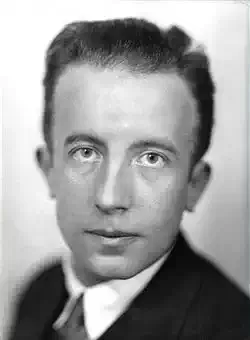
Paul Éluard
The Deaf and Blind
The Deaf and Blind
Do we reach the sea with clocks
In our pockets, with the noise of the sea
In the sea, or are we the carriers
Of a purer and more silent water?
The water rubbing against our hands sharpens knives.
The warriors have found their weapons in the waves
And the sound of their blows is like
The rocks that smash the boats at night.
It is the storm and the thunder. Why not the silence
Of the flood, for we have dreamt within us
Space for the greatest silence and we breathe
Like the wind over terrible seas, like the wind
That creeps slowly over every horizon.
Do we reach the sea with clocks
In our pockets, with the noise of the sea
In the sea, or are we the carriers
Of a purer and more silent water?
The water rubbing against our hands sharpens knives.
The warriors have found their weapons in the waves
And the sound of their blows is like
The rocks that smash the boats at night.
It is the storm and the thunder. Why not the silence
Of the flood, for we have dreamt within us
Space for the greatest silence and we breathe
Like the wind over terrible seas, like the wind
That creeps slowly over every horizon.
341
Paul Éluard
Curfew
Curfew
What else could we do, for the doors were guarded,
What else could we do, for they had imprisoned us,
What else could we do, for the streets were forbidden us,
What else could we do, for the town was asleep?
What else could we do, for she hungered and thirsted,
What else could we do, for we were defenceless,
What else could we do, for night had descended,
What else could we do, for we were in love?
What else could we do, for the doors were guarded,
What else could we do, for they had imprisoned us,
What else could we do, for the streets were forbidden us,
What else could we do, for the town was asleep?
What else could we do, for she hungered and thirsted,
What else could we do, for we were defenceless,
What else could we do, for night had descended,
What else could we do, for we were in love?
400
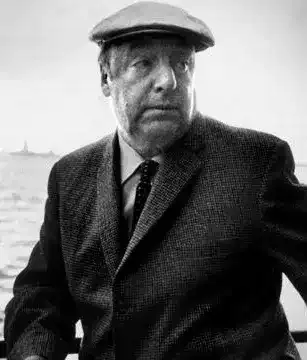
Pablo Neruda
Waltz
Waltz
I touch hatred like a covered breast;
I without stopping go from garment to garment,
sleeping at a distance.
I am not, I'm of no use, I do not know
anyone; I have no weapons of ocean or wood,
I do not live in this house.
My mouth is full of night and water.
The abiding moon determines
what I do not have.
What I have is in the midst of the waves,
a ray of water, a day for myself,
an iron depth.
There is no cross-tide, there is no shield, no costume,
there is no special solution too deep to be sounded,
no vicious eyelid.
I live suddenly and other times I follow.
I touch a face suddenly and it murders me.
I have no time.
Do not look for me when drawing
the usual wild thread or the
bleeding net.
Do not call me: that is my occupation.
Do not ask my name or my condition.
Leave me in the middle of my own moon
in my wounded ground.
I touch hatred like a covered breast;
I without stopping go from garment to garment,
sleeping at a distance.
I am not, I'm of no use, I do not know
anyone; I have no weapons of ocean or wood,
I do not live in this house.
My mouth is full of night and water.
The abiding moon determines
what I do not have.
What I have is in the midst of the waves,
a ray of water, a day for myself,
an iron depth.
There is no cross-tide, there is no shield, no costume,
there is no special solution too deep to be sounded,
no vicious eyelid.
I live suddenly and other times I follow.
I touch a face suddenly and it murders me.
I have no time.
Do not look for me when drawing
the usual wild thread or the
bleeding net.
Do not call me: that is my occupation.
Do not ask my name or my condition.
Leave me in the middle of my own moon
in my wounded ground.
613
Pablo Neruda
The Fear
The Fear
They all ask me to jump
to invigorate and to play soccer,
to run, to swim and to fly.
Very well.
They all advise me rest,
they all send me to the doctor,
looking at me a certain way.
What happens?
They all advise me to travel,
to come and to leave, to stay,
to die and not to die.
It does not matter.
They all see the difficulties
of my surprised bowels
by awful X-rayed portraits.
I do not agree.
They all sting my poetry
with relentless forks
seeking, without doubt, a fly,
I Am afraid.
I am afraid of everyone,
of the cold water, of the death.
I am like all the mortals,
unavoidable.
And for that, in these short days
I am not going to pay attention to them,
I am going to open myself up and shut myself in
with my more perfidious enemy,
Pablo Neruda.
They all ask me to jump
to invigorate and to play soccer,
to run, to swim and to fly.
Very well.
They all advise me rest,
they all send me to the doctor,
looking at me a certain way.
What happens?
They all advise me to travel,
to come and to leave, to stay,
to die and not to die.
It does not matter.
They all see the difficulties
of my surprised bowels
by awful X-rayed portraits.
I do not agree.
They all sting my poetry
with relentless forks
seeking, without doubt, a fly,
I Am afraid.
I am afraid of everyone,
of the cold water, of the death.
I am like all the mortals,
unavoidable.
And for that, in these short days
I am not going to pay attention to them,
I am going to open myself up and shut myself in
with my more perfidious enemy,
Pablo Neruda.
534
Pablo Neruda
Nothing But Death
Nothing But Death
There are cemeteries that are lonely,
graves full of bones that do not make a sound,
the heart moving through a tunnel,
in it darkness, darkness, darkness,
like a shipwreck we die going into ourselves,
as though we were drowning inside our hearts,
as though we lived falling out of the skin into the soul.
And there are corpses,
feet made of cold and sticky clay,
death is inside the bones,
like a barking where there are no dogs,
coming out from bells somewhere, from graves somewhere,
growing in the damp air like tears of rain.
Sometimes I see alone
coffins under sail,
embarking with the pale dead, with women that have dead hair,
with bakers who are as white as angels,
and pensive young girls married to notary publics,
caskets sailing up the vertical river of the dead,
the river of dark purple,
moving upstream with sails filled out by the sound of death,
filled by the sound of death which is silence.
Death arrives among all that sound
like a shoe with no foot in it, like a suit with no man in it,
comes and knocks, using a ring with no stone in it, with no
finger in it,
comes and shouts with no mouth, with no tongue, with no
throat.
Nevertheless its steps can be heard
and its clothing makes a hushed sound, like a tree.
I'm not sure, I understand only a little, I can hardly see,
but it seems to me that its singing has the color of damp violets,
of violets that are at home in the earth,
because the face of death is green,
and the look death gives is green,
with the penetrating dampness of a violet leaf
and the somber color of embittered winter.
But death also goes through the world dressed as a broom,
lapping the floor, looking for dead bodies,
death is inside the broom,
the broom is the tongue of death looking for corpses,
it is the needle of death looking for thread.
Death is inside the folding cots:
it spends its life sleeping on the slow mattresses,
in the black blankets, and suddenly breathes out:
it blows out a mournful sound that swells the sheets,
and the beds go sailing toward a port
where death is waiting, dressed like an admiral.
Translated by Robert Bly
There are cemeteries that are lonely,
graves full of bones that do not make a sound,
the heart moving through a tunnel,
in it darkness, darkness, darkness,
like a shipwreck we die going into ourselves,
as though we were drowning inside our hearts,
as though we lived falling out of the skin into the soul.
And there are corpses,
feet made of cold and sticky clay,
death is inside the bones,
like a barking where there are no dogs,
coming out from bells somewhere, from graves somewhere,
growing in the damp air like tears of rain.
Sometimes I see alone
coffins under sail,
embarking with the pale dead, with women that have dead hair,
with bakers who are as white as angels,
and pensive young girls married to notary publics,
caskets sailing up the vertical river of the dead,
the river of dark purple,
moving upstream with sails filled out by the sound of death,
filled by the sound of death which is silence.
Death arrives among all that sound
like a shoe with no foot in it, like a suit with no man in it,
comes and knocks, using a ring with no stone in it, with no
finger in it,
comes and shouts with no mouth, with no tongue, with no
throat.
Nevertheless its steps can be heard
and its clothing makes a hushed sound, like a tree.
I'm not sure, I understand only a little, I can hardly see,
but it seems to me that its singing has the color of damp violets,
of violets that are at home in the earth,
because the face of death is green,
and the look death gives is green,
with the penetrating dampness of a violet leaf
and the somber color of embittered winter.
But death also goes through the world dressed as a broom,
lapping the floor, looking for dead bodies,
death is inside the broom,
the broom is the tongue of death looking for corpses,
it is the needle of death looking for thread.
Death is inside the folding cots:
it spends its life sleeping on the slow mattresses,
in the black blankets, and suddenly breathes out:
it blows out a mournful sound that swells the sheets,
and the beds go sailing toward a port
where death is waiting, dressed like an admiral.
Translated by Robert Bly
617
Pablo Neruda
I Crave Your Mouth, Your Voice, Your Hair
I Crave Your Mouth, Your Voice, Your Hair
DON'T GO FAR OFF, NOT EVEN FOR A DAY
Don't go far off, not even for a day, because -because
-- I don't know how to say it: a day is long
and I will be waiting for you, as in an empty station
when the trains are parked off somewhere else, asleep.
Don't leave me, even for an hour, because
then the little drops of anguish will all run together,
the smoke that roams looking for a home will drift
into me, choking my lost heart.
Oh, may your silhouette never dissolve on the beach;
may your eyelids never flutter into the empty distance.
Don't leave me for a second, my dearest,
because in that moment you'll have gone so far
I'll wander mazily over all the earth, asking,
Will you come back? Will you leave me here, dying?
DON'T GO FAR OFF, NOT EVEN FOR A DAY
Don't go far off, not even for a day, because -because
-- I don't know how to say it: a day is long
and I will be waiting for you, as in an empty station
when the trains are parked off somewhere else, asleep.
Don't leave me, even for an hour, because
then the little drops of anguish will all run together,
the smoke that roams looking for a home will drift
into me, choking my lost heart.
Oh, may your silhouette never dissolve on the beach;
may your eyelids never flutter into the empty distance.
Don't leave me for a second, my dearest,
because in that moment you'll have gone so far
I'll wander mazily over all the earth, asking,
Will you come back? Will you leave me here, dying?
762

Ogden Nash
The Praying Mantis
The Praying Mantis
From whence arrived the praying mantis?
From outer space, or lost Atlantis?
glimpse the grin, green metal mug
at masks the pseudo-saintly bug,
Orthopterous, also carnivorous,
And faintly whisper, Lord deliver us.
From whence arrived the praying mantis?
From outer space, or lost Atlantis?
glimpse the grin, green metal mug
at masks the pseudo-saintly bug,
Orthopterous, also carnivorous,
And faintly whisper, Lord deliver us.
272
Ogden Nash
No, You Be A Lone Eagle
No, You Be A Lone Eagle
I find it very hard to be fair-minded
About people who go around being air-minded.
I just can't see any fun
In soaring up up up into the sun
When the chances are still a fresh cool orchid to a paper geranium
That you'll unsoar down down down onto your (to you) invaluable
cranium.
I know the constant refrain
About how safer up in God's trafficless heaven than in an automobile
or a train
But ...
My God, have you ever taken a good look at a strut?
Then that one about how you're in Boston before you can say antidisestablishmentarianism
So that preferring to take five hours by rail is a pernicious example of
antiquarianism.
At least when I get on the Boston train I have a good chance of landing
in the South Station
And not in that part of the daily press which is reserved for victims of
aviation.
Then, despite the assurance that aeroplanes are terribly comfortable I
notice that when you are railroading or automobiling
You don't have to take a paper bag along just in case of a funny feeling.
It seems to me that no kind of depravity
Brings such speedy retribution as ignoring the law of gravity.
Therefore nobody could possibly indict me for perjury
When I swear that I wish the Wright brothers had gone in for silver
fox farming or tree surgery.
I find it very hard to be fair-minded
About people who go around being air-minded.
I just can't see any fun
In soaring up up up into the sun
When the chances are still a fresh cool orchid to a paper geranium
That you'll unsoar down down down onto your (to you) invaluable
cranium.
I know the constant refrain
About how safer up in God's trafficless heaven than in an automobile
or a train
But ...
My God, have you ever taken a good look at a strut?
Then that one about how you're in Boston before you can say antidisestablishmentarianism
So that preferring to take five hours by rail is a pernicious example of
antiquarianism.
At least when I get on the Boston train I have a good chance of landing
in the South Station
And not in that part of the daily press which is reserved for victims of
aviation.
Then, despite the assurance that aeroplanes are terribly comfortable I
notice that when you are railroading or automobiling
You don't have to take a paper bag along just in case of a funny feeling.
It seems to me that no kind of depravity
Brings such speedy retribution as ignoring the law of gravity.
Therefore nobody could possibly indict me for perjury
When I swear that I wish the Wright brothers had gone in for silver
fox farming or tree surgery.
253

Mirza Ghalib
No Hope
No Hope
I am left with no hope at all,
No possibility to reach my goal,
The Day of my death is fixed,
I am so very anxious that I can not sleep all night.
Though I know the reward of obedience and worship,
But I have no tendency for it.
I am silent for a certain reason,
Otherwise I can convince you with my words,
Why I shouldn't cry,
For when I don't, she asks about me,
My heart is burning, though you cannot see the spot,
But O my doctor, can't you smell my heart burn?
I have reached to a certain state,
From where even I cannot find myself.
I am dying (Waiting anxiously) for my death,
I don't know where the hell my death has gone.
With what face you will go to Ka'ba, O! Ghalib,
You should be ashamed of yourself while thinking to go there.
I am left with no hope at all,
No possibility to reach my goal,
The Day of my death is fixed,
I am so very anxious that I can not sleep all night.
Though I know the reward of obedience and worship,
But I have no tendency for it.
I am silent for a certain reason,
Otherwise I can convince you with my words,
Why I shouldn't cry,
For when I don't, she asks about me,
My heart is burning, though you cannot see the spot,
But O my doctor, can't you smell my heart burn?
I have reached to a certain state,
From where even I cannot find myself.
I am dying (Waiting anxiously) for my death,
I don't know where the hell my death has gone.
With what face you will go to Ka'ba, O! Ghalib,
You should be ashamed of yourself while thinking to go there.
332
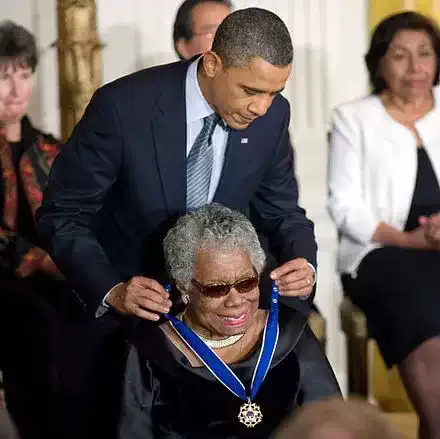
Maya Angelou
Insomniac
Insomniac
There are some nights when
sleep plays coy,
aloof and disdainful.
And all the wiles
that I employ to win
its service to my side
are useless as wounded pride,
and much more painful.
There are some nights when
sleep plays coy,
aloof and disdainful.
And all the wiles
that I employ to win
its service to my side
are useless as wounded pride,
and much more painful.
176
Lewis Carroll
The Sea
The Sea
There are certain things a
spider, a ghost,
The incometax,
gout, an umbrella for three That
I hate, but the thing that I hate the most
Is a thing they call the SEA.
Pour some salt water over the floor Ugly
I'm sure you'll allow it to be:
Suppose it extended a mile or more,
That's very like the SEA.
Beat a dog till it howls outright Cruel,
but all very well for a spree;
Suppose that one did so day and night,
That would be like the SEA.
I had a vision of nurserymaids;
Tens of thousands passed by me All
leading children with wooden spades,
And this was by the SEA.
Who invented those spades of wood?
Who was it cut them out of the tree?
None, I think, but an idiot could Or
one that loved the SEA.
It is pleasant and dreamy, no doubt, to float
With `thoughts as boundless, and souls as free';
But suppose you are very unwell in a boat,
How do you like the SEA.
There is an insect that people avoid
(Whence is derived the verb `to flee')
Where have you been by it most annoyed?
In lodgings by the SEA.
If you like coffee with sand for dregs,
A decided hint of salt in your tea,
And a fishy taste in the very eggs By
all means choose the SEA.
And if, with these dainties to drink and eat,
You prefer not a vestige of grass or tree,
And a chronic state of wet in your feet,
Then I
recommend the SEA.
For I have friends who dwell by the coast,
Pleasant friends they are to me!
It is when I'm with them I wonder most
That anyone likes the SEA.
They take me a walk: though tired and stiff,
To climb the heights I madly agree:
And, after a tumble or so from the cliff,
They kindly suggest the SEA.
I try the rocks, and I think it cool
That they laugh with such an excess of glee,
As I heavily slip into every pool,
That skirts the cold, cold SEA.
There are certain things a
spider, a ghost,
The incometax,
gout, an umbrella for three That
I hate, but the thing that I hate the most
Is a thing they call the SEA.
Pour some salt water over the floor Ugly
I'm sure you'll allow it to be:
Suppose it extended a mile or more,
That's very like the SEA.
Beat a dog till it howls outright Cruel,
but all very well for a spree;
Suppose that one did so day and night,
That would be like the SEA.
I had a vision of nurserymaids;
Tens of thousands passed by me All
leading children with wooden spades,
And this was by the SEA.
Who invented those spades of wood?
Who was it cut them out of the tree?
None, I think, but an idiot could Or
one that loved the SEA.
It is pleasant and dreamy, no doubt, to float
With `thoughts as boundless, and souls as free';
But suppose you are very unwell in a boat,
How do you like the SEA.
There is an insect that people avoid
(Whence is derived the verb `to flee')
Where have you been by it most annoyed?
In lodgings by the SEA.
If you like coffee with sand for dregs,
A decided hint of salt in your tea,
And a fishy taste in the very eggs By
all means choose the SEA.
And if, with these dainties to drink and eat,
You prefer not a vestige of grass or tree,
And a chronic state of wet in your feet,
Then I
recommend the SEA.
For I have friends who dwell by the coast,
Pleasant friends they are to me!
It is when I'm with them I wonder most
That anyone likes the SEA.
They take me a walk: though tired and stiff,
To climb the heights I madly agree:
And, after a tumble or so from the cliff,
They kindly suggest the SEA.
I try the rocks, and I think it cool
That they laugh with such an excess of glee,
As I heavily slip into every pool,
That skirts the cold, cold SEA.
190
Langston Hughes
Sick Room
Sick Room
How quiet
It is in this sick room
Where on the bed
A silent woman lies between two lovers-
Life and Death,
And all three covered with a sheet of pain.
How quiet
It is in this sick room
Where on the bed
A silent woman lies between two lovers-
Life and Death,
And all three covered with a sheet of pain.
429
Langston Hughes
Love Song for Lucinda
Love Song for Lucinda
Love
Is a ripe plum
Growing on a purple tree.
Taste it once
And the spell of its enchantment
Will never let you be.
Love
Is a bright star
Glowing in far Southern skies.
Look too hard
And its burning flame
Will always hurt your eyes.
Love
Is a high mountain
Stark in a windy sky.
If you
Would never lose your breath
Do not climb too high.
Love
Is a ripe plum
Growing on a purple tree.
Taste it once
And the spell of its enchantment
Will never let you be.
Love
Is a bright star
Glowing in far Southern skies.
Look too hard
And its burning flame
Will always hurt your eyes.
Love
Is a high mountain
Stark in a windy sky.
If you
Would never lose your breath
Do not climb too high.
407
Langston Hughes
As I Grew Older
As I Grew Older
It was a long time ago.
I have almost forgotten my dream.
But it was there then,
In front of me,
Bright like a sun--
My dream.
And then the wall rose,
Rose slowly,
Slowly,
Between me and my dream.
Rose until it touched the sky--
The wall.
Shadow.
I am black.
I lie down in the shadow.
No longer the light of my dream before me,
Above me.
Only the thick wall.
Only the shadow.
My hands!
My dark hands!
Break through the wall!
Find my dream!
Help me to shatter this darkness,
To smash this night,
To break this shadow
Into a thousand lights of sun,
Into a thousand whirling dreams
Of sun!
It was a long time ago.
I have almost forgotten my dream.
But it was there then,
In front of me,
Bright like a sun--
My dream.
And then the wall rose,
Rose slowly,
Slowly,
Between me and my dream.
Rose until it touched the sky--
The wall.
Shadow.
I am black.
I lie down in the shadow.
No longer the light of my dream before me,
Above me.
Only the thick wall.
Only the shadow.
My hands!
My dark hands!
Break through the wall!
Find my dream!
Help me to shatter this darkness,
To smash this night,
To break this shadow
Into a thousand lights of sun,
Into a thousand whirling dreams
Of sun!
883

Kazi Nazrul Islam
Coward
Coward
I know,
Why you do not look back
You have left your abode
For the temple of God
To while away the time
With the dolls.
And to flitter the self away
Oh dear,
Not knowing that playing with heart:
Leads up to endless tears.
So great is the debt
When the eyes meet, |
And the moments smack.
I know,
Why you do not look back.
I know,
Why you do not look back.
When the eyes get lost In the eyes.
And the word slowly dies..
When you are all alone.
In the sanctum of your home
There is collyrium In your bright eyes
And not the tears.
No deceit rings
In the anklets you wear.
As you walk,
I know,
Why you do hot look back
I know,
Why you do not look back,
When no creepers
On your feet roll
As you stroll,
In the wilderness.
You plucked flowers
In sheer absent mindness,
Without hurting your fingers.
Not knowing the truth either
That, with the garlands
The heart also withers.
Not knowing that
Behind a scurrilous mouth,
A loneliness lurks.
I know,
Why you do not look back.
I am conscious
Of your deceitfulness and skill
But you never knew, indeed
That on your cheeks,
There is a hue
Of pomegranate seeds.
Never knew that,
The timid hearts of women,
Like a creeper laden with a bee,
For those untold words and the denials
Shiver in agony.
And as much as the eye wails
The modesty prevails;
I know you coward,
Why your own image
That you unwittingly fear.
Of man, you have known,
And he is a stone
To whom you never bowed.
You have desired
A pair of covetous hands
And bowed to touch the feet,
Not knowing though
A heart becomes a touch-stone
With another touch on it.
I know coward
Why you wander.
I know what is your fear
When the desires of the heart
In the two shores of body whisper.
The fragrance of
A blooming heart
The petals can never thwart.
However much you wish to hide,
It breaks far and wide.
All the secret words
Have gathered in you dear
I know what is your fear.
I know,
Why you cannot say openly:
The nightingale has carried
The message secretly.
The words you wanted to hear,
How did she know of it, oh dear?
The same words
The bride murmured
Gently raising her eyes:
Who knew that in her cruel fingers
Such magic lies.
I know,
Why you cannot say openly.
I know,
Why no ornaments you wear
The flame of agony
Has burnt your flesh Into gold oh dear!
To adorn a doll
Of clay with attire?
Why should gold
Mere gold desire?
Leaving the shores of the body
The mind seeks purity.
The agony of mine, oh dear.
Now adorns your beauty
I know,
Why no ornament you wear.
I know
They will not abide;
The maiden
Who slept in the night
Woke up as a bride.
She swims with the foam
Not really knowing
The oyster's home.
The pearl you have found
But the shell of the eyes
In the tears got drowned
When the burden
Is too heavy to bear,
The heart also sinks
In utter despair.
Oh unlucky woman!
How shall you make it clear?
[Original: Bhiru; Translation: Syed Mujibul Huq]
I know,
Why you do not look back
You have left your abode
For the temple of God
To while away the time
With the dolls.
And to flitter the self away
Oh dear,
Not knowing that playing with heart:
Leads up to endless tears.
So great is the debt
When the eyes meet, |
And the moments smack.
I know,
Why you do not look back.
I know,
Why you do not look back.
When the eyes get lost In the eyes.
And the word slowly dies..
When you are all alone.
In the sanctum of your home
There is collyrium In your bright eyes
And not the tears.
No deceit rings
In the anklets you wear.
As you walk,
I know,
Why you do hot look back
I know,
Why you do not look back,
When no creepers
On your feet roll
As you stroll,
In the wilderness.
You plucked flowers
In sheer absent mindness,
Without hurting your fingers.
Not knowing the truth either
That, with the garlands
The heart also withers.
Not knowing that
Behind a scurrilous mouth,
A loneliness lurks.
I know,
Why you do not look back.
I am conscious
Of your deceitfulness and skill
But you never knew, indeed
That on your cheeks,
There is a hue
Of pomegranate seeds.
Never knew that,
The timid hearts of women,
Like a creeper laden with a bee,
For those untold words and the denials
Shiver in agony.
And as much as the eye wails
The modesty prevails;
I know you coward,
Why your own image
That you unwittingly fear.
Of man, you have known,
And he is a stone
To whom you never bowed.
You have desired
A pair of covetous hands
And bowed to touch the feet,
Not knowing though
A heart becomes a touch-stone
With another touch on it.
I know coward
Why you wander.
I know what is your fear
When the desires of the heart
In the two shores of body whisper.
The fragrance of
A blooming heart
The petals can never thwart.
However much you wish to hide,
It breaks far and wide.
All the secret words
Have gathered in you dear
I know what is your fear.
I know,
Why you cannot say openly:
The nightingale has carried
The message secretly.
The words you wanted to hear,
How did she know of it, oh dear?
The same words
The bride murmured
Gently raising her eyes:
Who knew that in her cruel fingers
Such magic lies.
I know,
Why you cannot say openly.
I know,
Why no ornaments you wear
The flame of agony
Has burnt your flesh Into gold oh dear!
To adorn a doll
Of clay with attire?
Why should gold
Mere gold desire?
Leaving the shores of the body
The mind seeks purity.
The agony of mine, oh dear.
Now adorns your beauty
I know,
Why no ornament you wear.
I know
They will not abide;
The maiden
Who slept in the night
Woke up as a bride.
She swims with the foam
Not really knowing
The oyster's home.
The pearl you have found
But the shell of the eyes
In the tears got drowned
When the burden
Is too heavy to bear,
The heart also sinks
In utter despair.
Oh unlucky woman!
How shall you make it clear?
[Original: Bhiru; Translation: Syed Mujibul Huq]
659
Kazi Nazrul Islam
All Midnight I Suddenly Wake Up
All Midnight I Suddenly Wake Up
At midnight I suddenly wake up hearing someone's voice
is that you, is that you?
I feel the load of some memory in my breast is
that you, is that you?
Some one's hungry love roams about seeking aIms
Some one's piteous eyes like the stars in the night-sky
look at the sought-after face - is that you, is that you?
The wind at night carries someone's lingering sigh
And stirs my heart; Oh my distant beloved
is that you, is that you?
Like the ocean-wave whose crying bruises my heart
The nightingale in the wood ceaselessly chirps on the champah tree
is that you, is that you ?
[Original: Gobhir nishithe ghum bhenge jay; Translation: Abu Rushd]
At midnight I suddenly wake up hearing someone's voice
is that you, is that you?
I feel the load of some memory in my breast is
that you, is that you?
Some one's hungry love roams about seeking aIms
Some one's piteous eyes like the stars in the night-sky
look at the sought-after face - is that you, is that you?
The wind at night carries someone's lingering sigh
And stirs my heart; Oh my distant beloved
is that you, is that you?
Like the ocean-wave whose crying bruises my heart
The nightingale in the wood ceaselessly chirps on the champah tree
is that you, is that you ?
[Original: Gobhir nishithe ghum bhenge jay; Translation: Abu Rushd]
635
John Keats
Otho The Great - Act IV
Otho The Great - Act IV
SCENE I.
AURANTHE'S Apartment.
AURANTHE and CONRAD discovered.
Conrad. Well, well, I know what ugly jeopardy
We are cag'd in; you need not pester that
Into my ears. Prythee, let me be spared
A foolish tongue, that I may bethink me
Of remedies with some deliberation.
You cannot doubt but 'tis in Albert's power
To crush or save us?
Auranthe. No, I cannot doubt.
He has, assure yourself, by some strange means,
My secret ; which I ever hid from him,
Knowing his mawkish honesty.
Conrad. Curs'd slave!
Auranthe. Ay, I could almost curse him now myself.
Wretched impediment! Evil genius!
A glue upon my wings, that cannot spread,
When they should span the provinces! A snake,
A scorpion, sprawling on the first gold step,
Conducting to the throne, high canopied.
Conrad. You would not hear my council, when his life
Might have been trodden out, all sure and hush'd;
Now the dull animal forsooth must be
Intreated, managed! When can you contrive
The interview he demands?
Auranthe. As speedily
It must be done as my brib'd woman can
Unseen conduct him to me; but I fear
Twill be impossible, while the broad day
Comes through the panes with persecuting glare.
Methinks, if 't now were night I could intrigue
With darkness, bring the stars to second me,
And settle all this trouble.
Conrad. Nonsense! Child!
See him immediately; why not now?
Auranthe. Do you forget that even the senseless door-posts
Are on the watch and gape through all the house?
How many whispers there are about,
Hungry for evidence to ruin me ;
Men I have spurn 'd, and women I have taunted?
Besides, the foolish prince sends, minute whiles,
His pages so they tell me to enquire
After my health, entreating, if I please,
To see me.
Conrad. Well, suppose this Albert here;
What is your power with him?
Auranthe. He should be
My echo, my taught parrot! but I fear
He will be cur enough to bark at me ;
Have his own say ; read me some silly creed
'Bout shame and pity.
Conrad. What will you do then?
Auranthe. What I shall do, I know not: what L would
Cannot be done; for see, this chain her-floor
Will not yield to the pick-axe and the spade,
Here is no quiet depth of hollow ground.
Conrad. Sister, you have grown sensible and wise,
Seconding, ere I speak it, what is now,
I hope, resolv'd between us.
Auranthe. Say, what is 't?
Conrad. You need not be his sexton too: a man
May carry that with him shall make him die
Elsewhere, give that to him; pretend the while
You will to-morrow succumb to his wishes,
Be what they may, and send him from the Castle
On some fool's errand; let his latest groan
Frighten the wolves!
Auranthe. Alas! he must not die!
Conrad. Would you were both hears'd up in stifling lead!
Detested
Auranthe. Conrad, hold! I would not bear
The little thunder of your fretful tongue,
Tho; I alone were taken in these toils,
And you could free me; but remember, sir,
You live alone in my security:
So keep your wits at work, for your own sake,
Not mine, and be more mannerly.
Conrad. Thou wasp!
If my domains were emptied of these folk,
And I had thee to starve
Auranthe. O, marvellous!
But Conrad, now be gone; the Host is look'd for;
Cringe to the Emperor, entertain the Lords,
And, do ye mind, above all things, proclaim
My sickness, with a brother's sadden'd eye,
Condoling with Prince Ludolph. In fit time
Return to me.
Conrad. I leave you to your thoughts. [Exit.
Auranthe (sola) Down, down, proud temper! down,
Auranthe's pride!
Why do I anger him when I should kneel?
Conrad! Albert! help! help! What can I do?
wretched woman! lost, wreck'd, swallow'd up,
Accursed, blasted ! O, thou golden Crown,
Orbing along the serene firmament
Of a wide empire, like a glowing moon;
And thou, bright sceptre! lustrous in my eyes,
There as the fabled fair Hesperian tree,
Bearing a fruit more precious! graceful thing.
Delicate, godlike, magic! must I leave
Thee to melt in the visionary air,
Ere, by one grasp, this common hand is made
Imperial? I do not know the time
When I have wept for sorrow; but methinks
I could now sit upon the ground, and shed
Tears, tears of misery. O, the heavy day!
How shall I bear my life till Albert comes?
Ludolph! Erminia! Proofs! O heavy day!
Bring me some mourning weeds, that I may 'tire
Myself, as fits one wailing her own death:
Cut off these curls, and brand this lilly hand,
And throw these jewels from my loathing sight,
Fetch me a missal, and a string of beads,
A cup of bitter'd water, and a crust,
I will confess, O holy Abbot How!
What is this? Auranthe! thou fool, dolt,
Whimpering idiot! up! up! act and quell!
I am safe! Coward! why am I in fear?
Albert! he cannot stickle, chew the cud
In such a fine extreme, impossible!
Who knocks? [Goes to the Door, listens, and opens it.
Enter ALBERT.
Albert, I have been waiting for you here
With such an aching heart, such swooning throbs
On my poor brain, such cruel cruel sorrow,
That I should claim your pity! Art not well?
Albert. Yes, lady, well.
Auranthe. You look not so, alas!
But pale, as if you brought some heavy news.
Albert. You know full well what makes me look so pale.
Auranthe. No! Do I? Surely I am still to learn
Some horror; all I know, this present, is
I am near hustled to a dangerous gulph,
Which you can save me from, and therefore safe,
So trusting in thy love; that should not make
Thee pale, my Albert.
Albert. It doth make me freeze.
Auranthe. Why should it, love?
Albert. You should not ask me that,
But make your own heart monitor, and save
Me the great pain of telling. You must know.
Auranthe. Something has vexed you, Albert. There are times
When simplest things put on a sombre cast;
A melancholy mood will haunt a man,
Until most easy matters take the shape
Of unachievable tasks; small rivulets
Then seem impassable.
Albert. Do not cheat yourself
With hope that gloss of words, or suppliant action,
Or tears, or ravings, or self-threaten 'd death,
Can alter my resolve.
Auranthe. You make me tremble;
Not so much at your threats, as at your voice.
Untun'd. and harsh, and barren of all love.
Albert. You suffocate me! Stop this devil's parley,
And listen to me; know me once for all.
Auranthe. I thought I did. Alas! I am deceiv'd.
Albert. No, you are not deceiv'd. You took me for
A man detesting all inhuman crime;
And therefore kept from me your demon's plot
Against Erminia. Silent? Be so still;
For ever! Speak no more; but hear my words,
Thy fate. Your safety I have bought to-day
By blazoning a lie, which in the dawn
I expiate with truth.
Auranthe. O cruel traitor!
Albert. For I would not set eyes upon thy shame;
I would not see thee dragg'd to death by the hair,
Penanc'd, and taunted on a scaffolding!
To-night, upon the skirts of the blind wood
That blackens northward of these horrid towers,
I wait for you with horses. Choose your fate.
Farewell.
Auranthe. Albert, you jest; I'm sure you must.
You, an ambitious Soldier! I, a Queen,
One who could say, Here, rule these Provinces!
Take tribute from those cities for thyself!
Empty these armouries, these treasuries,
Muster thy warlike thousands at a nod !
Go! conquer Italy!
Albert. Auranthe, you have made
The whole world chaff to me. Your doom is fix'd.
Auranthe. Out, villain! dastard!
Albert. Look there to the door!
Who is it?
Auranthe. Conrad, traitor!
Albert. Let him in.
Enter CONRAD.
Do not affect amazement, hypocrite,
At seeing me in this chamber.
Conrad. Auranthe?
Albert. Talk not with eyes, but speak your curses out
Against me, who would sooner crush and grind
A brace of toads, than league with them to oppress
An innocent lady, gull an Emperor,
More generous to me than autumn's sun
To ripening harvests.
Auranthe. No more insult, sir!
Albert. Aye, clutch your scabbard; but, for prudence sake,
Draw not the sword; 'twould make an uproar, Duke,
You would not hear the end of. At nightfall
Your lady sister, if I guess aright,
Will leave this busy castle. You had best
Take farewell too of worldly vanities.
Conrad. Vassal!
Albert. To-morrow, when the Emperor sends
For loving Conrad, see you fawn on him.
Good even !
Auranthe. You'll be seen!
Albert. See the coast clear then.
Auranthe (as he goes). Remorseless Albert! Cruel,
cruel wretch!
[She lets him out.
Conrad. So, we must lick the dust?
Auranthe. I follow him.
Conrad. How? Where? The plan of your escape?
Auranthe. He waits
For me with horses by the forest-side,
Northward.
Conrad. Good, good! he dies. You go, say you?
Auranthe. Perforce.
Conrad. Be speedy, darkness! Till that comes,
Fiends keep you company! [Exit.
Auranthe. And you! And you!
And all men! Vanish!
[Retires to an inner Apartment.
SCENE II. An Apartment in the Castle.
Enter LUDOLPH and Page.
Page. Still very sick, my Lord; but now I went
Knowing my duty to so good a Prince;
And there her women in a mournful throng
Stood in the passage whispering: if any
Mov'd 'twas with careful steps and hush'd as death;
They bid me stop.
Ludolph. Good fellow, once again
Make soft enquiry; prythee be not stay'd
By any hindrance, but with gentlest force
Break through her weeping servants, till thou com'st
E'en to her chamber door, and there, fair boy,
If with thy mother's milk thou hast suck'd in
Any diviner eloquence ; woo her ears
With plaints for me more tender than the voice
Of dying Echo, echoed.
Page. Kindest master!
To know thee sad thus, will unloose my tongue
In mournful syllables. Let but my words reach
Her ears and she shall take them coupled with
Moans from my heart and sighs not counterfeit.
May I speed better! [Exit Page.
Ludolph. Auranthe! My Life!
Long have I lov'd thee, yet till now not lov'd:
Remembering, as I do, hard-hearted times
When I had heard even of thy death perhaps,
And thoughtless, suffered to pass alone
Into Elysium! now I follow thee
A substance or a shadow, wheresoe'er
Thou leadest me, whether thy white feet press,
With pleasant weight, the amorous-aching earth,
Or thro' the air thou pioneerest me,
A shade! Yet sadly I predestinate!
O unbenignest Love, why wilt thou let
Darkness steal out upon the sleepy world
So wearily; as if night's chariot wheels
Were clog'd in some thick cloud. O, changeful Love,
Let not her steeds with drowsy-footed pace
Pass the high stars, before sweet embassage
Comes from the pillow 'd beauty of that fair
Completion of all delicate nature's wit.
Pout her faint lips anew with rubious health
And with thine infant fingers lift the fringe
Of her sick eyelids ; that those eyes may glow
With wooing light upon me, ere the Morn
Peers with disrelish, grey, barren, and cold.
Enter GERSA and Courtiers.
Otho calls me his Lion should I blush
To be so tam'd, so
Gersa. Do me the courtesy
Gentlemen to pass on.
Courtier. We are your servants.
[Exeunt Courtiers.
Ludolph. It seems then, Sir, you have found out the man
You would confer with; me?
Gersa. If I break not
Too much upon your thoughtful mood, I will
Claim a brief while your patience.
Ludolph. For what cause
Soe'er I shall be honour 'd.
Gersa. I not less.
Ludolph. What may it be? No trifle can take place
Of such deliberate prologue, serious 'haviour.
But be it what it may I cannot fail
To listen with no common interest
For though so new your presence is to me,
I have a soldier's friendship for your fame
Please you explain.
Gersa. As thus for, pardon me,
I cannot in plain terms grossly assault
A noble nature ; and would faintly sketch
What your quick apprehension will fill up
So finely I esteem you.
Ludolph. I attend
Gersa. Your generous Father, most illustrious Otho,
Sits in the Banquet room among his chiefs
His wine is bitter, for you are not there
His eyes are fix'd still on the open doors,
And every passer in he frowns upon
Seeing no Ludolph comes.
Ludolph. I do neglect
Gersa. And for your absence, may I guess the cause?
Ludolph. Stay there! no guess? more princely you must be
Than to make guesses at me. ‘Tis enough,
I'm sorry I can hear no more.
Gersa. And I
As griev'd to force it on you so abrupt;
Yet one day you must know a grief whose sting
Will sharpen more the longer 'tis concealed.
Ludolph. Say it at once, sir, dead, dead, is she dead?
Gersa. Mine is a cruel task : she is not dead
And would for your sake she were innocent
Ludolph. Thou liest! thou amazest me beyond
All scope of thought; convulsest my heart's blood
To deadly churning Gersa you are young
As I am ; let me observe you face to face ;
Not grey-brow'd like the poisonous Ethelbert,
No rheumed eyes, no furrowing of age,
No wrinkles where all vices nestle in
Like crannied vermin no, but fresh and young
And hopeful featured. Ha! by heaven you weep
Tears, human tears Do you repent you then
Of a curs'd torturer's office! Why shouldst join
Tell me, the league of Devils? Confess confess
The Lie.
Gersa. Lie!- but begone all ceremonious points
Of honour battailous. I could not turn
My wrath against thee for the orbed world.
Ludolph. Your wrath, weak boy? Tremble at mine unless
Retraction follow close upon the heels
Of that late stounding insult: why has my sword
Not done already a sheer judgment on thee?
Despair, or eat thy words. Why, thou wast nigh
Whimpering away my reason: hark ye, Sir,
It is no secret; that Erminia,
Erminia, Sir, was hidden in your tent;
O bless 'd asylum! comfortable home!
Begone, I pity thee, thou art a Gull
Erminia's last new puppet
Gersa. Furious fire!
Thou mak'st me boil as hot as thou canst flame!
And in thy teeth I give thee back the lie!
Thou liest! Thou, Auranthe's fool, a wittol
Ludolph. Look! look at this bright sword;
There is no part of it to the very hilt
But shall indulge itself about thine heart
Draw but remember thou must cower thy plumes,
As yesterday the Arab made thee stoop
Gersa. Patience! not here, I would not spill thy blood
Here underneath this roof where Otho breathes,
Thy father almost mine
Ludolph. O faltering coward
Re-enter PAGE.
Stay, stay, here is one I have half a word with
Well What ails thee child?
Page. My lord,
Ludolph. Good fellow
Page. They are fled!
Ludolph. They who?
Page. When anxiously
I hasten 'd back, your grieving messenger,
I found the stairs all dark, the lamps extinct,
And not a foot or whisper to be heard.
I thought her dead, and on the lowest step
Sat listening; when presently came by
Two muffled up, one sighing heavily,
The other cursing low, whose voice I knew
For the Duke Conrad's. Close I follow'd them
Thro' the dark ways they chose to the open air;
And, as I follow'd, heard my lady speak.
Ludolph. Thy life answers the truth!
Page. The chamber's empty!
Ludolph. As I will be of mercy! So, at last,
This nail is in my temples!
Gersa. Be calm in this.
Ludolph. I am.
Gersa. And Albert too has disappeared;
Ere I met you, I sought him everywhere ;
You would not hearken.
Ludolph. Which way went they, boy?
Gersa. I'll hunt with you.
Ludolph. No, no, no. My senses are
Still whole. I have surviv'd. My arm is strong
My appetite sharp for revenge! I'll no sharer
In my feast; my injury is all my own,
And so is my revenge, my lawful chattels!
Terrier, ferret them out! Burn burn the witch!
Trace me their footsteps! Away!
[Exeunt.
SCENE I.
AURANTHE'S Apartment.
AURANTHE and CONRAD discovered.
Conrad. Well, well, I know what ugly jeopardy
We are cag'd in; you need not pester that
Into my ears. Prythee, let me be spared
A foolish tongue, that I may bethink me
Of remedies with some deliberation.
You cannot doubt but 'tis in Albert's power
To crush or save us?
Auranthe. No, I cannot doubt.
He has, assure yourself, by some strange means,
My secret ; which I ever hid from him,
Knowing his mawkish honesty.
Conrad. Curs'd slave!
Auranthe. Ay, I could almost curse him now myself.
Wretched impediment! Evil genius!
A glue upon my wings, that cannot spread,
When they should span the provinces! A snake,
A scorpion, sprawling on the first gold step,
Conducting to the throne, high canopied.
Conrad. You would not hear my council, when his life
Might have been trodden out, all sure and hush'd;
Now the dull animal forsooth must be
Intreated, managed! When can you contrive
The interview he demands?
Auranthe. As speedily
It must be done as my brib'd woman can
Unseen conduct him to me; but I fear
Twill be impossible, while the broad day
Comes through the panes with persecuting glare.
Methinks, if 't now were night I could intrigue
With darkness, bring the stars to second me,
And settle all this trouble.
Conrad. Nonsense! Child!
See him immediately; why not now?
Auranthe. Do you forget that even the senseless door-posts
Are on the watch and gape through all the house?
How many whispers there are about,
Hungry for evidence to ruin me ;
Men I have spurn 'd, and women I have taunted?
Besides, the foolish prince sends, minute whiles,
His pages so they tell me to enquire
After my health, entreating, if I please,
To see me.
Conrad. Well, suppose this Albert here;
What is your power with him?
Auranthe. He should be
My echo, my taught parrot! but I fear
He will be cur enough to bark at me ;
Have his own say ; read me some silly creed
'Bout shame and pity.
Conrad. What will you do then?
Auranthe. What I shall do, I know not: what L would
Cannot be done; for see, this chain her-floor
Will not yield to the pick-axe and the spade,
Here is no quiet depth of hollow ground.
Conrad. Sister, you have grown sensible and wise,
Seconding, ere I speak it, what is now,
I hope, resolv'd between us.
Auranthe. Say, what is 't?
Conrad. You need not be his sexton too: a man
May carry that with him shall make him die
Elsewhere, give that to him; pretend the while
You will to-morrow succumb to his wishes,
Be what they may, and send him from the Castle
On some fool's errand; let his latest groan
Frighten the wolves!
Auranthe. Alas! he must not die!
Conrad. Would you were both hears'd up in stifling lead!
Detested
Auranthe. Conrad, hold! I would not bear
The little thunder of your fretful tongue,
Tho; I alone were taken in these toils,
And you could free me; but remember, sir,
You live alone in my security:
So keep your wits at work, for your own sake,
Not mine, and be more mannerly.
Conrad. Thou wasp!
If my domains were emptied of these folk,
And I had thee to starve
Auranthe. O, marvellous!
But Conrad, now be gone; the Host is look'd for;
Cringe to the Emperor, entertain the Lords,
And, do ye mind, above all things, proclaim
My sickness, with a brother's sadden'd eye,
Condoling with Prince Ludolph. In fit time
Return to me.
Conrad. I leave you to your thoughts. [Exit.
Auranthe (sola) Down, down, proud temper! down,
Auranthe's pride!
Why do I anger him when I should kneel?
Conrad! Albert! help! help! What can I do?
wretched woman! lost, wreck'd, swallow'd up,
Accursed, blasted ! O, thou golden Crown,
Orbing along the serene firmament
Of a wide empire, like a glowing moon;
And thou, bright sceptre! lustrous in my eyes,
There as the fabled fair Hesperian tree,
Bearing a fruit more precious! graceful thing.
Delicate, godlike, magic! must I leave
Thee to melt in the visionary air,
Ere, by one grasp, this common hand is made
Imperial? I do not know the time
When I have wept for sorrow; but methinks
I could now sit upon the ground, and shed
Tears, tears of misery. O, the heavy day!
How shall I bear my life till Albert comes?
Ludolph! Erminia! Proofs! O heavy day!
Bring me some mourning weeds, that I may 'tire
Myself, as fits one wailing her own death:
Cut off these curls, and brand this lilly hand,
And throw these jewels from my loathing sight,
Fetch me a missal, and a string of beads,
A cup of bitter'd water, and a crust,
I will confess, O holy Abbot How!
What is this? Auranthe! thou fool, dolt,
Whimpering idiot! up! up! act and quell!
I am safe! Coward! why am I in fear?
Albert! he cannot stickle, chew the cud
In such a fine extreme, impossible!
Who knocks? [Goes to the Door, listens, and opens it.
Enter ALBERT.
Albert, I have been waiting for you here
With such an aching heart, such swooning throbs
On my poor brain, such cruel cruel sorrow,
That I should claim your pity! Art not well?
Albert. Yes, lady, well.
Auranthe. You look not so, alas!
But pale, as if you brought some heavy news.
Albert. You know full well what makes me look so pale.
Auranthe. No! Do I? Surely I am still to learn
Some horror; all I know, this present, is
I am near hustled to a dangerous gulph,
Which you can save me from, and therefore safe,
So trusting in thy love; that should not make
Thee pale, my Albert.
Albert. It doth make me freeze.
Auranthe. Why should it, love?
Albert. You should not ask me that,
But make your own heart monitor, and save
Me the great pain of telling. You must know.
Auranthe. Something has vexed you, Albert. There are times
When simplest things put on a sombre cast;
A melancholy mood will haunt a man,
Until most easy matters take the shape
Of unachievable tasks; small rivulets
Then seem impassable.
Albert. Do not cheat yourself
With hope that gloss of words, or suppliant action,
Or tears, or ravings, or self-threaten 'd death,
Can alter my resolve.
Auranthe. You make me tremble;
Not so much at your threats, as at your voice.
Untun'd. and harsh, and barren of all love.
Albert. You suffocate me! Stop this devil's parley,
And listen to me; know me once for all.
Auranthe. I thought I did. Alas! I am deceiv'd.
Albert. No, you are not deceiv'd. You took me for
A man detesting all inhuman crime;
And therefore kept from me your demon's plot
Against Erminia. Silent? Be so still;
For ever! Speak no more; but hear my words,
Thy fate. Your safety I have bought to-day
By blazoning a lie, which in the dawn
I expiate with truth.
Auranthe. O cruel traitor!
Albert. For I would not set eyes upon thy shame;
I would not see thee dragg'd to death by the hair,
Penanc'd, and taunted on a scaffolding!
To-night, upon the skirts of the blind wood
That blackens northward of these horrid towers,
I wait for you with horses. Choose your fate.
Farewell.
Auranthe. Albert, you jest; I'm sure you must.
You, an ambitious Soldier! I, a Queen,
One who could say, Here, rule these Provinces!
Take tribute from those cities for thyself!
Empty these armouries, these treasuries,
Muster thy warlike thousands at a nod !
Go! conquer Italy!
Albert. Auranthe, you have made
The whole world chaff to me. Your doom is fix'd.
Auranthe. Out, villain! dastard!
Albert. Look there to the door!
Who is it?
Auranthe. Conrad, traitor!
Albert. Let him in.
Enter CONRAD.
Do not affect amazement, hypocrite,
At seeing me in this chamber.
Conrad. Auranthe?
Albert. Talk not with eyes, but speak your curses out
Against me, who would sooner crush and grind
A brace of toads, than league with them to oppress
An innocent lady, gull an Emperor,
More generous to me than autumn's sun
To ripening harvests.
Auranthe. No more insult, sir!
Albert. Aye, clutch your scabbard; but, for prudence sake,
Draw not the sword; 'twould make an uproar, Duke,
You would not hear the end of. At nightfall
Your lady sister, if I guess aright,
Will leave this busy castle. You had best
Take farewell too of worldly vanities.
Conrad. Vassal!
Albert. To-morrow, when the Emperor sends
For loving Conrad, see you fawn on him.
Good even !
Auranthe. You'll be seen!
Albert. See the coast clear then.
Auranthe (as he goes). Remorseless Albert! Cruel,
cruel wretch!
[She lets him out.
Conrad. So, we must lick the dust?
Auranthe. I follow him.
Conrad. How? Where? The plan of your escape?
Auranthe. He waits
For me with horses by the forest-side,
Northward.
Conrad. Good, good! he dies. You go, say you?
Auranthe. Perforce.
Conrad. Be speedy, darkness! Till that comes,
Fiends keep you company! [Exit.
Auranthe. And you! And you!
And all men! Vanish!
[Retires to an inner Apartment.
SCENE II. An Apartment in the Castle.
Enter LUDOLPH and Page.
Page. Still very sick, my Lord; but now I went
Knowing my duty to so good a Prince;
And there her women in a mournful throng
Stood in the passage whispering: if any
Mov'd 'twas with careful steps and hush'd as death;
They bid me stop.
Ludolph. Good fellow, once again
Make soft enquiry; prythee be not stay'd
By any hindrance, but with gentlest force
Break through her weeping servants, till thou com'st
E'en to her chamber door, and there, fair boy,
If with thy mother's milk thou hast suck'd in
Any diviner eloquence ; woo her ears
With plaints for me more tender than the voice
Of dying Echo, echoed.
Page. Kindest master!
To know thee sad thus, will unloose my tongue
In mournful syllables. Let but my words reach
Her ears and she shall take them coupled with
Moans from my heart and sighs not counterfeit.
May I speed better! [Exit Page.
Ludolph. Auranthe! My Life!
Long have I lov'd thee, yet till now not lov'd:
Remembering, as I do, hard-hearted times
When I had heard even of thy death perhaps,
And thoughtless, suffered to pass alone
Into Elysium! now I follow thee
A substance or a shadow, wheresoe'er
Thou leadest me, whether thy white feet press,
With pleasant weight, the amorous-aching earth,
Or thro' the air thou pioneerest me,
A shade! Yet sadly I predestinate!
O unbenignest Love, why wilt thou let
Darkness steal out upon the sleepy world
So wearily; as if night's chariot wheels
Were clog'd in some thick cloud. O, changeful Love,
Let not her steeds with drowsy-footed pace
Pass the high stars, before sweet embassage
Comes from the pillow 'd beauty of that fair
Completion of all delicate nature's wit.
Pout her faint lips anew with rubious health
And with thine infant fingers lift the fringe
Of her sick eyelids ; that those eyes may glow
With wooing light upon me, ere the Morn
Peers with disrelish, grey, barren, and cold.
Enter GERSA and Courtiers.
Otho calls me his Lion should I blush
To be so tam'd, so
Gersa. Do me the courtesy
Gentlemen to pass on.
Courtier. We are your servants.
[Exeunt Courtiers.
Ludolph. It seems then, Sir, you have found out the man
You would confer with; me?
Gersa. If I break not
Too much upon your thoughtful mood, I will
Claim a brief while your patience.
Ludolph. For what cause
Soe'er I shall be honour 'd.
Gersa. I not less.
Ludolph. What may it be? No trifle can take place
Of such deliberate prologue, serious 'haviour.
But be it what it may I cannot fail
To listen with no common interest
For though so new your presence is to me,
I have a soldier's friendship for your fame
Please you explain.
Gersa. As thus for, pardon me,
I cannot in plain terms grossly assault
A noble nature ; and would faintly sketch
What your quick apprehension will fill up
So finely I esteem you.
Ludolph. I attend
Gersa. Your generous Father, most illustrious Otho,
Sits in the Banquet room among his chiefs
His wine is bitter, for you are not there
His eyes are fix'd still on the open doors,
And every passer in he frowns upon
Seeing no Ludolph comes.
Ludolph. I do neglect
Gersa. And for your absence, may I guess the cause?
Ludolph. Stay there! no guess? more princely you must be
Than to make guesses at me. ‘Tis enough,
I'm sorry I can hear no more.
Gersa. And I
As griev'd to force it on you so abrupt;
Yet one day you must know a grief whose sting
Will sharpen more the longer 'tis concealed.
Ludolph. Say it at once, sir, dead, dead, is she dead?
Gersa. Mine is a cruel task : she is not dead
And would for your sake she were innocent
Ludolph. Thou liest! thou amazest me beyond
All scope of thought; convulsest my heart's blood
To deadly churning Gersa you are young
As I am ; let me observe you face to face ;
Not grey-brow'd like the poisonous Ethelbert,
No rheumed eyes, no furrowing of age,
No wrinkles where all vices nestle in
Like crannied vermin no, but fresh and young
And hopeful featured. Ha! by heaven you weep
Tears, human tears Do you repent you then
Of a curs'd torturer's office! Why shouldst join
Tell me, the league of Devils? Confess confess
The Lie.
Gersa. Lie!- but begone all ceremonious points
Of honour battailous. I could not turn
My wrath against thee for the orbed world.
Ludolph. Your wrath, weak boy? Tremble at mine unless
Retraction follow close upon the heels
Of that late stounding insult: why has my sword
Not done already a sheer judgment on thee?
Despair, or eat thy words. Why, thou wast nigh
Whimpering away my reason: hark ye, Sir,
It is no secret; that Erminia,
Erminia, Sir, was hidden in your tent;
O bless 'd asylum! comfortable home!
Begone, I pity thee, thou art a Gull
Erminia's last new puppet
Gersa. Furious fire!
Thou mak'st me boil as hot as thou canst flame!
And in thy teeth I give thee back the lie!
Thou liest! Thou, Auranthe's fool, a wittol
Ludolph. Look! look at this bright sword;
There is no part of it to the very hilt
But shall indulge itself about thine heart
Draw but remember thou must cower thy plumes,
As yesterday the Arab made thee stoop
Gersa. Patience! not here, I would not spill thy blood
Here underneath this roof where Otho breathes,
Thy father almost mine
Ludolph. O faltering coward
Re-enter PAGE.
Stay, stay, here is one I have half a word with
Well What ails thee child?
Page. My lord,
Ludolph. Good fellow
Page. They are fled!
Ludolph. They who?
Page. When anxiously
I hasten 'd back, your grieving messenger,
I found the stairs all dark, the lamps extinct,
And not a foot or whisper to be heard.
I thought her dead, and on the lowest step
Sat listening; when presently came by
Two muffled up, one sighing heavily,
The other cursing low, whose voice I knew
For the Duke Conrad's. Close I follow'd them
Thro' the dark ways they chose to the open air;
And, as I follow'd, heard my lady speak.
Ludolph. Thy life answers the truth!
Page. The chamber's empty!
Ludolph. As I will be of mercy! So, at last,
This nail is in my temples!
Gersa. Be calm in this.
Ludolph. I am.
Gersa. And Albert too has disappeared;
Ere I met you, I sought him everywhere ;
You would not hearken.
Ludolph. Which way went they, boy?
Gersa. I'll hunt with you.
Ludolph. No, no, no. My senses are
Still whole. I have surviv'd. My arm is strong
My appetite sharp for revenge! I'll no sharer
In my feast; my injury is all my own,
And so is my revenge, my lawful chattels!
Terrier, ferret them out! Burn burn the witch!
Trace me their footsteps! Away!
[Exeunt.
446
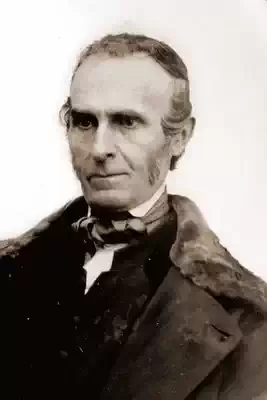
John Greenleaf Whittier
The New Wife and the Old
The New Wife and the Old
Dark the halls, and cold the feast,
Gone the bridemaids, gone the priest.
All is over, all is done,
Twain of yesterday are one!
Blooming girl and manhood gray,
Autumn in the arms of May!
Hushed within and hushed without,
Dancing feet and wrestlers' shout;
Dies the bonfire on the hill;
All is dark and all is still,
Save the starlight, save the breeze
Moaning through the graveyard trees,
And the great sea-waves below,
Pulse of the midnight beating slow.
From the brief dream of a bride
She hath wakened, at his side.
With half-uttered shriek and start,Feels
she not his beating heart?
And the pressure of his arm,
And his breathing near and warm?
Lightly from the bridal bed
Springs that fair dishevelled head,
And a feeling, new, intense,
Half of shame, half innocence,
Maiden fear and wonder speaks
Through her lips and changing cheeks.
From the oaken mantel glowing,
Faintest light the lamp is throwing
On the mirror's antique mould,
High-backed chair, and wainscot old,
And, through faded curtains stealing,
His dark sleeping face revealing.
Listless lies the strong man there,
Silver-streaked his careless hair;
Lips of love have left no trace
On that hard and haughty face;
And that forehead's knitted thought
Love's soft hand hath not unwrought.
'Yet,' she sighs, 'he loves me well,
More than these calm lips will tell.
Stooping to my lowly state,
He hath made me rich and great,
And I bless him, though he be
Hard and stern to all save me!'
While she speaketh, falls the light
O'er her fingers small and white;
Gold and gem, and costly ring
Back the timid lustre fling,Love's
selectest gifts, and rare,
His proud hand had fastened there.
Gratefully she marks the glow
From those tapering lines of snow;
Fondly o'er the sleeper bending
His black hair with golden blending,
In her soft and light caress,
Cheek and lip together press.
Ha!-that start of horror! why
That wild stare and wilder cry,
Full of terror, full of pain?
Is there madness in her brain?
Hark! that gasping, hoarse and low,
'Spare me,-spare me,-let me go!'
God have mercy!-icy cold
Spectral hands her own enfold,
Drawing silently from them
Love's fair gifts of gold and gem.
'Waken! save me!' still as death
At her side he slumbereth.
Ring and bracelet all are gone,
And that ice-cold hand withdrawn;
But she hears a murmur low,
Full of sweetness, full of woe,
Half a sigh and half a moan
'Fear not! give the dead her own!'
Ah!-the dead wife's voice she knows!
That cold hand whose pressure froze,
Once in warmest life had borne
Gem and band her own hath worn.
'Wake thee! wake thee!' Lo, his eyes
Open with a dull surprise.
In his arms the strong man folds her,
Closer to his breast he holds her;
Trembling limbs his own are meeting,
And he feels her heart's quick beating
'Nay, my dearest, why this fear?'
'Hush!' she saith, 'the dead is here!'
'Nay, a dream,-an idle dream.'
But before the lamp's pale gleam
Tremblingly her hand she raises.
There no more the diamond blazes,
Clasp of pearl, or ring of gold,'
Ah!' she sighs, 'her hand was cold!'
Broken words of cheer he saith,
But his dark lip quivereth,
And as o'er the past he thinketh,
From his young wife's arms he shrinketh;
Can those soft arms round him lie,
Underneath his dead wife's eye?
She her fair young head can rest
Soothed and childlike on his breast,
And in trustful innocence
Draw new strength and courage thence;
He, the proud man, feels within
But the cowardice of sin!
She can murmur in her thought
Simple prayers her mother taught,
And His blessed angels call,
Whose great love is over all;
He, alone, in prayerless pride,
Meets the dark Past at her side!
One, who living shrank with dread
From his look, or word, or tread,
Unto whom her early grave
Was as freedom to the slave,
Moves him at this midnight hour,
With the dead's unconscious power!
Ah, the dead, the unforgot!
From their solemn homes of thought,
Where the cypress shadows blend
Darkly over foe and friend,
Or in love or sad rebuke,
Back upon the living look.
And the tenderest ones and weakest,
Who their wrongs have borne the meekest,
Lifting from those dark, still places,
Sweet and sad-remembered faces,
O'er the guilty hearts behind
An unwitting triumph find.
Dark the halls, and cold the feast,
Gone the bridemaids, gone the priest.
All is over, all is done,
Twain of yesterday are one!
Blooming girl and manhood gray,
Autumn in the arms of May!
Hushed within and hushed without,
Dancing feet and wrestlers' shout;
Dies the bonfire on the hill;
All is dark and all is still,
Save the starlight, save the breeze
Moaning through the graveyard trees,
And the great sea-waves below,
Pulse of the midnight beating slow.
From the brief dream of a bride
She hath wakened, at his side.
With half-uttered shriek and start,Feels
she not his beating heart?
And the pressure of his arm,
And his breathing near and warm?
Lightly from the bridal bed
Springs that fair dishevelled head,
And a feeling, new, intense,
Half of shame, half innocence,
Maiden fear and wonder speaks
Through her lips and changing cheeks.
From the oaken mantel glowing,
Faintest light the lamp is throwing
On the mirror's antique mould,
High-backed chair, and wainscot old,
And, through faded curtains stealing,
His dark sleeping face revealing.
Listless lies the strong man there,
Silver-streaked his careless hair;
Lips of love have left no trace
On that hard and haughty face;
And that forehead's knitted thought
Love's soft hand hath not unwrought.
'Yet,' she sighs, 'he loves me well,
More than these calm lips will tell.
Stooping to my lowly state,
He hath made me rich and great,
And I bless him, though he be
Hard and stern to all save me!'
While she speaketh, falls the light
O'er her fingers small and white;
Gold and gem, and costly ring
Back the timid lustre fling,Love's
selectest gifts, and rare,
His proud hand had fastened there.
Gratefully she marks the glow
From those tapering lines of snow;
Fondly o'er the sleeper bending
His black hair with golden blending,
In her soft and light caress,
Cheek and lip together press.
Ha!-that start of horror! why
That wild stare and wilder cry,
Full of terror, full of pain?
Is there madness in her brain?
Hark! that gasping, hoarse and low,
'Spare me,-spare me,-let me go!'
God have mercy!-icy cold
Spectral hands her own enfold,
Drawing silently from them
Love's fair gifts of gold and gem.
'Waken! save me!' still as death
At her side he slumbereth.
Ring and bracelet all are gone,
And that ice-cold hand withdrawn;
But she hears a murmur low,
Full of sweetness, full of woe,
Half a sigh and half a moan
'Fear not! give the dead her own!'
Ah!-the dead wife's voice she knows!
That cold hand whose pressure froze,
Once in warmest life had borne
Gem and band her own hath worn.
'Wake thee! wake thee!' Lo, his eyes
Open with a dull surprise.
In his arms the strong man folds her,
Closer to his breast he holds her;
Trembling limbs his own are meeting,
And he feels her heart's quick beating
'Nay, my dearest, why this fear?'
'Hush!' she saith, 'the dead is here!'
'Nay, a dream,-an idle dream.'
But before the lamp's pale gleam
Tremblingly her hand she raises.
There no more the diamond blazes,
Clasp of pearl, or ring of gold,'
Ah!' she sighs, 'her hand was cold!'
Broken words of cheer he saith,
But his dark lip quivereth,
And as o'er the past he thinketh,
From his young wife's arms he shrinketh;
Can those soft arms round him lie,
Underneath his dead wife's eye?
She her fair young head can rest
Soothed and childlike on his breast,
And in trustful innocence
Draw new strength and courage thence;
He, the proud man, feels within
But the cowardice of sin!
She can murmur in her thought
Simple prayers her mother taught,
And His blessed angels call,
Whose great love is over all;
He, alone, in prayerless pride,
Meets the dark Past at her side!
One, who living shrank with dread
From his look, or word, or tread,
Unto whom her early grave
Was as freedom to the slave,
Moves him at this midnight hour,
With the dead's unconscious power!
Ah, the dead, the unforgot!
From their solemn homes of thought,
Where the cypress shadows blend
Darkly over foe and friend,
Or in love or sad rebuke,
Back upon the living look.
And the tenderest ones and weakest,
Who their wrongs have borne the meekest,
Lifting from those dark, still places,
Sweet and sad-remembered faces,
O'er the guilty hearts behind
An unwitting triumph find.
215
John Greenleaf Whittier
The Double-Headed Snake of Newbury
The Double-Headed Snake of Newbury
Far away in the twilight time
Of every people, in every clime,
Dragons and griffins and monsters dire,
Born of water, and air, and fire,
Or nursed, like the Python, in the mud
And ooze of the old Deucalion flood,
Crawl and wriggle and foam with rage,
Through dusk tradition and ballad age.
So from the childhood of Newbury town
And its time of fable the tale comes down
Of a terror which haunted bush and brake,
The Amphisbaena, the Double Snake!
Thou who makest the tale thy mirth,
Consider that strip of Christian earth
On the desolate shore of a sailless sea,
Full of terror and mystery,
Half redeemed from the evil hold
Of the wood so dreary, and dark, and old,
Which drank with its lips of leaves the dew
When Time was young, and the world was new,
And wove its shadows with sun and moon,
Ere the stones of Cheops were squared and hewn.
Think of the sea's dread monotone,
Of the mournful wail from the pine-wood blown,
Of the strange, vast splendors that lit the North,
Of the troubled throes of the quaking earth,
And the dismal tales the Indian told,
Till the settler's heart at his hearth grew cold,
And he shrank from the tawny wizard boasts,
And the hovering shadows seemed full of ghosts,
And above, below, and on every side,
The fear of his creed seemed verified;And
think, if his lot were now thine own,
To grope with terrors nor named nor known,
How laxer muscle and weaker nerve
And a feebler faith thy need might serve;
And own to thyself the wonder more
That the snake had two heads, and not a score!
Whether he lurked in the Oldtown fen
Or the gray earth-flax of the Devil's Den,
Or swam in the wooded Artichoke,
Or coiled by the Northman's Written Rock,
Nothing on record is left to show;
Only the fact that be lived, we know,
And left the cast of a double head
In the scaly mask which he yearly shed.
For he carried a head where his tail should be,
And the two, of course, could never agree,
But wriggled about with main and might,
Now to the left and now to the right;
Pulling and twisting this way and that,
Neither knew what the other was at.
A snake with two beads, lurking so near!
Judge of the wonder, guess at the fear!
Think what ancient gossips might say,
Shaking their heads in their dreary way,
Between the meetings on Sabbath-day!
How urchins, searching at day's decline
The Common Pasture for sheep or kine,
The terrible double-ganger heard
In leafy rustle or whir of bird!
Think what a zest it gave to the sport,
In berry-time, of the younger sort,
As over pastures blackberry-twined,
Reuben and Dorothy lagged behind,
And closer and closer, for fear of harm,
The maiden clung to her lover's arm;
And how the spark, who was forced to stay,
By his sweetheart's fears, till the break of day,
Thanked the snake for the fond delay.
Far and wide the tale was told,
Like a snowball growing while it rolled.
The nurse hushed with it the baby's cry;
And it served, in the worthy minister's eye,
To paint the primitive serpent by.
Cotton Mather came galloping down
All the way to Newbury town,
With his eyes agog and his ears set wide,
And his marvellous inkhorn at his side;
Stirring the while in the shallow pool
Of his brains for the lore he learned at school,
To garnish the story, with here a streak
Of Latin, and there another of Greek
And the tales he heard and the notes he took,
Behold! are they not in his Wonder-Book?
Stories, like dragons, are hard to kill.
If the snake does not, the tale runs still
In Byfield Meadows, on Pipestave Hill.
And still, whenever husband and wife
Publish the shame of their daily strife,
And, with mad cross-purpose, tug and strain
At either end of the marriage-chain,
The gossips say, with a knowing shake
Of their gray heads, 'Look at the Double Snake
One in body and two in will,
The Amphisbaena is living still!'
Far away in the twilight time
Of every people, in every clime,
Dragons and griffins and monsters dire,
Born of water, and air, and fire,
Or nursed, like the Python, in the mud
And ooze of the old Deucalion flood,
Crawl and wriggle and foam with rage,
Through dusk tradition and ballad age.
So from the childhood of Newbury town
And its time of fable the tale comes down
Of a terror which haunted bush and brake,
The Amphisbaena, the Double Snake!
Thou who makest the tale thy mirth,
Consider that strip of Christian earth
On the desolate shore of a sailless sea,
Full of terror and mystery,
Half redeemed from the evil hold
Of the wood so dreary, and dark, and old,
Which drank with its lips of leaves the dew
When Time was young, and the world was new,
And wove its shadows with sun and moon,
Ere the stones of Cheops were squared and hewn.
Think of the sea's dread monotone,
Of the mournful wail from the pine-wood blown,
Of the strange, vast splendors that lit the North,
Of the troubled throes of the quaking earth,
And the dismal tales the Indian told,
Till the settler's heart at his hearth grew cold,
And he shrank from the tawny wizard boasts,
And the hovering shadows seemed full of ghosts,
And above, below, and on every side,
The fear of his creed seemed verified;And
think, if his lot were now thine own,
To grope with terrors nor named nor known,
How laxer muscle and weaker nerve
And a feebler faith thy need might serve;
And own to thyself the wonder more
That the snake had two heads, and not a score!
Whether he lurked in the Oldtown fen
Or the gray earth-flax of the Devil's Den,
Or swam in the wooded Artichoke,
Or coiled by the Northman's Written Rock,
Nothing on record is left to show;
Only the fact that be lived, we know,
And left the cast of a double head
In the scaly mask which he yearly shed.
For he carried a head where his tail should be,
And the two, of course, could never agree,
But wriggled about with main and might,
Now to the left and now to the right;
Pulling and twisting this way and that,
Neither knew what the other was at.
A snake with two beads, lurking so near!
Judge of the wonder, guess at the fear!
Think what ancient gossips might say,
Shaking their heads in their dreary way,
Between the meetings on Sabbath-day!
How urchins, searching at day's decline
The Common Pasture for sheep or kine,
The terrible double-ganger heard
In leafy rustle or whir of bird!
Think what a zest it gave to the sport,
In berry-time, of the younger sort,
As over pastures blackberry-twined,
Reuben and Dorothy lagged behind,
And closer and closer, for fear of harm,
The maiden clung to her lover's arm;
And how the spark, who was forced to stay,
By his sweetheart's fears, till the break of day,
Thanked the snake for the fond delay.
Far and wide the tale was told,
Like a snowball growing while it rolled.
The nurse hushed with it the baby's cry;
And it served, in the worthy minister's eye,
To paint the primitive serpent by.
Cotton Mather came galloping down
All the way to Newbury town,
With his eyes agog and his ears set wide,
And his marvellous inkhorn at his side;
Stirring the while in the shallow pool
Of his brains for the lore he learned at school,
To garnish the story, with here a streak
Of Latin, and there another of Greek
And the tales he heard and the notes he took,
Behold! are they not in his Wonder-Book?
Stories, like dragons, are hard to kill.
If the snake does not, the tale runs still
In Byfield Meadows, on Pipestave Hill.
And still, whenever husband and wife
Publish the shame of their daily strife,
And, with mad cross-purpose, tug and strain
At either end of the marriage-chain,
The gossips say, with a knowing shake
Of their gray heads, 'Look at the Double Snake
One in body and two in will,
The Amphisbaena is living still!'
329
John Greenleaf Whittier
My Dream
My Dream
In my dream, methought I trod,
Yesternight, a mountain road;
Narrow as Al Sirat's span,
High as eagle's flight, it ran.
Overhead, a roof of cloud
With its weight of thunder bowed;
Underneath, to left and right,
Blankness and abysmal night.
Here and there a wild-flower blushed,
Now and then a bird-song gushed;
Now and then, through rifts of shade,
Stars shone out, and sunbeams played.
But the goodly company,
Walking in that path with me,
One by one the brink o'erslid,
One by one the darkness hid.
Some with wailing and lament,
Some with cheerful courage went;
But, of all who smiled or mourned,
Never one to us returned.
Anxiously, with eye and ear,
Questioning that shadow drear,
Never hand in token stirred,
Never answering voice I heard!
Steeper, darker!--lo! I felt
From my feet the pathway melt.
Swallowed by the black despair,
And the hungry jaws of air,
Past the stony-throated caves,
Strangled by the wash of waves,
Past the splintered crags, I sank
On a green and flowery bank,-
Soft as fall of thistle-down,
Lightly as a cloud is blown,
Soothingly as childhood pressed
To the bosom of its rest.
Of the sharp-horned rocks instead,
Green the grassy meadows spread,
Bright with waters singing by
Trees that propped a golden sky.
Painless, trustful, sorrow-free,
Old lost faces welcomed me,
With whose sweetness of content
Still expectant hope was blent.
Waking while the dawning gray
Slowly brightened into day,
Pondering that vision fled,
Thus unto myself I said:-
'Steep and hung with clouds of strife
Is our narrow path of life;
And our death the dreaded fall
Through the dark, awaiting all.
'So, with painful steps we climb
Up the dizzy ways of time,
Ever in the shadow shed
By the forecast of our dread.
'Dread of mystery solved alone,
Of the untried and unknown;
Yet the end thereof may seem
Like the falling of my dream.
'And this heart-consuming care,
All our fears of here or there,
Change and absence, loss and death,
Prove but simple lack of faith.'
Thou, O Most Compassionate!
Who didst stoop to our estate,
Drinking of the cup we drain,
Treading in our path of pain,-
Through the doubt and mystery,
Grant to us thy steps to see,
And the grace to draw from thence
Larger hope and confidence.
Show thy vacant tomb, and let,
As of old, the angels sit,
Whispering, by its open door
'Fear not! He hath gone before!'
In my dream, methought I trod,
Yesternight, a mountain road;
Narrow as Al Sirat's span,
High as eagle's flight, it ran.
Overhead, a roof of cloud
With its weight of thunder bowed;
Underneath, to left and right,
Blankness and abysmal night.
Here and there a wild-flower blushed,
Now and then a bird-song gushed;
Now and then, through rifts of shade,
Stars shone out, and sunbeams played.
But the goodly company,
Walking in that path with me,
One by one the brink o'erslid,
One by one the darkness hid.
Some with wailing and lament,
Some with cheerful courage went;
But, of all who smiled or mourned,
Never one to us returned.
Anxiously, with eye and ear,
Questioning that shadow drear,
Never hand in token stirred,
Never answering voice I heard!
Steeper, darker!--lo! I felt
From my feet the pathway melt.
Swallowed by the black despair,
And the hungry jaws of air,
Past the stony-throated caves,
Strangled by the wash of waves,
Past the splintered crags, I sank
On a green and flowery bank,-
Soft as fall of thistle-down,
Lightly as a cloud is blown,
Soothingly as childhood pressed
To the bosom of its rest.
Of the sharp-horned rocks instead,
Green the grassy meadows spread,
Bright with waters singing by
Trees that propped a golden sky.
Painless, trustful, sorrow-free,
Old lost faces welcomed me,
With whose sweetness of content
Still expectant hope was blent.
Waking while the dawning gray
Slowly brightened into day,
Pondering that vision fled,
Thus unto myself I said:-
'Steep and hung with clouds of strife
Is our narrow path of life;
And our death the dreaded fall
Through the dark, awaiting all.
'So, with painful steps we climb
Up the dizzy ways of time,
Ever in the shadow shed
By the forecast of our dread.
'Dread of mystery solved alone,
Of the untried and unknown;
Yet the end thereof may seem
Like the falling of my dream.
'And this heart-consuming care,
All our fears of here or there,
Change and absence, loss and death,
Prove but simple lack of faith.'
Thou, O Most Compassionate!
Who didst stoop to our estate,
Drinking of the cup we drain,
Treading in our path of pain,-
Through the doubt and mystery,
Grant to us thy steps to see,
And the grace to draw from thence
Larger hope and confidence.
Show thy vacant tomb, and let,
As of old, the angels sit,
Whispering, by its open door
'Fear not! He hath gone before!'
326
John Greenleaf Whittier
Birchbrook Mill
Birchbrook Mill
A NOTELESS stream, the Birchbrook runs
Beneath its leaning trees;
That low, soft ripple is its own,
That dull roar is the sea's.
Of human signs it sees alone
The distant church spire's tip,
And, ghost-like, on a blank of gray,
The white sail of a ship.
No more a toiler at the wheel,
It wanders at its will;
Nor dam nor pond is left to tell
Where once was Birchbrook mill.
The timbers of that mill have fed
Long since a farmer's fires;
His doorsteps are the stones that ground
The harvest of his sires.
Man trespassed here; but Nature lost
No right of her domain;
She waited, and she brought the old
Wild beauty back again.
By day the sunlight through the leaves
Falls on its moist, green sod,
And wakes the violet bloom of spring
And autumn's golden-rod.
Its birches whisper to the wind,
The swallow dips her wings
In the cool spray, and on its banks
The gray song-sparrow sings.
But from it, when the dark night falls,
The school-girl shrinks with dread;
The farmer, home-bound from his fields,
Goes by with quickened tread.
They dare not pause to hear the grind
Of shadowy stone on stone;
The plashing of a water-wheel
Where wheel there now is none.
Has not a cry of pain been heard
Above the clattering mill?
The pawing of an unseen horse,
Who waits his mistress still?
Yet never to the listener's eye
Has sight confirmed the sound;
A wavering birch line marks alone
The vacant pasture ground.
No ghostly arms fling up to heaven
The agony of prayer;
No spectral steed impatient shakes
His white mane on the air.
The meaning of that common dread
No tongue has fitly told;
The secret of the dark surmise
The brook and birches hold.
What nameless horror of the past
Broods here forevermore?
What ghost his unforgiven sin
Is grinding o'er and o'er?
Does, then, immortal memory play
The actor's tragic part,
Rehearsals of a mortal life
And unveiled human heart?
God's pity spare a guilty soul
That drama of its ill,
And let the scenic curtain fall
On Birchbrook's haunted mill
A NOTELESS stream, the Birchbrook runs
Beneath its leaning trees;
That low, soft ripple is its own,
That dull roar is the sea's.
Of human signs it sees alone
The distant church spire's tip,
And, ghost-like, on a blank of gray,
The white sail of a ship.
No more a toiler at the wheel,
It wanders at its will;
Nor dam nor pond is left to tell
Where once was Birchbrook mill.
The timbers of that mill have fed
Long since a farmer's fires;
His doorsteps are the stones that ground
The harvest of his sires.
Man trespassed here; but Nature lost
No right of her domain;
She waited, and she brought the old
Wild beauty back again.
By day the sunlight through the leaves
Falls on its moist, green sod,
And wakes the violet bloom of spring
And autumn's golden-rod.
Its birches whisper to the wind,
The swallow dips her wings
In the cool spray, and on its banks
The gray song-sparrow sings.
But from it, when the dark night falls,
The school-girl shrinks with dread;
The farmer, home-bound from his fields,
Goes by with quickened tread.
They dare not pause to hear the grind
Of shadowy stone on stone;
The plashing of a water-wheel
Where wheel there now is none.
Has not a cry of pain been heard
Above the clattering mill?
The pawing of an unseen horse,
Who waits his mistress still?
Yet never to the listener's eye
Has sight confirmed the sound;
A wavering birch line marks alone
The vacant pasture ground.
No ghostly arms fling up to heaven
The agony of prayer;
No spectral steed impatient shakes
His white mane on the air.
The meaning of that common dread
No tongue has fitly told;
The secret of the dark surmise
The brook and birches hold.
What nameless horror of the past
Broods here forevermore?
What ghost his unforgiven sin
Is grinding o'er and o'er?
Does, then, immortal memory play
The actor's tragic part,
Rehearsals of a mortal life
And unveiled human heart?
God's pity spare a guilty soul
That drama of its ill,
And let the scenic curtain fall
On Birchbrook's haunted mill
301