

Poems in this theme
Memories and Recollections
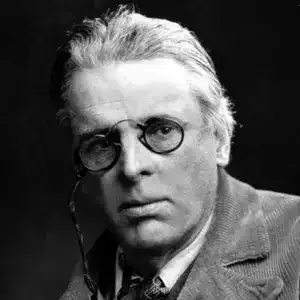
William Butler Yeats
Fallen Majesty
Fallen Majesty
Although crowds gathered once if she but showed her face,
And even old men's eyes grew dim, this hand alone,
Like some last courtier at a gypsy camping-place
Babbling of fallen majesty, records what's gone.
The lineaments, a heart that laughter has made sweet,
These, these remain, but I record what's gone. A crowd
Will gather, and not know it walks the very street
Whereon a thing once walked that seemed a burning cloud.
Although crowds gathered once if she but showed her face,
And even old men's eyes grew dim, this hand alone,
Like some last courtier at a gypsy camping-place
Babbling of fallen majesty, records what's gone.
The lineaments, a heart that laughter has made sweet,
These, these remain, but I record what's gone. A crowd
Will gather, and not know it walks the very street
Whereon a thing once walked that seemed a burning cloud.
305
William Butler Yeats
Coole Park And Ballylee, 1931
Coole Park And Ballylee, 1931
Under my window-ledge the waters race,
Otters below and moor-hens on the top,
Run for a mile undimmed in Heaven's face
Then darkening through 'dark' Raftery's 'cellar' drop,
Run underground, rise in a rocky place
In Coole demesne, and there to finish up
Spread to a lake and drop into a hole.
What's water but the generated soul?
Upon the border of that lake's a wood
Now all dry sticks under a wintry sun,
And in a copse of beeches there I stood,
For Nature's pulled her tragic buskin on
And all the rant's a mirror of my mood:
At sudden thunder of the mounting swan
I turned about and looked where branches break
The glittering reaches of the flooded lake.
Another emblem there! That stormy white
But seems a concentration of the sky;
And, like the soul, it sails into the sight
And in the morning's gone, no man knows why;
And is so lovely that it sets to right
What knowledge or its lack had set awry,
So atrogantly pure, a child might think
It can be murdered with a spot of ink.
Sound of a stick upon the floor, a sound
From somebody that toils from chair to chair;
Beloved books that famous hands have bound,
Old marble heads, old pictures everywhere;
Great rooms where travelled men and children found
Content or joy; a last inheritor
Where none has reigned that lacked a name and fame
Or out of folly into folly came.
A spot whereon the founders lived and died
Seemed once more dear than life; ancestral trees,
Or gardens rich in memory glorified
Marriages, alliances and families,
And every bride's ambition satisfied.
Where fashion or mere fantasy decrees
We shift about - all that great glory spent -
Like some poor Arab tribesman and his tent.
We were the last romantics - chose for theme
Traditional sanctity and loveliness;
Whatever's written in what poets name
The book of the people; whatever most can bless
The mind of man or elevate a rhyme;
But all is changed, that high horse riderless,
Though mounted in that saddle Homer rode
Where the swan drifts upon a darkening flood.
Under my window-ledge the waters race,
Otters below and moor-hens on the top,
Run for a mile undimmed in Heaven's face
Then darkening through 'dark' Raftery's 'cellar' drop,
Run underground, rise in a rocky place
In Coole demesne, and there to finish up
Spread to a lake and drop into a hole.
What's water but the generated soul?
Upon the border of that lake's a wood
Now all dry sticks under a wintry sun,
And in a copse of beeches there I stood,
For Nature's pulled her tragic buskin on
And all the rant's a mirror of my mood:
At sudden thunder of the mounting swan
I turned about and looked where branches break
The glittering reaches of the flooded lake.
Another emblem there! That stormy white
But seems a concentration of the sky;
And, like the soul, it sails into the sight
And in the morning's gone, no man knows why;
And is so lovely that it sets to right
What knowledge or its lack had set awry,
So atrogantly pure, a child might think
It can be murdered with a spot of ink.
Sound of a stick upon the floor, a sound
From somebody that toils from chair to chair;
Beloved books that famous hands have bound,
Old marble heads, old pictures everywhere;
Great rooms where travelled men and children found
Content or joy; a last inheritor
Where none has reigned that lacked a name and fame
Or out of folly into folly came.
A spot whereon the founders lived and died
Seemed once more dear than life; ancestral trees,
Or gardens rich in memory glorified
Marriages, alliances and families,
And every bride's ambition satisfied.
Where fashion or mere fantasy decrees
We shift about - all that great glory spent -
Like some poor Arab tribesman and his tent.
We were the last romantics - chose for theme
Traditional sanctity and loveliness;
Whatever's written in what poets name
The book of the people; whatever most can bless
The mind of man or elevate a rhyme;
But all is changed, that high horse riderless,
Though mounted in that saddle Homer rode
Where the swan drifts upon a darkening flood.
574
William Butler Yeats
At Galway Races
At Galway Races
THERE where the course is,
Delight makes all of the one mind,
The riders upon the galloping horses,
The crowd that closes in behind:
We, too, had good attendance once,
Hearers and hearteners of the work;
Aye, horsemen for companions,
Before the merchant and the clerk
Breathed on the world with timid breath.
Sing on: somewhere at some new moon,
We'll learn that sleeping is not death,
Hearing the whole earth change its tune,
Its flesh being wild, and it again
Crying aloud as the racecourse is,
And we find hearteners among men
That ride upon horses.
THERE where the course is,
Delight makes all of the one mind,
The riders upon the galloping horses,
The crowd that closes in behind:
We, too, had good attendance once,
Hearers and hearteners of the work;
Aye, horsemen for companions,
Before the merchant and the clerk
Breathed on the world with timid breath.
Sing on: somewhere at some new moon,
We'll learn that sleeping is not death,
Hearing the whole earth change its tune,
Its flesh being wild, and it again
Crying aloud as the racecourse is,
And we find hearteners among men
That ride upon horses.
362
William Butler Yeats
An Image From A Past Life
An Image From A Past Life
He. Never until this night have I been stirred.
The elaborate starlight throws a reflection
On the dark stream,
Till all the eddies gleam;
And thereupon there comes that scream
From terrified, invisible beast or bird:
Image of poignant recollection.
She. An image of my heart that is smitten through
Out of all likelihood, or reason,
And when at last,
Youth's bitterness being past,
I had thought that all my days were cast
Amid most lovely places; smitten as though
It had not learned its lesson.
He. Why have you laid your hands upon my eyes?
What can have suddenly alarmed you
Whereon 'twere best
My eyes should never rest?
What is there but the slowly fading west,
The river imaging the flashing skies,
All that to this moment charmed you?
She. A Sweetheart from another life floats there
As though she had been forced to linger
From vague distress
Or arrogant loveliness,
Merely to loosen out a tress
Among the starry eddies of her hair
Upon the paleness of a finger.
He. But why should you grow suddenly afraid
And start -- I at your shoulder --
Imagining
That any night could bring
An image up, or anything
Even to eyes that beauty had driven mad,
But images to make me fonder?
She. Now She has thrown her arms above her head;
Whether she threw them up to flout me,
Or but to find,
Now that no fingers bind,
That her hair streams upon the wind,
I do not know, that know I am afraid
Of the hovering thing night brought me.
He. Never until this night have I been stirred.
The elaborate starlight throws a reflection
On the dark stream,
Till all the eddies gleam;
And thereupon there comes that scream
From terrified, invisible beast or bird:
Image of poignant recollection.
She. An image of my heart that is smitten through
Out of all likelihood, or reason,
And when at last,
Youth's bitterness being past,
I had thought that all my days were cast
Amid most lovely places; smitten as though
It had not learned its lesson.
He. Why have you laid your hands upon my eyes?
What can have suddenly alarmed you
Whereon 'twere best
My eyes should never rest?
What is there but the slowly fading west,
The river imaging the flashing skies,
All that to this moment charmed you?
She. A Sweetheart from another life floats there
As though she had been forced to linger
From vague distress
Or arrogant loveliness,
Merely to loosen out a tress
Among the starry eddies of her hair
Upon the paleness of a finger.
He. But why should you grow suddenly afraid
And start -- I at your shoulder --
Imagining
That any night could bring
An image up, or anything
Even to eyes that beauty had driven mad,
But images to make me fonder?
She. Now She has thrown her arms above her head;
Whether she threw them up to flout me,
Or but to find,
Now that no fingers bind,
That her hair streams upon the wind,
I do not know, that know I am afraid
Of the hovering thing night brought me.
353
William Butler Yeats
After Long Silence
After Long Silence
Speech after long silence; it is right,
All other lovers being estranged or dead,
Unfriendly lamplight hid under its shade,
The curtains drawn upon unfriendly night,
That we descant and yet again descant
Upon the supreme theme of Art and Song:
Bodily decrepitude is wisdom; young
We loved each other and were ignorant.
Speech after long silence; it is right,
All other lovers being estranged or dead,
Unfriendly lamplight hid under its shade,
The curtains drawn upon unfriendly night,
That we descant and yet again descant
Upon the supreme theme of Art and Song:
Bodily decrepitude is wisdom; young
We loved each other and were ignorant.
312
William Butler Yeats
All Souls' Night
All Souls' Night
Epilogue to 'A Vision'
MIDNIGHT has come, and the great Christ Church Bell
And may a lesser bell sound through the room;
And it is All Souls' Night,
And two long glasses brimmed with muscatel
Bubble upon the table. A ghost may come;
For it is a ghost's right,
His element is so fine
Being sharpened by his death,
To drink from the wine-breath
While our gross palates drink from the whole wine.
I need some mind that, if the cannon sound
From every quarter of the world, can stay
Wound in mind's pondering
As mummies in the mummy-cloth are wound;
Because I have a marvellous thing to say,
A certain marvellous thing
None but the living mock,
Though not for sober ear;
It may be all that hear
Should laugh and weep an hour upon the clock.
Horton's the first I call. He loved strange thought
And knew that sweet extremity of pride
That's called platonic love,
And that to such a pitch of passion wrought
Nothing could bring him, when his lady died,
Anodyne for his love.
Words were but wasted breath;
One dear hope had he:
The inclemency
Of that or the next winter would be death.
Two thoughts were so mixed up I could not tell
Whether of her or God he thought the most,
But think that his mind's eye,
When upward turned, on one sole image fell;
And that a slight companionable ghost,
Wild with divinity,
Had so lit up the whole
Immense miraculous house
The Bible promised us,
It seemed a gold-fish swimming in a bowl.
On Florence Emery I call the next,
Who finding the first wrinkles on a face
Admired and beautiful,
And knowing that the future would be vexed
With 'minished beauty, multiplied commonplace,
preferred to teach a school
Away from neighbour or friend,
Among dark skins, and there
permit foul years to wear
Hidden from eyesight to the unnoticed end.
Before that end much had she ravelled out
From a discourse in figurative speech
By some learned Indian
On the soul's journey. How it is whirled about,
Wherever the orbit of the moon can reach,
Until it plunge into the sun;
And there, free and yet fast,
Being both Chance and Choice,
Forget its broken toys
And sink into its own delight at last.
And I call up MacGregor from the grave,
For in my first hard springtime we were friends.
Although of late estranged.
I thought him half a lunatic, half knave,
And told him so, but friendship never ends;
And what if mind seem changed,
And it seem changed with the mind,
When thoughts rise up unbid
On generous things that he did
And I grow half contented to be blind!
He had much industry at setting out,
Much boisterous courage, before loneliness
Had driven him crazed;
For meditations upon unknown thought
Make human intercourse grow less and less;
They are neither paid nor praised.
but he d object to the host,
The glass because my glass;
A ghost-lover he was
And may have grown more arrogant being a ghost.
But names are nothing. What matter who it be,
So that his elements have grown so fine
The fume of muscatel
Can give his sharpened palate ecstasy
No living man can drink from the whole wine.
I have mummy truths to tell
Whereat the living mock,
Though not for sober ear,
For maybe all that hear
Should laugh and weep an hour upon the clock.
Such thought -- such thought have I that hold it tight
Till meditation master all its parts,
Nothing can stay my glance
Until that glance run in the world's despite
To where the damned have howled away their hearts,
And where the blessed dance;
Such thought, that in it bound
I need no other thing,
Wound in mind's wandering
As mummies in the mummy-cloth are wound.
Epilogue to 'A Vision'
MIDNIGHT has come, and the great Christ Church Bell
And may a lesser bell sound through the room;
And it is All Souls' Night,
And two long glasses brimmed with muscatel
Bubble upon the table. A ghost may come;
For it is a ghost's right,
His element is so fine
Being sharpened by his death,
To drink from the wine-breath
While our gross palates drink from the whole wine.
I need some mind that, if the cannon sound
From every quarter of the world, can stay
Wound in mind's pondering
As mummies in the mummy-cloth are wound;
Because I have a marvellous thing to say,
A certain marvellous thing
None but the living mock,
Though not for sober ear;
It may be all that hear
Should laugh and weep an hour upon the clock.
Horton's the first I call. He loved strange thought
And knew that sweet extremity of pride
That's called platonic love,
And that to such a pitch of passion wrought
Nothing could bring him, when his lady died,
Anodyne for his love.
Words were but wasted breath;
One dear hope had he:
The inclemency
Of that or the next winter would be death.
Two thoughts were so mixed up I could not tell
Whether of her or God he thought the most,
But think that his mind's eye,
When upward turned, on one sole image fell;
And that a slight companionable ghost,
Wild with divinity,
Had so lit up the whole
Immense miraculous house
The Bible promised us,
It seemed a gold-fish swimming in a bowl.
On Florence Emery I call the next,
Who finding the first wrinkles on a face
Admired and beautiful,
And knowing that the future would be vexed
With 'minished beauty, multiplied commonplace,
preferred to teach a school
Away from neighbour or friend,
Among dark skins, and there
permit foul years to wear
Hidden from eyesight to the unnoticed end.
Before that end much had she ravelled out
From a discourse in figurative speech
By some learned Indian
On the soul's journey. How it is whirled about,
Wherever the orbit of the moon can reach,
Until it plunge into the sun;
And there, free and yet fast,
Being both Chance and Choice,
Forget its broken toys
And sink into its own delight at last.
And I call up MacGregor from the grave,
For in my first hard springtime we were friends.
Although of late estranged.
I thought him half a lunatic, half knave,
And told him so, but friendship never ends;
And what if mind seem changed,
And it seem changed with the mind,
When thoughts rise up unbid
On generous things that he did
And I grow half contented to be blind!
He had much industry at setting out,
Much boisterous courage, before loneliness
Had driven him crazed;
For meditations upon unknown thought
Make human intercourse grow less and less;
They are neither paid nor praised.
but he d object to the host,
The glass because my glass;
A ghost-lover he was
And may have grown more arrogant being a ghost.
But names are nothing. What matter who it be,
So that his elements have grown so fine
The fume of muscatel
Can give his sharpened palate ecstasy
No living man can drink from the whole wine.
I have mummy truths to tell
Whereat the living mock,
Though not for sober ear,
For maybe all that hear
Should laugh and weep an hour upon the clock.
Such thought -- such thought have I that hold it tight
Till meditation master all its parts,
Nothing can stay my glance
Until that glance run in the world's despite
To where the damned have howled away their hearts,
And where the blessed dance;
Such thought, that in it bound
I need no other thing,
Wound in mind's wandering
As mummies in the mummy-cloth are wound.
460
William Butler Yeats
A Man Young And Old: X. His Wildness
A Man Young And Old: X. His Wildness
O bid me mount and sail up there
Amid the cloudy wrack,
For peg and Meg and Paris' love
That had so straight a back,
Are gone away, and some that stay
Have changed their silk for sack.
Were I but there and none to hear
I'd have a peacock cry,
For that is natural to a man
That lives in memory,
Being all alone I'd nurse a stone
And sing it lullaby.
O bid me mount and sail up there
Amid the cloudy wrack,
For peg and Meg and Paris' love
That had so straight a back,
Are gone away, and some that stay
Have changed their silk for sack.
Were I but there and none to hear
I'd have a peacock cry,
For that is natural to a man
That lives in memory,
Being all alone I'd nurse a stone
And sing it lullaby.
271
William Butler Yeats
A Man Young And Old: VII. The Friends Of His Youth
A Man Young And Old: VII. The Friends Of His Youth
Laughter not time destroyed my voice
And put that crack in it,
And when the moon's pot-bellied
I get a laughing fit,
For that old Madge comes down the lane,
A stone upon her breast,
And a cloak wrapped about the stone,
And she can get no rest
With singing hush and hush-a-bye;
She that has been wild
And barren as a breaking wave
Thinks that the stone's a child.
And Peter that had great affairs
And was a pushing man
Shrieks, 'I am King of the Peacocks,'
And perches on a stone;
And then I laugh till tears run down
And the heart thumps at my side,
Remembering that her shriek was love
And that he shrieks from pride.
Laughter not time destroyed my voice
And put that crack in it,
And when the moon's pot-bellied
I get a laughing fit,
For that old Madge comes down the lane,
A stone upon her breast,
And a cloak wrapped about the stone,
And she can get no rest
With singing hush and hush-a-bye;
She that has been wild
And barren as a breaking wave
Thinks that the stone's a child.
And Peter that had great affairs
And was a pushing man
Shrieks, 'I am King of the Peacocks,'
And perches on a stone;
And then I laugh till tears run down
And the heart thumps at my side,
Remembering that her shriek was love
And that he shrieks from pride.
382
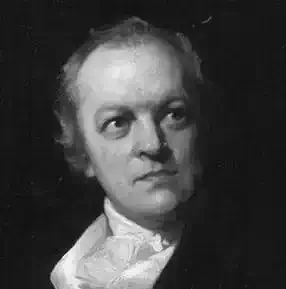
William Blake
The Land of Dreams
The Land of Dreams
Awake, awake, my little boy!
Thou wast thy mother's only joy;
Why dost thou weep in thy gentle sleep?
Awake! thy father does thee keep.
'O, what land is the Land of Dreams?
What are its mountains, and what are its streams?
O father! I saw my mother there,
Among the lilies by waters fair.
'Among the lambs, cloth?d in white,
She walk'd with her Thomas in sweet delight.
I wept for joy, like a dove I mourn;
O! when shall I again return?'
Dear child, I also by pleasant streams
Have wander'd all night in the Land of Dreams;
But tho' calm and warm the waters wide,
I could not get to the other side.
'Father, O father! what do we here
In this land of unbelief and fear?
The Land of Dreams is better far
Above the light of the morning star.'
Awake, awake, my little boy!
Thou wast thy mother's only joy;
Why dost thou weep in thy gentle sleep?
Awake! thy father does thee keep.
'O, what land is the Land of Dreams?
What are its mountains, and what are its streams?
O father! I saw my mother there,
Among the lilies by waters fair.
'Among the lambs, cloth?d in white,
She walk'd with her Thomas in sweet delight.
I wept for joy, like a dove I mourn;
O! when shall I again return?'
Dear child, I also by pleasant streams
Have wander'd all night in the Land of Dreams;
But tho' calm and warm the waters wide,
I could not get to the other side.
'Father, O father! what do we here
In this land of unbelief and fear?
The Land of Dreams is better far
Above the light of the morning star.'
442
William Blake
Song: Memory, hither come
Song: Memory, hither come
Memory, hither come,
And tune your merry notes;
And, while upon the wind
Your music floats,
I'll pore upon the stream
Where sighing lovers dream,
And fish for fancies as they pass
Within the watery glass.
I'll drink of the clear stream,
And hear the linnet's song;
And there I'll lie and dream
The day along:
And, when night comes, I'll go
To places fit for woe,
Walking along the darken'd valley
With silent Melancholy.
Memory, hither come,
And tune your merry notes;
And, while upon the wind
Your music floats,
I'll pore upon the stream
Where sighing lovers dream,
And fish for fancies as they pass
Within the watery glass.
I'll drink of the clear stream,
And hear the linnet's song;
And there I'll lie and dream
The day along:
And, when night comes, I'll go
To places fit for woe,
Walking along the darken'd valley
With silent Melancholy.
345

Wilfred Owen
Uriconium: an Ode
Uriconium: an Ode
It lieth low near merry England's heart
Like a long-buried sin; and Englishmen
Forget that in its death their sires had part.
And, like a sin, Time lays it bare again
To tell of races wronged,
And ancient glories suddenly overcast,
And treasures flung to fire and rabble wrath.
If thou hast ever longed
To lift the gloomy curtain of Time Past,
And spy the secret things that Hades hath,
Here through this riven ground take such a view.
The dust, that fell unnoted as a dew,
Wrapped the dead city's face like mummy-cloth:
All is as was: except for worm and moth.
Since Jove was worshipped under Wrekin's shade
Or Latin phrase was writ in Shropshire stone,
Since Druid chaunts desponded in this glade
Or Tuscan general called that field his own,
How long ago? How long?
How long since wanderers in the Stretton Hills
Met men of shaggy hair and savage jaw,
With flint and copper prong,
Aiming behind their dikes and thorny grilles?
Ah! those were days before the axe and saw,
Then were the nights when this mid-forest town
Held breath to hear the wolves come yelping down,
And ponderous bears 'long Severn lifted paw,
And nuzzling boars ran grunting through the shaw.
Ah me! full fifteen hundred times the wheat
Hath risen, and bowed, and fallen to human hunger
Since those imperial days were made complete.
The weary moon hath waxen old and younger
These eighteen thousand times
Without a shrine to greet her gentle ray.
And other temples rose; to Power and Pelf,
And chimed centurial chimes
Until their very bells are worn away.
While King by King lay cold on vaulted shelf
And wars closed wars, and many a Marmion fell,
And dearths and plagues holp sire and son to hell;
And old age stiffened many a lively elf
And many a poet's heart outdrained itself.
I had forgot that so remote an age
Beyond the horizon of our little sight,
Is far from us by no more spanless gauge
Than day and night, succeeding day and night,
Until I looked on Thee,
Thou ghost of a dead city, or its husk!
But even as we could walk by field and hedge
Hence to the distant sea
So, by the rote of common dawn and dusk,
We travel back to history's utmost edge.
Yea, when through thy old streets I took my way,
And recked a thousand years as yesterday,
Methought sage fancy wrought a sacrilege
To steal for me such godly privilege!
For here lie remnants from a banquet table -
Oysters and marrow-bones, and seeds of grape -
The statement of whose age must sound a fable;
And Samian jars, whose sheen and flawless shape
Look fresh from potter's mould.
Plasters with Roman finger-marks impressed;
Bracelets that from the warm Italian arm
Might seem to be scarce cold;
And spears - the same that pushed the Cymry west-
Unblunted yet; with tools of forge and farm
Abandoned, as a man in sudden fear
Drops what he holds to help his swift career:
For sudden was Rome's flight, and wild the alarm.
The Saxon shock was like Vesuvius' qualm.
O ye who prate of modern art and craft .
Mark well that Gaulish brooch, and test that screw!
Art's fairest buds on antique stem are graft.
Under the sun is nothing wholly new!
At Viricon today
The village anvil rests on Roman base
And in a garden, may be seen a bower
With pillars for its stay
That anciently in basilic had place.
The church's font is but a pagan dower:
A Temple's column, hollowed into this.
So is the glory of our artifice,
Our pleasure and our worship, but the flower
Of Roman custom and of Roman power.
O ye who laugh and, living as if Time
Meant but the twelve hours ticking round your dial,
Find it too short for thee, watch the sublime,
Slow, epochal time-registers awhile,
Which are Antiquities.
O ye who weep and call all your life too long
And moan: Was ever sorrow like to mine?
Muse on the memories
That sad sepulchral stones and ruins prolong.
Here might men drink of wonder like strong wine
And feel ephemeral troubles soothed and curbed.
Yet farmers, wroth to have their laws disturbed,
Are sooner roused for little loss to pine
Than we are moved by mighty woes long syne.
Above this reverend ground, what traveller checks?
Yet cities such as these one time would breed
Apocalyptic visions of world-wrecks.
Let Saxon men return to them, and heed!
They slew and burnt,
But after, prized what Rome had given away
Out of her strength and her prosperity.
Have they yet learnt
The precious truth distilled from Rome's decay?
Ruins! On England's heart press heavily!
For Rome hath left us more than walls and words
And better yet shall leave; and more than herds
Or land or gold gave the Celts to us in fee;
E'en Blood, which makes poets sing and prophets see.
It lieth low near merry England's heart
Like a long-buried sin; and Englishmen
Forget that in its death their sires had part.
And, like a sin, Time lays it bare again
To tell of races wronged,
And ancient glories suddenly overcast,
And treasures flung to fire and rabble wrath.
If thou hast ever longed
To lift the gloomy curtain of Time Past,
And spy the secret things that Hades hath,
Here through this riven ground take such a view.
The dust, that fell unnoted as a dew,
Wrapped the dead city's face like mummy-cloth:
All is as was: except for worm and moth.
Since Jove was worshipped under Wrekin's shade
Or Latin phrase was writ in Shropshire stone,
Since Druid chaunts desponded in this glade
Or Tuscan general called that field his own,
How long ago? How long?
How long since wanderers in the Stretton Hills
Met men of shaggy hair and savage jaw,
With flint and copper prong,
Aiming behind their dikes and thorny grilles?
Ah! those were days before the axe and saw,
Then were the nights when this mid-forest town
Held breath to hear the wolves come yelping down,
And ponderous bears 'long Severn lifted paw,
And nuzzling boars ran grunting through the shaw.
Ah me! full fifteen hundred times the wheat
Hath risen, and bowed, and fallen to human hunger
Since those imperial days were made complete.
The weary moon hath waxen old and younger
These eighteen thousand times
Without a shrine to greet her gentle ray.
And other temples rose; to Power and Pelf,
And chimed centurial chimes
Until their very bells are worn away.
While King by King lay cold on vaulted shelf
And wars closed wars, and many a Marmion fell,
And dearths and plagues holp sire and son to hell;
And old age stiffened many a lively elf
And many a poet's heart outdrained itself.
I had forgot that so remote an age
Beyond the horizon of our little sight,
Is far from us by no more spanless gauge
Than day and night, succeeding day and night,
Until I looked on Thee,
Thou ghost of a dead city, or its husk!
But even as we could walk by field and hedge
Hence to the distant sea
So, by the rote of common dawn and dusk,
We travel back to history's utmost edge.
Yea, when through thy old streets I took my way,
And recked a thousand years as yesterday,
Methought sage fancy wrought a sacrilege
To steal for me such godly privilege!
For here lie remnants from a banquet table -
Oysters and marrow-bones, and seeds of grape -
The statement of whose age must sound a fable;
And Samian jars, whose sheen and flawless shape
Look fresh from potter's mould.
Plasters with Roman finger-marks impressed;
Bracelets that from the warm Italian arm
Might seem to be scarce cold;
And spears - the same that pushed the Cymry west-
Unblunted yet; with tools of forge and farm
Abandoned, as a man in sudden fear
Drops what he holds to help his swift career:
For sudden was Rome's flight, and wild the alarm.
The Saxon shock was like Vesuvius' qualm.
O ye who prate of modern art and craft .
Mark well that Gaulish brooch, and test that screw!
Art's fairest buds on antique stem are graft.
Under the sun is nothing wholly new!
At Viricon today
The village anvil rests on Roman base
And in a garden, may be seen a bower
With pillars for its stay
That anciently in basilic had place.
The church's font is but a pagan dower:
A Temple's column, hollowed into this.
So is the glory of our artifice,
Our pleasure and our worship, but the flower
Of Roman custom and of Roman power.
O ye who laugh and, living as if Time
Meant but the twelve hours ticking round your dial,
Find it too short for thee, watch the sublime,
Slow, epochal time-registers awhile,
Which are Antiquities.
O ye who weep and call all your life too long
And moan: Was ever sorrow like to mine?
Muse on the memories
That sad sepulchral stones and ruins prolong.
Here might men drink of wonder like strong wine
And feel ephemeral troubles soothed and curbed.
Yet farmers, wroth to have their laws disturbed,
Are sooner roused for little loss to pine
Than we are moved by mighty woes long syne.
Above this reverend ground, what traveller checks?
Yet cities such as these one time would breed
Apocalyptic visions of world-wrecks.
Let Saxon men return to them, and heed!
They slew and burnt,
But after, prized what Rome had given away
Out of her strength and her prosperity.
Have they yet learnt
The precious truth distilled from Rome's decay?
Ruins! On England's heart press heavily!
For Rome hath left us more than walls and words
And better yet shall leave; and more than herds
Or land or gold gave the Celts to us in fee;
E'en Blood, which makes poets sing and prophets see.
134

Walter de la Mare
When the Rose is Faded
When the Rose is Faded
When the rose is faded,
Memory may still dwell on
Her beauty shadowed,
And the sweet smell gone.
That vanishing loveliness,
That burdening breath,
No bond of life hath then,
Nor grief of death.
'Tis the immortal thought
Whose passion still
Makes the changing
The unchangeable.
Oh, thus thy beauty,
Loveliest on earth to me,
Dark with no sorrow, shines
And burns, with thee.
When the rose is faded,
Memory may still dwell on
Her beauty shadowed,
And the sweet smell gone.
That vanishing loveliness,
That burdening breath,
No bond of life hath then,
Nor grief of death.
'Tis the immortal thought
Whose passion still
Makes the changing
The unchangeable.
Oh, thus thy beauty,
Loveliest on earth to me,
Dark with no sorrow, shines
And burns, with thee.
280
Walter de la Mare
A Song of Enchantment
A Song of Enchantment
A song of Enchantment I sang me there,
In a green-green wood, by waters fair,
Just as the words came up to me
I sang it under the wild wood tree.
Widdershins turned I, singing it low,
Watching the wild birds come and go;
No cloud in the deep dark blue to be seen
Under the thick-thatched branches green.
Twilight came: silence came:
The planet of Evening's silver flame;
By darkening paths I wandered through
Thickets trembling with drops of dew.
But the music is lost and the words are gone
Of the song I sang as I sat alone,
Ages and ages have fallen on me -
On the wood and the pool and the elder tree.
A song of Enchantment I sang me there,
In a green-green wood, by waters fair,
Just as the words came up to me
I sang it under the wild wood tree.
Widdershins turned I, singing it low,
Watching the wild birds come and go;
No cloud in the deep dark blue to be seen
Under the thick-thatched branches green.
Twilight came: silence came:
The planet of Evening's silver flame;
By darkening paths I wandered through
Thickets trembling with drops of dew.
But the music is lost and the words are gone
Of the song I sang as I sat alone,
Ages and ages have fallen on me -
On the wood and the pool and the elder tree.
279
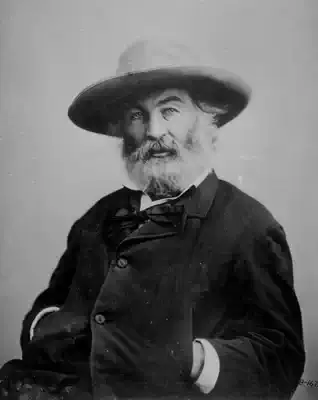
Walt Whitman
The Centerarian's Story
The Centerarian's Story
GIVE me your hand, old Revolutionary;
The hill-top is nigh--but a few steps, (make room, gentlemen;)
Up the path you have follow'd me well, spite of your hundred and
extra years;
You can walk, old man, though your eyes are almost done;
Your faculties serve you, and presently I must have them serve me.
Rest, while I tell what the crowd around us means;
On the plain below, recruits are drilling and exercising;
There is the camp--one regiment departs to-morrow;
Do you hear the officers giving the orders?
Do you hear the clank of the muskets? 10
Why, what comes over you now, old man?
Why do you tremble, and clutch my hand so convulsively?
The troops are but drilling--they are yet surrounded with smiles;
Around them, at hand, the well-drest friends, and the women;
While splendid and warm the afternoon sun shines down;
Green the midsummer verdure, and fresh blows the dallying breeze,
O'er proud and peaceful cities, and arm of the sea between.
But drill and parade are over--they march back to quarters;
Only hear that approval of hands! hear what a clapping!
As wending, the crowds now part and disperse--but we, old man, 20
Not for nothing have I brought you hither--we must remain;
You to speak in your turn, and I to listen and tell.
THE CENTENARIAN.
When I clutch'd your hand, it was not with terror;
But suddenly, pouring about me here, on every side,
And below there where the boys were drilling, and up the slopes they
ran,
And where tents are pitch'd, and wherever you see, south and south
east and south-west,
Over hills, across lowlands, and in the skirts of woods,
And along the shores, in mire (now fill'd over), came again, and
suddenly raged,
As eighty-five years agone, no mere parade receiv'd with applause of
friends,
But a battle, which I took part in myself--aye, long ago as it is, I
took part in it, 30
Walking then this hill-top, this same ground.
Aye, this is the ground;
My blind eyes, even as I speak, behold it re-peopled from graves;
The years recede, pavements and stately houses disappear;
Rude forts appear again, the old hoop'd guns are mounted;
I see the lines of rais'd earth stretching from river to bay;
I mark the vista of waters, I mark the uplands and slopes:
Here we lay encamp'd--it was this time in summer also.
As I talk, I remember all--I remember the Declaration;
It was read here--the whole army paraded--it was read to us here; 40
By his staff surrounded, the General stood in the middle--he held up
his unsheath'd sword,
It glitter'd in the sun in full sight of the army.
'Twas a bold act then;
The English war-ships had just arrived--the king had sent them from
over the sea;
We could watch down the lower bay where they lay at anchor,
And the transports, swarming with soldiers.
A few days more, and they landed--and then the battle.
Twenty thousand were brought against us,
A veteran force, furnish'd with good artillery.
I tell not now the whole of the battle; 50
But one brigade, early in the forenoon, order'd forward to engage the
red-coats;
Of that brigade I tell, and how steadily it march'd,
And how long and how well it stood, confronting death.
Who do you think that was, marching steadily, sternly confronting
death?
It was the brigade of the youngest men, two thousand strong,
Rais'd in Virginia and Maryland, and many of them known personally to
the General.
Jauntily forward they went with quick step toward Gowanus' waters;
Till of a sudden, unlook'd for, by defiles through the woods, gain'd
at night,
The British advancing, wedging in from the east, fiercely playing
their guns,
That brigade of the youngest was cut off, and at the enemy's
mercy. 60
The General watch'd them from this hill;
They made repeated desperate attempts to burst their environment;
Then drew close together, very compact, their flag flying in the
middle;
But O from the hills how the cannon were thinning and thinning them!
It sickens me yet, that slaughter!
I saw the moisture gather in drops on the face of the General;
I saw how he wrung his hands in anguish.
Meanwhile the British maneuver'd to draw us out for a pitch'd battle;
But we dared not trust the chances of a pitch'd battle.
We fought the fight in detachments; 70
Sallying forth, we fought at several points--but in each the luck was
against us;
Our foe advancing, steadily getting the best of it, push'd us back to
the works on this hill;
Till we turn'd, menacing, here, and then he left us.
That was the going out of the brigade of the youngest men, two
thousand strong;
Few return'd--nearly all remain in Brooklyn.
That, and here, my General's first battle;
No women looking on, nor sunshine to bask in--it did not conclude
with applause;
Nobody clapp'd hands here then.
But in darkness, in mist, on the ground, under a chill rain,
Wearied that night we lay, foil'd and sullen; 80
While scornfully laugh'd many an arrogant lord, off against us
encamp'd,
Quite within hearing, feasting, klinking wine-glasses together over
their victory.
So, dull and damp, and another day;
But the night of that, mist lifting, rain ceasing,
Silent as a ghost, while they thought they were sure of him, my
General retreated.
I saw him at the river-side,
Down by the ferry, lit by torches, hastening the embarcation;
My General waited till the soldiers and wounded were all pass'd over;
And then, (it was just ere sunrise,) these eyes rested on him for the
last time.
Every one else seem'd fill'd with gloom; 90
Many no doubt thought of capitulation.
But when my General pass'd me,
As he stood in his boat, and look'd toward the coming sun,
I saw something different from capitulation.
TERMINUS.
Enough--the Centenarian's story ends;
The two, the past and present, have interchanged;
I myself, as connecter, as chansonnier of a great future, am now
speaking.
And is this the ground Washington trod?
And these waters I listlessly daily cross, are these the waters he
cross'd,
As resolute in defeat, as other generals in their proudest
triumphs? 100
It is well--a lesson like that, always comes good;
I must copy the story, and send it eastward and westward;
I must preserve that look, as it beam'd on you, rivers of Brooklyn.
See! as the annual round returns, the phantoms return;
It is the 27th of August, and the British have landed;
The battle begins, and goes against us--behold! through the smoke,
Washington's face;
The brigade of Virginia and Maryland have march'd forth to intercept
the enemy;
They are cut off--murderous artillery from the hills plays upon them;
Rank after rank falls, while over them silently droops the flag,
Baptized that day in many a young man's bloody wounds, 110
In death, defeat, and sisters', mothers' tears.
Ah, hills and slopes of Brooklyn! I perceive you are more valuable
than your owners supposed;
Ah, river! henceforth you will be illumin'd to me at sunrise with
something besides the sun.
Encampments new! in the midst of you stands an encampment very old;
Stands forever the camp of the dead brigade.
GIVE me your hand, old Revolutionary;
The hill-top is nigh--but a few steps, (make room, gentlemen;)
Up the path you have follow'd me well, spite of your hundred and
extra years;
You can walk, old man, though your eyes are almost done;
Your faculties serve you, and presently I must have them serve me.
Rest, while I tell what the crowd around us means;
On the plain below, recruits are drilling and exercising;
There is the camp--one regiment departs to-morrow;
Do you hear the officers giving the orders?
Do you hear the clank of the muskets? 10
Why, what comes over you now, old man?
Why do you tremble, and clutch my hand so convulsively?
The troops are but drilling--they are yet surrounded with smiles;
Around them, at hand, the well-drest friends, and the women;
While splendid and warm the afternoon sun shines down;
Green the midsummer verdure, and fresh blows the dallying breeze,
O'er proud and peaceful cities, and arm of the sea between.
But drill and parade are over--they march back to quarters;
Only hear that approval of hands! hear what a clapping!
As wending, the crowds now part and disperse--but we, old man, 20
Not for nothing have I brought you hither--we must remain;
You to speak in your turn, and I to listen and tell.
THE CENTENARIAN.
When I clutch'd your hand, it was not with terror;
But suddenly, pouring about me here, on every side,
And below there where the boys were drilling, and up the slopes they
ran,
And where tents are pitch'd, and wherever you see, south and south
east and south-west,
Over hills, across lowlands, and in the skirts of woods,
And along the shores, in mire (now fill'd over), came again, and
suddenly raged,
As eighty-five years agone, no mere parade receiv'd with applause of
friends,
But a battle, which I took part in myself--aye, long ago as it is, I
took part in it, 30
Walking then this hill-top, this same ground.
Aye, this is the ground;
My blind eyes, even as I speak, behold it re-peopled from graves;
The years recede, pavements and stately houses disappear;
Rude forts appear again, the old hoop'd guns are mounted;
I see the lines of rais'd earth stretching from river to bay;
I mark the vista of waters, I mark the uplands and slopes:
Here we lay encamp'd--it was this time in summer also.
As I talk, I remember all--I remember the Declaration;
It was read here--the whole army paraded--it was read to us here; 40
By his staff surrounded, the General stood in the middle--he held up
his unsheath'd sword,
It glitter'd in the sun in full sight of the army.
'Twas a bold act then;
The English war-ships had just arrived--the king had sent them from
over the sea;
We could watch down the lower bay where they lay at anchor,
And the transports, swarming with soldiers.
A few days more, and they landed--and then the battle.
Twenty thousand were brought against us,
A veteran force, furnish'd with good artillery.
I tell not now the whole of the battle; 50
But one brigade, early in the forenoon, order'd forward to engage the
red-coats;
Of that brigade I tell, and how steadily it march'd,
And how long and how well it stood, confronting death.
Who do you think that was, marching steadily, sternly confronting
death?
It was the brigade of the youngest men, two thousand strong,
Rais'd in Virginia and Maryland, and many of them known personally to
the General.
Jauntily forward they went with quick step toward Gowanus' waters;
Till of a sudden, unlook'd for, by defiles through the woods, gain'd
at night,
The British advancing, wedging in from the east, fiercely playing
their guns,
That brigade of the youngest was cut off, and at the enemy's
mercy. 60
The General watch'd them from this hill;
They made repeated desperate attempts to burst their environment;
Then drew close together, very compact, their flag flying in the
middle;
But O from the hills how the cannon were thinning and thinning them!
It sickens me yet, that slaughter!
I saw the moisture gather in drops on the face of the General;
I saw how he wrung his hands in anguish.
Meanwhile the British maneuver'd to draw us out for a pitch'd battle;
But we dared not trust the chances of a pitch'd battle.
We fought the fight in detachments; 70
Sallying forth, we fought at several points--but in each the luck was
against us;
Our foe advancing, steadily getting the best of it, push'd us back to
the works on this hill;
Till we turn'd, menacing, here, and then he left us.
That was the going out of the brigade of the youngest men, two
thousand strong;
Few return'd--nearly all remain in Brooklyn.
That, and here, my General's first battle;
No women looking on, nor sunshine to bask in--it did not conclude
with applause;
Nobody clapp'd hands here then.
But in darkness, in mist, on the ground, under a chill rain,
Wearied that night we lay, foil'd and sullen; 80
While scornfully laugh'd many an arrogant lord, off against us
encamp'd,
Quite within hearing, feasting, klinking wine-glasses together over
their victory.
So, dull and damp, and another day;
But the night of that, mist lifting, rain ceasing,
Silent as a ghost, while they thought they were sure of him, my
General retreated.
I saw him at the river-side,
Down by the ferry, lit by torches, hastening the embarcation;
My General waited till the soldiers and wounded were all pass'd over;
And then, (it was just ere sunrise,) these eyes rested on him for the
last time.
Every one else seem'd fill'd with gloom; 90
Many no doubt thought of capitulation.
But when my General pass'd me,
As he stood in his boat, and look'd toward the coming sun,
I saw something different from capitulation.
TERMINUS.
Enough--the Centenarian's story ends;
The two, the past and present, have interchanged;
I myself, as connecter, as chansonnier of a great future, am now
speaking.
And is this the ground Washington trod?
And these waters I listlessly daily cross, are these the waters he
cross'd,
As resolute in defeat, as other generals in their proudest
triumphs? 100
It is well--a lesson like that, always comes good;
I must copy the story, and send it eastward and westward;
I must preserve that look, as it beam'd on you, rivers of Brooklyn.
See! as the annual round returns, the phantoms return;
It is the 27th of August, and the British have landed;
The battle begins, and goes against us--behold! through the smoke,
Washington's face;
The brigade of Virginia and Maryland have march'd forth to intercept
the enemy;
They are cut off--murderous artillery from the hills plays upon them;
Rank after rank falls, while over them silently droops the flag,
Baptized that day in many a young man's bloody wounds, 110
In death, defeat, and sisters', mothers' tears.
Ah, hills and slopes of Brooklyn! I perceive you are more valuable
than your owners supposed;
Ah, river! henceforth you will be illumin'd to me at sunrise with
something besides the sun.
Encampments new! in the midst of you stands an encampment very old;
Stands forever the camp of the dead brigade.
465
Walt Whitman
The Artilleryman's Vision
The Artilleryman's Vision
WHILE my wife at my side lies slumbering, and the wars are over long,
And my head on the pillow rests at home, and the vacant midnight
passes,
And through the stillness, through the dark, I hear, just hear, the
breath of my infant,
There in the room, as I wake from sleep, this vision presses upon me:
The engagement opens there and then, in fantasy unreal;
The skirmishers begin--they crawl cautiously ahead--I hear the
irregular snap! snap!
I hear the sounds of the different missiles--the short t-h-t! t-h-t!
of the rifle balls;
I see the shells exploding, leaving small white clouds--I hear the
great shells shrieking as they pass;
The grape, like the hum and whirr of wind through the trees, (quick,
tumultuous, now the contest rages!)
All the scenes at the batteries themselves rise in detail before me
again; 10
The crashing and smoking--the pride of the men in their pieces;
The chief gunner ranges and sights his piece, and selects a fuse of
the right time;
After firing, I see him lean aside, and look eagerly off to note the
effect;
--Elsewhere I hear the cry of a regiment charging--(the young colonel
leads himself this time, with brandish'd sword;)
I see the gaps cut by the enemy's volleys, (quickly fill'd up, no
delay;)
I breathe the suffocating smoke--then the flat clouds hover low,
concealing all;
Now a strange lull comes for a few seconds, not a shot fired on
either side;
Then resumed, the chaos louder than ever, with eager calls, and
orders of officers;
While from some distant part of the field the wind wafts to my ears a
shout of applause, (some special success;)
And ever the sound of the cannon, far or near, (rousing, even in
dreams, a devilish exultation, and all the old mad joy, in the
depths of my soul;) 20
And ever the hastening of infantry shifting positions--batteries,
cavalry, moving hither and thither;
(The falling, dying, I heed not--the wounded, dripping and red, I
heed not--some to the rear are hobbling;)
Grime, heat, rush--aid-de-camps galloping by, or on a full run;
With the patter of small arms, the warning s-s-t of the rifles,
(these in my vision I hear or see,)
And bombs busting in air, and at night the vari-color'd rockets.
WHILE my wife at my side lies slumbering, and the wars are over long,
And my head on the pillow rests at home, and the vacant midnight
passes,
And through the stillness, through the dark, I hear, just hear, the
breath of my infant,
There in the room, as I wake from sleep, this vision presses upon me:
The engagement opens there and then, in fantasy unreal;
The skirmishers begin--they crawl cautiously ahead--I hear the
irregular snap! snap!
I hear the sounds of the different missiles--the short t-h-t! t-h-t!
of the rifle balls;
I see the shells exploding, leaving small white clouds--I hear the
great shells shrieking as they pass;
The grape, like the hum and whirr of wind through the trees, (quick,
tumultuous, now the contest rages!)
All the scenes at the batteries themselves rise in detail before me
again; 10
The crashing and smoking--the pride of the men in their pieces;
The chief gunner ranges and sights his piece, and selects a fuse of
the right time;
After firing, I see him lean aside, and look eagerly off to note the
effect;
--Elsewhere I hear the cry of a regiment charging--(the young colonel
leads himself this time, with brandish'd sword;)
I see the gaps cut by the enemy's volleys, (quickly fill'd up, no
delay;)
I breathe the suffocating smoke--then the flat clouds hover low,
concealing all;
Now a strange lull comes for a few seconds, not a shot fired on
either side;
Then resumed, the chaos louder than ever, with eager calls, and
orders of officers;
While from some distant part of the field the wind wafts to my ears a
shout of applause, (some special success;)
And ever the sound of the cannon, far or near, (rousing, even in
dreams, a devilish exultation, and all the old mad joy, in the
depths of my soul;) 20
And ever the hastening of infantry shifting positions--batteries,
cavalry, moving hither and thither;
(The falling, dying, I heed not--the wounded, dripping and red, I
heed not--some to the rear are hobbling;)
Grime, heat, rush--aid-de-camps galloping by, or on a full run;
With the patter of small arms, the warning s-s-t of the rifles,
(these in my vision I hear or see,)
And bombs busting in air, and at night the vari-color'd rockets.
452
Walt Whitman
Out of the Cradle Endlessly Rocking
Out of the Cradle Endlessly Rocking
Out of the cradle endlessly rocking,
Out of the mocking-bird's throat, the musical shuttle,
Out of the Ninth-month midnight,
Over the sterile sands and the fields beyond, where the child
leaving his bed wander'd alone, bareheaded, barefoot,
Down from the shower'd halo,
Up from the mystic play of shadows twining and twisting as
if they were alive,
Out from the patches of briers and blackberries,
From the memories of the bird that chanted to me,
From your memories sad brother, from the fitful risings and
fallings I heard,
From under that yellow half-moon late-risen and swollen as
if with tears,
From those beginning notes of yearning and love there in
the mist,
From the thousand responses of my heart never to cease,
From the myriad thence-arous'd words,
From the word stronger and more delicious than any,
From such as now they start the scene revisiting,
As a flock, twittering, rising, or overhead passing,
Borne hither, ere all eludes me, hurriedly,
A man, yet by these tears a little boy again,
Throwing myself on the sand, confronting the waves,
I, chanter of pains and joys, uniter of here and hereafter,
Taking all hints to use them, but swiftly leaping beyond them,
A reminiscence sing.
Once Paumanok,
When the lilac-scent was in the air and Fifth-month grass
was growing,
Up this seashore in some briers,
Two feather'd guests from Alabama, two together,
And their nest, and four light-green eggs spotted with brown,
And every day the he-bird to and fro near at hand,
And every day the she-bird crouch'd on her nest, silent, with
bright eyes,
And every day I, a curious boy, never too close, never
disturbing them,
Cautiously peering, absorbing, translating.
Shine! shine! shine!
Pour down your warmth, great sun!
While we bask, we two together.
Two together!
Winds blow south, or winds blow north,
Day come white, or niqht come black,
Home, or rivers and mountains from home,
Singing all time, minding no time,
While we two keep together.
Till of a sudden,
May-be kill'd, unknown to her mate,
One forenoon the she-bird crouch'd not on the nest,
Nor return'd that afternoon, nor the next,
Nor ever appear'd again.
And thenceforward all summer in the sound of the sea,
And at night under the full of the moon in calmer weather,
Over the hoarse surging of the sea,
Or flitting from brier to brier by day,
I saw, I heard at intervals the remaining one, the he-bird,
The solitary guest from Alabama.
Blow! blow! blow!
Blow up sea-winds along Paumanok's shore;
I wait and I wait till you blow my mate to me.
Yes, when the stars glisten'd,
All night long on the prong of a moss-scallop'd stake,
Down almost amid the slapping waves,
Sat the lone singer wonderful causing tears.
He call'd on his mate,
He pour'd forth the meanings which I of all men know.
Yes my brother I know,
The rest might not, but I have treasur'd every note,
For more than once dimly down to the beach gliding,
Silent, avoiding the moonbeams, blending myself with the
shadows,
Recalling now the obscure shapes, the echoes, the sounds
and sights after their sorts,
The white arms out in the breakers tirelessly tossing,
I, with bare feet, a child, the wind wafting my hair,
Listen'd long and long.
Listen'd to keep, to sing, now translating the notes,
Following you my brother.
Soothe! soothe! soothe!
Close on its wave soothes the wave behind,
And again another behind embracing and lapping, every one close,
But my love soothes not me, not me.
Low hangs the moon, it rose late,
It is lagging--O I think it is heavy with love, with love.
O madly the sea pushes upon the land,
With love, with love.
O night! do I not see my love fluttering out among the breakers?
What is that little black thing I see there in the white?
Loud! loud! loud!
Loud I call to you, my love!
Hiqh and clear I shoot my voice over the waves,
Surely you must know who is here, is here,
You must know who I am, my love.
Low-hanging moon!
What is that dusky spot in your brown yellow?
O it is the shape, the shape of my mate!
O moon do not keep her from me any longer.
Land! land! O land!
Whichever way I turn, 0 I think you could give me my mate
back again if you only would,
For I am almost sure I see her dimly whichever way I look.
O rising stars!
Perhaps the one I want so much will rise, will rise with some of you.
O throat! 0 trembling throat!
Sound clearer through the atmosphere!
Pierce the woods, the earth,
Somewhere listening to catch you must be the one I want.
Shake out carols!
Solitary here, the niqht's carols!
Carols of lonesome love! death's carols!
Carols under that lagging, yellow, waning moon!
O under that moon where she droops almost down into the sea!
O reckless despairing carols.
But soft! sink low!
Soft! let me just murmur,
And do you wait a moment you husky-nois'd sea,
For somewhere I believe I heard my mate responding to me,
So faint, I must be still, be still to listen,
But not altogether still, for then she miqht not come immediately
to me.
Hither my love!
Here I am! here!
With this just-sustain'd note I announce myself to you,
This gentle call is for you my love, for you.
Do not be decoy'd elsewhere,
That is the whistle of the wind, it is not my voice,
That is the fluttering, the fluttering of the spray,
Those are the shadows of leaves.
O darkness! 0 in vain!
0 I am very sick and sorrowful.
O brown halo in the sky near the moon, drooping upon the sea!
O troubled reflection in the sea!
O throat! 0 throbbing heart!
And I singing uselessly, uselessly all the niqht.
0 past! 0 happy life! 0 songs of joy!
In the air, in the woods, over fields,
Loved! loved! loved! loved! loved!
But my mate no more, no more with me!
We two together no more.
The aria sinking,
All else continuing, the stars shining,
The winds blowing, the notes of the bird continuous echoing,
With angry moans the fierce old mother incessantly moaning,
On the sands of Paumanok's shore gray and rustling,
The yellow half-moon enlarged, sagging down, drooping,
the face of the sea almost touching,
The boy ecstatic, with his bare feet the waves, with his hair
the atmosphere dallying,
The love in the heart long pent, now loose, now at last
tumultuously bursting,
The aria's meaning, the ears, the soul, swiftly depositing,
The strange tears down the cheeks coursing,
The colloquy there, the trio, each uttering,
The undertone, the savage old mother incessantly crying,
To the boy's soul's questions sullenly timing, some drown'd
secret hissing,
To the outsetting bard.
Demon or bird! (said the boy's soul,)
Is it indeed toward your mate you sing? or is it really to me?
For I, that was a child, my tongue's use sleeping, now I
have heard you,
Now in a moment I know what I am for, I awake,
And already a thousand singers, a thousand songs, clearer,
louder and more sorrowful than yours,
A thousand warbling echoes have started to life within me,
never to die.
O you singer solitary, singing by yourself, projecting me,
O solitary me listening, never more shall I cease
perpetuating you,
Never more shall I escape, never more the reverberations,
Never more the cries of unsatisfied love be absent from me,
Never again leave me to be the peaceful child I was before
what there in the night,
By the sea under the yellow and sagging moon,
The messenger there arous'd, the fire, the sweet hell within,
The unknown want, the destiny of me.
O give me the clew! (it lurks in the night here somewhere,)
O if I am to have so much, let me have more!
A word then, (for I will conquer it,)
The word final, superior to all,
Subtle, sent up--what is it?--I listen;
Are you whispering it, and have been all the time, you seawaves?
Is that it from your liquid rims and wet sands?
Whereto answering, the sea,
Delaying not, hurrying not,
Whisper'd me through the night, and very plainly before
daybreak,
Lisp'd to me the low and delicious word death,
And again death, death, death, death,
Hissing melodious, neither like the bird nor like my arous'd
child's heart,
But edging near as privately for me rustling at my feet,
Creeping thence steadily up to my ears and laving me softly
all over,
Death, death, death, death, death.
Which I do not forget,
But fuse the song of my dusky demon and brother,
That he sang to me in the moonlight on Paumanok's gray
beach,
With the thousand responsive songs at random,
My own songs awaked from that hour,
And with them the key, the word up from the waves,
The word of the sweetest song and all songs,
That strong and delicious word which, creeping to my feet,
(Or like some old crone rocking the cradle, swathed in sweet
garments, bending aside,)
The sea whisper'd me.
Out of the cradle endlessly rocking,
Out of the mocking-bird's throat, the musical shuttle,
Out of the Ninth-month midnight,
Over the sterile sands and the fields beyond, where the child
leaving his bed wander'd alone, bareheaded, barefoot,
Down from the shower'd halo,
Up from the mystic play of shadows twining and twisting as
if they were alive,
Out from the patches of briers and blackberries,
From the memories of the bird that chanted to me,
From your memories sad brother, from the fitful risings and
fallings I heard,
From under that yellow half-moon late-risen and swollen as
if with tears,
From those beginning notes of yearning and love there in
the mist,
From the thousand responses of my heart never to cease,
From the myriad thence-arous'd words,
From the word stronger and more delicious than any,
From such as now they start the scene revisiting,
As a flock, twittering, rising, or overhead passing,
Borne hither, ere all eludes me, hurriedly,
A man, yet by these tears a little boy again,
Throwing myself on the sand, confronting the waves,
I, chanter of pains and joys, uniter of here and hereafter,
Taking all hints to use them, but swiftly leaping beyond them,
A reminiscence sing.
Once Paumanok,
When the lilac-scent was in the air and Fifth-month grass
was growing,
Up this seashore in some briers,
Two feather'd guests from Alabama, two together,
And their nest, and four light-green eggs spotted with brown,
And every day the he-bird to and fro near at hand,
And every day the she-bird crouch'd on her nest, silent, with
bright eyes,
And every day I, a curious boy, never too close, never
disturbing them,
Cautiously peering, absorbing, translating.
Shine! shine! shine!
Pour down your warmth, great sun!
While we bask, we two together.
Two together!
Winds blow south, or winds blow north,
Day come white, or niqht come black,
Home, or rivers and mountains from home,
Singing all time, minding no time,
While we two keep together.
Till of a sudden,
May-be kill'd, unknown to her mate,
One forenoon the she-bird crouch'd not on the nest,
Nor return'd that afternoon, nor the next,
Nor ever appear'd again.
And thenceforward all summer in the sound of the sea,
And at night under the full of the moon in calmer weather,
Over the hoarse surging of the sea,
Or flitting from brier to brier by day,
I saw, I heard at intervals the remaining one, the he-bird,
The solitary guest from Alabama.
Blow! blow! blow!
Blow up sea-winds along Paumanok's shore;
I wait and I wait till you blow my mate to me.
Yes, when the stars glisten'd,
All night long on the prong of a moss-scallop'd stake,
Down almost amid the slapping waves,
Sat the lone singer wonderful causing tears.
He call'd on his mate,
He pour'd forth the meanings which I of all men know.
Yes my brother I know,
The rest might not, but I have treasur'd every note,
For more than once dimly down to the beach gliding,
Silent, avoiding the moonbeams, blending myself with the
shadows,
Recalling now the obscure shapes, the echoes, the sounds
and sights after their sorts,
The white arms out in the breakers tirelessly tossing,
I, with bare feet, a child, the wind wafting my hair,
Listen'd long and long.
Listen'd to keep, to sing, now translating the notes,
Following you my brother.
Soothe! soothe! soothe!
Close on its wave soothes the wave behind,
And again another behind embracing and lapping, every one close,
But my love soothes not me, not me.
Low hangs the moon, it rose late,
It is lagging--O I think it is heavy with love, with love.
O madly the sea pushes upon the land,
With love, with love.
O night! do I not see my love fluttering out among the breakers?
What is that little black thing I see there in the white?
Loud! loud! loud!
Loud I call to you, my love!
Hiqh and clear I shoot my voice over the waves,
Surely you must know who is here, is here,
You must know who I am, my love.
Low-hanging moon!
What is that dusky spot in your brown yellow?
O it is the shape, the shape of my mate!
O moon do not keep her from me any longer.
Land! land! O land!
Whichever way I turn, 0 I think you could give me my mate
back again if you only would,
For I am almost sure I see her dimly whichever way I look.
O rising stars!
Perhaps the one I want so much will rise, will rise with some of you.
O throat! 0 trembling throat!
Sound clearer through the atmosphere!
Pierce the woods, the earth,
Somewhere listening to catch you must be the one I want.
Shake out carols!
Solitary here, the niqht's carols!
Carols of lonesome love! death's carols!
Carols under that lagging, yellow, waning moon!
O under that moon where she droops almost down into the sea!
O reckless despairing carols.
But soft! sink low!
Soft! let me just murmur,
And do you wait a moment you husky-nois'd sea,
For somewhere I believe I heard my mate responding to me,
So faint, I must be still, be still to listen,
But not altogether still, for then she miqht not come immediately
to me.
Hither my love!
Here I am! here!
With this just-sustain'd note I announce myself to you,
This gentle call is for you my love, for you.
Do not be decoy'd elsewhere,
That is the whistle of the wind, it is not my voice,
That is the fluttering, the fluttering of the spray,
Those are the shadows of leaves.
O darkness! 0 in vain!
0 I am very sick and sorrowful.
O brown halo in the sky near the moon, drooping upon the sea!
O troubled reflection in the sea!
O throat! 0 throbbing heart!
And I singing uselessly, uselessly all the niqht.
0 past! 0 happy life! 0 songs of joy!
In the air, in the woods, over fields,
Loved! loved! loved! loved! loved!
But my mate no more, no more with me!
We two together no more.
The aria sinking,
All else continuing, the stars shining,
The winds blowing, the notes of the bird continuous echoing,
With angry moans the fierce old mother incessantly moaning,
On the sands of Paumanok's shore gray and rustling,
The yellow half-moon enlarged, sagging down, drooping,
the face of the sea almost touching,
The boy ecstatic, with his bare feet the waves, with his hair
the atmosphere dallying,
The love in the heart long pent, now loose, now at last
tumultuously bursting,
The aria's meaning, the ears, the soul, swiftly depositing,
The strange tears down the cheeks coursing,
The colloquy there, the trio, each uttering,
The undertone, the savage old mother incessantly crying,
To the boy's soul's questions sullenly timing, some drown'd
secret hissing,
To the outsetting bard.
Demon or bird! (said the boy's soul,)
Is it indeed toward your mate you sing? or is it really to me?
For I, that was a child, my tongue's use sleeping, now I
have heard you,
Now in a moment I know what I am for, I awake,
And already a thousand singers, a thousand songs, clearer,
louder and more sorrowful than yours,
A thousand warbling echoes have started to life within me,
never to die.
O you singer solitary, singing by yourself, projecting me,
O solitary me listening, never more shall I cease
perpetuating you,
Never more shall I escape, never more the reverberations,
Never more the cries of unsatisfied love be absent from me,
Never again leave me to be the peaceful child I was before
what there in the night,
By the sea under the yellow and sagging moon,
The messenger there arous'd, the fire, the sweet hell within,
The unknown want, the destiny of me.
O give me the clew! (it lurks in the night here somewhere,)
O if I am to have so much, let me have more!
A word then, (for I will conquer it,)
The word final, superior to all,
Subtle, sent up--what is it?--I listen;
Are you whispering it, and have been all the time, you seawaves?
Is that it from your liquid rims and wet sands?
Whereto answering, the sea,
Delaying not, hurrying not,
Whisper'd me through the night, and very plainly before
daybreak,
Lisp'd to me the low and delicious word death,
And again death, death, death, death,
Hissing melodious, neither like the bird nor like my arous'd
child's heart,
But edging near as privately for me rustling at my feet,
Creeping thence steadily up to my ears and laving me softly
all over,
Death, death, death, death, death.
Which I do not forget,
But fuse the song of my dusky demon and brother,
That he sang to me in the moonlight on Paumanok's gray
beach,
With the thousand responsive songs at random,
My own songs awaked from that hour,
And with them the key, the word up from the waves,
The word of the sweetest song and all songs,
That strong and delicious word which, creeping to my feet,
(Or like some old crone rocking the cradle, swathed in sweet
garments, bending aside,)
The sea whisper'd me.
658
Walt Whitman
Once I Pass'd Through A Populous City
Once I Pass'd Through A Populous City
ONCE I pass'd through a populous city, imprinting my brain, for
future use, with its shows, architecture, customs, and
traditions;
Yet now, of all that city, I remember only a woman I casually met
there, who detain'd me for love of me;
Day by day and night by night we were together,--All else has long
been forgotten by me;
I remember, I say, only that woman who passionately clung to me;
Again we wander--we love--we separate again;
Again she holds me by the hand--I must not go!
I see her close beside me, with silent lips, sad and tremulous.
ONCE I pass'd through a populous city, imprinting my brain, for
future use, with its shows, architecture, customs, and
traditions;
Yet now, of all that city, I remember only a woman I casually met
there, who detain'd me for love of me;
Day by day and night by night we were together,--All else has long
been forgotten by me;
I remember, I say, only that woman who passionately clung to me;
Again we wander--we love--we separate again;
Again she holds me by the hand--I must not go!
I see her close beside me, with silent lips, sad and tremulous.
385
Walt Whitman
My Picture-Callery
My Picture-Callery
IN a little house keep I pictures suspended, it is not a fix'd house,
It is round, it is only a few inches from one side to the other;
Yet behold, it has room for all the shows of the world, all memories?
Here the tableaus of life, and here the groupings of death;
Here, do you know this? this is cicerone himself,
With finger rais'd he points to the prodigal pictures.
IN a little house keep I pictures suspended, it is not a fix'd house,
It is round, it is only a few inches from one side to the other;
Yet behold, it has room for all the shows of the world, all memories?
Here the tableaus of life, and here the groupings of death;
Here, do you know this? this is cicerone himself,
With finger rais'd he points to the prodigal pictures.
363
Walt Whitman
As Toilsome I Wander'd
As Toilsome I Wander'd
AS TOILSOME I wander'd Virginia's woods,
To the music of rustling leaves, kick'd by my feet, (for 'twas
autumn,)
I mark'd at the foot of a tree the grave of a soldier,
Mortally wounded he, and buried on the retreat, (easily all could I
understand;)
The halt of a mid-day hour, when up! no time to lose--yet this sign
left,
On a tablet scrawl'd and nail'd on the tree by the grave,
Bold, cautious, true, and my loving comrade.
Long, long I muse, then on my way go wandering;
Many a changeful season to follow, and many a scene of life;
Yet at times through changeful season and scene, abrupt, alone, or in
the crowded street, 10
Comes before me the unknown soldier's grave--comes the inscription
rude in Virginia's woods,
Bold, cautious, true, and my loving comrade.
AS TOILSOME I wander'd Virginia's woods,
To the music of rustling leaves, kick'd by my feet, (for 'twas
autumn,)
I mark'd at the foot of a tree the grave of a soldier,
Mortally wounded he, and buried on the retreat, (easily all could I
understand;)
The halt of a mid-day hour, when up! no time to lose--yet this sign
left,
On a tablet scrawl'd and nail'd on the tree by the grave,
Bold, cautious, true, and my loving comrade.
Long, long I muse, then on my way go wandering;
Many a changeful season to follow, and many a scene of life;
Yet at times through changeful season and scene, abrupt, alone, or in
the crowded street, 10
Comes before me the unknown soldier's grave--comes the inscription
rude in Virginia's woods,
Bold, cautious, true, and my loving comrade.
435
Walt Whitman
As At Thy Portals Also Death
As At Thy Portals Also Death
AS at thy portals also death,
Entering thy sovereign, dim, illimitable grounds,
To memories of my mother, to the divine blending, maternity,
To her, buried and gone, yet buried not, gone not from me,
(I see again the calm benignant face fresh and beautiful still,
I sit by the form in the coffin,
I kiss and kiss convulsively again the sweet old lips, the cheeks,
the closed eyes in the coffin;)
To her, the ideal woman, practical, spiritual, of all of earth, life,
love, to me the best,
I grave a monumental line, before I go, amid these songs,
And set a tombstone here. 10
AS at thy portals also death,
Entering thy sovereign, dim, illimitable grounds,
To memories of my mother, to the divine blending, maternity,
To her, buried and gone, yet buried not, gone not from me,
(I see again the calm benignant face fresh and beautiful still,
I sit by the form in the coffin,
I kiss and kiss convulsively again the sweet old lips, the cheeks,
the closed eyes in the coffin;)
To her, the ideal woman, practical, spiritual, of all of earth, life,
love, to me the best,
I grave a monumental line, before I go, amid these songs,
And set a tombstone here. 10
421
Vikram Seth
Song 'Coast Starlight'
Song 'Coast Starlight'
Some days I feel a sadness not of grief
The shadows lengthen on the earth's relief
Salinas flows by like a silver shawl
A girl waves from the mission wall.
Some days I feel a sadness not of grief
The shadows lengthen on the earth's relief
Salinas flows by like a silver shawl
A girl waves from the mission wall.
538
Vikram Seth
Round and Round
Round and Round
After a long and wretched flight
That stretched from daylight into night,
Where babies wept and tempers shattered
And the plane lurched and whiskey splattered
Over my plastic food, I came
To claim my bags from Baggage Claim
Around, the carousel went around
The anxious travelers sought and found
Their bags, intact or gently battered,
But to my foolish eyes what mattered
Was a brave suitcase, red and small,
That circled round, not mine at all.
I knew that bag. It must be hers.
We hadnt met in seven years!
And as the metal plates squealed and clattered
My happy memories chimed and chattered.
An old man pulled it of the Claim.
My bags appeared: I did the same.
After a long and wretched flight
That stretched from daylight into night,
Where babies wept and tempers shattered
And the plane lurched and whiskey splattered
Over my plastic food, I came
To claim my bags from Baggage Claim
Around, the carousel went around
The anxious travelers sought and found
Their bags, intact or gently battered,
But to my foolish eyes what mattered
Was a brave suitcase, red and small,
That circled round, not mine at all.
I knew that bag. It must be hers.
We hadnt met in seven years!
And as the metal plates squealed and clattered
My happy memories chimed and chattered.
An old man pulled it of the Claim.
My bags appeared: I did the same.
921
Vikram Seth
Progress Report
Progress Report
My need has frayed with time; you said it would.
It has; I can walk again across the flood
Of gold sil popples on the straw-gold hills
Under a deep Californian sky that expels
All truant clouds; watch squads of cattle graze
By the radio-telescope; blue-battered jays
Flash raucous squaking by my swivelling head
While squirrels sine-wave past over the dead
Oak-leaves, and not miss you_although I may
Admit that near the telescope yesterday
By a small bushcovered gully I blundered on
Five golden fox-cubs playing in the sun
And wished you had been there to see them play;
But that I only mention by the way.
My need has frayed with time; you said it would.
It has; I can walk again across the flood
Of gold sil popples on the straw-gold hills
Under a deep Californian sky that expels
All truant clouds; watch squads of cattle graze
By the radio-telescope; blue-battered jays
Flash raucous squaking by my swivelling head
While squirrels sine-wave past over the dead
Oak-leaves, and not miss you_although I may
Admit that near the telescope yesterday
By a small bushcovered gully I blundered on
Five golden fox-cubs playing in the sun
And wished you had been there to see them play;
But that I only mention by the way.
1,157
Vikram Seth
From California
From California
Sunday night in the house.
The blinds drawn, the phone dead.
The sound of the kettle, the rain.
Supper: cheese, celery, bread.
For company, old letters
In the same disjointed script.
Old love wells up again,
All that I thought had slipped
Through the sieve of long absence
Is here with me again:
The long stone walls, the green
Hillsides renewed with rain.
The way you would lick your finger
And touch your forehead, the way
You hummed a phrase from the flute
Sonatas, or turned to say,
"Larches--the only conifers
That honestly blend with Wales."
I walk with you again
Along these settled trails.
It seems I started this poem
So many years ago
I cannt follow its ending
And must begin anew.
Blame, some bitterness,
I recall there were these.
Yet what survives is Bach
And a few blackberries
Something of the "falling starlight",
In the phrase of Wang Wei,
Falls on my shadowed self.
I thank you that today
His words are open to me.
How much you have inspired
You cannot know. The end
Left much to be desired.
"There is a comfort in
The strength of love." I quote
Another favourite
You vouchsafed me. Please note
The lack of hope or faith:
Neither is justified.
I have closed out the night.
The random rain outside
Rejuvenates the parched
Foothills along the Bay.
Anaesthetised by years
I think of you today
Not with impassionedness
So much as half a smile
To see the weathered past
Still worth my present while.
Sunday night in the house.
The blinds drawn, the phone dead.
The sound of the kettle, the rain.
Supper: cheese, celery, bread.
For company, old letters
In the same disjointed script.
Old love wells up again,
All that I thought had slipped
Through the sieve of long absence
Is here with me again:
The long stone walls, the green
Hillsides renewed with rain.
The way you would lick your finger
And touch your forehead, the way
You hummed a phrase from the flute
Sonatas, or turned to say,
"Larches--the only conifers
That honestly blend with Wales."
I walk with you again
Along these settled trails.
It seems I started this poem
So many years ago
I cannt follow its ending
And must begin anew.
Blame, some bitterness,
I recall there were these.
Yet what survives is Bach
And a few blackberries
Something of the "falling starlight",
In the phrase of Wang Wei,
Falls on my shadowed self.
I thank you that today
His words are open to me.
How much you have inspired
You cannot know. The end
Left much to be desired.
"There is a comfort in
The strength of love." I quote
Another favourite
You vouchsafed me. Please note
The lack of hope or faith:
Neither is justified.
I have closed out the night.
The random rain outside
Rejuvenates the parched
Foothills along the Bay.
Anaesthetised by years
I think of you today
Not with impassionedness
So much as half a smile
To see the weathered past
Still worth my present while.
639