

Poems in this theme
Music
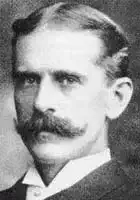
Henry Van Dyke
Music
Music
I
PRELUDE
Daughter of Psyche, pledge of that last night
When, pierced with pain and bitter-sweet delight,
She knew her Love and saw her Lord depart,
Then breathed her wonder and her woe forlorn
Into a single cry, and thou wast born?
Thou flower of rapture and thou fruit of grief;
Invisible enchantress of the heart;
Mistress of charms that bring relief
To sorrow, and to joy impart
A heavenly tone that keeps it undefiled,--
Thou art the child
Of Amor, and by right divine
A throne of love is thine,
Thou flower-folded, golden-girdled, star-crowned Queen,
Whose bridal beauty mortal eyes have never seen!
II
Thou art the Angel of the pool that sleeps,
While peace and joy lie hidden in its deeps,
Waiting thy touch to make the waters roll
In healing murmurs round the weary soul.
Ah, when wilt thou draw near,
Thou messenger of mercy robed in song?
My lonely heart has listened for thee long;
And now I seem to hear
Across the crowded market-place of life,
Thy measured foot-fall, ringing light and clear
Above the unmeaning noises and the unruly strife;
In quiet cadence, sweet and slow,
Serenely pacing to and fro,
Thy far-off steps are magical and dear.
Ah, turn this way, come close and speak to me!
>From this dull bed of languor set my spirit free,
And bid me rise, and let me walk awhile with thee
III
Where wilt thou lead me first?
In what still region
Of thy domain,
Whose provinces are legion,
Wilt thou restore me to myself again,
And quench my heart's long thirst?
I pray thee lay thy golden girdle down,
And put away thy starry crown:
For one dear restful hour
Assume a state more mild.
Clad only in thy blossom-broidered gown
That breathes familiar scent of many a flower,
Take the low path that leads thro' pastures green;
And though thou art a Queen,
Be Rosamund awhile, and in thy bower,
By tranquil love and simple joy beguiled,
Sing to my soul, as mother to her child.
IV
O lead me by the hand,
And let my heart have rest,
And bring me back to childhood land,
To find again the long-lost band
Of playmates blithe and blest.
Some quaint, old-fashioned air,
That all the children knew,
Shall run before us everywhere,
Like a little maid with flying hair,
To guide the merry crew.
Along the garden ways
We chase the light-foot tune,
And in and out the flowery maze,
With eager haste and fond delays,
In pleasant paths of June.
For us the fields are new,
For us the woods are rife
With fairy secrets, deep and true,
And heaven is but a tent of blue
Above the game of life.
The world is far away:
The fever and the fret,
And all that makes the heart grow gray,
Is out of sight and far away,
Dear Music, while I hear thee play
That olden, golden roundelay,
"Remember and forget!"
V
SLEEP SONG
Forget, forget!
The tide of life is turning;
The waves of light ebb slowly down the west:
Along the edge of dark some stars are burning
To guide thy spirit safely to an isle of rest.
A little rocking on the tranquil deep
Of song, to soothe thy yearning,
A little slumber and a little sleep,
And so, forget, forget!
Forget, forget,--
The day was long in pleasure;
Its echoes die away across the hill;
Now let thy heart beat time to their slow measure
That swells, and sinks, and faints, and falls, till all is still.
Then, like a weary child that loves to keep
Locked in its arms some treasure,
Thy soul in calm content shall fall asleep,
And so forget, forget.
Forget, forget,--
And if thou hast been weeping,
Let go the thoughts that bind thee to thy grief:
Lie still, and watch the singing angels, reaping
The golden harvest of thy sorrow, sheaf by sheaf;
Or count thy joys like flocks of snow-white sheep
That one by one come creeping
Into the quiet fold, until thou sleep,
And so forget, forget!
Forget, forget,--
Thou art a child and knowest
So little of thy life! But music tells
One secret of the world thro' which thou goest
To work with morning song, to rest with evening bells:
Life is in tune with harmony so deep
That when the notes are lowest
Thou still canst lay thee down in peace and sleep,
For God will not forget.
VI
HUNTING SONG
Out of the garden of playtime, out of the bower of rest,
Fain would I follow at daytime, music that calls to a quest.
Hark, how the galloping measure
Quickens the pulses of pleasure;
Gaily saluting the morn
With the long clear note of the hunting-horn
Echoing up from the valley,
Over the mountain side,--
Rally, you hunters, rally,
Rally, and ride!
Drink of the magical potion music has mixed with her wine,
Full of the madness of motion, joyful, exultant, divine!
Leave all your troubles behind you,
Ride where they never can find you,
Into the gladness of morn,
With the long, clear note of the hunting-horn,
Swiftly o'er hillock and hollow,
Sweeping along with the wind,--
Follow, you hunters, follow,
Follow and find!
What will you reach with your riding? What is the charm of the chase?
Just the delight and the striding swing of the jubilant pace.
Danger is sweet when you front her,--
In at the death, every hunter!
Now on the breeze the mort is borne
In the long, clear note of the hunting-horn,
Winding merrily, over and over,--
Come, come, come!
Home again, Ranger! home again, Rover!
Turn again, home!
VII
DANCE-MUSIC
Now let the sleep-tune blend with the play-tune,
Weaving the mystical spell of the dance;
Lighten the deep tune, soften the gay tune,
Mingle a tempo that turns in a trance.
Half of it sighing, half of it smiling,
Smoothly it swings, with a triplicate beat;
Calling, replying, yearning, beguiling,
Wooing the heart and bewitching the feet.
Every drop of blood
Rises with the flood,
Rocking on the waves of the strain;
Youth and beauty glide
Turning with the tide--
Music making one out of twain,
Bearing them away, and away, and away,
Like a tone and its terce--
Till the chord dissolves, and the dancers stay,
And reverse.
Violins leading, take up the measure,
Turn with the tune again,--clarinets clear
Answer their pleading,--harps full of pleasure
Sprinkle their silver like light on the mere.
Semiquaver notes,
Merry little motes,
Tangled in the haze
Of the lamp's golden rays,
Quiver everywhere
In the air,
Like a spray,--
Till the fuller stream of the might of the tune,
Gliding like a dream in the light of the moon,
Bears them all away, and away, and away,
Floating in the trance of the dance.
Then begins a measure stately,
Languid, slow, serene;
All the dancers move sedately,
Stepping leisurely and straitly,
With a courtly mien;
Crossing hands and changing places,
Bowing low between,
While the minuet inlaces
Waving arms and woven paces,--
Glittering damaskeen.
Where is she whose form is folden
In its royal sheen?
>From our longing eyes withholden
By her mystic girdle golden,
Beauty sought but never seen,
Music walks the maze, a queen.
VIII
THE SYMPHONY
Music, they do thee wrong who say thine art
Is only to enchant the sense.
For every timid motion of the heart,
And every passion too intense
To bear the chain of the imperfect word,
And every tremulous longing, stirred
By spirit winds that come we know not whence
And go we know not where,
And every inarticulate prayer
Beating about the depths of pain or bliss,
Like some bewildered bird
That seeks its nest but knows not where it is,
And every dream that haunts, with dim delight,
The drowsy hour between the day and night,
The wakeful hour between the night and day,--
Imprisoned, waits for thee,
Impatient, yearns for thee,
The queen who comes to set the captive free
Thou lendest wings to grief to fly away,
And wings to joy to reach a heavenly height;
And every dumb desire that Storms within the breast
Thou leadest forth to sob or sing itself to rest.
All these are thine, and therefore love is thine.
For love is joy and grief,
And trembling doubt, and certain-sure belief,
And fear, and hope, and longing unexpressed,
In pain most human, and in rapture brief
Almost divine.
Love would possess, yet deepens when denied;
And love would give, yet hungers to receive;
Love like a prince his triumph would achieve;
And like a miser in the dark his joys would hide.
Love is most bold:
He leads his dreams like armed men in line;
Yet when the siege is set, and he must speak,
Calling the fortress to resign
Its treasure, valiant love grows weak,
And hardly dares his purpose to unfold.
Less with his faltering lips than with his eyes
He claims the longed-for prize:
Love fain would tell it all, yet leaves the best untold.
But thou shalt speak for love. Yea, thou shalt teach
The mystery of measured tone,
The Pentecostal speech
That every listener heareth as his own.
For on thy head the cloven tongues of fire,--
Diminished chords that quiver with desire,
And major chords that glow with perfect peace,--
Have fallen from above;
And thou canst give release
In music to the burdened heart of love.
Sound with the 'cellos' pleading, passionate strain
The yearning theme, and let the flute reply
In placid melody, while violins complain,
And sob, and sigh,
With muted string;
Then let the oboe half-reluctant sing
Of bliss that trembles on the verge of pain,
While 'cellos plead and plead again,
With throbbing notes delayed, that would impart
To every urgent tone the beating of the heart.
So runs the andante, making plain
The hopes and fears of love without a word.
Then comes the adagio, with a yielding theme
Through which the violas flow soft as in a dream,
While horns and mild bassoons are heard
In tender tune, that seems to float
Like an enchanted boat
Upon the downward-gliding stream,
Toward the allegro's wide, bright sea
Of dancing, glittering, blending tone,
Where every instrument is sounding free,
And harps like wedding-chimes are rung, and trumpets blown
Around the barque of love
That sweeps, with smiling skies above,
A royal galley, many-oared,
Into the happy harbour of the perfect chord.
IX
IRIS
Light to the eye and Music to the ear,--
These are the builders of the bridge that springs
>From earths's dim shore of half-remembered things
To reach the spirit's home, the heavenly sphere
Where nothing silent is and nothing dark.
So when I see the rainbow's arc
Spanning the showery sky, far-off I hear
Music, and every colour sings:
And while the symphony builds up its round
Full sweep of architectural harmony
Above the tide of Time, far, far away I see
A bow of colour in the bow of sound.
Red as the dawn the trumpet rings,
Imperial purple from the trombone flows,
The mellow horn melts into evening rose.
Blue as the sky, the choir of strings
Darkens in double-bass to ocean's hue,
Rises in violins to noon-tide's blue,
With threads of quivering light shot through and through.
Green as the mantle that the summer flings
Around the world, the pastoral reeds in time
Embroider melodies of May and June.
Yellow as gold,
Yea, thrice-refined gold,
And purer than the treasures of the mine,
Floods of the human voice divine
Along the arch in choral song are rolled.
So bends the bow complete:
And radiant rapture flows
Across the bridge, so full, so strong, so sweet,
That the uplifted spirit hardly knows
Whether the Music-Light that glows
Within the arch of tones and colours seven
Is sunset-peace of earth, or sunrise-joy of Heaven.
X
SEA AND SHORE
Music, I yield to thee;
As swimmer to the sea
I give my Spirit to the flood of song:
Bear me upon thy breast
In rapture and at rest,
Bathe me in pure delight and make me strong;
From strife and struggle bring release,
And draw the waves of passion into tides of peace.
Remember'd songs, most dear,
In living songs I hear,
While blending voices gently swing and sway
In melodies of love,
Whose mighty currents move,
With singing near and singing far away;
Sweet in the glow of morning light,
And sweeter still across the starlit gulf of night.
Music, in thee we float,
And lose the lonely note
Of self in thy celestial-ordered strain,
Until at last we find
The life to love resigned
In harmony of joy restored again;
And songs that cheered our mortal days
Break on the coast of light in endless hymns of praise.
I
PRELUDE
Daughter of Psyche, pledge of that last night
When, pierced with pain and bitter-sweet delight,
She knew her Love and saw her Lord depart,
Then breathed her wonder and her woe forlorn
Into a single cry, and thou wast born?
Thou flower of rapture and thou fruit of grief;
Invisible enchantress of the heart;
Mistress of charms that bring relief
To sorrow, and to joy impart
A heavenly tone that keeps it undefiled,--
Thou art the child
Of Amor, and by right divine
A throne of love is thine,
Thou flower-folded, golden-girdled, star-crowned Queen,
Whose bridal beauty mortal eyes have never seen!
II
Thou art the Angel of the pool that sleeps,
While peace and joy lie hidden in its deeps,
Waiting thy touch to make the waters roll
In healing murmurs round the weary soul.
Ah, when wilt thou draw near,
Thou messenger of mercy robed in song?
My lonely heart has listened for thee long;
And now I seem to hear
Across the crowded market-place of life,
Thy measured foot-fall, ringing light and clear
Above the unmeaning noises and the unruly strife;
In quiet cadence, sweet and slow,
Serenely pacing to and fro,
Thy far-off steps are magical and dear.
Ah, turn this way, come close and speak to me!
>From this dull bed of languor set my spirit free,
And bid me rise, and let me walk awhile with thee
III
Where wilt thou lead me first?
In what still region
Of thy domain,
Whose provinces are legion,
Wilt thou restore me to myself again,
And quench my heart's long thirst?
I pray thee lay thy golden girdle down,
And put away thy starry crown:
For one dear restful hour
Assume a state more mild.
Clad only in thy blossom-broidered gown
That breathes familiar scent of many a flower,
Take the low path that leads thro' pastures green;
And though thou art a Queen,
Be Rosamund awhile, and in thy bower,
By tranquil love and simple joy beguiled,
Sing to my soul, as mother to her child.
IV
O lead me by the hand,
And let my heart have rest,
And bring me back to childhood land,
To find again the long-lost band
Of playmates blithe and blest.
Some quaint, old-fashioned air,
That all the children knew,
Shall run before us everywhere,
Like a little maid with flying hair,
To guide the merry crew.
Along the garden ways
We chase the light-foot tune,
And in and out the flowery maze,
With eager haste and fond delays,
In pleasant paths of June.
For us the fields are new,
For us the woods are rife
With fairy secrets, deep and true,
And heaven is but a tent of blue
Above the game of life.
The world is far away:
The fever and the fret,
And all that makes the heart grow gray,
Is out of sight and far away,
Dear Music, while I hear thee play
That olden, golden roundelay,
"Remember and forget!"
V
SLEEP SONG
Forget, forget!
The tide of life is turning;
The waves of light ebb slowly down the west:
Along the edge of dark some stars are burning
To guide thy spirit safely to an isle of rest.
A little rocking on the tranquil deep
Of song, to soothe thy yearning,
A little slumber and a little sleep,
And so, forget, forget!
Forget, forget,--
The day was long in pleasure;
Its echoes die away across the hill;
Now let thy heart beat time to their slow measure
That swells, and sinks, and faints, and falls, till all is still.
Then, like a weary child that loves to keep
Locked in its arms some treasure,
Thy soul in calm content shall fall asleep,
And so forget, forget.
Forget, forget,--
And if thou hast been weeping,
Let go the thoughts that bind thee to thy grief:
Lie still, and watch the singing angels, reaping
The golden harvest of thy sorrow, sheaf by sheaf;
Or count thy joys like flocks of snow-white sheep
That one by one come creeping
Into the quiet fold, until thou sleep,
And so forget, forget!
Forget, forget,--
Thou art a child and knowest
So little of thy life! But music tells
One secret of the world thro' which thou goest
To work with morning song, to rest with evening bells:
Life is in tune with harmony so deep
That when the notes are lowest
Thou still canst lay thee down in peace and sleep,
For God will not forget.
VI
HUNTING SONG
Out of the garden of playtime, out of the bower of rest,
Fain would I follow at daytime, music that calls to a quest.
Hark, how the galloping measure
Quickens the pulses of pleasure;
Gaily saluting the morn
With the long clear note of the hunting-horn
Echoing up from the valley,
Over the mountain side,--
Rally, you hunters, rally,
Rally, and ride!
Drink of the magical potion music has mixed with her wine,
Full of the madness of motion, joyful, exultant, divine!
Leave all your troubles behind you,
Ride where they never can find you,
Into the gladness of morn,
With the long, clear note of the hunting-horn,
Swiftly o'er hillock and hollow,
Sweeping along with the wind,--
Follow, you hunters, follow,
Follow and find!
What will you reach with your riding? What is the charm of the chase?
Just the delight and the striding swing of the jubilant pace.
Danger is sweet when you front her,--
In at the death, every hunter!
Now on the breeze the mort is borne
In the long, clear note of the hunting-horn,
Winding merrily, over and over,--
Come, come, come!
Home again, Ranger! home again, Rover!
Turn again, home!
VII
DANCE-MUSIC
Now let the sleep-tune blend with the play-tune,
Weaving the mystical spell of the dance;
Lighten the deep tune, soften the gay tune,
Mingle a tempo that turns in a trance.
Half of it sighing, half of it smiling,
Smoothly it swings, with a triplicate beat;
Calling, replying, yearning, beguiling,
Wooing the heart and bewitching the feet.
Every drop of blood
Rises with the flood,
Rocking on the waves of the strain;
Youth and beauty glide
Turning with the tide--
Music making one out of twain,
Bearing them away, and away, and away,
Like a tone and its terce--
Till the chord dissolves, and the dancers stay,
And reverse.
Violins leading, take up the measure,
Turn with the tune again,--clarinets clear
Answer their pleading,--harps full of pleasure
Sprinkle their silver like light on the mere.
Semiquaver notes,
Merry little motes,
Tangled in the haze
Of the lamp's golden rays,
Quiver everywhere
In the air,
Like a spray,--
Till the fuller stream of the might of the tune,
Gliding like a dream in the light of the moon,
Bears them all away, and away, and away,
Floating in the trance of the dance.
Then begins a measure stately,
Languid, slow, serene;
All the dancers move sedately,
Stepping leisurely and straitly,
With a courtly mien;
Crossing hands and changing places,
Bowing low between,
While the minuet inlaces
Waving arms and woven paces,--
Glittering damaskeen.
Where is she whose form is folden
In its royal sheen?
>From our longing eyes withholden
By her mystic girdle golden,
Beauty sought but never seen,
Music walks the maze, a queen.
VIII
THE SYMPHONY
Music, they do thee wrong who say thine art
Is only to enchant the sense.
For every timid motion of the heart,
And every passion too intense
To bear the chain of the imperfect word,
And every tremulous longing, stirred
By spirit winds that come we know not whence
And go we know not where,
And every inarticulate prayer
Beating about the depths of pain or bliss,
Like some bewildered bird
That seeks its nest but knows not where it is,
And every dream that haunts, with dim delight,
The drowsy hour between the day and night,
The wakeful hour between the night and day,--
Imprisoned, waits for thee,
Impatient, yearns for thee,
The queen who comes to set the captive free
Thou lendest wings to grief to fly away,
And wings to joy to reach a heavenly height;
And every dumb desire that Storms within the breast
Thou leadest forth to sob or sing itself to rest.
All these are thine, and therefore love is thine.
For love is joy and grief,
And trembling doubt, and certain-sure belief,
And fear, and hope, and longing unexpressed,
In pain most human, and in rapture brief
Almost divine.
Love would possess, yet deepens when denied;
And love would give, yet hungers to receive;
Love like a prince his triumph would achieve;
And like a miser in the dark his joys would hide.
Love is most bold:
He leads his dreams like armed men in line;
Yet when the siege is set, and he must speak,
Calling the fortress to resign
Its treasure, valiant love grows weak,
And hardly dares his purpose to unfold.
Less with his faltering lips than with his eyes
He claims the longed-for prize:
Love fain would tell it all, yet leaves the best untold.
But thou shalt speak for love. Yea, thou shalt teach
The mystery of measured tone,
The Pentecostal speech
That every listener heareth as his own.
For on thy head the cloven tongues of fire,--
Diminished chords that quiver with desire,
And major chords that glow with perfect peace,--
Have fallen from above;
And thou canst give release
In music to the burdened heart of love.
Sound with the 'cellos' pleading, passionate strain
The yearning theme, and let the flute reply
In placid melody, while violins complain,
And sob, and sigh,
With muted string;
Then let the oboe half-reluctant sing
Of bliss that trembles on the verge of pain,
While 'cellos plead and plead again,
With throbbing notes delayed, that would impart
To every urgent tone the beating of the heart.
So runs the andante, making plain
The hopes and fears of love without a word.
Then comes the adagio, with a yielding theme
Through which the violas flow soft as in a dream,
While horns and mild bassoons are heard
In tender tune, that seems to float
Like an enchanted boat
Upon the downward-gliding stream,
Toward the allegro's wide, bright sea
Of dancing, glittering, blending tone,
Where every instrument is sounding free,
And harps like wedding-chimes are rung, and trumpets blown
Around the barque of love
That sweeps, with smiling skies above,
A royal galley, many-oared,
Into the happy harbour of the perfect chord.
IX
IRIS
Light to the eye and Music to the ear,--
These are the builders of the bridge that springs
>From earths's dim shore of half-remembered things
To reach the spirit's home, the heavenly sphere
Where nothing silent is and nothing dark.
So when I see the rainbow's arc
Spanning the showery sky, far-off I hear
Music, and every colour sings:
And while the symphony builds up its round
Full sweep of architectural harmony
Above the tide of Time, far, far away I see
A bow of colour in the bow of sound.
Red as the dawn the trumpet rings,
Imperial purple from the trombone flows,
The mellow horn melts into evening rose.
Blue as the sky, the choir of strings
Darkens in double-bass to ocean's hue,
Rises in violins to noon-tide's blue,
With threads of quivering light shot through and through.
Green as the mantle that the summer flings
Around the world, the pastoral reeds in time
Embroider melodies of May and June.
Yellow as gold,
Yea, thrice-refined gold,
And purer than the treasures of the mine,
Floods of the human voice divine
Along the arch in choral song are rolled.
So bends the bow complete:
And radiant rapture flows
Across the bridge, so full, so strong, so sweet,
That the uplifted spirit hardly knows
Whether the Music-Light that glows
Within the arch of tones and colours seven
Is sunset-peace of earth, or sunrise-joy of Heaven.
X
SEA AND SHORE
Music, I yield to thee;
As swimmer to the sea
I give my Spirit to the flood of song:
Bear me upon thy breast
In rapture and at rest,
Bathe me in pure delight and make me strong;
From strife and struggle bring release,
And draw the waves of passion into tides of peace.
Remember'd songs, most dear,
In living songs I hear,
While blending voices gently swing and sway
In melodies of love,
Whose mighty currents move,
With singing near and singing far away;
Sweet in the glow of morning light,
And sweeter still across the starlit gulf of night.
Music, in thee we float,
And lose the lonely note
Of self in thy celestial-ordered strain,
Until at last we find
The life to love resigned
In harmony of joy restored again;
And songs that cheered our mortal days
Break on the coast of light in endless hymns of praise.
357
Henry Van Dyke
Master of Music
Master of Music
Glory of architect, glory of painter, and sculptor, and bard,
Living forever in temple and picture and statue and song, --
Look how the world with the lights that they lit is illumined and starred,
Brief was the flame of their life, but the lamps of their art burn long!
Where is the Master of Music, and how has he vanished away?
Where is the work that he wrought with his wonderful art in the air?
Gone, -- it is gone like the glow on the cloud at the close of the day!
The Master has finished his work, and the glory of music is -- where?
Once, at the wave of his wand, all the billows of musical sound
Followed his will, as the sea was ruled by the prophet of old:
Now that his hand is relaxed, and his rod has dropped to the ground,
Silent and dark are the shores where the marvellous harmonies rolled!
Nay, but not silent the hearts that were filled by that life-giving sea;
Deeper and purer forever the tides of their being will roll,
Grateful and joyful, O Master, because they have listened to thee, --
The glory of music endures in the depths of the human soul.
Glory of architect, glory of painter, and sculptor, and bard,
Living forever in temple and picture and statue and song, --
Look how the world with the lights that they lit is illumined and starred,
Brief was the flame of their life, but the lamps of their art burn long!
Where is the Master of Music, and how has he vanished away?
Where is the work that he wrought with his wonderful art in the air?
Gone, -- it is gone like the glow on the cloud at the close of the day!
The Master has finished his work, and the glory of music is -- where?
Once, at the wave of his wand, all the billows of musical sound
Followed his will, as the sea was ruled by the prophet of old:
Now that his hand is relaxed, and his rod has dropped to the ground,
Silent and dark are the shores where the marvellous harmonies rolled!
Nay, but not silent the hearts that were filled by that life-giving sea;
Deeper and purer forever the tides of their being will roll,
Grateful and joyful, O Master, because they have listened to thee, --
The glory of music endures in the depths of the human soul.
310
Henry Van Dyke
Longfellow
Longfellow
In a great land, a new land, a land full of labour
and riches and confusion,
Where there were many running to and fro, and
shouting, and striving together,
In the midst of the hurry and the troubled noise,
I heard the voice of one singing.
"What are you doing there, O man, singing
quietly amid all this tumult?
This is the time for new inventions, mighty
shoutings, and blowings of the trumpet."
But he answered, "I am only shepherding my
sheep with music."
So he went along his chosen way, keeping his
little flock around him;
And he paused to listen, now and then, beside
the antique fountains,
Where the faces of forgotten gods were refreshed
with musically falling waters;
Or he sat for a while at the blacksmith's door,
and heard the cling-clang of the anvils;
Or he rested beneath old steeples full of bells,
that showered their chimes upon him;
Or he walked along the border of the sea,
drinking in the long roar of the billows;
Or he sunned himself in the pine-scented shipyard,
amid the tattoo of the mallets;
Or he leaned on the rail of the bridge, letting
his thoughts flow with the whispering river;
He hearkened also to ancient tales, and made
them young again with his singing.
Then a flaming arrow of death fell on his flock,
and pierced the heart of his dearest!
Silent the music now, as the shepherd entered
the mystical temple of sorrow:
Long he tarried in darkness there: but when he
came out he was singing.
And I saw the faces of men and women and
children silently turning toward him;
The youth setting out on the journey of life, and
the old man waiting beside the last mile-stone;
The toiler sweating beneath his load; and the
happy mother rocking her cradle;
The lonely sailor on far-off seas; and the greyminded
scholar in his book-room;
The mill-hand bound to a clacking machine; and
the hunter in the forest;
And the solitary soul hiding friendless in the
wilderness of the city;
Many human faces, full of care and longing, were
drawn irresistibly toward him,
By the charm of something known to every heart,
yet very strange and lovely,
And at the sound of that singing wonderfully
all their faces were lightened.
"Why do you listen, O you people, to this old
and world-worn music?
This is not for you, in the splendour of a new
age, in the democratic triumph!
Listen to the clashing cymbals, the big drums, the
brazen trumpets of your poets."
But the people made no answer, following in
their hearts the simpler music:
For it seemed to them, noise-weary, nothing
could be better worth the hearing
Than the melodies which brought sweet order
into life's confusion.
So the shepherd sang his way along, until he
came unto a mountain:
And I know not surely whether it was called
Parnassus,
But he climbed it out of sight, and still I heard
the voice of one singing.
In a great land, a new land, a land full of labour
and riches and confusion,
Where there were many running to and fro, and
shouting, and striving together,
In the midst of the hurry and the troubled noise,
I heard the voice of one singing.
"What are you doing there, O man, singing
quietly amid all this tumult?
This is the time for new inventions, mighty
shoutings, and blowings of the trumpet."
But he answered, "I am only shepherding my
sheep with music."
So he went along his chosen way, keeping his
little flock around him;
And he paused to listen, now and then, beside
the antique fountains,
Where the faces of forgotten gods were refreshed
with musically falling waters;
Or he sat for a while at the blacksmith's door,
and heard the cling-clang of the anvils;
Or he rested beneath old steeples full of bells,
that showered their chimes upon him;
Or he walked along the border of the sea,
drinking in the long roar of the billows;
Or he sunned himself in the pine-scented shipyard,
amid the tattoo of the mallets;
Or he leaned on the rail of the bridge, letting
his thoughts flow with the whispering river;
He hearkened also to ancient tales, and made
them young again with his singing.
Then a flaming arrow of death fell on his flock,
and pierced the heart of his dearest!
Silent the music now, as the shepherd entered
the mystical temple of sorrow:
Long he tarried in darkness there: but when he
came out he was singing.
And I saw the faces of men and women and
children silently turning toward him;
The youth setting out on the journey of life, and
the old man waiting beside the last mile-stone;
The toiler sweating beneath his load; and the
happy mother rocking her cradle;
The lonely sailor on far-off seas; and the greyminded
scholar in his book-room;
The mill-hand bound to a clacking machine; and
the hunter in the forest;
And the solitary soul hiding friendless in the
wilderness of the city;
Many human faces, full of care and longing, were
drawn irresistibly toward him,
By the charm of something known to every heart,
yet very strange and lovely,
And at the sound of that singing wonderfully
all their faces were lightened.
"Why do you listen, O you people, to this old
and world-worn music?
This is not for you, in the splendour of a new
age, in the democratic triumph!
Listen to the clashing cymbals, the big drums, the
brazen trumpets of your poets."
But the people made no answer, following in
their hearts the simpler music:
For it seemed to them, noise-weary, nothing
could be better worth the hearing
Than the melodies which brought sweet order
into life's confusion.
So the shepherd sang his way along, until he
came unto a mountain:
And I know not surely whether it was called
Parnassus,
But he climbed it out of sight, and still I heard
the voice of one singing.
288

Henry Lawson
Old Tunes
Old Tunes
When friends are listening round me, Jack, to hear my dying breath,
And I am lying in a sleep they say will end in death,
Don’t notice what the doctor says—and let the nurse complain——
I’ll tell you how to rouse me if I’ll ever wake again.
Just you bring in your fiddle, Jack, and set your heart in tune,
And strike up “Annie Laurie”, or “The Rising of the Moon”;
And if you see no token of a rising in my throat,
You’ll need to brace your mouth, old man—I’m booked by Charon’s boat.
And if you are not satisfied that I am off the scene,
Strike up “The Marseillaise”, or else “The Wearing of the Green”;
And should my fingers tremble not, then I have crossed the line,
But keep your fingers steady, Jack, and strike up “Auld Lang Syne”.
When friends are listening round me, Jack, to hear my dying breath,
And I am lying in a sleep they say will end in death,
Don’t notice what the doctor says—and let the nurse complain——
I’ll tell you how to rouse me if I’ll ever wake again.
Just you bring in your fiddle, Jack, and set your heart in tune,
And strike up “Annie Laurie”, or “The Rising of the Moon”;
And if you see no token of a rising in my throat,
You’ll need to brace your mouth, old man—I’m booked by Charon’s boat.
And if you are not satisfied that I am off the scene,
Strike up “The Marseillaise”, or else “The Wearing of the Green”;
And should my fingers tremble not, then I have crossed the line,
But keep your fingers steady, Jack, and strike up “Auld Lang Syne”.
245
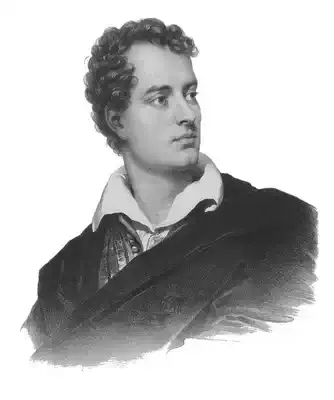
Lord Byron
There Be None of Beauty's Daughters
There Be None of Beauty's Daughters
There be none of Beauty's daughters
With a magic like Thee;
And like music on the waters
Is thy sweet voice to me:
When, as if its sound were causing
The charméd ocean's pausing,
The waves lie still and gleaming,
And the lull'd winds seem dreaming:
And the midnight moon is weaving
Her bright chain o'er the deep,
Whose breast is gently heaving
As an infant's asleep:
So the spirit bows before thee
To listen and adore thee;
With a full but soft emotion,
Like the swell of Summer's ocean.
There be none of Beauty's daughters
With a magic like Thee;
And like music on the waters
Is thy sweet voice to me:
When, as if its sound were causing
The charméd ocean's pausing,
The waves lie still and gleaming,
And the lull'd winds seem dreaming:
And the midnight moon is weaving
Her bright chain o'er the deep,
Whose breast is gently heaving
As an infant's asleep:
So the spirit bows before thee
To listen and adore thee;
With a full but soft emotion,
Like the swell of Summer's ocean.
429
Lord Byron
The Harp The Monarch Minstrel Swept
The Harp The Monarch Minstrel Swept
The harp the monarch minstrel swept,
The King of men, the loved of Heaven,
Which Music hallow'd while she wept
O'er tones her heart of hearts had given,
Redoubled be her tears, its chords are riven!
It soften'd men of iron mould,
It gave them virtues not their own;
No ear so dull, no soul so cold,
That felt not, fired not to the tone,
Till David's lyre grew mightier than his throne!
It told the triumphs of our King,
It wafted glory to our God;
It made our gladden'd valleys ring,
The cedars bow, the mountains nod;
Its sound aspired to heaven and there abode!
Since then, though heard on earth no more,
Devotion and her daughter Love
Still bid the bursting spirit soar
To sounds that seem as from above,
In dreams that day's broad light can not remove.
The harp the monarch minstrel swept,
The King of men, the loved of Heaven,
Which Music hallow'd while she wept
O'er tones her heart of hearts had given,
Redoubled be her tears, its chords are riven!
It soften'd men of iron mould,
It gave them virtues not their own;
No ear so dull, no soul so cold,
That felt not, fired not to the tone,
Till David's lyre grew mightier than his throne!
It told the triumphs of our King,
It wafted glory to our God;
It made our gladden'd valleys ring,
The cedars bow, the mountains nod;
Its sound aspired to heaven and there abode!
Since then, though heard on earth no more,
Devotion and her daughter Love
Still bid the bursting spirit soar
To sounds that seem as from above,
In dreams that day's broad light can not remove.
459
Lord Byron
My Soul is Dark
My Soul is Dark
My soul is dark Oh!
quickly string
The harp I yet can brook to hear;
And let thy gentle fingers fling
Its melting murmurs o'er mine ear.
If in this heart a hope be dear,
That sound shall charm it forth again:
If in these eyes there lurk a tear,
'Twill flow, and cease to burn my brain.
But bid the strain be wild and deep,
Nor let thy notes of joy be first:
I tell thee, minstrel, I must weep,
Or else this heavy heart will burst;
For it hath been by sorrow nursed,
And ached in sleepless silence, long;
And now 'tis doomed to know the worst,
And break at once or
yield to song.
My soul is dark Oh!
quickly string
The harp I yet can brook to hear;
And let thy gentle fingers fling
Its melting murmurs o'er mine ear.
If in this heart a hope be dear,
That sound shall charm it forth again:
If in these eyes there lurk a tear,
'Twill flow, and cease to burn my brain.
But bid the strain be wild and deep,
Nor let thy notes of joy be first:
I tell thee, minstrel, I must weep,
Or else this heavy heart will burst;
For it hath been by sorrow nursed,
And ached in sleepless silence, long;
And now 'tis doomed to know the worst,
And break at once or
yield to song.
464

Federico García Lorca
Las Seis Cuerdas
Las Seis Cuerdas
La guitarra,
hace llorar a los sueños.
El sollozo de las almas
perdidas,
se escapa por su boca
redonda.
Y como la tarántula
teje una gran estrella
para cazar suspiros,
que flotan en su negro
aljibe de madera.
La guitarra,
hace llorar a los sueños.
El sollozo de las almas
perdidas,
se escapa por su boca
redonda.
Y como la tarántula
teje una gran estrella
para cazar suspiros,
que flotan en su negro
aljibe de madera.
655
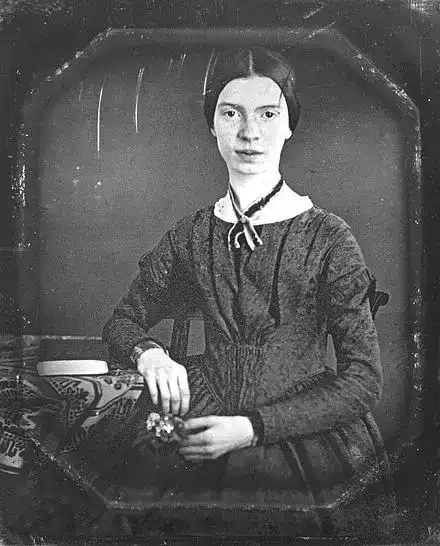
Emily Dickinson
The Birds begun at Four o'clock
The Birds begun at Four o'clock
783
The Birds begun at Four o'clock-
Their period for Dawn-
A Music numerous as space-
But neighboring as Noon-
I could not count their Force-
Their Voices did expend
As Brook by Brook bestows itself
To multiply the Pond.
Their Witnesses were not-
Except occasional man-
In homely industry arrayed-
To overtake the Morn-
Nor was it for applause-
That I could ascertain-
But independent Ecstasy
Of Deity and Men-
By Six, the Flood had done-
No Tumult there had been
Of Dressing, or Departure-
And yet the Band was gone-
The Sun engrossed the East-
The Day controlled the World-
The Miracle that introduced
Forgotten, as fulfilled.
783
The Birds begun at Four o'clock-
Their period for Dawn-
A Music numerous as space-
But neighboring as Noon-
I could not count their Force-
Their Voices did expend
As Brook by Brook bestows itself
To multiply the Pond.
Their Witnesses were not-
Except occasional man-
In homely industry arrayed-
To overtake the Morn-
Nor was it for applause-
That I could ascertain-
But independent Ecstasy
Of Deity and Men-
By Six, the Flood had done-
No Tumult there had been
Of Dressing, or Departure-
And yet the Band was gone-
The Sun engrossed the East-
The Day controlled the World-
The Miracle that introduced
Forgotten, as fulfilled.
346
Emily Dickinson
Better—than Music! For I—who heard it
Better—than Music! For I—who heard it
503
Better—than Music! For I—who heard it—
I was used—to the Birds—before—
This—was different—'Twas Translation—
Of all tunes I knew—and more—
'Twasn't contained—like other stanza—
No one could play it—the second time—
But the Composer—perfect Mozart—
Perish with him—that Keyless Rhyme!
So—Children—told how Brooks in Eden—
Bubbled a better—Melody—
Quaintly infer—Eve's great surrender—
Urging the feet—that would—not—fly—
Children—matured—are wiser—mostly—
Eden—a legend—dimly told—
Eve—and the Anguish—Grandame's story—
But—I was telling a tune—I heard—
Not such a strain—the Church—baptizes—
When the last Saint—goes up the Aisles—
Not such a stanza splits the silence—
When the Redemption strikes her Bells—
Let me not spill—its smallest cadence—
Humming—for promise—when alone—
Humming—until my faint Rehearsal—
Drop into tune—around the Throne—
503
Better—than Music! For I—who heard it—
I was used—to the Birds—before—
This—was different—'Twas Translation—
Of all tunes I knew—and more—
'Twasn't contained—like other stanza—
No one could play it—the second time—
But the Composer—perfect Mozart—
Perish with him—that Keyless Rhyme!
So—Children—told how Brooks in Eden—
Bubbled a better—Melody—
Quaintly infer—Eve's great surrender—
Urging the feet—that would—not—fly—
Children—matured—are wiser—mostly—
Eden—a legend—dimly told—
Eve—and the Anguish—Grandame's story—
But—I was telling a tune—I heard—
Not such a strain—the Church—baptizes—
When the last Saint—goes up the Aisles—
Not such a stanza splits the silence—
When the Redemption strikes her Bells—
Let me not spill—its smallest cadence—
Humming—for promise—when alone—
Humming—until my faint Rehearsal—
Drop into tune—around the Throne—
270
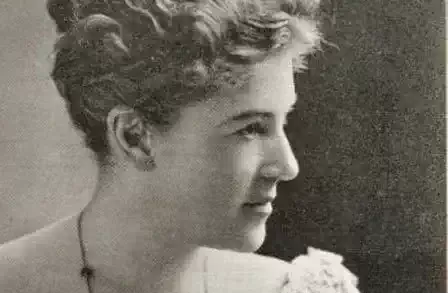
Ella Wheeler Wilcox
The Beautiful Blue Danube
The Beautiful Blue Danube
They drift down the hall together;
He smiles in her lifted eyes.
Like waves of that mighty river
The strains of the ‘Danube’ rise.
They float on its rhythmic measure,
Like leaves on a summer stream;
And here, in this scene of pleasure,
I bury my sweet dead dream.
Through the cloud of her dusky tresses,
Like a star, shines out her face;
And the form of his strong arm presses
Is sylph-like in its grace.
As a leaf on the bounding river
Is lost in the seething sea,
I know that for ever and ever
My dream is lost to me.
And still the viols are playing
That grand old wordless rhyme;
And still those two are swaying
In perfect tune and time.
If the great bassoons that mutter,
If the clarinets that blow,
Were given the chance to utter
The secret things they know.
Would the lists of the slain who slumber
On the Danube’s battle-plains
The unknown hosts outnumber
Who die ‘neath the ‘Danube’s’ strains?
Those fall where the cannons rattle,
‘Mid the rain of shot and shell;
But these, in a fiercer battle,
Find death in the music’s swell.
With the river’s roar of passion
Is blended the dying groan;
But here, in the halls of fashion,
Hearts break, and make no moan.
And the music, swelling and sweeping,
Like the river, knows it all;
But none are counting or keeping
The lists of those who fall.
They drift down the hall together;
He smiles in her lifted eyes.
Like waves of that mighty river
The strains of the ‘Danube’ rise.
They float on its rhythmic measure,
Like leaves on a summer stream;
And here, in this scene of pleasure,
I bury my sweet dead dream.
Through the cloud of her dusky tresses,
Like a star, shines out her face;
And the form of his strong arm presses
Is sylph-like in its grace.
As a leaf on the bounding river
Is lost in the seething sea,
I know that for ever and ever
My dream is lost to me.
And still the viols are playing
That grand old wordless rhyme;
And still those two are swaying
In perfect tune and time.
If the great bassoons that mutter,
If the clarinets that blow,
Were given the chance to utter
The secret things they know.
Would the lists of the slain who slumber
On the Danube’s battle-plains
The unknown hosts outnumber
Who die ‘neath the ‘Danube’s’ strains?
Those fall where the cannons rattle,
‘Mid the rain of shot and shell;
But these, in a fiercer battle,
Find death in the music’s swell.
With the river’s roar of passion
Is blended the dying groan;
But here, in the halls of fashion,
Hearts break, and make no moan.
And the music, swelling and sweeping,
Like the river, knows it all;
But none are counting or keeping
The lists of those who fall.
354
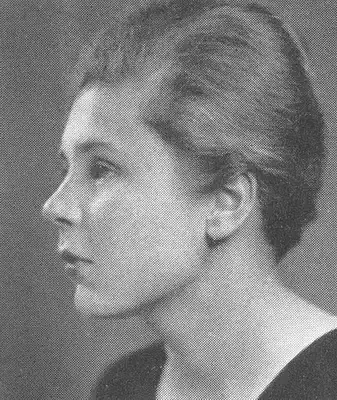
Elizabeth Bishop
Sonnet (1928)
Sonnet (1928)
I am in need of music that would flow
Over my fretful, feeling finger-tips,
Over my bitter-tainted, trembling lips,
With melody, deep, clear, and liquid-slow.
Oh, for the healing swaying, old and low,
Of some song sung to rest the tired dead,
A song to fall like water on my head,
And over quivering limbs, dream flushed to glow!
There is a magic made by melody:
A spell of rest, and quiet breath, and cool
Heart, that sinks through fading colors deep
To the subaqueous stillness of the sea,
And floats forever in a moon-green pool,
Held in the arms of rhythm and of sleep.
I am in need of music that would flow
Over my fretful, feeling finger-tips,
Over my bitter-tainted, trembling lips,
With melody, deep, clear, and liquid-slow.
Oh, for the healing swaying, old and low,
Of some song sung to rest the tired dead,
A song to fall like water on my head,
And over quivering limbs, dream flushed to glow!
There is a magic made by melody:
A spell of rest, and quiet breath, and cool
Heart, that sinks through fading colors deep
To the subaqueous stillness of the sea,
And floats forever in a moon-green pool,
Held in the arms of rhythm and of sleep.
618
Elizabeth Bishop
I Am in Need of Music
I Am in Need of Music
I am in need of music that would flow
Over my fretful, feeling fingertips,
Over my bitter-tainted, trembling lips,
With melody, deep, clear, and liquid-slow.
Oh, for the healing swaying, old and low,
Of some song sung to rest the tired dead,
A song to fall like water on my head,
And over quivering limbs, dream flushed to glow!
There is a magic made by melody:
A spell of rest, and quiet breath, and cool
Heart, that sinks through fading colors deep
To the subaqueous stillness of the sea,
And floats forever in a moon-green pool,
Held in the arms of rhythm and of sleep.
I am in need of music that would flow
Over my fretful, feeling fingertips,
Over my bitter-tainted, trembling lips,
With melody, deep, clear, and liquid-slow.
Oh, for the healing swaying, old and low,
Of some song sung to rest the tired dead,
A song to fall like water on my head,
And over quivering limbs, dream flushed to glow!
There is a magic made by melody:
A spell of rest, and quiet breath, and cool
Heart, that sinks through fading colors deep
To the subaqueous stillness of the sea,
And floats forever in a moon-green pool,
Held in the arms of rhythm and of sleep.
541
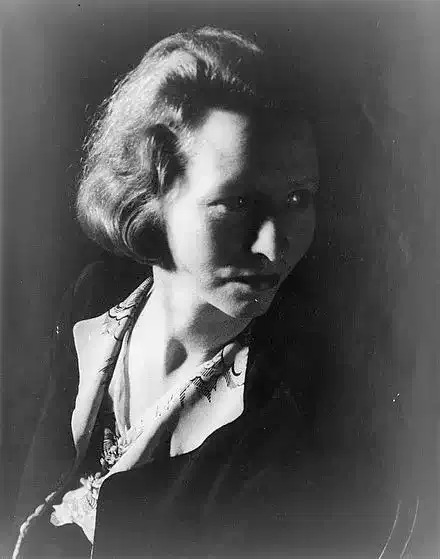
Edna St. Vincent Millay
The Concert
The Concert
No, I will go alone.
I will come back when it's over.
Yes, of course I love you.
No, it will not be long.
Why may you not come with me?—
You are too much my lover.
You would put yourself
Between me and song.
If I go alone,
Quiet and suavely clothed,
My body will die in its chair,
And over my head a flame,
A mind that is twice my own,
Will mark with icy mirth
The wise advance and retreat
Of armies without a country,
Storming a nameless gate,
Hurling terrible javelins down
From the shouting walls of a singing town
Where no women wait!
Armies clean of love and hate,
Marching lines of pitiless sound
Climbing hills to the sun and hurling
Golden spears to the ground!
Up the lines a silver runner
Bearing a banner whereon is scored
The milk and steel of a bloodless wound
Healed at length by the sword!
You and I have nothing to do with music.
We may not make of music a filigree frame,
Within which you and I,
Tenderly glad we came,
Sit smiling, hand in hand.
Come now, be content.
I will come back to you, I swear I will;
And you will know me still.
I shall be only a little taller
Than when I went.
No, I will go alone.
I will come back when it's over.
Yes, of course I love you.
No, it will not be long.
Why may you not come with me?—
You are too much my lover.
You would put yourself
Between me and song.
If I go alone,
Quiet and suavely clothed,
My body will die in its chair,
And over my head a flame,
A mind that is twice my own,
Will mark with icy mirth
The wise advance and retreat
Of armies without a country,
Storming a nameless gate,
Hurling terrible javelins down
From the shouting walls of a singing town
Where no women wait!
Armies clean of love and hate,
Marching lines of pitiless sound
Climbing hills to the sun and hurling
Golden spears to the ground!
Up the lines a silver runner
Bearing a banner whereon is scored
The milk and steel of a bloodless wound
Healed at length by the sword!
You and I have nothing to do with music.
We may not make of music a filigree frame,
Within which you and I,
Tenderly glad we came,
Sit smiling, hand in hand.
Come now, be content.
I will come back to you, I swear I will;
And you will know me still.
I shall be only a little taller
Than when I went.
387
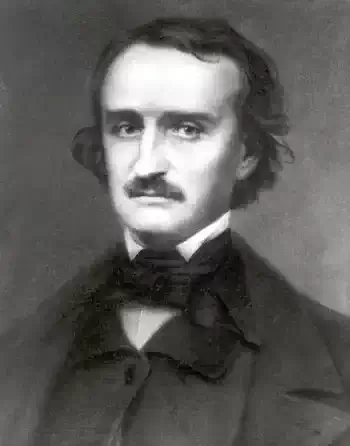
Edgar Allan Poe
The Bells - A Collaboration
The Bells - A Collaboration
The bells! — ah, the bells!
The little silver bells!
How fairy-like a melody there floats
From their throats. —
From their merry little throats —
From the silver, tinkling throats
Of the bells, bells, bells —
Of the bells!
The bells! — ah, the bells!
The heavy iron bells!
How horrible a monody there floats
From their throats —
From their deep-toned throats —
From their melancholy throats!
How I shudder at the notes
Of the bells, bells, bells —
Of the bells!
The bells! — ah, the bells!
The little silver bells!
How fairy-like a melody there floats
From their throats. —
From their merry little throats —
From the silver, tinkling throats
Of the bells, bells, bells —
Of the bells!
The bells! — ah, the bells!
The heavy iron bells!
How horrible a monody there floats
From their throats —
From their deep-toned throats —
From their melancholy throats!
How I shudder at the notes
Of the bells, bells, bells —
Of the bells!
270

Derek Walcott
In The Virgins
In The Virgins
You can't put in the ground swell of the organ
from the Christiansted, St.Croix, Anglican Church
behind the paratrooper's voice: 'Turned cop
after Vietnam. I made thirty jumps.'
Bells punish the dead street and pigeons lurch
from the stone belfry, opening their chutes,
circling until the rings of ringing stop.
'Salud!' The paratrooper's glass is raised.
The congregation rises to its feet
like a patrol, with scuffling shoes and boots,
repeating orders as the organ thumps:
'Praise Ye the Lord. The Lord's name be praised.'
You cannot hear, beyond the quiet harbor,
the breakers cannonading on the bruised
horizon, or the charter engines gunning for
Buck Island. The only war here is a war
of silence between blue sky and sea,
and just one voice, the marching choir's, is raised
to draft new conscripts with the ancient cry
of 'Onward, Christian Soldiers,' into pews
half-empty still, or like a glass, half-full.
Pinning itself to a cornice, a gull
hangs like a medal from the serge-blue sky.
Are these boats all? Is the blue water all?
The rocks surpliced with lace where they are moored,
dinghy, catamaran, and racing yawl,
nodding to the ground swell of 'Praise the Lord'?
Wesley and Watts, their evangelical light
lanced down the mine shafts to our chapel pew,
its beam gritted with motes of anthracite
that drifted on us in our chapel benches:
from God's slow-grinding mills in Lancashire,
ash on the dead mired in Flanders' trenches,
as a gray drizzle now defiles the view
of this blue harbor, framed in windows where
two yellow palm fronds, jerked by the wind's rain,
agree like horses' necks, and nodding bear,
slow as a hearse, a haze of tasseled rain,
and, as the weather changes in a child,
the paradisal day outside grows dark,
the yachts flutter like moths in a gray jar,
the martial voices fade in thunder, while
across the harbor, like a timid lure,
a rainbow casts its seven-colored arc.
Tonight, now Sunday has been put to rest.
Altar lights ride the black glass where the yachts
stiffly repeat themselves and phosphoresce
with every ripple - the wide parking-lots
of tidal affluence - and every mast
sways the night's dial as its needle veers
to find the station which is truly peace.
Like neon lasers shot across the bars
discos blast out the music of the spheres,
and, one by one, science infects the stars.
You can't put in the ground swell of the organ
from the Christiansted, St.Croix, Anglican Church
behind the paratrooper's voice: 'Turned cop
after Vietnam. I made thirty jumps.'
Bells punish the dead street and pigeons lurch
from the stone belfry, opening their chutes,
circling until the rings of ringing stop.
'Salud!' The paratrooper's glass is raised.
The congregation rises to its feet
like a patrol, with scuffling shoes and boots,
repeating orders as the organ thumps:
'Praise Ye the Lord. The Lord's name be praised.'
You cannot hear, beyond the quiet harbor,
the breakers cannonading on the bruised
horizon, or the charter engines gunning for
Buck Island. The only war here is a war
of silence between blue sky and sea,
and just one voice, the marching choir's, is raised
to draft new conscripts with the ancient cry
of 'Onward, Christian Soldiers,' into pews
half-empty still, or like a glass, half-full.
Pinning itself to a cornice, a gull
hangs like a medal from the serge-blue sky.
Are these boats all? Is the blue water all?
The rocks surpliced with lace where they are moored,
dinghy, catamaran, and racing yawl,
nodding to the ground swell of 'Praise the Lord'?
Wesley and Watts, their evangelical light
lanced down the mine shafts to our chapel pew,
its beam gritted with motes of anthracite
that drifted on us in our chapel benches:
from God's slow-grinding mills in Lancashire,
ash on the dead mired in Flanders' trenches,
as a gray drizzle now defiles the view
of this blue harbor, framed in windows where
two yellow palm fronds, jerked by the wind's rain,
agree like horses' necks, and nodding bear,
slow as a hearse, a haze of tasseled rain,
and, as the weather changes in a child,
the paradisal day outside grows dark,
the yachts flutter like moths in a gray jar,
the martial voices fade in thunder, while
across the harbor, like a timid lure,
a rainbow casts its seven-colored arc.
Tonight, now Sunday has been put to rest.
Altar lights ride the black glass where the yachts
stiffly repeat themselves and phosphoresce
with every ripple - the wide parking-lots
of tidal affluence - and every mast
sways the night's dial as its needle veers
to find the station which is truly peace.
Like neon lasers shot across the bars
discos blast out the music of the spheres,
and, one by one, science infects the stars.
1,218

D.H. Lawrence
Piano
Piano
Softly, in the dusk, a woman is singing to me;
Taking me back down the vista of years, till I see
A child sitting under the piano, in the boom of the tingling strings
And pressing the small, poised feet of a mother who smiles as she sings.
In spite of myself, the insidious mastery of song
Betrays me back, till the heart of me weeps to belong
To the old Sunday evenings at home, with winter outside
And hymns in the cosy parlour, the tinkling piano our guide.
So now it is vain for the singer to burst into clamour
With the great black piano appassionato. The glamour
Of childish days is upon me, my manhood is cast
Down in the flood of remembrance, I weep like a child for the past.
Softly, in the dusk, a woman is singing to me;
Taking me back down the vista of years, till I see
A child sitting under the piano, in the boom of the tingling strings
And pressing the small, poised feet of a mother who smiles as she sings.
In spite of myself, the insidious mastery of song
Betrays me back, till the heart of me weeps to belong
To the old Sunday evenings at home, with winter outside
And hymns in the cosy parlour, the tinkling piano our guide.
So now it is vain for the singer to burst into clamour
With the great black piano appassionato. The glamour
Of childish days is upon me, my manhood is cast
Down in the flood of remembrance, I weep like a child for the past.
281
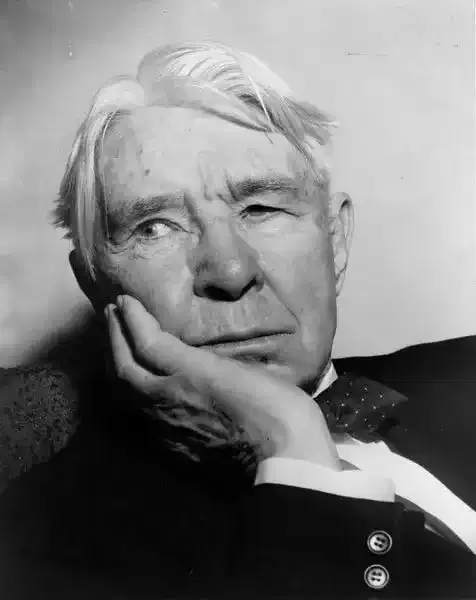
Carl Sandburg
Young Bullfrogs
Young Bullfrogs
Jimmy Wimbleton listened a first week in June.
Ditches along prairie roads of Northern Illinois
Filled the arch of night with young bullfrog songs.
Infinite mathematical metronomic croaks rose and spoke,
Rose and sang, rose in a choir of puzzles.
They made his head ache with riddles of music.
They rested his head with beaten cadence.
Jimmy Wimbledon listened.
Jimmy Wimbleton listened a first week in June.
Ditches along prairie roads of Northern Illinois
Filled the arch of night with young bullfrog songs.
Infinite mathematical metronomic croaks rose and spoke,
Rose and sang, rose in a choir of puzzles.
They made his head ache with riddles of music.
They rested his head with beaten cadence.
Jimmy Wimbledon listened.
333
Carl Sandburg
Sea-Wash
Sea-Wash
The sea-wash never ends.
The sea-wash repeats, repeats.
Only old songs? Is that all the sea knows?
Only the old strong songs?
Is that all?
The sea-wash repeats, repeats.
The sea-wash never ends.
The sea-wash repeats, repeats.
Only old songs? Is that all the sea knows?
Only the old strong songs?
Is that all?
The sea-wash repeats, repeats.
414
Carl Sandburg
Jan Kubelik
Jan Kubelik
Your bow swept over a string, and a long low note quivered to the air.
(A mother of Bohemia sobs over a new child perfect learning to suck milk.)
Your bow ran fast over all the high strings fluttering and wild.
(All the girls in Bohemia are laughing on a Sunday afternoon in the hills with their
lovers.)
Your bow swept over a string, and a long low note quivered to the air.
(A mother of Bohemia sobs over a new child perfect learning to suck milk.)
Your bow ran fast over all the high strings fluttering and wild.
(All the girls in Bohemia are laughing on a Sunday afternoon in the hills with their
lovers.)
381
Carl Sandburg
Honky Tonk in Cleveland, Ohio
Honky Tonk in Cleveland, Ohio
It's a jazz affair, drum crashes and coronet razzes.
The trombone pony neighs and the tuba jackass snorts.
The banjo tickles and titters too awful.
The chippies talk about the funnies in the papers.
The cartoonists weep in their beer.
Shop riveters talk with their feet
To the feet of floozies under the tables.
A quartet of white hopes mourn with interspersed snickers:
"I got the blues.
I got the blues.
I got the blues."
And . . . as we said earlier:
The cartoonists weep in their beer.
It's a jazz affair, drum crashes and coronet razzes.
The trombone pony neighs and the tuba jackass snorts.
The banjo tickles and titters too awful.
The chippies talk about the funnies in the papers.
The cartoonists weep in their beer.
Shop riveters talk with their feet
To the feet of floozies under the tables.
A quartet of white hopes mourn with interspersed snickers:
"I got the blues.
I got the blues.
I got the blues."
And . . . as we said earlier:
The cartoonists weep in their beer.
348
Carl Sandburg
Clark Street Bridge
Clark Street Bridge
Dust of the feet
And dust of the wheels,
Wagons and people going,
All day feet and wheels.
Now. . .
. . Only stars and mist
A lonely policeman,
Two cabaret dancers,
Stars and mist again,
No more feet or wheels,
No more dust and wagons.
Voices of dollars
And drops of blood
. . . . .
Voices of broken hearts,
. . Voices singing, singing,
. . Silver voices, singing,
Softer than the stars,
Softer than the mist.
Dust of the feet
And dust of the wheels,
Wagons and people going,
All day feet and wheels.
Now. . .
. . Only stars and mist
A lonely policeman,
Two cabaret dancers,
Stars and mist again,
No more feet or wheels,
No more dust and wagons.
Voices of dollars
And drops of blood
. . . . .
Voices of broken hearts,
. . Voices singing, singing,
. . Silver voices, singing,
Softer than the stars,
Softer than the mist.
349
Carl Sandburg
Bath
Bath
A man saw the whole world as a grinning skull and cross-bones. The rose flesh of life
shriveled from all faces. Nothing counts. Everything is a fake. Dust to dust and ashes
to ashes and then an old darkness and a useless silence. So he saw it all. Then he went
to a Mischa Elman concert. Two hours waves of sound beat on his eardrums. Music
washed something or other inside him. Music broke down and rebuilt something or
other in his head and heart. He joined in five encores for the young Russian Jew with
the fiddle. When he got outside his heels hit the sidewalk a new way. He was the same
man in the same world as before. Only there was a singing fire and a climb of roses
everlastingly over the world he looked on.
A man saw the whole world as a grinning skull and cross-bones. The rose flesh of life
shriveled from all faces. Nothing counts. Everything is a fake. Dust to dust and ashes
to ashes and then an old darkness and a useless silence. So he saw it all. Then he went
to a Mischa Elman concert. Two hours waves of sound beat on his eardrums. Music
washed something or other inside him. Music broke down and rebuilt something or
other in his head and heart. He joined in five encores for the young Russian Jew with
the fiddle. When he got outside his heels hit the sidewalk a new way. He was the same
man in the same world as before. Only there was a singing fire and a climb of roses
everlastingly over the world he looked on.
381

Billy Collins
Man Listening To Disc
Man Listening To Disc
This is not bad -ambling
along 44th Street
with Sonny Rollins for company,
his music flowing through the soft calipers
of these earphones,
as if he were right beside me
on this clear day in March,
the pavement sparkling with sunlight,
pigeons fluttering off the curb,
nodding over a profusion of bread crumbs.
In fact, I would say
my delight at being suffused
with phrases from his saxophone -some
like honey, some like vinegar -is
surpassed only by my gratitude
to Tommy Potter for taking the time
to join us on this breezy afternoon
with his most unwieldy bass
and to the esteemed Arthur Taylor
who is somehow managing to navigate
this crowd with his cumbersome drums.
And I bow deeply to Thelonious Monk
for figuring out a way
to motorize -- or whatever -- his huge piano
so he could be with us today.
This music is loud yet so confidential.
I cannot help feeling even more
like the center of the universe
than usual as I walk along to a rapid
little version of "The Way You Look Tonight,"
and all I can say to my fellow pedestrians,
to the woman in the white sweater,
the man in the tan raincoat and the heavy glasses,
who mistake themselves for the center of the universe -all
I can say is watch your step,
because the five of us, instruments and all,
are about to angle over
to the south side of the street
and then, in our own tightly knit way,
turn the corner at Sixth Avenue.
And if any of you are curious
about where this aggregation,
this whole battery-powered crew,
is headed, let us just say
that the real center of the universe,
the only true point of view,
is full of hope that he,
the hub of the cosmos
with his hair blown sideways,
will eventually make it all the way downtown.
This is not bad -ambling
along 44th Street
with Sonny Rollins for company,
his music flowing through the soft calipers
of these earphones,
as if he were right beside me
on this clear day in March,
the pavement sparkling with sunlight,
pigeons fluttering off the curb,
nodding over a profusion of bread crumbs.
In fact, I would say
my delight at being suffused
with phrases from his saxophone -some
like honey, some like vinegar -is
surpassed only by my gratitude
to Tommy Potter for taking the time
to join us on this breezy afternoon
with his most unwieldy bass
and to the esteemed Arthur Taylor
who is somehow managing to navigate
this crowd with his cumbersome drums.
And I bow deeply to Thelonious Monk
for figuring out a way
to motorize -- or whatever -- his huge piano
so he could be with us today.
This music is loud yet so confidential.
I cannot help feeling even more
like the center of the universe
than usual as I walk along to a rapid
little version of "The Way You Look Tonight,"
and all I can say to my fellow pedestrians,
to the woman in the white sweater,
the man in the tan raincoat and the heavy glasses,
who mistake themselves for the center of the universe -all
I can say is watch your step,
because the five of us, instruments and all,
are about to angle over
to the south side of the street
and then, in our own tightly knit way,
turn the corner at Sixth Avenue.
And if any of you are curious
about where this aggregation,
this whole battery-powered crew,
is headed, let us just say
that the real center of the universe,
the only true point of view,
is full of hope that he,
the hub of the cosmos
with his hair blown sideways,
will eventually make it all the way downtown.
316