

Poems in this theme
Dating and Passion
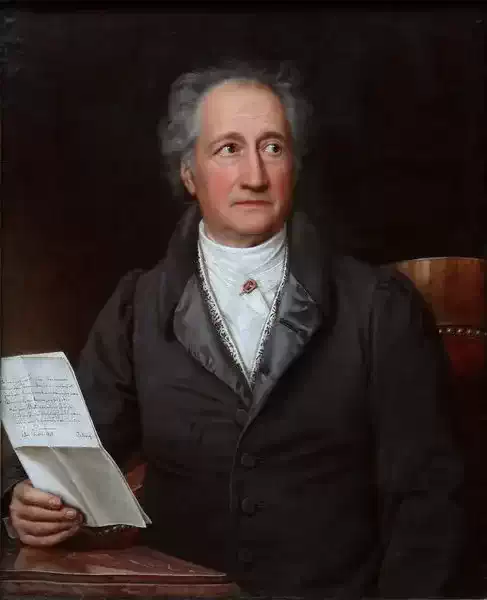
Johann Wolfgang von Goethe
The Spinner
The Spinner
As I calmly sat and span,
Toiling with all zeal,
Lo! a young and handsome man
Pass'd my spinning-wheel.
And he praised,--what harm was there?--
Sweet the things he said--
Praised my flax-resembling hair,
And the even thread.
He with this was not content,
But must needs do more;
And in twain the thread was rent,
Though 'twas safe before.
And the flax's stonelike weight
Needed to be told;
But no longer was its state
Valued as of old.
When I took it to the weaver,
Something felt I start,
And more quickly, as with fever,
Throbb'd my trembling heart.
Then I bear the thread at length
Through the heat, to bleach;
But, alas, I scarce have strength
To the pool to reach.
What I in my little room
Span so fine and slight,--
As was likely. I presume--
Came at last to light.
As I calmly sat and span,
Toiling with all zeal,
Lo! a young and handsome man
Pass'd my spinning-wheel.
And he praised,--what harm was there?--
Sweet the things he said--
Praised my flax-resembling hair,
And the even thread.
He with this was not content,
But must needs do more;
And in twain the thread was rent,
Though 'twas safe before.
And the flax's stonelike weight
Needed to be told;
But no longer was its state
Valued as of old.
When I took it to the weaver,
Something felt I start,
And more quickly, as with fever,
Throbb'd my trembling heart.
Then I bear the thread at length
Through the heat, to bleach;
But, alas, I scarce have strength
To the pool to reach.
What I in my little room
Span so fine and slight,--
As was likely. I presume--
Came at last to light.
407
Johann Wolfgang von Goethe
Sicilian Song
Sicilian Song
YE black and roguish eyes,
If ye command.
Each house in ruins lies,
No town can stand.
And shall my bosom's chain,--
This plaster wall,
To think one moment, deign,--
Shall I not fall?
YE black and roguish eyes,
If ye command.
Each house in ruins lies,
No town can stand.
And shall my bosom's chain,--
This plaster wall,
To think one moment, deign,--
Shall I not fall?
309
Johann Wolfgang von Goethe
Reciprocal Invitation To The Dance
Reciprocal Invitation To The Dance
THE INDIFFERENT.
COME to the dance with me, come with me, fair one!
Dances a feast-day like this may well crown.
If thou my sweetheart art not, thou canst be so,
But if thou wilt not, we still will dance on.
Come to the dance with me, come with me, fair one!
Dances a feast-day like this may well crown.
THE TENDER.
Loved one, without thee, what then would all feast be?
Sweet one, without thee, what then were the dance?
If thou my sweetheart wert not, I would dance not.
If thou art still so, all life is one feast.
Loved one, without thee, what then would all feasts be?
Sweet one, without thee, what then were the dance?
THE INDIFFERENT.
Let them but love, then, and leave us the dancing!
Languishing love cannot bear the glad dance.
Let us whirl round in the waltz's gay measure,
And let them steal to the dim-lighted wood.
Let them but love, then, and leave us the dancing!
Languishing love cannot bear the glad dance.
THE TENDER.
Let them whirl round, then, and leave us to wander!
Wand'ring to love is a heavenly dance.
Cupid, the near one, o'erhears their deriding,
Vengeance takes suddenly, vengeance takes soon.
Let them whirl round, then, and leave us to wander!
Wand'ring to love is a heavenly dance.
THE INDIFFERENT.
COME to the dance with me, come with me, fair one!
Dances a feast-day like this may well crown.
If thou my sweetheart art not, thou canst be so,
But if thou wilt not, we still will dance on.
Come to the dance with me, come with me, fair one!
Dances a feast-day like this may well crown.
THE TENDER.
Loved one, without thee, what then would all feast be?
Sweet one, without thee, what then were the dance?
If thou my sweetheart wert not, I would dance not.
If thou art still so, all life is one feast.
Loved one, without thee, what then would all feasts be?
Sweet one, without thee, what then were the dance?
THE INDIFFERENT.
Let them but love, then, and leave us the dancing!
Languishing love cannot bear the glad dance.
Let us whirl round in the waltz's gay measure,
And let them steal to the dim-lighted wood.
Let them but love, then, and leave us the dancing!
Languishing love cannot bear the glad dance.
THE TENDER.
Let them whirl round, then, and leave us to wander!
Wand'ring to love is a heavenly dance.
Cupid, the near one, o'erhears their deriding,
Vengeance takes suddenly, vengeance takes soon.
Let them whirl round, then, and leave us to wander!
Wand'ring to love is a heavenly dance.
307
Johann Wolfgang von Goethe
November Song
November Song
To the great archer--not to him
To meet whom flies the sun,
And who is wont his features dim
With clouds to overrun--
But to the boy be vow'd these rhymes,
Who 'mongst the roses plays,
Who hear us, and at proper times
To pierce fair hearts essays.
Through him the gloomy winter night,
Of yore so cold and drear,
Brings many a loved friend to our sight,
And many a woman dear.
Henceforward shall his image fair
Stand in yon starry skies,
And, ever mild and gracious there,
Alternate set and rise.
To the great archer--not to him
To meet whom flies the sun,
And who is wont his features dim
With clouds to overrun--
But to the boy be vow'd these rhymes,
Who 'mongst the roses plays,
Who hear us, and at proper times
To pierce fair hearts essays.
Through him the gloomy winter night,
Of yore so cold and drear,
Brings many a loved friend to our sight,
And many a woman dear.
Henceforward shall his image fair
Stand in yon starry skies,
And, ever mild and gracious there,
Alternate set and rise.
370
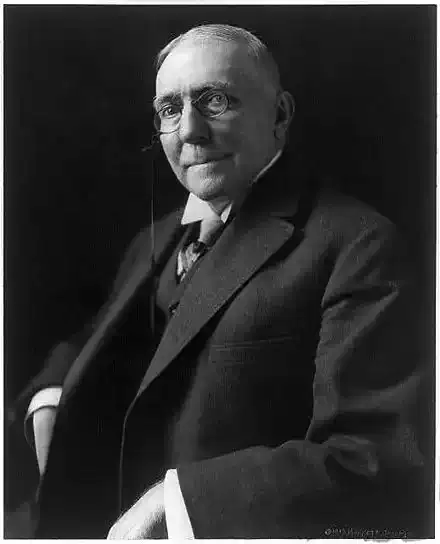
James Whitcomb Riley
The Same Old Story
The Same Old Story
The same old story told again--
The maiden droops her head,
The ripening glow of her crimson cheek
Is answering in her stead.
The pleading tone of a trembling voice
Is telling her the way
He loved her when his heart was young
In Youth's sunshiny day:
The trembling tongue, the longing tone,
Imploringly ask why
They can not be as happy now
As in the days gone by.
And two more hearts, tumultuous
With overflowing joy,
Are dancing to the music
Which that dear, provoking boy
Is twanging on his bowstring,
As, fluttering his wings,
He sends his love-charged arrows
While merrily be sings:
'Ho! ho! my dainty maiden,
It surely can not be
You are thinking you are master
Of your heart, when it is me.'
And another gleaming arrow
Does the little god's behest,
And the dainty little maiden
Falls upon her lover's breast.
'The same old story told again,'
And listened o'er and o'er,
Will still be new, and pleasing, too,
Till 'Time shall be no more.'
The same old story told again--
The maiden droops her head,
The ripening glow of her crimson cheek
Is answering in her stead.
The pleading tone of a trembling voice
Is telling her the way
He loved her when his heart was young
In Youth's sunshiny day:
The trembling tongue, the longing tone,
Imploringly ask why
They can not be as happy now
As in the days gone by.
And two more hearts, tumultuous
With overflowing joy,
Are dancing to the music
Which that dear, provoking boy
Is twanging on his bowstring,
As, fluttering his wings,
He sends his love-charged arrows
While merrily be sings:
'Ho! ho! my dainty maiden,
It surely can not be
You are thinking you are master
Of your heart, when it is me.'
And another gleaming arrow
Does the little god's behest,
And the dainty little maiden
Falls upon her lover's breast.
'The same old story told again,'
And listened o'er and o'er,
Will still be new, and pleasing, too,
Till 'Time shall be no more.'
282
James Whitcomb Riley
The Lost Thrill
The Lost Thrill
I grow so weary, someway, of all things
That love and loving have vouchsafed to me,
Since now all dreamed-of sweets of ecstasy
Am I possessed of: The caress that clings—
The lips that mix with mine with murmurings
No language may interpret, and the free,
Unfettered brood of kisses, hungrily
Feasting in swarms on honeyed blossomings
Of passion's fullest flower—For yet I miss
The essence that alone makes love divine—
The subtle flavoring no tang of this
Weak wine of melody may here define:—
A something found and lost in the first kiss
A lover ever poured through lips of mine.
I grow so weary, someway, of all things
That love and loving have vouchsafed to me,
Since now all dreamed-of sweets of ecstasy
Am I possessed of: The caress that clings—
The lips that mix with mine with murmurings
No language may interpret, and the free,
Unfettered brood of kisses, hungrily
Feasting in swarms on honeyed blossomings
Of passion's fullest flower—For yet I miss
The essence that alone makes love divine—
The subtle flavoring no tang of this
Weak wine of melody may here define:—
A something found and lost in the first kiss
A lover ever poured through lips of mine.
310
James Whitcomb Riley
Our Hired Girl
Our Hired Girl
1
2
3
4
6
7
8
9
11
12
13
14
Our hired girl, she's 'Lizabuth Ann;
An' she can cook best things to eat!
She ist puts dough in our pie-pan,
An' pours in somepin' 'at's good an' sweet;
An' nen she salts it all on top
With cinnamon; an' nen she'll stop
An' stoop an' slide it, ist as slow,
In th' old cook-stove, so's 'twon't slop
An' git all spilled; nen bakes it, so
It's custard-pie, first thing you know!
An' nen she'll say,
"Clear out o' my way!
They's time fer work, an' time fer play!
Take yer dough, an' run, child, run!
Er I cain't git no cookin' done!"
16
17
18
19
21
22
23
24
26
27
28
29
When our hired girl 'tends like she's mad,
An' says folks got to walk the chalk
When she's around, er wisht they had!
I play out on our porch an' talk
To Th' Raggedy Man 'at mows our lawn;
An' he says, "Whew!" an' nen leans on
His old crook-scythe, and blinks his eyes,
An' sniffs all 'round an' says, "I swawn!
Ef my old nose don't tell me lies,
It 'pears like I smell custard-pies!"
An' nen he'll say,
"Clear out o' my way!
They's time fer work, an' time fer play!
Take yer dough, an' run, child, run!
Er she cain't git no cookin' done!"
31
32
33
34
Wunst our hired girl, when she
Got the supper, an' we all et,
An' it wuz night, an' Ma an' me
An' Pa went wher' the "Social" met, --
An' nen when we come home, an' see
36
37
38
A light in the kitchen door, an' we
Heerd a maccordeun, Pa says, "Lan'O'-
Gracious! who can her beau be?"
39 An' I marched in, an' 'Lizabuth Ann
41
42
43
44
Wuz parchin' corn fer The Raggedy Man!
Better say,
"Clear out o' the way!
They's time fer work, an' time fer play!
Take the hint, an' run, child, run!
Er we cain't git no courtin' done!"
1
2
3
4
6
7
8
9
11
12
13
14
Our hired girl, she's 'Lizabuth Ann;
An' she can cook best things to eat!
She ist puts dough in our pie-pan,
An' pours in somepin' 'at's good an' sweet;
An' nen she salts it all on top
With cinnamon; an' nen she'll stop
An' stoop an' slide it, ist as slow,
In th' old cook-stove, so's 'twon't slop
An' git all spilled; nen bakes it, so
It's custard-pie, first thing you know!
An' nen she'll say,
"Clear out o' my way!
They's time fer work, an' time fer play!
Take yer dough, an' run, child, run!
Er I cain't git no cookin' done!"
16
17
18
19
21
22
23
24
26
27
28
29
When our hired girl 'tends like she's mad,
An' says folks got to walk the chalk
When she's around, er wisht they had!
I play out on our porch an' talk
To Th' Raggedy Man 'at mows our lawn;
An' he says, "Whew!" an' nen leans on
His old crook-scythe, and blinks his eyes,
An' sniffs all 'round an' says, "I swawn!
Ef my old nose don't tell me lies,
It 'pears like I smell custard-pies!"
An' nen he'll say,
"Clear out o' my way!
They's time fer work, an' time fer play!
Take yer dough, an' run, child, run!
Er she cain't git no cookin' done!"
31
32
33
34
Wunst our hired girl, when she
Got the supper, an' we all et,
An' it wuz night, an' Ma an' me
An' Pa went wher' the "Social" met, --
An' nen when we come home, an' see
36
37
38
A light in the kitchen door, an' we
Heerd a maccordeun, Pa says, "Lan'O'-
Gracious! who can her beau be?"
39 An' I marched in, an' 'Lizabuth Ann
41
42
43
44
Wuz parchin' corn fer The Raggedy Man!
Better say,
"Clear out o' the way!
They's time fer work, an' time fer play!
Take the hint, an' run, child, run!
Er we cain't git no courtin' done!"
306
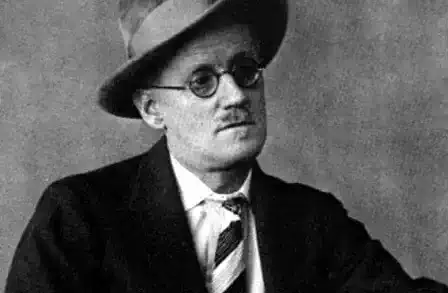
James Joyce
When the Shy Star Goes Forth in Heaven
When the Shy Star Goes Forth in Heaven
When the shy star goes forth in heaven
All maidenly, disconsolate,
Hear you amid the drowsy even
One who is singing by your gate.
His song is softer than the dew
And he is come to visit you.
O bend no more in revery
When he at eventide is calling.
Nor muse: Who may this singer be
Whose song about my heart is falling?
Know you by this, the lover's chant,
'Tis I that am your visitant.
When the shy star goes forth in heaven
All maidenly, disconsolate,
Hear you amid the drowsy even
One who is singing by your gate.
His song is softer than the dew
And he is come to visit you.
O bend no more in revery
When he at eventide is calling.
Nor muse: Who may this singer be
Whose song about my heart is falling?
Know you by this, the lover's chant,
'Tis I that am your visitant.
192
James Joyce
Bid Adieu to Maidenhood
Bid Adieu to Maidenhood
Bid adieu, adieu, adieu,
Bid adieu to girlish days,
Happy Love is come to woo
Thee and woo thy girlish ways—
The zone that doth become thee fair,
The snood upon thy yellow hair,
When thou hast heard his name upon
The bugles of the cherubim
Begin thou softly to unzone
Thy girlish bosom unto him
And softly to undo the snood
That is the sign of maidenhood.
Bid adieu, adieu, adieu,
Bid adieu to girlish days,
Happy Love is come to woo
Thee and woo thy girlish ways—
The zone that doth become thee fair,
The snood upon thy yellow hair,
When thou hast heard his name upon
The bugles of the cherubim
Begin thou softly to unzone
Thy girlish bosom unto him
And softly to undo the snood
That is the sign of maidenhood.
182
Horácio
BkI:XXXVI Numida’s Back Again
BkI:XXXVI Numida’s Back Again
With music, and incense, and blood
of a bullock, delight in placating the gods
that guarded our Numida well,
who’s returned safe and sound, from the farthest West, now,
showering a host of kisses
on every dear friend, but on none of us more than
lovely Lamia, remembering
their boyhood spent under the self-same master,
their togas exchanged together.
Don’t allow this sweet day to lack a white marker,
no end to the wine jars at hand,
no rest for our feet in the Salian fashion,
Don’t let wine-heavy Damalis
conquer our Bassus in downing the Thracian draughts.
Don’t let our feast lack for roses,
or the long-lasting parsley, or the brief lilies:
we’ll all cast our decadent eyes
on Damalis, but Damalis won’t be parted
from that new lover of hers she’s
clasping, more tightly than the wandering ivy.
With music, and incense, and blood
of a bullock, delight in placating the gods
that guarded our Numida well,
who’s returned safe and sound, from the farthest West, now,
showering a host of kisses
on every dear friend, but on none of us more than
lovely Lamia, remembering
their boyhood spent under the self-same master,
their togas exchanged together.
Don’t allow this sweet day to lack a white marker,
no end to the wine jars at hand,
no rest for our feet in the Salian fashion,
Don’t let wine-heavy Damalis
conquer our Bassus in downing the Thracian draughts.
Don’t let our feast lack for roses,
or the long-lasting parsley, or the brief lilies:
we’ll all cast our decadent eyes
on Damalis, but Damalis won’t be parted
from that new lover of hers she’s
clasping, more tightly than the wandering ivy.
197

Henry Lawson
The Tracks That Lie By India
The Tracks That Lie By India
Now this is not a dismal song, like some I’ve sung of late,
When I’ve been brooding all day long about my muddled fate;
For though I’ve had a rocky time I’ll never quite forget,
And though I never was so deep in trouble and in debt,
And though I never was so poor nor in a fix so tight—
The tracks that run by India are shining in my sight.
The roads that run by India, and all the ports of call—
I’m going back to London first to raise the wherewithal.
I’ll call at Suez and Port Said as I am going past
(I was too worried to take notes when I was that way last),
At Naples and at Genoa, and, if I get the chance,
Who knows but I might run across the pleasant land of France.
The track that runs by India goes up the hot Red Sea—
The other side of Africa is far too dull for me.
(I fear that I have missed a chance I’ll never get again
To see the land of chivalry and bide awhile in Spain.)
I’ll graft a year in London, and if fortune smiles on me
I’ll take the track to India by France and Italy.
’Tis sweet to court some foreign girl with eyes of lustrous glow,
Who does not know my language and whose language I don’t know;
To loll on gently-rolling decks beneath the softening skies,
While she sits knitting opposite, and make love with our eyes—
The glance that says far more than words, the old half-mystic smile—
The track that runs by India will wait for me awhile.
The tracks that run by India to China and Japan,
The tracks where all the rovers go—the tracks that call a Man!
I’m wearied of the formal lands of parson and of priest,
Of dollars and of fashions, and I’m drifting towards the East;
I’m tired of cant and cackle, and of sordid jobbery—
The mystery of the East hath cast its glamour over me.
Now this is not a dismal song, like some I’ve sung of late,
When I’ve been brooding all day long about my muddled fate;
For though I’ve had a rocky time I’ll never quite forget,
And though I never was so deep in trouble and in debt,
And though I never was so poor nor in a fix so tight—
The tracks that run by India are shining in my sight.
The roads that run by India, and all the ports of call—
I’m going back to London first to raise the wherewithal.
I’ll call at Suez and Port Said as I am going past
(I was too worried to take notes when I was that way last),
At Naples and at Genoa, and, if I get the chance,
Who knows but I might run across the pleasant land of France.
The track that runs by India goes up the hot Red Sea—
The other side of Africa is far too dull for me.
(I fear that I have missed a chance I’ll never get again
To see the land of chivalry and bide awhile in Spain.)
I’ll graft a year in London, and if fortune smiles on me
I’ll take the track to India by France and Italy.
’Tis sweet to court some foreign girl with eyes of lustrous glow,
Who does not know my language and whose language I don’t know;
To loll on gently-rolling decks beneath the softening skies,
While she sits knitting opposite, and make love with our eyes—
The glance that says far more than words, the old half-mystic smile—
The track that runs by India will wait for me awhile.
The tracks that run by India to China and Japan,
The tracks where all the rovers go—the tracks that call a Man!
I’m wearied of the formal lands of parson and of priest,
Of dollars and of fashions, and I’m drifting towards the East;
I’m tired of cant and cackle, and of sordid jobbery—
The mystery of the East hath cast its glamour over me.
267
Henry Lawson
O Cupid, Cupid; Get Your Bow!
O Cupid, Cupid; Get Your Bow!
Arming down along the stream,
Along the sparkling water,
And past the pool where lilies gleam,
There comes the squatter’s daughter.
Her eyes are kind; her lips are warm;
And like a flower her face is;
The habit shows her bonny form
As graceful as a Grace’s.
O I’ll be mad of love, I know;
My head she’ll surely addle;
O Cupid, Cupid; get your bow;
And shoot her from the saddle!
For, like a bird on breezes waft,
She quickly, quickly passes;
O Cupid, Cupid, draw your shaft;
And bring her to the grasses!
O she is worthy game for you;
And there is none to match her.
So, Cupid, send your arrow true;
And I’ll be there to catch her!
Arming down along the stream,
Along the sparkling water,
And past the pool where lilies gleam,
There comes the squatter’s daughter.
Her eyes are kind; her lips are warm;
And like a flower her face is;
The habit shows her bonny form
As graceful as a Grace’s.
O I’ll be mad of love, I know;
My head she’ll surely addle;
O Cupid, Cupid; get your bow;
And shoot her from the saddle!
For, like a bird on breezes waft,
She quickly, quickly passes;
O Cupid, Cupid, draw your shaft;
And bring her to the grasses!
O she is worthy game for you;
And there is none to match her.
So, Cupid, send your arrow true;
And I’ll be there to catch her!
308
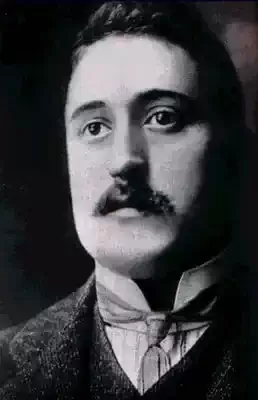
Guillaume Apollinaire
The Skirt
The Skirt
Hallo Germaine that's a fine skirt you have
A fine skirt for a queen A cruel queen
Let's feel the silk of it Silk from Japan
And trimmed with wide lace made on no machine
Your skirt's a silken bell whose double clapper
Your legs have struck the passing of my fancies
O Germaine now I ring it my breast heaving
My hands press down upon your willing haunches
Your bedroom O my bell is a fine belfry
My hands touch silk and seem to tear my ears
Those pegs are gallows on which skirts are hanging
Those hanging men are dazzling my eyes
Motionless as an owl the oil lamp watches
Hallo Germaine that's a fine skirt you have
A fine skirt for a queen A cruel queen
Let's feel the silk of it Silk from Japan
And trimmed with wide lace made on no machine
Your skirt's a silken bell whose double clapper
Your legs have struck the passing of my fancies
O Germaine now I ring it my breast heaving
My hands press down upon your willing haunches
Your bedroom O my bell is a fine belfry
My hands touch silk and seem to tear my ears
Those pegs are gallows on which skirts are hanging
Those hanging men are dazzling my eyes
Motionless as an owl the oil lamp watches
734
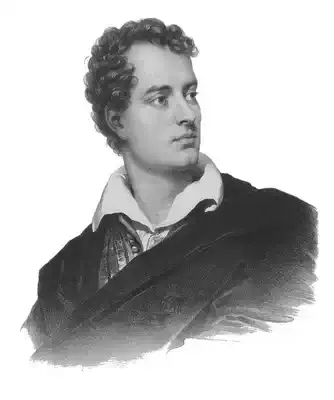
Lord Byron
Maid Of Athens, Ere We Part
Maid Of Athens, Ere We Part
Maid of Athens, ere we part,
Give, oh give me back my heart!
Or, since that has left my breast,
Keep it now, and take the rest!
Hear my vow before I go,
Zoë mou, sas agapo!
By those tresses unconfined,
Wood by each Ægean wind;
By those lids whose jetty fringe
Kiss thy soft cheeks' blooming tinge;
By those wild eyes like the roe,
Zoë mou, sas agapo!
By that lip I long to taste;
By that zone encircled waist;
By all the tokenflowers
that tell
What words can never speak so well;
By love's alternate joy and woe.
Zoë mou, sas agapo!
Maid of Athens! I am gone:
Think of me, sweet! when alone.
Though I fly to Istambol,
Athens holds my heart and soul:
Can I cease to love thee? No!
Zoë mou, sas agapo!
Maid of Athens, ere we part,
Give, oh give me back my heart!
Or, since that has left my breast,
Keep it now, and take the rest!
Hear my vow before I go,
Zoë mou, sas agapo!
By those tresses unconfined,
Wood by each Ægean wind;
By those lids whose jetty fringe
Kiss thy soft cheeks' blooming tinge;
By those wild eyes like the roe,
Zoë mou, sas agapo!
By that lip I long to taste;
By that zone encircled waist;
By all the tokenflowers
that tell
What words can never speak so well;
By love's alternate joy and woe.
Zoë mou, sas agapo!
Maid of Athens! I am gone:
Think of me, sweet! when alone.
Though I fly to Istambol,
Athens holds my heart and soul:
Can I cease to love thee? No!
Zoë mou, sas agapo!
610
Lord Byron
From Anacreon: 'Twas Now The Hour When Night Had Driven
From Anacreon: 'Twas Now The Hour When Night Had Driven
'Twas now the hour when Night had driven
Her car half round yon sable heaven;
Boötes, only, seem'd to roll
His arctic charge around the pole;
While mortals, lost in gentle sleep,
Forgot to smile, or ceased to weep:
At this lone hour the Paphian boy,
Descending from the realms of joy,
Quick to my gate directs his course,
And knocks with all his little force.
My visions fled, alarm'd I rose,'
What stranger breaks my blest repose?'
'Alas!' replies the wily child,
In faltering accents sweetly mild,
'A hapless infant here I roam,
Far from my dear maternal home.
Oh! shield me from the wintry blast!
The nightly storm is pouring fast.
No prowling robber lingers here.
A wandering baby who can fear?'
I heard his seeming artless tale,
I heard his sighs upon the gale:
My breast was never pity's foe,
But felt for all the baby's woe.
I drew the bar, and by the light
Young Love, the infant, met my sight;
His bow across his shoulders flung,
And thence his fatal quiver hung
(Ah! little did I think the dart
Would rankle soon within my heart).
With care I tend my weary guest,
His little fingers chill my breast;
His glossy curls, his azure wing,
Which droop with nightly showers, I wring;
His shivering limbs the embers warm;
And now reviving from the storm,
Scarce had he felt his wonted glow,
Than swift he seized his slender bow:'
I fain would know, my gentle host,'
He cried, 'if this its strength has lost;
I fear, relax'd with midnight dews,
The strings their former aid refuse.'
With poison tipt, his arrow flies,
Deep in my tortured heart it lies:
Then loud the joyous urchin laugh'd:'
My bow can still impel the shaft:
'Tis firmly fix'd, thy sighs reveal it;
Say, courteous host, canst thou not feel it?'
'Twas now the hour when Night had driven
Her car half round yon sable heaven;
Boötes, only, seem'd to roll
His arctic charge around the pole;
While mortals, lost in gentle sleep,
Forgot to smile, or ceased to weep:
At this lone hour the Paphian boy,
Descending from the realms of joy,
Quick to my gate directs his course,
And knocks with all his little force.
My visions fled, alarm'd I rose,'
What stranger breaks my blest repose?'
'Alas!' replies the wily child,
In faltering accents sweetly mild,
'A hapless infant here I roam,
Far from my dear maternal home.
Oh! shield me from the wintry blast!
The nightly storm is pouring fast.
No prowling robber lingers here.
A wandering baby who can fear?'
I heard his seeming artless tale,
I heard his sighs upon the gale:
My breast was never pity's foe,
But felt for all the baby's woe.
I drew the bar, and by the light
Young Love, the infant, met my sight;
His bow across his shoulders flung,
And thence his fatal quiver hung
(Ah! little did I think the dart
Would rankle soon within my heart).
With care I tend my weary guest,
His little fingers chill my breast;
His glossy curls, his azure wing,
Which droop with nightly showers, I wring;
His shivering limbs the embers warm;
And now reviving from the storm,
Scarce had he felt his wonted glow,
Than swift he seized his slender bow:'
I fain would know, my gentle host,'
He cried, 'if this its strength has lost;
I fear, relax'd with midnight dews,
The strings their former aid refuse.'
With poison tipt, his arrow flies,
Deep in my tortured heart it lies:
Then loud the joyous urchin laugh'd:'
My bow can still impel the shaft:
'Tis firmly fix'd, thy sighs reveal it;
Say, courteous host, canst thou not feel it?'
402
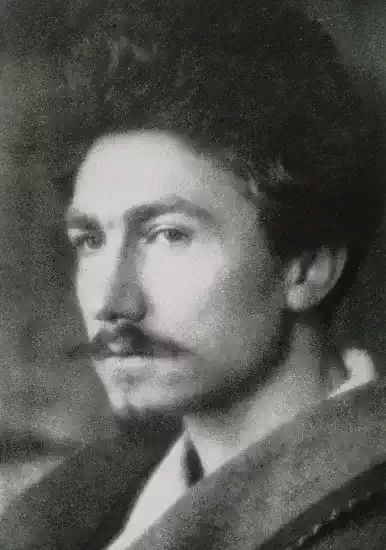
Ezra Pound
The Encounter
The Encounter
All the while they were talking the new morality
Her eyes explored me.
And when I rose to go
Her fingers were like the tissue
Of a Japanese paper napkin.
All the while they were talking the new morality
Her eyes explored me.
And when I rose to go
Her fingers were like the tissue
Of a Japanese paper napkin.
440
Ezra Pound
Homage To Sextus Propertius - V
Homage To Sextus Propertius - V
1
Now if ever it is time to cleanse Helicon;
to lead Emathian horses afield,
And to name over the census of my chiefs in the Roman camp.
If I have not the faculty, 'The bare attempt would be praise-worthy.'
'In the things of similar magnitude
the mere will to act is sufficient.'
The primitive ages sang Venus,
the last sings of a tumult,
And I also will sing war when this matter of a girl is exhausted.
I with my beak hauled ashore would proceed in a more stately manner,
My Muse is eager to instruct me in a new gamut, or gambetto,
Up, up my soul, from your lowly cantilation,
put on a timely vigour.
Oh august Pierides! Now for a large-mouthed product.
Thus:
'The Euphrates denies its protection to the Parthian and
apologizes for Crassus,'
And 'It is, I think, India which now gives necks to your triumph,'
And so forth, Augustus. 'Virgin Arabia shakes in her inmost dwelling.'
If any land shrink into a distant seacoast,
it is a mere postponement of your domination.
And I shall follow the camp, I shall be duly celebrated
for singing the affairs of your cavalry.
May the fates watch over my day.
2
Yet you ask on what account I write so many love-lyrics
And whence this soft book comes into my mouth.
Neither Calliope nor Apollo sung these things into my ear,
My genius is no more than a girl.
If she with ivory fingers drive a tune through the lyre,
We look at the process.
How easy the moving fingers; if hair is mussed on her forehead,
If she goes in a gleam of Cos, in a slither of dyed stuff,
There is a volume in the matter; if her eyelids sink into sleep,
There are new jobs for the author;
And if she plays with me with her shirt off,
We shall construct many Iliads.
And whatever she does or says
We shall spin long yarns out of nothing.
Thus much the fates have allotted me, and if, Maecenas,
I were able to lead heroes into armour, I would not,
Neither would I warble of Titans, nor of Ossa
spiked onto Olympus,
Nor of causeways over Pelion,
Nor of Thebes in its ancient respectability,
nor of Homer's reputation in Pergamus,
Nor of Xerxes' two-barreled kingdom, nor of Remus and his royal family,
Nor of dignified Carthaginian characters,
Nor of Welsh mines and the profit Marus had out of them,
I should remember Caesar's affairs . . .
for a background,
Although Callimachus did without them,
and without Theseus,
Without an inferno, without Achilles attended of gods,
Without Ixion, and without the sons of Menoetius and
the Argo and without Jove's grave and the Titans.
And my ventricles do not palpitate to Caesarial ore rotundas,
Nor to the tune of the Phrygian fathers.
Sailor, of winds; a plowman, concerning his oxen;
Soldier, the enumeration of wounds; the sheep-feeder, of ewes;
We, in our narrow bed, turning aside from battles:
Each man where he can, wearing out the day in his manner.
3
It is noble to die of love, and honourable to remain
uncuckolded for a season.
And she speaks ill of light women,
and will not praise Homer
Because Helen's conduct is 'unsuitable'.
1
Now if ever it is time to cleanse Helicon;
to lead Emathian horses afield,
And to name over the census of my chiefs in the Roman camp.
If I have not the faculty, 'The bare attempt would be praise-worthy.'
'In the things of similar magnitude
the mere will to act is sufficient.'
The primitive ages sang Venus,
the last sings of a tumult,
And I also will sing war when this matter of a girl is exhausted.
I with my beak hauled ashore would proceed in a more stately manner,
My Muse is eager to instruct me in a new gamut, or gambetto,
Up, up my soul, from your lowly cantilation,
put on a timely vigour.
Oh august Pierides! Now for a large-mouthed product.
Thus:
'The Euphrates denies its protection to the Parthian and
apologizes for Crassus,'
And 'It is, I think, India which now gives necks to your triumph,'
And so forth, Augustus. 'Virgin Arabia shakes in her inmost dwelling.'
If any land shrink into a distant seacoast,
it is a mere postponement of your domination.
And I shall follow the camp, I shall be duly celebrated
for singing the affairs of your cavalry.
May the fates watch over my day.
2
Yet you ask on what account I write so many love-lyrics
And whence this soft book comes into my mouth.
Neither Calliope nor Apollo sung these things into my ear,
My genius is no more than a girl.
If she with ivory fingers drive a tune through the lyre,
We look at the process.
How easy the moving fingers; if hair is mussed on her forehead,
If she goes in a gleam of Cos, in a slither of dyed stuff,
There is a volume in the matter; if her eyelids sink into sleep,
There are new jobs for the author;
And if she plays with me with her shirt off,
We shall construct many Iliads.
And whatever she does or says
We shall spin long yarns out of nothing.
Thus much the fates have allotted me, and if, Maecenas,
I were able to lead heroes into armour, I would not,
Neither would I warble of Titans, nor of Ossa
spiked onto Olympus,
Nor of causeways over Pelion,
Nor of Thebes in its ancient respectability,
nor of Homer's reputation in Pergamus,
Nor of Xerxes' two-barreled kingdom, nor of Remus and his royal family,
Nor of dignified Carthaginian characters,
Nor of Welsh mines and the profit Marus had out of them,
I should remember Caesar's affairs . . .
for a background,
Although Callimachus did without them,
and without Theseus,
Without an inferno, without Achilles attended of gods,
Without Ixion, and without the sons of Menoetius and
the Argo and without Jove's grave and the Titans.
And my ventricles do not palpitate to Caesarial ore rotundas,
Nor to the tune of the Phrygian fathers.
Sailor, of winds; a plowman, concerning his oxen;
Soldier, the enumeration of wounds; the sheep-feeder, of ewes;
We, in our narrow bed, turning aside from battles:
Each man where he can, wearing out the day in his manner.
3
It is noble to die of love, and honourable to remain
uncuckolded for a season.
And she speaks ill of light women,
and will not praise Homer
Because Helen's conduct is 'unsuitable'.
599
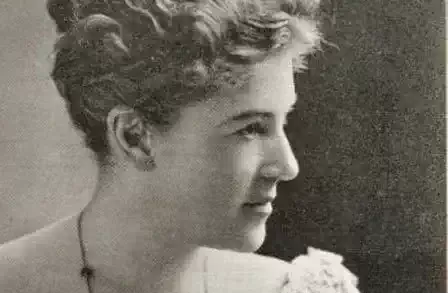
Ella Wheeler Wilcox
What Is Flirtation?
What Is Flirtation?
What is flirtation? Really,
How can I tell you that?
But when she smiles I see its wiles,
And when he lifts his hat.
'Tis walking in the moonlight,
'Tis buttoning on a glove,
'Tis lips that speak of plays next week,
While eyes are talking love.
Tis meeting in the ball-room,
'Tis whirling in the dance;
'Tis something hid beneath the lid,
More than a simple glance.
'Tis lingering in the hallway,
'Tis sitting on the stair,
'Tis bearded lips on finger-tips,
If mamma isn't there.
'Tis tucking in the carriage,
'Tis asking for a call;
'Tis long good-nights in tender lights,
And that is-no, not all!
'Tis parting when it's over,
And one goes home to sleep;
Best joys must end, tra la, my friend,
But one goes home to weep!
What is flirtation? Really,
How can I tell you that?
But when she smiles I see its wiles,
And when he lifts his hat.
'Tis walking in the moonlight,
'Tis buttoning on a glove,
'Tis lips that speak of plays next week,
While eyes are talking love.
Tis meeting in the ball-room,
'Tis whirling in the dance;
'Tis something hid beneath the lid,
More than a simple glance.
'Tis lingering in the hallway,
'Tis sitting on the stair,
'Tis bearded lips on finger-tips,
If mamma isn't there.
'Tis tucking in the carriage,
'Tis asking for a call;
'Tis long good-nights in tender lights,
And that is-no, not all!
'Tis parting when it's over,
And one goes home to sleep;
Best joys must end, tra la, my friend,
But one goes home to weep!
414
Ella Wheeler Wilcox
Smoke
Smoke
Last summer, lazing by the sea,
I met a most entrancing creature,
Her black eyes quite bewildered me---
She had a Spanish cast of feature.
She often smoked a cigarette,
And did it in the cutest fashion.
Before a week passed by she set
My young heart in a raging passion.
I swore I loved her as my life,
I gave her gems (don't tell my tailor).
She promised to become my wife,
But whispered, 'Papa is my jailer.'
'We must be very sly, you see,
For Papa will not list to reason.
You must not come to call on me
Until he's gone from home a season.
'I'll send you word, now don't forget,
Take this as pledge, I will remember.'
She gave me a perfumed cigarette,
And turned and left me with September.
To-day she sent her 'cards' to me.
'My presence asked' to see her marry
That millionaire old banker C---
She has my 'presents,' so I'll tarry.
And still I feel a keen regret
(About the jewels that I gave her)
I've smoked the little cigarette---
It had a most delicious flavour.
Last summer, lazing by the sea,
I met a most entrancing creature,
Her black eyes quite bewildered me---
She had a Spanish cast of feature.
She often smoked a cigarette,
And did it in the cutest fashion.
Before a week passed by she set
My young heart in a raging passion.
I swore I loved her as my life,
I gave her gems (don't tell my tailor).
She promised to become my wife,
But whispered, 'Papa is my jailer.'
'We must be very sly, you see,
For Papa will not list to reason.
You must not come to call on me
Until he's gone from home a season.
'I'll send you word, now don't forget,
Take this as pledge, I will remember.'
She gave me a perfumed cigarette,
And turned and left me with September.
To-day she sent her 'cards' to me.
'My presence asked' to see her marry
That millionaire old banker C---
She has my 'presents,' so I'll tarry.
And still I feel a keen regret
(About the jewels that I gave her)
I've smoked the little cigarette---
It had a most delicious flavour.
407
Ella Wheeler Wilcox
At The Hop
At The Hop
‘Tis time to dress. Dost hear the music surging
Like sobbing waves that roll up from the sea?
Yes, yes, I hear – I yield – no need of urging;
I know your wishes, - send Lisette to me.
I hate the ballroom; hate its gilded pleasure;
I hate the crowd within it, well you know;
But what of that? I am your lawful treasure –
And when you would display me I must go.
You bought me with a mother’s pain and trouble.
I’ve been a great expense to you always.
And now, if you can sell me, and get double
The sum cost – why, what have I to say?
You’ve done your duty: kept me in the fashion,
And shown off me at every stylish place.
‘Twas not your fault I had a heart of passion;
‘Twas not your fault I ever saw his face.
The dream was brief, and beautiful, and tender,
(O, God! to live those golden hours once more.
The silver moonlight, and his dark eyes’ splendour,
The sky above us, and the sea below.)
Come, come, Lisette, bring out those royal laces;
To-night must make the victory complete.
Among the crowd of masked and smiling faces,
I’ll move with laughter, and with smiles most sweet.
Make me most fair! with youth and grace and beauty.
I needs must conquer bloated age and gold.
She shall not say I have not done my duty;
I’m ready now – a daughter to be sold!
‘Tis time to dress. Dost hear the music surging
Like sobbing waves that roll up from the sea?
Yes, yes, I hear – I yield – no need of urging;
I know your wishes, - send Lisette to me.
I hate the ballroom; hate its gilded pleasure;
I hate the crowd within it, well you know;
But what of that? I am your lawful treasure –
And when you would display me I must go.
You bought me with a mother’s pain and trouble.
I’ve been a great expense to you always.
And now, if you can sell me, and get double
The sum cost – why, what have I to say?
You’ve done your duty: kept me in the fashion,
And shown off me at every stylish place.
‘Twas not your fault I had a heart of passion;
‘Twas not your fault I ever saw his face.
The dream was brief, and beautiful, and tender,
(O, God! to live those golden hours once more.
The silver moonlight, and his dark eyes’ splendour,
The sky above us, and the sea below.)
Come, come, Lisette, bring out those royal laces;
To-night must make the victory complete.
Among the crowd of masked and smiling faces,
I’ll move with laughter, and with smiles most sweet.
Make me most fair! with youth and grace and beauty.
I needs must conquer bloated age and gold.
She shall not say I have not done my duty;
I’m ready now – a daughter to be sold!
364
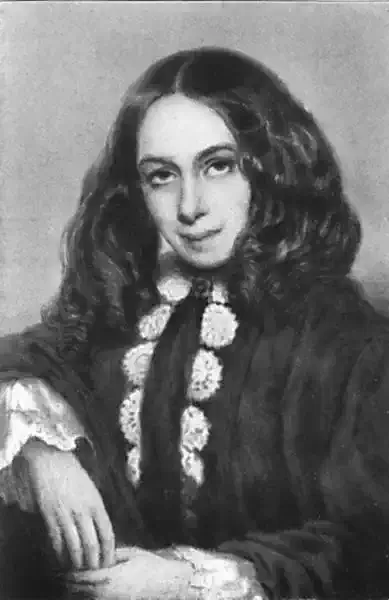
Elizabeth Barrett Browning
Sonnet 38 - First time he kissed me, he but only kissed
Sonnet 38 - First time he kissed me, he but only kissed
XXXVIII
First time he kissed me, he but only kissed
The fingers of this hand wherewith I write;
And ever since, it grew more clean and white,
Slow to world-greetings, quick with its 'Oh, list,'
When the angels speak. A ring of amethyst
I could not wear here, plainer to my sight,
Than that first kiss. The second passed in height
The first, and sought the forehead, and half missed,
Half falling on the hair. O beyond meed!
That was the chrism of love, which love's own crown,
With sanctifying sweetness, did precede.
The third upon my lips was folded down
In perfect, purple state; since when, indeed,
I have been proud and said, 'My love, my own.'
XXXVIII
First time he kissed me, he but only kissed
The fingers of this hand wherewith I write;
And ever since, it grew more clean and white,
Slow to world-greetings, quick with its 'Oh, list,'
When the angels speak. A ring of amethyst
I could not wear here, plainer to my sight,
Than that first kiss. The second passed in height
The first, and sought the forehead, and half missed,
Half falling on the hair. O beyond meed!
That was the chrism of love, which love's own crown,
With sanctifying sweetness, did precede.
The third upon my lips was folded down
In perfect, purple state; since when, indeed,
I have been proud and said, 'My love, my own.'
392
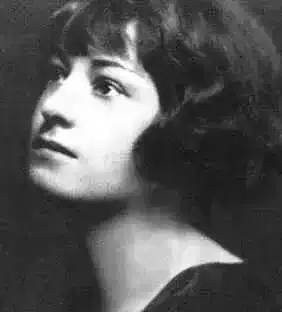
Dorothy Parker
To A Much Too Unfortunate Lady
To A Much Too Unfortunate Lady
He will love you presently
If you be the way you be.
Send your heart a-skittering.
He will stoop, and lift the thing.
Be your dreams as thread, to tease
Into patterns he shall please.
Let him see your passion is
Ever tenderer than his....
Go and bless your star above,
Thus are you, and thus is Love.
He will leave you white with woe,
If you go the way you go.
If your dreams were thread to weave
He will pluck them from his sleeve.
If your heart had come to rest,
He will flick it from his breast.
Tender though the love he bore,
You had loved a little more....
Lady, go and curse your star,
Thus Love is, and thus you are.
He will love you presently
If you be the way you be.
Send your heart a-skittering.
He will stoop, and lift the thing.
Be your dreams as thread, to tease
Into patterns he shall please.
Let him see your passion is
Ever tenderer than his....
Go and bless your star above,
Thus are you, and thus is Love.
He will leave you white with woe,
If you go the way you go.
If your dreams were thread to weave
He will pluck them from his sleeve.
If your heart had come to rest,
He will flick it from his breast.
Tender though the love he bore,
You had loved a little more....
Lady, go and curse your star,
Thus Love is, and thus you are.
372
Dorothy Parker
The New Love
The New Love
If it shine or if it rain,
Little will I care or know.
Days, like drops upon a pane,
Slip, and join, and go.
At my door's another lad;
Here's his flower in my hair.
If he see me pale and sad,
Will he see me fair?
I sit looking at the floor.
Little will I think or say
If he seek another door;
Even if he stay.
If it shine or if it rain,
Little will I care or know.
Days, like drops upon a pane,
Slip, and join, and go.
At my door's another lad;
Here's his flower in my hair.
If he see me pale and sad,
Will he see me fair?
I sit looking at the floor.
Little will I think or say
If he seek another door;
Even if he stay.
344
Dorothy Parker
George Sand
George Sand
What time the gifted lady took
Away from paper, pen, and book,
She spent in amorous dalliance
(They do those things so well in France).
What time the gifted lady took
Away from paper, pen, and book,
She spent in amorous dalliance
(They do those things so well in France).
322