

Poems in this theme
Animals and Nature

William Shakespeare
Fairy Land ii
Fairy Land ii
YOU spotted snakes with double tongue,
Thorny hedgehogs, be not seen;
Newts and blind-worms, do no wrong;
Come not near our fairy queen.
Philomel, with melody,
Sing in our sweet lullaby;
Lulla, lulla, lullaby; lulla, lulla, lullaby!
Never harm,
Nor spell nor charm,
Come our lovely lady nigh;
So, good night, with lullaby.
Weaving spiders, come not here;
Hence, you long-legg'd spinners, hence!
Beetles black, approach not near;
Worm nor snail, do no offence.
Philomel, with melody,
Sing in our sweet lullaby;
Lulla, lulla, lullaby; lulla, lulla, lullaby!
Never harm,
Nor spell nor charm,
Come our lovely lady nigh;
So, good night, with lullaby.
YOU spotted snakes with double tongue,
Thorny hedgehogs, be not seen;
Newts and blind-worms, do no wrong;
Come not near our fairy queen.
Philomel, with melody,
Sing in our sweet lullaby;
Lulla, lulla, lullaby; lulla, lulla, lullaby!
Never harm,
Nor spell nor charm,
Come our lovely lady nigh;
So, good night, with lullaby.
Weaving spiders, come not here;
Hence, you long-legg'd spinners, hence!
Beetles black, approach not near;
Worm nor snail, do no offence.
Philomel, with melody,
Sing in our sweet lullaby;
Lulla, lulla, lullaby; lulla, lulla, lullaby!
Never harm,
Nor spell nor charm,
Come our lovely lady nigh;
So, good night, with lullaby.
418
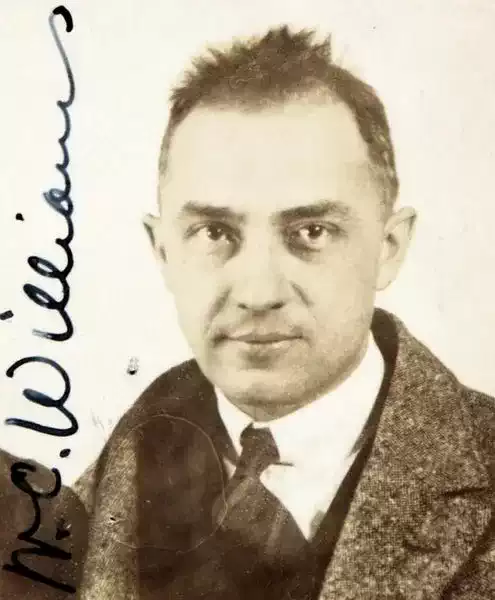
William Carlos Williams
The Spouts
The Spouts
In this world of
as fine a pair of breasts
as ever I saw
the fountain in
Madison Square
spouts up of water
a white tree
that dies and lives
as the rocking water
in the basin
turns from the stonerim
back upon the jet
and rising there
reflectively drops down again.
In this world of
as fine a pair of breasts
as ever I saw
the fountain in
Madison Square
spouts up of water
a white tree
that dies and lives
as the rocking water
in the basin
turns from the stonerim
back upon the jet
and rising there
reflectively drops down again.
282
William Carlos Williams
Smell
Smell
Oh strong-ridged and deeply hollowed
nose of mine! what will you not be smelling?
What tactless asses we are, you and I, boney nose,
always indiscriminate, always unashamed,
and now it is the souring flowers of the bedreggled
poplars: a festering pulp on the wet earth
beneath them. With what deep thirst
we quicken our desires
to that rank odor of a passing springtime!
Can you not be decent? Can you not reserve your ardors
for something less unlovely? What girl will care
for us, do you think, if we continue in these ways?
Must you taste everything? Must you know everything?
Must you have a part in everything?
Oh strong-ridged and deeply hollowed
nose of mine! what will you not be smelling?
What tactless asses we are, you and I, boney nose,
always indiscriminate, always unashamed,
and now it is the souring flowers of the bedreggled
poplars: a festering pulp on the wet earth
beneath them. With what deep thirst
we quicken our desires
to that rank odor of a passing springtime!
Can you not be decent? Can you not reserve your ardors
for something less unlovely? What girl will care
for us, do you think, if we continue in these ways?
Must you taste everything? Must you know everything?
Must you have a part in everything?
413
William Carlos Williams
Poem
Poem
As the cat
climbed over
the top of
the jamcloset
first the right
forefoot
carefully
then the hind
stepped down
into the pit of
the empty
flowerpot.
As the cat
climbed over
the top of
the jamcloset
first the right
forefoot
carefully
then the hind
stepped down
into the pit of
the empty
flowerpot.
277
William Carlos Williams
Peace on Earth
Peace on Earth
The Archer is wake!
The Swan is flying!
Gold against blue
An Arrow is lying.
There is hunting in heaven--
Sleep safe till tomorrow.
The Bears are abroad!
The Eagle is screaming!
Gold against blue
Their eyes are gleaming!
Sleep!
Sleep safe till tomorrow.
The Sisters lie
With their arms intertwining;
Gold against blue
Their hair is shining!
The Serpent writhes!
Orion is listening!
Gold against blue
His sword is glistening!
Sleep!
There is hunting in heaven--
Sleep safe till tomorrow.
The Archer is wake!
The Swan is flying!
Gold against blue
An Arrow is lying.
There is hunting in heaven--
Sleep safe till tomorrow.
The Bears are abroad!
The Eagle is screaming!
Gold against blue
Their eyes are gleaming!
Sleep!
Sleep safe till tomorrow.
The Sisters lie
With their arms intertwining;
Gold against blue
Their hair is shining!
The Serpent writhes!
Orion is listening!
Gold against blue
His sword is glistening!
Sleep!
There is hunting in heaven--
Sleep safe till tomorrow.
394
William Carlos Williams
Hunters in the Snow
Hunters in the Snow
The over-all picture is winter
icy mountains
in the background the return
from the hunt it is toward evening
from the left
sturdy hunters lead in
their pack the inn-sign
hanging from a
broken hinge is a stag a crucifix
between his antlers the cold
inn yard is
deserted but for a huge bonfire
that flares wind-driven tended by
women who cluster
about it to the right beyond
the hill is a pattern of skaters
Brueghel the painter
concerned with it all has chosen
a winter-struck bush for his
foreground to
complete the picture
The over-all picture is winter
icy mountains
in the background the return
from the hunt it is toward evening
from the left
sturdy hunters lead in
their pack the inn-sign
hanging from a
broken hinge is a stag a crucifix
between his antlers the cold
inn yard is
deserted but for a huge bonfire
that flares wind-driven tended by
women who cluster
about it to the right beyond
the hill is a pattern of skaters
Brueghel the painter
concerned with it all has chosen
a winter-struck bush for his
foreground to
complete the picture
453
William Carlos Williams
Dawn
Dawn
Ecstatic bird songs pound
the hollow vastness of the sky
with metallic clinkings--
beating color up into it
at a far edge,--beating it, beating it
with rising, triumphant ardor,--
stirring it into warmth,
quickening in it a spreading change,--
bursting wildly against it as
dividing the horizon, a heavy sun
lifts himself--is lifted--
bit by bit above the edge
of things,--runs free at last
out into the open--!lumbering
glorified in full release upward--
songs cease.
Ecstatic bird songs pound
the hollow vastness of the sky
with metallic clinkings--
beating color up into it
at a far edge,--beating it, beating it
with rising, triumphant ardor,--
stirring it into warmth,
quickening in it a spreading change,--
bursting wildly against it as
dividing the horizon, a heavy sun
lifts himself--is lifted--
bit by bit above the edge
of things,--runs free at last
out into the open--!lumbering
glorified in full release upward--
songs cease.
296
William Carlos Williams
Daisy
Daisy
The dayseye hugging the earth
in August, ha! Spring is
gone down in purple,
weeds stand high in the corn,
the rainbeaten furrow
is clotted with sorrel
and crabgrass, the
branch is black under
the heavy mass of the leaves--
The sun is upon a
slender green stem
ribbed lengthwise.
He lies on his back--
it is a woman also--
he regards his former
majesty and
round the yellow center,
split and creviced and done into
minute flowerheads, he sends out
his twenty rays-- a little
and the wind is among them
to grow cool there!
One turns the thing over
in his hand and looks
at it from the rear: brownedged,
green and pointed scales
armor his yellow.
But turn and turn,
the crisp petals remain
brief, translucent, greenfastened,
barely touching at the edges:
blades of limpid seashell.
The dayseye hugging the earth
in August, ha! Spring is
gone down in purple,
weeds stand high in the corn,
the rainbeaten furrow
is clotted with sorrel
and crabgrass, the
branch is black under
the heavy mass of the leaves--
The sun is upon a
slender green stem
ribbed lengthwise.
He lies on his back--
it is a woman also--
he regards his former
majesty and
round the yellow center,
split and creviced and done into
minute flowerheads, he sends out
his twenty rays-- a little
and the wind is among them
to grow cool there!
One turns the thing over
in his hand and looks
at it from the rear: brownedged,
green and pointed scales
armor his yellow.
But turn and turn,
the crisp petals remain
brief, translucent, greenfastened,
barely touching at the edges:
blades of limpid seashell.
445
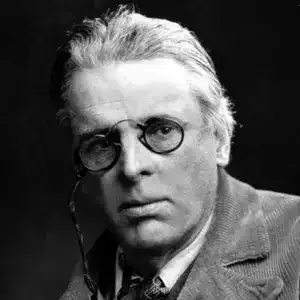
William Butler Yeats
Towards Break Of Day
Towards Break Of Day
WAS it the double of my dream
The woman that by me lay
Dreamed, or did we halve a dream
Under the first cold gleam of day?
I thought: 'There is a waterfall
Upon Ben Bulben side
That all my childhood counted dear;
Were I to travel far and wide
I could not find a thing so dear.'
My memories had magnified
So many times childish delight.
I would have touched it like a child
But knew my finger could but have touched
Cold stone and water. I grew wild.
Even accusing Heaven because
It had set down among its laws:
Nothing that we love over-much
Is ponderable to our touch.
I dreamed towards break of day,
The cold blown spray in my nostril.
But she that beside me lay
Had watched in bitterer sleep
The marvellous stag of Arthur,
That lofty white stag, leap
From mountain steep to steep.
WAS it the double of my dream
The woman that by me lay
Dreamed, or did we halve a dream
Under the first cold gleam of day?
I thought: 'There is a waterfall
Upon Ben Bulben side
That all my childhood counted dear;
Were I to travel far and wide
I could not find a thing so dear.'
My memories had magnified
So many times childish delight.
I would have touched it like a child
But knew my finger could but have touched
Cold stone and water. I grew wild.
Even accusing Heaven because
It had set down among its laws:
Nothing that we love over-much
Is ponderable to our touch.
I dreamed towards break of day,
The cold blown spray in my nostril.
But she that beside me lay
Had watched in bitterer sleep
The marvellous stag of Arthur,
That lofty white stag, leap
From mountain steep to steep.
462
William Butler Yeats
Two Songs of a Fool
Two Songs of a Fool
I
A speckled cat and a tame hare
Eat at my hearthstone
And seep there;
And both look up to me alone
For learning and defence
As I look up to Providence.
I start out of my sleep to think
Some day I may forget
Their food and drink;
Or, the house door left unshut,
The hare may run till it's found
The horn's sweet note and the tooth of the hound.
I bear a burden that might well try
Men that do all by rule,
And what can I
That am a wandering-witted fool
But pray to God that He ease
My great responsibilities?
II
I slept on my three-leged stool by the fire,
The speckled cat slept on my knee;
We never thought to enquire
Where the brown hare might be,
And whether the door were shut.
Who knows how she drank the wind
Stretched up on two legs from the mat,
Before she had settled her mind
To drum with her heel and to leap?
Had I but awakened from sleep
And called her name, she had heard,
It may be, and not have stirred,
That now, it may be, has found
The horn's sweet note and the tooth of the hound.
I
A speckled cat and a tame hare
Eat at my hearthstone
And seep there;
And both look up to me alone
For learning and defence
As I look up to Providence.
I start out of my sleep to think
Some day I may forget
Their food and drink;
Or, the house door left unshut,
The hare may run till it's found
The horn's sweet note and the tooth of the hound.
I bear a burden that might well try
Men that do all by rule,
And what can I
That am a wandering-witted fool
But pray to God that He ease
My great responsibilities?
II
I slept on my three-leged stool by the fire,
The speckled cat slept on my knee;
We never thought to enquire
Where the brown hare might be,
And whether the door were shut.
Who knows how she drank the wind
Stretched up on two legs from the mat,
Before she had settled her mind
To drum with her heel and to leap?
Had I but awakened from sleep
And called her name, she had heard,
It may be, and not have stirred,
That now, it may be, has found
The horn's sweet note and the tooth of the hound.
357
William Butler Yeats
The Wild Swans At Coole
The Wild Swans At Coole
THE trees are in their autumn beauty,
The woodland paths are dry,
Under the October twilight the water
Mirrors a still sky;
Upon the brimming water among the stones
Are nine-and-fifty Swans.
The nineteenth autumn has come upon me
Since I first made my count;
I saw, before I had well finished,
All suddenly mount
And scatter wheeling in great broken rings
Upon their clamorous wings.
I have looked upon those brilliant creatures,
And now my heart is sore.
All's changed since I, hearing at twilight,
The first time on this shore,
The bell-beat of their wings above my head,
Trod with a lighter tread.
Unwearied still, lover by lover,
They paddle in the cold
Companionable streams or climb the air;
Their hearts have not grown old;
Passion or conquest, wander where they will,
Attend upon them still.
But now they drift on the still water,
Mysterious, beautiful;
Among what rushes will they build,
By what lake's edge or pool
Delight men's eyes when I awake some day
To find they have flown away?
THE trees are in their autumn beauty,
The woodland paths are dry,
Under the October twilight the water
Mirrors a still sky;
Upon the brimming water among the stones
Are nine-and-fifty Swans.
The nineteenth autumn has come upon me
Since I first made my count;
I saw, before I had well finished,
All suddenly mount
And scatter wheeling in great broken rings
Upon their clamorous wings.
I have looked upon those brilliant creatures,
And now my heart is sore.
All's changed since I, hearing at twilight,
The first time on this shore,
The bell-beat of their wings above my head,
Trod with a lighter tread.
Unwearied still, lover by lover,
They paddle in the cold
Companionable streams or climb the air;
Their hearts have not grown old;
Passion or conquest, wander where they will,
Attend upon them still.
But now they drift on the still water,
Mysterious, beautiful;
Among what rushes will they build,
By what lake's edge or pool
Delight men's eyes when I awake some day
To find they have flown away?
349
William Butler Yeats
The Stolen Child
The Stolen Child
Where dips the rocky highland
Of Sleuth Wood in the lake,
There lies a leafy island
Where flapping herons wake
The drowsy water rats;
There we've hid our faery vats,
Full of berrys
And of reddest stolen cherries.
Come away, O human child!
To the waters and the wild
With a faery, hand in hand,
For the world's more full of weeping than you can understand.
Where the wave of moonlight glosses
The dim gray sands with light,
Far off by furthest Rosses
We foot it all the night,
Weaving olden dances
Mingling hands and mingling glances
Till the moon has taken flight;
To and fro we leap
And chase the frothy bubbles,
While the world is full of troubles
And anxious in its sleep.
Come away, O human child!
To the waters and the wild
With a faery, hand in hand,
For the world's more full of weeping than you can understand.
Where the wandering water gushes
From the hills above Glen-Car,
In pools among the rushes
That scarce could bathe a star,
We seek for slumbering trout
And whispering in their ears
Give them unquiet dreams;
Leaning softly out
From ferns that dropp their tears
Over the young streams.
Come away, O human child!
To the waters and the wild
With a faery, hand in hand,
For the world's more full of weeping than you can understand.
Away with us he's going,
The solemn-eyed:
He'll hear no more the lowing
Of the calves on the warm hillside
Or the kettle on the hob
Sing peace into his breast,
Or see the brown mice bob
Round and round the oatmeal chest.
For he comes, the human child,
To the waters and the wild
With a faery, hand in hand,
For the world's more full of weeping than he can understand.
Where dips the rocky highland
Of Sleuth Wood in the lake,
There lies a leafy island
Where flapping herons wake
The drowsy water rats;
There we've hid our faery vats,
Full of berrys
And of reddest stolen cherries.
Come away, O human child!
To the waters and the wild
With a faery, hand in hand,
For the world's more full of weeping than you can understand.
Where the wave of moonlight glosses
The dim gray sands with light,
Far off by furthest Rosses
We foot it all the night,
Weaving olden dances
Mingling hands and mingling glances
Till the moon has taken flight;
To and fro we leap
And chase the frothy bubbles,
While the world is full of troubles
And anxious in its sleep.
Come away, O human child!
To the waters and the wild
With a faery, hand in hand,
For the world's more full of weeping than you can understand.
Where the wandering water gushes
From the hills above Glen-Car,
In pools among the rushes
That scarce could bathe a star,
We seek for slumbering trout
And whispering in their ears
Give them unquiet dreams;
Leaning softly out
From ferns that dropp their tears
Over the young streams.
Come away, O human child!
To the waters and the wild
With a faery, hand in hand,
For the world's more full of weeping than you can understand.
Away with us he's going,
The solemn-eyed:
He'll hear no more the lowing
Of the calves on the warm hillside
Or the kettle on the hob
Sing peace into his breast,
Or see the brown mice bob
Round and round the oatmeal chest.
For he comes, the human child,
To the waters and the wild
With a faery, hand in hand,
For the world's more full of weeping than he can understand.
714
William Butler Yeats
The Shadowy Waters
The Shadowy Waters
I walked among the seven woods of Coole:
Shan-walla, where a willow-hordered pond
Gathers the wild duck from the winter dawn;
Shady Kyle-dortha; sunnier Kyle-na-no,
Where many hundred squirrels are as happy
As though they had been hidden hy green houghs
Where old age cannot find them; Paire-na-lee,
Where hazel and ash and privet hlind the paths:
Dim Pairc-na-carraig, where the wild bees fling
Their sudden fragrances on the green air;
Dim Pairc-na-tarav, where enchanted eyes
Have seen immortal, mild, proud shadows walk;
Dim Inchy wood, that hides badger and fox
And marten-cat, and borders that old wood
Wise Buddy Early called the wicked wood:
Seven odours, seven murmurs, seven woods.
I had not eyes like those enchanted eyes,
Yet dreamed that beings happier than men
Moved round me in the shadows, and at night
My dreams were clown hy voices and by fires;
And the images I have woven in this story
Of Forgael and Dectora and the empty waters
Moved round me in the voices and the fires,
And more I may not write of, for they that cleave
The waters of sleep can make a chattering tongue
Heavy like stone, their wisdom being half silence.
How shall I name you, immortal, mild, proud shadows?
I only know that all we know comes from you,
And that you come from Eden on flying feet.
Is Eden far away, or do you hide
From human thought, as hares and mice and coneys
That run before the reaping-hook and lie
In the last ridge of the barley? Do our woods
And winds and ponds cover more quiet woods,
More shining winds, more star-glimmering ponds?
Is Eden out of time and out of space?
And do you gather about us when pale light
Shining on water and fallen among leaves,
And winds blowing from flowers, and whirr of feathers
And the green quiet, have uplifted the heart?
I have made this poem for you, that men may read it
Before they read of Forgael and Dectora,
As men in the old times, before the harps began,
Poured out wine for the high invisible ones.
I walked among the seven woods of Coole:
Shan-walla, where a willow-hordered pond
Gathers the wild duck from the winter dawn;
Shady Kyle-dortha; sunnier Kyle-na-no,
Where many hundred squirrels are as happy
As though they had been hidden hy green houghs
Where old age cannot find them; Paire-na-lee,
Where hazel and ash and privet hlind the paths:
Dim Pairc-na-carraig, where the wild bees fling
Their sudden fragrances on the green air;
Dim Pairc-na-tarav, where enchanted eyes
Have seen immortal, mild, proud shadows walk;
Dim Inchy wood, that hides badger and fox
And marten-cat, and borders that old wood
Wise Buddy Early called the wicked wood:
Seven odours, seven murmurs, seven woods.
I had not eyes like those enchanted eyes,
Yet dreamed that beings happier than men
Moved round me in the shadows, and at night
My dreams were clown hy voices and by fires;
And the images I have woven in this story
Of Forgael and Dectora and the empty waters
Moved round me in the voices and the fires,
And more I may not write of, for they that cleave
The waters of sleep can make a chattering tongue
Heavy like stone, their wisdom being half silence.
How shall I name you, immortal, mild, proud shadows?
I only know that all we know comes from you,
And that you come from Eden on flying feet.
Is Eden far away, or do you hide
From human thought, as hares and mice and coneys
That run before the reaping-hook and lie
In the last ridge of the barley? Do our woods
And winds and ponds cover more quiet woods,
More shining winds, more star-glimmering ponds?
Is Eden out of time and out of space?
And do you gather about us when pale light
Shining on water and fallen among leaves,
And winds blowing from flowers, and whirr of feathers
And the green quiet, have uplifted the heart?
I have made this poem for you, that men may read it
Before they read of Forgael and Dectora,
As men in the old times, before the harps began,
Poured out wine for the high invisible ones.
446
William Butler Yeats
The Fish
The Fish
ALTHOUGH you hide in the ebb and flow
Of the pale tide when the moon has set,
The people of coming days will know
About the casting out of my net,
And how you have leaped times out of mind
Over the little silver cords,
And think that you were hard and unkind,
And blame you with many bitter words.
ALTHOUGH you hide in the ebb and flow
Of the pale tide when the moon has set,
The people of coming days will know
About the casting out of my net,
And how you have leaped times out of mind
Over the little silver cords,
And think that you were hard and unkind,
And blame you with many bitter words.
281
William Butler Yeats
The Fairy Pendant
The Fairy Pendant
Scene: A circle of Druidic stones
First Fairy: Afar from our lawn and our levee,
O sister of sorrowful gaze!
Where the roses in scarlet are heavy
And dream of the end of their days,
You move in another dominion
And hang o'er the historied stone:
Unpruned in your beautiful pinion
Who wander and whisper alone.
All: Come away while the moon's in the woodland,
We'll dance and then feast in a dairy.
Though youngest of all in our good band,
You are wasting away, little fairy.
Second Fairy: Ah! cruel ones, leave me alone now
While I murmur a little and ponder
The history here in the stone now;
Then away and away I will wander,
And measure the minds of the flowers,
And gaze on the meadow-mice wary,
And number their days and their hours--
All: You're wasting away, little fairy.
Second Fairy: O shining ones, lightly with song pass,
Ah! leave me, I pray you and beg.
My mother drew forth from the long grass
A piece of a nightingle's egg,
And cradled me here where are sung,
Of birds even, longings for aery
Wild wisdoms of spirit and tongue.
All: You're wasting away, little fairy.
First Fairy [turning away]: Though the tenderest roses were round you,
The soul of this pitiless place
With pitiless magic has bound you--
Ah! woe for the loss of your face,
And the loss of your laugh with its lightness--
Ah! woe for your wings and your head--
Ah! woe for your eyes and their brightness--
Ah! woe for your slippers of red.
We'll dance and then feast in a dairy.
Though youngest of all in our good band,
She's wasting away, little fairy.
Scene: A circle of Druidic stones
First Fairy: Afar from our lawn and our levee,
O sister of sorrowful gaze!
Where the roses in scarlet are heavy
And dream of the end of their days,
You move in another dominion
And hang o'er the historied stone:
Unpruned in your beautiful pinion
Who wander and whisper alone.
All: Come away while the moon's in the woodland,
We'll dance and then feast in a dairy.
Though youngest of all in our good band,
You are wasting away, little fairy.
Second Fairy: Ah! cruel ones, leave me alone now
While I murmur a little and ponder
The history here in the stone now;
Then away and away I will wander,
And measure the minds of the flowers,
And gaze on the meadow-mice wary,
And number their days and their hours--
All: You're wasting away, little fairy.
Second Fairy: O shining ones, lightly with song pass,
Ah! leave me, I pray you and beg.
My mother drew forth from the long grass
A piece of a nightingle's egg,
And cradled me here where are sung,
Of birds even, longings for aery
Wild wisdoms of spirit and tongue.
All: You're wasting away, little fairy.
First Fairy [turning away]: Though the tenderest roses were round you,
The soul of this pitiless place
With pitiless magic has bound you--
Ah! woe for the loss of your face,
And the loss of your laugh with its lightness--
Ah! woe for your wings and your head--
Ah! woe for your eyes and their brightness--
Ah! woe for your slippers of red.
We'll dance and then feast in a dairy.
Though youngest of all in our good band,
She's wasting away, little fairy.
382
William Butler Yeats
The Ballad Of The Foxhunter
The Ballad Of The Foxhunter
'Lay me in a cushioned chair;
Carry me, ye four,
With cushions here and cushions there,
To see the world once more.
'To stable and to kennel go;
Bring what is there to bring;
Lead my Lollard to and fro,
Or gently in a ring.
'Put the chair upon the grass:
Bring Rody and his hounds,
That I may contented pass
From these earthly bounds.'
His eyelids droop, his head falls low,
His old eyes cloud with dreams;
The sun upon all things that grow
Falls in sleepy streams.
Brown Lollard treads upon the lawn,
And to the armchair goes,
And now the old man's dreams are gone,
He smooths the long brown nose.
And now moves many a pleasant tongue
Upon his wasted hands,
For leading aged hounds and young
The huntsman near him stands.
'Huntsmam Rody, blow the horn,
Make the hills reply.'
The huntsman loosens on the morn
A gay wandering cry.
Fire is in the old man's eyes,
His fingers move and sway,
And when the wandering music dies
They hear him feebly say,
'Huntsman Rody, blow the horn,
Make the hills reply.'
'I cannot blow upon my horn,
I can but weep and sigh.'
Servants round his cushioned place
Are with new sorrow wrung;
Hounds are gazing on his face,
Aged hounds and young.
One blind hound only lies apart
On the sun-smitten grass;
He holds deep commune with his heart:
The moments pass and pass:
The blind hound with a mournful din
Lifts slow his wintry head;
The servants bear the body in;
The hounds wail for the dead.
'Lay me in a cushioned chair;
Carry me, ye four,
With cushions here and cushions there,
To see the world once more.
'To stable and to kennel go;
Bring what is there to bring;
Lead my Lollard to and fro,
Or gently in a ring.
'Put the chair upon the grass:
Bring Rody and his hounds,
That I may contented pass
From these earthly bounds.'
His eyelids droop, his head falls low,
His old eyes cloud with dreams;
The sun upon all things that grow
Falls in sleepy streams.
Brown Lollard treads upon the lawn,
And to the armchair goes,
And now the old man's dreams are gone,
He smooths the long brown nose.
And now moves many a pleasant tongue
Upon his wasted hands,
For leading aged hounds and young
The huntsman near him stands.
'Huntsmam Rody, blow the horn,
Make the hills reply.'
The huntsman loosens on the morn
A gay wandering cry.
Fire is in the old man's eyes,
His fingers move and sway,
And when the wandering music dies
They hear him feebly say,
'Huntsman Rody, blow the horn,
Make the hills reply.'
'I cannot blow upon my horn,
I can but weep and sigh.'
Servants round his cushioned place
Are with new sorrow wrung;
Hounds are gazing on his face,
Aged hounds and young.
One blind hound only lies apart
On the sun-smitten grass;
He holds deep commune with his heart:
The moments pass and pass:
The blind hound with a mournful din
Lifts slow his wintry head;
The servants bear the body in;
The hounds wail for the dead.
434
William Butler Yeats
Long-Legged Fly
Long-Legged Fly
THAT civilisation may not sink,
Its great battle lost,
Quiet the dog, tether the pony
To a distant post;
Our master Caesar is in the tent
Where the maps ate spread,
His eyes fixed upon nothing,
A hand under his head.
Like a long-legged fly upon the stream
His mind moves upon silence.
That the topless towers be burnt
And men recall that face,
Move most gently if move you must
In this lonely place.
She thinks, part woman, three parts a child,
That nobody looks; her feet
Practise a tinker shuffle
Picked up on a street.
Like a long-legged fly upon the stream
Her mind moves upon silence.
That girls at puberty may find
The first Adam in their thought,
Shut the door of the Pope's chapel,
Keep those children out.
There on that scaffolding reclines
Michael Angelo.
With no more sound than the mice make
His hand moves to and fro.
Like a long-leggedfly upon the stream
His mind moves upon silence.
THAT civilisation may not sink,
Its great battle lost,
Quiet the dog, tether the pony
To a distant post;
Our master Caesar is in the tent
Where the maps ate spread,
His eyes fixed upon nothing,
A hand under his head.
Like a long-legged fly upon the stream
His mind moves upon silence.
That the topless towers be burnt
And men recall that face,
Move most gently if move you must
In this lonely place.
She thinks, part woman, three parts a child,
That nobody looks; her feet
Practise a tinker shuffle
Picked up on a street.
Like a long-legged fly upon the stream
Her mind moves upon silence.
That girls at puberty may find
The first Adam in their thought,
Shut the door of the Pope's chapel,
Keep those children out.
There on that scaffolding reclines
Michael Angelo.
With no more sound than the mice make
His hand moves to and fro.
Like a long-leggedfly upon the stream
His mind moves upon silence.
347
William Butler Yeats
Introductory Lines (The Shadowy Waters)
Introductory Lines (The Shadowy Waters)
I walked among the seven woods of Coole:
Shan-walla, where a willow-hordered pond
Gathers the wild duck from the winter dawn;
Shady Kyle-dortha; sunnier Kyle-na-no,
Where many hundred squirrels are as happy
As though they had been hidden by green bough's
Where old age cannot find them; Paire-na-lee,
Where hazel and ash and privet blind the paths:
Dim Paire-na-carraig, where the wild bees fling
Their sudden fragrances on the green air;
Dim Paire-na-tarav, where enchanted eyes
Have seen immortal, mild, proud shadows walk;
Dim Inchy wood, that hides badger and fox
And marten-cat, and borders that old wood
Wise Buddy Early called the wicked wood:
Seven odours, seven murmurs, seven woods.
I had not eyes like those enchanted eyes,
Yet dreamed that beings happier than men
Moved round me in the shadows, and at night
My dreams were clown by voices and by fires;
And the images I have woven in this story
Of Forgael and Dectora and the empty waters
Moved round me in the voices and the fires,
And more I may not write of, for they that cleave
The waters of sleep can make a chattering tongue
Heavy like stone, their wisdom being half silence.
How shall I name you, immortal, mild, proud shadows?
I only know that all we know comes from you,
And that you come from Eden on flying feet.
Is Eden far away, or do you hide
From human thought, as hares and mice and coneys
That run before the reaping-hook and lie
In the last ridge of the barley? Do our woods
And winds and ponds cover more quiet woods,
More shining winds, more star-glimmering ponds?
Is Eden out of time and out of space?
And do you gather about us when pale light
Shining on water and fallen among leaves,
And winds blowing from flowers, and whirr of feathers
And the green quiet, have uplifted the heart?
I have made this poem for you, that men may read it
Before they read of Forgael and Dectora,
As men in the old times, before the harps began,
Poured out wine for the high invisible ones.
I walked among the seven woods of Coole:
Shan-walla, where a willow-hordered pond
Gathers the wild duck from the winter dawn;
Shady Kyle-dortha; sunnier Kyle-na-no,
Where many hundred squirrels are as happy
As though they had been hidden by green bough's
Where old age cannot find them; Paire-na-lee,
Where hazel and ash and privet blind the paths:
Dim Paire-na-carraig, where the wild bees fling
Their sudden fragrances on the green air;
Dim Paire-na-tarav, where enchanted eyes
Have seen immortal, mild, proud shadows walk;
Dim Inchy wood, that hides badger and fox
And marten-cat, and borders that old wood
Wise Buddy Early called the wicked wood:
Seven odours, seven murmurs, seven woods.
I had not eyes like those enchanted eyes,
Yet dreamed that beings happier than men
Moved round me in the shadows, and at night
My dreams were clown by voices and by fires;
And the images I have woven in this story
Of Forgael and Dectora and the empty waters
Moved round me in the voices and the fires,
And more I may not write of, for they that cleave
The waters of sleep can make a chattering tongue
Heavy like stone, their wisdom being half silence.
How shall I name you, immortal, mild, proud shadows?
I only know that all we know comes from you,
And that you come from Eden on flying feet.
Is Eden far away, or do you hide
From human thought, as hares and mice and coneys
That run before the reaping-hook and lie
In the last ridge of the barley? Do our woods
And winds and ponds cover more quiet woods,
More shining winds, more star-glimmering ponds?
Is Eden out of time and out of space?
And do you gather about us when pale light
Shining on water and fallen among leaves,
And winds blowing from flowers, and whirr of feathers
And the green quiet, have uplifted the heart?
I have made this poem for you, that men may read it
Before they read of Forgael and Dectora,
As men in the old times, before the harps began,
Poured out wine for the high invisible ones.
368
William Butler Yeats
In The Seven Woods
In The Seven Woods
I HAVE heard the pigeons of the Seven Woods
Make their faint thunder, and the garden bees
Hum in the lime-tree flowers; and put away
The unavailing outcries and the old bitterness
That empty the heart. I have forgot awhile
Tara uprooted, and new commonness
Upon the throne and crying about the streets
And hanging its paper flowers from post to post,
Because it is alone of all things happy.
I am contented, for I know that Quiet
Wanders laughing and eating her wild heart
Among pigeons and bees, while that Great Archer,
Who but awaits His hour to shoot, still hangs
A cloudy quiver over Pairc-na-lee.
I HAVE heard the pigeons of the Seven Woods
Make their faint thunder, and the garden bees
Hum in the lime-tree flowers; and put away
The unavailing outcries and the old bitterness
That empty the heart. I have forgot awhile
Tara uprooted, and new commonness
Upon the throne and crying about the streets
And hanging its paper flowers from post to post,
Because it is alone of all things happy.
I am contented, for I know that Quiet
Wanders laughing and eating her wild heart
Among pigeons and bees, while that Great Archer,
Who but awaits His hour to shoot, still hangs
A cloudy quiver over Pairc-na-lee.
357
William Butler Yeats
Gratitude To The Unknown Instructors
Gratitude To The Unknown Instructors
WHAT they undertook to do
They brought to pass;
All things hang like a drop of dew
Upon a blade of grass.
WHAT they undertook to do
They brought to pass;
All things hang like a drop of dew
Upon a blade of grass.
287
William Butler Yeats
Anashuya And Vijaya
Anashuya And Vijaya
A little Indian temple in the Golden Age. Around it a garden;
around that the forest. Anashuya, the young priestess, kneelinq
within the temple.
Anashuya. Send peace on all the lands and flickering
corn. --
O, may tranquillity walk by his elbow
When wandering in the forest, if he love
No other. -- Hear, and may the indolent flocks
Be plentiful. -- And if he love another,
May panthers end him. -- Hear, and load our king
With wisdom hour by hour. -- May we two stand,
When we are dead, beyond the setting suns,
A little from the other shades apart,
With mingling hair, and play upon one lute.
Vijaya [entering and throwing a lily at her]. Hail! hail, my
Anashuya.
Anashuya. No: be still.
I, priestess of this temple, offer up
prayers for the land.
Vijaya. I will wait here, Amrita.
Anashuya. By mighty Brahma's ever-rustling robe,
Who is Amrita? Sorrow of all sorrows!
Another fills your mind.
Vijaya. My mother's name.
Anashuya [sings, coming out of the temple].
A sad, sad thought went by me slowly:
Sigh, O you little stars.! O sigh and shake your blue
apparel.!
The sad, sad thought has gone from me now wholly:
Sing, O you little stars.! O sing and raise your rapturous
carol
To mighty Brahma, be who made you many as the sands,
And laid you on the gates of evening with his quiet hands.
(Sits down on the steps of the temple.j
Vijaya, I have brought my evening rice;
The sun has laid his chin on the grey wood,
Weary, with all his poppies gathered round him.
Vijaya. The hour when Kama, full of sleepy laughter,
Rises, and showers abroad his fragrant arrows,
Piercing the twilight with their murmuring barbs.
Anashuya. See-how the sacred old flamingoes come.
Painting with shadow all the marble steps:
Aged and wise, they seek their wonted perches
Within the temple, devious walking, made
To wander by their melancholy minds.
Yon tall one eyes my supper; chase him away,
Far, far away. I named him after you.
He is a famous fisher; hour by hour
He ruffles with his bill the minnowed streams.
Ah! there he snaps my rice. I told you so.
Now cuff him off. He's off! A kiss for you,
Because you saved my rice. Have you no thanks?
Vijaya [sings]. Sing you of her, O first few stars,
Whom Brahma, touching with his finger, praises, for you
hold
The van of wandering quiet; ere you be too calm and old,
Sing, turning in your cars,
Sing, till you raise your hands and sigh, and from your carheads
peer,
With all your whirling hair, and drop many an azure tear.
Anashuya. What know the pilots of the stars of tears?
Vijaya. Their faces are all worn, and in their eyes
Flashes the fire of sadness, for they see
The icicles that famish all the North,
Where men lie frozen in the glimmering snow;
And in the flaming forests cower the lion
And lioness, with all their whimpering cubs;
And, ever pacing on the verge of things,
The phantom, Beauty, in a mist of tears;
While we alone have round us woven woods,
And feel the softness of each other's hand,
Amrita, while -- -
Anashuya [going away from him].
Ah me! you love another,
[Bursting into tears.]
And may some sudden dreadful ill befall her!
Vijaya. I loved another; now I love no other.
Among the mouldering of ancient woods
You live, and on the village border she,
With her old father the blind wood-cutter;
I saw her standing in her door but now.
Anashuya. Vijaya, swear to love her never more.
Vijaya. Ay, ay.
Anashuya. Swear by the parents of the gods,
Dread oath, who dwell on sacred Himalay,
On the far Golden peak; enormous shapes,
Who still were old when the great sea was young;
On their vast faces mystery and dreams;
Their hair along the mountains rolled and filled
From year to year by the unnumbered nests
Of aweless birds, and round their stirless feet
The joyous flocks of deer and antelope,
Who never hear the unforgiving hound.
Swear!
Vijaya. By the parents of the gods, I swear.
Anashuya [sings]. I have forgiven, O new star!
Maybe you have not heard of us, you have come forth so
newly,
You hunter of the fields afar!
Ah, you will know my loved one by his hunter's arrows
truly,
Shoot on him shafts of quietness, that he may ever keep
A lonely laughter, and may kiss his hands to me in sleep.
Farewell, Vijaya. Nay, no word, no word;
I, priestess of this temple, offer up
Prayers for the land.
[Vijaya goes.]
O Brahma, guard in sleep
The merry lambs and the complacent kine,
The flies below the leaves, and the young mice
In the tree roots, and all the sacred flocks
Of red flamingoes; and my love, Vijaya;
And may no restless fay with fidget finger
Trouble his sleeping: give him dreams of me.
A little Indian temple in the Golden Age. Around it a garden;
around that the forest. Anashuya, the young priestess, kneelinq
within the temple.
Anashuya. Send peace on all the lands and flickering
corn. --
O, may tranquillity walk by his elbow
When wandering in the forest, if he love
No other. -- Hear, and may the indolent flocks
Be plentiful. -- And if he love another,
May panthers end him. -- Hear, and load our king
With wisdom hour by hour. -- May we two stand,
When we are dead, beyond the setting suns,
A little from the other shades apart,
With mingling hair, and play upon one lute.
Vijaya [entering and throwing a lily at her]. Hail! hail, my
Anashuya.
Anashuya. No: be still.
I, priestess of this temple, offer up
prayers for the land.
Vijaya. I will wait here, Amrita.
Anashuya. By mighty Brahma's ever-rustling robe,
Who is Amrita? Sorrow of all sorrows!
Another fills your mind.
Vijaya. My mother's name.
Anashuya [sings, coming out of the temple].
A sad, sad thought went by me slowly:
Sigh, O you little stars.! O sigh and shake your blue
apparel.!
The sad, sad thought has gone from me now wholly:
Sing, O you little stars.! O sing and raise your rapturous
carol
To mighty Brahma, be who made you many as the sands,
And laid you on the gates of evening with his quiet hands.
(Sits down on the steps of the temple.j
Vijaya, I have brought my evening rice;
The sun has laid his chin on the grey wood,
Weary, with all his poppies gathered round him.
Vijaya. The hour when Kama, full of sleepy laughter,
Rises, and showers abroad his fragrant arrows,
Piercing the twilight with their murmuring barbs.
Anashuya. See-how the sacred old flamingoes come.
Painting with shadow all the marble steps:
Aged and wise, they seek their wonted perches
Within the temple, devious walking, made
To wander by their melancholy minds.
Yon tall one eyes my supper; chase him away,
Far, far away. I named him after you.
He is a famous fisher; hour by hour
He ruffles with his bill the minnowed streams.
Ah! there he snaps my rice. I told you so.
Now cuff him off. He's off! A kiss for you,
Because you saved my rice. Have you no thanks?
Vijaya [sings]. Sing you of her, O first few stars,
Whom Brahma, touching with his finger, praises, for you
hold
The van of wandering quiet; ere you be too calm and old,
Sing, turning in your cars,
Sing, till you raise your hands and sigh, and from your carheads
peer,
With all your whirling hair, and drop many an azure tear.
Anashuya. What know the pilots of the stars of tears?
Vijaya. Their faces are all worn, and in their eyes
Flashes the fire of sadness, for they see
The icicles that famish all the North,
Where men lie frozen in the glimmering snow;
And in the flaming forests cower the lion
And lioness, with all their whimpering cubs;
And, ever pacing on the verge of things,
The phantom, Beauty, in a mist of tears;
While we alone have round us woven woods,
And feel the softness of each other's hand,
Amrita, while -- -
Anashuya [going away from him].
Ah me! you love another,
[Bursting into tears.]
And may some sudden dreadful ill befall her!
Vijaya. I loved another; now I love no other.
Among the mouldering of ancient woods
You live, and on the village border she,
With her old father the blind wood-cutter;
I saw her standing in her door but now.
Anashuya. Vijaya, swear to love her never more.
Vijaya. Ay, ay.
Anashuya. Swear by the parents of the gods,
Dread oath, who dwell on sacred Himalay,
On the far Golden peak; enormous shapes,
Who still were old when the great sea was young;
On their vast faces mystery and dreams;
Their hair along the mountains rolled and filled
From year to year by the unnumbered nests
Of aweless birds, and round their stirless feet
The joyous flocks of deer and antelope,
Who never hear the unforgiving hound.
Swear!
Vijaya. By the parents of the gods, I swear.
Anashuya [sings]. I have forgiven, O new star!
Maybe you have not heard of us, you have come forth so
newly,
You hunter of the fields afar!
Ah, you will know my loved one by his hunter's arrows
truly,
Shoot on him shafts of quietness, that he may ever keep
A lonely laughter, and may kiss his hands to me in sleep.
Farewell, Vijaya. Nay, no word, no word;
I, priestess of this temple, offer up
Prayers for the land.
[Vijaya goes.]
O Brahma, guard in sleep
The merry lambs and the complacent kine,
The flies below the leaves, and the young mice
In the tree roots, and all the sacred flocks
Of red flamingoes; and my love, Vijaya;
And may no restless fay with fidget finger
Trouble his sleeping: give him dreams of me.
380
William Butler Yeats
A Man Young And Old: IV. The Death Of The Hare
A Man Young And Old: IV. The Death Of The Hare
I have pointed out the yelling pack,
The hare leap to the wood,
And when I pass a compliment
Rejoice as lover should
At the drooping of an eye,
At the mantling of the blood.
Then suddenly my heart is wrung
By her distracted air
And I remember wildness lost
And after, swept from there,
Am set down standing in the wood
At the death of the hare.
I have pointed out the yelling pack,
The hare leap to the wood,
And when I pass a compliment
Rejoice as lover should
At the drooping of an eye,
At the mantling of the blood.
Then suddenly my heart is wrung
By her distracted air
And I remember wildness lost
And after, swept from there,
Am set down standing in the wood
At the death of the hare.
337
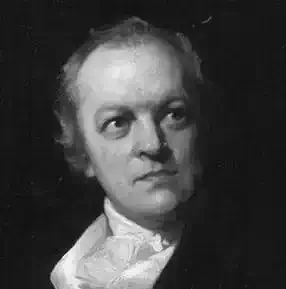
William Blake
To Spring
To Spring
O thou with dewy locks, who lookest down
Thro' the clear windows of the morning, turn
Thine angel eyes upon our western isle,
Which in full choir hails thy approach, O Spring!
The hills tell each other, and the listening
Valleys hear; all our longing eyes are turned
Up to thy bright pavilions: issue forth,
And let thy holy feet visit our clime.
Come o'er the eastern hills, and let our winds
Kiss thy perfumed garments; let us taste
Thy morn and evening breath; scatter thy pearls
Upon our love-sick land that mourns for thee.
O deck her forth with thy fair fingers; pour
Thy soft kisses on her bosom; and put
Thy golden crown upon her languished head,
Whose modest tresses were bound up for thee.
O thou with dewy locks, who lookest down
Thro' the clear windows of the morning, turn
Thine angel eyes upon our western isle,
Which in full choir hails thy approach, O Spring!
The hills tell each other, and the listening
Valleys hear; all our longing eyes are turned
Up to thy bright pavilions: issue forth,
And let thy holy feet visit our clime.
Come o'er the eastern hills, and let our winds
Kiss thy perfumed garments; let us taste
Thy morn and evening breath; scatter thy pearls
Upon our love-sick land that mourns for thee.
O deck her forth with thy fair fingers; pour
Thy soft kisses on her bosom; and put
Thy golden crown upon her languished head,
Whose modest tresses were bound up for thee.
447
William Blake
Three Things to Remember
Three Things to Remember
A Robin Redbreast in a cage,
Puts all Heaven in a rage.
A skylark wounded on the wing
Doth make a cherub cease to sing.
He who shall hurt the little wren
Shall never be beloved by men.
A Robin Redbreast in a cage,
Puts all Heaven in a rage.
A skylark wounded on the wing
Doth make a cherub cease to sing.
He who shall hurt the little wren
Shall never be beloved by men.
432