

Poems in this theme
Time and Its Passage

William Shakespeare
Sonnet 60: Like as the waves make towards the pebbled shore
Sonnet 60: Like as the waves make towards the pebbled shore
Like as the waves make towards the pebbled shore,
So do our minutes hasten to their end;
Each changing place with that which goes before,
In sequent toil all forwards do contend.
Nativity once in the main of light,
Crawls to maturity, wherewith being crowned,
Crookèd eclipses 'gainst his glory fight,
And Time that gave doth now his gift confound.
Time doth transfix the flourish set on youth,
And delves the parallels in beauty's brow,
Feeds on the rarities of nature's truth,
And nothing stands but for his scythe to mow.
And yet to times in hope my verse shall stand,
Praising thy worth despite his cruel hand.
Like as the waves make towards the pebbled shore,
So do our minutes hasten to their end;
Each changing place with that which goes before,
In sequent toil all forwards do contend.
Nativity once in the main of light,
Crawls to maturity, wherewith being crowned,
Crookèd eclipses 'gainst his glory fight,
And Time that gave doth now his gift confound.
Time doth transfix the flourish set on youth,
And delves the parallels in beauty's brow,
Feeds on the rarities of nature's truth,
And nothing stands but for his scythe to mow.
And yet to times in hope my verse shall stand,
Praising thy worth despite his cruel hand.
359
William Shakespeare
Sonnet 55: Not marble, nor the gilded monuments
Sonnet 55: Not marble, nor the gilded monuments
Not marble, nor the gilded monuments
Of princes shall outlive this powerful rhyme,
But you shall shine more bright in these contents
Than unswept stone besmeared with sluttish time.
When wasteful war shall statues overturn,
And broils root out the work of masonry,
Nor Mars his sword, nor war's quick fire shall burn
The living record of your memory.
'Gainst death and all-oblivious enmity
Shall you pace forth; your praise shall still find room
Even in the eyes of all posterity
That wear this world out to the ending doom.
So, till the judgment that yourself arise,
You live in this, and dwell in lovers' eyes.
Not marble, nor the gilded monuments
Of princes shall outlive this powerful rhyme,
But you shall shine more bright in these contents
Than unswept stone besmeared with sluttish time.
When wasteful war shall statues overturn,
And broils root out the work of masonry,
Nor Mars his sword, nor war's quick fire shall burn
The living record of your memory.
'Gainst death and all-oblivious enmity
Shall you pace forth; your praise shall still find room
Even in the eyes of all posterity
That wear this world out to the ending doom.
So, till the judgment that yourself arise,
You live in this, and dwell in lovers' eyes.
344
William Shakespeare
Sonnet 5: Those hours, that with gentle work did frame
Sonnet 5: Those hours, that with gentle work did frame
Those hours, that with gentle work did frame
The lovely gaze where every eye doth dwell,
Will play the tyrants to the very same
And that unfair which fairly doth excel;
For never-resting Time leads summer on
To hideous winter and confounds him there,
Sap checked with frost and lusty leaves quite gone,
Beauty o'ersnowed and bareness everywhere.
Then, were not summer's distillation left
A liquid prisoner pent in walls of glass,
Beauty's effect with beauty were bereft,
Nor it nor no remembrance what it was.
But flowers distilled, though they with winter meet,
Leese but their show; their substance still lives sweet.
Those hours, that with gentle work did frame
The lovely gaze where every eye doth dwell,
Will play the tyrants to the very same
And that unfair which fairly doth excel;
For never-resting Time leads summer on
To hideous winter and confounds him there,
Sap checked with frost and lusty leaves quite gone,
Beauty o'ersnowed and bareness everywhere.
Then, were not summer's distillation left
A liquid prisoner pent in walls of glass,
Beauty's effect with beauty were bereft,
Nor it nor no remembrance what it was.
But flowers distilled, though they with winter meet,
Leese but their show; their substance still lives sweet.
330
William Shakespeare
Sonnet 22: My glass shall not persuade me I am old
Sonnet 22: My glass shall not persuade me I am old
My glass shall not persuade me I am old
So long as youth and thou are of one date;
But when in thee Time's furrows I behold,
Then look I death my days should expiate.
For all that beauty that doth cover thee
Is but the seemly raiment of my heart,
Which in thy breast doth live, as thine in me.
How can I then be elder than thou art?
O, therefore, love, be of thyself so wary
As I not for myself, but for thee will,
Bearing thy heart, which I will keep so chary
As tender nurse her babe from faring ill.
Presume not on thy heart when mine is slain;
Thou gav'st me thine, not to give back again.
My glass shall not persuade me I am old
So long as youth and thou are of one date;
But when in thee Time's furrows I behold,
Then look I death my days should expiate.
For all that beauty that doth cover thee
Is but the seemly raiment of my heart,
Which in thy breast doth live, as thine in me.
How can I then be elder than thou art?
O, therefore, love, be of thyself so wary
As I not for myself, but for thee will,
Bearing thy heart, which I will keep so chary
As tender nurse her babe from faring ill.
Presume not on thy heart when mine is slain;
Thou gav'st me thine, not to give back again.
278
William Shakespeare
Sonnet 2:
Sonnet 2:
When forty winters shall besiege thy brow,
And dig deep trenches in thy beauty's field,
Thy youth's proud livery, so gazed on now,
Will be a tatter'd weed, of small worth held:
Then being ask'd where all thy beauty lies,
Where all the treasure of thy lusty days,
To say, within thine own deep-sunken eyes,
Were an all-eating shame and thriftless praise.
How much more praise deserved thy beauty's use,
If thou couldst answer 'This fair child of mine
Shall sum my count and make my old excuse,'
Proving his beauty by succession thine!
This were to be new made when thou art old,
And see thy blood warm when thou feel'st it cold.
When forty winters shall besiege thy brow,
And dig deep trenches in thy beauty's field,
Thy youth's proud livery, so gazed on now,
Will be a tatter'd weed, of small worth held:
Then being ask'd where all thy beauty lies,
Where all the treasure of thy lusty days,
To say, within thine own deep-sunken eyes,
Were an all-eating shame and thriftless praise.
How much more praise deserved thy beauty's use,
If thou couldst answer 'This fair child of mine
Shall sum my count and make my old excuse,'
Proving his beauty by succession thine!
This were to be new made when thou art old,
And see thy blood warm when thou feel'st it cold.
484
William Shakespeare
Sonnet 18: Shall I compare thee to a summer's day?
Sonnet 18: Shall I compare thee to a summer's day?
Shall I compare thee to a summer's day?
Thou art more lovely and more temperate.
Rough winds do shake the darling buds of May,
And summer's lease hath all too short a date.
Sometime too hot the eye of heaven shines,
And often is his gold complexion dimmed;
And every fair from fair sometime declines,
By chance, or nature's changing course untrimmed.
But thy eternal summer shall not fade
Nor lose possession of that fair thou ow'st;
Nor shall death brag thou wand'rest in his shade,
When in eternal lines to time thou grow'st,
So long as men can breathe or eyes can see,
So long lives this, and this gives life to thee.
Shall I compare thee to a summer's day?
Thou art more lovely and more temperate.
Rough winds do shake the darling buds of May,
And summer's lease hath all too short a date.
Sometime too hot the eye of heaven shines,
And often is his gold complexion dimmed;
And every fair from fair sometime declines,
By chance, or nature's changing course untrimmed.
But thy eternal summer shall not fade
Nor lose possession of that fair thou ow'st;
Nor shall death brag thou wand'rest in his shade,
When in eternal lines to time thou grow'st,
So long as men can breathe or eyes can see,
So long lives this, and this gives life to thee.
241
William Shakespeare
Sonnet 16: But wherefore do not you a mightier way
Sonnet 16: But wherefore do not you a mightier way
But wherefore do not you a mightier way
Make war upon this bloody tyrant, Time,
And fortify your self in your decay
With means more blessèd than my barren rhyme?
Now stand you on the top of happy hours,
And many maiden gardens yet unset,
With virtuous wish would bear you living flowers,
Much liker than your painted counterfeit:
So should the lines of life that life repair
Which this, Time's pencil, or my pupil pen
Neither in inward worth nor outward fair
Can make you live your self in eyes of men.
To give away your self keeps your self still,
And you must live drawn by your own sweet skill.
But wherefore do not you a mightier way
Make war upon this bloody tyrant, Time,
And fortify your self in your decay
With means more blessèd than my barren rhyme?
Now stand you on the top of happy hours,
And many maiden gardens yet unset,
With virtuous wish would bear you living flowers,
Much liker than your painted counterfeit:
So should the lines of life that life repair
Which this, Time's pencil, or my pupil pen
Neither in inward worth nor outward fair
Can make you live your self in eyes of men.
To give away your self keeps your self still,
And you must live drawn by your own sweet skill.
215
William Shakespeare
Sonnet 15: When I consider every thing that grows
Sonnet 15: When I consider every thing that grows
When I consider every thing that grows
Holds in perfection but a little moment.
That this huge stage presenteth nought but shows
Whereon the stars in secret influence comment.
When I perceive that men as plants increase,
Cheerèd and checked even by the self-same sky,
Vaunt in their youthful sap, at height decrease,
And wear their brave state out of memory;
Then the conceit of this inconstant stay,
Sets you most rich in youth before my sight,
Where wasteful Time debateth with decay
To change your day of youth to sullied night;
And all in war with Time for love of you,
As he takes from you, I engraft you new.
When I consider every thing that grows
Holds in perfection but a little moment.
That this huge stage presenteth nought but shows
Whereon the stars in secret influence comment.
When I perceive that men as plants increase,
Cheerèd and checked even by the self-same sky,
Vaunt in their youthful sap, at height decrease,
And wear their brave state out of memory;
Then the conceit of this inconstant stay,
Sets you most rich in youth before my sight,
Where wasteful Time debateth with decay
To change your day of youth to sullied night;
And all in war with Time for love of you,
As he takes from you, I engraft you new.
239
William Shakespeare
Sonnet 12: When I do count the clock that tells the time
Sonnet 12: When I do count the clock that tells the time
When I do count the clock that tells the time,
And see the brave day sunk in hideous night;
When I behold the violet past prime,
And sable curls all silvered o'er with white;
When lofty trees I see barren of leaves
Which erst from heat did canopy the herd,
And summer's green all girded up in sheaves
Borne on the bier with white and bristly beard,
Then of thy beauty do I question make
That thou among the wastes of time must go,
Since sweets and beauties do themselves forsake
And die as fast as they see others grow;
And nothing 'gainst Time's scythe can make defence
Save breed, to brave him when he takes thee hence.
When I do count the clock that tells the time,
And see the brave day sunk in hideous night;
When I behold the violet past prime,
And sable curls all silvered o'er with white;
When lofty trees I see barren of leaves
Which erst from heat did canopy the herd,
And summer's green all girded up in sheaves
Borne on the bier with white and bristly beard,
Then of thy beauty do I question make
That thou among the wastes of time must go,
Since sweets and beauties do themselves forsake
And die as fast as they see others grow;
And nothing 'gainst Time's scythe can make defence
Save breed, to brave him when he takes thee hence.
375
William Shakespeare
Sonnet 115: Those lines that I before have writ do lie
Sonnet 115: Those lines that I before have writ do lie
Those lines that I before have writ do lie,
Even those that said I could not love you dearer;
Yet then my judgment knew no reason why
My most full flame should afterwards burn clearer,
But reckoning Time, whose millioned accidents
Creep in 'twixt vows, and change decrees of kings,
Tan sacred beauty, blunt the sharp'st intents,
Divert strong minds to the course of alt'ring things—
Alas, why, fearing of Time's tyranny,
Might I not then say, "Now I love you best,"
When I was certain o'er incertainty,
Crowning the present, doubting of the rest?
Love is a babe; then might I not say so,
To give full growth to that which still doth grow.
Those lines that I before have writ do lie,
Even those that said I could not love you dearer;
Yet then my judgment knew no reason why
My most full flame should afterwards burn clearer,
But reckoning Time, whose millioned accidents
Creep in 'twixt vows, and change decrees of kings,
Tan sacred beauty, blunt the sharp'st intents,
Divert strong minds to the course of alt'ring things—
Alas, why, fearing of Time's tyranny,
Might I not then say, "Now I love you best,"
When I was certain o'er incertainty,
Crowning the present, doubting of the rest?
Love is a babe; then might I not say so,
To give full growth to that which still doth grow.
323
William Shakespeare
Sonnet 108: What's in the brain that ink may character
Sonnet 108: What's in the brain that ink may character
What's in the brain that ink may character
Which hath not figured to thee my true spirit?
What's new to speak, what now to register,
That may express my love, or thy dear merit?
Nothing, sweet boy, but yet, like prayers divine,
I must each day say o'er the very same,
Counting no old thing old—thou mine, I thine—
Even as when first I hallowed thy fair name.
So that eternal love in love's fresh case
Weighs not the dust and injury of age,
Nor gives to necessary wrinkles place,
But makes antiquity for aye his page,
Finding the first conceit of love there bred
Where time and outward form would show it dead.
What's in the brain that ink may character
Which hath not figured to thee my true spirit?
What's new to speak, what now to register,
That may express my love, or thy dear merit?
Nothing, sweet boy, but yet, like prayers divine,
I must each day say o'er the very same,
Counting no old thing old—thou mine, I thine—
Even as when first I hallowed thy fair name.
So that eternal love in love's fresh case
Weighs not the dust and injury of age,
Nor gives to necessary wrinkles place,
But makes antiquity for aye his page,
Finding the first conceit of love there bred
Where time and outward form would show it dead.
297
William Shakespeare
All the World's a Stage
All the World's a Stage
All the world's a stage,
And all the men and women merely players;
They have their exits and their entrances,
And one man in his time plays many parts,
His acts being seven ages. At first, the infant,
Mewling and puking in the nurse's arms.
Then the whining schoolboy, with his satchel
And shining morning face, creeping like snail
Unwillingly to school. And then the lover,
Sighing like furnace, with a woeful ballad
Made to his mistress' eyebrow. Then a soldier,
Full of strange oaths and bearded like the pard,
Jealous in honor, sudden and quick in quarrel,
Seeking the bubble reputation
Even in the cannon's mouth. And then the justice,
In fair round belly with good capon lined,
With eyes severe and beard of formal cut,
Full of wise saws and modern instances;
And so he plays his part. The sixth age shifts
Into the lean and slippered pantaloon,
With spectacles on nose and pouch on side;
His youthful hose, well saved, a world too wide
For his shrunk shank, and his big manly voice,
Turning again toward childish treble, pipes
And whistles in his sound. Last scene of all,
That ends this strange eventful history,
Is second childishness and mere oblivion,
Sans teeth, sans eyes, sans taste, sans everything.
All the world's a stage,
And all the men and women merely players;
They have their exits and their entrances,
And one man in his time plays many parts,
His acts being seven ages. At first, the infant,
Mewling and puking in the nurse's arms.
Then the whining schoolboy, with his satchel
And shining morning face, creeping like snail
Unwillingly to school. And then the lover,
Sighing like furnace, with a woeful ballad
Made to his mistress' eyebrow. Then a soldier,
Full of strange oaths and bearded like the pard,
Jealous in honor, sudden and quick in quarrel,
Seeking the bubble reputation
Even in the cannon's mouth. And then the justice,
In fair round belly with good capon lined,
With eyes severe and beard of formal cut,
Full of wise saws and modern instances;
And so he plays his part. The sixth age shifts
Into the lean and slippered pantaloon,
With spectacles on nose and pouch on side;
His youthful hose, well saved, a world too wide
For his shrunk shank, and his big manly voice,
Turning again toward childish treble, pipes
And whistles in his sound. Last scene of all,
That ends this strange eventful history,
Is second childishness and mere oblivion,
Sans teeth, sans eyes, sans taste, sans everything.
467
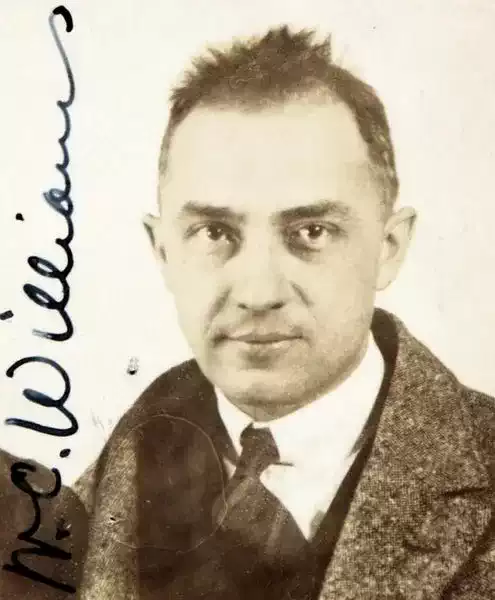
William Carlos Williams
Overture to a Dance of Locomotives
Overture to a Dance of Locomotives
Men with picked voices chant the names
of cities in a huge gallery: promises
that pull through descending stairways
to a deep rumbling.
The rubbing feet
of those coming to be carried quicken a
grey pavement into soft light that rocks
to and fro, under the domed ceiling,
across and across from pale
earthcolored walls of bare limestone.
Covertly the hands of a great clock
go round and round! Were they to
move quickly and at once the whole
secret would be out and the shuffling
of all ants be done forever.
A leaning pyramid of sunlight, narrowing
out at a high window, moves by the clock:
disaccordant hands straining out from
a center: inevitable postures infinitely
repeated--
two--twofour--twoeight!
Porters in red hats run on narrow platforms.
This way ma'am!
--important not to take
the wrong train!
Lights from the concrete
ceiling hang crooked but--
Poised horizontal
on glittering parallels the dingy cylinders
packed with a warm glow--inviting entry--
pull against the hour. But brakes can
hold a fixed posture till--
The whistle!
Not twoeight. Not twofour. Two!
Gliding windows. Colored cooks sweating
in a small kitchen. Taillights--
In time: twofour!
In time: twoeight!
--rivers are tunneled: trestles
cross oozy swampland: wheels repeating
the same gesture remain relatively
stationary: rails forever parallel
return on themselves infinitely.
The dance is sure.
Men with picked voices chant the names
of cities in a huge gallery: promises
that pull through descending stairways
to a deep rumbling.
The rubbing feet
of those coming to be carried quicken a
grey pavement into soft light that rocks
to and fro, under the domed ceiling,
across and across from pale
earthcolored walls of bare limestone.
Covertly the hands of a great clock
go round and round! Were they to
move quickly and at once the whole
secret would be out and the shuffling
of all ants be done forever.
A leaning pyramid of sunlight, narrowing
out at a high window, moves by the clock:
disaccordant hands straining out from
a center: inevitable postures infinitely
repeated--
two--twofour--twoeight!
Porters in red hats run on narrow platforms.
This way ma'am!
--important not to take
the wrong train!
Lights from the concrete
ceiling hang crooked but--
Poised horizontal
on glittering parallels the dingy cylinders
packed with a warm glow--inviting entry--
pull against the hour. But brakes can
hold a fixed posture till--
The whistle!
Not twoeight. Not twofour. Two!
Gliding windows. Colored cooks sweating
in a small kitchen. Taillights--
In time: twofour!
In time: twoeight!
--rivers are tunneled: trestles
cross oozy swampland: wheels repeating
the same gesture remain relatively
stationary: rails forever parallel
return on themselves infinitely.
The dance is sure.
525
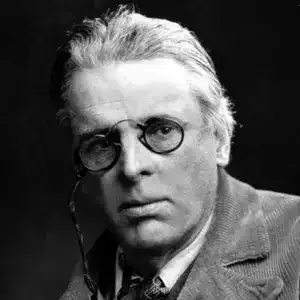
William Butler Yeats
Those Dancing Days Are Gone
Those Dancing Days Are Gone
Come, let me sing into your ear;
Those dancing days are gone,
All that silk and satin gear;
Crouch upon a stone,
Wrapping that foul body up
In as foul a rag:
I carry the sun in a golden cup.
The moon in a silver bag.
Curse as you may I sing it through;
What matter if the knave
That the most could pleasure you,
The children that he gave,
Are somewhere sleeping like a top
Under a marble flag?
I carry the sun in a golden cup.
The moon in a silver bag.
I thought it out this very day.
Noon upon the clock,
A man may put pretence away
Who leans upon a stick,
May sing, and sing until he drop,
Whether to maid or hag:
I carry the sun in a golden cup,
The moon in a silver bag.
Come, let me sing into your ear;
Those dancing days are gone,
All that silk and satin gear;
Crouch upon a stone,
Wrapping that foul body up
In as foul a rag:
I carry the sun in a golden cup.
The moon in a silver bag.
Curse as you may I sing it through;
What matter if the knave
That the most could pleasure you,
The children that he gave,
Are somewhere sleeping like a top
Under a marble flag?
I carry the sun in a golden cup.
The moon in a silver bag.
I thought it out this very day.
Noon upon the clock,
A man may put pretence away
Who leans upon a stick,
May sing, and sing until he drop,
Whether to maid or hag:
I carry the sun in a golden cup,
The moon in a silver bag.
361
William Butler Yeats
The Players Ask For A Blessing On The Psalteries And On Themselves
The Players Ask For A Blessing On The Psalteries And On Themselves
Three Voices [together]. Hurry to bless the hands that play,
The mouths that speak, the notes and strings,
O masters of the glittering town!
O! lay the shrilly trumpet down,
Though drunken with the flags that sway
Over the ramparts and the towers,
And with the waving of your wings.
First Voice. Maybe they linger by the way.
One gathers up his purple gown;
One leans and mutters by the wall --
He dreads the weight of mortal hours.
Second Voice. O no, O no! they hurry down
Like plovers that have heard the call.
Third Voice. O kinsmen of the Three in One,
O kinsmen, bless the hands that play.
The notes they waken shall live on
When all this heavy history's done;
Our hands, our hands must ebb away.
Three Voices [together]. The proud and careless notes live on,
But bless our hands that ebb away.
Three Voices [together]. Hurry to bless the hands that play,
The mouths that speak, the notes and strings,
O masters of the glittering town!
O! lay the shrilly trumpet down,
Though drunken with the flags that sway
Over the ramparts and the towers,
And with the waving of your wings.
First Voice. Maybe they linger by the way.
One gathers up his purple gown;
One leans and mutters by the wall --
He dreads the weight of mortal hours.
Second Voice. O no, O no! they hurry down
Like plovers that have heard the call.
Third Voice. O kinsmen of the Three in One,
O kinsmen, bless the hands that play.
The notes they waken shall live on
When all this heavy history's done;
Our hands, our hands must ebb away.
Three Voices [together]. The proud and careless notes live on,
But bless our hands that ebb away.
355
William Butler Yeats
The Nineteenth Century And After
The Nineteenth Century And After
THOUGH the great song return no more
There's keen delight in what we have:
The rattle of pebbles on the shore
Under the receding wave.
THOUGH the great song return no more
There's keen delight in what we have:
The rattle of pebbles on the shore
Under the receding wave.
308
William Butler Yeats
The Lamentation Of The Old Pensioner
The Lamentation Of The Old Pensioner
ALTHOUGH I shelter from the rain
Under a broken tree,
My chair was nearest to the fire
In every company
That talked of love or politics,
Ere Time transfigured me.
Though lads are making pikes again
For some conspiracy,
And crazy rascals rage their fill
At human tyranny,
My contemplations are of Time
That has transfigured me.
There's not a woman turns her face
Upon a broken tree,
And yet the beauties that I loved
Are in my memory;
I spit into the face of Time
That has transfigured me.
ALTHOUGH I shelter from the rain
Under a broken tree,
My chair was nearest to the fire
In every company
That talked of love or politics,
Ere Time transfigured me.
Though lads are making pikes again
For some conspiracy,
And crazy rascals rage their fill
At human tyranny,
My contemplations are of Time
That has transfigured me.
There's not a woman turns her face
Upon a broken tree,
And yet the beauties that I loved
Are in my memory;
I spit into the face of Time
That has transfigured me.
409
William Butler Yeats
The Folly Of Being Comforted
The Folly Of Being Comforted
ONE that is ever kind said yesterday:
'Your well-beloved's hair has threads of grey,
And little shadows come about her eyes;
Time can but make it easier to be wise
Though now it seems impossible, and so
All that you need is patience.'
Heart cries, 'No,
I have not a crumb of comfort, not a grain.
Time can but make her beauty over again:
Because of that great nobleness of hers
The fire that stirs about her, when she stirs,
Burns but more clearly. O she had not these ways
When all the wild Summer was in her gaze.'
Heart! O heart! if she'd but turn her head,
You'd know the folly of being comforted.
ONE that is ever kind said yesterday:
'Your well-beloved's hair has threads of grey,
And little shadows come about her eyes;
Time can but make it easier to be wise
Though now it seems impossible, and so
All that you need is patience.'
Heart cries, 'No,
I have not a crumb of comfort, not a grain.
Time can but make her beauty over again:
Because of that great nobleness of hers
The fire that stirs about her, when she stirs,
Burns but more clearly. O she had not these ways
When all the wild Summer was in her gaze.'
Heart! O heart! if she'd but turn her head,
You'd know the folly of being comforted.
394
William Butler Yeats
The Coming Of Wisdom With Time
The Coming Of Wisdom With Time
THOUGH leaves are many, the root is one;
Through all the lying days of my youth
I swayed my leaves and flowers in the sun;
Now I may wither into the truth.
THOUGH leaves are many, the root is one;
Through all the lying days of my youth
I swayed my leaves and flowers in the sun;
Now I may wither into the truth.
329
William Butler Yeats
Spilt Milk
Spilt Milk
WE that have done and thought,
That have thought and done,
Must ramble, and thin out
Like milk spilt on a stone.
WE that have done and thought,
That have thought and done,
Must ramble, and thin out
Like milk spilt on a stone.
378
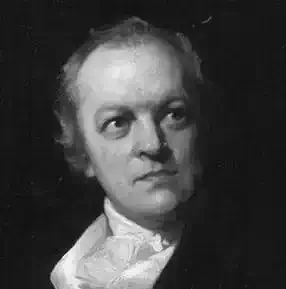
William Blake
Nurse's Song
Nurse's Song
When voices of children are heard on the green,
And whisperings are in the dale,
The days of my youth rise fresh in my mind,
My face turns green and pale.
Then come home, my children, the sun is gone down,
And the dews of night arise;
Your spring and your day are wasted in play,
And your winter and night in disguise.
When voices of children are heard on the green,
And whisperings are in the dale,
The days of my youth rise fresh in my mind,
My face turns green and pale.
Then come home, my children, the sun is gone down,
And the dews of night arise;
Your spring and your day are wasted in play,
And your winter and night in disguise.
389

Walter de la Mare
A Song of Enchantment
A Song of Enchantment
A song of Enchantment I sang me there,
In a green-green wood, by waters fair,
Just as the words came up to me
I sang it under the wild wood tree.
Widdershins turned I, singing it low,
Watching the wild birds come and go;
No cloud in the deep dark blue to be seen
Under the thick-thatched branches green.
Twilight came: silence came:
The planet of Evening's silver flame;
By darkening paths I wandered through
Thickets trembling with drops of dew.
But the music is lost and the words are gone
Of the song I sang as I sat alone,
Ages and ages have fallen on me -
On the wood and the pool and the elder tree.
A song of Enchantment I sang me there,
In a green-green wood, by waters fair,
Just as the words came up to me
I sang it under the wild wood tree.
Widdershins turned I, singing it low,
Watching the wild birds come and go;
No cloud in the deep dark blue to be seen
Under the thick-thatched branches green.
Twilight came: silence came:
The planet of Evening's silver flame;
By darkening paths I wandered through
Thickets trembling with drops of dew.
But the music is lost and the words are gone
Of the song I sang as I sat alone,
Ages and ages have fallen on me -
On the wood and the pool and the elder tree.
279
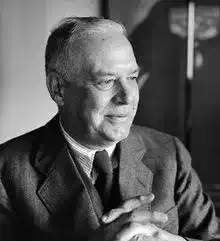
Wallace Stevens
The Man Whose Pharynx Was Bad
The Man Whose Pharynx Was Bad
The time of year has grown indifferent.
Mildew of summer and the deepening snow
Are both alike in the routine I know:
I am too dumbly in my being pent.
The wind attendant on the solstices
Blows on the shutters of the metropoles,
Stirring no poet in his sleep, and tolls
The grand ideas of the villages.
The malady of the quotidian . . .
Perhaps if summer ever came to rest
And lengthened, deepened, comforted, caressed
Through days like oceans in obsidian
Horizons, full of night's midsummer blaze;
Perhaps, if winter once could penetrate
Through all its purples to the final slate,
Persisting bleakly in an icy haze;
One might in turn become less diffident,
Out of such mildew plucking neater mould
And spouting new orations of the cold.
One might. One might. But time will not relent.
The time of year has grown indifferent.
Mildew of summer and the deepening snow
Are both alike in the routine I know:
I am too dumbly in my being pent.
The wind attendant on the solstices
Blows on the shutters of the metropoles,
Stirring no poet in his sleep, and tolls
The grand ideas of the villages.
The malady of the quotidian . . .
Perhaps if summer ever came to rest
And lengthened, deepened, comforted, caressed
Through days like oceans in obsidian
Horizons, full of night's midsummer blaze;
Perhaps, if winter once could penetrate
Through all its purples to the final slate,
Persisting bleakly in an icy haze;
One might in turn become less diffident,
Out of such mildew plucking neater mould
And spouting new orations of the cold.
One might. One might. But time will not relent.
327
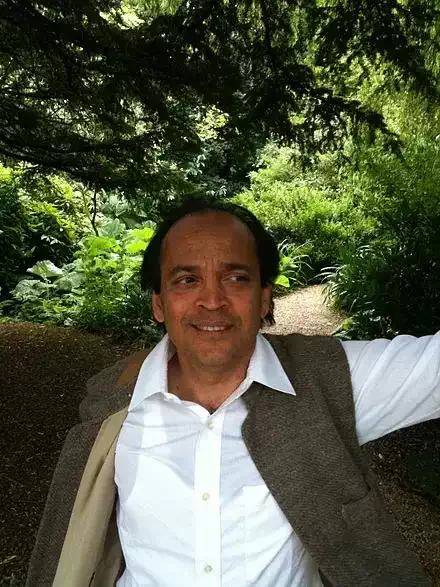
Vikram Seth
Time Zones
Time Zones
I willed my love to dream of me last night, that we might lie
at peace, if not beneath a single sheet, under one sky.
I dreamed of her but she could not alas humour my will;
it struck me suddenly that where she was was daylight still.
I willed my love to dream of me last night, that we might lie
at peace, if not beneath a single sheet, under one sky.
I dreamed of her but she could not alas humour my will;
it struck me suddenly that where she was was daylight still.
673