

Poems in this theme
Work and Profession
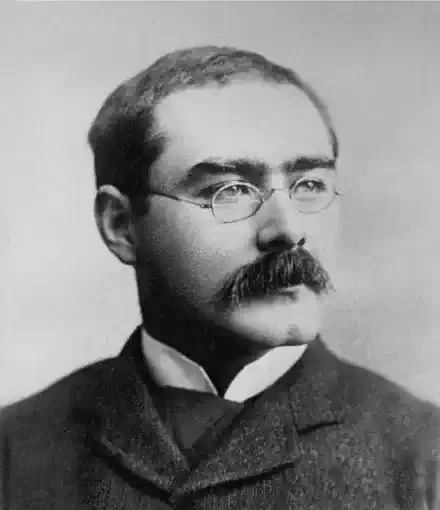
Rudyard Kipling
Banquet Night
Banquet Night
"ONCE in so often," King Solomon said,
Watching his quarrymen drill the stone,
"We will curb our garlic and wine and bread
And banquet together beneath my Throne,
And all Brethren shall come to that mess
As Fellow-Craftsmen-no more and no less."
"Send a swift shallop to Hiram of Tyre,
Felling and floating our beautiful trees,
Say that the Brethren and I desire
Talk with our Brethren who use the seas.
And we shall be happy to meet them at mess
As Fellow-Craftsmen-no more and no less."
"Carry this message to Hiram Abif-
Excellent master of forge and mine :-
I and the Brethren would like it if
He and the Brethren will come to dine
(Garments from Bozrah or morning-dress)
As Fellow-Craftsmen-no more and no less."
"God gave the Cedar their place-
Also the Bramble, the Fig and the Thorn-
But that is no reason to black a man's face
Because he is not what he hasn't been born.
And, as touching the Temple, I hold and profess
We are Fellow-Craftsmen-no more and no less."
So it was ordered and so it was done,
And the hewers of wood and the Masons of Mark,
With foc'sle hands of Sidon run
And Navy Lords from the ROYAL ARK,
Came and sat down and were merry at mess
As Fellow-Craftsmen-no more and no less.
The Quarries are hotter than Hiram's forge,
No one is safe from the dog-whip's reach.
It's mostly snowing up Lebanon gorge,
And it's always blowing off Joppa beach;
But once in so often, the messenger brings
Solomon's mandate : "Forget these things!
Brother to Beggars and Fellow to Kings,
Companion of Princes-forget these things!
Fellow-Craftsmen, forget these things!"
"ONCE in so often," King Solomon said,
Watching his quarrymen drill the stone,
"We will curb our garlic and wine and bread
And banquet together beneath my Throne,
And all Brethren shall come to that mess
As Fellow-Craftsmen-no more and no less."
"Send a swift shallop to Hiram of Tyre,
Felling and floating our beautiful trees,
Say that the Brethren and I desire
Talk with our Brethren who use the seas.
And we shall be happy to meet them at mess
As Fellow-Craftsmen-no more and no less."
"Carry this message to Hiram Abif-
Excellent master of forge and mine :-
I and the Brethren would like it if
He and the Brethren will come to dine
(Garments from Bozrah or morning-dress)
As Fellow-Craftsmen-no more and no less."
"God gave the Cedar their place-
Also the Bramble, the Fig and the Thorn-
But that is no reason to black a man's face
Because he is not what he hasn't been born.
And, as touching the Temple, I hold and profess
We are Fellow-Craftsmen-no more and no less."
So it was ordered and so it was done,
And the hewers of wood and the Masons of Mark,
With foc'sle hands of Sidon run
And Navy Lords from the ROYAL ARK,
Came and sat down and were merry at mess
As Fellow-Craftsmen-no more and no less.
The Quarries are hotter than Hiram's forge,
No one is safe from the dog-whip's reach.
It's mostly snowing up Lebanon gorge,
And it's always blowing off Joppa beach;
But once in so often, the messenger brings
Solomon's mandate : "Forget these things!
Brother to Beggars and Fellow to Kings,
Companion of Princes-forget these things!
Fellow-Craftsmen, forget these things!"
542
Rudyard Kipling
Back to the Army Again
Back to the Army Again
I'm 'ere in a ticky ulster an' a broken billycock 'at,
A-layin' on the sergeant I don't know a gun from a bat;
My shirt's doin' duty for jacket, my sock's stickin' out o' my boots,
An' I'm learnin' the damned old goose-step along o' the new recruits!
Back to Army again, sergeant,
Back to the Army again.
Don't look so 'ard, for I 'aven't no card,
I'm back to the Army again!
I done my six years' service. 'Er Majesty sez: "Good day --
You'll please to come when you're rung for, an' 'ere's your 'ole back-pay:
An' fourpence a day for baccy -- an' bloomin' gen'rous, too;
An' now you can make your fortune -- the same as your orf'cers do."
Back to the Army again, sergeant,
Back to the Army again.
'Ow did I learn to do right-about-turn?
I'm back to the Army again!
A man o' four-an'-twenty that 'asn't learned of a trade --
Beside "Reserve" agin' him -- 'e'd better be never made.
I tried my luck for a quarter, an' that was enough for me,
An' I thought of 'Er Majesty's barricks, an' I thought I'd go an' see.
Back to the Army again, sergeant,
Back to the Army again.
'Tisn't my fault if I dress when I 'alt --
I'm back to the Army again!
The sergeant arst no questions, but 'e winked the other eye,
'E sez to me, " 'Shun!" an' I shunted, the same as in days gone by;
For 'e saw the set o' my shoulders, an' I couldn't 'elp 'oldin' straight
When me an' the other rookies come under the barrik-gate.
Back to the Army again, sergeant,
Back to the Army again.
'Oo would ha' thought I could carry an' port?
I'm back to the Army again!
I took my bath, an' I wallered -- for, Gawd, I needed it so!
I smelt the smell o' the barricks, I 'eard the bugles go.
I 'eard the feet on the gravel -- the feet o' the men what drill --
An' I sez to my flutterin' 'eart-strings, I sez to 'em, "Peace, be still!"
Back to the Army again, sergeant,
Back to the Army again.
'Oo said I knew when the troopship was due?
I'm back to the Army again!
I carried my slops to the tailor; I sez to 'im, "None o' your lip!
You tight 'em over the shoulders, an' loose 'em over the 'ip,
For the set o' the tunic's 'orrid." An' 'e sez to me, "Strike me dead,
But I thought you was used to the business!" an' so 'e done what I said.
Back to the Army again, sergeant,
Back to the Army again.
Rather too free with my fancies? Wot -- me?
I'm back to the Army again!
Next week I'll 'ave 'em fitted; I'll buy me a swagger-cane;
They'll let me free o' the barricks to walk on the Hoe again,
In the name o' William Parsons, that used to be Edward Clay,
An' -- any pore beggar that wants it can draw my fourpence a day!
Back to the Army again, sergeant,
Back to the Army again.
Out o' the cold an' the rain, sergeant,
Out o' the cold an' the rain.
'Oo's there?
A man that's too good to be lost you,
A man that is 'andled an' made --
A man that will pay what 'e cost you
In learnin' the others their trade -- parade!
You're droppin' the pick o' the Army
Because you don't 'elp 'em remain,
But drives 'em to cheat to get out o' the street
An' back to the Army again!
I'm 'ere in a ticky ulster an' a broken billycock 'at,
A-layin' on the sergeant I don't know a gun from a bat;
My shirt's doin' duty for jacket, my sock's stickin' out o' my boots,
An' I'm learnin' the damned old goose-step along o' the new recruits!
Back to Army again, sergeant,
Back to the Army again.
Don't look so 'ard, for I 'aven't no card,
I'm back to the Army again!
I done my six years' service. 'Er Majesty sez: "Good day --
You'll please to come when you're rung for, an' 'ere's your 'ole back-pay:
An' fourpence a day for baccy -- an' bloomin' gen'rous, too;
An' now you can make your fortune -- the same as your orf'cers do."
Back to the Army again, sergeant,
Back to the Army again.
'Ow did I learn to do right-about-turn?
I'm back to the Army again!
A man o' four-an'-twenty that 'asn't learned of a trade --
Beside "Reserve" agin' him -- 'e'd better be never made.
I tried my luck for a quarter, an' that was enough for me,
An' I thought of 'Er Majesty's barricks, an' I thought I'd go an' see.
Back to the Army again, sergeant,
Back to the Army again.
'Tisn't my fault if I dress when I 'alt --
I'm back to the Army again!
The sergeant arst no questions, but 'e winked the other eye,
'E sez to me, " 'Shun!" an' I shunted, the same as in days gone by;
For 'e saw the set o' my shoulders, an' I couldn't 'elp 'oldin' straight
When me an' the other rookies come under the barrik-gate.
Back to the Army again, sergeant,
Back to the Army again.
'Oo would ha' thought I could carry an' port?
I'm back to the Army again!
I took my bath, an' I wallered -- for, Gawd, I needed it so!
I smelt the smell o' the barricks, I 'eard the bugles go.
I 'eard the feet on the gravel -- the feet o' the men what drill --
An' I sez to my flutterin' 'eart-strings, I sez to 'em, "Peace, be still!"
Back to the Army again, sergeant,
Back to the Army again.
'Oo said I knew when the troopship was due?
I'm back to the Army again!
I carried my slops to the tailor; I sez to 'im, "None o' your lip!
You tight 'em over the shoulders, an' loose 'em over the 'ip,
For the set o' the tunic's 'orrid." An' 'e sez to me, "Strike me dead,
But I thought you was used to the business!" an' so 'e done what I said.
Back to the Army again, sergeant,
Back to the Army again.
Rather too free with my fancies? Wot -- me?
I'm back to the Army again!
Next week I'll 'ave 'em fitted; I'll buy me a swagger-cane;
They'll let me free o' the barricks to walk on the Hoe again,
In the name o' William Parsons, that used to be Edward Clay,
An' -- any pore beggar that wants it can draw my fourpence a day!
Back to the Army again, sergeant,
Back to the Army again.
Out o' the cold an' the rain, sergeant,
Out o' the cold an' the rain.
'Oo's there?
A man that's too good to be lost you,
A man that is 'andled an' made --
A man that will pay what 'e cost you
In learnin' the others their trade -- parade!
You're droppin' the pick o' the Army
Because you don't 'elp 'em remain,
But drives 'em to cheat to get out o' the street
An' back to the Army again!
441
Rudyard Kipling
Anchor Song
Anchor Song
Heh! Walk her round. Heave, ah heave her short again!
Over, snatch her over, there, and hold her on the pawl.
Loose all sail, and brace your yards back and full --
Ready jib to pay her off and heave short all!
Well, ah fare you well; we can stay no more with you, my love --
Down, set down your liquor and your girl from off your knee;
For the wind has come to say:
"You must take me while you may,
If you'd go to Mother Carey
(Walk her down to Mother Carey!),
Oh, we're bound to Mother Carey where she feeds her chicks at sea!"
Heh! Walk her round. Break, ah break it out o' that!
Break our starboard-bower out, apeak, awash, and clear.
Port -- port she casts, with the harbour-mud beneath her foot,
And that's the last o' bottom we shall see this year!
Well, ah fare you well, for we've got to take her out again --
Take her out in ballast, riding light and cargo-free.
And it's time to clear and quit
When the hawser grips the bitt,
So we'll pay you with the foresheet and a promise from the sea!
Heh! Tally on. Aft and walk away with her!
Handsome to the cathead, now; O tally on the fall!
Stop, seize and fish, and easy on the davit-guy.
Up, well up the fluke of her, and inboard haul!
Well, ah fare you well, for the Channel wind's took hold of us,
Choking down our voices as we snatch the gaskets free.
And it's blowing up for night,
And she's dropping Light on Light,
And she's snorting under bonnets for a breath of open sea,
Wheel, full and by; but she'll smell her road alone to-night.
Sick she is and harbour-sick -- O sick to clear the land!
Roll down to Brest with the old Red Ensign over us --
Carry on and thrash her out with all she'll stand!
Well, ah fare you well, and it's Ushant slams the door on us,
Whirling like a windmill through the dirty scud to lee:
Till the last, last flicker goes
From the tumbling water-rows,
And we're off to Mother Carey
(Walk her down to Mother Carey!),
Oh, we're bound for Mother Carey where she feeds her chicks at sea!
Heh! Walk her round. Heave, ah heave her short again!
Over, snatch her over, there, and hold her on the pawl.
Loose all sail, and brace your yards back and full --
Ready jib to pay her off and heave short all!
Well, ah fare you well; we can stay no more with you, my love --
Down, set down your liquor and your girl from off your knee;
For the wind has come to say:
"You must take me while you may,
If you'd go to Mother Carey
(Walk her down to Mother Carey!),
Oh, we're bound to Mother Carey where she feeds her chicks at sea!"
Heh! Walk her round. Break, ah break it out o' that!
Break our starboard-bower out, apeak, awash, and clear.
Port -- port she casts, with the harbour-mud beneath her foot,
And that's the last o' bottom we shall see this year!
Well, ah fare you well, for we've got to take her out again --
Take her out in ballast, riding light and cargo-free.
And it's time to clear and quit
When the hawser grips the bitt,
So we'll pay you with the foresheet and a promise from the sea!
Heh! Tally on. Aft and walk away with her!
Handsome to the cathead, now; O tally on the fall!
Stop, seize and fish, and easy on the davit-guy.
Up, well up the fluke of her, and inboard haul!
Well, ah fare you well, for the Channel wind's took hold of us,
Choking down our voices as we snatch the gaskets free.
And it's blowing up for night,
And she's dropping Light on Light,
And she's snorting under bonnets for a breath of open sea,
Wheel, full and by; but she'll smell her road alone to-night.
Sick she is and harbour-sick -- O sick to clear the land!
Roll down to Brest with the old Red Ensign over us --
Carry on and thrash her out with all she'll stand!
Well, ah fare you well, and it's Ushant slams the door on us,
Whirling like a windmill through the dirty scud to lee:
Till the last, last flicker goes
From the tumbling water-rows,
And we're off to Mother Carey
(Walk her down to Mother Carey!),
Oh, we're bound for Mother Carey where she feeds her chicks at sea!
513
Rudyard Kipling
An Imperial Rescript
An Imperial Rescript
Now this is the tale of the Council the German Kaiser decreed,
To ease the strong of their burden, to help the weak in their need,
He sent a word to the peoples, who struggle, and pant, and sweat,
That the straw might be counted fairly and the tally of bricks be set.
The Lords of Their Hands assembled; from the East and the West they drew --
Baltimore, Lille, and Essen, Brummagem, Clyde, and Crewe.
And some were black from the furnace, and some were brown from the soil,
And some were blue from the dye-vat; but all were wearied of toil.
And the young King said: -- "I have found it, the road to the rest ye seek:
The strong shall wait for the weary, the hale shall halt for the weak;
With the even tramp of an army where no man breaks from the line,
Ye shall march to peace and plenty in the bond of brotherhood -- sign!"
The paper lay on the table, the strong heads bowed thereby,
And a wail went up from the peoples: -- "Ay, sign -- give rest, for we die!"
A hand was stretched to the goose-quill, a fist was cramped to scrawl,
When -- the laugh of a blue-eyed maiden ran clear through the council-hall.
And each one heard Her laughing as each one saw Her plain --
Saidie, Mimi, or Olga, Gretchen, or Mary Jane.
And the Spirit of Man that is in Him to the light of the vision woke;
And the men drew back from the paper, as a Yankee delegate spoke: --
"There's a girl in Jersey City who works on the telephone;
We're going to hitch our horses and dig for a house of our own,
With gas and water connections, and steam-heat through to the top;
And, W. Hohenzollern, I guess I shall work till I drop."
And an English delegate thundered: -- "The weak an' the lame be blowed!
I've a berth in the Sou'-West workshops, a home in the Wandsworth Road;
And till the 'sociation has footed my buryin' bill,
I work for the kids an' the missus. Pull up? I be damned if I will!"
And over the German benches the bearded whisper ran: --
"Lager, der girls und der dollars, dey makes or dey breaks a man.
If Schmitt haf collared der dollars, he collars der girl deremit;
But if Schmitt bust in der pizness, we collars der girl from Schmitt."
They passed one resolution: -- "Your sub-committee believe
You can lighten the curse of Adam when you've lightened the curse of Eve.
But till we are built like angels, with hammer and chisel and pen,
We will work for ourself and a woman, for ever and ever, amen."
Now this is the tale of the Council the German Kaiser held --
The day that they razored the Grindstone, the day that the Cat was belled,
The day of the Figs from Thistles, the day of the Twisted Sands,
The day that the laugh of a maiden made light of the Lords of Their Hands.
Now this is the tale of the Council the German Kaiser decreed,
To ease the strong of their burden, to help the weak in their need,
He sent a word to the peoples, who struggle, and pant, and sweat,
That the straw might be counted fairly and the tally of bricks be set.
The Lords of Their Hands assembled; from the East and the West they drew --
Baltimore, Lille, and Essen, Brummagem, Clyde, and Crewe.
And some were black from the furnace, and some were brown from the soil,
And some were blue from the dye-vat; but all were wearied of toil.
And the young King said: -- "I have found it, the road to the rest ye seek:
The strong shall wait for the weary, the hale shall halt for the weak;
With the even tramp of an army where no man breaks from the line,
Ye shall march to peace and plenty in the bond of brotherhood -- sign!"
The paper lay on the table, the strong heads bowed thereby,
And a wail went up from the peoples: -- "Ay, sign -- give rest, for we die!"
A hand was stretched to the goose-quill, a fist was cramped to scrawl,
When -- the laugh of a blue-eyed maiden ran clear through the council-hall.
And each one heard Her laughing as each one saw Her plain --
Saidie, Mimi, or Olga, Gretchen, or Mary Jane.
And the Spirit of Man that is in Him to the light of the vision woke;
And the men drew back from the paper, as a Yankee delegate spoke: --
"There's a girl in Jersey City who works on the telephone;
We're going to hitch our horses and dig for a house of our own,
With gas and water connections, and steam-heat through to the top;
And, W. Hohenzollern, I guess I shall work till I drop."
And an English delegate thundered: -- "The weak an' the lame be blowed!
I've a berth in the Sou'-West workshops, a home in the Wandsworth Road;
And till the 'sociation has footed my buryin' bill,
I work for the kids an' the missus. Pull up? I be damned if I will!"
And over the German benches the bearded whisper ran: --
"Lager, der girls und der dollars, dey makes or dey breaks a man.
If Schmitt haf collared der dollars, he collars der girl deremit;
But if Schmitt bust in der pizness, we collars der girl from Schmitt."
They passed one resolution: -- "Your sub-committee believe
You can lighten the curse of Adam when you've lightened the curse of Eve.
But till we are built like angels, with hammer and chisel and pen,
We will work for ourself and a woman, for ever and ever, amen."
Now this is the tale of the Council the German Kaiser held --
The day that they razored the Grindstone, the day that the Cat was belled,
The day of the Figs from Thistles, the day of the Twisted Sands,
The day that the laugh of a maiden made light of the Lords of Their Hands.
484
Rudyard Kipling
A Smuggler's Song
A Smuggler's Song
If you wake at midnight, and hear a horse's feet,
Don't go drawing back the blind, or looking in the street.
Them that ask no questions isn't told a lie.
Watch the wall, my darling, while the Gentlemen go by!
Five and twenty ponies,
Trotting through the dark --
Brandy for the Parson,
'Baccy for the Clerk;
Laces for a lady, letters for a spy,
And watch the wall, my darling, while the Gentlemen go by!
Running round the woodlump if you chance to find
Little barrels, roped and tarred, all full of brandy-wine,
Don't you shout to come and look, nor use 'em for your play.
Put the brishwood back again -- and they'll be gone next day!
If you see the stable-door setting open wide;
If you see a tired horse lying down inside;
If your mother mends a coat cut about and tore;
If the lining's wet and warm -- don't you ask no more!
If you meet King George's men, dressed in blue and red,
You be carefull what you say, and mindful what is said.
If they call you "pretty maid," and chuck you 'neath the chin,
Don't you tell where no one is, nor yet where no one's been!
Knocks and footsteps round the house -- whistles after dark --
You've no call for running out till the house-dogs bark.
Trusty's here, and Pincher's here, and see how dumb they lie --
They don't fret to follow when the Gentlemen go by!
If you do as you've been told, 'likely there's a chance,
You'll be given a dainty doll, all the way from France,
With a cap of Valenciennes, and a velvet hood --
A present from the Gentlemen, along o' being good!
Five and twenty ponies,
Trotting through the dark --
Brandy for the Parson,
'Baccy for the Clerk;
Them that asks no questions isn't told a lie --
Watch the wall, my darling, while the Gentlemen go by!
If you wake at midnight, and hear a horse's feet,
Don't go drawing back the blind, or looking in the street.
Them that ask no questions isn't told a lie.
Watch the wall, my darling, while the Gentlemen go by!
Five and twenty ponies,
Trotting through the dark --
Brandy for the Parson,
'Baccy for the Clerk;
Laces for a lady, letters for a spy,
And watch the wall, my darling, while the Gentlemen go by!
Running round the woodlump if you chance to find
Little barrels, roped and tarred, all full of brandy-wine,
Don't you shout to come and look, nor use 'em for your play.
Put the brishwood back again -- and they'll be gone next day!
If you see the stable-door setting open wide;
If you see a tired horse lying down inside;
If your mother mends a coat cut about and tore;
If the lining's wet and warm -- don't you ask no more!
If you meet King George's men, dressed in blue and red,
You be carefull what you say, and mindful what is said.
If they call you "pretty maid," and chuck you 'neath the chin,
Don't you tell where no one is, nor yet where no one's been!
Knocks and footsteps round the house -- whistles after dark --
You've no call for running out till the house-dogs bark.
Trusty's here, and Pincher's here, and see how dumb they lie --
They don't fret to follow when the Gentlemen go by!
If you do as you've been told, 'likely there's a chance,
You'll be given a dainty doll, all the way from France,
With a cap of Valenciennes, and a velvet hood --
A present from the Gentlemen, along o' being good!
Five and twenty ponies,
Trotting through the dark --
Brandy for the Parson,
'Baccy for the Clerk;
Them that asks no questions isn't told a lie --
Watch the wall, my darling, while the Gentlemen go by!
404
Rudyard Kipling
A Counting-Out Song
A Counting-Out Song
What is the song the children sing,
When doorway lilacs bloom in Spring,
And the Schools are loosed, and the games are played
That were deadly earnest when Earth was made?
Hear them chattering, shrill and hard,
After dinner-time, out in the yard,
As the sides are chosen and all submit
To the chance of the lot that shall make them "It."
(Singing) "Eenee, Meenee, Mainee, Mo!
Catch a nigger by the toe!
(If he hollers let him go!)
Eenee, Meenee. Mainee, Mo!
You-are-It!"
Eenee, Meenee, Mainee, and Mo
Were the First Big Four of the Long Ago,
When the Pole of the Earth sloped thirty degrees,
And Central Europe began to freeze,
And they needed Ambassadors staunch and stark
To steady the Tribes in the gathering dark:
But the frost was fierce and flesh was frail,
So they launched a Magic that could not fail.
(Singing) "Eenee, Meenee, Mainee, Mo!
Hear the wolves across the snow!
Some one has to kill 'em--so
Eenee, Meenee, Mainee, Mo
Make--you--It!"
Slowly the Glacial Epoch passed,
Central Europe thawed out at last;
And, under the slush of the melting snows
The first dim shapes of the Nations rose.
Rome, Britannia, Belgium, Gaul--
Flood and avalanche fathered them all;
And the First Big Four, as they watched the mess,
Pitied Man in his helplessness.
(Singing) "Eenee, Meenee, Mainee, Mo!
Trouble starts When Nations grow,
Some one has to stop it--so
Eenee, Meenee, Mainee, Mo!
Make-you-It!"
Thus it happened, but none can tell
What was the Power behind the spell--
Fear, or Duty, or Pride, or Faith--
That sent men shuddering out to death--
To cold and watching, and, worse than these,
Work, more work, when they looked for ease--
To the days discomfort, the nights despair,
In the hope of a prize that they never could share,
(Singing) "Eenee, Meenee, Mainee, Mo!
Man is born to Toil and Woe.
One will cure another--so
Eenee, Meenee, Mainee, Mo
Make--you--It!"
Once and again, as the Ice went North
The grass crept up to the Firth of Forth.
Once and again, as the Ice came South
The glaciers ground over Lossiemouth.
But, grass or glacier, cold or hot,
The men went out who would rather not,
And fought with the Tiger, the Pig and the Ape,
To hammer the world into decent shape.
(Singing) "Eenee, Meenee, Mainee, Mo!
What's the use of doing so?
Ask the Gods, for we don't know;
But Eenee, Meenee, Mainee, Mo
Make-us-It!"
Nothing is left of that terrible rune
But a tag of gibberish tacked to a tune
That ends the waiting and settles the claims
Of children arguing over their games;
For never yet has a boy been found
To shirk his turn when the turn came round;
Nor even a girl has been known to say
"If you laugh at me I shan't play."
For-- "Eenee, Meenee, Mainee, Mo,
(Don't you let the grown-ups know!)
You may hate it ever so,
But if you're chose you're bound to go,
When Eenee, Meenee, Mainee, Mo
Make-you-It!"
What is the song the children sing,
When doorway lilacs bloom in Spring,
And the Schools are loosed, and the games are played
That were deadly earnest when Earth was made?
Hear them chattering, shrill and hard,
After dinner-time, out in the yard,
As the sides are chosen and all submit
To the chance of the lot that shall make them "It."
(Singing) "Eenee, Meenee, Mainee, Mo!
Catch a nigger by the toe!
(If he hollers let him go!)
Eenee, Meenee. Mainee, Mo!
You-are-It!"
Eenee, Meenee, Mainee, and Mo
Were the First Big Four of the Long Ago,
When the Pole of the Earth sloped thirty degrees,
And Central Europe began to freeze,
And they needed Ambassadors staunch and stark
To steady the Tribes in the gathering dark:
But the frost was fierce and flesh was frail,
So they launched a Magic that could not fail.
(Singing) "Eenee, Meenee, Mainee, Mo!
Hear the wolves across the snow!
Some one has to kill 'em--so
Eenee, Meenee, Mainee, Mo
Make--you--It!"
Slowly the Glacial Epoch passed,
Central Europe thawed out at last;
And, under the slush of the melting snows
The first dim shapes of the Nations rose.
Rome, Britannia, Belgium, Gaul--
Flood and avalanche fathered them all;
And the First Big Four, as they watched the mess,
Pitied Man in his helplessness.
(Singing) "Eenee, Meenee, Mainee, Mo!
Trouble starts When Nations grow,
Some one has to stop it--so
Eenee, Meenee, Mainee, Mo!
Make-you-It!"
Thus it happened, but none can tell
What was the Power behind the spell--
Fear, or Duty, or Pride, or Faith--
That sent men shuddering out to death--
To cold and watching, and, worse than these,
Work, more work, when they looked for ease--
To the days discomfort, the nights despair,
In the hope of a prize that they never could share,
(Singing) "Eenee, Meenee, Mainee, Mo!
Man is born to Toil and Woe.
One will cure another--so
Eenee, Meenee, Mainee, Mo
Make--you--It!"
Once and again, as the Ice went North
The grass crept up to the Firth of Forth.
Once and again, as the Ice came South
The glaciers ground over Lossiemouth.
But, grass or glacier, cold or hot,
The men went out who would rather not,
And fought with the Tiger, the Pig and the Ape,
To hammer the world into decent shape.
(Singing) "Eenee, Meenee, Mainee, Mo!
What's the use of doing so?
Ask the Gods, for we don't know;
But Eenee, Meenee, Mainee, Mo
Make-us-It!"
Nothing is left of that terrible rune
But a tag of gibberish tacked to a tune
That ends the waiting and settles the claims
Of children arguing over their games;
For never yet has a boy been found
To shirk his turn when the turn came round;
Nor even a girl has been known to say
"If you laugh at me I shan't play."
For-- "Eenee, Meenee, Mainee, Mo,
(Don't you let the grown-ups know!)
You may hate it ever so,
But if you're chose you're bound to go,
When Eenee, Meenee, Mainee, Mo
Make-you-It!"
530
Rudyard Kipling
A Boy Scouts' Patrol Song
A Boy Scouts' Patrol Song
These are our regulations --
There's just one law for the Scout
And the first and the last, and the present and the past,
And the future and the perfect is "Look out!"
I, thou and he, look out!
We, ye and they, look out!
Though you didn't or you wouldn't
Or you hadn't or you couldn't;
You jolly well must look out!
Look out, when you start for the day
That your kit is packed to your mind;
There is no use going away
With half of it left behind.
Look out that your laces are tight,
And your boots are easy and stout,
Or you'll end with a blister at night.
(Chorus) All Patrols look out!
Look out for the birds of the air,
Look out for the beasts of the field --
They'll tell you how and where
The other side's concealed.
When the blackbird bolts from the copse,
Or the cattle are staring about,
The wise commander stops
And (chorus) All Patrols look out!
Look out when your front is clear,
And you feel you are bound to win.
Look out for your flank and your rear --
That's where surprises begin.
For the rustle that isn't a rat,
For the splash that isn't a trout,
For the boulder that may be a hat
(Chorus) All Patrols look out!
For the innocent knee-high grass,
For the ditch that never tells,
Look out! Look out ere you pass --
And look out for everything else!
A sign mis-read as you run
May turn retreat to a rout --
For all things under the sun
(Chorus) All Patrols look out!
Look out when your temper goes
At the end of a losing game;
When your boots are too tight for your toes;
And you answer and argue and blame.
It's the hardest part of the Low,
But it has to be learnt by the Scout --
For whining and shirking and "jaw"
(Chorus) All Patrols look out!
These are our regulations --
There's just one law for the Scout
And the first and the last, and the present and the past,
And the future and the perfect is "Look out!"
I, thou and he, look out!
We, ye and they, look out!
Though you didn't or you wouldn't
Or you hadn't or you couldn't;
You jolly well must look out!
Look out, when you start for the day
That your kit is packed to your mind;
There is no use going away
With half of it left behind.
Look out that your laces are tight,
And your boots are easy and stout,
Or you'll end with a blister at night.
(Chorus) All Patrols look out!
Look out for the birds of the air,
Look out for the beasts of the field --
They'll tell you how and where
The other side's concealed.
When the blackbird bolts from the copse,
Or the cattle are staring about,
The wise commander stops
And (chorus) All Patrols look out!
Look out when your front is clear,
And you feel you are bound to win.
Look out for your flank and your rear --
That's where surprises begin.
For the rustle that isn't a rat,
For the splash that isn't a trout,
For the boulder that may be a hat
(Chorus) All Patrols look out!
For the innocent knee-high grass,
For the ditch that never tells,
Look out! Look out ere you pass --
And look out for everything else!
A sign mis-read as you run
May turn retreat to a rout --
For all things under the sun
(Chorus) All Patrols look out!
Look out when your temper goes
At the end of a losing game;
When your boots are too tight for your toes;
And you answer and argue and blame.
It's the hardest part of the Low,
But it has to be learnt by the Scout --
For whining and shirking and "jaw"
(Chorus) All Patrols look out!
681
Rudyard Kipling
The Men That Fought At Minden
"The Men That Fought At Minden"
A Song of Instruction
The men that fought at Minden, they was rookies in their time --
So was them that fought at Waterloo!
All the 'ole command, yuss, from Minden to Maiwand,
They was once dam' sweeps like you!
Then do not be discouraged, 'Eaven is your 'elper,
We'll learn you not to forget;
An' you mustn't swear an' curse, or you'll only catch it worse,
For we'll make you soldiers yet!
The men that fought at Minden, they 'ad stocks beneath their chins,
Six inch 'igh an' more;
But fatigue it was their pride, and they ~would~ not be denied
To clean the cook-'ouse floor.
The men that fought at Minden, they had anarchistic bombs
Served to 'em by name of 'and-grenades;
But they got it in the eye (same as you will by-an'-by)
When they clubbed their field-parades.
The men that fought at Minden, they 'ad buttons up an' down,
Two-an'-twenty dozen of 'em told;
But they didn't grouse an' shirk at an hour's extry work,
They kept 'em bright as gold.
The men that fought at Minden, they was armed with musketoons,
Also, they was drilled by 'alberdiers;
I don't know what they were, but the sergeants took good care
They washed be'ind their ears.
The men that fought at Minden, they 'ad ever cash in 'and
Which they did not bank nor save,
But spent it gay an' free on their betters -- such as me --
For the good advice I gave.
The men that fought at Minden, they was civil -- yuss, they was --
Never didn't talk o' rights an' wrongs,
But they got it with the toe (same as you will get it -- so!) --
For interrupting songs.
The men that fought at Minden, they was several other things
Which I don't remember clear;
But ~that's~ the reason why, now the six-year men are dry,
The rooks will stand the beer!
Then do not be discouraged, 'Eaven is your 'elper,
We'll learn you not to forget;
An' you mustn't swear an' curse, or you'll only catch it worse,
For we'll make you soldiers yet!
Soldiers yet, if you've got it in you --
All for the sake of the Core;
Soldiers yet, if we 'ave to skin you --
Run an' get the beer, Johnny Raw -- Johnny Raw!
Ho! run an' get the beer, Johnny Raw!
A Song of Instruction
The men that fought at Minden, they was rookies in their time --
So was them that fought at Waterloo!
All the 'ole command, yuss, from Minden to Maiwand,
They was once dam' sweeps like you!
Then do not be discouraged, 'Eaven is your 'elper,
We'll learn you not to forget;
An' you mustn't swear an' curse, or you'll only catch it worse,
For we'll make you soldiers yet!
The men that fought at Minden, they 'ad stocks beneath their chins,
Six inch 'igh an' more;
But fatigue it was their pride, and they ~would~ not be denied
To clean the cook-'ouse floor.
The men that fought at Minden, they had anarchistic bombs
Served to 'em by name of 'and-grenades;
But they got it in the eye (same as you will by-an'-by)
When they clubbed their field-parades.
The men that fought at Minden, they 'ad buttons up an' down,
Two-an'-twenty dozen of 'em told;
But they didn't grouse an' shirk at an hour's extry work,
They kept 'em bright as gold.
The men that fought at Minden, they was armed with musketoons,
Also, they was drilled by 'alberdiers;
I don't know what they were, but the sergeants took good care
They washed be'ind their ears.
The men that fought at Minden, they 'ad ever cash in 'and
Which they did not bank nor save,
But spent it gay an' free on their betters -- such as me --
For the good advice I gave.
The men that fought at Minden, they was civil -- yuss, they was --
Never didn't talk o' rights an' wrongs,
But they got it with the toe (same as you will get it -- so!) --
For interrupting songs.
The men that fought at Minden, they was several other things
Which I don't remember clear;
But ~that's~ the reason why, now the six-year men are dry,
The rooks will stand the beer!
Then do not be discouraged, 'Eaven is your 'elper,
We'll learn you not to forget;
An' you mustn't swear an' curse, or you'll only catch it worse,
For we'll make you soldiers yet!
Soldiers yet, if you've got it in you --
All for the sake of the Core;
Soldiers yet, if we 'ave to skin you --
Run an' get the beer, Johnny Raw -- Johnny Raw!
Ho! run an' get the beer, Johnny Raw!
507
Rudyard Kipling
Snarleyow
"Snarleyow"
This 'appened in a battle to a batt'ry of the corps
Which is first among the women an' amazin' first in war;
An' what the bloomin' battle was I don't remember now,
But Two's off-lead 'e answered to the name o' ~Snarleyow~.
Down in the Infantry, nobody cares;
Down in the Cavalry, Colonel 'e swears;
But down in the lead with the wheel at the flog
Turns the bold Bombardier to a little whipped dog!
They was movin' into action, they was needed very sore,
To learn a little schoolin' to a native army corps,
They 'ad nipped against an uphill, they was tuckin' down the brow,
When a tricky, trundlin' roundshot give the knock to ~Snarleyow~.
They cut 'im loose an' left 'im -- 'e was almost tore in two --
But he tried to follow after as a well-trained 'orse should do;
'E went an' fouled the limber, an' the Driver's Brother squeals:
"Pull up, pull up for ~Snarleyow~ -- 'is head's between 'is 'eels!"
The Driver 'umped 'is shoulder, for the wheels was goin' round,
An' there ain't no "Stop, conductor!" when a batt'ry's changin' ground;
Sez 'e: "I broke the beggar in, an' very sad I feels,
But I couldn't pull up, not for ~you~ -- your 'ead between your 'eels!"
'E 'adn't 'ardly spoke the word, before a droppin' shell
A little right the batt'ry an' between the sections fell;
An' when the smoke 'ad cleared away, before the limber wheels,
There lay the Driver's Brother with 'is 'ead between 'is 'eels.
Then sez the Driver's Brother, an' 'is words was very plain,
"For Gawd's own sake get over me, an' put me out o' pain."
They saw 'is wounds was mortial, an' they judged that it was best,
So they took an' drove the limber straight across 'is back an' chest.
The Driver 'e give nothin' 'cept a little coughin' grunt,
But 'e swung 'is 'orses 'andsome when it came to "Action Front!"
An' if one wheel was juicy, you may lay your Monday head
'Twas juicier for the niggers when the case begun to spread.
The moril of this story, it is plainly to be seen:
You 'avn't got no families when servin' of the Queen --
You 'avn't got no brothers, fathers, sisters, wives, or sons --
If you want to win your battles take an' work your bloomin' guns!
Down in the Infantry, nobody cares;
Down in the Cavalry, Colonel 'e swears;
But down in the lead with the wheel at the flog
Turns the bold Bombardier to a little whipped dog!
This 'appened in a battle to a batt'ry of the corps
Which is first among the women an' amazin' first in war;
An' what the bloomin' battle was I don't remember now,
But Two's off-lead 'e answered to the name o' ~Snarleyow~.
Down in the Infantry, nobody cares;
Down in the Cavalry, Colonel 'e swears;
But down in the lead with the wheel at the flog
Turns the bold Bombardier to a little whipped dog!
They was movin' into action, they was needed very sore,
To learn a little schoolin' to a native army corps,
They 'ad nipped against an uphill, they was tuckin' down the brow,
When a tricky, trundlin' roundshot give the knock to ~Snarleyow~.
They cut 'im loose an' left 'im -- 'e was almost tore in two --
But he tried to follow after as a well-trained 'orse should do;
'E went an' fouled the limber, an' the Driver's Brother squeals:
"Pull up, pull up for ~Snarleyow~ -- 'is head's between 'is 'eels!"
The Driver 'umped 'is shoulder, for the wheels was goin' round,
An' there ain't no "Stop, conductor!" when a batt'ry's changin' ground;
Sez 'e: "I broke the beggar in, an' very sad I feels,
But I couldn't pull up, not for ~you~ -- your 'ead between your 'eels!"
'E 'adn't 'ardly spoke the word, before a droppin' shell
A little right the batt'ry an' between the sections fell;
An' when the smoke 'ad cleared away, before the limber wheels,
There lay the Driver's Brother with 'is 'ead between 'is 'eels.
Then sez the Driver's Brother, an' 'is words was very plain,
"For Gawd's own sake get over me, an' put me out o' pain."
They saw 'is wounds was mortial, an' they judged that it was best,
So they took an' drove the limber straight across 'is back an' chest.
The Driver 'e give nothin' 'cept a little coughin' grunt,
But 'e swung 'is 'orses 'andsome when it came to "Action Front!"
An' if one wheel was juicy, you may lay your Monday head
'Twas juicier for the niggers when the case begun to spread.
The moril of this story, it is plainly to be seen:
You 'avn't got no families when servin' of the Queen --
You 'avn't got no brothers, fathers, sisters, wives, or sons --
If you want to win your battles take an' work your bloomin' guns!
Down in the Infantry, nobody cares;
Down in the Cavalry, Colonel 'e swears;
But down in the lead with the wheel at the flog
Turns the bold Bombardier to a little whipped dog!
549
Rudyard Kipling
Poor Honest Men
"Poor Honest Men"
Your jar of Virginny
Will cost you a guinea,
Which you reckon too much by five shillings or ten;
But light your churchwarden
And judge it according,
When I've told you the troubles of poor honest men.
From the Capes of the Delaware,
As you are well aware,
We sail which tobacco for England-but then,
Our own British cruisers,
They watch us come through, sirs,
And they press half a score of us poor honest men!
Or if by quick sailing
(Thick weather prevailing )
We leave them behind ( as we do now and then)
We are sure of a gun from
Each frigate we run from,
Which is often destruction to poor honest men!
Broadsides the Atlantic
We tumble short-handed,
With shot-holes to plug and new canvas to bend;
And off the Azores,
Dutch, Dons and Monsieurs
Are waiting to terrify poor honest men.
Napoleon's embargo
Is laid on all cargo
Which comfort or aid to King George may intend;
And since roll, twist and leaf,
Of all comforts is chief,
They try for to steal it from poor honest men!
With no heart for fight,
We take refuge in flight,
But fire as we run, our retreat to defend;
Until our stern-chasers
Cut up her fore-braces,
And she flies off the wind from us poor honest men!
'Twix' the Forties and Fifties,
South-eastward the drift is,
And so, when we think we are making Land's End
Alas, it is Ushant
With half the King's Navy
Blockading French ports against poor honest men!
But they may not quit station
(Which is our salvation )
So swiftly we stand to the Nor'ard again;
And finding the tail of
A homeward-bound convoy,
We slip past the Scillies like poor honest men.
'Twix' the Lizard and Dover,
We hand our stuff over,
Though I may not inform how we do it, nor when.
But a light on each quarter,
Low down on the water,
Is well understanded by poor honest men.
Even then we have dangers,
From meddlesome strangers,
Who spy on our business and are not content
To take a smooth answer,
Except with a handspike . . .
And they say they are murdered by poor honest men!
To be drowned or be shot
Is our natural lot,
Why should we, moreover, be hanged in the end---
After all our great pains
For to dangle in chains
As though we were smugglers, not poor honest men?
Your jar of Virginny
Will cost you a guinea,
Which you reckon too much by five shillings or ten;
But light your churchwarden
And judge it according,
When I've told you the troubles of poor honest men.
From the Capes of the Delaware,
As you are well aware,
We sail which tobacco for England-but then,
Our own British cruisers,
They watch us come through, sirs,
And they press half a score of us poor honest men!
Or if by quick sailing
(Thick weather prevailing )
We leave them behind ( as we do now and then)
We are sure of a gun from
Each frigate we run from,
Which is often destruction to poor honest men!
Broadsides the Atlantic
We tumble short-handed,
With shot-holes to plug and new canvas to bend;
And off the Azores,
Dutch, Dons and Monsieurs
Are waiting to terrify poor honest men.
Napoleon's embargo
Is laid on all cargo
Which comfort or aid to King George may intend;
And since roll, twist and leaf,
Of all comforts is chief,
They try for to steal it from poor honest men!
With no heart for fight,
We take refuge in flight,
But fire as we run, our retreat to defend;
Until our stern-chasers
Cut up her fore-braces,
And she flies off the wind from us poor honest men!
'Twix' the Forties and Fifties,
South-eastward the drift is,
And so, when we think we are making Land's End
Alas, it is Ushant
With half the King's Navy
Blockading French ports against poor honest men!
But they may not quit station
(Which is our salvation )
So swiftly we stand to the Nor'ard again;
And finding the tail of
A homeward-bound convoy,
We slip past the Scillies like poor honest men.
'Twix' the Lizard and Dover,
We hand our stuff over,
Though I may not inform how we do it, nor when.
But a light on each quarter,
Low down on the water,
Is well understanded by poor honest men.
Even then we have dangers,
From meddlesome strangers,
Who spy on our business and are not content
To take a smooth answer,
Except with a handspike . . .
And they say they are murdered by poor honest men!
To be drowned or be shot
Is our natural lot,
Why should we, moreover, be hanged in the end---
After all our great pains
For to dangle in chains
As though we were smugglers, not poor honest men?
476
Rudyard Kipling
Banquet Night
"Banquet Night"
"Once in so often," King Solomon said,
Watching his quarrymen drill the stone,
"We will curb our garlic and wine and bread
And banquet together beneath my Throne,
And all Brethren shall come to that mess
As Fellow-Craftsmen-no more and no less."
"Send a swift shallop to Hiram of Tyre,
Felling and floating our beautiful trees,
Say that the Brethren and I desire
Talk with our Brethren who use the seas.
And we shall be happy to meet them at mess
As Fellow-Craftsmen-no more and no less."
"Carry this message to Hiram Abif-
Excellent master of forge and mine :-
I and the Brethren would like it if
He and the Brethren will come to dine
(Garments from Bozrah or morning-dress)
As Fellow-Craftsmen-no more and no less."
"God gave the Cedar their place-
Also the Bramble, the Fig and the Thorn-
But that is no reason to black a man's face
Because he is not what he hasn't been born.
And, as touching the Temple, I hold and profess
We are Fellow-Craftsmen-no more and no less."
So it was ordered and so it was done,
And the hewers of wood and the Masons of Mark,
With foc'sle hands of Sidon run
And Navy Lords from the ROYAL ARK,
Came and sat down and were merry at mess
As Fellow-Craftsmen-no more and no less.
The Quarries are hotter than Hiram's forge,
No one is safe from the dog-whip's reach.
It's mostly snowing up Lebanon gorge,
And it's always blowing off Joppa beach;
But once in so often, the messenger brings
Solomon's mandate : "Forget these things!
Brother to Beggars and Fellow to Kings,
Companion of Princes-forget these things!
Fellow-Craftsmen, forget these things!"
"Once in so often," King Solomon said,
Watching his quarrymen drill the stone,
"We will curb our garlic and wine and bread
And banquet together beneath my Throne,
And all Brethren shall come to that mess
As Fellow-Craftsmen-no more and no less."
"Send a swift shallop to Hiram of Tyre,
Felling and floating our beautiful trees,
Say that the Brethren and I desire
Talk with our Brethren who use the seas.
And we shall be happy to meet them at mess
As Fellow-Craftsmen-no more and no less."
"Carry this message to Hiram Abif-
Excellent master of forge and mine :-
I and the Brethren would like it if
He and the Brethren will come to dine
(Garments from Bozrah or morning-dress)
As Fellow-Craftsmen-no more and no less."
"God gave the Cedar their place-
Also the Bramble, the Fig and the Thorn-
But that is no reason to black a man's face
Because he is not what he hasn't been born.
And, as touching the Temple, I hold and profess
We are Fellow-Craftsmen-no more and no less."
So it was ordered and so it was done,
And the hewers of wood and the Masons of Mark,
With foc'sle hands of Sidon run
And Navy Lords from the ROYAL ARK,
Came and sat down and were merry at mess
As Fellow-Craftsmen-no more and no less.
The Quarries are hotter than Hiram's forge,
No one is safe from the dog-whip's reach.
It's mostly snowing up Lebanon gorge,
And it's always blowing off Joppa beach;
But once in so often, the messenger brings
Solomon's mandate : "Forget these things!
Brother to Beggars and Fellow to Kings,
Companion of Princes-forget these things!
Fellow-Craftsmen, forget these things!"
578
Rudyard Kipling
Birds Of Prey March
"Birds Of Prey March"
March! The mud is cakin' good about our trousies.
Front! -- eyes front, an' watch the Colour-casin's drip.
Front! The faces of the women in the 'ouses
Ain't the kind o' things to take aboard the ship.
Cheer! An' we'll never march to victory.
Cheer! An' we'll never live to 'ear the cannon roar!
The Large Birds o' Prey
They will carry us away,
An' you'll never see your soldiers any more!
Wheel! Oh, keep your touch; we're goin' round a corner.
Time! -- mark time, an' let the men be'ind us close.
Lord! the transport's full, an' 'alf our lot not on 'er --
Cheer, O cheer! We're going off where no one knows.
March! The Devil's none so black as 'e is painted!
Cheer! We'll 'ave some fun before we're put away.
'Alt, an' 'and 'er out -- a woman's gone and fainted!
Cheer! Get on -- Gawd 'elp the married men to-day!
Hoi! Come up, you 'ungry beggars, to yer sorrow.
('Ear them say they want their tea, an' want it quick!)
You won't have no mind for slingers, not to-morrow --
No; you'll put the 'tween-decks stove out, bein' sick!
'Alt! The married kit 'as all to go before us!
'Course it's blocked the bloomin' gangway up again!
Cheer, O cheer the 'Orse Guards watchin' tender o'er us,
Keepin' us since eight this mornin' in the rain!
Stuck in 'eavy marchin'-order, sopped and wringin' --
Sick, before our time to watch 'er 'eave an' fall,
'Ere's your 'appy 'ome at last, an' stop your singin'.
'Alt! Fall in along the troop-deck! Silence all!
Cheer! For we'll never live to see no bloomin' victory!
Cheer! An' we'll never live to 'ear the cannon roar! (One cheer more!)
The jackal an' the kite
'Ave an 'ealthy appetite,
An' you'll never see your soldiers any more! ('Ip! Urroar!)
The eagle an' the crow
They are waitin' ever so,
An' you'll never see your soldiers any more! ('Ip! Urroar!)
Yes, the Large Birds o' Prey
They will carry us away,
An' you'll never see your soldiers any more!
March! The mud is cakin' good about our trousies.
Front! -- eyes front, an' watch the Colour-casin's drip.
Front! The faces of the women in the 'ouses
Ain't the kind o' things to take aboard the ship.
Cheer! An' we'll never march to victory.
Cheer! An' we'll never live to 'ear the cannon roar!
The Large Birds o' Prey
They will carry us away,
An' you'll never see your soldiers any more!
Wheel! Oh, keep your touch; we're goin' round a corner.
Time! -- mark time, an' let the men be'ind us close.
Lord! the transport's full, an' 'alf our lot not on 'er --
Cheer, O cheer! We're going off where no one knows.
March! The Devil's none so black as 'e is painted!
Cheer! We'll 'ave some fun before we're put away.
'Alt, an' 'and 'er out -- a woman's gone and fainted!
Cheer! Get on -- Gawd 'elp the married men to-day!
Hoi! Come up, you 'ungry beggars, to yer sorrow.
('Ear them say they want their tea, an' want it quick!)
You won't have no mind for slingers, not to-morrow --
No; you'll put the 'tween-decks stove out, bein' sick!
'Alt! The married kit 'as all to go before us!
'Course it's blocked the bloomin' gangway up again!
Cheer, O cheer the 'Orse Guards watchin' tender o'er us,
Keepin' us since eight this mornin' in the rain!
Stuck in 'eavy marchin'-order, sopped and wringin' --
Sick, before our time to watch 'er 'eave an' fall,
'Ere's your 'appy 'ome at last, an' stop your singin'.
'Alt! Fall in along the troop-deck! Silence all!
Cheer! For we'll never live to see no bloomin' victory!
Cheer! An' we'll never live to 'ear the cannon roar! (One cheer more!)
The jackal an' the kite
'Ave an 'ealthy appetite,
An' you'll never see your soldiers any more! ('Ip! Urroar!)
The eagle an' the crow
They are waitin' ever so,
An' you'll never see your soldiers any more! ('Ip! Urroar!)
Yes, the Large Birds o' Prey
They will carry us away,
An' you'll never see your soldiers any more!
528
Rudyard Kipling
Angutivaun Taina
"Angutivaun Taina"
Our gloves are stiff with the frozen blood,
Our furs with the drifted snow,
As we come in with the seal--the seal!
In from the edge of the floe.
Au jana! Aua! Oha! Haq!
And the yelping dog-teams go;
And the long whips crack, and the men come back,
Back from the edge of the floe!
We tracked our seal to his secret place,
We heard him scratch below,
We made our mark, and we watched beside,
Out on the edge of the floe.
We raised our lance when he rose to breathe,
We drove it downward--so!
And we played him thus, and we killed him thus,
Out on the edge of the floe.
Our gloves are glued with the frozen blood,
Our eyes with the drifting snow;
But we come back to our wives again,
Back from the edge of the floe!
Au jana! Aua! Oha! Haq!
And the loaded dog-teams go;
And the wives ran hear their men come back,
Back from the edge of the floe!
Our gloves are stiff with the frozen blood,
Our furs with the drifted snow,
As we come in with the seal--the seal!
In from the edge of the floe.
Au jana! Aua! Oha! Haq!
And the yelping dog-teams go;
And the long whips crack, and the men come back,
Back from the edge of the floe!
We tracked our seal to his secret place,
We heard him scratch below,
We made our mark, and we watched beside,
Out on the edge of the floe.
We raised our lance when he rose to breathe,
We drove it downward--so!
And we played him thus, and we killed him thus,
Out on the edge of the floe.
Our gloves are glued with the frozen blood,
Our eyes with the drifting snow;
But we come back to our wives again,
Back from the edge of the floe!
Au jana! Aua! Oha! Haq!
And the loaded dog-teams go;
And the wives ran hear their men come back,
Back from the edge of the floe!
438
Rudyard Kipling
Back To The Army Again
"Back To The Army Again
I'm 'ere in a ticky ulster an' a broken billycock 'at,
A-layin' on to the sergeant I don't know a gun from a bat;
My shirt's doin' duty for jacket, my sock's stickin' out o' my boots,
An' I'm learnin' the damned old goose-step along o' the new recruits!
Back to the Army again, sergeant,
Back to the Army again.
Don't look so 'ard, for I 'aven't no card,
I'm back to the Army again!
I done my six years' service. 'Er Majesty sez: "Good-day --
You'll please to come when you're rung for, an' 'ere's your 'ole back-pay;
An' fourpence a day for baccy -- an' bloomin' gen'rous, too;
An' now you can make your fortune -- the same as your orf'cers do."
Back to the Army again, sergeant,
Back to the Army again;
'Ow did I learn to do right-about turn?
I'm back to the Army again!
A man o' four-an'-twenty that 'asn't learned of a trade --
Beside "Reserve" agin' him -- 'e'd better be never made.
I tried my luck for a quarter, an' that was enough for me,
An' I thought of 'Er Majesty's barricks, an' I thought I'd go an' see.
Back to the Army again, sergeant,
Back to the Army again;
'Tisn't my fault if I dress when I 'alt --
I'm back to the Army again!
The sergeant arst no questions, but 'e winked the other eye,
'E sez to me, "'Shun!" an' I shunted, the same as in days gone by;
For 'e saw the set o' my shoulders, an' I couldn't 'elp 'oldin' straight
When me an' the other rookies come under the barrick-gate.
Back to the Army again, sergeant,
Back to the Army again;
'Oo would ha' thought I could carry an' port?
I'm back to the Army again!
I took my bath, an' I wallered -- for, Gawd, I needed it so!
I smelt the smell o' the barricks, I 'eard the bugles go.
I 'eard the feet on the gravel -- the feet o' the men what drill --
An' I sez to my flutterin' 'eart-strings, I sez to 'em, "Peace, be still!"
Back to the Army again, sergeant,
Back to the Army again;
'Oo said I knew when the ~Jumner~ was due?
I'm back to the Army again!
I carried my slops to the tailor; I sez to 'im, "None o' your lip!
You tight 'em over the shoulders, an' loose 'em over the 'ip,
For the set o' the tunic's 'orrid." An' 'e sez to me, "Strike me dead,
But I thought you was used to the business!" an' so 'e done what I said.
Back to the Army again, sergeant,
Back to the Army again.
Rather too free with my fancies? Wot -- me?
I'm back to the Army again!
Next week I'll 'ave 'em fitted; I'll buy me a swagger-cane;
They'll let me free o' the barricks to walk on the Hoe again
In the name o' William Parsons, that used to be Edward Clay,
An' -- any pore beggar that wants it can draw my fourpence a day!
Back to the Army again, sergeant,
Back to the Army again:
Out o' the cold an' the rain, sergeant,
Out o' the cold an' the rain.
'Oo's there?
A man that's too good to be lost you,
A man that is 'andled an' made --
A man that will pay what 'e cost you
In learnin' the others their trade -- parade!
You're droppin' the pick o' the Army
Because you don't 'elp 'em remain,
But drives 'em to cheat to get out o' the street
An' back to the Army again!
I'm 'ere in a ticky ulster an' a broken billycock 'at,
A-layin' on to the sergeant I don't know a gun from a bat;
My shirt's doin' duty for jacket, my sock's stickin' out o' my boots,
An' I'm learnin' the damned old goose-step along o' the new recruits!
Back to the Army again, sergeant,
Back to the Army again.
Don't look so 'ard, for I 'aven't no card,
I'm back to the Army again!
I done my six years' service. 'Er Majesty sez: "Good-day --
You'll please to come when you're rung for, an' 'ere's your 'ole back-pay;
An' fourpence a day for baccy -- an' bloomin' gen'rous, too;
An' now you can make your fortune -- the same as your orf'cers do."
Back to the Army again, sergeant,
Back to the Army again;
'Ow did I learn to do right-about turn?
I'm back to the Army again!
A man o' four-an'-twenty that 'asn't learned of a trade --
Beside "Reserve" agin' him -- 'e'd better be never made.
I tried my luck for a quarter, an' that was enough for me,
An' I thought of 'Er Majesty's barricks, an' I thought I'd go an' see.
Back to the Army again, sergeant,
Back to the Army again;
'Tisn't my fault if I dress when I 'alt --
I'm back to the Army again!
The sergeant arst no questions, but 'e winked the other eye,
'E sez to me, "'Shun!" an' I shunted, the same as in days gone by;
For 'e saw the set o' my shoulders, an' I couldn't 'elp 'oldin' straight
When me an' the other rookies come under the barrick-gate.
Back to the Army again, sergeant,
Back to the Army again;
'Oo would ha' thought I could carry an' port?
I'm back to the Army again!
I took my bath, an' I wallered -- for, Gawd, I needed it so!
I smelt the smell o' the barricks, I 'eard the bugles go.
I 'eard the feet on the gravel -- the feet o' the men what drill --
An' I sez to my flutterin' 'eart-strings, I sez to 'em, "Peace, be still!"
Back to the Army again, sergeant,
Back to the Army again;
'Oo said I knew when the ~Jumner~ was due?
I'm back to the Army again!
I carried my slops to the tailor; I sez to 'im, "None o' your lip!
You tight 'em over the shoulders, an' loose 'em over the 'ip,
For the set o' the tunic's 'orrid." An' 'e sez to me, "Strike me dead,
But I thought you was used to the business!" an' so 'e done what I said.
Back to the Army again, sergeant,
Back to the Army again.
Rather too free with my fancies? Wot -- me?
I'm back to the Army again!
Next week I'll 'ave 'em fitted; I'll buy me a swagger-cane;
They'll let me free o' the barricks to walk on the Hoe again
In the name o' William Parsons, that used to be Edward Clay,
An' -- any pore beggar that wants it can draw my fourpence a day!
Back to the Army again, sergeant,
Back to the Army again:
Out o' the cold an' the rain, sergeant,
Out o' the cold an' the rain.
'Oo's there?
A man that's too good to be lost you,
A man that is 'andled an' made --
A man that will pay what 'e cost you
In learnin' the others their trade -- parade!
You're droppin' the pick o' the Army
Because you don't 'elp 'em remain,
But drives 'em to cheat to get out o' the street
An' back to the Army again!
495

Robert W. Service
Tom
Tom
That Tom was poor was sure a pity,
Such guts for learning had the lad;
He took to Greek like babe to titty,
And he was mathematic mad.
I loved to prime him up with knowledge,
A brighter lad I never knew;
I dreamed that he would go to college
And there be honoured too.
But no! His Dad said, "Son, I need you
To keep the kettle on the boil;
No longer can I clothe and feed you,
Buy study books and midnight oil.
I carry on as best I'm able,
A humble tailor, as you know;
And you must squat cross-legged a table
And learn to snip and sew."
And that is what poor Tom is doing.
He bravely makes the best of it;
But as he "fits" you he is knowing
That he himself is a misfit;
And thinks as he fulfils his calling,
With patient heart yet deep distaste,
Like clippings from his shears down-falling,
--He, too, is Waste.
That Tom was poor was sure a pity,
Such guts for learning had the lad;
He took to Greek like babe to titty,
And he was mathematic mad.
I loved to prime him up with knowledge,
A brighter lad I never knew;
I dreamed that he would go to college
And there be honoured too.
But no! His Dad said, "Son, I need you
To keep the kettle on the boil;
No longer can I clothe and feed you,
Buy study books and midnight oil.
I carry on as best I'm able,
A humble tailor, as you know;
And you must squat cross-legged a table
And learn to snip and sew."
And that is what poor Tom is doing.
He bravely makes the best of it;
But as he "fits" you he is knowing
That he himself is a misfit;
And thinks as he fulfils his calling,
With patient heart yet deep distaste,
Like clippings from his shears down-falling,
--He, too, is Waste.
219
Robert W. Service
The Tunnel
The Tunnel
Toil's a tunnel, there's no way out
For fellows, the like o' me;
A beggar wi' only a crust an' a clout
At the worst o' the worst is free;
but I work to eat, an' I eat to work;
It's always the same old round,
And I dassent fail for the day I shirk
They'll shovel me underground.
I guess God meant it to be that way,
For a man must make his bread;
I was born to bondage, to earn my pay,
To slave to the day I'm dead;
To live in a tunnel, to die in a ditch That's
just what us fellows do;
For the poor must be makin' the rich more rich,
An' the many must serve the few.
Aye, we live in a tunnel, most o' us,
A-fearin' to lose our job;
But who has the right to gripe an' cuss
So the goblet's hot on the hob.
An' I mustn't be havin' the wife complain,
An' I can't let the childer fast:
So I'll toil in my tunnel an' drag my chain,
Clank! Clank! Clank! to the last.
Toil's a tunnel, there's no way out
For fellows, the like o' me;
A beggar wi' only a crust an' a clout
At the worst o' the worst is free;
but I work to eat, an' I eat to work;
It's always the same old round,
And I dassent fail for the day I shirk
They'll shovel me underground.
I guess God meant it to be that way,
For a man must make his bread;
I was born to bondage, to earn my pay,
To slave to the day I'm dead;
To live in a tunnel, to die in a ditch That's
just what us fellows do;
For the poor must be makin' the rich more rich,
An' the many must serve the few.
Aye, we live in a tunnel, most o' us,
A-fearin' to lose our job;
But who has the right to gripe an' cuss
So the goblet's hot on the hob.
An' I mustn't be havin' the wife complain,
An' I can't let the childer fast:
So I'll toil in my tunnel an' drag my chain,
Clank! Clank! Clank! to the last.
266
Robert W. Service
The Song Of The Wage-Slave
The Song Of The Wage-Slave
When the long, long day is over, and the Big Boss gives me my pay,
I hope that it won't be hell-fire, as some of the parsons say.
And I hope that it won't be heaven, with some of the parsons I've met --
All I want is just quiet, just to rest and forget.
Look at my face, toil-furrowed; look at my calloused hands;
Master, I've done Thy bidding, wrought in Thy many lands --
Wrought for the little masters, big-bellied they be, and rich;
I've done their desire for a daily hire, and I die like a dog in a ditch.
I have used the strength Thou hast given, Thou knowest I did not shirk;
Threescore years of labor -- Thine be the long day's work.
And now, Big Master, I'm broken and bent and twisted and scarred,
But I've held my job, and Thou knowest, and Thou will not judge me hard.
Thou knowest my sins are many, and often I've played the fool --
Whiskey and cards and women, they made me the devil's tool.
I was just like a child with money; I flung it away with a curse,
Feasting a fawning parasite, or glutting a harlot's purse;
Then back to the woods repentant, back to the mill or the mine,
I, the worker of workers, everything in my line.
Everything hard but headwork (I'd no more brains than a kid),
A brute with brute strength to labor, doing as I was bid;
Living in camps with men-folk, a lonely and loveless life;
Never knew kiss of sweetheart, never caress of wife.
A brute with brute strength to labor, and they were so far above --
Yet I'd gladly have gone to the gallows for one little look of Love.
I, with the strength of two men, savage and shy and wild --
Yet how I'd ha' treasured a woman, and the sweet, warm kiss of a child!
Well, 'tis Thy world, and Thou knowest. I blaspheme and my ways be rude;
But I've lived my life as I found it, and I've done my best to be good;
I, the primitive toiler, half naked and grimed to the eyes,
Sweating it deep in their ditches, swining it stark in their styes;
Hurling down forests before me, spanning tumultuous streams;
Down in the ditch building o'er me palaces fairer than dreams;
Boring the rock to the ore-bed, driving the road through the fen,
Resolute, dumb, uncomplaining, a man in a world of men.
Master, I've filled my contract, wrought in Thy many lands;
Not by my sins wilt Thou judge me, but by the work of my hands.
Master, I've done Thy bidding, and the light is low in the west,
And the long, long shift is over . . . Master, I've earned it -- Rest.
When the long, long day is over, and the Big Boss gives me my pay,
I hope that it won't be hell-fire, as some of the parsons say.
And I hope that it won't be heaven, with some of the parsons I've met --
All I want is just quiet, just to rest and forget.
Look at my face, toil-furrowed; look at my calloused hands;
Master, I've done Thy bidding, wrought in Thy many lands --
Wrought for the little masters, big-bellied they be, and rich;
I've done their desire for a daily hire, and I die like a dog in a ditch.
I have used the strength Thou hast given, Thou knowest I did not shirk;
Threescore years of labor -- Thine be the long day's work.
And now, Big Master, I'm broken and bent and twisted and scarred,
But I've held my job, and Thou knowest, and Thou will not judge me hard.
Thou knowest my sins are many, and often I've played the fool --
Whiskey and cards and women, they made me the devil's tool.
I was just like a child with money; I flung it away with a curse,
Feasting a fawning parasite, or glutting a harlot's purse;
Then back to the woods repentant, back to the mill or the mine,
I, the worker of workers, everything in my line.
Everything hard but headwork (I'd no more brains than a kid),
A brute with brute strength to labor, doing as I was bid;
Living in camps with men-folk, a lonely and loveless life;
Never knew kiss of sweetheart, never caress of wife.
A brute with brute strength to labor, and they were so far above --
Yet I'd gladly have gone to the gallows for one little look of Love.
I, with the strength of two men, savage and shy and wild --
Yet how I'd ha' treasured a woman, and the sweet, warm kiss of a child!
Well, 'tis Thy world, and Thou knowest. I blaspheme and my ways be rude;
But I've lived my life as I found it, and I've done my best to be good;
I, the primitive toiler, half naked and grimed to the eyes,
Sweating it deep in their ditches, swining it stark in their styes;
Hurling down forests before me, spanning tumultuous streams;
Down in the ditch building o'er me palaces fairer than dreams;
Boring the rock to the ore-bed, driving the road through the fen,
Resolute, dumb, uncomplaining, a man in a world of men.
Master, I've filled my contract, wrought in Thy many lands;
Not by my sins wilt Thou judge me, but by the work of my hands.
Master, I've done Thy bidding, and the light is low in the west,
And the long, long shift is over . . . Master, I've earned it -- Rest.
313
Robert W. Service
The Song Of The Camp-Fire
The Song Of The Camp-Fire
Heed me, feed me, I am hungry, I am red-tongued with desire;
Boughs of balsam, slabs of cedar, gummy fagots of the pine,
Heap them on me, let me hug them to my eager heart of fire,
Roaring, soaring up to heaven as a symbol and a sign.
Bring me knots of sunny maple, silver birch and tamarack;
Leaping, sweeping, I will lap them with my ardent wings of flame;
I will kindle them to glory, I will beat the darkness back;
Streaming, gleaming, I will goad them to my glory and my fame.
Bring me gnarly limbs of live-oak, aid me in my frenzied fight;
Strips of iron-wood, scaly blue-gum, writhing redly in my hold;
With my lunge of lurid lances, with my whips that flail the night,
They will burgeon into beauty, they will foliate in gold.
Let me star the dim sierras, stab with light the inland seas;
Roaming wind and roaring darkness! seek no mercy at my hands;
I will mock the marly heavens, lamp the purple prairies,
I will flaunt my deathless banners down the far, unhouseled lands.
In the vast and vaulted pine-gloom where the pillared forests frown,
By the sullen, bestial rivers running where God only knows,
On the starlit coral beaches when the combers thunder down,
In the death-spell of the barrens, in the shudder of the snows;
In a blazing belt of triumph from the palm-leaf to the pine,
As a symbol of defiance lo! the wilderness I span;
And my beacons burn exultant as an everlasting sign
Of unending domination, of the mastery of Man;
I, the Life, the fierce Uplifter, I that weaned him from the mire;
I, the angel and the devil, I, the tyrant and the slave;
I, the Spirit of the Struggle; I, the mighty God of Fire;
I, the Maker and Destroyer; I, the Giver and the Grave.
II
Gather round me, boy and grey-beard, frontiersman of every kind.
Few are you, and far and lonely, yet an army forms behind:
By your camp-fires shall they know you, ashes scattered to the wind.
Peer into my heart of solace, break your bannock at my blaze;
Smoking, stretched in lazy shelter, build your castles as you gaze;
Or, it may be, deep in dreaming, think of dim, unhappy days.
Let my warmth and glow caress you, for your trails are grim and hard;
Let my arms of comfort press you, hunger-hewn and battle-scarred:
O my lovers! how I bless you with your lives so madly marred!
For you seek the silent spaces, and their secret lore you glean:
For you win the savage races, and the brutish Wild you wean;
And I gladden desert places, where camp-fire has never been.
From the Pole unto the Tropics is there trail ye have not dared?
And because you hold death lightly, so by death shall you be spared,
(As the sages of the ages in their pages have declared).
On the roaring Arkilinik in a leaky bark canoe;
Up the cloud of Mount McKinley, where the avalanche leaps through;
In the furnace of Death Valley, when the mirage glimmers blue.
Now a smudge of wiry willows on the weary Kuskoquim;
Now a flare of gummy pine-knots where Vancouver's scaur is grim;
Now a gleam of sunny ceiba, when the Cuban beaches dim.
Always, always God's Great Open: lo! I burn with keener light
In the corridors of silence, in the vestibules of night;
'Mid the ferns and grasses gleaming, was there ever gem so bright?
Not for weaklings, not for women, like my brother of the hearth;
Ring your songs of wrath around me, I was made for manful mirth,
In the lusty, gusty greatness, on the bald spots of the earth.
Men, my masters! men, my lovers! ye have fought and ye have bled;
Gather round my ruddy embers, softly glowing is my bed;
By my heart of solace dreaming, rest ye and be comforted!
III
I am dying, O my masters! by my fitful flame ye sleep;
My purple plumes of glory droop forlorn.
Grey ashes choke and cloak me, and above the pines there creep
The stealthy silver moccasins of morn.
There comes a countless army, it's the Legion of the Light;
It tramps in gleaming triumph round the world;
And before its jewelled lances all the shadows of the night
Back in to abysmal darknesses are hurled.
Leap to life again, my lovers! ye must toil and never tire;
The day of daring, doing, brightens clear,
When the bed of spicy cedar and the jovial camp-fire
Must only be a memory of cheer.
There is hope and golden promise in the vast portentous dawn;
There is glamour in the glad, effluent sky:
Go and leave me; I will dream of you and love you when you're gone;
I have served you, O my masters! let me die.
A little heap of ashes, grey and sodden by the rain,
Wind-scattered, blurred and blotted by the snow:
Let that be all to tell of me, and glorious again,
Ye things of greening gladness, leap and glow!
A black scar in the sunshine by the palm-leaf or the pine,
Blind to the night and dead to all desire;
Yet oh, of life and uplift what a symbol and a sign!
Yet oh, of power and conquest what a destiny is mine!
A little heap of ashes -- Yea! a miracle divine,
The foot-print of a god, all-radiant Fire.
Heed me, feed me, I am hungry, I am red-tongued with desire;
Boughs of balsam, slabs of cedar, gummy fagots of the pine,
Heap them on me, let me hug them to my eager heart of fire,
Roaring, soaring up to heaven as a symbol and a sign.
Bring me knots of sunny maple, silver birch and tamarack;
Leaping, sweeping, I will lap them with my ardent wings of flame;
I will kindle them to glory, I will beat the darkness back;
Streaming, gleaming, I will goad them to my glory and my fame.
Bring me gnarly limbs of live-oak, aid me in my frenzied fight;
Strips of iron-wood, scaly blue-gum, writhing redly in my hold;
With my lunge of lurid lances, with my whips that flail the night,
They will burgeon into beauty, they will foliate in gold.
Let me star the dim sierras, stab with light the inland seas;
Roaming wind and roaring darkness! seek no mercy at my hands;
I will mock the marly heavens, lamp the purple prairies,
I will flaunt my deathless banners down the far, unhouseled lands.
In the vast and vaulted pine-gloom where the pillared forests frown,
By the sullen, bestial rivers running where God only knows,
On the starlit coral beaches when the combers thunder down,
In the death-spell of the barrens, in the shudder of the snows;
In a blazing belt of triumph from the palm-leaf to the pine,
As a symbol of defiance lo! the wilderness I span;
And my beacons burn exultant as an everlasting sign
Of unending domination, of the mastery of Man;
I, the Life, the fierce Uplifter, I that weaned him from the mire;
I, the angel and the devil, I, the tyrant and the slave;
I, the Spirit of the Struggle; I, the mighty God of Fire;
I, the Maker and Destroyer; I, the Giver and the Grave.
II
Gather round me, boy and grey-beard, frontiersman of every kind.
Few are you, and far and lonely, yet an army forms behind:
By your camp-fires shall they know you, ashes scattered to the wind.
Peer into my heart of solace, break your bannock at my blaze;
Smoking, stretched in lazy shelter, build your castles as you gaze;
Or, it may be, deep in dreaming, think of dim, unhappy days.
Let my warmth and glow caress you, for your trails are grim and hard;
Let my arms of comfort press you, hunger-hewn and battle-scarred:
O my lovers! how I bless you with your lives so madly marred!
For you seek the silent spaces, and their secret lore you glean:
For you win the savage races, and the brutish Wild you wean;
And I gladden desert places, where camp-fire has never been.
From the Pole unto the Tropics is there trail ye have not dared?
And because you hold death lightly, so by death shall you be spared,
(As the sages of the ages in their pages have declared).
On the roaring Arkilinik in a leaky bark canoe;
Up the cloud of Mount McKinley, where the avalanche leaps through;
In the furnace of Death Valley, when the mirage glimmers blue.
Now a smudge of wiry willows on the weary Kuskoquim;
Now a flare of gummy pine-knots where Vancouver's scaur is grim;
Now a gleam of sunny ceiba, when the Cuban beaches dim.
Always, always God's Great Open: lo! I burn with keener light
In the corridors of silence, in the vestibules of night;
'Mid the ferns and grasses gleaming, was there ever gem so bright?
Not for weaklings, not for women, like my brother of the hearth;
Ring your songs of wrath around me, I was made for manful mirth,
In the lusty, gusty greatness, on the bald spots of the earth.
Men, my masters! men, my lovers! ye have fought and ye have bled;
Gather round my ruddy embers, softly glowing is my bed;
By my heart of solace dreaming, rest ye and be comforted!
III
I am dying, O my masters! by my fitful flame ye sleep;
My purple plumes of glory droop forlorn.
Grey ashes choke and cloak me, and above the pines there creep
The stealthy silver moccasins of morn.
There comes a countless army, it's the Legion of the Light;
It tramps in gleaming triumph round the world;
And before its jewelled lances all the shadows of the night
Back in to abysmal darknesses are hurled.
Leap to life again, my lovers! ye must toil and never tire;
The day of daring, doing, brightens clear,
When the bed of spicy cedar and the jovial camp-fire
Must only be a memory of cheer.
There is hope and golden promise in the vast portentous dawn;
There is glamour in the glad, effluent sky:
Go and leave me; I will dream of you and love you when you're gone;
I have served you, O my masters! let me die.
A little heap of ashes, grey and sodden by the rain,
Wind-scattered, blurred and blotted by the snow:
Let that be all to tell of me, and glorious again,
Ye things of greening gladness, leap and glow!
A black scar in the sunshine by the palm-leaf or the pine,
Blind to the night and dead to all desire;
Yet oh, of life and uplift what a symbol and a sign!
Yet oh, of power and conquest what a destiny is mine!
A little heap of ashes -- Yea! a miracle divine,
The foot-print of a god, all-radiant Fire.
216
Robert W. Service
The Revelation
The Revelation
The same old sprint in the morning, boys, to the same old din and smut;
Chained all day to the same old desk, down in the same old rut;
Posting the same old greasy books, catching the same old train:
Oh, how will I manage to stick it all, if I ever get back again?
We've bidden good-bye to life in a cage, we're finished with pushing a pen;
They're pumping us full of bellicose rage, they're showing us how to be men.
We're only beginning to find ourselves; we're wonders of brawn and thew;
But when we go back to our Sissy jobs, -- oh, what are we going to do?
For shoulders curved with the counter stoop will be carried erect and square;
And faces white from the office light will be bronzed by the open air;
And we'll walk with the stride of a new-born pride, with a new-found joy in our eyes,
Scornful men who have diced with death under the naked skies.
And when we get back to the dreary grind, and the bald-headed boss's call,
Don't you think that the dingy window-blind, and the dingier office wall,
Will suddenly melt to a vision of space, of violent, flame-scarred night?
Then . . . oh, the joy of the danger-thrill, and oh, the roar of the fight!
Don't you think as we peddle a card of pins the counter will fade away,
And again we'll be seeing the sand-bag rims, and the barb-wire's misty grey?
As a flat voice asks for a pound of tea, don't you fancy we'll hear instead
The night-wind moan and the soothing drone of the packet that's overhead?
Don't you guess that the things we're seeing now will haunt us through all the years;
Heaven and hell rolled into one, glory and blood and tears;
Life's pattern picked with a scarlet thread, where once we wove with a grey
To remind us all how we played our part in the shock of an epic day?
Oh, we're booked for the Great Adventure now, we're pledged to the Real Romance;
We'll find ourselves or we'll lose ourselves somewhere in giddy old France;
We'll know the zest of the fighter's life; the best that we have we'll give;
We'll hunger and thirst; we'll die . . . but first -- we'll live; by the gods, we'll live!
We'll breathe free air and we'll bivouac under the starry sky;
We'll march with men and we'll fight with men, and we'll see men laugh and die;
We'll know such joy as we never dreamed; we'll fathom the deeps of pain:
But the hardest bit of it all will be -- when we come back home again.
For some of us smirk in a chiffon shop, and some of us teach in a school;
Some of us help with the seat of our pants to polish an office stool;
The merits of somebody's soap or jam some of us seek to explain,
But all of us wonder what we'll do when we have to go back again.
The same old sprint in the morning, boys, to the same old din and smut;
Chained all day to the same old desk, down in the same old rut;
Posting the same old greasy books, catching the same old train:
Oh, how will I manage to stick it all, if I ever get back again?
We've bidden good-bye to life in a cage, we're finished with pushing a pen;
They're pumping us full of bellicose rage, they're showing us how to be men.
We're only beginning to find ourselves; we're wonders of brawn and thew;
But when we go back to our Sissy jobs, -- oh, what are we going to do?
For shoulders curved with the counter stoop will be carried erect and square;
And faces white from the office light will be bronzed by the open air;
And we'll walk with the stride of a new-born pride, with a new-found joy in our eyes,
Scornful men who have diced with death under the naked skies.
And when we get back to the dreary grind, and the bald-headed boss's call,
Don't you think that the dingy window-blind, and the dingier office wall,
Will suddenly melt to a vision of space, of violent, flame-scarred night?
Then . . . oh, the joy of the danger-thrill, and oh, the roar of the fight!
Don't you think as we peddle a card of pins the counter will fade away,
And again we'll be seeing the sand-bag rims, and the barb-wire's misty grey?
As a flat voice asks for a pound of tea, don't you fancy we'll hear instead
The night-wind moan and the soothing drone of the packet that's overhead?
Don't you guess that the things we're seeing now will haunt us through all the years;
Heaven and hell rolled into one, glory and blood and tears;
Life's pattern picked with a scarlet thread, where once we wove with a grey
To remind us all how we played our part in the shock of an epic day?
Oh, we're booked for the Great Adventure now, we're pledged to the Real Romance;
We'll find ourselves or we'll lose ourselves somewhere in giddy old France;
We'll know the zest of the fighter's life; the best that we have we'll give;
We'll hunger and thirst; we'll die . . . but first -- we'll live; by the gods, we'll live!
We'll breathe free air and we'll bivouac under the starry sky;
We'll march with men and we'll fight with men, and we'll see men laugh and die;
We'll know such joy as we never dreamed; we'll fathom the deeps of pain:
But the hardest bit of it all will be -- when we come back home again.
For some of us smirk in a chiffon shop, and some of us teach in a school;
Some of us help with the seat of our pants to polish an office stool;
The merits of somebody's soap or jam some of us seek to explain,
But all of us wonder what we'll do when we have to go back again.
208
Robert W. Service
The Parson's Son
The Parson's Son
This is the song of the parson's son, as he squats in his shack alone,
On the wild, weird nights, when the Northern Lights shoot up from the frozen zone,
And it's sixty below, and couched in the snow the hungry huskies moan:
"I'm one of the Arctic brotherhood, I'm an old-time pioneer.
I came with the first -- O God! how I've cursed this Yukon -- but still I'm here.
I've sweated athirst in its summer heat, I've frozen and starved in its cold;
I've followed my dreams by its thousand streams, I've toiled and moiled for its gold.
"Look at my eyes -- been snow-blind twice; look where my foot's half gone;
And that gruesome scar on my left cheek, where the frost-fiend bit to the bone.
Each one a brand of this devil's land, where I've played and I've lost the game,
A broken wreck with a craze for `hooch', and never a cent to my name.
"This mining is only a gamble; the worst is as good as the best;
I was in with the bunch and I might have come out right on top with the rest;
With Cormack, Ladue and Macdonald -- O God! but it's hell to think
Of the thousands and thousands I've squandered on cards and women and drink.
"In the early days we were just a few, and we hunted and fished around,
Nor dreamt by our lonely camp-fires of the wealth that lay under the ground.
We traded in skins and whiskey, and I've often slept under the shade
Of that lone birch tree on Bonanza, where the first big find was made.
"We were just like a great big family, and every man had his squaw,
And we lived such a wild, free, fearless life beyond the pale of the law;
Till sudden there came a whisper, and it maddened us every man,
And I got in on Bonanza before the big rush began.
"Oh, those Dawson days, and the sin and the blaze, and the town all open wide!
(If God made me in His likeness, sure He let the devil inside.)
But we all were mad, both the good and the bad, and as for the women, well --
No spot on the map in so short a space has hustled more souls to hell.
"Money was just like dirt there, easy to get and to spend.
I was all caked in on a dance-hall jade, but she shook me in the end.
It put me queer, and for near a year I never drew sober breath,
Till I found myself in the bughouse ward with a claim staked out on death.
"Twenty years in the Yukon, struggling along its creeks;
Roaming its giant valleys, scaling its god-like peaks;
Bathed in its fiery sunsets, fighting its fiendish cold --
Twenty years in the Yukon . . . twenty years -- and I'm old.
"Old and weak, but no matter, there's `hooch' in the bottle still.
I'll hitch up the dogs to-morrow, and mush down the trail to Bill.
It's so long dark, and I'm lonesome -- I'll just lay down on the bed;
To-morrow I'll go . . . to-morrow . . . I guess I'll play on the red.
". . . Come, Kit, your pony is saddled. I'm waiting, dear, in the court . . .
. . . Minnie, you devil, I'll kill you if you skip with that flossy sport . . .
. . . How much does it go to the pan, Bill? . . . play up, School, and play the game . . .
. . . Our Father, which art in heaven, hallowed be Thy name . . ."
This was the song of the parson's son, as he lay in his bunk alone,
Ere the fire went out and the cold crept in, and his blue lips ceased to moan,
And the hunger-maddened malamutes had torn him flesh from bone.
This is the song of the parson's son, as he squats in his shack alone,
On the wild, weird nights, when the Northern Lights shoot up from the frozen zone,
And it's sixty below, and couched in the snow the hungry huskies moan:
"I'm one of the Arctic brotherhood, I'm an old-time pioneer.
I came with the first -- O God! how I've cursed this Yukon -- but still I'm here.
I've sweated athirst in its summer heat, I've frozen and starved in its cold;
I've followed my dreams by its thousand streams, I've toiled and moiled for its gold.
"Look at my eyes -- been snow-blind twice; look where my foot's half gone;
And that gruesome scar on my left cheek, where the frost-fiend bit to the bone.
Each one a brand of this devil's land, where I've played and I've lost the game,
A broken wreck with a craze for `hooch', and never a cent to my name.
"This mining is only a gamble; the worst is as good as the best;
I was in with the bunch and I might have come out right on top with the rest;
With Cormack, Ladue and Macdonald -- O God! but it's hell to think
Of the thousands and thousands I've squandered on cards and women and drink.
"In the early days we were just a few, and we hunted and fished around,
Nor dreamt by our lonely camp-fires of the wealth that lay under the ground.
We traded in skins and whiskey, and I've often slept under the shade
Of that lone birch tree on Bonanza, where the first big find was made.
"We were just like a great big family, and every man had his squaw,
And we lived such a wild, free, fearless life beyond the pale of the law;
Till sudden there came a whisper, and it maddened us every man,
And I got in on Bonanza before the big rush began.
"Oh, those Dawson days, and the sin and the blaze, and the town all open wide!
(If God made me in His likeness, sure He let the devil inside.)
But we all were mad, both the good and the bad, and as for the women, well --
No spot on the map in so short a space has hustled more souls to hell.
"Money was just like dirt there, easy to get and to spend.
I was all caked in on a dance-hall jade, but she shook me in the end.
It put me queer, and for near a year I never drew sober breath,
Till I found myself in the bughouse ward with a claim staked out on death.
"Twenty years in the Yukon, struggling along its creeks;
Roaming its giant valleys, scaling its god-like peaks;
Bathed in its fiery sunsets, fighting its fiendish cold --
Twenty years in the Yukon . . . twenty years -- and I'm old.
"Old and weak, but no matter, there's `hooch' in the bottle still.
I'll hitch up the dogs to-morrow, and mush down the trail to Bill.
It's so long dark, and I'm lonesome -- I'll just lay down on the bed;
To-morrow I'll go . . . to-morrow . . . I guess I'll play on the red.
". . . Come, Kit, your pony is saddled. I'm waiting, dear, in the court . . .
. . . Minnie, you devil, I'll kill you if you skip with that flossy sport . . .
. . . How much does it go to the pan, Bill? . . . play up, School, and play the game . . .
. . . Our Father, which art in heaven, hallowed be Thy name . . ."
This was the song of the parson's son, as he lay in his bunk alone,
Ere the fire went out and the cold crept in, and his blue lips ceased to moan,
And the hunger-maddened malamutes had torn him flesh from bone.
218
Robert W. Service
The Ordinary Man
The Ordinary Man
If you and I should chance to meet,
I guess you wouldn't care;
I'm sure you'd pass me in the street
As if I wasn't there;
You'd never look me in the face,
My modest mug to scan,
Because I'm just a commonplace
And Ordinary Man.
But then, it may be, you are too
A guy of every day,
Who does the job he's told to do
And takes the wife his pay;
Who makes a home and kids his care,
And works with pick or pen. . . .
Why, Pal, I guess we're just a pair
Of Ordinary Men.
We plug away and make no fuss,
Our feats are never crowned;
And yet it's common coves like us
Who make the world go round.
And as we steer a steady course
By God's predestined plan,
Hats off to that almighty Force:
THE ORDINARY MAN.
If you and I should chance to meet,
I guess you wouldn't care;
I'm sure you'd pass me in the street
As if I wasn't there;
You'd never look me in the face,
My modest mug to scan,
Because I'm just a commonplace
And Ordinary Man.
But then, it may be, you are too
A guy of every day,
Who does the job he's told to do
And takes the wife his pay;
Who makes a home and kids his care,
And works with pick or pen. . . .
Why, Pal, I guess we're just a pair
Of Ordinary Men.
We plug away and make no fuss,
Our feats are never crowned;
And yet it's common coves like us
Who make the world go round.
And as we steer a steady course
By God's predestined plan,
Hats off to that almighty Force:
THE ORDINARY MAN.
225
Robert W. Service
The Missal Makers
The Missal Makers
To visit the Escurial
We took a motor bus,
And there a guide mercurial
Took charge of us.
He showed us through room after room,
And talked hour after hour,
Of place, crypt and royal tomb,
Of pomp and power.
But in bewilderment of grace
What pleased me most of all
Were ancient missals proud in place
In stately hall.
A thousand tomes there were at least,
All luminously bright,
That each a score of years some priest
Had toiled to write.
Poor patient monk who brushed and penned
From rise to set of sun!
And when his book came to an end,
His life was done.
With heart of love to God above
For guidance he would pray,
And here behold his art of gold
Undimmed today.
And as our homeward way we took,
The thought occurred to me -
If scribes would only write one book,
How good 'twould be!
Or if our authors had to scroll
Their words on vellum fair,
Their output might be very small,
But oh how rare!
So writers of today take note,
If you your souls would save,
Let every line be one to quote
And to engrave.
Then though you dismally are dead,
You will be cheered to know
your precious prose may still be read
-Ten years or so.
To visit the Escurial
We took a motor bus,
And there a guide mercurial
Took charge of us.
He showed us through room after room,
And talked hour after hour,
Of place, crypt and royal tomb,
Of pomp and power.
But in bewilderment of grace
What pleased me most of all
Were ancient missals proud in place
In stately hall.
A thousand tomes there were at least,
All luminously bright,
That each a score of years some priest
Had toiled to write.
Poor patient monk who brushed and penned
From rise to set of sun!
And when his book came to an end,
His life was done.
With heart of love to God above
For guidance he would pray,
And here behold his art of gold
Undimmed today.
And as our homeward way we took,
The thought occurred to me -
If scribes would only write one book,
How good 'twould be!
Or if our authors had to scroll
Their words on vellum fair,
Their output might be very small,
But oh how rare!
So writers of today take note,
If you your souls would save,
Let every line be one to quote
And to engrave.
Then though you dismally are dead,
You will be cheered to know
your precious prose may still be read
-Ten years or so.
143
Robert W. Service
The Lost Master
The Lost Master
"And when I come to die," he said,
"Ye shall not lay me out in state,
Nor leave your laurels at my head,
Nor cause your men of speech orate;
No monument your gift shall be,
No column in the Hall of Fame;
But just this line ye grave for me:
`He played the game.'"
So when his glorious task was done,
It was not of his fame we thought;
It was not of his battles won,
But of the pride with which he fought;
But of his zest, his ringing laugh,
His trenchant scorn of praise or blame:
And so we graved his epitaph,
"He played the game."
And so we, too, in humbler ways
Went forth to fight the fight anew,
And heeding neither blame nor praise,
We held the course he set us true.
And we, too, find the fighting sweet;
And we, too, fight for fighting's sake;
And though we go down in defeat,
And though our stormy hearts may break,
We will not do our Master shame:
We'll play the game, please God,
We'll play the game.
"And when I come to die," he said,
"Ye shall not lay me out in state,
Nor leave your laurels at my head,
Nor cause your men of speech orate;
No monument your gift shall be,
No column in the Hall of Fame;
But just this line ye grave for me:
`He played the game.'"
So when his glorious task was done,
It was not of his fame we thought;
It was not of his battles won,
But of the pride with which he fought;
But of his zest, his ringing laugh,
His trenchant scorn of praise or blame:
And so we graved his epitaph,
"He played the game."
And so we, too, in humbler ways
Went forth to fight the fight anew,
And heeding neither blame nor praise,
We held the course he set us true.
And we, too, find the fighting sweet;
And we, too, fight for fighting's sake;
And though we go down in defeat,
And though our stormy hearts may break,
We will not do our Master shame:
We'll play the game, please God,
We'll play the game.
237
Robert W. Service
The Logger
The Logger
In the moonless, misty night, with my little pipe alight,
I am sitting by the camp-fire's fading cheer;
Oh, the dew is falling chill on the dim, deer-haunted hill,
And the breakers in the bay are moaning drear.
The toilful hours are sped, the boys are long abed,
And I alone a weary vigil keep;
In the sightless, sullen sky I can hear the night-hawk cry,
And the frogs in frenzied chorus from the creek.
And somehow the embers' glow brings me back the long ago,
The days of merry laughter and light song;
When I sped the hours away with the gayest of the gay
In the giddy whirl of fashion's festal throng.
Oh, I ran a grilling race and I little recked the pace,
For the lust of youth ran riot in my blood;
But at last I made a stand in this God-forsaken land
Of the pine-tree and the mountain and the flood.
And now I've got to stay, with an overdraft to pay,
For pleasure in the past with future pain;
And I'm not the chap to whine, for if the chance were mine
I know I'd choose the old life once again.
With its woman's eyes a-shine, and its flood of golden wine;
Its fever and its frolic and its fun;
The old life with its din, its laughter and its sin -And
chuck me in the gutter when it's done.
Ah, well! it's past and gone, and the memory is wan,
That conjures up each old familiar face;
And here by fortune hurled, I am dead to all the world,
And I've learned to lose my pride and keep my place.
My ways are hard and rough, and my arms are strong and tough,
And I hew the dizzy pine till darkness falls;
And sometimes I take a dive, just to keep my heart alive,
Among the gay saloons and dancing halls.
In the distant, dinful town just a little drink to drown
The cares that crowd and canker in my brain;
Just a little joy to still set my pulses all a-thrill,
Then back to brutish labour once again.
And things will go on so until one day I shall know
That Death has got me cinched beyond a doubt;
Then I'll crawl away from sight, and morosely in the night
My weary, wasted life will peter out.
Then the boys will gather round, and they'll launch me in the ground,
And pile the stones the timber wolf to foil;
And the moaning pine will wave overhead a nameless grave,
Where the black snake in the sunshine loves to coil.
And they'll leave me there alone, and perhaps with softened tone
Speak of me sometimes in the camp-fire's glow,
As a played-out, broken chum, who has gone to Kingdom Come,
And who went the pace in England long ago.
In the moonless, misty night, with my little pipe alight,
I am sitting by the camp-fire's fading cheer;
Oh, the dew is falling chill on the dim, deer-haunted hill,
And the breakers in the bay are moaning drear.
The toilful hours are sped, the boys are long abed,
And I alone a weary vigil keep;
In the sightless, sullen sky I can hear the night-hawk cry,
And the frogs in frenzied chorus from the creek.
And somehow the embers' glow brings me back the long ago,
The days of merry laughter and light song;
When I sped the hours away with the gayest of the gay
In the giddy whirl of fashion's festal throng.
Oh, I ran a grilling race and I little recked the pace,
For the lust of youth ran riot in my blood;
But at last I made a stand in this God-forsaken land
Of the pine-tree and the mountain and the flood.
And now I've got to stay, with an overdraft to pay,
For pleasure in the past with future pain;
And I'm not the chap to whine, for if the chance were mine
I know I'd choose the old life once again.
With its woman's eyes a-shine, and its flood of golden wine;
Its fever and its frolic and its fun;
The old life with its din, its laughter and its sin -And
chuck me in the gutter when it's done.
Ah, well! it's past and gone, and the memory is wan,
That conjures up each old familiar face;
And here by fortune hurled, I am dead to all the world,
And I've learned to lose my pride and keep my place.
My ways are hard and rough, and my arms are strong and tough,
And I hew the dizzy pine till darkness falls;
And sometimes I take a dive, just to keep my heart alive,
Among the gay saloons and dancing halls.
In the distant, dinful town just a little drink to drown
The cares that crowd and canker in my brain;
Just a little joy to still set my pulses all a-thrill,
Then back to brutish labour once again.
And things will go on so until one day I shall know
That Death has got me cinched beyond a doubt;
Then I'll crawl away from sight, and morosely in the night
My weary, wasted life will peter out.
Then the boys will gather round, and they'll launch me in the ground,
And pile the stones the timber wolf to foil;
And the moaning pine will wave overhead a nameless grave,
Where the black snake in the sunshine loves to coil.
And they'll leave me there alone, and perhaps with softened tone
Speak of me sometimes in the camp-fire's glow,
As a played-out, broken chum, who has gone to Kingdom Come,
And who went the pace in England long ago.
162