

Poems in this theme
Work and Profession
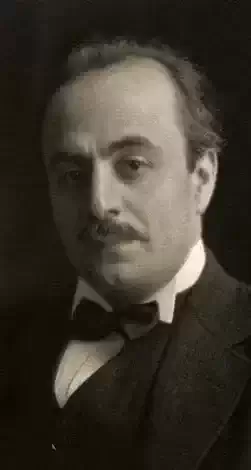
Khalil Gibran
Buying and Selling chapter XI
Buying and Selling chapter XI
And a merchant said, "Speak to us of Buying and Selling."
And he answered and said:
To you the earth yields her fruit, and you shall not want if you but know how to fill your
hands.
It is in exchanging the gifts of the earth that you shall find abundance and be satisfied.
Yet unless the exchange be in love and kindly justice, it will but lead some to greed
and others to hunger.
When in the market place you toilers of the sea and fields and vineyards meet the
weavers and the potters and the gatherers of spices, -
Invoke then the master spirit of the earth, to come into your midst and sanctify the
scales and the reckoning that weighs value against value.
And suffer not the barren-handed to take part in your transactions, who would sell
their words for your labour.
To such men you should say,
"Come with us to the field, or go with our brothers to the sea and cast your net;
For the land and the sea shall be bountiful to you even as to us."
And if there come the singers and the dancers and the flute players, - buy of their gifts
also.
For they too are gatherers of fruit and frankincense, and that which they bring, though
fashioned of dreams, is raiment and food for your soul.
And before you leave the marketplace, see that no one has gone his way with empty
hands.
For the master spirit of the earth shall not sleep peacefully upon the wind till the needs
of the least of you are satisfied.
And a merchant said, "Speak to us of Buying and Selling."
And he answered and said:
To you the earth yields her fruit, and you shall not want if you but know how to fill your
hands.
It is in exchanging the gifts of the earth that you shall find abundance and be satisfied.
Yet unless the exchange be in love and kindly justice, it will but lead some to greed
and others to hunger.
When in the market place you toilers of the sea and fields and vineyards meet the
weavers and the potters and the gatherers of spices, -
Invoke then the master spirit of the earth, to come into your midst and sanctify the
scales and the reckoning that weighs value against value.
And suffer not the barren-handed to take part in your transactions, who would sell
their words for your labour.
To such men you should say,
"Come with us to the field, or go with our brothers to the sea and cast your net;
For the land and the sea shall be bountiful to you even as to us."
And if there come the singers and the dancers and the flute players, - buy of their gifts
also.
For they too are gatherers of fruit and frankincense, and that which they bring, though
fashioned of dreams, is raiment and food for your soul.
And before you leave the marketplace, see that no one has gone his way with empty
hands.
For the master spirit of the earth shall not sleep peacefully upon the wind till the needs
of the least of you are satisfied.
302

Kazi Nazrul Islam
Day-Labourer
Day-Labourer
Your luxury cars are plying through the streets
And your big ships are cruising Over the Oceans.
The fast steam engines are running on railways,
The country is filled with plants and machinery:
Can you tell me whose contributions are all these?
With whose blood are your buildings
Painted red? Dismantle them and you'll find
On each piece of brick vividly written the names.
You may not know; but each and
Every grain of dust is aware of it,
The meaning of those roads, vessels, trains,
And of those decorative palaces.
The good days are coming soon:
Day after day your debts are being inflated
You must pay back those heavy debts.
Those who with hard labour broke the rugged hills
With hammer, shovel and pick-axe,
Their bones today are strewn 'on either side
Of those very roads. Those who, in order to render
You service, became day-labourers.
Those who covered their cherished body with dust
Only to carry you and your belongings,
They are indeed the real human beings,
they are the saints.
I sing their 'inner voice' through my songs.
Marching over their painful suffering breasts
The New Revolution will raise its new head.
You are reclining at ease
On the top of the third floor,
While we are rotting at the bottom;
Still you love to be
Addressed as 'My Lord'?
Absurd! That cannot be! !
The helm of this world must remain under
Those, whose mind and soul are soaked with
Sweet love for the motherland;
Those who journeyed with others through
The tiresome roads and covered their
Feet with dust; I shall pick up
That very dust from their feet and put it
on my head as a holy sacred offering.
Smeared with the blood of the pain stricken
Suffering humanity of the world
the new sun of the new Dawn is rising
above the horizon.
Break open today those ugly rusty doors
Of your narrow congested heart;
Take off those artificial garments of yours
Which look unnatural like coloured leather.
Look at the concentrated condensed air
Appearing deep blue in the sky,
Let them enter free in a frolicsome way
direct into your inner hearts -
Unlock all those obstructing clutches!
Let the entire blue Heaven fall down in our midst,
Let the moon, the sun and the stars shower on us.
Let all people of all times
and all climes come together
And stand up at the same confluence to listen to
The anthem of great unity under one flag-
If you torment here a single soul
The pain resounds in a crescendo
In the aggrieved hearts of all others.
Insult to a single person here means
Humiliating the whole of humanity
An insult to all of us.
Today is the day of upheaval
Against the heart-rending agony and pain
Of the great Human-beings of the world.
[Translation: Amir Hossain Chowdhury]
Your luxury cars are plying through the streets
And your big ships are cruising Over the Oceans.
The fast steam engines are running on railways,
The country is filled with plants and machinery:
Can you tell me whose contributions are all these?
With whose blood are your buildings
Painted red? Dismantle them and you'll find
On each piece of brick vividly written the names.
You may not know; but each and
Every grain of dust is aware of it,
The meaning of those roads, vessels, trains,
And of those decorative palaces.
The good days are coming soon:
Day after day your debts are being inflated
You must pay back those heavy debts.
Those who with hard labour broke the rugged hills
With hammer, shovel and pick-axe,
Their bones today are strewn 'on either side
Of those very roads. Those who, in order to render
You service, became day-labourers.
Those who covered their cherished body with dust
Only to carry you and your belongings,
They are indeed the real human beings,
they are the saints.
I sing their 'inner voice' through my songs.
Marching over their painful suffering breasts
The New Revolution will raise its new head.
You are reclining at ease
On the top of the third floor,
While we are rotting at the bottom;
Still you love to be
Addressed as 'My Lord'?
Absurd! That cannot be! !
The helm of this world must remain under
Those, whose mind and soul are soaked with
Sweet love for the motherland;
Those who journeyed with others through
The tiresome roads and covered their
Feet with dust; I shall pick up
That very dust from their feet and put it
on my head as a holy sacred offering.
Smeared with the blood of the pain stricken
Suffering humanity of the world
the new sun of the new Dawn is rising
above the horizon.
Break open today those ugly rusty doors
Of your narrow congested heart;
Take off those artificial garments of yours
Which look unnatural like coloured leather.
Look at the concentrated condensed air
Appearing deep blue in the sky,
Let them enter free in a frolicsome way
direct into your inner hearts -
Unlock all those obstructing clutches!
Let the entire blue Heaven fall down in our midst,
Let the moon, the sun and the stars shower on us.
Let all people of all times
and all climes come together
And stand up at the same confluence to listen to
The anthem of great unity under one flag-
If you torment here a single soul
The pain resounds in a crescendo
In the aggrieved hearts of all others.
Insult to a single person here means
Humiliating the whole of humanity
An insult to all of us.
Today is the day of upheaval
Against the heart-rending agony and pain
Of the great Human-beings of the world.
[Translation: Amir Hossain Chowdhury]
794

Jonathan Swift
The Grand Question Debated: Whether Hamilton’s Bawn Should Be Turned
The Grand Question Debated: Whether Hamilton’s Bawn Should Be Turned
Into A Barrack Or Malt-House
Thus spoke to my lady the knight full of care,
'Let me have your advice in a weighty affair.
This Hamilton's bawn, while it sticks in my hand
I lose by the house what I get by the land;
But how to dispose of it to the best bidder,
For a barrack or malt-house, we now must consider.
'First, let me suppose I make it a malt-house,
Here I have computed the profit will fall t'us:
There's nine hundred pounds for labour and grain,
I increase it to twelve, so three hundred remain;
A handsome addition for wine and good cheer,
Three dishes a-day, and three hogsheads a-year;
With a dozen large vessels my vault shall be stored;
No little scrub joint shall come on my board;
And you and the Dean no more shall combine
To stint me at night to one bottle of wine;
Nor shall I, for his humour, permit you to purloin
A stone and a quarter of beef from my sir-loin.
If I make it a barrack, the crown is my tenant;
My dear, I have ponder'd again and again on't:
In poundage and drawbacks I lose half my rent,
Whatever they give me, I must be content,
Or join with the court in every debate;
And rather than that, I would lose my estate.'
Thus ended the knight; thus began his meek wife:
'It must, and it shall be a barrack, my life.
I'm grown a mere mopus; no company comes
But a rabble of tenants, and rusty dull rums.
With parsons what lady can keep herself clean?
I'm all over daub'd when I sit by the Dean.
But if you will give us a barrack, my dear,
The captain I'm sure will always come here;
I then shall not value his deanship a straw,
For the captain, I warrant, will keep him in awe;
Or, should he pretend to be brisk and alert,
Will tell him that chaplains should not be so pert;
That men of his coat should be minding their prayers,
And not among ladies to give themselves airs.'
Thus argued my lady, but argued in vain;
The knight his opinion resolved to maintain.
But Hannah, who listen'd to all that was past,
And could not endure so vulgar a taste,
As soon as her ladyship call'd to be dress'd,
Cried, 'Madam, why surely my master's possess'd,
Sir Arthur the maltster! how fine it will sound!
I'd rather the bawn were sunk under ground.
But, madam, I guess'd there would never come good,
When I saw him so often with Darby and Wood.
And now my dream's out; for I was a-dream'd
That I saw a huge rat—O dear, how I scream'd!
And after, methought, I had lost my new shoes;
And Molly, she said, I should hear some ill news.
'Dear Madam, had you but the spirit to tease,
You might have a barrack whenever you please:
And, madam, I always believed you so stout,
That for twenty denials you would not give out.
If I had a husband like him, I purtest,
Till he gave me my will, I would give him no rest;
And, rather than come in the same pair of sheets
With such a cross man, I would lie in the streets:
But, madam, I beg you, contrive and invent,
And worry him out, till he gives his consent.
Dear madam, whene'er of a barrack I think,
An I were to be hang'd, I can't sleep a wink:
For if a new crotchet comes into my brain,
I can't get it out, though I'd never so fain.
I fancy already a barrack contrived
At Hamilton's bawn, and the troop is arrived;
Of this to be sure, Sir Arthur has warning,
And waits on the captain betimes the next morning.
'Now see, when they meet, how their honours behave;
'Noble captain, your servant'—'Sir Arthur, your slave;
You honour me much'—'The honour is mine.'—
''Twas a sad rainy night'—'But the morning is fine.'—
'Pray, how does my lady?'—'My wife's at your service.'—
'I think I have seen her picture by Jervas.'—
'Good-morrow, good captain'—'I'll wait on you down'—
'You shan't stir a foot'—'You'll think me a clown.'—
'For all the world, captain, not half an inch farther'—
'You must be obey'd—Your servant, Sir Arthur!
My humble respects to my lady unknown.'—
'I hope you will use my house as your own.''
'Go bring me my smock, and leave off your prate,
Thou hast certainly gotten a cup in thy pate.'
'Pray, madam, be quiet: what was it I said?
You had like to have put it quite out of my head.
Next day to be sure, the captain will come,
At the head of his troop, with trumpet and drum.
Now, madam, observe how he marches in state:
The man with the kettle-drum enters the gate:
Dub, dub, adub, dub. The trumpeters follow.
Tantara, tantara; while all the boys holla.
See now comes the captain all daub'd with gold lace:
O la! the sweet gentleman! look in his face;
And see how he rides like a lord of the land,
With the fine flaming sword that he holds in his hand;
And his horse, the dear creter, it prances and rears;
With ribbons in knots at its tail and its ears:
At last comes the troop, by word of command,
Drawn up in our court; when the captain cries, STAND!
Your ladyship lifts up the sash to be seen,
For sure I had dizen'd you out like a queen.
The captain, to show he is proud of the favour,
Looks up to your window, and cocks up his beaver;
(His beaver is cock'd: pray, madam, mark that,
For a captain of horse never takes off his hat,
Because he has never a hand that is idle,
For the right holds the sword, and the left holds the bridle
Then flourishes thrice his sword in the air,
As a compliment due to a lady so fair;
(How I tremble to think of the blood it has spilt!)
Then he lowers down the point, and kisses the hilt.
Your ladyship smiles, and thus you begin:
'Pray, captain, be pleased to alight and walk in.'
The captain salutes you with congee profound,
And your ladyship curtseys half way to the ground.
'Kit, run to your master, and bid him come to us;
I'm sure he'll be proud of the honour you do us;
And, captain, you'll do us the favour to stay,
And take a short dinner here with us to-day:
You're heartily welcome; but as for good cheer,
You come in the very worst time of the year;
If I had expected so worthy a guest—'
'Lord, madam! your ladyship sure is in jest;
You banter me, madam; the kingdom must grant—'
'You officers, captain, are so complaisant!''—
'Hist, hussey, I think I hear somebody coming '—
'No madam: 'tis only Sir Arthur a-humming.
To shorten my tale, (for I hate a long story,)
The captain at dinner appears in his glory;
The dean and the doctor have humbled their pride,
For the captain's entreated to sit by your side;
And, because he's their betters, you carve for him first;
The parsons for envy are ready to burst.
The servants, amazed, are scarce ever able
To keep off their eyes, as they wait at the table;
And Molly and I have thrust in our nose,
To peep at the captain in all his fine clo'es.
Dear madam, be sure he's a fine spoken man,
Do but hear on the clergy how glib his tongue ran;
And, 'madam,' says he, 'if such dinners you give,
You'll ne'er want for parsons as long as you live.
I ne'er knew a parson without a good nose;
But the devil's as welcome, wherever he goes:
G—d d—n me! they bid us reform and repent,
But, z—s! by their looks, they never keep Lent:
Mister curate, for all your grave looks, I'm afraid
You cast a sheep's eye on her ladyship's maid:
I wish she would lend you her pretty white hand
In mending your cassock, and smoothing your band:
(For the Dean was so shabby, and look'd like a ninny,
That the captain supposed he was curate to Jinny.)
'Whenever you see a cassock and gown,
A hundred to one but it covers a clown.
Observe how a parson comes into a room;
G—d d—n me, he hobbles as bad as my groom;
A scholard, when just from his college broke loose,
Can hardly tell how to cry bo to a goose;
Your Noveds, and Bluturks, and Omurs, and stuff
By G—, they don't signify this pinch of snuff.
To give a young gentleman right education,
The army's the only good school in the nation:
My schoolmaster call'd me a dunce and a fool,
But at cuffs I was always the cock of the school;
I never could take to my book for the blood o' me,
And the puppy confess'd he expected no good o' me.
He caught me one morning coquetting his wife,
But he maul'd me, I ne'er was so maul'd in my life:
So I took to the road, and, what's very odd,
The first man I robb'd was a parson, by G—.
Now, madam, you'll think it a strange thing to say,
But the sight of a book makes me sick to this day.
'Never since I was born did I hear so much wit,
And, madam, I laugh'd till I thought I should split.
So then you look'd scornful, and snift at the Dean,
As who should say, 'Now, am I skinny and lean?'
But he durst not so much as once open his lips,
And the doctor was plaguily down in the hips.'
Thus merciless Hannah ran on in her talk,
Till she heard the Dean call, 'Will your ladyship walk?'
Her ladyship answers, 'I'm just coming down:'
Then, turning to Hannah, and forcing a frown,
Although it was plain in her heart she was glad,
Cried, 'Hussey, why sure the wench is gone mad!
How could these chimeras get into your brains!—
Come hither and take this old gown for your pains.
But the Dean, if this secret should come to his ears,
Will never have done with his gibes and his jeers:
For your life, not a word of the matter I charge ye:
Give me but a barrack, a fig for the clergy.'
We give the world to understand,
Our thriving Dean has purchased land;
A purchase which will bring him clear
Above his rent four pounds a-year;
Provided to improve the ground,
He will but add two hundred pound;
And from his endless hoarded store,
To build a house, five hundred more.
Sir Arthur, too, shall have his will,
And call the mansion Drapier's-Hill;
That, when a nation, long enslaved,
Forgets by whom it once was saved;
When none the Drapier's praise shall sing,
His signs aloft no longer swing,
His medals and his prints forgotten,
And all his handkerchiefs are rotten,
His famous letters made waste paper,
This hill may keep the name of Drapier;
In spite of envy, flourish still,
And Drapier's vie with Cooper's-Hill.
Into A Barrack Or Malt-House
Thus spoke to my lady the knight full of care,
'Let me have your advice in a weighty affair.
This Hamilton's bawn, while it sticks in my hand
I lose by the house what I get by the land;
But how to dispose of it to the best bidder,
For a barrack or malt-house, we now must consider.
'First, let me suppose I make it a malt-house,
Here I have computed the profit will fall t'us:
There's nine hundred pounds for labour and grain,
I increase it to twelve, so three hundred remain;
A handsome addition for wine and good cheer,
Three dishes a-day, and three hogsheads a-year;
With a dozen large vessels my vault shall be stored;
No little scrub joint shall come on my board;
And you and the Dean no more shall combine
To stint me at night to one bottle of wine;
Nor shall I, for his humour, permit you to purloin
A stone and a quarter of beef from my sir-loin.
If I make it a barrack, the crown is my tenant;
My dear, I have ponder'd again and again on't:
In poundage and drawbacks I lose half my rent,
Whatever they give me, I must be content,
Or join with the court in every debate;
And rather than that, I would lose my estate.'
Thus ended the knight; thus began his meek wife:
'It must, and it shall be a barrack, my life.
I'm grown a mere mopus; no company comes
But a rabble of tenants, and rusty dull rums.
With parsons what lady can keep herself clean?
I'm all over daub'd when I sit by the Dean.
But if you will give us a barrack, my dear,
The captain I'm sure will always come here;
I then shall not value his deanship a straw,
For the captain, I warrant, will keep him in awe;
Or, should he pretend to be brisk and alert,
Will tell him that chaplains should not be so pert;
That men of his coat should be minding their prayers,
And not among ladies to give themselves airs.'
Thus argued my lady, but argued in vain;
The knight his opinion resolved to maintain.
But Hannah, who listen'd to all that was past,
And could not endure so vulgar a taste,
As soon as her ladyship call'd to be dress'd,
Cried, 'Madam, why surely my master's possess'd,
Sir Arthur the maltster! how fine it will sound!
I'd rather the bawn were sunk under ground.
But, madam, I guess'd there would never come good,
When I saw him so often with Darby and Wood.
And now my dream's out; for I was a-dream'd
That I saw a huge rat—O dear, how I scream'd!
And after, methought, I had lost my new shoes;
And Molly, she said, I should hear some ill news.
'Dear Madam, had you but the spirit to tease,
You might have a barrack whenever you please:
And, madam, I always believed you so stout,
That for twenty denials you would not give out.
If I had a husband like him, I purtest,
Till he gave me my will, I would give him no rest;
And, rather than come in the same pair of sheets
With such a cross man, I would lie in the streets:
But, madam, I beg you, contrive and invent,
And worry him out, till he gives his consent.
Dear madam, whene'er of a barrack I think,
An I were to be hang'd, I can't sleep a wink:
For if a new crotchet comes into my brain,
I can't get it out, though I'd never so fain.
I fancy already a barrack contrived
At Hamilton's bawn, and the troop is arrived;
Of this to be sure, Sir Arthur has warning,
And waits on the captain betimes the next morning.
'Now see, when they meet, how their honours behave;
'Noble captain, your servant'—'Sir Arthur, your slave;
You honour me much'—'The honour is mine.'—
''Twas a sad rainy night'—'But the morning is fine.'—
'Pray, how does my lady?'—'My wife's at your service.'—
'I think I have seen her picture by Jervas.'—
'Good-morrow, good captain'—'I'll wait on you down'—
'You shan't stir a foot'—'You'll think me a clown.'—
'For all the world, captain, not half an inch farther'—
'You must be obey'd—Your servant, Sir Arthur!
My humble respects to my lady unknown.'—
'I hope you will use my house as your own.''
'Go bring me my smock, and leave off your prate,
Thou hast certainly gotten a cup in thy pate.'
'Pray, madam, be quiet: what was it I said?
You had like to have put it quite out of my head.
Next day to be sure, the captain will come,
At the head of his troop, with trumpet and drum.
Now, madam, observe how he marches in state:
The man with the kettle-drum enters the gate:
Dub, dub, adub, dub. The trumpeters follow.
Tantara, tantara; while all the boys holla.
See now comes the captain all daub'd with gold lace:
O la! the sweet gentleman! look in his face;
And see how he rides like a lord of the land,
With the fine flaming sword that he holds in his hand;
And his horse, the dear creter, it prances and rears;
With ribbons in knots at its tail and its ears:
At last comes the troop, by word of command,
Drawn up in our court; when the captain cries, STAND!
Your ladyship lifts up the sash to be seen,
For sure I had dizen'd you out like a queen.
The captain, to show he is proud of the favour,
Looks up to your window, and cocks up his beaver;
(His beaver is cock'd: pray, madam, mark that,
For a captain of horse never takes off his hat,
Because he has never a hand that is idle,
For the right holds the sword, and the left holds the bridle
Then flourishes thrice his sword in the air,
As a compliment due to a lady so fair;
(How I tremble to think of the blood it has spilt!)
Then he lowers down the point, and kisses the hilt.
Your ladyship smiles, and thus you begin:
'Pray, captain, be pleased to alight and walk in.'
The captain salutes you with congee profound,
And your ladyship curtseys half way to the ground.
'Kit, run to your master, and bid him come to us;
I'm sure he'll be proud of the honour you do us;
And, captain, you'll do us the favour to stay,
And take a short dinner here with us to-day:
You're heartily welcome; but as for good cheer,
You come in the very worst time of the year;
If I had expected so worthy a guest—'
'Lord, madam! your ladyship sure is in jest;
You banter me, madam; the kingdom must grant—'
'You officers, captain, are so complaisant!''—
'Hist, hussey, I think I hear somebody coming '—
'No madam: 'tis only Sir Arthur a-humming.
To shorten my tale, (for I hate a long story,)
The captain at dinner appears in his glory;
The dean and the doctor have humbled their pride,
For the captain's entreated to sit by your side;
And, because he's their betters, you carve for him first;
The parsons for envy are ready to burst.
The servants, amazed, are scarce ever able
To keep off their eyes, as they wait at the table;
And Molly and I have thrust in our nose,
To peep at the captain in all his fine clo'es.
Dear madam, be sure he's a fine spoken man,
Do but hear on the clergy how glib his tongue ran;
And, 'madam,' says he, 'if such dinners you give,
You'll ne'er want for parsons as long as you live.
I ne'er knew a parson without a good nose;
But the devil's as welcome, wherever he goes:
G—d d—n me! they bid us reform and repent,
But, z—s! by their looks, they never keep Lent:
Mister curate, for all your grave looks, I'm afraid
You cast a sheep's eye on her ladyship's maid:
I wish she would lend you her pretty white hand
In mending your cassock, and smoothing your band:
(For the Dean was so shabby, and look'd like a ninny,
That the captain supposed he was curate to Jinny.)
'Whenever you see a cassock and gown,
A hundred to one but it covers a clown.
Observe how a parson comes into a room;
G—d d—n me, he hobbles as bad as my groom;
A scholard, when just from his college broke loose,
Can hardly tell how to cry bo to a goose;
Your Noveds, and Bluturks, and Omurs, and stuff
By G—, they don't signify this pinch of snuff.
To give a young gentleman right education,
The army's the only good school in the nation:
My schoolmaster call'd me a dunce and a fool,
But at cuffs I was always the cock of the school;
I never could take to my book for the blood o' me,
And the puppy confess'd he expected no good o' me.
He caught me one morning coquetting his wife,
But he maul'd me, I ne'er was so maul'd in my life:
So I took to the road, and, what's very odd,
The first man I robb'd was a parson, by G—.
Now, madam, you'll think it a strange thing to say,
But the sight of a book makes me sick to this day.
'Never since I was born did I hear so much wit,
And, madam, I laugh'd till I thought I should split.
So then you look'd scornful, and snift at the Dean,
As who should say, 'Now, am I skinny and lean?'
But he durst not so much as once open his lips,
And the doctor was plaguily down in the hips.'
Thus merciless Hannah ran on in her talk,
Till she heard the Dean call, 'Will your ladyship walk?'
Her ladyship answers, 'I'm just coming down:'
Then, turning to Hannah, and forcing a frown,
Although it was plain in her heart she was glad,
Cried, 'Hussey, why sure the wench is gone mad!
How could these chimeras get into your brains!—
Come hither and take this old gown for your pains.
But the Dean, if this secret should come to his ears,
Will never have done with his gibes and his jeers:
For your life, not a word of the matter I charge ye:
Give me but a barrack, a fig for the clergy.'
We give the world to understand,
Our thriving Dean has purchased land;
A purchase which will bring him clear
Above his rent four pounds a-year;
Provided to improve the ground,
He will but add two hundred pound;
And from his endless hoarded store,
To build a house, five hundred more.
Sir Arthur, too, shall have his will,
And call the mansion Drapier's-Hill;
That, when a nation, long enslaved,
Forgets by whom it once was saved;
When none the Drapier's praise shall sing,
His signs aloft no longer swing,
His medals and his prints forgotten,
And all his handkerchiefs are rotten,
His famous letters made waste paper,
This hill may keep the name of Drapier;
In spite of envy, flourish still,
And Drapier's vie with Cooper's-Hill.
252
Jonathan Swift
The Author Upon Himself
The Author Upon Himself
By an old ——pursued,
A crazy prelate, and a royal prude;
By dull divines, who look with envious eyes
On ev'ry genius that attempts to rise;
And pausing o'er a pipe, with doubtful nod,
Give hints, that poets ne'er believe in God.
So clowns on scholars as on wizards look,
And take a folio for a conj'ring book.
Swift had the sin of wit, no venial crime:
Nay, 'twas affirm'd, he sometimes dealt in rhyme;
Humour and mirth had place in all he writ;
He reconcil'd divinity and wit:
He moved and bow'd, and talk'd with too much grace;
Nor show'd the parson in his gait or face;
Despised luxurious wines and costly meat;
Yet still was at the tables of the great;
Frequented lords; saw those that saw the queen;
At Child's or Truby's, never once had been;
Where town and country vicars flock in tribes,
Secured by numbers from the laymen's gibes;
And deal in vices of the graver sort,
Tobacco, censure, coffee, pride, and port.
But, after sage monitions from his friends,
His talents to employ for nobler ends;
To better judgments willing to submit,
He turns to politics his dang'rous wit.
And now, the public Int'rest to support,
By Harley Swift invited, comes to court;
In favour grows with ministers of state;
Admitted private, when superiors wait:
And Harley, not ashamed his choice to own,
Takes him to Windsor in his coach alone.
At Windsor Swift no sooner can appear,
But St. John comes, and whispers in his ear:
The waiters stand in ranks: the yeomen cry,
Make room, as if a duke were passing by.
Now Finch alarms the lords: he hears for certain
This dang'rous priest is got behind the curtain.
Finch, famed for tedious elocution, proves
That Swift oils many a spring which Harley moves.
Walpole and Aislaby, to clear the doubt,
Inform the Commons, that the secret's out:
'A certain doctor is observed of late
To haunt a certain minister of state:
From whence with half an eye we may discover
The peace is made, and Perkin must come over.'
York is from Lambeth sent, to show the queen
A dang'rous treatise writ against the spleen;
Which, by the style, the matter, and the drift,
'Tis thought could be the work of none but Swift.
Poor York! the harmless tool of others' hate;
He sues for pardon, and repents too late.
Now angry Somerset her vengeance vows
On Swift's reproaches for her ******* spouse:
From her red locks her mouth with venom fills,
And thence into the royal ear instils.
The queen incensed, his services forgot,
Leaves him a victim to the vengeful Scot.
Now through the realm a proclamation spread,
To fix a price on his devoted head.
While innocent, he scorns ignoble flight;
His watchful friends preserve him by a sleight.
By Harley's favour once again he shines;
Is now caress'd by candidate divines,
Who change opinions with the changing scene:
Lord! how were they mistaken in the dean!
Now Delawar again familiar grows;
And in Swift's ear thrusts half his powder'd nose.
The Scottish nation, whom he durst offend,
Again apply that Swift would be their friend.
By faction tired, with grief he waits awhile,
His great contending friends to reconcile;
Performs what friendship, justice, truth require:
What could he more, but decently retire?
By an old ——pursued,
A crazy prelate, and a royal prude;
By dull divines, who look with envious eyes
On ev'ry genius that attempts to rise;
And pausing o'er a pipe, with doubtful nod,
Give hints, that poets ne'er believe in God.
So clowns on scholars as on wizards look,
And take a folio for a conj'ring book.
Swift had the sin of wit, no venial crime:
Nay, 'twas affirm'd, he sometimes dealt in rhyme;
Humour and mirth had place in all he writ;
He reconcil'd divinity and wit:
He moved and bow'd, and talk'd with too much grace;
Nor show'd the parson in his gait or face;
Despised luxurious wines and costly meat;
Yet still was at the tables of the great;
Frequented lords; saw those that saw the queen;
At Child's or Truby's, never once had been;
Where town and country vicars flock in tribes,
Secured by numbers from the laymen's gibes;
And deal in vices of the graver sort,
Tobacco, censure, coffee, pride, and port.
But, after sage monitions from his friends,
His talents to employ for nobler ends;
To better judgments willing to submit,
He turns to politics his dang'rous wit.
And now, the public Int'rest to support,
By Harley Swift invited, comes to court;
In favour grows with ministers of state;
Admitted private, when superiors wait:
And Harley, not ashamed his choice to own,
Takes him to Windsor in his coach alone.
At Windsor Swift no sooner can appear,
But St. John comes, and whispers in his ear:
The waiters stand in ranks: the yeomen cry,
Make room, as if a duke were passing by.
Now Finch alarms the lords: he hears for certain
This dang'rous priest is got behind the curtain.
Finch, famed for tedious elocution, proves
That Swift oils many a spring which Harley moves.
Walpole and Aislaby, to clear the doubt,
Inform the Commons, that the secret's out:
'A certain doctor is observed of late
To haunt a certain minister of state:
From whence with half an eye we may discover
The peace is made, and Perkin must come over.'
York is from Lambeth sent, to show the queen
A dang'rous treatise writ against the spleen;
Which, by the style, the matter, and the drift,
'Tis thought could be the work of none but Swift.
Poor York! the harmless tool of others' hate;
He sues for pardon, and repents too late.
Now angry Somerset her vengeance vows
On Swift's reproaches for her ******* spouse:
From her red locks her mouth with venom fills,
And thence into the royal ear instils.
The queen incensed, his services forgot,
Leaves him a victim to the vengeful Scot.
Now through the realm a proclamation spread,
To fix a price on his devoted head.
While innocent, he scorns ignoble flight;
His watchful friends preserve him by a sleight.
By Harley's favour once again he shines;
Is now caress'd by candidate divines,
Who change opinions with the changing scene:
Lord! how were they mistaken in the dean!
Now Delawar again familiar grows;
And in Swift's ear thrusts half his powder'd nose.
The Scottish nation, whom he durst offend,
Again apply that Swift would be their friend.
By faction tired, with grief he waits awhile,
His great contending friends to reconcile;
Performs what friendship, justice, truth require:
What could he more, but decently retire?
327
Jonathan Swift
Robin And Harry
Robin And Harry
Robin to beggars with a curse,
Throws the last shilling in his purse;
And when the coachman comes for pay,
The rogue must call another day.
Grave Harry, when the poor are pressing
Gives them a penny and God's blessing;
But always careful of the main,
With twopence left, walks home in rain.
Robin from noon to night will prate,
Run out in tongue, as in estate;
And, ere a twelvemonth and a day,
Will not have one new thing to say.
Much talking is not Harry's vice;
He need not tell a story twice:
And, if he always be so thrifty,
His fund may last to five-and-fifty.
It so fell out that cautious Harry,
As soldiers use, for love must marry,
And, with his dame, the ocean cross'd;
(All for Love, or the World well Lost!)
Repairs a cabin gone to ruin,
Just big enough to shelter two in;
And in his house, if anybody come,
Will make them welcome to his modicum
Where Goody Julia milks the cows,
And boils potatoes for her spouse;
Or darns his hose, or mends his breeches,
While Harry's fencing up his ditches.
Robin, who ne'er his mind could fix,
To live without a coach-and-six,
To patch his broken fortunes, found
A mistress worth five thousand pound;
Swears he could get her in an hour,
If gaffer Harry would endow her;
And sell, to pacify his wrath,
A birth-right for a mess of broth.
Young Harry, as all Europe knows,
Was long the quintessence of beaux;
But, when espoused, he ran the fate
That must attend the married state;
From gold brocade and shining armour,
Was metamorphosed to a farmer;
His grazier's coat with dirt besmear'd;
Nor twice a-week will shave his beard.
Old Robin, all his youth a sloven,
At fifty-two, when he grew loving,
Clad in a coat of paduasoy,
A flaxen wig, and waistcoat gay,
Powder'd from shoulder down to flank,
In courtly style addresses Frank;
Twice ten years older than his wife,
Is doom'd to be a beau for life;
Supplying those defects by dress,
Which I must leave the world to guess.
Robin to beggars with a curse,
Throws the last shilling in his purse;
And when the coachman comes for pay,
The rogue must call another day.
Grave Harry, when the poor are pressing
Gives them a penny and God's blessing;
But always careful of the main,
With twopence left, walks home in rain.
Robin from noon to night will prate,
Run out in tongue, as in estate;
And, ere a twelvemonth and a day,
Will not have one new thing to say.
Much talking is not Harry's vice;
He need not tell a story twice:
And, if he always be so thrifty,
His fund may last to five-and-fifty.
It so fell out that cautious Harry,
As soldiers use, for love must marry,
And, with his dame, the ocean cross'd;
(All for Love, or the World well Lost!)
Repairs a cabin gone to ruin,
Just big enough to shelter two in;
And in his house, if anybody come,
Will make them welcome to his modicum
Where Goody Julia milks the cows,
And boils potatoes for her spouse;
Or darns his hose, or mends his breeches,
While Harry's fencing up his ditches.
Robin, who ne'er his mind could fix,
To live without a coach-and-six,
To patch his broken fortunes, found
A mistress worth five thousand pound;
Swears he could get her in an hour,
If gaffer Harry would endow her;
And sell, to pacify his wrath,
A birth-right for a mess of broth.
Young Harry, as all Europe knows,
Was long the quintessence of beaux;
But, when espoused, he ran the fate
That must attend the married state;
From gold brocade and shining armour,
Was metamorphosed to a farmer;
His grazier's coat with dirt besmear'd;
Nor twice a-week will shave his beard.
Old Robin, all his youth a sloven,
At fifty-two, when he grew loving,
Clad in a coat of paduasoy,
A flaxen wig, and waistcoat gay,
Powder'd from shoulder down to flank,
In courtly style addresses Frank;
Twice ten years older than his wife,
Is doom'd to be a beau for life;
Supplying those defects by dress,
Which I must leave the world to guess.
266
Jonathan Swift
On A Corkscrew
On A Corkscrew
Though I, alas! a prisoner be,
My trade is prisoners to set free.
No slave his lord's commands obeys
With such insinuating ways.
My genius piercing, sharp, and bright,
Wherein the men of wit delight.
The clergy keep me for their ease,
And turn and wind me as they please.
A new and wondrous art I show
Of raising spirits from below;
In scarlet some, and some in white;
They rise, walk round, yet never fright.
In at each mouth the spirits pass,
Distinctly seen as through a glass:
O'er head and body make a rout,
And drive at last all secrets out;
And still, the more I show my art,
The more they open every heart.
A greater chemist none than I
Who, from materials hard and dry,
Have taught men to extract with skill
More precious juice than from a still.
Although I'm often out of case,
I'm not ashamed to show my face.
Though at the tables of the great
I near the sideboard take my seat;
Yet the plain 'squire, when dinner's done,
Is never pleased till I make one;
He kindly bids me near him stand,
And often takes me by the hand.
I twice a-day a-hunting go;
Nor ever fail to seize my foe;
And when I have him by the poll,
I drag him upwards from his hole;
Though some are of so stubborn kind,
I'm forced to leave a limb behind.
I hourly wait some fatal end;
For I can break, but scorn to bend.
Though I, alas! a prisoner be,
My trade is prisoners to set free.
No slave his lord's commands obeys
With such insinuating ways.
My genius piercing, sharp, and bright,
Wherein the men of wit delight.
The clergy keep me for their ease,
And turn and wind me as they please.
A new and wondrous art I show
Of raising spirits from below;
In scarlet some, and some in white;
They rise, walk round, yet never fright.
In at each mouth the spirits pass,
Distinctly seen as through a glass:
O'er head and body make a rout,
And drive at last all secrets out;
And still, the more I show my art,
The more they open every heart.
A greater chemist none than I
Who, from materials hard and dry,
Have taught men to extract with skill
More precious juice than from a still.
Although I'm often out of case,
I'm not ashamed to show my face.
Though at the tables of the great
I near the sideboard take my seat;
Yet the plain 'squire, when dinner's done,
Is never pleased till I make one;
He kindly bids me near him stand,
And often takes me by the hand.
I twice a-day a-hunting go;
Nor ever fail to seize my foe;
And when I have him by the poll,
I drag him upwards from his hole;
Though some are of so stubborn kind,
I'm forced to leave a limb behind.
I hourly wait some fatal end;
For I can break, but scorn to bend.
205
Jonathan Swift
Market Women’s Cries
Market Women’s Cries
APPLES
COME buy my fine wares,
Plums, apples and pears.
A hundred a penny,
In conscience too many:
Come, will you have any?
My children are seven,
I wish them in Heaven;
My husband ’s a sot,
With his pipe and his pot,
Not a farthen will gain them,
And I must maintain them.
ONIONS
Come, follow me by the smell,
Here are delicate onions to sell;
I promise to use you well.
They make the blood warmer,
You’ll feed like a farmer;
For this is every cook’s opinion,
No savoury dish without an onion;
But, lest your kissing should be spoiled,
Your onions must be thoroughly boiled:
Or else you may spare
Your mistress a share,
The secret will never be known:
She cannot discover
The breath of her lover,
But think it as sweet as her own.
HERRINGS
Be not sparing,
Leave off swearing.
Buy my herring
Fresh from Malahide,
Better never was tried.
Come, eat them with pure fresh butter and mustard,
Their bellies are soft, and as white as a custard.
Come, sixpence a dozen, to get me some bread,
Or, like my own herrings, I soon shall be dead.
APPLES
COME buy my fine wares,
Plums, apples and pears.
A hundred a penny,
In conscience too many:
Come, will you have any?
My children are seven,
I wish them in Heaven;
My husband ’s a sot,
With his pipe and his pot,
Not a farthen will gain them,
And I must maintain them.
ONIONS
Come, follow me by the smell,
Here are delicate onions to sell;
I promise to use you well.
They make the blood warmer,
You’ll feed like a farmer;
For this is every cook’s opinion,
No savoury dish without an onion;
But, lest your kissing should be spoiled,
Your onions must be thoroughly boiled:
Or else you may spare
Your mistress a share,
The secret will never be known:
She cannot discover
The breath of her lover,
But think it as sweet as her own.
HERRINGS
Be not sparing,
Leave off swearing.
Buy my herring
Fresh from Malahide,
Better never was tried.
Come, eat them with pure fresh butter and mustard,
Their bellies are soft, and as white as a custard.
Come, sixpence a dozen, to get me some bread,
Or, like my own herrings, I soon shall be dead.
205
Jonathan Swift
Dean Swift At Sir Arthur Acheson’s In The North Of Ireland
Dean Swift At Sir Arthur Acheson’s In The North Of Ireland
The Dean would visit Market-Hill,
Our invitation was but slight;
I said—'Why let him, if he will:'
And so I bade Sir Arthur write.
His manners would not let him wait,
Lest we should think ourselves neglected,
And so we see him at our gate
Three days before he was expected,
After a week, a month, a quarter,
And day succeeding after day,
Says not a word of his departure,
Though not a soul would have him stay.
I've said enough to make him blush,
Methinks, or else the devil's in't;
But he cares not for it a rush,
Nor for my life will take the hint.
But you, my dear, may let him know,
In civil language, if he stays,
How deep and foul the roads may grow,
And that he may command the chaise.
Or you may say—'My wife intends,
Though I should be exceeding proud,
This winter to invite some friends,
And, sir, I know you hate a crowd.'
Or, 'Mr. Dean—I should with joy
Beg you would here continue still,
But we must go to Aghnecloy;
Or Mr. Moore will take it ill.'
The house accounts are daily rising;
So much his stay doth swell the bills:
My dearest life, it is surprising,
How much he eats, how much he swills.
His brace of puppies how they stuff!
And they must have three meals a-day,
Yet never think they get enough;
His horses too eat all our hay.
O! if I could, how I would maul
His tallow face and wainscot paws,
His beetle brows, and eyes of wall,
And make him soon give up the cause!
Must I be every moment chid
With Skinnybonia, Snipe, and Lean?
O! that I could but once be rid
Of this insulting tyrant Dean!
The Dean would visit Market-Hill,
Our invitation was but slight;
I said—'Why let him, if he will:'
And so I bade Sir Arthur write.
His manners would not let him wait,
Lest we should think ourselves neglected,
And so we see him at our gate
Three days before he was expected,
After a week, a month, a quarter,
And day succeeding after day,
Says not a word of his departure,
Though not a soul would have him stay.
I've said enough to make him blush,
Methinks, or else the devil's in't;
But he cares not for it a rush,
Nor for my life will take the hint.
But you, my dear, may let him know,
In civil language, if he stays,
How deep and foul the roads may grow,
And that he may command the chaise.
Or you may say—'My wife intends,
Though I should be exceeding proud,
This winter to invite some friends,
And, sir, I know you hate a crowd.'
Or, 'Mr. Dean—I should with joy
Beg you would here continue still,
But we must go to Aghnecloy;
Or Mr. Moore will take it ill.'
The house accounts are daily rising;
So much his stay doth swell the bills:
My dearest life, it is surprising,
How much he eats, how much he swills.
His brace of puppies how they stuff!
And they must have three meals a-day,
Yet never think they get enough;
His horses too eat all our hay.
O! if I could, how I would maul
His tallow face and wainscot paws,
His beetle brows, and eyes of wall,
And make him soon give up the cause!
Must I be every moment chid
With Skinnybonia, Snipe, and Lean?
O! that I could but once be rid
Of this insulting tyrant Dean!
220
Jonathan Swift
A Description of a City Shower
A Description of a City Shower
Careful Observers may fortel the Hour
(By sure Prognosticks) when to dread a Show'r:
While Rain depends, the pensive Cat gives o'er
Her Frolicks, and pursues her Tail no more.
Returning Home at Night, you'll find the Sink
Strike your offended Sense with double Stink.
If you be wise, then go not far to Dine,
You spend in Coach-hire more than save in Wine.
A coming Show'r your shooting Corns presage,
Old Aches throb, your hollow Tooth will rage.
Sauntring in Coffee-house is Dulman seen;
He damns the Climate, and complains of Spleen.
Mean while the South rising with dabbled Wings,
A Sable Cloud a-thwart the Welkin flings,
That swill'd more Liquor than it could contain,
And like a Drunkard gives it up again.
Brisk Susan whips her Linen from the Rope,
While the first drizzling Show'r is born aslope,
Such is that Sprinkling which some careless Quean
Flirts on you from her Mop, but not so clean.
You fly, invoke the Gods; then turning, stop
To rail; she singing, still whirls on her Mop.
Not yet, the Dust had shun'd th'unequal Strife,
But aided by the Wind, fought still for Life;
And wafted with its Foe by violent Gust,
'Twas doubtful which was Rain, and which was Dust.
Ah! where must needy Poet seek for Aid,
When Dust and Rain at once his Coat invade;
Sole Coat, where Dust cemented by the Rain,
Erects the Nap, and leaves a cloudy Stain.
Now in contiguous Drops the Flood comes down,
Threat'ning with Deloge this Devoted Town.
To Shops in Crouds the dagled Females fly,
Pretend to cheapen Goods, but nothing buy.
The Templer spruce, while ev'ry Spout's a-broach,
Stays till 'tis fair, yet seems to call a Coach.
The tuck'd-up Sempstress walks with hasty Strides,
While Streams run down her oil'd Umbrella's Sides.
Here various Kinds by various Fortunes led,
Commence Acquaintance underneath a Shed.
Triumphant Tories, and desponding Whigs,
Forget their Fewds, and join to save their Wigs.
Box'd in a Chair the Beau impatient sits,
While Spouts run clatt'ring o'er the Roof by Fits;
And ever and anon with frightful Din
The Leather sounds, he trembles from within.
So when Troy Chair-men bore the Wooden Steed,
Pregnant with Greeks, impatient to be freed,
(Those Bully Greeks, who, as the Moderns do,
Instead of paying Chair-men, run them thro'.)
Laoco'n struck the Outside with his Spear,
And each imprison'd Hero quak'd for Fear.
Now from all Parts the swelling Kennels flow,
And bear their Trophies with them as they go:
Filth of all Hues and Odours seem to tell
What Streets they sail'd from, by the Sight and Smell.
They, as each Torrent drives, with rapid Force
From Smithfield, or St.Pulchre's shape their Course,
And in huge Confluent join at Snow-Hill Ridge,
Fall from the Conduit prone to Holborn-Bridge.
Sweepings from Butchers Stalls, Dung, Guts, and Blood,
Drown'd Puppies, stinking Sprats, all drench'd in Mud,
Dead Cats and Turnips-Tops come tumbling down the Flood.
Careful Observers may fortel the Hour
(By sure Prognosticks) when to dread a Show'r:
While Rain depends, the pensive Cat gives o'er
Her Frolicks, and pursues her Tail no more.
Returning Home at Night, you'll find the Sink
Strike your offended Sense with double Stink.
If you be wise, then go not far to Dine,
You spend in Coach-hire more than save in Wine.
A coming Show'r your shooting Corns presage,
Old Aches throb, your hollow Tooth will rage.
Sauntring in Coffee-house is Dulman seen;
He damns the Climate, and complains of Spleen.
Mean while the South rising with dabbled Wings,
A Sable Cloud a-thwart the Welkin flings,
That swill'd more Liquor than it could contain,
And like a Drunkard gives it up again.
Brisk Susan whips her Linen from the Rope,
While the first drizzling Show'r is born aslope,
Such is that Sprinkling which some careless Quean
Flirts on you from her Mop, but not so clean.
You fly, invoke the Gods; then turning, stop
To rail; she singing, still whirls on her Mop.
Not yet, the Dust had shun'd th'unequal Strife,
But aided by the Wind, fought still for Life;
And wafted with its Foe by violent Gust,
'Twas doubtful which was Rain, and which was Dust.
Ah! where must needy Poet seek for Aid,
When Dust and Rain at once his Coat invade;
Sole Coat, where Dust cemented by the Rain,
Erects the Nap, and leaves a cloudy Stain.
Now in contiguous Drops the Flood comes down,
Threat'ning with Deloge this Devoted Town.
To Shops in Crouds the dagled Females fly,
Pretend to cheapen Goods, but nothing buy.
The Templer spruce, while ev'ry Spout's a-broach,
Stays till 'tis fair, yet seems to call a Coach.
The tuck'd-up Sempstress walks with hasty Strides,
While Streams run down her oil'd Umbrella's Sides.
Here various Kinds by various Fortunes led,
Commence Acquaintance underneath a Shed.
Triumphant Tories, and desponding Whigs,
Forget their Fewds, and join to save their Wigs.
Box'd in a Chair the Beau impatient sits,
While Spouts run clatt'ring o'er the Roof by Fits;
And ever and anon with frightful Din
The Leather sounds, he trembles from within.
So when Troy Chair-men bore the Wooden Steed,
Pregnant with Greeks, impatient to be freed,
(Those Bully Greeks, who, as the Moderns do,
Instead of paying Chair-men, run them thro'.)
Laoco'n struck the Outside with his Spear,
And each imprison'd Hero quak'd for Fear.
Now from all Parts the swelling Kennels flow,
And bear their Trophies with them as they go:
Filth of all Hues and Odours seem to tell
What Streets they sail'd from, by the Sight and Smell.
They, as each Torrent drives, with rapid Force
From Smithfield, or St.Pulchre's shape their Course,
And in huge Confluent join at Snow-Hill Ridge,
Fall from the Conduit prone to Holborn-Bridge.
Sweepings from Butchers Stalls, Dung, Guts, and Blood,
Drown'd Puppies, stinking Sprats, all drench'd in Mud,
Dead Cats and Turnips-Tops come tumbling down the Flood.
220
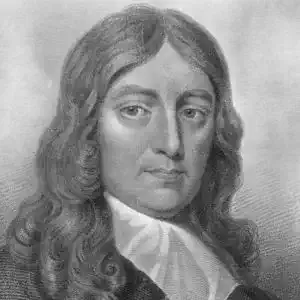
John Milton
On the University Carrier
On the University Carrier
Who sickened in the time of his Vacancy, being forbid to go to London by reason of the
Plague.
Here lies old Hobson. Death hath broke his girt,
And here, alas! hath laid him in the dirt;
Or else, the ways being foul, twenty to one
He’s here stuck in a slough, and overthrown.
’T was such a shifter that, if truth were known,
Death was half glad when he had got him down;
For he had any time this ten years full
Dodged with him betwixt Cambridge and The Bull.
And surely Death could never have prevailed,
Had not his weekly course of carriage failed;
But lately, finding him so long at home,
And thinking now his journey’s end was come,
And that he had ta’en up his latest Inn,
In the kind office of a Chamberlin
Showed him his room where he must lodge that night,
Pulled off his boots, and took away the light.
If any ask for him, it shall be said,
“Hobson has supped, and ’s newly gone to bed.”
Who sickened in the time of his Vacancy, being forbid to go to London by reason of the
Plague.
Here lies old Hobson. Death hath broke his girt,
And here, alas! hath laid him in the dirt;
Or else, the ways being foul, twenty to one
He’s here stuck in a slough, and overthrown.
’T was such a shifter that, if truth were known,
Death was half glad when he had got him down;
For he had any time this ten years full
Dodged with him betwixt Cambridge and The Bull.
And surely Death could never have prevailed,
Had not his weekly course of carriage failed;
But lately, finding him so long at home,
And thinking now his journey’s end was come,
And that he had ta’en up his latest Inn,
In the kind office of a Chamberlin
Showed him his room where he must lodge that night,
Pulled off his boots, and took away the light.
If any ask for him, it shall be said,
“Hobson has supped, and ’s newly gone to bed.”
524
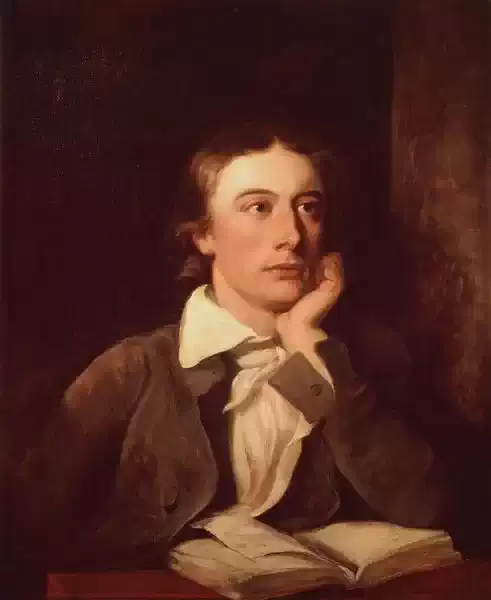
John Keats
An Extempore
An Extempore
When they were come into Faery's Court
They rang -- no one at home -- all gone to sport
And dance and kiss and love as faerys do
For Faries be as human lovers true --
Amid the woods they were so lone and wild
Where even the Robin feels himself exil'd
And where the very books as if affraid
Hurry along to some less magic shade.
'No one at home'! the fretful princess cry'd
'And all for nothing such a dre[a]ry ride
And all for nothing my new diamond cross
No one to see my persian feathers toss
No one to see my Ape, my Dwarf, my Fool
Or how I pace my Otaheitan mule.
Ape, Dwarf and Fool why stand you gaping there
Burst the door open, quick -- or I declare
I'll switch you soundly and in pieces tear.'
The Dwarf began to tremble and the Ape
Star'd at the Fool, the Fool was all agape
The Princess grasp'd her switch but just in time
The Dwarf with piteous face began to rhyme.
'O mighty Princess did you ne'er hear tell
What your poor servants know but too too well
Know you the three great crimes in faery land
The first alas! poor Dwarf I understand
I made a whipstock of a faery's wand
The next is snoring in their company
The next the last the direst of the three
Is making free when they are not at home.
I was a Prince -- a baby prince -- my doom
You see, I made a whipstock of a wand
My top has henceforth slept in faery land.
He was a Prince the Fool, a grown up Prince
But he has never been a King's son since
He fell a snoring at a faery Ball
Your poor Ape was a Prince and he poor thing
But ape -- so pray your highness stay awhile
'Tis sooth indeed we know it to our sorrow --
Persist and you may be an ape tomorrow --
While the Dwarf spake the Princess all for spite
Peal'd the brown hazel twig to lilly white
Clench'd her small teeth, and held her lips apart
Try'd to look unconcerned with beating heart.
They saw her highness had made up her mind
And quaver'd like the reeds before the wind
And they had had it, but O happy chance
The Ape for very fear began to dance
And grin'd as all his uglyness did ache--
She staid her vixen fingers for his sake
He was so very ugly: then she took
Her pocket mirror and began to look
First at herself and [then] at him and then
She smil'd at her own beauteous face again.
Yet for all this -- for all her pretty face
She took it in her head to see the place.
Women gain little from experience
Either in Lovers, husbands or expense.
The more their beauty the more fortune too
Beauty before the wide world never knew.
So each fair reasons -- tho' it oft miscarries.
She thought her pretty face would please the fa[e]ries.
'My darling Ape I wont whip you today
Give me the Picklock sirrah and go play.'
They all three wept but counsel was as vain
As crying cup biddy to drops of rain.
Yet lingeringly did the sad Ape forth draw
The Picklock from the Pocket in his Jaw.
The Princess took it and dismounting straight
Trip'd in blue silver'd slippers to the gate
And touch'd the wards, the Door full courteously
Opened -- she enter'd with her servants three.
Again it clos'd and there was nothing seen
But the Mule grasing on the herbage green.
End of Canto xii.
Canto the xiii.
The Mule no sooner saw himself alone
Than he prick'd up his Ears -- and said 'well done!
At least unhappy Prince I may be free --
No more a Princess shall side saddle me
O King of Othaiete -- tho' a Mule
'Aye every inch a King' -- tho' 'Fortune's fool.'
Well done -- for by what Mr. Dwarfy said
I would not give a sixpence for her head.'
Even as he spake he trotted in high glee
To the knotty side of an old Pollard tree
And rub'd his sides against the mossed bark
Till his Girths burst and left him naked stark
Except his Bridle -- how get rid of that
Buckled and tied with many a twist and plait.
At last it struck him to pretend to sleep
And then the thievish Monkies down would creep
And filch the unpleasant trammels quite away.
No sooner thought of than adown he lay
Sham'd a good snore -- the Monkey-men descended
And whom they thought to injure they befriended.
They hung his Bridle on a topmost bough
And of[f] he went run, trot, or anyhow--
When they were come into Faery's Court
They rang -- no one at home -- all gone to sport
And dance and kiss and love as faerys do
For Faries be as human lovers true --
Amid the woods they were so lone and wild
Where even the Robin feels himself exil'd
And where the very books as if affraid
Hurry along to some less magic shade.
'No one at home'! the fretful princess cry'd
'And all for nothing such a dre[a]ry ride
And all for nothing my new diamond cross
No one to see my persian feathers toss
No one to see my Ape, my Dwarf, my Fool
Or how I pace my Otaheitan mule.
Ape, Dwarf and Fool why stand you gaping there
Burst the door open, quick -- or I declare
I'll switch you soundly and in pieces tear.'
The Dwarf began to tremble and the Ape
Star'd at the Fool, the Fool was all agape
The Princess grasp'd her switch but just in time
The Dwarf with piteous face began to rhyme.
'O mighty Princess did you ne'er hear tell
What your poor servants know but too too well
Know you the three great crimes in faery land
The first alas! poor Dwarf I understand
I made a whipstock of a faery's wand
The next is snoring in their company
The next the last the direst of the three
Is making free when they are not at home.
I was a Prince -- a baby prince -- my doom
You see, I made a whipstock of a wand
My top has henceforth slept in faery land.
He was a Prince the Fool, a grown up Prince
But he has never been a King's son since
He fell a snoring at a faery Ball
Your poor Ape was a Prince and he poor thing
But ape -- so pray your highness stay awhile
'Tis sooth indeed we know it to our sorrow --
Persist and you may be an ape tomorrow --
While the Dwarf spake the Princess all for spite
Peal'd the brown hazel twig to lilly white
Clench'd her small teeth, and held her lips apart
Try'd to look unconcerned with beating heart.
They saw her highness had made up her mind
And quaver'd like the reeds before the wind
And they had had it, but O happy chance
The Ape for very fear began to dance
And grin'd as all his uglyness did ache--
She staid her vixen fingers for his sake
He was so very ugly: then she took
Her pocket mirror and began to look
First at herself and [then] at him and then
She smil'd at her own beauteous face again.
Yet for all this -- for all her pretty face
She took it in her head to see the place.
Women gain little from experience
Either in Lovers, husbands or expense.
The more their beauty the more fortune too
Beauty before the wide world never knew.
So each fair reasons -- tho' it oft miscarries.
She thought her pretty face would please the fa[e]ries.
'My darling Ape I wont whip you today
Give me the Picklock sirrah and go play.'
They all three wept but counsel was as vain
As crying cup biddy to drops of rain.
Yet lingeringly did the sad Ape forth draw
The Picklock from the Pocket in his Jaw.
The Princess took it and dismounting straight
Trip'd in blue silver'd slippers to the gate
And touch'd the wards, the Door full courteously
Opened -- she enter'd with her servants three.
Again it clos'd and there was nothing seen
But the Mule grasing on the herbage green.
End of Canto xii.
Canto the xiii.
The Mule no sooner saw himself alone
Than he prick'd up his Ears -- and said 'well done!
At least unhappy Prince I may be free --
No more a Princess shall side saddle me
O King of Othaiete -- tho' a Mule
'Aye every inch a King' -- tho' 'Fortune's fool.'
Well done -- for by what Mr. Dwarfy said
I would not give a sixpence for her head.'
Even as he spake he trotted in high glee
To the knotty side of an old Pollard tree
And rub'd his sides against the mossed bark
Till his Girths burst and left him naked stark
Except his Bridle -- how get rid of that
Buckled and tied with many a twist and plait.
At last it struck him to pretend to sleep
And then the thievish Monkies down would creep
And filch the unpleasant trammels quite away.
No sooner thought of than adown he lay
Sham'd a good snore -- the Monkey-men descended
And whom they thought to injure they befriended.
They hung his Bridle on a topmost bough
And of[f] he went run, trot, or anyhow--
557
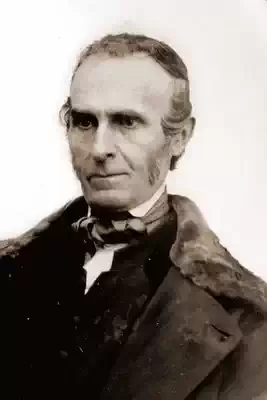
John Greenleaf Whittier
To A Cape Ann Schooner
To A Cape Ann Schooner
Luck to the craft that bears this name of mine,
Good fortune follow with her golden spoon
The glazed hat and tarry pantaloon;
And wheresoe'er her keel shall cut the brine,
Cod, hake and haddock quarrel for her line.
Shipped with her crew, whatever wind may blow,
Or tides delay, my wish with her shall go,
Fishing by proxy. Would that it might show
At need her course, in lack of sun and star,
Where icebergs threaten, and the sharp reefs are;
Lift the blind fog on Anticosti's lee
And Avalon's rock; make populous the sea
Round Grand Manan with eager finny swarms,
Break the long calms, and charm away the storms.
Luck to the craft that bears this name of mine,
Good fortune follow with her golden spoon
The glazed hat and tarry pantaloon;
And wheresoe'er her keel shall cut the brine,
Cod, hake and haddock quarrel for her line.
Shipped with her crew, whatever wind may blow,
Or tides delay, my wish with her shall go,
Fishing by proxy. Would that it might show
At need her course, in lack of sun and star,
Where icebergs threaten, and the sharp reefs are;
Lift the blind fog on Anticosti's lee
And Avalon's rock; make populous the sea
Round Grand Manan with eager finny swarms,
Break the long calms, and charm away the storms.
276
John Greenleaf Whittier
The Shoemakers
The Shoemakers
Ho! workers of the old time styled
The Gentle Craft of Leather!
Young brothers of the ancient guild,
Stand forth once more together!
Call out again your long array,
In the olden merry manner!
Once more, on gay St. Crispin's day,
Fling out your blazoned banner!
Rap, rap! upon the well-worn stone
How falls the polished hammer!
Rap, rap! the measured sound has grown
A quick and merry clamor.
Now shape the sole! now deftly curl
The glossy vamp around it,
And bless the while the bright-eyed girl
Whose gentle fingers bound it!
For you, along the Spanish main
A hundred keels are ploughing;
For you, the Indian on the plain
His lasso-coil is throwing;
For you, deep glens with hemlock dark
The woodman's fire is lighting;
For you, upon the oak's gray bark,
The woodman's axe is smiting.
For you, from Carolina's pine
The rosin-gum is stealing;
For you, the dark-eyed Florentine
Her silken skein is reeling;
For you, the dizzy goatherd roams
His rugged Alpine ledges;
For you, round all her shepherd homes,
Bloom England's thorny hedges.
The foremost still, by day or night,
On moated mound or heather,
Whete'er the need of trampled right
Brought toiling men together;
Where the free burghers from the wall
Defied the mail-clad master,
Than yours, at Freedom's trumpet-call,
No craftsmen rallied faster.
Let foplings sneer, let fools deride,
Ye heed no idle scorner;
Free hands and hearts are still your pride,
And duty done, your honor.
Ye dare to trust, for honest fame,
The jury Time empanels,
And leave to truth each noble name
Which glorifies your annals.
Thy songs, Han Sachs, are living yet,
In strong and hearty German;
And Bloomfield's lay, and Gifford's wit,
And patriot fame of Sherman;
Still from his book, a mystic seer,
The soul of Behmen teaches,
And England's priestcraft shakes to hear
Of Fox's leathern breeches.
The foot is yours; where'er it falls,
It treads your well-wrought leather,
On earthen floor, in marble halls,
On carpet, or on heather.
Still there the sweetest charm is found
Of matron grace or vestal's,
As Hebe's foot bore nectar round
Among the old celestials!
Rap, rap! — your stout and bluff brogan,
With footsteps slow and weary,
May wander where the sky's blue span
Shuts down upon the prairie.
On Beauty's foot your slippers glance,
By Saratoga's fountains,
Or twinkle down the summer dance
Beneath the Crystal Mountains!
The red brick to the mason's hand,
The brown earth to the tiller's,
The shoe in yours shall wealth command,
Like fairy Cinderella's!
As they who shunned the household maid
Beheld the crown upon her,
So all shall see your toil repaid
With hearth and home and honor.
Then let the toast be freely quaffed,
In water cool and brimming,
'All honor to the good old Craft,
Its merry men and women!'
Call out again your long array,
In the old time's pleasant manner:
Once more, on gay St. Crispin's day,
Fling out his blazoned banner!
Ho! workers of the old time styled
The Gentle Craft of Leather!
Young brothers of the ancient guild,
Stand forth once more together!
Call out again your long array,
In the olden merry manner!
Once more, on gay St. Crispin's day,
Fling out your blazoned banner!
Rap, rap! upon the well-worn stone
How falls the polished hammer!
Rap, rap! the measured sound has grown
A quick and merry clamor.
Now shape the sole! now deftly curl
The glossy vamp around it,
And bless the while the bright-eyed girl
Whose gentle fingers bound it!
For you, along the Spanish main
A hundred keels are ploughing;
For you, the Indian on the plain
His lasso-coil is throwing;
For you, deep glens with hemlock dark
The woodman's fire is lighting;
For you, upon the oak's gray bark,
The woodman's axe is smiting.
For you, from Carolina's pine
The rosin-gum is stealing;
For you, the dark-eyed Florentine
Her silken skein is reeling;
For you, the dizzy goatherd roams
His rugged Alpine ledges;
For you, round all her shepherd homes,
Bloom England's thorny hedges.
The foremost still, by day or night,
On moated mound or heather,
Whete'er the need of trampled right
Brought toiling men together;
Where the free burghers from the wall
Defied the mail-clad master,
Than yours, at Freedom's trumpet-call,
No craftsmen rallied faster.
Let foplings sneer, let fools deride,
Ye heed no idle scorner;
Free hands and hearts are still your pride,
And duty done, your honor.
Ye dare to trust, for honest fame,
The jury Time empanels,
And leave to truth each noble name
Which glorifies your annals.
Thy songs, Han Sachs, are living yet,
In strong and hearty German;
And Bloomfield's lay, and Gifford's wit,
And patriot fame of Sherman;
Still from his book, a mystic seer,
The soul of Behmen teaches,
And England's priestcraft shakes to hear
Of Fox's leathern breeches.
The foot is yours; where'er it falls,
It treads your well-wrought leather,
On earthen floor, in marble halls,
On carpet, or on heather.
Still there the sweetest charm is found
Of matron grace or vestal's,
As Hebe's foot bore nectar round
Among the old celestials!
Rap, rap! — your stout and bluff brogan,
With footsteps slow and weary,
May wander where the sky's blue span
Shuts down upon the prairie.
On Beauty's foot your slippers glance,
By Saratoga's fountains,
Or twinkle down the summer dance
Beneath the Crystal Mountains!
The red brick to the mason's hand,
The brown earth to the tiller's,
The shoe in yours shall wealth command,
Like fairy Cinderella's!
As they who shunned the household maid
Beheld the crown upon her,
So all shall see your toil repaid
With hearth and home and honor.
Then let the toast be freely quaffed,
In water cool and brimming,
'All honor to the good old Craft,
Its merry men and women!'
Call out again your long array,
In the old time's pleasant manner:
Once more, on gay St. Crispin's day,
Fling out his blazoned banner!
331
John Greenleaf Whittier
The Lumbermen
The Lumbermen
WILDLY round our woodland quarters
Sad-voiced Autumn grieves;
Thickly down these swelling waters
Float his fallen leaves.
Through the tall and naked timber,
Column-like and old,
Gleam the sunsets of November,
From their skies of gold.
O'er us, to the southland heading,
Screams the gray wild-goose;
On the night-frost sounds the treading
Of the brindled moose.
Noiseless creeping, while we're sleeping,
Frost his task-work plies;
Soon, his icy bridges heaping,
Shall our log-piles rise.
When, with sounds of smothered thunder,
On some night of rain,
Lake and river break asunder
Winter's weakened chain,
Down the wild March flood shall bear them
To the saw-mill's wheel,
Or where Steam, the slave, shall tear them
With his teeth of steel.
Be it starlight, be it moonlight,
In these vales below,
When the earliest beams of sunlight
Streak the mountain's snow,
Crisps the hoar-frost, keen and early,
To our hurrying feet,
And the forest echoes clearly
All our blows repeat.
Where the crystal Ambijejis
Stretches broad and clear,
And Millnoket's pine-black ridges
Hide the browsing deer:
Where, through lakes and wide morasses,
Or through rocky walls,
Swift and strong, Penobscot passes
White with foamy falls;
Where, through clouds, are glimpses given
Of Katahdin's sides, —
Rock and forest piled to heaven,
Torn and ploughed by slides!
Far below, the Indian trapping,
In the sunshine warm;
Far above, the snow-cloud wrapping
Half the peak in storm!
Where are mossy carpets better
Than the Persian weaves,
And than Eastern perfumes sweeter
Seem the fading leaves;
And a music wild and solemn,
From the pine-tree's height,
Rolls its vast and sea-like volume
On the wind of night;
Make we here our camp of winter;
And, through sleet and snow,
Pitchy knot and beechen splinter
On our hearth shall glow.
Here, with mirth to lighten duty,
We shall lack alone
Woman's smile and girlhood's beauty,
Childhood's lisping tone.
But their hearth is brighter burning
For our toil to-day;
And the welcome of returning
Shall our loss repay,
When, like seamen from the waters,
From the woods we come,
Greeting sisters, wives, and daughters,
Angels of our home!
Not for us the measured ringing
From the village spire,
Not for us the Sabbath singing
Of the sweet-voiced choir.
Ours the old, majestic temple,
Where God's brightness shines
Down the dome so grand and ample,
Propped by lofty pines!
Through each branch-enwoven skylight,
Speaks He in the breeze,
As of old beneath the twilight
Of lost Eden's trees!
For His ear, the inward feeling
Needs no outward tongue;
He can see the spirit kneeling
While the axe is swung.
Heeding truth alone, and turning
From the false and dim,
Lamp of toil or altar burning
Are alike to Him.
Strike, then, comrades! Trade is waiting
On our rugged toil;
Far ships waiting for the freighting
Of our woodland spoil!
Ships, whose traffic links these highlands,
Bleak and cold, of ours,
With the citron-planted islands
Of a clime of flowers;
To our frosts the tribute bringing
Of eternal heats;
In our lap of winter flinging
Tropic fruits and sweets.
Cheerly, on the axe of labor,
Let the sunbeams dance,
Better than the flash of sabre
Or the gleam of lance!
Strike! With every blow is given
Freer sun and sky,
And the long-hid earth to heaven
Looks, with wondering eye!
Loud behind us grow the murmurs
Of the age to come;
Clang of smiths, and tread of farmers,
Bearing harvest home!
Here her virgin lap with treasures
Shall the green earth fill;
Waving wheat and golden maize-ears
Crown each beechen hill.
Keep who will the city's alleys,
Take the smooth-shorn plain;
Give to us the cedarn valleys,
Rocks and hills of Maine!
In our North-land, wild and woody,
Let us still have part:
Rugged nurse and mother sturdy,
Hold us to thy heart!
Oh, our free hearts beat the warmer
For thy breath of snow;
And our tread is all the firmer
For thy rocks below.
Freedom, hand in hand with labor,
Walketh strong and brave;
On the forehead of his neighbor
No man writeth Slave!
Lo, the day breaks! old Katahdin's
Pine-trees show its fires,
While from these dim forest gardens
Rise their blackened spires.
Up, my comrades! up and doing!
Manhood's rugged play
Still renewing, bravely hewing
Through the world our way!
WILDLY round our woodland quarters
Sad-voiced Autumn grieves;
Thickly down these swelling waters
Float his fallen leaves.
Through the tall and naked timber,
Column-like and old,
Gleam the sunsets of November,
From their skies of gold.
O'er us, to the southland heading,
Screams the gray wild-goose;
On the night-frost sounds the treading
Of the brindled moose.
Noiseless creeping, while we're sleeping,
Frost his task-work plies;
Soon, his icy bridges heaping,
Shall our log-piles rise.
When, with sounds of smothered thunder,
On some night of rain,
Lake and river break asunder
Winter's weakened chain,
Down the wild March flood shall bear them
To the saw-mill's wheel,
Or where Steam, the slave, shall tear them
With his teeth of steel.
Be it starlight, be it moonlight,
In these vales below,
When the earliest beams of sunlight
Streak the mountain's snow,
Crisps the hoar-frost, keen and early,
To our hurrying feet,
And the forest echoes clearly
All our blows repeat.
Where the crystal Ambijejis
Stretches broad and clear,
And Millnoket's pine-black ridges
Hide the browsing deer:
Where, through lakes and wide morasses,
Or through rocky walls,
Swift and strong, Penobscot passes
White with foamy falls;
Where, through clouds, are glimpses given
Of Katahdin's sides, —
Rock and forest piled to heaven,
Torn and ploughed by slides!
Far below, the Indian trapping,
In the sunshine warm;
Far above, the snow-cloud wrapping
Half the peak in storm!
Where are mossy carpets better
Than the Persian weaves,
And than Eastern perfumes sweeter
Seem the fading leaves;
And a music wild and solemn,
From the pine-tree's height,
Rolls its vast and sea-like volume
On the wind of night;
Make we here our camp of winter;
And, through sleet and snow,
Pitchy knot and beechen splinter
On our hearth shall glow.
Here, with mirth to lighten duty,
We shall lack alone
Woman's smile and girlhood's beauty,
Childhood's lisping tone.
But their hearth is brighter burning
For our toil to-day;
And the welcome of returning
Shall our loss repay,
When, like seamen from the waters,
From the woods we come,
Greeting sisters, wives, and daughters,
Angels of our home!
Not for us the measured ringing
From the village spire,
Not for us the Sabbath singing
Of the sweet-voiced choir.
Ours the old, majestic temple,
Where God's brightness shines
Down the dome so grand and ample,
Propped by lofty pines!
Through each branch-enwoven skylight,
Speaks He in the breeze,
As of old beneath the twilight
Of lost Eden's trees!
For His ear, the inward feeling
Needs no outward tongue;
He can see the spirit kneeling
While the axe is swung.
Heeding truth alone, and turning
From the false and dim,
Lamp of toil or altar burning
Are alike to Him.
Strike, then, comrades! Trade is waiting
On our rugged toil;
Far ships waiting for the freighting
Of our woodland spoil!
Ships, whose traffic links these highlands,
Bleak and cold, of ours,
With the citron-planted islands
Of a clime of flowers;
To our frosts the tribute bringing
Of eternal heats;
In our lap of winter flinging
Tropic fruits and sweets.
Cheerly, on the axe of labor,
Let the sunbeams dance,
Better than the flash of sabre
Or the gleam of lance!
Strike! With every blow is given
Freer sun and sky,
And the long-hid earth to heaven
Looks, with wondering eye!
Loud behind us grow the murmurs
Of the age to come;
Clang of smiths, and tread of farmers,
Bearing harvest home!
Here her virgin lap with treasures
Shall the green earth fill;
Waving wheat and golden maize-ears
Crown each beechen hill.
Keep who will the city's alleys,
Take the smooth-shorn plain;
Give to us the cedarn valleys,
Rocks and hills of Maine!
In our North-land, wild and woody,
Let us still have part:
Rugged nurse and mother sturdy,
Hold us to thy heart!
Oh, our free hearts beat the warmer
For thy breath of snow;
And our tread is all the firmer
For thy rocks below.
Freedom, hand in hand with labor,
Walketh strong and brave;
On the forehead of his neighbor
No man writeth Slave!
Lo, the day breaks! old Katahdin's
Pine-trees show its fires,
While from these dim forest gardens
Rise their blackened spires.
Up, my comrades! up and doing!
Manhood's rugged play
Still renewing, bravely hewing
Through the world our way!
225
John Greenleaf Whittier
The Fishermen
The Fishermen
HURRAH! the seaward breezes
Sweep down the bay amain;
Heave up, my lads, the anchor!
Run up the sail again!
Leave to the lubber landsmen
The rail-car and the steed;
The stars of heaven shall guide us,
The breath of heaven shall speed.
From the hill-top looks the steeple,
And the lighthouse from the sand;
And the scattered pines are waving
Their farewell from the land.
One glance, my lads, behind us,
For the homes we leave one sigh,
Ere we take the change and chances
Of the ocean and the sky.
Now, brothers, for the icebergs
Of frozen Labrador,
Floating spectral in the moonshine,
Along the low, black shore!
Where like snow the gannet's feathers
On Brador's rocks are shed,
And the noisy murr are flying,
Like black scuds, overhead;
Where in mist the rock is hiding,
And the sharp reef lurks below,
And the white squall smites in summer,
And the autumn tempests blow;
Where, through gray and rolling vapor,
From evening unto morn,
A thousand, boats are hailing,
Horn answering unto horn.
Hurrah! for the Red Island,
With the white cross on its crown!
Hurrah! for Meccatina,
And its mountains bare and brown!
Where the Caribou's tall antlers
O'er the dwarf-wood freely toss,
And the footstep of the Mickmack
Has no sound upon the moss.
There we'll drop our lines, and gather
Old Ocean's treasures in,
Where'er the mottled mackerel
Turns up a steel-dark fin.
The sea's our field of harvest,
Its scaly tribes our grain;
We'll reap the teeming waters
As at home they reap the plain!
Our wet hands spread the carpet,
And light the hearth of home;
From our fish, as in the old time,
The silver coin shall come.
As the demon fled the chamber
Where the fish of Tobit lay,
So ours from all our dwellings
Shall frighten Want away.
Though the mist upon our jackets
In the bitter air congeals,
And our lines wind stiff and slowly
From off the frozen reels;
Though the fog be dark around us,
And the storm blow high and loud,
We will whistle down the wild wind,
And laugh beneath the cloud!
In the darkness as in daylight,
On the water as on land,
God's eye is looking on us,
And beneath us is His hand!
Death will find us soon or later,
On the deck or in the cot;
And we cannot meet him better
Than in working out our lot.
Hurrah! hurrah! the west-wind
Comes freshening down the bay,
The rising sails are filling;
Give way, my lads, give way!
Leave the coward landsman clinging
To the dull earth, like a weed;
The stars of heaven shall guide us,
The breath of heaven shall speed!
HURRAH! the seaward breezes
Sweep down the bay amain;
Heave up, my lads, the anchor!
Run up the sail again!
Leave to the lubber landsmen
The rail-car and the steed;
The stars of heaven shall guide us,
The breath of heaven shall speed.
From the hill-top looks the steeple,
And the lighthouse from the sand;
And the scattered pines are waving
Their farewell from the land.
One glance, my lads, behind us,
For the homes we leave one sigh,
Ere we take the change and chances
Of the ocean and the sky.
Now, brothers, for the icebergs
Of frozen Labrador,
Floating spectral in the moonshine,
Along the low, black shore!
Where like snow the gannet's feathers
On Brador's rocks are shed,
And the noisy murr are flying,
Like black scuds, overhead;
Where in mist the rock is hiding,
And the sharp reef lurks below,
And the white squall smites in summer,
And the autumn tempests blow;
Where, through gray and rolling vapor,
From evening unto morn,
A thousand, boats are hailing,
Horn answering unto horn.
Hurrah! for the Red Island,
With the white cross on its crown!
Hurrah! for Meccatina,
And its mountains bare and brown!
Where the Caribou's tall antlers
O'er the dwarf-wood freely toss,
And the footstep of the Mickmack
Has no sound upon the moss.
There we'll drop our lines, and gather
Old Ocean's treasures in,
Where'er the mottled mackerel
Turns up a steel-dark fin.
The sea's our field of harvest,
Its scaly tribes our grain;
We'll reap the teeming waters
As at home they reap the plain!
Our wet hands spread the carpet,
And light the hearth of home;
From our fish, as in the old time,
The silver coin shall come.
As the demon fled the chamber
Where the fish of Tobit lay,
So ours from all our dwellings
Shall frighten Want away.
Though the mist upon our jackets
In the bitter air congeals,
And our lines wind stiff and slowly
From off the frozen reels;
Though the fog be dark around us,
And the storm blow high and loud,
We will whistle down the wild wind,
And laugh beneath the cloud!
In the darkness as in daylight,
On the water as on land,
God's eye is looking on us,
And beneath us is His hand!
Death will find us soon or later,
On the deck or in the cot;
And we cannot meet him better
Than in working out our lot.
Hurrah! hurrah! the west-wind
Comes freshening down the bay,
The rising sails are filling;
Give way, my lads, give way!
Leave the coward landsman clinging
To the dull earth, like a weed;
The stars of heaven shall guide us,
The breath of heaven shall speed!
282
John Greenleaf Whittier
The Drovers
The Drovers
THROUGH heat and cold, and shower and sun,
Still onward cheerly driving!
There's life alone in duty done,
And rest alone in striving.
But see! the day is closing cool,
The woods are dim before us;
The white fog of the wayside pool
Is creeping slowly o'er us.
The night is falling, comrades mine,
Our footsore beasts are weary,
And through yon elms the tavern sign
Looks out upon us cheery.
The landlord beckons from his door,
His beechen fire is glowing;
These ample barns, with feed in store,
Are filled to overflowing.
From many a valley frowned across
By brows of rugged mountains;
From hillsides where, through spongy moss,
Gush out the river fountains;
From quiet farm-fields, green and low,
And bright with blooming clover;
From vales of corn the wandering crow
No richer hovers over;
Day after day our way has been
O'er many a hill and hollow;
By lake and stream, by wood and glen,
Our stately drove we follow.
Through dust-clouds rising thick and dun,
As smoke of battle o'er us,
Their white horns glisten in the sun,
Like plumes and crests before us.
We see them slowly climb the hill,
As slow behind it sinking;
Or, thronging close, from roadside rill,
Or sunny lakelet, drinking.
Now crowding in the narrow road,
In thick and struggling masses,
They glare upon the teamster's load,
Or rattling coach that passes.
Anon, with toss of horn and tail,
And paw of hoof, and bellow,
They leap some farmer's broken pale,
O'er meadow-close or fallow.
Forth comes the startled goodman; forth
Wife, children, house-dog, sally,
Till once more on their dusty path
The baffled truants rally.
We drive no starvelings, scraggy grown,
Loose-legged, and ribbed and bony,
Like those who grind their noses down
On pastures bare and stony, —
Lank oxen, rough as Indian dogs,
And cows too lean for shadows,
Disputing feebly with the frogs
The crop of saw-grass meadows!
In our good drove, so sleek and fair,
No bones of leanness rattle;
No tottering hide-bound ghosts are there,
Or Pharaoh's evil cattle.
Each stately beeve bespeaks the hand
That fed him unrepining;
The fatness of a goodly land
In each dun hide is shining.
We've sought them where, in warmest nooks,
The freshest feed is growing,
By sweetest springs and clearest brooks
Through honeysuckle flowing;
Wherever hillsides, sloping south,
Are bright with early grasses,
Or, tracking green the lowland's drouth,
The mountain streamlet passes.
But now the day is closing cool,
The woods are dim before us,
The white fog of the wayside pool
Is creeping slowly o'er us.
The cricket to the frog's bassoon
His shrillest time is keeping;
The sickle of yon setting moon
The meadow-mist is reaping.
The night is falling, comrades mine,
Our footsore beasts are weary,
And through yon elms the tavern sign
Looks out upon us cheery.
To-morrow, eastward with our charge
We'll go to meet the dawning,
Ere yet the pines of Kearsarge
Have seen the sun of morning.
When snow-flakes o'er the frozen earth,
Instead of birds, are flitting;
When children throng the glowing hearth,
And quiet wives are knitting;
While in the fire-light strong and clear
Young eyes of pleasure glisten,
To tales of all we see and hear
The ears of home shall listen.
By many a Northern lake and hill,
From many a mountain pasture,
Shall Fancy play the Drover still,
And speed the long night faster.
Then let us on, through shower and sun,
And heat and cold, be driving;
There's life alone in duty done,
And rest alone in striving.
THROUGH heat and cold, and shower and sun,
Still onward cheerly driving!
There's life alone in duty done,
And rest alone in striving.
But see! the day is closing cool,
The woods are dim before us;
The white fog of the wayside pool
Is creeping slowly o'er us.
The night is falling, comrades mine,
Our footsore beasts are weary,
And through yon elms the tavern sign
Looks out upon us cheery.
The landlord beckons from his door,
His beechen fire is glowing;
These ample barns, with feed in store,
Are filled to overflowing.
From many a valley frowned across
By brows of rugged mountains;
From hillsides where, through spongy moss,
Gush out the river fountains;
From quiet farm-fields, green and low,
And bright with blooming clover;
From vales of corn the wandering crow
No richer hovers over;
Day after day our way has been
O'er many a hill and hollow;
By lake and stream, by wood and glen,
Our stately drove we follow.
Through dust-clouds rising thick and dun,
As smoke of battle o'er us,
Their white horns glisten in the sun,
Like plumes and crests before us.
We see them slowly climb the hill,
As slow behind it sinking;
Or, thronging close, from roadside rill,
Or sunny lakelet, drinking.
Now crowding in the narrow road,
In thick and struggling masses,
They glare upon the teamster's load,
Or rattling coach that passes.
Anon, with toss of horn and tail,
And paw of hoof, and bellow,
They leap some farmer's broken pale,
O'er meadow-close or fallow.
Forth comes the startled goodman; forth
Wife, children, house-dog, sally,
Till once more on their dusty path
The baffled truants rally.
We drive no starvelings, scraggy grown,
Loose-legged, and ribbed and bony,
Like those who grind their noses down
On pastures bare and stony, —
Lank oxen, rough as Indian dogs,
And cows too lean for shadows,
Disputing feebly with the frogs
The crop of saw-grass meadows!
In our good drove, so sleek and fair,
No bones of leanness rattle;
No tottering hide-bound ghosts are there,
Or Pharaoh's evil cattle.
Each stately beeve bespeaks the hand
That fed him unrepining;
The fatness of a goodly land
In each dun hide is shining.
We've sought them where, in warmest nooks,
The freshest feed is growing,
By sweetest springs and clearest brooks
Through honeysuckle flowing;
Wherever hillsides, sloping south,
Are bright with early grasses,
Or, tracking green the lowland's drouth,
The mountain streamlet passes.
But now the day is closing cool,
The woods are dim before us,
The white fog of the wayside pool
Is creeping slowly o'er us.
The cricket to the frog's bassoon
His shrillest time is keeping;
The sickle of yon setting moon
The meadow-mist is reaping.
The night is falling, comrades mine,
Our footsore beasts are weary,
And through yon elms the tavern sign
Looks out upon us cheery.
To-morrow, eastward with our charge
We'll go to meet the dawning,
Ere yet the pines of Kearsarge
Have seen the sun of morning.
When snow-flakes o'er the frozen earth,
Instead of birds, are flitting;
When children throng the glowing hearth,
And quiet wives are knitting;
While in the fire-light strong and clear
Young eyes of pleasure glisten,
To tales of all we see and hear
The ears of home shall listen.
By many a Northern lake and hill,
From many a mountain pasture,
Shall Fancy play the Drover still,
And speed the long night faster.
Then let us on, through shower and sun,
And heat and cold, be driving;
There's life alone in duty done,
And rest alone in striving.
312
John Greenleaf Whittier
Dedication - Songs of Labor
Dedication - Songs of Labor
I WOULD the gift I offer here
Might graces from thy favor take,
And, seen through Friendship's atmosphere,
On softened lines and coloring, wear
The unaccustomed light of beauty, for thy sake.
Few leaves of Fancy's spring remain:
But what I have I give to thee,
The o'er-sunned bloom of summer's plain,
And paler flowers, the latter rain
Calls from the westering slope of life's autumnal lea.
Above the fallen groves of green,
Where youth's enchanted forest stood,
Dry root and mossëd trunk between,
A sober after-growth is seen,
As springs the pine where falls the gay-leafed maple wood!
Yet birds will sing, and breezes play
Their leaf-harps in the sombre tree;
And through the bleak and wintry day
It keeps its steady green alway, —
So, even my after-thoughts may have a charm for thee.
Art's perfect forms no moral need,
And beauty is its own excuse;
But for the dull and flowerless weed
Some healing virtue still must plead,
And the rough ore must find its honors in its use.
So haply these, my simple lays
Of homely toil, may serve to show
The orchard bloom and tasselled maize
That skirt and gladden duty's ways,
The unsung beauty hid life's common things below.
Haply from them the toiler, bent
Above his forge or plough, may gain,
A manlier spirit of content,
And feel that life is wisest spent
Where the strong working hand makes strong the working brain.
The doom which to the guilty pair
Without the walls of Eden came,
Transforming sinless ease to care
And rugged toil, no more shall bear
The burden of old crime, or mark of primal shame.
A blessing now, a curse no more;
Since He, whose name we breathe with awe,
The coarse mechanic vesture wore,
A poor man toiling with the poor,
In labor, as in prayer, fulfilling the same law.
I WOULD the gift I offer here
Might graces from thy favor take,
And, seen through Friendship's atmosphere,
On softened lines and coloring, wear
The unaccustomed light of beauty, for thy sake.
Few leaves of Fancy's spring remain:
But what I have I give to thee,
The o'er-sunned bloom of summer's plain,
And paler flowers, the latter rain
Calls from the westering slope of life's autumnal lea.
Above the fallen groves of green,
Where youth's enchanted forest stood,
Dry root and mossëd trunk between,
A sober after-growth is seen,
As springs the pine where falls the gay-leafed maple wood!
Yet birds will sing, and breezes play
Their leaf-harps in the sombre tree;
And through the bleak and wintry day
It keeps its steady green alway, —
So, even my after-thoughts may have a charm for thee.
Art's perfect forms no moral need,
And beauty is its own excuse;
But for the dull and flowerless weed
Some healing virtue still must plead,
And the rough ore must find its honors in its use.
So haply these, my simple lays
Of homely toil, may serve to show
The orchard bloom and tasselled maize
That skirt and gladden duty's ways,
The unsung beauty hid life's common things below.
Haply from them the toiler, bent
Above his forge or plough, may gain,
A manlier spirit of content,
And feel that life is wisest spent
Where the strong working hand makes strong the working brain.
The doom which to the guilty pair
Without the walls of Eden came,
Transforming sinless ease to care
And rugged toil, no more shall bear
The burden of old crime, or mark of primal shame.
A blessing now, a curse no more;
Since He, whose name we breathe with awe,
The coarse mechanic vesture wore,
A poor man toiling with the poor,
In labor, as in prayer, fulfilling the same law.
250
John Greenleaf Whittier
A Lay Of Old Time
A Lay Of Old Time
One morning of the first sad Fall,
Poor Adam and his bride
Sat in the shade of Eden's wall-But
on the outer side.
She, blushing in her fig-leaf suit
For the chaste garb of old;
He, sighing o'er his bitter fruit
For Eden's drupes of gold.
Behind them, smiling in the morn,
Their forfeit garden lay,
Before them, wild with rock and thorn,
The desert stretched away.
They heard the air above them fanned,
A light step on the sward,
And lo! they saw before them stand
The angel of the Lord!
'Arise,' he said, 'why look behind,
When hope is all before,
And patient hand and willing mind,
Your loss may yet restore?
'I leave with you a spell whose power
Can make the desert glad,
And call around you fruit and flower
As fair as Eden had.
'I clothe your hands with power to lift
The curse from off your soil;
Your very doom shall seem a gift,
Your loss a gain through Toil.
'Go, cheerful as yon humming-bees,
To labor as to play.'
White glimmering over Eden's trees
The angel passed away.
The pilgrims of the world went forth
Obedient to the word,
And found where'er they tilled the earth
A garden of the Lord!
The thorn-tree cast its evil fruit
And blushed with plum and pear,
And seeded grass and trodden root
Grew sweet beneath their care.
We share our primal parents' fate,
And, in our turn and day,
Look back on Eden's sworded gate
As sad and lost as they.
But still for us his native skies
The pitying Angel leaves,
And leads through Toil to Paradise
New Adams and new Eves!
One morning of the first sad Fall,
Poor Adam and his bride
Sat in the shade of Eden's wall-But
on the outer side.
She, blushing in her fig-leaf suit
For the chaste garb of old;
He, sighing o'er his bitter fruit
For Eden's drupes of gold.
Behind them, smiling in the morn,
Their forfeit garden lay,
Before them, wild with rock and thorn,
The desert stretched away.
They heard the air above them fanned,
A light step on the sward,
And lo! they saw before them stand
The angel of the Lord!
'Arise,' he said, 'why look behind,
When hope is all before,
And patient hand and willing mind,
Your loss may yet restore?
'I leave with you a spell whose power
Can make the desert glad,
And call around you fruit and flower
As fair as Eden had.
'I clothe your hands with power to lift
The curse from off your soil;
Your very doom shall seem a gift,
Your loss a gain through Toil.
'Go, cheerful as yon humming-bees,
To labor as to play.'
White glimmering over Eden's trees
The angel passed away.
The pilgrims of the world went forth
Obedient to the word,
And found where'er they tilled the earth
A garden of the Lord!
The thorn-tree cast its evil fruit
And blushed with plum and pear,
And seeded grass and trodden root
Grew sweet beneath their care.
We share our primal parents' fate,
And, in our turn and day,
Look back on Eden's sworded gate
As sad and lost as they.
But still for us his native skies
The pitying Angel leaves,
And leads through Toil to Paradise
New Adams and new Eves!
312
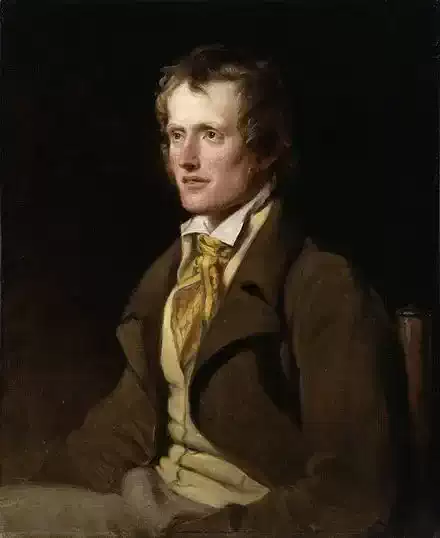
John Clare
The Wood-Cutter's Night Song
The Wood-Cutter's Night Song
Welcome, red and roundy sun,
Dropping lowly in the west;
Now my hard day's work is done,
I'm as happy as the best.
Joyful are the thoughts of home,
Now I'm ready for my chair,
So, till morrow-morning's come,
Bill and mittens, lie ye there!
Though to leave your pretty song,
Little birds, it gives me pain,
Yet to-morrow is not long,
Then I'm with you all again.
If I stop, and stand about,
Well I know how things will be,
Judy will be looking out
Every now-and-then for me.
So fare ye well! and hold your tongues,
Sing no more until I come;
They're not worthy of your songs
That never care to drop a crumb.
All day long I love the oaks,
But, at nights, yon little cot,
Where I see the chimney smokes,
Is by far the prettiest spot.
Wife and children all are there,
To revive with pleasant looks,
Table ready set, and chair,
Supper hanging on the hooks.
Soon as ever I get in,
When my faggot down I fling,
Little prattlers they begin
Teasing me to talk and sing.
Welcome, red and roundy sun,
Dropping lowly in the west;
Now my hard day's work is done,
I'm as happy as the best.
Joyful are the thoughts of home,
Now I'm ready for my chair,
So, till morrow-morning's come,
Bill and mittens, lie ye there!
Welcome, red and roundy sun,
Dropping lowly in the west;
Now my hard day's work is done,
I'm as happy as the best.
Joyful are the thoughts of home,
Now I'm ready for my chair,
So, till morrow-morning's come,
Bill and mittens, lie ye there!
Though to leave your pretty song,
Little birds, it gives me pain,
Yet to-morrow is not long,
Then I'm with you all again.
If I stop, and stand about,
Well I know how things will be,
Judy will be looking out
Every now-and-then for me.
So fare ye well! and hold your tongues,
Sing no more until I come;
They're not worthy of your songs
That never care to drop a crumb.
All day long I love the oaks,
But, at nights, yon little cot,
Where I see the chimney smokes,
Is by far the prettiest spot.
Wife and children all are there,
To revive with pleasant looks,
Table ready set, and chair,
Supper hanging on the hooks.
Soon as ever I get in,
When my faggot down I fling,
Little prattlers they begin
Teasing me to talk and sing.
Welcome, red and roundy sun,
Dropping lowly in the west;
Now my hard day's work is done,
I'm as happy as the best.
Joyful are the thoughts of home,
Now I'm ready for my chair,
So, till morrow-morning's come,
Bill and mittens, lie ye there!
872
John Clare
The Shepherd's Calendar - October
The Shepherd's Calendar - October
Nature now spreads around in dreary hue
A pall to cover all that summer knew
Yet in the poets solitary way
Some pleasing objects for his praise delay
Somthing that makes him pause and turn again
As every trifle will his eye detain
The free horse rustling through the stubble land
And bawling herd boy with his motly band
Of hogs and sheep and cows who feed their fill
Oer cleard fields rambling where so ere they will
The geese flock gabbling in the splashy fields
And quaking ducks in pondweeds half conseald
Or seeking worms along the homclose sward
Right glad of freedom from the prison yard
While every cart rut dribbles its low tide
And every hollow splashing sports provide
The hedger stopping gaps wi pointed bough
Made by intruding horse and blundering cow
The milk maid tripping on her morning way
And fodderers oft tho early cutting hay
Dropping the littering forkfulls from his back
Side where the thorn fence circles round the stack
The cotter journying wi his noisev swine
Along the wood side where the brambles twine
Shaking from dinted cups the acorns brown
And from the hedges red awes dashing down
And nutters rustling in the yellow woods
Scaring from their snug lairs the pheasant broods
And squirrels secret toils oer winter dreams
Picking the brown nuts from the yellow beams
And hunters from the thickets avenue
In scarlet jackets startling on the view
Skiming a moment oer the russet plain
Then hiding in the colord woods again
The ploping guns sharp momentary shock
Which eccho bustles from her cave to mock
The sticking groups in many a ragged set
Brushing the woods their harmless loads to get
And gipseys camps in some snug shelterd nook
Where old lane hedges like the pasture brook
Run crooking as they will by wood and dell
In such lone spots these wild wood roamers dwell
On commons where no farmers claims appear
Nor tyrant justice rides to interfere
Such the abodes neath hedge or spreading oak
And but discovered by its curling smoak
Puffing and peeping up as wills the breeze
Between the branches of the colord trees
Such are the pictures that october yields
To please the poet as he walks the fields
Oft dames in faded cloak of red or grey
Loiters along the mornings dripping way
Wi wicker basket on their witherd arms
Searching the hedges of home close or farms
Where brashy elder trees to autum fade
Each cotters mossy hut and garden shade
Whose glossy berrys picturesquly weaves
Their swathy bunches mid the yellow leaves
Where the pert sparrow stains his little bill
And tutling robin picks his meals at will
Black ripening to the wan suns misty ray
Here the industrious huswives wend their way
Pulling the brittle branches carefull down
And hawking loads of berrys to the town
Wi unpretending skill yet half divine
To press and make their eldern berry wine
That bottld up becomes a rousing charm
To kindle winters icy bosom warm
That wi its merry partner nut brown beer
Makes up the peasants christmass keeping cheer
While nature like fair woman in decay
Which pale consumption hourly wastes away
Upon her waining features pale and chill
Wears dreams of beauty that seem lovely still
Among the heath furze still delights to dwell
Quaking as if with cold the harvest bell
The mushroom buttons each moist morning brings
Like spots of snow in the green tawney rings
And fuzz balls swelld like bladders in the grass
Which oft the merry laughing milking lass
Will stoop to gather in her sportive airs
And slive in mimickd fondness unawares
To smut the brown cheek of the teazing swain
Wi the black powder which their balls contain
Who feigns offence at first that love may speed
Then charms a kiss to recompence the deed
The flying clouds urged on in swiftest pace
Like living things as if they runned a race
The winds that oer each coming tempest broods
Waking like spirits in their startling moods
Fluttering the sear leaves on the blasting lea
That litters under every fading tree
And pausing oft as falls the pattering rain
Then gathering strength and twirling them again
The startld stockdove hurried wizzing bye
As the still hawk hangs oer him in the sky
Crows from the oak trees qawking as they spring
Dashing the acorns down wi beating wing
Waking the woodlands sleep in noises low
Pattring on crimpt brakes withering brown below
While from their hollow nest the squirrels (pop)
Adown the tree to pick them as they drop
The starnel crowds that dim the muddy light
The crows and jackdaws flapping home at night
And puddock circling round its lazy flight
Round the wild sweeing wood in motion slow
Before it perches on the oaks below
And hugh black beetles revelling alone
In the dull evening with their heavy drone
Buzzing from barn door straw and hovel sides
Where fodderd cattle from the night abides
These pictures linger thro the shortning day
And cheer the lone bards mellancholy way
And now and then a solitary boy
Journeying and muttering oer his dreams of joy
Nature now spreads around in dreary hue
A pall to cover all that summer knew
Yet in the poets solitary way
Some pleasing objects for his praise delay
Somthing that makes him pause and turn again
As every trifle will his eye detain
The free horse rustling through the stubble land
And bawling herd boy with his motly band
Of hogs and sheep and cows who feed their fill
Oer cleard fields rambling where so ere they will
The geese flock gabbling in the splashy fields
And quaking ducks in pondweeds half conseald
Or seeking worms along the homclose sward
Right glad of freedom from the prison yard
While every cart rut dribbles its low tide
And every hollow splashing sports provide
The hedger stopping gaps wi pointed bough
Made by intruding horse and blundering cow
The milk maid tripping on her morning way
And fodderers oft tho early cutting hay
Dropping the littering forkfulls from his back
Side where the thorn fence circles round the stack
The cotter journying wi his noisev swine
Along the wood side where the brambles twine
Shaking from dinted cups the acorns brown
And from the hedges red awes dashing down
And nutters rustling in the yellow woods
Scaring from their snug lairs the pheasant broods
And squirrels secret toils oer winter dreams
Picking the brown nuts from the yellow beams
And hunters from the thickets avenue
In scarlet jackets startling on the view
Skiming a moment oer the russet plain
Then hiding in the colord woods again
The ploping guns sharp momentary shock
Which eccho bustles from her cave to mock
The sticking groups in many a ragged set
Brushing the woods their harmless loads to get
And gipseys camps in some snug shelterd nook
Where old lane hedges like the pasture brook
Run crooking as they will by wood and dell
In such lone spots these wild wood roamers dwell
On commons where no farmers claims appear
Nor tyrant justice rides to interfere
Such the abodes neath hedge or spreading oak
And but discovered by its curling smoak
Puffing and peeping up as wills the breeze
Between the branches of the colord trees
Such are the pictures that october yields
To please the poet as he walks the fields
Oft dames in faded cloak of red or grey
Loiters along the mornings dripping way
Wi wicker basket on their witherd arms
Searching the hedges of home close or farms
Where brashy elder trees to autum fade
Each cotters mossy hut and garden shade
Whose glossy berrys picturesquly weaves
Their swathy bunches mid the yellow leaves
Where the pert sparrow stains his little bill
And tutling robin picks his meals at will
Black ripening to the wan suns misty ray
Here the industrious huswives wend their way
Pulling the brittle branches carefull down
And hawking loads of berrys to the town
Wi unpretending skill yet half divine
To press and make their eldern berry wine
That bottld up becomes a rousing charm
To kindle winters icy bosom warm
That wi its merry partner nut brown beer
Makes up the peasants christmass keeping cheer
While nature like fair woman in decay
Which pale consumption hourly wastes away
Upon her waining features pale and chill
Wears dreams of beauty that seem lovely still
Among the heath furze still delights to dwell
Quaking as if with cold the harvest bell
The mushroom buttons each moist morning brings
Like spots of snow in the green tawney rings
And fuzz balls swelld like bladders in the grass
Which oft the merry laughing milking lass
Will stoop to gather in her sportive airs
And slive in mimickd fondness unawares
To smut the brown cheek of the teazing swain
Wi the black powder which their balls contain
Who feigns offence at first that love may speed
Then charms a kiss to recompence the deed
The flying clouds urged on in swiftest pace
Like living things as if they runned a race
The winds that oer each coming tempest broods
Waking like spirits in their startling moods
Fluttering the sear leaves on the blasting lea
That litters under every fading tree
And pausing oft as falls the pattering rain
Then gathering strength and twirling them again
The startld stockdove hurried wizzing bye
As the still hawk hangs oer him in the sky
Crows from the oak trees qawking as they spring
Dashing the acorns down wi beating wing
Waking the woodlands sleep in noises low
Pattring on crimpt brakes withering brown below
While from their hollow nest the squirrels (pop)
Adown the tree to pick them as they drop
The starnel crowds that dim the muddy light
The crows and jackdaws flapping home at night
And puddock circling round its lazy flight
Round the wild sweeing wood in motion slow
Before it perches on the oaks below
And hugh black beetles revelling alone
In the dull evening with their heavy drone
Buzzing from barn door straw and hovel sides
Where fodderd cattle from the night abides
These pictures linger thro the shortning day
And cheer the lone bards mellancholy way
And now and then a solitary boy
Journeying and muttering oer his dreams of joy
326
John Clare
The Shepherd's Calendar - June
The Shepherd's Calendar - June
Now summer is in flower and natures hum
Is never silent round her sultry bloom
Insects as small as dust are never done
Wi' glittering dance and reeling in the sun
And green wood fly and blossom haunting bee
Are never weary of their melody
Round field hedge now flowers in full glory twine
Large bindweed bells wild hop and streakd woodbine
That lift athirst their slender throated flowers
Agape for dew falls and for honey showers
These round each bush in sweet disorder run
And spread their wild hues to the sultry sun
Where its silk netting lace on twigs and leaves
The mottld spider at eves leisure weaves
That every morning meet the poets eye
Like faireys dew wet dresses hung to dry
The wheat swells into ear and leaves below
The may month wild flowers and their gaudy show
Bright carlock bluecap and corn poppy red
Which in such clouds of colors wid [e] ly spread
That at the sun rise might to fancys eye
Seem to reflect the many colord sky
And leverets seat and lark and partridge nest
It leaves a schoolboys height in snugger rest
And oer the weeders labour overgrows
Who now in merry groups each morning goes
To willow skirted meads wi fork and rake
The scented hay cocks in long rows to make
Where their old visitors in russet brown
The haytime butterflyes dance up and down
And gads that teaze like whasps the timid maid
And drive the herdboys cows to pond and shade
Who when his dogs assistance fails to stop
Is forcd his half made oaten pipes to drop
And start and hallo thro the dancing heat
To keep their gadding tumult from the wheat
Who in their rage will dangers overlook
And leap like hunters oer the pasture brook
Brushing thro blossomd beans in maddening haste
And 'stroying corn they scarce can stop to taste
Labour pursues its toil in weary mood
And feign woud rest wi shadows in the wood
The mowing gangs bend oer the beeded grass
Where oft the gipseys hungry journeying ass
Will turn its wishes from the meadow paths
Listning the rustle of the falling swaths
The ploughman sweats along the fallow vales
And down the suncrackt furrow slowly trails
Oft seeking when athirst the brooks supply
Where brushing eager the brinks bushes bye
For coolest water he oft brakes the rest
Of ring dove brooding oer its idle nest
And there as loath to leave the swaily place
He'll stand to breath and whipe his burning face
The shepherds idle hours are over now
Nor longer leaves him neath the hedgrow bough
On shadow pillowd banks and lolling stile
Wilds looses now their summer friends awhile
Shrill whistles barking dogs and chiding scold
Drive bleating sheep each morn from fallow fold
To wash pits where the willow shadows lean
Dashing them in their fold staind coats to clean
Then turnd on sunning sward to dry agen
They drove them homeward to the clipping pen
In hurdles pent where elm or sycamore
Shut out the sun-or in some threshing floor
There they wi scraps of songs and laugh and tale
Lighten their anual toils while merry ale
Goes round and gladdens old mens hearts to praise
The thread bare customs of old farmers days
Who while the sturting sheep wi trembling fears
Lies neath the snipping of his harmless sheers
Recalls full many a thing by bards unsung
And pride forgot-that reignd when he was young
How the hugh bowl was in the middle set
At breakfast time as clippers yearly met
Filld full of frumity where yearly swum
The streaking sugar and the spotting plumb
Which maids coud never to the table bring
Without one rising from the merry ring
To lend a hand who if twas taen amiss
Woud sell his kindness for a stolen kiss
The large stone pitcher in its homly trim
And clouded pint horn wi its copper rim
Oer which rude healths was drank in spirits high
From the best broach the cellar woud supply
While sung the ancient swains in homly ryhmes
Songs that were pictures of the good old times
When leathern bottles held the beer nut brown
That wakd the sun wi songs and sung him down
Thus will the old man ancient ways bewail
Till toiling sheers gain ground upon the tale
And brakes it off-when from the timid sheep
The fleece is shorn and wi a fearfull leap
He starts-while wi a pressing hand
His sides are printed by the tarry brand
Shaking his naked skin wi wondering joys
And fresh ones are tugd in by sturdy boys
Who when theyre thrown down neath the sheering swain
Will wipe his brow and start his tale again
Tho fashions haughtv frown hath thrown aside
Half the old forms simplicity supplyd
Yet their are some prides winter deigns to spare
Left like green ivy when the trees are bare
And now when sheering of the flocks are done
Some ancient customs mixd wi harmless fun
Crowns the swains merry toils-the timid maid
Pleasd to be praisd and yet of praise affraid
Seeks her best flowers not those of woods and fields
But such as every farmers garden yield
Fine cabbage roses painted like her face
And shining pansys trimmd in golden lace
And tall tuft larkheels featherd thick wi flowers
And woodbines climbing oer the door in bowers
And London tufts of many a mottld hue
And pale pink pea and monkshood darkly blue
And white and purple jiliflowers that stay
Lingering in blossom summer half away
And single blood walls of a lucious smell
Old fashiond flowers which huswives love so well
And columbines stone blue or deep night brown
Their honey-comb-like blossoms hanging down
Each cottage gardens fond adopted child
Tho heaths still claim them where they yet grow wild
Mong their old wild companions summer blooms
Furze brake and mozzling ling and golden broom
Snap dragons gaping like to sleeping clowns
And 'clipping pinks' (which maidens sunday gowns
Full often wear catcht at by tozing chaps)
Pink as the ribbons round their snowy caps
'Bess in her bravery' too of glowing dyes
As deep as sunsets crimson pillowd skyes
And majoram notts sweet briar and ribbon grass
And lavender the choice of every lass
And sprigs of lads love all familiar names
Which every garden thro the village claims
These the maid gathers wi a coy delight
And tyes them up in readiness for night
Giving to every swain tween love and shame
Her 'clipping poseys' as their yearly claim
And turning as he claims the custom kiss
Wi stifld smiles half ankering after bliss
She shrinks away and blushing calls it rude
But turns to smile and hopes to be pursued
While one to whom the seeming hint applied
Follows to claim it and is not denyd
No doubt a lover for within his coat
His nosegay owns each flower of better sort
And when the envious mutter oer their beer
And nodd the secret to his neighbor near
Raising the laugh to make the mutter known
She blushes silent and will not disown
And ale and songs and healths and merry ways
Keeps up a shadow of old farmers days
But the old beachen bowl that once supplyd
Its feast of frumity is thrown aside
And the old freedom that was living then
When masters made them merry wi their men
Whose coat was like his neighbors russet brown
And whose rude speech was vulgar as his clown
Who in the same horn drank the rest among
And joind the chorus while a labourer sung
All this is past-and soon may pass away
The time torn remnant of the holiday
As proud distinction makes a wider space
Between the genteel and the vulgar race
Then must they fade as pride oer custom showers
Its blighting mildew on her feeble flowers
Now summer is in flower and natures hum
Is never silent round her sultry bloom
Insects as small as dust are never done
Wi' glittering dance and reeling in the sun
And green wood fly and blossom haunting bee
Are never weary of their melody
Round field hedge now flowers in full glory twine
Large bindweed bells wild hop and streakd woodbine
That lift athirst their slender throated flowers
Agape for dew falls and for honey showers
These round each bush in sweet disorder run
And spread their wild hues to the sultry sun
Where its silk netting lace on twigs and leaves
The mottld spider at eves leisure weaves
That every morning meet the poets eye
Like faireys dew wet dresses hung to dry
The wheat swells into ear and leaves below
The may month wild flowers and their gaudy show
Bright carlock bluecap and corn poppy red
Which in such clouds of colors wid [e] ly spread
That at the sun rise might to fancys eye
Seem to reflect the many colord sky
And leverets seat and lark and partridge nest
It leaves a schoolboys height in snugger rest
And oer the weeders labour overgrows
Who now in merry groups each morning goes
To willow skirted meads wi fork and rake
The scented hay cocks in long rows to make
Where their old visitors in russet brown
The haytime butterflyes dance up and down
And gads that teaze like whasps the timid maid
And drive the herdboys cows to pond and shade
Who when his dogs assistance fails to stop
Is forcd his half made oaten pipes to drop
And start and hallo thro the dancing heat
To keep their gadding tumult from the wheat
Who in their rage will dangers overlook
And leap like hunters oer the pasture brook
Brushing thro blossomd beans in maddening haste
And 'stroying corn they scarce can stop to taste
Labour pursues its toil in weary mood
And feign woud rest wi shadows in the wood
The mowing gangs bend oer the beeded grass
Where oft the gipseys hungry journeying ass
Will turn its wishes from the meadow paths
Listning the rustle of the falling swaths
The ploughman sweats along the fallow vales
And down the suncrackt furrow slowly trails
Oft seeking when athirst the brooks supply
Where brushing eager the brinks bushes bye
For coolest water he oft brakes the rest
Of ring dove brooding oer its idle nest
And there as loath to leave the swaily place
He'll stand to breath and whipe his burning face
The shepherds idle hours are over now
Nor longer leaves him neath the hedgrow bough
On shadow pillowd banks and lolling stile
Wilds looses now their summer friends awhile
Shrill whistles barking dogs and chiding scold
Drive bleating sheep each morn from fallow fold
To wash pits where the willow shadows lean
Dashing them in their fold staind coats to clean
Then turnd on sunning sward to dry agen
They drove them homeward to the clipping pen
In hurdles pent where elm or sycamore
Shut out the sun-or in some threshing floor
There they wi scraps of songs and laugh and tale
Lighten their anual toils while merry ale
Goes round and gladdens old mens hearts to praise
The thread bare customs of old farmers days
Who while the sturting sheep wi trembling fears
Lies neath the snipping of his harmless sheers
Recalls full many a thing by bards unsung
And pride forgot-that reignd when he was young
How the hugh bowl was in the middle set
At breakfast time as clippers yearly met
Filld full of frumity where yearly swum
The streaking sugar and the spotting plumb
Which maids coud never to the table bring
Without one rising from the merry ring
To lend a hand who if twas taen amiss
Woud sell his kindness for a stolen kiss
The large stone pitcher in its homly trim
And clouded pint horn wi its copper rim
Oer which rude healths was drank in spirits high
From the best broach the cellar woud supply
While sung the ancient swains in homly ryhmes
Songs that were pictures of the good old times
When leathern bottles held the beer nut brown
That wakd the sun wi songs and sung him down
Thus will the old man ancient ways bewail
Till toiling sheers gain ground upon the tale
And brakes it off-when from the timid sheep
The fleece is shorn and wi a fearfull leap
He starts-while wi a pressing hand
His sides are printed by the tarry brand
Shaking his naked skin wi wondering joys
And fresh ones are tugd in by sturdy boys
Who when theyre thrown down neath the sheering swain
Will wipe his brow and start his tale again
Tho fashions haughtv frown hath thrown aside
Half the old forms simplicity supplyd
Yet their are some prides winter deigns to spare
Left like green ivy when the trees are bare
And now when sheering of the flocks are done
Some ancient customs mixd wi harmless fun
Crowns the swains merry toils-the timid maid
Pleasd to be praisd and yet of praise affraid
Seeks her best flowers not those of woods and fields
But such as every farmers garden yield
Fine cabbage roses painted like her face
And shining pansys trimmd in golden lace
And tall tuft larkheels featherd thick wi flowers
And woodbines climbing oer the door in bowers
And London tufts of many a mottld hue
And pale pink pea and monkshood darkly blue
And white and purple jiliflowers that stay
Lingering in blossom summer half away
And single blood walls of a lucious smell
Old fashiond flowers which huswives love so well
And columbines stone blue or deep night brown
Their honey-comb-like blossoms hanging down
Each cottage gardens fond adopted child
Tho heaths still claim them where they yet grow wild
Mong their old wild companions summer blooms
Furze brake and mozzling ling and golden broom
Snap dragons gaping like to sleeping clowns
And 'clipping pinks' (which maidens sunday gowns
Full often wear catcht at by tozing chaps)
Pink as the ribbons round their snowy caps
'Bess in her bravery' too of glowing dyes
As deep as sunsets crimson pillowd skyes
And majoram notts sweet briar and ribbon grass
And lavender the choice of every lass
And sprigs of lads love all familiar names
Which every garden thro the village claims
These the maid gathers wi a coy delight
And tyes them up in readiness for night
Giving to every swain tween love and shame
Her 'clipping poseys' as their yearly claim
And turning as he claims the custom kiss
Wi stifld smiles half ankering after bliss
She shrinks away and blushing calls it rude
But turns to smile and hopes to be pursued
While one to whom the seeming hint applied
Follows to claim it and is not denyd
No doubt a lover for within his coat
His nosegay owns each flower of better sort
And when the envious mutter oer their beer
And nodd the secret to his neighbor near
Raising the laugh to make the mutter known
She blushes silent and will not disown
And ale and songs and healths and merry ways
Keeps up a shadow of old farmers days
But the old beachen bowl that once supplyd
Its feast of frumity is thrown aside
And the old freedom that was living then
When masters made them merry wi their men
Whose coat was like his neighbors russet brown
And whose rude speech was vulgar as his clown
Who in the same horn drank the rest among
And joind the chorus while a labourer sung
All this is past-and soon may pass away
The time torn remnant of the holiday
As proud distinction makes a wider space
Between the genteel and the vulgar race
Then must they fade as pride oer custom showers
Its blighting mildew on her feeble flowers
393
John Clare
The Fox
The Fox
The shepherd on his journey heard when nigh
His dog among the bushes barking high;
The ploughman ran and gave a hearty shout,
He found a weary fox and beat him out.
The ploughman laughed and would have ploughed him in
But the old shepherd took him for the skin.
He lay upon the furrow stretched for dead,
The old dog lay and licked the wounds that bled,
The ploughman beat him till his ribs would crack,
And then the shepherd slung him at his back;
And when he rested, to his dog's surprise,
The old fox started from his dead disguise;
And while the dog lay panting in the sedge
He up and snapt and bolted through the hedge.
He scampered to the bushes far away;
The shepherd called the ploughman to the fray;
The ploughman wished he had a gun to shoot.
The old dog barked and followed the pursuit.
The shepherd threw his hook and tottered past;
The ploughman ran but none could go so fast;
The woodman threw his faggot from the way
And ceased to chop and wondered at the fray.
But when he saw the dog and heard the cry
He threw his hatchet--but the fox was bye.
The shepherd broke his hook and lost the skin;
He found a badger hole and bolted in.
They tried to dig, but, safe from danger's way,
He lived to chase the hounds another day.
The shepherd on his journey heard when nigh
His dog among the bushes barking high;
The ploughman ran and gave a hearty shout,
He found a weary fox and beat him out.
The ploughman laughed and would have ploughed him in
But the old shepherd took him for the skin.
He lay upon the furrow stretched for dead,
The old dog lay and licked the wounds that bled,
The ploughman beat him till his ribs would crack,
And then the shepherd slung him at his back;
And when he rested, to his dog's surprise,
The old fox started from his dead disguise;
And while the dog lay panting in the sedge
He up and snapt and bolted through the hedge.
He scampered to the bushes far away;
The shepherd called the ploughman to the fray;
The ploughman wished he had a gun to shoot.
The old dog barked and followed the pursuit.
The shepherd threw his hook and tottered past;
The ploughman ran but none could go so fast;
The woodman threw his faggot from the way
And ceased to chop and wondered at the fray.
But when he saw the dog and heard the cry
He threw his hatchet--but the fox was bye.
The shepherd broke his hook and lost the skin;
He found a badger hole and bolted in.
They tried to dig, but, safe from danger's way,
He lived to chase the hounds another day.
370
John Clare
The Fens
The Fens
Wandering by the river's edge,
I love to rustle through the sedge
And through the woods of reed to tear
Almost as high as bushes are.
Yet, turning quick with shudder chill,
As danger ever does from ill,
Fear's moment ague quakes the blood,
While plop the snake coils in the flood
And, hissing with a forked tongue,
Across the river winds along.
In coat of orange, green, and blue
Now on a willow branch I view,
Grey waving to the sunny gleam,
Kingfishers watch the ripple stream
For little fish that nimble bye
And in the gravel shallows lie.
Eddies run before the boats,
Gurgling where the fisher floats,
Who takes advantage of the gale
And hoists his handkerchief for sail
On osier twigs that form a mast--
While idly lies, nor wanted more,
The spirit that pushed him on before.
There's not a hill in all the view,
Save that a forked cloud or two
Upon the verge of distance lies
And into mountains cheats the eyes.
And as to trees the willows wear
Lopped heads as high as bushes are;
Some taller things the distance shrouds
That may be trees or stacks or clouds
Or may be nothing; still they wear
A semblance where there's nought to spare.
Among the tawny tasselled reed
The ducks and ducklings float and feed.
With head oft dabbing in the flood
They fish all day the weedy mud,
And tumbler-like are bobbing there,
Heels topsy turvy in the air.
The geese in troops come droving up,
Nibble the weeds, and take a sup;
And, closely puzzled to agree,
Chatter like gossips over tea.
The gander with his scarlet nose
When strife's at height will interpose;
And, stretching neck to that and this,
With now a mutter, now a hiss,
A nibble at the feathers too,
A sort of 'pray be quiet do,'
And turning as the matter mends,
He stills them into mutual friends;
Then in a sort of triumph sings
And throws the water oer his wings.
Ah, could I see a spinney nigh,
A puddock riding in the sky
Above the oaks with easy sail
On stilly wings and forked tail,
Or meet a heath of furze in flower,
I might enjoy a quiet hour,
Sit down at rest, and walk at ease,
And find a many things to please.
But here my fancy's moods admire
The naked levels till they tire,
Nor een a molehill cushion meet
To rest on when I want a seat.
Here's little save the river scene
And grounds of oats in rustling green
And crowded growth of wheat and beans,
That with the hope of plenty leans
And cheers the farmer's gazing brow,
Who lives and triumphs in the plough--
One sometimes meets a pleasant sward
Of swarthy grass; and quickly marred
The plough soon turns it into brown,
And, when again one rambles down
The path, small hillocks burning lie
And smoke beneath a burning sky.
Green paddocks have but little charms
With gain the merchandise of farms;
And, muse and marvel where we may,
Gain mars the landscape every day--
The meadow grass turned up and copt,
The trees to stumpy dotterels lopt,
The hearth with fuel to supply
For rest to smoke and chatter bye;
Giving the joy of home delights,
The warmest mirth on coldest nights.
And so for gain, that joy's repay,
Change cheats the landscape every day,
Nor trees nor bush about it grows
That from the hatchet can repose,
And the horizon stooping smiles
Oer treeless fens of many miles.
Spring comes and goes and comes again
And all is nakedness and fen.
Wandering by the river's edge,
I love to rustle through the sedge
And through the woods of reed to tear
Almost as high as bushes are.
Yet, turning quick with shudder chill,
As danger ever does from ill,
Fear's moment ague quakes the blood,
While plop the snake coils in the flood
And, hissing with a forked tongue,
Across the river winds along.
In coat of orange, green, and blue
Now on a willow branch I view,
Grey waving to the sunny gleam,
Kingfishers watch the ripple stream
For little fish that nimble bye
And in the gravel shallows lie.
Eddies run before the boats,
Gurgling where the fisher floats,
Who takes advantage of the gale
And hoists his handkerchief for sail
On osier twigs that form a mast--
While idly lies, nor wanted more,
The spirit that pushed him on before.
There's not a hill in all the view,
Save that a forked cloud or two
Upon the verge of distance lies
And into mountains cheats the eyes.
And as to trees the willows wear
Lopped heads as high as bushes are;
Some taller things the distance shrouds
That may be trees or stacks or clouds
Or may be nothing; still they wear
A semblance where there's nought to spare.
Among the tawny tasselled reed
The ducks and ducklings float and feed.
With head oft dabbing in the flood
They fish all day the weedy mud,
And tumbler-like are bobbing there,
Heels topsy turvy in the air.
The geese in troops come droving up,
Nibble the weeds, and take a sup;
And, closely puzzled to agree,
Chatter like gossips over tea.
The gander with his scarlet nose
When strife's at height will interpose;
And, stretching neck to that and this,
With now a mutter, now a hiss,
A nibble at the feathers too,
A sort of 'pray be quiet do,'
And turning as the matter mends,
He stills them into mutual friends;
Then in a sort of triumph sings
And throws the water oer his wings.
Ah, could I see a spinney nigh,
A puddock riding in the sky
Above the oaks with easy sail
On stilly wings and forked tail,
Or meet a heath of furze in flower,
I might enjoy a quiet hour,
Sit down at rest, and walk at ease,
And find a many things to please.
But here my fancy's moods admire
The naked levels till they tire,
Nor een a molehill cushion meet
To rest on when I want a seat.
Here's little save the river scene
And grounds of oats in rustling green
And crowded growth of wheat and beans,
That with the hope of plenty leans
And cheers the farmer's gazing brow,
Who lives and triumphs in the plough--
One sometimes meets a pleasant sward
Of swarthy grass; and quickly marred
The plough soon turns it into brown,
And, when again one rambles down
The path, small hillocks burning lie
And smoke beneath a burning sky.
Green paddocks have but little charms
With gain the merchandise of farms;
And, muse and marvel where we may,
Gain mars the landscape every day--
The meadow grass turned up and copt,
The trees to stumpy dotterels lopt,
The hearth with fuel to supply
For rest to smoke and chatter bye;
Giving the joy of home delights,
The warmest mirth on coldest nights.
And so for gain, that joy's repay,
Change cheats the landscape every day,
Nor trees nor bush about it grows
That from the hatchet can repose,
And the horizon stooping smiles
Oer treeless fens of many miles.
Spring comes and goes and comes again
And all is nakedness and fen.
384
John Clare
The Cellar Door
The Cellar Door
By the old tavern door on the causey there lay
A hogshead of stingo just rolled from a dray,
And there stood the blacksmith awaiting a drop
As dry as the cinders that lay in his shop;
And there stood the cobbler as dry as a bun,
Almost crackt like a bucket when left in the sun.
He'd whetted his knife upon pendil and hone
Till he'd not got a spittle to moisten the stone;
So ere he could work--though he'd lost the whole day--
He must wait the new broach and bemoisten his clay.
The cellar was empty, each barrel was drained
To its dregs--and Sir John like a rebel remained
In the street--for removal too powerful and large
For two or three topers to take into charge.
Odd zooks, said a gipsey, with bellows to mend,
Had I strength I would just be for helping a friend
To walk on his legs: but a child in the street
Had as much power as he to put John on his feet.
Then up came the blacksmith: Sir Barley, said he,
I should just like to storm your old tower for a spree;
And my strength for your strength and bar your renown
I'd soon try your spirit by cracking your crown.
And the cobbler he tuckt up his apron and spit
In his hands for a burster--but devil a bit
Would he move--so as yet they made nothing of land;
For there lay the knight like a whale in the sand.
Said the tinker: If I could but drink of his vein
I should just be as strong and as stubborn again.
Push along, said the toper, the cellar's adry:
There's nothing to moisten the mouth of a fly.
Says the host, We shall burn out with thirst, he's so big.
There's a cag of small swipes half as sour as a wig.
In such like extremes, why, extremes will come pat;
So let's go and wet all our whistles with that.
Says the gipsey, May I never bottom a chair
If I drink of small swipes while Sir John's lying there.
And the blacksmith he threw off his apron and swore
Small swipes should bemoisten his gullet no more:
Let it out on the floor for the dry cock-a-roach--
And he held up his hammer with threatens to broach
Sir John in his castle without leave or law
And suck out his blood with a reed or a straw
Ere he'd soak at the swipes--and he turned him to start,
Till the host for high treason came down a full quart.
Just then passed the dandy and turned up his nose:
They'd fain have him shove, but he looked at his clothes
And nipt his nose closer and twirled his stick round
And simpered, Tis nuisance to lie on the ground.
But Bacchus, he laughed from the old tavern sign,
Saying, Go on, thou shadow, and let the sun shine.
Then again they all tried, and the tinker he swore
That the hogshead had grown twice as heavy or more.
Nay nay, said the toper, and reeled as he spoke,
We're all getting weak, that's the end of the joke.
The ploughman came up and cut short his old tune,
Hallooed 'woi' to his horses and though it was June
Said he'd help them an hour ere he'd keep them adry;
Well done, said the blacksmith with hopes running high;
He moves, and, by jingo, success to the plough!
Aye aye, said the cobbler, we'll conquer him now.
The hogshead rolled forward, the toper fell back,
And the host laughed aloud as his sides they would crack
To see the old tinker's toil make such a gap
In his coat as to rend it from collar to flap.
But the tinker he grumbled and cried Fiddle-dee!
This garment hath been an old tenant with me;
And a needle and thread with a little good skill
When I've leisure will make it stand more weathers still.
Then crack went his breeks from the hip to the knee
With his thrusting--no matter; for nothing cared he.
So long as Sir John rolled along to the door,
He's a chip of our block, said the blacksmith, and swore;
And as sure as I live to drive nails in a shoe
He shall have at my cost a full pitcher or two.
And the toper he hiccuped--which hindered an oath--
So long as he'd credit, he'd pitcher them both.
But the host stopt to hint when he'd ordered the dray
Sir Barleycorn's order was purchase and pay.
And now the old knight is imprisoned and ta'en
To waste in the tavern man's cellar again.
And now, said the blacksmith, let forfeits come first
For the insult swipes offered, or his hoops I will burst.
Here it is, my old hearties--Then drink your thirst full,
Said the host, for the stingo is worth a strong pull.
Never fear for your legs if they're broken to-day;
Winds only blow straws, dust, and feathers away.
But the cask that is full, like a giant he lies,
And giants alone can his spirits capsize.
If he lies in the path, though a king's coming bye,
John Barleycorn's mighty and there he will lie.
Then the toper sat down with a hiccup and felt
If he'd still an odd coin in his pocket to melt,
And he made a wry face, for his pocket was bare.
--But he laughed and danced up, What, old boy, are you there?
When he felt that a stiver had got to his knee
Through a hole in his fob, and right happy was he.
Says the tinker, I've brawled till no breath I have got
And not met with twopence to purchase a pot.
Says the toper, I've powder to charge a long gun,
And a stiver I've found when I thought I'd got none;
So helping a thirsty old friend in his need
Is my duty--take heart, thou art welcome indeed.
Then the smith with his tools in Sir John made a breach,
And the toper he hiccuped and ended his speech;
And pulled at the quart, till the snob he declared
When he went to drink next that the bottom was bared.
No matter for that, said the toper, and grinned;
I had but a soak and neer rested for wind.
That's the law, said the smith, with a look rather vexed,
But the quart was a forfeit; so pay for the next.
Thus they talked of their skill and their labour till noon
When the sober man's toil was exactly half done,
And there the plough lay--people hardly could pass
And the horses let loose polished up the short grass
And browsed on the bottle of flags lying there,
By the gipsey's old budget, for mending a chair.
The miller's horse tied to the old smithy door
Stood stamping his feet, by the flies bitten sore,
Awaiting the smith as he wanted a shoe;
And he stampt till another fell off and made two:
Till the miller, expecting that all would get loose,
Went to seek him and cursed him outright for a goose;
But he dipt his dry beak in the mug once or twice
And forgot all his passion and toil in a trice.
And the flybitten horse at the old smithy post
Might stamp till his shoes and his legs they were lost.
He sung his old songs and forgot his old mill--
Blow winds high or low, she might rest her at will.
And the cobbler, in spite of his bustle for pelf,
Left the shop all the day to take care of itself.
And the toper who carried his house on his head,
No wife to be teazing, no bairns to be fed,
Would sit out the week or the month or the year
Or a life-time so long as he'd credit for beer.
The ploughman he talked of his skill as divine,
How he could plough thurrows as straight as a line;
And the blacksmith he swore, had he but the command,
He could shoe the king's hunter the best in the land;
And the cobbler declared, was his skill but once seen,
He should soon get an order for shoes from the queen.
But the tinker he swore he could beat them all three,
For gi' me a pair of old bellows, says he,
And I'll make them roar out like the wind in a storm
And make them blow fire out of coal hardly warm.
The toper said nothing but wished the quart full
And swore he could toss it all off at a pull.
Have one, said the tinker; but wit was away,
When the bet was to bind him he'd nothing to pay.
And thus in the face of life's sun-and-shower weather
They drank, bragged, and sung, and got merry together.
The sun he went down--the last gleam from his brow
Flung a smile of repose on the holiday plough;
The glooms they approached, and the dews like a rain
Fell thick and hung pearls on the old sorrel mane
Of the horse that the miller had brought to be shod,
And the morning awoke, saw a sight rather odd--
For a bit of the halter still hung at the door,
Bit through by the horse now at feed on the moor;
And the old tinker's budget lay still in the weather,
While all kept on singing and drinking together.
By the old tavern door on the causey there lay
A hogshead of stingo just rolled from a dray,
And there stood the blacksmith awaiting a drop
As dry as the cinders that lay in his shop;
And there stood the cobbler as dry as a bun,
Almost crackt like a bucket when left in the sun.
He'd whetted his knife upon pendil and hone
Till he'd not got a spittle to moisten the stone;
So ere he could work--though he'd lost the whole day--
He must wait the new broach and bemoisten his clay.
The cellar was empty, each barrel was drained
To its dregs--and Sir John like a rebel remained
In the street--for removal too powerful and large
For two or three topers to take into charge.
Odd zooks, said a gipsey, with bellows to mend,
Had I strength I would just be for helping a friend
To walk on his legs: but a child in the street
Had as much power as he to put John on his feet.
Then up came the blacksmith: Sir Barley, said he,
I should just like to storm your old tower for a spree;
And my strength for your strength and bar your renown
I'd soon try your spirit by cracking your crown.
And the cobbler he tuckt up his apron and spit
In his hands for a burster--but devil a bit
Would he move--so as yet they made nothing of land;
For there lay the knight like a whale in the sand.
Said the tinker: If I could but drink of his vein
I should just be as strong and as stubborn again.
Push along, said the toper, the cellar's adry:
There's nothing to moisten the mouth of a fly.
Says the host, We shall burn out with thirst, he's so big.
There's a cag of small swipes half as sour as a wig.
In such like extremes, why, extremes will come pat;
So let's go and wet all our whistles with that.
Says the gipsey, May I never bottom a chair
If I drink of small swipes while Sir John's lying there.
And the blacksmith he threw off his apron and swore
Small swipes should bemoisten his gullet no more:
Let it out on the floor for the dry cock-a-roach--
And he held up his hammer with threatens to broach
Sir John in his castle without leave or law
And suck out his blood with a reed or a straw
Ere he'd soak at the swipes--and he turned him to start,
Till the host for high treason came down a full quart.
Just then passed the dandy and turned up his nose:
They'd fain have him shove, but he looked at his clothes
And nipt his nose closer and twirled his stick round
And simpered, Tis nuisance to lie on the ground.
But Bacchus, he laughed from the old tavern sign,
Saying, Go on, thou shadow, and let the sun shine.
Then again they all tried, and the tinker he swore
That the hogshead had grown twice as heavy or more.
Nay nay, said the toper, and reeled as he spoke,
We're all getting weak, that's the end of the joke.
The ploughman came up and cut short his old tune,
Hallooed 'woi' to his horses and though it was June
Said he'd help them an hour ere he'd keep them adry;
Well done, said the blacksmith with hopes running high;
He moves, and, by jingo, success to the plough!
Aye aye, said the cobbler, we'll conquer him now.
The hogshead rolled forward, the toper fell back,
And the host laughed aloud as his sides they would crack
To see the old tinker's toil make such a gap
In his coat as to rend it from collar to flap.
But the tinker he grumbled and cried Fiddle-dee!
This garment hath been an old tenant with me;
And a needle and thread with a little good skill
When I've leisure will make it stand more weathers still.
Then crack went his breeks from the hip to the knee
With his thrusting--no matter; for nothing cared he.
So long as Sir John rolled along to the door,
He's a chip of our block, said the blacksmith, and swore;
And as sure as I live to drive nails in a shoe
He shall have at my cost a full pitcher or two.
And the toper he hiccuped--which hindered an oath--
So long as he'd credit, he'd pitcher them both.
But the host stopt to hint when he'd ordered the dray
Sir Barleycorn's order was purchase and pay.
And now the old knight is imprisoned and ta'en
To waste in the tavern man's cellar again.
And now, said the blacksmith, let forfeits come first
For the insult swipes offered, or his hoops I will burst.
Here it is, my old hearties--Then drink your thirst full,
Said the host, for the stingo is worth a strong pull.
Never fear for your legs if they're broken to-day;
Winds only blow straws, dust, and feathers away.
But the cask that is full, like a giant he lies,
And giants alone can his spirits capsize.
If he lies in the path, though a king's coming bye,
John Barleycorn's mighty and there he will lie.
Then the toper sat down with a hiccup and felt
If he'd still an odd coin in his pocket to melt,
And he made a wry face, for his pocket was bare.
--But he laughed and danced up, What, old boy, are you there?
When he felt that a stiver had got to his knee
Through a hole in his fob, and right happy was he.
Says the tinker, I've brawled till no breath I have got
And not met with twopence to purchase a pot.
Says the toper, I've powder to charge a long gun,
And a stiver I've found when I thought I'd got none;
So helping a thirsty old friend in his need
Is my duty--take heart, thou art welcome indeed.
Then the smith with his tools in Sir John made a breach,
And the toper he hiccuped and ended his speech;
And pulled at the quart, till the snob he declared
When he went to drink next that the bottom was bared.
No matter for that, said the toper, and grinned;
I had but a soak and neer rested for wind.
That's the law, said the smith, with a look rather vexed,
But the quart was a forfeit; so pay for the next.
Thus they talked of their skill and their labour till noon
When the sober man's toil was exactly half done,
And there the plough lay--people hardly could pass
And the horses let loose polished up the short grass
And browsed on the bottle of flags lying there,
By the gipsey's old budget, for mending a chair.
The miller's horse tied to the old smithy door
Stood stamping his feet, by the flies bitten sore,
Awaiting the smith as he wanted a shoe;
And he stampt till another fell off and made two:
Till the miller, expecting that all would get loose,
Went to seek him and cursed him outright for a goose;
But he dipt his dry beak in the mug once or twice
And forgot all his passion and toil in a trice.
And the flybitten horse at the old smithy post
Might stamp till his shoes and his legs they were lost.
He sung his old songs and forgot his old mill--
Blow winds high or low, she might rest her at will.
And the cobbler, in spite of his bustle for pelf,
Left the shop all the day to take care of itself.
And the toper who carried his house on his head,
No wife to be teazing, no bairns to be fed,
Would sit out the week or the month or the year
Or a life-time so long as he'd credit for beer.
The ploughman he talked of his skill as divine,
How he could plough thurrows as straight as a line;
And the blacksmith he swore, had he but the command,
He could shoe the king's hunter the best in the land;
And the cobbler declared, was his skill but once seen,
He should soon get an order for shoes from the queen.
But the tinker he swore he could beat them all three,
For gi' me a pair of old bellows, says he,
And I'll make them roar out like the wind in a storm
And make them blow fire out of coal hardly warm.
The toper said nothing but wished the quart full
And swore he could toss it all off at a pull.
Have one, said the tinker; but wit was away,
When the bet was to bind him he'd nothing to pay.
And thus in the face of life's sun-and-shower weather
They drank, bragged, and sung, and got merry together.
The sun he went down--the last gleam from his brow
Flung a smile of repose on the holiday plough;
The glooms they approached, and the dews like a rain
Fell thick and hung pearls on the old sorrel mane
Of the horse that the miller had brought to be shod,
And the morning awoke, saw a sight rather odd--
For a bit of the halter still hung at the door,
Bit through by the horse now at feed on the moor;
And the old tinker's budget lay still in the weather,
While all kept on singing and drinking together.
373