

Poems in this theme
Old Age and Ageing
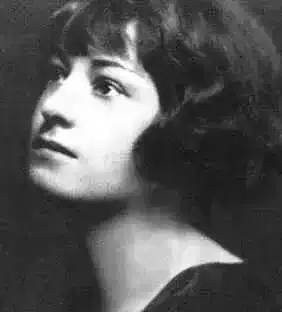
Dorothy Parker
Afternoon
Afternoon
When I am old, and comforted,
And done with this desire,
With Memory to share my bed
And Peace to share my fire,
I'll comb my hair in scalloped bands
Beneath my laundered cap,
And watch my cool and fragile hands
Lie light upon my lap.
And I will have a sprigged gown
With lace to kiss my throat;
I'll draw my curtain to the town,
And hum a purring note.
And I'll forget the way of tears,
And rock, and stir my tea.
But oh, I wish those blessed years
Were further than they be!
When I am old, and comforted,
And done with this desire,
With Memory to share my bed
And Peace to share my fire,
I'll comb my hair in scalloped bands
Beneath my laundered cap,
And watch my cool and fragile hands
Lie light upon my lap.
And I will have a sprigged gown
With lace to kiss my throat;
I'll draw my curtain to the town,
And hum a purring note.
And I'll forget the way of tears,
And rock, and stir my tea.
But oh, I wish those blessed years
Were further than they be!
308
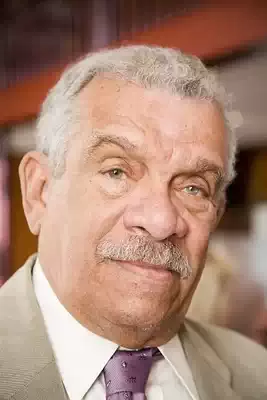
Derek Walcott
The Saddhu Of Couva
The Saddhu Of Couva
When sunset, a brass gong,
vibrate through Couva,
is then I see my soul, swiftly unsheathed,
like a white cattle bird growing more small
over the ocean of the evening canes,
and I sit quiet, waiting for it to return
like a hog-cattle blistered with mud,
because, for my spirit, India is too far.
And to that gong
sometimes bald clouds in saffron robes assemble
sacred to the evening,
sacred even to Ramlochan,
singing Indian hits from his jute hammock
while evening strokes the flanks
and silver horns of his maroon taxi,
as the mosquitoes whine their evening mantras,
my friend Anopheles, on the sitar,
and the fireflies making every dusk Divali.
I knot my head with a cloud,
my white mustache bristle like horns,
my hands are brittle as the pages of Ramayana.
Once the sacred monkeys multiplied like branches
in the ancient temples: I did not miss them,
because these fields sang of Bengal,
behind Ramlochan Repairs there was Uttar Pradesh;
but time roars in my ears like a river,
old age is a conflagration
as fierce as the cane fires of crop time.
I will pass through these people like a cloud,
they will see a white bird beating the evening sea
of the canes behind Couva,
and who will point it as my soul unsheathed?
Naither the bridegroom in beads,
nor the bride in her veils,
their sacred language on the cinema hoardings.
I talked too damn much on the Couva Village Council.
I talked too softly, I was always drowned
by the loudspeakers in front of the stores
or the loudspeakers with the greatest pictures.
I am best suited to stalk like a white cattle bird
on legs like sticks, with sticking to the Path
between the canes on a district road at dusk.
Playing the Elder. There are no more elders.
Is only old people.
My friends spit on the government.
I do not think is just the government.
Suppose all the gods too old,
Suppose they dead and they burning them,
supposing when some cane cutter
start chopping up snakes with a cutlass
he is severing the snake-armed god,
and suppose some hunter has caught
Hanuman in his mischief in a monkey cage.
Suppose all the gods were killed by electric light?
Sunset, a bonfire, roars in my ears;
embers of brown swallows dart and cry,
like women distracted,
around its cremation.
I ascend to my bed of sweet sandalwood.
When sunset, a brass gong,
vibrate through Couva,
is then I see my soul, swiftly unsheathed,
like a white cattle bird growing more small
over the ocean of the evening canes,
and I sit quiet, waiting for it to return
like a hog-cattle blistered with mud,
because, for my spirit, India is too far.
And to that gong
sometimes bald clouds in saffron robes assemble
sacred to the evening,
sacred even to Ramlochan,
singing Indian hits from his jute hammock
while evening strokes the flanks
and silver horns of his maroon taxi,
as the mosquitoes whine their evening mantras,
my friend Anopheles, on the sitar,
and the fireflies making every dusk Divali.
I knot my head with a cloud,
my white mustache bristle like horns,
my hands are brittle as the pages of Ramayana.
Once the sacred monkeys multiplied like branches
in the ancient temples: I did not miss them,
because these fields sang of Bengal,
behind Ramlochan Repairs there was Uttar Pradesh;
but time roars in my ears like a river,
old age is a conflagration
as fierce as the cane fires of crop time.
I will pass through these people like a cloud,
they will see a white bird beating the evening sea
of the canes behind Couva,
and who will point it as my soul unsheathed?
Naither the bridegroom in beads,
nor the bride in her veils,
their sacred language on the cinema hoardings.
I talked too damn much on the Couva Village Council.
I talked too softly, I was always drowned
by the loudspeakers in front of the stores
or the loudspeakers with the greatest pictures.
I am best suited to stalk like a white cattle bird
on legs like sticks, with sticking to the Path
between the canes on a district road at dusk.
Playing the Elder. There are no more elders.
Is only old people.
My friends spit on the government.
I do not think is just the government.
Suppose all the gods too old,
Suppose they dead and they burning them,
supposing when some cane cutter
start chopping up snakes with a cutlass
he is severing the snake-armed god,
and suppose some hunter has caught
Hanuman in his mischief in a monkey cage.
Suppose all the gods were killed by electric light?
Sunset, a bonfire, roars in my ears;
embers of brown swallows dart and cry,
like women distracted,
around its cremation.
I ascend to my bed of sweet sandalwood.
1,200

D.H. Lawrence
Beautiful Old Age
Beautiful Old Age
It ought to be lovely to be old
to be full of the peace that comes of experience
and wrinkled ripe fulfilment.
The wrinkled smile of completeness that follows a life
lived undaunted and unsoured with accepted lies
they would ripen like apples, and be scented like pippins
in their old age.
Soothing, old people should be, like apples
when one is tired of love.
Fragrant like yellowing leaves, and dim with the soft
stillness and satisfaction of autumn.
And a girl should say:
It must be wonderful to live and grow old.
Look at my mother, how rich and still she is! -
And a young man should think: By Jove
my father has faced all weathers, but it's been a life!
It ought to be lovely to be old
to be full of the peace that comes of experience
and wrinkled ripe fulfilment.
The wrinkled smile of completeness that follows a life
lived undaunted and unsoured with accepted lies
they would ripen like apples, and be scented like pippins
in their old age.
Soothing, old people should be, like apples
when one is tired of love.
Fragrant like yellowing leaves, and dim with the soft
stillness and satisfaction of autumn.
And a girl should say:
It must be wonderful to live and grow old.
Look at my mother, how rich and still she is! -
And a young man should think: By Jove
my father has faced all weathers, but it's been a life!
228

Christina Rossetti
Song IV
Song IV
Oh roses for the flush of youth,
And laurel for the perfect prime;
But pluck an ivy branch for me
Grown old before my time.
Oh violets for the grave of youth,
And bay for those dead in their prime;
Give me the withered leaves I chose
Before in the old time.
Oh roses for the flush of youth,
And laurel for the perfect prime;
But pluck an ivy branch for me
Grown old before my time.
Oh violets for the grave of youth,
And bay for those dead in their prime;
Give me the withered leaves I chose
Before in the old time.
206
Christina Rossetti
Consider
Consider
Consider
The lilies of the field whose bloom is brief:—
We are as they;
Like them we fade away,
As doth a leaf.
Consider
The sparrows of the air of small account:
Our God doth view
Whether they fall or mount,—
He guards us too.
Consider
The lilies that do neither spin nor toil,
Yet are most fair:—
What profits all this care
And all this coil?
Consider
The birds that have no barn nor harvest-weeks;
God gives them food:—
Much more our Father seeks
To do us good.
Helen Grey
Because one loves you, Helen Grey,
Is that a reason you should pout,
And like a March wind veer about,
And frown, and say your shrewish say?
Don't strain the cord until it snaps,
Don't split the sound heart with your wedge,
Don't cut your fingers with the edge
Of your keen wit; you may, perhaps.
Because you're handsome, Helen Grey,
Is that a reason to be proud?
Your eyes are bold, your laugh is loud,
Your steps go mincing on their way;
But so you miss that modest charm
Which is the surest charm of all:
Take heed, you yet may trip and fall,
And no man care to stretch his arm.
Stoop from your cold height, Helen Grey,
Come down, and take a lowlier place;
Come down, to fill it now with grace;
Come down you must perforce some day:
For years cannot be kept at bay,
And fading years will make you old;
Then in their turn will men seem cold,
When you yourself are nipped and grey.
Consider
The lilies of the field whose bloom is brief:—
We are as they;
Like them we fade away,
As doth a leaf.
Consider
The sparrows of the air of small account:
Our God doth view
Whether they fall or mount,—
He guards us too.
Consider
The lilies that do neither spin nor toil,
Yet are most fair:—
What profits all this care
And all this coil?
Consider
The birds that have no barn nor harvest-weeks;
God gives them food:—
Much more our Father seeks
To do us good.
Helen Grey
Because one loves you, Helen Grey,
Is that a reason you should pout,
And like a March wind veer about,
And frown, and say your shrewish say?
Don't strain the cord until it snaps,
Don't split the sound heart with your wedge,
Don't cut your fingers with the edge
Of your keen wit; you may, perhaps.
Because you're handsome, Helen Grey,
Is that a reason to be proud?
Your eyes are bold, your laugh is loud,
Your steps go mincing on their way;
But so you miss that modest charm
Which is the surest charm of all:
Take heed, you yet may trip and fall,
And no man care to stretch his arm.
Stoop from your cold height, Helen Grey,
Come down, and take a lowlier place;
Come down, to fill it now with grace;
Come down you must perforce some day:
For years cannot be kept at bay,
And fading years will make you old;
Then in their turn will men seem cold,
When you yourself are nipped and grey.
225
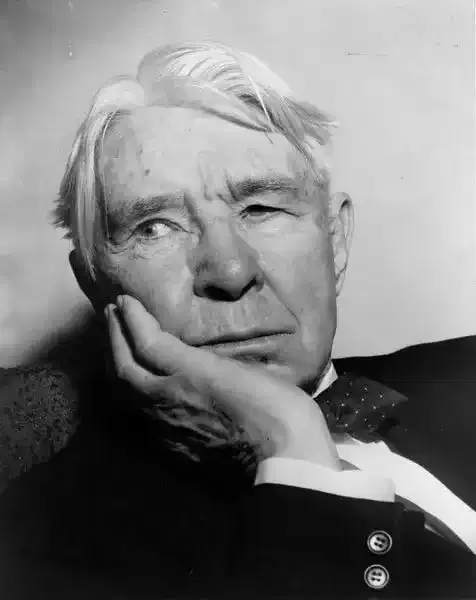
Carl Sandburg
Mill-Doors
Mill-Doors
You never come back.
I say good-by when I see you going in the doors,
The hopeless open doors that call and wait
And take you then for—how many cents a day?
How many cents for the sleepy eyes and fingers?
I say good-by because I know they tap your wrists,
In the dark, in the silence, day by day,
And all the blood of you drop by drop,
And you are old before you are young.
You never come back.
You never come back.
I say good-by when I see you going in the doors,
The hopeless open doors that call and wait
And take you then for—how many cents a day?
How many cents for the sleepy eyes and fingers?
I say good-by because I know they tap your wrists,
In the dark, in the silence, day by day,
And all the blood of you drop by drop,
And you are old before you are young.
You never come back.
311
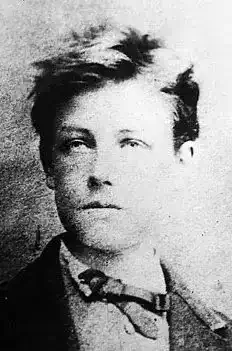
Arthur Rimbaud
Those Who Sit
Those Who Sit
Dark with knobbed growths,
peppered with pock-marks like hail,
their eyes ringed with green,
their swollen fingers clenched on their thigh-bones,
their skulls caked with indeterminate crusts
like the leprous growths on old walls;
in amorous seizures they have grafted
their weird bone structures
to the great dark skeletons of their chairs;
their feet are entwined, morning and evening,
on the rickety rails!
These old men have always been one flesh with their seats,
feeling bright suns drying their skins to the texture of calico,
or else, looking at the window-panes
where the snow is turning grey,
shivering with the painful shiver of the toad.
And their Seats are kind to them;
coloured brown with age, the straw yields
to the angularities of their buttocks;
the spirit of ancient suns lights up,
bound in these braids of ears in which the corn fermented.
And the Seated Ones, knees drawn up to their teeth,
green pianists whose ten fingers keep drumming under their seats,
listen to the tapping of each other's melancholy barcolles;
and their heads nod back and forth as in the act of love.
-Oh don't make them get up! It's a catastrophe!
They rear up like growling tom-cats when struck,
slowly spreading their shoulders... What rage!
Their trousers puff out at their swelling backsides.
And you listen to them as they bump
their bald head is against the dark walls,
stamping and stamping with their crooked feet;
and their coat-buttons are the eyes of wild beasts
which fix yours from the end of the corridors!
And then they have an invisible weapon which can kill:
returning, their eyes seep the black poison
with which the beaten bitch's eye is charged,
and you sweat, trapped in the horrible funnel.
Reseated, their fists retreating into soiled cuffs,
they think about those that have made them
get up and, from dawn until dusk,
their tonsils in bunches tremble
under their meagre chins, fir to burst.
When austere slumbers have lowered their lids
they dream on their arms of seats become fertile;
of perfect little loves of open-work chairs surrounding dignified desks.
Flowers of ink dropping pollen like commas lull them asleep
in their rows of squat flower-cups like dragonflies
threading their flight along the flags
-and their membra virilia are aroused by barbed ears of wheat.
Dark with knobbed growths,
peppered with pock-marks like hail,
their eyes ringed with green,
their swollen fingers clenched on their thigh-bones,
their skulls caked with indeterminate crusts
like the leprous growths on old walls;
in amorous seizures they have grafted
their weird bone structures
to the great dark skeletons of their chairs;
their feet are entwined, morning and evening,
on the rickety rails!
These old men have always been one flesh with their seats,
feeling bright suns drying their skins to the texture of calico,
or else, looking at the window-panes
where the snow is turning grey,
shivering with the painful shiver of the toad.
And their Seats are kind to them;
coloured brown with age, the straw yields
to the angularities of their buttocks;
the spirit of ancient suns lights up,
bound in these braids of ears in which the corn fermented.
And the Seated Ones, knees drawn up to their teeth,
green pianists whose ten fingers keep drumming under their seats,
listen to the tapping of each other's melancholy barcolles;
and their heads nod back and forth as in the act of love.
-Oh don't make them get up! It's a catastrophe!
They rear up like growling tom-cats when struck,
slowly spreading their shoulders... What rage!
Their trousers puff out at their swelling backsides.
And you listen to them as they bump
their bald head is against the dark walls,
stamping and stamping with their crooked feet;
and their coat-buttons are the eyes of wild beasts
which fix yours from the end of the corridors!
And then they have an invisible weapon which can kill:
returning, their eyes seep the black poison
with which the beaten bitch's eye is charged,
and you sweat, trapped in the horrible funnel.
Reseated, their fists retreating into soiled cuffs,
they think about those that have made them
get up and, from dawn until dusk,
their tonsils in bunches tremble
under their meagre chins, fir to burst.
When austere slumbers have lowered their lids
they dream on their arms of seats become fertile;
of perfect little loves of open-work chairs surrounding dignified desks.
Flowers of ink dropping pollen like commas lull them asleep
in their rows of squat flower-cups like dragonflies
threading their flight along the flags
-and their membra virilia are aroused by barbed ears of wheat.
703

Anonymous
The Old Man's Wish
The Old Man's Wish
If I live to be old, for I find I go down,
Let this be my fate: In a country town
May I have a warm house, with a stone at the gate,
And a cleanly young girl to rub my bald pate.
May I govern my passion with an absolute sway,
And grow wiser and better as my strength wears away,
Without gout or stone, by a gentle decay.
Near a shady grove, and a murmuring brook,
With the ocean at distance, whereupon I may look,
With a spacious plain without hedge or stile,
And an easy pad-nag to ride out a mile.
May I govern my passion with an absolute sway,
And grow wiser and better as my strength wears away,
Without gout or stone, by a gentle decay.
With Horace and Petrarch, and two or three more
Of the best wits that reign'd in the ages before,
With roast mutton, rather than ven'son or veal,
And clean though coarse linen at every meal.
May I govern my passion with an absolute sway,
And grow wiser and better as my strength wears away,
Without gout or stone, by a gentle decay.
With a pudding on Sundays, with stout humming liquor,
And remnants of Latin to welcome the vicar,
With Monte-Fiascone or Burgundy wine,
To drink the King's health as oft as I dine.
May I govern my passion with an absolute sway,
And grow wiser and better as my strength wears away,
Without gout or stone, by a gentle decay.
With a courage undaunted may I face my last day,
And when I am dead may the better sort say,
In the morning when sober, in the evening when mellow,
He's gone, and left not behind him his fellow.
May I govern my passion with an absolute sway,
And grow wiser and better as my strength wears away,
Without gout or stone, by a gentle decay.
If I live to be old, for I find I go down,
Let this be my fate: In a country town
May I have a warm house, with a stone at the gate,
And a cleanly young girl to rub my bald pate.
May I govern my passion with an absolute sway,
And grow wiser and better as my strength wears away,
Without gout or stone, by a gentle decay.
Near a shady grove, and a murmuring brook,
With the ocean at distance, whereupon I may look,
With a spacious plain without hedge or stile,
And an easy pad-nag to ride out a mile.
May I govern my passion with an absolute sway,
And grow wiser and better as my strength wears away,
Without gout or stone, by a gentle decay.
With Horace and Petrarch, and two or three more
Of the best wits that reign'd in the ages before,
With roast mutton, rather than ven'son or veal,
And clean though coarse linen at every meal.
May I govern my passion with an absolute sway,
And grow wiser and better as my strength wears away,
Without gout or stone, by a gentle decay.
With a pudding on Sundays, with stout humming liquor,
And remnants of Latin to welcome the vicar,
With Monte-Fiascone or Burgundy wine,
To drink the King's health as oft as I dine.
May I govern my passion with an absolute sway,
And grow wiser and better as my strength wears away,
Without gout or stone, by a gentle decay.
With a courage undaunted may I face my last day,
And when I am dead may the better sort say,
In the morning when sober, in the evening when mellow,
He's gone, and left not behind him his fellow.
May I govern my passion with an absolute sway,
And grow wiser and better as my strength wears away,
Without gout or stone, by a gentle decay.
248
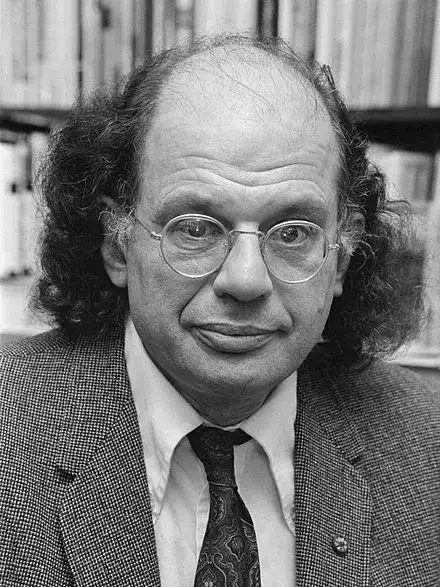
Allen Ginsberg
To Aunt Rose
To Aunt Rose
Aunt Rose—now—might I see you
with your thin face and buck tooth smile and pain
of rheumatism—and a long black heavy shoe
for your bony left leg
limping down the long hall in Newark on the running carpet
past the black grand piano
in the day room
where the parties were
and I sang Spanish loyalist songs
in a high squeaky voice
(hysterical) the committee listening
while you limped around the room
collected the money—
Aunt Honey, Uncle Sam, a stranger with a cloth arm
in his pocket
and huge young bald head
of Abraham Lincoln Brigade
—your long sad face
your tears of sexual frustration
(what smothered sobs and bony hips
under the pillows of Osborne Terrace)
—the time I stood on the toilet seat naked
and you powdered my thighs with calamine
against the poison ivy—my tender
and shamed first black curled hairs
what were you thinking in secret heart then
knowing me a man already—
and I an ignorant girl of family silence on the thin pedestal
of my legs in the bathroom—Museum of Newark.
Aunt Rose
Hitler is dead, Hitler is in Eternity; Hitler is with
Tamburlane and Emily Brontë
Though I see you walking still, a ghost on Osborne Terrace
down the long dark hall to the front door
limping a little with a pinched smile
in what must have been a silken
flower dress
welcoming my father, the Poet, on his visit to Newark
—see you arriving in the living room
dancing on your crippled leg
and clapping hands his book
had been accepted by Liveright
Hitler is dead and Liveright’s gone out of business
The Attic of the Past and Everlasting Minute are out of print
Uncle Harry sold his last silk stocking
Claire quit interpretive dancing school
Buba sits a wrinkled monument in Old
Ladies Home blinking at new babies
last time I saw you was the hospital
pale skull protruding under ashen skin
blue veined unconscious girl
in an oxygen tent
the war in Spain has ended long ago
Aunt Rose
Aunt Rose—now—might I see you
with your thin face and buck tooth smile and pain
of rheumatism—and a long black heavy shoe
for your bony left leg
limping down the long hall in Newark on the running carpet
past the black grand piano
in the day room
where the parties were
and I sang Spanish loyalist songs
in a high squeaky voice
(hysterical) the committee listening
while you limped around the room
collected the money—
Aunt Honey, Uncle Sam, a stranger with a cloth arm
in his pocket
and huge young bald head
of Abraham Lincoln Brigade
—your long sad face
your tears of sexual frustration
(what smothered sobs and bony hips
under the pillows of Osborne Terrace)
—the time I stood on the toilet seat naked
and you powdered my thighs with calamine
against the poison ivy—my tender
and shamed first black curled hairs
what were you thinking in secret heart then
knowing me a man already—
and I an ignorant girl of family silence on the thin pedestal
of my legs in the bathroom—Museum of Newark.
Aunt Rose
Hitler is dead, Hitler is in Eternity; Hitler is with
Tamburlane and Emily Brontë
Though I see you walking still, a ghost on Osborne Terrace
down the long dark hall to the front door
limping a little with a pinched smile
in what must have been a silken
flower dress
welcoming my father, the Poet, on his visit to Newark
—see you arriving in the living room
dancing on your crippled leg
and clapping hands his book
had been accepted by Liveright
Hitler is dead and Liveright’s gone out of business
The Attic of the Past and Everlasting Minute are out of print
Uncle Harry sold his last silk stocking
Claire quit interpretive dancing school
Buba sits a wrinkled monument in Old
Ladies Home blinking at new babies
last time I saw you was the hospital
pale skull protruding under ashen skin
blue veined unconscious girl
in an oxygen tent
the war in Spain has ended long ago
Aunt Rose
763

Alice Walker
like it
like it
anyway!
I get to spend time with myself
whenever I want!
I get to feel
more love
than I ever thought
existed!
Everything appears to be made
of the stuff!
I feel this
especially for You! Though I may not remember
exactly which You
you are!
How cool is this!
Still, I get to spend time with myself
whenever I want!
And that is just a taste
as the old people used to say
down in Georgia
when I was a child
of what you get
for getting old.
Reminding us, as they witnessed our curiosity about them, that no matter the losses,
there's something fabulous going on at every stage of Life, something to let go of,
maybe, but for darn sure, something to get!
anyway!
I get to spend time with myself
whenever I want!
I get to feel
more love
than I ever thought
existed!
Everything appears to be made
of the stuff!
I feel this
especially for You! Though I may not remember
exactly which You
you are!
How cool is this!
Still, I get to spend time with myself
whenever I want!
And that is just a taste
as the old people used to say
down in Georgia
when I was a child
of what you get
for getting old.
Reminding us, as they witnessed our curiosity about them, that no matter the losses,
there's something fabulous going on at every stage of Life, something to let go of,
maybe, but for darn sure, something to get!
235
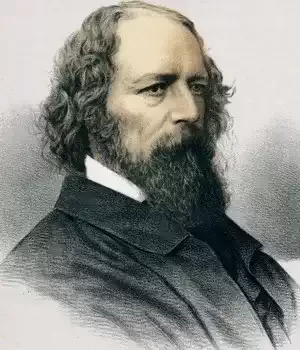
Alfred Lord Tennyson
By an Evolutionist
By an Evolutionist
By an Evolutionist
The Lord let the house of a brute to the soul of a man,
And the man said, ‘Am I your debtor?’
And the Lord–‘Not yet; but make it as clean as you can,
And then I will let you a better.’
I.
If my body come from brutes, my soul uncertain or a fable,
Why not bask amid the senses while the sun of morning shines,
I, the finer brute rejoicing in my hounds, and in my stable,
Youth and health, and birth and wealth, and choice of women and of wines?
II.
What hast thou done for me, grim Old Age, save breaking my bones on the rack?
Would I had past in the morning that looks so bright from afar!
OLD AGE
Done for thee? starved the wild beast that was linkt with thee eighty years back.
Less weight now for the ladder-of-heaven that hangs on a star.
I.
If my body come from brutes, tho’ somewhat finer than their own,
I am heir, and this my kingdom. Shall the royal voice be mute?
No, but if the rebel subject seek to drag me from the throne,
Hold the sceptre, Human Soul, and rule thy province of the brute.
II.
I have climb’d to the snows of Age, and I gaze at a field in the Past.
Where I sank with the body at times in the sloughs of a low desire,
But I hear no yelp of the beast, and the Man is quiet at last,
As he stands on the heights of his life with a glimpse of a height that is higher.
By an Evolutionist
The Lord let the house of a brute to the soul of a man,
And the man said, ‘Am I your debtor?’
And the Lord–‘Not yet; but make it as clean as you can,
And then I will let you a better.’
I.
If my body come from brutes, my soul uncertain or a fable,
Why not bask amid the senses while the sun of morning shines,
I, the finer brute rejoicing in my hounds, and in my stable,
Youth and health, and birth and wealth, and choice of women and of wines?
II.
What hast thou done for me, grim Old Age, save breaking my bones on the rack?
Would I had past in the morning that looks so bright from afar!
OLD AGE
Done for thee? starved the wild beast that was linkt with thee eighty years back.
Less weight now for the ladder-of-heaven that hangs on a star.
I.
If my body come from brutes, tho’ somewhat finer than their own,
I am heir, and this my kingdom. Shall the royal voice be mute?
No, but if the rebel subject seek to drag me from the throne,
Hold the sceptre, Human Soul, and rule thy province of the brute.
II.
I have climb’d to the snows of Age, and I gaze at a field in the Past.
Where I sank with the body at times in the sloughs of a low desire,
But I hear no yelp of the beast, and the Man is quiet at last,
As he stands on the heights of his life with a glimpse of a height that is higher.
465
Previous
Page 4