

Poems in this theme
Travel and Horizons
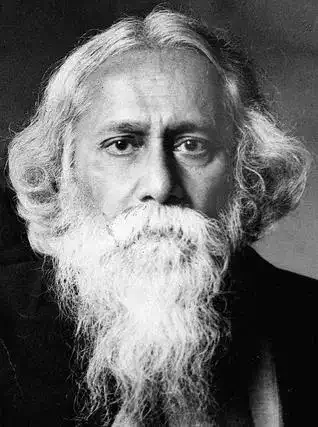
Rabindranath Tagore
The Sailor
The Sailor
The boat of the boatman Madhu is moored at the wharf of Rajgunj.
It is uselessly laden with jute, and has been lying there idle
for ever so long.
If he would only lend me his boat, I should man her with a
hundred oars, and hoist sails, five or six or seven.
I should never steer her to stupid markets.
I should sail the seven seas and the thirteen rivers of
fairyland.
But, mother, you won't weep for me in a corner.
I am not going into the forest like Ramachandra to come back
only after fourteen years.
I shall become the prince of the story, and fill my boat with
whatever I like.
I shall take my friend Ashu with me. We shall sail merrily
across the ever seas and the thirteen rivers of fairyland.
We shall set sail in the early morning light.
When at noontide you are bathing at the pond, we shall be in
the land of a strange king.
We shall pass the ford of Tirpurni, and leave behind us the
desert of Tepantar.
When we come back it will be getting dark, and I shall tell
you of all that we have seen.
I shall cross the seven seas and the thirteen rivers of
fairyland.
The boat of the boatman Madhu is moored at the wharf of Rajgunj.
It is uselessly laden with jute, and has been lying there idle
for ever so long.
If he would only lend me his boat, I should man her with a
hundred oars, and hoist sails, five or six or seven.
I should never steer her to stupid markets.
I should sail the seven seas and the thirteen rivers of
fairyland.
But, mother, you won't weep for me in a corner.
I am not going into the forest like Ramachandra to come back
only after fourteen years.
I shall become the prince of the story, and fill my boat with
whatever I like.
I shall take my friend Ashu with me. We shall sail merrily
across the ever seas and the thirteen rivers of fairyland.
We shall set sail in the early morning light.
When at noontide you are bathing at the pond, we shall be in
the land of a strange king.
We shall pass the ford of Tirpurni, and leave behind us the
desert of Tepantar.
When we come back it will be getting dark, and I shall tell
you of all that we have seen.
I shall cross the seven seas and the thirteen rivers of
fairyland.
614
Rabindranath Tagore
The Journey
The Journey
The morning sea of silence broke into ripples of bird songs;
and the flowers were all merry by the roadside;
and the wealth of gold was scattered through the rift of the clouds
while we busily went on our way and paid no heed.
We sang no glad songs nor played;
we went not to the village for barter;
we spoke not a word nor smiled;
we lingered not on the way.
We quickened our pace more and more as the time sped by.
The sun rose to the mid sky and doves cooed in the shade.
Withered leaves danced and whirled in the hot air of noon.
The shepherd boy drowsed and dreamed in the shadow of the banyan tree,
and I laid myself down by the water
and stretched my tired limbs on the grass.
My companions laughed at me in scorn;
they held their heads high and hurried on;
they never looked back nor rested;
they vanished in the distant blue haze.
They crossed many meadows and hills,
and passed through strange, far-away countries.
All honor to you, heroic host of the interminable path!
Mockery and reproach pricked me to rise,
but found no response in me.
I gave myself up for lost
in the depth of a glad humiliation
---in the shadow of a dim delight.
The repose of the sun-embroidered green gloom
slowly spread over my heart.
I forgot for what I had traveled,
and I surrendered my mind without struggle
to the maze of shadows and songs.
At last, when I woke from my slumber and opened my eyes,
I saw thee standing by me, flooding my sleep with thy smile.
How I had feared that the path was long and wearisome,
and the struggle to reach thee was hard!
The morning sea of silence broke into ripples of bird songs;
and the flowers were all merry by the roadside;
and the wealth of gold was scattered through the rift of the clouds
while we busily went on our way and paid no heed.
We sang no glad songs nor played;
we went not to the village for barter;
we spoke not a word nor smiled;
we lingered not on the way.
We quickened our pace more and more as the time sped by.
The sun rose to the mid sky and doves cooed in the shade.
Withered leaves danced and whirled in the hot air of noon.
The shepherd boy drowsed and dreamed in the shadow of the banyan tree,
and I laid myself down by the water
and stretched my tired limbs on the grass.
My companions laughed at me in scorn;
they held their heads high and hurried on;
they never looked back nor rested;
they vanished in the distant blue haze.
They crossed many meadows and hills,
and passed through strange, far-away countries.
All honor to you, heroic host of the interminable path!
Mockery and reproach pricked me to rise,
but found no response in me.
I gave myself up for lost
in the depth of a glad humiliation
---in the shadow of a dim delight.
The repose of the sun-embroidered green gloom
slowly spread over my heart.
I forgot for what I had traveled,
and I surrendered my mind without struggle
to the maze of shadows and songs.
At last, when I woke from my slumber and opened my eyes,
I saw thee standing by me, flooding my sleep with thy smile.
How I had feared that the path was long and wearisome,
and the struggle to reach thee was hard!
531
Rabindranath Tagore
The Gardener LXIX: I Hunt for the Golden Stag
The Gardener LXIX: I Hunt for the Golden Stag
I hunt for the golden stag.
You may smile, my friends, but I
pursue the vision that eludes me.
I run across hills and dales, I wander
through nameless lands, because I am
hunting for the golden stag.
You come and buy in the market
and go back to your homes laden with
goods, but the spell of the homeless
winds has touched me I know not when
and where.
I have no care in my heart; all my
belongings I have left far behind me.
I run across hills and dales, I wander
through nameless lands--because I am
hunting for the golden stag.
I hunt for the golden stag.
You may smile, my friends, but I
pursue the vision that eludes me.
I run across hills and dales, I wander
through nameless lands, because I am
hunting for the golden stag.
You come and buy in the market
and go back to your homes laden with
goods, but the spell of the homeless
winds has touched me I know not when
and where.
I have no care in my heart; all my
belongings I have left far behind me.
I run across hills and dales, I wander
through nameless lands--because I am
hunting for the golden stag.
500
Rabindranath Tagore
Lover's Gifts XLVII: The Road Is
Lover's Gifts XLVII: The Road Is
The road is my wedded companion. She speaks to me under my feet all
day, she sings to my dreams all night.
My meeting with her had no beginning, it begins endlessly at
each daybreak, renewing its summer in fresh flowers and songs, and
her every new kiss is the first kiss to me.
The road and I are lovers. I change my dress for her night
after night, leaving the tattered cumber of the old in the wayside
inns when the day dawns.
The road is my wedded companion. She speaks to me under my feet all
day, she sings to my dreams all night.
My meeting with her had no beginning, it begins endlessly at
each daybreak, renewing its summer in fresh flowers and songs, and
her every new kiss is the first kiss to me.
The road and I are lovers. I change my dress for her night
after night, leaving the tattered cumber of the old in the wayside
inns when the day dawns.
431
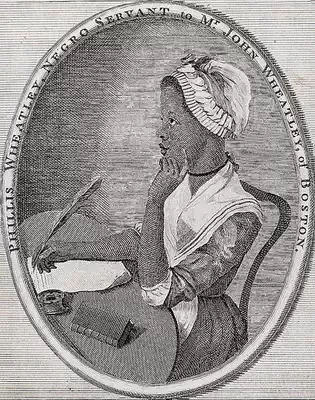
Phillis Wheatley
To A Gentleman On His Voyage To Great-Britain For The Recovery Of His
To A Gentleman On His Voyage To Great-Britain For The Recovery Of His
Health
WHILE others chant of gay Elysian scenes,
Of balmy zephyrs, and of flow'ry plains,
My song more happy speaks a greater name,
Feels higher motives and a nobler flame.
For thee, O R-----, the muse attunes her strings,
And mounts sublime above inferior things.
I sing not now of green embow'ring woods,
I sing not now the daughters of the floods,
I sing not of the storms o'er ocean driv'n,
And how they howl'd along the waste of heav'n.
But I to R----- would paint the British shore,
And vast Atlantic, not untry'd before:
Thy life impair'd commands thee to arise,
Leave these bleak regions and inclement skies,
Where chilling winds return the winter past,
And nature shudders at the furious blast.
O thou stupendous, earth-enclosing main
Exert thy wonders to the world again!
If ere thy pow'r prolong'd the fleeting breath,
Turn'd back the shafts, and mock'd the gates of death,
If ere thine air dispens'd an healing pow'r,
Or snatch'd the victim from the fatal hour,
This equal case demands thine equal care,
And equal wonders may this patient share.
But unavailing, frantic is the dream
To hope thine aid without the aid of him
Who gave thee birth and taught thee where to flow,
And in thy waves his various blessings show.
May R----- return to view his native shore
Replete with vigour not his own before,
Then shall we see with pleasure and surprise,
And own thy work, great Ruler of the skies!
Health
WHILE others chant of gay Elysian scenes,
Of balmy zephyrs, and of flow'ry plains,
My song more happy speaks a greater name,
Feels higher motives and a nobler flame.
For thee, O R-----, the muse attunes her strings,
And mounts sublime above inferior things.
I sing not now of green embow'ring woods,
I sing not now the daughters of the floods,
I sing not of the storms o'er ocean driv'n,
And how they howl'd along the waste of heav'n.
But I to R----- would paint the British shore,
And vast Atlantic, not untry'd before:
Thy life impair'd commands thee to arise,
Leave these bleak regions and inclement skies,
Where chilling winds return the winter past,
And nature shudders at the furious blast.
O thou stupendous, earth-enclosing main
Exert thy wonders to the world again!
If ere thy pow'r prolong'd the fleeting breath,
Turn'd back the shafts, and mock'd the gates of death,
If ere thine air dispens'd an healing pow'r,
Or snatch'd the victim from the fatal hour,
This equal case demands thine equal care,
And equal wonders may this patient share.
But unavailing, frantic is the dream
To hope thine aid without the aid of him
Who gave thee birth and taught thee where to flow,
And in thy waves his various blessings show.
May R----- return to view his native shore
Replete with vigour not his own before,
Then shall we see with pleasure and surprise,
And own thy work, great Ruler of the skies!
218
Phillis Wheatley
Ode To Neptune
Ode To Neptune
On Mrs. W-----'s Voyage to England.
I.
WHILE raging tempests shake the shore,
While AElus' thunders round us roar,
And sweep impetuous o'er the plain
Be still, O tyrant of the main;
Nor let thy brow contracted frowns betray,
While my Susanna skims the wat'ry way.
II.
The Pow'r propitious hears the lay,
The blue-ey'd daughters of the sea
With sweeter cadence glide along,
And Thames responsive joins the song.
Pleas'd with their notes Sol sheds benign his ray,
And double radiance decks the face of day.
III.
To court thee to Britannia's arms
Serene the climes and mild the sky,
Her region boasts unnumber'd charms,
Thy welcome smiles in ev'ry eye.
Thy promise, Neptune keep, record my pray'r,
Not give my wishes to the empty air.
On Mrs. W-----'s Voyage to England.
I.
WHILE raging tempests shake the shore,
While AElus' thunders round us roar,
And sweep impetuous o'er the plain
Be still, O tyrant of the main;
Nor let thy brow contracted frowns betray,
While my Susanna skims the wat'ry way.
II.
The Pow'r propitious hears the lay,
The blue-ey'd daughters of the sea
With sweeter cadence glide along,
And Thames responsive joins the song.
Pleas'd with their notes Sol sheds benign his ray,
And double radiance decks the face of day.
III.
To court thee to Britannia's arms
Serene the climes and mild the sky,
Her region boasts unnumber'd charms,
Thy welcome smiles in ev'ry eye.
Thy promise, Neptune keep, record my pray'r,
Not give my wishes to the empty air.
258
Phillis Wheatley
A Farewell to America
A Farewell to America
I.
Adieu, New-England's smiling meads,
Adieu, the flow'ry plain:
I leave thine op'ning charms, O spring,
And tempt the roaring main.
II.
In vain for me the flow'rets rise,
And boast their gaudy pride,
While here beneath the northern skies
I mourn for health deny'd.
III.
Celestial maid of rosy hue,
O let me feel thy reign!
I languish till thy face I view,
Thy vanish'd joys regain.
IV.
Susanna mourns, nor can I bear
To see the crystal show'r,
Or mark the tender falling tear
At sad departure's hour;
V.
Not unregarding can I see
Her soul with grief opprest:
But let no sighs, no groans for me,
Steal from her pensive breast.
VI.
In vain the feather'd warblers sing,
In vain the garden blooms,
And on the bosom of the spring
Breathes out her sweet perfumes.
VII.
While for Britannia's distant shore
We sweep the liquid plain,
And with astonish'd eyes explore
The wide-extended main.
VIII.
Lo! Health appears! celestial dame!
Complacent and serene,
With Hebe's mantle o'er her Frame,
With soul-delighting mien.
IX.
To mark the vale where London lies
With misty vapours crown'd,
Which cloud Aurora's thousand dyes,
And veil her charms around.
X.
Why, Phoebus, moves thy car so slow?
So slow thy rising ray?
Give us the famous town to view,
Thou glorious king of day!
XI.
For thee, Britannia, I resign
New-England's smiling fields;
To view again her charms divine,
What joy the prospect yields!
XII.
But thou! Temptation hence away,
With all thy fatal train,
Nor once seduce my soul away,
By thine enchanting strain.
XIII.
Thrice happy they, whose heav'nly shield
Secures their souls from harms,
And fell Temptation on the field
Of all its pow'r disarms!
I.
Adieu, New-England's smiling meads,
Adieu, the flow'ry plain:
I leave thine op'ning charms, O spring,
And tempt the roaring main.
II.
In vain for me the flow'rets rise,
And boast their gaudy pride,
While here beneath the northern skies
I mourn for health deny'd.
III.
Celestial maid of rosy hue,
O let me feel thy reign!
I languish till thy face I view,
Thy vanish'd joys regain.
IV.
Susanna mourns, nor can I bear
To see the crystal show'r,
Or mark the tender falling tear
At sad departure's hour;
V.
Not unregarding can I see
Her soul with grief opprest:
But let no sighs, no groans for me,
Steal from her pensive breast.
VI.
In vain the feather'd warblers sing,
In vain the garden blooms,
And on the bosom of the spring
Breathes out her sweet perfumes.
VII.
While for Britannia's distant shore
We sweep the liquid plain,
And with astonish'd eyes explore
The wide-extended main.
VIII.
Lo! Health appears! celestial dame!
Complacent and serene,
With Hebe's mantle o'er her Frame,
With soul-delighting mien.
IX.
To mark the vale where London lies
With misty vapours crown'd,
Which cloud Aurora's thousand dyes,
And veil her charms around.
X.
Why, Phoebus, moves thy car so slow?
So slow thy rising ray?
Give us the famous town to view,
Thou glorious king of day!
XI.
For thee, Britannia, I resign
New-England's smiling fields;
To view again her charms divine,
What joy the prospect yields!
XII.
But thou! Temptation hence away,
With all thy fatal train,
Nor once seduce my soul away,
By thine enchanting strain.
XIII.
Thrice happy they, whose heav'nly shield
Secures their souls from harms,
And fell Temptation on the field
Of all its pow'r disarms!
394
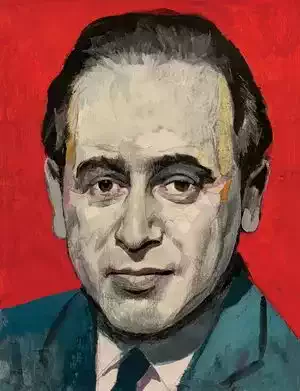
Paul Celan
Afternoon Of Circus And Citadel
Afternoon Of Circus And Citadel
In Brest, before the Fire-Hoops burning,
In the Tent, where Tigers sprang,
there I heard you, Finite, singing,
there I saw you, Mandelstam.
The Sky hung over the Roadstead,
the Gull, hung over the Crane.
The Finite sang there, the Constant –
you, the Gunboat, Baobab.
I hailed the Tricolor
with a Russian Word –
the Lost was Un-Lost,
the Heart Anchored there.
In Brest, before the Fire-Hoops burning,
In the Tent, where Tigers sprang,
there I heard you, Finite, singing,
there I saw you, Mandelstam.
The Sky hung over the Roadstead,
the Gull, hung over the Crane.
The Finite sang there, the Constant –
you, the Gunboat, Baobab.
I hailed the Tricolor
with a Russian Word –
the Lost was Un-Lost,
the Heart Anchored there.
428
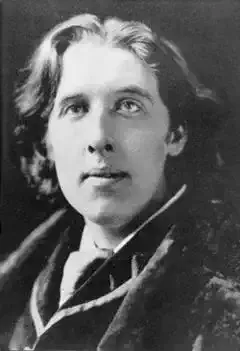
Oscar Wilde
Greece
Greece
The sea was sapphire coloured, and the sky
Burned like a heated opal through the air;
We hoisted sail; the wind was blowing fair
For the blue lands that to the eastward lie.
From the steep prow I marked with quickening eye
Zakynthos, every olive grove and creek,
Ithaca's cliff, Lycaon's snowy peak,
And all the flower-strewn hills of Arcady.
The flapping of the sail against the mast,
The ripple of the water on the side,
The ripple of girls' laughter at the stern,
The only sounds: -when 'gan the West to burn,
And a red sun upon the seas to ride,
I stood upon the soil of Greece at last!
The sea was sapphire coloured, and the sky
Burned like a heated opal through the air;
We hoisted sail; the wind was blowing fair
For the blue lands that to the eastward lie.
From the steep prow I marked with quickening eye
Zakynthos, every olive grove and creek,
Ithaca's cliff, Lycaon's snowy peak,
And all the flower-strewn hills of Arcady.
The flapping of the sail against the mast,
The ripple of the water on the side,
The ripple of girls' laughter at the stern,
The only sounds: -when 'gan the West to burn,
And a red sun upon the seas to ride,
I stood upon the soil of Greece at last!
195

Ogden Nash
No, You Be A Lone Eagle
No, You Be A Lone Eagle
I find it very hard to be fair-minded
About people who go around being air-minded.
I just can't see any fun
In soaring up up up into the sun
When the chances are still a fresh cool orchid to a paper geranium
That you'll unsoar down down down onto your (to you) invaluable
cranium.
I know the constant refrain
About how safer up in God's trafficless heaven than in an automobile
or a train
But ...
My God, have you ever taken a good look at a strut?
Then that one about how you're in Boston before you can say antidisestablishmentarianism
So that preferring to take five hours by rail is a pernicious example of
antiquarianism.
At least when I get on the Boston train I have a good chance of landing
in the South Station
And not in that part of the daily press which is reserved for victims of
aviation.
Then, despite the assurance that aeroplanes are terribly comfortable I
notice that when you are railroading or automobiling
You don't have to take a paper bag along just in case of a funny feeling.
It seems to me that no kind of depravity
Brings such speedy retribution as ignoring the law of gravity.
Therefore nobody could possibly indict me for perjury
When I swear that I wish the Wright brothers had gone in for silver
fox farming or tree surgery.
I find it very hard to be fair-minded
About people who go around being air-minded.
I just can't see any fun
In soaring up up up into the sun
When the chances are still a fresh cool orchid to a paper geranium
That you'll unsoar down down down onto your (to you) invaluable
cranium.
I know the constant refrain
About how safer up in God's trafficless heaven than in an automobile
or a train
But ...
My God, have you ever taken a good look at a strut?
Then that one about how you're in Boston before you can say antidisestablishmentarianism
So that preferring to take five hours by rail is a pernicious example of
antiquarianism.
At least when I get on the Boston train I have a good chance of landing
in the South Station
And not in that part of the daily press which is reserved for victims of
aviation.
Then, despite the assurance that aeroplanes are terribly comfortable I
notice that when you are railroading or automobiling
You don't have to take a paper bag along just in case of a funny feeling.
It seems to me that no kind of depravity
Brings such speedy retribution as ignoring the law of gravity.
Therefore nobody could possibly indict me for perjury
When I swear that I wish the Wright brothers had gone in for silver
fox farming or tree surgery.
253

Nazim Hikmet
Things I Didn't Know I Loved
Things I Didn't Know I Loved
it's March th
I'm sitting by the window on the Prague-Berlin train
night is falling
I never knew I liked
night descending like a tired bird on a smoky wet plain
I don't like
comparing nightfall to a tired bird
I didn't know I loved the earth
can someone who hasn't worked the earth love it
I've never worked the earth
it must be my only Platonic love
and here I've loved rivers all this time
whether motionless like this they curl skirting the hills
European hills crowned with chateaus
or whether stretched out flat as far as the eye can see
I know you can't wash in the same river even once
I know the river will bring new lights you'll never see
I know we live slightly longer than a horse but not nearly as long as a crow
I know this has troubled people before
and will trouble those after me
I know all this has been said a thousand times before
and will be said after me
I didn't know I loved the sky
cloudy or clear
the blue vault Andrei studied on his back at Borodino
in prison I translated both volumes of War and Peace into Turkish
I hear voices
not from the blue vault but from the yard
the guards are beating someone again
I didn't know I loved trees
bare beeches near Moscow in Peredelkino
they come upon me in winter noble and modest
beeches are Russian the way poplars are Turkish
"the poplars of Izmir
losing their leaves. . .
they call me The Knife. . .
lover like a young tree. . .
I blow stately mansions sky-high"
in the Ilgaz woods in I tied an embroidered linen handkerchief
to a pine bough for luck
I never knew I loved roads
even the asphalt kind
Vera's behind the wheel we're driving from Moscow to the Crimea
Koktebele
formerly "Goktepé ili" in Turkish
the two of us inside a closed box
the world flows past on both sides distant and mute
I was never so close to anyone in my life
bandits stopped me on the red road between Bolu and Geredé
when I was eighteen
apart from my life I didn't have anything in the wagon they could take
and at eighteen our lives are what we value least
I've written this somewhere before
wading through a dark muddy street I'm going to the shadow play
Ramazan night
a paper lantern leading the way
maybe nothing like this ever happened
maybe I read it somewhere an eight-year-old boy
going to the shadow play
Ramazan night in Istanbul holding his grandfather's hand
his grandfather has on a fez and is wearing the fur coat
with a sable collar over his robe
and there's a lantern in the servant's hand
and I can't contain myself for joy
flowers come to mind for some reason
poppies cactuses jonquils
in the jonquil garden in Kadikoy Istanbul I kissed Marika
fresh almonds on her breath
I was seventeen
my heart on a swing touched the sky
I didn't know I loved flowers
friends sent me three red carnations in prison
I just remembered the stars
I love them too
whether I'm floored watching them from below
or whether I'm flying at their side
I have some questions for the cosmonauts
were the stars much bigger
did they look like huge jewels on black velvet
or apricots on orange
did you feel proud to get closer to the stars
I saw color photos of the cosmos in Ogonek magazine now don't
be upset comrades but nonfigurative shall we say or abstract
well some of them looked just like such paintings which is to
say they were terribly figurative and concrete
my heart was in my mouth looking at them
they are our endless desire to grasp things
seeing them I could even think of death and not feel at all sad
I never knew I loved the cosmos
snow flashes in front of my eyes
both heavy wet steady snow and the dry whirling kind
I didn't know I liked snow
I never knew I loved the sun
even when setting cherry-red as now
in Istanbul too it sometimes sets in postcard colors
but you aren't about to paint it that way
I didn't know I loved the sea
except the Sea of Azov
or how much
I didn't know I loved clouds
whether I'm under or up above them
whether they look like giants or shaggy white beasts
moonlight the falsest the most languid the most petit-bourgeois
strikes me
I like it
I didn't know I liked rain
whether it falls like a fine net or splatters against the glass my
heart leaves me tangled up in a net or trapped inside a drop
and takes off for uncharted countries I didn't know I loved
rain but why did I suddenly discover all these passions sitting
by the window on the Prague-Berlin train
is it because I lit my sixth cigarette
one alone could kill me
is it because I'm half dead from thinking about someone back in Moscow
her hair straw-blond eyelashes blue
the train plunges on through the pitch-black night
I never knew I liked the night pitch-black
sparks fly from the engine
I didn't know I loved sparks
I didn't know I loved so many things and I had to wait until sixty
to find it out sitting by the window on the Prague-Berlin train
watching the world disappear as if on a journey of no return
April
Moscow
Trans. by Randy Blasing and Mutlu Konuk ()
it's March th
I'm sitting by the window on the Prague-Berlin train
night is falling
I never knew I liked
night descending like a tired bird on a smoky wet plain
I don't like
comparing nightfall to a tired bird
I didn't know I loved the earth
can someone who hasn't worked the earth love it
I've never worked the earth
it must be my only Platonic love
and here I've loved rivers all this time
whether motionless like this they curl skirting the hills
European hills crowned with chateaus
or whether stretched out flat as far as the eye can see
I know you can't wash in the same river even once
I know the river will bring new lights you'll never see
I know we live slightly longer than a horse but not nearly as long as a crow
I know this has troubled people before
and will trouble those after me
I know all this has been said a thousand times before
and will be said after me
I didn't know I loved the sky
cloudy or clear
the blue vault Andrei studied on his back at Borodino
in prison I translated both volumes of War and Peace into Turkish
I hear voices
not from the blue vault but from the yard
the guards are beating someone again
I didn't know I loved trees
bare beeches near Moscow in Peredelkino
they come upon me in winter noble and modest
beeches are Russian the way poplars are Turkish
"the poplars of Izmir
losing their leaves. . .
they call me The Knife. . .
lover like a young tree. . .
I blow stately mansions sky-high"
in the Ilgaz woods in I tied an embroidered linen handkerchief
to a pine bough for luck
I never knew I loved roads
even the asphalt kind
Vera's behind the wheel we're driving from Moscow to the Crimea
Koktebele
formerly "Goktepé ili" in Turkish
the two of us inside a closed box
the world flows past on both sides distant and mute
I was never so close to anyone in my life
bandits stopped me on the red road between Bolu and Geredé
when I was eighteen
apart from my life I didn't have anything in the wagon they could take
and at eighteen our lives are what we value least
I've written this somewhere before
wading through a dark muddy street I'm going to the shadow play
Ramazan night
a paper lantern leading the way
maybe nothing like this ever happened
maybe I read it somewhere an eight-year-old boy
going to the shadow play
Ramazan night in Istanbul holding his grandfather's hand
his grandfather has on a fez and is wearing the fur coat
with a sable collar over his robe
and there's a lantern in the servant's hand
and I can't contain myself for joy
flowers come to mind for some reason
poppies cactuses jonquils
in the jonquil garden in Kadikoy Istanbul I kissed Marika
fresh almonds on her breath
I was seventeen
my heart on a swing touched the sky
I didn't know I loved flowers
friends sent me three red carnations in prison
I just remembered the stars
I love them too
whether I'm floored watching them from below
or whether I'm flying at their side
I have some questions for the cosmonauts
were the stars much bigger
did they look like huge jewels on black velvet
or apricots on orange
did you feel proud to get closer to the stars
I saw color photos of the cosmos in Ogonek magazine now don't
be upset comrades but nonfigurative shall we say or abstract
well some of them looked just like such paintings which is to
say they were terribly figurative and concrete
my heart was in my mouth looking at them
they are our endless desire to grasp things
seeing them I could even think of death and not feel at all sad
I never knew I loved the cosmos
snow flashes in front of my eyes
both heavy wet steady snow and the dry whirling kind
I didn't know I liked snow
I never knew I loved the sun
even when setting cherry-red as now
in Istanbul too it sometimes sets in postcard colors
but you aren't about to paint it that way
I didn't know I loved the sea
except the Sea of Azov
or how much
I didn't know I loved clouds
whether I'm under or up above them
whether they look like giants or shaggy white beasts
moonlight the falsest the most languid the most petit-bourgeois
strikes me
I like it
I didn't know I liked rain
whether it falls like a fine net or splatters against the glass my
heart leaves me tangled up in a net or trapped inside a drop
and takes off for uncharted countries I didn't know I loved
rain but why did I suddenly discover all these passions sitting
by the window on the Prague-Berlin train
is it because I lit my sixth cigarette
one alone could kill me
is it because I'm half dead from thinking about someone back in Moscow
her hair straw-blond eyelashes blue
the train plunges on through the pitch-black night
I never knew I liked the night pitch-black
sparks fly from the engine
I didn't know I loved sparks
I didn't know I loved so many things and I had to wait until sixty
to find it out sitting by the window on the Prague-Berlin train
watching the world disappear as if on a journey of no return
April
Moscow
Trans. by Randy Blasing and Mutlu Konuk ()
374

Mao Tsé-Tung
New Year's Day
New Year's Day
Ninghua, Chingliu, Kueihua
What narrow paths, deep woods and slippery moss!
Whither are we bound today?
Straight to the foot of Wuyi Mountain.
To the mountain, the foot of the mountain,
Red flags stream in the wind in a blaze of glory.
Ninghua, Chingliu, Kueihua
What narrow paths, deep woods and slippery moss!
Whither are we bound today?
Straight to the foot of Wuyi Mountain.
To the mountain, the foot of the mountain,
Red flags stream in the wind in a blaze of glory.
242
Mao Tsé-Tung
Loushan Pass
Loushan Pass
Fierce the west wind,
Wild geese cry under the frosty morning moon.
Under the frosty morning moon
Horses' hooves clattering,
Bugles sobbing low.
Idle boast the strong pass is a wall of iron,
With firm strides we are crossing its summit.
We are crossing its summit,
The rolling hills sea-blue,
The dying sun blood-red.
Fierce the west wind,
Wild geese cry under the frosty morning moon.
Under the frosty morning moon
Horses' hooves clattering,
Bugles sobbing low.
Idle boast the strong pass is a wall of iron,
With firm strides we are crossing its summit.
We are crossing its summit,
The rolling hills sea-blue,
The dying sun blood-red.
231
Mao Tsé-Tung
Huichang
Huichang
Soon dawn will break in the east.
Do not say 'You start too early';
Crossing these blue hills adds nothing to one's years,
The landscape here is beyond compare.
Straight from the walls of Huichang lofty peaks,
Range after range, extend to the eastern seas.
Our soldiers point southward to Kwangtung
Looming lusher and greener in the distance.
Soon dawn will break in the east.
Do not say 'You start too early';
Crossing these blue hills adds nothing to one's years,
The landscape here is beyond compare.
Straight from the walls of Huichang lofty peaks,
Range after range, extend to the eastern seas.
Our soldiers point southward to Kwangtung
Looming lusher and greener in the distance.
224
Mao Tsé-Tung
Ascent of Lushan
Ascent of Lushan
Perching as after flight, the mountain towers over the Yangtze;
I have overleapt four hundred twists to its green crest.
Cold-eyed I survey the world beyond the seas;
A hot wind spatters raindrops on the sky-brooded waters.
Clouds cluster over the nine streams, the yellow crane floating,
And billows roll on to the eastern coast, white foam flying.
Who knows whither Prefect Tao Yuan-ming is gone
Now that he can till fields in the Land of Peach Blossoms?
Perching as after flight, the mountain towers over the Yangtze;
I have overleapt four hundred twists to its green crest.
Cold-eyed I survey the world beyond the seas;
A hot wind spatters raindrops on the sky-brooded waters.
Clouds cluster over the nine streams, the yellow crane floating,
And billows roll on to the eastern coast, white foam flying.
Who knows whither Prefect Tao Yuan-ming is gone
Now that he can till fields in the Land of Peach Blossoms?
223
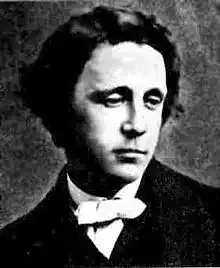
Lewis Carroll
The Hunting of the Snark
The Hunting of the Snark
Fit the First
THE LANDING
'Just the place for a Snark!' the Bellman cried,
As he landed his crew with care;
Supporting each man on the top of the tide
By a finger entwined in his hair.
'Just the place for a Snark! I have said it twice:
That alone should encourage the crew.
Just the place for a Snark! I have said it thrice:
What i tell you three times is true.'
The crew was complete: it included a BootsA
maker of Bonnets and HoodsA
Barrister, brought to arrange their disputesAnd
a Broker, to value their goods.
A Billiardmaker,
whose skill was immense,
Might perhaps have won more than his shareBut
a Banker, engaged at enormous expense,
Had the whole of their cash in his care.
There was also a Beaver, that paced on the deck,
Or would sit making lace in the bow:
And had often (the Bellman said) saved them from wreck,
Though none of the sailors knew how.
There was one who was famed for the number of things
He forgot when he entered the ship:
His umbrella, his watch, all his jewels and rings,
And the clothes he had bought for the trip.
He had fortytwo
boxes, all carefully packed,
With his name painted clearly on each:
But, since he omitted to mention the fact,
They were all left behind on the beach.
The loss of his clothes hardly mattered, because
He had seven coats on when he came,
With three pairs of bootsbut
the worst of it was,
He had wholly forgotten his name.
He would answer to 'Hi!' or to any loud cry,
Such as 'Fry me!' or 'Fritter my wig!'
To 'Whatyoumaycallum!'
or 'Whatwashisname!'
But especially 'Thingumajig!'
While, for those who preferred a more forcible word,
He had different names from these:
His intimate friends called him 'Candleends,'
And his enemies 'Toastedcheese.'
'His form in ungainlyhis
intellect small'
(So the Bellman would often remark)
'But his courage is perfect! And that, after all,
Is the thing that one needs with a Snark.'
He would joke with hyenas, returning their stare
With an impudent wag of the head:
And he once went a walk, pawinpaw,
with a bear,
'Just to keep up its spirits,' he said.
He came as a Baker: but owned, when too lateAnd
it drove the poor Bellman halfmadHe
could only bake Bridecakefor
which, I may state,
No materials were to be had.
The last of the crew needs especial remark,
Though he looked an incredible dunce:
He had just one ideabut,
that one being 'Snark,'
The good Bellman engaged him at once.
He came as a Butcher: but gravely declared,
When the ship had been sailing a week,
He could only kill Beavers. The Bellman looked scared,
And was almost too frightened to speak:
But at length he explained, in a tremulous tone,
There was only one Beaver on board;
And that was a tame one he had of his own,
Whose death would be deeply deplored.
The Beaver, who happened to hear the remark,
Protested, with tears in its eyes,
That not even the rapture of hunting the Snark
Could atone for that dismal surprise!
It strongly advised that the Butcher should be
Conveyed in a separate ship:
But the Bellman declared that would never agree
With the plans he had made for the trip:
Navigation was always a difficult art,
Though with only one ship and one bell:
And he feared he must really decline, for his part,
Undertaking another as well.
The Beaver's best course was, no doubt, to procure
A secondhand
daggerproof
coatSo
the Baker advised itand
next, to insure
Its life in some Office of note:
This the Banker suggested, and offered for hire
(On moderate terms), or for sale,
Two excellent Policies, one Against Fire,
And one Against Damage From Hail.
Yet still, ever after that sorrowful day,
Whenever the Butcher was by,
The Beaver kept looking the opposite way,
And appeared unaccountably shy.
Fit the Second
THE BELLMAN'S SPEECH
The Bellman himself they all praised to the skiesSuch
a carriage, such ease and such grace!
Such solemnity, too! One could see he was wise,
The moment one looked in his face!
He had bought a large map representing the sea,
Without the least vestige of land:
And the crew were much pleased when they found it to be
A map they could all understand.
'What's the good of Mercator's North Poles and Equators,
Tropics, Zones, and Meridian Lines?'
So the Bellman would cry: and the crew would reply
'They are merely conventional signs!
'Other maps are such shapes, with their islands and capes!
But we've got our brave Captain to thank:
(So the crew would protest) 'that he's bought us the bestA
perfect and absolute blank!'
This was charming, no doubt; but they shortly found out
That the Captain they trusted so well
Had only one notion for crossing the ocean,
And that was to tingle his bell.
He was thoughtful and gravebut
the orders he gave
Were enough to bewilder a crew.
When he cried 'Steer to starboard, but keep her head larboard!'
What on earth was the helmsman to do?
Then the bowsprit got mixed with the rudder sometimes:
A thing, as the Bellman remarked,
That frequently happens in tropical climes,
When a vessel is, so to speak, 'snarked.'
But the principal failing occurred in the sailing,
And the Bellman, perplexed and distressed,
Said he had hoped, at least, when the wind blew due East,
That the ship would not travel due West!
But the danger was pastthey
had landed at last,
With their boxes, portmanteaus, and bags:
Yet at first sight the crew were not pleased with the view,
Which consisted to chasms and crags.
The Bellman perceived that their spirits were low,
And repeated in musical tone
Some jokes he had kept for a season of woeBut
the crew would do nothing but groan.
He served out some grog with a liberal hand,
And bade them sit down on the beach:
And they could not but own that their Captain looked grand,
As he stood and delivered his speech.
'Friends, Romans, and countrymen, lend me your ears!'
(They were all of them fond of quotations:
So they drank to his health, and they gave him three cheers,
While he served out additional rations).
'We have sailed many months, we have sailed many weeks,
(Four weeks to the month you may mark),
But never as yet ('tis your Captain who speaks)
Have we caught the least glimpse of a Snark!
'We have sailed many weeks, we have sailed many days,
(Seven days to the week I allow),
But a Snark, on the which we might lovingly gaze,
We have never beheld till now!
'Come, listen, my men, while I tell you again
The five unmistakable marks
By which you may know, wheresoever you go,
The warranted genuine Snarks.
'Let us take them in order. The first is the taste,
Which is meager and hollow, but crisp:
Like a coat that is rather too tight in the waist,
With a flavor of Willothewisp.
'Its habit of getting up late you'll agree
That it carries too far, when I say
That it frequently breakfasts at fiveo'clock
tea,
And dines on the following day.
'The third is its slowness in taking a jest.
Should you happen to venture on one,
It will sigh like a thing that is deeply distressed:
And it always looks grave at a pun.
'The fourth is its fondness for bathingmachines,
Which is constantly carries about,
And believes that they add to the beauty of scenesA
sentiment open to doubt.
'The fifth is ambition. It next will be right
To describe each particular batch:
Distinguishing those that have feathers, and bite,
And those that have whiskers, and scratch.
'For, although common Snarks do no manner of harm,
Yet, I feel it my duty to say,
Some are Boojums'
The Bellman broke off in alarm,
For the Baker had fainted away.
Fit the Third
THE BAKER'S TALE
They roused him with muffinsthey
roused him with iceThey
roused him with mustard and cressThey
roused him with jam and judicious adviceThey
set him conundrums to guess.
When at length he sat up and was able to speak,
His sad story he offered to tell;
And the Bellman cried 'Silence! Not even a shriek!'
And excitedly tingled his bell.
There was silence supreme! Not a shriek, not a scream,
Scarcely even a howl or a groan,
As the man they called 'Ho!' told his story of woe
In an antediluvian tone.
'My father and mother were honest, though poor'
'Skip all that!' cried the Bellman in haste.
'If it once becomes dark, there's no chance of a SnarkWe
have hardly a minute to waste!'
'I skip forty years,' said the Baker, in tears,
'And proceed without further remark
To the day when you took me aboard of your ship
To help you in hunting the Snark.
'A dear uncle of mine (after whom I was named)
Remarked, when I bade him farewell'
'Oh, skip your dear uncle!' the Bellman exclaimed,
As he angrily tingled his bell.
'He remarked to me then,' said that mildest of men,
' 'If your Snark be a Snark, that is right:
Fetch it home by all meansyou
may serve it with greens,
And it's handy for striking a light.
' 'You may seek it with thimblesand
seek it with care;
You may hunt it with forks and hope;
You may threaten its life with a railwayshare;
You may charm it with smiles and soap'
'
('That's exactly the method,' the Bellman bold
In a hasty parenthesis cried,
'That's exactly the way I have always been told
That the capture of Snarks should be tried!')
' 'But oh, beamish nephew, beware of the day,
If your Snark be a Boojum! For then
You will softly and suddenly vanish away,
And never be met with again!'
'It is this, it is this that oppresses my soul,
When I think of my uncle's last words:
And my heart is like nothing so much as a bowl
Brimming over with quivering curds!
'It is this, it is this'
'We have had that before!'
The Bellman indignantly said.
And the Baker replied 'Let me say it once more.
It is this, it is this that I dread!
'I engage with the Snarkevery
night after darkIn
a dreamy delirious fight:
I serve it with greens in those shadowy scenes,
And I use it for striking a light:
'But if ever I meet with a Boojum, that day,
In a moment (of this I am sure),
I shall softly and suddenly vanish awayAnd
the notion I cannot endure!'
Fit the fourth
THE HUNTING
The Bellman looked uffish, and wrinkled his brow.
'If only you'd spoken before!
It's excessively awkward to mention it now,
With the Snark, so to speak, at the door!
'We should all of us grieve, as you well may believe,
If you never were met with againBut
surely, my man, when the voyage began,
You might have suggested it then?
'It's excessively awkward to mention it nowAs
I think I've already remarked.'
And the man they called 'Hi!' replied, with a sigh,
'I informed you the day we embarked.
'You may charge me with murderor
want of sense(
We are all of us weak at times):
But the slightest approach to a false pretense
Was never among my crimes!
'I said it in HebrewI
said it in DutchI
said it in German and Greek:
But I wholly forgot (and it vexes me much)
That English is what you speak!'
''Tis a pitiful tale,' said the Bellman, whose face
Had grown longer at every word:
'But, now that you've stated the whole of your case,
More debate would be simply absurd.
'The rest of my speech' (he explained to his men)
'You shall hear when I've leisure to speak it.
But the Snark is at hand, let me tell you again!
'Tis your glorious duty to seek it!
'To seek it with thimbles, to seek it with care;
To pursue it with forks and hope;
To threaten its life with a railwayshare;
To charm it with smiles and soap!
'For the Snark's a peculiar creature, that won't
Be caught in a commonplace way.
Do all that you know, and try all that you don't:
Not a chance must be wasted today!
'For England expectsI
forbear to proceed:
'Tis a maxim tremendous, but trite:
And you'd best be unpacking the things that you need
To rig yourselves out for the fight.'
Then the Banker endorsed a blank check (which he crossed),
And changed his loose silver for notes.
The Baker with care combed his whiskers and hair,
And shook the dust out of his coats.
The Boots and the Broker were sharpening a spadeEach
working the grindstone in turn:
But the Beaver went on making lace, and displayed
No interest in the concern:
Though the Barrister tried to appeal to its pride,
And vainly proceeded to cite
A number of cases, in which making laces
Had been proved an infringement of right.
The maker of Bonnets ferociously planned
A novel arrangement of bows:
While the Billiardmarker
with quivering hand
Was chalking the tip of his nose.
But the Butcher turned nervous, and dressed himself fine,
With yellow kid gloves and a ruffSaid
he felt it exactly like going to dine,
Which the Bellman declared was all 'stuff.'
'Introduce me, now there's a good fellow,' he said,
'If we happen to meet it together!'
And the Bellman, sagaciously nodding his head,
Said 'That must depend on the weather.'
The Beaver went simply galumphing about,
At seeing the Butcher so shy:
And even the Baker, though stupid and stout,
Made an effort to wink with one eye.
'Be a man!' said the Bellman in wrath, as he heard
The Butcher beginning to sob.
'Should we meet with a Jubjub, that desperate bird,
We shall need all our strength for the job!'
Fit the Fifth
THE BEAVER'S LESSON
They sought it with thimbles, they sought it with care;
They pursued it with forks and hope;
They threatened its life with a railwayshare;
They charmed it with smiles and soap.
Then the Butcher contrived an ingenious plan
For making a separate sally;
And fixed on a spot unfrequented by man,
A dismal and desolate valley.
But the very same plan to the Beaver occurred:
It had chosen the very same place:
Yet neither betrayed, by a sign or a word,
The disgust that appeared in his face.
Each thought he was thinking of nothing but 'Snark'
And the glorious work of the day;
And each tried to pretend that he did not remark
That the other was going that way.
But the valley grew narrow and narrower still,
And the evening got darker and colder,
Till (merely from nervousness, not from goodwill)
They marched along shoulder to shoulder.
Then a scream, shrill and high, rent the shuddering sky,
And they knew that some danger was near:
The Beaver turned pale to the tip of its tail,
And even the Butcher felt queer.
He thought of his childhood, left far far behindThat
blissful and innocent stateThe
sound so exactly recalled to his mind
A pencil that squeaks on a slate!
''Tis the voice of the Jubjub!' he suddenly cried.
(This man, that they used to call 'Dunce.')
'As the Bellman would tell you,' he added with pride,
'I have uttered that sentiment once.
''Tis the note of the Jubjub! Keep count, I entreat;
You will find I have told it you twice.
'Tis the song of the Jubjub! The proof is complete,
If only I've stated it thrice.'
The Beaver had counted with scrupulous care,
Attending to every word:
But it fairly lost heart, and outgrabe in despair,
When the third repetition occurred.
It felt that, in spite of all possible pains,
It had somehow contrived to lose count,
And the only thing now was to rack its poor brains
By reckoning up the amount.
'Two added to oneif
that could but be done,'
It said, 'with one's fingers and thumbs!'
Recollecting with tears how, in earlier years,
It had taken no pains with its sums.
'The thing can be done,' said the Butcher, 'I think.
The thing must be done, I am sure.
The thing shall be done! Bring me paper and ink,
The best there is time to procure.'
The Beaver brought paper,portfolio, pens,
And ink in unfailing supplies:
While strange creepy creatures came out of their dens,
And watched them with wondering eyes.
So engrossed was the Butcher, he heeded them not,
As he wrote with a pen in each hand,
And explained all the while in a popular style
Which the Beaver could well understand.
'Taking Three as the subject to reason aboutA
convenient number to stateWe
add Seven, and Ten, and then multiply out
By One Thousand diminished by Eight.
'The result we proceed to divide, as you see,
By Nine Hundred and Ninety Two:
Then subtract Seventeen, and the answer must be
Exactly and perfectly true.
'The method employed I would gladly explain,
While I have it so clear in my head,
If I had but the time and you had but the brainBut
much yet remains to be said.
'In one moment I've seen what has hitherto been
Enveloped in absolute mystery,
And without extra charge I will give you at large
A Lesson in Natural History.'
In his genial way he proceeded to say
(Forgetting all laws of propriety,
And that giving instruction, without introduction,
Would have caused quite a thrill in Society),
'As to temper the Jubjub's a desperate bird,
Since it lives in perpetual passion:
Its taste in costume is entirely absurdIt
is ages ahead of the fashion:
'But it knows any friend it has met once before:
It never will look at a bride:
And in charitymeetings
it stands at the door,
And collectsthough
it does not subscribe.
' Its flavor when cooked is more exquisite far
Than mutton, or oysters, or eggs:
(Some think it keeps best in an ivory jar,
And some, in mahogany kegs:)
'You boil it in sawdust: you salt it in glue:
You condense it with locusts and tape:
Still keeping one principal object in viewTo
preserve its symmetrical shape.'
The Butcher would gladly have talked till next day,
But he felt that the lesson must end,
And he wept with delight in attempting to say
He considered the Beaver his friend.
While the Beaver confessed, with affectionate looks
More eloquent even than tears,
It had learned in ten minutes far more than all books
Would have taught it in seventy years.
They returned handinhand,
and the Bellman, unmanned
(For a moment) with noble emotion,
Said 'This amply repays all the wearisome days
We have spent on the billowy ocean!'
Such friends, as the Beaver and Butcher became,
Have seldom if ever been known;
In winter or summer, 'twas always the sameYou
could never meet either alone.
And when quarrels aroseas
one frequently finds
Quarrels will, spite of every endeavorThe
song of the Jubjub recurred to their minds,
And cemented their friendship for ever!
Fit the Sixth
THE BARRISTER'S DREAM
They sought it with thimbles, they sought it with care;
They pursued it with forks and hope;
They threatened its life with a railwayshare;
They charmed it with smiles and soap.
But the Barrister, weary of proving in vain
That the Beaver's lacemaking
was wrong,
Fell asleep, and in dreams saw the creature quite plain
That his fancy had dwelt on so long.
He dreamed that he stood in a shadowy Court,
Where the Snark, with a glass in its eye,
Dressed in gown, bands, and wig, was defending a pig
On the charge of deserting its sty.
The Witnesses proved, without error or flaw,
That the sty was deserted when found:
And the Judge kept explaining the state of the law
In a soft undercurrent
of sound.
The indictment had never been clearly expressed,
And it seemed that the Snark had begun,
And had spoken three hours, before any one guessed
What the pig was supposed to have done.
The Jury had each formed a different view
(Long before the indictment was read),
And they all spoke at once, so that none of them knew
One word that the others had said.
'You must know '
said the Judge: but the Snark exclaimed 'Fudge!'
That statute is obsolete quite!
Let me tell you, my friends, the whole question depends
On an ancient manorial right.
'In the matter of Treason the pig would appear
To have aided, but scarcely abetted:
While the charge of Insolvency fails, it is clear,
If you grant the plea 'never indebted.'
'The fact of Desertion I will not dispute;
But its guilt, as I trust, is removed
(So far as related to the costs of this suit)
By the Alibi which has been proved.
'My poor client's fate now depends on you votes.'
Here the speaker sat down in his place,
And directed the Judge to refer to his notes
And briefly to sum up the case.
But the Judge said he never had summed up before;
So the Snark undertook it instead,
And summed it so well that it came to far more
Than the Witnesses ever had said!
When the verdict was called for, the Jury declined,
As the word was so puzzling to spell;
But they ventured to hope that the Snark wouldn't mind
Undertaking that duty as well.
So the Snark found the verdict, although, as it owned,
It was spent with the toils of the day:
When it said the word 'GUILTY!' the Jury all groaned,
And some of them fainted away.
Then the Snark pronounced sentence, the Judge being quite
Too nervous to utter a word:
When it rose to its feet, there was silence like night,
And the fall of a pin might be heard.
'Transportation for lift' was the sentence it gave,
'And *then* to be fined forty pound.'
The Jury all cheered, though the Judge said he feared
That the phrase was not legally sound.
But their wild exultation was suddenly checked
When the jailer informed them, with tears,
Such a sentence would have not the slightest effect,
As the pig had been dead for some years.
The Judge left the Court, looking deeply disgusted:
But the Snark, though a little aghast,
As the lawyer to whom the defense was entrusted,
Went bellowing on to the last.
Thus the Barrister dreamed, while the bellowing seemed
To grow every moment more clear:
Till he woke to the knell of a furious bell,
Which the Bellman rang close at his ear.
Fit the Seventh
THE BANKER'S FATE
They sought it with thimbles, they sought it with care;
They pursued it with forks and hope;
They threatened its life with a railwayshare;
They charmed it with smiles and soap.
And the Banker, inspired with a courage so new
It was matter for general remark,
Rushed madly ahead and was lost to their view
In his zeal to discover the Snark
But while he was seeking with thimbles and care,
A Bandersnatch swiftly drew nigh
And grabbed at the Banker, who shrieked in despair,
For he knew it was useless to fly.
He offered large discounthe
offered a check
(Drawn 'to bearer') for sevenpoundsten:
But the Bandersnatch merely extended its neck
And grabbed at the Banker again.
Without rest or pausewhile
those frumious jaws
Went savagely snapping aroundHe
skipped and he hopped, and he floundered and flopped,
Till fainting he fell to the ground.
The Bandersnatch fled as the others appeared
Led on by that fearstricken
yell:
And the Bellman remarked 'It is just as I feared!'
And solemnly tolled on his bell.
He was black in the face, and they scarcely could trace
The least likeness to what he had been:
While so great was his fright that his waistcoat turned whiteA
wonderful thing to be seen!
To the horror of all who were present that day.
He uprose in full evening dress,
And with senseless grimaces endeavored to say
What his tongue could no longer express.
Down he sank in a chairran
his hands through his hairAnd
chanted in mimsiest tones
Words whose utter inanity proved his insanity,
While he rattled a couple of bones.
'Leave him here to his fateit
is getting so late!'
The Bellman exclaimed in a fright.
'We have lost half the day. Any further delay,
And we sha'nt catch a Snark before night!'
Fit the Eighth
THE VANISHING
They sought it with thimbles, they sought it with care;
They pursued it with forks and hope;
They threatened its life with a railwayshare;
They charmed it with smiles and soap.
They shuddered to think that the chase might fail,
And the Beaver, excited at last,
Went bounding along on the tip of its tail,
For the daylight was nearly past.
'There is Thingumbob shouting!' the Bellman said,
'He is shouting like mad, only hark!
He is waving his hands, he is wagging his head,
He has certainly found a Snark!'
They gazed in delight, while the Butcher exclaimed
'He was always a desperate wag!'
They beheld himtheir
Bakertheir
hero unnamedOn
the top of a neighboring crag.
Erect and sublime, for one moment of time.
In the next, that wild figure they saw
(As if stung by a spasm) plunge into a chasm,
While they waited and listened in awe.
'It's a Snark!' was the sound that first came to their ears,
And seemed almost too good to be true.
Then followed a torrent of laughter and cheers:
Then the ominous words 'It's a Boo'
Then, silence. Some fancied they heard in the air
A weary and wandering sigh
Then sounded like 'jum!'
but the others declare
It was only a breeze that went by.
They hunted till darkness came on, but they found
Not a button, or feather, or mark,
By which they could tell that they stood on the ground
Where the Baker had met with the Snark.
In the midst of the word he was trying to say,
In the midst of his laughter and glee,
He had softly and suddenly vanished awayFor
the Snark *was* a Boojum, you see.
Fit the First
THE LANDING
'Just the place for a Snark!' the Bellman cried,
As he landed his crew with care;
Supporting each man on the top of the tide
By a finger entwined in his hair.
'Just the place for a Snark! I have said it twice:
That alone should encourage the crew.
Just the place for a Snark! I have said it thrice:
What i tell you three times is true.'
The crew was complete: it included a BootsA
maker of Bonnets and HoodsA
Barrister, brought to arrange their disputesAnd
a Broker, to value their goods.
A Billiardmaker,
whose skill was immense,
Might perhaps have won more than his shareBut
a Banker, engaged at enormous expense,
Had the whole of their cash in his care.
There was also a Beaver, that paced on the deck,
Or would sit making lace in the bow:
And had often (the Bellman said) saved them from wreck,
Though none of the sailors knew how.
There was one who was famed for the number of things
He forgot when he entered the ship:
His umbrella, his watch, all his jewels and rings,
And the clothes he had bought for the trip.
He had fortytwo
boxes, all carefully packed,
With his name painted clearly on each:
But, since he omitted to mention the fact,
They were all left behind on the beach.
The loss of his clothes hardly mattered, because
He had seven coats on when he came,
With three pairs of bootsbut
the worst of it was,
He had wholly forgotten his name.
He would answer to 'Hi!' or to any loud cry,
Such as 'Fry me!' or 'Fritter my wig!'
To 'Whatyoumaycallum!'
or 'Whatwashisname!'
But especially 'Thingumajig!'
While, for those who preferred a more forcible word,
He had different names from these:
His intimate friends called him 'Candleends,'
And his enemies 'Toastedcheese.'
'His form in ungainlyhis
intellect small'
(So the Bellman would often remark)
'But his courage is perfect! And that, after all,
Is the thing that one needs with a Snark.'
He would joke with hyenas, returning their stare
With an impudent wag of the head:
And he once went a walk, pawinpaw,
with a bear,
'Just to keep up its spirits,' he said.
He came as a Baker: but owned, when too lateAnd
it drove the poor Bellman halfmadHe
could only bake Bridecakefor
which, I may state,
No materials were to be had.
The last of the crew needs especial remark,
Though he looked an incredible dunce:
He had just one ideabut,
that one being 'Snark,'
The good Bellman engaged him at once.
He came as a Butcher: but gravely declared,
When the ship had been sailing a week,
He could only kill Beavers. The Bellman looked scared,
And was almost too frightened to speak:
But at length he explained, in a tremulous tone,
There was only one Beaver on board;
And that was a tame one he had of his own,
Whose death would be deeply deplored.
The Beaver, who happened to hear the remark,
Protested, with tears in its eyes,
That not even the rapture of hunting the Snark
Could atone for that dismal surprise!
It strongly advised that the Butcher should be
Conveyed in a separate ship:
But the Bellman declared that would never agree
With the plans he had made for the trip:
Navigation was always a difficult art,
Though with only one ship and one bell:
And he feared he must really decline, for his part,
Undertaking another as well.
The Beaver's best course was, no doubt, to procure
A secondhand
daggerproof
coatSo
the Baker advised itand
next, to insure
Its life in some Office of note:
This the Banker suggested, and offered for hire
(On moderate terms), or for sale,
Two excellent Policies, one Against Fire,
And one Against Damage From Hail.
Yet still, ever after that sorrowful day,
Whenever the Butcher was by,
The Beaver kept looking the opposite way,
And appeared unaccountably shy.
Fit the Second
THE BELLMAN'S SPEECH
The Bellman himself they all praised to the skiesSuch
a carriage, such ease and such grace!
Such solemnity, too! One could see he was wise,
The moment one looked in his face!
He had bought a large map representing the sea,
Without the least vestige of land:
And the crew were much pleased when they found it to be
A map they could all understand.
'What's the good of Mercator's North Poles and Equators,
Tropics, Zones, and Meridian Lines?'
So the Bellman would cry: and the crew would reply
'They are merely conventional signs!
'Other maps are such shapes, with their islands and capes!
But we've got our brave Captain to thank:
(So the crew would protest) 'that he's bought us the bestA
perfect and absolute blank!'
This was charming, no doubt; but they shortly found out
That the Captain they trusted so well
Had only one notion for crossing the ocean,
And that was to tingle his bell.
He was thoughtful and gravebut
the orders he gave
Were enough to bewilder a crew.
When he cried 'Steer to starboard, but keep her head larboard!'
What on earth was the helmsman to do?
Then the bowsprit got mixed with the rudder sometimes:
A thing, as the Bellman remarked,
That frequently happens in tropical climes,
When a vessel is, so to speak, 'snarked.'
But the principal failing occurred in the sailing,
And the Bellman, perplexed and distressed,
Said he had hoped, at least, when the wind blew due East,
That the ship would not travel due West!
But the danger was pastthey
had landed at last,
With their boxes, portmanteaus, and bags:
Yet at first sight the crew were not pleased with the view,
Which consisted to chasms and crags.
The Bellman perceived that their spirits were low,
And repeated in musical tone
Some jokes he had kept for a season of woeBut
the crew would do nothing but groan.
He served out some grog with a liberal hand,
And bade them sit down on the beach:
And they could not but own that their Captain looked grand,
As he stood and delivered his speech.
'Friends, Romans, and countrymen, lend me your ears!'
(They were all of them fond of quotations:
So they drank to his health, and they gave him three cheers,
While he served out additional rations).
'We have sailed many months, we have sailed many weeks,
(Four weeks to the month you may mark),
But never as yet ('tis your Captain who speaks)
Have we caught the least glimpse of a Snark!
'We have sailed many weeks, we have sailed many days,
(Seven days to the week I allow),
But a Snark, on the which we might lovingly gaze,
We have never beheld till now!
'Come, listen, my men, while I tell you again
The five unmistakable marks
By which you may know, wheresoever you go,
The warranted genuine Snarks.
'Let us take them in order. The first is the taste,
Which is meager and hollow, but crisp:
Like a coat that is rather too tight in the waist,
With a flavor of Willothewisp.
'Its habit of getting up late you'll agree
That it carries too far, when I say
That it frequently breakfasts at fiveo'clock
tea,
And dines on the following day.
'The third is its slowness in taking a jest.
Should you happen to venture on one,
It will sigh like a thing that is deeply distressed:
And it always looks grave at a pun.
'The fourth is its fondness for bathingmachines,
Which is constantly carries about,
And believes that they add to the beauty of scenesA
sentiment open to doubt.
'The fifth is ambition. It next will be right
To describe each particular batch:
Distinguishing those that have feathers, and bite,
And those that have whiskers, and scratch.
'For, although common Snarks do no manner of harm,
Yet, I feel it my duty to say,
Some are Boojums'
The Bellman broke off in alarm,
For the Baker had fainted away.
Fit the Third
THE BAKER'S TALE
They roused him with muffinsthey
roused him with iceThey
roused him with mustard and cressThey
roused him with jam and judicious adviceThey
set him conundrums to guess.
When at length he sat up and was able to speak,
His sad story he offered to tell;
And the Bellman cried 'Silence! Not even a shriek!'
And excitedly tingled his bell.
There was silence supreme! Not a shriek, not a scream,
Scarcely even a howl or a groan,
As the man they called 'Ho!' told his story of woe
In an antediluvian tone.
'My father and mother were honest, though poor'
'Skip all that!' cried the Bellman in haste.
'If it once becomes dark, there's no chance of a SnarkWe
have hardly a minute to waste!'
'I skip forty years,' said the Baker, in tears,
'And proceed without further remark
To the day when you took me aboard of your ship
To help you in hunting the Snark.
'A dear uncle of mine (after whom I was named)
Remarked, when I bade him farewell'
'Oh, skip your dear uncle!' the Bellman exclaimed,
As he angrily tingled his bell.
'He remarked to me then,' said that mildest of men,
' 'If your Snark be a Snark, that is right:
Fetch it home by all meansyou
may serve it with greens,
And it's handy for striking a light.
' 'You may seek it with thimblesand
seek it with care;
You may hunt it with forks and hope;
You may threaten its life with a railwayshare;
You may charm it with smiles and soap'
'
('That's exactly the method,' the Bellman bold
In a hasty parenthesis cried,
'That's exactly the way I have always been told
That the capture of Snarks should be tried!')
' 'But oh, beamish nephew, beware of the day,
If your Snark be a Boojum! For then
You will softly and suddenly vanish away,
And never be met with again!'
'It is this, it is this that oppresses my soul,
When I think of my uncle's last words:
And my heart is like nothing so much as a bowl
Brimming over with quivering curds!
'It is this, it is this'
'We have had that before!'
The Bellman indignantly said.
And the Baker replied 'Let me say it once more.
It is this, it is this that I dread!
'I engage with the Snarkevery
night after darkIn
a dreamy delirious fight:
I serve it with greens in those shadowy scenes,
And I use it for striking a light:
'But if ever I meet with a Boojum, that day,
In a moment (of this I am sure),
I shall softly and suddenly vanish awayAnd
the notion I cannot endure!'
Fit the fourth
THE HUNTING
The Bellman looked uffish, and wrinkled his brow.
'If only you'd spoken before!
It's excessively awkward to mention it now,
With the Snark, so to speak, at the door!
'We should all of us grieve, as you well may believe,
If you never were met with againBut
surely, my man, when the voyage began,
You might have suggested it then?
'It's excessively awkward to mention it nowAs
I think I've already remarked.'
And the man they called 'Hi!' replied, with a sigh,
'I informed you the day we embarked.
'You may charge me with murderor
want of sense(
We are all of us weak at times):
But the slightest approach to a false pretense
Was never among my crimes!
'I said it in HebrewI
said it in DutchI
said it in German and Greek:
But I wholly forgot (and it vexes me much)
That English is what you speak!'
''Tis a pitiful tale,' said the Bellman, whose face
Had grown longer at every word:
'But, now that you've stated the whole of your case,
More debate would be simply absurd.
'The rest of my speech' (he explained to his men)
'You shall hear when I've leisure to speak it.
But the Snark is at hand, let me tell you again!
'Tis your glorious duty to seek it!
'To seek it with thimbles, to seek it with care;
To pursue it with forks and hope;
To threaten its life with a railwayshare;
To charm it with smiles and soap!
'For the Snark's a peculiar creature, that won't
Be caught in a commonplace way.
Do all that you know, and try all that you don't:
Not a chance must be wasted today!
'For England expectsI
forbear to proceed:
'Tis a maxim tremendous, but trite:
And you'd best be unpacking the things that you need
To rig yourselves out for the fight.'
Then the Banker endorsed a blank check (which he crossed),
And changed his loose silver for notes.
The Baker with care combed his whiskers and hair,
And shook the dust out of his coats.
The Boots and the Broker were sharpening a spadeEach
working the grindstone in turn:
But the Beaver went on making lace, and displayed
No interest in the concern:
Though the Barrister tried to appeal to its pride,
And vainly proceeded to cite
A number of cases, in which making laces
Had been proved an infringement of right.
The maker of Bonnets ferociously planned
A novel arrangement of bows:
While the Billiardmarker
with quivering hand
Was chalking the tip of his nose.
But the Butcher turned nervous, and dressed himself fine,
With yellow kid gloves and a ruffSaid
he felt it exactly like going to dine,
Which the Bellman declared was all 'stuff.'
'Introduce me, now there's a good fellow,' he said,
'If we happen to meet it together!'
And the Bellman, sagaciously nodding his head,
Said 'That must depend on the weather.'
The Beaver went simply galumphing about,
At seeing the Butcher so shy:
And even the Baker, though stupid and stout,
Made an effort to wink with one eye.
'Be a man!' said the Bellman in wrath, as he heard
The Butcher beginning to sob.
'Should we meet with a Jubjub, that desperate bird,
We shall need all our strength for the job!'
Fit the Fifth
THE BEAVER'S LESSON
They sought it with thimbles, they sought it with care;
They pursued it with forks and hope;
They threatened its life with a railwayshare;
They charmed it with smiles and soap.
Then the Butcher contrived an ingenious plan
For making a separate sally;
And fixed on a spot unfrequented by man,
A dismal and desolate valley.
But the very same plan to the Beaver occurred:
It had chosen the very same place:
Yet neither betrayed, by a sign or a word,
The disgust that appeared in his face.
Each thought he was thinking of nothing but 'Snark'
And the glorious work of the day;
And each tried to pretend that he did not remark
That the other was going that way.
But the valley grew narrow and narrower still,
And the evening got darker and colder,
Till (merely from nervousness, not from goodwill)
They marched along shoulder to shoulder.
Then a scream, shrill and high, rent the shuddering sky,
And they knew that some danger was near:
The Beaver turned pale to the tip of its tail,
And even the Butcher felt queer.
He thought of his childhood, left far far behindThat
blissful and innocent stateThe
sound so exactly recalled to his mind
A pencil that squeaks on a slate!
''Tis the voice of the Jubjub!' he suddenly cried.
(This man, that they used to call 'Dunce.')
'As the Bellman would tell you,' he added with pride,
'I have uttered that sentiment once.
''Tis the note of the Jubjub! Keep count, I entreat;
You will find I have told it you twice.
'Tis the song of the Jubjub! The proof is complete,
If only I've stated it thrice.'
The Beaver had counted with scrupulous care,
Attending to every word:
But it fairly lost heart, and outgrabe in despair,
When the third repetition occurred.
It felt that, in spite of all possible pains,
It had somehow contrived to lose count,
And the only thing now was to rack its poor brains
By reckoning up the amount.
'Two added to oneif
that could but be done,'
It said, 'with one's fingers and thumbs!'
Recollecting with tears how, in earlier years,
It had taken no pains with its sums.
'The thing can be done,' said the Butcher, 'I think.
The thing must be done, I am sure.
The thing shall be done! Bring me paper and ink,
The best there is time to procure.'
The Beaver brought paper,portfolio, pens,
And ink in unfailing supplies:
While strange creepy creatures came out of their dens,
And watched them with wondering eyes.
So engrossed was the Butcher, he heeded them not,
As he wrote with a pen in each hand,
And explained all the while in a popular style
Which the Beaver could well understand.
'Taking Three as the subject to reason aboutA
convenient number to stateWe
add Seven, and Ten, and then multiply out
By One Thousand diminished by Eight.
'The result we proceed to divide, as you see,
By Nine Hundred and Ninety Two:
Then subtract Seventeen, and the answer must be
Exactly and perfectly true.
'The method employed I would gladly explain,
While I have it so clear in my head,
If I had but the time and you had but the brainBut
much yet remains to be said.
'In one moment I've seen what has hitherto been
Enveloped in absolute mystery,
And without extra charge I will give you at large
A Lesson in Natural History.'
In his genial way he proceeded to say
(Forgetting all laws of propriety,
And that giving instruction, without introduction,
Would have caused quite a thrill in Society),
'As to temper the Jubjub's a desperate bird,
Since it lives in perpetual passion:
Its taste in costume is entirely absurdIt
is ages ahead of the fashion:
'But it knows any friend it has met once before:
It never will look at a bride:
And in charitymeetings
it stands at the door,
And collectsthough
it does not subscribe.
' Its flavor when cooked is more exquisite far
Than mutton, or oysters, or eggs:
(Some think it keeps best in an ivory jar,
And some, in mahogany kegs:)
'You boil it in sawdust: you salt it in glue:
You condense it with locusts and tape:
Still keeping one principal object in viewTo
preserve its symmetrical shape.'
The Butcher would gladly have talked till next day,
But he felt that the lesson must end,
And he wept with delight in attempting to say
He considered the Beaver his friend.
While the Beaver confessed, with affectionate looks
More eloquent even than tears,
It had learned in ten minutes far more than all books
Would have taught it in seventy years.
They returned handinhand,
and the Bellman, unmanned
(For a moment) with noble emotion,
Said 'This amply repays all the wearisome days
We have spent on the billowy ocean!'
Such friends, as the Beaver and Butcher became,
Have seldom if ever been known;
In winter or summer, 'twas always the sameYou
could never meet either alone.
And when quarrels aroseas
one frequently finds
Quarrels will, spite of every endeavorThe
song of the Jubjub recurred to their minds,
And cemented their friendship for ever!
Fit the Sixth
THE BARRISTER'S DREAM
They sought it with thimbles, they sought it with care;
They pursued it with forks and hope;
They threatened its life with a railwayshare;
They charmed it with smiles and soap.
But the Barrister, weary of proving in vain
That the Beaver's lacemaking
was wrong,
Fell asleep, and in dreams saw the creature quite plain
That his fancy had dwelt on so long.
He dreamed that he stood in a shadowy Court,
Where the Snark, with a glass in its eye,
Dressed in gown, bands, and wig, was defending a pig
On the charge of deserting its sty.
The Witnesses proved, without error or flaw,
That the sty was deserted when found:
And the Judge kept explaining the state of the law
In a soft undercurrent
of sound.
The indictment had never been clearly expressed,
And it seemed that the Snark had begun,
And had spoken three hours, before any one guessed
What the pig was supposed to have done.
The Jury had each formed a different view
(Long before the indictment was read),
And they all spoke at once, so that none of them knew
One word that the others had said.
'You must know '
said the Judge: but the Snark exclaimed 'Fudge!'
That statute is obsolete quite!
Let me tell you, my friends, the whole question depends
On an ancient manorial right.
'In the matter of Treason the pig would appear
To have aided, but scarcely abetted:
While the charge of Insolvency fails, it is clear,
If you grant the plea 'never indebted.'
'The fact of Desertion I will not dispute;
But its guilt, as I trust, is removed
(So far as related to the costs of this suit)
By the Alibi which has been proved.
'My poor client's fate now depends on you votes.'
Here the speaker sat down in his place,
And directed the Judge to refer to his notes
And briefly to sum up the case.
But the Judge said he never had summed up before;
So the Snark undertook it instead,
And summed it so well that it came to far more
Than the Witnesses ever had said!
When the verdict was called for, the Jury declined,
As the word was so puzzling to spell;
But they ventured to hope that the Snark wouldn't mind
Undertaking that duty as well.
So the Snark found the verdict, although, as it owned,
It was spent with the toils of the day:
When it said the word 'GUILTY!' the Jury all groaned,
And some of them fainted away.
Then the Snark pronounced sentence, the Judge being quite
Too nervous to utter a word:
When it rose to its feet, there was silence like night,
And the fall of a pin might be heard.
'Transportation for lift' was the sentence it gave,
'And *then* to be fined forty pound.'
The Jury all cheered, though the Judge said he feared
That the phrase was not legally sound.
But their wild exultation was suddenly checked
When the jailer informed them, with tears,
Such a sentence would have not the slightest effect,
As the pig had been dead for some years.
The Judge left the Court, looking deeply disgusted:
But the Snark, though a little aghast,
As the lawyer to whom the defense was entrusted,
Went bellowing on to the last.
Thus the Barrister dreamed, while the bellowing seemed
To grow every moment more clear:
Till he woke to the knell of a furious bell,
Which the Bellman rang close at his ear.
Fit the Seventh
THE BANKER'S FATE
They sought it with thimbles, they sought it with care;
They pursued it with forks and hope;
They threatened its life with a railwayshare;
They charmed it with smiles and soap.
And the Banker, inspired with a courage so new
It was matter for general remark,
Rushed madly ahead and was lost to their view
In his zeal to discover the Snark
But while he was seeking with thimbles and care,
A Bandersnatch swiftly drew nigh
And grabbed at the Banker, who shrieked in despair,
For he knew it was useless to fly.
He offered large discounthe
offered a check
(Drawn 'to bearer') for sevenpoundsten:
But the Bandersnatch merely extended its neck
And grabbed at the Banker again.
Without rest or pausewhile
those frumious jaws
Went savagely snapping aroundHe
skipped and he hopped, and he floundered and flopped,
Till fainting he fell to the ground.
The Bandersnatch fled as the others appeared
Led on by that fearstricken
yell:
And the Bellman remarked 'It is just as I feared!'
And solemnly tolled on his bell.
He was black in the face, and they scarcely could trace
The least likeness to what he had been:
While so great was his fright that his waistcoat turned whiteA
wonderful thing to be seen!
To the horror of all who were present that day.
He uprose in full evening dress,
And with senseless grimaces endeavored to say
What his tongue could no longer express.
Down he sank in a chairran
his hands through his hairAnd
chanted in mimsiest tones
Words whose utter inanity proved his insanity,
While he rattled a couple of bones.
'Leave him here to his fateit
is getting so late!'
The Bellman exclaimed in a fright.
'We have lost half the day. Any further delay,
And we sha'nt catch a Snark before night!'
Fit the Eighth
THE VANISHING
They sought it with thimbles, they sought it with care;
They pursued it with forks and hope;
They threatened its life with a railwayshare;
They charmed it with smiles and soap.
They shuddered to think that the chase might fail,
And the Beaver, excited at last,
Went bounding along on the tip of its tail,
For the daylight was nearly past.
'There is Thingumbob shouting!' the Bellman said,
'He is shouting like mad, only hark!
He is waving his hands, he is wagging his head,
He has certainly found a Snark!'
They gazed in delight, while the Butcher exclaimed
'He was always a desperate wag!'
They beheld himtheir
Bakertheir
hero unnamedOn
the top of a neighboring crag.
Erect and sublime, for one moment of time.
In the next, that wild figure they saw
(As if stung by a spasm) plunge into a chasm,
While they waited and listened in awe.
'It's a Snark!' was the sound that first came to their ears,
And seemed almost too good to be true.
Then followed a torrent of laughter and cheers:
Then the ominous words 'It's a Boo'
Then, silence. Some fancied they heard in the air
A weary and wandering sigh
Then sounded like 'jum!'
but the others declare
It was only a breeze that went by.
They hunted till darkness came on, but they found
Not a button, or feather, or mark,
By which they could tell that they stood on the ground
Where the Baker had met with the Snark.
In the midst of the word he was trying to say,
In the midst of his laughter and glee,
He had softly and suddenly vanished awayFor
the Snark *was* a Boojum, you see.
308
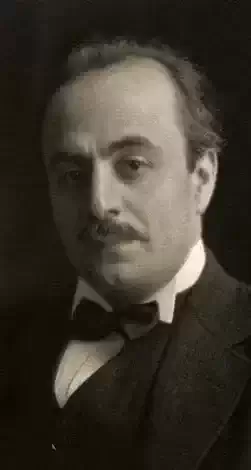
Khalil Gibran
The Farewell XXVIII
The Farewell XXVIII
And now it was evening.
And Almitra the seeress said, "Blessed be this day and this place and your spirit that
has spoken."
And he answered, Was it I who spoke? Was I not also a listener?
Then he descended the steps of the Temple and all the people followed him. And he
reached his ship and stood upon the deck.
And facing the people again, he raised his voice and said:
People of Orphalese, the wind bids me leave you.
Less hasty am I than the wind, yet I must go.
We wanderers, ever seeking the lonelier way, begin no day where we have ended
another day; and no sunrise finds us where sunset left us.
Even while the earth sleeps we travel.
We are the seeds of the tenacious plant, and it is in our ripeness and our fullness of
heart that we are given to the wind and are scattered.
Brief were my days among you, and briefer still the words I have spoken.
But should my voice fade in your ears, and my love vanish in your memory, then I will
come again,
And with a richer heart and lips more yielding to the spirit will I speak.
Yea, I shall return with the tide,
And though death may hide me, and the greater silence enfold me, yet again will I
seek your understanding.
And not in vain will I seek.
If aught I have said is truth, that truth shall reveal itself in a clearer voice, and in
words more kin to your thoughts.
I go with the wind, people of Orphalese, but not down into emptiness;
And if this day is not a fulfillment of your needs and my love, then let it be a promise
till another day. Know therefore, that from the greater silence I shall return.
The mist that drifts away at dawn, leaving but dew in the fields, shall rise and gather
into a cloud and then fall down in rain.
And not unlike the mist have I been.
In the stillness of the night I have walked in your streets, and my spirit has entered
your houses,
And your heart-beats were in my heart, and your breath was upon my face, and I knew
you all.
Ay, I knew your joy and your pain, and in your sleep your dreams were my dreams.
And oftentimes I was among you a lake among the mountains.
I mirrored the summits in you and the bending slopes, and even the passing flocks of
your thoughts and your desires.
And to my silence came the laughter of your children in streams, and the longing of
your youths in rivers.
And when they reached my depth the streams and the rivers ceased not yet to sing.
But sweeter still than laughter and greater than longing came to me.
It was boundless in you;
The vast man in whom you are all but cells and sinews;
He in whose chant all your singing is but a soundless throbbing.
It is in the vast man that you are vast,
And in beholding him that I beheld you and loved you.
For what distances can love reach that are not in that vast sphere?
What visions, what expectations and what presumptions can outsoar that flight?
Like a giant oak tree covered with apple blossoms is the vast man in you.
His mind binds you to the earth, his fragrance lifts you into space, and in his durability
you are deathless.
You have been told that, even like a chain, you are as weak as your weakest link.
This is but half the truth. You are also as strong as your strongest link.
To measure you by your smallest deed is to reckon the power of ocean by the frailty of
its foam.
To judge you by your failures is to cast blame upon the seasons for their inconsistency.
Ay, you are like an ocean,
And though heavy-grounded ships await the tide upon your shores, yet, even like an
ocean, you cannot hasten your tides.
And like the seasons you are also,
And though in your winter you deny your spring,
Yet spring, reposing within you, smiles in her drowsiness and is not offended.
Think not I say these things in order that you may say the one to the other, "He
praised us well. He saw but the good in us."
I only speak to you in words of that which you yourselves know in thought.
And what is word knowledge but a shadow of wordless knowledge?
Your thoughts and my words are waves from a sealed memory that keeps records of
our yesterdays,
And of the ancient days when the earth knew not us nor herself,
And of nights when earth was upwrought with confusion,
Wise men have come to you to give you of their wisdom. I came to take of your
wisdom:
And behold I have found that which is greater than wisdom.
It is a flame spirit in you ever gathering more of itself,
While you, heedless of its expansion, bewail the withering of your days.
It is life in quest of life in bodies that fear the grave.
There are no graves here.
These mountains and plains are a cradle and a stepping-stone.
Whenever you pass by the field where you have laid your ancestors look well
thereupon, and you shall see yourselves and your children dancing hand in hand.
Verily you often make merry without knowing.
Others have come to you to whom for golden promises made unto your faith you have
given but riches and power and glory.
Less than a promise have I given, and yet more generous have you been to me.
You have given me deeper thirsting after life.
Surely there is no greater gift to a man than that which turns all his aims into parching
lips and all life into a fountain.
And in this lies my honour and my reward, -
That whenever I come to the fountain to drink I find the living water itself thirsty;
And it drinks me while I drink it.
Some of you have deemed me proud and over-shy to receive gifts.
To proud indeed am I to receive wages, but not gifts.
And though I have eaten berries among the hill when you would have had me sit at
your board,
And slept in the portico of the temple where you would gladly have sheltered me,
Yet was it not your loving mindfulness of my days and my nights that made food sweet
to my mouth and girdled my sleep with visions?
For this I bless you most:
You give much and know not that you give at all.
Verily the kindness that gazes upon itself in a mirror turns to stone,
And a good deed that calls itself by tender names becomes the parent to a curse.
And some of you have called me aloof, and drunk with my own aloneness,
And you have said, "He holds council with the trees of the forest, but not with men.
He sits alone on hill-tops and looks down upon our city."
True it is that I have climbed the hills and walked in remote places.
How could I have seen you save from a great height or a great distance?
How can one be indeed near unless he be far?
And others among you called unto me, not in words, and they said,
Stranger, stranger, lover of unreachable heights, why dwell you among the summits
where eagles build their nests?
Why seek you the unattainable?
What storms would you trap in your net,
And what vaporous birds do you hunt in the sky?
Come and be one of us.
Descend and appease your hunger with our bread and quench your thirst with our
wine."
In the solitude of their souls they said these things;
But were their solitude deeper they would have known that I sought but the secret of
your joy and your pain,
And I hunted only your larger selves that walk the sky.
But the hunter was also the hunted:
For many of my arrows left my bow only to seek my own breast.
And the flier was also the creeper;
For when my wings were spread in the sun their shadow upon the earth was a turtle.
And I the believer was also the doubter;
For often have I put my finger in my own wound that I might have the greater belief in
you and the greater knowledge of you.
And it is with this belief and this knowledge that I say,
You are not enclosed within your bodies, nor confined to houses or fields.
That which is you dwells above the mountain and roves with the wind.
It is not a thing that crawls into the sun for warmth or digs holes into darkness for
safety,
But a thing free, a spirit that envelops the earth and moves in the ether.
If this be vague words, then seek not to clear them.
Vague and nebulous is the beginning of all things, but not their end,
And I fain would have you remember me as a beginning.
Life, and all that lives, is conceived in the mist and not in the crystal.
And who knows but a crystal is mist in decay?
This would I have you remember in remembering me:
That which seems most feeble and bewildered in you is the strongest and most
determined.
Is it not your breath that has erected and hardened the structure of your bones?
And is it not a dream which none of you remember having dreamt that building your
city and fashioned all there is in it?
Could you but see the tides of that breath you would cease to see all else,
And if you could hear the whispering of the dream you would hear no other sound.
But you do not see, nor do you hear, and it is well.
The veil that clouds your eyes shall be lifted by the hands that wove it,
And the clay that fills your ears shall be pierced by those fingers that kneaded it.
And you shall see
And you shall hear.
Yet you shall not deplore having known blindness, nor regret having been deaf.
For in that day you shall know the hidden purposes in all things,
And you shall bless darkness as you would bless light.
After saying these things he looked about him, and he saw the pilot of his ship standing
by the helm and gazing now at the full sails and now at the distance.
And he said:
Patient, over-patient, is the captain of my ship.
The wind blows, and restless are the sails;
Even the rudder begs direction;
Yet quietly my captain awaits my silence.
And these my mariners, who have heard the choir of the greater sea, they too have
heard me patiently.
Now they shall wait no longer.
I am ready.
The stream has reached the sea, and once more the great mother holds her son
against her breast.
Fare you well, people of Orphalese.
This day has ended.
It is closing upon us even as the water-lily upon its own tomorrow.
What was given us here we shall keep,
And if it suffices not, then again must we come together and together stretch our
hands unto the giver.
Forget not that I shall come back to you.
A little while, and my longing shall gather dust and foam for another body.
A little while, a moment of rest upon the wind, and another woman shall bear me.
Farewell to you and the youth I have spent with you.
It was but yesterday we met in a dream.
You have sung to me in my aloneness, and I of your longings have built a tower in the
sky.
But now our sleep has fled and our dream is over, and it is no longer dawn.
The noontide is upon us and our half waking has turned to fuller day, and we must
part.
If in the twilight of memory we should meet once more, we shall speak again together
and you shall sing to me a deeper song.
And if our hands should meet in another dream, we shall build another tower in the
sky.
So saying he made a signal to the seamen, and straightaway they weighed anchor and
cast the ship loose from its moorings, and they moved eastward.
And a cry came from the people as from a single heart, and it rose the dusk and was
carried out over the sea like a great trumpeting.
Only Almitra was silent, gazing after the ship until it had vanished into the mist.
And when all the people were dispersed she still stood alone upon the sea-wall,
remembering in her heart his saying,
A little while, a moment of rest upon the wind, and another woman shall bear me."
And now it was evening.
And Almitra the seeress said, "Blessed be this day and this place and your spirit that
has spoken."
And he answered, Was it I who spoke? Was I not also a listener?
Then he descended the steps of the Temple and all the people followed him. And he
reached his ship and stood upon the deck.
And facing the people again, he raised his voice and said:
People of Orphalese, the wind bids me leave you.
Less hasty am I than the wind, yet I must go.
We wanderers, ever seeking the lonelier way, begin no day where we have ended
another day; and no sunrise finds us where sunset left us.
Even while the earth sleeps we travel.
We are the seeds of the tenacious plant, and it is in our ripeness and our fullness of
heart that we are given to the wind and are scattered.
Brief were my days among you, and briefer still the words I have spoken.
But should my voice fade in your ears, and my love vanish in your memory, then I will
come again,
And with a richer heart and lips more yielding to the spirit will I speak.
Yea, I shall return with the tide,
And though death may hide me, and the greater silence enfold me, yet again will I
seek your understanding.
And not in vain will I seek.
If aught I have said is truth, that truth shall reveal itself in a clearer voice, and in
words more kin to your thoughts.
I go with the wind, people of Orphalese, but not down into emptiness;
And if this day is not a fulfillment of your needs and my love, then let it be a promise
till another day. Know therefore, that from the greater silence I shall return.
The mist that drifts away at dawn, leaving but dew in the fields, shall rise and gather
into a cloud and then fall down in rain.
And not unlike the mist have I been.
In the stillness of the night I have walked in your streets, and my spirit has entered
your houses,
And your heart-beats were in my heart, and your breath was upon my face, and I knew
you all.
Ay, I knew your joy and your pain, and in your sleep your dreams were my dreams.
And oftentimes I was among you a lake among the mountains.
I mirrored the summits in you and the bending slopes, and even the passing flocks of
your thoughts and your desires.
And to my silence came the laughter of your children in streams, and the longing of
your youths in rivers.
And when they reached my depth the streams and the rivers ceased not yet to sing.
But sweeter still than laughter and greater than longing came to me.
It was boundless in you;
The vast man in whom you are all but cells and sinews;
He in whose chant all your singing is but a soundless throbbing.
It is in the vast man that you are vast,
And in beholding him that I beheld you and loved you.
For what distances can love reach that are not in that vast sphere?
What visions, what expectations and what presumptions can outsoar that flight?
Like a giant oak tree covered with apple blossoms is the vast man in you.
His mind binds you to the earth, his fragrance lifts you into space, and in his durability
you are deathless.
You have been told that, even like a chain, you are as weak as your weakest link.
This is but half the truth. You are also as strong as your strongest link.
To measure you by your smallest deed is to reckon the power of ocean by the frailty of
its foam.
To judge you by your failures is to cast blame upon the seasons for their inconsistency.
Ay, you are like an ocean,
And though heavy-grounded ships await the tide upon your shores, yet, even like an
ocean, you cannot hasten your tides.
And like the seasons you are also,
And though in your winter you deny your spring,
Yet spring, reposing within you, smiles in her drowsiness and is not offended.
Think not I say these things in order that you may say the one to the other, "He
praised us well. He saw but the good in us."
I only speak to you in words of that which you yourselves know in thought.
And what is word knowledge but a shadow of wordless knowledge?
Your thoughts and my words are waves from a sealed memory that keeps records of
our yesterdays,
And of the ancient days when the earth knew not us nor herself,
And of nights when earth was upwrought with confusion,
Wise men have come to you to give you of their wisdom. I came to take of your
wisdom:
And behold I have found that which is greater than wisdom.
It is a flame spirit in you ever gathering more of itself,
While you, heedless of its expansion, bewail the withering of your days.
It is life in quest of life in bodies that fear the grave.
There are no graves here.
These mountains and plains are a cradle and a stepping-stone.
Whenever you pass by the field where you have laid your ancestors look well
thereupon, and you shall see yourselves and your children dancing hand in hand.
Verily you often make merry without knowing.
Others have come to you to whom for golden promises made unto your faith you have
given but riches and power and glory.
Less than a promise have I given, and yet more generous have you been to me.
You have given me deeper thirsting after life.
Surely there is no greater gift to a man than that which turns all his aims into parching
lips and all life into a fountain.
And in this lies my honour and my reward, -
That whenever I come to the fountain to drink I find the living water itself thirsty;
And it drinks me while I drink it.
Some of you have deemed me proud and over-shy to receive gifts.
To proud indeed am I to receive wages, but not gifts.
And though I have eaten berries among the hill when you would have had me sit at
your board,
And slept in the portico of the temple where you would gladly have sheltered me,
Yet was it not your loving mindfulness of my days and my nights that made food sweet
to my mouth and girdled my sleep with visions?
For this I bless you most:
You give much and know not that you give at all.
Verily the kindness that gazes upon itself in a mirror turns to stone,
And a good deed that calls itself by tender names becomes the parent to a curse.
And some of you have called me aloof, and drunk with my own aloneness,
And you have said, "He holds council with the trees of the forest, but not with men.
He sits alone on hill-tops and looks down upon our city."
True it is that I have climbed the hills and walked in remote places.
How could I have seen you save from a great height or a great distance?
How can one be indeed near unless he be far?
And others among you called unto me, not in words, and they said,
Stranger, stranger, lover of unreachable heights, why dwell you among the summits
where eagles build their nests?
Why seek you the unattainable?
What storms would you trap in your net,
And what vaporous birds do you hunt in the sky?
Come and be one of us.
Descend and appease your hunger with our bread and quench your thirst with our
wine."
In the solitude of their souls they said these things;
But were their solitude deeper they would have known that I sought but the secret of
your joy and your pain,
And I hunted only your larger selves that walk the sky.
But the hunter was also the hunted:
For many of my arrows left my bow only to seek my own breast.
And the flier was also the creeper;
For when my wings were spread in the sun their shadow upon the earth was a turtle.
And I the believer was also the doubter;
For often have I put my finger in my own wound that I might have the greater belief in
you and the greater knowledge of you.
And it is with this belief and this knowledge that I say,
You are not enclosed within your bodies, nor confined to houses or fields.
That which is you dwells above the mountain and roves with the wind.
It is not a thing that crawls into the sun for warmth or digs holes into darkness for
safety,
But a thing free, a spirit that envelops the earth and moves in the ether.
If this be vague words, then seek not to clear them.
Vague and nebulous is the beginning of all things, but not their end,
And I fain would have you remember me as a beginning.
Life, and all that lives, is conceived in the mist and not in the crystal.
And who knows but a crystal is mist in decay?
This would I have you remember in remembering me:
That which seems most feeble and bewildered in you is the strongest and most
determined.
Is it not your breath that has erected and hardened the structure of your bones?
And is it not a dream which none of you remember having dreamt that building your
city and fashioned all there is in it?
Could you but see the tides of that breath you would cease to see all else,
And if you could hear the whispering of the dream you would hear no other sound.
But you do not see, nor do you hear, and it is well.
The veil that clouds your eyes shall be lifted by the hands that wove it,
And the clay that fills your ears shall be pierced by those fingers that kneaded it.
And you shall see
And you shall hear.
Yet you shall not deplore having known blindness, nor regret having been deaf.
For in that day you shall know the hidden purposes in all things,
And you shall bless darkness as you would bless light.
After saying these things he looked about him, and he saw the pilot of his ship standing
by the helm and gazing now at the full sails and now at the distance.
And he said:
Patient, over-patient, is the captain of my ship.
The wind blows, and restless are the sails;
Even the rudder begs direction;
Yet quietly my captain awaits my silence.
And these my mariners, who have heard the choir of the greater sea, they too have
heard me patiently.
Now they shall wait no longer.
I am ready.
The stream has reached the sea, and once more the great mother holds her son
against her breast.
Fare you well, people of Orphalese.
This day has ended.
It is closing upon us even as the water-lily upon its own tomorrow.
What was given us here we shall keep,
And if it suffices not, then again must we come together and together stretch our
hands unto the giver.
Forget not that I shall come back to you.
A little while, and my longing shall gather dust and foam for another body.
A little while, a moment of rest upon the wind, and another woman shall bear me.
Farewell to you and the youth I have spent with you.
It was but yesterday we met in a dream.
You have sung to me in my aloneness, and I of your longings have built a tower in the
sky.
But now our sleep has fled and our dream is over, and it is no longer dawn.
The noontide is upon us and our half waking has turned to fuller day, and we must
part.
If in the twilight of memory we should meet once more, we shall speak again together
and you shall sing to me a deeper song.
And if our hands should meet in another dream, we shall build another tower in the
sky.
So saying he made a signal to the seamen, and straightaway they weighed anchor and
cast the ship loose from its moorings, and they moved eastward.
And a cry came from the people as from a single heart, and it rose the dusk and was
carried out over the sea like a great trumpeting.
Only Almitra was silent, gazing after the ship until it had vanished into the mist.
And when all the people were dispersed she still stood alone upon the sea-wall,
remembering in her heart his saying,
A little while, a moment of rest upon the wind, and another woman shall bear me."
364

Kazi Nazrul Islam
Come on Quick go to Madina
Come on Quick go to Madina
Come on quick those who wish
To the city of Madina to go:
At the Landing-ghat is already in
The sacred boat with virtues filled!
Abu Bakr and Umar Khattab,
Usman and All Haider,
They are the sailers true of the golden boat
No fear for you, sinners! No fear any more!
The Captain of this Boat is Ahmad.
The sailors all are seasoned hands.
Hearken to the chorus they sing:
There is no god but God!
No nervousness please
In this sea of sins
Despite the tempest
That may hoot and hiss!
Those who have the Fare of Faith,
Let them come to this golden boat;
Anchoring at the kalima's Port,
Trailing the Rope of Dispensation!
From the Hurs and Fairies in Heaven
For you all this invitation!
[Original in Bangla: Jabi ke Madinay; Translation: Mizanur Rahman]
Come on quick those who wish
To the city of Madina to go:
At the Landing-ghat is already in
The sacred boat with virtues filled!
Abu Bakr and Umar Khattab,
Usman and All Haider,
They are the sailers true of the golden boat
No fear for you, sinners! No fear any more!
The Captain of this Boat is Ahmad.
The sailors all are seasoned hands.
Hearken to the chorus they sing:
There is no god but God!
No nervousness please
In this sea of sins
Despite the tempest
That may hoot and hiss!
Those who have the Fare of Faith,
Let them come to this golden boat;
Anchoring at the kalima's Port,
Trailing the Rope of Dispensation!
From the Hurs and Fairies in Heaven
For you all this invitation!
[Original in Bangla: Jabi ke Madinay; Translation: Mizanur Rahman]
737

Joyce Kilmer
Roofs
Roofs
(For Amelia Josephine Burr)
The road is wide and the stars are out
and the breath of the night is sweet,
And this is the time when wanderlust should seize upon my feet.
But I'm glad to turn from the open road and the starlight on my face,
And to leave the splendour of out-of-doors for a human dwelling place.
I never have seen a vagabond who really liked to roam
All up and down the streets of the world and not to have a home:
The tramp who slept in your barn last night and left at break of day
Will wander only until he finds another place to stay.
A gypsy-man will sleep in his cart with canvas overhead;
Or else he'll go into his tent when it is time for bed.
He'll sit on the grass and take his ease so long as the sun is high,
But when it is dark he wants a roof to keep away the sky.
If you call a gypsy a vagabond, I think you do him wrong,
For he never goes a-travelling but he takes his home along.
And the only reason a road is good, as every wanderer knows,
Is just because of the homes, the homes, the homes to which it goes.
They say that life is a highway and its milestones are the years,
And now and then there's a toll-gate where you buy your way with tears.
It's a rough road and a steep road and it stretches broad and far,
But at last it leads to a golden Town where golden Houses are.
(For Amelia Josephine Burr)
The road is wide and the stars are out
and the breath of the night is sweet,
And this is the time when wanderlust should seize upon my feet.
But I'm glad to turn from the open road and the starlight on my face,
And to leave the splendour of out-of-doors for a human dwelling place.
I never have seen a vagabond who really liked to roam
All up and down the streets of the world and not to have a home:
The tramp who slept in your barn last night and left at break of day
Will wander only until he finds another place to stay.
A gypsy-man will sleep in his cart with canvas overhead;
Or else he'll go into his tent when it is time for bed.
He'll sit on the grass and take his ease so long as the sun is high,
But when it is dark he wants a roof to keep away the sky.
If you call a gypsy a vagabond, I think you do him wrong,
For he never goes a-travelling but he takes his home along.
And the only reason a road is good, as every wanderer knows,
Is just because of the homes, the homes, the homes to which it goes.
They say that life is a highway and its milestones are the years,
And now and then there's a toll-gate where you buy your way with tears.
It's a rough road and a steep road and it stretches broad and far,
But at last it leads to a golden Town where golden Houses are.
143
Joyce Kilmer
Love's Lantern
Love's Lantern
(For Aline)
Because the road was steep and long
And through a dark and lonely land,
God set upon my lips a song
And put a lantern in my hand.
Through miles on weary miles of night
That stretch relentless in my way
My lantern burns serene and white,
An unexhausted cup of day.
O golden lights and lights like wine,
How dim your boasted splendors are.
Behold this little lamp of mine;
It is more starlike than a star!
(For Aline)
Because the road was steep and long
And through a dark and lonely land,
God set upon my lips a song
And put a lantern in my hand.
Through miles on weary miles of night
That stretch relentless in my way
My lantern burns serene and white,
An unexhausted cup of day.
O golden lights and lights like wine,
How dim your boasted splendors are.
Behold this little lamp of mine;
It is more starlike than a star!
115
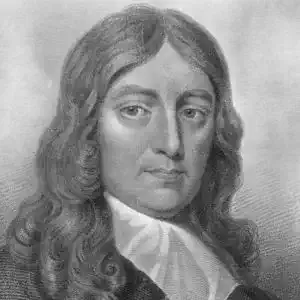
John Milton
Sonnet 03
Sonnet 03
III
Qual in colle aspro, al imbrunir di sera
L'avezza giovinetta pastorella
Va bagnando l'herbetta strana e bella
Che mal si spande a disusata spera
Fuor di sua natia alma primavera,
Cosi Amor meco insu la lingua snella
Desta il fior novo di strania favella,
Mentre io di te, vezzosamente altera,
Canto, dal mio buon popol non inteso
E'l bel Tamigi cangio col bel Arno
Amor lo volse, ed io a l'altrui peso
Seppi ch' Amor cosa mai volse indarno.
Deh! foss' il mio cuor lento e'l duro seno
A chi pianta dal ciel si buon terreno.
III
Qual in colle aspro, al imbrunir di sera
L'avezza giovinetta pastorella
Va bagnando l'herbetta strana e bella
Che mal si spande a disusata spera
Fuor di sua natia alma primavera,
Cosi Amor meco insu la lingua snella
Desta il fior novo di strania favella,
Mentre io di te, vezzosamente altera,
Canto, dal mio buon popol non inteso
E'l bel Tamigi cangio col bel Arno
Amor lo volse, ed io a l'altrui peso
Seppi ch' Amor cosa mai volse indarno.
Deh! foss' il mio cuor lento e'l duro seno
A chi pianta dal ciel si buon terreno.
380
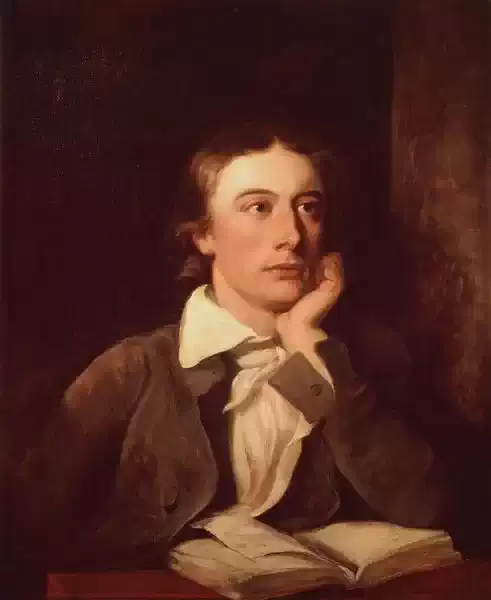
John Keats
Sonnet To The Nile
Sonnet To The Nile
Son of the old Moon-mountains African!
Chief of the Pyramid and Crocodile!
We call thee fruitful, and that very while
A desert fills our seeing's inward span:
Nurse of swart nations since the world began,
Art thou so fruitful? or dost thou beguile
Such men to honour thee, who, worn with toil,
Rest for a space 'twixt Cairo and Decan?
O may dark fancies err! They surely do;
'Tis ignorance that makes a barren waste
Of all beyond itself. Thou dost bedew
Green rushes like our rivers, and dost taste
The pleasant sunrise. Green isles hast thou too,
And to the sea as happily dost haste.
Son of the old Moon-mountains African!
Chief of the Pyramid and Crocodile!
We call thee fruitful, and that very while
A desert fills our seeing's inward span:
Nurse of swart nations since the world began,
Art thou so fruitful? or dost thou beguile
Such men to honour thee, who, worn with toil,
Rest for a space 'twixt Cairo and Decan?
O may dark fancies err! They surely do;
'Tis ignorance that makes a barren waste
Of all beyond itself. Thou dost bedew
Green rushes like our rivers, and dost taste
The pleasant sunrise. Green isles hast thou too,
And to the sea as happily dost haste.
430
John Keats
Lines Written In The Highlands After A Visit To Burns's Country
Lines Written In The Highlands After A Visit To Burns's Country
There is a charm in footing slow across a silent plain,
Where patriot battle has been fought, where glory had the gain;
There is a pleasure on the heath where Druids old have been,
Where mantles grey have rustled by and swept the nettles green;
There is a joy in every spot made known by times of old,
New to the feet, although each tale a hundred times be told;
There is a deeper joy than all, more solemn in the heart,
More parching to the tongue than all, of more divine a smart,
When weary steps forget themselves upon a pleasant turf,
Upon hot sand, or flinty road, or sea-shore iron scurf,
Toward the castle or the cot, where long ago was born
One who was great through mortal days, and died of fame unshorn.
Light heather-bells may tremble then, but they are far away;
Wood-lark may sing from sandy fern, -- the Sun may hear this lay;
Runnels may kiss the grass on shelves and shallows clear,
But their low voices are not heard, though come on travels drear;
Blood-red the Sun may set behind the black mountain peaks;
Blue tides may sluice and drench their time in caves and weedy creeks;
Eagles may seem to sleep wing-side upon the air;
Ring-dove may fly convuls'd across to some high-cedar'd lair;
But the forgotten eye is still fast lidded to the ground,
As Palmer's, that with weariness, mid-desert shrine hath found.
At such a time the soul's a child, in childhood is the brain;
Forgotten is the worldly heart -- alone, it beats in vain.--
Aye, if a madman could have leave to pass a healthful day
To tell his forehead's swoon and faint when first began decay,
He might make tremble many a one whose spirit had gone forth
To find a Bard's low cradle-place about the silent North!
Scanty the hour and few the steps, because a longer stay
Would bar return, and make a man forget his mortal way:
O horrible! to lose the sight of well remember'd face,
Of Brother's eyes, of Sister's brow -- constant to every place;
Filling the air, as on we move, with portraiture intense;
More warm than those heroic tints that pain a painter's sense,
When shapes of old come striding by, and visages of old,
Locks shining black, hair scanty grey, and passions manifold.
No, no, that horror cannot be, for at the cable's length
Man feels the gentle anchor pull and gladdens in its strength:--
One hour, half-idiot, he stands by mossy waterfall,
But in the very next he reads his soul's memorial:--
He reads it on the mountain's height, where chance he may sit down
Upon rough marble diadem -- that hill's eternal crown.
Yet be his anchor e'er so fast, room is there for a prayer
That man may never lose his mind on mountains black and bare;
That he may stray league after league some great birth-place to find
And keep his vision clear from speck, his inward sight unblind.
There is a charm in footing slow across a silent plain,
Where patriot battle has been fought, where glory had the gain;
There is a pleasure on the heath where Druids old have been,
Where mantles grey have rustled by and swept the nettles green;
There is a joy in every spot made known by times of old,
New to the feet, although each tale a hundred times be told;
There is a deeper joy than all, more solemn in the heart,
More parching to the tongue than all, of more divine a smart,
When weary steps forget themselves upon a pleasant turf,
Upon hot sand, or flinty road, or sea-shore iron scurf,
Toward the castle or the cot, where long ago was born
One who was great through mortal days, and died of fame unshorn.
Light heather-bells may tremble then, but they are far away;
Wood-lark may sing from sandy fern, -- the Sun may hear this lay;
Runnels may kiss the grass on shelves and shallows clear,
But their low voices are not heard, though come on travels drear;
Blood-red the Sun may set behind the black mountain peaks;
Blue tides may sluice and drench their time in caves and weedy creeks;
Eagles may seem to sleep wing-side upon the air;
Ring-dove may fly convuls'd across to some high-cedar'd lair;
But the forgotten eye is still fast lidded to the ground,
As Palmer's, that with weariness, mid-desert shrine hath found.
At such a time the soul's a child, in childhood is the brain;
Forgotten is the worldly heart -- alone, it beats in vain.--
Aye, if a madman could have leave to pass a healthful day
To tell his forehead's swoon and faint when first began decay,
He might make tremble many a one whose spirit had gone forth
To find a Bard's low cradle-place about the silent North!
Scanty the hour and few the steps, because a longer stay
Would bar return, and make a man forget his mortal way:
O horrible! to lose the sight of well remember'd face,
Of Brother's eyes, of Sister's brow -- constant to every place;
Filling the air, as on we move, with portraiture intense;
More warm than those heroic tints that pain a painter's sense,
When shapes of old come striding by, and visages of old,
Locks shining black, hair scanty grey, and passions manifold.
No, no, that horror cannot be, for at the cable's length
Man feels the gentle anchor pull and gladdens in its strength:--
One hour, half-idiot, he stands by mossy waterfall,
But in the very next he reads his soul's memorial:--
He reads it on the mountain's height, where chance he may sit down
Upon rough marble diadem -- that hill's eternal crown.
Yet be his anchor e'er so fast, room is there for a prayer
That man may never lose his mind on mountains black and bare;
That he may stray league after league some great birth-place to find
And keep his vision clear from speck, his inward sight unblind.
427
John Keats
Happy Is England! I Could Be Content
Happy Is England! I Could Be Content
Happy is England! I could be content
To see no other verdure than its own;
To feel no other breezes than are blown
Through its tall woods with high romances blent;
Yet do I sometimes feel a languishment
For skies Italian, and an inward groan
To sit upon an Alp as on a throne,
And half forget what world or worldling meant.
Happy is England, sweet her artless daughters;
Enough their simple loveliness for me,
Enough their whitest arms in silence clinging;
Yet do I often warmly burn to see
Beauties of deeper glance, and hear their singing,
And float with them about the summer waters.
Happy is England! I could be content
To see no other verdure than its own;
To feel no other breezes than are blown
Through its tall woods with high romances blent;
Yet do I sometimes feel a languishment
For skies Italian, and an inward groan
To sit upon an Alp as on a throne,
And half forget what world or worldling meant.
Happy is England, sweet her artless daughters;
Enough their simple loveliness for me,
Enough their whitest arms in silence clinging;
Yet do I often warmly burn to see
Beauties of deeper glance, and hear their singing,
And float with them about the summer waters.
371