

Poems in this theme
Life
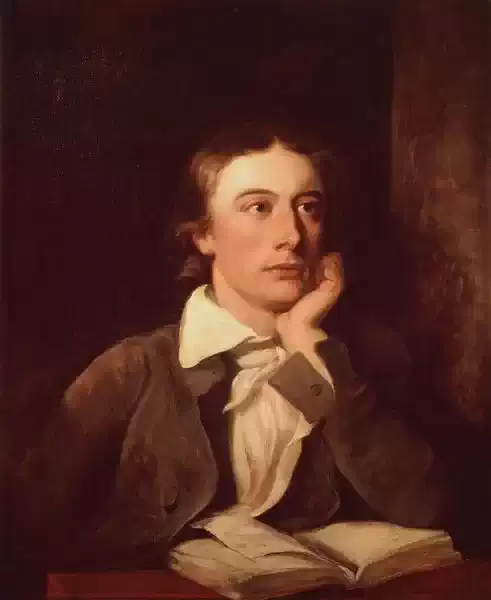
John Keats
Two Or Three
Two Or Three
Two or three Posies
With two or three simples--
Two or three Noses
With two or three pimples--
Two or three wise men
And two or three ninny's--
Two or three guineas--
Two or three raps
At two or three doors--
Two or three naps
Of two or three hours--
Two or three Cats
And two or three mice--
Two or three sprats
At a very great price--
Two or three sandies
And two or three tabbies--
Two or three dandies
And two Mrs.------
Two or three Smiles
And two or three frowns--
Two or three Miles
To two or three towns--
Two or three pegs
For two or three bonnets--
Two or three dove eggs
To hatch into sonnets.
Two or three Posies
With two or three simples--
Two or three Noses
With two or three pimples--
Two or three wise men
And two or three ninny's--
Two or three guineas--
Two or three raps
At two or three doors--
Two or three naps
Of two or three hours--
Two or three Cats
And two or three mice--
Two or three sprats
At a very great price--
Two or three sandies
And two or three tabbies--
Two or three dandies
And two Mrs.------
Two or three Smiles
And two or three frowns--
Two or three Miles
To two or three towns--
Two or three pegs
For two or three bonnets--
Two or three dove eggs
To hatch into sonnets.
438
John Keats
Hither, Hither, Love
Hither, Hither, Love
HITHER hither, love--'
Tis a shady mead---
Hither, hither, love!
Let us feed and feed!
Hither, hither, sweet--'
Tis a cowslip bed---
Hither, hither, sweet!
'Tis with dew bespread!
Hither, hither, dear
By the breath of life,
Hither, hither, dear!--Be
the summer's wife!
Though one moment's pleasure
In one moment flies---
Though the passion's treasure
In one moment dies;---
Yet it has not passed--Think
how near, how near!---
And while it doth last,
Think how dear, how dear!
Hither, hither, hither
Love its boon has sent---
If I die and wither
I shall die content!
HITHER hither, love--'
Tis a shady mead---
Hither, hither, love!
Let us feed and feed!
Hither, hither, sweet--'
Tis a cowslip bed---
Hither, hither, sweet!
'Tis with dew bespread!
Hither, hither, dear
By the breath of life,
Hither, hither, dear!--Be
the summer's wife!
Though one moment's pleasure
In one moment flies---
Though the passion's treasure
In one moment dies;---
Yet it has not passed--Think
how near, how near!---
And while it doth last,
Think how dear, how dear!
Hither, hither, hither
Love its boon has sent---
If I die and wither
I shall die content!
390
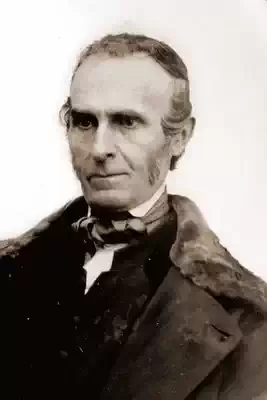
John Greenleaf Whittier
The Reunion
The Reunion
The gulf of seven and fifty years
We stretch our welcoming hands across;
The distance but a pebble's toss
Between us and our youth appears.
For in life's school we linger on
The remnant of a once full list;
Conning our lessons, undismissed,
With faces to the setting sun.
And some have gone the unknown way,
And some await the call to rest;
Who knoweth whether it is best
For those who went or those who stay?
And yet despite of loss and ill,
If faith and love and hope remain,
Our length of days is not in vain,
And life is well worth living still.
Still to a gracious Providence
The thanks of grateful hearts are due,
For blessings when our lives were new,
For all the good vouchsafed us since.
The pain that spared us sorer hurt,
The wish denied, the purpose crossed,
And pleasure's fond occasions lost,
Were mercies to our small desert.
'T is something that we wander back,
Gray pilgrims, to our ancient ways,
And tender memories of old days
Walk with us by the Merrimac;
That even in life's afternoon
A sense of youth comes back again,
As through this cool September rain
The still green woodlands dream of June.
The eyes grown dim to present things
Have keener sight for bygone years,
And sweet and clear, in deafening ears,
The bird that sang at morning sings.
Dear comrades, scattered wide and far,
Send from their homes their kindly word,
And dearer ones, unseen, unheard,
Smile on us from some heavenly star.
For life and death with God are one,
Unchanged by seeming change His care
And love are round us here and there;
He breaks no thread His hand has spun.
Soul touches soul, the muster roll
Of life eternal has no gaps;
And after half a century's lapse
Our school-day ranks are closed and whole.
Hail and farewell! We go our way;
Where shadows end, we trust in light;
The star that ushers in the night
Is herald also of the day!
The gulf of seven and fifty years
We stretch our welcoming hands across;
The distance but a pebble's toss
Between us and our youth appears.
For in life's school we linger on
The remnant of a once full list;
Conning our lessons, undismissed,
With faces to the setting sun.
And some have gone the unknown way,
And some await the call to rest;
Who knoweth whether it is best
For those who went or those who stay?
And yet despite of loss and ill,
If faith and love and hope remain,
Our length of days is not in vain,
And life is well worth living still.
Still to a gracious Providence
The thanks of grateful hearts are due,
For blessings when our lives were new,
For all the good vouchsafed us since.
The pain that spared us sorer hurt,
The wish denied, the purpose crossed,
And pleasure's fond occasions lost,
Were mercies to our small desert.
'T is something that we wander back,
Gray pilgrims, to our ancient ways,
And tender memories of old days
Walk with us by the Merrimac;
That even in life's afternoon
A sense of youth comes back again,
As through this cool September rain
The still green woodlands dream of June.
The eyes grown dim to present things
Have keener sight for bygone years,
And sweet and clear, in deafening ears,
The bird that sang at morning sings.
Dear comrades, scattered wide and far,
Send from their homes their kindly word,
And dearer ones, unseen, unheard,
Smile on us from some heavenly star.
For life and death with God are one,
Unchanged by seeming change His care
And love are round us here and there;
He breaks no thread His hand has spun.
Soul touches soul, the muster roll
Of life eternal has no gaps;
And after half a century's lapse
Our school-day ranks are closed and whole.
Hail and farewell! We go our way;
Where shadows end, we trust in light;
The star that ushers in the night
Is herald also of the day!
326
John Greenleaf Whittier
The Lost Occasion
The Lost Occasion
Some die too late and some too soon,
At early morning, heat of noon,
Or the chill evening twilight. Thou,
Whom the rich heavens did so endow
With eyes of power and Jove's own brow,
With all the massive strength that fills
Thy home-horizon's granite hills,
With rarest gifts of heart and head
From manliest stock inherited,
New England's stateliest type of man,
In port and speech Olympian;
Whom no one met, at first, but took
A second awed and wondering look
(As turned, perchance, the eyes of Greece
On Phidias' unveiled masterpiece);
Whose words in simplest homespun clad,
The Saxon strength of Caedmon's had,
With power reserved at need to reach
The Roman forum's loftiest speech,
Sweet with persuasion, eloquent
In passion, cool in argument,
Or, ponderous, falling on thy foes
As fell the Norse god's hammer blows,
Crushing as if with Talus' flail
Through Error's logic-woven mail,
And failing only when they tried
The adamant of the righteous side,-Thou,
foiled in aim and hope, bereaved
Of old friends, by the new deceived,
Too soon for us, too soon for thee,
Beside thy lonely Northern sea,
Where long and low the marsh-lands spread,
Laid wearily down thy August head.
Thou shouldst have lived to feel below
Thy feet Disunion's fierce upthrow;
The late-sprung mine that underlaid
Thy sad concessions vainly made.
Thou shouldst have seen from Sumter's wall
The star-flag of the Union fall,
And armed rebellion pressing on
The broken lines of Washington!
No stronger voice than thine had then
Called out the utmost might of men,
To make the Union's charter free
And strengthen law by liberty.
How had that stern arbitrament
To thy gray age youth's vigor lent,
Shaming ambition's paltry prize
Before thy disillusioned eyes;
Breaking the spell about thee wound
Like the green withes that Samson bound;
Redeeming in one effort grand,
Thyself and thy imperilled land!
Ah, cruel fate, that closed to thee,
O sleeper by the Northern sea,
The gates of opportunity!
God fills the gaps of human need,
Each crisis brings its word and deed.
Wise men and strong we did not lack;
But still, with memory turning back,
In the dark hours we thought of thee,
And thy lone grave beside the sea.
Above that grave the east winds blow,
And from the marsh-lands drifting slow
The sea-fog comes, with evermore
The wave-wash of a lonely shore,
And sea-bird's melancholy cry,
As Nature fain would typify
The sadness of a closing scene,
The loss of that which should have been.
But, where thy native mountains bare
Their foreheads to diviner air,
Fit emblem of enduring fame,
One lofty summit keeps thy name.
For thee the cosmic forces did
The rearing of that pyramid,
The prescient ages shaping with
Fire, flood, and frost thy monolith.
Sunrise and sunset lay thereon
With hands of light their benison,
The stars of midnight pause to set
Their jewels in its coronet.
And evermore that mountain mass
Seems climbing from the shadowy pass
To light, as if to manifest
Thy nobler self, thy life at best!
Some die too late and some too soon,
At early morning, heat of noon,
Or the chill evening twilight. Thou,
Whom the rich heavens did so endow
With eyes of power and Jove's own brow,
With all the massive strength that fills
Thy home-horizon's granite hills,
With rarest gifts of heart and head
From manliest stock inherited,
New England's stateliest type of man,
In port and speech Olympian;
Whom no one met, at first, but took
A second awed and wondering look
(As turned, perchance, the eyes of Greece
On Phidias' unveiled masterpiece);
Whose words in simplest homespun clad,
The Saxon strength of Caedmon's had,
With power reserved at need to reach
The Roman forum's loftiest speech,
Sweet with persuasion, eloquent
In passion, cool in argument,
Or, ponderous, falling on thy foes
As fell the Norse god's hammer blows,
Crushing as if with Talus' flail
Through Error's logic-woven mail,
And failing only when they tried
The adamant of the righteous side,-Thou,
foiled in aim and hope, bereaved
Of old friends, by the new deceived,
Too soon for us, too soon for thee,
Beside thy lonely Northern sea,
Where long and low the marsh-lands spread,
Laid wearily down thy August head.
Thou shouldst have lived to feel below
Thy feet Disunion's fierce upthrow;
The late-sprung mine that underlaid
Thy sad concessions vainly made.
Thou shouldst have seen from Sumter's wall
The star-flag of the Union fall,
And armed rebellion pressing on
The broken lines of Washington!
No stronger voice than thine had then
Called out the utmost might of men,
To make the Union's charter free
And strengthen law by liberty.
How had that stern arbitrament
To thy gray age youth's vigor lent,
Shaming ambition's paltry prize
Before thy disillusioned eyes;
Breaking the spell about thee wound
Like the green withes that Samson bound;
Redeeming in one effort grand,
Thyself and thy imperilled land!
Ah, cruel fate, that closed to thee,
O sleeper by the Northern sea,
The gates of opportunity!
God fills the gaps of human need,
Each crisis brings its word and deed.
Wise men and strong we did not lack;
But still, with memory turning back,
In the dark hours we thought of thee,
And thy lone grave beside the sea.
Above that grave the east winds blow,
And from the marsh-lands drifting slow
The sea-fog comes, with evermore
The wave-wash of a lonely shore,
And sea-bird's melancholy cry,
As Nature fain would typify
The sadness of a closing scene,
The loss of that which should have been.
But, where thy native mountains bare
Their foreheads to diviner air,
Fit emblem of enduring fame,
One lofty summit keeps thy name.
For thee the cosmic forces did
The rearing of that pyramid,
The prescient ages shaping with
Fire, flood, and frost thy monolith.
Sunrise and sunset lay thereon
With hands of light their benison,
The stars of midnight pause to set
Their jewels in its coronet.
And evermore that mountain mass
Seems climbing from the shadowy pass
To light, as if to manifest
Thy nobler self, thy life at best!
277
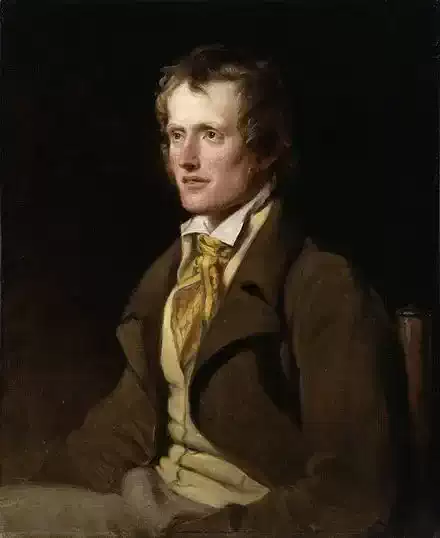
John Clare
What is Life?
What is Life?
And what is Life? An hour-glass on the run,
A mist retreating from the morning sun,
A busy, bustling, still-repeated dream.
Its length? A minute's pause, a moment's thought.
And Happiness? A bubble on the stream,
That in the act of seizing shrinks to nought.
And what is Hope? The puffing gale of morn,
That of its charms divests the dewy lawn,
And robs each flow'ret of its gem -and dies;
A cobweb, hiding disappointment's thorn,
Which stings more keenly through the thin disguise.
And what is Death? Is still the cause unfound?
That dark mysterious name of horrid sound?
A long and lingering sleep the weary crave.
And Peace? Where can its happiness abound?
Nowhere at all, save heaven and the grave.
Then what is Life? When stripped of its disguise,
A thing to be desired it cannot be;
Since everything that meets our foolish eyes
Gives proof sufficient of its vanity.
'Tis but a trial all must undergo,
To teach unthankful mortals how to prize
That happiness vain man's denied to know,
Until he's called to claim it in the skies.
And what is Life? An hour-glass on the run,
A mist retreating from the morning sun,
A busy, bustling, still-repeated dream.
Its length? A minute's pause, a moment's thought.
And Happiness? A bubble on the stream,
That in the act of seizing shrinks to nought.
And what is Hope? The puffing gale of morn,
That of its charms divests the dewy lawn,
And robs each flow'ret of its gem -and dies;
A cobweb, hiding disappointment's thorn,
Which stings more keenly through the thin disguise.
And what is Death? Is still the cause unfound?
That dark mysterious name of horrid sound?
A long and lingering sleep the weary crave.
And Peace? Where can its happiness abound?
Nowhere at all, save heaven and the grave.
Then what is Life? When stripped of its disguise,
A thing to be desired it cannot be;
Since everything that meets our foolish eyes
Gives proof sufficient of its vanity.
'Tis but a trial all must undergo,
To teach unthankful mortals how to prize
That happiness vain man's denied to know,
Until he's called to claim it in the skies.
429
John Clare
Hen's Nest
Hen's Nest
Among the orchard weeds, from every search,
Snugly and sure, the old hen’s nest is made,
Who cackles every morning from her perch
To tell the servant girl new eggs are laid;
Who lays her washing by, and far and near
Goes seeking all about from day to day,
And stung with nettles tramples everywhere;
But still the cackling pullet lays away.
The boy on Sundays goes the stack to pull
In hopes to find her there, but naught is seen,
And takes his hat and thinks to find it full,
She’s laid so long so many might have been.
But naught is found and all is given o’er
Till the young brood come chirping to the door.
Among the orchard weeds, from every search,
Snugly and sure, the old hen’s nest is made,
Who cackles every morning from her perch
To tell the servant girl new eggs are laid;
Who lays her washing by, and far and near
Goes seeking all about from day to day,
And stung with nettles tramples everywhere;
But still the cackling pullet lays away.
The boy on Sundays goes the stack to pull
In hopes to find her there, but naught is seen,
And takes his hat and thinks to find it full,
She’s laid so long so many might have been.
But naught is found and all is given o’er
Till the young brood come chirping to the door.
452
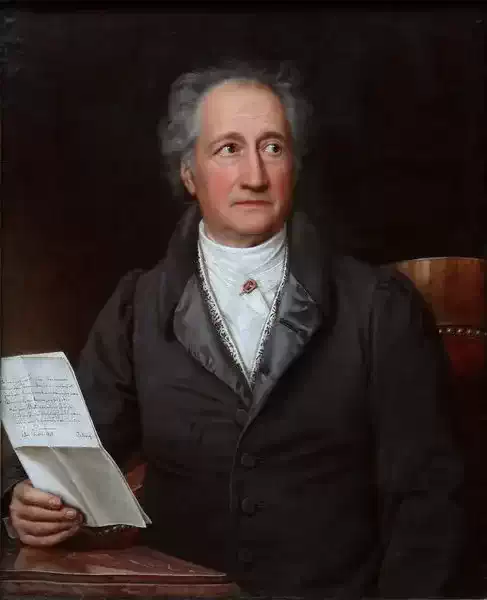
Johann Wolfgang von Goethe
The Brethren
The Brethren
SLUMBER and Sleep, two brethren ordain'd by the gods to their service,
Were by Prometheus implored, comfort to give to his race;
But though so light to the gods, too heavy for man was their burden,
We in their slumber find sleep, we in their sleep meet with death.
SLUMBER and Sleep, two brethren ordain'd by the gods to their service,
Were by Prometheus implored, comfort to give to his race;
But though so light to the gods, too heavy for man was their burden,
We in their slumber find sleep, we in their sleep meet with death.
350
Johann Wolfgang von Goethe
Spirit Song Over The Waters
Spirit Song Over The Waters
THE soul of man
Resembleth water:
From heaven it cometh,
To heaven it soareth.
And then again
To earth descendeth,
Changing ever.
Down from the lofty
Rocky wall
Streams the bright flood,
Then spreadeth gently
In cloudy billows
O'er the smooth rock,
And welcomed kindly,
Veiling, on roams it,
Soft murmuring,
Tow'rd the abyss.
Cliffs projecting
Oppose its progress,--
Angrily foams it
Down to the bottom,
Step by step.
Now, in flat channel,
Through the meadowland steals it,
And in the polish'd lake
Each constellation
Joyously peepeth.
Wind is the loving
Wooer of waters;
Wind blends together
Billows all-foaming.
Spirit of man,
Thou art like unto water!
Fortune of man,
Thou art like unto wind!
THE soul of man
Resembleth water:
From heaven it cometh,
To heaven it soareth.
And then again
To earth descendeth,
Changing ever.
Down from the lofty
Rocky wall
Streams the bright flood,
Then spreadeth gently
In cloudy billows
O'er the smooth rock,
And welcomed kindly,
Veiling, on roams it,
Soft murmuring,
Tow'rd the abyss.
Cliffs projecting
Oppose its progress,--
Angrily foams it
Down to the bottom,
Step by step.
Now, in flat channel,
Through the meadowland steals it,
And in the polish'd lake
Each constellation
Joyously peepeth.
Wind is the loving
Wooer of waters;
Wind blends together
Billows all-foaming.
Spirit of man,
Thou art like unto water!
Fortune of man,
Thou art like unto wind!
450
Johann Wolfgang von Goethe
Presence
Presence
ALL things give token of thee!
As soon as the bright sun is shining,
Thou too wilt follow, I trust.
When in the garden thou walk'st,
Thou then art the rose of all roses,
Lily of lilies as well.
When thou dost move in the dance,
Then each constellation moves also;
With thee and round thee they move.
Night! oh, what bliss were the night!
For then thou o'ershadow'st the lustre,
Dazzling and fair, of the moon.
Dazzling and beauteous art thou,
And flowers, and moon, and the planets
Homage pay, Sun, but to thee.
Sun! to me also be thou
Creator of days bright and glorious;
Life and Eternity this!
ALL things give token of thee!
As soon as the bright sun is shining,
Thou too wilt follow, I trust.
When in the garden thou walk'st,
Thou then art the rose of all roses,
Lily of lilies as well.
When thou dost move in the dance,
Then each constellation moves also;
With thee and round thee they move.
Night! oh, what bliss were the night!
For then thou o'ershadow'st the lustre,
Dazzling and fair, of the moon.
Dazzling and beauteous art thou,
And flowers, and moon, and the planets
Homage pay, Sun, but to thee.
Sun! to me also be thou
Creator of days bright and glorious;
Life and Eternity this!
383
Johann Wolfgang von Goethe
Genial Impulse
Genial Impulse
THUS roll I, never taking ease,
My tub, like Saint Diogenes,
Now serious am, now seek to please;
Now love and hate in turn one sees;
The motives now are those, now these;
Now nothings, now realities.
Thus roll I, never taking ease,
My tub, like Saint Diogenes.
THUS roll I, never taking ease,
My tub, like Saint Diogenes,
Now serious am, now seek to please;
Now love and hate in turn one sees;
The motives now are those, now these;
Now nothings, now realities.
Thus roll I, never taking ease,
My tub, like Saint Diogenes.
401
Johann Wolfgang von Goethe
Book Of Hafis - The Unlimited
Book Of Hafis - The Unlimited
THAT thou can't never end, doth make thee great,
And that thou ne'er beginnest, is thy fate.
Thy song is changeful as yon starry frame,
End and beginning evermore the same;
And what the middle bringeth, but contains
What was at first, and what at last remains.
Thou art of joy the true and minstrel-source,
From thee pours wave on wave with ceaseless force.
A mouth that's aye prepared to kiss,
A breast whence flows a loving song,
A throat that finds no draught amiss,
An open heart that knows no wrong.
And what though all the world should sink!
Hafis, with thee, alone with thee
Will I contend! joy, misery,
The portion of us twain shall be;
Like thee to love, like thee to drink,--
This be my pride,--this, life to me!
Now, Song, with thine own fire be sung,--
For thou art older, thou more young!
THAT thou can't never end, doth make thee great,
And that thou ne'er beginnest, is thy fate.
Thy song is changeful as yon starry frame,
End and beginning evermore the same;
And what the middle bringeth, but contains
What was at first, and what at last remains.
Thou art of joy the true and minstrel-source,
From thee pours wave on wave with ceaseless force.
A mouth that's aye prepared to kiss,
A breast whence flows a loving song,
A throat that finds no draught amiss,
An open heart that knows no wrong.
And what though all the world should sink!
Hafis, with thee, alone with thee
Will I contend! joy, misery,
The portion of us twain shall be;
Like thee to love, like thee to drink,--
This be my pride,--this, life to me!
Now, Song, with thine own fire be sung,--
For thou art older, thou more young!
388
Johann Wolfgang von Goethe
As Broad As It's Long
As Broad As It's Long
MODEST men must needs endure,
And the bold must humbly bow;
Thus thy fate's the same, be sure,
Whether bold or modest thou.
MODEST men must needs endure,
And the bold must humbly bow;
Thus thy fate's the same, be sure,
Whether bold or modest thou.
382
James Whitcomb Riley
Private Theatricals
Private Theatricals
A quite convincing axiom
Is, 'Life is like a play';
For, turning back its pages some
Few dog-eared years away,
I find where I
Committed my
Love-tale--with brackets where to sigh.
I feel an idle interest
To read again the page;
I enter, as a lover dressed,
At twenty years of age,
And play the part
With throbbing heart,
And all an actor's glowing art.
And she who plays my Lady-love
Excels!--Her loving glance
Has power her audience to move--
I am her audience.--
Her acting tact,
To tell the fact,
'Brings down the house' in every act.
And often we defy the curse
Of storms and thunder-showers,
To meet together and rehearse
This little play of ours--
I think, when she
'Makes love' to me,
She kisses very naturally!
. . . . . .
Yes; it's convincing--rather--
That 'Life is like a play':
I am playing 'Heavy Father'
In a 'Screaming Farce' to-day,
That so 'brings down
The house,' I frown,
And fain would 'ring the curtain down.'
A quite convincing axiom
Is, 'Life is like a play';
For, turning back its pages some
Few dog-eared years away,
I find where I
Committed my
Love-tale--with brackets where to sigh.
I feel an idle interest
To read again the page;
I enter, as a lover dressed,
At twenty years of age,
And play the part
With throbbing heart,
And all an actor's glowing art.
And she who plays my Lady-love
Excels!--Her loving glance
Has power her audience to move--
I am her audience.--
Her acting tact,
To tell the fact,
'Brings down the house' in every act.
And often we defy the curse
Of storms and thunder-showers,
To meet together and rehearse
This little play of ours--
I think, when she
'Makes love' to me,
She kisses very naturally!
. . . . . .
Yes; it's convincing--rather--
That 'Life is like a play':
I am playing 'Heavy Father'
In a 'Screaming Farce' to-day,
That so 'brings down
The house,' I frown,
And fain would 'ring the curtain down.'
272
James Whitcomb Riley
No Boy Knows
No Boy Knows
There are many things that boys may know--
Why this and that are thus and so,--
Who made the world in the dark and lit
The great sun up to lighten it:
Boys know new things every day--
When they study, or when they play,--
When they idle, or sow and reap--
But no boy knows when he goes to sleep.
Boys who listen--or should, at least,--
May know that the round old earth rolls East;--
And know that the ice and the snow and the rain--
Ever repeating their parts again--
Are all just water the sunbeams first
Sip from the earth in their endless thirst,
And pour again till the low streams leap.--
But no boy knows when he goes to sleep.
A boy may know what a long glad while
It has been to him since the dawn's first smile,
When forth he fared in the realm divine
Of brook-laced woodland and spun-sunshine;--
He may know each call of his truant mates,
And the paths they went,--and the pasture-gates
Of the 'cross-lots home through the dusk so deep.--
But no boy knows when he goes to sleep.
O I have followed me, o'er and o'er,
From the flagrant drowse on the parlor-floor,
To the pleading voice of the mother when
I even doubted I heard it then--
To the sense of a kiss, and a moonlit room,
And dewy odors of locust-bloom--
A sweet white cot--and a cricket's cheep.--
But no boy knows when he goes to sleep.
There are many things that boys may know--
Why this and that are thus and so,--
Who made the world in the dark and lit
The great sun up to lighten it:
Boys know new things every day--
When they study, or when they play,--
When they idle, or sow and reap--
But no boy knows when he goes to sleep.
Boys who listen--or should, at least,--
May know that the round old earth rolls East;--
And know that the ice and the snow and the rain--
Ever repeating their parts again--
Are all just water the sunbeams first
Sip from the earth in their endless thirst,
And pour again till the low streams leap.--
But no boy knows when he goes to sleep.
A boy may know what a long glad while
It has been to him since the dawn's first smile,
When forth he fared in the realm divine
Of brook-laced woodland and spun-sunshine;--
He may know each call of his truant mates,
And the paths they went,--and the pasture-gates
Of the 'cross-lots home through the dusk so deep.--
But no boy knows when he goes to sleep.
O I have followed me, o'er and o'er,
From the flagrant drowse on the parlor-floor,
To the pleading voice of the mother when
I even doubted I heard it then--
To the sense of a kiss, and a moonlit room,
And dewy odors of locust-bloom--
A sweet white cot--and a cricket's cheep.--
But no boy knows when he goes to sleep.
287
James Whitcomb Riley
A Worn-Out Pencil
A Worn-Out Pencil
Welladay!
Here I lay
You at rest--all worn away,
O my pencil, to the tip
Of our old companionship!
Memory
Sighs to see
What you are, and used to be,
Looking backward to the time
When you wrote your earliest rhyme!--
When I sat
Filing at
Your first point, and dreaming that
Your initial song should be
Worthy of posterity.
With regret
I forget
If the song be living yet,
Yet remember, vaguely now,
It was honest, anyhow.
You have brought
Me a thought--
Truer yet was never taught,--
That the silent song is best,
And the unsung worthiest.
So if I,
When I die,
May as uncomplainingly
Drop aside as now you do,
Write of me, as I of you:--
Here lies one
Who begun
Life a-singing, heard of none;
And he died, satisfied,
With his dead songs by his side.
Welladay!
Here I lay
You at rest--all worn away,
O my pencil, to the tip
Of our old companionship!
Memory
Sighs to see
What you are, and used to be,
Looking backward to the time
When you wrote your earliest rhyme!--
When I sat
Filing at
Your first point, and dreaming that
Your initial song should be
Worthy of posterity.
With regret
I forget
If the song be living yet,
Yet remember, vaguely now,
It was honest, anyhow.
You have brought
Me a thought--
Truer yet was never taught,--
That the silent song is best,
And the unsung worthiest.
So if I,
When I die,
May as uncomplainingly
Drop aside as now you do,
Write of me, as I of you:--
Here lies one
Who begun
Life a-singing, heard of none;
And he died, satisfied,
With his dead songs by his side.
285
Horácio
BkIV:VII Diffugere Nives
BkIV:VII Diffugere Nives
The snow has vanished, already the grass returns to the fields,
and the leaves to the branches:
earth alters its state, and the steadily lessening rivers
slide quietly past their banks:
The Grace, and the Nymphs, with both of her sisters, is daring enough,
leading her dancers, naked.
The year, and the hour that snatches the kindly day away, warn you:
don’t hope for undying things.
Winter gives way to the westerly winds, spring’s trampled to ruin
by summer, and in its turn
fruitful autumn pours out its harvest, barely a moment before
lifeless winter is back again.
Yet swift moons are always repairing celestial losses:
while, when we have descended
to virtuous Aeneas, to rich Tullus and Ancus, our kings,
we’re only dust and shadow.
Who knows whether the gods above will add tomorrow’s hours
to the total of today?
All those you devote to a friendly spirit will escape from
the grasping hands of your heirs.
When once you’re dead, my Torquatus, and Minos pronounces
his splendid judgement on you,
no family, no eloquence, no righteousness even,
can restore you again:
Persephone never frees Hippolytus, chaste as he is,
from the shadow of darkness,
nor has Theseus, for his dear Pirithous, the power to
shatter those Lethean chains.
The snow has vanished, already the grass returns to the fields,
and the leaves to the branches:
earth alters its state, and the steadily lessening rivers
slide quietly past their banks:
The Grace, and the Nymphs, with both of her sisters, is daring enough,
leading her dancers, naked.
The year, and the hour that snatches the kindly day away, warn you:
don’t hope for undying things.
Winter gives way to the westerly winds, spring’s trampled to ruin
by summer, and in its turn
fruitful autumn pours out its harvest, barely a moment before
lifeless winter is back again.
Yet swift moons are always repairing celestial losses:
while, when we have descended
to virtuous Aeneas, to rich Tullus and Ancus, our kings,
we’re only dust and shadow.
Who knows whether the gods above will add tomorrow’s hours
to the total of today?
All those you devote to a friendly spirit will escape from
the grasping hands of your heirs.
When once you’re dead, my Torquatus, and Minos pronounces
his splendid judgement on you,
no family, no eloquence, no righteousness even,
can restore you again:
Persephone never frees Hippolytus, chaste as he is,
from the shadow of darkness,
nor has Theseus, for his dear Pirithous, the power to
shatter those Lethean chains.
233
Hermann Hesse
A Swarm Of Gnats
A Swarm Of Gnats
Many thousand glittering motes
Crowd forward greedily together
In trembling circles.
Extravagantly carousing away
For a whole hour rapidly vanishing,
They rave, delirious, a shrill whir,
Shivering with joy against death.
While kingdoms, sunk into ruin,
Whose thrones, heavy with gold, instantly scattered
Into night and legend, without leaving a trace,
Have never known so fierce a dancing.
Translated by James Wright
Submitted by Holt
Many thousand glittering motes
Crowd forward greedily together
In trembling circles.
Extravagantly carousing away
For a whole hour rapidly vanishing,
They rave, delirious, a shrill whir,
Shivering with joy against death.
While kingdoms, sunk into ruin,
Whose thrones, heavy with gold, instantly scattered
Into night and legend, without leaving a trace,
Have never known so fierce a dancing.
Translated by James Wright
Submitted by Holt
645
Henry Wadsworth Longfellow
The White Man's Foot
The White Man's Foot
In his lodge beside a river,
Close beside a frozen river,
Sat an old man, sad and lonely.
White his hair was as a snow-drift;
Dull and low his fire was burning,
And the old man shook and trembled,
Folded in his Waubewyon,
In his tattered white-skin-wrapper,
Hearing nothing but the tempest
As it roared along the forest,
Seeing nothing but the snow-storm,
As it whirled and hissed and drifted.
All the coals were white with ashes,
And the fire was slowly dying,
As a young man, walking lightly,
At the open doorway entered.
Red with blood of youth his cheeks were,
Soft his eyes, as stars In Spring-time,
Bound his forehead was with grasses;
Bound and plumed with scented grasses,
On his lips a smile of beauty,
Filling all the lodge with sunshine,
In his hand a bunch of blossoms
Filling all the lodge with sweetness.
"Ah, my son!" exclaimed the old man,
"Happy are my eyes to see you.
Sit here on the mat beside me,
Sit here by the dying embers,
Let us pass the night together,
Tell me of your strange adventures,
Of the lands where you have travelled;
I will tell you of my prowess,
Of my many deeds of wonder."
From his pouch he drew his peace-pipe,
Very old and strangely fashioned;
Made of red stone was the pipe-head,
And the stem a reed with feathers;
Filled the pipe with bark of willow,
Placed a burning coal upon it,
Gave it to his guest, the stranger,
And began to speak in this wise:
"When I blow my breath about me,
When I breathe upon the landscape,
Motionless are all the rivers,
Hard as stone becomes the water!"
And the young man answered, smiling:
"When I blow my breath about me,
When I breathe upon the landscape,
Flowers spring up o'er all the meadows,
Singing, onward rush the rivers!"
"When I shake my hoary tresses,"
Said the old man darkly frowning,
"All the land with snow is covered;
All the leaves from all the branches
Fall and fade and die and wither,
For I breathe, and lo! they are not.
From the waters and the marshes,
Rise the wild goose and the heron,
Fly away to distant regions,
For I speak, and lo! they are not.
And where'er my footsteps wander,
All the wild beasts of the forest
Hide themselves in holes and caverns,
And the earth becomes as flintstone!"
"When I shake my flowing ringlets,"
Said the young man, softly laughing,
"Showers of rain fall warm and welcome,
Plants lift up their heads rejoicing,
Back Into their lakes and marshes
Come the wild goose and the heron,
Homeward shoots the arrowy swallow,
Sing the bluebird and the robin,
And where'er my footsteps wander,
All the meadows wave with blossoms,
All the woodlands ring with music,
All the trees are dark with foliage!"
While they spake, the night departed:
From the distant realms of Wabun,
From his shining lodge of silver,
Like a warrior robed and painted,
Came the sun, and said, "Behold me
Gheezis, the great sun, behold me!"
Then the old man's tongue was speechless
And the air grew warm and pleasant,
And upon the wigwam sweetly
Sang the bluebird and the robin,
And the stream began to murmur,
And a scent of growing grasses
Through the lodge was gently wafted.
And Segwun, the youthful stranger,
More distinctly in the daylight
Saw the icy face before him;
It was Peboan, the Winter!
From his eyes the tears were flowing,
As from melting lakes the streamlets,
And his body shrunk and dwindled
As the shouting sun ascended,
Till into the air it faded,
Till into the ground it vanished,
And the young man saw before him,
On the hearth-stone of the wigwam,
Where the fire had smoked and smouldered,
Saw the earliest flower of Spring-time,
Saw the Beauty of the Spring-time,
Saw the Miskodeed in blossom.
Thus it was that in the North-land
After that unheard-of coldness,
That intolerable Winter,
Came the Spring with all its splendor,
All its birds and all its blossoms,
All its flowers and leaves and grasses.
Sailing on the wind to northward,
Flying in great flocks, like arrows,
Like huge arrows shot through heaven,
Passed the swan, the Mahnahbezee,
Speaking almost as a man speaks;
And in long lines waving, bending
Like a bow-string snapped asunder,
Came the white goose, Waw-be-wawa;
And in pairs, or singly flying,
Mahng the loon, with clangorous pinions,
The blue heron, the Shuh-shuh-gah,
And the grouse, the Mushkodasa.
In the thickets and the meadows
Piped the bluebird, the Owaissa,
On the summit of the lodges
Sang the robin, the Opechee,
In the covert of the pine-trees
Cooed the pigeon, the Omemee;
And the sorrowing Hiawatha,
Speechless in his infinite sorrow,
Heard their voices calling to him,
Went forth from his gloomy doorway,
Stood and gazed into the heaven,
Gazed upon the earth and waters.
From his wanderings far to eastward,
From the regions of the morning,
From the shining land of Wabun,
Homeward now returned Iagoo,
The great traveller, the great boaster,
Full of new and strange adventures,
Marvels many and many wonders.
And the people of the village
Listened to him as he told them
Of his marvellous adventures,
Laughing answered him in this wise:
"Ugh! it is indeed Iagoo!
No one else beholds such wonders!"
He had seen, he said, a water
Bigger than the Big-Sea-Water,
Broader than the Gitche Gumee,
Bitter so that none could drink it!
At each other looked the warriors,
Looked the women at each other,
Smiled, and said, "It cannot be so!"
Kaw!" they said, it cannot be so!"
O'er it, said he, o'er this water
Came a great canoe with pinions,
A canoe with wings came flying,
Bigger than a grove of pine-trees,
Taller than the tallest tree-tops!
And the old men and the women
Looked and tittered at each other;
"Kaw!" they said, "we don't believe it!"
From its mouth, he said, to greet him,
Came Waywassimo, the lightning,
Came the thunder, Annemeekee!
And the warriors and the women
Laughed aloud at poor Iagoo;
"Kaw!" they said, "what tales you tell us!"
In it, said he, came a people,
In the great canoe with pinions
Came, he said, a hundred warriors;
Painted white were all their faces
And with hair their chins were covered!
And the warriors and the women
Laughed and shouted in derision,
Like the ravens on the tree-tops,
Like the crows upon the hemlocks.
"Kaw!" they said, "what lies you tell us!
Do not think that we believe them!"
Only Hiawatha laughed not,
But he gravely spake and answered
To their jeering and their jesting:
"True is all Iagoo tells us;
I have seen it in a vision,
Seen the great canoe with pinions,
Seen the people with white faces,
Seen the coming of this bearded
People of the wooden vessel
From the regions of the morning,
From the shining land of Wabun.
"Gitche Manito, the Mighty,
The Great Spirit, the Creator,
Sends them hither on his errand.
Sends them to us with his message.
Wheresoe'er they move, before them
Swarms the stinging fly, the Ahmo,
Swarms the bee, the honey-maker;
Wheresoe'er they tread, beneath them
Springs a flower unknown among us,
Springs the White-man's Foot in blossom.
"Let us welcome, then, the strangers,
Hail them as our friends and brothers,
And the heart's right hand of friendship
Give them when they come to see us.
Gitche Manito, the Mighty,
Said this to me in my vision.
"I beheld, too, in that vision
All the secrets of the future,
Of the distant days that shall be.
I beheld the westward marches
Of the unknown, crowded nations.
All the land was full of people,
Restless, struggling, toiling, striving,
Speaking many tongues, yet feeling
But one heart-beat in their bosoms.
In the woodlands rang their axes,
Smoked their towns in all the valleys,
Over all the lakes and rivers
Rushed their great canoes of thunder.
"Then a darker, drearier vision
Passed before me, vague and cloud-like;
I beheld our nation scattered,
All forgetful of my counsels,
Weakened, warring with each other:
Saw the remnants of our people
Sweeping westward, wild and woful,
Like the cloud-rack of a tempest,
Like the withered leaves of Autumn!"
In his lodge beside a river,
Close beside a frozen river,
Sat an old man, sad and lonely.
White his hair was as a snow-drift;
Dull and low his fire was burning,
And the old man shook and trembled,
Folded in his Waubewyon,
In his tattered white-skin-wrapper,
Hearing nothing but the tempest
As it roared along the forest,
Seeing nothing but the snow-storm,
As it whirled and hissed and drifted.
All the coals were white with ashes,
And the fire was slowly dying,
As a young man, walking lightly,
At the open doorway entered.
Red with blood of youth his cheeks were,
Soft his eyes, as stars In Spring-time,
Bound his forehead was with grasses;
Bound and plumed with scented grasses,
On his lips a smile of beauty,
Filling all the lodge with sunshine,
In his hand a bunch of blossoms
Filling all the lodge with sweetness.
"Ah, my son!" exclaimed the old man,
"Happy are my eyes to see you.
Sit here on the mat beside me,
Sit here by the dying embers,
Let us pass the night together,
Tell me of your strange adventures,
Of the lands where you have travelled;
I will tell you of my prowess,
Of my many deeds of wonder."
From his pouch he drew his peace-pipe,
Very old and strangely fashioned;
Made of red stone was the pipe-head,
And the stem a reed with feathers;
Filled the pipe with bark of willow,
Placed a burning coal upon it,
Gave it to his guest, the stranger,
And began to speak in this wise:
"When I blow my breath about me,
When I breathe upon the landscape,
Motionless are all the rivers,
Hard as stone becomes the water!"
And the young man answered, smiling:
"When I blow my breath about me,
When I breathe upon the landscape,
Flowers spring up o'er all the meadows,
Singing, onward rush the rivers!"
"When I shake my hoary tresses,"
Said the old man darkly frowning,
"All the land with snow is covered;
All the leaves from all the branches
Fall and fade and die and wither,
For I breathe, and lo! they are not.
From the waters and the marshes,
Rise the wild goose and the heron,
Fly away to distant regions,
For I speak, and lo! they are not.
And where'er my footsteps wander,
All the wild beasts of the forest
Hide themselves in holes and caverns,
And the earth becomes as flintstone!"
"When I shake my flowing ringlets,"
Said the young man, softly laughing,
"Showers of rain fall warm and welcome,
Plants lift up their heads rejoicing,
Back Into their lakes and marshes
Come the wild goose and the heron,
Homeward shoots the arrowy swallow,
Sing the bluebird and the robin,
And where'er my footsteps wander,
All the meadows wave with blossoms,
All the woodlands ring with music,
All the trees are dark with foliage!"
While they spake, the night departed:
From the distant realms of Wabun,
From his shining lodge of silver,
Like a warrior robed and painted,
Came the sun, and said, "Behold me
Gheezis, the great sun, behold me!"
Then the old man's tongue was speechless
And the air grew warm and pleasant,
And upon the wigwam sweetly
Sang the bluebird and the robin,
And the stream began to murmur,
And a scent of growing grasses
Through the lodge was gently wafted.
And Segwun, the youthful stranger,
More distinctly in the daylight
Saw the icy face before him;
It was Peboan, the Winter!
From his eyes the tears were flowing,
As from melting lakes the streamlets,
And his body shrunk and dwindled
As the shouting sun ascended,
Till into the air it faded,
Till into the ground it vanished,
And the young man saw before him,
On the hearth-stone of the wigwam,
Where the fire had smoked and smouldered,
Saw the earliest flower of Spring-time,
Saw the Beauty of the Spring-time,
Saw the Miskodeed in blossom.
Thus it was that in the North-land
After that unheard-of coldness,
That intolerable Winter,
Came the Spring with all its splendor,
All its birds and all its blossoms,
All its flowers and leaves and grasses.
Sailing on the wind to northward,
Flying in great flocks, like arrows,
Like huge arrows shot through heaven,
Passed the swan, the Mahnahbezee,
Speaking almost as a man speaks;
And in long lines waving, bending
Like a bow-string snapped asunder,
Came the white goose, Waw-be-wawa;
And in pairs, or singly flying,
Mahng the loon, with clangorous pinions,
The blue heron, the Shuh-shuh-gah,
And the grouse, the Mushkodasa.
In the thickets and the meadows
Piped the bluebird, the Owaissa,
On the summit of the lodges
Sang the robin, the Opechee,
In the covert of the pine-trees
Cooed the pigeon, the Omemee;
And the sorrowing Hiawatha,
Speechless in his infinite sorrow,
Heard their voices calling to him,
Went forth from his gloomy doorway,
Stood and gazed into the heaven,
Gazed upon the earth and waters.
From his wanderings far to eastward,
From the regions of the morning,
From the shining land of Wabun,
Homeward now returned Iagoo,
The great traveller, the great boaster,
Full of new and strange adventures,
Marvels many and many wonders.
And the people of the village
Listened to him as he told them
Of his marvellous adventures,
Laughing answered him in this wise:
"Ugh! it is indeed Iagoo!
No one else beholds such wonders!"
He had seen, he said, a water
Bigger than the Big-Sea-Water,
Broader than the Gitche Gumee,
Bitter so that none could drink it!
At each other looked the warriors,
Looked the women at each other,
Smiled, and said, "It cannot be so!"
Kaw!" they said, it cannot be so!"
O'er it, said he, o'er this water
Came a great canoe with pinions,
A canoe with wings came flying,
Bigger than a grove of pine-trees,
Taller than the tallest tree-tops!
And the old men and the women
Looked and tittered at each other;
"Kaw!" they said, "we don't believe it!"
From its mouth, he said, to greet him,
Came Waywassimo, the lightning,
Came the thunder, Annemeekee!
And the warriors and the women
Laughed aloud at poor Iagoo;
"Kaw!" they said, "what tales you tell us!"
In it, said he, came a people,
In the great canoe with pinions
Came, he said, a hundred warriors;
Painted white were all their faces
And with hair their chins were covered!
And the warriors and the women
Laughed and shouted in derision,
Like the ravens on the tree-tops,
Like the crows upon the hemlocks.
"Kaw!" they said, "what lies you tell us!
Do not think that we believe them!"
Only Hiawatha laughed not,
But he gravely spake and answered
To their jeering and their jesting:
"True is all Iagoo tells us;
I have seen it in a vision,
Seen the great canoe with pinions,
Seen the people with white faces,
Seen the coming of this bearded
People of the wooden vessel
From the regions of the morning,
From the shining land of Wabun.
"Gitche Manito, the Mighty,
The Great Spirit, the Creator,
Sends them hither on his errand.
Sends them to us with his message.
Wheresoe'er they move, before them
Swarms the stinging fly, the Ahmo,
Swarms the bee, the honey-maker;
Wheresoe'er they tread, beneath them
Springs a flower unknown among us,
Springs the White-man's Foot in blossom.
"Let us welcome, then, the strangers,
Hail them as our friends and brothers,
And the heart's right hand of friendship
Give them when they come to see us.
Gitche Manito, the Mighty,
Said this to me in my vision.
"I beheld, too, in that vision
All the secrets of the future,
Of the distant days that shall be.
I beheld the westward marches
Of the unknown, crowded nations.
All the land was full of people,
Restless, struggling, toiling, striving,
Speaking many tongues, yet feeling
But one heart-beat in their bosoms.
In the woodlands rang their axes,
Smoked their towns in all the valleys,
Over all the lakes and rivers
Rushed their great canoes of thunder.
"Then a darker, drearier vision
Passed before me, vague and cloud-like;
I beheld our nation scattered,
All forgetful of my counsels,
Weakened, warring with each other:
Saw the remnants of our people
Sweeping westward, wild and woful,
Like the cloud-rack of a tempest,
Like the withered leaves of Autumn!"
324
Henry Wadsworth Longfellow
Sundown
Sundown
The summer sun is sinking low;
Only the tree-tops redden and glow:
Only the weathercock on the spire
Of the neighboring church is a flame of fire;
All is in shadow below.
O beautiful, awful summer day,
What hast thou given, what taken away?
Life and death, and love and hate,
Homes made happy or desolate,
Hearts made sad or gay!
On the road of life one mile-stone more!
In the book of life one leaf turned o'er!
Like a red seal is the setting sun
On the good and the evil men have done,--
Naught can to-day restore!
The summer sun is sinking low;
Only the tree-tops redden and glow:
Only the weathercock on the spire
Of the neighboring church is a flame of fire;
All is in shadow below.
O beautiful, awful summer day,
What hast thou given, what taken away?
Life and death, and love and hate,
Homes made happy or desolate,
Hearts made sad or gay!
On the road of life one mile-stone more!
In the book of life one leaf turned o'er!
Like a red seal is the setting sun
On the good and the evil men have done,--
Naught can to-day restore!
270
Henry Wadsworth Longfellow
In The Harbour: Sundown
In The Harbour: Sundown
The summer sun is sinking low;
Only the tree-tops redden and glow:
Only the weathercock on the spire
Of the neighboring church is a flame of fire;
All is in shadow below.
O beautiful, awful summer day,
What hast thou given, what taken away?
Life and death, and love and hate,
Homes made happy or desolate,
Hearts made sad or gay!
On the road of life one mile-stone more!
In the book of life one leaf turned o'er!
Like a red seal is the setting sun
On the good and the evil men have done,--
Naught can to-day restore!
The summer sun is sinking low;
Only the tree-tops redden and glow:
Only the weathercock on the spire
Of the neighboring church is a flame of fire;
All is in shadow below.
O beautiful, awful summer day,
What hast thou given, what taken away?
Life and death, and love and hate,
Homes made happy or desolate,
Hearts made sad or gay!
On the road of life one mile-stone more!
In the book of life one leaf turned o'er!
Like a red seal is the setting sun
On the good and the evil men have done,--
Naught can to-day restore!
294
Henry Wadsworth Longfellow
Charles Sumner. (Birds Of Passage. Flight The Fourth)
Charles Sumner. (Birds Of Passage. Flight The Fourth)
Garlands upon his grave
And flowers upon his hearse,
And to the tender heart and brave
The tribute of this verse.
His was the troubled life,
The conflict and the pain,
The grief, the bitterness of strife,
The honor without stain.
Like Winkelried, he took
Into his manly breast
The sheaf of hostile spears, and broke
A path for the oppressed.
Then from the fatal field
Upon a nation's heart
Borne like a warrior on his shield!--
So should the brave depart.
Death takes us by surprise,
And stays our hurrying feet;
The great design unfinished lies,
Our lives are incomplete.
But in the dark unknown
Perfect their circles seem,
Even as a bridge's arch of stone
Is rounded in the stream.
Alike are life and death,
When life in death survives,
And the uninterrupted breath
Inspires a thousand lives.
Were a star quenched on high,
For ages would its light,
Still travelling downward from the sky,
Shine on our mortal sight.
So when a great man dies,
For years beyond our ken,
The light he leaves behind him lies
Upon the paths of men.
Garlands upon his grave
And flowers upon his hearse,
And to the tender heart and brave
The tribute of this verse.
His was the troubled life,
The conflict and the pain,
The grief, the bitterness of strife,
The honor without stain.
Like Winkelried, he took
Into his manly breast
The sheaf of hostile spears, and broke
A path for the oppressed.
Then from the fatal field
Upon a nation's heart
Borne like a warrior on his shield!--
So should the brave depart.
Death takes us by surprise,
And stays our hurrying feet;
The great design unfinished lies,
Our lives are incomplete.
But in the dark unknown
Perfect their circles seem,
Even as a bridge's arch of stone
Is rounded in the stream.
Alike are life and death,
When life in death survives,
And the uninterrupted breath
Inspires a thousand lives.
Were a star quenched on high,
For ages would its light,
Still travelling downward from the sky,
Shine on our mortal sight.
So when a great man dies,
For years beyond our ken,
The light he leaves behind him lies
Upon the paths of men.
224
Henry Wadsworth Longfellow
A Day Of Sunshine. (Birds Of Passage. Flight The Second)
A Day Of Sunshine. (Birds Of Passage. Flight The Second)
O gift of God! O perfect day:
Whereon shall no man work, but play;
Whereon it is enough for me,
Not to be doing, but to be!
Through every fibre of my brain,
Through every nerve, through every vein,
I feel the electric thrill, the touch
Of life, that seems almost too much.
I hear the wind among the trees
Playing celestial symphonies;
I see the branches downward bent,
Like keys of some great instrument.
And over me unrolls on high
The splendid scenery of the sky,
Where though a sapphire sea the sun
Sails like a golden galleon,
Towards yonder cloud-land in the West,
Towards yonder Islands of the Blest,
Whose steep sierra far uplifts
Its craggy summits white with drifts.
Blow, winds! and waft through all the rooms
The snow-flakes of the cherry-blooms!
Blow, winds! and bend within my reach
The fiery blossoms of the peach!
O Life and Love! O happy throng
Of thoughts, whose only speech is song!
O heart of man! canst thou not be
Blithe as the air is, and as free?
O gift of God! O perfect day:
Whereon shall no man work, but play;
Whereon it is enough for me,
Not to be doing, but to be!
Through every fibre of my brain,
Through every nerve, through every vein,
I feel the electric thrill, the touch
Of life, that seems almost too much.
I hear the wind among the trees
Playing celestial symphonies;
I see the branches downward bent,
Like keys of some great instrument.
And over me unrolls on high
The splendid scenery of the sky,
Where though a sapphire sea the sun
Sails like a golden galleon,
Towards yonder cloud-land in the West,
Towards yonder Islands of the Blest,
Whose steep sierra far uplifts
Its craggy summits white with drifts.
Blow, winds! and waft through all the rooms
The snow-flakes of the cherry-blooms!
Blow, winds! and bend within my reach
The fiery blossoms of the peach!
O Life and Love! O happy throng
Of thoughts, whose only speech is song!
O heart of man! canst thou not be
Blithe as the air is, and as free?
327
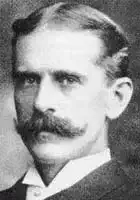
Henry Van Dyke
Gratitude
Gratitude
"Do you give thanks for this? -- or that?"
No, God be thanked
I am not grateful
In that cold, calculating way, with blessing ranked
As one, two, three, and four, -- that would be hateful.
I only know that every day brings good above"
My poor deserving;
I only feel that, in the road of Life, true Love
Is leading me along and never swerving.
Whatever gifts and mercies in my lot may fall,
I would not measure
As worth a certain price in praise, or great or small;
But take and use them all with simple pleasure.
For when we gladly eat our daily bread, we bless
The Hand that feeds us;
And when we tread the road of Life in cheerfulness,
Our very heart-beats praise the Love that leads us.
"Do you give thanks for this? -- or that?"
No, God be thanked
I am not grateful
In that cold, calculating way, with blessing ranked
As one, two, three, and four, -- that would be hateful.
I only know that every day brings good above"
My poor deserving;
I only feel that, in the road of Life, true Love
Is leading me along and never swerving.
Whatever gifts and mercies in my lot may fall,
I would not measure
As worth a certain price in praise, or great or small;
But take and use them all with simple pleasure.
For when we gladly eat our daily bread, we bless
The Hand that feeds us;
And when we tread the road of Life in cheerfulness,
Our very heart-beats praise the Love that leads us.
303
Henry Van Dyke
A Mile With Me
A Mile With Me
O who will walk a mile with me
Along life's merry way?
A comrade blithe and full of glee,
Who dares to laugh out loud and free,
And let his frolic fancy play,
Like a happy child, through the flowers gay
That fill the field and fringe the way
Where he walks a mile with me.
And who will walk a mile with me
Along life's weary way?
A friend whose heart has eyes to see
The stars shine out o'er the darkening lea,
And the quiet rest at the end o' the day,--
A friend who knows, and dares to say,
The brave, sweet words that cheer the way
Where he walks a mile with me.
With such a comrade, such a friend,
I fain would walk till journeys end,
Through summer sunshine, winter rain,
And then?--Farewell, we shall meet again!
O who will walk a mile with me
Along life's merry way?
A comrade blithe and full of glee,
Who dares to laugh out loud and free,
And let his frolic fancy play,
Like a happy child, through the flowers gay
That fill the field and fringe the way
Where he walks a mile with me.
And who will walk a mile with me
Along life's weary way?
A friend whose heart has eyes to see
The stars shine out o'er the darkening lea,
And the quiet rest at the end o' the day,--
A friend who knows, and dares to say,
The brave, sweet words that cheer the way
Where he walks a mile with me.
With such a comrade, such a friend,
I fain would walk till journeys end,
Through summer sunshine, winter rain,
And then?--Farewell, we shall meet again!
235