

Poems in this theme
Life

Henry Lawson
The Drovers
The Drovers
Shrivelled leather, rusty buckles, and the rot is in our knuckles,
Scorched for months upon the pommel while the brittle rein hung free;
Shrunken eyes that once were lighted with fresh boyhood, dull and blighted—
And the sores upon our eyelids are unpleasant sights to see.
And our hair is thin and dying from the ends, with too long lying
In the night dews on the ashes of the Dry Countree.
Yes, we’ve seen ’em ‘bleaching whitely’ where the salt-bush sparkles brightly,
But their grins were over-friendly, so we passed and let them be.
And we’ve seen them ‘rather recent,’ and we’ve stopped to hide ’em decent
When they weren’t nice to handle and they weren’t too nice to see;
We have heard the dry bones rattle under fifteen hundred cattle—
Seen the rags go up in dust-clouds and the brittle joints kicked free;
But there’s little time to tarry, if you wish to live and marry,
When the cattle shy at something in the Dry Countree.
No, you needn’t fear the blacks on the Never Never tracks—
For the Myall in his freedom’s an uncommon sight to see;
Oh! we do not stick at trifles—and the trackers sneak their rifles,
And go strolling in the gloaming while the sergeant’s yarning free:
Round the Myalls creep the trackers—there’s a sound like firing crackers
And—the blacks are getting scarcer in the Dry Countree.
(Goes an unprotected maiden-’cross the clearing carrion-laden—
Oh they ride ’em down on horseback in the Dry Countree.)
But you don’t know what might happen when a tank is but a trap on
Roofs of hell, and there is nothing but the blaze of hell to see;
And the phantom water’s lapping—and no limb for saddle-strapping—
Better carry your revolver through the Dry Countree.
But I’m feeling gay and frisky, come with me and have a whisky!
Change of hells is all we live for (that’s my mate that’s got D.T.);
We have fought through hell’s own weather, he and I and death together—
Oh, the devil grins to greet us from the Dry Countree!
Shrivelled leather, rusty buckles, and the rot is in our knuckles,
Scorched for months upon the pommel while the brittle rein hung free;
Shrunken eyes that once were lighted with fresh boyhood, dull and blighted—
And the sores upon our eyelids are unpleasant sights to see.
And our hair is thin and dying from the ends, with too long lying
In the night dews on the ashes of the Dry Countree.
Yes, we’ve seen ’em ‘bleaching whitely’ where the salt-bush sparkles brightly,
But their grins were over-friendly, so we passed and let them be.
And we’ve seen them ‘rather recent,’ and we’ve stopped to hide ’em decent
When they weren’t nice to handle and they weren’t too nice to see;
We have heard the dry bones rattle under fifteen hundred cattle—
Seen the rags go up in dust-clouds and the brittle joints kicked free;
But there’s little time to tarry, if you wish to live and marry,
When the cattle shy at something in the Dry Countree.
No, you needn’t fear the blacks on the Never Never tracks—
For the Myall in his freedom’s an uncommon sight to see;
Oh! we do not stick at trifles—and the trackers sneak their rifles,
And go strolling in the gloaming while the sergeant’s yarning free:
Round the Myalls creep the trackers—there’s a sound like firing crackers
And—the blacks are getting scarcer in the Dry Countree.
(Goes an unprotected maiden-’cross the clearing carrion-laden—
Oh they ride ’em down on horseback in the Dry Countree.)
But you don’t know what might happen when a tank is but a trap on
Roofs of hell, and there is nothing but the blaze of hell to see;
And the phantom water’s lapping—and no limb for saddle-strapping—
Better carry your revolver through the Dry Countree.
But I’m feeling gay and frisky, come with me and have a whisky!
Change of hells is all we live for (that’s my mate that’s got D.T.);
We have fought through hell’s own weather, he and I and death together—
Oh, the devil grins to greet us from the Dry Countree!
276
Henry Lawson
Possum A Lay of New Chumland
Possum A Lay of New Chumland
SO YER trav’lin’ for yer pleasure while yer writin’ for the press?
An’ yer huntin’ arter “copy”?—well, I’ve heer’d o’ that. I guess
You are gorn ter write a story that is gorn ter be yer best,
’Bout the “blunders an’ advenchers ov a new chum in the west?”
An’ you would be very thankful an’ acknowledge any hint?
Well, I karn’t say as I hankers fur ter see my name in print;
But I know a little story an’ I’ll tell it out ov hand
If yer’ll put it down in writin’ that the swells kin understand—
(It’s a story ov a new chum, and—a story ov the land.)
He had lately kum from Ingland—you cud tell it by ’s cap—
Fur “kerlonial exper’ence” (an’ he got it, too, poor chap).
’Twas in town he met the squatter, an’ he asked, as if in fun,
“If the boss ’ud want a flunkey or a coachy on the run?”
Well, it riz the boss’s dander, an’ he jumps clean orf ’is ’oss—
“Now, me fresh, sweet-scented beauty, watyer giv’nus?” sez the boss;
“I hev met yer kidney often, an’ yer mighty fresh an’ free,
But yer needn’t think yer gorn ter come a-lardin’ over me!”
But the new chum sed that ’onest he was lookin’ for a job,
An’ in spite of his appearance he had blued ’is bottom bob.
An’ as beggars karn’t be choosers same as people wot are rich,
Said he’d go as stoo’rd or gard’ner, but he warn’t partickler which.
Well, the joker seemed in earnest, so the boss began ter cool,
An’ he only blanked the new chum for a thund’rin’ jumpt-up fool.
Then he sed, “Well, there’s the fencin’, if yer’ll tramp it up from Perth,
The boys ’ll find yer su’thin p’r’aps, an’ giv’ yer wat yer worth.”
Ov course the squatter never thort ter see ’im any more,
But he wa’n’t the kind ov new chum that the squatter tuk ’im for;
No, he wa’n’t the kind er cockeroach that on’y kums ter shirk,
That wants ter git the sugar, but is fri’tened ov the work;
For he sold ’is watch ’n’ jool’ry, ’n’ lardi-dardy suits,
Stuck a swag upon his shoulder, ’n’ ’is feet in blucher boots;
An’ I dunno how he did it, he was anythin’ but strong,
But he ’umped his bluey ninety mile an’ kum to Bunglelong.
He earnt ’is pound and tucker borin’ holes an’ runnin’ wire,
An’ he’d work from dawn to sunset, an’ he never seemed to tire;
But he must have suffered orful from the tucker an’ the heat,
An’ the everlastin’ trampin’ made ’im tender in the feet,
An’ he must hev thort ov England w’en the everlastin’ flies
Ware a-worrit, worrit, worrit, an’ a-knawin’ at ’is eyes;
An’ he used to swear like thunder w’en the yaller sergeant ants
Took a mornin’ stroll, promiscus, on the inside ov ’is pants.
He uster make ’is damper six or seven inches thick—
It was doughey on the inside an’ the shell was like a brick,
An’ while the damper made ’im dream ov days ov long ago,
The little boodie rats ’ud kum an’ nibble out the dough.
He biled ’is taters soggy, an’ ’is junk was biled to rags
(The little boodie rats ’ud kum an’ chew ’s tucker bags),
But he took ’is troubles cheerful, an’ he fixed ’em like a pome,
An’ writ ’em in his darey to amuse the folks at home.
At first he flashed a coller an’ was keerful with ’is hat,
An’ he’d black ’is boots ov Sundays, but he soon grew out of that;
An’ he lernt ter bake ’is damper, an’ he leant to bile ’is junk
An’ sleep without a-getting up all night ter shake ’is bunk.
He soon got out ov takin’ “shorter cuts” across the flats,
An’ he learnt to fling ole bottles to the sorror of the rats,
An’ learnt to sling kerlonial and like the bushman’s way,
An’ it did us good to see ’im smoke ’is “nigger” in a clay.
He would sing an’ play ’is fiddle when we gathered round the blaze,
Till ole Frenchy got excited while he’d play the Mascylays;
An’ Bill ’ud take ’is hat off while he’d spout the Light Brigade,
An’ Scotchy got oneasy when the “Bony ’Ills” was played.
So we got ter like the new chum for we’d met with many wuss,
An’ we made it easy for ’im an’ he seemed to take to us:
The toilin’ an’ the trampin’ was a-cookin’ ’im we found,
So we made ’im cook an’ stoo’rd just ter keep the chap around.
Well, the months went bakin’ broilin’ on until Christmas nex’,
When we tramped it down to Perth to spend our ’ollyday (and cheques);
But Possum sed he’d save ’is tin an’ stay and mind the camp,
So we left ’im in possession an’ we started on our tramp;
(We useter call ’im Possum, but for short we called ’im Poss,
For ’is eyes was black an’ twinklin’ and a little chap he was),
We never would have left ’im if we’d know’d (but that’s the ru,
Comin’ back we found ’im dyin’ in ’is gunyah in the scrub.
We fixed ’im up an’ nursed ’im; but we seen without a doubt
That consumption was the matter, an’ the chap was peggin’ out;
But the lion heart inside ’im was as strong an’ stout as six,
An’ while he’d smile an’ thank us he would joke about ’is fix;
An’ he said ’twas very jolly to be dry-nursed in a tent,
An’ he reckoned that the Christmas was the best he’d ever spent;
He would talk of ’ome and Inglan’ when ’is head began ter swim,
But he never blamed the country that had been so ’ard on him.
He would say, “I like the country; if a feller’s blind er halt,
Or if he’s got konsumption, why it ain’t the country’s fault.
The tea that’s boil’d in billies is far sweeter stuff, I know,
Than the cursed drink w’at blasted all my chances long ago.
I would hev cum out sooner if it was my destiny,
An’ I daresay that the country would have made a man ov me.
But w’at’s the good ov energy, an’ wat’s the good er ‘push’
W’en a feller’s sick an’ dyin’ in a gunyah in the bush.”
But he tole me all about it as I sat beside ’is bunk—
How he’d spent ’is tin in Melbourne an’ was allers gettin’ drunk;
How he thort he’d take it easy while he had a little gold,
And, before he turned the new leaf, how he scribbled on the old;
An’ among a lot ov nonsense w’en ’is mind began to drift,
He told me that the new leaf was a heavy leaf to lift.
But w’ats the good er writin’ this, it’s nothin’ very new,
The land will see enough ov it an’ suffer for it, too.
An’ he said w’en he was dying, (when his lung was spit away)
An’ we all was standin’ round ’im in the gunyah where he lay,
An’ he said, “I’ve watched the sunset—when the wind began to ‘woosh’,
Like a layer ov coals a-glowin’—on the dark bed ov the bush;
An’ I felt my fingers slippin’—slippin’—slowly—from the ropes,
Wen the West was cold—like ashes—like the ashes of my hopes;
An’—I—— Sit beside me—Peter—let me ’old—a—bushman’s hand,
For I’m—gorn to—’ump—my bluey—through the gates ov—Newchumland.”
SO YER trav’lin’ for yer pleasure while yer writin’ for the press?
An’ yer huntin’ arter “copy”?—well, I’ve heer’d o’ that. I guess
You are gorn ter write a story that is gorn ter be yer best,
’Bout the “blunders an’ advenchers ov a new chum in the west?”
An’ you would be very thankful an’ acknowledge any hint?
Well, I karn’t say as I hankers fur ter see my name in print;
But I know a little story an’ I’ll tell it out ov hand
If yer’ll put it down in writin’ that the swells kin understand—
(It’s a story ov a new chum, and—a story ov the land.)
He had lately kum from Ingland—you cud tell it by ’s cap—
Fur “kerlonial exper’ence” (an’ he got it, too, poor chap).
’Twas in town he met the squatter, an’ he asked, as if in fun,
“If the boss ’ud want a flunkey or a coachy on the run?”
Well, it riz the boss’s dander, an’ he jumps clean orf ’is ’oss—
“Now, me fresh, sweet-scented beauty, watyer giv’nus?” sez the boss;
“I hev met yer kidney often, an’ yer mighty fresh an’ free,
But yer needn’t think yer gorn ter come a-lardin’ over me!”
But the new chum sed that ’onest he was lookin’ for a job,
An’ in spite of his appearance he had blued ’is bottom bob.
An’ as beggars karn’t be choosers same as people wot are rich,
Said he’d go as stoo’rd or gard’ner, but he warn’t partickler which.
Well, the joker seemed in earnest, so the boss began ter cool,
An’ he only blanked the new chum for a thund’rin’ jumpt-up fool.
Then he sed, “Well, there’s the fencin’, if yer’ll tramp it up from Perth,
The boys ’ll find yer su’thin p’r’aps, an’ giv’ yer wat yer worth.”
Ov course the squatter never thort ter see ’im any more,
But he wa’n’t the kind ov new chum that the squatter tuk ’im for;
No, he wa’n’t the kind er cockeroach that on’y kums ter shirk,
That wants ter git the sugar, but is fri’tened ov the work;
For he sold ’is watch ’n’ jool’ry, ’n’ lardi-dardy suits,
Stuck a swag upon his shoulder, ’n’ ’is feet in blucher boots;
An’ I dunno how he did it, he was anythin’ but strong,
But he ’umped his bluey ninety mile an’ kum to Bunglelong.
He earnt ’is pound and tucker borin’ holes an’ runnin’ wire,
An’ he’d work from dawn to sunset, an’ he never seemed to tire;
But he must have suffered orful from the tucker an’ the heat,
An’ the everlastin’ trampin’ made ’im tender in the feet,
An’ he must hev thort ov England w’en the everlastin’ flies
Ware a-worrit, worrit, worrit, an’ a-knawin’ at ’is eyes;
An’ he used to swear like thunder w’en the yaller sergeant ants
Took a mornin’ stroll, promiscus, on the inside ov ’is pants.
He uster make ’is damper six or seven inches thick—
It was doughey on the inside an’ the shell was like a brick,
An’ while the damper made ’im dream ov days ov long ago,
The little boodie rats ’ud kum an’ nibble out the dough.
He biled ’is taters soggy, an’ ’is junk was biled to rags
(The little boodie rats ’ud kum an’ chew ’s tucker bags),
But he took ’is troubles cheerful, an’ he fixed ’em like a pome,
An’ writ ’em in his darey to amuse the folks at home.
At first he flashed a coller an’ was keerful with ’is hat,
An’ he’d black ’is boots ov Sundays, but he soon grew out of that;
An’ he lernt ter bake ’is damper, an’ he leant to bile ’is junk
An’ sleep without a-getting up all night ter shake ’is bunk.
He soon got out ov takin’ “shorter cuts” across the flats,
An’ he learnt to fling ole bottles to the sorror of the rats,
An’ learnt to sling kerlonial and like the bushman’s way,
An’ it did us good to see ’im smoke ’is “nigger” in a clay.
He would sing an’ play ’is fiddle when we gathered round the blaze,
Till ole Frenchy got excited while he’d play the Mascylays;
An’ Bill ’ud take ’is hat off while he’d spout the Light Brigade,
An’ Scotchy got oneasy when the “Bony ’Ills” was played.
So we got ter like the new chum for we’d met with many wuss,
An’ we made it easy for ’im an’ he seemed to take to us:
The toilin’ an’ the trampin’ was a-cookin’ ’im we found,
So we made ’im cook an’ stoo’rd just ter keep the chap around.
Well, the months went bakin’ broilin’ on until Christmas nex’,
When we tramped it down to Perth to spend our ’ollyday (and cheques);
But Possum sed he’d save ’is tin an’ stay and mind the camp,
So we left ’im in possession an’ we started on our tramp;
(We useter call ’im Possum, but for short we called ’im Poss,
For ’is eyes was black an’ twinklin’ and a little chap he was),
We never would have left ’im if we’d know’d (but that’s the ru,
Comin’ back we found ’im dyin’ in ’is gunyah in the scrub.
We fixed ’im up an’ nursed ’im; but we seen without a doubt
That consumption was the matter, an’ the chap was peggin’ out;
But the lion heart inside ’im was as strong an’ stout as six,
An’ while he’d smile an’ thank us he would joke about ’is fix;
An’ he said ’twas very jolly to be dry-nursed in a tent,
An’ he reckoned that the Christmas was the best he’d ever spent;
He would talk of ’ome and Inglan’ when ’is head began ter swim,
But he never blamed the country that had been so ’ard on him.
He would say, “I like the country; if a feller’s blind er halt,
Or if he’s got konsumption, why it ain’t the country’s fault.
The tea that’s boil’d in billies is far sweeter stuff, I know,
Than the cursed drink w’at blasted all my chances long ago.
I would hev cum out sooner if it was my destiny,
An’ I daresay that the country would have made a man ov me.
But w’at’s the good ov energy, an’ wat’s the good er ‘push’
W’en a feller’s sick an’ dyin’ in a gunyah in the bush.”
But he tole me all about it as I sat beside ’is bunk—
How he’d spent ’is tin in Melbourne an’ was allers gettin’ drunk;
How he thort he’d take it easy while he had a little gold,
And, before he turned the new leaf, how he scribbled on the old;
An’ among a lot ov nonsense w’en ’is mind began to drift,
He told me that the new leaf was a heavy leaf to lift.
But w’ats the good er writin’ this, it’s nothin’ very new,
The land will see enough ov it an’ suffer for it, too.
An’ he said w’en he was dying, (when his lung was spit away)
An’ we all was standin’ round ’im in the gunyah where he lay,
An’ he said, “I’ve watched the sunset—when the wind began to ‘woosh’,
Like a layer ov coals a-glowin’—on the dark bed ov the bush;
An’ I felt my fingers slippin’—slippin’—slowly—from the ropes,
Wen the West was cold—like ashes—like the ashes of my hopes;
An’—I—— Sit beside me—Peter—let me ’old—a—bushman’s hand,
For I’m—gorn to—’ump—my bluey—through the gates ov—Newchumland.”
220
Henry Lawson
Knocked Up
Knocked Up
I'm lyin' on the barren ground that's baked and cracked with drought,
And dunno if my legs or back or heart is most wore out;
I've got no spirits left to rise and smooth me achin' brow -I'm
too knocked up to light a fire and bile the billy now.
Oh it's trampin', trampin', tra-a-mpin', in flies an' dust an' heat,
Or it's trampin' trampin' tra-a-a-mpin'
through mud and slush 'n sleet;
It's tramp an' tramp for tucker -- one everlastin' strife,
An' wearin' out yer boots an' heart in the wastin' of yer life.
They whine o' lost an' wasted lives in idleness and crime -I've
wasted mine for twenty years, and grafted all the time
And never drunk the stuff I earned, nor gambled when I shore --
But somehow when yer on the track yer life seems wasted more.
A long dry stretch of thirty miles I've tramped this broilin' day,
All for the off-chance of a job a hundred miles away;
There's twenty hungry beggars wild for any job this year,
An' fifty might be at the shed while I am lyin' here.
The sinews in my legs seem drawn, red-hot -- 'n that's the truth;
I seem to weigh a ton, and ache like one tremendous tooth;
I'm stung between my shoulder-blades -- my blessed back seems broke;
I'm too knocked out to eat a bite -- I'm too knocked up to smoke.
The blessed rain is comin' too -- there's oceans in the sky,
An' I suppose I must get up and rig the blessed fly;
The heat is bad, the water's bad, the flies a crimson curse,
The grub is bad, mosquitoes damned -- but rheumatism's worse.
I wonder why poor blokes like me will stick so fast ter breath,
Though Shakespeare says it is the fear of somethin' after death;
But though Eternity be cursed with God's almighty curse --
What ever that same somethin' is I swear it can't be worse.
For it's trampin', trampin', tra-a-mpin' thro' hell across the plain,
And it's trampin' trampin' tra-a-mpin' thro' slush 'n mud 'n rain -A
livin' worse than any dog -- without a home 'n wife,
A-wearin' out yer heart 'n soul in the wastin' of yer life.
I'm lyin' on the barren ground that's baked and cracked with drought,
And dunno if my legs or back or heart is most wore out;
I've got no spirits left to rise and smooth me achin' brow -I'm
too knocked up to light a fire and bile the billy now.
Oh it's trampin', trampin', tra-a-mpin', in flies an' dust an' heat,
Or it's trampin' trampin' tra-a-a-mpin'
through mud and slush 'n sleet;
It's tramp an' tramp for tucker -- one everlastin' strife,
An' wearin' out yer boots an' heart in the wastin' of yer life.
They whine o' lost an' wasted lives in idleness and crime -I've
wasted mine for twenty years, and grafted all the time
And never drunk the stuff I earned, nor gambled when I shore --
But somehow when yer on the track yer life seems wasted more.
A long dry stretch of thirty miles I've tramped this broilin' day,
All for the off-chance of a job a hundred miles away;
There's twenty hungry beggars wild for any job this year,
An' fifty might be at the shed while I am lyin' here.
The sinews in my legs seem drawn, red-hot -- 'n that's the truth;
I seem to weigh a ton, and ache like one tremendous tooth;
I'm stung between my shoulder-blades -- my blessed back seems broke;
I'm too knocked out to eat a bite -- I'm too knocked up to smoke.
The blessed rain is comin' too -- there's oceans in the sky,
An' I suppose I must get up and rig the blessed fly;
The heat is bad, the water's bad, the flies a crimson curse,
The grub is bad, mosquitoes damned -- but rheumatism's worse.
I wonder why poor blokes like me will stick so fast ter breath,
Though Shakespeare says it is the fear of somethin' after death;
But though Eternity be cursed with God's almighty curse --
What ever that same somethin' is I swear it can't be worse.
For it's trampin', trampin', tra-a-mpin' thro' hell across the plain,
And it's trampin' trampin' tra-a-mpin' thro' slush 'n mud 'n rain -A
livin' worse than any dog -- without a home 'n wife,
A-wearin' out yer heart 'n soul in the wastin' of yer life.
240

Gwendolyn Brooks
We Real Cool
We Real Cool
The Pool Players.
Seven at the Golden Shovel.
We real cool. We
Left school. We
Lurk late. We
Strike straight. We
Sing sin. We
Thin gin. We
Jazz June. We
Die soon.
The Pool Players.
Seven at the Golden Shovel.
We real cool. We
Left school. We
Lurk late. We
Strike straight. We
Sing sin. We
Thin gin. We
Jazz June. We
Die soon.
275
Guillaume Apollinaire
The Bestiary: or Orpheus’s Procession
The Bestiary: or Orpheus’s Procession
(Le Bestiaire ou Cortège d’Orphée)
Orpheus
Admire the vital power
And nobility of line:
It’s the voice that the light made us understand here
That Hermes Trismegistus writes of in Pimander.
The Tortoise
From magic Thrace, O delerium!
My sure fingers sound the strings.
The creatures pass to the sounds
Of my tortoise, and the songs I sing.
The Horse
My harsh dreams knew the riding of you
My gold-charioted fate will be your lovely car
That for reins will hold tight to frenzy,
My verses, the patterns of all poetry.
The Tibetan Goat
The fleece of this goat and even
That gold one which cost such pain
To Jason’s not worth a sou towards
The tresses with which I’m taken.
The Serpent
You set yourself against beauty.
And how many women have been
victims of your cruelty!
Eve, Eurydice, Cleopatra:
I know three or four more after.
The Cat
I wish there to be in my house:
A woman possessing reason,
A cat among books passing by,
Friends for every season
Lacking whom I’m barely alive.
The Lion
O lion, miserable image
Of kings lamentably chosen,
Now you’re only born in a cage
In Hamburg, among the Germans.
The Hare
Don’t be fearful and lascivious
Like the hare and the amorous.
But always let your brain weave
The full form that conceives.
The Rabbit
There’s another cony I remember
That I’d so like to take alive.
Its haunt is there among the thyme
In the valleys of the Land of Tender.
The Dromedary
With his four dromedaries
Don Pedro of Alfaroubeira
Travels the world and admires her.
He does what I would rather
If I’d those four dromedaries.
The Mouse
Sweet days, the mice of time,
You gnaw my life, moon by moon.
God! I’ve twenty eight years soon,
and badly spent ones I imagine.
The Elephant
I carry treasure in my mouth,
As an elephant his ivory.
At the price of flowing words,
Purple death!…I buy my glory.
Orpheus
Look at this pestilential tribe
Its thousand feet, its hundred eyes:
Beetles, insects, lice
And microbes more amazing
Than the world’s seventh wonder
And the palace of Rosamunde!
The Caterpillar
Work leads us to riches.
Poor poets, work on!
The caterpillar’s endless sigh
Becomes the lovely butterfly.
The Fly
The songs that our flies know
Were taught to them in Norway
By flies who are they say
Divinities of snow.
The Flea
Fleas, friends, lovers too,
How cruel are those who love us!
All our blood pours out for them.
The well-beloved are wretched then.
The Grasshopper
Here’s the slender grasshopper
The food that fed Saint John.
May my verse be similar,
A treat for the best of men.
Orpheus
His heart was the bait: the heavens were the pond!
For, fisherman, what fresh or seawater catch
equals him, either in form or savour,
that lovely divine fish, Jesus, My Saviour?
The Dolphin
Dolphins, playing in the sea
The wave is bitter gruel.
Does my joy sometimes erupt?
Yet life is still so cruel.
The Octopus
Hurling his ink at skies above,
Sucking the blood of what he loves
And finding it delicious,
Is myself the monster, vicious.
The Jellyfish
Medusas, miserable heads
With hairs of violet
You enjoy the hurricane
And I enjoy the very same.
The Lobster
Uncertainty, O my delights
You and I we go
As lobsters travel onwards, quite
Backwards, Backwards, O.
The Carp
In your pools, and in your ponds,
Carp, you indeed live long!
Is it that death forgets to free
You fishes of melancholy?
Orpheus
The female of the Halcyon,
Love, the seductive Sirens,
All know the fatal songs
Dangerous and inhuman.
Don’t listen to those cursed birds
But Paradisial Angels’ words.
The Sirens
Do I know where your ennui’s from, Sirens,
When you grieve so widely under the stars?
Sea, I am like you, filled with broken voices,
And my ships, singing, give a name to the years.
The Dove
Dove, both love and spirit
Who engendered Jesus Christ,
Like you I love a Mary.
And so with her I marry.
The Peacock
In spreading out his fan, this bird,
Whose plumage drags on earth, I fear,
Appears more lovely than before,
But makes his derrière appear.
The Owl
My poor heart’s an owl
One woos, un-woos, re-woos.
Of blood, of ardour, he’s the fowl.
I praise those who love me, too.
Ibis
Yes, I’ll pass fearful shadows
O certain death, let it be so!
Latin mortal dreadful word,
Ibis, Nile’s native bird.
The Ox
This cherubim sings the praises
Of Paradise where, with Angels,
We’ll live once more, dear friends,
When the good God intends.
(Le Bestiaire ou Cortège d’Orphée)
Orpheus
Admire the vital power
And nobility of line:
It’s the voice that the light made us understand here
That Hermes Trismegistus writes of in Pimander.
The Tortoise
From magic Thrace, O delerium!
My sure fingers sound the strings.
The creatures pass to the sounds
Of my tortoise, and the songs I sing.
The Horse
My harsh dreams knew the riding of you
My gold-charioted fate will be your lovely car
That for reins will hold tight to frenzy,
My verses, the patterns of all poetry.
The Tibetan Goat
The fleece of this goat and even
That gold one which cost such pain
To Jason’s not worth a sou towards
The tresses with which I’m taken.
The Serpent
You set yourself against beauty.
And how many women have been
victims of your cruelty!
Eve, Eurydice, Cleopatra:
I know three or four more after.
The Cat
I wish there to be in my house:
A woman possessing reason,
A cat among books passing by,
Friends for every season
Lacking whom I’m barely alive.
The Lion
O lion, miserable image
Of kings lamentably chosen,
Now you’re only born in a cage
In Hamburg, among the Germans.
The Hare
Don’t be fearful and lascivious
Like the hare and the amorous.
But always let your brain weave
The full form that conceives.
The Rabbit
There’s another cony I remember
That I’d so like to take alive.
Its haunt is there among the thyme
In the valleys of the Land of Tender.
The Dromedary
With his four dromedaries
Don Pedro of Alfaroubeira
Travels the world and admires her.
He does what I would rather
If I’d those four dromedaries.
The Mouse
Sweet days, the mice of time,
You gnaw my life, moon by moon.
God! I’ve twenty eight years soon,
and badly spent ones I imagine.
The Elephant
I carry treasure in my mouth,
As an elephant his ivory.
At the price of flowing words,
Purple death!…I buy my glory.
Orpheus
Look at this pestilential tribe
Its thousand feet, its hundred eyes:
Beetles, insects, lice
And microbes more amazing
Than the world’s seventh wonder
And the palace of Rosamunde!
The Caterpillar
Work leads us to riches.
Poor poets, work on!
The caterpillar’s endless sigh
Becomes the lovely butterfly.
The Fly
The songs that our flies know
Were taught to them in Norway
By flies who are they say
Divinities of snow.
The Flea
Fleas, friends, lovers too,
How cruel are those who love us!
All our blood pours out for them.
The well-beloved are wretched then.
The Grasshopper
Here’s the slender grasshopper
The food that fed Saint John.
May my verse be similar,
A treat for the best of men.
Orpheus
His heart was the bait: the heavens were the pond!
For, fisherman, what fresh or seawater catch
equals him, either in form or savour,
that lovely divine fish, Jesus, My Saviour?
The Dolphin
Dolphins, playing in the sea
The wave is bitter gruel.
Does my joy sometimes erupt?
Yet life is still so cruel.
The Octopus
Hurling his ink at skies above,
Sucking the blood of what he loves
And finding it delicious,
Is myself the monster, vicious.
The Jellyfish
Medusas, miserable heads
With hairs of violet
You enjoy the hurricane
And I enjoy the very same.
The Lobster
Uncertainty, O my delights
You and I we go
As lobsters travel onwards, quite
Backwards, Backwards, O.
The Carp
In your pools, and in your ponds,
Carp, you indeed live long!
Is it that death forgets to free
You fishes of melancholy?
Orpheus
The female of the Halcyon,
Love, the seductive Sirens,
All know the fatal songs
Dangerous and inhuman.
Don’t listen to those cursed birds
But Paradisial Angels’ words.
The Sirens
Do I know where your ennui’s from, Sirens,
When you grieve so widely under the stars?
Sea, I am like you, filled with broken voices,
And my ships, singing, give a name to the years.
The Dove
Dove, both love and spirit
Who engendered Jesus Christ,
Like you I love a Mary.
And so with her I marry.
The Peacock
In spreading out his fan, this bird,
Whose plumage drags on earth, I fear,
Appears more lovely than before,
But makes his derrière appear.
The Owl
My poor heart’s an owl
One woos, un-woos, re-woos.
Of blood, of ardour, he’s the fowl.
I praise those who love me, too.
Ibis
Yes, I’ll pass fearful shadows
O certain death, let it be so!
Latin mortal dreadful word,
Ibis, Nile’s native bird.
The Ox
This cherubim sings the praises
Of Paradise where, with Angels,
We’ll live once more, dear friends,
When the good God intends.
917

George Herbert
Mortification
Mortification
How soon doth man decay!
When clothes are taken from a chest of sweets
To swaddle infants, whose young breath
Scarce knows the way;
Those clouts are little winding-sheets,
Which do consign and send them unto Death.
When boyes go first to bed,
They step into their voluntarie graves;
Sleep binds them fast; onely their breath
Makes them not dead:
Successive nights, like rolling waves,
Convey them quickly who are bound for Death.
When Youth is frank and free,
And calls for musick, while his veins do swell,
All day exchanging mirth and breath
In companie,
That musick summons to the knell
Which shall befriend him at the house of Death.
When man grows staid and wise,
Getting a house and home, where he may move
Within the circle of his breath,
Schooling his eyes,
That dumbe inclosure maketh love
Unto the coffin, that attends his death.
When Age grows low and weak,
Marking his grave, and thawing ev'ry year,
Till all do melt and drown his breath
When he would speak,
A chair or litter shows the biere
Which shall convey him to the house of Death.
Man, ere he is aware,
Hath put together a solemnitie,
And drest his hearse, while he has breath
As yet to spare;
Yet, Lord, instruct us so to die,
That all these dyings may be LIFE in DEATH.
How soon doth man decay!
When clothes are taken from a chest of sweets
To swaddle infants, whose young breath
Scarce knows the way;
Those clouts are little winding-sheets,
Which do consign and send them unto Death.
When boyes go first to bed,
They step into their voluntarie graves;
Sleep binds them fast; onely their breath
Makes them not dead:
Successive nights, like rolling waves,
Convey them quickly who are bound for Death.
When Youth is frank and free,
And calls for musick, while his veins do swell,
All day exchanging mirth and breath
In companie,
That musick summons to the knell
Which shall befriend him at the house of Death.
When man grows staid and wise,
Getting a house and home, where he may move
Within the circle of his breath,
Schooling his eyes,
That dumbe inclosure maketh love
Unto the coffin, that attends his death.
When Age grows low and weak,
Marking his grave, and thawing ev'ry year,
Till all do melt and drown his breath
When he would speak,
A chair or litter shows the biere
Which shall convey him to the house of Death.
Man, ere he is aware,
Hath put together a solemnitie,
And drest his hearse, while he has breath
As yet to spare;
Yet, Lord, instruct us so to die,
That all these dyings may be LIFE in DEATH.
266
George Herbert
Man's Medley
Man's Medley
Hark, how the birds do sing,
and woods do ring.
All creatures have their joy: and man hath his.
Yet if we rightly measure,
Man's joy and pleasure
Rather hereafter, than in present, is.
To this life things of sense
Make their pretense:
In th'other Angels have a right by birth:
Man ties them both alone,
And makes them one,
With th'one hand touching heav'n, with th'other earth.
In soul he mounts and flies,
In flesh he dies.
He wears a stuff whose thread is coarse and round,
But trimm'd with curious lace
And should take place
After the trimming, not the stuff and ground.
Not that he may not here
Taste of the cheer,
But as birds drink, and straight lift up their head,
So must he sip and think
Of better drink
He may attain to, after he is dead.
But as his joys are double,
So is his trouble.
He hath two winters, other things but one:
Both frosts and thoughts do nip,
And bite his lip;
And he of all things fears two deaths alone.
Yet ev'n the greatest griefs
May be reliefs,
Could he but take them right, and in their ways.
Happy is he, whose heart
Hath found the art
To turn his double pains to double praise.
Hark, how the birds do sing,
and woods do ring.
All creatures have their joy: and man hath his.
Yet if we rightly measure,
Man's joy and pleasure
Rather hereafter, than in present, is.
To this life things of sense
Make their pretense:
In th'other Angels have a right by birth:
Man ties them both alone,
And makes them one,
With th'one hand touching heav'n, with th'other earth.
In soul he mounts and flies,
In flesh he dies.
He wears a stuff whose thread is coarse and round,
But trimm'd with curious lace
And should take place
After the trimming, not the stuff and ground.
Not that he may not here
Taste of the cheer,
But as birds drink, and straight lift up their head,
So must he sip and think
Of better drink
He may attain to, after he is dead.
But as his joys are double,
So is his trouble.
He hath two winters, other things but one:
Both frosts and thoughts do nip,
And bite his lip;
And he of all things fears two deaths alone.
Yet ev'n the greatest griefs
May be reliefs,
Could he but take them right, and in their ways.
Happy is he, whose heart
Hath found the art
To turn his double pains to double praise.
238
George Herbert
A Dialogue-Anthem
A Dialogue-Anthem
Alas, poor Death! Where is thy glory?
Where is thy famous force, thy ancient sting?
Alas, poor mortal, void of story!
Go spell and read how I have killed thy King.
Poor Death! And who was hurt thereby?
Thy curse being laid on Him makes thee accurst.
Let losers talk, yet thou shalt die;
These arms shall crush thee.
Spare not, do thy worst.
I shall be one day better than before;
Thou so much worse, that thou shalt be no more.
Alas, poor Death! Where is thy glory?
Where is thy famous force, thy ancient sting?
Alas, poor mortal, void of story!
Go spell and read how I have killed thy King.
Poor Death! And who was hurt thereby?
Thy curse being laid on Him makes thee accurst.
Let losers talk, yet thou shalt die;
These arms shall crush thee.
Spare not, do thy worst.
I shall be one day better than before;
Thou so much worse, that thou shalt be no more.
245
Lord Byron
I would to heaven that I were so much clay
I would to heaven that I were so much clay
I would to heaven that I were so much clay,
As I am blood, bone, marrow, passion, feeling Because
at least the past were passed away And
for the future (
but I write this reeling,
Having got drunk exceedingly today,
So that I seem to stand upon the ceiling)
I say the
future is a serious matter And
so for
God's sake hock
and soda water!
I would to heaven that I were so much clay,
As I am blood, bone, marrow, passion, feeling Because
at least the past were passed away And
for the future (
but I write this reeling,
Having got drunk exceedingly today,
So that I seem to stand upon the ceiling)
I say the
future is a serious matter And
so for
God's sake hock
and soda water!
432
Lord Byron
Fill The Goblet Again: A Song
Fill The Goblet Again: A Song
Fill the goblet again! for I never before
Felt the glow which now gladdens my heart to its core;
Let us drink!who
would not?since,
through life's varied round,
In the goblet alone no deception is found.
I have tried in its turn all that life can supply;
I have bask'd in the beam of a dark rolling eye;
I have loved!who
has not?but
what heart can declare
That pleasure existed while passion was there?
In the days of my youth, when the heart's in its spring,
And dreams that affection can never take wing,
I had friends!who
has not?but
what tongue will avow,
That friends, rosy wine! are so faithful as thou?
The heart of a mistress some boy may estrange,
Friendship shifts with the sunbeamthou
never canst change;
Thou grow'st oldwho
does not?but
on earth what appears,
Whose virtues, like thine, still increase with its years?
Yet if blest to the utmost that love can bestow,
Should a rival bow down to our idol below,
We aree jealous!who
is not?thou
hast no such alloy;
For the more that enjoy thee, the more we enjoy.
Then the season of youth and its vanities past,
For refuge we fly to the goblet at last;
There we finddo
we not?in
the flow of the soul,
That truth, as of yore, is confined to the bowl.
When the box of Pandora was opened on earth,
And Misery's triumph commenced over Mirth,
Hope was left,was
she not?but
the goblet we kiss,
And care not for Hope, who are certain of bliss.
Long life to the grape! for when summer is flown,
The age of our nectar shall gladden our own:
We must diewho
shall not?May
our sins be forgiven,
And Hebe shall never be idle in heaven.
Fill the goblet again! for I never before
Felt the glow which now gladdens my heart to its core;
Let us drink!who
would not?since,
through life's varied round,
In the goblet alone no deception is found.
I have tried in its turn all that life can supply;
I have bask'd in the beam of a dark rolling eye;
I have loved!who
has not?but
what heart can declare
That pleasure existed while passion was there?
In the days of my youth, when the heart's in its spring,
And dreams that affection can never take wing,
I had friends!who
has not?but
what tongue will avow,
That friends, rosy wine! are so faithful as thou?
The heart of a mistress some boy may estrange,
Friendship shifts with the sunbeamthou
never canst change;
Thou grow'st oldwho
does not?but
on earth what appears,
Whose virtues, like thine, still increase with its years?
Yet if blest to the utmost that love can bestow,
Should a rival bow down to our idol below,
We aree jealous!who
is not?thou
hast no such alloy;
For the more that enjoy thee, the more we enjoy.
Then the season of youth and its vanities past,
For refuge we fly to the goblet at last;
There we finddo
we not?in
the flow of the soul,
That truth, as of yore, is confined to the bowl.
When the box of Pandora was opened on earth,
And Misery's triumph commenced over Mirth,
Hope was left,was
she not?but
the goblet we kiss,
And care not for Hope, who are certain of bliss.
Long life to the grape! for when summer is flown,
The age of our nectar shall gladden our own:
We must diewho
shall not?May
our sins be forgiven,
And Hebe shall never be idle in heaven.
460
Ezra Pound
Post Mortem Conspectu
Post Mortem Conspectu
A brown, fat babe sitting in the lotus,
And you were glad and laughing
With a laughter not of this world.
It is good to splash in the water
And laughter is the end of all things.
A brown, fat babe sitting in the lotus,
And you were glad and laughing
With a laughter not of this world.
It is good to splash in the water
And laughter is the end of all things.
338
Ezra Pound
Au Jardin
Au Jardin
O you away high there,
you that lean
From amber lattices upon the cobalt night,
I am below amid the pine trees,
Amid the little pine trees, hear me!
'The jester walked in the garden.'
Did he so?
Well, there's no use your loving me
That way, Lady;
For I've nothing but songs to give you.
I am set wide upon the world's ways
To say that life is, some way, a gay thing,
But you never string two days upon one wire
But there'll come sorrow of it.
And I loved a love once,
Over beyond the moon there,
I loved a love once,
And, may be, more times,
But she danced like a pink moth in the shrubbery.
Oh, I know you women from the 'other folk',
And it'll all come right,
O' Sundays.
'The jester walked in the garden.'
Did he so?
O you away high there,
you that lean
From amber lattices upon the cobalt night,
I am below amid the pine trees,
Amid the little pine trees, hear me!
'The jester walked in the garden.'
Did he so?
Well, there's no use your loving me
That way, Lady;
For I've nothing but songs to give you.
I am set wide upon the world's ways
To say that life is, some way, a gay thing,
But you never string two days upon one wire
But there'll come sorrow of it.
And I loved a love once,
Over beyond the moon there,
I loved a love once,
And, may be, more times,
But she danced like a pink moth in the shrubbery.
Oh, I know you women from the 'other folk',
And it'll all come right,
O' Sundays.
'The jester walked in the garden.'
Did he so?
465

Emily Jane Brontë
A Day Dream
A Day Dream
On a sunny brae, alone I lay
One summer afternoon;
It was the marriage-time of May
With her young lover, June.
From her mother's heart, seemed loath to part
That queen of bridal charms,
But her father smiled on the fairest child
He ever held in his arms.
The trees did wave their plumy crests,
The glad birds caroled clear;
And I, of all the wedding guests,
Was only sullen there!
There was not one, but wished to shun
My aspect void of cheer;
The very grey rocks, looking on,
Asked, "What do you here?"
And I could utter no reply;
In sooth, I did not know
Why I had brought a clouded eye
To greet the general glow.
So, resting on a heathy bank,
I took my heart to me;
And we together sadly sank
Into a reverie.
We thought, "When winter comes again,
Where will these bright things be?
All vanished, like a vision vain,
An unreal mockery!
The birds that now so blithely sing,
Through deserts, frozen dry,
Poor spectres of the perished spring,
In famished troops, will fly.
And why should we be glad at all?
The leaf is hardly green,
Before a token of its fall
Is on the surface seen!"
Now, whether it were really so,
I never could be sure;
But as in fit of peevish woe,
I stretched me on the moor.
A thousand thousand gleaming fires
Seemed kindling in the air;
A thousand thousand silvery lyres
Resounded far and near:
Methought, the very breath I breathed
Was full of sparks divine,
And all my heather-couch was wreathed
By that celestial shine!
And, while the wide earth echoing rung
To their strange minstrelsy,
The little glittering spirits sung,
Or seemed to sing, to me.
"O mortal! mortal! let them die;
Let time and tears destroy,
That we may overflow the sky
With universal joy!
Let grief distract the sufferer's breast,
And night obscure his way;
They hasten him to endless rest,
And everlasting day.
To thee the world is like a tomb,
A desert's naked shore;
To us, in unimagined bloom,
It brightens more and more!
And could we lift the veil, and give
One brief glimpse to thine eye,
Thou wouldst rejoice for those that live,
Because they live to die."
The music ceased; the noonday dream,
Like dream of night, withdrew;
But Fancy, still, will sometimes deem
Her fond creation true.
On a sunny brae, alone I lay
One summer afternoon;
It was the marriage-time of May
With her young lover, June.
From her mother's heart, seemed loath to part
That queen of bridal charms,
But her father smiled on the fairest child
He ever held in his arms.
The trees did wave their plumy crests,
The glad birds caroled clear;
And I, of all the wedding guests,
Was only sullen there!
There was not one, but wished to shun
My aspect void of cheer;
The very grey rocks, looking on,
Asked, "What do you here?"
And I could utter no reply;
In sooth, I did not know
Why I had brought a clouded eye
To greet the general glow.
So, resting on a heathy bank,
I took my heart to me;
And we together sadly sank
Into a reverie.
We thought, "When winter comes again,
Where will these bright things be?
All vanished, like a vision vain,
An unreal mockery!
The birds that now so blithely sing,
Through deserts, frozen dry,
Poor spectres of the perished spring,
In famished troops, will fly.
And why should we be glad at all?
The leaf is hardly green,
Before a token of its fall
Is on the surface seen!"
Now, whether it were really so,
I never could be sure;
But as in fit of peevish woe,
I stretched me on the moor.
A thousand thousand gleaming fires
Seemed kindling in the air;
A thousand thousand silvery lyres
Resounded far and near:
Methought, the very breath I breathed
Was full of sparks divine,
And all my heather-couch was wreathed
By that celestial shine!
And, while the wide earth echoing rung
To their strange minstrelsy,
The little glittering spirits sung,
Or seemed to sing, to me.
"O mortal! mortal! let them die;
Let time and tears destroy,
That we may overflow the sky
With universal joy!
Let grief distract the sufferer's breast,
And night obscure his way;
They hasten him to endless rest,
And everlasting day.
To thee the world is like a tomb,
A desert's naked shore;
To us, in unimagined bloom,
It brightens more and more!
And could we lift the veil, and give
One brief glimpse to thine eye,
Thou wouldst rejoice for those that live,
Because they live to die."
The music ceased; the noonday dream,
Like dream of night, withdrew;
But Fancy, still, will sometimes deem
Her fond creation true.
249
Emily Dickinson
We lose—because we win
We lose—because we win
21
We lose—because we win—
Gamblers—recollecting which
Toss their dice again!
21
We lose—because we win—
Gamblers—recollecting which
Toss their dice again!
253
Emily Dickinson
Upon Concluded Lives
Upon Concluded Lives
735
Upon Concluded Lives
There's nothing cooler falls-
Than Life's sweet Calculations-
The mixing Bells and Palls-
Make Lacerating Tune-
To Ears the Dying Side'
Tis Coronal-and FuneralSaluting-
in the Road-
735
Upon Concluded Lives
There's nothing cooler falls-
Than Life's sweet Calculations-
The mixing Bells and Palls-
Make Lacerating Tune-
To Ears the Dying Side'
Tis Coronal-and FuneralSaluting-
in the Road-
240
Emily Dickinson
The Whole of it came not at once
The Whole of it came not at once
762
The Whole of it came not at once'
Twas Murder by degrees-
A Thrust-and then for Life a chance-
The Bliss to cauterize-
The Cat reprieves the Mouse
She eases from her teeth
Just long enough for Hope to tease-
Then mashes it to death
'Tis Life's award-to die-
Contenteder if once-
Than dying half-then rallying
For consciouser Eclipse-
762
The Whole of it came not at once'
Twas Murder by degrees-
A Thrust-and then for Life a chance-
The Bliss to cauterize-
The Cat reprieves the Mouse
She eases from her teeth
Just long enough for Hope to tease-
Then mashes it to death
'Tis Life's award-to die-
Contenteder if once-
Than dying half-then rallying
For consciouser Eclipse-
345
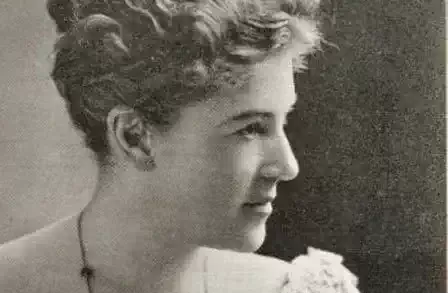
Ella Wheeler Wilcox
The Two Glasses
The Two Glasses
There sat two glasses, filled to the brim,
On a rich man's table, rim to rim.
One was ruddy and red as blood,
And one was clear as the crystal flood.
Said the glass of wine to his paler brother,
"Let us tell tales of the past to each other;
I can tell of banquet, and revel, and mirth,
Where I was a king, for I ruled in might;
For the proudest and grandest souls on earth
Fell under my touch, as though struck with blight.
From the heads of kings I have torn the crown;
From the heights of fame I have hurled men down.
I have blasted many an honored name;
I have taken virtue and given shame;
I have tempted the youth with a sip, a taste,
That has made his future a barren waste.
Far greater than any king am I,
Or than any army beneath the sky.
I have made the arm of the driver fail,
And sent the train from the iron rail.
I have made good ships go down at sea,
And the shrieks of the lost were sweet to me.
Fame, strength, wealth, genius before me fall;
Ho, ho! pale brother," said the wine,
"Can you boast of deeds as great as mine?"
Said the water-glass: "I cannot boast
Of a king dethroned, or a murdered host,
But I can tell of hearts that were sad
By my crystal drops made bright and glad;
Of thirsts I have quenched, and brows I have laved;
Of hands I have cooled, and souls I have saved.
I have leaped through the valley, dashed down the mountain,
Slept in the sunshine, and dripped from the fountain.
I have burst my cloud-fetters, and dropped from the sky,
And everywhere gladdened the prospect and eye;
I have eased the hot forehead of fever and pain;
I have made the parched meadows grow fertile with grain.
I can tell of the powerful wheel of the mill,
That ground out the flower, and turned at my will.
I can tell of manhood debased by you,
That I have uplifted and crowned anew;
I cheer, I help, I strengthen and aid;
I gladden the heart of man and maid;
I set the wine-chained captive free,
And all are better for knowing me."
These are the tales they told each other,
The glass of wine and its paler brother,
As they sat together, filled to the brim,
On a rich man's table, rim to rim.
There sat two glasses, filled to the brim,
On a rich man's table, rim to rim.
One was ruddy and red as blood,
And one was clear as the crystal flood.
Said the glass of wine to his paler brother,
"Let us tell tales of the past to each other;
I can tell of banquet, and revel, and mirth,
Where I was a king, for I ruled in might;
For the proudest and grandest souls on earth
Fell under my touch, as though struck with blight.
From the heads of kings I have torn the crown;
From the heights of fame I have hurled men down.
I have blasted many an honored name;
I have taken virtue and given shame;
I have tempted the youth with a sip, a taste,
That has made his future a barren waste.
Far greater than any king am I,
Or than any army beneath the sky.
I have made the arm of the driver fail,
And sent the train from the iron rail.
I have made good ships go down at sea,
And the shrieks of the lost were sweet to me.
Fame, strength, wealth, genius before me fall;
Ho, ho! pale brother," said the wine,
"Can you boast of deeds as great as mine?"
Said the water-glass: "I cannot boast
Of a king dethroned, or a murdered host,
But I can tell of hearts that were sad
By my crystal drops made bright and glad;
Of thirsts I have quenched, and brows I have laved;
Of hands I have cooled, and souls I have saved.
I have leaped through the valley, dashed down the mountain,
Slept in the sunshine, and dripped from the fountain.
I have burst my cloud-fetters, and dropped from the sky,
And everywhere gladdened the prospect and eye;
I have eased the hot forehead of fever and pain;
I have made the parched meadows grow fertile with grain.
I can tell of the powerful wheel of the mill,
That ground out the flower, and turned at my will.
I can tell of manhood debased by you,
That I have uplifted and crowned anew;
I cheer, I help, I strengthen and aid;
I gladden the heart of man and maid;
I set the wine-chained captive free,
And all are better for knowing me."
These are the tales they told each other,
The glass of wine and its paler brother,
As they sat together, filled to the brim,
On a rich man's table, rim to rim.
440
Ella Wheeler Wilcox
Sunshine And Shadow
Sunshine And Shadow
Life has its shadows, as well as its sun;
Its lights and its shades, all twined together.
I tried to single them out, one by one,
Single and count them, determining whether
There was less blue than there was grey,
And more of the deep night than of the day.
But dear me, dear me, my task’s but begun,
And I am not half way into the sun.
For the longer I look on the bright side of earth,
The more of the beautiful do I discover;
And really, I never knew what life was worth
Till I searched the wide storehouse of happiness over.
It is filled from the cellar well up to the skies,
With things meant to gladden the heart and the eyes.
The doors are unlocked, you can enter each room,
That lies like a beautiful garden in bloom.
Yet life has its shadow, as well as its sun;
Earth has its storehouse of joy and sorrow.
But the first is so wide – and my task’s but begun –
That the last must be left for a far-distant morrow.
I will count up the blessings God gave in a row,
But dear me! When I get through them, I know
I shall have little tine left for the rest,
For life is a swift-flowing river at best.
Life has its shadows, as well as its sun;
Its lights and its shades, all twined together.
I tried to single them out, one by one,
Single and count them, determining whether
There was less blue than there was grey,
And more of the deep night than of the day.
But dear me, dear me, my task’s but begun,
And I am not half way into the sun.
For the longer I look on the bright side of earth,
The more of the beautiful do I discover;
And really, I never knew what life was worth
Till I searched the wide storehouse of happiness over.
It is filled from the cellar well up to the skies,
With things meant to gladden the heart and the eyes.
The doors are unlocked, you can enter each room,
That lies like a beautiful garden in bloom.
Yet life has its shadow, as well as its sun;
Earth has its storehouse of joy and sorrow.
But the first is so wide – and my task’s but begun –
That the last must be left for a far-distant morrow.
I will count up the blessings God gave in a row,
But dear me! When I get through them, I know
I shall have little tine left for the rest,
For life is a swift-flowing river at best.
453
Ella Wheeler Wilcox
Song Of The Aviator
Song Of The Aviator
You may thrill with the speed of your thoroughbred steed,
You may laugh with delight as you ride the ocean,
You may rush afar in your touring car,
Leaping, sweeping, by things that are creeping-
But you never will know the joy of motion
Till you rise up over the earth some day,
And soar like an eagle, away-away.
High and higher above each spire,
Till lost to sight is the tallest steeple,
With the winds you chase in a valiant race,
Looping, swooping, where mountains are grouping,
Hailing them comrades, in place of people.
Oh! vast is the rapture the birdman knows,
As into the ether he mounts and goes.
He is over the sphere of human fear;
He has come into touch with things supernal.
At each man's gate death stands await;
And dying, flying, were better than lying
In sick-beds, crying for life eternal,
Better to fly half-way to God
Than to burrow too long like a worm in the sod.
You may thrill with the speed of your thoroughbred steed,
You may laugh with delight as you ride the ocean,
You may rush afar in your touring car,
Leaping, sweeping, by things that are creeping-
But you never will know the joy of motion
Till you rise up over the earth some day,
And soar like an eagle, away-away.
High and higher above each spire,
Till lost to sight is the tallest steeple,
With the winds you chase in a valiant race,
Looping, swooping, where mountains are grouping,
Hailing them comrades, in place of people.
Oh! vast is the rapture the birdman knows,
As into the ether he mounts and goes.
He is over the sphere of human fear;
He has come into touch with things supernal.
At each man's gate death stands await;
And dying, flying, were better than lying
In sick-beds, crying for life eternal,
Better to fly half-way to God
Than to burrow too long like a worm in the sod.
387
Ella Wheeler Wilcox
Poverty And Wealth
Poverty And Wealth
The stork flew over a town one day,
And back of each wing an infant lay;
One to a rich man’s home he brought,
And one he left at a labourer’s cot.
The rich man said, ‘My son shall be
A lordly ruler o’er land and sea.’
The labourer sighed, ‘’Tis the good God’s will
That I have another mouth to fill.’
The rich man’s son grew strong and fair,
And proud with the pride of a millionaire.
His motto in life was, ‘Live while you may, ’
And he crowded years in a single day.
He bought position and name and place,
And he bought him a wife with a handsome face.
He journeyed over the whole wide world,
But discontent his heart lay curled
Like a serpent hidden in leaves and moss,
And life seemed hollow and gold was dross.
He scoffed at woman, and doubted God,
And died like a beast and went back to the sod.
The son of the labourer tilled the soil,
And thanked God daily for health and toil.
He wedded for love in his youthful prime,
And two lives chorded in tune and time.
His wants were simple, and simple his creed,
To trust God fully: it served his need,
And lightened his labour, and helped him to die
With a smile on his lips and a hope in his eye.
When all is over and all is done,
Now which of these men was the richer one?
The stork flew over a town one day,
And back of each wing an infant lay;
One to a rich man’s home he brought,
And one he left at a labourer’s cot.
The rich man said, ‘My son shall be
A lordly ruler o’er land and sea.’
The labourer sighed, ‘’Tis the good God’s will
That I have another mouth to fill.’
The rich man’s son grew strong and fair,
And proud with the pride of a millionaire.
His motto in life was, ‘Live while you may, ’
And he crowded years in a single day.
He bought position and name and place,
And he bought him a wife with a handsome face.
He journeyed over the whole wide world,
But discontent his heart lay curled
Like a serpent hidden in leaves and moss,
And life seemed hollow and gold was dross.
He scoffed at woman, and doubted God,
And died like a beast and went back to the sod.
The son of the labourer tilled the soil,
And thanked God daily for health and toil.
He wedded for love in his youthful prime,
And two lives chorded in tune and time.
His wants were simple, and simple his creed,
To trust God fully: it served his need,
And lightened his labour, and helped him to die
With a smile on his lips and a hope in his eye.
When all is over and all is done,
Now which of these men was the richer one?
380
Ella Wheeler Wilcox
Our Lives
Our Lives
Our lives are songs. God writes the words,
And we set them to music at pleasure;
And the song grows glad, or sweet, or sad,
As we choose to fashion the measure.
We must write the music, whatever the song,
Whatever its rhyme, or metre;
And if it is sad, we can make it glad,
Or if sweet, we can make it sweeter.
One has a song that is free and strong;
But the music he writes is minor;
And the sad, sad strain is replete with pain,
And the singer becomes a repiner.
And he thinks God gave him a dirge-like lay,
Nor knows that the words are cheery;
And the song seems lonely and solemn-only
Because the music is dreary.
And the song of another has through the words
An under current of sadness;
But he sets it to music of ringing chords,
And makes it a pean of gladness.
So whether our songs are sad or not,
We can give the world more pleasure,
And better ourselves, by setting the words
To a glad, triumphant measure.
1872
Our lives are songs. God writes the words,
And we set them to music at pleasure;
And the song grows glad, or sweet, or sad,
As we choose to fashion the measure.
We must write the music, whatever the song,
Whatever its rhyme, or metre;
And if it is sad, we can make it glad,
Or if sweet, we can make it sweeter.
One has a song that is free and strong;
But the music he writes is minor;
And the sad, sad strain is replete with pain,
And the singer becomes a repiner.
And he thinks God gave him a dirge-like lay,
Nor knows that the words are cheery;
And the song seems lonely and solemn-only
Because the music is dreary.
And the song of another has through the words
An under current of sadness;
But he sets it to music of ringing chords,
And makes it a pean of gladness.
So whether our songs are sad or not,
We can give the world more pleasure,
And better ourselves, by setting the words
To a glad, triumphant measure.
1872
393
Ella Wheeler Wilcox
Into The World
Into The World
Out over childhood's borders,
Manhood's brave banners unfurled,
Weighed down with precepts and orders
A boy has gone into the world.
Nobody thinks it pathetic-
For he is a strong-armed youth.
But where is the vision prophetic
To forecast his future with truth?
No more a child to be petted
And sheltered away from the strife;
Henceforth-a man to be fretted
And worn with the worries of life.
Henceforth a man with others
To scramble and push in the race,
To jostle and crowd with his brothers,
To struggle for gain and place.
Now though his heart is breaking,
Henceforth his lids must be dry;
Now though his soul is aching,
He must not utter a cry.
Now if his brain is troubled,
Now if his courage has gone,
Still must his strength be doubled,
Still must the battle go on.
Now if success shall crown him,
Oh, how the world will cheer.
Now if misfortune shall down him,
Oh, how the scoffer will jeer.
Virtue and truth attend him,
Into the vortex whirled,
God and His angels defend him-
A boy has gone into the world.
Out over childhood's borders,
Manhood's brave banners unfurled,
Weighed down with precepts and orders
A boy has gone into the world.
Nobody thinks it pathetic-
For he is a strong-armed youth.
But where is the vision prophetic
To forecast his future with truth?
No more a child to be petted
And sheltered away from the strife;
Henceforth-a man to be fretted
And worn with the worries of life.
Henceforth a man with others
To scramble and push in the race,
To jostle and crowd with his brothers,
To struggle for gain and place.
Now though his heart is breaking,
Henceforth his lids must be dry;
Now though his soul is aching,
He must not utter a cry.
Now if his brain is troubled,
Now if his courage has gone,
Still must his strength be doubled,
Still must the battle go on.
Now if success shall crown him,
Oh, how the world will cheer.
Now if misfortune shall down him,
Oh, how the scoffer will jeer.
Virtue and truth attend him,
Into the vortex whirled,
God and His angels defend him-
A boy has gone into the world.
390
Ella Wheeler Wilcox
Baby's First Journey
Baby's First Journey
Lightly they hold him and lightly they sway him-
Soft as a pillow are somebody's arms.
Down he goes slowly, ever so lowly
Over the rim of the cradle they lay himBaby's
first journey is free from alarms.
Baby is growing while Mama sings by-lo,
Sturdy and rosy and laughing and fair,
Crowing and growing past every one's knowing,
Out goes the cradle and in comes the 'high-lo,'
Baby's next journey is into this chair.
Crying or cooing or waking or sleeping,
Baby is ever a thing to adore.
Look at him yonder-oh what a wonder,
Who would believe it, the darling is creeping,
Baby's next journey is over the floor.
Sweeter and cuter and brighter and stronger,
Mama can see every day how he's grown.
Shoes are all battered, stockings all tattered,
Oh! but the baby is baby no longer
Look at the fellow-he's walking alone!
Lightly they hold him and lightly they sway him-
Soft as a pillow are somebody's arms.
Down he goes slowly, ever so lowly
Over the rim of the cradle they lay himBaby's
first journey is free from alarms.
Baby is growing while Mama sings by-lo,
Sturdy and rosy and laughing and fair,
Crowing and growing past every one's knowing,
Out goes the cradle and in comes the 'high-lo,'
Baby's next journey is into this chair.
Crying or cooing or waking or sleeping,
Baby is ever a thing to adore.
Look at him yonder-oh what a wonder,
Who would believe it, the darling is creeping,
Baby's next journey is over the floor.
Sweeter and cuter and brighter and stronger,
Mama can see every day how he's grown.
Shoes are all battered, stockings all tattered,
Oh! but the baby is baby no longer
Look at the fellow-he's walking alone!
383
Ella Wheeler Wilcox
A Fallen Leaf
A Fallen Leaf
A trusting little leaf of green,
A bold audacious frost;
A rendezvous, a kiss or two,
And youth for ever lost.
Ah, me!
The bitter, bitter cost.
A flaunting patch of vivid red,
That quivers in the sun;
A windy gust, a grave of dust,
The little race is run.
Ah, me!
Were that the only one.
A trusting little leaf of green,
A bold audacious frost;
A rendezvous, a kiss or two,
And youth for ever lost.
Ah, me!
The bitter, bitter cost.
A flaunting patch of vivid red,
That quivers in the sun;
A windy gust, a grave of dust,
The little race is run.
Ah, me!
Were that the only one.
407