

Quotes in this theme
Ethics and Morality
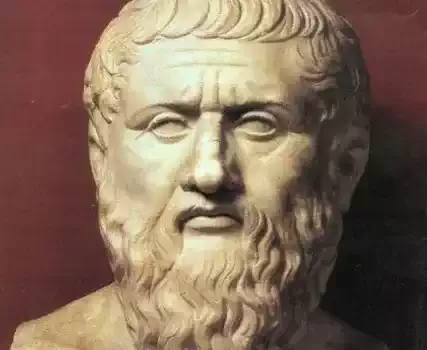
Platão
I don't think we shall quarrel about a word the subject of our inquiry is too important for that.
12
Platão
You know that the beginning is the most important part of any work, especially in the case of a young and tender thing; for that is the time at which the character is being formed and the desired impression is more readily taken. Shall we just carelessly allow children to hear any casual tales which may be devised by casual persons, and to receive into their minds ideas for the most part the very opposite of those which we should wish them to have when they are grown up?
13
Platão
He that lendeth to another in time of prosperity, shall never want help himself in the time of adversity.
12
Platão
He could not harm me, for I do not think it is permitted that a better man be harmed by a worse
9
Platão
Harmony is a symphony, and symphony is an agreement; but an agreement of disagreements while they disagree there cannot be; you cannot harmonize that which disagrees.
10
Platão
Great crimes and pure evil come only from vigorous natures perverted by upbringing; a weak nature never does anything great, good or evil.
9
Platão
Excellence" is not a gift, but a skill that takes practice. We do not act "rightly" because we are "excellent", in fact we achieve "excellence" by acting "rightly".
10
Platão
Eat and drink and sit with the mighty, and make yourself agreeable to them; for from the good you will learn what is good, but if you mix with the bad you will lose the intelligence which you already have.
11
Platão
Does not every man love that which he deems noble and just and good, and hate the opposite of them? people regard the same things, some as just and others as unjust, about these they dispute; and so there arise wars and fightings among them.
10
Platão
Doesn’t it follow that a ship’s captain or ruler won’t seek and order what is advantageous to himself, but what is advantageous to a sailor?.. No one in any position of rule, insofar as he is a ruler, seeks or orders what is advantageous to himself, but what is advantageous to his subjects; the ones of whom he is himself the craftsman. It is to his subjects and what is advantageous and proper to them that he looks, and everything he says and does he says and does for them.
8
Platão
By harming a horse, you decrease his excellence. Thus, by harming a person, you decrease their excellence.
10
Platão
Certainly we shall have to look to ourselves, and try to find someone who will help in some way or other to improve us.
9