Art
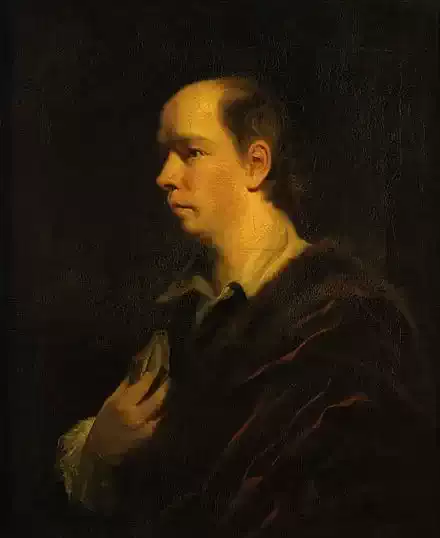
Oliver Goldsmith
To me more dear, congenial to my heart, One native charm, than all the gloss of art.
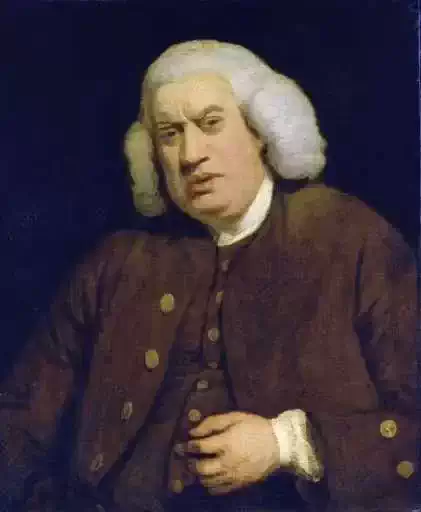
Samuel Johnson
When learning’s triumph o’er her barb’rous foes First rear’d the stage, immortal Shakespeare rose; Each change of many-color’d life he drew, Exhausted worlds, and then imagin’d new: Existence saw him spurn her bounded reign, And panting Time toil’d after him in vain.
Samuel Johnson
Cold approbation gave the ling’ring bays, For those who durst not censure, scarce could praise.
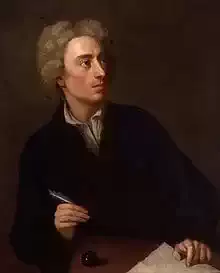
Alexander Pope
To wake the soul by tender strokes of art, To raise the genius, and to mend the heart; To make mankind, in conscious virtue bold, Live o’er each scene, and be what they behold: For this the Tragic Muse first trod the stage.
Alexander Pope
Then, at the last and only couplet fraught With some unmeaning thing they call a thought, A needless Alexandrine ends the song, That, like a wounded snake, drags its slow length along.
Alexander Pope
True ease in writing comes from art, not chance, As those move easiest who have learn’d to dance. ’Tis not enough no harshness gives offense; The sound must seem an echo to the sense.
Alexander Pope
As some to church repair, Not for the doctrine, but the music there. These equal syllables alone require, Though oft the ear the open vowels tire; While expletives their feeble aid do join, And ten low words oft creep in one dull line.
Alexander Pope
Such labored nothings, in so strange a style, Amaze th’ unlearn’d, and make the learned smile.
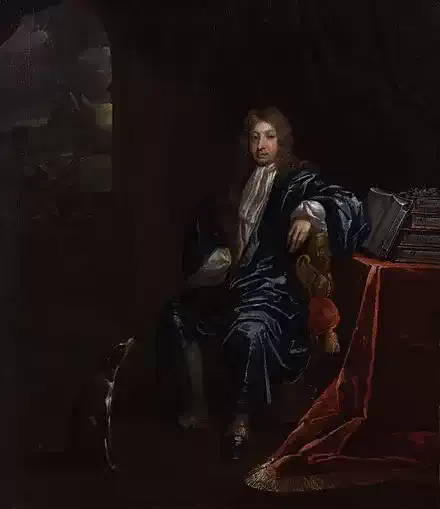
John Dryden
Three poets, in three distant ages born, Greece, Italy, and England did adorn. The first in loftiness of thought surpass’d; The next, in majesty; in both the last. The force of Nature could no further go. To make a third, she joined the former two.
John Dryden
By viewing Nature, Nature’s handmaid Art, Makes mighty things from small beginnings grow.
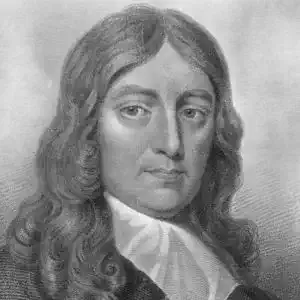
John Milton
Sometime let gorgeous Tragedy In sceptered pall come sweeping by, Presenting Thebes, or Pelops’ line, Or the tale of Troy divine.
John Milton
And pomp, and feast, and revelry, With mask, and antique pageantry, Such sights as youthful poets dream On summer eves by haunted stream. Then to the well-trod stage anon, If Jonson’s learned sock be on, Or sweetest Shakespeare, Fancy’s child, Warble his native wood-notes wild, And ever, against eating cares, Lap me in soft Lydian airs, Married to immortal verse Such as the meeting soul may pierce, In notes with many a winding bout Of linked sweetness long drawn out.
John Milton
What needs my Shakespeare for his honor’d bones, The labor of an age in piled stones, Or that his hallow’d relics should be hid Under a star-y-pointing pyramid? Dear son of memory, great heir of fame, What need’st thou such weak witness of thy name?
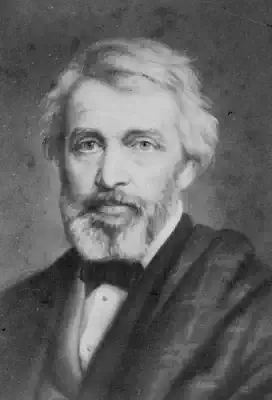
Thomas Carlyle
Here lies a King that rul’d, as he thought fit The universal monarchy of wit; Here lies two flamens, and both those the best: Apollo’s first, at last the true God’s priest.

George Herbert
Who says that fictions only and false hair Become a verse? Is there in truth no beauty? 3

Francis Bacon
What things have we seen Done at the Mermaid! heard words that have been So nimble, and so full of subtle flame, As if that everyone from whence they came, Had meant to put his whole wit in a jest, And resolv’d to live a fool, the rest Of his dull life.