
Quotes in this theme
Education and Knowledge
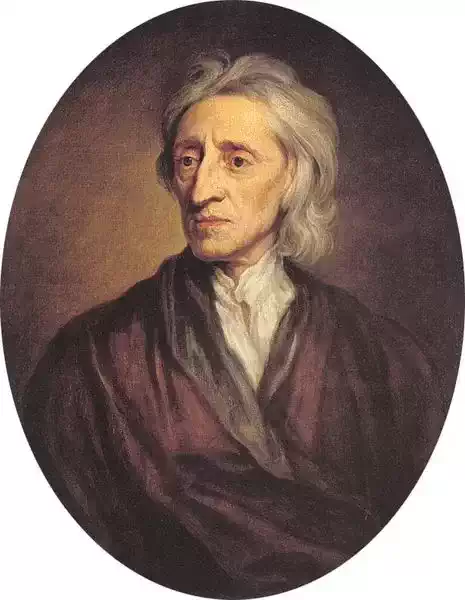
John Locke
Reading furnishes the mind only with materials of knowledge; it is thinking that makes what we read ours.
9
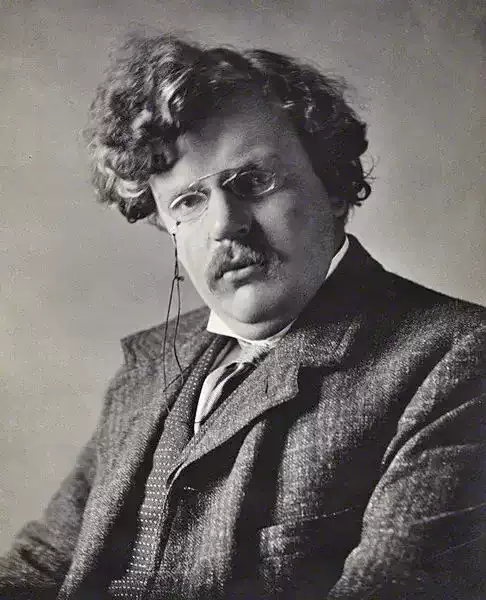
G. K. Chesterton
Without education, we are in a horrible and deadly danger of taking educated people seriously.
8
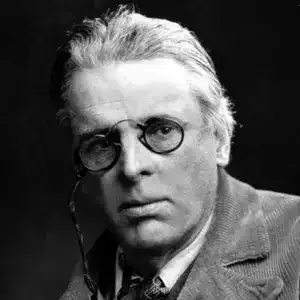
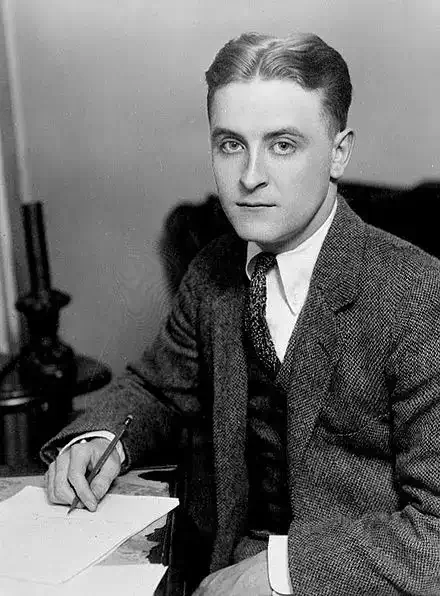
F. Scott Fitzgerald
The test of a first-rate intelligence is the ability to hold two opposed ideas in the mind at the same time, and still retain the ability to function.
15
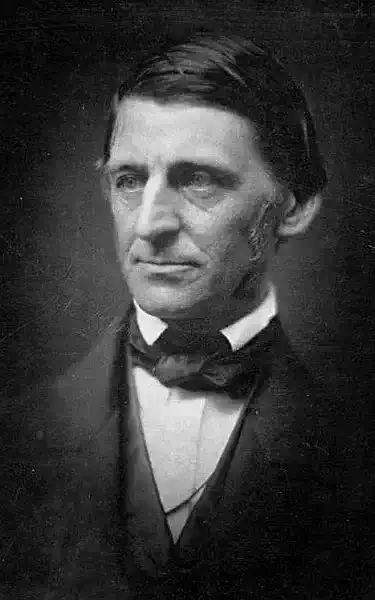
Ralph Waldo Emerson
I like to have a man’s knowledge comprehend more than one class of topics, one row of shelves. I like a man who likes to see a fine barn as well as a good tragedy.
7
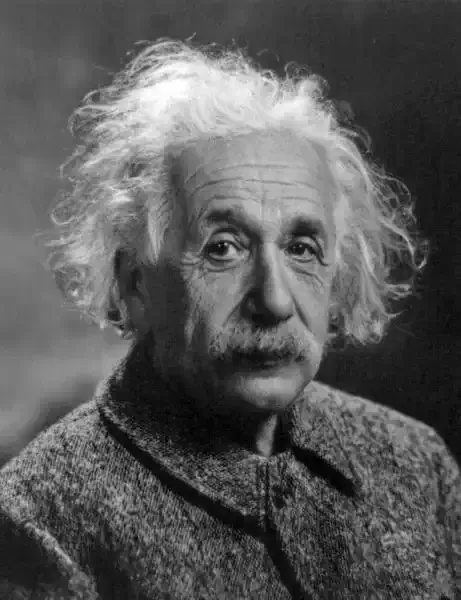
Albert Einstein
If most of us are ashamed of shabby clothes and shoddy furniture, let us be more ashamed of shabby ideas and shoddy philosophies.
7
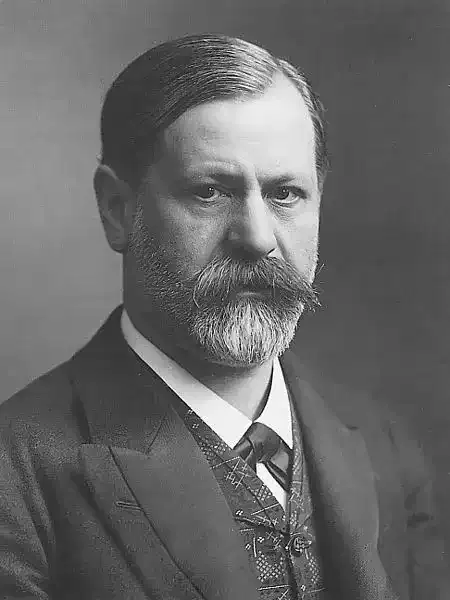
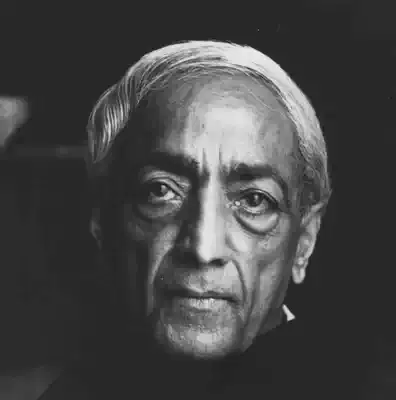
Jiddu Krishnamurti
A cup is useful only when it is empty; and a mind that is filled with beliefs, with dogmas, with assertions, with quotations is really an uncreative mind.
11
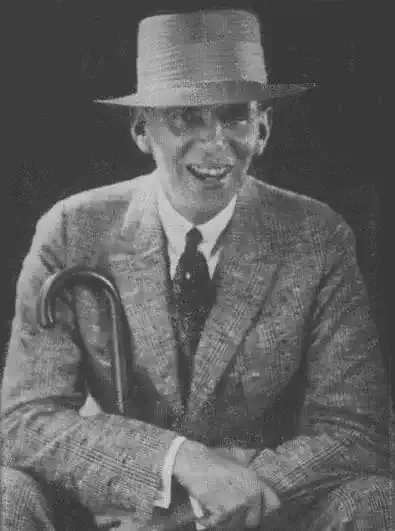
Wilson Mizner
A good listener is not only popular everywhere, but after a while he knows something.
7
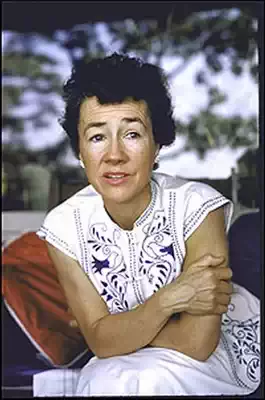
Anne Morrow Lindbergh
Good communication is as stimulating as black coffee, and just as hard to sleep after.
12
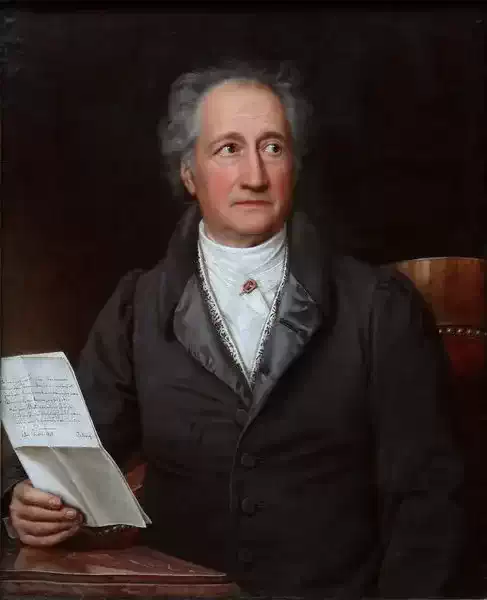
Johann Wolfgang von Goethe
He who does not know foreign languages does not know anything about his own.
10
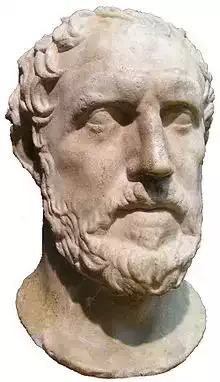
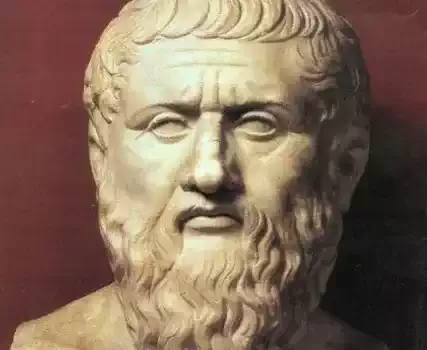
Platão
Without any one teaching him he will recover his knowledge for himself, if he is only asked questions
11
Platão
Whenever anyone informs us that he has found a man who knows all the arts, and all things else that anybody knows, and every single thing with a higher degree of accuracy than any other man –whoever tells us this, I think that we can only imagine him to be a simple creature who is likely to have been deceived by some wizard or actor whom he met, and whom he thought all-knowing, because he himself was unable to analyze the nature of knowledge and ignorance and imitation.
11
Platão
What shall we say about those spectators, then, who can see a plurality of beautiful things, but not beauty itself, and who are incapable of following if someone else tries to lead them to it, and who can see many moral actions, but not morality itself, and so on? That they only ever entertain beliefs, and do not know any of the things they believe?
11
Platão
When I hear a man discoursing of virtue, or of any sort of wisdom, who is a true man and worthy of his theme, I am delighted beyond measure: and I compare the man and his words, and note the harmony and correspondence of them. And such a one I deem to be the true musician, having in himself a fairer harmony than that of the lyre.
9
Platão
When the rhetorician is more persuasive than the physician, the ignorant is more persuasive with the ignorant than he who has knowledge? Is not that the inference?
9
Platão
We shall be better and braver and less helpless if we think that we ought to enquire, than we should have been if we indulged in the idle fancy that there was no knowing and no use in seeking to know what we do not know;— that is a theme upon which I am ready to fight, in word and deed, to the utmost of my power.
13
Platão
True opinions are a fine thing and do all sorts of good so long as they stay in their place; but they will not stay long. They run away from a man's mind, so they are not worth much until you tether them by working out the reason. Once they are tied down, they become knowledge, and are stable.
13
Platão
Those who have a natural talent for calculation are generally quick-witted at every other kind of knowledge; and even the dull, if they have had an arithmetical training, although they may derive no other advantage from it, always become much quicker than they would have been.
16
Platão
Those who have knowledge are more confident than those who have no knowledge, and they are more confident after they have learned than before.
10