

Poems in this topic
Relationships and Family
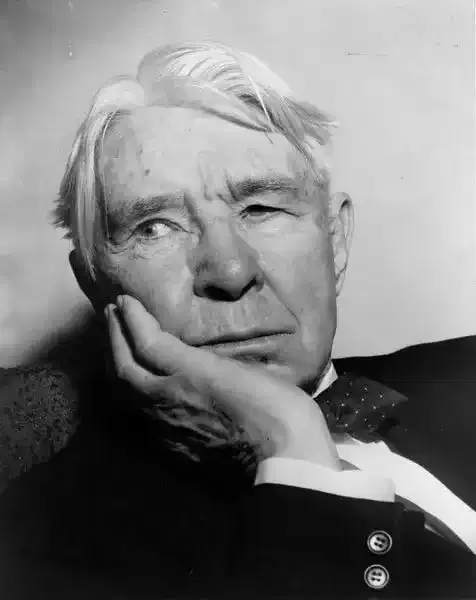
Carl Sandburg
Broadway
Broadway
I shall never forget you, Broadway
Your golden and calling lights.
I’ll remember you long,
Tall-walled river of rush and play.
Hearts that know you hate you
And lips that have given you laughter
Have gone to their ashes of life and its roses,
Cursing the dreams that were lost
In the dust of your harsh and trampled stones.
I shall never forget you, Broadway
Your golden and calling lights.
I’ll remember you long,
Tall-walled river of rush and play.
Hearts that know you hate you
And lips that have given you laughter
Have gone to their ashes of life and its roses,
Cursing the dreams that were lost
In the dust of your harsh and trampled stones.
372
Carl Sandburg
Bricklayer Love
Bricklayer Love
I thought of killing myself because I am only a bricklayer
and you a woman who loves the man who runs a drug store.
I don't care like I used to; I lay bricks straighter than I
used to and I sing slower handling the trowel afternoons.
When the sun is in my eyes and the ladders are shaky and the
mortar boards go wrong, I think of you.
I thought of killing myself because I am only a bricklayer
and you a woman who loves the man who runs a drug store.
I don't care like I used to; I lay bricks straighter than I
used to and I sing slower handling the trowel afternoons.
When the sun is in my eyes and the ladders are shaky and the
mortar boards go wrong, I think of you.
360
Boris Pasternak
Winter Nears
Winter Nears
Winter nears. Once more
the bear’s secret retreat
will vanish under mud’s floor,
to a child’s fretful grief.
Huts will wake in the water,
reflecting paths of smoke,
circled by autumn’s tremor
lovers meet by the fire to talk.
Denizens of the harsh North
whose roof is the clear air,
‘In this sign conquer’, set forth,
marks each unreachable lair.
I love you, provincial haunts,
off the map, the road, past the farms,
the more tired and faded the book,
the greater for me its charms.
Slow files of carts lumbering by
you spell out an alphabet flowing
from meadow to meadow. And I
found you always my favourite reading.
And it’s suddenly written again,
here in first snow is the spider’s
cursive script, runners of sleighs,
where ice on the page embroiders.
A silvered hazel October.
Pewter glow since frost began.
Autumn twilight, of Chekhov,
Tchaikovsky, and Levitan.
Winter nears. Once more
the bear’s secret retreat
will vanish under mud’s floor,
to a child’s fretful grief.
Huts will wake in the water,
reflecting paths of smoke,
circled by autumn’s tremor
lovers meet by the fire to talk.
Denizens of the harsh North
whose roof is the clear air,
‘In this sign conquer’, set forth,
marks each unreachable lair.
I love you, provincial haunts,
off the map, the road, past the farms,
the more tired and faded the book,
the greater for me its charms.
Slow files of carts lumbering by
you spell out an alphabet flowing
from meadow to meadow. And I
found you always my favourite reading.
And it’s suddenly written again,
here in first snow is the spider’s
cursive script, runners of sleighs,
where ice on the page embroiders.
A silvered hazel October.
Pewter glow since frost began.
Autumn twilight, of Chekhov,
Tchaikovsky, and Levitan.
549
Boris Pasternak
Unique Days
Unique Days
How I remember solstice days
Through many winters long completed!
Each unrepeatable, unique,
And each one countless times repeated.
Of all these days, these only days,
When one rejoiced in the impression
That time had stopped, there grew in years
An unforgettable succession.
Each one of them I can evoke.
The year is to midwinter moving,
The roofs are dripping, roads are soaked,
And on the ice the sun is brooding.
Then lovers hastily are drawn
To one another, vague and dreaming,
And in the heat, upon a tree
The sweating nesting-box is steaming.
And sleepy clock-hands laze away
The clockface wearily ascending.
Eternal, endless is the day,
And the embrace is never-ending.
How I remember solstice days
Through many winters long completed!
Each unrepeatable, unique,
And each one countless times repeated.
Of all these days, these only days,
When one rejoiced in the impression
That time had stopped, there grew in years
An unforgettable succession.
Each one of them I can evoke.
The year is to midwinter moving,
The roofs are dripping, roads are soaked,
And on the ice the sun is brooding.
Then lovers hastily are drawn
To one another, vague and dreaming,
And in the heat, upon a tree
The sweating nesting-box is steaming.
And sleepy clock-hands laze away
The clockface wearily ascending.
Eternal, endless is the day,
And the embrace is never-ending.
548
Boris Pasternak
The shiv'ring piano, foaming at the mouth
The shiv'ring piano, foaming at the mouth
The shiv'ring piano, foaming at the mouth,
Will wrench you by its ravings, discompose you.
'My darling,' you will murmur. 'No!' I'll shout.
'To music?!' Yet can two be ever closer
Than in the dusk, while tossing vibrant chords
Into the fireplace, like journals, tome by tome?
Oh, understanding wonderful, just nod,
And you will know I do not claim to own
Your soul and body. You may go where'er
You want. To others. Werther has been written
Already. Death these days is in the air.
One opens up one's veins much like a window.
The shiv'ring piano, foaming at the mouth,
Will wrench you by its ravings, discompose you.
'My darling,' you will murmur. 'No!' I'll shout.
'To music?!' Yet can two be ever closer
Than in the dusk, while tossing vibrant chords
Into the fireplace, like journals, tome by tome?
Oh, understanding wonderful, just nod,
And you will know I do not claim to own
Your soul and body. You may go where'er
You want. To others. Werther has been written
Already. Death these days is in the air.
One opens up one's veins much like a window.
490
Boris Pasternak
Spring (Fragment 3)
Spring (Fragment 3)
Is it only dirt you notice?
Does the thaw not catch your glance?
As a dapple-grey fine stallion
Does it not through ditches dance?
Is it only birds that chatter
In the blueness of the skies,
Sipping through the straws of sunrays
Lemon liturgies on ice?
Only look, and you will see it:
From the rooftops to the ground
Moscow, all day long, like Kitezh
Lies, in light-blue water drowned.
Why are all the roofs transparent
And the colours crystal-bright?
Bricks like rushes gently swaying,
Mornings rush into the night.
Like a bog the town is swampy
And the scabs of snow are rare.
February, like saturated
Cottonwool in spirits, flares.
This white flame wears out the garrets,
And the air, in the oblique
Interplace of twigs and birds, is
Naked, weightless and unique.
In such days the crowds of people
Knock you down; you are unknown,
Nameless; and your girl is with them,
But you, too, are not alone.
Is it only dirt you notice?
Does the thaw not catch your glance?
As a dapple-grey fine stallion
Does it not through ditches dance?
Is it only birds that chatter
In the blueness of the skies,
Sipping through the straws of sunrays
Lemon liturgies on ice?
Only look, and you will see it:
From the rooftops to the ground
Moscow, all day long, like Kitezh
Lies, in light-blue water drowned.
Why are all the roofs transparent
And the colours crystal-bright?
Bricks like rushes gently swaying,
Mornings rush into the night.
Like a bog the town is swampy
And the scabs of snow are rare.
February, like saturated
Cottonwool in spirits, flares.
This white flame wears out the garrets,
And the air, in the oblique
Interplace of twigs and birds, is
Naked, weightless and unique.
In such days the crowds of people
Knock you down; you are unknown,
Nameless; and your girl is with them,
But you, too, are not alone.
535
Boris Pasternak
So they begin. With two years gone...
So they begin. With two years gone...
So they begin. With two years gone
From nurse to countless tunes they scuttle.
They chirp and whistle. Then comes on
The third year, and they start to prattle.
So they begin to see and know.
In din of started turbines roaring
Mother seems not their mother now,
And you not you, and home is foreign.
What meaning has the menacing
Beauty beneath the lilac seated,
If to steal children's not the thing?
So first they fear that they are cheated.
So ripen fears. Can he endure
A star to beat him in successes,
When he's a Faust, a sorcerer?
So first his gipsy life progresses.
So from the fence where home should lie
In flight above are found to hover
Seas unexpected as a sigh.
So first iambics they discover.
So summer nights fall down and pray
'Thy will be done' where oats are sprouting,
And menace with your eyes the day.
So with the sun they start disputing.
So verses start them on their way.
So they begin. With two years gone
From nurse to countless tunes they scuttle.
They chirp and whistle. Then comes on
The third year, and they start to prattle.
So they begin to see and know.
In din of started turbines roaring
Mother seems not their mother now,
And you not you, and home is foreign.
What meaning has the menacing
Beauty beneath the lilac seated,
If to steal children's not the thing?
So first they fear that they are cheated.
So ripen fears. Can he endure
A star to beat him in successes,
When he's a Faust, a sorcerer?
So first his gipsy life progresses.
So from the fence where home should lie
In flight above are found to hover
Seas unexpected as a sigh.
So first iambics they discover.
So summer nights fall down and pray
'Thy will be done' where oats are sprouting,
And menace with your eyes the day.
So with the sun they start disputing.
So verses start them on their way.
472
Boris Pasternak
Railway Station
Railway Station
My dear railway station, my treasure
Of meetings and partings, my friend
In times of hard trials and pleasure,
Your favours have been without end.
My scarf would wrap up my whole being -
The train would pull up, with deep sighs,
The muzzles of brash harpies, leering,
Would puff wet white steam in our eyes.
I'd sit at your side for a moment -
A hug and a kiss, brief and rough.
Farewell then, my joy and my torment.
I'm going, conductor, I'm off!
And, shunting bad weather and sleepers,
The west would break open-I'd feel
It grab me with snowflakes to keep me
From falling down under the wheels.
A whistle dies down, echoed weakly,
Another flies from distant tracks.
A train comes past bare platforms sweeping -
A blizzard of many hunched backs.
And twilight is rearing to go,
And, lured by the smoke and the steam,
The wind and the field rush and now
I wish I could be one of them!
My dear railway station, my treasure
Of meetings and partings, my friend
In times of hard trials and pleasure,
Your favours have been without end.
My scarf would wrap up my whole being -
The train would pull up, with deep sighs,
The muzzles of brash harpies, leering,
Would puff wet white steam in our eyes.
I'd sit at your side for a moment -
A hug and a kiss, brief and rough.
Farewell then, my joy and my torment.
I'm going, conductor, I'm off!
And, shunting bad weather and sleepers,
The west would break open-I'd feel
It grab me with snowflakes to keep me
From falling down under the wheels.
A whistle dies down, echoed weakly,
Another flies from distant tracks.
A train comes past bare platforms sweeping -
A blizzard of many hunched backs.
And twilight is rearing to go,
And, lured by the smoke and the steam,
The wind and the field rush and now
I wish I could be one of them!
509
Boris Pasternak
My desk is not so wide that I might lean
My desk is not so wide that I might lean
My desk is not so wide that I might lean
Against the edge and reach out past the shell
Of board and glass, beyond the isthmus in
The endless miles of my scraped out farewell.
(It's night there now.) Beyond your sultry neck.
(They went to bed.) Behind your shoulders' realm.
(Switched off the light.) At dawn, I'd give them back.
The porch would touch them with a sleepy stem.
No, not with snowflakes! With your arms! Reach far!
Oh you, ten fingers of my pain, the light
Of crystal winter stars-and every star
A sign of northbound snowbound trains being late.
My desk is not so wide that I might lean
Against the edge and reach out past the shell
Of board and glass, beyond the isthmus in
The endless miles of my scraped out farewell.
(It's night there now.) Beyond your sultry neck.
(They went to bed.) Behind your shoulders' realm.
(Switched off the light.) At dawn, I'd give them back.
The porch would touch them with a sleepy stem.
No, not with snowflakes! With your arms! Reach far!
Oh you, ten fingers of my pain, the light
Of crystal winter stars-and every star
A sign of northbound snowbound trains being late.
490
Boris Pasternak
Meeting
Meeting
The snow will dust the roadway,
And load the roofs still more.
I'll stretch my legs a little:
You're there outside the door.
Autumn, not winter coat,
Hat-none, galoshes-none.
You struggle with excitement
Out there all on your own.
Far, far into the darkness
Fences and trees withdraw.
You stand there on the corner,
Under the falling snow.
The water trickles down from
The kerchief that you wear
Into your sleeves, while dewdrops
Shine sparkling in your hair.
And now illumined by
A single strand of light
Are features, kerchief, figure
And coat of autumn cut.
There's wet snow on your lashes
And in your eyes, distress,
And your external image
Is all, all of apiece.
As if an iron point
With truly consummate art,
Dipped into antimony,
Had scribed you on my heart.
Those modest, humble features
Are in it now to stay,
And if the world's cruel-hearted,
That's merely by the way.
And therefore it is doubled,
All this night in snow;
To draw frontiers between us
Is more than I can do.
But who are we and whence,
If, of those years gone by,
Scandal alone remains
And we have ceased to be.
The snow will dust the roadway,
And load the roofs still more.
I'll stretch my legs a little:
You're there outside the door.
Autumn, not winter coat,
Hat-none, galoshes-none.
You struggle with excitement
Out there all on your own.
Far, far into the darkness
Fences and trees withdraw.
You stand there on the corner,
Under the falling snow.
The water trickles down from
The kerchief that you wear
Into your sleeves, while dewdrops
Shine sparkling in your hair.
And now illumined by
A single strand of light
Are features, kerchief, figure
And coat of autumn cut.
There's wet snow on your lashes
And in your eyes, distress,
And your external image
Is all, all of apiece.
As if an iron point
With truly consummate art,
Dipped into antimony,
Had scribed you on my heart.
Those modest, humble features
Are in it now to stay,
And if the world's cruel-hearted,
That's merely by the way.
And therefore it is doubled,
All this night in snow;
To draw frontiers between us
Is more than I can do.
But who are we and whence,
If, of those years gone by,
Scandal alone remains
And we have ceased to be.
563
Boris Pasternak
March
March
The sun is hotter than the top ledge in a steam bath;
The ravine, crazed, is rampaging below.
Spring -- that corn-fed, husky milkmaid --
Is busy at her chores with never a letup.
The snow is wasting (pernicious anemia --
See those branching veinlets of impotent blue?)
Yet in the cowbarn life is burbling, steaming,
And the tines of pitchforks simply glow with health.
These days -- these days, and these nights also!
With eavesdrop thrumming its tattoos at noon,
With icicles (cachectic!) hanging on to gables,
And with the chattering of rills that never sleep!
All doors are flung open -- in stable and in cowbarn;
Pigeons peck at oats fallen in the snow;
And the culprit of all this and its life-begetter--
The pile of manure -- is pungent with ozone.
The sun is hotter than the top ledge in a steam bath;
The ravine, crazed, is rampaging below.
Spring -- that corn-fed, husky milkmaid --
Is busy at her chores with never a letup.
The snow is wasting (pernicious anemia --
See those branching veinlets of impotent blue?)
Yet in the cowbarn life is burbling, steaming,
And the tines of pitchforks simply glow with health.
These days -- these days, and these nights also!
With eavesdrop thrumming its tattoos at noon,
With icicles (cachectic!) hanging on to gables,
And with the chattering of rills that never sleep!
All doors are flung open -- in stable and in cowbarn;
Pigeons peck at oats fallen in the snow;
And the culprit of all this and its life-begetter--
The pile of manure -- is pungent with ozone.
432
Boris Pasternak
Intoxication
Intoxication
Under osiers with ivy ingrown
We are trying to hide from bad weather.
I am clasping your arms in my own,
In one cloak we are huddled together.
I was wrong. Not with ivy-leaves bound,
But with hops overgrown is the willow.
Well then, let us spread out on the ground
This our cloak as a sheet and a pillow.
Under osiers with ivy ingrown
We are trying to hide from bad weather.
I am clasping your arms in my own,
In one cloak we are huddled together.
I was wrong. Not with ivy-leaves bound,
But with hops overgrown is the willow.
Well then, let us spread out on the ground
This our cloak as a sheet and a pillow.
402
Boris Pasternak
Imitators
Imitators
A boat came in; the cliff was baked;
The noisy boat-chain fell and clanked on
The sand-an iron rattle-snake,
A rattling rust among the plankton.
And two got out; and from the cliff
I felt like calling down, 'Forgive me,
But would you kindly throw yourselves
Apart or else into the river?
Your miming is without a fault-
Of course the seeker finds the fancied-
But stop this playing with the boat!
Your model on the cliff resents it.'
A boat came in; the cliff was baked;
The noisy boat-chain fell and clanked on
The sand-an iron rattle-snake,
A rattling rust among the plankton.
And two got out; and from the cliff
I felt like calling down, 'Forgive me,
But would you kindly throw yourselves
Apart or else into the river?
Your miming is without a fault-
Of course the seeker finds the fancied-
But stop this playing with the boat!
Your model on the cliff resents it.'
534
Boris Pasternak
Hops
Hops
Beneath the willow wound round with ivy
we take cover from the worst
of the storm, with a greatcoat round
our shoulders and my hands around your waist.
I've got it wrong. That isn't ivy
entwined in the bushes round
the wood, but hops. You intoxicate me!
Let's spread the greatcoat on the ground.
Beneath the willow wound round with ivy
we take cover from the worst
of the storm, with a greatcoat round
our shoulders and my hands around your waist.
I've got it wrong. That isn't ivy
entwined in the bushes round
the wood, but hops. You intoxicate me!
Let's spread the greatcoat on the ground.
437
Boris Pasternak
From early dawn the thirtieth of April...
From early dawn the thirtieth of April...
From early dawn the thirtieth of April
Is given up to children of the town,
And caught in trying on the festive necklace,
By dusk it only just is settling down.
Like heaps of squashy berries under muslin
The town emerges out of crimson gauze.
Along the streets the boulevards are dragging
Their twilight with them, like a rank of dwarves.
The evening world is always eve and blossom,
But this one with a sprouting of its own
From May-day anniversaries will flower
One day into a commune fully blown.
For long it will remain a day of shifting,
Pre-festive cleaning, fanciful decor,
As once it used to be with Whitsun birches
Or pan-Athenian fires long before.
Just so they will go on, conveying actors
To their assembly points; beat sand; just so
Pull up towards illuminated ledges
The plywood boards, the crimson calico.
Just so in threes the sailors briskly walking
Will skirt the grass in gardens and in parks,
The moon at nightfall sink into the pavements
Like a dead city or a burnt-out hearth.
But with each year more splendid and more spreading
The taut beginning of the rose will bloom,
More clearly grow in health and sense of honour,
Sincerity more visibly will loom.
The living folksongs, customs and traditions
Will ever spreading, many-petalled lay
Their scent on fields and industries and meadows
From early buddings on the first of May,
Until the full fermented risen spirit
Of ripened years will shoot up, like the smell
Of humid centifolia. It will have to
Reveal itself, it cannot help but tell.
From early dawn the thirtieth of April
Is given up to children of the town,
And caught in trying on the festive necklace,
By dusk it only just is settling down.
Like heaps of squashy berries under muslin
The town emerges out of crimson gauze.
Along the streets the boulevards are dragging
Their twilight with them, like a rank of dwarves.
The evening world is always eve and blossom,
But this one with a sprouting of its own
From May-day anniversaries will flower
One day into a commune fully blown.
For long it will remain a day of shifting,
Pre-festive cleaning, fanciful decor,
As once it used to be with Whitsun birches
Or pan-Athenian fires long before.
Just so they will go on, conveying actors
To their assembly points; beat sand; just so
Pull up towards illuminated ledges
The plywood boards, the crimson calico.
Just so in threes the sailors briskly walking
Will skirt the grass in gardens and in parks,
The moon at nightfall sink into the pavements
Like a dead city or a burnt-out hearth.
But with each year more splendid and more spreading
The taut beginning of the rose will bloom,
More clearly grow in health and sense of honour,
Sincerity more visibly will loom.
The living folksongs, customs and traditions
Will ever spreading, many-petalled lay
Their scent on fields and industries and meadows
From early buddings on the first of May,
Until the full fermented risen spirit
Of ripened years will shoot up, like the smell
Of humid centifolia. It will have to
Reveal itself, it cannot help but tell.
578
Boris Pasternak
Change
Change
I used to glorify the poor,
Not simply lofty views expressing:
Their lives alone, I felt, were true,
Devoid of pomp and window-dressing.
No stranger to the manor house,
Its finery and lordly tenor,
I was a friend of down-and-outs,
And shunned the idly sponging manner.
For choosing friendship in the ranks
Of working people, though no rebel,
I had the honour to be stamped
As also one among the rabble.
The state of basements, unadorned,
Of attics with no frills or curtains
Was tangible without pretence
And full of substance, weighty, certain.
And I went bad when rot defaced
Our time, and life became infested,
When grief was censured as disgrace
And all played optimists and yes-men.
My faith in those who seemed my friends
Was broken and our ties were sundered.
I, too, lost Man, the Human, since
He had been lost by all and sundry.
I used to glorify the poor,
Not simply lofty views expressing:
Their lives alone, I felt, were true,
Devoid of pomp and window-dressing.
No stranger to the manor house,
Its finery and lordly tenor,
I was a friend of down-and-outs,
And shunned the idly sponging manner.
For choosing friendship in the ranks
Of working people, though no rebel,
I had the honour to be stamped
As also one among the rabble.
The state of basements, unadorned,
Of attics with no frills or curtains
Was tangible without pretence
And full of substance, weighty, certain.
And I went bad when rot defaced
Our time, and life became infested,
When grief was censured as disgrace
And all played optimists and yes-men.
My faith in those who seemed my friends
Was broken and our ties were sundered.
I, too, lost Man, the Human, since
He had been lost by all and sundry.
612
Boris Pasternak
Change
Change
I used to glorify the poor,
Not simply lofty views expressing:
Their lives alone, I felt, were true,
Devoid of pomp and window-dressing.
No stranger to the manor house,
Its finery and lordly tenor,
I was a friend of down-and-outs,
And shunned the idly sponging manner.
For choosing friendship in the ranks
Of working people, though no rebel,
I had the honour to be stamped
As also one among the rabble.
The state of basements, unadorned,
Of attics with no frills or curtains
Was tangible without pretence
And full of substance, weighty, certain.
And I went bad when rot defaced
Our time, and life became infested,
When grief was censured as disgrace
And all played optimists and yes-men.
My faith in those who seemed my friends
Was broken and our ties were sundered.
I, too, lost Man, the Human, since
He had been lost by all and sundry.
I used to glorify the poor,
Not simply lofty views expressing:
Their lives alone, I felt, were true,
Devoid of pomp and window-dressing.
No stranger to the manor house,
Its finery and lordly tenor,
I was a friend of down-and-outs,
And shunned the idly sponging manner.
For choosing friendship in the ranks
Of working people, though no rebel,
I had the honour to be stamped
As also one among the rabble.
The state of basements, unadorned,
Of attics with no frills or curtains
Was tangible without pretence
And full of substance, weighty, certain.
And I went bad when rot defaced
Our time, and life became infested,
When grief was censured as disgrace
And all played optimists and yes-men.
My faith in those who seemed my friends
Was broken and our ties were sundered.
I, too, lost Man, the Human, since
He had been lost by all and sundry.
612

Billy Collins
The Iron Bridge
The Iron Bridge
I am standing on a disused iron bridge
that was erected in 1902,
according to the iron plaque bolted into a beam,
the year my mother turned one.
Imagine--a mother in her infancy,
and she was a Canadian infant at that,
one of the great infants of the province of Ontario.
But here I am leaning on the rusted railing
looking at the water below,
which is flat and reflective this morning,
sky-blue and streaked with high clouds,
and the more I look at the water,
which is like a talking picture,
the more I think of 1902
when workmen in shirts and caps
riveted this iron bridge together
across a thin channel joining two lakes
where wildflowers blow along the shore now
and pairs of swans float in the leafy coves.
1902--my mother was so tiny
she could have fit into one of those oval
baskets for holding apples,
which her mother could have lined with a soft cloth
and placed on the kitchen table
so she could keep an eye on infant Katherine
while she scrubbed potatoes or shelled a bag of peas,
the way I am keeping an eye on that cormorant
who just broke the glassy surface
and is moving away from me and the iron bridge,
swiveling his curious head,
slipping out to where the sun rakes the water
and filters through the trees that crowd the shore.
And now he dives,
disappears below the surface,
and while I wait for him to pop up,
I picture him flying underwater with his strange wings,
as I picture you, my tiny mother,
who disappeared last year,
flying somewhere with your strange wings,
your wide eyes, and your heavy wet dress,
kicking deeper down into a lake
with no end or name, some boundless province of water.
I am standing on a disused iron bridge
that was erected in 1902,
according to the iron plaque bolted into a beam,
the year my mother turned one.
Imagine--a mother in her infancy,
and she was a Canadian infant at that,
one of the great infants of the province of Ontario.
But here I am leaning on the rusted railing
looking at the water below,
which is flat and reflective this morning,
sky-blue and streaked with high clouds,
and the more I look at the water,
which is like a talking picture,
the more I think of 1902
when workmen in shirts and caps
riveted this iron bridge together
across a thin channel joining two lakes
where wildflowers blow along the shore now
and pairs of swans float in the leafy coves.
1902--my mother was so tiny
she could have fit into one of those oval
baskets for holding apples,
which her mother could have lined with a soft cloth
and placed on the kitchen table
so she could keep an eye on infant Katherine
while she scrubbed potatoes or shelled a bag of peas,
the way I am keeping an eye on that cormorant
who just broke the glassy surface
and is moving away from me and the iron bridge,
swiveling his curious head,
slipping out to where the sun rakes the water
and filters through the trees that crowd the shore.
And now he dives,
disappears below the surface,
and while I wait for him to pop up,
I picture him flying underwater with his strange wings,
as I picture you, my tiny mother,
who disappeared last year,
flying somewhere with your strange wings,
your wide eyes, and your heavy wet dress,
kicking deeper down into a lake
with no end or name, some boundless province of water.
262
Billy Collins
Snow Day
Snow Day
Today we woke up to a revolution of snow,
its white flag waving over everything,
the landscape vanished,
not a single mouse to punctuate the blankness,
and beyond these windows
the government buildings smothered,
schools and libraries buried, the post office lost
under the noiseless drift,
the paths of trains softly blocked,
the world fallen under this falling.
In a while I will put on some boots
and step out like someone walking in water,
and the dog will porpoise through the drifts,
and I will shake a laden branch,
sending a cold shower down on us both.
But for now I am a willing prisoner in this house,
a sympathizer with the anarchic cause of snow.
I will make a pot of tea
and listen to the plastic radio on the counter,
as glad as anyone to hear the news
that the Kiddie Corner School is closed,
the Ding-Dong School, closed,
the All Aboard Children's School, closed,
the Hi-Ho Nursery School, closed,
along with -- some will be delighted to hear -
the Toadstool School, the Little School,
Little Sparrows Nursery School,
Little Stars Pre-School, Peas-and-Carrots Day School,
the Tom Thumb Child Center, all closed,
and -- clap your hands -- the Peanuts Play School.
So this is where the children hide all day,
These are the nests where they letter and draw,
where they put on their bright miniature jackets,
all darting and climbing and sliding,
all but the few girls whispering by the fence.
And now I am listening hard
in the grandiose silence of the snow,
trying to hear what those three girls are plotting,
what riot is afoot,
which small queen is about to be brought down.
Today we woke up to a revolution of snow,
its white flag waving over everything,
the landscape vanished,
not a single mouse to punctuate the blankness,
and beyond these windows
the government buildings smothered,
schools and libraries buried, the post office lost
under the noiseless drift,
the paths of trains softly blocked,
the world fallen under this falling.
In a while I will put on some boots
and step out like someone walking in water,
and the dog will porpoise through the drifts,
and I will shake a laden branch,
sending a cold shower down on us both.
But for now I am a willing prisoner in this house,
a sympathizer with the anarchic cause of snow.
I will make a pot of tea
and listen to the plastic radio on the counter,
as glad as anyone to hear the news
that the Kiddie Corner School is closed,
the Ding-Dong School, closed,
the All Aboard Children's School, closed,
the Hi-Ho Nursery School, closed,
along with -- some will be delighted to hear -
the Toadstool School, the Little School,
Little Sparrows Nursery School,
Little Stars Pre-School, Peas-and-Carrots Day School,
the Tom Thumb Child Center, all closed,
and -- clap your hands -- the Peanuts Play School.
So this is where the children hide all day,
These are the nests where they letter and draw,
where they put on their bright miniature jackets,
all darting and climbing and sliding,
all but the few girls whispering by the fence.
And now I am listening hard
in the grandiose silence of the snow,
trying to hear what those three girls are plotting,
what riot is afoot,
which small queen is about to be brought down.
431
Billy Collins
I Ask You
I Ask You
What scene would I want to be enveloped in
more than this one,
an ordinary night at the kitchen table,
floral wallpaper pressing in,
white cabinets full of glass,
the telephone silent,
a pen tilted back in my hand?
It gives me time to think
about all that is going on outside-leaves
gathering in corners,
lichen greening the high grey rocks,
while over the dunes the world sails on,
huge, ocean-going, history bubbling in its wake.
But beyond this table
there is nothing that I need,
not even a job that would allow me to row to work,
or a coffee-colored Aston Martin DB4
with cracked green leather seats.
No, it's all here,
the clear ovals of a glass of water,
a small crate of oranges, a book on Stalin,
not to mention the odd snarling fish
in a frame on the wall,
and the way these three candles-each
a different height-are
singing in perfect harmony.
So forgive me
if I lower my head now and listen
to the short bass candle as he takes a solo
while my heart
thrums under my shirt-frog
at the edge of a pond-and
my thoughts fly off to a province
made of one enormous sky
and about a million empty branches.
What scene would I want to be enveloped in
more than this one,
an ordinary night at the kitchen table,
floral wallpaper pressing in,
white cabinets full of glass,
the telephone silent,
a pen tilted back in my hand?
It gives me time to think
about all that is going on outside-leaves
gathering in corners,
lichen greening the high grey rocks,
while over the dunes the world sails on,
huge, ocean-going, history bubbling in its wake.
But beyond this table
there is nothing that I need,
not even a job that would allow me to row to work,
or a coffee-colored Aston Martin DB4
with cracked green leather seats.
No, it's all here,
the clear ovals of a glass of water,
a small crate of oranges, a book on Stalin,
not to mention the odd snarling fish
in a frame on the wall,
and the way these three candles-each
a different height-are
singing in perfect harmony.
So forgive me
if I lower my head now and listen
to the short bass candle as he takes a solo
while my heart
thrums under my shirt-frog
at the edge of a pond-and
my thoughts fly off to a province
made of one enormous sky
and about a million empty branches.
255
Billy Collins
Child Development
Child Development
As sure as prehistoric fish grew legs
and sauntered off the beaches into forests
working up some irregular verbs for their
first conversation, so three-year-old children
enter the phase of name-calling.
Every day a new one arrives and is added
to the repertoire. You Dumb Goopyhead,
You Big Sewerface, You Poop-on-the-Floor
(a kind of Navaho ring to that one)
they yell from knee level, their little mugs
flushed with challenge.
Nothing Samuel Johnson would bother tossing out
in a pub, but then the toddlers are not trying
to devastate some fatuous Enlightenment hack.
They are just tormenting their fellow squirts
or going after the attention of the giants
way up there with their cocktails and bad breath
talking baritone nonsense to other giants,
waiting to call them names after thanking
them for the lovely party and hearing the door close.
The mature save their hothead invective
for things: an errant hammer, tire chains,
or receding trains missed by seconds,
though they know in their adult hearts,
even as they threaten to banish Timmy to bed
for his appalling behavior,
that their bosses are Big Fatty Stupids,
their wives are Dopey Dopeheads
and that they themselves are Mr. Sillypants.
As sure as prehistoric fish grew legs
and sauntered off the beaches into forests
working up some irregular verbs for their
first conversation, so three-year-old children
enter the phase of name-calling.
Every day a new one arrives and is added
to the repertoire. You Dumb Goopyhead,
You Big Sewerface, You Poop-on-the-Floor
(a kind of Navaho ring to that one)
they yell from knee level, their little mugs
flushed with challenge.
Nothing Samuel Johnson would bother tossing out
in a pub, but then the toddlers are not trying
to devastate some fatuous Enlightenment hack.
They are just tormenting their fellow squirts
or going after the attention of the giants
way up there with their cocktails and bad breath
talking baritone nonsense to other giants,
waiting to call them names after thanking
them for the lovely party and hearing the door close.
The mature save their hothead invective
for things: an errant hammer, tire chains,
or receding trains missed by seconds,
though they know in their adult hearts,
even as they threaten to banish Timmy to bed
for his appalling behavior,
that their bosses are Big Fatty Stupids,
their wives are Dopey Dopeheads
and that they themselves are Mr. Sillypants.
310
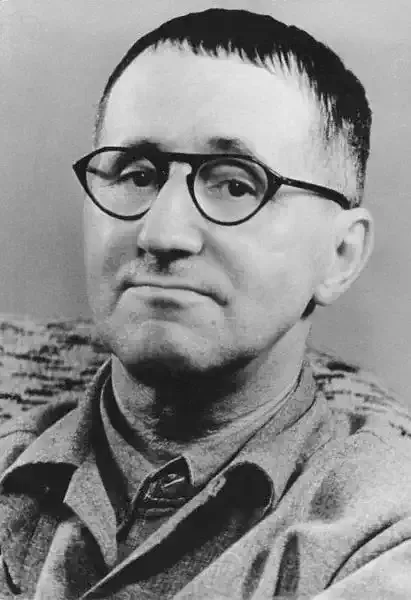
Bertolt Brecht
To Be Read in the Morning and at Night
To Be Read in the Morning and at Night
[Original]
Morgens und abends zu lesen
Der, den ich liebe
Hat mir gesagt
Daß er mich braucht.
Darum
Gebe ich auf mich acht
Sehe auf meinen Weg und
Fürchte von jedem Regentropfen
Daß er mich erschlagen könnte.
[Translation]
To read in the morning and at night
My love
Has told me
That he needs me.
That's why
I take good care of myself
Watch out where I'm going and
Fear that any drop of rain
Might kill me.
[Original]
Morgens und abends zu lesen
Der, den ich liebe
Hat mir gesagt
Daß er mich braucht.
Darum
Gebe ich auf mich acht
Sehe auf meinen Weg und
Fürchte von jedem Regentropfen
Daß er mich erschlagen könnte.
[Translation]
To read in the morning and at night
My love
Has told me
That he needs me.
That's why
I take good care of myself
Watch out where I'm going and
Fear that any drop of rain
Might kill me.
498
Bertolt Brecht
Radio Poem
Radio Poem
You little box, held to me escaping
So that your valves should not break
Carried from house to house to ship from sail to train,
So that my enemies might go on talking to me,
Near my bed, to my pain
The last thing at night, the first thing in the morning,
Of their victories and of my cares,
Promise me not to go silent all of a sudden.
You little box, held to me escaping
So that your valves should not break
Carried from house to house to ship from sail to train,
So that my enemies might go on talking to me,
Near my bed, to my pain
The last thing at night, the first thing in the morning,
Of their victories and of my cares,
Promise me not to go silent all of a sudden.
641
Bertolt Brecht
Questions
Questions
Write me what you're wearing! Is it warm?
Write me how you lie! Do you lie there softly?
Write me how you look! Is it still the same?
Write me what you're missing! Is it my arm?
Write me how you are! Have you been spared?
Write me what they're doing! Do you have enough courage?
Write me what you're doing! Is it good?
Write me, who are you thinking of? Is it me?
Freely, I've given you only my questions.
And I hear the answers, how they fall.
When you're tired, I can't carry it for you.
If you're hungry, I have nothing for you to eat.
And so now I leave the world
No longer there, as if I've forgotten you.
Write me what you're wearing! Is it warm?
Write me how you lie! Do you lie there softly?
Write me how you look! Is it still the same?
Write me what you're missing! Is it my arm?
Write me how you are! Have you been spared?
Write me what they're doing! Do you have enough courage?
Write me what you're doing! Is it good?
Write me, who are you thinking of? Is it me?
Freely, I've given you only my questions.
And I hear the answers, how they fall.
When you're tired, I can't carry it for you.
If you're hungry, I have nothing for you to eat.
And so now I leave the world
No longer there, as if I've forgotten you.
570