

Poems in this topic
Relationships and Family
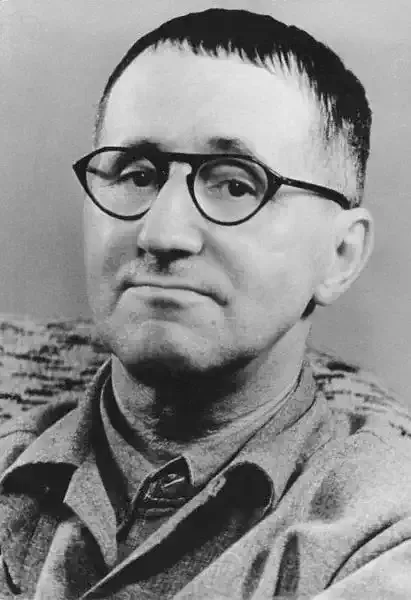
Bertolt Brecht
Parting
Parting
We embrace.
Rich cloth under my fingers
While yours touch poor fabric.
A quick embrace
You were invited for dinner
While the minions of law are after me.
We talk about the weather and our
Lasting friendship. Anything else
Would be too bitter.
We embrace.
Rich cloth under my fingers
While yours touch poor fabric.
A quick embrace
You were invited for dinner
While the minions of law are after me.
We talk about the weather and our
Lasting friendship. Anything else
Would be too bitter.
685
Bertolt Brecht
Ich habe dich nie je so geliebt...
Ich habe dich nie je so geliebt...
[Original]
Ich habe dich nie je so geliebt, ma soeur
Als wie ich fortging von dir in jenem Abendrot.
Der Wald schluckte mich, der blaue Wald, ma soeur
Über dem immer schon die bleichen Gestirne im Westen standen.
Ich lachte kein klein wenig, gar nicht, ma soeur
Der ich spielend dunklem Schicksal entgegenging -W&
auml;hrend schon die Gesichter hinter mir
Langsam im Abend des blauen Walds verblaßten.
Alles war schön an diesem einzigen Abend, ma soeur
Nachher nie wieder und nie zuvor --
Freilich: mir blieben nur mehr die großen Vögel
Die abends im dunklen Himmel Hunger haben.
[Translation]
I never loved you more, ma soeur
Than as I walked away from you that evening.
The forest swallowed me, the blue forest, ma soeur
The blue forest and above it pale stars in the west.
I did not laugh, not one little bit, ma soeur
As I playfully walked towards a dark fate --
While the faces behind me
Slowly paled in the evening of the blue forest.
Everything was grand that one night, ma soeur
Never thereafter and never before --
I admit it: I was left with nothing but the big birds
And their hungry cries in the dark evening sky.
[Original]
Ich habe dich nie je so geliebt, ma soeur
Als wie ich fortging von dir in jenem Abendrot.
Der Wald schluckte mich, der blaue Wald, ma soeur
Über dem immer schon die bleichen Gestirne im Westen standen.
Ich lachte kein klein wenig, gar nicht, ma soeur
Der ich spielend dunklem Schicksal entgegenging -W&
auml;hrend schon die Gesichter hinter mir
Langsam im Abend des blauen Walds verblaßten.
Alles war schön an diesem einzigen Abend, ma soeur
Nachher nie wieder und nie zuvor --
Freilich: mir blieben nur mehr die großen Vögel
Die abends im dunklen Himmel Hunger haben.
[Translation]
I never loved you more, ma soeur
Than as I walked away from you that evening.
The forest swallowed me, the blue forest, ma soeur
The blue forest and above it pale stars in the west.
I did not laugh, not one little bit, ma soeur
As I playfully walked towards a dark fate --
While the faces behind me
Slowly paled in the evening of the blue forest.
Everything was grand that one night, ma soeur
Never thereafter and never before --
I admit it: I was left with nothing but the big birds
And their hungry cries in the dark evening sky.
488
Bertolt Brecht
Fragen
Fragen
Schreib mir, was du anhast! Ist es warm?
Schreib mir, wie du liegst! Liegst du auch weich?
Schreib mir, wie du aussiehst! Ist´s noch gleich?
Schreib mir, was dir fehlt! Ist es mein Arm?
Schreib mir, wie´s dir geht! Verschont man dich?
Schreib mir, was sie treiben! Reicht dein Mut?
Schreib mir, was du tust! Ist es auch gut?
Schreib mir, woran denkst du? Bin es ich?
Freilich hab ich dir nur meine Fragen!
Und die Antwort hör ich, wie sie fällt!
Wenn du müd bist, kann ich dir nichts tragen.
Hungerst du, hab ich dir nichts zu Essen.
Und so bin ich grad wie aus der Welt
Nicht mehr da, als hätt ich dich vergessen.
Schreib mir, was du anhast! Ist es warm?
Schreib mir, wie du liegst! Liegst du auch weich?
Schreib mir, wie du aussiehst! Ist´s noch gleich?
Schreib mir, was dir fehlt! Ist es mein Arm?
Schreib mir, wie´s dir geht! Verschont man dich?
Schreib mir, was sie treiben! Reicht dein Mut?
Schreib mir, was du tust! Ist es auch gut?
Schreib mir, woran denkst du? Bin es ich?
Freilich hab ich dir nur meine Fragen!
Und die Antwort hör ich, wie sie fällt!
Wenn du müd bist, kann ich dir nichts tragen.
Hungerst du, hab ich dir nichts zu Essen.
Und so bin ich grad wie aus der Welt
Nicht mehr da, als hätt ich dich vergessen.
1,623
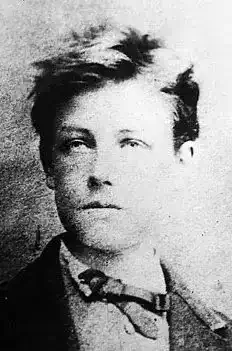
Arthur Rimbaud
Young Greedyguts
Young Greedyguts
Cap of silk moiré, little wand of ivory,
Clothes very dark.
Paul watches the cupboard,
sticks out little tongue at pear,
Prepares, gives a poke, and squitters.
Original French
Jeune goinfre
Casquette
De moire,
Quéquette
D'ivoire,
Toilette
Très noire,
Paul guette
L'armoire,
Projette
Languette
Sur poire,
S'apprête
Baguette,
Et foire.
Cap of silk moiré, little wand of ivory,
Clothes very dark.
Paul watches the cupboard,
sticks out little tongue at pear,
Prepares, gives a poke, and squitters.
Original French
Jeune goinfre
Casquette
De moire,
Quéquette
D'ivoire,
Toilette
Très noire,
Paul guette
L'armoire,
Projette
Languette
Sur poire,
S'apprête
Baguette,
Et foire.
582
Arthur Rimbaud
The Sun Has Wept Rose
The Sun Has Wept Rose
The sun has wept rose in the shell of your ears,
The world has rolled white from your back,
Your thighs:
The sea has stained rust at the crimson of your breasts,
And Man had bled black at your sovereign side.
The sun has wept rose in the shell of your ears,
The world has rolled white from your back,
Your thighs:
The sea has stained rust at the crimson of your breasts,
And Man had bled black at your sovereign side.
915
Arthur Rimbaud
The Sly One
The Sly One
In the brown dining-room,
which was perfumed
with the scent of polish and fruit,
I was shoveling up at my ease
a plateful of some Belgian dish
or other, and sprawling in my enormous chair.
While I ate, I listened, happy and silent, to the clock.
The kitchen door opened with a gust,
and the servant girl came in,
I don't know what for,
neckerchief loose, hair dressed impishly.
And, passing her little finger tremblingly across her cheek,
a pink and white peach-bloom,
pouting with her childish mouth,
she tidied the plates standing close to me,
to make me feel comfortable; - and then, just like that,
- to get a kiss of course said
very softly: 'Feel, then, I' got a cold in the cheek…'
In the brown dining-room,
which was perfumed
with the scent of polish and fruit,
I was shoveling up at my ease
a plateful of some Belgian dish
or other, and sprawling in my enormous chair.
While I ate, I listened, happy and silent, to the clock.
The kitchen door opened with a gust,
and the servant girl came in,
I don't know what for,
neckerchief loose, hair dressed impishly.
And, passing her little finger tremblingly across her cheek,
a pink and white peach-bloom,
pouting with her childish mouth,
she tidied the plates standing close to me,
to make me feel comfortable; - and then, just like that,
- to get a kiss of course said
very softly: 'Feel, then, I' got a cold in the cheek…'
503
Arthur Rimbaud
The Sideboard
The Sideboard
It is a high, carved sideboard made of oak.
The dark old wood, like old folks, seems kind;
Its drawers are open, and its odours soak
The darkness with the scent of strong old wine.
Its drawers are full, a final resting place
For scented, yellowed linens, scraps of clothes
Foe wives or children, worn and faded bows,
Grandmothers' collars made of figured lace;
There you will find old medals, locks of grey
Or yellow hair, and portraits, and a dried bouquet
Whose perfume mingles with the smell of fruit.
-O sideboard of old, you know a great deal more
And could tell us your tales, yet you stand mute
As we slowly open your old dark door.
It is a high, carved sideboard made of oak.
The dark old wood, like old folks, seems kind;
Its drawers are open, and its odours soak
The darkness with the scent of strong old wine.
Its drawers are full, a final resting place
For scented, yellowed linens, scraps of clothes
Foe wives or children, worn and faded bows,
Grandmothers' collars made of figured lace;
There you will find old medals, locks of grey
Or yellow hair, and portraits, and a dried bouquet
Whose perfume mingles with the smell of fruit.
-O sideboard of old, you know a great deal more
And could tell us your tales, yet you stand mute
As we slowly open your old dark door.
490
Arthur Rimbaud
The Sideboard
The Sideboard
It is a high, carved sideboard made of oak.
The dark old wood, like old folks, seems kind;
Its drawers are open, and its odours soak
The darkness with the scent of strong old wine.
Its drawers are full, a final resting place
For scented, yellowed linens, scraps of clothes
Foe wives or children, worn and faded bows,
Grandmothers' collars made of figured lace;
There you will find old medals, locks of grey
Or yellow hair, and portraits, and a dried bouquet
Whose perfume mingles with the smell of fruit.
-O sideboard of old, you know a great deal more
And could tell us your tales, yet you stand mute
As we slowly open your old dark door.
It is a high, carved sideboard made of oak.
The dark old wood, like old folks, seems kind;
Its drawers are open, and its odours soak
The darkness with the scent of strong old wine.
Its drawers are full, a final resting place
For scented, yellowed linens, scraps of clothes
Foe wives or children, worn and faded bows,
Grandmothers' collars made of figured lace;
There you will find old medals, locks of grey
Or yellow hair, and portraits, and a dried bouquet
Whose perfume mingles with the smell of fruit.
-O sideboard of old, you know a great deal more
And could tell us your tales, yet you stand mute
As we slowly open your old dark door.
490
Arthur Rimbaud
Stolen Heart
Stolen Heart
My sad heart slobbers at the poop
my heart covered with tobacco-spit
They spew streams of soup at it
My sad heart drools at the poop
Under the jeerings of the soldiers
who break out laughing
my sad heart drools at the poop
mt heart covered with tobacco-spit.
Ithypallic and soldierish
Their jeerings have depraved it
In the rudder you see frescoes
Ithypallic and soldierish
O, abracadabratic waves
Take my heart, let it be washed!
Ithypallic and soldierish
their jeerings have depraved it.
When they have used up their quid
How will I act, O stolen heart?
There will be Bacchic hiccups
When they have used up their quid
I will have stomach retchings
If my heart is degraded;
When they have used up their quid
How will I act, O stolen heart?
translated by Wallace Fowlie
My sad heart slobbers at the poop
my heart covered with tobacco-spit
They spew streams of soup at it
My sad heart drools at the poop
Under the jeerings of the soldiers
who break out laughing
my sad heart drools at the poop
mt heart covered with tobacco-spit.
Ithypallic and soldierish
Their jeerings have depraved it
In the rudder you see frescoes
Ithypallic and soldierish
O, abracadabratic waves
Take my heart, let it be washed!
Ithypallic and soldierish
their jeerings have depraved it.
When they have used up their quid
How will I act, O stolen heart?
There will be Bacchic hiccups
When they have used up their quid
I will have stomach retchings
If my heart is degraded;
When they have used up their quid
How will I act, O stolen heart?
translated by Wallace Fowlie
689
Arthur Rimbaud
Shame
Shame
So long as the blade has not
Cut off that brain,
That white, green and fatty parcel,
Whose steam is never fresh,
Ah ! He, should cut off his
Nose, his lips, his ears,
His belly ! And abandon
But no, truly, I believe that so long as
The blade to his head,
And the stone to his side,
And the flame to his guts
Have not done execution, the tiresome
Child, the so stupid animal,
Must never for an instant cease
To cheat and betray
And like a Rocky Mountain cat ;
To make all places stink !
But still when he dies,
O my God !
May there rise up some prayer !
So long as the blade has not
Cut off that brain,
That white, green and fatty parcel,
Whose steam is never fresh,
Ah ! He, should cut off his
Nose, his lips, his ears,
His belly ! And abandon
But no, truly, I believe that so long as
The blade to his head,
And the stone to his side,
And the flame to his guts
Have not done execution, the tiresome
Child, the so stupid animal,
Must never for an instant cease
To cheat and betray
And like a Rocky Mountain cat ;
To make all places stink !
But still when he dies,
O my God !
May there rise up some prayer !
654
Arthur Rimbaud
Romance
Romance
When you are seventeen you aren't really serious.
-One fine evening, you've had enough of beer and lemonade,
And the rowdy cafes with their dazzling lights!
-You go walking beneath the green lime trees of the promenade.
The lime trees smell good on fine evenings in June!
The air is so soft sometimes, you close your eyelids;
The wind, full of sounds, - the town's not far away -
Carries odours of vines, and odours of beer...
II
-Then you see a very tiny rag
Of dark blue, framed by a small branch,
Pierced by an unlucky star which is melting away
With soft little shivers, small, perfectly white...
June night! Seventeen! - You let yourself get drunk.
The sap is champagne and goes straight to your head...
You are wandering; you feel a kiss on your lips
Which quivers there like something small and alive...
III
Your mad heart goes Crusoeing through all the romances,
-When, under the light of a pale street lamp,
Passes a young girl with charming little airs,
In the shadow of her father's terrifying stiff collar...
And because you strike her as absurdly naif,
As she trots along in her little ankle boots,
She turns, wide awake, with a brisk movement...
And then cavatinas die on your lips...
IV
You're in love. Taken until the month of August.
You're in love - Your sonnets make Her laugh.
All your friends disappear, you are not quite the thing.
-Then your adored one, one evening, condescends to write to you...!
That evening,... - you go back again to the dazzling cafes,
You ask for beer or for lemonade...
-You are not really serious when you are seventeen
And there are green lime trees on the promenade...
Original French
Roman
I
On n'est pas sérieux, quand on a dix-sept ans.
-Un beau soir, foin des bocks et de la limonade,
Des cafés tapageurs aux lustres éclatants !
-On va sous les tilleuls verts de la promenade.
Les tilleuls sentent bon dans les bons soirs de juin !
L'air est parfois si doux, qu'on ferme la paupière ;
Le vent chargé de bruits - la ville n'est pas loin -
A des parfums de vigne et des parfums de bière....
II
-Voilà qu'on aperçoit un tout petit chiffon
D'azur sombre, encadré d'une petite branche,
Piqué d'une mauvaise étoile, qui se fond
Avec de doux frissons, petite et toute blanche...
Nuit de juin ! Dix-sept ans ! - On se laisse griser.
La sève est du champagne et vous monte à la tête...
On divague ; on se sent aux lèvres un baiser
Qui palpite là, comme une petite bête....
III
Le coeur fou Robinsonne à travers les romans,
Lorsque, dans la clarté d'un pâle réverbère,
Passe une demoiselle aux petits airs charmants,
Sous l'ombre du faux col effrayant de son père...
Et, comme elle vous trouve immensément naïf,
Tout en faisant trotter ses petites bottines,
Elle se tourne, alerte et d'un mouvement vif....
-Sur vos lèvres alors meurent les cavatines...
IV
Vous êtes amoureux. Loué jusqu'au mois d'août.
Vous êtes amoureux. - Vos sonnets La font rire.
Tous vos amis s'en vont, vous êtes mauvais goût.
-Puis l'adorée, un soir, a daigné vous écrire...!
-Ce soir-là,... - vous rentrez aux cafés éclatants,
Vous demandez des bocks ou de la limonade..
-On n'est pas sérieux, quand on a dix-sept ans
Et qu'on a des tilleuls verts sur la promenade.
When you are seventeen you aren't really serious.
-One fine evening, you've had enough of beer and lemonade,
And the rowdy cafes with their dazzling lights!
-You go walking beneath the green lime trees of the promenade.
The lime trees smell good on fine evenings in June!
The air is so soft sometimes, you close your eyelids;
The wind, full of sounds, - the town's not far away -
Carries odours of vines, and odours of beer...
II
-Then you see a very tiny rag
Of dark blue, framed by a small branch,
Pierced by an unlucky star which is melting away
With soft little shivers, small, perfectly white...
June night! Seventeen! - You let yourself get drunk.
The sap is champagne and goes straight to your head...
You are wandering; you feel a kiss on your lips
Which quivers there like something small and alive...
III
Your mad heart goes Crusoeing through all the romances,
-When, under the light of a pale street lamp,
Passes a young girl with charming little airs,
In the shadow of her father's terrifying stiff collar...
And because you strike her as absurdly naif,
As she trots along in her little ankle boots,
She turns, wide awake, with a brisk movement...
And then cavatinas die on your lips...
IV
You're in love. Taken until the month of August.
You're in love - Your sonnets make Her laugh.
All your friends disappear, you are not quite the thing.
-Then your adored one, one evening, condescends to write to you...!
That evening,... - you go back again to the dazzling cafes,
You ask for beer or for lemonade...
-You are not really serious when you are seventeen
And there are green lime trees on the promenade...
Original French
Roman
I
On n'est pas sérieux, quand on a dix-sept ans.
-Un beau soir, foin des bocks et de la limonade,
Des cafés tapageurs aux lustres éclatants !
-On va sous les tilleuls verts de la promenade.
Les tilleuls sentent bon dans les bons soirs de juin !
L'air est parfois si doux, qu'on ferme la paupière ;
Le vent chargé de bruits - la ville n'est pas loin -
A des parfums de vigne et des parfums de bière....
II
-Voilà qu'on aperçoit un tout petit chiffon
D'azur sombre, encadré d'une petite branche,
Piqué d'une mauvaise étoile, qui se fond
Avec de doux frissons, petite et toute blanche...
Nuit de juin ! Dix-sept ans ! - On se laisse griser.
La sève est du champagne et vous monte à la tête...
On divague ; on se sent aux lèvres un baiser
Qui palpite là, comme une petite bête....
III
Le coeur fou Robinsonne à travers les romans,
Lorsque, dans la clarté d'un pâle réverbère,
Passe une demoiselle aux petits airs charmants,
Sous l'ombre du faux col effrayant de son père...
Et, comme elle vous trouve immensément naïf,
Tout en faisant trotter ses petites bottines,
Elle se tourne, alerte et d'un mouvement vif....
-Sur vos lèvres alors meurent les cavatines...
IV
Vous êtes amoureux. Loué jusqu'au mois d'août.
Vous êtes amoureux. - Vos sonnets La font rire.
Tous vos amis s'en vont, vous êtes mauvais goût.
-Puis l'adorée, un soir, a daigné vous écrire...!
-Ce soir-là,... - vous rentrez aux cafés éclatants,
Vous demandez des bocks ou de la limonade..
-On n'est pas sérieux, quand on a dix-sept ans
Et qu'on a des tilleuls verts sur la promenade.
701
Arthur Rimbaud
Nina's Reply (Les Reparties De Nina)
Nina's Reply (Les Reparties De Nina)
HE - Your breast on my breast,
Eh ? We could go,
With our nostrils full of air,
Into the cool light
Of the blue good morning that bathes you
In the wine of daylight ?…
When the whole shivering wood bleeds,
Dumb with love
From every branch green drops,
Pale buds,
You can feel in things unclosing
The quivering flesh :
You would bury in the lucerne
Your white gown,
Changing to rose-colour in the fresh air the blue tint which encircles
Your great black eyes,
In love with the country,
Scattering everywhere,
Like champagne bubbles,
Your crazy laughter :
breast,
Mingling our voices,
Slowly we'd reach the stream,
Then the great woods !…
Then, like a little ghost,
Your heart fainting,
You'd tell me to carry you,
Your eyes half closed…
I'd carry your quivering body
Along the path :
The bird would sping out his andante :
Hard by the hazeltree…
I'd speak into your mouth ;
And go on, pressing
Your body like a little girl's I was putting to bed,
Drunk with the blood
That runs blue under your white skin
With its tints of rose :
And speaking to you in that frank tongue…
There !… - that you understand…
Our great woods would smell of sap,
And the sunlight
Would dust with fine gold their great
Green and bronze dream.
……………………………………………
In the evening ?… We'd take the white road
Which meanders,
Like a grazing herd,
All over the place
Oh the pleasant orchards with blue grass,
And twisted apple trees !
How you can smell a whole league
Off their strong perfume !
We'd get back to the village
When the sky was half dark ;
And there'd be a smell of milking
In the evening air ;
It would smell of the cowshed, full
Of warm manure,
Filled with the slow rythm of breathing,
And with great backs
Gleaming under some light or other ;
And, right down at the far end,
There'd be a cow dunging proudly
At every step…
-Grandmother's spectacles
And her long nose
Deep in her missal ; the jug of beer
Circled with pewter
Foaming among the big-bowled pipes
Gallantly smoking :
And the frightfull blubber lips
Which, still puffing,
Snatch ham from forks :
So much, and more :
The fire lighting up the bunks
And the cupboards.
The shining fat buttocks
Of the fat baby
On his hands and knees, who nuzzles into the cups,
His white snout
Tickled by a gently
Growling muzzle,
That licks all over the round face
Of the little darling…
Black and haughty on her chair's edge,
A terrifying profile,
And old woman in front of the embers,
Spinning
What sights we shall see, dearest,
In those hovels,
When the bright fire lights up
The grey window panes !…
-And then, small and nestling
Inside the cool
Dark lilacs : the hidden window
Smiling in there…
You'll come, you will come, I love you so !
It will be lovely.
You will come, won't you ? and even…
ELLE : - And what about my office ?
Original French
Les reparties de Nina
LUI - Ta poitrine sur ma poitrine,
Hein ? nous irions,
Ayant de l'air plein la narine,
Aux frais rayons
Du bon matin bleu, qui vous baigne
Du vin de jour ?...
Quand tout le bois frissonnant saigne
Muet d'amour
De chaque branche, gouttes vertes,
Des bourgeons clairs,
On sent dans les choses ouvertes
Frémir des chairs :
Tu plongerais dans la luzerne
Ton blanc peignoir,
Rosant à l'air ce bleu qui cerne
Ton grand oeil noir,
Amoureuse de la campagne,
Semant partout,
Comme une mousse de champagne,
Ton rire fou :
Riant à moi, brutal d'ivresse,
Qui te prendrais
Comme cela, - la belle tresse,
Oh ! - qui boirais
Ton goût de framboise et de fraise,
O chair de fleur !
Riant au vent vif qui te baise
Comme un voleur,
Au rose, églantier qui t'embête
Aimablement :
Riant surtout, ô folle tête,
À ton amant !....
........................................................
-Ta poitrine sur ma poitrine,
Mêlant nos voix,
Lents, nous gagnerions la ravine,
Puis les grands bois !...
Puis, comme une petite morte,
Le coeur pâmé,
Tu me dirais que je te porte,
L'oeil mi-fermé...
Je te porterais, palpitante,
Dans le sentier :
L'oiseau filerait son andante
Au Noisetier...
Je te parlerais dans ta bouche..
J'irais, pressant
Ton corps, comme une enfant qu'on couche,
Ivre du sang
Qui coule, bleu, sous ta peau blanche
Aux tons rosés.
Et te parlant la langue franche - .....
Tiens !... - que tu sais...
Nos grands bois sentiraient la sève,
Et le soleil
Sablerait d'or fin leur grand rêve
Vert et vermeil
........................................................
Le soir ?... Nous reprendrons la route
Blanche qui court
Flânant, comme un troupeau qui broute,
Tout à l'entour
Les bons vergers à l'herbe bleue,
Aux pommiers tors !
Comme on les sent toute une lieue
Leurs parfums forts !
Nous regagnerons le village
Au ciel mi-noir ;
Et ça sentira le laitage
Dans l'air du soir ;
Ca sentira l'étable, pleine
De fumiers chauds,
Pleine d'un lent rythme d'haleine,
Et de grands dos
Blanchissant sous quelque lumière ;
Et, tout là-bas,
Une vache fientera, fière,
À chaque pas...
-Les lunettes de la grand-mère
Et son nez long
Dans son missel ; le pot de bière
Cerclé de plomb,
Moussant entre les larges pipes
Qui, crânement,
Fument : les effroyables lippes
Qui, tout fumant,
Happent le jambon aux fourchettes
Tant, tant et plus :
Le feu qui claire les couchettes
Et les bahuts.
Les fesses luisantes et grasses
D'un gros enfant
Qui fourre, à genoux, dans les tasses,
Son museau blanc
Frôlé par un mufle qui gronde
D'un ton gentil,
Et pourlèche la face ronde
Du cher petit.....
Que de choses verrons-nous, chère,
Dans ces taudis,
Quand la flamme illumine, claire,
Les carreaux gris !...
-Puis, petite et toute nichée,
Dans les lilas
Noirs et frais : la vitre cachée,
Qui rit là-bas....
Tu viendras, tu viendras, je t'aime !
Ce sera beau.
Tu viendras, n'est-ce pas, et même...
Elle - Et mon bureau ?
HE - Your breast on my breast,
Eh ? We could go,
With our nostrils full of air,
Into the cool light
Of the blue good morning that bathes you
In the wine of daylight ?…
When the whole shivering wood bleeds,
Dumb with love
From every branch green drops,
Pale buds,
You can feel in things unclosing
The quivering flesh :
You would bury in the lucerne
Your white gown,
Changing to rose-colour in the fresh air the blue tint which encircles
Your great black eyes,
In love with the country,
Scattering everywhere,
Like champagne bubbles,
Your crazy laughter :
breast,
Mingling our voices,
Slowly we'd reach the stream,
Then the great woods !…
Then, like a little ghost,
Your heart fainting,
You'd tell me to carry you,
Your eyes half closed…
I'd carry your quivering body
Along the path :
The bird would sping out his andante :
Hard by the hazeltree…
I'd speak into your mouth ;
And go on, pressing
Your body like a little girl's I was putting to bed,
Drunk with the blood
That runs blue under your white skin
With its tints of rose :
And speaking to you in that frank tongue…
There !… - that you understand…
Our great woods would smell of sap,
And the sunlight
Would dust with fine gold their great
Green and bronze dream.
……………………………………………
In the evening ?… We'd take the white road
Which meanders,
Like a grazing herd,
All over the place
Oh the pleasant orchards with blue grass,
And twisted apple trees !
How you can smell a whole league
Off their strong perfume !
We'd get back to the village
When the sky was half dark ;
And there'd be a smell of milking
In the evening air ;
It would smell of the cowshed, full
Of warm manure,
Filled with the slow rythm of breathing,
And with great backs
Gleaming under some light or other ;
And, right down at the far end,
There'd be a cow dunging proudly
At every step…
-Grandmother's spectacles
And her long nose
Deep in her missal ; the jug of beer
Circled with pewter
Foaming among the big-bowled pipes
Gallantly smoking :
And the frightfull blubber lips
Which, still puffing,
Snatch ham from forks :
So much, and more :
The fire lighting up the bunks
And the cupboards.
The shining fat buttocks
Of the fat baby
On his hands and knees, who nuzzles into the cups,
His white snout
Tickled by a gently
Growling muzzle,
That licks all over the round face
Of the little darling…
Black and haughty on her chair's edge,
A terrifying profile,
And old woman in front of the embers,
Spinning
What sights we shall see, dearest,
In those hovels,
When the bright fire lights up
The grey window panes !…
-And then, small and nestling
Inside the cool
Dark lilacs : the hidden window
Smiling in there…
You'll come, you will come, I love you so !
It will be lovely.
You will come, won't you ? and even…
ELLE : - And what about my office ?
Original French
Les reparties de Nina
LUI - Ta poitrine sur ma poitrine,
Hein ? nous irions,
Ayant de l'air plein la narine,
Aux frais rayons
Du bon matin bleu, qui vous baigne
Du vin de jour ?...
Quand tout le bois frissonnant saigne
Muet d'amour
De chaque branche, gouttes vertes,
Des bourgeons clairs,
On sent dans les choses ouvertes
Frémir des chairs :
Tu plongerais dans la luzerne
Ton blanc peignoir,
Rosant à l'air ce bleu qui cerne
Ton grand oeil noir,
Amoureuse de la campagne,
Semant partout,
Comme une mousse de champagne,
Ton rire fou :
Riant à moi, brutal d'ivresse,
Qui te prendrais
Comme cela, - la belle tresse,
Oh ! - qui boirais
Ton goût de framboise et de fraise,
O chair de fleur !
Riant au vent vif qui te baise
Comme un voleur,
Au rose, églantier qui t'embête
Aimablement :
Riant surtout, ô folle tête,
À ton amant !....
........................................................
-Ta poitrine sur ma poitrine,
Mêlant nos voix,
Lents, nous gagnerions la ravine,
Puis les grands bois !...
Puis, comme une petite morte,
Le coeur pâmé,
Tu me dirais que je te porte,
L'oeil mi-fermé...
Je te porterais, palpitante,
Dans le sentier :
L'oiseau filerait son andante
Au Noisetier...
Je te parlerais dans ta bouche..
J'irais, pressant
Ton corps, comme une enfant qu'on couche,
Ivre du sang
Qui coule, bleu, sous ta peau blanche
Aux tons rosés.
Et te parlant la langue franche - .....
Tiens !... - que tu sais...
Nos grands bois sentiraient la sève,
Et le soleil
Sablerait d'or fin leur grand rêve
Vert et vermeil
........................................................
Le soir ?... Nous reprendrons la route
Blanche qui court
Flânant, comme un troupeau qui broute,
Tout à l'entour
Les bons vergers à l'herbe bleue,
Aux pommiers tors !
Comme on les sent toute une lieue
Leurs parfums forts !
Nous regagnerons le village
Au ciel mi-noir ;
Et ça sentira le laitage
Dans l'air du soir ;
Ca sentira l'étable, pleine
De fumiers chauds,
Pleine d'un lent rythme d'haleine,
Et de grands dos
Blanchissant sous quelque lumière ;
Et, tout là-bas,
Une vache fientera, fière,
À chaque pas...
-Les lunettes de la grand-mère
Et son nez long
Dans son missel ; le pot de bière
Cerclé de plomb,
Moussant entre les larges pipes
Qui, crânement,
Fument : les effroyables lippes
Qui, tout fumant,
Happent le jambon aux fourchettes
Tant, tant et plus :
Le feu qui claire les couchettes
Et les bahuts.
Les fesses luisantes et grasses
D'un gros enfant
Qui fourre, à genoux, dans les tasses,
Son museau blanc
Frôlé par un mufle qui gronde
D'un ton gentil,
Et pourlèche la face ronde
Du cher petit.....
Que de choses verrons-nous, chère,
Dans ces taudis,
Quand la flamme illumine, claire,
Les carreaux gris !...
-Puis, petite et toute nichée,
Dans les lilas
Noirs et frais : la vitre cachée,
Qui rit là-bas....
Tu viendras, tu viendras, je t'aime !
Ce sera beau.
Tu viendras, n'est-ce pas, et même...
Elle - Et mon bureau ?
1,055
Arthur Rimbaud
Nina's Reply (Les Reparties De Nina)
Nina's Reply (Les Reparties De Nina)
HE - Your breast on my breast,
Eh ? We could go,
With our nostrils full of air,
Into the cool light
Of the blue good morning that bathes you
In the wine of daylight ?…
When the whole shivering wood bleeds,
Dumb with love
From every branch green drops,
Pale buds,
You can feel in things unclosing
The quivering flesh :
You would bury in the lucerne
Your white gown,
Changing to rose-colour in the fresh air the blue tint which encircles
Your great black eyes,
In love with the country,
Scattering everywhere,
Like champagne bubbles,
Your crazy laughter :
breast,
Mingling our voices,
Slowly we'd reach the stream,
Then the great woods !…
Then, like a little ghost,
Your heart fainting,
You'd tell me to carry you,
Your eyes half closed…
I'd carry your quivering body
Along the path :
The bird would sping out his andante :
Hard by the hazeltree…
I'd speak into your mouth ;
And go on, pressing
Your body like a little girl's I was putting to bed,
Drunk with the blood
That runs blue under your white skin
With its tints of rose :
And speaking to you in that frank tongue…
There !… - that you understand…
Our great woods would smell of sap,
And the sunlight
Would dust with fine gold their great
Green and bronze dream.
……………………………………………
In the evening ?… We'd take the white road
Which meanders,
Like a grazing herd,
All over the place
Oh the pleasant orchards with blue grass,
And twisted apple trees !
How you can smell a whole league
Off their strong perfume !
We'd get back to the village
When the sky was half dark ;
And there'd be a smell of milking
In the evening air ;
It would smell of the cowshed, full
Of warm manure,
Filled with the slow rythm of breathing,
And with great backs
Gleaming under some light or other ;
And, right down at the far end,
There'd be a cow dunging proudly
At every step…
-Grandmother's spectacles
And her long nose
Deep in her missal ; the jug of beer
Circled with pewter
Foaming among the big-bowled pipes
Gallantly smoking :
And the frightfull blubber lips
Which, still puffing,
Snatch ham from forks :
So much, and more :
The fire lighting up the bunks
And the cupboards.
The shining fat buttocks
Of the fat baby
On his hands and knees, who nuzzles into the cups,
His white snout
Tickled by a gently
Growling muzzle,
That licks all over the round face
Of the little darling…
Black and haughty on her chair's edge,
A terrifying profile,
And old woman in front of the embers,
Spinning
What sights we shall see, dearest,
In those hovels,
When the bright fire lights up
The grey window panes !…
-And then, small and nestling
Inside the cool
Dark lilacs : the hidden window
Smiling in there…
You'll come, you will come, I love you so !
It will be lovely.
You will come, won't you ? and even…
ELLE : - And what about my office ?
Original French
Les reparties de Nina
LUI - Ta poitrine sur ma poitrine,
Hein ? nous irions,
Ayant de l'air plein la narine,
Aux frais rayons
Du bon matin bleu, qui vous baigne
Du vin de jour ?...
Quand tout le bois frissonnant saigne
Muet d'amour
De chaque branche, gouttes vertes,
Des bourgeons clairs,
On sent dans les choses ouvertes
Frémir des chairs :
Tu plongerais dans la luzerne
Ton blanc peignoir,
Rosant à l'air ce bleu qui cerne
Ton grand oeil noir,
Amoureuse de la campagne,
Semant partout,
Comme une mousse de champagne,
Ton rire fou :
Riant à moi, brutal d'ivresse,
Qui te prendrais
Comme cela, - la belle tresse,
Oh ! - qui boirais
Ton goût de framboise et de fraise,
O chair de fleur !
Riant au vent vif qui te baise
Comme un voleur,
Au rose, églantier qui t'embête
Aimablement :
Riant surtout, ô folle tête,
À ton amant !....
........................................................
-Ta poitrine sur ma poitrine,
Mêlant nos voix,
Lents, nous gagnerions la ravine,
Puis les grands bois !...
Puis, comme une petite morte,
Le coeur pâmé,
Tu me dirais que je te porte,
L'oeil mi-fermé...
Je te porterais, palpitante,
Dans le sentier :
L'oiseau filerait son andante
Au Noisetier...
Je te parlerais dans ta bouche..
J'irais, pressant
Ton corps, comme une enfant qu'on couche,
Ivre du sang
Qui coule, bleu, sous ta peau blanche
Aux tons rosés.
Et te parlant la langue franche - .....
Tiens !... - que tu sais...
Nos grands bois sentiraient la sève,
Et le soleil
Sablerait d'or fin leur grand rêve
Vert et vermeil
........................................................
Le soir ?... Nous reprendrons la route
Blanche qui court
Flânant, comme un troupeau qui broute,
Tout à l'entour
Les bons vergers à l'herbe bleue,
Aux pommiers tors !
Comme on les sent toute une lieue
Leurs parfums forts !
Nous regagnerons le village
Au ciel mi-noir ;
Et ça sentira le laitage
Dans l'air du soir ;
Ca sentira l'étable, pleine
De fumiers chauds,
Pleine d'un lent rythme d'haleine,
Et de grands dos
Blanchissant sous quelque lumière ;
Et, tout là-bas,
Une vache fientera, fière,
À chaque pas...
-Les lunettes de la grand-mère
Et son nez long
Dans son missel ; le pot de bière
Cerclé de plomb,
Moussant entre les larges pipes
Qui, crânement,
Fument : les effroyables lippes
Qui, tout fumant,
Happent le jambon aux fourchettes
Tant, tant et plus :
Le feu qui claire les couchettes
Et les bahuts.
Les fesses luisantes et grasses
D'un gros enfant
Qui fourre, à genoux, dans les tasses,
Son museau blanc
Frôlé par un mufle qui gronde
D'un ton gentil,
Et pourlèche la face ronde
Du cher petit.....
Que de choses verrons-nous, chère,
Dans ces taudis,
Quand la flamme illumine, claire,
Les carreaux gris !...
-Puis, petite et toute nichée,
Dans les lilas
Noirs et frais : la vitre cachée,
Qui rit là-bas....
Tu viendras, tu viendras, je t'aime !
Ce sera beau.
Tu viendras, n'est-ce pas, et même...
Elle - Et mon bureau ?
HE - Your breast on my breast,
Eh ? We could go,
With our nostrils full of air,
Into the cool light
Of the blue good morning that bathes you
In the wine of daylight ?…
When the whole shivering wood bleeds,
Dumb with love
From every branch green drops,
Pale buds,
You can feel in things unclosing
The quivering flesh :
You would bury in the lucerne
Your white gown,
Changing to rose-colour in the fresh air the blue tint which encircles
Your great black eyes,
In love with the country,
Scattering everywhere,
Like champagne bubbles,
Your crazy laughter :
breast,
Mingling our voices,
Slowly we'd reach the stream,
Then the great woods !…
Then, like a little ghost,
Your heart fainting,
You'd tell me to carry you,
Your eyes half closed…
I'd carry your quivering body
Along the path :
The bird would sping out his andante :
Hard by the hazeltree…
I'd speak into your mouth ;
And go on, pressing
Your body like a little girl's I was putting to bed,
Drunk with the blood
That runs blue under your white skin
With its tints of rose :
And speaking to you in that frank tongue…
There !… - that you understand…
Our great woods would smell of sap,
And the sunlight
Would dust with fine gold their great
Green and bronze dream.
……………………………………………
In the evening ?… We'd take the white road
Which meanders,
Like a grazing herd,
All over the place
Oh the pleasant orchards with blue grass,
And twisted apple trees !
How you can smell a whole league
Off their strong perfume !
We'd get back to the village
When the sky was half dark ;
And there'd be a smell of milking
In the evening air ;
It would smell of the cowshed, full
Of warm manure,
Filled with the slow rythm of breathing,
And with great backs
Gleaming under some light or other ;
And, right down at the far end,
There'd be a cow dunging proudly
At every step…
-Grandmother's spectacles
And her long nose
Deep in her missal ; the jug of beer
Circled with pewter
Foaming among the big-bowled pipes
Gallantly smoking :
And the frightfull blubber lips
Which, still puffing,
Snatch ham from forks :
So much, and more :
The fire lighting up the bunks
And the cupboards.
The shining fat buttocks
Of the fat baby
On his hands and knees, who nuzzles into the cups,
His white snout
Tickled by a gently
Growling muzzle,
That licks all over the round face
Of the little darling…
Black and haughty on her chair's edge,
A terrifying profile,
And old woman in front of the embers,
Spinning
What sights we shall see, dearest,
In those hovels,
When the bright fire lights up
The grey window panes !…
-And then, small and nestling
Inside the cool
Dark lilacs : the hidden window
Smiling in there…
You'll come, you will come, I love you so !
It will be lovely.
You will come, won't you ? and even…
ELLE : - And what about my office ?
Original French
Les reparties de Nina
LUI - Ta poitrine sur ma poitrine,
Hein ? nous irions,
Ayant de l'air plein la narine,
Aux frais rayons
Du bon matin bleu, qui vous baigne
Du vin de jour ?...
Quand tout le bois frissonnant saigne
Muet d'amour
De chaque branche, gouttes vertes,
Des bourgeons clairs,
On sent dans les choses ouvertes
Frémir des chairs :
Tu plongerais dans la luzerne
Ton blanc peignoir,
Rosant à l'air ce bleu qui cerne
Ton grand oeil noir,
Amoureuse de la campagne,
Semant partout,
Comme une mousse de champagne,
Ton rire fou :
Riant à moi, brutal d'ivresse,
Qui te prendrais
Comme cela, - la belle tresse,
Oh ! - qui boirais
Ton goût de framboise et de fraise,
O chair de fleur !
Riant au vent vif qui te baise
Comme un voleur,
Au rose, églantier qui t'embête
Aimablement :
Riant surtout, ô folle tête,
À ton amant !....
........................................................
-Ta poitrine sur ma poitrine,
Mêlant nos voix,
Lents, nous gagnerions la ravine,
Puis les grands bois !...
Puis, comme une petite morte,
Le coeur pâmé,
Tu me dirais que je te porte,
L'oeil mi-fermé...
Je te porterais, palpitante,
Dans le sentier :
L'oiseau filerait son andante
Au Noisetier...
Je te parlerais dans ta bouche..
J'irais, pressant
Ton corps, comme une enfant qu'on couche,
Ivre du sang
Qui coule, bleu, sous ta peau blanche
Aux tons rosés.
Et te parlant la langue franche - .....
Tiens !... - que tu sais...
Nos grands bois sentiraient la sève,
Et le soleil
Sablerait d'or fin leur grand rêve
Vert et vermeil
........................................................
Le soir ?... Nous reprendrons la route
Blanche qui court
Flânant, comme un troupeau qui broute,
Tout à l'entour
Les bons vergers à l'herbe bleue,
Aux pommiers tors !
Comme on les sent toute une lieue
Leurs parfums forts !
Nous regagnerons le village
Au ciel mi-noir ;
Et ça sentira le laitage
Dans l'air du soir ;
Ca sentira l'étable, pleine
De fumiers chauds,
Pleine d'un lent rythme d'haleine,
Et de grands dos
Blanchissant sous quelque lumière ;
Et, tout là-bas,
Une vache fientera, fière,
À chaque pas...
-Les lunettes de la grand-mère
Et son nez long
Dans son missel ; le pot de bière
Cerclé de plomb,
Moussant entre les larges pipes
Qui, crânement,
Fument : les effroyables lippes
Qui, tout fumant,
Happent le jambon aux fourchettes
Tant, tant et plus :
Le feu qui claire les couchettes
Et les bahuts.
Les fesses luisantes et grasses
D'un gros enfant
Qui fourre, à genoux, dans les tasses,
Son museau blanc
Frôlé par un mufle qui gronde
D'un ton gentil,
Et pourlèche la face ronde
Du cher petit.....
Que de choses verrons-nous, chère,
Dans ces taudis,
Quand la flamme illumine, claire,
Les carreaux gris !...
-Puis, petite et toute nichée,
Dans les lilas
Noirs et frais : la vitre cachée,
Qui rit là-bas....
Tu viendras, tu viendras, je t'aime !
Ce sera beau.
Tu viendras, n'est-ce pas, et même...
Elle - Et mon bureau ?
1,055
Arthur Rimbaud
LINES, an excerpt from
LINES, an excerpt from
When the world comes down to this one dark wood
Before our four astonished eyes...
To a beach for two faithful children...
To a house of music, for our clear accord...
I will find you.
Let there be no one here below but one old man,
Beautiful and calm, surrounded with 'unimagined luxury'...
I will be at your feet.
Let me penetrate all of your memories...
Let me be that woman who can bind you hand and foot...
I will strangle you.
When we are very strong - who can hold us back?
And very gay - how can ridicule harm us?
When we are very bad - what can they do to us?
Dress yourself up,
And dance,
And laugh.
I could never throw Love out the window.
(translated by Paul Schmidt)
When the world comes down to this one dark wood
Before our four astonished eyes...
To a beach for two faithful children...
To a house of music, for our clear accord...
I will find you.
Let there be no one here below but one old man,
Beautiful and calm, surrounded with 'unimagined luxury'...
I will be at your feet.
Let me penetrate all of your memories...
Let me be that woman who can bind you hand and foot...
I will strangle you.
When we are very strong - who can hold us back?
And very gay - how can ridicule harm us?
When we are very bad - what can they do to us?
Dress yourself up,
And dance,
And laugh.
I could never throw Love out the window.
(translated by Paul Schmidt)
559
Arthur Rimbaud
L'Idole.. Sonnet Du Trou Du Cul
L'Idole.. Sonnet Du Trou Du Cul
Obscur et froncé comme un oeillet violet
Il respire, humblement tapi parmi la mousse.
Humide encor d'amour qui suit la fuite douce
Des Fesses blanches jusqu'au coeur de son ourlet.
Des filaments pareils à des larmes de lait
Ont pleuré, sous le vent cruel qui les repousse,
À travers de petits caillots de marne rousse
Pour s'aller perdre où la pente les appelait.
Mon Rêve s'aboucha souvent à sa ventouse ;
Mon âme, du coït matériel jalouse,
En fit son larmier fauve et son nid de sanglots.
C'est l'olive pâmée, et la flûte caline ;
C'est le tube où descend la céleste praline :
Chanaan féminin dans les moiteurs enclos !
Albert Mérat.
The Idol.
Sonnet to an Asshole
Dark and wrinkled like a purple pink
It breathes, nestling humbly among the still-damp
Froth of love that follows the gentle slope
Of the white buttocks to its crater's edge.
Filaments like tears of milk
Have wept in the cruel wind which pushes them back,
Across little clots of reddish marl
To lose themselves where the slope called them.
My dream has often kissed its opening;
My soul, jealous of physical coitus,
Has made this its fawn-coloured tear-bottle and its nest of sobs.
It is the rapturous olive and the wheedling flute,
The tube from which the heavenly burnt almond falls:
Feminine Canaan enclosed among moistures.
Albert Mérat.
P.V.-A.R.
Obscur et froncé comme un oeillet violet
Il respire, humblement tapi parmi la mousse.
Humide encor d'amour qui suit la fuite douce
Des Fesses blanches jusqu'au coeur de son ourlet.
Des filaments pareils à des larmes de lait
Ont pleuré, sous le vent cruel qui les repousse,
À travers de petits caillots de marne rousse
Pour s'aller perdre où la pente les appelait.
Mon Rêve s'aboucha souvent à sa ventouse ;
Mon âme, du coït matériel jalouse,
En fit son larmier fauve et son nid de sanglots.
C'est l'olive pâmée, et la flûte caline ;
C'est le tube où descend la céleste praline :
Chanaan féminin dans les moiteurs enclos !
Albert Mérat.
The Idol.
Sonnet to an Asshole
Dark and wrinkled like a purple pink
It breathes, nestling humbly among the still-damp
Froth of love that follows the gentle slope
Of the white buttocks to its crater's edge.
Filaments like tears of milk
Have wept in the cruel wind which pushes them back,
Across little clots of reddish marl
To lose themselves where the slope called them.
My dream has often kissed its opening;
My soul, jealous of physical coitus,
Has made this its fawn-coloured tear-bottle and its nest of sobs.
It is the rapturous olive and the wheedling flute,
The tube from which the heavenly burnt almond falls:
Feminine Canaan enclosed among moistures.
Albert Mérat.
P.V.-A.R.
746
Arthur Rimbaud
A Winter Dream
A Winter Dream
In winter we’ll travel in a little pink carriage
With cushions of blue.
We’ll be fine. A nest of mad kisses waits
In each corner too.
You’ll shut your eyes, not to see, through the glass,
Grimacing shadows of evening,
Those snarling monsters, a crowd going past
Of black wolves and black demons.
Then you’ll feel your cheek tickled quite hard…
A little kiss, like a maddened spider,
Will run over your neck…
And you’ll say: “Catch it!” bowing your head,
– And we’ll take our time finding that creature
– Who travels so far…
In winter we’ll travel in a little pink carriage
With cushions of blue.
We’ll be fine. A nest of mad kisses waits
In each corner too.
You’ll shut your eyes, not to see, through the glass,
Grimacing shadows of evening,
Those snarling monsters, a crowd going past
Of black wolves and black demons.
Then you’ll feel your cheek tickled quite hard…
A little kiss, like a maddened spider,
Will run over your neck…
And you’ll say: “Catch it!” bowing your head,
– And we’ll take our time finding that creature
– Who travels so far…
579

Anonymous
When Flora had O'erfret the Firth
When Flora had O'erfret the Firth
QUHEN Flora had o'erfret the firth
In May of every moneth queen;
Quhen merle and mavis singis with mirth
Sweet melling in the shawis sheen;
Quhen all luvaris rejoicit bene
And most desirous of their prey,
I heard a lusty luvar mene
--'I luve, but I dare nocht assay!'
'Strong are the pains I daily prove,
But yet with patience I sustene,
I am so fetterit with the luve
Only of my lady sheen,
Quhilk for her beauty micht be queen,
Nature so craftily alway
Has done depaint that sweet serene:
--Quhom I luve I dare nocht assay.
'She is so bricht of hyd and hue,
I luve but her alone, I ween;
Is none her luve that may eschew,
That blinkis of that dulce amene;
So comely cleir are her twa een
That she mae luvaris dois affray
Than ever of Greece did fair Helene:
--Quhom I luve I dare nocht assay!'
QUHEN Flora had o'erfret the firth
In May of every moneth queen;
Quhen merle and mavis singis with mirth
Sweet melling in the shawis sheen;
Quhen all luvaris rejoicit bene
And most desirous of their prey,
I heard a lusty luvar mene
--'I luve, but I dare nocht assay!'
'Strong are the pains I daily prove,
But yet with patience I sustene,
I am so fetterit with the luve
Only of my lady sheen,
Quhilk for her beauty micht be queen,
Nature so craftily alway
Has done depaint that sweet serene:
--Quhom I luve I dare nocht assay.
'She is so bricht of hyd and hue,
I luve but her alone, I ween;
Is none her luve that may eschew,
That blinkis of that dulce amene;
So comely cleir are her twa een
That she mae luvaris dois affray
Than ever of Greece did fair Helene:
--Quhom I luve I dare nocht assay!'
191
Anonymous
Waly, Waly
Waly, Waly
O WALY, waly, up the bank,
And waly, waly, doun the brae,
And waly, waly, yon burn-side,
Where I and my Love wont to gae!
I lean'd my back unto an aik,
I thocht it was a trustie tree;
But first it bow'd and syne it brak--
Sae my true love did lichtlie me.
O waly, waly, gin love be bonnie
A little time while it is new!
But when 'tis auld it waxeth cauld,
And fades awa' like morning dew.
O wherefore should I busk my heid,
Or wherefore should I kame my hair?
For my true Love has me forsook,
And says he'll never lo'e me mair.
Now Arthur's Seat sall be my bed,
The sheets sall ne'er be 'filed by me;
Saint Anton's well sall be my drink;
Since my true Love has forsaken me.
Marti'mas wind, when wilt thou blaw,
And shake the green leaves aff the tree?
O gentle Death, when wilt thou come?
For of my life I am wearìe.
'Tis not the frost, that freezes fell,
Nor blawing snaw's inclemencie,
'Tis not sic cauld that makes me cry;
But my Love's heart grown cauld to me.
When we cam in by Glasgow toun,
We were a comely sicht to see;
My Love was clad in the black velvet,
And I mysel in cramasie.
But had I wist, before I kist,
That love had been sae ill to win,
I had lock'd my heart in a case o' gowd,
And pinn'd it wi' a siller pin.
And O! if my young babe were born,
And set upon the nurse's knee;
And I mysel were dead and gane,
And the green grass growing over me!
O WALY, waly, up the bank,
And waly, waly, doun the brae,
And waly, waly, yon burn-side,
Where I and my Love wont to gae!
I lean'd my back unto an aik,
I thocht it was a trustie tree;
But first it bow'd and syne it brak--
Sae my true love did lichtlie me.
O waly, waly, gin love be bonnie
A little time while it is new!
But when 'tis auld it waxeth cauld,
And fades awa' like morning dew.
O wherefore should I busk my heid,
Or wherefore should I kame my hair?
For my true Love has me forsook,
And says he'll never lo'e me mair.
Now Arthur's Seat sall be my bed,
The sheets sall ne'er be 'filed by me;
Saint Anton's well sall be my drink;
Since my true Love has forsaken me.
Marti'mas wind, when wilt thou blaw,
And shake the green leaves aff the tree?
O gentle Death, when wilt thou come?
For of my life I am wearìe.
'Tis not the frost, that freezes fell,
Nor blawing snaw's inclemencie,
'Tis not sic cauld that makes me cry;
But my Love's heart grown cauld to me.
When we cam in by Glasgow toun,
We were a comely sicht to see;
My Love was clad in the black velvet,
And I mysel in cramasie.
But had I wist, before I kist,
That love had been sae ill to win,
I had lock'd my heart in a case o' gowd,
And pinn'd it wi' a siller pin.
And O! if my young babe were born,
And set upon the nurse's knee;
And I mysel were dead and gane,
And the green grass growing over me!
262
Anonymous
To Her Sea-faring Lover
To Her Sea-faring Lover
SHALL I thus ever long, and be no whit the neare?
And shall I still complain to thee, the which me will not hear?
Alas! say nay! say nay! and be no more so dumb,
But open thou thy manly mouth and say that thou wilt come:
Whereby my heart may think, although I see not thee,
That thou wilt come--thy word so sware--if thou a live man be.
The roaring hugy waves they threaten my poor ghost,
And toss thee up and down the seas in danger to be lost.
Shall they not make me fear that they have swallowed thee?
--But as thou art most sure alive, so wilt thou come to me.
Whereby I shall go see thy ship ride on the strand,
And think and say Lo where he comes and Sure here will he land:
And then I shall lift up to thee my little hand,
And thou shalt think thine heart in ease, in health to see me stand.
And if thou come indeed (as Christ thee send to do!)
Those arms which miss thee now shall then embrace [and hold] thee too:
Each vein to every joint the lively blood shall spread
Which now for want of thy glad sight doth show full pale and dead.
But if thou slip thy troth, and do not come at all,
As minutes in the clock do strike so call for death I shall:
To please both thy false heart and rid myself from woe,
That rather had to die in troth than live forsaken so!
SHALL I thus ever long, and be no whit the neare?
And shall I still complain to thee, the which me will not hear?
Alas! say nay! say nay! and be no more so dumb,
But open thou thy manly mouth and say that thou wilt come:
Whereby my heart may think, although I see not thee,
That thou wilt come--thy word so sware--if thou a live man be.
The roaring hugy waves they threaten my poor ghost,
And toss thee up and down the seas in danger to be lost.
Shall they not make me fear that they have swallowed thee?
--But as thou art most sure alive, so wilt thou come to me.
Whereby I shall go see thy ship ride on the strand,
And think and say Lo where he comes and Sure here will he land:
And then I shall lift up to thee my little hand,
And thou shalt think thine heart in ease, in health to see me stand.
And if thou come indeed (as Christ thee send to do!)
Those arms which miss thee now shall then embrace [and hold] thee too:
Each vein to every joint the lively blood shall spread
Which now for want of thy glad sight doth show full pale and dead.
But if thou slip thy troth, and do not come at all,
As minutes in the clock do strike so call for death I shall:
To please both thy false heart and rid myself from woe,
That rather had to die in troth than live forsaken so!
227
Anonymous
There is a Lady sweet and kind, Thomas Ford's Music of Sundry Kinds
There is a Lady sweet and kind, Thomas Ford's Music of Sundry Kinds
THERE is a Lady sweet and kind,
Was never face so pleased my mind;
I did but see her passing by,
And yet I love her till I die.
Her gesture, motion, and her smiles,
Her wit, her voice my heart beguiles,
Beguiles my heart, I know not why,
And yet I love her till I die.
Cupid is winged and doth range,
Her country so my love doth change:
But change she earth, or change she sky,
Yet will I love her till I die.
THERE is a Lady sweet and kind,
Was never face so pleased my mind;
I did but see her passing by,
And yet I love her till I die.
Her gesture, motion, and her smiles,
Her wit, her voice my heart beguiles,
Beguiles my heart, I know not why,
And yet I love her till I die.
Cupid is winged and doth range,
Her country so my love doth change:
But change she earth, or change she sky,
Yet will I love her till I die.
302
Anonymous
The Wakening, John Attye's First Book of Airs
The Wakening, John Attye's First Book of Airs
ON a time the amorous Silvy
Said to her shepherd, 'Sweet, how do ye?
Kiss me this once and then God be with ye,
My sweetest dear!
Kiss me this once and then God be with ye,
For now the morning draweth near.'
With that, her fairest bosom showing,
Op'ning her lips, rich perfumes blowing,
She said, 'Now kiss me and be going,
My sweetest dear!
Kiss me this once and then be going,
For now the morning draweth near.'
With that the shepherd waked from sleeping,
And spying where the day was peeping,
He said, 'Now take my soul in keeping,
My sweetest dear!
Kiss me and take my soul in keeping,
Since I must go, now day is near.'
ON a time the amorous Silvy
Said to her shepherd, 'Sweet, how do ye?
Kiss me this once and then God be with ye,
My sweetest dear!
Kiss me this once and then God be with ye,
For now the morning draweth near.'
With that, her fairest bosom showing,
Op'ning her lips, rich perfumes blowing,
She said, 'Now kiss me and be going,
My sweetest dear!
Kiss me this once and then be going,
For now the morning draweth near.'
With that the shepherd waked from sleeping,
And spying where the day was peeping,
He said, 'Now take my soul in keeping,
My sweetest dear!
Kiss me and take my soul in keeping,
Since I must go, now day is near.'
180
Anonymous
The Time When I First Fell In Love
The Time When I First Fell In Love
The time when first I fell in love,
Which now I must lament;
The year wherein I lost such time
To compass my content.
The day wherein I saw too late
The follies of a lover;
The hour wherein I found such loss
As care cannot recover.
And last, the minute of mishap,
Which makes me thus to plain
The doleful fruits of lover's suits,
Which labour lose in vain:
Doth make me solemnly protest,
As I with pain do prove,
There is no time, year, day, nor hour,
Nor minute, good to love.
The time when first I fell in love,
Which now I must lament;
The year wherein I lost such time
To compass my content.
The day wherein I saw too late
The follies of a lover;
The hour wherein I found such loss
As care cannot recover.
And last, the minute of mishap,
Which makes me thus to plain
The doleful fruits of lover's suits,
Which labour lose in vain:
Doth make me solemnly protest,
As I with pain do prove,
There is no time, year, day, nor hour,
Nor minute, good to love.
283
Anonymous
The Queen's Marie
The Queen's Marie
MARIE HAMILTON 's to the kirk gane,
Wi' ribbons in her hair;
The King thought mair o' Marie Hamilton
Than ony that were there.
Marie Hamilton 's to the kirk gane
Wi' ribbons on her breast;
The King thought mair o' Marie Hamilton
Than he listen'd to the priest.
Marie Hamilton 's to the kirk gane,
Wi' gloves upon her hands;
The King thought mair o' Marie Hamilton
Than the Queen and a' her lands.
She hadna been about the King's court
A month, but barely one,
Till she was beloved by a' the King's court
And the King the only man.
She hadna been about the King's court
A month, but barely three,
Till frae the King's court Marie Hamilton,
Marie Hamilton durstna be.
The King is to the Abbey gane,
To pu' the Abbey tree,
To scale the babe frae Marie's heart;
But the thing it wadna be.
O she has row'd it in her apron,
And set it on the sea--
'Gae sink ye or swim ye, bonny babe,
Ye'se get nae mair o' me.'
Word is to the kitchen gane,
And word is to the ha',
And word is to the noble room
Amang the ladies a',
That Marie Hamilton 's brought to bed,
And the bonny babe 's miss'd and awa'.
Scarcely had she lain down again,
And scarcely fa'en asleep,
When up and started our gude Queen
Just at her bed-feet;
Saying--'Marie Hamilton, where 's your babe?
For I am sure I heard it greet.'
'O no, O no, my noble Queen!
Think no sic thing to be;
'Twas but a stitch into my side,
And sair it troubles me!'
'Get up, get up, Marie Hamilton:
Get up and follow me;
For I am going to Edinburgh town,
A rich wedding for to see.'
O slowly, slowly rase she up,
And slowly put she on;
And slowly rade she out the way
Wi' mony a weary groan.
The Queen was clad in scarlet,
Her merry maids all in green;
And every town that they cam to,
They took Marie for the Queen.
'Ride hooly, hooly, gentlemen,
Ride hooly now wi' me!
For never, I am sure, a wearier burd
Rade in your companie.'--
But little wist Marie Hamilton,
When she rade on the brown,
That she was gaen to Edinburgh town,
And a' to be put down.
'Why weep ye so, ye burgess wives,
Why look ye so on me?
O I am going to Edinburgh town,
A rich wedding to see.'
When she gaed up the tolbooth stairs,
The corks frae her heels did flee;
And lang or e'er she cam down again,
She was condemn'd to die.
When she cam to the Netherbow port,
She laugh'd loud laughters three;
But when she came to the gallows foot
The tears blinded her e'e.
'Yestreen the Queen had four Maries,
The night she'll hae but three;
There was Marie Seaton, and Marie Beaton,
And Marie Carmichael, and me.
'O often have I dress'd my Queen
And put gowd upon her hair;
But now I've gotten for my reward
The gallows to be my share.
'Often have I dress'd my Queen
And often made her bed;
But now I've gotten for my reward
The gallows tree to tread.
'I charge ye all, ye mariners,
When ye sail owre the faem,
Let neither my father nor mother get wit
But that I'm coming hame.
'I charge ye all, ye mariners,
That sail upon the sea,
That neither my father nor mother get wit
The dog's death I'm to die.
'For if my father and mother got wit,
And my bold brethren three,
O mickle wad be the gude red blude
This day wad be spilt for me!
'O little did my mother ken,
The day she cradled me,
The lands I was to travel in
Or the death I was to die!
MARIE HAMILTON 's to the kirk gane,
Wi' ribbons in her hair;
The King thought mair o' Marie Hamilton
Than ony that were there.
Marie Hamilton 's to the kirk gane
Wi' ribbons on her breast;
The King thought mair o' Marie Hamilton
Than he listen'd to the priest.
Marie Hamilton 's to the kirk gane,
Wi' gloves upon her hands;
The King thought mair o' Marie Hamilton
Than the Queen and a' her lands.
She hadna been about the King's court
A month, but barely one,
Till she was beloved by a' the King's court
And the King the only man.
She hadna been about the King's court
A month, but barely three,
Till frae the King's court Marie Hamilton,
Marie Hamilton durstna be.
The King is to the Abbey gane,
To pu' the Abbey tree,
To scale the babe frae Marie's heart;
But the thing it wadna be.
O she has row'd it in her apron,
And set it on the sea--
'Gae sink ye or swim ye, bonny babe,
Ye'se get nae mair o' me.'
Word is to the kitchen gane,
And word is to the ha',
And word is to the noble room
Amang the ladies a',
That Marie Hamilton 's brought to bed,
And the bonny babe 's miss'd and awa'.
Scarcely had she lain down again,
And scarcely fa'en asleep,
When up and started our gude Queen
Just at her bed-feet;
Saying--'Marie Hamilton, where 's your babe?
For I am sure I heard it greet.'
'O no, O no, my noble Queen!
Think no sic thing to be;
'Twas but a stitch into my side,
And sair it troubles me!'
'Get up, get up, Marie Hamilton:
Get up and follow me;
For I am going to Edinburgh town,
A rich wedding for to see.'
O slowly, slowly rase she up,
And slowly put she on;
And slowly rade she out the way
Wi' mony a weary groan.
The Queen was clad in scarlet,
Her merry maids all in green;
And every town that they cam to,
They took Marie for the Queen.
'Ride hooly, hooly, gentlemen,
Ride hooly now wi' me!
For never, I am sure, a wearier burd
Rade in your companie.'--
But little wist Marie Hamilton,
When she rade on the brown,
That she was gaen to Edinburgh town,
And a' to be put down.
'Why weep ye so, ye burgess wives,
Why look ye so on me?
O I am going to Edinburgh town,
A rich wedding to see.'
When she gaed up the tolbooth stairs,
The corks frae her heels did flee;
And lang or e'er she cam down again,
She was condemn'd to die.
When she cam to the Netherbow port,
She laugh'd loud laughters three;
But when she came to the gallows foot
The tears blinded her e'e.
'Yestreen the Queen had four Maries,
The night she'll hae but three;
There was Marie Seaton, and Marie Beaton,
And Marie Carmichael, and me.
'O often have I dress'd my Queen
And put gowd upon her hair;
But now I've gotten for my reward
The gallows to be my share.
'Often have I dress'd my Queen
And often made her bed;
But now I've gotten for my reward
The gallows tree to tread.
'I charge ye all, ye mariners,
When ye sail owre the faem,
Let neither my father nor mother get wit
But that I'm coming hame.
'I charge ye all, ye mariners,
That sail upon the sea,
That neither my father nor mother get wit
The dog's death I'm to die.
'For if my father and mother got wit,
And my bold brethren three,
O mickle wad be the gude red blude
This day wad be spilt for me!
'O little did my mother ken,
The day she cradled me,
The lands I was to travel in
Or the death I was to die!
237
Anonymous
The Nut-Brown Maid
The Nut-Brown Maid
He. BE it right or wrong, these men among
On women do complain;
Affirming this, how that it is
A labour spent in vain
To love them wele; for never a dele
They love a man again:
For let a man do what he can
Their favour to attain,
Yet if a new to them pursue,
Their first true lover than
Laboureth for naught; for from her thought
He is a banished man.
She. I say not nay, but that all day
It is both written and said
That woman's faith is, as who saith,
All utterly decayd:
But nevertheless, right good witness
In this case might be laid
That they love true and continue:
Record the Nut-brown Maid,
Which, when her love came her to prove,
To her to make his moan,
Would not depart; for in her heart
She loved but him alone.
He. Then between us let us discuss
What was all the manere
Between them two: we will also
Tell all the pain in fere
That she was in. Now I begin,
So that ye me answere:
Wherefore all ye that present be,
I pray you, give an ear.
I am the Knight. I come by night,
As secret as I can,
Saying, Alas! thus standeth the case,
I am a banished man.
She. And I your will for to fulfil
In this will not refuse;
Trusting to show, in wordes few,
That men have an ill use--
To their own shame--women to blame,
And causeless them accuse.
Therefore to you I answer now,
All women to excuse--
Mine own heart dear, with you what cheer?
I pray you, tell anone;
For, in my mind, of all mankind
I love but you alone.
He. It standeth so: a deed is do
Whereof great harm shall grow:
My destiny is for to die
A shameful death, I trow;
Or else to flee. The t' one must be.
None other way I know
But to withdraw as an outlaw,
And take me to my bow.
Wherefore adieu, mine own heart true!
None other rede I can:
For I must to the green-wood go,
Alone, a banished man.
She. O Lord, what is this worldis bliss,
That changeth as the moon!
My summer's day in lusty May
Is darked before the noon.
I hear you say, farewell: Nay, nay,
We depart not so soon.
Why say ye so? whither will ye go?
Alas! what have ye done?
All my welfare to sorrow and care
Should change, if ye were gone:
For, in my mind, of all mankind
I love but you alone.
He. I can believe it shall you grieve,
And somewhat you distrain;
But afterward, your paines hard
Within a day or twain
Shall soon aslake; and ye shall take
Comfort to you again.
Why should ye ought? for, to make thought,
Your labour were in vain.
And thus I do; and pray you to,
As hartely as I can:
For I must to the green-wood go,
Alone, a banished man.
She. Now, sith that ye have showed to me
The secret of your mind,
I shall be plain to you again,
Like as ye shall me find.
Sith it is so that ye will go,
I will not live behind.
Shall never be said the Nut-brown Maid
Was to her love unkind.
Make you ready, for so am I,
Although it were anone:
For, in my mind, of all mankind
I love but you alone.
He. Yet I you rede to take good heed
What men will think and say:
Of young, of old, it shall be told
That ye be gone away
Your wanton will for to fulfil,
In green-wood you to play;
And that ye might for your delight
No longer make delay
Rather than ye should thus for me
Be called an ill woman
Yet would I to the green-wood go,
Alone, a banished man.
She. Though it be sung of old and young
That I should be to blame,
Theirs be the charge that speak so large
In hurting of my name:
For I will prove that faithful love
It is devoid of shame;
In your distress and heaviness
To part with you the same:
And sure all tho that do not so
True lovers are they none:
For in my mind, of all mankind
I love but you alone.
He. I counsel you, Remember how
It is no maiden's law
Nothing to doubt, but to run out
To wood with an outlaw.
For ye must there in your hand bear
A bow ready to draw;
And as a thief thus must you live
Ever in dread and awe;
Whereby to you great harm might grow:
Yet had I liever than
That I had to the green-wood go,
Alone, a banished man.
She. I think not nay but as ye say;
It is no maiden's lore;
But love may make me for your sake,
As I have said before,
To come on foot, to hunt and shoot,
To get us meat and store;
For so that I your company
May have, I ask no more.
From which to part it maketh my heart
As cold as any stone;
For, in my mind, of all mankind
I love but you alone.
He. For an outlaw this is the law,
That men him take and bind:
Without pitie, hanged to be,
And waver with the wind.
If I had need (as God forbede!)
What socours could ye find?
Forsooth I trow, you and your bow
For fear would draw behind.
And no mervail; for little avail
Were in your counsel than:
Wherefore I'll to the green-wood go,
Alone, a banished man.
She. Right well know ye that women be
But feeble for to fight;
No womanhede it is, indeed,
To be bold as a knight:
Yet in such fear if that ye were
With enemies day and night,
I would withstand, with bow in hand,
To grieve them as I might,
And you to save; as women have
From death men many one:
For, in my mind, of all mankind
I love but you alone.
He. Yet take good hede; for ever I drede
That ye could not sustain
The thorny ways, the deep valleys,
The snow, the frost, the rain,
The cold, the heat; for dry or wete,
We must lodge on the plain;
And, us above, no other roof
But a brake bush or twain:
Which soon should grieve you, I believe;
And ye would gladly than
That I had to the green-wood go,
Alone, a banished man.
She. Sith I have here been partynere
With you of joy and bliss,
I must alsò part of your woe
Endure, as reason is:
Yet I am sure of one pleasure,
And shortly it is this--
That where ye be, me seemeth, parde,
I could not fare amiss.
Without more speech I you beseech
That we were shortly gone;
For, in my mind, of all mankind
I love but you alone.
He. If ye go thyder, ye must consider,
When ye have lust to dine,
There shall no meat be for to gete,
Nether bere, ale, ne wine,
Ne shetes clean, to lie between,
Made of thread and twine;
None other house, but leaves and boughs,
To cover your head and mine.
Lo, mine heart sweet, this ill diete
Should make you pale and wan:
Wherefore I'll to the green-wood go,
Alone, a banished man.
She. Among the wild deer such an archere,
As men say that ye be,
Ne may not fail of good vitayle
Where is so great plentè
Shall be full sweet to me;
With which in hele I shall right wele
Endure, as ye shall see;
And, or we go, a bed or two
I can provide anone;
For, in my mind, of all mankind
I love but you alone.
He. Lo yet, before, ye must do more,
If ye will go with me:
As, cut your hair up by your ear,
Your kirtle by the knee;
With bow in hand for to withstand
Your enemies, if need be:
And this same night, before daylight,
To woodward will I flee.
If that ye will all this fulfil,
Do it shortly as ye can:
Else will I to the green-wood go,
Alone, a banished man.
She. I shall as now do more for you
Than 'longeth to womanhede;
To short my hair, a bow to bear,
To shoot in time of need.
O my sweet mother! before all other
For you I have most drede!
But now, adieu! I must ensue
Where fortune doth me lead.
All this make ye: Now let us flee;
The day cometh fast upon:
For, in my mind, of all mankind
I love but you alone.
He. Nay, nay, not so; ye shall not go,
And I shall tell you why--
Your appetite is to be light
Of love, I well espy:
For, right as ye have said to me,
In likewise hardily
Ye would answere whosoever it were,
In way of company:
It is said of old, Soon hot, soon cold;
And so is a woman:
Wherefore I to the wood will go,
Alone, a banished man.
She. If ye take heed, it is no need
Such words to say to me;
For oft ye prayed, and long assayed,
Or I loved you, parde:
And though that I of ancestry
A baron's daughter be,
Yet have you proved how I you loved,
A squire of low degree;
And ever shall, whatso befall
To die therefore anone;
For, in my mind, of all mankind
I love but you alone.
He. A baron's child to be beguiled,
It were a cursed deed!
To be felaw with an outlaw--
Almighty God forbede!
Yet better were the poor squyere
Alone to forest yede
Than ye shall say another day
That by my cursed rede
Ye were betrayed. Wherefore, good maid,
The best rede that I can,
Is, that I to the green-wood go,
Alone, a banished man.
She. Whatever befall, I never shall
Of this thing be upbraid:
But if ye go, and leave me so,
Then have ye me betrayed.
Remember you wele, how that ye dele;
For if ye, as ye said,
Be so unkind to leave behind
Your love, the Nut-brown Maid,
Trust me truly that I shall die
Soon after ye be gone:
For, in my mind, of all mankind
I love but you alone.
He. If that ye went, ye should repent;
For in the forest now
I have purveyed me of a maid
Whom I love more than you:
Another more fair than ever ye were
I dare it well avow;
And of you both each should be wroth
With other, as I trow:
It were mine ease to live in peace;
So will I, if I can:
Wherefore I to the wood will go,
Alone, a banished man.
She. Though in the wood I understood
Ye had a paramour,
All this may nought remove my thought,
But that I will be your':
And she shall find me soft and kind
And courteis every hour;
Glad to fulfil all that she will
Command me, to my power:
For had ye, lo, an hundred mo,
Yet would I be that one:
For, in my mind, of all mankind
I love but you alone.
He. Mine own dear love, I see the prove
That ye be kind and true;
Of maid, of wife, in all my life,
The best that ever I knew.
Be merry and glad; be no more sad;
The case is changed new;
For it were ruth that for your truth
Ye should have cause to rue.
Be not dismayed, whatsoever I said
To you when I began:
I will not to the green-wood go;
I am no banished man.
She. These tidings be more glad to me
Than to be made a queen,
If I were sure they should endure;
But it is often seen
When men will break promise they speak
The wordis on the splene.
Ye shape some wile me to beguile,
And steal from me, I ween:
Then were the case worse than it was,
And I more wo-begone:
For, in my mind, of all mankind
I love but you alone.
He. Ye shall not nede further to drede:
I will not disparage
You (God defend), sith you descend
Of so great a linage.
Now understand: to Westmoreland,
Which is my heritage,
I will you bring; and with a ring,
By way of marriage
I will you take, and lady make,
As shortly as I can:
Thus have you won an Earles son,
And not a banished man.
Here may ye see that women be
In love meek, kind, and stable;
Let never man reprove them than,
Or call them variable;
But rather pray God that we may
To them be comfortable;
Which sometime proveth such as He loveth,
If they be charitable.
For sith men would that women should
Be meek to them each one;
Much more ought they to God obey,
And serve but Him alone.
He. BE it right or wrong, these men among
On women do complain;
Affirming this, how that it is
A labour spent in vain
To love them wele; for never a dele
They love a man again:
For let a man do what he can
Their favour to attain,
Yet if a new to them pursue,
Their first true lover than
Laboureth for naught; for from her thought
He is a banished man.
She. I say not nay, but that all day
It is both written and said
That woman's faith is, as who saith,
All utterly decayd:
But nevertheless, right good witness
In this case might be laid
That they love true and continue:
Record the Nut-brown Maid,
Which, when her love came her to prove,
To her to make his moan,
Would not depart; for in her heart
She loved but him alone.
He. Then between us let us discuss
What was all the manere
Between them two: we will also
Tell all the pain in fere
That she was in. Now I begin,
So that ye me answere:
Wherefore all ye that present be,
I pray you, give an ear.
I am the Knight. I come by night,
As secret as I can,
Saying, Alas! thus standeth the case,
I am a banished man.
She. And I your will for to fulfil
In this will not refuse;
Trusting to show, in wordes few,
That men have an ill use--
To their own shame--women to blame,
And causeless them accuse.
Therefore to you I answer now,
All women to excuse--
Mine own heart dear, with you what cheer?
I pray you, tell anone;
For, in my mind, of all mankind
I love but you alone.
He. It standeth so: a deed is do
Whereof great harm shall grow:
My destiny is for to die
A shameful death, I trow;
Or else to flee. The t' one must be.
None other way I know
But to withdraw as an outlaw,
And take me to my bow.
Wherefore adieu, mine own heart true!
None other rede I can:
For I must to the green-wood go,
Alone, a banished man.
She. O Lord, what is this worldis bliss,
That changeth as the moon!
My summer's day in lusty May
Is darked before the noon.
I hear you say, farewell: Nay, nay,
We depart not so soon.
Why say ye so? whither will ye go?
Alas! what have ye done?
All my welfare to sorrow and care
Should change, if ye were gone:
For, in my mind, of all mankind
I love but you alone.
He. I can believe it shall you grieve,
And somewhat you distrain;
But afterward, your paines hard
Within a day or twain
Shall soon aslake; and ye shall take
Comfort to you again.
Why should ye ought? for, to make thought,
Your labour were in vain.
And thus I do; and pray you to,
As hartely as I can:
For I must to the green-wood go,
Alone, a banished man.
She. Now, sith that ye have showed to me
The secret of your mind,
I shall be plain to you again,
Like as ye shall me find.
Sith it is so that ye will go,
I will not live behind.
Shall never be said the Nut-brown Maid
Was to her love unkind.
Make you ready, for so am I,
Although it were anone:
For, in my mind, of all mankind
I love but you alone.
He. Yet I you rede to take good heed
What men will think and say:
Of young, of old, it shall be told
That ye be gone away
Your wanton will for to fulfil,
In green-wood you to play;
And that ye might for your delight
No longer make delay
Rather than ye should thus for me
Be called an ill woman
Yet would I to the green-wood go,
Alone, a banished man.
She. Though it be sung of old and young
That I should be to blame,
Theirs be the charge that speak so large
In hurting of my name:
For I will prove that faithful love
It is devoid of shame;
In your distress and heaviness
To part with you the same:
And sure all tho that do not so
True lovers are they none:
For in my mind, of all mankind
I love but you alone.
He. I counsel you, Remember how
It is no maiden's law
Nothing to doubt, but to run out
To wood with an outlaw.
For ye must there in your hand bear
A bow ready to draw;
And as a thief thus must you live
Ever in dread and awe;
Whereby to you great harm might grow:
Yet had I liever than
That I had to the green-wood go,
Alone, a banished man.
She. I think not nay but as ye say;
It is no maiden's lore;
But love may make me for your sake,
As I have said before,
To come on foot, to hunt and shoot,
To get us meat and store;
For so that I your company
May have, I ask no more.
From which to part it maketh my heart
As cold as any stone;
For, in my mind, of all mankind
I love but you alone.
He. For an outlaw this is the law,
That men him take and bind:
Without pitie, hanged to be,
And waver with the wind.
If I had need (as God forbede!)
What socours could ye find?
Forsooth I trow, you and your bow
For fear would draw behind.
And no mervail; for little avail
Were in your counsel than:
Wherefore I'll to the green-wood go,
Alone, a banished man.
She. Right well know ye that women be
But feeble for to fight;
No womanhede it is, indeed,
To be bold as a knight:
Yet in such fear if that ye were
With enemies day and night,
I would withstand, with bow in hand,
To grieve them as I might,
And you to save; as women have
From death men many one:
For, in my mind, of all mankind
I love but you alone.
He. Yet take good hede; for ever I drede
That ye could not sustain
The thorny ways, the deep valleys,
The snow, the frost, the rain,
The cold, the heat; for dry or wete,
We must lodge on the plain;
And, us above, no other roof
But a brake bush or twain:
Which soon should grieve you, I believe;
And ye would gladly than
That I had to the green-wood go,
Alone, a banished man.
She. Sith I have here been partynere
With you of joy and bliss,
I must alsò part of your woe
Endure, as reason is:
Yet I am sure of one pleasure,
And shortly it is this--
That where ye be, me seemeth, parde,
I could not fare amiss.
Without more speech I you beseech
That we were shortly gone;
For, in my mind, of all mankind
I love but you alone.
He. If ye go thyder, ye must consider,
When ye have lust to dine,
There shall no meat be for to gete,
Nether bere, ale, ne wine,
Ne shetes clean, to lie between,
Made of thread and twine;
None other house, but leaves and boughs,
To cover your head and mine.
Lo, mine heart sweet, this ill diete
Should make you pale and wan:
Wherefore I'll to the green-wood go,
Alone, a banished man.
She. Among the wild deer such an archere,
As men say that ye be,
Ne may not fail of good vitayle
Where is so great plentè
Shall be full sweet to me;
With which in hele I shall right wele
Endure, as ye shall see;
And, or we go, a bed or two
I can provide anone;
For, in my mind, of all mankind
I love but you alone.
He. Lo yet, before, ye must do more,
If ye will go with me:
As, cut your hair up by your ear,
Your kirtle by the knee;
With bow in hand for to withstand
Your enemies, if need be:
And this same night, before daylight,
To woodward will I flee.
If that ye will all this fulfil,
Do it shortly as ye can:
Else will I to the green-wood go,
Alone, a banished man.
She. I shall as now do more for you
Than 'longeth to womanhede;
To short my hair, a bow to bear,
To shoot in time of need.
O my sweet mother! before all other
For you I have most drede!
But now, adieu! I must ensue
Where fortune doth me lead.
All this make ye: Now let us flee;
The day cometh fast upon:
For, in my mind, of all mankind
I love but you alone.
He. Nay, nay, not so; ye shall not go,
And I shall tell you why--
Your appetite is to be light
Of love, I well espy:
For, right as ye have said to me,
In likewise hardily
Ye would answere whosoever it were,
In way of company:
It is said of old, Soon hot, soon cold;
And so is a woman:
Wherefore I to the wood will go,
Alone, a banished man.
She. If ye take heed, it is no need
Such words to say to me;
For oft ye prayed, and long assayed,
Or I loved you, parde:
And though that I of ancestry
A baron's daughter be,
Yet have you proved how I you loved,
A squire of low degree;
And ever shall, whatso befall
To die therefore anone;
For, in my mind, of all mankind
I love but you alone.
He. A baron's child to be beguiled,
It were a cursed deed!
To be felaw with an outlaw--
Almighty God forbede!
Yet better were the poor squyere
Alone to forest yede
Than ye shall say another day
That by my cursed rede
Ye were betrayed. Wherefore, good maid,
The best rede that I can,
Is, that I to the green-wood go,
Alone, a banished man.
She. Whatever befall, I never shall
Of this thing be upbraid:
But if ye go, and leave me so,
Then have ye me betrayed.
Remember you wele, how that ye dele;
For if ye, as ye said,
Be so unkind to leave behind
Your love, the Nut-brown Maid,
Trust me truly that I shall die
Soon after ye be gone:
For, in my mind, of all mankind
I love but you alone.
He. If that ye went, ye should repent;
For in the forest now
I have purveyed me of a maid
Whom I love more than you:
Another more fair than ever ye were
I dare it well avow;
And of you both each should be wroth
With other, as I trow:
It were mine ease to live in peace;
So will I, if I can:
Wherefore I to the wood will go,
Alone, a banished man.
She. Though in the wood I understood
Ye had a paramour,
All this may nought remove my thought,
But that I will be your':
And she shall find me soft and kind
And courteis every hour;
Glad to fulfil all that she will
Command me, to my power:
For had ye, lo, an hundred mo,
Yet would I be that one:
For, in my mind, of all mankind
I love but you alone.
He. Mine own dear love, I see the prove
That ye be kind and true;
Of maid, of wife, in all my life,
The best that ever I knew.
Be merry and glad; be no more sad;
The case is changed new;
For it were ruth that for your truth
Ye should have cause to rue.
Be not dismayed, whatsoever I said
To you when I began:
I will not to the green-wood go;
I am no banished man.
She. These tidings be more glad to me
Than to be made a queen,
If I were sure they should endure;
But it is often seen
When men will break promise they speak
The wordis on the splene.
Ye shape some wile me to beguile,
And steal from me, I ween:
Then were the case worse than it was,
And I more wo-begone:
For, in my mind, of all mankind
I love but you alone.
He. Ye shall not nede further to drede:
I will not disparage
You (God defend), sith you descend
Of so great a linage.
Now understand: to Westmoreland,
Which is my heritage,
I will you bring; and with a ring,
By way of marriage
I will you take, and lady make,
As shortly as I can:
Thus have you won an Earles son,
And not a banished man.
Here may ye see that women be
In love meek, kind, and stable;
Let never man reprove them than,
Or call them variable;
But rather pray God that we may
To them be comfortable;
Which sometime proveth such as He loveth,
If they be charitable.
For sith men would that women should
Be meek to them each one;
Much more ought they to God obey,
And serve but Him alone.
249