

Poems in this topic
Relationships and Family
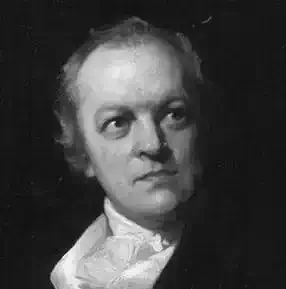
William Blake
My Pretty Rose Tree
My Pretty Rose Tree
A flower was offered to me,
Such a flower as May never bore;
But I said 'I've a pretty rose tree,'
And I passed the sweet flower o'er.
Then I went to my pretty rose tree,
To tend her by day and by night;
But my rose turned away with jealousy,
And her thorns were my only delight.
A flower was offered to me,
Such a flower as May never bore;
But I said 'I've a pretty rose tree,'
And I passed the sweet flower o'er.
Then I went to my pretty rose tree,
To tend her by day and by night;
But my rose turned away with jealousy,
And her thorns were my only delight.
403
William Blake
Little Boy Found, The
Little Boy Found, The
The little boy lost in the lonely fen,
Led by the wandering light,
Began to cry, but God, ever nigh,
Appeared like his father, in white.
He kissed the child, and by the hand led,
And to his mother brought,
Who in sorrow pale, through the lonely dale,
The little boy weeping sought.
The little boy lost in the lonely fen,
Led by the wandering light,
Began to cry, but God, ever nigh,
Appeared like his father, in white.
He kissed the child, and by the hand led,
And to his mother brought,
Who in sorrow pale, through the lonely dale,
The little boy weeping sought.
406
William Blake
Little Boy Found, The
Little Boy Found, The
The little boy lost in the lonely fen,
Led by the wandering light,
Began to cry, but God, ever nigh,
Appeared like his father, in white.
He kissed the child, and by the hand led,
And to his mother brought,
Who in sorrow pale, through the lonely dale,
The little boy weeping sought.
The little boy lost in the lonely fen,
Led by the wandering light,
Began to cry, but God, ever nigh,
Appeared like his father, in white.
He kissed the child, and by the hand led,
And to his mother brought,
Who in sorrow pale, through the lonely dale,
The little boy weeping sought.
406
William Blake
Land of Dreams, The
Land of Dreams, The
Awake, awake, my little boy!
Thou wast thy mother's only joy;
Why dost thou weep in thy gentle sleep?
Awake! thy father does thee keep.
"O, what land is the Land of Dreams?
What are its mountains, and what are its streams?
O father! I saw my mother there,
Among the lilies by waters fair.
"Among the lambs, cloth?d in white,
She walk'd with her Thomas in sweet delight.
I wept for joy, like a dove I mourn;
O! when shall I again return?"
Dear child, I also by pleasant streams
Have wander'd all night in the Land of Dreams;
But tho' calm and warm the waters wide,
I could not get to the other side.
"Father, O father! what do we here
In this land of unbelief and fear?
The Land of Dreams is better far
Above the light of the morning star."
Awake, awake, my little boy!
Thou wast thy mother's only joy;
Why dost thou weep in thy gentle sleep?
Awake! thy father does thee keep.
"O, what land is the Land of Dreams?
What are its mountains, and what are its streams?
O father! I saw my mother there,
Among the lilies by waters fair.
"Among the lambs, cloth?d in white,
She walk'd with her Thomas in sweet delight.
I wept for joy, like a dove I mourn;
O! when shall I again return?"
Dear child, I also by pleasant streams
Have wander'd all night in the Land of Dreams;
But tho' calm and warm the waters wide,
I could not get to the other side.
"Father, O father! what do we here
In this land of unbelief and fear?
The Land of Dreams is better far
Above the light of the morning star."
478
William Blake
Holy Thursday (Innocence)
Holy Thursday (Innocence)
Twas on a Holy Thursday their innocent faces clean
The children walking two & two in red & blue & green
Grey headed beadles walked before with wands as white as snow
Till into the high dome of Pauls they like Thames waters flow
O what a multitude they seemed these flowers of London town
Seated in companies they sit with radiance all their own
The hum of multitudes was there but multitudes of lambs
Thousands of little boys & girls raising their innocent hands
Now like a mighty wind they raise to heaven the voice of song
Or like harmonious thunderings the seats of heaven among
Beneath them sit the aged men wise guardians of the poor
Then cherish pity, lest you drive an angel from your door
Twas on a Holy Thursday their innocent faces clean
The children walking two & two in red & blue & green
Grey headed beadles walked before with wands as white as snow
Till into the high dome of Pauls they like Thames waters flow
O what a multitude they seemed these flowers of London town
Seated in companies they sit with radiance all their own
The hum of multitudes was there but multitudes of lambs
Thousands of little boys & girls raising their innocent hands
Now like a mighty wind they raise to heaven the voice of song
Or like harmonious thunderings the seats of heaven among
Beneath them sit the aged men wise guardians of the poor
Then cherish pity, lest you drive an angel from your door
699
William Blake
Holy Thursday
Holy Thursday
'Twas on a Holy Thursday, their innocent faces clean,
Came children walking two and two, in read, and blue, and green:
Grey-headed beadles walked before, with wands as white as snow,
Till into the high dome of Paul's they like Thames waters flow.
Oh what a multitude they seemed, these flowers of London town!
Seated in companies they sit, with radiance all their own.
The hum of multitudes was there, but multitudes of lambs,
Thousands of little boys and girls raising their innocent hands.
Now like a mighty wild they raise to heaven the voice of song,
Or like harmonious thunderings the seats of heaven among:
Beneath them sit the aged man, wise guardians of the poor.
Then cherish pity, lest you drive an angel from your door.
'Twas on a Holy Thursday, their innocent faces clean,
Came children walking two and two, in read, and blue, and green:
Grey-headed beadles walked before, with wands as white as snow,
Till into the high dome of Paul's they like Thames waters flow.
Oh what a multitude they seemed, these flowers of London town!
Seated in companies they sit, with radiance all their own.
The hum of multitudes was there, but multitudes of lambs,
Thousands of little boys and girls raising their innocent hands.
Now like a mighty wild they raise to heaven the voice of song,
Or like harmonious thunderings the seats of heaven among:
Beneath them sit the aged man, wise guardians of the poor.
Then cherish pity, lest you drive an angel from your door.
837
William Blake
Fair Elanor
Fair Elanor
The bell struck one, and shook the silent tower;
The graves give up their dead: fair Elenor
Walk'd by the castle gate, and lookèd in.
A hollow groan ran thro' the dreary vaults.
She shriek'd aloud, and sunk upon the steps,
On the cold stone her pale cheeks. Sickly smells
Of death issue as from a sepulchre,
And all is silent but the sighing vaults.
Chill Death withdraws his hand, and she revives;
Amaz'd, she finds herself upon her feet,
And, like a ghost, thro' narrow passages
Walking, feeling the cold walls with her hands.
Fancy returns, and now she thinks of bones
And grinning skulls, and corruptible death
Wrapp'd in his shroud; and now fancies she hears
Deep sighs, and sees pale sickly ghosts gliding.
At length, no fancy but reality
Distracts her. A rushing sound, and the feet
Of one that fled, approaches--Ellen stood
Like a dumb statue, froze to stone with fear.
The wretch approaches, crying: `The deed is done;
Take this, and send it by whom thou wilt send;
It is my life--send it to Elenor:--
He's dead, and howling after me for blood!
`Take this,' he cried; and thrust into her arms
A wet napkin, wrapp'd about; then rush'd
Past, howling: she receiv'd into her arms
Pale death, and follow'd on the wings of fear.
They pass'd swift thro' the outer gate; the wretch,
Howling, leap'd o'er the wall into the moat,
Stifling in mud. Fair Ellen pass'd the bridge,
And heard a gloomy voice cry `Is it done?'
As the deer wounded, Ellen flew over
The pathless plain; as the arrows that fly
By night, destruction flies, and strikes in darkness.
She fled from fear, till at her house arriv'd.
Her maids await her; on her bed she falls,
That bed of joy, where erst her lord hath press'd:
`Ah, woman's fear!' she cried; `ah, cursèd duke!
Ah, my dear lord! ah, wretched Elenor!
`My lord was like a flower upon the brows
Of lusty May! Ah, life as frail as flower!
O ghastly death! withdraw thy cruel hand,
Seek'st thou that flow'r to deck thy horrid temples?
`My lord was like a star in highest heav'n
Drawn down to earth by spells and wickedness;
My lord was like the opening eyes of day
When western winds creep softly o'er the flowers;
`But he is darken'd; like the summer's noon
Clouded; fall'n like the stately tree, cut down;
The breath of heaven dwelt among his leaves.
O Elenor, weak woman, fill'd with woe!'
Thus having spoke, she raisèd up her head,
And saw the bloody napkin by her side,
Which in her arms she brought; and now, tenfold
More terrifièd, saw it unfold itself.
Her eyes were fix'd; the bloody cloth unfolds,
Disclosing to her sight the murder'd head
Of her dear lord, all ghastly pale, clotted
With gory blood; it groan'd, and thus it spake:
`O Elenor, I am thy husband's head,
Who, sleeping on the stones of yonder tower,
Was 'reft of life by the accursèd duke!
A hirèd villain turn'd my sleep to death!
`O Elenor, beware the cursèd duke;
O give not him thy hand, now I am dead;
He seeks thy love; who, coward, in the night,
Hirèd a villain to bereave my life.'
She sat with dead cold limbs, stiffen'd to stone;
She took the gory head up in her arms;
She kiss'd the pale lips; she had no tears to shed;
She hugg'd it to her breast, and groan'd her last.
The bell struck one, and shook the silent tower;
The graves give up their dead: fair Elenor
Walk'd by the castle gate, and lookèd in.
A hollow groan ran thro' the dreary vaults.
She shriek'd aloud, and sunk upon the steps,
On the cold stone her pale cheeks. Sickly smells
Of death issue as from a sepulchre,
And all is silent but the sighing vaults.
Chill Death withdraws his hand, and she revives;
Amaz'd, she finds herself upon her feet,
And, like a ghost, thro' narrow passages
Walking, feeling the cold walls with her hands.
Fancy returns, and now she thinks of bones
And grinning skulls, and corruptible death
Wrapp'd in his shroud; and now fancies she hears
Deep sighs, and sees pale sickly ghosts gliding.
At length, no fancy but reality
Distracts her. A rushing sound, and the feet
Of one that fled, approaches--Ellen stood
Like a dumb statue, froze to stone with fear.
The wretch approaches, crying: `The deed is done;
Take this, and send it by whom thou wilt send;
It is my life--send it to Elenor:--
He's dead, and howling after me for blood!
`Take this,' he cried; and thrust into her arms
A wet napkin, wrapp'd about; then rush'd
Past, howling: she receiv'd into her arms
Pale death, and follow'd on the wings of fear.
They pass'd swift thro' the outer gate; the wretch,
Howling, leap'd o'er the wall into the moat,
Stifling in mud. Fair Ellen pass'd the bridge,
And heard a gloomy voice cry `Is it done?'
As the deer wounded, Ellen flew over
The pathless plain; as the arrows that fly
By night, destruction flies, and strikes in darkness.
She fled from fear, till at her house arriv'd.
Her maids await her; on her bed she falls,
That bed of joy, where erst her lord hath press'd:
`Ah, woman's fear!' she cried; `ah, cursèd duke!
Ah, my dear lord! ah, wretched Elenor!
`My lord was like a flower upon the brows
Of lusty May! Ah, life as frail as flower!
O ghastly death! withdraw thy cruel hand,
Seek'st thou that flow'r to deck thy horrid temples?
`My lord was like a star in highest heav'n
Drawn down to earth by spells and wickedness;
My lord was like the opening eyes of day
When western winds creep softly o'er the flowers;
`But he is darken'd; like the summer's noon
Clouded; fall'n like the stately tree, cut down;
The breath of heaven dwelt among his leaves.
O Elenor, weak woman, fill'd with woe!'
Thus having spoke, she raisèd up her head,
And saw the bloody napkin by her side,
Which in her arms she brought; and now, tenfold
More terrifièd, saw it unfold itself.
Her eyes were fix'd; the bloody cloth unfolds,
Disclosing to her sight the murder'd head
Of her dear lord, all ghastly pale, clotted
With gory blood; it groan'd, and thus it spake:
`O Elenor, I am thy husband's head,
Who, sleeping on the stones of yonder tower,
Was 'reft of life by the accursèd duke!
A hirèd villain turn'd my sleep to death!
`O Elenor, beware the cursèd duke;
O give not him thy hand, now I am dead;
He seeks thy love; who, coward, in the night,
Hirèd a villain to bereave my life.'
She sat with dead cold limbs, stiffen'd to stone;
She took the gory head up in her arms;
She kiss'd the pale lips; she had no tears to shed;
She hugg'd it to her breast, and groan'd her last.
521
William Blake
Devine Image
Devine Image
To Mercy, Pity, Peace, and Love,
All pray in their distress,
And to these virtues of delight
Return their thankfulness.
For Mercy, Pity, Peace, and Love,
Is God our Father dear;
And Mercy, Pity, Peace, and Love,
Is man, his child and care.
For Mercy has a human heart
Pity, a human face;
And Love, the human form divine;
And Peace, the human dress.
Then every man, of every clime,
That prays in his distress,
Prays to the human form divine:
Love, Mercy, Pity, Peace.
And all must love the human form,
In heathen, Turk, or Jew.
Where Mercy, Love, and Pity dwell,
There God is dwelling too.
To Mercy, Pity, Peace, and Love,
All pray in their distress,
And to these virtues of delight
Return their thankfulness.
For Mercy, Pity, Peace, and Love,
Is God our Father dear;
And Mercy, Pity, Peace, and Love,
Is man, his child and care.
For Mercy has a human heart
Pity, a human face;
And Love, the human form divine;
And Peace, the human dress.
Then every man, of every clime,
That prays in his distress,
Prays to the human form divine:
Love, Mercy, Pity, Peace.
And all must love the human form,
In heathen, Turk, or Jew.
Where Mercy, Love, and Pity dwell,
There God is dwelling too.
528
William Blake
Clod and the Pebble, The
Clod and the Pebble, The
"Love seeketh not itself to please,
Nor for itself hath any care,
But for another gives its ease,
And builds a heaven in hell's despair."
So sung a little clod of clay,
Trodden with the cattle's feet;
But a pebble of the brook
Warbled out these meters meet:
"Love seeketh only Self to please,
To bind another to its delight,
Joys in another's loss of ease,
And builds a hell in heaven's despite."
"Love seeketh not itself to please,
Nor for itself hath any care,
But for another gives its ease,
And builds a heaven in hell's despair."
So sung a little clod of clay,
Trodden with the cattle's feet;
But a pebble of the brook
Warbled out these meters meet:
"Love seeketh only Self to please,
To bind another to its delight,
Joys in another's loss of ease,
And builds a hell in heaven's despite."
372
William Blake
Clod and the Pebble, The
Clod and the Pebble, The
"Love seeketh not itself to please,
Nor for itself hath any care,
But for another gives its ease,
And builds a heaven in hell's despair."
So sung a little clod of clay,
Trodden with the cattle's feet;
But a pebble of the brook
Warbled out these meters meet:
"Love seeketh only Self to please,
To bind another to its delight,
Joys in another's loss of ease,
And builds a hell in heaven's despite."
"Love seeketh not itself to please,
Nor for itself hath any care,
But for another gives its ease,
And builds a heaven in hell's despair."
So sung a little clod of clay,
Trodden with the cattle's feet;
But a pebble of the brook
Warbled out these meters meet:
"Love seeketh only Self to please,
To bind another to its delight,
Joys in another's loss of ease,
And builds a hell in heaven's despite."
372
William Blake
Chimney Sweeper, The
Chimney Sweeper, The
A little black thing in the snow,
Crying "weep! weep!" in notes of woe!
"Where are thy father and mother? Say!"--
"They are both gone up to the church to pray.
"Because I was happy upon the heath,
And smiled among the winter's snow,
They clothed me in the clothes of death,
And taught me to sing the notes of woe.
"And because I am happy and dance and sing,
They think they have done me no injury,
And are gone to praise God and his priest and king,
Who make up a heaven of our misery."
A little black thing in the snow,
Crying "weep! weep!" in notes of woe!
"Where are thy father and mother? Say!"--
"They are both gone up to the church to pray.
"Because I was happy upon the heath,
And smiled among the winter's snow,
They clothed me in the clothes of death,
And taught me to sing the notes of woe.
"And because I am happy and dance and sing,
They think they have done me no injury,
And are gone to praise God and his priest and king,
Who make up a heaven of our misery."
461
William Blake
A Poison Tree
A Poison Tree
I was angry with my friend:
I told my wrath, my wrath did end.
I was angry with my foe:
I told it not, my wrath did grow.
And I watered it in fears,
Night and morning with my tears;
And I sunned it with smiles,
And with soft deceitful wiles.
And it grew both day and night,
Till it bore an apple bright.
And my foe beheld it shine.
And he knew that it was mine,
And into my garden stole
When the night had veiled the pole;
In the morning glad I see
My foe outstretched beneath the tree.
I was angry with my friend:
I told my wrath, my wrath did end.
I was angry with my foe:
I told it not, my wrath did grow.
And I watered it in fears,
Night and morning with my tears;
And I sunned it with smiles,
And with soft deceitful wiles.
And it grew both day and night,
Till it bore an apple bright.
And my foe beheld it shine.
And he knew that it was mine,
And into my garden stole
When the night had veiled the pole;
In the morning glad I see
My foe outstretched beneath the tree.
816

Wilfred Owen
The Parable of the Young Man and the Old
The Parable of the Young Man and the Old
So Abram rose, and clave the wood, and went,
And took the fire with him, and a knife.
And as they sojourned, both of them together,
Isaac the first-born spake, and said, My Father,
Behold the preparations, fire and iron,
But where the lamb for this burnt-offering?
Then Abram bound the youth with belts and straps,
And builded parapets the trenches there,
And stretched forth the knife to slay his son.
When lo! an angel called him out of heaven,
Saying, Lay not thy hand upon the lad,
Neither do anything to him. Behold,
A ram, caught in a thicket by its horns;
Offer the Ram of Pride instead of him.
But the old man would not so, but slew his son,
And half the seed of Europe, one by one.
So Abram rose, and clave the wood, and went,
And took the fire with him, and a knife.
And as they sojourned, both of them together,
Isaac the first-born spake, and said, My Father,
Behold the preparations, fire and iron,
But where the lamb for this burnt-offering?
Then Abram bound the youth with belts and straps,
And builded parapets the trenches there,
And stretched forth the knife to slay his son.
When lo! an angel called him out of heaven,
Saying, Lay not thy hand upon the lad,
Neither do anything to him. Behold,
A ram, caught in a thicket by its horns;
Offer the Ram of Pride instead of him.
But the old man would not so, but slew his son,
And half the seed of Europe, one by one.
296
Wilfred Owen
The Letter
The Letter
With B.E.F. Jun . Dear Wife,
(Oh blast this pencil. 'Ere, Bill, lend's a knife.)
I'm in the pink at present, dear.
I think the war will end this year.
We don't see much of them square-'eaded 'Uns.
We're out of harm's way, not bad fed.
I'm longing for a taste of your old buns.
(Say, Jimmie, spare's a bite of bread.)
There don't seem much to say just now.
(Yer what? Then don't, yer ruddy cow!
And give us back me cigarette!)
I'll soon be 'ome. You mustn't fret.
My feet's improvin', as I told you of.
We're out in the rest now. Never fear.
(VRACH! By crumbs, but that was near.)
Mother might spare you half a sov.
Kiss Nell and Bert. When me and you-
(Eh? What the 'ell! Stand to? Stand to!
Jim, give's a hand with pack on, lad.
Guh! Christ! I'm hit. Take 'old. Aye, bad.
No, damn your iodine. Jim? 'Ere!
Write my old girl, Jim, there's a dear.)
With B.E.F. Jun . Dear Wife,
(Oh blast this pencil. 'Ere, Bill, lend's a knife.)
I'm in the pink at present, dear.
I think the war will end this year.
We don't see much of them square-'eaded 'Uns.
We're out of harm's way, not bad fed.
I'm longing for a taste of your old buns.
(Say, Jimmie, spare's a bite of bread.)
There don't seem much to say just now.
(Yer what? Then don't, yer ruddy cow!
And give us back me cigarette!)
I'll soon be 'ome. You mustn't fret.
My feet's improvin', as I told you of.
We're out in the rest now. Never fear.
(VRACH! By crumbs, but that was near.)
Mother might spare you half a sov.
Kiss Nell and Bert. When me and you-
(Eh? What the 'ell! Stand to? Stand to!
Jim, give's a hand with pack on, lad.
Guh! Christ! I'm hit. Take 'old. Aye, bad.
No, damn your iodine. Jim? 'Ere!
Write my old girl, Jim, there's a dear.)
257
Wilfred Owen
The Dead-beat
The Dead-beat
He dropped, - more sullenly than wearily,
Lay stupid like a cod, heavy like meat,
And none of us could kick him to his feet;
-just blinked at my revolver, blearily;
- Didn't appear to know a war was on,
Or see the blasted trench at which he stared.
'I'll do 'em in,' he whined. 'If this hand's spared,
I'll murder them, I will.'
A low voice said,
'It's Blighty, p'raps, he sees; his pluck's all gone,
Dreaming of all the valiant, that aren't dead:
Bold uncles, smiling ministerially;
Maybe his brave young wife, getting her fun
In some new home, improved materially.
It's not these stiffs have crazed him; nor the Hun.'
We sent him down at last, out of the way.
Unwounded; - stout lad, too, before that strafe.
Malingering? Stretcher-bearers winked, 'Not half!'
Next day I heard the Doc's well-whiskied laugh:
'That scum you sent last night soon died. Hooray!'
He dropped, - more sullenly than wearily,
Lay stupid like a cod, heavy like meat,
And none of us could kick him to his feet;
-just blinked at my revolver, blearily;
- Didn't appear to know a war was on,
Or see the blasted trench at which he stared.
'I'll do 'em in,' he whined. 'If this hand's spared,
I'll murder them, I will.'
A low voice said,
'It's Blighty, p'raps, he sees; his pluck's all gone,
Dreaming of all the valiant, that aren't dead:
Bold uncles, smiling ministerially;
Maybe his brave young wife, getting her fun
In some new home, improved materially.
It's not these stiffs have crazed him; nor the Hun.'
We sent him down at last, out of the way.
Unwounded; - stout lad, too, before that strafe.
Malingering? Stretcher-bearers winked, 'Not half!'
Next day I heard the Doc's well-whiskied laugh:
'That scum you sent last night soon died. Hooray!'
231
Wilfred Owen
S. I. W.
S. I. W.
"I will to the King,
And offer him consolation in his trouble,
For that man there has set his teeth to die,
And being one that hates obedience,
Discipline, and orderliness of life,
I cannot mourn him."
W. B. Yeats.
Patting goodbye, doubtless they told the lad
He'd always show the Hun a brave man's face;
Father would sooner him dead than in disgrace, --
Was proud to see him going, aye, and glad.
Perhaps his Mother whimpered how she'd fret
Until he got a nice, safe wound to nurse.
Sisters would wish girls too could shoot, charge, curse, . . .
Brothers -- would send his favourite cigarette,
Each week, month after month, they wrote the same,
Thinking him sheltered in some Y.M. Hut,
Where once an hour a bullet missed its aim
And misses teased the hunger of his brain.
His eyes grew old with wincing, and his hand
Reckless with ague. Courage leaked, as sand
From the best sandbags after years of rain.
But never leave, wound, fever, trench-foot, shock,
Untrapped the wretch. And death seemed still withheld
For torture of lying machinally shelled,
At the pleasure of this world's Powers who'd run amok.
He'd seen men shoot their hands, on night patrol,
Their people never knew. Yet they were vile.
"Death sooner than dishonour, that's the style!"
So Father said.
One dawn, our wire patrol
Carried him. This time, Death had not missed.
We could do nothing, but wipe his bleeding cough.
Could it be accident? -- Rifles go off . . .
Not sniped? No. (Later they found the English ball.)
It was the reasoned crisis of his soul.
Against the fires that would not burn him whole
But kept him for death's perjury and scoff
And life's half-promising, and both their riling.
With him they buried the muzzle his teeth had kissed,
And truthfully wrote the Mother "Tim died smiling."
"I will to the King,
And offer him consolation in his trouble,
For that man there has set his teeth to die,
And being one that hates obedience,
Discipline, and orderliness of life,
I cannot mourn him."
W. B. Yeats.
Patting goodbye, doubtless they told the lad
He'd always show the Hun a brave man's face;
Father would sooner him dead than in disgrace, --
Was proud to see him going, aye, and glad.
Perhaps his Mother whimpered how she'd fret
Until he got a nice, safe wound to nurse.
Sisters would wish girls too could shoot, charge, curse, . . .
Brothers -- would send his favourite cigarette,
Each week, month after month, they wrote the same,
Thinking him sheltered in some Y.M. Hut,
Where once an hour a bullet missed its aim
And misses teased the hunger of his brain.
His eyes grew old with wincing, and his hand
Reckless with ague. Courage leaked, as sand
From the best sandbags after years of rain.
But never leave, wound, fever, trench-foot, shock,
Untrapped the wretch. And death seemed still withheld
For torture of lying machinally shelled,
At the pleasure of this world's Powers who'd run amok.
He'd seen men shoot their hands, on night patrol,
Their people never knew. Yet they were vile.
"Death sooner than dishonour, that's the style!"
So Father said.
One dawn, our wire patrol
Carried him. This time, Death had not missed.
We could do nothing, but wipe his bleeding cough.
Could it be accident? -- Rifles go off . . .
Not sniped? No. (Later they found the English ball.)
It was the reasoned crisis of his soul.
Against the fires that would not burn him whole
But kept him for death's perjury and scoff
And life's half-promising, and both their riling.
With him they buried the muzzle his teeth had kissed,
And truthfully wrote the Mother "Tim died smiling."
183
Wilfred Owen
Disabled
Disabled
He sat in a wheeled chair, waiting for dark,
And shivered in his ghastly suit of grey,
Legless, sewn short at elbow. Through the park
Voices of boys rang saddening like a hymn,
Voices of play and pleasure after day,
Till gathering sleep had mothered them from him.
About this time Town used to swing so gay
When glow-lamps budded in the light blue trees,
And girls glanced lovelier as the air grew dim,-
In the old times, before he threw away his knees.
Now he will never feel again how slim
Girls' waists are, or how warm their subtle hands.
All of them touch him like some queer disease.
There was an artist silly for his face,
For it was younger than his youth, last year.
Now, he is old; his back will never brace;
He's lost his colour very far from here,
Poured it down shell-holes till the veins ran dry,
And half his lifetime lapsed in the hot race
And leap of purple spurted from his thigh.
One time he liked a blood-smear down his leg,
After the matches, carried shoulder-high.
It was after football, when he'd drunk a peg,
He thought he'd better join. - He wonders why.
Someone had said he'd look a god in kilts,
That's why; and maybe, too, to please his Meg,
Aye, that was it, to please the giddy jilts
He asked to join. He didn't have to beg;
Smiling they wrote his lie: aged nineteen years.
Germans he scarcely thought of; all their guilt,
And Austria's, did not move him. And no fears
Of Fear came yet. He drought of jewelled hills
For daggers in plaid socks; of smart salutes;
And care of arms; and leave; and pay arrears;
Esprit de corps; and hints for young recruits.
And soon, he was drafted out with drums and cheers.
Some cheered him home, but not as crowds cheer Goal.
Only a solemn man who brought him fruits
Thanked him; and then enquired about his soul.
Now, he will spend a few sick years in institutes,
And do what things the rules consider wise,
And take whatever pity they may dole.
Tonight he noticed how the women's eyes
Passed from him to the strong men that were whole.
How cold and late it is! Why don't they come
And put him into bed? Why don't they come?
He sat in a wheeled chair, waiting for dark,
And shivered in his ghastly suit of grey,
Legless, sewn short at elbow. Through the park
Voices of boys rang saddening like a hymn,
Voices of play and pleasure after day,
Till gathering sleep had mothered them from him.
About this time Town used to swing so gay
When glow-lamps budded in the light blue trees,
And girls glanced lovelier as the air grew dim,-
In the old times, before he threw away his knees.
Now he will never feel again how slim
Girls' waists are, or how warm their subtle hands.
All of them touch him like some queer disease.
There was an artist silly for his face,
For it was younger than his youth, last year.
Now, he is old; his back will never brace;
He's lost his colour very far from here,
Poured it down shell-holes till the veins ran dry,
And half his lifetime lapsed in the hot race
And leap of purple spurted from his thigh.
One time he liked a blood-smear down his leg,
After the matches, carried shoulder-high.
It was after football, when he'd drunk a peg,
He thought he'd better join. - He wonders why.
Someone had said he'd look a god in kilts,
That's why; and maybe, too, to please his Meg,
Aye, that was it, to please the giddy jilts
He asked to join. He didn't have to beg;
Smiling they wrote his lie: aged nineteen years.
Germans he scarcely thought of; all their guilt,
And Austria's, did not move him. And no fears
Of Fear came yet. He drought of jewelled hills
For daggers in plaid socks; of smart salutes;
And care of arms; and leave; and pay arrears;
Esprit de corps; and hints for young recruits.
And soon, he was drafted out with drums and cheers.
Some cheered him home, but not as crowds cheer Goal.
Only a solemn man who brought him fruits
Thanked him; and then enquired about his soul.
Now, he will spend a few sick years in institutes,
And do what things the rules consider wise,
And take whatever pity they may dole.
Tonight he noticed how the women's eyes
Passed from him to the strong men that were whole.
How cold and late it is! Why don't they come
And put him into bed? Why don't they come?
279

Walter de la Mare
Tom's Little Dog
Tom's Little Dog
Tom told his dog called Tim to beg,
And up at once he sat,
His two clear amber eyes fixed fast,
His haunches on his mat.Tom poised a lump of sugar on
His nose; then, "Trust!" says he;
Stiff as a guardsman sat his Tim;
Never a hair stirred he.
"Paid for!" says Tom; and in a trice
Up jerked that moist black nose;
A snap of teeth, a crunch, a munch,
And down the sugar goes!
Tom told his dog called Tim to beg,
And up at once he sat,
His two clear amber eyes fixed fast,
His haunches on his mat.Tom poised a lump of sugar on
His nose; then, "Trust!" says he;
Stiff as a guardsman sat his Tim;
Never a hair stirred he.
"Paid for!" says Tom; and in a trice
Up jerked that moist black nose;
A snap of teeth, a crunch, a munch,
And down the sugar goes!
256
Walter de la Mare
The Keys of Morning
The Keys of Morning
While at her bedroom window once,
Learning her task for school,
Little Louisa lonely sat
In the morning clear and cool,
She slanted her small bead-brown eyes
Across the empty street,
And saw Death softly watching her
In the sunshine pale and sweet.
His was a long lean sallow face;
He sat with half-shut eyes,
Like a old sailor in a ship
Becalmed 'neath tropic skies.
Beside him in the dust he had set
His staff and shady hat;
These, peeping small, Louisa saw
Quite clearly where she sat -
The thinness of his coal-black locks,
His hands so long and lean
They scarcely seemed to grasp at all
The keys that hung between:
Both were of gold, but one was small,
And with this last did he
Wag in the air, as if to say,
"Come hither, child, to me!"
Louisa laid her lesson book
On the cold window-sill;
And in the sleepy sunshine house
Went softly down, until
She stood in the half-opened door,
And peeped. But strange to say
Where Death just now had sunning sat
Only a shadow lay:
Just the tall chimney's round-topped cowl,
And the small sun behind,
Had with its shadow in the dust
Called sleepy Death to mind.
But most she thought how strange it was
Two keys that he should bear,
And that, when beckoning, he should wag
The littlest in the air.
While at her bedroom window once,
Learning her task for school,
Little Louisa lonely sat
In the morning clear and cool,
She slanted her small bead-brown eyes
Across the empty street,
And saw Death softly watching her
In the sunshine pale and sweet.
His was a long lean sallow face;
He sat with half-shut eyes,
Like a old sailor in a ship
Becalmed 'neath tropic skies.
Beside him in the dust he had set
His staff and shady hat;
These, peeping small, Louisa saw
Quite clearly where she sat -
The thinness of his coal-black locks,
His hands so long and lean
They scarcely seemed to grasp at all
The keys that hung between:
Both were of gold, but one was small,
And with this last did he
Wag in the air, as if to say,
"Come hither, child, to me!"
Louisa laid her lesson book
On the cold window-sill;
And in the sleepy sunshine house
Went softly down, until
She stood in the half-opened door,
And peeped. But strange to say
Where Death just now had sunning sat
Only a shadow lay:
Just the tall chimney's round-topped cowl,
And the small sun behind,
Had with its shadow in the dust
Called sleepy Death to mind.
But most she thought how strange it was
Two keys that he should bear,
And that, when beckoning, he should wag
The littlest in the air.
319
Walter de la Mare
Melmillo
Melmillo
Three and thirty birds there stood
In an elder in a wood;
Called Melmillo -- flew off three,
Leaving thirty in the tree;
Called Melmillo -- nine now gone,
And the boughs held twenty-one;
Called Melmillo -- and eighteen
Left but three to nod and preen;
Called Melmillo -- three--two--one--
Now of birds were feathers none.
Then stole slim Me.millo in
To that wood all dusk and green,
And with lean long palms outspread
Softly a strange dance did tread;
Not a note of music she
Had for echoing company;
All the birds were flown to rest
In the hollow of her breast;
In the wood -- thorn, elder willow --
Danced alone -- lone danced Melmillo.
Three and thirty birds there stood
In an elder in a wood;
Called Melmillo -- flew off three,
Leaving thirty in the tree;
Called Melmillo -- nine now gone,
And the boughs held twenty-one;
Called Melmillo -- and eighteen
Left but three to nod and preen;
Called Melmillo -- three--two--one--
Now of birds were feathers none.
Then stole slim Me.millo in
To that wood all dusk and green,
And with lean long palms outspread
Softly a strange dance did tread;
Not a note of music she
Had for echoing company;
All the birds were flown to rest
In the hollow of her breast;
In the wood -- thorn, elder willow --
Danced alone -- lone danced Melmillo.
313
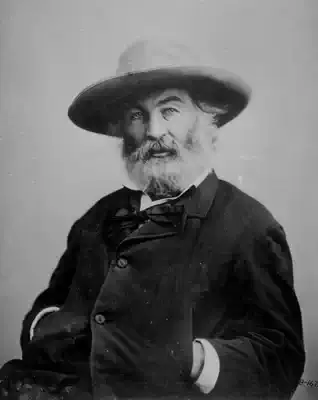
Walt Whitman
When I Heard At The Close Of The Day
When I Heard At The Close Of The Day
WHEN I heard at the close of the day how my name had been receiv'd
with plaudits in the capitol, still it was not a happy night
for me that follow'd;
And else, when I carous'd, or when my plans were accomplish'd, still
I was not happy;
But the day when I rose at dawn from the bed of perfect health,
refresh'd, singing, inhaling the ripe breath of autumn,
When I saw the full moon in the west grow pale and disappear in the
morning light,
When I wander'd alone over the beach, and undressing, bathed,
laughing with the cool waters, and saw the sun rise,
And when I thought how my dear friend, my lover, was on his way
coming, O then I was happy;
O then each breath tasted sweeter--and all that day my food nourish'd
me more--and the beautiful day pass'd well,
And the next came with equal joy--and with the next, at evening, came
my friend;
And that night, while all was still, I heard the waters roll slowly
continually up the shores,
I heard the hissing rustle of the liquid and sands, as directed to
me, whispering, to congratulate me, 10
For the one I love most lay sleeping by me under the same cover in
the cool night,
In the stillness, in the autumn moonbeams, his face was inclined
toward me,
And his arm lay lightly around my breast--and that night I was happy.
WHEN I heard at the close of the day how my name had been receiv'd
with plaudits in the capitol, still it was not a happy night
for me that follow'd;
And else, when I carous'd, or when my plans were accomplish'd, still
I was not happy;
But the day when I rose at dawn from the bed of perfect health,
refresh'd, singing, inhaling the ripe breath of autumn,
When I saw the full moon in the west grow pale and disappear in the
morning light,
When I wander'd alone over the beach, and undressing, bathed,
laughing with the cool waters, and saw the sun rise,
And when I thought how my dear friend, my lover, was on his way
coming, O then I was happy;
O then each breath tasted sweeter--and all that day my food nourish'd
me more--and the beautiful day pass'd well,
And the next came with equal joy--and with the next, at evening, came
my friend;
And that night, while all was still, I heard the waters roll slowly
continually up the shores,
I heard the hissing rustle of the liquid and sands, as directed to
me, whispering, to congratulate me, 10
For the one I love most lay sleeping by me under the same cover in
the cool night,
In the stillness, in the autumn moonbeams, his face was inclined
toward me,
And his arm lay lightly around my breast--and that night I was happy.
449
Walt Whitman
Unfolded Out Of The Folds
Unfolded Out Of The Folds
UNFOLDED out of the folds of the woman, man comes unfolded, and is
always to come unfolded;
Unfolded only out of the superbest woman of the earth, is to come the
superbest man of the earth;
Unfolded out of the friendliest woman, is to come the friendliest
man;
Unfolded only out of the perfect body of a woman, can a man be form'd
of perfect body;
Unfolded only out of the inimitable poem of the woman, can come the
poems of man--(only thence have my poems come;)
Unfolded out of the strong and arrogant woman I love, only thence can
appear the strong and arrogant man I love;
Unfolded by brawny embraces from the well-muscled woman I love, only
thence come the brawny embraces of the man;
Unfolded out of the folds of the woman's brain, come all the folds of
the man's brain, duly obedient;
Unfolded out of the justice of the woman, all justice is unfolded;
Unfolded out of the sympathy of the woman is all sympathy: 10
A man is a great thing upon the earth, and through eternity--but
every jot of the greatness of man is unfolded out of woman,
First the man is shaped in the woman, he can then be shaped in
himself.
UNFOLDED out of the folds of the woman, man comes unfolded, and is
always to come unfolded;
Unfolded only out of the superbest woman of the earth, is to come the
superbest man of the earth;
Unfolded out of the friendliest woman, is to come the friendliest
man;
Unfolded only out of the perfect body of a woman, can a man be form'd
of perfect body;
Unfolded only out of the inimitable poem of the woman, can come the
poems of man--(only thence have my poems come;)
Unfolded out of the strong and arrogant woman I love, only thence can
appear the strong and arrogant man I love;
Unfolded by brawny embraces from the well-muscled woman I love, only
thence come the brawny embraces of the man;
Unfolded out of the folds of the woman's brain, come all the folds of
the man's brain, duly obedient;
Unfolded out of the justice of the woman, all justice is unfolded;
Unfolded out of the sympathy of the woman is all sympathy: 10
A man is a great thing upon the earth, and through eternity--but
every jot of the greatness of man is unfolded out of woman,
First the man is shaped in the woman, he can then be shaped in
himself.
415
Walt Whitman
To You
To You
STRANGER! if you, passing, meet me, and desire to speak to me, why
should you not speak to me?
And why should I not speak to you?
STRANGER! if you, passing, meet me, and desire to speak to me, why
should you not speak to me?
And why should I not speak to you?
506
Walt Whitman
To A Stranger
To A Stranger
PASSING stranger! you do not know how longingly I look upon you,
You must be he I was seeking, or she I was seeking, (it comes to me,
as of a dream,)
I have somewhere surely lived a life of joy with you,
All is recall'd as we flit by each other, fluid, affectionate,
chaste, matured,
You grew up with me, were a boy with me, or a girl with me,
I ate with you, and slept with you--your body has become not yours
only, nor left my body mine only,
You give me the pleasure of your eyes, face, flesh, as we pass--you
take of my beard, breast, hands, in return,
I am not to speak to you--I am to think of you when I sit alone, or
wake at night alone,
I am to wait--I do not doubt I am to meet you again,
I am to see to it that I do not lose you. 10
PASSING stranger! you do not know how longingly I look upon you,
You must be he I was seeking, or she I was seeking, (it comes to me,
as of a dream,)
I have somewhere surely lived a life of joy with you,
All is recall'd as we flit by each other, fluid, affectionate,
chaste, matured,
You grew up with me, were a boy with me, or a girl with me,
I ate with you, and slept with you--your body has become not yours
only, nor left my body mine only,
You give me the pleasure of your eyes, face, flesh, as we pass--you
take of my beard, breast, hands, in return,
I am not to speak to you--I am to think of you when I sit alone, or
wake at night alone,
I am to wait--I do not doubt I am to meet you again,
I am to see to it that I do not lose you. 10
487