

Poems in this topic
Relationships and Family
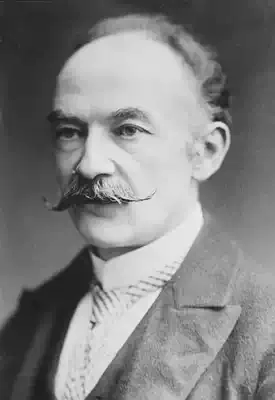
Thomas Hardy
The Roman Road
The Roman Road
The Roman Road runs straight and bare
As the pale parting-line in hair
Across the heath. And thoughtful men
Contrast its days of Now and Then,
And delve, and measure, and compare;
Visioning on the vacant air
Helmeted legionnaires, who proudly rear
The Eagle, as they pace again
The Roman Road.
But no tall brass-helmeted legionnaire
Haunts it for me. Uprises there
A mother's form upon my ken,
Guiding my infant steps, as when
We walked that ancient thoroughfare,
The Roman Road.
The Roman Road runs straight and bare
As the pale parting-line in hair
Across the heath. And thoughtful men
Contrast its days of Now and Then,
And delve, and measure, and compare;
Visioning on the vacant air
Helmeted legionnaires, who proudly rear
The Eagle, as they pace again
The Roman Road.
But no tall brass-helmeted legionnaire
Haunts it for me. Uprises there
A mother's form upon my ken,
Guiding my infant steps, as when
We walked that ancient thoroughfare,
The Roman Road.
176
Thomas Hardy
The Seasons of Her Year
The Seasons of Her Year
I
Winter is white on turf and tree,
And birds are fled;
But summer songsters pipe to me,
And petals spread,
For what I dreamt of secretly
His lips have said!
II
O 'tis a fine May morn, they say,
And blooms have blown;
But wild and wintry is my day,
My birds make moan;
For he who vowed leaves me to pay
Alone--alone!
I
Winter is white on turf and tree,
And birds are fled;
But summer songsters pipe to me,
And petals spread,
For what I dreamt of secretly
His lips have said!
II
O 'tis a fine May morn, they say,
And blooms have blown;
But wild and wintry is my day,
My birds make moan;
For he who vowed leaves me to pay
Alone--alone!
261
Thomas Hardy
The Seasons of Her Year
The Seasons of Her Year
I
Winter is white on turf and tree,
And birds are fled;
But summer songsters pipe to me,
And petals spread,
For what I dreamt of secretly
His lips have said!
II
O 'tis a fine May morn, they say,
And blooms have blown;
But wild and wintry is my day,
My birds make moan;
For he who vowed leaves me to pay
Alone--alone!
I
Winter is white on turf and tree,
And birds are fled;
But summer songsters pipe to me,
And petals spread,
For what I dreamt of secretly
His lips have said!
II
O 'tis a fine May morn, they say,
And blooms have blown;
But wild and wintry is my day,
My birds make moan;
For he who vowed leaves me to pay
Alone--alone!
261
Thomas Hardy
The Puzzled Game-Birds
The Puzzled Game-Birds
They are not those who used to feed us
When we were young--they cannot be -
These shapes that now bereave and bleed us?
They are not those who used to feed us, -
For would they not fair terms concede us?
- If hearts can house such treachery
They are not those who used to feed us
When we were young--they cannot be!
They are not those who used to feed us
When we were young--they cannot be -
These shapes that now bereave and bleed us?
They are not those who used to feed us, -
For would they not fair terms concede us?
- If hearts can house such treachery
They are not those who used to feed us
When we were young--they cannot be!
270
Thomas Hardy
The Pity Of It
The Pity Of It
I walked in loamy Wessex lanes, afar
From rail-track and from highway, and I heard
In field and farmstead many an ancient word
Of local lineage like "Thu bist," "Er war,"
"Ich woll," "Er sholl," and by-talk similar,
Nigh as they speak who in this month's moon gird
At England's very loins, thereunto spurred
By gangs whose glory threats and slaughters are.
Then seemed a Heart crying: "Whosoever they be
At root and bottom of this, who flung this flame
Between kin folk kin tongued even as are we,
Sinister, ugly, lurid, be their fame;
May their familiars grow to shun their name,
And their brood perish everlastingly."
I walked in loamy Wessex lanes, afar
From rail-track and from highway, and I heard
In field and farmstead many an ancient word
Of local lineage like "Thu bist," "Er war,"
"Ich woll," "Er sholl," and by-talk similar,
Nigh as they speak who in this month's moon gird
At England's very loins, thereunto spurred
By gangs whose glory threats and slaughters are.
Then seemed a Heart crying: "Whosoever they be
At root and bottom of this, who flung this flame
Between kin folk kin tongued even as are we,
Sinister, ugly, lurid, be their fame;
May their familiars grow to shun their name,
And their brood perish everlastingly."
242
Thomas Hardy
The King's Experiment
The King's Experiment
It was a wet wan hour in spring,
And Nature met King Doom beside a lane,
Wherein Hodge trudged, all blithely ballading
The Mother's smiling reign.
"Why warbles he that skies are fair
And coombs alight," she cried, "and fallows gay,
When I have placed no sunshine in the air
Or glow on earth to-day?"
"'Tis in the comedy of things
That such should be," returned the one of Doom;
"Charge now the scene with brightest blazonings,
And he shall call them gloom."
She gave the word: the sun outbroke,
All Froomside shone, the hedgebirds raised a song;
And later Hodge, upon the midday stroke,
Returned the lane along,
Low murmuring: "O this bitter scene,
And thrice accurst horizon hung with gloom!
How deadly like this sky, these fields, these treen,
To trappings of the tomb!"
The Beldame then: "The fool and blind!
Such mad perverseness who may apprehend?" -
"Nay; there's no madness in it; thou shalt find
Thy law there," said her friend.
"When Hodge went forth 'twas to his Love,
To make her, ere this eve, his wedded prize,
And Earth, despite the heaviness above,
Was bright as Paradise.
"But I sent on my messenger,
With cunning arrows poisonous and keen,
To take forthwith her laughing life from her,
And dull her little een,
"And white her cheek, and still her breath,
Ere her too buoyant Hodge had reached her side;
So, when he came, he clasped her but in death,
And never as his bride.
"And there's the humour, as I said;
Thy dreary dawn he saw as gleaming gold,
And in thy glistening green and radiant red
Funereal gloom and cold."
It was a wet wan hour in spring,
And Nature met King Doom beside a lane,
Wherein Hodge trudged, all blithely ballading
The Mother's smiling reign.
"Why warbles he that skies are fair
And coombs alight," she cried, "and fallows gay,
When I have placed no sunshine in the air
Or glow on earth to-day?"
"'Tis in the comedy of things
That such should be," returned the one of Doom;
"Charge now the scene with brightest blazonings,
And he shall call them gloom."
She gave the word: the sun outbroke,
All Froomside shone, the hedgebirds raised a song;
And later Hodge, upon the midday stroke,
Returned the lane along,
Low murmuring: "O this bitter scene,
And thrice accurst horizon hung with gloom!
How deadly like this sky, these fields, these treen,
To trappings of the tomb!"
The Beldame then: "The fool and blind!
Such mad perverseness who may apprehend?" -
"Nay; there's no madness in it; thou shalt find
Thy law there," said her friend.
"When Hodge went forth 'twas to his Love,
To make her, ere this eve, his wedded prize,
And Earth, despite the heaviness above,
Was bright as Paradise.
"But I sent on my messenger,
With cunning arrows poisonous and keen,
To take forthwith her laughing life from her,
And dull her little een,
"And white her cheek, and still her breath,
Ere her too buoyant Hodge had reached her side;
So, when he came, he clasped her but in death,
And never as his bride.
"And there's the humour, as I said;
Thy dreary dawn he saw as gleaming gold,
And in thy glistening green and radiant red
Funereal gloom and cold."
244
Thomas Hardy
The King's Experiment
The King's Experiment
It was a wet wan hour in spring,
And Nature met King Doom beside a lane,
Wherein Hodge trudged, all blithely ballading
The Mother's smiling reign.
"Why warbles he that skies are fair
And coombs alight," she cried, "and fallows gay,
When I have placed no sunshine in the air
Or glow on earth to-day?"
"'Tis in the comedy of things
That such should be," returned the one of Doom;
"Charge now the scene with brightest blazonings,
And he shall call them gloom."
She gave the word: the sun outbroke,
All Froomside shone, the hedgebirds raised a song;
And later Hodge, upon the midday stroke,
Returned the lane along,
Low murmuring: "O this bitter scene,
And thrice accurst horizon hung with gloom!
How deadly like this sky, these fields, these treen,
To trappings of the tomb!"
The Beldame then: "The fool and blind!
Such mad perverseness who may apprehend?" -
"Nay; there's no madness in it; thou shalt find
Thy law there," said her friend.
"When Hodge went forth 'twas to his Love,
To make her, ere this eve, his wedded prize,
And Earth, despite the heaviness above,
Was bright as Paradise.
"But I sent on my messenger,
With cunning arrows poisonous and keen,
To take forthwith her laughing life from her,
And dull her little een,
"And white her cheek, and still her breath,
Ere her too buoyant Hodge had reached her side;
So, when he came, he clasped her but in death,
And never as his bride.
"And there's the humour, as I said;
Thy dreary dawn he saw as gleaming gold,
And in thy glistening green and radiant red
Funereal gloom and cold."
It was a wet wan hour in spring,
And Nature met King Doom beside a lane,
Wherein Hodge trudged, all blithely ballading
The Mother's smiling reign.
"Why warbles he that skies are fair
And coombs alight," she cried, "and fallows gay,
When I have placed no sunshine in the air
Or glow on earth to-day?"
"'Tis in the comedy of things
That such should be," returned the one of Doom;
"Charge now the scene with brightest blazonings,
And he shall call them gloom."
She gave the word: the sun outbroke,
All Froomside shone, the hedgebirds raised a song;
And later Hodge, upon the midday stroke,
Returned the lane along,
Low murmuring: "O this bitter scene,
And thrice accurst horizon hung with gloom!
How deadly like this sky, these fields, these treen,
To trappings of the tomb!"
The Beldame then: "The fool and blind!
Such mad perverseness who may apprehend?" -
"Nay; there's no madness in it; thou shalt find
Thy law there," said her friend.
"When Hodge went forth 'twas to his Love,
To make her, ere this eve, his wedded prize,
And Earth, despite the heaviness above,
Was bright as Paradise.
"But I sent on my messenger,
With cunning arrows poisonous and keen,
To take forthwith her laughing life from her,
And dull her little een,
"And white her cheek, and still her breath,
Ere her too buoyant Hodge had reached her side;
So, when he came, he clasped her but in death,
And never as his bride.
"And there's the humour, as I said;
Thy dreary dawn he saw as gleaming gold,
And in thy glistening green and radiant red
Funereal gloom and cold."
244
Thomas Hardy
The Inconsistent
The Inconsistent
I say, "She was as good as fair,"
When standing by her mound;
"Such passing sweetness," I declare,
"No longer treads the ground."
I say, "What living Love can catch
Her bloom and bonhomie,
And what in newer maidens match
Her olden warmth to me!"
- There stands within yon vestry-nook
Where bonded lovers sign,
Her name upon a faded book
With one that is not mine.
To him she breathed the tender vow
She once had breathed to me,
But yet I say, "O love, even now
Would I had died for thee!"
I say, "She was as good as fair,"
When standing by her mound;
"Such passing sweetness," I declare,
"No longer treads the ground."
I say, "What living Love can catch
Her bloom and bonhomie,
And what in newer maidens match
Her olden warmth to me!"
- There stands within yon vestry-nook
Where bonded lovers sign,
Her name upon a faded book
With one that is not mine.
To him she breathed the tender vow
She once had breathed to me,
But yet I say, "O love, even now
Would I had died for thee!"
209
Thomas Hardy
The Inconsistent
The Inconsistent
I say, "She was as good as fair,"
When standing by her mound;
"Such passing sweetness," I declare,
"No longer treads the ground."
I say, "What living Love can catch
Her bloom and bonhomie,
And what in newer maidens match
Her olden warmth to me!"
- There stands within yon vestry-nook
Where bonded lovers sign,
Her name upon a faded book
With one that is not mine.
To him she breathed the tender vow
She once had breathed to me,
But yet I say, "O love, even now
Would I had died for thee!"
I say, "She was as good as fair,"
When standing by her mound;
"Such passing sweetness," I declare,
"No longer treads the ground."
I say, "What living Love can catch
Her bloom and bonhomie,
And what in newer maidens match
Her olden warmth to me!"
- There stands within yon vestry-nook
Where bonded lovers sign,
Her name upon a faded book
With one that is not mine.
To him she breathed the tender vow
She once had breathed to me,
But yet I say, "O love, even now
Would I had died for thee!"
209
Thomas Hardy
The Fire at Tranter Sweatley’s
The Fire at Tranter Sweatley’s
The Fire at Tranter Sweatley’s
They had long met o’ Zundays—her true love and she—
And at junketings, maypoles, and flings;
But she bode wi’ a thirtover uncle, and he
Swore by noon and by night that her goodman should be
Naibor Sweatley—a gaffer oft weak at the knee
From taking o’ sommat more cheerful than tea—
Who tranted, and moved people’s things.
She cried, “O pray pity me!” Nought would he hear;
Then with wild rainy eyes she obeyed,
She chid when her Love was for clinking off wi’ her.
The pa’son was told, as the season drew near
To throw over pu’pit the names of the peäir
As fitting one flesh to be made.
The wedding-day dawned and the morning drew on;
The couple stood bridegroom and bride;
The evening was passed, and when midnight had gone
The folks horned out, “God save the King,” and anon
The two home-along gloomily hied.
The lover Tim Tankens mourned heart-sick and drear
To be thus of his darling deprived:
He roamed in the dark ath’art field, mound, and mere,
And, a’most without knowing it, found himself near
The house of the tranter, and now of his Dear,
Where the lantern-light showed ’em arrived.
The bride sought her cham’er so calm and so pale
That a Northern had thought her resigned;
But to eyes that had seen her in tide-times of weal,
Like the white cloud o’ smoke, the red battlefield’s vail,
That look spak’ of havoc behind.
The bridegroom yet laitered a beaker to drain,
Then reeled to the linhay for more,
When the candle-snoff kindled some chaff from his grain—
Flames spread, and red vlankers, wi’ might and wi’ main,
And round beams, thatch, and chimley-tun roar.
Young Tim away yond, rafted up by the light,
Through brimble and underwood tears,
Till he comes to the orchet, when crooping thereright
In the lewth of a codlin-tree, bivering wi’ fright,
Wi’ on’y her night-rail to screen her from sight,
His lonesome young Barbree appears.
Her cwold little figure half-naked he views
Played about by the frolicsome breeze,
Her light-tripping totties, her ten little tooes,
All bare and besprinkled wi’ Fall’s chilly dews,
While her great gallied eyes, through her hair hanging loose,
Sheened as stars through a tardle o’ trees.
She eyed en; and, as when a weir-hatch is drawn,
Her tears, penned by terror afore,
With a rushing of sobs in a shower were strawn,
Till her power to pour ’em seemed wasted and gone
From the heft o’ misfortune she bore.
“O Tim, my own Tim I must call ’ee—I will!
All the world ha’ turned round on me so!
Can you help her who loved ’ee, though acting so ill?
Can you pity her misery—feel for her still?
When worse than her body so quivering and chill
Is her heart in its winter o’ woe!
“I think I mid almost ha’ borne it,” she said,
“Had my griefs one by one come to hand;
But O, to be slave to thik husbird for bread,
And then, upon top o’ that, driven to wed,
And then, upon top o’ that, burnt out o’ bed,
Is more than my nater can stand!”
Tim’s soul like a lion ’ithin en outsprung—
(Tim had a great soul when his feelings were wrung)—
“Feel for ’ee, dear Barbree?” he cried;
And his warm working-jacket about her he flung,
Made a back, horsed her up, till behind him she clung
Like a chiel on a gipsy, her figure uphung
By the sleeves that around her he tied.
Over piggeries, and mixens, and apples, and hay,
They lumpered straight into the night;
And finding bylong where a halter-path lay,
At dawn reached Tim’s house, on’y seen on their way
By a naibor or two who were up wi’ the day;
But they gathered no clue to the sight.
Then tender Tim Tankens he searched here and there
For some garment to clothe her fair skin;
But though he had breeches and waistcoats to spare,
He had nothing quite seemly for Barbree to wear,
Who, half shrammed to death, stood and cried on a chair
At the caddle she found herself in.
There was one thing to do, and that one thing he did,
He lent her some clouts of his own,
And she took ’em perforce; and while in ’em she slid,
Tim turned to the winder, as modesty bid,
Thinking, “O that the picter my duty keeps hid
To the sight o’ my eyes mid be shown!”
In the tallet he stowed her; there huddied she lay,
Shortening sleeves, legs, and tails to her limbs;
But most o’ the time in a mortal bad way,
Well knowing that there’d be the divel to pay
If ’twere found that, instead o’ the elements’ prey,
She was living in lodgings at Tim’s.
“Where’s the tranter?” said men and boys; “where can er be?”
“Where’s the tranter?” said Barbree alone.
“Where on e’th is the tranter?” said everybod-y:
They sifted the dust of his perished roof-tree,
And all they could find was a bone.
Then the uncle cried, “Lord, pray have mercy on me!”
And in terror began to repent.
But before ’twas complete, and till sure she was free,
Barbree drew up her loft-ladder, tight turned her key—
Tim bringing up breakfast and dinner and tea—
Till the news of her hiding got vent.
Then followed the custom-kept rout, shout, and flare
Of a skimmington-ride through the naiborhood, ere
Folk had proof o’ wold Sweatley’s decay.
Whereupon decent people all stood in a stare,
Saying Tim and his lodger should risk it, and pair:
So he took her to church. An’ some laughing lads there
Cried to Tim, “After Sweatley!” She said, “I declare
I stand as a maiden to-day!”
The Fire at Tranter Sweatley’s
They had long met o’ Zundays—her true love and she—
And at junketings, maypoles, and flings;
But she bode wi’ a thirtover uncle, and he
Swore by noon and by night that her goodman should be
Naibor Sweatley—a gaffer oft weak at the knee
From taking o’ sommat more cheerful than tea—
Who tranted, and moved people’s things.
She cried, “O pray pity me!” Nought would he hear;
Then with wild rainy eyes she obeyed,
She chid when her Love was for clinking off wi’ her.
The pa’son was told, as the season drew near
To throw over pu’pit the names of the peäir
As fitting one flesh to be made.
The wedding-day dawned and the morning drew on;
The couple stood bridegroom and bride;
The evening was passed, and when midnight had gone
The folks horned out, “God save the King,” and anon
The two home-along gloomily hied.
The lover Tim Tankens mourned heart-sick and drear
To be thus of his darling deprived:
He roamed in the dark ath’art field, mound, and mere,
And, a’most without knowing it, found himself near
The house of the tranter, and now of his Dear,
Where the lantern-light showed ’em arrived.
The bride sought her cham’er so calm and so pale
That a Northern had thought her resigned;
But to eyes that had seen her in tide-times of weal,
Like the white cloud o’ smoke, the red battlefield’s vail,
That look spak’ of havoc behind.
The bridegroom yet laitered a beaker to drain,
Then reeled to the linhay for more,
When the candle-snoff kindled some chaff from his grain—
Flames spread, and red vlankers, wi’ might and wi’ main,
And round beams, thatch, and chimley-tun roar.
Young Tim away yond, rafted up by the light,
Through brimble and underwood tears,
Till he comes to the orchet, when crooping thereright
In the lewth of a codlin-tree, bivering wi’ fright,
Wi’ on’y her night-rail to screen her from sight,
His lonesome young Barbree appears.
Her cwold little figure half-naked he views
Played about by the frolicsome breeze,
Her light-tripping totties, her ten little tooes,
All bare and besprinkled wi’ Fall’s chilly dews,
While her great gallied eyes, through her hair hanging loose,
Sheened as stars through a tardle o’ trees.
She eyed en; and, as when a weir-hatch is drawn,
Her tears, penned by terror afore,
With a rushing of sobs in a shower were strawn,
Till her power to pour ’em seemed wasted and gone
From the heft o’ misfortune she bore.
“O Tim, my own Tim I must call ’ee—I will!
All the world ha’ turned round on me so!
Can you help her who loved ’ee, though acting so ill?
Can you pity her misery—feel for her still?
When worse than her body so quivering and chill
Is her heart in its winter o’ woe!
“I think I mid almost ha’ borne it,” she said,
“Had my griefs one by one come to hand;
But O, to be slave to thik husbird for bread,
And then, upon top o’ that, driven to wed,
And then, upon top o’ that, burnt out o’ bed,
Is more than my nater can stand!”
Tim’s soul like a lion ’ithin en outsprung—
(Tim had a great soul when his feelings were wrung)—
“Feel for ’ee, dear Barbree?” he cried;
And his warm working-jacket about her he flung,
Made a back, horsed her up, till behind him she clung
Like a chiel on a gipsy, her figure uphung
By the sleeves that around her he tied.
Over piggeries, and mixens, and apples, and hay,
They lumpered straight into the night;
And finding bylong where a halter-path lay,
At dawn reached Tim’s house, on’y seen on their way
By a naibor or two who were up wi’ the day;
But they gathered no clue to the sight.
Then tender Tim Tankens he searched here and there
For some garment to clothe her fair skin;
But though he had breeches and waistcoats to spare,
He had nothing quite seemly for Barbree to wear,
Who, half shrammed to death, stood and cried on a chair
At the caddle she found herself in.
There was one thing to do, and that one thing he did,
He lent her some clouts of his own,
And she took ’em perforce; and while in ’em she slid,
Tim turned to the winder, as modesty bid,
Thinking, “O that the picter my duty keeps hid
To the sight o’ my eyes mid be shown!”
In the tallet he stowed her; there huddied she lay,
Shortening sleeves, legs, and tails to her limbs;
But most o’ the time in a mortal bad way,
Well knowing that there’d be the divel to pay
If ’twere found that, instead o’ the elements’ prey,
She was living in lodgings at Tim’s.
“Where’s the tranter?” said men and boys; “where can er be?”
“Where’s the tranter?” said Barbree alone.
“Where on e’th is the tranter?” said everybod-y:
They sifted the dust of his perished roof-tree,
And all they could find was a bone.
Then the uncle cried, “Lord, pray have mercy on me!”
And in terror began to repent.
But before ’twas complete, and till sure she was free,
Barbree drew up her loft-ladder, tight turned her key—
Tim bringing up breakfast and dinner and tea—
Till the news of her hiding got vent.
Then followed the custom-kept rout, shout, and flare
Of a skimmington-ride through the naiborhood, ere
Folk had proof o’ wold Sweatley’s decay.
Whereupon decent people all stood in a stare,
Saying Tim and his lodger should risk it, and pair:
So he took her to church. An’ some laughing lads there
Cried to Tim, “After Sweatley!” She said, “I declare
I stand as a maiden to-day!”
228
Thomas Hardy
The Fire at Tranter Sweatley’s
The Fire at Tranter Sweatley’s
The Fire at Tranter Sweatley’s
They had long met o’ Zundays—her true love and she—
And at junketings, maypoles, and flings;
But she bode wi’ a thirtover uncle, and he
Swore by noon and by night that her goodman should be
Naibor Sweatley—a gaffer oft weak at the knee
From taking o’ sommat more cheerful than tea—
Who tranted, and moved people’s things.
She cried, “O pray pity me!” Nought would he hear;
Then with wild rainy eyes she obeyed,
She chid when her Love was for clinking off wi’ her.
The pa’son was told, as the season drew near
To throw over pu’pit the names of the peäir
As fitting one flesh to be made.
The wedding-day dawned and the morning drew on;
The couple stood bridegroom and bride;
The evening was passed, and when midnight had gone
The folks horned out, “God save the King,” and anon
The two home-along gloomily hied.
The lover Tim Tankens mourned heart-sick and drear
To be thus of his darling deprived:
He roamed in the dark ath’art field, mound, and mere,
And, a’most without knowing it, found himself near
The house of the tranter, and now of his Dear,
Where the lantern-light showed ’em arrived.
The bride sought her cham’er so calm and so pale
That a Northern had thought her resigned;
But to eyes that had seen her in tide-times of weal,
Like the white cloud o’ smoke, the red battlefield’s vail,
That look spak’ of havoc behind.
The bridegroom yet laitered a beaker to drain,
Then reeled to the linhay for more,
When the candle-snoff kindled some chaff from his grain—
Flames spread, and red vlankers, wi’ might and wi’ main,
And round beams, thatch, and chimley-tun roar.
Young Tim away yond, rafted up by the light,
Through brimble and underwood tears,
Till he comes to the orchet, when crooping thereright
In the lewth of a codlin-tree, bivering wi’ fright,
Wi’ on’y her night-rail to screen her from sight,
His lonesome young Barbree appears.
Her cwold little figure half-naked he views
Played about by the frolicsome breeze,
Her light-tripping totties, her ten little tooes,
All bare and besprinkled wi’ Fall’s chilly dews,
While her great gallied eyes, through her hair hanging loose,
Sheened as stars through a tardle o’ trees.
She eyed en; and, as when a weir-hatch is drawn,
Her tears, penned by terror afore,
With a rushing of sobs in a shower were strawn,
Till her power to pour ’em seemed wasted and gone
From the heft o’ misfortune she bore.
“O Tim, my own Tim I must call ’ee—I will!
All the world ha’ turned round on me so!
Can you help her who loved ’ee, though acting so ill?
Can you pity her misery—feel for her still?
When worse than her body so quivering and chill
Is her heart in its winter o’ woe!
“I think I mid almost ha’ borne it,” she said,
“Had my griefs one by one come to hand;
But O, to be slave to thik husbird for bread,
And then, upon top o’ that, driven to wed,
And then, upon top o’ that, burnt out o’ bed,
Is more than my nater can stand!”
Tim’s soul like a lion ’ithin en outsprung—
(Tim had a great soul when his feelings were wrung)—
“Feel for ’ee, dear Barbree?” he cried;
And his warm working-jacket about her he flung,
Made a back, horsed her up, till behind him she clung
Like a chiel on a gipsy, her figure uphung
By the sleeves that around her he tied.
Over piggeries, and mixens, and apples, and hay,
They lumpered straight into the night;
And finding bylong where a halter-path lay,
At dawn reached Tim’s house, on’y seen on their way
By a naibor or two who were up wi’ the day;
But they gathered no clue to the sight.
Then tender Tim Tankens he searched here and there
For some garment to clothe her fair skin;
But though he had breeches and waistcoats to spare,
He had nothing quite seemly for Barbree to wear,
Who, half shrammed to death, stood and cried on a chair
At the caddle she found herself in.
There was one thing to do, and that one thing he did,
He lent her some clouts of his own,
And she took ’em perforce; and while in ’em she slid,
Tim turned to the winder, as modesty bid,
Thinking, “O that the picter my duty keeps hid
To the sight o’ my eyes mid be shown!”
In the tallet he stowed her; there huddied she lay,
Shortening sleeves, legs, and tails to her limbs;
But most o’ the time in a mortal bad way,
Well knowing that there’d be the divel to pay
If ’twere found that, instead o’ the elements’ prey,
She was living in lodgings at Tim’s.
“Where’s the tranter?” said men and boys; “where can er be?”
“Where’s the tranter?” said Barbree alone.
“Where on e’th is the tranter?” said everybod-y:
They sifted the dust of his perished roof-tree,
And all they could find was a bone.
Then the uncle cried, “Lord, pray have mercy on me!”
And in terror began to repent.
But before ’twas complete, and till sure she was free,
Barbree drew up her loft-ladder, tight turned her key—
Tim bringing up breakfast and dinner and tea—
Till the news of her hiding got vent.
Then followed the custom-kept rout, shout, and flare
Of a skimmington-ride through the naiborhood, ere
Folk had proof o’ wold Sweatley’s decay.
Whereupon decent people all stood in a stare,
Saying Tim and his lodger should risk it, and pair:
So he took her to church. An’ some laughing lads there
Cried to Tim, “After Sweatley!” She said, “I declare
I stand as a maiden to-day!”
The Fire at Tranter Sweatley’s
They had long met o’ Zundays—her true love and she—
And at junketings, maypoles, and flings;
But she bode wi’ a thirtover uncle, and he
Swore by noon and by night that her goodman should be
Naibor Sweatley—a gaffer oft weak at the knee
From taking o’ sommat more cheerful than tea—
Who tranted, and moved people’s things.
She cried, “O pray pity me!” Nought would he hear;
Then with wild rainy eyes she obeyed,
She chid when her Love was for clinking off wi’ her.
The pa’son was told, as the season drew near
To throw over pu’pit the names of the peäir
As fitting one flesh to be made.
The wedding-day dawned and the morning drew on;
The couple stood bridegroom and bride;
The evening was passed, and when midnight had gone
The folks horned out, “God save the King,” and anon
The two home-along gloomily hied.
The lover Tim Tankens mourned heart-sick and drear
To be thus of his darling deprived:
He roamed in the dark ath’art field, mound, and mere,
And, a’most without knowing it, found himself near
The house of the tranter, and now of his Dear,
Where the lantern-light showed ’em arrived.
The bride sought her cham’er so calm and so pale
That a Northern had thought her resigned;
But to eyes that had seen her in tide-times of weal,
Like the white cloud o’ smoke, the red battlefield’s vail,
That look spak’ of havoc behind.
The bridegroom yet laitered a beaker to drain,
Then reeled to the linhay for more,
When the candle-snoff kindled some chaff from his grain—
Flames spread, and red vlankers, wi’ might and wi’ main,
And round beams, thatch, and chimley-tun roar.
Young Tim away yond, rafted up by the light,
Through brimble and underwood tears,
Till he comes to the orchet, when crooping thereright
In the lewth of a codlin-tree, bivering wi’ fright,
Wi’ on’y her night-rail to screen her from sight,
His lonesome young Barbree appears.
Her cwold little figure half-naked he views
Played about by the frolicsome breeze,
Her light-tripping totties, her ten little tooes,
All bare and besprinkled wi’ Fall’s chilly dews,
While her great gallied eyes, through her hair hanging loose,
Sheened as stars through a tardle o’ trees.
She eyed en; and, as when a weir-hatch is drawn,
Her tears, penned by terror afore,
With a rushing of sobs in a shower were strawn,
Till her power to pour ’em seemed wasted and gone
From the heft o’ misfortune she bore.
“O Tim, my own Tim I must call ’ee—I will!
All the world ha’ turned round on me so!
Can you help her who loved ’ee, though acting so ill?
Can you pity her misery—feel for her still?
When worse than her body so quivering and chill
Is her heart in its winter o’ woe!
“I think I mid almost ha’ borne it,” she said,
“Had my griefs one by one come to hand;
But O, to be slave to thik husbird for bread,
And then, upon top o’ that, driven to wed,
And then, upon top o’ that, burnt out o’ bed,
Is more than my nater can stand!”
Tim’s soul like a lion ’ithin en outsprung—
(Tim had a great soul when his feelings were wrung)—
“Feel for ’ee, dear Barbree?” he cried;
And his warm working-jacket about her he flung,
Made a back, horsed her up, till behind him she clung
Like a chiel on a gipsy, her figure uphung
By the sleeves that around her he tied.
Over piggeries, and mixens, and apples, and hay,
They lumpered straight into the night;
And finding bylong where a halter-path lay,
At dawn reached Tim’s house, on’y seen on their way
By a naibor or two who were up wi’ the day;
But they gathered no clue to the sight.
Then tender Tim Tankens he searched here and there
For some garment to clothe her fair skin;
But though he had breeches and waistcoats to spare,
He had nothing quite seemly for Barbree to wear,
Who, half shrammed to death, stood and cried on a chair
At the caddle she found herself in.
There was one thing to do, and that one thing he did,
He lent her some clouts of his own,
And she took ’em perforce; and while in ’em she slid,
Tim turned to the winder, as modesty bid,
Thinking, “O that the picter my duty keeps hid
To the sight o’ my eyes mid be shown!”
In the tallet he stowed her; there huddied she lay,
Shortening sleeves, legs, and tails to her limbs;
But most o’ the time in a mortal bad way,
Well knowing that there’d be the divel to pay
If ’twere found that, instead o’ the elements’ prey,
She was living in lodgings at Tim’s.
“Where’s the tranter?” said men and boys; “where can er be?”
“Where’s the tranter?” said Barbree alone.
“Where on e’th is the tranter?” said everybod-y:
They sifted the dust of his perished roof-tree,
And all they could find was a bone.
Then the uncle cried, “Lord, pray have mercy on me!”
And in terror began to repent.
But before ’twas complete, and till sure she was free,
Barbree drew up her loft-ladder, tight turned her key—
Tim bringing up breakfast and dinner and tea—
Till the news of her hiding got vent.
Then followed the custom-kept rout, shout, and flare
Of a skimmington-ride through the naiborhood, ere
Folk had proof o’ wold Sweatley’s decay.
Whereupon decent people all stood in a stare,
Saying Tim and his lodger should risk it, and pair:
So he took her to church. An’ some laughing lads there
Cried to Tim, “After Sweatley!” She said, “I declare
I stand as a maiden to-day!”
228
Thomas Hardy
The Dream-Follower
The Dream-Follower
A dream of mine flew over the mead
To the halls where my old Love reigns;
And it drew me on to follow its lead:
And I stood at her window-panes;
And I saw but a thing of flesh and bone
Speeding on to its cleft in the clay;
And my dream was scared, and expired on a moan,
And I whitely hastened away.
A dream of mine flew over the mead
To the halls where my old Love reigns;
And it drew me on to follow its lead:
And I stood at her window-panes;
And I saw but a thing of flesh and bone
Speeding on to its cleft in the clay;
And my dream was scared, and expired on a moan,
And I whitely hastened away.
231
Thomas Hardy
The Dame of Athelhall
The Dame of Athelhall
I
"Soul! Shall I see thy face," she said,
"In one brief hour?
And away with thee from a loveless bed
To a far-off sun, to a vine-wrapt bower,
And be thine own unseparated,
And challenge the world's white glower?
II
She quickened her feet, and met him where
They had predesigned:
And they clasped, and mounted, and cleft the air
Upon whirling wheels; till the will to bind
Her life with his made the moments there
Efface the years behind.
III
Miles slid, and the sight of the port upgrew
As they sped on;
When slipping its bond the bracelet flew
From her fondled arm. Replaced anon,
Its cameo of the abjured one drew
Her musings thereupon.
IV
The gaud with his image once had been
A gift from him:
And so it was that its carving keen
Refurbished memories wearing dim,
Which set in her soul a throe of teen,
And a tear on her lashes' brim.
V
"I may not go!" she at length upspake,
"Thoughts call me back -
I would still lose all for your dear, dear sake;
My heart is thine, friend! But my track
I home to Athelhall must take
To hinder household wrack!"
VI
He appealed. But they parted, weak and wan:
And he left the shore;
His ship diminished, was low, was gone;
And she heard in the waves as the daytide wore,
And read in the leer of the sun that shone,
That they parted for evermore.
VII
She homed as she came, at the dip of eve
On Athel Coomb
Regaining the Hall she had sworn to leave . . .
The house was soundless as a tomb,
And she entered her chamber, there to grieve
Lone, kneeling, in the gloom.
VIII
From the lawn without rose her husband's voice
To one his friend:
"Another her Love, another my choice,
Her going is good. Our conditions mend;
In a change of mates we shall both rejoice;
I hoped that it thus might end!
IX
"A quick divorce; she will make him hers,
And I wed mine.
So Time rights all things in long, long years -
Or rather she, by her bold design!
I admire a woman no balk deters:
She has blessed my life, in fine.
X
"I shall build new rooms for my new true bride,
Let the bygone be:
By now, no doubt, she has crossed the tide
With the man to her mind. Far happier she
In some warm vineland by his side
Than ever she was with me."
I
"Soul! Shall I see thy face," she said,
"In one brief hour?
And away with thee from a loveless bed
To a far-off sun, to a vine-wrapt bower,
And be thine own unseparated,
And challenge the world's white glower?
II
She quickened her feet, and met him where
They had predesigned:
And they clasped, and mounted, and cleft the air
Upon whirling wheels; till the will to bind
Her life with his made the moments there
Efface the years behind.
III
Miles slid, and the sight of the port upgrew
As they sped on;
When slipping its bond the bracelet flew
From her fondled arm. Replaced anon,
Its cameo of the abjured one drew
Her musings thereupon.
IV
The gaud with his image once had been
A gift from him:
And so it was that its carving keen
Refurbished memories wearing dim,
Which set in her soul a throe of teen,
And a tear on her lashes' brim.
V
"I may not go!" she at length upspake,
"Thoughts call me back -
I would still lose all for your dear, dear sake;
My heart is thine, friend! But my track
I home to Athelhall must take
To hinder household wrack!"
VI
He appealed. But they parted, weak and wan:
And he left the shore;
His ship diminished, was low, was gone;
And she heard in the waves as the daytide wore,
And read in the leer of the sun that shone,
That they parted for evermore.
VII
She homed as she came, at the dip of eve
On Athel Coomb
Regaining the Hall she had sworn to leave . . .
The house was soundless as a tomb,
And she entered her chamber, there to grieve
Lone, kneeling, in the gloom.
VIII
From the lawn without rose her husband's voice
To one his friend:
"Another her Love, another my choice,
Her going is good. Our conditions mend;
In a change of mates we shall both rejoice;
I hoped that it thus might end!
IX
"A quick divorce; she will make him hers,
And I wed mine.
So Time rights all things in long, long years -
Or rather she, by her bold design!
I admire a woman no balk deters:
She has blessed my life, in fine.
X
"I shall build new rooms for my new true bride,
Let the bygone be:
By now, no doubt, she has crossed the tide
With the man to her mind. Far happier she
In some warm vineland by his side
Than ever she was with me."
252
Thomas Hardy
The Dame of Athelhall
The Dame of Athelhall
I
"Soul! Shall I see thy face," she said,
"In one brief hour?
And away with thee from a loveless bed
To a far-off sun, to a vine-wrapt bower,
And be thine own unseparated,
And challenge the world's white glower?
II
She quickened her feet, and met him where
They had predesigned:
And they clasped, and mounted, and cleft the air
Upon whirling wheels; till the will to bind
Her life with his made the moments there
Efface the years behind.
III
Miles slid, and the sight of the port upgrew
As they sped on;
When slipping its bond the bracelet flew
From her fondled arm. Replaced anon,
Its cameo of the abjured one drew
Her musings thereupon.
IV
The gaud with his image once had been
A gift from him:
And so it was that its carving keen
Refurbished memories wearing dim,
Which set in her soul a throe of teen,
And a tear on her lashes' brim.
V
"I may not go!" she at length upspake,
"Thoughts call me back -
I would still lose all for your dear, dear sake;
My heart is thine, friend! But my track
I home to Athelhall must take
To hinder household wrack!"
VI
He appealed. But they parted, weak and wan:
And he left the shore;
His ship diminished, was low, was gone;
And she heard in the waves as the daytide wore,
And read in the leer of the sun that shone,
That they parted for evermore.
VII
She homed as she came, at the dip of eve
On Athel Coomb
Regaining the Hall she had sworn to leave . . .
The house was soundless as a tomb,
And she entered her chamber, there to grieve
Lone, kneeling, in the gloom.
VIII
From the lawn without rose her husband's voice
To one his friend:
"Another her Love, another my choice,
Her going is good. Our conditions mend;
In a change of mates we shall both rejoice;
I hoped that it thus might end!
IX
"A quick divorce; she will make him hers,
And I wed mine.
So Time rights all things in long, long years -
Or rather she, by her bold design!
I admire a woman no balk deters:
She has blessed my life, in fine.
X
"I shall build new rooms for my new true bride,
Let the bygone be:
By now, no doubt, she has crossed the tide
With the man to her mind. Far happier she
In some warm vineland by his side
Than ever she was with me."
I
"Soul! Shall I see thy face," she said,
"In one brief hour?
And away with thee from a loveless bed
To a far-off sun, to a vine-wrapt bower,
And be thine own unseparated,
And challenge the world's white glower?
II
She quickened her feet, and met him where
They had predesigned:
And they clasped, and mounted, and cleft the air
Upon whirling wheels; till the will to bind
Her life with his made the moments there
Efface the years behind.
III
Miles slid, and the sight of the port upgrew
As they sped on;
When slipping its bond the bracelet flew
From her fondled arm. Replaced anon,
Its cameo of the abjured one drew
Her musings thereupon.
IV
The gaud with his image once had been
A gift from him:
And so it was that its carving keen
Refurbished memories wearing dim,
Which set in her soul a throe of teen,
And a tear on her lashes' brim.
V
"I may not go!" she at length upspake,
"Thoughts call me back -
I would still lose all for your dear, dear sake;
My heart is thine, friend! But my track
I home to Athelhall must take
To hinder household wrack!"
VI
He appealed. But they parted, weak and wan:
And he left the shore;
His ship diminished, was low, was gone;
And she heard in the waves as the daytide wore,
And read in the leer of the sun that shone,
That they parted for evermore.
VII
She homed as she came, at the dip of eve
On Athel Coomb
Regaining the Hall she had sworn to leave . . .
The house was soundless as a tomb,
And she entered her chamber, there to grieve
Lone, kneeling, in the gloom.
VIII
From the lawn without rose her husband's voice
To one his friend:
"Another her Love, another my choice,
Her going is good. Our conditions mend;
In a change of mates we shall both rejoice;
I hoped that it thus might end!
IX
"A quick divorce; she will make him hers,
And I wed mine.
So Time rights all things in long, long years -
Or rather she, by her bold design!
I admire a woman no balk deters:
She has blessed my life, in fine.
X
"I shall build new rooms for my new true bride,
Let the bygone be:
By now, no doubt, she has crossed the tide
With the man to her mind. Far happier she
In some warm vineland by his side
Than ever she was with me."
252
Thomas Hardy
The Dame of Athelhall
The Dame of Athelhall
I
"Soul! Shall I see thy face," she said,
"In one brief hour?
And away with thee from a loveless bed
To a far-off sun, to a vine-wrapt bower,
And be thine own unseparated,
And challenge the world's white glower?
II
She quickened her feet, and met him where
They had predesigned:
And they clasped, and mounted, and cleft the air
Upon whirling wheels; till the will to bind
Her life with his made the moments there
Efface the years behind.
III
Miles slid, and the sight of the port upgrew
As they sped on;
When slipping its bond the bracelet flew
From her fondled arm. Replaced anon,
Its cameo of the abjured one drew
Her musings thereupon.
IV
The gaud with his image once had been
A gift from him:
And so it was that its carving keen
Refurbished memories wearing dim,
Which set in her soul a throe of teen,
And a tear on her lashes' brim.
V
"I may not go!" she at length upspake,
"Thoughts call me back -
I would still lose all for your dear, dear sake;
My heart is thine, friend! But my track
I home to Athelhall must take
To hinder household wrack!"
VI
He appealed. But they parted, weak and wan:
And he left the shore;
His ship diminished, was low, was gone;
And she heard in the waves as the daytide wore,
And read in the leer of the sun that shone,
That they parted for evermore.
VII
She homed as she came, at the dip of eve
On Athel Coomb
Regaining the Hall she had sworn to leave . . .
The house was soundless as a tomb,
And she entered her chamber, there to grieve
Lone, kneeling, in the gloom.
VIII
From the lawn without rose her husband's voice
To one his friend:
"Another her Love, another my choice,
Her going is good. Our conditions mend;
In a change of mates we shall both rejoice;
I hoped that it thus might end!
IX
"A quick divorce; she will make him hers,
And I wed mine.
So Time rights all things in long, long years -
Or rather she, by her bold design!
I admire a woman no balk deters:
She has blessed my life, in fine.
X
"I shall build new rooms for my new true bride,
Let the bygone be:
By now, no doubt, she has crossed the tide
With the man to her mind. Far happier she
In some warm vineland by his side
Than ever she was with me."
I
"Soul! Shall I see thy face," she said,
"In one brief hour?
And away with thee from a loveless bed
To a far-off sun, to a vine-wrapt bower,
And be thine own unseparated,
And challenge the world's white glower?
II
She quickened her feet, and met him where
They had predesigned:
And they clasped, and mounted, and cleft the air
Upon whirling wheels; till the will to bind
Her life with his made the moments there
Efface the years behind.
III
Miles slid, and the sight of the port upgrew
As they sped on;
When slipping its bond the bracelet flew
From her fondled arm. Replaced anon,
Its cameo of the abjured one drew
Her musings thereupon.
IV
The gaud with his image once had been
A gift from him:
And so it was that its carving keen
Refurbished memories wearing dim,
Which set in her soul a throe of teen,
And a tear on her lashes' brim.
V
"I may not go!" she at length upspake,
"Thoughts call me back -
I would still lose all for your dear, dear sake;
My heart is thine, friend! But my track
I home to Athelhall must take
To hinder household wrack!"
VI
He appealed. But they parted, weak and wan:
And he left the shore;
His ship diminished, was low, was gone;
And she heard in the waves as the daytide wore,
And read in the leer of the sun that shone,
That they parted for evermore.
VII
She homed as she came, at the dip of eve
On Athel Coomb
Regaining the Hall she had sworn to leave . . .
The house was soundless as a tomb,
And she entered her chamber, there to grieve
Lone, kneeling, in the gloom.
VIII
From the lawn without rose her husband's voice
To one his friend:
"Another her Love, another my choice,
Her going is good. Our conditions mend;
In a change of mates we shall both rejoice;
I hoped that it thus might end!
IX
"A quick divorce; she will make him hers,
And I wed mine.
So Time rights all things in long, long years -
Or rather she, by her bold design!
I admire a woman no balk deters:
She has blessed my life, in fine.
X
"I shall build new rooms for my new true bride,
Let the bygone be:
By now, no doubt, she has crossed the tide
With the man to her mind. Far happier she
In some warm vineland by his side
Than ever she was with me."
252
Thomas Hardy
The Comet at Valbury or Yell'ham
The Comet at Valbury or Yell'ham
I
It bends far over Yell'ham Plain,
And we, from Yell'ham Height,
Stand and regard its fiery train,
So soon to swim from sight.
II
It will return long years hence, when
As now its strange swift shine
Will fall on Yell'ham; but not then
On that sweet form of thine.
I
It bends far over Yell'ham Plain,
And we, from Yell'ham Height,
Stand and regard its fiery train,
So soon to swim from sight.
II
It will return long years hence, when
As now its strange swift shine
Will fall on Yell'ham; but not then
On that sweet form of thine.
216
Thomas Hardy
The Alarm
The Alarm
In Memory of one of the Writer's Family who was a Volunteer during the War
with Napoleon
In a ferny byway
Near the great South-Wessex Highway,
A homestead raised its breakfast-smoke aloft;
The dew-damps still lay steamless, for the sun had made no sky-way,
And twilight cloaked the croft.
'Twas hard to realize on
This snug side the mute horizon
That beyond it hostile armaments might steer,
Save from seeing in the porchway a fair woman weep with eyes on
A harnessed Volunteer.
In haste he'd flown there
To his comely wife alone there,
While marching south hard by, to still her fears,
For she soon would be a mother, and few messengers were known there
In these campaigning years.
'Twas time to be Good-bying,
Since the assembly-hour was nighing
In royal George's town at six that morn;
And betwixt its wharves and this retreat were ten good miles of hieing
Ere ring of bugle-horn.
"I've laid in food, Dear,
And broached the spiced and brewed, Dear;
And if our July hope should antedate,
Let the char-wench mount and gallop by the halterpath and wood, Dear,
And fetch assistance straight.
"As for Buonaparte, forget him;
He's not like to land! But let him,
Those strike with aim who strike for wives and sons!
And the war-boats built to float him; 'twere but wanted to upset him
A slat from Nelson's guns!
"But, to assure thee,
And of creeping fears to cure thee,
If he should be rumored anchoring in the Road,
Drive with the nurse to Kingsbere; and let nothing thence allure thee
Till we've him safe-bestowed.
"Now, to turn to marching matters:--
I've my knapsack, firelock, spatters,
Crossbelts, priming-horn, stock, bay'net, blackball, clay,
Pouch, magazine, flints, flint-box that at every quick-step clatters;
...My heart, Dear; that must stay!"
--With breathings broken
Farewell was kissed unspoken,
And they parted there as morning stroked the panes;
And the Volunteer went on, and turned, and twirled his glove for
token,
And took the coastward lanes.
When above He'th Hills he found him,
He saw, on gazing round him,
The Barrow-Beacon burning--burning low,
As if, perhaps, uplighted ever since he'd homeward bound him;
And it meant: Expect the Foe!
Leaving the byway,
And following swift the highway,
Car and chariot met he, faring fast inland;
"He's anchored, Soldier!" shouted some:
"God save thee, marching thy way,
Th'lt front him on the strand!"
He slowed; he stopped; he paltered
Awhile with self, and faltered,
"Why courting misadventure shoreward roam?
To Molly, surely! Seek the woods with her till times have altered;
Charity favors home.
"Else, my denying
He would come she'll read as lying--
Think the Barrow-Beacon must have met my eyes--
That my words were not unwareness, but deceit of her, while trying
My life to jeopardize.
"At home is stocked provision,
And to-night, without suspicion,
We might bear it with us to a covert near;
Such sin, to save a childing wife, would earn it Christ's remission,
Though none forgive it here!"
While thus he, thinking,
A little bird, quick drinking
Among the crowfoot tufts the river bore,
Was tangled in their stringy arms, and fluttered, well-nigh sinking,
Near him, upon the moor.
He stepped in, reached, and seized it,
And, preening, had released it
But that a thought of Holy Writ occurred,
And Signs Divine ere battle, till it seemed him Heaven had pleased it
As guide to send the bird.
"O Lord, direct me!...
Doth Duty now expect me
To march a-coast, or guard my weak ones near?
Give this bird a flight according, that I thence know to elect me
The southward or the rear."
He loosed his clasp; when, rising,
The bird--as if surmising--
Bore due to southward, crossing by the Froom,
And Durnover Great-Field and Fort, the soldier clear advising--
Prompted he wist by Whom.
Then on he panted
By grim Mai-Don, and slanted
Up the steep Ridge-way, hearkening betwixt whiles,
Till, nearing coast and harbor, he beheld the shore-line planted
With Foot and Horse for miles.
Mistrusting not the omen,
He gained the beach, where Yeomen,
Militia, Fencibles, and Pikemen bold,
With Regulars in thousands, were enmassed to meet the Foemen,
Whose fleet had not yet shoaled.
Captain and Colonel,
Sere Generals, Ensigns vernal,
Were there, of neighbor-natives, Michel, Smith,
Meggs, Bingham, Gambier, Cunningham, roused by the hued nocturnal
Swoop on their land and kith.
But Buonaparte still tarried;
His project had miscarried;
At the last hour, equipped for victory,
The fleet had paused; his subtle combinations had been parried
By British strategy.
Homeward returning
Anon, no beacons burning,
No alarms, the Volunteer, in modest bliss,
Te Deum sang with wife and friends: "We praise Thee, Lord, discerning
That Thou hast helped in this!"
In Memory of one of the Writer's Family who was a Volunteer during the War
with Napoleon
In a ferny byway
Near the great South-Wessex Highway,
A homestead raised its breakfast-smoke aloft;
The dew-damps still lay steamless, for the sun had made no sky-way,
And twilight cloaked the croft.
'Twas hard to realize on
This snug side the mute horizon
That beyond it hostile armaments might steer,
Save from seeing in the porchway a fair woman weep with eyes on
A harnessed Volunteer.
In haste he'd flown there
To his comely wife alone there,
While marching south hard by, to still her fears,
For she soon would be a mother, and few messengers were known there
In these campaigning years.
'Twas time to be Good-bying,
Since the assembly-hour was nighing
In royal George's town at six that morn;
And betwixt its wharves and this retreat were ten good miles of hieing
Ere ring of bugle-horn.
"I've laid in food, Dear,
And broached the spiced and brewed, Dear;
And if our July hope should antedate,
Let the char-wench mount and gallop by the halterpath and wood, Dear,
And fetch assistance straight.
"As for Buonaparte, forget him;
He's not like to land! But let him,
Those strike with aim who strike for wives and sons!
And the war-boats built to float him; 'twere but wanted to upset him
A slat from Nelson's guns!
"But, to assure thee,
And of creeping fears to cure thee,
If he should be rumored anchoring in the Road,
Drive with the nurse to Kingsbere; and let nothing thence allure thee
Till we've him safe-bestowed.
"Now, to turn to marching matters:--
I've my knapsack, firelock, spatters,
Crossbelts, priming-horn, stock, bay'net, blackball, clay,
Pouch, magazine, flints, flint-box that at every quick-step clatters;
...My heart, Dear; that must stay!"
--With breathings broken
Farewell was kissed unspoken,
And they parted there as morning stroked the panes;
And the Volunteer went on, and turned, and twirled his glove for
token,
And took the coastward lanes.
When above He'th Hills he found him,
He saw, on gazing round him,
The Barrow-Beacon burning--burning low,
As if, perhaps, uplighted ever since he'd homeward bound him;
And it meant: Expect the Foe!
Leaving the byway,
And following swift the highway,
Car and chariot met he, faring fast inland;
"He's anchored, Soldier!" shouted some:
"God save thee, marching thy way,
Th'lt front him on the strand!"
He slowed; he stopped; he paltered
Awhile with self, and faltered,
"Why courting misadventure shoreward roam?
To Molly, surely! Seek the woods with her till times have altered;
Charity favors home.
"Else, my denying
He would come she'll read as lying--
Think the Barrow-Beacon must have met my eyes--
That my words were not unwareness, but deceit of her, while trying
My life to jeopardize.
"At home is stocked provision,
And to-night, without suspicion,
We might bear it with us to a covert near;
Such sin, to save a childing wife, would earn it Christ's remission,
Though none forgive it here!"
While thus he, thinking,
A little bird, quick drinking
Among the crowfoot tufts the river bore,
Was tangled in their stringy arms, and fluttered, well-nigh sinking,
Near him, upon the moor.
He stepped in, reached, and seized it,
And, preening, had released it
But that a thought of Holy Writ occurred,
And Signs Divine ere battle, till it seemed him Heaven had pleased it
As guide to send the bird.
"O Lord, direct me!...
Doth Duty now expect me
To march a-coast, or guard my weak ones near?
Give this bird a flight according, that I thence know to elect me
The southward or the rear."
He loosed his clasp; when, rising,
The bird--as if surmising--
Bore due to southward, crossing by the Froom,
And Durnover Great-Field and Fort, the soldier clear advising--
Prompted he wist by Whom.
Then on he panted
By grim Mai-Don, and slanted
Up the steep Ridge-way, hearkening betwixt whiles,
Till, nearing coast and harbor, he beheld the shore-line planted
With Foot and Horse for miles.
Mistrusting not the omen,
He gained the beach, where Yeomen,
Militia, Fencibles, and Pikemen bold,
With Regulars in thousands, were enmassed to meet the Foemen,
Whose fleet had not yet shoaled.
Captain and Colonel,
Sere Generals, Ensigns vernal,
Were there, of neighbor-natives, Michel, Smith,
Meggs, Bingham, Gambier, Cunningham, roused by the hued nocturnal
Swoop on their land and kith.
But Buonaparte still tarried;
His project had miscarried;
At the last hour, equipped for victory,
The fleet had paused; his subtle combinations had been parried
By British strategy.
Homeward returning
Anon, no beacons burning,
No alarms, the Volunteer, in modest bliss,
Te Deum sang with wife and friends: "We praise Thee, Lord, discerning
That Thou hast helped in this!"
272
Thomas Hardy
Song of the Soldiers' Wives
Song of the Soldiers' Wives
I
At last! In sight of home again,
Of home again;
No more to range and roam again
As at that bygone time?
No more to go away from us
And stay from us? -
Dawn, hold not long the day from us,
But quicken it to prime!
II
Now all the town shall ring to them,
Shall ring to them,
And we who love them cling to them
And clasp them joyfully;
And cry, "O much we'll do for you
Anew for you,
Dear Loves!--aye, draw and hew for you,
Come back from oversea."
III
Some told us we should meet no more,
Should meet no more;
Should wait, and wish, but greet no more
Your faces round our fires;
That, in a while, uncharily
And drearily
Men gave their lives--even wearily,
Like those whom living tires.
IV
And now you are nearing home again,
Dears, home again;
No more, may be, to roam again
As at that bygone time,
Which took you far away from us
To stay from us;
Dawn, hold not long the day from us,
But quicken it to prime!
I
At last! In sight of home again,
Of home again;
No more to range and roam again
As at that bygone time?
No more to go away from us
And stay from us? -
Dawn, hold not long the day from us,
But quicken it to prime!
II
Now all the town shall ring to them,
Shall ring to them,
And we who love them cling to them
And clasp them joyfully;
And cry, "O much we'll do for you
Anew for you,
Dear Loves!--aye, draw and hew for you,
Come back from oversea."
III
Some told us we should meet no more,
Should meet no more;
Should wait, and wish, but greet no more
Your faces round our fires;
That, in a while, uncharily
And drearily
Men gave their lives--even wearily,
Like those whom living tires.
IV
And now you are nearing home again,
Dears, home again;
No more, may be, to roam again
As at that bygone time,
Which took you far away from us
To stay from us;
Dawn, hold not long the day from us,
But quicken it to prime!
221
Thomas Hardy
She, to Him, II
She, to Him, II
Perhaps, long hence, when I have passed away,
Some other’s feature, accent, thought like mine,
Will carry you back to what I used to say,
And bring some memory of your love’s decline.
Then you may pause awhile and think, “Poor jade!”
And yield a sigh to me—as gift benign,
Not as the tittle of a debt unpaid
To one who could to you her all resign—
And thus reflecting, you will never see
That your thin thought, in two small words conveyed,
Was no such fleeting phantom-thought to me,
But the Whole Life wherein my part was played;
And you amid its fitful masquerade
A Thought—as I in yours but seem to be.
Perhaps, long hence, when I have passed away,
Some other’s feature, accent, thought like mine,
Will carry you back to what I used to say,
And bring some memory of your love’s decline.
Then you may pause awhile and think, “Poor jade!”
And yield a sigh to me—as gift benign,
Not as the tittle of a debt unpaid
To one who could to you her all resign—
And thus reflecting, you will never see
That your thin thought, in two small words conveyed,
Was no such fleeting phantom-thought to me,
But the Whole Life wherein my part was played;
And you amid its fitful masquerade
A Thought—as I in yours but seem to be.
212
Thomas Hardy
She, To Him IV
She, To Him IV
THIS love puts all humanity from me;
I can but maledict her, pray her dead,
For giving love and getting love of thee--
Feeding a heart that else mine own had fed!
How much I love I know not, life not known,
Save as some unit I would add love by;
But this I know, my being is but thine own--
Fused from its separateness by ecstasy.
And thus I grasp thy amplitudes, of her
Ungrasped, though helped by nigh-regarding eyes;
Canst thou then hate me as an envier
Who see unrecked what I so dearly prize?
Believe me, Lost One, Love is lovelier
The more it shapes its moans in selfish-wise.
THIS love puts all humanity from me;
I can but maledict her, pray her dead,
For giving love and getting love of thee--
Feeding a heart that else mine own had fed!
How much I love I know not, life not known,
Save as some unit I would add love by;
But this I know, my being is but thine own--
Fused from its separateness by ecstasy.
And thus I grasp thy amplitudes, of her
Ungrasped, though helped by nigh-regarding eyes;
Canst thou then hate me as an envier
Who see unrecked what I so dearly prize?
Believe me, Lost One, Love is lovelier
The more it shapes its moans in selfish-wise.
285
Thomas Hardy
She Hears the Storm
She Hears the Storm
There was a time in former years--
While my roof-tree was his--
When I should have been distressed by fears
At such a night as this!
I should have murmured anxiously,
'The prickling rain strikes cold;
His road is bare of hedge or tree,
And he is getting old.'
But now the fitful chimney-roar,
The drone of Thorncombe trees,
The Froom in flood upon the moor,
The mud of Mellstock Leaze,
The candle slanting sooty-wick'd,
The thuds upon the thatch,
The eaves drops on the window flicked,
The clanking garden-hatch,
And what they mean to wayfarers,
I scarcely heed or mind;
He has won that storm-tight roof of hers
Which Earth grants all her kind.
There was a time in former years--
While my roof-tree was his--
When I should have been distressed by fears
At such a night as this!
I should have murmured anxiously,
'The prickling rain strikes cold;
His road is bare of hedge or tree,
And he is getting old.'
But now the fitful chimney-roar,
The drone of Thorncombe trees,
The Froom in flood upon the moor,
The mud of Mellstock Leaze,
The candle slanting sooty-wick'd,
The thuds upon the thatch,
The eaves drops on the window flicked,
The clanking garden-hatch,
And what they mean to wayfarers,
I scarcely heed or mind;
He has won that storm-tight roof of hers
Which Earth grants all her kind.
267
Thomas Hardy
San Sebastian
San Sebastian
With Thoughts of Sergeant M---- (Pensioner), who died -
"WHY, Sergeant, stray on the Ivel Way,
As though at home there were spectres rife?
From first to last 'twas a proud career!
And your sunny years with a gracious wife
Have brought you a daughter dear.
"I watched her to-day; a more comely maid,
As she danced in her muslin bowed with blue,
Round a Hintock maypole never gayed."
--"Aye, aye; I watched her this day, too,
As it happens," the Sergeant said.
"My daughter is now," he again began,
"Of just such an age as one I knew
When we of the Line, in the Foot-Guard van,
On an August morning--a chosen few--
Stormed San Sebastian.
"She's a score less three; so about was she--
The maiden I wronged in Peninsular days....
You may prate of your prowess in lusty times,
But as years gnaw inward you blink your bays,
And see too well your crimes!
"We'd stormed it at night, by the vlanker-light
Of burning towers, and the mortar's boom:
We'd topped the breach but had failed to stay,
For our files were misled by the baffling gloom;
And we said we'd storm by day.
"So, out of the trenches, with features set,
On that hot, still morning, in measured pace,
Our column climbed; climbed higher yet,
Past the fauss'bray, scarp, up the curtain-face,
And along the parapet.
"From the batteried hornwork the cannoneers
Hove crashing balls of iron fire;
On the shaking gap mount the volunteers
In files, and as they mount expire
Amid curses, groans, and cheers.
"Five hours did we storm, five hours re-form,
As Death cooled those hot blood pricked on;
Till our cause was helped by a woe within;
They swayed from the summit we'd leapt upon,
And madly we entered in.
"On end for plunder, 'mid rain and thunder
That burst with the lull of our cannonade,
We vamped the streets in the stifling air--
Our hunger unsoothed, our thirst unstayed--
And ransacked the buildings there.
"Down the stony steps of the house-fronts white
We rolled rich puncheons of Spanish grape,
Till at length, with the fire of the wine alight,
I saw at a doorway a fair fresh shape--
A woman, a sylph, or sprite.
"Afeard she fled, and with heated head
I pursued to the chamber she called her own;
--When might is right no qualms deter,
And having her helpless and alone
I wreaked my lust on her.
"She raised her beseeching eyes to me,
And I heard the words of prayer she sent
In her own soft language.... Seemingly
I copied those eyes for my punishment
In begetting the girl you see!
"So, to-day I stand with a God-set brand
Like Cain's, when he wandered from kindred's ken....
I served through the war that made Europe free;
I wived me in peace-year. But, hid from men,
I bear that mark on me.
"And I nightly stray on the Ivel Way
As though at home there were spectres rife;
I delight me not in my proud career;
And 'tis coals of fire that a gracious wife
Should have brought me a daughter dear!"
With Thoughts of Sergeant M---- (Pensioner), who died -
"WHY, Sergeant, stray on the Ivel Way,
As though at home there were spectres rife?
From first to last 'twas a proud career!
And your sunny years with a gracious wife
Have brought you a daughter dear.
"I watched her to-day; a more comely maid,
As she danced in her muslin bowed with blue,
Round a Hintock maypole never gayed."
--"Aye, aye; I watched her this day, too,
As it happens," the Sergeant said.
"My daughter is now," he again began,
"Of just such an age as one I knew
When we of the Line, in the Foot-Guard van,
On an August morning--a chosen few--
Stormed San Sebastian.
"She's a score less three; so about was she--
The maiden I wronged in Peninsular days....
You may prate of your prowess in lusty times,
But as years gnaw inward you blink your bays,
And see too well your crimes!
"We'd stormed it at night, by the vlanker-light
Of burning towers, and the mortar's boom:
We'd topped the breach but had failed to stay,
For our files were misled by the baffling gloom;
And we said we'd storm by day.
"So, out of the trenches, with features set,
On that hot, still morning, in measured pace,
Our column climbed; climbed higher yet,
Past the fauss'bray, scarp, up the curtain-face,
And along the parapet.
"From the batteried hornwork the cannoneers
Hove crashing balls of iron fire;
On the shaking gap mount the volunteers
In files, and as they mount expire
Amid curses, groans, and cheers.
"Five hours did we storm, five hours re-form,
As Death cooled those hot blood pricked on;
Till our cause was helped by a woe within;
They swayed from the summit we'd leapt upon,
And madly we entered in.
"On end for plunder, 'mid rain and thunder
That burst with the lull of our cannonade,
We vamped the streets in the stifling air--
Our hunger unsoothed, our thirst unstayed--
And ransacked the buildings there.
"Down the stony steps of the house-fronts white
We rolled rich puncheons of Spanish grape,
Till at length, with the fire of the wine alight,
I saw at a doorway a fair fresh shape--
A woman, a sylph, or sprite.
"Afeard she fled, and with heated head
I pursued to the chamber she called her own;
--When might is right no qualms deter,
And having her helpless and alone
I wreaked my lust on her.
"She raised her beseeching eyes to me,
And I heard the words of prayer she sent
In her own soft language.... Seemingly
I copied those eyes for my punishment
In begetting the girl you see!
"So, to-day I stand with a God-set brand
Like Cain's, when he wandered from kindred's ken....
I served through the war that made Europe free;
I wived me in peace-year. But, hid from men,
I bear that mark on me.
"And I nightly stray on the Ivel Way
As though at home there were spectres rife;
I delight me not in my proud career;
And 'tis coals of fire that a gracious wife
Should have brought me a daughter dear!"
192
Thomas Hardy
Neutral Tones
Neutral Tones
WE stood by a pond that winter day,
And the sun was white, as though chidden of God,
And a few leaves lay on the starving sod,
--They had fallen from an ash, and were gray.
Your eyes on me were as eyes that rove
Over tedious riddles solved years ago;
And some words played between us to and fro--
On which lost the more by our love.
The smile on your mouth was the deadest thing
Alive enough to have strength to die;
And a grin of bitterness swept thereby
Like an ominous bird a-wing....
Since then, keen lessons that love deceives,
And wrings with wrong, have shaped to me
Your face, and the God-curst sun, and a tree,
And a pond edged with grayish leaves.
WE stood by a pond that winter day,
And the sun was white, as though chidden of God,
And a few leaves lay on the starving sod,
--They had fallen from an ash, and were gray.
Your eyes on me were as eyes that rove
Over tedious riddles solved years ago;
And some words played between us to and fro--
On which lost the more by our love.
The smile on your mouth was the deadest thing
Alive enough to have strength to die;
And a grin of bitterness swept thereby
Like an ominous bird a-wing....
Since then, keen lessons that love deceives,
And wrings with wrong, have shaped to me
Your face, and the God-curst sun, and a tree,
And a pond edged with grayish leaves.
214
Thomas Hardy
Mismet
Mismet
He was leaning by a face,
He was looking into eyes,
And he knew a trysting-place,
And he heard seductive sighs;
But the face,
And the eyes,
And the place,
And the sighs,
Were not, alas, the right ones--the ones meet for him--
Though fine and sweet the features, and the feelings all abrim.
II
She was looking at a form,
She was listening for a tread,
She could feel a waft of charm
When a certain name was said;
But the form,
And the tread,
And the charm,
And name said,
Were the wrong ones for her, and ever would be so,
While the heritor of the right it would have saved her soul to know!
He was leaning by a face,
He was looking into eyes,
And he knew a trysting-place,
And he heard seductive sighs;
But the face,
And the eyes,
And the place,
And the sighs,
Were not, alas, the right ones--the ones meet for him--
Though fine and sweet the features, and the feelings all abrim.
II
She was looking at a form,
She was listening for a tread,
She could feel a waft of charm
When a certain name was said;
But the form,
And the tread,
And the charm,
And name said,
Were the wrong ones for her, and ever would be so,
While the heritor of the right it would have saved her soul to know!
264