

Poems in this topic
Relationships and Family
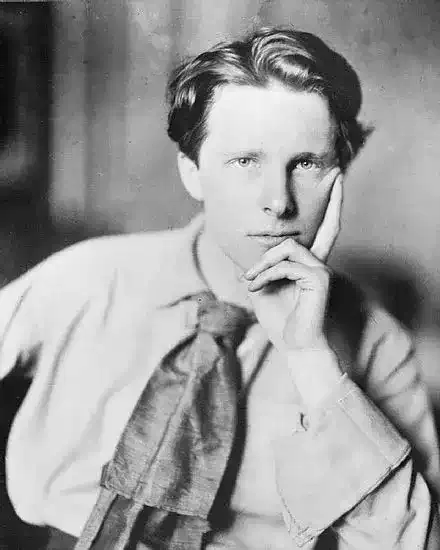
Rupert Brooke
The Life Beyond
The Life Beyond
He wakes, who never thought to wake again,
Who held the end was Death. He opens eyes
Slowly, to one long livid oozing plain
Closed down by the strange eyeless heavens.
He lies;
And waits; and once in timeless sick surmise
Through the dead air heaves up an unknown hand,
Like a dry branch. No life is in that land,
Himself not lives, but is a thing that cries;
An unmeaning point upon the mud; a speck
Of moveless horror; an Immortal One
Cleansed of the world, sentient and dead; a fly
Fast-stuck in grey sweat on a corpse’s neck.
I though when love for you died, I should die.
It’s dead. Alone, most strangely, I live on.
He wakes, who never thought to wake again,
Who held the end was Death. He opens eyes
Slowly, to one long livid oozing plain
Closed down by the strange eyeless heavens.
He lies;
And waits; and once in timeless sick surmise
Through the dead air heaves up an unknown hand,
Like a dry branch. No life is in that land,
Himself not lives, but is a thing that cries;
An unmeaning point upon the mud; a speck
Of moveless horror; an Immortal One
Cleansed of the world, sentient and dead; a fly
Fast-stuck in grey sweat on a corpse’s neck.
I though when love for you died, I should die.
It’s dead. Alone, most strangely, I live on.
205
Rupert Brooke
The Hill
The Hill
Breathless, we flung us on the windy hill,
Laughed in the sun, and kissed the lovely grass.
You said, “Through glory and ecstasy we pass;
Wind, sun, and earth remain, the birds sing still,
When we are old, are old.…” “And when we die
All’s over that is ours; and life burns on
Through other lovers, other lips,” said I,
—“Heart of my heart, our heaven is now, is won!”
“We are Earth’s best, that learnt her lesson here.
Life is our cry. We have kept the faith!” we said;
“We shall go down with unreluctant tread
Rose-crowned into the darkness!”… Proud we were,
And laughed, that had such brave true things to say.
—And then you suddenly cried, and turned away.
Breathless, we flung us on the windy hill,
Laughed in the sun, and kissed the lovely grass.
You said, “Through glory and ecstasy we pass;
Wind, sun, and earth remain, the birds sing still,
When we are old, are old.…” “And when we die
All’s over that is ours; and life burns on
Through other lovers, other lips,” said I,
—“Heart of my heart, our heaven is now, is won!”
“We are Earth’s best, that learnt her lesson here.
Life is our cry. We have kept the faith!” we said;
“We shall go down with unreluctant tread
Rose-crowned into the darkness!”… Proud we were,
And laughed, that had such brave true things to say.
—And then you suddenly cried, and turned away.
211
Rupert Brooke
The Goddess in the Wood
The Goddess in the Wood
In a flowered dell the Lady Venus stood,
Amazed with sorrow. Down the morning one
Far golden horn in the gold of trees and sun
Rang out; and held; and died.… She thought the wood
Grew quieter. Wing, and leaf, and pool of light
Forgot to dance. Dumb lay the unfalling stream;
Life one eternal instant rose in dream
Clear out of time, poised on a golden height.…
Till a swift terror broke the abrupt hour.
The gold waves purled amidst the green above her;
And a bird sang. With one sharp-taken breath,
By sunlit branches and unshaken flower,
The immortal limbs flashed to the human lover,
And the immortal eyes to look on death.
In a flowered dell the Lady Venus stood,
Amazed with sorrow. Down the morning one
Far golden horn in the gold of trees and sun
Rang out; and held; and died.… She thought the wood
Grew quieter. Wing, and leaf, and pool of light
Forgot to dance. Dumb lay the unfalling stream;
Life one eternal instant rose in dream
Clear out of time, poised on a golden height.…
Till a swift terror broke the abrupt hour.
The gold waves purled amidst the green above her;
And a bird sang. With one sharp-taken breath,
By sunlit branches and unshaken flower,
The immortal limbs flashed to the human lover,
And the immortal eyes to look on death.
202
Rupert Brooke
The Charm
The Charm
In darkness the loud sea makes moan;
And earth is shaken, and all evils creep
About her ways.
Oh, now to know you sleep!
Out of the whirling blinding moil, alone,
Out of the slow grim fight,
One thought to wing -- to you, asleep,
In some cool room that's open to the night
Lying half-forward, breathing quietly,
One white hand on the white
Unrumpled sheet, and the ever-moving hair
Quiet and still at length! . . .
Your magic and your beauty and your strength,
Like hills at noon or sunlight on a tree,
Sleeping prevail in earth and air.
In the sweet gloom above the brown and white
Night benedictions hover; and the winds of night
Move gently round the room, and watch you there.
And through the dreadful hours
The trees and waters and the hills have kept
The sacred vigil while you slept,
And lay a way of dew and flowers
Where your feet, your morning feet, shall tread.
And still the darkness ebbs about your bed.
Quiet, and strange, and loving-kind, you sleep.
And holy joy about the earth is shed;
And holiness upon the deep.
In darkness the loud sea makes moan;
And earth is shaken, and all evils creep
About her ways.
Oh, now to know you sleep!
Out of the whirling blinding moil, alone,
Out of the slow grim fight,
One thought to wing -- to you, asleep,
In some cool room that's open to the night
Lying half-forward, breathing quietly,
One white hand on the white
Unrumpled sheet, and the ever-moving hair
Quiet and still at length! . . .
Your magic and your beauty and your strength,
Like hills at noon or sunlight on a tree,
Sleeping prevail in earth and air.
In the sweet gloom above the brown and white
Night benedictions hover; and the winds of night
Move gently round the room, and watch you there.
And through the dreadful hours
The trees and waters and the hills have kept
The sacred vigil while you slept,
And lay a way of dew and flowers
Where your feet, your morning feet, shall tread.
And still the darkness ebbs about your bed.
Quiet, and strange, and loving-kind, you sleep.
And holy joy about the earth is shed;
And holiness upon the deep.
189
Rupert Brooke
Success
Success
I think if you had loved me when I wanted;
If I'd looked up one day, and seen your eyes,
And found my wild sick blasphemous prayer granted,
And your brown face, that's full of pity and wise,
Flushed suddenly; the white godhead in new fear
Intolerably so struggling, and so shamed;
Most holy and far, if you'd come all too near,
If earth had seen Earth's lordliest wild limbs tamed,
Shaken, and trapped, and shivering, for MY touch --
Myself should I have slain? or that foul you?
But this the strange gods, who had given so much,
To have seen and known you, this they might not do.
One last shame's spared me, one black word's unspoken;
And I'm alone; and you have not awoken.
I think if you had loved me when I wanted;
If I'd looked up one day, and seen your eyes,
And found my wild sick blasphemous prayer granted,
And your brown face, that's full of pity and wise,
Flushed suddenly; the white godhead in new fear
Intolerably so struggling, and so shamed;
Most holy and far, if you'd come all too near,
If earth had seen Earth's lordliest wild limbs tamed,
Shaken, and trapped, and shivering, for MY touch --
Myself should I have slain? or that foul you?
But this the strange gods, who had given so much,
To have seen and known you, this they might not do.
One last shame's spared me, one black word's unspoken;
And I'm alone; and you have not awoken.
219
Rupert Brooke
Success
Success
I think if you had loved me when I wanted;
If I'd looked up one day, and seen your eyes,
And found my wild sick blasphemous prayer granted,
And your brown face, that's full of pity and wise,
Flushed suddenly; the white godhead in new fear
Intolerably so struggling, and so shamed;
Most holy and far, if you'd come all too near,
If earth had seen Earth's lordliest wild limbs tamed,
Shaken, and trapped, and shivering, for MY touch --
Myself should I have slain? or that foul you?
But this the strange gods, who had given so much,
To have seen and known you, this they might not do.
One last shame's spared me, one black word's unspoken;
And I'm alone; and you have not awoken.
I think if you had loved me when I wanted;
If I'd looked up one day, and seen your eyes,
And found my wild sick blasphemous prayer granted,
And your brown face, that's full of pity and wise,
Flushed suddenly; the white godhead in new fear
Intolerably so struggling, and so shamed;
Most holy and far, if you'd come all too near,
If earth had seen Earth's lordliest wild limbs tamed,
Shaken, and trapped, and shivering, for MY touch --
Myself should I have slain? or that foul you?
But this the strange gods, who had given so much,
To have seen and known you, this they might not do.
One last shame's spared me, one black word's unspoken;
And I'm alone; and you have not awoken.
219
Rupert Brooke
Sonnet: I said I splendidly loved you; it's not true
Sonnet: I said I splendidly loved you; it's not true
I said I splendidly loved you; it's not true.
Such long swift tides stir not a land-locked sea.
On gods or fools the high risk falls -- on you --
The clean clear bitter-sweet that's not for me.
Love soars from earth to ecstasies unwist.
Love is flung Lucifer-like from Heaven to Hell.
But -- there are wanderers in the middle mist,
Who cry for shadows, clutch, and cannot tell
Whether they love at all, or, loving, whom:
An old song's lady, a fool in fancy dress,
Or phantoms, or their own face on the gloom;
For love of Love, or from heart's loneliness.
Pleasure's not theirs, nor pain. They doubt, and sigh,
And do not love at all. Of these am I.
I said I splendidly loved you; it's not true.
Such long swift tides stir not a land-locked sea.
On gods or fools the high risk falls -- on you --
The clean clear bitter-sweet that's not for me.
Love soars from earth to ecstasies unwist.
Love is flung Lucifer-like from Heaven to Hell.
But -- there are wanderers in the middle mist,
Who cry for shadows, clutch, and cannot tell
Whether they love at all, or, loving, whom:
An old song's lady, a fool in fancy dress,
Or phantoms, or their own face on the gloom;
For love of Love, or from heart's loneliness.
Pleasure's not theirs, nor pain. They doubt, and sigh,
And do not love at all. Of these am I.
162
Rupert Brooke
Sonnet Reversed
Sonnet Reversed
Hand trembling towards hand; the amazing lights
Of heart and eye. They stood on supreme heights.
Ah, the delirious weeks of honeymoon!
Soon they returned, and, after strange adventures,
Settled at Balham by the end of June.
Their money was in Can. Pacs. B. Debentures,
And in Antofagastas. Still he went
Cityward daily; still she did abide
At home. And both were really quite content
With work and social pleasures. Then they died.
They left three children (besides George, who drank):
The eldest Jane, who married Mr Bell,
William, the head-clerk in the County Bank,
And Henry, a stock-broker, doing well.
Hand trembling towards hand; the amazing lights
Of heart and eye. They stood on supreme heights.
Ah, the delirious weeks of honeymoon!
Soon they returned, and, after strange adventures,
Settled at Balham by the end of June.
Their money was in Can. Pacs. B. Debentures,
And in Antofagastas. Still he went
Cityward daily; still she did abide
At home. And both were really quite content
With work and social pleasures. Then they died.
They left three children (besides George, who drank):
The eldest Jane, who married Mr Bell,
William, the head-clerk in the County Bank,
And Henry, a stock-broker, doing well.
218
Rupert Brooke
Song
Song
"Oh! Love," they said, "is King of Kings,
And Triumph is his crown.
Earth fades in flame before his wings,
And Sun and Moon bow down." --
But that, I knew, would never do;
And Heaven is all too high.
So whenever I meet a Queen, I said,
I will not catch her eye.
"Oh! Love," they said, and "Love," they said,
"The gift of Love is this;
A crown of thorns about thy head,
And vinegar to thy kiss!" --
But Tragedy is not for me;
And I'm content to be gay.
So whenever I spied a Tragic Lady,
I went another way.
And so I never feared to see
You wander down the street,
Or come across the fields to me
On ordinary feet.
For what they'd never told me of,
And what I never knew;
It was that all the time, my love,
Love would be merely you.
"Oh! Love," they said, "is King of Kings,
And Triumph is his crown.
Earth fades in flame before his wings,
And Sun and Moon bow down." --
But that, I knew, would never do;
And Heaven is all too high.
So whenever I meet a Queen, I said,
I will not catch her eye.
"Oh! Love," they said, and "Love," they said,
"The gift of Love is this;
A crown of thorns about thy head,
And vinegar to thy kiss!" --
But Tragedy is not for me;
And I'm content to be gay.
So whenever I spied a Tragic Lady,
I went another way.
And so I never feared to see
You wander down the street,
Or come across the fields to me
On ordinary feet.
For what they'd never told me of,
And what I never knew;
It was that all the time, my love,
Love would be merely you.
207
Rupert Brooke
Retrospect
Retrospect
In your arms was still delight,
Quiet as a street at night;
And thoughts of you, I do remember,
Were green leaves in a darkened chamber,
Were dark clouds in a moonless sky.
Love, in you, went passing by,
Penetrative, remote, and rare,
Like a bird in the wide air,
And, as the bird, it left no trace
In the heaven of your face.
In your stupidity I found
The sweet hush after a sweet sound.
All about you was the light
That dims the greying end of night;
Desire was the unrisen sun,
Joy the day not yet begun,
With tree whispering to tree,
Without wind, quietly.
Wisdom slept within your hair,
And Long-Suffering was there,
And, in the flowing of your dress,
Undiscerning Tenderness.
And when you thought, it seemed to me,
Infinitely, and like a sea,
About the slight world you had known
Your vast unconsciousness was thrown. . . .
O haven without wave or tide!
Silence, in which all songs have died!
Holy book, where hearts are still!
And home at length under the hill!
O mother quiet, breasts of peace,
Where love itself would faint and cease!
O infinite deep I never knew,
I would come back, come back to you,
Find you, as a pool unstirred,
Kneel down by you, and never a word,
Lay my head, and nothing said,
In your hands, ungarlanded;
And a long watch you would keep;
And I should sleep, and I should sleep!
Mataiea, January
In your arms was still delight,
Quiet as a street at night;
And thoughts of you, I do remember,
Were green leaves in a darkened chamber,
Were dark clouds in a moonless sky.
Love, in you, went passing by,
Penetrative, remote, and rare,
Like a bird in the wide air,
And, as the bird, it left no trace
In the heaven of your face.
In your stupidity I found
The sweet hush after a sweet sound.
All about you was the light
That dims the greying end of night;
Desire was the unrisen sun,
Joy the day not yet begun,
With tree whispering to tree,
Without wind, quietly.
Wisdom slept within your hair,
And Long-Suffering was there,
And, in the flowing of your dress,
Undiscerning Tenderness.
And when you thought, it seemed to me,
Infinitely, and like a sea,
About the slight world you had known
Your vast unconsciousness was thrown. . . .
O haven without wave or tide!
Silence, in which all songs have died!
Holy book, where hearts are still!
And home at length under the hill!
O mother quiet, breasts of peace,
Where love itself would faint and cease!
O infinite deep I never knew,
I would come back, come back to you,
Find you, as a pool unstirred,
Kneel down by you, and never a word,
Lay my head, and nothing said,
In your hands, ungarlanded;
And a long watch you would keep;
And I should sleep, and I should sleep!
Mataiea, January
188
Rupert Brooke
One Before the Last, The
One Before the Last, The
I dreamt I was in love again
With the One Before the Last,
And smiled to greet the pleasant pain
Of that innocent young past.
But I jumped to feel how sharp had been
The pain when it did live,
How the faded dreams of Nineteen-ten
Were Hell in Nineteen-five.
The boy's woe was as keen and clear,
The boy's love just as true,
And the One Before the Last, my dear,
Hurt quite as much as you.
* * * * *
Sickly I pondered how the lover
Wrongs the unanswering tomb,
And sentimentalizes over
What earned a better doom.
Gently he tombs the poor dim last time,
Strews pinkish dust above,
And sighs, "The dear dead boyish pastime!
But THIS -- ah, God! -- is Love!"
-- Better oblivion hide dead true loves,
Better the night enfold,
Than men, to eke the praise of new loves,
Should lie about the old!
* * * * *
Oh! bitter thoughts I had in plenty.
But here's the worst of it --
I shall forget, in Nineteen-twenty,
YOU ever hurt abit!
I dreamt I was in love again
With the One Before the Last,
And smiled to greet the pleasant pain
Of that innocent young past.
But I jumped to feel how sharp had been
The pain when it did live,
How the faded dreams of Nineteen-ten
Were Hell in Nineteen-five.
The boy's woe was as keen and clear,
The boy's love just as true,
And the One Before the Last, my dear,
Hurt quite as much as you.
* * * * *
Sickly I pondered how the lover
Wrongs the unanswering tomb,
And sentimentalizes over
What earned a better doom.
Gently he tombs the poor dim last time,
Strews pinkish dust above,
And sighs, "The dear dead boyish pastime!
But THIS -- ah, God! -- is Love!"
-- Better oblivion hide dead true loves,
Better the night enfold,
Than men, to eke the praise of new loves,
Should lie about the old!
* * * * *
Oh! bitter thoughts I had in plenty.
But here's the worst of it --
I shall forget, in Nineteen-twenty,
YOU ever hurt abit!
212
Rupert Brooke
Mummia
Mummia
As those of old drank mummia
To fire their limbs of lead,
Making dead kings from Africa
Stand pandar to their bed;
Drunk on the dead, and medicined
With spiced imperial dust,
In a short night they reeled to find
Ten centuries of lust.
So I, from paint, stone, tale, and rhyme,
Stuffed love's infinity,
And sucked all lovers of all time
To rarify ecstasy.
Helen's the hair shuts out from me
Verona's livid skies;
Gypsy the lips I press; and see
Two Antonys in your eyes.
The unheard invisible lovely dead
Lie with us in this place,
And ghostly hands above my head
Close face to straining face;
Their blood is wine along our limbs;
Their whispering voices wreathe
Savage forgotten drowsy hymns
Under the names we breathe;
Woven from their tomb, and one with it,
The night wherein we press;
Their thousand pitchy pyres have lit
Your flaming nakedness.
For the uttermost years have cried and clung
To kiss your mouth to mine;
And hair long dust was caught, was flung,
Hand shaken to hand divine,
And Life has fired, and Death not shaded,
All Time's uncounted bliss,
And the height o' the world has flamed and faded,
Love, that our love be this!
As those of old drank mummia
To fire their limbs of lead,
Making dead kings from Africa
Stand pandar to their bed;
Drunk on the dead, and medicined
With spiced imperial dust,
In a short night they reeled to find
Ten centuries of lust.
So I, from paint, stone, tale, and rhyme,
Stuffed love's infinity,
And sucked all lovers of all time
To rarify ecstasy.
Helen's the hair shuts out from me
Verona's livid skies;
Gypsy the lips I press; and see
Two Antonys in your eyes.
The unheard invisible lovely dead
Lie with us in this place,
And ghostly hands above my head
Close face to straining face;
Their blood is wine along our limbs;
Their whispering voices wreathe
Savage forgotten drowsy hymns
Under the names we breathe;
Woven from their tomb, and one with it,
The night wherein we press;
Their thousand pitchy pyres have lit
Your flaming nakedness.
For the uttermost years have cried and clung
To kiss your mouth to mine;
And hair long dust was caught, was flung,
Hand shaken to hand divine,
And Life has fired, and Death not shaded,
All Time's uncounted bliss,
And the height o' the world has flamed and faded,
Love, that our love be this!
232
Rupert Brooke
Libido
Libido
How should I know? The enormous wheels of will
Drove me cold-eyed on tired and sleepless feet.
Night was void arms and you a phantom still,
And day your far light swaying down the street.
As never fool for love, I starved for you;
My throat was dry and my eyes hot to see.
Your mouth so lying was most heaven in view,
And your remembered smell most agony.
Love wakens love! I felt your hot wrist shiver
And suddenly the mad victory I planned
Flashed real, in your burning bending head. . . .
My conqueror's blood was cool as a deep river
In shadow; and my heart beneath your hand
Quieter than a dead man on a bed.
How should I know? The enormous wheels of will
Drove me cold-eyed on tired and sleepless feet.
Night was void arms and you a phantom still,
And day your far light swaying down the street.
As never fool for love, I starved for you;
My throat was dry and my eyes hot to see.
Your mouth so lying was most heaven in view,
And your remembered smell most agony.
Love wakens love! I felt your hot wrist shiver
And suddenly the mad victory I planned
Flashed real, in your burning bending head. . . .
My conqueror's blood was cool as a deep river
In shadow; and my heart beneath your hand
Quieter than a dead man on a bed.
193
Rupert Brooke
Hill, The
Hill, The
Breathless, we flung us on the windy hill,
Laughed in the sun, and kissed the lovely grass.
You said, "Through glory and ecstasy we pass;
Wind, sun, and earth remain, the birds sing still,
When we are old, are old. . . ." "And when we die
All's over that is ours; and life burns on
Through other lovers, other lips," said I,
-- "Heart of my heart, our heaven is now, is won!"
"We are Earth's best, that learnt her lesson here.
Life is our cry. We have kept the faith!" we said;
"We shall go down with unreluctant tread
Rose-crowned into the darkness!" . . . Proud we were,
And laughed, that had such brave true things to say.
-- And then you suddenly cried, and turned away.
Breathless, we flung us on the windy hill,
Laughed in the sun, and kissed the lovely grass.
You said, "Through glory and ecstasy we pass;
Wind, sun, and earth remain, the birds sing still,
When we are old, are old. . . ." "And when we die
All's over that is ours; and life burns on
Through other lovers, other lips," said I,
-- "Heart of my heart, our heaven is now, is won!"
"We are Earth's best, that learnt her lesson here.
Life is our cry. We have kept the faith!" we said;
"We shall go down with unreluctant tread
Rose-crowned into the darkness!" . . . Proud we were,
And laughed, that had such brave true things to say.
-- And then you suddenly cried, and turned away.
202
Rupert Brooke
He Wonders Whether To Praise Or To Blame Her
He Wonders Whether To Praise Or To Blame Her
I have peace to weigh your worth, now all is over,
But if to praise or blame you, cannot say.
For, who decries the loved, decries the lover;
Yet what man lauds the thing he's thrown away?
Be you, in truth, this dull, slight, cloudy naught,
The more fool I, so great a fool to adore;
But if you're that high goddess once I thought,
The more your godhead is, I lose the more.
Dear fool, pity the fool who thought you clever!
Dear wisdom, do not mock the fool that missed you!
Most fair, -- the blind has lost your face for ever!
Most foul, -- how could I see you while I kissed you?
So . . . the poor love of fools and blind I've proved you,
For, foul or lovely, 'twas a fool that loved you.
I have peace to weigh your worth, now all is over,
But if to praise or blame you, cannot say.
For, who decries the loved, decries the lover;
Yet what man lauds the thing he's thrown away?
Be you, in truth, this dull, slight, cloudy naught,
The more fool I, so great a fool to adore;
But if you're that high goddess once I thought,
The more your godhead is, I lose the more.
Dear fool, pity the fool who thought you clever!
Dear wisdom, do not mock the fool that missed you!
Most fair, -- the blind has lost your face for ever!
Most foul, -- how could I see you while I kissed you?
So . . . the poor love of fools and blind I've proved you,
For, foul or lovely, 'twas a fool that loved you.
203
Rupert Brooke
Goddess In The Wood, The
Goddess In The Wood, The
In a flowered dell the Lady Venus stood,
Amazed with sorrow. Down the morning one
Far golden horn in the gold of trees and sun
Rang out; and held; and died. . . . She thought the wood
Grew quieter. Wing, and leaf, and pool of light
Forgot to dance. Dumb lay the unfalling stream;
Life one eternal instant rose in dream
Clear out of time, poised on a golden height. . . .
Till a swift terror broke the abrupt hour.
The gold waves purled amidst the green above her;
And a bird sang. With one sharp-taken breath,
By sunlit branches and unshaken flower,
The immortal limbs flashed to the human lover,
And the immortal eyes to look on death.
In a flowered dell the Lady Venus stood,
Amazed with sorrow. Down the morning one
Far golden horn in the gold of trees and sun
Rang out; and held; and died. . . . She thought the wood
Grew quieter. Wing, and leaf, and pool of light
Forgot to dance. Dumb lay the unfalling stream;
Life one eternal instant rose in dream
Clear out of time, poised on a golden height. . . .
Till a swift terror broke the abrupt hour.
The gold waves purled amidst the green above her;
And a bird sang. With one sharp-taken breath,
By sunlit branches and unshaken flower,
The immortal limbs flashed to the human lover,
And the immortal eyes to look on death.
201
Rupert Brooke
Desertion
Desertion
So light we were, so right we were, so fair faith shone,
And the way was laid so certainly, that, when I'd gone,
What dumb thing looked up at you? Was it something heard,
Or a sudden cry, that meekly and without a word
You broke the faith, and strangely, weakly, slipped apart.
You gave in -- you, the proud of heart, unbowed of heart!
Was this, friend, the end of all that we could do?
And have you found the best for you, the rest for you?
Did you learn so suddenly (and I not by!)
Some whispered story, that stole the glory from the sky,
And ended all the splendid dream, and made you go
So dully from the fight we know, the light we know?
O faithless! the faith remains, and I must pass
Gay down the way, and on alone. Under the grass
You wait; the breeze moves in the trees, and stirs, and calls,
And covers you with white petals, with light petals.
There it shall crumble, frail and fair, under the sun,
O little heart, your brittle heart; till day be done,
And the shadows gather, falling light, and, white with dew,
Whisper, and weep; and creep to you. Good sleep to you!
So light we were, so right we were, so fair faith shone,
And the way was laid so certainly, that, when I'd gone,
What dumb thing looked up at you? Was it something heard,
Or a sudden cry, that meekly and without a word
You broke the faith, and strangely, weakly, slipped apart.
You gave in -- you, the proud of heart, unbowed of heart!
Was this, friend, the end of all that we could do?
And have you found the best for you, the rest for you?
Did you learn so suddenly (and I not by!)
Some whispered story, that stole the glory from the sky,
And ended all the splendid dream, and made you go
So dully from the fight we know, the light we know?
O faithless! the faith remains, and I must pass
Gay down the way, and on alone. Under the grass
You wait; the breeze moves in the trees, and stirs, and calls,
And covers you with white petals, with light petals.
There it shall crumble, frail and fair, under the sun,
O little heart, your brittle heart; till day be done,
And the shadows gather, falling light, and, white with dew,
Whisper, and weep; and creep to you. Good sleep to you!
196
Rupert Brooke
Chilterns, The
Chilterns, The
Your hands, my dear, adorable,
Your lips of tenderness
-- Oh, I've loved you faithfully and well,
Three years, or a bit less.
It wasn't a success.
Thank God, that's done! and I'll take the road,
Quit of my youth and you,
The Roman road to Wendover
By Tring and Lilley Hoo,
As a free man may do.
For youth goes over, the joys that fly,
The tears that follow fast;
And the dirtiest things we do must lie
Forgotten at the last;
Even Love goes past.
What's left behind I shall not find,
The splendour and the pain;
The splash of sun, the shouting wind,
And the brave sting of rain,
I may not meet again.
But the years, that take the best away,
Give something in the end;
And a better friend than love have they,
For none to mar or mend,
That have themselves to friend.
I shall desire and I shall find
The best of my desires;
The autumn road, the mellow wind
That soothes the darkening shires.
And laughter, and inn-fires.
White mist about the black hedgerows,
The slumbering Midland plain,
The silence where the clover grows,
And the dead leaves in the lane,
Certainly, these remain.
And I shall find some girl perhaps,
And a better one than you,
With eyes as wise, but kindlier,
And lips as soft, but true.
And I daresay she will do.
Your hands, my dear, adorable,
Your lips of tenderness
-- Oh, I've loved you faithfully and well,
Three years, or a bit less.
It wasn't a success.
Thank God, that's done! and I'll take the road,
Quit of my youth and you,
The Roman road to Wendover
By Tring and Lilley Hoo,
As a free man may do.
For youth goes over, the joys that fly,
The tears that follow fast;
And the dirtiest things we do must lie
Forgotten at the last;
Even Love goes past.
What's left behind I shall not find,
The splendour and the pain;
The splash of sun, the shouting wind,
And the brave sting of rain,
I may not meet again.
But the years, that take the best away,
Give something in the end;
And a better friend than love have they,
For none to mar or mend,
That have themselves to friend.
I shall desire and I shall find
The best of my desires;
The autumn road, the mellow wind
That soothes the darkening shires.
And laughter, and inn-fires.
White mist about the black hedgerows,
The slumbering Midland plain,
The silence where the clover grows,
And the dead leaves in the lane,
Certainly, these remain.
And I shall find some girl perhaps,
And a better one than you,
With eyes as wise, but kindlier,
And lips as soft, but true.
And I daresay she will do.
211
Rupert Brooke
Beauty and Beauty
Beauty and Beauty
When Beauty and Beauty meet
All naked, fair to fair,
The earth is crying-sweet,
And scattering-bright the air,
Eddying, dizzying, closing round,
With soft and drunken laughter;
Veiling all that may befall
After -- after --
Where Beauty and Beauty met,
Earth's still a-tremble there,
And winds are scented yet,
And memory-soft the air,
Bosoming, folding glints of light,
And shreds of shadowy laughter;
Not the tears that fill the years
After -- after --
When Beauty and Beauty meet
All naked, fair to fair,
The earth is crying-sweet,
And scattering-bright the air,
Eddying, dizzying, closing round,
With soft and drunken laughter;
Veiling all that may befall
After -- after --
Where Beauty and Beauty met,
Earth's still a-tremble there,
And winds are scented yet,
And memory-soft the air,
Bosoming, folding glints of light,
And shreds of shadowy laughter;
Not the tears that fill the years
After -- after --
196
Rupert Brooke
And love has changed to kindliness
And love has changed to kindliness
When love has changed to kindliness --
Oh, love, our hungry lips, that press
So tight that Time's an old god's dream
Nodding in heaven, and whisper stuff
Seven million years were not enough
To think on after, make it seem
Less than the breath of children playing,
A blasphemy scarce worth the saying,
A sorry jest, "When love has grown
To kindliness -- to kindliness!" . . .
And yet -- the best that either's known
Will change, and wither, and be less,
At last, than comfort, or its own
Remembrance. And when some caress
Tendered in habit (once a flame
All heaven sang out to) wakes the shame
Unworded, in the steady eyes
We'll have, -- that day, what shall we do?
Being so noble, kill the two
Who've reached their second-best? Being wise,
Break cleanly off, and get away.
Follow down other windier skies
New lures, alone? Or shall we stay,
Since this is all we've known, content
In the lean twilight of such day,
And not remember, not lament?
That time when all is over, and
Hand never flinches, brushing hand;
And blood lies quiet, for all you're near;
And it's but spoken words we hear,
Where trumpets sang; when the mere skies
Are stranger and nobler than your eyes;
And flesh is flesh, was flame before;
And infinite hungers leap no more
In the chance swaying of your dress;
And love has changed to kindliness.
When love has changed to kindliness --
Oh, love, our hungry lips, that press
So tight that Time's an old god's dream
Nodding in heaven, and whisper stuff
Seven million years were not enough
To think on after, make it seem
Less than the breath of children playing,
A blasphemy scarce worth the saying,
A sorry jest, "When love has grown
To kindliness -- to kindliness!" . . .
And yet -- the best that either's known
Will change, and wither, and be less,
At last, than comfort, or its own
Remembrance. And when some caress
Tendered in habit (once a flame
All heaven sang out to) wakes the shame
Unworded, in the steady eyes
We'll have, -- that day, what shall we do?
Being so noble, kill the two
Who've reached their second-best? Being wise,
Break cleanly off, and get away.
Follow down other windier skies
New lures, alone? Or shall we stay,
Since this is all we've known, content
In the lean twilight of such day,
And not remember, not lament?
That time when all is over, and
Hand never flinches, brushing hand;
And blood lies quiet, for all you're near;
And it's but spoken words we hear,
Where trumpets sang; when the mere skies
Are stranger and nobler than your eyes;
And flesh is flesh, was flame before;
And infinite hungers leap no more
In the chance swaying of your dress;
And love has changed to kindliness.
202
Rupert Brooke
And love has changed to kindliness
And love has changed to kindliness
When love has changed to kindliness --
Oh, love, our hungry lips, that press
So tight that Time's an old god's dream
Nodding in heaven, and whisper stuff
Seven million years were not enough
To think on after, make it seem
Less than the breath of children playing,
A blasphemy scarce worth the saying,
A sorry jest, "When love has grown
To kindliness -- to kindliness!" . . .
And yet -- the best that either's known
Will change, and wither, and be less,
At last, than comfort, or its own
Remembrance. And when some caress
Tendered in habit (once a flame
All heaven sang out to) wakes the shame
Unworded, in the steady eyes
We'll have, -- that day, what shall we do?
Being so noble, kill the two
Who've reached their second-best? Being wise,
Break cleanly off, and get away.
Follow down other windier skies
New lures, alone? Or shall we stay,
Since this is all we've known, content
In the lean twilight of such day,
And not remember, not lament?
That time when all is over, and
Hand never flinches, brushing hand;
And blood lies quiet, for all you're near;
And it's but spoken words we hear,
Where trumpets sang; when the mere skies
Are stranger and nobler than your eyes;
And flesh is flesh, was flame before;
And infinite hungers leap no more
In the chance swaying of your dress;
And love has changed to kindliness.
When love has changed to kindliness --
Oh, love, our hungry lips, that press
So tight that Time's an old god's dream
Nodding in heaven, and whisper stuff
Seven million years were not enough
To think on after, make it seem
Less than the breath of children playing,
A blasphemy scarce worth the saying,
A sorry jest, "When love has grown
To kindliness -- to kindliness!" . . .
And yet -- the best that either's known
Will change, and wither, and be less,
At last, than comfort, or its own
Remembrance. And when some caress
Tendered in habit (once a flame
All heaven sang out to) wakes the shame
Unworded, in the steady eyes
We'll have, -- that day, what shall we do?
Being so noble, kill the two
Who've reached their second-best? Being wise,
Break cleanly off, and get away.
Follow down other windier skies
New lures, alone? Or shall we stay,
Since this is all we've known, content
In the lean twilight of such day,
And not remember, not lament?
That time when all is over, and
Hand never flinches, brushing hand;
And blood lies quiet, for all you're near;
And it's but spoken words we hear,
Where trumpets sang; when the mere skies
Are stranger and nobler than your eyes;
And flesh is flesh, was flame before;
And infinite hungers leap no more
In the chance swaying of your dress;
And love has changed to kindliness.
202
Rupert Brooke
A Channel Passage
A Channel Passage
The damned ship lurched and slithered. Quiet and quick
My cold gorge rose; the long sea rolled; I knew
I must think hard of something, or be sick;
And could think hard of only one thing -- YOU!
You, you alone could hold my fancy ever!
And with you memories come, sharp pain, and dole.
Now there's a choice -- heartache or tortured liver!
A sea-sick body, or a you-sick soul!
Do I forget you? Retchings twist and tie me,
Old meat, good meals, brown gobbets, up I throw.
Do I remember? Acrid return and slimy,
The sobs and slobber of a last years woe.
And still the sick ship rolls. 'Tis hard, I tell ye,
To choose 'twixt love and nausea, heart and belly.
The damned ship lurched and slithered. Quiet and quick
My cold gorge rose; the long sea rolled; I knew
I must think hard of something, or be sick;
And could think hard of only one thing -- YOU!
You, you alone could hold my fancy ever!
And with you memories come, sharp pain, and dole.
Now there's a choice -- heartache or tortured liver!
A sea-sick body, or a you-sick soul!
Do I forget you? Retchings twist and tie me,
Old meat, good meals, brown gobbets, up I throw.
Do I remember? Acrid return and slimy,
The sobs and slobber of a last years woe.
And still the sick ship rolls. 'Tis hard, I tell ye,
To choose 'twixt love and nausea, heart and belly.
264
Rupert Brooke
I: Peace
I: Peace
Now, God be thanked Who has watched us with His hour,
And caught our youth, and wakened us from sleeping,
With hand made sure, clear eye, and sharpened power,
To turn, as swimmers into cleanness leaping,
Glad from a world grown old and cold and weary,
Leave the sick hearts that honour could not move,
And half-men, and their dirty songs and dreary,
And all the little emptiness of love!
Oh! we, who have known shame, we have found release there,
Where there's no ill, no grief, but sleep has mending,
Naught broken save this body, lost but breath;
Nothing to shake the laughing heart's long peace there
But only agony, and that has ending;
And the worst friend and enemy is but Death.
Now, God be thanked Who has watched us with His hour,
And caught our youth, and wakened us from sleeping,
With hand made sure, clear eye, and sharpened power,
To turn, as swimmers into cleanness leaping,
Glad from a world grown old and cold and weary,
Leave the sick hearts that honour could not move,
And half-men, and their dirty songs and dreary,
And all the little emptiness of love!
Oh! we, who have known shame, we have found release there,
Where there's no ill, no grief, but sleep has mending,
Naught broken save this body, lost but breath;
Nothing to shake the laughing heart's long peace there
But only agony, and that has ending;
And the worst friend and enemy is but Death.
181
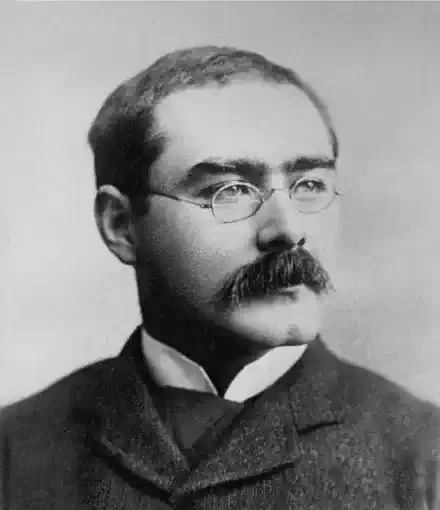
Rudyard Kipling
Wilful Missing
Wilful Missing
(Deserters)
There is a world outside the one you know,
To which for curiousness 'Ell can't compare--
It is the place where "wilful-missings" go,
As we can testify, for we are there.
You may 'ave read a bullet laid us low,
That we was gathered in "with reverent care"
And buried proper. But it was not so,
As we can testify --for we are there!
They can't be certain--faces alter so
After the old aasvogel 'ad 'is share.
The uniform's the mark by which they go--
And--ain't it odd?--the one we best can spare.
We might 'ave seen our chance to cut the show--
Name, number, record, an 'begin elsewhere--
Leaven'' some not too late-lamented foe
One funeral-private-British-for 'is share.
We may 'ave took it yonder in the Low
Bush-veldt that sends men stragglin' 'unaware
Among the Kaffirs, till their columns go,
An 'they are left past call or count or care.
We might 'ave been your lovers long ago,
'Usbands or children--comfort or despair.
Our death (an' burial) settles all we owe,
An' why we done it is our own affair.
Marry again, and we will not say no,
Nor come to barstardise the kids you bear.
Wait on in 'ope--you've all your life below
Before you'll ever 'ear us on the stair.
There is no need to give our reasons, though
Gawd knows we all 'ad reasons which were fair;
But other people might not judge 'em so--
And now it doesn't matter what they were.
What man can weigh or size another's woe:
There are some things too bitter 'ard to bear.
Suffice it we 'ave finished--Domino!
As we can testify, for we are there,
In the side-world where "wilful-missings " go.
(Deserters)
There is a world outside the one you know,
To which for curiousness 'Ell can't compare--
It is the place where "wilful-missings" go,
As we can testify, for we are there.
You may 'ave read a bullet laid us low,
That we was gathered in "with reverent care"
And buried proper. But it was not so,
As we can testify --for we are there!
They can't be certain--faces alter so
After the old aasvogel 'ad 'is share.
The uniform's the mark by which they go--
And--ain't it odd?--the one we best can spare.
We might 'ave seen our chance to cut the show--
Name, number, record, an 'begin elsewhere--
Leaven'' some not too late-lamented foe
One funeral-private-British-for 'is share.
We may 'ave took it yonder in the Low
Bush-veldt that sends men stragglin' 'unaware
Among the Kaffirs, till their columns go,
An 'they are left past call or count or care.
We might 'ave been your lovers long ago,
'Usbands or children--comfort or despair.
Our death (an' burial) settles all we owe,
An' why we done it is our own affair.
Marry again, and we will not say no,
Nor come to barstardise the kids you bear.
Wait on in 'ope--you've all your life below
Before you'll ever 'ear us on the stair.
There is no need to give our reasons, though
Gawd knows we all 'ad reasons which were fair;
But other people might not judge 'em so--
And now it doesn't matter what they were.
What man can weigh or size another's woe:
There are some things too bitter 'ard to bear.
Suffice it we 'ave finished--Domino!
As we can testify, for we are there,
In the side-world where "wilful-missings " go.
438