

Poems in this topic
Relationships and Family
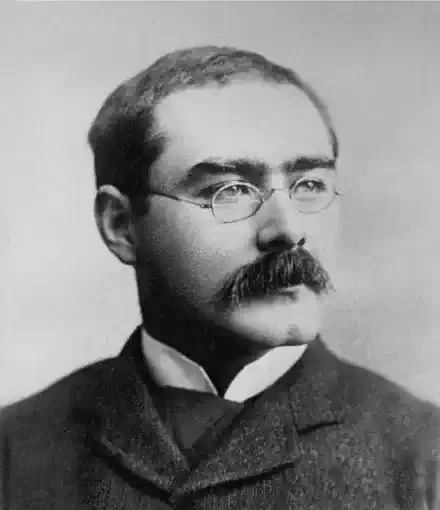
Rudyard Kipling
To the Unknown Goddess
To the Unknown Goddess
Will you conquer my heart with your beauty; my sould going out from afar?
Shall I fall to your hand as a victim of crafty and cautions shikar?
Have I met you and passed you already, unknowing, unthinking and blind?
Shall I meet you next session at Simla, O sweetest and best of your kind?
Does the P. and O. bear you to meward, or, clad in short frocks in the West,
Are you growing the charms that shall capture and torture the heart in my breast?
Will you stay in the Plains till September -- my passion as warm as the day?
Will you bring me to book on the Mountains, or where the thermantidotes play?
When the light of your eyes shall make pallid the mean lesser lights I pursue,
And the charm of your presence shall lure me from love of the gay "thirteen-two";
When the peg and the pig-skin shall please not; when I buy me Calcutta-build clothes;
When I quit the Delight of Wild Asses; foreswearing the swearing of oaths ;
As a deer to the hand of the hunter when I turn 'mid the gibes of my friends;
When the days of my freedom are numbered, and the life of the bachelor ends.
Ah, Goddess! child, spinster, or widow -- as of old on Mars Hill whey they raised
To the God that they knew not an altar -- so I, a young Pagan, have praised
The Goddess I know not nor worship; yet, if half that men tell me be true,
You will come in the future, and therefore these verses are written to you.
Will you conquer my heart with your beauty; my sould going out from afar?
Shall I fall to your hand as a victim of crafty and cautions shikar?
Have I met you and passed you already, unknowing, unthinking and blind?
Shall I meet you next session at Simla, O sweetest and best of your kind?
Does the P. and O. bear you to meward, or, clad in short frocks in the West,
Are you growing the charms that shall capture and torture the heart in my breast?
Will you stay in the Plains till September -- my passion as warm as the day?
Will you bring me to book on the Mountains, or where the thermantidotes play?
When the light of your eyes shall make pallid the mean lesser lights I pursue,
And the charm of your presence shall lure me from love of the gay "thirteen-two";
When the peg and the pig-skin shall please not; when I buy me Calcutta-build clothes;
When I quit the Delight of Wild Asses; foreswearing the swearing of oaths ;
As a deer to the hand of the hunter when I turn 'mid the gibes of my friends;
When the days of my freedom are numbered, and the life of the bachelor ends.
Ah, Goddess! child, spinster, or widow -- as of old on Mars Hill whey they raised
To the God that they knew not an altar -- so I, a young Pagan, have praised
The Goddess I know not nor worship; yet, if half that men tell me be true,
You will come in the future, and therefore these verses are written to you.
477
Rudyard Kipling
To the Unknown Goddess
To the Unknown Goddess
Will you conquer my heart with your beauty; my sould going out from afar?
Shall I fall to your hand as a victim of crafty and cautions shikar?
Have I met you and passed you already, unknowing, unthinking and blind?
Shall I meet you next session at Simla, O sweetest and best of your kind?
Does the P. and O. bear you to meward, or, clad in short frocks in the West,
Are you growing the charms that shall capture and torture the heart in my breast?
Will you stay in the Plains till September -- my passion as warm as the day?
Will you bring me to book on the Mountains, or where the thermantidotes play?
When the light of your eyes shall make pallid the mean lesser lights I pursue,
And the charm of your presence shall lure me from love of the gay "thirteen-two";
When the peg and the pig-skin shall please not; when I buy me Calcutta-build clothes;
When I quit the Delight of Wild Asses; foreswearing the swearing of oaths ;
As a deer to the hand of the hunter when I turn 'mid the gibes of my friends;
When the days of my freedom are numbered, and the life of the bachelor ends.
Ah, Goddess! child, spinster, or widow -- as of old on Mars Hill whey they raised
To the God that they knew not an altar -- so I, a young Pagan, have praised
The Goddess I know not nor worship; yet, if half that men tell me be true,
You will come in the future, and therefore these verses are written to you.
Will you conquer my heart with your beauty; my sould going out from afar?
Shall I fall to your hand as a victim of crafty and cautions shikar?
Have I met you and passed you already, unknowing, unthinking and blind?
Shall I meet you next session at Simla, O sweetest and best of your kind?
Does the P. and O. bear you to meward, or, clad in short frocks in the West,
Are you growing the charms that shall capture and torture the heart in my breast?
Will you stay in the Plains till September -- my passion as warm as the day?
Will you bring me to book on the Mountains, or where the thermantidotes play?
When the light of your eyes shall make pallid the mean lesser lights I pursue,
And the charm of your presence shall lure me from love of the gay "thirteen-two";
When the peg and the pig-skin shall please not; when I buy me Calcutta-build clothes;
When I quit the Delight of Wild Asses; foreswearing the swearing of oaths ;
As a deer to the hand of the hunter when I turn 'mid the gibes of my friends;
When the days of my freedom are numbered, and the life of the bachelor ends.
Ah, Goddess! child, spinster, or widow -- as of old on Mars Hill whey they raised
To the God that they knew not an altar -- so I, a young Pagan, have praised
The Goddess I know not nor worship; yet, if half that men tell me be true,
You will come in the future, and therefore these verses are written to you.
477
Rudyard Kipling
To James Whitcomb Riley
To James Whitcomb Riley
Your trail runs to the westward,
And mine to my own place;
There is water between our lodges,
And I have not seen your face.
But since I have read your verses
'Tis easy to guess the rest,--
Because in the hearts of the children
There is neither East nor West.
Born to a thousand fortunes
Of good or evil hap,
Once they were kings together,
Throned in a mother's lap.
Surely they know that secret--
Yellow and black and white--
When they meet as kings together
In innocent dreams at night.
By a moon they all can play with--
Grubby and grimed and unshod,
Very happy together,
And very near to God.
Your trail runs to the westward,
And mine to my own place:
There is water between our lodges,
And you cannot see my face.--
And that is well--for crying
Should neither be written nor seen,
But if I call you Smoke-in-the-Eyes,
I know you will know what I mean.
Your trail runs to the westward,
And mine to my own place;
There is water between our lodges,
And I have not seen your face.
But since I have read your verses
'Tis easy to guess the rest,--
Because in the hearts of the children
There is neither East nor West.
Born to a thousand fortunes
Of good or evil hap,
Once they were kings together,
Throned in a mother's lap.
Surely they know that secret--
Yellow and black and white--
When they meet as kings together
In innocent dreams at night.
By a moon they all can play with--
Grubby and grimed and unshod,
Very happy together,
And very near to God.
Your trail runs to the westward,
And mine to my own place:
There is water between our lodges,
And you cannot see my face.--
And that is well--for crying
Should neither be written nor seen,
But if I call you Smoke-in-the-Eyes,
I know you will know what I mean.
522
Rudyard Kipling
The White Seal
The White Seal
Oh! hush thee, my baby, the night is behind us,
And black are the waters that sparkled so green.
The moon, o'er the combers, looks downward to find us
At rest in the hollows that rustle between.
Where billow meets billow, there soft be thy pillow;
Ah, weary wee flipperling, curl at thy ease!
The storm shall not wake thee, nor shark overtake thee,
Asleep in the arms of the slow-swinging seas.
You mustn't swim till you're six weeks old,
Or your head will be sunk by your heels;
And summer gales and Killer Whales
Are bad for baby seals.
Are bad for baby seals, dear rat,
As bad as bad can be.
But splash and grow strong,
And you can't be wrong,
Child of the Open Sea!
Oh! hush thee, my baby, the night is behind us,
And black are the waters that sparkled so green.
The moon, o'er the combers, looks downward to find us
At rest in the hollows that rustle between.
Where billow meets billow, there soft be thy pillow;
Ah, weary wee flipperling, curl at thy ease!
The storm shall not wake thee, nor shark overtake thee,
Asleep in the arms of the slow-swinging seas.
You mustn't swim till you're six weeks old,
Or your head will be sunk by your heels;
And summer gales and Killer Whales
Are bad for baby seals.
Are bad for baby seals, dear rat,
As bad as bad can be.
But splash and grow strong,
And you can't be wrong,
Child of the Open Sea!
717
Rudyard Kipling
The Veterans
The Veterans
To-day, across our fathers' graves,
The astonished years reveal
The remnant of that desperate host
Which cleansed our East with steel.
Hail and farewell! We greet you here,
With tears that none will scorn--
O Keepers of the House of old,
Or ever we were born!
One service more we dare to ask--
Pray for us, heroes, pray,
That when Fate lays on us our task
We do not shame the Day!
To-day, across our fathers' graves,
The astonished years reveal
The remnant of that desperate host
Which cleansed our East with steel.
Hail and farewell! We greet you here,
With tears that none will scorn--
O Keepers of the House of old,
Or ever we were born!
One service more we dare to ask--
Pray for us, heroes, pray,
That when Fate lays on us our task
We do not shame the Day!
377
Rudyard Kipling
The Vampire
The Vampire
A fool there was and he made his prayer
(Even as you and I!)
To a rag and a bone and a hank of hair
(We called her the woman who did not care),
But the fool he called her his lady fair
(Even as you and I!)
Oh the years we waste and the tears we waste
And the work of our head and hand,
Belong to the woman who did not know
(And now we know that she never could know)
And did not understand.
A fool there was and his goods he spent
(Even as you and I!)
Honor and faith and a sure intent
But a fool must follow his natural bent
(And it wasn't the least what the lady meant),
(Even as you and I!)
Oh the toil we lost and the spoil we lost
And the excellent things we planned,
Belong to the woman who didn't know why
(And now we know she never knew why)
And did not understand.
The fool we stripped to his foolish hide
(Even as you and I!)
Which she might have seen when she threw him aside --
(But it isn't on record the lady tried)
So some of him lived but the most of him died --
(Even as you and I!)
And it isn't the shame and it isn't the blame
That stings like a white hot brand.
It's coming to know that she never knew why
(Seeing at last she could never know why)
And never could understand.
A fool there was and he made his prayer
(Even as you and I!)
To a rag and a bone and a hank of hair
(We called her the woman who did not care),
But the fool he called her his lady fair
(Even as you and I!)
Oh the years we waste and the tears we waste
And the work of our head and hand,
Belong to the woman who did not know
(And now we know that she never could know)
And did not understand.
A fool there was and his goods he spent
(Even as you and I!)
Honor and faith and a sure intent
But a fool must follow his natural bent
(And it wasn't the least what the lady meant),
(Even as you and I!)
Oh the toil we lost and the spoil we lost
And the excellent things we planned,
Belong to the woman who didn't know why
(And now we know she never knew why)
And did not understand.
The fool we stripped to his foolish hide
(Even as you and I!)
Which she might have seen when she threw him aside --
(But it isn't on record the lady tried)
So some of him lived but the most of him died --
(Even as you and I!)
And it isn't the shame and it isn't the blame
That stings like a white hot brand.
It's coming to know that she never knew why
(Seeing at last she could never know why)
And never could understand.
472
Rudyard Kipling
The Vampire
The Vampire
A fool there was and he made his prayer
(Even as you and I!)
To a rag and a bone and a hank of hair
(We called her the woman who did not care),
But the fool he called her his lady fair
(Even as you and I!)
Oh the years we waste and the tears we waste
And the work of our head and hand,
Belong to the woman who did not know
(And now we know that she never could know)
And did not understand.
A fool there was and his goods he spent
(Even as you and I!)
Honor and faith and a sure intent
But a fool must follow his natural bent
(And it wasn't the least what the lady meant),
(Even as you and I!)
Oh the toil we lost and the spoil we lost
And the excellent things we planned,
Belong to the woman who didn't know why
(And now we know she never knew why)
And did not understand.
The fool we stripped to his foolish hide
(Even as you and I!)
Which she might have seen when she threw him aside --
(But it isn't on record the lady tried)
So some of him lived but the most of him died --
(Even as you and I!)
And it isn't the shame and it isn't the blame
That stings like a white hot brand.
It's coming to know that she never knew why
(Seeing at last she could never know why)
And never could understand.
A fool there was and he made his prayer
(Even as you and I!)
To a rag and a bone and a hank of hair
(We called her the woman who did not care),
But the fool he called her his lady fair
(Even as you and I!)
Oh the years we waste and the tears we waste
And the work of our head and hand,
Belong to the woman who did not know
(And now we know that she never could know)
And did not understand.
A fool there was and his goods he spent
(Even as you and I!)
Honor and faith and a sure intent
But a fool must follow his natural bent
(And it wasn't the least what the lady meant),
(Even as you and I!)
Oh the toil we lost and the spoil we lost
And the excellent things we planned,
Belong to the woman who didn't know why
(And now we know she never knew why)
And did not understand.
The fool we stripped to his foolish hide
(Even as you and I!)
Which she might have seen when she threw him aside --
(But it isn't on record the lady tried)
So some of him lived but the most of him died --
(Even as you and I!)
And it isn't the shame and it isn't the blame
That stings like a white hot brand.
It's coming to know that she never knew why
(Seeing at last she could never know why)
And never could understand.
472
Rudyard Kipling
The Story of Uriah
The Story of Uriah
Jack Barrett went to Quetta
Because they told him to.
He left his wife at Simla
On three-fourths his monthly screw.
Jack Barrett died at Quetta
Ere the next month's pay he drew.
Jack Barrett went to Quetta.
He didn't understand
The reason of his transfer
From the pleasant mountain-land.
The season was September,
And it killed him out of hand.
Jack Barrett went to Quetta
And there gave up the ghost,
Attempting two men's duty
In that very healthy post;
And Mrs. Barrett mourned for him
Five lively months at most.
Jack Barrett's bones at Quetta
Enjoy profound repose;
But I shouldn't be astonished
If now his spirit knows
The reason of his transfer
From the Himalayan snows.
And, when the Last Great Bugle Call
Adown the Hurnai throbs,
And the last grim joke is entered
In the big black Book of Jobs.
And Quetta graveyards give again
Their victims to the air,
I shouldn't like to be the man
Who sent Jack Barrett there.
Jack Barrett went to Quetta
Because they told him to.
He left his wife at Simla
On three-fourths his monthly screw.
Jack Barrett died at Quetta
Ere the next month's pay he drew.
Jack Barrett went to Quetta.
He didn't understand
The reason of his transfer
From the pleasant mountain-land.
The season was September,
And it killed him out of hand.
Jack Barrett went to Quetta
And there gave up the ghost,
Attempting two men's duty
In that very healthy post;
And Mrs. Barrett mourned for him
Five lively months at most.
Jack Barrett's bones at Quetta
Enjoy profound repose;
But I shouldn't be astonished
If now his spirit knows
The reason of his transfer
From the Himalayan snows.
And, when the Last Great Bugle Call
Adown the Hurnai throbs,
And the last grim joke is entered
In the big black Book of Jobs.
And Quetta graveyards give again
Their victims to the air,
I shouldn't like to be the man
Who sent Jack Barrett there.
487
Rudyard Kipling
The Song of the Women
The Song of the Women
How shall she know the worship we would do her?
The walls are high, and she is very far.
How shall the woman's message reach unto her
Above the tumult of the packed bazaar?
Free wind of March, against the lattice blowing,
Bear thou our thanks, lest she depart unknowing.
Go forth across the fields we may not roam in,
Go forth beyond the trees that rim the city,
To whatsoe'er fair place she hath her home in,
Who dowered us with walth of love and pity.
Out of our shadow pass, and seek her singing --
"I have no gifts but Love alone for bringing."
Say that we be a feeble folk who greet her,
But old in grief, and very wise in tears;
Say that we, being desolate, entreat her
That she forget us not in after years;
For we have seen the light, and it were grievous
To dim that dawning if our lady leave us.
By life that ebbed with none to stanch the failing
By Love's sad harvest garnered in the spring,
When Love in ignorance wept unavailing
O'er young buds dead before their blossoming;
By all the grey owl watched, the pale moon viewed,
In past grim years, declare our gratitude!
By hands uplifted to the Gods that heard not,
By fits that found no favor in their sight,
By faces bent above the babe that stirred not,
By nameless horrors of the stifling night;
By ills foredone, by peace her toils discover,
Bid Earth be good beneath and Heaven above her!
If she have sent her servants in our pain
If she have fought with Death and dulled his sword;
If she have given back our sick again.
And to the breast the wakling lips restored,
Is it a little thing that she has wrought?
Then Life and Death and Motherhood be nought.
Go forth, O wind, our message on thy wings,
And they shall hear thee pass and bid thee speed,
In reed-roofed hut, or white-walled home of kings,
Who have been helpen by ther in their need.
All spring shall give thee fragrance, and the wheat
Shall be a tasselled floorcloth to thy feet.
Haste, for our hearts are with thee, take no rest!
Loud-voiced ambassador, from sea to sea
Proclaim the blessing, mainfold, confessed.
Of those in darkness by her hand set free.
Then very softly to her presence move,
And whisper: "Lady, lo, they know and love!"
How shall she know the worship we would do her?
The walls are high, and she is very far.
How shall the woman's message reach unto her
Above the tumult of the packed bazaar?
Free wind of March, against the lattice blowing,
Bear thou our thanks, lest she depart unknowing.
Go forth across the fields we may not roam in,
Go forth beyond the trees that rim the city,
To whatsoe'er fair place she hath her home in,
Who dowered us with walth of love and pity.
Out of our shadow pass, and seek her singing --
"I have no gifts but Love alone for bringing."
Say that we be a feeble folk who greet her,
But old in grief, and very wise in tears;
Say that we, being desolate, entreat her
That she forget us not in after years;
For we have seen the light, and it were grievous
To dim that dawning if our lady leave us.
By life that ebbed with none to stanch the failing
By Love's sad harvest garnered in the spring,
When Love in ignorance wept unavailing
O'er young buds dead before their blossoming;
By all the grey owl watched, the pale moon viewed,
In past grim years, declare our gratitude!
By hands uplifted to the Gods that heard not,
By fits that found no favor in their sight,
By faces bent above the babe that stirred not,
By nameless horrors of the stifling night;
By ills foredone, by peace her toils discover,
Bid Earth be good beneath and Heaven above her!
If she have sent her servants in our pain
If she have fought with Death and dulled his sword;
If she have given back our sick again.
And to the breast the wakling lips restored,
Is it a little thing that she has wrought?
Then Life and Death and Motherhood be nought.
Go forth, O wind, our message on thy wings,
And they shall hear thee pass and bid thee speed,
In reed-roofed hut, or white-walled home of kings,
Who have been helpen by ther in their need.
All spring shall give thee fragrance, and the wheat
Shall be a tasselled floorcloth to thy feet.
Haste, for our hearts are with thee, take no rest!
Loud-voiced ambassador, from sea to sea
Proclaim the blessing, mainfold, confessed.
Of those in darkness by her hand set free.
Then very softly to her presence move,
And whisper: "Lady, lo, they know and love!"
435
Rudyard Kipling
The Queen's Men
The Queen's Men
Valour and Innocence
Have latterly gone hence
To certain death by certain shame attended.
Envy--ah! even to tears! --
The fortune of their years
Which, though so few, yet so divinely ended.
Scarce had they lifted up
Life's full and fiery cup,
Than they had set it down untouched before them.
Before their day arose
They beckoned it to close--
Close in confusion and destruction o'er them.
They did not stay to ask
What prize should crown their task--
Well sure that prize was such as no man strives for;
But passed into eclipse,
Her kiss upon their lips--
Even Belphoebe's, whom they gave their lives for!
Valour and Innocence
Have latterly gone hence
To certain death by certain shame attended.
Envy--ah! even to tears! --
The fortune of their years
Which, though so few, yet so divinely ended.
Scarce had they lifted up
Life's full and fiery cup,
Than they had set it down untouched before them.
Before their day arose
They beckoned it to close--
Close in confusion and destruction o'er them.
They did not stay to ask
What prize should crown their task--
Well sure that prize was such as no man strives for;
But passed into eclipse,
Her kiss upon their lips--
Even Belphoebe's, whom they gave their lives for!
493
Rudyard Kipling
The Queen's Men
The Queen's Men
Valour and Innocence
Have latterly gone hence
To certain death by certain shame attended.
Envy--ah! even to tears! --
The fortune of their years
Which, though so few, yet so divinely ended.
Scarce had they lifted up
Life's full and fiery cup,
Than they had set it down untouched before them.
Before their day arose
They beckoned it to close--
Close in confusion and destruction o'er them.
They did not stay to ask
What prize should crown their task--
Well sure that prize was such as no man strives for;
But passed into eclipse,
Her kiss upon their lips--
Even Belphoebe's, whom they gave their lives for!
Valour and Innocence
Have latterly gone hence
To certain death by certain shame attended.
Envy--ah! even to tears! --
The fortune of their years
Which, though so few, yet so divinely ended.
Scarce had they lifted up
Life's full and fiery cup,
Than they had set it down untouched before them.
Before their day arose
They beckoned it to close--
Close in confusion and destruction o'er them.
They did not stay to ask
What prize should crown their task--
Well sure that prize was such as no man strives for;
But passed into eclipse,
Her kiss upon their lips--
Even Belphoebe's, whom they gave their lives for!
493
Rudyard Kipling
The Prodigal Son
The Prodigal Son
Here come I to my own again,
Fed, forgiven and known again,
Claimed by bone of my bone again
And cheered by flesh of my flesh.
The fatted calf is dressed for me,
But the husks have greater rest for me,
I think my pigs will be best for me,
So I'm off to the Yards afresh.
I never was very refined, you see,
(And it weighs on my brother's mind, you see)
But there's no reproach among swine, d'you see,
For being a bit of a swine.
So I'm off with wallet and staff to eat
The bread that is three parts chaff to wheat,
But glory be! - there's a laugh to it,
Which isn't the case when we dine.
My father glooms and advises me,
My brother sulks and despises me,
And Mother catechises me
Till I want to go out and swear.
And, in spite of the butler's gravity,
I know that the servants have it I
Am a monster of moral depravity,
And I'm damned if I think it's fair!
I wasted my substance, I know I did,
On riotous living, so I did,
But there's nothing on record to show I did
Worse than my betters have done.
They talk of the money I spent out there -
They hint at the pace that I went out there -
But they all forget I was sent out there
Alone as a rich man's son.
So I was a mark for plunder at once,
And lost my cash (can you wonder?) at once,
But I didn't give up and knock under at once,
I worked in the Yards, for a spell,
Where I spent my nights and my days with hogs.
And shared their milk and maize with hogs,
Till, I guess, I have learned what pays with hogs
And - I have that knowledge to sell!
So back I go to my job again,
Not so easy to rob again,
Or quite so ready to sob again
On any neck that's around.
I'm leaving, Pater. Good-bye to you!
God bless you, Mater! I'll write to you!
I wouldn't be impolite to you,
But, Brother, you are a hound!
Here come I to my own again,
Fed, forgiven and known again,
Claimed by bone of my bone again
And cheered by flesh of my flesh.
The fatted calf is dressed for me,
But the husks have greater rest for me,
I think my pigs will be best for me,
So I'm off to the Yards afresh.
I never was very refined, you see,
(And it weighs on my brother's mind, you see)
But there's no reproach among swine, d'you see,
For being a bit of a swine.
So I'm off with wallet and staff to eat
The bread that is three parts chaff to wheat,
But glory be! - there's a laugh to it,
Which isn't the case when we dine.
My father glooms and advises me,
My brother sulks and despises me,
And Mother catechises me
Till I want to go out and swear.
And, in spite of the butler's gravity,
I know that the servants have it I
Am a monster of moral depravity,
And I'm damned if I think it's fair!
I wasted my substance, I know I did,
On riotous living, so I did,
But there's nothing on record to show I did
Worse than my betters have done.
They talk of the money I spent out there -
They hint at the pace that I went out there -
But they all forget I was sent out there
Alone as a rich man's son.
So I was a mark for plunder at once,
And lost my cash (can you wonder?) at once,
But I didn't give up and knock under at once,
I worked in the Yards, for a spell,
Where I spent my nights and my days with hogs.
And shared their milk and maize with hogs,
Till, I guess, I have learned what pays with hogs
And - I have that knowledge to sell!
So back I go to my job again,
Not so easy to rob again,
Or quite so ready to sob again
On any neck that's around.
I'm leaving, Pater. Good-bye to you!
God bless you, Mater! I'll write to you!
I wouldn't be impolite to you,
But, Brother, you are a hound!
501
Rudyard Kipling
The Penalty
The Penalty
Once in life I watched a Star;
But I whistled, "Let her go!
There are others, fairer far,
Which my favouring skies shall show
Here I lied, and herein I
Stood to pay the penalty.
Marvellous the Planets shone
As I ranged from coast to coast--
But beyond comparison
Rode the Star that I had lost.
I had lied, and only I
Did not guess the penalty! . . .
When my Heavens were turned to blood,
When the dark had filled my day,
Furthest, but most faithful, stood
That lone Star I cast away.
I had loved myself, and I
Have not lived and dare not die!
Once in life I watched a Star;
But I whistled, "Let her go!
There are others, fairer far,
Which my favouring skies shall show
Here I lied, and herein I
Stood to pay the penalty.
Marvellous the Planets shone
As I ranged from coast to coast--
But beyond comparison
Rode the Star that I had lost.
I had lied, and only I
Did not guess the penalty! . . .
When my Heavens were turned to blood,
When the dark had filled my day,
Furthest, but most faithful, stood
That lone Star I cast away.
I had loved myself, and I
Have not lived and dare not die!
448
Rudyard Kipling
The Outlaws
The Outlaws
Through learned and laborious years
They set themselves to find
Fresh terrors and undreamed-of fears
To heap upon mankind.
ALl that they drew from Heaven above
Or digged from earth beneath,
They laid into their treasure-trove
And arsenals of death:
While, for well-weighed advantage sake,
Ruler and ruled alike
Built up the faith they meant to break
When the fit hour should strike.
They traded with the careless earth,
And good return it gave:
They plotted by their neighbour's hearth
The means to make him slave.
When all was ready to their hand
They loosed their hidden sword,
And utterly laid waste a land
Their oath was pledged to guard.
Coldly they went about to raise
To life and make more dread
Abominations of old days,
That men believed were dead.
They paid the price to reach their goal
Across a world in flame;
But their own hate slew their own soul
Before that victory came.
Through learned and laborious years
They set themselves to find
Fresh terrors and undreamed-of fears
To heap upon mankind.
ALl that they drew from Heaven above
Or digged from earth beneath,
They laid into their treasure-trove
And arsenals of death:
While, for well-weighed advantage sake,
Ruler and ruled alike
Built up the faith they meant to break
When the fit hour should strike.
They traded with the careless earth,
And good return it gave:
They plotted by their neighbour's hearth
The means to make him slave.
When all was ready to their hand
They loosed their hidden sword,
And utterly laid waste a land
Their oath was pledged to guard.
Coldly they went about to raise
To life and make more dread
Abominations of old days,
That men believed were dead.
They paid the price to reach their goal
Across a world in flame;
But their own hate slew their own soul
Before that victory came.
419
Rudyard Kipling
The Only Son
The Only Son
She dropped the bar, she shot the bolt, she fed the fire anew
For she heard a whimper under the sill and a great grey paw came through.
The fresh flame comforted the hut and shone on the roof-beam,
And the Only Son lay down again and dreamed that he dreamed a dream.
The last ash fell from the withered log with the click of a falling spark,
And the Only Son woke up again, and called across the dark:--
"Now was I born of womankind and laid in a mother's breast?
For I have dreamed of a shaggy hide whereon I went to rest.
And was I born of womankind and laid on a father's arm?
For I have dreamed of clashing teeth that guarded me from harm.
And was I born an Only Son and did I play alone?
For I have dreamed of comrades twain that bit me to the bone.
And did I break the barley-cake and steep it in the tyre?
For I have dreamed of a youngling kid new-riven from the byre:
For I have dreamed of a midnight sky and a midnight call to blood
And red-mouthed shadows racing by, that thrust me from my food.
'Tis an hour yet and an hour yet to the rising of the moon,
But I can see the black roof-tree as plain as it were noon.
'Tis a league and a league to the Lena Falls where the trooping blackbuck go;
But I can hear the little fawn that bleats behind the doe.
'Tis a league and a league to the Lena Falls where the crop and the upland meet,
But I Can smell the wet dawn-wind that wakes the sprouting wheat.
Unbar the door. I may not bide, but I must out and see
If those are wolves that wait outside or my own kin to me!"
. . . . .
She loosed the bar, she slid the bolt, she opened the door anon,
And a grey bitch-wolf came out of the dark and fawned on the Only Son!
She dropped the bar, she shot the bolt, she fed the fire anew
For she heard a whimper under the sill and a great grey paw came through.
The fresh flame comforted the hut and shone on the roof-beam,
And the Only Son lay down again and dreamed that he dreamed a dream.
The last ash fell from the withered log with the click of a falling spark,
And the Only Son woke up again, and called across the dark:--
"Now was I born of womankind and laid in a mother's breast?
For I have dreamed of a shaggy hide whereon I went to rest.
And was I born of womankind and laid on a father's arm?
For I have dreamed of clashing teeth that guarded me from harm.
And was I born an Only Son and did I play alone?
For I have dreamed of comrades twain that bit me to the bone.
And did I break the barley-cake and steep it in the tyre?
For I have dreamed of a youngling kid new-riven from the byre:
For I have dreamed of a midnight sky and a midnight call to blood
And red-mouthed shadows racing by, that thrust me from my food.
'Tis an hour yet and an hour yet to the rising of the moon,
But I can see the black roof-tree as plain as it were noon.
'Tis a league and a league to the Lena Falls where the trooping blackbuck go;
But I can hear the little fawn that bleats behind the doe.
'Tis a league and a league to the Lena Falls where the crop and the upland meet,
But I Can smell the wet dawn-wind that wakes the sprouting wheat.
Unbar the door. I may not bide, but I must out and see
If those are wolves that wait outside or my own kin to me!"
. . . . .
She loosed the bar, she slid the bolt, she opened the door anon,
And a grey bitch-wolf came out of the dark and fawned on the Only Son!
448
Rudyard Kipling
The Native-Born
The Native-Born
We've drunk to the Queen -- God bless her! --
We've drunk to our mothers' land;
We've drunk to our English brother
(But he does not understand);
We've drunk to the wide creation,
And the Cross swings low for the morn;
Last toast, and of obligation,
A health to the Native-born!
They change their skies above them,
But not their hearts that roam!
We learned from our wistful mothers
To call old England "home";
We read of the English skylark,
Of the spring in the English lanes,
But we screamed with the painted lories
As we rode on the dusty plains!
They passed with their old-world legends --
Their tales of wrong and dearth --
Our fathers held by purchase,
But we by the right of birth;
Our heart's where they rocked our cradle,
Our love where we spent our toil,
And our faith and our hope and our honour
We pledge to our native soil!
I charge you charge your glasses --
I charge you drink with me
To the men of the Four New Nations,
And the Islands of the Sea --
To the last least lump of coral
That none may stand outside,
And our own good pride shall teach us
To praise our comrade's pride!
To the hush of the breathless morning
On the thin, tin, crackling roofs,
To the haze of the burned back-ranges
And the dust of the shoeless hoofs --
To the risk of a death by drowning,
To the risk of a death by drouth --
To the men of a million acres,
To the Sons of the Golden South!
To the Sons of the Golden South (Stand up!),
And the life we live and know,
Let a fellow sing o' the little things he cares about,
If a fellow fights for the little things he cares about
With the weight of a single blow!
To the smoke of a hundred coasters,
To the sheep on a thousand hills,
To the sun that never blisters,
To the rain that never chills --
To the land of the waiting spring-time,
To our five-meal, meat-fed men,
To the tall, deep-bosomed women,
And the children nine and ten!
And the children nine and ten (Stand up!),
And the life we live and know,
Let a fellow sing o' the little things he cares about,
If a fellow fights for the little things he cares about
With the weight of a two-fold blow!
To the far-flung fenceless prairie
Where the quick cloud-shadows trail,
To our neighbour's barn in the offing
And the line of the new-cut rail;
To the plough in her league-long furrow
With the gray Lake gulls behind --
To the weight of a half-year's winter
And the warm wet western wind!
To the home of the floods and thunder,
To her pale dry healing blue --
To the lift of the great Cape combers,
And the smell of the baked Karroo.
To the growl of the sluicing stamp-head --
To the reef and the water-gold,
To the last and the largest Empire,
To the map that is half unrolled!
To our dear dark foster-mothers,
To the heathen songs they sung --
To the heathen speech we babbled
Ere we came to the white man's tongue.
To the cool of our deep verandas --
To the blaze of our jewelled main,
To the night, to the palms in the moonlight,
And the fire-fly in the cane!
To the hearth of our people's people --
To her well-ploughed windy sea,
To the hush of our dread high-altar
Where The Abbey makes us We;
To the grist of the slow-ground ages,
To the gain that is yours and mine --
To the Bank of the Open Credit,
To the Power-house of the Line!
We've drunk to the Queen -- God bless her! --
We've drunk to our mothers' land;
We've drunk to our English brother
(And we hope he'll understand).
We've drunk as much as we're able,
And the Cross swings low for the morn;
Last toast -- and your foot on the table! --
A health to the Native-born!
A health to the Native-born (Stand up!),
We're six white men arow,
All bound to sing o' the little things we care about,
All bound to fight for the little things we care about
With the weight of a six-fold blow!
By the might of our cable-tow (Take hands!),
From the Orkneys to the Horn,
All round the world (and a little loop to pull it by),
All round the world (and a little strap to buckle it),
A health to the Native-born!
We've drunk to the Queen -- God bless her! --
We've drunk to our mothers' land;
We've drunk to our English brother
(But he does not understand);
We've drunk to the wide creation,
And the Cross swings low for the morn;
Last toast, and of obligation,
A health to the Native-born!
They change their skies above them,
But not their hearts that roam!
We learned from our wistful mothers
To call old England "home";
We read of the English skylark,
Of the spring in the English lanes,
But we screamed with the painted lories
As we rode on the dusty plains!
They passed with their old-world legends --
Their tales of wrong and dearth --
Our fathers held by purchase,
But we by the right of birth;
Our heart's where they rocked our cradle,
Our love where we spent our toil,
And our faith and our hope and our honour
We pledge to our native soil!
I charge you charge your glasses --
I charge you drink with me
To the men of the Four New Nations,
And the Islands of the Sea --
To the last least lump of coral
That none may stand outside,
And our own good pride shall teach us
To praise our comrade's pride!
To the hush of the breathless morning
On the thin, tin, crackling roofs,
To the haze of the burned back-ranges
And the dust of the shoeless hoofs --
To the risk of a death by drowning,
To the risk of a death by drouth --
To the men of a million acres,
To the Sons of the Golden South!
To the Sons of the Golden South (Stand up!),
And the life we live and know,
Let a fellow sing o' the little things he cares about,
If a fellow fights for the little things he cares about
With the weight of a single blow!
To the smoke of a hundred coasters,
To the sheep on a thousand hills,
To the sun that never blisters,
To the rain that never chills --
To the land of the waiting spring-time,
To our five-meal, meat-fed men,
To the tall, deep-bosomed women,
And the children nine and ten!
And the children nine and ten (Stand up!),
And the life we live and know,
Let a fellow sing o' the little things he cares about,
If a fellow fights for the little things he cares about
With the weight of a two-fold blow!
To the far-flung fenceless prairie
Where the quick cloud-shadows trail,
To our neighbour's barn in the offing
And the line of the new-cut rail;
To the plough in her league-long furrow
With the gray Lake gulls behind --
To the weight of a half-year's winter
And the warm wet western wind!
To the home of the floods and thunder,
To her pale dry healing blue --
To the lift of the great Cape combers,
And the smell of the baked Karroo.
To the growl of the sluicing stamp-head --
To the reef and the water-gold,
To the last and the largest Empire,
To the map that is half unrolled!
To our dear dark foster-mothers,
To the heathen songs they sung --
To the heathen speech we babbled
Ere we came to the white man's tongue.
To the cool of our deep verandas --
To the blaze of our jewelled main,
To the night, to the palms in the moonlight,
And the fire-fly in the cane!
To the hearth of our people's people --
To her well-ploughed windy sea,
To the hush of our dread high-altar
Where The Abbey makes us We;
To the grist of the slow-ground ages,
To the gain that is yours and mine --
To the Bank of the Open Credit,
To the Power-house of the Line!
We've drunk to the Queen -- God bless her! --
We've drunk to our mothers' land;
We've drunk to our English brother
(And we hope he'll understand).
We've drunk as much as we're able,
And the Cross swings low for the morn;
Last toast -- and your foot on the table! --
A health to the Native-born!
A health to the Native-born (Stand up!),
We're six white men arow,
All bound to sing o' the little things we care about,
All bound to fight for the little things we care about
With the weight of a six-fold blow!
By the might of our cable-tow (Take hands!),
From the Orkneys to the Horn,
All round the world (and a little loop to pull it by),
All round the world (and a little strap to buckle it),
A health to the Native-born!
502
Rudyard Kipling
The Mare's Nest
The Mare's Nest
Jane Austen Beecher Stowe de Rouse
Was good beyond all earthly need;
But, on the other hand, her spouse
Was very, very bad indeed.
He smoked cigars, called churches slow,
And raced -- but this she did not know.
For Belial Machiavelli kept
The little fact a secret, and,
Though o'er his minor sins she wept,
Jane Austen did not understand
That Lilly -- thirteen-two and bay
Absorbed one-half her husband's pay.
She was so good, she made hime worse;
(Some women are like this, I think;)
He taught her parrot how to curse,
Her Assam monkey how to drink.
He vexed her righteous soul until
She went up, and he went down hill.
Then came the crisis, strange to say,
Which turned a good wife to a better.
A telegraphic peon, one day,
Brought her -- now, had it been a letter
For Belial Machiavelli, I
Know Jane would just have let it lie.
But 'twas a telegram instead,
Marked "urgent," and her duty plain
To open it. Jane Austen read:
"Your Lilly's got a cough again.
Can't understand why she is kept
At your expense." Jane Austen wept.
It was a misdirected wire.
Her husband was at Shaitanpore.
She spread her anger, hot as fire,
Through six thin foreign sheets or more.
Sent off that letter, wrote another
To her solicitor -- and mother.
Then Belial Machiavelli saw
Her error and, I trust, his own,
Wired to the minion of the Law,
And traveled wifeward -- not alone.
For Lilly -- thirteen-two and bay --
Came in a horse-box all the way.
There was a scene -- a weep or two --
With many kisses. Austen Jane
Rode Lilly all the season through,
And never opened wires again.
She races now with Belial. This
Is very sad, but so it is.
Jane Austen Beecher Stowe de Rouse
Was good beyond all earthly need;
But, on the other hand, her spouse
Was very, very bad indeed.
He smoked cigars, called churches slow,
And raced -- but this she did not know.
For Belial Machiavelli kept
The little fact a secret, and,
Though o'er his minor sins she wept,
Jane Austen did not understand
That Lilly -- thirteen-two and bay
Absorbed one-half her husband's pay.
She was so good, she made hime worse;
(Some women are like this, I think;)
He taught her parrot how to curse,
Her Assam monkey how to drink.
He vexed her righteous soul until
She went up, and he went down hill.
Then came the crisis, strange to say,
Which turned a good wife to a better.
A telegraphic peon, one day,
Brought her -- now, had it been a letter
For Belial Machiavelli, I
Know Jane would just have let it lie.
But 'twas a telegram instead,
Marked "urgent," and her duty plain
To open it. Jane Austen read:
"Your Lilly's got a cough again.
Can't understand why she is kept
At your expense." Jane Austen wept.
It was a misdirected wire.
Her husband was at Shaitanpore.
She spread her anger, hot as fire,
Through six thin foreign sheets or more.
Sent off that letter, wrote another
To her solicitor -- and mother.
Then Belial Machiavelli saw
Her error and, I trust, his own,
Wired to the minion of the Law,
And traveled wifeward -- not alone.
For Lilly -- thirteen-two and bay --
Came in a horse-box all the way.
There was a scene -- a weep or two --
With many kisses. Austen Jane
Rode Lilly all the season through,
And never opened wires again.
She races now with Belial. This
Is very sad, but so it is.
467
Rudyard Kipling
The Love Song of Har Dyal
The Love Song of Har Dyal
Alone upon the housetops to the North
I turn and watch the lightnings in the sky--
The glamour of thy footsteps in the North.
Come back to me, Beloved, or I die.
Below my feet the still bazar is laid--
Far, far below the weary camels lie--
The camels and the captives of thy raid.
Come back to me, Beloved, or I die!
My father's wife is old and harsh with years,
And drudge of all my father's house am I--
My bread is sorrow and my drink is tears.
Come back to me, Beloved, or I die!
Alone upon the housetops to the North
I turn and watch the lightnings in the sky--
The glamour of thy footsteps in the North.
Come back to me, Beloved, or I die.
Below my feet the still bazar is laid--
Far, far below the weary camels lie--
The camels and the captives of thy raid.
Come back to me, Beloved, or I die!
My father's wife is old and harsh with years,
And drudge of all my father's house am I--
My bread is sorrow and my drink is tears.
Come back to me, Beloved, or I die!
528
Rudyard Kipling
The Light That Failed
The Light That Failed
So we settled it all when the storm was done
As comfy as comfy could be;
And I was to wait in the barn, my dears,
Because I was only three.
And Teddy would run to the rainbow's foot
Because he was five and a man--
And that's how it all began, my dears,
And that's how it all began!
Then we brought the lances down--then the trumpets blew--
When we went to Kandahar, ridin' two an' two.
Ridin'--ridin'--ridin' two an' two!
Ta-ra-ra-ra-ra-ra-a!
All the way to Kandahar,
Ridin' two an' two.
The wolf-cub at even lay hid in the corn,
When the smoke of the cooking hung grey.
He knew where the doe made a couch for her fawn,
And he looked to his strength for his prey.
But the moon swept the smoke-wreaths away;
And he turned from his meal in the villager's close,
And he bayed to the moon as she rose.
"I have a thousand men," said he,
"To wait upon my will;
And towers nine upon the Tyne,
And three upon the Till."
"And what care I for your men? " said she,
"Or towers from Tyne to Till?
Sith you must go with me," said she,
"To wait upon my will.
And you may lead a thousand men
Nor ever draw the rein,
But before you lead the Fairy Queen
'Twill burst your heart in twain."
He has slipped his foot from the stirrup-bar,
The bridle from his hand,
And he is bound by hand and foot
To the Queen of Fairy Land.
"If I have taken the common clay
And wrought it cunningly
In the shape of a God that was digged a clod,
The greater honour to me."
"If thou hast taken the common clay,
And thy hands be not free
From the taint of the soil, thou hast made thy spoil
The greater shame to thee."
The lark will make her hymn to God,
The partridge call her brood,
While I forget the heath I trod,
The fields wherein I stood.
'Tis dule to know not night from morn,
But greater dule to know
I can but hear the hunter's horn
That once I used to blow.
There were three friends that buried the fourth,
The mould in his mouth and the dust in his eyes,
And they .went south and east and north--
The strong man fights but the sick man dies.
There were three friends that spoke of the dead--
The strong man fights but the sick man dies--
"And would he were here with us now," they said,
"The Sun in our face and the wind in our eyes."
Yet at the last ere our spearmen had found him,
Yet at the last, ere a sword-thrust could save,
Yet at the last, with his masters around him,
He spoke of the Faith as a master to slave.
Yet at the last though the Kafirs had maimed him,
Broken by bondage and wrecked by the reiver,
Yet at the last, tho' the darkness had claimed him,
He colled on Allah and died a Believer!
So we settled it all when the storm was done
As comfy as comfy could be;
And I was to wait in the barn, my dears,
Because I was only three.
And Teddy would run to the rainbow's foot
Because he was five and a man--
And that's how it all began, my dears,
And that's how it all began!
Then we brought the lances down--then the trumpets blew--
When we went to Kandahar, ridin' two an' two.
Ridin'--ridin'--ridin' two an' two!
Ta-ra-ra-ra-ra-ra-a!
All the way to Kandahar,
Ridin' two an' two.
The wolf-cub at even lay hid in the corn,
When the smoke of the cooking hung grey.
He knew where the doe made a couch for her fawn,
And he looked to his strength for his prey.
But the moon swept the smoke-wreaths away;
And he turned from his meal in the villager's close,
And he bayed to the moon as she rose.
"I have a thousand men," said he,
"To wait upon my will;
And towers nine upon the Tyne,
And three upon the Till."
"And what care I for your men? " said she,
"Or towers from Tyne to Till?
Sith you must go with me," said she,
"To wait upon my will.
And you may lead a thousand men
Nor ever draw the rein,
But before you lead the Fairy Queen
'Twill burst your heart in twain."
He has slipped his foot from the stirrup-bar,
The bridle from his hand,
And he is bound by hand and foot
To the Queen of Fairy Land.
"If I have taken the common clay
And wrought it cunningly
In the shape of a God that was digged a clod,
The greater honour to me."
"If thou hast taken the common clay,
And thy hands be not free
From the taint of the soil, thou hast made thy spoil
The greater shame to thee."
The lark will make her hymn to God,
The partridge call her brood,
While I forget the heath I trod,
The fields wherein I stood.
'Tis dule to know not night from morn,
But greater dule to know
I can but hear the hunter's horn
That once I used to blow.
There were three friends that buried the fourth,
The mould in his mouth and the dust in his eyes,
And they .went south and east and north--
The strong man fights but the sick man dies.
There were three friends that spoke of the dead--
The strong man fights but the sick man dies--
"And would he were here with us now," they said,
"The Sun in our face and the wind in our eyes."
Yet at the last ere our spearmen had found him,
Yet at the last, ere a sword-thrust could save,
Yet at the last, with his masters around him,
He spoke of the Faith as a master to slave.
Yet at the last though the Kafirs had maimed him,
Broken by bondage and wrecked by the reiver,
Yet at the last, tho' the darkness had claimed him,
He colled on Allah and died a Believer!
418
Rudyard Kipling
The Kingdom
The Kingdom
Now we are come to our Kingdom,
And the State is thus and thus;
Our legions wait at the Palace gate—
Little it profits us.
Now we are come to our Kingdom!
Now we are come to our Kingdom,
And the Crown is ours to take—
With a naked sword at the Council board,
And under the throne the snake.
Now we are come to our Kingdom !
Now we are come to our Kingdom,
And the Realm is ours by right,
With shame and fear for our daily cheer,
And heaviness at night.
Now we are come to our Kingdom !
Now we are come to our Kingdom,
But my love's eyelids fall.
All that I wrought for, all that I fought for,
Delight her nothing at all.
My crown is of withered leaves,
For she sits in the dust and grieves.
Now we are come to our Kingdom !
Now we are come to our Kingdom,
And the State is thus and thus;
Our legions wait at the Palace gate—
Little it profits us.
Now we are come to our Kingdom!
Now we are come to our Kingdom,
And the Crown is ours to take—
With a naked sword at the Council board,
And under the throne the snake.
Now we are come to our Kingdom !
Now we are come to our Kingdom,
And the Realm is ours by right,
With shame and fear for our daily cheer,
And heaviness at night.
Now we are come to our Kingdom !
Now we are come to our Kingdom,
But my love's eyelids fall.
All that I wrought for, all that I fought for,
Delight her nothing at all.
My crown is of withered leaves,
For she sits in the dust and grieves.
Now we are come to our Kingdom !
432
Rudyard Kipling
The Heritage
The Heritage
Our Fathers in a wondrous age,
Ere yet the Earth was small,
Ensured to us a heritage,
And doubted not at all
That we the children of their heart,
Which then did beat so high,
In later rime should play like part
For our posterity.
A thousand years they steadfast built,
To 'vantage us and ours,
The Walls that were a world's despair,
The sea-constraining Towers:
Yet in their midmost pride they knew,
And unto Kings made known,
Not all from these their strength they drew,
Their faith from brass or stone.
Youth's passion, manhood's fierce intent,
With age's judgment wise,
They spent, and counted not they spent,
At daily sacrifice.
Not lambs alone nor purchased doves .
Or tithe of trader's gold--
Their lives most dear, their dearer loves,
They offered up of old.
Refraining e'en from lawful things,
They bowed the neck to bear
The unadorned yoke that brings
Stark toil and sternest care.
Wherefore through them is Freedom sure;
Wherefore through them we stand,
From all but sloth and pride secure,
In a delightsome land.
Then, fretful, murmur not they gave
So great a charge to keep,
Nor dream that awestruck Time shall save
Their labour while we sleep.
Dear-bought and clear, a thousand year,
Our fathers' title runs.
Make we likewise their sacrifice,
Defrauding not our sons.
Our Fathers in a wondrous age,
Ere yet the Earth was small,
Ensured to us a heritage,
And doubted not at all
That we the children of their heart,
Which then did beat so high,
In later rime should play like part
For our posterity.
A thousand years they steadfast built,
To 'vantage us and ours,
The Walls that were a world's despair,
The sea-constraining Towers:
Yet in their midmost pride they knew,
And unto Kings made known,
Not all from these their strength they drew,
Their faith from brass or stone.
Youth's passion, manhood's fierce intent,
With age's judgment wise,
They spent, and counted not they spent,
At daily sacrifice.
Not lambs alone nor purchased doves .
Or tithe of trader's gold--
Their lives most dear, their dearer loves,
They offered up of old.
Refraining e'en from lawful things,
They bowed the neck to bear
The unadorned yoke that brings
Stark toil and sternest care.
Wherefore through them is Freedom sure;
Wherefore through them we stand,
From all but sloth and pride secure,
In a delightsome land.
Then, fretful, murmur not they gave
So great a charge to keep,
Nor dream that awestruck Time shall save
Their labour while we sleep.
Dear-bought and clear, a thousand year,
Our fathers' title runs.
Make we likewise their sacrifice,
Defrauding not our sons.
427
Rudyard Kipling
The Disciple
The Disciple
He that hath a Gospel
To loose upon Mankind,
Though he serve it utterly--
Body, soul and mind--
Though he go to Calvary
Daily for its gain--
It is His Disciple
Shall make his labour vain.
He that hath a Gospel
For all earth to own--
Though he etch it on the steel,
Or carve it on the stone--
Not to be misdoubted
Through the after-days--
It is His Disciple
Shall read it many ways.
It is His Disciple
(Ere Those Bones are dust )
Who shall change the Charter,
Who shall split the Trust--
Amplify distinctions,
Rationalize the Claim;
Preaching that the Master
Would have done the same.
It is His Disciple
Who shall tell us how
Much the Master would have scrapped
Had he lived till now--
What he would have modified
Of what he said before.
It is His Disciple
Shall do this and more....
He that hath a Gospel
Whereby Heaven is won
( Carpenter, or cameleer,
Or Maya's dreaming son ),
Many swords shall pierce Him,
Mingling blood with gall;
But His Own Disciple
Shall wound Him worst of all!
He that hath a Gospel
To loose upon Mankind,
Though he serve it utterly--
Body, soul and mind--
Though he go to Calvary
Daily for its gain--
It is His Disciple
Shall make his labour vain.
He that hath a Gospel
For all earth to own--
Though he etch it on the steel,
Or carve it on the stone--
Not to be misdoubted
Through the after-days--
It is His Disciple
Shall read it many ways.
It is His Disciple
(Ere Those Bones are dust )
Who shall change the Charter,
Who shall split the Trust--
Amplify distinctions,
Rationalize the Claim;
Preaching that the Master
Would have done the same.
It is His Disciple
Who shall tell us how
Much the Master would have scrapped
Had he lived till now--
What he would have modified
Of what he said before.
It is His Disciple
Shall do this and more....
He that hath a Gospel
Whereby Heaven is won
( Carpenter, or cameleer,
Or Maya's dreaming son ),
Many swords shall pierce Him,
Mingling blood with gall;
But His Own Disciple
Shall wound Him worst of all!
488
Rudyard Kipling
The Bee-Boy's Song
The Bee-Boy's Song
Bees! Bees! Hark to your bees!
"Hide from your neigbours as much as you please,
But all that has happened, to us you must tell,
Or else we will give you no honey to sell!"
A maiden in her glory,
Upon her wedding - day,
Must tell her Bees the story,
Or else they'll fly away.
Fly away -- die away --
Dwindle down and leave you!
But if you don't deceive your Bees,
Your Bees will not deceive you.
Marriage, birth or buryin',
News across the seas,
All you're sad or merry in,
You must tell the Bees.
Tell 'em coming in an' out,
Where the Fanners fan,
'Cause the Bees are just about
As curious as a man!
Don't you wait where the trees are,
When the lightnings play,
Nor don't you hate where Bees are,
Or else they'll pine away.
Pine away -- dwine away --
Anything to leave you!
But if you never grieve your Bees,
Your Bees'll never grieve you.
Bees! Bees! Hark to your bees!
"Hide from your neigbours as much as you please,
But all that has happened, to us you must tell,
Or else we will give you no honey to sell!"
A maiden in her glory,
Upon her wedding - day,
Must tell her Bees the story,
Or else they'll fly away.
Fly away -- die away --
Dwindle down and leave you!
But if you don't deceive your Bees,
Your Bees will not deceive you.
Marriage, birth or buryin',
News across the seas,
All you're sad or merry in,
You must tell the Bees.
Tell 'em coming in an' out,
Where the Fanners fan,
'Cause the Bees are just about
As curious as a man!
Don't you wait where the trees are,
When the lightnings play,
Nor don't you hate where Bees are,
Or else they'll pine away.
Pine away -- dwine away --
Anything to leave you!
But if you never grieve your Bees,
Your Bees'll never grieve you.
487
Rudyard Kipling
The Beginner
The Beginner
After He Has Been Extemporising On an Instrument Not Of His Own Invention --
Browning
Lo! What is this that I make -- sudden, supreme, unrehearsed --
This that my clutch in the crowd pressed at a venture has raised?
Forward and onward I sprang when I thought (as I ought) I reversed,
And a cab like martagon opes and I sit in the wreckage dazed.
And someone is taking my name, and the driver is rending the air
With cries for my blood and my gold, and a snickering news-boy brings
My cap, wheel-pashed from the kerb. I must run her home for repair,
Where she leers with her bonnet awry--flat on the nether springs!
After He Has Been Extemporising On an Instrument Not Of His Own Invention --
Browning
Lo! What is this that I make -- sudden, supreme, unrehearsed --
This that my clutch in the crowd pressed at a venture has raised?
Forward and onward I sprang when I thought (as I ought) I reversed,
And a cab like martagon opes and I sit in the wreckage dazed.
And someone is taking my name, and the driver is rending the air
With cries for my blood and my gold, and a snickering news-boy brings
My cap, wheel-pashed from the kerb. I must run her home for repair,
Where she leers with her bonnet awry--flat on the nether springs!
466