

Poems in this topic
Relationships and Family
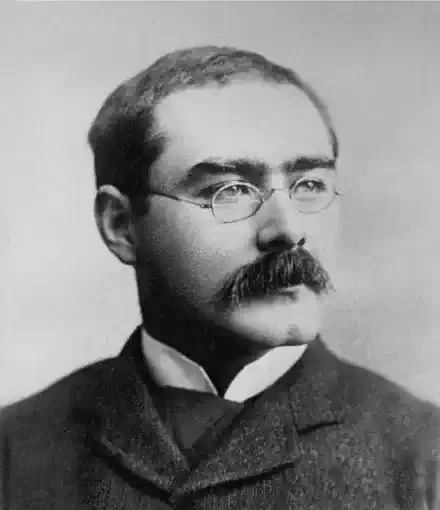
Rudyard Kipling
The Ballad of Fisher's Boarding-House
The Ballad of Fisher's Boarding-House
That night, when through the mooring-chains
The wide-eyed corpse rolled free,
To blunder down by Garden Reach
And rot at Kedgeree,
The tale the Hughli told the shoal
The lean shoal told to me.
'T was Fultah Fisher's boarding-house,
Where sailor-men reside,
And there were men of all the ports
From Mississip to Clyde,
And regally they spat and smoked,
And fearsomely they lied.
They lied about the purple Sea
That gave them scanty bread,
They lied about the Earth beneath,
The Heavens overhead,
For they had looked too often on
Black rum when that was red.
They told their tales of wreck and wrong,
Of shame and lust and fraud,
They backed their toughest statements with
The Brimstone of the Lord,
And crackling oaths went to and fro
Across the fist-banged board.
And there was Hans the blue-eyed Dane,
Bull-throated, bare of arm,
Who carried on his hairy chest
The maid Ultruda's charm --
The little silver crucifix
That keeps a man from harm.
And there was Jake Withouth-the-Ears,
And Pamba the Malay,
And Carboy Gin the Guinea cook,
And Luz from Vigo Bay,
And Honest Jack who sold them slops
And harvested their pay.
And there was Salem Hardieker,
A lean Bostonian he --
Russ, German, English, Halfbreed, Finn,
Yank, Dane, and Portuguee,
At Fultah Fisher's boarding-house
The rested from the sea.
Now Anne of Austria shared their drinks,
Collinga knew her fame,
From Tarnau in Galicia
To Juan Bazaar she came,
To eat the bread of infamy
And take the wage of shame.
She held a dozen men to heel --
Rich spoil of war was hers,
In hose and gown and ring and chain,
From twenty mariners,
And, by Port Law, that week, men called
her Salem Hardieker's.
But seamen learnt -- what landsmen know --
That neither gifts nor gain
Can hold a winking Light o' Love
Or Fancy's flight restrain,
When Anne of Austria rolled her eyes
On Hans the blue-eyed Dane.
Since Life is strife, and strife means knife,
From Howrah to the Bay,
And he may die before the dawn
Who liquored out the day,
In Fultah Fisher's boarding-house
We woo while yet we may.
But cold was Hans the blue-eyed Dane,
Bull-throated, bare of arm,
And laughter shook the chest beneath
The maid Ultruda's charm --
The little silver crucifix
That keeps a man from harm.
"You speak to Salem Hardieker;
"You was his girl, I know.
"I ship mineselfs to-morrow, see,
"Und round the Skaw we go,
"South, down the Cattegat, by Hjelm,
"To Besser in Saro."
When love rejected turns to hate,
All ill betide the man.
"You speak to Salem Hardieker" --
She spoke as woman can.
A scream -- a sob -- "He called me -- names!"
And then the fray began.
An oath from Salem Hardieker,
A shriek upon the stairs,
A dance of shadows on the wall,
A knife-thrust unawares --
And Hans came down, as cattle drop,
Across the broken chairs.
. . . . . .
In Anne of Austria's trembling hands
The weary head fell low: --
"I ship mineselfs to-morrow, straight
"For Besser in Saro;
"Und there Ultruda comes to me
"At Easter, und I go
"South, down the Cattegat -- What's here?
"There -- are -- no -- lights -- to guide!"
The mutter ceased, the spirit passed,
And Anne of Austria cried
In Fultah Fisher's boarding-house
When Hans the mighty died.
Thus slew they Hans the blue-eyed Dane,
Bull-throated, bare of arm,
But Anne of Austria looted first
The maid Ultruda's charm --
The little silver crucifix
That keeps a man from harm.
That night, when through the mooring-chains
The wide-eyed corpse rolled free,
To blunder down by Garden Reach
And rot at Kedgeree,
The tale the Hughli told the shoal
The lean shoal told to me.
'T was Fultah Fisher's boarding-house,
Where sailor-men reside,
And there were men of all the ports
From Mississip to Clyde,
And regally they spat and smoked,
And fearsomely they lied.
They lied about the purple Sea
That gave them scanty bread,
They lied about the Earth beneath,
The Heavens overhead,
For they had looked too often on
Black rum when that was red.
They told their tales of wreck and wrong,
Of shame and lust and fraud,
They backed their toughest statements with
The Brimstone of the Lord,
And crackling oaths went to and fro
Across the fist-banged board.
And there was Hans the blue-eyed Dane,
Bull-throated, bare of arm,
Who carried on his hairy chest
The maid Ultruda's charm --
The little silver crucifix
That keeps a man from harm.
And there was Jake Withouth-the-Ears,
And Pamba the Malay,
And Carboy Gin the Guinea cook,
And Luz from Vigo Bay,
And Honest Jack who sold them slops
And harvested their pay.
And there was Salem Hardieker,
A lean Bostonian he --
Russ, German, English, Halfbreed, Finn,
Yank, Dane, and Portuguee,
At Fultah Fisher's boarding-house
The rested from the sea.
Now Anne of Austria shared their drinks,
Collinga knew her fame,
From Tarnau in Galicia
To Juan Bazaar she came,
To eat the bread of infamy
And take the wage of shame.
She held a dozen men to heel --
Rich spoil of war was hers,
In hose and gown and ring and chain,
From twenty mariners,
And, by Port Law, that week, men called
her Salem Hardieker's.
But seamen learnt -- what landsmen know --
That neither gifts nor gain
Can hold a winking Light o' Love
Or Fancy's flight restrain,
When Anne of Austria rolled her eyes
On Hans the blue-eyed Dane.
Since Life is strife, and strife means knife,
From Howrah to the Bay,
And he may die before the dawn
Who liquored out the day,
In Fultah Fisher's boarding-house
We woo while yet we may.
But cold was Hans the blue-eyed Dane,
Bull-throated, bare of arm,
And laughter shook the chest beneath
The maid Ultruda's charm --
The little silver crucifix
That keeps a man from harm.
"You speak to Salem Hardieker;
"You was his girl, I know.
"I ship mineselfs to-morrow, see,
"Und round the Skaw we go,
"South, down the Cattegat, by Hjelm,
"To Besser in Saro."
When love rejected turns to hate,
All ill betide the man.
"You speak to Salem Hardieker" --
She spoke as woman can.
A scream -- a sob -- "He called me -- names!"
And then the fray began.
An oath from Salem Hardieker,
A shriek upon the stairs,
A dance of shadows on the wall,
A knife-thrust unawares --
And Hans came down, as cattle drop,
Across the broken chairs.
. . . . . .
In Anne of Austria's trembling hands
The weary head fell low: --
"I ship mineselfs to-morrow, straight
"For Besser in Saro;
"Und there Ultruda comes to me
"At Easter, und I go
"South, down the Cattegat -- What's here?
"There -- are -- no -- lights -- to guide!"
The mutter ceased, the spirit passed,
And Anne of Austria cried
In Fultah Fisher's boarding-house
When Hans the mighty died.
Thus slew they Hans the blue-eyed Dane,
Bull-throated, bare of arm,
But Anne of Austria looted first
The maid Ultruda's charm --
The little silver crucifix
That keeps a man from harm.
337
Rudyard Kipling
Tarrant Moss
Tarrant Moss
I closed and drew for my love's sake
That now is false to me,
And I slew the Reiver of Tarrant Moss
And set Dumeny free.
They have gone down, they have gone down,
They are standing all arow -
Twenty knights in the peat-water,
That never struck a blow!
Their armour shall not dull nor rust,
Their flesh shall not decay,
For Tarrant Moss holds them in trust,
Until the Judgment Day.
Their soul went from them in their youth,
Ah God, that mine had gone,
Whenas I leaned on my love's truth
And not on my sword alone!
Whenas I leaned on lad's belief
And not on my naked blade -
And I slew a thief, and an honest thief,
For the sake of a worthless maid.
They have laid the Reiver low in his place,
They have set me up on high,
But the twenty knights in the peat-water
Are luckier than I!
And ever they give me gold and praise
And ever I mourn my loss -
For I struck the blow for my false love's sake
And not for the Men of the Moss!
I closed and drew for my love's sake
That now is false to me,
And I slew the Reiver of Tarrant Moss
And set Dumeny free.
They have gone down, they have gone down,
They are standing all arow -
Twenty knights in the peat-water,
That never struck a blow!
Their armour shall not dull nor rust,
Their flesh shall not decay,
For Tarrant Moss holds them in trust,
Until the Judgment Day.
Their soul went from them in their youth,
Ah God, that mine had gone,
Whenas I leaned on my love's truth
And not on my sword alone!
Whenas I leaned on lad's belief
And not on my naked blade -
And I slew a thief, and an honest thief,
For the sake of a worthless maid.
They have laid the Reiver low in his place,
They have set me up on high,
But the twenty knights in the peat-water
Are luckier than I!
And ever they give me gold and praise
And ever I mourn my loss -
For I struck the blow for my false love's sake
And not for the Men of the Moss!
478
Rudyard Kipling
Song of the Fifth River
Song of the Fifth River
Where first by Eden Tree
The Four Great Rivers ran,
To each was appointed a Man
Her Prince and Ruler to be.
But after this was ordained
(The ancient legends' tell),
There came dark Israel,
For whom no River remained.
Then He Whom the Rivers obey
Said to him: "Fling on the ground
A handful of yellow clay,
And a Fifth Great River shall run,
Mightier than these Four,
In secret the Earth around;
And Her secret evermore,
Shall be shown to thee and thy Race."
So it was said and done.
And, deep in the veins of Earth,
And, fed by a thousand springs
That comfort the market-place,
Or sap the power of King,
The Fifth Great River had birth,
Even as it was foretold--
The Secret River of Gold!
And Israel laid down
His sceptre and his crown,
To brood on that River bank
Where the waters flashed and sank
And burrowed in earth and fell
And bided a season below,
For reason that none might know,
Save only Israel
He is Lord of the Last--
The Fifth, most wonderful, Flood.
He hears Her thunder past
And Her Song is in his blood.
He can foresay: "She will fall,"
For he knows which fountain dries
Behind which desert-belt
A thousand leagues to the South.
He can foresay: "She will rise."
He knows what far snows melt
Along what mountain-wall
A thousand leagues to the North,
He snuffs the coming drouth
As he snuffs the coming rain,
He knows what each will bring forth,
And turns it to his gain.
A Ruler without a Throne,
A Prince without a Sword,
Israel follows his quest.
In every land a guest,
Of many lands a lord,
In no land King is he.
But the Fifth Great River keeps
The secret of Her deeps
For Israel alone,
As it was ordered to be.
Where first by Eden Tree
The Four Great Rivers ran,
To each was appointed a Man
Her Prince and Ruler to be.
But after this was ordained
(The ancient legends' tell),
There came dark Israel,
For whom no River remained.
Then He Whom the Rivers obey
Said to him: "Fling on the ground
A handful of yellow clay,
And a Fifth Great River shall run,
Mightier than these Four,
In secret the Earth around;
And Her secret evermore,
Shall be shown to thee and thy Race."
So it was said and done.
And, deep in the veins of Earth,
And, fed by a thousand springs
That comfort the market-place,
Or sap the power of King,
The Fifth Great River had birth,
Even as it was foretold--
The Secret River of Gold!
And Israel laid down
His sceptre and his crown,
To brood on that River bank
Where the waters flashed and sank
And burrowed in earth and fell
And bided a season below,
For reason that none might know,
Save only Israel
He is Lord of the Last--
The Fifth, most wonderful, Flood.
He hears Her thunder past
And Her Song is in his blood.
He can foresay: "She will fall,"
For he knows which fountain dries
Behind which desert-belt
A thousand leagues to the South.
He can foresay: "She will rise."
He knows what far snows melt
Along what mountain-wall
A thousand leagues to the North,
He snuffs the coming drouth
As he snuffs the coming rain,
He knows what each will bring forth,
And turns it to his gain.
A Ruler without a Throne,
A Prince without a Sword,
Israel follows his quest.
In every land a guest,
Of many lands a lord,
In no land King is he.
But the Fifth Great River keeps
The secret of Her deeps
For Israel alone,
As it was ordered to be.
558
Rudyard Kipling
Soldier, Soldier
Soldier, Soldier
"Soldier, soldier come from the wars,
Why don't you march with my true love?"
"We're fresh from off the ship an' 'e's maybe give the slip,
An' you'd best go look for a new love."
New love! True love!
Best go look for a new love,
The dead they cannot rise, an' you'd better dry your eyes,
An' you'd best go look for a new love.
"Soldier, soldier come from the wars,
What did you see o' my true love?"
"I seed 'im serve the Queen in a suit o' rifle-green,
An' you'd best go look for a new love."
"Soldier, soldier come from the wars,
Did ye see no more o' my true love?"
"I seed 'im runnin' by when the shots begun to fly --
But you'd best go look for a new love."
"Soldier, soldier come from the wars,
Did aught take 'arm to my true love?"
"I couldn't see the fight, for the smoke it lay so white --
An' you'd best go look for a new love."
"Soldier, soldier come from the wars,
I'll up an' tend to my true love!"
"'E's lying on the dead with a bullet through 'is 'ead,
An' you'd best go look for a new love."
"Soldier, soldier come from the wars,
I'll down an' die with my true love!"
"The pit we dug'll 'ide 'im an' the twenty men beside 'im --
An' you'd best go look for a new love."
"Soldier, soldier come from the wars,
Do you bring no sign from my true love?"
"I bring a lock of 'air that 'e allus used to wear,
An' you'd best go look for a new love."
"Soldier, soldier come from the wars,
O then I know it's true I've lost my true love!"
"An' I tell you truth again -- when you've lost the feel o' pain
You'd best take me for your true love."
True love! New love!
Best take 'im for a new love,
The dead they cannot rise, an' you'd better dry your eyes,
An' you'd best take 'im for your true love.
"Soldier, soldier come from the wars,
Why don't you march with my true love?"
"We're fresh from off the ship an' 'e's maybe give the slip,
An' you'd best go look for a new love."
New love! True love!
Best go look for a new love,
The dead they cannot rise, an' you'd better dry your eyes,
An' you'd best go look for a new love.
"Soldier, soldier come from the wars,
What did you see o' my true love?"
"I seed 'im serve the Queen in a suit o' rifle-green,
An' you'd best go look for a new love."
"Soldier, soldier come from the wars,
Did ye see no more o' my true love?"
"I seed 'im runnin' by when the shots begun to fly --
But you'd best go look for a new love."
"Soldier, soldier come from the wars,
Did aught take 'arm to my true love?"
"I couldn't see the fight, for the smoke it lay so white --
An' you'd best go look for a new love."
"Soldier, soldier come from the wars,
I'll up an' tend to my true love!"
"'E's lying on the dead with a bullet through 'is 'ead,
An' you'd best go look for a new love."
"Soldier, soldier come from the wars,
I'll down an' die with my true love!"
"The pit we dug'll 'ide 'im an' the twenty men beside 'im --
An' you'd best go look for a new love."
"Soldier, soldier come from the wars,
Do you bring no sign from my true love?"
"I bring a lock of 'air that 'e allus used to wear,
An' you'd best go look for a new love."
"Soldier, soldier come from the wars,
O then I know it's true I've lost my true love!"
"An' I tell you truth again -- when you've lost the feel o' pain
You'd best take me for your true love."
True love! New love!
Best take 'im for a new love,
The dead they cannot rise, an' you'd better dry your eyes,
An' you'd best take 'im for your true love.
462
Rudyard Kipling
Sea-Wife
Sea-Wife
There dwells a wife by the Northern Gate,
And a wealthy wife is she;
She breeds a breed o' rovin' men
And casts them over sea.
And some are drowned in deep water,
And some in sight o' shore,
And word goes back to the weary wife
And ever she sends more.
For since that wife had gate or gear,
Or hearth or garth or bield,
She willed her sons to the white harvest,
And that is a bitter yield.
She wills her sons to the wet ploughing,
To ride the horse of tree,
And syne her sons come back again
Far-spent from out the sea.
The good wife's sons come home again
With little into their hands,
But the lore of men that ha' dealt with men
In the new and naked lands;
But the faith of men that ha' brothered men
By more than easy breath,
And the eyes o' men that ha' read wi' men
In the open books of death.
Rich are they, rich in wonders seen,
But poor in the goods o' men;
So what they ha' got by the skin o' their teeth
They sell for their teeth again.
For whether they lose to the naked life
Or win to their hearts' desire,
They tell it all to the weary wife
That nods beside the fire.
Her hearth is wide to every wind
That makes the white ash spin;
And tide and tide and 'tween the tides
Her sons go out and in;
(Out with great mirth that do desire
Hazard of trackless ways,
In with content to wait their watch
And warm before the blaze);
And some return by failing light,
And some in waking dream,
For she hears the heels of the dripping ghosts
That ride the rough roof-beam.
Home, they come home from all the ports,
The living and the dead;
The good wife's sons come home again
For her blessing on their head!
There dwells a wife by the Northern Gate,
And a wealthy wife is she;
She breeds a breed o' rovin' men
And casts them over sea.
And some are drowned in deep water,
And some in sight o' shore,
And word goes back to the weary wife
And ever she sends more.
For since that wife had gate or gear,
Or hearth or garth or bield,
She willed her sons to the white harvest,
And that is a bitter yield.
She wills her sons to the wet ploughing,
To ride the horse of tree,
And syne her sons come back again
Far-spent from out the sea.
The good wife's sons come home again
With little into their hands,
But the lore of men that ha' dealt with men
In the new and naked lands;
But the faith of men that ha' brothered men
By more than easy breath,
And the eyes o' men that ha' read wi' men
In the open books of death.
Rich are they, rich in wonders seen,
But poor in the goods o' men;
So what they ha' got by the skin o' their teeth
They sell for their teeth again.
For whether they lose to the naked life
Or win to their hearts' desire,
They tell it all to the weary wife
That nods beside the fire.
Her hearth is wide to every wind
That makes the white ash spin;
And tide and tide and 'tween the tides
Her sons go out and in;
(Out with great mirth that do desire
Hazard of trackless ways,
In with content to wait their watch
And warm before the blaze);
And some return by failing light,
And some in waking dream,
For she hears the heels of the dripping ghosts
That ride the rough roof-beam.
Home, they come home from all the ports,
The living and the dead;
The good wife's sons come home again
For her blessing on their head!
476
Rudyard Kipling
Rimmon
Rimmon
-- After Boer War
Duly with knees that feign to quake--
Bent head and shaded brow,--
Yet once again, for my father's sake,
In Rimmon's House I bow.
The curtains part, the trumpet blares,
And the eunuchs howl aloud;
And the gilt, swag-bellied idol glares
Insolent over the crowd.
"This is Rimmon, Lord of the Earth--
"Fear Him and bow the knee!"
And I watch my comrades hide their mirth
That rode to the wars with me.
For we remember the sun and the sand
And the rocks whereon we trod,
Ere we came to a scorched and a scornful land
That did not know our God;
As we remember the sacrifice,
Dead men an hundred laid--
Slain while they served His mysteries,
And that He would not aid--
Not though we gashed ourselves and wept,
For the high-priest bade us wait;
Saying He went on a journey or slept,
Or was drunk or had taken a mate.
(Praise ye Rimmon, King of Kings,
Who ruleth Earth and Sky!
And again I bow as the censer swings
And the God Enthroned goes by.)
Ay, we remember His sacred ark
And the virtuous men that knelt
To the dark and the hush behind the dark
Wherein we dreamed He dwelt;
Until we entered to hale Him out
And found no more than an old
Uncleanly image girded about
The loins with scarlet and gold.
Him we o'erset with the butts of our spears--
Him and his vast designs--
To be scorn of our muleteers
And the jest of our halted line.
By the picket-pins that the dogs defile,
In the dung and the dust He lay,
Till the priests ran and chattered awhile
And we wiped Him and took Him away.
Hushing the matter before it was known,
They returned to our fathers afar,
And hastily set Him afresh on His throne
Because he had won us the war.
Wherefore with knees that feign to quake--
Bent head and shaded brow--
To this dog, for my father's sake,
In the Rimmon's House I bow!
-- After Boer War
Duly with knees that feign to quake--
Bent head and shaded brow,--
Yet once again, for my father's sake,
In Rimmon's House I bow.
The curtains part, the trumpet blares,
And the eunuchs howl aloud;
And the gilt, swag-bellied idol glares
Insolent over the crowd.
"This is Rimmon, Lord of the Earth--
"Fear Him and bow the knee!"
And I watch my comrades hide their mirth
That rode to the wars with me.
For we remember the sun and the sand
And the rocks whereon we trod,
Ere we came to a scorched and a scornful land
That did not know our God;
As we remember the sacrifice,
Dead men an hundred laid--
Slain while they served His mysteries,
And that He would not aid--
Not though we gashed ourselves and wept,
For the high-priest bade us wait;
Saying He went on a journey or slept,
Or was drunk or had taken a mate.
(Praise ye Rimmon, King of Kings,
Who ruleth Earth and Sky!
And again I bow as the censer swings
And the God Enthroned goes by.)
Ay, we remember His sacred ark
And the virtuous men that knelt
To the dark and the hush behind the dark
Wherein we dreamed He dwelt;
Until we entered to hale Him out
And found no more than an old
Uncleanly image girded about
The loins with scarlet and gold.
Him we o'erset with the butts of our spears--
Him and his vast designs--
To be scorn of our muleteers
And the jest of our halted line.
By the picket-pins that the dogs defile,
In the dung and the dust He lay,
Till the priests ran and chattered awhile
And we wiped Him and took Him away.
Hushing the matter before it was known,
They returned to our fathers afar,
And hastily set Him afresh on His throne
Because he had won us the war.
Wherefore with knees that feign to quake--
Bent head and shaded brow--
To this dog, for my father's sake,
In the Rimmon's House I bow!
475
Rudyard Kipling
Pink Dominoes
Pink Dominoes
"They are fools who kiss and tell" --
Wisely has the poet sung.
Man may hold all sorts of posts
If he'll only hold his tongue.
Jenny and Me were engaged, you see,
On the eve of the Fancy Ball;
So a kiss or two was nothing to you
Or any one else at all.
Menny would go in a domino --
Pretty and pink but warm;
While I attended, clad in a splendid
Austrian uniform.
Now we had arranged, through notes exchanged
Early that afternoon,
At Number Four to waltz no more,
But to sit in the dusk and spoon.
I wish you to see that Jenny and Me
Had barely exchanged our troth;
So a kiss or two was strictly due
By, from, and between us both.
When Three was over, an eager lover,
I fled to the gloom outside;
And a Domino came out also
Whom I took for my future bride.
That is to say, in a casual way,
I slipped my arm around her;
With a kiss or two (which is nothing to you),
And ready to kiss I found her.
She turned her head and the name she said
Was certainly not my own;
But ere I could speak, with a smothered shriek
She fled and left me alone.
Then Jenny came, and I saw with shame
She'd doffed her domino;
And I had embraced an alien waist --
But I did not tell her so.
Next morn I knew that there were two
Dominoes pink, and one
Had cloaked the spouse of Sir Julian Vouse,
Our big Political gun.
Sir J. was old, and her hair was gold,
And her eye was a blue cerulean;
And the name she said when she turned her head
Was not in the least like "Julian."
"They are fools who kiss and tell" --
Wisely has the poet sung.
Man may hold all sorts of posts
If he'll only hold his tongue.
Jenny and Me were engaged, you see,
On the eve of the Fancy Ball;
So a kiss or two was nothing to you
Or any one else at all.
Menny would go in a domino --
Pretty and pink but warm;
While I attended, clad in a splendid
Austrian uniform.
Now we had arranged, through notes exchanged
Early that afternoon,
At Number Four to waltz no more,
But to sit in the dusk and spoon.
I wish you to see that Jenny and Me
Had barely exchanged our troth;
So a kiss or two was strictly due
By, from, and between us both.
When Three was over, an eager lover,
I fled to the gloom outside;
And a Domino came out also
Whom I took for my future bride.
That is to say, in a casual way,
I slipped my arm around her;
With a kiss or two (which is nothing to you),
And ready to kiss I found her.
She turned her head and the name she said
Was certainly not my own;
But ere I could speak, with a smothered shriek
She fled and left me alone.
Then Jenny came, and I saw with shame
She'd doffed her domino;
And I had embraced an alien waist --
But I did not tell her so.
Next morn I knew that there were two
Dominoes pink, and one
Had cloaked the spouse of Sir Julian Vouse,
Our big Political gun.
Sir J. was old, and her hair was gold,
And her eye was a blue cerulean;
And the name she said when she turned her head
Was not in the least like "Julian."
495
Rudyard Kipling
Pink Dominoes
Pink Dominoes
"They are fools who kiss and tell" --
Wisely has the poet sung.
Man may hold all sorts of posts
If he'll only hold his tongue.
Jenny and Me were engaged, you see,
On the eve of the Fancy Ball;
So a kiss or two was nothing to you
Or any one else at all.
Menny would go in a domino --
Pretty and pink but warm;
While I attended, clad in a splendid
Austrian uniform.
Now we had arranged, through notes exchanged
Early that afternoon,
At Number Four to waltz no more,
But to sit in the dusk and spoon.
I wish you to see that Jenny and Me
Had barely exchanged our troth;
So a kiss or two was strictly due
By, from, and between us both.
When Three was over, an eager lover,
I fled to the gloom outside;
And a Domino came out also
Whom I took for my future bride.
That is to say, in a casual way,
I slipped my arm around her;
With a kiss or two (which is nothing to you),
And ready to kiss I found her.
She turned her head and the name she said
Was certainly not my own;
But ere I could speak, with a smothered shriek
She fled and left me alone.
Then Jenny came, and I saw with shame
She'd doffed her domino;
And I had embraced an alien waist --
But I did not tell her so.
Next morn I knew that there were two
Dominoes pink, and one
Had cloaked the spouse of Sir Julian Vouse,
Our big Political gun.
Sir J. was old, and her hair was gold,
And her eye was a blue cerulean;
And the name she said when she turned her head
Was not in the least like "Julian."
"They are fools who kiss and tell" --
Wisely has the poet sung.
Man may hold all sorts of posts
If he'll only hold his tongue.
Jenny and Me were engaged, you see,
On the eve of the Fancy Ball;
So a kiss or two was nothing to you
Or any one else at all.
Menny would go in a domino --
Pretty and pink but warm;
While I attended, clad in a splendid
Austrian uniform.
Now we had arranged, through notes exchanged
Early that afternoon,
At Number Four to waltz no more,
But to sit in the dusk and spoon.
I wish you to see that Jenny and Me
Had barely exchanged our troth;
So a kiss or two was strictly due
By, from, and between us both.
When Three was over, an eager lover,
I fled to the gloom outside;
And a Domino came out also
Whom I took for my future bride.
That is to say, in a casual way,
I slipped my arm around her;
With a kiss or two (which is nothing to you),
And ready to kiss I found her.
She turned her head and the name she said
Was certainly not my own;
But ere I could speak, with a smothered shriek
She fled and left me alone.
Then Jenny came, and I saw with shame
She'd doffed her domino;
And I had embraced an alien waist --
But I did not tell her so.
Next morn I knew that there were two
Dominoes pink, and one
Had cloaked the spouse of Sir Julian Vouse,
Our big Political gun.
Sir J. was old, and her hair was gold,
And her eye was a blue cerulean;
And the name she said when she turned her head
Was not in the least like "Julian."
495
Rudyard Kipling
Our Fathers Also
Our Fathers Also
Thrones, Powers, Dominions, Peoples, Kings,
Are changing 'neath our hand.
Our fathers also see these things
But they do not understand.
By--they are by with mirth and tears,
Wit or the works of Desire-
Cushioned about on the kindly years
Between the wall and the fire.
The grapes are pressed, the corn is shocked--
Standeth no more to glean;
For the Gates of Love and Learning locked
When they went out between.
All lore our Lady Venus bares,
Signalled it was or told
By the dear lips long given to theirs
And longer to the mould.
All Profit, all Device, all Truth,
Written it was or said
By the mighty men of their mighty youth,
Which is mighty being dead.
The film that floats before their eyes
The Temple's Veil they call;
And the dust that on the Shewbread lies
Is holy over all.
Warn them of seas that slip our yoke,
Of slow-conspiring stars-
The ancient Front of Things unbroke
But heavy with new wars?
By--they are by with mirth and tears,
Wit or the waste of Desire-
Cushioned about on the kindly years
Between the wall and the fire!
Thrones, Powers, Dominions, Peoples, Kings,
Are changing 'neath our hand.
Our fathers also see these things
But they do not understand.
By--they are by with mirth and tears,
Wit or the works of Desire-
Cushioned about on the kindly years
Between the wall and the fire.
The grapes are pressed, the corn is shocked--
Standeth no more to glean;
For the Gates of Love and Learning locked
When they went out between.
All lore our Lady Venus bares,
Signalled it was or told
By the dear lips long given to theirs
And longer to the mould.
All Profit, all Device, all Truth,
Written it was or said
By the mighty men of their mighty youth,
Which is mighty being dead.
The film that floats before their eyes
The Temple's Veil they call;
And the dust that on the Shewbread lies
Is holy over all.
Warn them of seas that slip our yoke,
Of slow-conspiring stars-
The ancient Front of Things unbroke
But heavy with new wars?
By--they are by with mirth and tears,
Wit or the waste of Desire-
Cushioned about on the kindly years
Between the wall and the fire!
467
Rudyard Kipling
My Rival
My Rival
I go to concert, party, ball --
What profit is in these?
I sit alone against the wall
And strive to look at ease.
The incense that is mine by right
They burn before her shrine;
And that's because I'm seventeen
And She is forty-nine.
I cannot check my girlish blush,
My color comes and goes;
I redden to my finger-tips,
And sometimes to my nose.
But She is white where white should be,
And red where red should shine.
The blush that flies at seventeen
Is fixed at forty-nine.
I wish I had Her constant cheek;
I wish that I could sing
All sorts of funny little songs,
Not quite the proper thing.
I'm very gauche and very shy,
Her jokes aren't in my line;
And, worst of all, I'm seventeen
While She is forty-nine.
The young men come, the young men go
Each pink and white and neat,
She's older than their mothers, but
They grovel at Her feet.
They walk beside Her 'rickshaw wheels --
None ever walk by mine;
And that's because I'm seventeen
And She is foty-nine.
She rides with half a dozen men,
(She calls them "boys" and "mashers")
I trot along the Mall alone;
My prettiest frocks and sashes
Don't help to fill my programme-card,
And vainly I repine
From ten to two A.M. Ah me!
Would I were forty-nine!
She calls me "darling," "pet," and "dear,"
And "sweet retiring maid."
I'm always at the back, I know,
She puts me in the shade.
She introduces me to men,
"Cast" lovers, I opine,
For sixty takes to seventeen,
Nineteen to foty-nine.
But even She must older grow
And end Her dancing days,
She can't go on forever so
At concerts, balls and plays.
One ray of priceless hope I see
Before my footsteps shine;
Just think, that She'll be eighty-one
When I am forty-nine.
I go to concert, party, ball --
What profit is in these?
I sit alone against the wall
And strive to look at ease.
The incense that is mine by right
They burn before her shrine;
And that's because I'm seventeen
And She is forty-nine.
I cannot check my girlish blush,
My color comes and goes;
I redden to my finger-tips,
And sometimes to my nose.
But She is white where white should be,
And red where red should shine.
The blush that flies at seventeen
Is fixed at forty-nine.
I wish I had Her constant cheek;
I wish that I could sing
All sorts of funny little songs,
Not quite the proper thing.
I'm very gauche and very shy,
Her jokes aren't in my line;
And, worst of all, I'm seventeen
While She is forty-nine.
The young men come, the young men go
Each pink and white and neat,
She's older than their mothers, but
They grovel at Her feet.
They walk beside Her 'rickshaw wheels --
None ever walk by mine;
And that's because I'm seventeen
And She is foty-nine.
She rides with half a dozen men,
(She calls them "boys" and "mashers")
I trot along the Mall alone;
My prettiest frocks and sashes
Don't help to fill my programme-card,
And vainly I repine
From ten to two A.M. Ah me!
Would I were forty-nine!
She calls me "darling," "pet," and "dear,"
And "sweet retiring maid."
I'm always at the back, I know,
She puts me in the shade.
She introduces me to men,
"Cast" lovers, I opine,
For sixty takes to seventeen,
Nineteen to foty-nine.
But even She must older grow
And end Her dancing days,
She can't go on forever so
At concerts, balls and plays.
One ray of priceless hope I see
Before my footsteps shine;
Just think, that She'll be eighty-one
When I am forty-nine.
454
Rudyard Kipling
My Lady's Law
My Lady's Law
The Law whereby my lady moves
Was never Law to me,
But 'tis enough that she approves
Whatever Law it be.
For in that Law, and by that Law
My constant course I'll steer;
Not that I heed or deem it dread,
But that she holds it dear.
Tho' Asia sent for my content
Her richest argosies,
Those would I spurn, and bid return,
If that should give her ease.
With equal heart I'd watch depart
Each spiced sail from sight;
Sans bitterness, desiring less
Great gear than her delight.
Though Kings made swift with many a gift
My proven sword to hire--
I would not go nor serve 'em so--
Except at her desire.
With even mind, I'd put behind
Adventure and acclaim,
And clean give o'er, esteeming more
Her favour than my fame.
Yet such am I, yea, such am I--
Sore bond and freest free,
The Law that sways my lady's ways
Is mystery to me!
The Law whereby my lady moves
Was never Law to me,
But 'tis enough that she approves
Whatever Law it be.
For in that Law, and by that Law
My constant course I'll steer;
Not that I heed or deem it dread,
But that she holds it dear.
Tho' Asia sent for my content
Her richest argosies,
Those would I spurn, and bid return,
If that should give her ease.
With equal heart I'd watch depart
Each spiced sail from sight;
Sans bitterness, desiring less
Great gear than her delight.
Though Kings made swift with many a gift
My proven sword to hire--
I would not go nor serve 'em so--
Except at her desire.
With even mind, I'd put behind
Adventure and acclaim,
And clean give o'er, esteeming more
Her favour than my fame.
Yet such am I, yea, such am I--
Sore bond and freest free,
The Law that sways my lady's ways
Is mystery to me!
408
Rudyard Kipling
My Boy Jack
My Boy Jack
-
'Have you news of my boy Jack?'
Not this tide.
'When d'you think that he'll come back?'
Not with this wind blowing, and this tide.
'Has anyone else had word of him?'
Not this tide.
For what is sunk will hardly swim,
Not with this wind blowing and this tide.
'Oh, dear, what comfort can I find?'
None this tide,
Nor any tide,
Except he did not shame his kind-
Not even with that wind blowing, and that tide.
Then hold your head up all the more,
This tide,
And every tide;
Because he was the son you bore,
And gave to that wind blowing and that tide!
-
'Have you news of my boy Jack?'
Not this tide.
'When d'you think that he'll come back?'
Not with this wind blowing, and this tide.
'Has anyone else had word of him?'
Not this tide.
For what is sunk will hardly swim,
Not with this wind blowing and this tide.
'Oh, dear, what comfort can I find?'
None this tide,
Nor any tide,
Except he did not shame his kind-
Not even with that wind blowing, and that tide.
Then hold your head up all the more,
This tide,
And every tide;
Because he was the son you bore,
And gave to that wind blowing and that tide!
465
Rudyard Kipling
Mother o' Mine
Mother o' Mine
If I were hanged on the highest hill,
Mother o' mine, O mother o' mine!
I know whose love would follow me still,
Mother o' mine, O mother o' mine!
If I were drowned in the deepest sea,
Mother o' mine, O mother o' mine!
I know whose tears would come down to me,
Mother o' mine, O mother o' mine!
If I were damned of body and soul,
I know whose prayers would make me whole,
Mother o' mine, O mother o' mine!
If I were hanged on the highest hill,
Mother o' mine, O mother o' mine!
I know whose love would follow me still,
Mother o' mine, O mother o' mine!
If I were drowned in the deepest sea,
Mother o' mine, O mother o' mine!
I know whose tears would come down to me,
Mother o' mine, O mother o' mine!
If I were damned of body and soul,
I know whose prayers would make me whole,
Mother o' mine, O mother o' mine!
517
Rudyard Kipling
Mary, Pity Women!
Mary, Pity Women!
You call yourself a man,
For all you used to swear,
An' leave me, as you can,
My certain shame to bear?
I 'ear! You do not care --
You done the worst you know.
I 'ate you, grinnin' there. . . .
Ah, Gawd, I love you so!
Nice while it lasted, an' now it is over --
Tear out your 'eart an' good-bye to your lover!
What's the use o' grievin', when the mother that bore you
(Mary, pity women!) knew it all before you?
It aren't no false alarm,
The finish to your fun;
You -- you 'ave brung the 'arm,
An' I'm the ruined one;
An' now you'll off an' run
With some new fool in tow.
Your 'eart? You 'aven't none. . . .
Ah, Gawd, I love you so!
When a man is tired there is naught will bind 'im;
All 'e solemn promised 'e will shove be'ind 'im.
What's the good o' prayin' for The Wrath to strike 'im
(Mary, pity women!), when the rest are like 'im?
What 'ope for me or -- it?
What's left for us to do?
I've walked with men a bit,
But this -- but this is you.
So 'elp me Christ, it's true!
Where can I 'ide or go?
You coward through and through! . . .
Ah, Gawd, I love you so!
All the more you give 'em the less are they for givin' --
Love lies dead, an' you cannot kiss 'im livin'.
Down the road 'e led you there is no returnin'
(Mary, pity women!), but you're late in learnin'!
You'd like to treat me fair?
You can't, because we're pore?
We'd starve? What do I care!
We might, but ~this~ is shore!
I want the name -- no more --
The name, an' lines to show,
An' not to be an 'ore. . . .
Ah, Gawd, I love you so!
What's the good o' pleadin', when the mother that bore you
(Mary, pity women!) knew it all before you?
Sleep on 'is promises an' wake to your sorrow
(Mary, pity women!), for we sail to-morrow!
You call yourself a man,
For all you used to swear,
An' leave me, as you can,
My certain shame to bear?
I 'ear! You do not care --
You done the worst you know.
I 'ate you, grinnin' there. . . .
Ah, Gawd, I love you so!
Nice while it lasted, an' now it is over --
Tear out your 'eart an' good-bye to your lover!
What's the use o' grievin', when the mother that bore you
(Mary, pity women!) knew it all before you?
It aren't no false alarm,
The finish to your fun;
You -- you 'ave brung the 'arm,
An' I'm the ruined one;
An' now you'll off an' run
With some new fool in tow.
Your 'eart? You 'aven't none. . . .
Ah, Gawd, I love you so!
When a man is tired there is naught will bind 'im;
All 'e solemn promised 'e will shove be'ind 'im.
What's the good o' prayin' for The Wrath to strike 'im
(Mary, pity women!), when the rest are like 'im?
What 'ope for me or -- it?
What's left for us to do?
I've walked with men a bit,
But this -- but this is you.
So 'elp me Christ, it's true!
Where can I 'ide or go?
You coward through and through! . . .
Ah, Gawd, I love you so!
All the more you give 'em the less are they for givin' --
Love lies dead, an' you cannot kiss 'im livin'.
Down the road 'e led you there is no returnin'
(Mary, pity women!), but you're late in learnin'!
You'd like to treat me fair?
You can't, because we're pore?
We'd starve? What do I care!
We might, but ~this~ is shore!
I want the name -- no more --
The name, an' lines to show,
An' not to be an 'ore. . . .
Ah, Gawd, I love you so!
What's the good o' pleadin', when the mother that bore you
(Mary, pity women!) knew it all before you?
Sleep on 'is promises an' wake to your sorrow
(Mary, pity women!), for we sail to-morrow!
465
Rudyard Kipling
Mary, Pity Women!
Mary, Pity Women!
You call yourself a man,
For all you used to swear,
An' leave me, as you can,
My certain shame to bear?
I 'ear! You do not care --
You done the worst you know.
I 'ate you, grinnin' there. . . .
Ah, Gawd, I love you so!
Nice while it lasted, an' now it is over --
Tear out your 'eart an' good-bye to your lover!
What's the use o' grievin', when the mother that bore you
(Mary, pity women!) knew it all before you?
It aren't no false alarm,
The finish to your fun;
You -- you 'ave brung the 'arm,
An' I'm the ruined one;
An' now you'll off an' run
With some new fool in tow.
Your 'eart? You 'aven't none. . . .
Ah, Gawd, I love you so!
When a man is tired there is naught will bind 'im;
All 'e solemn promised 'e will shove be'ind 'im.
What's the good o' prayin' for The Wrath to strike 'im
(Mary, pity women!), when the rest are like 'im?
What 'ope for me or -- it?
What's left for us to do?
I've walked with men a bit,
But this -- but this is you.
So 'elp me Christ, it's true!
Where can I 'ide or go?
You coward through and through! . . .
Ah, Gawd, I love you so!
All the more you give 'em the less are they for givin' --
Love lies dead, an' you cannot kiss 'im livin'.
Down the road 'e led you there is no returnin'
(Mary, pity women!), but you're late in learnin'!
You'd like to treat me fair?
You can't, because we're pore?
We'd starve? What do I care!
We might, but ~this~ is shore!
I want the name -- no more --
The name, an' lines to show,
An' not to be an 'ore. . . .
Ah, Gawd, I love you so!
What's the good o' pleadin', when the mother that bore you
(Mary, pity women!) knew it all before you?
Sleep on 'is promises an' wake to your sorrow
(Mary, pity women!), for we sail to-morrow!
You call yourself a man,
For all you used to swear,
An' leave me, as you can,
My certain shame to bear?
I 'ear! You do not care --
You done the worst you know.
I 'ate you, grinnin' there. . . .
Ah, Gawd, I love you so!
Nice while it lasted, an' now it is over --
Tear out your 'eart an' good-bye to your lover!
What's the use o' grievin', when the mother that bore you
(Mary, pity women!) knew it all before you?
It aren't no false alarm,
The finish to your fun;
You -- you 'ave brung the 'arm,
An' I'm the ruined one;
An' now you'll off an' run
With some new fool in tow.
Your 'eart? You 'aven't none. . . .
Ah, Gawd, I love you so!
When a man is tired there is naught will bind 'im;
All 'e solemn promised 'e will shove be'ind 'im.
What's the good o' prayin' for The Wrath to strike 'im
(Mary, pity women!), when the rest are like 'im?
What 'ope for me or -- it?
What's left for us to do?
I've walked with men a bit,
But this -- but this is you.
So 'elp me Christ, it's true!
Where can I 'ide or go?
You coward through and through! . . .
Ah, Gawd, I love you so!
All the more you give 'em the less are they for givin' --
Love lies dead, an' you cannot kiss 'im livin'.
Down the road 'e led you there is no returnin'
(Mary, pity women!), but you're late in learnin'!
You'd like to treat me fair?
You can't, because we're pore?
We'd starve? What do I care!
We might, but ~this~ is shore!
I want the name -- no more --
The name, an' lines to show,
An' not to be an 'ore. . . .
Ah, Gawd, I love you so!
What's the good o' pleadin', when the mother that bore you
(Mary, pity women!) knew it all before you?
Sleep on 'is promises an' wake to your sorrow
(Mary, pity women!), for we sail to-morrow!
465
Rudyard Kipling
Late Came the God
Late Came the God
Late came the God, having sent his forerunners who were
not regarded--
Late, but in wrath;
Saying: "The wrong shall be paid, the contempt be rewarded
On all that she hath."
He poisoned the blade and struck home, the full bosom receiving
The wound and the venom in one, past cure or relieving.
He made treaty with Time to stand still that the grief might
be fresh--
Daily renewed and nightly pursued through her soul to her
flesh--
Mornings of memory, noontides of agony, midnights unslaked
for her,
Till the stones of the streets of her Hells and her Paradise ached
for her.
So she lived while her body corrupted upon her.
And she called on the Night for a sign, and a Sign was allowed,
And she builded an Altar and served by the light of her Vision--
Alone, without hope of regard or reward, but uncowed,
Resolute, selfless, divine.
These things she did in Love's honour...
What is a God beside Woman? Dust and derision!
Late came the God, having sent his forerunners who were
not regarded--
Late, but in wrath;
Saying: "The wrong shall be paid, the contempt be rewarded
On all that she hath."
He poisoned the blade and struck home, the full bosom receiving
The wound and the venom in one, past cure or relieving.
He made treaty with Time to stand still that the grief might
be fresh--
Daily renewed and nightly pursued through her soul to her
flesh--
Mornings of memory, noontides of agony, midnights unslaked
for her,
Till the stones of the streets of her Hells and her Paradise ached
for her.
So she lived while her body corrupted upon her.
And she called on the Night for a sign, and a Sign was allowed,
And she builded an Altar and served by the light of her Vision--
Alone, without hope of regard or reward, but uncowed,
Resolute, selfless, divine.
These things she did in Love's honour...
What is a God beside Woman? Dust and derision!
476
Rudyard Kipling
In Springtime
In Springtime
My garden blazes brightly with the rose-bush and the peach,
And the koil sings above it, in the siris by the well,
From the creeper-covered trellis comes the squirrel's chattering speech,
And the blue jay screams and flutters where the cheery sat-bhai dwell.
But the rose has lost its fragrance, and the koil's note is strange;
I am sick of endless sunshine, sick of blossom-burdened bough.
Give me back the leafless woodlands where the winds of Springtime range --
Give me back one day in England, for it's Spring in England now!
Through the pines the gusts are booming, o'er the brown fields blowing chill,
From the furrow of the ploughshare streams the fragrance of the loam,
And the hawk nests on the cliffside and the jackdaw in the hill,
And my heart is back in England 'mid the sights and sounds of Home.
But the garland of the sacrifice this wealth of rose and peach is,
Ah! koil, little koil, singing on the siris bough,
In my ears the knell of exile your ceaseless bell like speech is --
Can you tell me aught of England or of Spring in England now?
My garden blazes brightly with the rose-bush and the peach,
And the koil sings above it, in the siris by the well,
From the creeper-covered trellis comes the squirrel's chattering speech,
And the blue jay screams and flutters where the cheery sat-bhai dwell.
But the rose has lost its fragrance, and the koil's note is strange;
I am sick of endless sunshine, sick of blossom-burdened bough.
Give me back the leafless woodlands where the winds of Springtime range --
Give me back one day in England, for it's Spring in England now!
Through the pines the gusts are booming, o'er the brown fields blowing chill,
From the furrow of the ploughshare streams the fragrance of the loam,
And the hawk nests on the cliffside and the jackdaw in the hill,
And my heart is back in England 'mid the sights and sounds of Home.
But the garland of the sacrifice this wealth of rose and peach is,
Ah! koil, little koil, singing on the siris bough,
In my ears the knell of exile your ceaseless bell like speech is --
Can you tell me aught of England or of Spring in England now?
462
Rudyard Kipling
Harp Song of the Dane Women
Harp Song of the Dane Women
What is a woman that you forsake her,
And the hearth-fire and the home-acre.
To go with the old grey Widow-maker?
She has no house to lay a guest in
But one chill bed for all to rest in,
That the pale suns and the stray bergs nest in.
She has no strong white arms to fold you,
But the ten-times-fingering weed to hold you
Out on the rocks where the tide has rolled you.
Yet, when the signs of summer thicken,
And the ice breaks, and the birch-buds quicken,
Yearly you turn from our side, and sicken- -
Sicken again for the shouts and the slaughters.
You steal away to the lapping waters,
And look at your ship in her winter-quarters.
You forget our mirth, and talk at the tables,
The kine in the shed and the horse in the stables
To pitch her sides and go over her cables.
Then you drive out where the storm-clouds swallow,
And the sound of your oar-blades, falling hollow,
Is all we have left through the months to follow.
Ah, what is Woman that you forsake her,
And the hearth-fire and the home-acre,
To go with the old grey Widow-maker?
What is a woman that you forsake her,
And the hearth-fire and the home-acre.
To go with the old grey Widow-maker?
She has no house to lay a guest in
But one chill bed for all to rest in,
That the pale suns and the stray bergs nest in.
She has no strong white arms to fold you,
But the ten-times-fingering weed to hold you
Out on the rocks where the tide has rolled you.
Yet, when the signs of summer thicken,
And the ice breaks, and the birch-buds quicken,
Yearly you turn from our side, and sicken- -
Sicken again for the shouts and the slaughters.
You steal away to the lapping waters,
And look at your ship in her winter-quarters.
You forget our mirth, and talk at the tables,
The kine in the shed and the horse in the stables
To pitch her sides and go over her cables.
Then you drive out where the storm-clouds swallow,
And the sound of your oar-blades, falling hollow,
Is all we have left through the months to follow.
Ah, what is Woman that you forsake her,
And the hearth-fire and the home-acre,
To go with the old grey Widow-maker?
470
Rudyard Kipling
Harp Song of the Dane Women
Harp Song of the Dane Women
What is a woman that you forsake her,
And the hearth-fire and the home-acre.
To go with the old grey Widow-maker?
She has no house to lay a guest in
But one chill bed for all to rest in,
That the pale suns and the stray bergs nest in.
She has no strong white arms to fold you,
But the ten-times-fingering weed to hold you
Out on the rocks where the tide has rolled you.
Yet, when the signs of summer thicken,
And the ice breaks, and the birch-buds quicken,
Yearly you turn from our side, and sicken- -
Sicken again for the shouts and the slaughters.
You steal away to the lapping waters,
And look at your ship in her winter-quarters.
You forget our mirth, and talk at the tables,
The kine in the shed and the horse in the stables
To pitch her sides and go over her cables.
Then you drive out where the storm-clouds swallow,
And the sound of your oar-blades, falling hollow,
Is all we have left through the months to follow.
Ah, what is Woman that you forsake her,
And the hearth-fire and the home-acre,
To go with the old grey Widow-maker?
What is a woman that you forsake her,
And the hearth-fire and the home-acre.
To go with the old grey Widow-maker?
She has no house to lay a guest in
But one chill bed for all to rest in,
That the pale suns and the stray bergs nest in.
She has no strong white arms to fold you,
But the ten-times-fingering weed to hold you
Out on the rocks where the tide has rolled you.
Yet, when the signs of summer thicken,
And the ice breaks, and the birch-buds quicken,
Yearly you turn from our side, and sicken- -
Sicken again for the shouts and the slaughters.
You steal away to the lapping waters,
And look at your ship in her winter-quarters.
You forget our mirth, and talk at the tables,
The kine in the shed and the horse in the stables
To pitch her sides and go over her cables.
Then you drive out where the storm-clouds swallow,
And the sound of your oar-blades, falling hollow,
Is all we have left through the months to follow.
Ah, what is Woman that you forsake her,
And the hearth-fire and the home-acre,
To go with the old grey Widow-maker?
470
Rudyard Kipling
Hadramauti
Hadramauti
Who knows the heart of the Christian? How does he reason?
What are his measures and balances? Which is his season
For laughter, forbearance or bloodshed, and what devils move him
When he arises to smite us? I do not love him.
He invites the derision of strangers—he enters all places.
Booted, bareheaded he enters. With shouts and embraces
He asks of us news of the household whom we reckon nameless.
Certainly Allah created him forty-fold shameless!
So it is not in the Desert. One came to me weeping—
The Avenger of Blood on his track—I took him in keeping.
Demanding not whom he had slain, I refreshed him, I fed him
As he were even a brother. But Eblis had bred him.
He was the son of an ape, ill at ease in his clothing.
He talked with his head, hands and feet. I endured him with loathing.
Whatever his spirit conceived his countenance showed it
As a frog shows in a mud-puddle. Yet I abode it!
I fingered my beard and was dumb, in silence confronting him.
His soul was too shallow for silence, e'en with Death hunting him.
I said: "'Tis his weariness speaks," but, when he had rested,
He chirped in my face like some sparrow, and, presently, jested!
Wherefore slew I that stranger? He brought me dishonour.
I saddled my mare, Bijli, I set him upon her.
I gave him rice and goat's flesh. He bared me to laughter.
When he was gone from my tent, swift I followed after,
Taking my sword in my hand. The hot wine had filled him.
Under the stars he mocked me—therefore I killed him!
Who knows the heart of the Christian? How does he reason?
What are his measures and balances? Which is his season
For laughter, forbearance or bloodshed, and what devils move him
When he arises to smite us? I do not love him.
He invites the derision of strangers—he enters all places.
Booted, bareheaded he enters. With shouts and embraces
He asks of us news of the household whom we reckon nameless.
Certainly Allah created him forty-fold shameless!
So it is not in the Desert. One came to me weeping—
The Avenger of Blood on his track—I took him in keeping.
Demanding not whom he had slain, I refreshed him, I fed him
As he were even a brother. But Eblis had bred him.
He was the son of an ape, ill at ease in his clothing.
He talked with his head, hands and feet. I endured him with loathing.
Whatever his spirit conceived his countenance showed it
As a frog shows in a mud-puddle. Yet I abode it!
I fingered my beard and was dumb, in silence confronting him.
His soul was too shallow for silence, e'en with Death hunting him.
I said: "'Tis his weariness speaks," but, when he had rested,
He chirped in my face like some sparrow, and, presently, jested!
Wherefore slew I that stranger? He brought me dishonour.
I saddled my mare, Bijli, I set him upon her.
I gave him rice and goat's flesh. He bared me to laughter.
When he was gone from my tent, swift I followed after,
Taking my sword in my hand. The hot wine had filled him.
Under the stars he mocked me—therefore I killed him!
445
Rudyard Kipling
Gentleman-rankers
Gentleman-rankers
To the legion of the lost ones, to the cohort of the damned,
To my brethren in their sorrow overseas,
Sings a gentleman of England cleanly bred, machinely crammed,
And a trooper of the Empress, if you please.
Yea, a trooper of the forces who has run his own six horses,
And faith he went the pace and went it blind,
And the world was more than kin while he held the ready tin,
But to-day the Sergeant's something less than kind.
We're poor little lambs who've lost our way,
Baa! Baa! Baa!
We're little black sheep who've gone astray,
Baa--aa--aa!
Gentlemen-rankers out on the spree,
Damned from here to Eternity,
God ha' mercy on such as we,
Baa! Yah! Bah!
Oh, it's sweet to sweat through stables, sweet to empty kitchen slops,
And it's sweet to hear the tales the troopers tell,
To dance with blowzy housemaids at the regimental hops
And thrash the cad who says you waltz too well.
Yes, it makes you cock-a-hoop to be "Rider" to your troop,
And branded with a blasted worsted spur,
When you envy, O how keenly, one poor Tommy being cleanly
Who blacks your boots and sometimes calls you "Sir".
If the home we never write to, and the oaths we never keep,
And all we know most distant and most dear,
Across the snoring barrack-room return to break our sleep,
Can you blame us if we soak ourselves in beer?
When the drunken comrade mutters and the great guard-lantern gutters
And the horror of our fall is written plain,
Every secret, self-revealing on the aching white-washed ceiling,
Do you wonder that we drug ourselves from pain?
We have done with Hope and Honour, we are lost to Love and Truth,
We are dropping down the ladder rung by rung,
And the measure of our torment is the measure of our youth.
God help us, for we knew the worst too young!
Our shame is clean repentance for the crime that brought the sentence,
Our pride it is to know no spur of pride,
And the Curse of Reuben holds us till an alien turf enfolds us
And we die, and none can tell Them where we died.
We're poor little lambs who've lost our way,
Baa! Baa! Baa!
We're little black sheep who've gone astray,
Baa--aa--aa!
Gentlemen-rankers out on the spree,
Damned from here to Eternity,
God ha' mercy on such as we,
Baa! Yah! Bah!
To the legion of the lost ones, to the cohort of the damned,
To my brethren in their sorrow overseas,
Sings a gentleman of England cleanly bred, machinely crammed,
And a trooper of the Empress, if you please.
Yea, a trooper of the forces who has run his own six horses,
And faith he went the pace and went it blind,
And the world was more than kin while he held the ready tin,
But to-day the Sergeant's something less than kind.
We're poor little lambs who've lost our way,
Baa! Baa! Baa!
We're little black sheep who've gone astray,
Baa--aa--aa!
Gentlemen-rankers out on the spree,
Damned from here to Eternity,
God ha' mercy on such as we,
Baa! Yah! Bah!
Oh, it's sweet to sweat through stables, sweet to empty kitchen slops,
And it's sweet to hear the tales the troopers tell,
To dance with blowzy housemaids at the regimental hops
And thrash the cad who says you waltz too well.
Yes, it makes you cock-a-hoop to be "Rider" to your troop,
And branded with a blasted worsted spur,
When you envy, O how keenly, one poor Tommy being cleanly
Who blacks your boots and sometimes calls you "Sir".
If the home we never write to, and the oaths we never keep,
And all we know most distant and most dear,
Across the snoring barrack-room return to break our sleep,
Can you blame us if we soak ourselves in beer?
When the drunken comrade mutters and the great guard-lantern gutters
And the horror of our fall is written plain,
Every secret, self-revealing on the aching white-washed ceiling,
Do you wonder that we drug ourselves from pain?
We have done with Hope and Honour, we are lost to Love and Truth,
We are dropping down the ladder rung by rung,
And the measure of our torment is the measure of our youth.
God help us, for we knew the worst too young!
Our shame is clean repentance for the crime that brought the sentence,
Our pride it is to know no spur of pride,
And the Curse of Reuben holds us till an alien turf enfolds us
And we die, and none can tell Them where we died.
We're poor little lambs who've lost our way,
Baa! Baa! Baa!
We're little black sheep who've gone astray,
Baa--aa--aa!
Gentlemen-rankers out on the spree,
Damned from here to Eternity,
God ha' mercy on such as we,
Baa! Yah! Bah!
466
Rudyard Kipling
Gehazi
Gehazi
Whence comest thou, Gehazi,
So reverend to behold,
In scarlet and in ermines
And chain of England's gold?"
"From following after Naaman
To tell him all is well,
Whereby my zeal hath made me
A Judge in Israel."
Well done; well done, Gehazi!
Stretch forth thy ready hand,
Thou barely 'scaped from judgment,
Take oath to judge the land
Unswayed by gift of money
Or privy bribe, more base,
Of knowledge which is profit
In any market-place.
Search out and probe, Gehazi,
As thou of all carist try,
The truthful, well-weighed answer
That tells the blacker lie --
The loud, uneasy virtue
The anger feigned at will,
To overbear a witness
And make the Court keep still.
Take order now, Gehazi,
That no man talk aside
In secret with his judges
The while his case is tried.
Lest he should show them -- reason
To keep a matter hid,
And subtly lead the questions
Away from what he did.
Thou mirror of uprightness,
What ails thee at thy vows?
What means the risen whiteness
Of the skin between thy brows?
The boils that shine and burrow,
The sores that slough and bleed --
The leprosy of Naaman
On thee and all thy seed?
Stand up, stand up, Gehazi,
Draw close thy robe and go,
Gehazi, Judge in Israel,
A leper white as snow!
Whence comest thou, Gehazi,
So reverend to behold,
In scarlet and in ermines
And chain of England's gold?"
"From following after Naaman
To tell him all is well,
Whereby my zeal hath made me
A Judge in Israel."
Well done; well done, Gehazi!
Stretch forth thy ready hand,
Thou barely 'scaped from judgment,
Take oath to judge the land
Unswayed by gift of money
Or privy bribe, more base,
Of knowledge which is profit
In any market-place.
Search out and probe, Gehazi,
As thou of all carist try,
The truthful, well-weighed answer
That tells the blacker lie --
The loud, uneasy virtue
The anger feigned at will,
To overbear a witness
And make the Court keep still.
Take order now, Gehazi,
That no man talk aside
In secret with his judges
The while his case is tried.
Lest he should show them -- reason
To keep a matter hid,
And subtly lead the questions
Away from what he did.
Thou mirror of uprightness,
What ails thee at thy vows?
What means the risen whiteness
Of the skin between thy brows?
The boils that shine and burrow,
The sores that slough and bleed --
The leprosy of Naaman
On thee and all thy seed?
Stand up, stand up, Gehazi,
Draw close thy robe and go,
Gehazi, Judge in Israel,
A leper white as snow!
467
Rudyard Kipling
Delilah
Delilah
We have another viceroy now, -- those days are dead and done
Of Delilah Aberyswith and depraved Ulysses Gunne.
Delilah Aberyswith was a lady -- not too young --
With a perfect taste in dresses and a badly-bitted tongue,
With a thirst for information, and a greater thirst for praise,
And a little house in Simla in the Prehistoric Days.
By reason of her marriage to a gentleman in power,
Delilah was acquainted with the gossip of the hour;
And many little secrets, of the half-official kind,
Were whispered to Delilah, and she bore them all in mind.
She patronized extensively a man, Ulysses Gunne,
Whose mode of earning money was a low and shameful one.
He wrote for certain papers, which, as everybody knows,
Is worse than serving in a shop or scaring off the crows.
He praised her "queenly beauty" first; and, later on, he hinted
At the "vastness of her intellect" with compliment unstinted.
He went with her a-riding, and his love for her was such
That he lent her all his horses and -- she galled them very much.
One day, THEY brewed a secret of a fine financial sort;
It related to Appointments, to a Man and a Report.
'Twas almost wortth the keeping, -- only seven people knew it --
And Gunne rose up to seek the truth and patiently ensue it.
It was a Viceroy's Secret, but -- perhaps the wine was red --
Perhaps an Aged Concillor had lost his aged head --
Perhaps Delilah's eyes were bright -- Delilah's whispers sweet --
The Aged Member told her what 'twere treason to repeat.
Ulysses went a-riding, and they talked of love and flowers;
Ulysses went a-calling, and he called for several hours;
Ulysses went a-waltzing, and Delilah helped him dance --
Ulysses let the waltzes go, and waited for his chance.
The summer sun was setting, and the summer air was still,
The couple went a-walking in the shade of Summer Hill.
The wasteful sunset faded out in turkis-green and gold,
Ulysses pleaded softly, and . . . that bad Delilah told!
Next morn, a startled Empire learnt the all-important news;
Next week, the Aged Councillor was shaking in his shoes.
Next month, I met Delilah and she did not show the least
Hesitation in affirming that Ulysses was a "beast."
* * * * *
We have another Viceroy now, those days are dead and done --
Off, Delilah Aberyswith and most mean Ulysses Gunne!
We have another viceroy now, -- those days are dead and done
Of Delilah Aberyswith and depraved Ulysses Gunne.
Delilah Aberyswith was a lady -- not too young --
With a perfect taste in dresses and a badly-bitted tongue,
With a thirst for information, and a greater thirst for praise,
And a little house in Simla in the Prehistoric Days.
By reason of her marriage to a gentleman in power,
Delilah was acquainted with the gossip of the hour;
And many little secrets, of the half-official kind,
Were whispered to Delilah, and she bore them all in mind.
She patronized extensively a man, Ulysses Gunne,
Whose mode of earning money was a low and shameful one.
He wrote for certain papers, which, as everybody knows,
Is worse than serving in a shop or scaring off the crows.
He praised her "queenly beauty" first; and, later on, he hinted
At the "vastness of her intellect" with compliment unstinted.
He went with her a-riding, and his love for her was such
That he lent her all his horses and -- she galled them very much.
One day, THEY brewed a secret of a fine financial sort;
It related to Appointments, to a Man and a Report.
'Twas almost wortth the keeping, -- only seven people knew it --
And Gunne rose up to seek the truth and patiently ensue it.
It was a Viceroy's Secret, but -- perhaps the wine was red --
Perhaps an Aged Concillor had lost his aged head --
Perhaps Delilah's eyes were bright -- Delilah's whispers sweet --
The Aged Member told her what 'twere treason to repeat.
Ulysses went a-riding, and they talked of love and flowers;
Ulysses went a-calling, and he called for several hours;
Ulysses went a-waltzing, and Delilah helped him dance --
Ulysses let the waltzes go, and waited for his chance.
The summer sun was setting, and the summer air was still,
The couple went a-walking in the shade of Summer Hill.
The wasteful sunset faded out in turkis-green and gold,
Ulysses pleaded softly, and . . . that bad Delilah told!
Next morn, a startled Empire learnt the all-important news;
Next week, the Aged Councillor was shaking in his shoes.
Next month, I met Delilah and she did not show the least
Hesitation in affirming that Ulysses was a "beast."
* * * * *
We have another Viceroy now, those days are dead and done --
Off, Delilah Aberyswith and most mean Ulysses Gunne!
479
Rudyard Kipling
Delilah
Delilah
We have another viceroy now, -- those days are dead and done
Of Delilah Aberyswith and depraved Ulysses Gunne.
Delilah Aberyswith was a lady -- not too young --
With a perfect taste in dresses and a badly-bitted tongue,
With a thirst for information, and a greater thirst for praise,
And a little house in Simla in the Prehistoric Days.
By reason of her marriage to a gentleman in power,
Delilah was acquainted with the gossip of the hour;
And many little secrets, of the half-official kind,
Were whispered to Delilah, and she bore them all in mind.
She patronized extensively a man, Ulysses Gunne,
Whose mode of earning money was a low and shameful one.
He wrote for certain papers, which, as everybody knows,
Is worse than serving in a shop or scaring off the crows.
He praised her "queenly beauty" first; and, later on, he hinted
At the "vastness of her intellect" with compliment unstinted.
He went with her a-riding, and his love for her was such
That he lent her all his horses and -- she galled them very much.
One day, THEY brewed a secret of a fine financial sort;
It related to Appointments, to a Man and a Report.
'Twas almost wortth the keeping, -- only seven people knew it --
And Gunne rose up to seek the truth and patiently ensue it.
It was a Viceroy's Secret, but -- perhaps the wine was red --
Perhaps an Aged Concillor had lost his aged head --
Perhaps Delilah's eyes were bright -- Delilah's whispers sweet --
The Aged Member told her what 'twere treason to repeat.
Ulysses went a-riding, and they talked of love and flowers;
Ulysses went a-calling, and he called for several hours;
Ulysses went a-waltzing, and Delilah helped him dance --
Ulysses let the waltzes go, and waited for his chance.
The summer sun was setting, and the summer air was still,
The couple went a-walking in the shade of Summer Hill.
The wasteful sunset faded out in turkis-green and gold,
Ulysses pleaded softly, and . . . that bad Delilah told!
Next morn, a startled Empire learnt the all-important news;
Next week, the Aged Councillor was shaking in his shoes.
Next month, I met Delilah and she did not show the least
Hesitation in affirming that Ulysses was a "beast."
* * * * *
We have another Viceroy now, those days are dead and done --
Off, Delilah Aberyswith and most mean Ulysses Gunne!
We have another viceroy now, -- those days are dead and done
Of Delilah Aberyswith and depraved Ulysses Gunne.
Delilah Aberyswith was a lady -- not too young --
With a perfect taste in dresses and a badly-bitted tongue,
With a thirst for information, and a greater thirst for praise,
And a little house in Simla in the Prehistoric Days.
By reason of her marriage to a gentleman in power,
Delilah was acquainted with the gossip of the hour;
And many little secrets, of the half-official kind,
Were whispered to Delilah, and she bore them all in mind.
She patronized extensively a man, Ulysses Gunne,
Whose mode of earning money was a low and shameful one.
He wrote for certain papers, which, as everybody knows,
Is worse than serving in a shop or scaring off the crows.
He praised her "queenly beauty" first; and, later on, he hinted
At the "vastness of her intellect" with compliment unstinted.
He went with her a-riding, and his love for her was such
That he lent her all his horses and -- she galled them very much.
One day, THEY brewed a secret of a fine financial sort;
It related to Appointments, to a Man and a Report.
'Twas almost wortth the keeping, -- only seven people knew it --
And Gunne rose up to seek the truth and patiently ensue it.
It was a Viceroy's Secret, but -- perhaps the wine was red --
Perhaps an Aged Concillor had lost his aged head --
Perhaps Delilah's eyes were bright -- Delilah's whispers sweet --
The Aged Member told her what 'twere treason to repeat.
Ulysses went a-riding, and they talked of love and flowers;
Ulysses went a-calling, and he called for several hours;
Ulysses went a-waltzing, and Delilah helped him dance --
Ulysses let the waltzes go, and waited for his chance.
The summer sun was setting, and the summer air was still,
The couple went a-walking in the shade of Summer Hill.
The wasteful sunset faded out in turkis-green and gold,
Ulysses pleaded softly, and . . . that bad Delilah told!
Next morn, a startled Empire learnt the all-important news;
Next week, the Aged Councillor was shaking in his shoes.
Next month, I met Delilah and she did not show the least
Hesitation in affirming that Ulysses was a "beast."
* * * * *
We have another Viceroy now, those days are dead and done --
Off, Delilah Aberyswith and most mean Ulysses Gunne!
479