

Poems in this topic
Relationships and Family
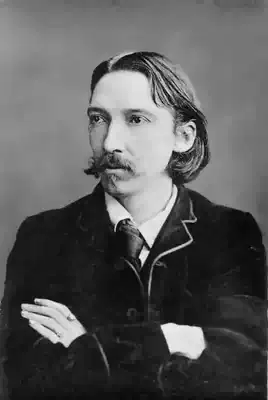
Robert Louis Stevenson
I Dreamed Of Forest Alleys fair
I Dreamed Of Forest Alleys fair
I.
I DREAMED of forest alleys fair
And fields of gray-flowered grass,
Where by the yellow summer moon
My Jenny seemed to pass.
I dreamed the yellow summer moon,
Behind a cedar wood,
Lay white on fields of rippling grass
Where I and Jenny stood.
I dreamed - but fallen through my dream,
In a rainy land I lie
Where wan wet morning crowns the hills
Of grim reality.
II.
I am as one that keeps awake
All night in the month of June,
That lies awake in bed to watch
The trees and great white moon.
For memories of love are more
Than the white moon there above,
And dearer than quiet moonshine
Are the thoughts of her I love.
III.
Last night I lingered long without
My last of loves to see.
Alas! the moon-white window-panes
Stared blindly back on me.
To-day I hold her very hand,
Her very waist embrace -
Like clouds across a pool, I read
Her thoughts upon her face.
And yet, as now, through her clear eyes
I seek the inner shrine -
I stoop to read her virgin heart
In doubt if it be mine -
O looking long and fondly thus,
What vision should I see?
No vision, but my own white face
That grins and mimics me.
IV.
Once more upon the same old seat
In the same sunshiny weather,
The elm-trees' shadows at their feet
And foliage move together.
The shadows shift upon the grass,
The dial point creeps on;
The clear sun shines, the loiterers pass,
As then they passed and shone.
But now deep sleep is on my heart,
Deep sleep and perfect rest.
Hope's flutterings now disturb no more
The quiet of my breast.
I.
I DREAMED of forest alleys fair
And fields of gray-flowered grass,
Where by the yellow summer moon
My Jenny seemed to pass.
I dreamed the yellow summer moon,
Behind a cedar wood,
Lay white on fields of rippling grass
Where I and Jenny stood.
I dreamed - but fallen through my dream,
In a rainy land I lie
Where wan wet morning crowns the hills
Of grim reality.
II.
I am as one that keeps awake
All night in the month of June,
That lies awake in bed to watch
The trees and great white moon.
For memories of love are more
Than the white moon there above,
And dearer than quiet moonshine
Are the thoughts of her I love.
III.
Last night I lingered long without
My last of loves to see.
Alas! the moon-white window-panes
Stared blindly back on me.
To-day I hold her very hand,
Her very waist embrace -
Like clouds across a pool, I read
Her thoughts upon her face.
And yet, as now, through her clear eyes
I seek the inner shrine -
I stoop to read her virgin heart
In doubt if it be mine -
O looking long and fondly thus,
What vision should I see?
No vision, but my own white face
That grins and mimics me.
IV.
Once more upon the same old seat
In the same sunshiny weather,
The elm-trees' shadows at their feet
And foliage move together.
The shadows shift upon the grass,
The dial point creeps on;
The clear sun shines, the loiterers pass,
As then they passed and shone.
But now deep sleep is on my heart,
Deep sleep and perfect rest.
Hope's flutterings now disturb no more
The quiet of my breast.
337
Robert Louis Stevenson
I Love To Be Warm By The Red Fireside
I Love To Be Warm By The Red Fireside
I LOVE to be warm by the red fireside,
I love to be wet with rain:
I love to be welcome at lamplit doors,
And leave the doors again.
I LOVE to be warm by the red fireside,
I love to be wet with rain:
I love to be welcome at lamplit doors,
And leave the doors again.
234
Robert Louis Stevenson
I Am Like One That For Long Days Had Sate
I Am Like One That For Long Days Had Sate
I AM like one that for long days had sate,
With seaward eyes set keen against the gale,
On some lone foreland, watching sail by sail,
The portbound ships for one ship that was late;
And sail by sail, his heart burned up with joy,
And cruelly was quenched, until at last
One ship, the looked-for pennant at its mast,
Bore gaily, and dropt safely past the buoy;
And lo! the loved one was not there - was dead.
Then would he watch no more; no more the sea
With myriad vessels, sail by sail, perplex
His eyes and mock his longing. Weary head,
Take now thy rest; eyes, close; for no more me
Shall hopes untried elate, or ruined vex.
For thus on love I waited; thus for love
Strained all my senses eagerly and long;
Thus for her coming ever trimmed my song;
Till in the far skies coloured as a dove,
A bird gold-coloured flickered far and fled
Over the pathless waterwaste for me;
And with spread hands I watched the bright bird flee
And waited, till before me she dropped dead.
O golden bird in these dove-coloured skies
How long I sought, how long with wearied eyes
I sought, O bird, the promise of thy flight!
And now the morn has dawned, the morn has died,
The day has come and gone; and once more night
About my lone life settles, wild and wide.
I AM like one that for long days had sate,
With seaward eyes set keen against the gale,
On some lone foreland, watching sail by sail,
The portbound ships for one ship that was late;
And sail by sail, his heart burned up with joy,
And cruelly was quenched, until at last
One ship, the looked-for pennant at its mast,
Bore gaily, and dropt safely past the buoy;
And lo! the loved one was not there - was dead.
Then would he watch no more; no more the sea
With myriad vessels, sail by sail, perplex
His eyes and mock his longing. Weary head,
Take now thy rest; eyes, close; for no more me
Shall hopes untried elate, or ruined vex.
For thus on love I waited; thus for love
Strained all my senses eagerly and long;
Thus for her coming ever trimmed my song;
Till in the far skies coloured as a dove,
A bird gold-coloured flickered far and fled
Over the pathless waterwaste for me;
And with spread hands I watched the bright bird flee
And waited, till before me she dropped dead.
O golden bird in these dove-coloured skies
How long I sought, how long with wearied eyes
I sought, O bird, the promise of thy flight!
And now the morn has dawned, the morn has died,
The day has come and gone; and once more night
About my lone life settles, wild and wide.
331
Robert Louis Stevenson
God Gave To Me A Child In Part
God Gave To Me A Child In Part
GOD gave to me a child in part,
Yet wholly gave the father's heart:
Child of my soul, O whither now,
Unborn, unmothered, goest thou?
You came, you went, and no man wist;
Hapless, my child, no breast you kist;
On no dear knees, a privileged babbler, clomb,
Nor knew the kindly feel of home.
My voice may reach you, O my dear-
A father's voice perhaps the child may hear;
And, pitying, you may turn your view
On that poor father whom you never knew.
Alas! alone he sits, who then,
Immortal among mortal men,
Sat hand in hand with love, and all day through
With your dear mother wondered over you.
GOD gave to me a child in part,
Yet wholly gave the father's heart:
Child of my soul, O whither now,
Unborn, unmothered, goest thou?
You came, you went, and no man wist;
Hapless, my child, no breast you kist;
On no dear knees, a privileged babbler, clomb,
Nor knew the kindly feel of home.
My voice may reach you, O my dear-
A father's voice perhaps the child may hear;
And, pitying, you may turn your view
On that poor father whom you never knew.
Alas! alone he sits, who then,
Immortal among mortal men,
Sat hand in hand with love, and all day through
With your dear mother wondered over you.
311
Robert Louis Stevenson
Good-Night
Good-Night
Then the bright lamp is carried in,
The sunless hours again begin;
O'er all without, in field and lane,
The haunted night returns again.
Now we behold the embers flee
About the firelit hearth; and see
Our faces painted as we pass,
Like pictures, on the window glass.
Must we to bed indeed? Well then,
Let us arise and go like men,
And face with an undaunted tread
The long black passage up to bed.
Farewell, O brother, sister, sire!
O pleasant party round the fire!
The songs you sing, the tales you tell,
Till far to-morrow, fare you well!
Then the bright lamp is carried in,
The sunless hours again begin;
O'er all without, in field and lane,
The haunted night returns again.
Now we behold the embers flee
About the firelit hearth; and see
Our faces painted as we pass,
Like pictures, on the window glass.
Must we to bed indeed? Well then,
Let us arise and go like men,
And face with an undaunted tread
The long black passage up to bed.
Farewell, O brother, sister, sire!
O pleasant party round the fire!
The songs you sing, the tales you tell,
Till far to-morrow, fare you well!
378
Robert Louis Stevenson
Good-Night
Good-Night
Then the bright lamp is carried in,
The sunless hours again begin;
O'er all without, in field and lane,
The haunted night returns again.
Now we behold the embers flee
About the firelit hearth; and see
Our faces painted as we pass,
Like pictures, on the window glass.
Must we to bed indeed? Well then,
Let us arise and go like men,
And face with an undaunted tread
The long black passage up to bed.
Farewell, O brother, sister, sire!
O pleasant party round the fire!
The songs you sing, the tales you tell,
Till far to-morrow, fare you well!
Then the bright lamp is carried in,
The sunless hours again begin;
O'er all without, in field and lane,
The haunted night returns again.
Now we behold the embers flee
About the firelit hearth; and see
Our faces painted as we pass,
Like pictures, on the window glass.
Must we to bed indeed? Well then,
Let us arise and go like men,
And face with an undaunted tread
The long black passage up to bed.
Farewell, O brother, sister, sire!
O pleasant party round the fire!
The songs you sing, the tales you tell,
Till far to-morrow, fare you well!
378
Robert Louis Stevenson
From a Railway Carriage
From a Railway Carriage
Faster than fairies, faster than witches,
Bridges and houses, hedges and ditches;
And charging along like troops in a battle
All through the meadows the horses and cattle:
All of the sights of the hill and the plain
Fly as thick as driving rain;
And ever again, in the wink of an eye,
Painted stations whistle by.
Here is a child who clambers and scrambles,
All by himself and gathering brambles;
Here is a tramp who stands and gazes;
And here is the green for stringing the daisies!
Here is a cart runaway in the road
Lumping along with man and load;
And here is a mill, and there is a river:
Each a glimpse and gone forever!
Faster than fairies, faster than witches,
Bridges and houses, hedges and ditches;
And charging along like troops in a battle
All through the meadows the horses and cattle:
All of the sights of the hill and the plain
Fly as thick as driving rain;
And ever again, in the wink of an eye,
Painted stations whistle by.
Here is a child who clambers and scrambles,
All by himself and gathering brambles;
Here is a tramp who stands and gazes;
And here is the green for stringing the daisies!
Here is a cart runaway in the road
Lumping along with man and load;
And here is a mill, and there is a river:
Each a glimpse and gone forever!
382
Robert Louis Stevenson
frag
frag
Tall as a guardsman, pale as the east at dawn,
Who strides in strange apparel on the lawn?
Rails for his breakfast? routs his vassals out
(Like boys escaped from school) with song and shout?
Kind and unkind, his Maker's final freak,
Part we deride the child, part dread the antique!
See where his gang, like frogs, among the dew
Crouch at their duty, an unquiet crew;
Adjust their staring kilts; and their swift eyes
Turn still to him who sits to supervise.
He in the midst, perched on a fallen tree,
Eyes them at labour; and, guitar on knee,
Now ministers alarm, now scatters joy,
Now twangs a halting chord, now tweaks a boy.
Thorough in all, my resolute vizier
Plays both the despot and the volunteer,
Exacts with fines obedience to my laws,
And for his music, too, exacts applause.
Tall as a guardsman, pale as the east at dawn,
Who strides in strange apparel on the lawn?
Rails for his breakfast? routs his vassals out
(Like boys escaped from school) with song and shout?
Kind and unkind, his Maker's final freak,
Part we deride the child, part dread the antique!
See where his gang, like frogs, among the dew
Crouch at their duty, an unquiet crew;
Adjust their staring kilts; and their swift eyes
Turn still to him who sits to supervise.
He in the midst, perched on a fallen tree,
Eyes them at labour; and, guitar on knee,
Now ministers alarm, now scatters joy,
Now twangs a halting chord, now tweaks a boy.
Thorough in all, my resolute vizier
Plays both the despot and the volunteer,
Exacts with fines obedience to my laws,
And for his music, too, exacts applause.
389
Robert Louis Stevenson
Farewell to the Farm
Farewell to the Farm
The coach is at the door at last;
The eager children, mounting fast
And kissing hands, in chorus sing:
Good-bye, good-bye, to everything!
To house and garden, field and lawn,
The meadow-gates we swang upon,
To pump and stable, tree and swing,
Good-bye, good-bye, to everything!
And fare you well for evermore,
O ladder at the hayloft door,
O hayloft where the cobwebs cling,
Good-bye, good-bye, to everything!
Crack goes the whip, and off we go;
The trees and houses smaller grow;
Last, round the woody turn we sing:
Good-bye, good-bye, to everything!
The coach is at the door at last;
The eager children, mounting fast
And kissing hands, in chorus sing:
Good-bye, good-bye, to everything!
To house and garden, field and lawn,
The meadow-gates we swang upon,
To pump and stable, tree and swing,
Good-bye, good-bye, to everything!
And fare you well for evermore,
O ladder at the hayloft door,
O hayloft where the cobwebs cling,
Good-bye, good-bye, to everything!
Crack goes the whip, and off we go;
The trees and houses smaller grow;
Last, round the woody turn we sing:
Good-bye, good-bye, to everything!
376
Robert Louis Stevenson
Fairy Bread
Fairy Bread
Come up here, O dusty feet!
Here is fairy ready to eat.
Here in my retiring room,
Children ,you may dine
On the golden smell of broom
And the shade of pine;
And when you have eaten well,
Fairy stories hear and tell.
Come up here, O dusty feet!
Here is fairy ready to eat.
Here in my retiring room,
Children ,you may dine
On the golden smell of broom
And the shade of pine;
And when you have eaten well,
Fairy stories hear and tell.
434
Robert Louis Stevenson
Escape at Bedtime
Escape at Bedtime
The lights from the parlour and kitchen shone out
Through the blinds and the windows and bars;
And high overhead and all moving about,
There were thousands of millions of stars.
There ne'er were such thousands of leaves on a tree,
Nor of people in church or the Park,
As the crowds of the stars that looked down upon me,
And that glittered and winked in the dark.
The Dog, and the Plough, and the Hunter, and all,
And the star of the sailor, and Mars,
These shown in the sky, and the pail by the wall
Would be half full of water and stars.
They saw me at last, and they chased me with cries,
And they soon had me packed into bed;
But the glory kept shining and bright in my eyes,
And the stars going round in my head.
The lights from the parlour and kitchen shone out
Through the blinds and the windows and bars;
And high overhead and all moving about,
There were thousands of millions of stars.
There ne'er were such thousands of leaves on a tree,
Nor of people in church or the Park,
As the crowds of the stars that looked down upon me,
And that glittered and winked in the dark.
The Dog, and the Plough, and the Hunter, and all,
And the star of the sailor, and Mars,
These shown in the sky, and the pail by the wall
Would be half full of water and stars.
They saw me at last, and they chased me with cries,
And they soon had me packed into bed;
But the glory kept shining and bright in my eyes,
And the stars going round in my head.
469
Robert Louis Stevenson
Duddingstone
Duddingstone
WITH caws and chirrupings, the woods
In this thin sun rejoice.
The Psalm seems but the little kirk
That sings with its own voice.
The cloud-rifts share their amber light
With the surface of the mere -
I think the very stones are glad
To feel each other near.
Once more my whole heart leaps and swells
And gushes o'er with glee;
The fingers of the sun and shade
Touch music stops in me.
Now fancy paints that bygone day
When you were here, my fair -
The whole lake rang with rapid skates
In the windless winter air.
You leaned to me, I leaned to you,
Our course was smooth as flight -
We steered - a heel-touch to the left,
A heel-touch to the right.
We swung our way through flying men,
Your hand lay fast in mine:
We saw the shifting crowd dispart,
The level ice-reach shine.
I swear by yon swan-travelled lake,
By yon calm hill above,
I swear had we been drowned that day
We had been drowned in love.
WITH caws and chirrupings, the woods
In this thin sun rejoice.
The Psalm seems but the little kirk
That sings with its own voice.
The cloud-rifts share their amber light
With the surface of the mere -
I think the very stones are glad
To feel each other near.
Once more my whole heart leaps and swells
And gushes o'er with glee;
The fingers of the sun and shade
Touch music stops in me.
Now fancy paints that bygone day
When you were here, my fair -
The whole lake rang with rapid skates
In the windless winter air.
You leaned to me, I leaned to you,
Our course was smooth as flight -
We steered - a heel-touch to the left,
A heel-touch to the right.
We swung our way through flying men,
Your hand lay fast in mine:
We saw the shifting crowd dispart,
The level ice-reach shine.
I swear by yon swan-travelled lake,
By yon calm hill above,
I swear had we been drowned that day
We had been drowned in love.
329
Robert Louis Stevenson
Dedication
Dedication
MY first gift and my last, to you
I dedicate this fascicle of songs -
The only wealth I have:
Just as they are, to you.
I speak the truth in soberness, and say
I had rather bring a light to your clear eyes,
Had rather hear you praise
This bosomful of songs
Than that the whole, hard world with one consent,
In one continuous chorus of applause
Poured forth for me and mine
The homage of ripe praise.
I write the finis here against my love,
This is my love's last epitaph and tomb.
Here the road forks, and I
Go my way, far from yours.
MY first gift and my last, to you
I dedicate this fascicle of songs -
The only wealth I have:
Just as they are, to you.
I speak the truth in soberness, and say
I had rather bring a light to your clear eyes,
Had rather hear you praise
This bosomful of songs
Than that the whole, hard world with one consent,
In one continuous chorus of applause
Poured forth for me and mine
The homage of ripe praise.
I write the finis here against my love,
This is my love's last epitaph and tomb.
Here the road forks, and I
Go my way, far from yours.
411
Robert Louis Stevenson
De Hortis Julii Martialis
De Hortis Julii Martialis
MY Martial owns a garden, famed to please,
Beyond the glades of the Hesperides;
Along Janiculum lies the chosen block
Where the cool grottos trench the hanging rock.
The moderate summit, something plain and bare,
Tastes overhead of a serener air;
And while the clouds besiege the vales below,
Keeps the clear heaven and doth with sunshine glow.
To the June stars that circle in the skies
The dainty roofs of that tall villa rise.
Hence do the seven imperial hills appear;
And you may view the whole of Rome from here;
Beyond, the Alban and the Tuscan hills;
And the cool groves and the cool falling rills,
Rubre Fidenae, and with virgin blood
Anointed once Perenna's orchard wood.
Thence the Flaminian, the Salarian way,
Stretch far broad below the dome of day;
And lo! the traveller toiling towards his home;
And all unheard, the chariot speeds to Rome!
For here no whisper of the wheels; and tho'
The Mulvian Bridge, above the Tiber's flow,
Hangs all in sight, and down the sacred stream
The sliding barges vanish like a dream,
The seaman's shrilling pipe not enters here,
Nor the rude cries of porters on the pier.
And if so rare the house, how rarer far
The welcome and the weal that therein are!
So free the access, the doors so widely thrown,
You half imagine all to be your own.
MY Martial owns a garden, famed to please,
Beyond the glades of the Hesperides;
Along Janiculum lies the chosen block
Where the cool grottos trench the hanging rock.
The moderate summit, something plain and bare,
Tastes overhead of a serener air;
And while the clouds besiege the vales below,
Keeps the clear heaven and doth with sunshine glow.
To the June stars that circle in the skies
The dainty roofs of that tall villa rise.
Hence do the seven imperial hills appear;
And you may view the whole of Rome from here;
Beyond, the Alban and the Tuscan hills;
And the cool groves and the cool falling rills,
Rubre Fidenae, and with virgin blood
Anointed once Perenna's orchard wood.
Thence the Flaminian, the Salarian way,
Stretch far broad below the dome of day;
And lo! the traveller toiling towards his home;
And all unheard, the chariot speeds to Rome!
For here no whisper of the wheels; and tho'
The Mulvian Bridge, above the Tiber's flow,
Hangs all in sight, and down the sacred stream
The sliding barges vanish like a dream,
The seaman's shrilling pipe not enters here,
Nor the rude cries of porters on the pier.
And if so rare the house, how rarer far
The welcome and the weal that therein are!
So free the access, the doors so widely thrown,
You half imagine all to be your own.
428
Robert Louis Stevenson
Block City
Block City
What are you able to build with your blocks?
Castles and palaces, temples and docks.
Rain may keep raining, and others go roam,
But I can be happy and building at home.
Let the sofa be mountains, the carpet be sea,
There I'll establish a city for me:
A kirk and a mill and a palace beside,
And a harbor as well where my vessels may ride.
Great is the palace with pillar and wall,
A sort of a tower on top of it all,
And steps coming down in an orderly way
To where my toy vessels lie safe in the bay.
This one is sailing and that one is moored:
Hark to the song of the sailors on board!
And see on the steps of my palace, the kings
Coming and going with presents and things!
What are you able to build with your blocks?
Castles and palaces, temples and docks.
Rain may keep raining, and others go roam,
But I can be happy and building at home.
Let the sofa be mountains, the carpet be sea,
There I'll establish a city for me:
A kirk and a mill and a palace beside,
And a harbor as well where my vessels may ride.
Great is the palace with pillar and wall,
A sort of a tower on top of it all,
And steps coming down in an orderly way
To where my toy vessels lie safe in the bay.
This one is sailing and that one is moored:
Hark to the song of the sailors on board!
And see on the steps of my palace, the kings
Coming and going with presents and things!
659
Robert Louis Stevenson
Block City
Block City
What are you able to build with your blocks?
Castles and palaces, temples and docks.
Rain may keep raining, and others go roam,
But I can be happy and building at home.
Let the sofa be mountains, the carpet be sea,
There I'll establish a city for me:
A kirk and a mill and a palace beside,
And a harbor as well where my vessels may ride.
Great is the palace with pillar and wall,
A sort of a tower on top of it all,
And steps coming down in an orderly way
To where my toy vessels lie safe in the bay.
This one is sailing and that one is moored:
Hark to the song of the sailors on board!
And see on the steps of my palace, the kings
Coming and going with presents and things!
What are you able to build with your blocks?
Castles and palaces, temples and docks.
Rain may keep raining, and others go roam,
But I can be happy and building at home.
Let the sofa be mountains, the carpet be sea,
There I'll establish a city for me:
A kirk and a mill and a palace beside,
And a harbor as well where my vessels may ride.
Great is the palace with pillar and wall,
A sort of a tower on top of it all,
And steps coming down in an orderly way
To where my toy vessels lie safe in the bay.
This one is sailing and that one is moored:
Hark to the song of the sailors on board!
And see on the steps of my palace, the kings
Coming and going with presents and things!
659
Robert Louis Stevenson
Before This Little Gift Was Come
Before This Little Gift Was Come
BEFORE this little gift was come
The little owner had made haste for home;
And from the door of where the eternal dwell,
Looked back on human things and smiled farewell.
O may this grief remain the only one!
O may our house be still a garrison
Of smiling children, and for evermore
The tune of little feet be heard along the floor!
BEFORE this little gift was come
The little owner had made haste for home;
And from the door of where the eternal dwell,
Looked back on human things and smiled farewell.
O may this grief remain the only one!
O may our house be still a garrison
Of smiling children, and for evermore
The tune of little feet be heard along the floor!
271
Robert Louis Stevenson
Before This Little Gift Was Come
Before This Little Gift Was Come
BEFORE this little gift was come
The little owner had made haste for home;
And from the door of where the eternal dwell,
Looked back on human things and smiled farewell.
O may this grief remain the only one!
O may our house be still a garrison
Of smiling children, and for evermore
The tune of little feet be heard along the floor!
BEFORE this little gift was come
The little owner had made haste for home;
And from the door of where the eternal dwell,
Looked back on human things and smiled farewell.
O may this grief remain the only one!
O may our house be still a garrison
Of smiling children, and for evermore
The tune of little feet be heard along the floor!
271
Robert Louis Stevenson
As In Their Flight The Birds Of Song
As In Their Flight The Birds Of Song
AS in their flight the birds of song
Halt here and there in sweet and sunny dales,
But halt not overlong;
The time one rural song to sing
They pause; then following bounteous gales
Steer forward on the wing:
Sun-servers they, from first to last,
Upon the sun they wait
To ride the sailing blast.
So he awhile in our contested state,
Awhile abode, not longer, for his Sun -
Mother we say, no tenderer name we know -
With whose diviner glow
His early days had shone,
Now to withdraw her radiance had begun.
Or lest a wrong I say, not she withdrew,
But the loud stream of men day after day
And great dust columns of the common way
Between them grew and grew:
And he and she for evermore might yearn,
But to the spring the rivulets not return
Nor to the bosom comes the child again.
And he (O may we fancy so!),
He, feeling time forever flow
And flowing bear him forth and far away
From that dear ingle where his life began
And all his treasure lay -
He, waxing into man,
And ever farther, ever closer wound
In this obstreperous world's ignoble round,
From that poor prospect turned his face away.
AS in their flight the birds of song
Halt here and there in sweet and sunny dales,
But halt not overlong;
The time one rural song to sing
They pause; then following bounteous gales
Steer forward on the wing:
Sun-servers they, from first to last,
Upon the sun they wait
To ride the sailing blast.
So he awhile in our contested state,
Awhile abode, not longer, for his Sun -
Mother we say, no tenderer name we know -
With whose diviner glow
His early days had shone,
Now to withdraw her radiance had begun.
Or lest a wrong I say, not she withdrew,
But the loud stream of men day after day
And great dust columns of the common way
Between them grew and grew:
And he and she for evermore might yearn,
But to the spring the rivulets not return
Nor to the bosom comes the child again.
And he (O may we fancy so!),
He, feeling time forever flow
And flowing bear him forth and far away
From that dear ingle where his life began
And all his treasure lay -
He, waxing into man,
And ever farther, ever closer wound
In this obstreperous world's ignoble round,
From that poor prospect turned his face away.
330
Robert Louis Stevenson
Ad Nepotem
Ad Nepotem
O NEPOS, twice my neigh(b)our (since at home
We're door by door, by Flora's temple dome;
And in the country, still conjoined by fate,
Behold our villas standing gate by gate),
Thou hast a daughter, dearer far than life -
Thy image and the image of thy wife.
Thy image and thy wife's, and be it so!
But why for her, { neglect the flowing } can
{ O Nepos, leave the }
And lose the prime of thy Falernian?
Hoard casks of money, if to hoard be thine;
But let thy daughter drink a younger wine!
Let her go rich and wise, in silk and fur;
Lay down a { bin that shall } grow old with her;
{ vintage to }
But thou, meantime, the while the batch is sound,
With pleased companions pass the bowl around;
Nor let the childless only taste delights,
For Fathers also may enjoy their nights.
O NEPOS, twice my neigh(b)our (since at home
We're door by door, by Flora's temple dome;
And in the country, still conjoined by fate,
Behold our villas standing gate by gate),
Thou hast a daughter, dearer far than life -
Thy image and the image of thy wife.
Thy image and thy wife's, and be it so!
But why for her, { neglect the flowing } can
{ O Nepos, leave the }
And lose the prime of thy Falernian?
Hoard casks of money, if to hoard be thine;
But let thy daughter drink a younger wine!
Let her go rich and wise, in silk and fur;
Lay down a { bin that shall } grow old with her;
{ vintage to }
But thou, meantime, the while the batch is sound,
With pleased companions pass the bowl around;
Nor let the childless only taste delights,
For Fathers also may enjoy their nights.
445
Robert Louis Stevenson
A Good Boy
A Good Boy
I woke before the morning, I was happy all the day,
I never said an ugly word, but smiled and stuck to play.
And now at last the sun is going down behind the wood,
And I am very happy, for I know that I've been good.
My bed is waiting cool and fresh, with linen smooth and fair,
And I must be off to sleepsin-by, and not forget my prayer.
I know that, till to-morrow I shall see the sun arise,
No ugly dream shall fright my mind, no ugly sight my eyes.
But slumber hold me tightly till I waken in the dawn,
And hear the thrushes singing in the lilacs round the lawn.
I woke before the morning, I was happy all the day,
I never said an ugly word, but smiled and stuck to play.
And now at last the sun is going down behind the wood,
And I am very happy, for I know that I've been good.
My bed is waiting cool and fresh, with linen smooth and fair,
And I must be off to sleepsin-by, and not forget my prayer.
I know that, till to-morrow I shall see the sun arise,
No ugly dream shall fright my mind, no ugly sight my eyes.
But slumber hold me tightly till I waken in the dawn,
And hear the thrushes singing in the lilacs round the lawn.
529
Robert Louis Stevenson
A Good Play
A Good Play
We built a ship upon the stairs
All made of the back-bedroom chairs,
And filled it full of soft pillows
To go a-sailing on the billows.
We took a saw and several nails,
And water in the nursery pails;
And Tom said, "Let us also take
An apple and a slice of cake;"--
Which was enough for Tom and me
To go a-sailing on, till tea.
We sailed along for days and days,
And had the very best of plays;
But Tom fell out and hurt his knee,
So there was no one left but me.
We built a ship upon the stairs
All made of the back-bedroom chairs,
And filled it full of soft pillows
To go a-sailing on the billows.
We took a saw and several nails,
And water in the nursery pails;
And Tom said, "Let us also take
An apple and a slice of cake;"--
Which was enough for Tom and me
To go a-sailing on, till tea.
We sailed along for days and days,
And had the very best of plays;
But Tom fell out and hurt his knee,
So there was no one left but me.
424
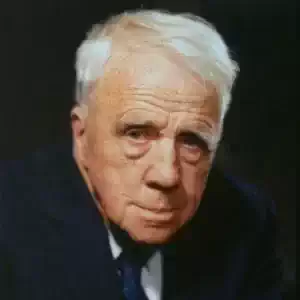
Robert Frost
The Telephone
The Telephone
'When I was just as far as I could walk From here today, There was an hour All still
When leaning with my head again a flower I heard you talk. Don't say I didn't, for I
heard you say-- You spoke from that flower on the window sill- Do you remember what
it was you said?' 'First tell me what it was you thought you heard.' 'Having found the
flower and driven a bee away, I leaned on my head And holding by the stalk, I listened
and I thought I caught the word-- What was it? Did you call me by my name? Or did
you say-- Someone said "Come" -- I heard it as I bowed.' 'I may have thought as
much, but not aloud.' "Well, so I came.'
'When I was just as far as I could walk From here today, There was an hour All still
When leaning with my head again a flower I heard you talk. Don't say I didn't, for I
heard you say-- You spoke from that flower on the window sill- Do you remember what
it was you said?' 'First tell me what it was you thought you heard.' 'Having found the
flower and driven a bee away, I leaned on my head And holding by the stalk, I listened
and I thought I caught the word-- What was it? Did you call me by my name? Or did
you say-- Someone said "Come" -- I heard it as I bowed.' 'I may have thought as
much, but not aloud.' "Well, so I came.'
485
Robert Frost
The Death of the Hired Man
The Death of the Hired Man
Mary sat musing on the lamp-flame at the table
Waiting for Warren. When she heard his step,
She ran on tip-toe down the darkened passage
To meet him in the doorway with the news
And put him on his guard. "Silas is back."
She pushed him outward with her through the door
And shut it after her. "Be kind," she said.
She took the market things from Warren's arms
And set them on the porch, then drew him down
To sit beside her on the wooden steps.
"When was I ever anything but kind to him?
But I'll not have the fellow back," he said.
"I told him so last haying, didn't I?
'If he left then,' I said, 'that ended it.'
What good is he? Who else will harbour him
At his age for the little he can do?
What help he is there's no depending on.
Off he goes always when I need him most.
'He thinks he ought to earn a little pay,
Enough at least to buy tobacco with,
So he won't have to beg and be beholden.'
'All right,' I say, 'I can't afford to pay
Any fixed wages, though I wish I could.'
'Someone else can.' 'Then someone else will have to.'
I shouldn't mind his bettering himself
If that was what it was. You can be certain,
When he begins like that, there's someone at him
Trying to coax him off with pocket-money,--
In haying time, when any help is scarce.
In winter he comes back to us. I'm done."
"Sh! not so loud: he'll hear you," Mary said.
"I want him to: he'll have to soon or late."
"He's worn out. He's asleep beside the stove.
When I came up from Rowe's I found him here,
Huddled against the barn-door fast asleep,
A miserable sight, and frightening, too--
You needn't smile--I didn't recognise him--
I wasn't looking for him--and he's changed.
Wait till you see."
"Where did you say he'd been?"
"He didn't say. I dragged him to the house,
And gave him tea and tried to make him smoke.
I tried to make him talk about his travels.
Nothing would do: he just kept nodding off."
"What did he say? Did he say anything?"
"But little."
"Anything? Mary, confess
He said he'd come to ditch the meadow for me."
"Warren!"
"But did he? I just want to know."
"Of course he did. What would you have him say?
Surely you wouldn't grudge the poor old man
Some humble way to save his self-respect.
He added, if you really care to know,
He meant to clear the upper pasture, too.
That sounds like something you have heard before?
Warren, I wish you could have heard the way
He jumbled everything. I stopped to look
Two or three times--he made me feel so queer--
To see if he was talking in his sleep.
He ran on Harold Wilson--you remember--
The boy you had in haying four years since.
He's finished school, and teaching in his college.
Silas declares you'll have to get him back.
He says they two will make a team for work:
Between them they will lay this farm as smooth!
The way he mixed that in with other things.
He thinks young Wilson a likely lad, though daft
On education--you know how they fought
All through July under the blazing sun,
Silas up on the cart to build the load,
Harold along beside to pitch it on."
"Yes, I took care to keep well out of earshot."
"Well, those days trouble Silas like a dream.
You wouldn't think they would. How some things linger!
Harold's young college boy's assurance piqued him.
After so many years he still keeps finding
Good arguments he sees he might have used.
I sympathise. I know just how it feels
To think of the right thing to say too late.
Harold's associated in his mind with Latin.
He asked me what I thought of Harold's saying
He studied Latin like the violin
Because he liked it--that an argument!
He said he couldn't make the boy believe
He could find water with a hazel prong--
Which showed how much good school had ever done him.
He wanted to go over that. But most of all
He thinks if he could have another chance
To teach him how to build a load of hay----"
"I know, that's Silas' one accomplishment.
He bundles every forkful in its place,
And tags and numbers it for future reference,
So he can find and easily dislodge it
In the unloading. Silas does that well.
He takes it out in bunches like big birds' nests.
You never see him standing on the hay
He's trying to lift, straining to lift himself."
"He thinks if he could teach him that, he'd be
Some good perhaps to someone in the world.
He hates to see a boy the fool of books.
Poor Silas, so concerned for other folk,
And nothing to look backward to with pride,
And nothing to look forward to with hope,
So now and never any different."
Part of a moon was falling down the west,
Dragging the whole sky with it to the hills.
Its light poured softly in her lap. She saw
And spread her apron to it. She put out her hand
Among the harp-like morning-glory strings,
Taut with the dew from garden bed to eaves,
As if she played unheard the tenderness
That wrought on him beside her in the night.
"Warren," she said, "he has come home to die:
You needn't be afraid he'll leave you this time."
"Home," he mocked gently.
"Yes, what else but home?
It all depends on what you mean by home.
Of course he's nothing to us, any more
Than was the hound that came a stranger to us
Out of the woods, worn out upon the trail."
"Home is the place where, when you have to go there,
They have to take you in."
"I should have called it
Something you somehow haven't to deserve."
Warren leaned out and took a step or two,
Picked up a little stick, and brought it back
And broke it in his hand and tossed it by.
"Silas has better claim on us you think
Than on his brother? Thirteen little miles
As the road winds would bring him to his door.
Silas has walked that far no doubt to-day.
Why didn't he go there? His brother's rich,
A somebody--director in the bank."
"He never told us that."
"We know it though."
"I think his brother ought to help, of course.
I'll see to that if there is need. He ought of right
To take him in, and might be willing to--
He may be better than appearances.
But have some pity on Silas. Do you think
If he'd had any pride in claiming kin
Or anything he looked for from his brother,
He'd keep so still about him all this time?"
"I wonder what's between them."
"I can tell you.
Silas is what he is--we wouldn't mind him--
But just the kind that kinsfolk can't abide.
He never did a thing so very bad.
He don't know why he isn't quite as good
As anyone. He won't be made ashamed
To please his brother, worthless though he is."
"I can't think Si ever hurt anyone."
"No, but he hurt my heart the way he lay
And rolled his old head on that sharp-edged chair-back.
He wouldn't let me put him on the lounge.
You must go in and see what you can do.
I made the bed up for him there to-night.
You'll be surprised at him--how much he's broken.
His working days are done; I'm sure of it."
"I'd not be in a hurry to say that."
"I haven't been. Go, look, see for yourself.
But, Warren, please remember how it is:
He's come to help you ditch the meadow.
He has a plan. You mustn't laugh at him.
He may not speak of it, and then he may.
I'll sit and see if that small sailing cloud
Will hit or miss the moon."
It hit the moon.
Then there were three there, making a dim row,
The moon, the little silver cloud, and she.
Warren returned--too soon, it seemed to her,
Slipped to her side, caught up her hand and waited.
"Warren," she questioned.
"Dead," was all he answered.
Mary sat musing on the lamp-flame at the table
Waiting for Warren. When she heard his step,
She ran on tip-toe down the darkened passage
To meet him in the doorway with the news
And put him on his guard. "Silas is back."
She pushed him outward with her through the door
And shut it after her. "Be kind," she said.
She took the market things from Warren's arms
And set them on the porch, then drew him down
To sit beside her on the wooden steps.
"When was I ever anything but kind to him?
But I'll not have the fellow back," he said.
"I told him so last haying, didn't I?
'If he left then,' I said, 'that ended it.'
What good is he? Who else will harbour him
At his age for the little he can do?
What help he is there's no depending on.
Off he goes always when I need him most.
'He thinks he ought to earn a little pay,
Enough at least to buy tobacco with,
So he won't have to beg and be beholden.'
'All right,' I say, 'I can't afford to pay
Any fixed wages, though I wish I could.'
'Someone else can.' 'Then someone else will have to.'
I shouldn't mind his bettering himself
If that was what it was. You can be certain,
When he begins like that, there's someone at him
Trying to coax him off with pocket-money,--
In haying time, when any help is scarce.
In winter he comes back to us. I'm done."
"Sh! not so loud: he'll hear you," Mary said.
"I want him to: he'll have to soon or late."
"He's worn out. He's asleep beside the stove.
When I came up from Rowe's I found him here,
Huddled against the barn-door fast asleep,
A miserable sight, and frightening, too--
You needn't smile--I didn't recognise him--
I wasn't looking for him--and he's changed.
Wait till you see."
"Where did you say he'd been?"
"He didn't say. I dragged him to the house,
And gave him tea and tried to make him smoke.
I tried to make him talk about his travels.
Nothing would do: he just kept nodding off."
"What did he say? Did he say anything?"
"But little."
"Anything? Mary, confess
He said he'd come to ditch the meadow for me."
"Warren!"
"But did he? I just want to know."
"Of course he did. What would you have him say?
Surely you wouldn't grudge the poor old man
Some humble way to save his self-respect.
He added, if you really care to know,
He meant to clear the upper pasture, too.
That sounds like something you have heard before?
Warren, I wish you could have heard the way
He jumbled everything. I stopped to look
Two or three times--he made me feel so queer--
To see if he was talking in his sleep.
He ran on Harold Wilson--you remember--
The boy you had in haying four years since.
He's finished school, and teaching in his college.
Silas declares you'll have to get him back.
He says they two will make a team for work:
Between them they will lay this farm as smooth!
The way he mixed that in with other things.
He thinks young Wilson a likely lad, though daft
On education--you know how they fought
All through July under the blazing sun,
Silas up on the cart to build the load,
Harold along beside to pitch it on."
"Yes, I took care to keep well out of earshot."
"Well, those days trouble Silas like a dream.
You wouldn't think they would. How some things linger!
Harold's young college boy's assurance piqued him.
After so many years he still keeps finding
Good arguments he sees he might have used.
I sympathise. I know just how it feels
To think of the right thing to say too late.
Harold's associated in his mind with Latin.
He asked me what I thought of Harold's saying
He studied Latin like the violin
Because he liked it--that an argument!
He said he couldn't make the boy believe
He could find water with a hazel prong--
Which showed how much good school had ever done him.
He wanted to go over that. But most of all
He thinks if he could have another chance
To teach him how to build a load of hay----"
"I know, that's Silas' one accomplishment.
He bundles every forkful in its place,
And tags and numbers it for future reference,
So he can find and easily dislodge it
In the unloading. Silas does that well.
He takes it out in bunches like big birds' nests.
You never see him standing on the hay
He's trying to lift, straining to lift himself."
"He thinks if he could teach him that, he'd be
Some good perhaps to someone in the world.
He hates to see a boy the fool of books.
Poor Silas, so concerned for other folk,
And nothing to look backward to with pride,
And nothing to look forward to with hope,
So now and never any different."
Part of a moon was falling down the west,
Dragging the whole sky with it to the hills.
Its light poured softly in her lap. She saw
And spread her apron to it. She put out her hand
Among the harp-like morning-glory strings,
Taut with the dew from garden bed to eaves,
As if she played unheard the tenderness
That wrought on him beside her in the night.
"Warren," she said, "he has come home to die:
You needn't be afraid he'll leave you this time."
"Home," he mocked gently.
"Yes, what else but home?
It all depends on what you mean by home.
Of course he's nothing to us, any more
Than was the hound that came a stranger to us
Out of the woods, worn out upon the trail."
"Home is the place where, when you have to go there,
They have to take you in."
"I should have called it
Something you somehow haven't to deserve."
Warren leaned out and took a step or two,
Picked up a little stick, and brought it back
And broke it in his hand and tossed it by.
"Silas has better claim on us you think
Than on his brother? Thirteen little miles
As the road winds would bring him to his door.
Silas has walked that far no doubt to-day.
Why didn't he go there? His brother's rich,
A somebody--director in the bank."
"He never told us that."
"We know it though."
"I think his brother ought to help, of course.
I'll see to that if there is need. He ought of right
To take him in, and might be willing to--
He may be better than appearances.
But have some pity on Silas. Do you think
If he'd had any pride in claiming kin
Or anything he looked for from his brother,
He'd keep so still about him all this time?"
"I wonder what's between them."
"I can tell you.
Silas is what he is--we wouldn't mind him--
But just the kind that kinsfolk can't abide.
He never did a thing so very bad.
He don't know why he isn't quite as good
As anyone. He won't be made ashamed
To please his brother, worthless though he is."
"I can't think Si ever hurt anyone."
"No, but he hurt my heart the way he lay
And rolled his old head on that sharp-edged chair-back.
He wouldn't let me put him on the lounge.
You must go in and see what you can do.
I made the bed up for him there to-night.
You'll be surprised at him--how much he's broken.
His working days are done; I'm sure of it."
"I'd not be in a hurry to say that."
"I haven't been. Go, look, see for yourself.
But, Warren, please remember how it is:
He's come to help you ditch the meadow.
He has a plan. You mustn't laugh at him.
He may not speak of it, and then he may.
I'll sit and see if that small sailing cloud
Will hit or miss the moon."
It hit the moon.
Then there were three there, making a dim row,
The moon, the little silver cloud, and she.
Warren returned--too soon, it seemed to her,
Slipped to her side, caught up her hand and waited.
"Warren," she questioned.
"Dead," was all he answered.
469