

Poems in this topic
Relationships and Family
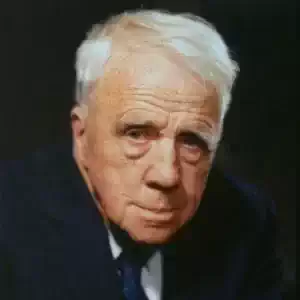
Robert Frost
Putting In The Seed
Putting In The Seed
You come to fetch me from my work to-night
When supper's on the table, and we'll see
If I can leave off burying the white
Soft petals fallen from the apple tree
(Soft petals, yes, but not so barren quite,
Mingled with these, smooth bean and wrinkled pea);
And go along with you ere you lose sight
Of what you came for and become like me,
Slave to a Springtime passion for the earth.
How Love burns through the Putting in the Seed
On through the watching for that early birth
When, just as the soil tarnishes with weed,
The sturdy seedling with arched body comes
Shouldering its way and shedding the earth crumbs.
You come to fetch me from my work to-night
When supper's on the table, and we'll see
If I can leave off burying the white
Soft petals fallen from the apple tree
(Soft petals, yes, but not so barren quite,
Mingled with these, smooth bean and wrinkled pea);
And go along with you ere you lose sight
Of what you came for and become like me,
Slave to a Springtime passion for the earth.
How Love burns through the Putting in the Seed
On through the watching for that early birth
When, just as the soil tarnishes with weed,
The sturdy seedling with arched body comes
Shouldering its way and shedding the earth crumbs.
624
Robert Frost
Out, out--
Out, out--
The buzz-saw snarled and rattled in the yard
And made dust and dropped stove-length sticks of wood,
Sweet-scented stuff when the breeze drew across it.
And from there those that lifted eyes could count
Five mountain ranges one behind the other
Under the sunset far into Vermont.
And the saw snarled and rattled, snarled and rattled,
As it ran light, or had to bear a load.
And nothing happened: day was all but done.
Call it a day, I wish they might have said
To please the boy by giving him the half hour
That a boy counts so much when saved from work.
His sister stood beside them in her apron
To tell them "Supper." At the word, the saw,
As if to prove saws knew what supper meant,
Leaped out at the boy's hand, or seemed to leap--
He must have given the hand. However it was,
Neither refused the meeting. But the hand!
The boy's first outcry was a rueful laugh,
As he swung toward them holding up the hand
Half in appeal, but half as if to keep
The life from spilling. Then the boy saw all--
Since he was old enough to know, big boy
Doing a man's work, though a child at heart--
He saw all spoiled. "Don't let him cut my hand off--
The doctor, when he comes. Don't let him, sister!"
So. But the hand was gone already.
The doctor put him in the dark of ether.
He lay and puffed his lips out with his breath.
And then--the watcher at his pulse took fright.
No one believed. They listened at his heart.
Little--less--nothing!--and that ended it.
No more to build on there. And they, since they
Were not the one dead, turned to their affairs.
The buzz-saw snarled and rattled in the yard
And made dust and dropped stove-length sticks of wood,
Sweet-scented stuff when the breeze drew across it.
And from there those that lifted eyes could count
Five mountain ranges one behind the other
Under the sunset far into Vermont.
And the saw snarled and rattled, snarled and rattled,
As it ran light, or had to bear a load.
And nothing happened: day was all but done.
Call it a day, I wish they might have said
To please the boy by giving him the half hour
That a boy counts so much when saved from work.
His sister stood beside them in her apron
To tell them "Supper." At the word, the saw,
As if to prove saws knew what supper meant,
Leaped out at the boy's hand, or seemed to leap--
He must have given the hand. However it was,
Neither refused the meeting. But the hand!
The boy's first outcry was a rueful laugh,
As he swung toward them holding up the hand
Half in appeal, but half as if to keep
The life from spilling. Then the boy saw all--
Since he was old enough to know, big boy
Doing a man's work, though a child at heart--
He saw all spoiled. "Don't let him cut my hand off--
The doctor, when he comes. Don't let him, sister!"
So. But the hand was gone already.
The doctor put him in the dark of ether.
He lay and puffed his lips out with his breath.
And then--the watcher at his pulse took fright.
No one believed. They listened at his heart.
Little--less--nothing!--and that ended it.
No more to build on there. And they, since they
Were not the one dead, turned to their affairs.
485
Robert Frost
Meeting And Passing
Meeting And Passing
As I went down the hill along the wall
There was a gate I had leaned at for the view
And had just turned from when I first saw you
As you came up the hill. We met. But all
We did that day was mingle great and small
Footprints in summer dust as if we drew
The figure of our being less that two
But more than one as yet. Your parasol
Pointed the decimal off with one deep thrust.
And all the time we talked you seemed to see
Something down there to smile at in the dust.
(Oh, it was without prejudice to me!)
Afterward I went past what you had passed
Before we met and you what I had passed.
As I went down the hill along the wall
There was a gate I had leaned at for the view
And had just turned from when I first saw you
As you came up the hill. We met. But all
We did that day was mingle great and small
Footprints in summer dust as if we drew
The figure of our being less that two
But more than one as yet. Your parasol
Pointed the decimal off with one deep thrust.
And all the time we talked you seemed to see
Something down there to smile at in the dust.
(Oh, it was without prejudice to me!)
Afterward I went past what you had passed
Before we met and you what I had passed.
432
Robert Frost
Home Burial
Home Burial
He saw her from the bottom of the stairs
Before she saw him. She was starting down,
Looking back over her shoulder at some fear.
She took a doubtful step and then undid it
To raise herself and look again. He spoke
Advancing toward her: "What is it you see
From up there always? -- for I want to know."
She turned and sank upon her skirts at that,
And her face changed from terrified to dull.
He said to gain time: "What is it you see?"
Mounting until she cowered under him.
"I will find out now -- you must tell me, dear."
She, in her place, refused him any help,
With the least stiffening of her neck and silence.
She let him look, sure that he wouldn't see,
Blind creature; and a while he didn't see.
But at last he murmured, "Oh" and again, "Oh."
"What is it -- what?" she said.
"Just that I see."
"You don't," she challenged. "Tell me what it is."
"The wonder is I didn't see at once.
I never noticed it from here before.
I must be wonted to it -- that's the reason.
The little graveyard where my people are!
So small the window frames the whole of it.
Not so much larger than a bedroom, is it?
There are three stones of slate and one of marble,
Broad-shouldered little slabs there in the sunlight
On the sidehill. We haven't to mind those.
But I understand: it is not the stones,
But the child's mound ----"
"Don't, don't, don't,
don't," she cried.
She withdrew, shrinking from beneath his arm
That rested on the banister, and slid downstairs;
And turned on him with such a daunting look,
He said twice over before he knew himself:
"Can't a man speak of his own child he's lost?"
"Not you! -- Oh, where's my hat? Oh, I don't need it!
I must get out of here. I must get air.--
I don't know rightly whether any man can."
"Amy! Don't go to someone else this time.
Listen to me. I won't come down the stairs."
He sat and fixed his chin between his fists.
"There's something I should like to ask you, dear."
"You don't know how to ask it."
"Help me, then."
Her fingers moved the latch for all reply.
"My words are nearly always an offense.
I don't know how to speak of anything
So as to please you. But I might be taught,
I should suppose. I can't say I see how.
A man must partly give up being a man
With womenfolk. We could have some arrangement
By which I'd bind myself to keep hands off
Anything special you're a-mind to name.
Though I don't like such things 'twixt those that love.
Two that don't love can't live together without them.
But two that do can't live together with them."
She moved the latch a little. "Don't -- don't go.
Don't carry it to someone else this time.
Tell me about it if it's something human.
Let me into your grief. I'm not so much
Unlike other folks as your standing there
Apart would make me out. Give me my chance.
I do think, though, you overdo it a little.
What was it brought you up to think it the thing
To take your mother-loss of a first child
So inconsolably -- in the face of love.
You'd think his memory might be satisfied ----"
"There you go sneering now!"
"I'm not, I'm not!
You make me angry. I'll come down to you.
God, what a woman! And it's come to this,
A man can't speak of his own child that's dead."
"You can't because you don't know how to speak.
If you had any feelings, you that dug
With your own hand -- how could you? -- his little grave;
I saw you from that very window there,
Making the gravel leap and leap in air,
Leap up, like that, like that, and land so lightly
And roll back down the mound beside the hole.
I thought, Who is that man? I didn't know you.
And I crept down the stairs and up the stairs
To look again, and still your spade kept lifting.
Then you came in. I heard your rumbling voice
Out in the kitchen, and I don't know why,
But I went near to see with my own eyes.
You could sit there with the stains on your shoes
Of the fresh earth from your own baby's grave
And talk about your everyday concerns.
You had stood the spade up against the wall
Outside there in the entry, for I saw it."
"I shall laugh the worst laugh I ever laughed.
I'm cursed. God, if I don't believe I'm cursed."
"I can repeat the very words you were saying:
'Three foggy mornings and one rainy day
Will rot the best birch fence a man can build.'
Think of it, talk like that at such a time!
What had how long it takes a birch to rot
To do with what was in the darkened parlour?
You couldn't care! The nearest friends can go
With anyone to death, comes so far short
They might as well not try to go at all.
No, from the time when one is sick to death,
One is alone, and he dies more alone.
Friends make pretense of following to the grave,
But before one is in it, their minds are turned
And making the best of their way back to life
And living people, and things they understand.
But the world's evil. I won't have grief so
If I can change it. Oh, I won't, I won't!"
"There, you have said it all and you feel better.
You won't go now. You're crying. Close the door.
The heart's gone out of it: why keep it up?
Amyl There's someone coming down the road!"
"You -- oh, you think the talk is all. I must go --
Somewhere out of this house. How can I make you ----"
"If -- you -- do!" She was opening the door wider.
"Where do you mean to go? First tell me that.
I'll follow and bring you back by force. I will! --"
He saw her from the bottom of the stairs
Before she saw him. She was starting down,
Looking back over her shoulder at some fear.
She took a doubtful step and then undid it
To raise herself and look again. He spoke
Advancing toward her: "What is it you see
From up there always? -- for I want to know."
She turned and sank upon her skirts at that,
And her face changed from terrified to dull.
He said to gain time: "What is it you see?"
Mounting until she cowered under him.
"I will find out now -- you must tell me, dear."
She, in her place, refused him any help,
With the least stiffening of her neck and silence.
She let him look, sure that he wouldn't see,
Blind creature; and a while he didn't see.
But at last he murmured, "Oh" and again, "Oh."
"What is it -- what?" she said.
"Just that I see."
"You don't," she challenged. "Tell me what it is."
"The wonder is I didn't see at once.
I never noticed it from here before.
I must be wonted to it -- that's the reason.
The little graveyard where my people are!
So small the window frames the whole of it.
Not so much larger than a bedroom, is it?
There are three stones of slate and one of marble,
Broad-shouldered little slabs there in the sunlight
On the sidehill. We haven't to mind those.
But I understand: it is not the stones,
But the child's mound ----"
"Don't, don't, don't,
don't," she cried.
She withdrew, shrinking from beneath his arm
That rested on the banister, and slid downstairs;
And turned on him with such a daunting look,
He said twice over before he knew himself:
"Can't a man speak of his own child he's lost?"
"Not you! -- Oh, where's my hat? Oh, I don't need it!
I must get out of here. I must get air.--
I don't know rightly whether any man can."
"Amy! Don't go to someone else this time.
Listen to me. I won't come down the stairs."
He sat and fixed his chin between his fists.
"There's something I should like to ask you, dear."
"You don't know how to ask it."
"Help me, then."
Her fingers moved the latch for all reply.
"My words are nearly always an offense.
I don't know how to speak of anything
So as to please you. But I might be taught,
I should suppose. I can't say I see how.
A man must partly give up being a man
With womenfolk. We could have some arrangement
By which I'd bind myself to keep hands off
Anything special you're a-mind to name.
Though I don't like such things 'twixt those that love.
Two that don't love can't live together without them.
But two that do can't live together with them."
She moved the latch a little. "Don't -- don't go.
Don't carry it to someone else this time.
Tell me about it if it's something human.
Let me into your grief. I'm not so much
Unlike other folks as your standing there
Apart would make me out. Give me my chance.
I do think, though, you overdo it a little.
What was it brought you up to think it the thing
To take your mother-loss of a first child
So inconsolably -- in the face of love.
You'd think his memory might be satisfied ----"
"There you go sneering now!"
"I'm not, I'm not!
You make me angry. I'll come down to you.
God, what a woman! And it's come to this,
A man can't speak of his own child that's dead."
"You can't because you don't know how to speak.
If you had any feelings, you that dug
With your own hand -- how could you? -- his little grave;
I saw you from that very window there,
Making the gravel leap and leap in air,
Leap up, like that, like that, and land so lightly
And roll back down the mound beside the hole.
I thought, Who is that man? I didn't know you.
And I crept down the stairs and up the stairs
To look again, and still your spade kept lifting.
Then you came in. I heard your rumbling voice
Out in the kitchen, and I don't know why,
But I went near to see with my own eyes.
You could sit there with the stains on your shoes
Of the fresh earth from your own baby's grave
And talk about your everyday concerns.
You had stood the spade up against the wall
Outside there in the entry, for I saw it."
"I shall laugh the worst laugh I ever laughed.
I'm cursed. God, if I don't believe I'm cursed."
"I can repeat the very words you were saying:
'Three foggy mornings and one rainy day
Will rot the best birch fence a man can build.'
Think of it, talk like that at such a time!
What had how long it takes a birch to rot
To do with what was in the darkened parlour?
You couldn't care! The nearest friends can go
With anyone to death, comes so far short
They might as well not try to go at all.
No, from the time when one is sick to death,
One is alone, and he dies more alone.
Friends make pretense of following to the grave,
But before one is in it, their minds are turned
And making the best of their way back to life
And living people, and things they understand.
But the world's evil. I won't have grief so
If I can change it. Oh, I won't, I won't!"
"There, you have said it all and you feel better.
You won't go now. You're crying. Close the door.
The heart's gone out of it: why keep it up?
Amyl There's someone coming down the road!"
"You -- oh, you think the talk is all. I must go --
Somewhere out of this house. How can I make you ----"
"If -- you -- do!" She was opening the door wider.
"Where do you mean to go? First tell me that.
I'll follow and bring you back by force. I will! --"
584
Robert Frost
A Line-Storm Song
A Line-Storm Song
The line-storm clouds fly tattered and swift,
The road is forlorn all day,
Where a myriad snowy quartz stones lift,
And the hoof-prints vanish away.
The roadside flowers, too wet for the bee,
Expend their bloom in vain.
Come over the hills and far with me,
And be my love in the rain.
The birds have less to say for themselves
In the wood-world’s torn despair
Than now these numberless years the elves,
Although they are no less there:
All song of the woods is crushed like some
Wild, easily shattered rose.
Come, be my love in the wet woods; come,
Where the boughs rain when it blows.
There is the gale to urge behind
And bruit our singing down,
And the shallow waters aflutter with wind
From which to gather your gown.
What matter if we go clear to the west,
And come not through dry-shod?
For wilding brooch shall wet your breast
The rain-fresh goldenrod.
Oh, never this whelming east wind swells
But it seems like the sea’s return
To the ancient lands where it left the shells
Before the age of the fern;
And it seems like the time when after doubt
Our love came back amain.
Oh, come forth into the storm and rout
And be my love in the rain.
The line-storm clouds fly tattered and swift,
The road is forlorn all day,
Where a myriad snowy quartz stones lift,
And the hoof-prints vanish away.
The roadside flowers, too wet for the bee,
Expend their bloom in vain.
Come over the hills and far with me,
And be my love in the rain.
The birds have less to say for themselves
In the wood-world’s torn despair
Than now these numberless years the elves,
Although they are no less there:
All song of the woods is crushed like some
Wild, easily shattered rose.
Come, be my love in the wet woods; come,
Where the boughs rain when it blows.
There is the gale to urge behind
And bruit our singing down,
And the shallow waters aflutter with wind
From which to gather your gown.
What matter if we go clear to the west,
And come not through dry-shod?
For wilding brooch shall wet your breast
The rain-fresh goldenrod.
Oh, never this whelming east wind swells
But it seems like the sea’s return
To the ancient lands where it left the shells
Before the age of the fern;
And it seems like the time when after doubt
Our love came back amain.
Oh, come forth into the storm and rout
And be my love in the rain.
758
Robert Frost
A Dream Pang
A Dream Pang
I had withdrawn in forest, and my song
Was swallowed up in leaves that blew alway;
And to the forest edge you came one day
(This was my dream) and looked and pondered long,
But did not enter, though the wish was strong:
You shook your pensive head as who should say,
‘I dare not—too far in his footsteps stray—
He must seek me would he undo the wrong.
Not far, but near, I stood and saw it all
Behind low boughs the trees let down outside;
And the sweet pang it cost me not to call
And tell you that I saw does still abide.
But ’tis not true that thus I dwelt aloof,
For the wood wakes, and you are here for proof.
I had withdrawn in forest, and my song
Was swallowed up in leaves that blew alway;
And to the forest edge you came one day
(This was my dream) and looked and pondered long,
But did not enter, though the wish was strong:
You shook your pensive head as who should say,
‘I dare not—too far in his footsteps stray—
He must seek me would he undo the wrong.
Not far, but near, I stood and saw it all
Behind low boughs the trees let down outside;
And the sweet pang it cost me not to call
And tell you that I saw does still abide.
But ’tis not true that thus I dwelt aloof,
For the wood wakes, and you are here for proof.
481
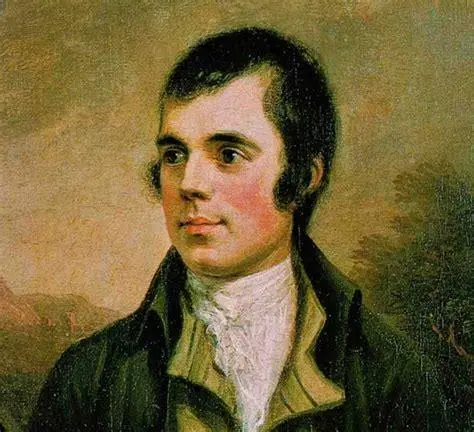
Robert Burns
Ye Banks And Braes O'Bonnie Doon
Ye Banks And Braes O'Bonnie Doon
Ye banks and braes o' bonnie Doon,
How can ye bloom sae fair!
How can ye chant, ye little birds,
And I sae fu' o' care!
Thou'll break my heart, thou bonnie bird
That sings upon the bough;
Thou minds me o' the happy days
When my fause Luve was true.
Thou'll break my heart, thou bonnie bird
That sings beside thy mate;
For sae I sat, and sae I sang,
And wist na o' my fate.
Aft hae I roved by bonnie Doon
To see the woodbine twine,
And ilka bird sang o' its love;
And sae did I o' mine.
Wi' lightsome heart I pu'd a rose
Frae aff its thorny tree;
And my fause luver staw the rose,
But left the thorn wi' me.
Ye banks and braes o' bonnie Doon,
How can ye bloom sae fair!
How can ye chant, ye little birds,
And I sae fu' o' care!
Thou'll break my heart, thou bonnie bird
That sings upon the bough;
Thou minds me o' the happy days
When my fause Luve was true.
Thou'll break my heart, thou bonnie bird
That sings beside thy mate;
For sae I sat, and sae I sang,
And wist na o' my fate.
Aft hae I roved by bonnie Doon
To see the woodbine twine,
And ilka bird sang o' its love;
And sae did I o' mine.
Wi' lightsome heart I pu'd a rose
Frae aff its thorny tree;
And my fause luver staw the rose,
But left the thorn wi' me.
221
Robert Burns
Verses to Clarinda
Verses to Clarinda
Fair Empress of the poet's soul,
And Queen of poetesses;
Clarinda, take this little boon,
This humble pair of glasses:
And fill them up with generous juice,
As generous as your mind;
And pledge them to the generous toast,
"The whole of human kind!"
"To those nwho love us!" second fill;
But not to those whom we love;
Lest we love those who love not us -
A third - "To thee and me, love!"
Fair Empress of the poet's soul,
And Queen of poetesses;
Clarinda, take this little boon,
This humble pair of glasses:
And fill them up with generous juice,
As generous as your mind;
And pledge them to the generous toast,
"The whole of human kind!"
"To those nwho love us!" second fill;
But not to those whom we love;
Lest we love those who love not us -
A third - "To thee and me, love!"
262
Robert Burns
To a Mountain Daisy
To a Mountain Daisy
Wee, modest, crimson-tippèd flow'r,
Thou's met me in an evil hour;
For I maun crush amang the stoure
Thy slender stem:
To spare thee now is past my pow'r,
Thou bonie gem.
Alas! it's no thy neibor sweet,
The bonie lark, companion meet,
Bending thee 'mang the dewy weet
Wi' spreck'd breast,
When upward-springing, blythe, to greet
The purpling east.
Cauld blew the bitter-biting north
Upon thy early, humble birth;
Yet cheerfully thou glinted forth
Amid the storm,
Scarce rear'd above the parent-earth
Thy tender form.
The flaunting flowers our gardens yield
High shelt'ring woods an' wa's maun shield:
But thou, beneath the random bield
O' clod or stane,
Adorns the histie stibble-field
Unseen, alane.
There, in thy scanty mantle clad,
Thy snawie-bosom sun-ward spread,
Thou lifts thy unassuming head
In humble guise;
But now the share uptears thy bed,
And low thou lies!
Such is the fate of artless maid,
Sweet flow'ret of the rural shade!
By love's simplicity betray'd
And guileless trust;
Till she, like thee, all soil'd, is laid
Low i' the dust.
Such is the fate of simple bard,
On life's rough ocean luckless starr'd!
Unskilful he to note the card
Of prudent lore,
Till billows rage and gales blow hard,
And whelm him o'er!
Such fate to suffering Worth is giv'n,
Who long with wants and woes has striv'n,
By human pride or cunning driv'n
To mis'ry's brink;
Till, wrench'd of ev'ry stay but Heav'n,
He ruin'd sink!
Ev'n thou who mourn'st the Daisy's fate,
That fate is thine--no distant date;
Stern Ruin's ploughshare drives elate,
Full on thy bloom,
Till crush'd beneath the furrow's weight
Shall be thy doom.
Wee, modest, crimson-tippèd flow'r,
Thou's met me in an evil hour;
For I maun crush amang the stoure
Thy slender stem:
To spare thee now is past my pow'r,
Thou bonie gem.
Alas! it's no thy neibor sweet,
The bonie lark, companion meet,
Bending thee 'mang the dewy weet
Wi' spreck'd breast,
When upward-springing, blythe, to greet
The purpling east.
Cauld blew the bitter-biting north
Upon thy early, humble birth;
Yet cheerfully thou glinted forth
Amid the storm,
Scarce rear'd above the parent-earth
Thy tender form.
The flaunting flowers our gardens yield
High shelt'ring woods an' wa's maun shield:
But thou, beneath the random bield
O' clod or stane,
Adorns the histie stibble-field
Unseen, alane.
There, in thy scanty mantle clad,
Thy snawie-bosom sun-ward spread,
Thou lifts thy unassuming head
In humble guise;
But now the share uptears thy bed,
And low thou lies!
Such is the fate of artless maid,
Sweet flow'ret of the rural shade!
By love's simplicity betray'd
And guileless trust;
Till she, like thee, all soil'd, is laid
Low i' the dust.
Such is the fate of simple bard,
On life's rough ocean luckless starr'd!
Unskilful he to note the card
Of prudent lore,
Till billows rage and gales blow hard,
And whelm him o'er!
Such fate to suffering Worth is giv'n,
Who long with wants and woes has striv'n,
By human pride or cunning driv'n
To mis'ry's brink;
Till, wrench'd of ev'ry stay but Heav'n,
He ruin'd sink!
Ev'n thou who mourn'st the Daisy's fate,
That fate is thine--no distant date;
Stern Ruin's ploughshare drives elate,
Full on thy bloom,
Till crush'd beneath the furrow's weight
Shall be thy doom.
305
Robert Burns
Tibbie Dunbar
Tibbie Dunbar
O, wilt thou go wi' me,
Sweet Tibbie Dunbar?
O, wilt thou go wi' me,
Sweet Tibbie Dunbar?
Wilt thou ride on a horse,
Or be drawn in a car,
Or walk by my side,
O sweet Tibbie Dunbar?
I care na thy daddie,
His lands and his money,
I care na thy kin
Sae high and sae lordly;
But say thou wilt ha'e me
For better for waur—
And come in thy coatie,
Sweet Tibbie Dunbar!
O, wilt thou go wi' me,
Sweet Tibbie Dunbar?
O, wilt thou go wi' me,
Sweet Tibbie Dunbar?
Wilt thou ride on a horse,
Or be drawn in a car,
Or walk by my side,
O sweet Tibbie Dunbar?
I care na thy daddie,
His lands and his money,
I care na thy kin
Sae high and sae lordly;
But say thou wilt ha'e me
For better for waur—
And come in thy coatie,
Sweet Tibbie Dunbar!
236
Robert Burns
Tibbie Dunbar
Tibbie Dunbar
O, wilt thou go wi' me,
Sweet Tibbie Dunbar?
O, wilt thou go wi' me,
Sweet Tibbie Dunbar?
Wilt thou ride on a horse,
Or be drawn in a car,
Or walk by my side,
O sweet Tibbie Dunbar?
I care na thy daddie,
His lands and his money,
I care na thy kin
Sae high and sae lordly;
But say thou wilt ha'e me
For better for waur—
And come in thy coatie,
Sweet Tibbie Dunbar!
O, wilt thou go wi' me,
Sweet Tibbie Dunbar?
O, wilt thou go wi' me,
Sweet Tibbie Dunbar?
Wilt thou ride on a horse,
Or be drawn in a car,
Or walk by my side,
O sweet Tibbie Dunbar?
I care na thy daddie,
His lands and his money,
I care na thy kin
Sae high and sae lordly;
But say thou wilt ha'e me
For better for waur—
And come in thy coatie,
Sweet Tibbie Dunbar!
236
Robert Burns
The Tarbolton Lasses
The Tarbolton Lasses
If ye gae up to yon hill-tap,
Ye'll there see bonie Peggy;
She kens her father is a laird,
And she forsooth's a leddy.
There Sophy tight, a lassie bright,
Besides a handsome fortune:
Wha canna win her in a night,
Has little art in courtin'.
Gae down by Faile, and taste the ale,
And tak a look o' Mysie;
She's dour and din, a deil within,
But aiblins she may please ye.
If she be shy, her sister try,
Ye'll maybe fancy Jenny;
If ye'll dispense wi' want o' sense-
She kens hersel she's bonie.
As ye gae up by yon hillside,
Speir in for bonie Bessy;
She'll gie ye a beck, and bid ye light,
And handsomely address ye.
There's few sae bonie, nane sae guid,
In a' King George' dominion;
If ye should doubt the truth o' this-
It's Bessy's ain opinion!
If ye gae up to yon hill-tap,
Ye'll there see bonie Peggy;
She kens her father is a laird,
And she forsooth's a leddy.
There Sophy tight, a lassie bright,
Besides a handsome fortune:
Wha canna win her in a night,
Has little art in courtin'.
Gae down by Faile, and taste the ale,
And tak a look o' Mysie;
She's dour and din, a deil within,
But aiblins she may please ye.
If she be shy, her sister try,
Ye'll maybe fancy Jenny;
If ye'll dispense wi' want o' sense-
She kens hersel she's bonie.
As ye gae up by yon hillside,
Speir in for bonie Bessy;
She'll gie ye a beck, and bid ye light,
And handsomely address ye.
There's few sae bonie, nane sae guid,
In a' King George' dominion;
If ye should doubt the truth o' this-
It's Bessy's ain opinion!
260
Robert Burns
The Lass That Made the Bed to Me
The Lass That Made the Bed to Me
When Januar' wind was blawing cauld,
As to the north I took my way,
The mirksome night did me enfauld,
I knew na whare to lodge till day:
By my gude luck a maid I met,
Just in the middle o' my care,
And Kindly she did me invite
To walk into a chamber fair.
I bow'd fu' low unto this maid,
And thank'd her for her courtesie;
I bow'd fu' low unto this maid,
An bade her make a bed to me;
She made the bed baith large and wide,
Wi' twa white hands she spread it doun;
She put the cup to her rosy lips,
And drank - "Young man, now sleep ye soun'."
Chorus - The bonie lass made the bed to me,
The braw lass made the bed to me,
I'll ne'er forget till the day I die,
The lass that made the bed to me.
She snatch'd the candle in her hand,
And frae my chamber went wi' speed;
But I call'd her quickly back again,
To lay some mair below my head:
A cod she laid below my head,
And served me with due respect,
And, to salute her wi' a kis,
I put my arms about her neck.
Chorus: -...
"Haud aff your hands, young man! she said,
"And dinna sae uncivil be;
Gif ye hae ony luve for me,
O wrang ma my virginitie."
Her hair was like the links o' gowd,
Her teeth were like the ivorie,
Her cheeks like lilies dipt in wine,
The lass that made the bed to me.
Chorus: -...
Her bosom was the driven snaw,
Twa drifted heaps sae fair to see;
Her limbs the polish'd marble stane,
The lass that made the bed to me.
I kiss'd her o'er and o'er again,
And aye she wist na what to say:
I laid her 'tween me and the wa';
The lassie thocht na lang till day.
Chorus: -...
Upon the morrow when we raise,
I thank'd her for her courtesie;
But aye she blush'd and aye she sigh'd,
And said, "Alas, ye've ruin'd me."
I clasp'd her waist, and kiss'd her syne,
While the tear stood twinklin' in her e'e;
I said, "My lassie, dinna cry,
For ye aye shall make the bed to me."
Chorus: - ...
She took her mither's holland sheets,
An' made them a' in sarks to me;
Blythe and merry may she be,
The lass that made the bed to me.
Chorus: -...
When Januar' wind was blawing cauld,
As to the north I took my way,
The mirksome night did me enfauld,
I knew na whare to lodge till day:
By my gude luck a maid I met,
Just in the middle o' my care,
And Kindly she did me invite
To walk into a chamber fair.
I bow'd fu' low unto this maid,
And thank'd her for her courtesie;
I bow'd fu' low unto this maid,
An bade her make a bed to me;
She made the bed baith large and wide,
Wi' twa white hands she spread it doun;
She put the cup to her rosy lips,
And drank - "Young man, now sleep ye soun'."
Chorus - The bonie lass made the bed to me,
The braw lass made the bed to me,
I'll ne'er forget till the day I die,
The lass that made the bed to me.
She snatch'd the candle in her hand,
And frae my chamber went wi' speed;
But I call'd her quickly back again,
To lay some mair below my head:
A cod she laid below my head,
And served me with due respect,
And, to salute her wi' a kis,
I put my arms about her neck.
Chorus: -...
"Haud aff your hands, young man! she said,
"And dinna sae uncivil be;
Gif ye hae ony luve for me,
O wrang ma my virginitie."
Her hair was like the links o' gowd,
Her teeth were like the ivorie,
Her cheeks like lilies dipt in wine,
The lass that made the bed to me.
Chorus: -...
Her bosom was the driven snaw,
Twa drifted heaps sae fair to see;
Her limbs the polish'd marble stane,
The lass that made the bed to me.
I kiss'd her o'er and o'er again,
And aye she wist na what to say:
I laid her 'tween me and the wa';
The lassie thocht na lang till day.
Chorus: -...
Upon the morrow when we raise,
I thank'd her for her courtesie;
But aye she blush'd and aye she sigh'd,
And said, "Alas, ye've ruin'd me."
I clasp'd her waist, and kiss'd her syne,
While the tear stood twinklin' in her e'e;
I said, "My lassie, dinna cry,
For ye aye shall make the bed to me."
Chorus: - ...
She took her mither's holland sheets,
An' made them a' in sarks to me;
Blythe and merry may she be,
The lass that made the bed to me.
Chorus: -...
271
Robert Burns
The Death and Dying Words of Poor Mailie
The Death and Dying Words of Poor Mailie
The Author's Only Pet Yowe
An Unco Mournfu' Tale
As Mailie, an' her lambs thegither,
Was ae day nibbling on the tether,
Upon her cloot she coost a hitch,
An owre she warsl'd in the ditch:
There, groaning, dying, she did lie,
When Hughoc he cam doytin by.
Wi' glowrin een, and lifted han's
Poor Hughoc like a statue stan's;
He saw her days were near-hand ended,
But, wae's my heart! he could na mend it!
He gaped wide, but naething spak,
At length poor Mailie silence brak.
"O thou, whase lamentable face
Appears to mourn my woefu' case!
My dying words attentive hear,
An' bear them to my Master dear.
"Tell him, if e'er again he keep
As muckle gear as buy a sheep -
O, bid him never tie them mair,
Wi' wicked strings o' hemp or hair!
But ca' them out to park or hill,
An' let them wander at their will:
So may his flock increase, an' grow
To scores o' lambs, an' packs o' woo'!
"Tell him, he was a Master kin',
An' aye was guid to me an' mine;
An now my dying charge I gie him,
My helpless lambs, I trust them wi' him.
"O, bid him save their harmless lives,
Frae dogs, an' tods, an' butchers' knives!
But gie them guid cow-milk their fill,
Till they be fit to fend themsel';
An' tent them duly, e'en an' morn,
Wi' taets o' hay an' ripps o' corn.
"An' may they never learn the gates,
Of ither vile, wanrestfu' pets -
To slink thro' slaps, an' reave an' steal
At stacks o' pease, or stocks o' kail!
So may they, like their great forbears,
For mony a year come thro' the shears:
So wives will gie them bits o' bread,
An bairns greet for them when they're dead.
"My poor toop-lamb, my son an' heir,
O, bid him breed him up wi' care!
An' if he live to be a beast,
To pit some havins in his breast!
An' warn him - what I winna name -
To stay content wi' yowes at hame;
An' no to rin an' wear his cloots,
Like ither meseless, graceless brutes.
"An' neist, my yowie, silly thing,
Gude keep thee frae a tether string!
O, may thou ne'er forgather up,
Wi' ony blastit, moorland toop;
But aye keep mind to moop an' mell,
Wi' sheep o' credit like thysel'!
"And now, my bairns, wi' my last breath,
I lea'e my blessin wi' you baith:
An' when you think upo' your mither,
Mind to be kind to ane anither.
"Now, honest Hughoc, dinna fail,
To tell my master a' my tale;
An' bid him burn this cursed tether,
An' for thy pains thou'se get my blather."
This said, poor Mailie turn'd her head,
An' closed her een amang the dead!
The Author's Only Pet Yowe
An Unco Mournfu' Tale
As Mailie, an' her lambs thegither,
Was ae day nibbling on the tether,
Upon her cloot she coost a hitch,
An owre she warsl'd in the ditch:
There, groaning, dying, she did lie,
When Hughoc he cam doytin by.
Wi' glowrin een, and lifted han's
Poor Hughoc like a statue stan's;
He saw her days were near-hand ended,
But, wae's my heart! he could na mend it!
He gaped wide, but naething spak,
At length poor Mailie silence brak.
"O thou, whase lamentable face
Appears to mourn my woefu' case!
My dying words attentive hear,
An' bear them to my Master dear.
"Tell him, if e'er again he keep
As muckle gear as buy a sheep -
O, bid him never tie them mair,
Wi' wicked strings o' hemp or hair!
But ca' them out to park or hill,
An' let them wander at their will:
So may his flock increase, an' grow
To scores o' lambs, an' packs o' woo'!
"Tell him, he was a Master kin',
An' aye was guid to me an' mine;
An now my dying charge I gie him,
My helpless lambs, I trust them wi' him.
"O, bid him save their harmless lives,
Frae dogs, an' tods, an' butchers' knives!
But gie them guid cow-milk their fill,
Till they be fit to fend themsel';
An' tent them duly, e'en an' morn,
Wi' taets o' hay an' ripps o' corn.
"An' may they never learn the gates,
Of ither vile, wanrestfu' pets -
To slink thro' slaps, an' reave an' steal
At stacks o' pease, or stocks o' kail!
So may they, like their great forbears,
For mony a year come thro' the shears:
So wives will gie them bits o' bread,
An bairns greet for them when they're dead.
"My poor toop-lamb, my son an' heir,
O, bid him breed him up wi' care!
An' if he live to be a beast,
To pit some havins in his breast!
An' warn him - what I winna name -
To stay content wi' yowes at hame;
An' no to rin an' wear his cloots,
Like ither meseless, graceless brutes.
"An' neist, my yowie, silly thing,
Gude keep thee frae a tether string!
O, may thou ne'er forgather up,
Wi' ony blastit, moorland toop;
But aye keep mind to moop an' mell,
Wi' sheep o' credit like thysel'!
"And now, my bairns, wi' my last breath,
I lea'e my blessin wi' you baith:
An' when you think upo' your mither,
Mind to be kind to ane anither.
"Now, honest Hughoc, dinna fail,
To tell my master a' my tale;
An' bid him burn this cursed tether,
An' for thy pains thou'se get my blather."
This said, poor Mailie turn'd her head,
An' closed her een amang the dead!
268
Robert Burns
The Bonie Wee Thing
The Bonie Wee Thing
Wishfully I look and languish
In that bonie face o' thine,
And my heart it sounds wi' anguish,
Lest my wee thing be na mine.
[Chorus] Bonie wee thing, cannie wee thing,
Lovely wee thing, wert thou mine,
I wad wear thee in my bosom,
Lest my jewel it should tine.
Wit and Grace, and Love, and Beauty,
In ae constellation shine;
To adore thee in my duty,
Goddess o' this soul o' mine!
[Chorus]
Wishfully I look and languish
In that bonie face o' thine,
And my heart it sounds wi' anguish,
Lest my wee thing be na mine.
[Chorus] Bonie wee thing, cannie wee thing,
Lovely wee thing, wert thou mine,
I wad wear thee in my bosom,
Lest my jewel it should tine.
Wit and Grace, and Love, and Beauty,
In ae constellation shine;
To adore thee in my duty,
Goddess o' this soul o' mine!
[Chorus]
240
Robert Burns
Tarbolton Lasses, The
Tarbolton Lasses, The
If ye gae up to yon hill-tap,
Ye'll there see bonie Peggy;
She kens her father is a laird,
And she forsooth's a leddy.
There Sophy tight, a lassie bright,
Besides a handsome fortune:
Wha canna win her in a night,
Has little art in courtin'.
Gae down by Faile, and taste the ale,
And tak a look o' Mysie;
She's dour and din, a deil within,
But aiblins she may please ye.
If she be shy, her sister try,
Ye'll maybe fancy Jenny;
If ye'll dispense wi' want o' sense-
She kens hersel she's bonie.
As ye gae up by yon hillside,
Speir in for bonie Bessy;
She'll gie ye a beck, and bid ye light,
And handsomely address ye.
There's few sae bonie, nane sae guid,
In a' King George' dominion;
If ye should doubt the truth o' this-
It's Bessy's ain opinion!
If ye gae up to yon hill-tap,
Ye'll there see bonie Peggy;
She kens her father is a laird,
And she forsooth's a leddy.
There Sophy tight, a lassie bright,
Besides a handsome fortune:
Wha canna win her in a night,
Has little art in courtin'.
Gae down by Faile, and taste the ale,
And tak a look o' Mysie;
She's dour and din, a deil within,
But aiblins she may please ye.
If she be shy, her sister try,
Ye'll maybe fancy Jenny;
If ye'll dispense wi' want o' sense-
She kens hersel she's bonie.
As ye gae up by yon hillside,
Speir in for bonie Bessy;
She'll gie ye a beck, and bid ye light,
And handsomely address ye.
There's few sae bonie, nane sae guid,
In a' King George' dominion;
If ye should doubt the truth o' this-
It's Bessy's ain opinion!
277
Robert Burns
Rigs O' Barley, The
Rigs O' Barley, The
It was upon a Lammas night,
When corn rigs are bonnie,
Beneath the moon's unclouded light,
I held away to Annie:
The time flew by wi' tentless heed
Till 'tween the late and early,
Wi' sma' persuasion, she agreed
To see me thro' the barley.
Corn rigs, an' barley rigs,
An' corn rigs are bonnie:
I'll ne'er forget that happy night,
Amang the rigs wi' Annie.
The sky was blue, the wind was still,
The moon was shining clearly:
I set her down, wi' right good will,
Amang the rigs o' barley:
I ken't her heart was a' my ain:
I lov'd her most sincerely;
I kiss'd her owre and owre again,
Amang the rigs o' barley.
Corn rigs...
I lock'd her in my fond embrace;
Her heart was beating rarely:
My blessings on that happy place,
Amang the rigs o' barley!
But by the moon and stars so bright,
That shone that hour so clearly!
She aye shall bless that happy night,
Amang the rigs o' barley.
Corn rigs...
I ha'e been blythe wi' comrades dear;
I ha'e been merry drinkin';
I ha'e been joyfu' gatherin' gear;
I ha'e been happy thinkin':
But a' the pleasures e'er I saw,
Tho' three times doubled fairly,
That happy night was worth then a',
Amang the rigs o' barley.
Corn rigs...
It was upon a Lammas night,
When corn rigs are bonnie,
Beneath the moon's unclouded light,
I held away to Annie:
The time flew by wi' tentless heed
Till 'tween the late and early,
Wi' sma' persuasion, she agreed
To see me thro' the barley.
Corn rigs, an' barley rigs,
An' corn rigs are bonnie:
I'll ne'er forget that happy night,
Amang the rigs wi' Annie.
The sky was blue, the wind was still,
The moon was shining clearly:
I set her down, wi' right good will,
Amang the rigs o' barley:
I ken't her heart was a' my ain:
I lov'd her most sincerely;
I kiss'd her owre and owre again,
Amang the rigs o' barley.
Corn rigs...
I lock'd her in my fond embrace;
Her heart was beating rarely:
My blessings on that happy place,
Amang the rigs o' barley!
But by the moon and stars so bright,
That shone that hour so clearly!
She aye shall bless that happy night,
Amang the rigs o' barley.
Corn rigs...
I ha'e been blythe wi' comrades dear;
I ha'e been merry drinkin';
I ha'e been joyfu' gatherin' gear;
I ha'e been happy thinkin':
But a' the pleasures e'er I saw,
Tho' three times doubled fairly,
That happy night was worth then a',
Amang the rigs o' barley.
Corn rigs...
290
Robert Burns
Rigs O' Barley, The
Rigs O' Barley, The
It was upon a Lammas night,
When corn rigs are bonnie,
Beneath the moon's unclouded light,
I held away to Annie:
The time flew by wi' tentless heed
Till 'tween the late and early,
Wi' sma' persuasion, she agreed
To see me thro' the barley.
Corn rigs, an' barley rigs,
An' corn rigs are bonnie:
I'll ne'er forget that happy night,
Amang the rigs wi' Annie.
The sky was blue, the wind was still,
The moon was shining clearly:
I set her down, wi' right good will,
Amang the rigs o' barley:
I ken't her heart was a' my ain:
I lov'd her most sincerely;
I kiss'd her owre and owre again,
Amang the rigs o' barley.
Corn rigs...
I lock'd her in my fond embrace;
Her heart was beating rarely:
My blessings on that happy place,
Amang the rigs o' barley!
But by the moon and stars so bright,
That shone that hour so clearly!
She aye shall bless that happy night,
Amang the rigs o' barley.
Corn rigs...
I ha'e been blythe wi' comrades dear;
I ha'e been merry drinkin';
I ha'e been joyfu' gatherin' gear;
I ha'e been happy thinkin':
But a' the pleasures e'er I saw,
Tho' three times doubled fairly,
That happy night was worth then a',
Amang the rigs o' barley.
Corn rigs...
It was upon a Lammas night,
When corn rigs are bonnie,
Beneath the moon's unclouded light,
I held away to Annie:
The time flew by wi' tentless heed
Till 'tween the late and early,
Wi' sma' persuasion, she agreed
To see me thro' the barley.
Corn rigs, an' barley rigs,
An' corn rigs are bonnie:
I'll ne'er forget that happy night,
Amang the rigs wi' Annie.
The sky was blue, the wind was still,
The moon was shining clearly:
I set her down, wi' right good will,
Amang the rigs o' barley:
I ken't her heart was a' my ain:
I lov'd her most sincerely;
I kiss'd her owre and owre again,
Amang the rigs o' barley.
Corn rigs...
I lock'd her in my fond embrace;
Her heart was beating rarely:
My blessings on that happy place,
Amang the rigs o' barley!
But by the moon and stars so bright,
That shone that hour so clearly!
She aye shall bless that happy night,
Amang the rigs o' barley.
Corn rigs...
I ha'e been blythe wi' comrades dear;
I ha'e been merry drinkin';
I ha'e been joyfu' gatherin' gear;
I ha'e been happy thinkin':
But a' the pleasures e'er I saw,
Tho' three times doubled fairly,
That happy night was worth then a',
Amang the rigs o' barley.
Corn rigs...
290
Robert Burns
Peggy
Peggy
Now westlin winds and slaught'ring guns
Bring autumn's pleasant weather;
And the moorcock springs, on whirring wings,
Amang the blooming heather;
Now waving grain, wide o'er the plain,
Delights the weary farmer;
And the moon shines bright, when I rove at night.
To muse upou my charmer.
The partridge loves the fruitful fells;
The plover loves the mountains;
The woodcock haunts tbe lonely dell;
The soaring hern the fountains:
Thro' lofty groves the cushat roves,
The path of man to shun it;
The hazel bush o'erhangs the thrush,
The spreading thorn the linnet.
Thus ev'ry kind their pleasure find,
The savage and the tender;
Some social join, and leagues combine
Some solitary wander:
Avaunt, away, the cruel sway!
Tyrannic man's dominion;
The sportsman's joy, the murd'ring cry,
The flutt'ring, gory pinion!
But Peggy dear, the evening's clear,
Thick flies the skimming swallow;
The sky is blue, the fields in view,
All fading-green and yellow:
Come let us stray our gladsome way,
And view the charms of nature;
The rustling corn, the fruited thorn,
And every happy creature.
We'll gently walk, and sweetly talk,
Till the silent moon shine clearly;
I'll grasp thy waist, and, fondly prest,
Swear how I love thee dearly:
Not vernal show'rs to budding flow'rs,
Not autumn to the farmer,
So dear can be as thou to me,
My fair, my lovely charmer!
My Love is Like a Red, Red Rose
O, my luve is like a red, red rose,
That's newly sprung in June.
O, my love is like a melodie,
That's sweetly play'd in tune.
As fair thou art, my bonnie lass,
So deep in luve am I,
And I will luve thee still, my dear,
Till a' the seas gang dry.
Till a' the seas gang dry, my dear,
And the rocks melt wi' the sun!
And I will luve thee still, my dear,
While the sands of life shall run.
And fare the weel, my only luve!
And fare the well awhile!
And I will come again, my love.
Tho' it were ten thousand mile!
Now westlin winds and slaught'ring guns
Bring autumn's pleasant weather;
And the moorcock springs, on whirring wings,
Amang the blooming heather;
Now waving grain, wide o'er the plain,
Delights the weary farmer;
And the moon shines bright, when I rove at night.
To muse upou my charmer.
The partridge loves the fruitful fells;
The plover loves the mountains;
The woodcock haunts tbe lonely dell;
The soaring hern the fountains:
Thro' lofty groves the cushat roves,
The path of man to shun it;
The hazel bush o'erhangs the thrush,
The spreading thorn the linnet.
Thus ev'ry kind their pleasure find,
The savage and the tender;
Some social join, and leagues combine
Some solitary wander:
Avaunt, away, the cruel sway!
Tyrannic man's dominion;
The sportsman's joy, the murd'ring cry,
The flutt'ring, gory pinion!
But Peggy dear, the evening's clear,
Thick flies the skimming swallow;
The sky is blue, the fields in view,
All fading-green and yellow:
Come let us stray our gladsome way,
And view the charms of nature;
The rustling corn, the fruited thorn,
And every happy creature.
We'll gently walk, and sweetly talk,
Till the silent moon shine clearly;
I'll grasp thy waist, and, fondly prest,
Swear how I love thee dearly:
Not vernal show'rs to budding flow'rs,
Not autumn to the farmer,
So dear can be as thou to me,
My fair, my lovely charmer!
My Love is Like a Red, Red Rose
O, my luve is like a red, red rose,
That's newly sprung in June.
O, my love is like a melodie,
That's sweetly play'd in tune.
As fair thou art, my bonnie lass,
So deep in luve am I,
And I will luve thee still, my dear,
Till a' the seas gang dry.
Till a' the seas gang dry, my dear,
And the rocks melt wi' the sun!
And I will luve thee still, my dear,
While the sands of life shall run.
And fare the weel, my only luve!
And fare the well awhile!
And I will come again, my love.
Tho' it were ten thousand mile!
353
Robert Burns
Of a' the Airts
Of a' the Airts
Of a' the airts the wind can blaw
I dearly like the west,
For there the bonie lassie lives,
The lassie I lo'e best.
There wild woods grow and rivers row,
And monie a hill between;
But day and night my fancy's flight
Is ever wi' my Jean.
I see her in the dewy flowers;
I see her sweet and fair:
I hear her in the tunefu' birds;
I hear her charm the air.
There's not a bonie flower that springs
By fountain, shaw, or green;
There's not a bonie bird that sings,
But minds me o' my Jean.
Of a' the airts the wind can blaw
I dearly like the west,
For there the bonie lassie lives,
The lassie I lo'e best.
There wild woods grow and rivers row,
And monie a hill between;
But day and night my fancy's flight
Is ever wi' my Jean.
I see her in the dewy flowers;
I see her sweet and fair:
I hear her in the tunefu' birds;
I hear her charm the air.
There's not a bonie flower that springs
By fountain, shaw, or green;
There's not a bonie bird that sings,
But minds me o' my Jean.
205
Robert Burns
On A Bank Of Flowers
On A Bank Of Flowers
On a bank of flowers in a summer day
For summer lightly drest,
The youthful, blooming Nelly lay,
With love and sleep opprest;
When Willie, wand'ring thro the wood
Who for her favour oft had suedÑ
He gaz'd, he wish'd He fear'd, he blush'd
And trembled where he stood.
Her closèd eyes, like weapons sheath'd,
Were sealed in soft repose;
Her lips, still as she fragrant breath'd,
It richer dyed the rose.
The springing lilies, sweetly Crest,
Wild-wanton kissed her rival breast:
He gaz'd, he wish'd, He fear'd he blush'd
His bosom ill at rest.
Her robes, light-waving in the breeze,
Her tender limbs embrace;
Her lovely form, her native ease,
All harmony and grace.
Tumultuous tides his pulses roll,
A faltering, ardent kiss he stole;
He gaz'd, he wish'd, He fear'd, he blush'd,
And sigh'd his very soul.
As flies the partridge from the brake
On fear-inspired wings
So Nelly starting, half-awake
Away affrighted springs.
But Willie, follow'd---as he should
He overtook her in the wood;
He vow'd, he pray'd, He found the maid
Forgiving all, and good.
On a bank of flowers in a summer day
For summer lightly drest,
The youthful, blooming Nelly lay,
With love and sleep opprest;
When Willie, wand'ring thro the wood
Who for her favour oft had suedÑ
He gaz'd, he wish'd He fear'd, he blush'd
And trembled where he stood.
Her closèd eyes, like weapons sheath'd,
Were sealed in soft repose;
Her lips, still as she fragrant breath'd,
It richer dyed the rose.
The springing lilies, sweetly Crest,
Wild-wanton kissed her rival breast:
He gaz'd, he wish'd, He fear'd he blush'd
His bosom ill at rest.
Her robes, light-waving in the breeze,
Her tender limbs embrace;
Her lovely form, her native ease,
All harmony and grace.
Tumultuous tides his pulses roll,
A faltering, ardent kiss he stole;
He gaz'd, he wish'd, He fear'd, he blush'd,
And sigh'd his very soul.
As flies the partridge from the brake
On fear-inspired wings
So Nelly starting, half-awake
Away affrighted springs.
But Willie, follow'd---as he should
He overtook her in the wood;
He vow'd, he pray'd, He found the maid
Forgiving all, and good.
233
Robert Burns
O, Were My Love
O, Were My Love
O, were my love yon lilac fair
Wi' purple blossoms to the spring,
And I a bird to shelter there,
When wearied on my little wing.
How I wad mourn when it was torn
By Autumn wild and Winter rude!
But I wad sing on wanton wing
When youthfu May its bloom renew'd.
O, gin my love were yon red rose,
That grows upon the castle wa',
And I mysel a drap o' dew
Into her bonie breast to fa',
O, there, beyond expression blest,
I'd feast on beauty a' the night,
Seal'd on her silk-saft faulds to rest,
Till fley'd awa by Phoebus' light!
O, were my love yon lilac fair
Wi' purple blossoms to the spring,
And I a bird to shelter there,
When wearied on my little wing.
How I wad mourn when it was torn
By Autumn wild and Winter rude!
But I wad sing on wanton wing
When youthfu May its bloom renew'd.
O, gin my love were yon red rose,
That grows upon the castle wa',
And I mysel a drap o' dew
Into her bonie breast to fa',
O, there, beyond expression blest,
I'd feast on beauty a' the night,
Seal'd on her silk-saft faulds to rest,
Till fley'd awa by Phoebus' light!
281
Robert Burns
O Tibbie, I Hae Seen The Day
O Tibbie, I Hae Seen The Day
Tune - "Invercauld's Reel, or Strathspey."
Choir. - O Tibbie, I hae seen the day,
Ye wadna been sae shy;
For laik o' gear ye lightly me,
But, trowth, I care na by.
Yestreen I met you on the moor,
Ye spak na, but gaed by like stour;
Ye geck at me because I'm poor,
But fient a hair care I.
O Tibbie, I hae seen the day, &c.
When coming hame on Sunday last,
Upon the road as I cam past,
Ye snufft and ga'e your head a cast-
But trowth I care't na by.
O Tibbie, I hae seen the day, &c.
I doubt na, lass, but ye may think,
Because ye hae the name o' clink,
That ye can please me at a wink,
Whene'er ye like to try.
O Tibbie, I hae seen the day, &c.
But sorrow tak' him that's sae mean,
Altho' his pouch o' coin were clean,
Wha follows ony saucy quean,
That looks sae proud and high.
O Tibbie, I hae seen the day, &c.
Altho' a lad were e'er sae smart,
If that he want the yellow dirt,
Ye'll cast your head anither airt,
And answer him fu' dry.
O Tibbie, I hae seen the day, &c.
But, if he hae the name o' gear,
Ye'll fasten to him like a brier,
Tho' hardly he, for sense or lear,
Be better than the kye.
O Tibbie, I hae seen the day, &c.
But, Tibbie, lass, tak' my advice:
Your daddie's gear maks you sae nice;
The deil a ane wad speir your price,
Were ye as poor as I.
O Tibbie, I hae seen the day, &c.
There lives a lass beside yon park,
I'd rather hae her in her sark,
Than you wi' a' your thousand mark;
That gars you look sae high.
O Tibbie, I hae seen the day, &c.
Tune - "Invercauld's Reel, or Strathspey."
Choir. - O Tibbie, I hae seen the day,
Ye wadna been sae shy;
For laik o' gear ye lightly me,
But, trowth, I care na by.
Yestreen I met you on the moor,
Ye spak na, but gaed by like stour;
Ye geck at me because I'm poor,
But fient a hair care I.
O Tibbie, I hae seen the day, &c.
When coming hame on Sunday last,
Upon the road as I cam past,
Ye snufft and ga'e your head a cast-
But trowth I care't na by.
O Tibbie, I hae seen the day, &c.
I doubt na, lass, but ye may think,
Because ye hae the name o' clink,
That ye can please me at a wink,
Whene'er ye like to try.
O Tibbie, I hae seen the day, &c.
But sorrow tak' him that's sae mean,
Altho' his pouch o' coin were clean,
Wha follows ony saucy quean,
That looks sae proud and high.
O Tibbie, I hae seen the day, &c.
Altho' a lad were e'er sae smart,
If that he want the yellow dirt,
Ye'll cast your head anither airt,
And answer him fu' dry.
O Tibbie, I hae seen the day, &c.
But, if he hae the name o' gear,
Ye'll fasten to him like a brier,
Tho' hardly he, for sense or lear,
Be better than the kye.
O Tibbie, I hae seen the day, &c.
But, Tibbie, lass, tak' my advice:
Your daddie's gear maks you sae nice;
The deil a ane wad speir your price,
Were ye as poor as I.
O Tibbie, I hae seen the day, &c.
There lives a lass beside yon park,
I'd rather hae her in her sark,
Than you wi' a' your thousand mark;
That gars you look sae high.
O Tibbie, I hae seen the day, &c.
229
Robert Burns
Ny Nannie, O
Ny Nannie, O
Behind yon hills, where Lugar flows,
'Mang moors an' mosses many, O,
The wintry sun the day has clos'd,
And I'll awa to Nannie, O.
The westlin wind blaws loud and shill;
The night's baith mirk an' rainy, O;
But I'll get my plaid, an' out I'll steal,
An' owre the hills to Nannie, O.
My Nannie's charming, sweet, an' young:
Nae artfu' wiles to Will ye, O:
May ill befa' the flattering tongue
That wad beguile my Nannie, O.
Her face is fair, her heart is true,
She's spotless as she's bonnie, O:
The op'ning gowan, wet wi' dew,
Nae purer is than Nannie, O.
A country lad is my degree,
And few there be that ken me, O;
But what care I how few they be
I'm welcome aye to Nannie, O.
My riches a' 's my penny-fee,
An' I maun guide it cannie, O;
But warl's gear ne'er troubles me,
My thoughts are a' my Nannie, O.
Our auld guidman delights to view
His sheep and kye thrive bonnie, O;
But I'm as blythe that hauds his pleugh,
An' has nae care but Nannie, O.
Come weel, come woe, I care na by,
I'll tak' what Heav'n will sen' me, O;
Nae ither care in life have I,
But live, an' love my Nannie, O.
Behind yon hills, where Lugar flows,
'Mang moors an' mosses many, O,
The wintry sun the day has clos'd,
And I'll awa to Nannie, O.
The westlin wind blaws loud and shill;
The night's baith mirk an' rainy, O;
But I'll get my plaid, an' out I'll steal,
An' owre the hills to Nannie, O.
My Nannie's charming, sweet, an' young:
Nae artfu' wiles to Will ye, O:
May ill befa' the flattering tongue
That wad beguile my Nannie, O.
Her face is fair, her heart is true,
She's spotless as she's bonnie, O:
The op'ning gowan, wet wi' dew,
Nae purer is than Nannie, O.
A country lad is my degree,
And few there be that ken me, O;
But what care I how few they be
I'm welcome aye to Nannie, O.
My riches a' 's my penny-fee,
An' I maun guide it cannie, O;
But warl's gear ne'er troubles me,
My thoughts are a' my Nannie, O.
Our auld guidman delights to view
His sheep and kye thrive bonnie, O;
But I'm as blythe that hauds his pleugh,
An' has nae care but Nannie, O.
Come weel, come woe, I care na by,
I'll tak' what Heav'n will sen' me, O;
Nae ither care in life have I,
But live, an' love my Nannie, O.
216