

Poems in this topic
Relationships and Family
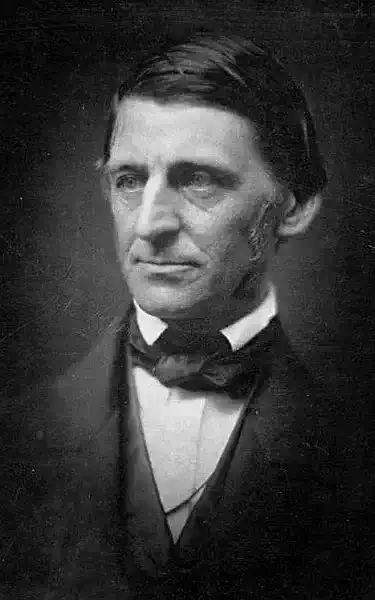
Ralph Waldo Emerson
Eros
Eros
The sense of the world is short, -
Long and various the report, -
To love and be beloved;
Men and gods have not outlearned it;
And, how oft soe'er they've turned it,
'Tis not to be improved.
The sense of the world is short, -
Long and various the report, -
To love and be beloved;
Men and gods have not outlearned it;
And, how oft soe'er they've turned it,
'Tis not to be improved.
420
Ralph Waldo Emerson
Dæmonic Love
Dæmonic Love
Man was made of social earth,
Child and brother from his birth;
Tethered by a liquid cord
Of blood through veins of kindred poured,
Next his heart the fireside band
Of mother, father, sister, stand;
Names from awful childhood heard,
Throbs of a wild religion stirred,
Their good was heaven, their harm was vice,
Till Beauty came to snap all ties,
The maid, abolishing the past,
With lotus-wine obliterates
Dear memory's stone-incarved traits,
And by herself supplants alone
Friends year by year more inly known.
When her calm eyes opened bright,
All were foreign in their light.
It was ever the self-same tale,
The old experience will not fail,—
Only two in the garden walked,
And with snake and seraph talked.
But God said;
I will have a purer gift,
There is smoke in the flame;
New flowerets bring, new prayers uplift,
And love without a name.
Fond children, ye desire
To please each other well;
Another round, a higher,
Ye shall climb on the heavenly stair,
And selfish preference forbear;
And in right deserving,
And without a swerving
Each from your proper state,
Weave roses for your mate.
Deep, deep are loving eyes,
Flowed with naphtha fiery sweet,
And the point is Paradise
Where their glances meet:
Their reach shall yet be more profound,
And a vision without bound:
The axis of those eyes sun-clear
Be the axis of the sphere;
Then shall the lights ye pour amain
Go without check or intervals,
Through from the empyrean walls,
Unto the same again.
Close, close to men,
Like undulating layer of air,
Right above their heads,
The potent plain of Dæmons spreads.
Stands to each human soul its own,
For watch, and ward, and furtherance
In the snares of nature's dance;
And the lustre and the grace
Which fascinate each human heart,
Beaming from another part,
Translucent through the mortal covers,
Is the Dæmon's form and face.
To and fro the Genius hies,
A gleam which plays and hovers
Over the maiden's head,
And dips sometimes as low as to her eyes.
Unknown, — albeit lying near, —
To men the path to the Dæmon sphere,
And they that swiftly come and go,
Leave no track on the heavenly snow.
Sometimes the airy synod bends,
And the mighty choir descends,
And the brains of men thenceforth,
In crowded and in still resorts,
Teem with unwonted thoughts.
As when a shower of meteors
Cross the orbit of the earth,
And, lit by fringent air,
Blaze near and far.
Mortals deem the planets bright
Have slipped their sacred bars,
And the lone seaman all the night
Sails astonished amid stars.
Beauty of a richer vein,
Graces of a subtler strain,
Unto men these moon-men lend,
And our shrinking sky extend.
So is man's narrow path
By strength and terror skirted,
Also (from the song the wrath
Of the Genii be averted!
The Muse the truth uncolored speaking),
The Dæmons are self-seeking;
Their fierce and limitary will
Draws men to their likeness still.
The erring painter made Love blind,
Highest Love who shines on all;
Him radiant, sharpest-sighted god
None can bewilder;
Whose eyes pierce
The Universe,
Path-finder, road-builder,
Mediator, royal giver,
Rightly-seeing, rightly-seen,
Of joyful and transparent mien.
'Tis a sparkle passing
From each to each, from me to thee,
Perpetually,
Sharing all, daring all,
Levelling, misplacing
Each obstruction, it unites
Equals remote, and seeming opposites.
And ever and forever Love
Delights to build a road;
Unheeded Danger near him strides,
Love laughs, and on a lion rides.
But Cupid wears another face
Born into Dæmons less divine,
His roses bleach apace,
His nectar smacks of wine.
The Dæmon ever builds a wall,
Himself incloses and includes,
Solitude in solitudes:
In like sort his love doth fall.
He is an oligarch,
He prizes wonder, fame, and mark,
He loveth crowns,
He scorneth drones;
He doth elect
The beautiful and fortunate,
And the sons of intellect,
And the souls of ample fate,
Who the Future's gates unbar,
Minions of the Morning Star.
In his prowess he exults,
And the multitude insults.
His impatient looks devour
Oft the humble and the poor,
And, seeing his eye glare,
They drop their few pale flowers
Gathered with hope to please
Along the mountain towers,
Lose courage, and despair.
He will never be gainsaid,
Pitiless, will not be stayed.
His hot tyranny
Burns up every other tie;
Therefore comes an hour from Jove
Which his ruthless will defies,
And the dogs of Fate unties.
Shiver the palaces of glass,
Shrivel the rainbow-colored walls
Where in bright art each god and sibyl dwelt
Secure as in the Zodiack's belt;
And the galleries and halls
Wherein every Siren sung,
Like a meteor pass.
For this fortune wanted root
In the core of God's abysm,
Was a weed of self and schism:
And ever the Dæmonic Love
Is the ancestor of wars,
And the parent of remorse.
Man was made of social earth,
Child and brother from his birth;
Tethered by a liquid cord
Of blood through veins of kindred poured,
Next his heart the fireside band
Of mother, father, sister, stand;
Names from awful childhood heard,
Throbs of a wild religion stirred,
Their good was heaven, their harm was vice,
Till Beauty came to snap all ties,
The maid, abolishing the past,
With lotus-wine obliterates
Dear memory's stone-incarved traits,
And by herself supplants alone
Friends year by year more inly known.
When her calm eyes opened bright,
All were foreign in their light.
It was ever the self-same tale,
The old experience will not fail,—
Only two in the garden walked,
And with snake and seraph talked.
But God said;
I will have a purer gift,
There is smoke in the flame;
New flowerets bring, new prayers uplift,
And love without a name.
Fond children, ye desire
To please each other well;
Another round, a higher,
Ye shall climb on the heavenly stair,
And selfish preference forbear;
And in right deserving,
And without a swerving
Each from your proper state,
Weave roses for your mate.
Deep, deep are loving eyes,
Flowed with naphtha fiery sweet,
And the point is Paradise
Where their glances meet:
Their reach shall yet be more profound,
And a vision without bound:
The axis of those eyes sun-clear
Be the axis of the sphere;
Then shall the lights ye pour amain
Go without check or intervals,
Through from the empyrean walls,
Unto the same again.
Close, close to men,
Like undulating layer of air,
Right above their heads,
The potent plain of Dæmons spreads.
Stands to each human soul its own,
For watch, and ward, and furtherance
In the snares of nature's dance;
And the lustre and the grace
Which fascinate each human heart,
Beaming from another part,
Translucent through the mortal covers,
Is the Dæmon's form and face.
To and fro the Genius hies,
A gleam which plays and hovers
Over the maiden's head,
And dips sometimes as low as to her eyes.
Unknown, — albeit lying near, —
To men the path to the Dæmon sphere,
And they that swiftly come and go,
Leave no track on the heavenly snow.
Sometimes the airy synod bends,
And the mighty choir descends,
And the brains of men thenceforth,
In crowded and in still resorts,
Teem with unwonted thoughts.
As when a shower of meteors
Cross the orbit of the earth,
And, lit by fringent air,
Blaze near and far.
Mortals deem the planets bright
Have slipped their sacred bars,
And the lone seaman all the night
Sails astonished amid stars.
Beauty of a richer vein,
Graces of a subtler strain,
Unto men these moon-men lend,
And our shrinking sky extend.
So is man's narrow path
By strength and terror skirted,
Also (from the song the wrath
Of the Genii be averted!
The Muse the truth uncolored speaking),
The Dæmons are self-seeking;
Their fierce and limitary will
Draws men to their likeness still.
The erring painter made Love blind,
Highest Love who shines on all;
Him radiant, sharpest-sighted god
None can bewilder;
Whose eyes pierce
The Universe,
Path-finder, road-builder,
Mediator, royal giver,
Rightly-seeing, rightly-seen,
Of joyful and transparent mien.
'Tis a sparkle passing
From each to each, from me to thee,
Perpetually,
Sharing all, daring all,
Levelling, misplacing
Each obstruction, it unites
Equals remote, and seeming opposites.
And ever and forever Love
Delights to build a road;
Unheeded Danger near him strides,
Love laughs, and on a lion rides.
But Cupid wears another face
Born into Dæmons less divine,
His roses bleach apace,
His nectar smacks of wine.
The Dæmon ever builds a wall,
Himself incloses and includes,
Solitude in solitudes:
In like sort his love doth fall.
He is an oligarch,
He prizes wonder, fame, and mark,
He loveth crowns,
He scorneth drones;
He doth elect
The beautiful and fortunate,
And the sons of intellect,
And the souls of ample fate,
Who the Future's gates unbar,
Minions of the Morning Star.
In his prowess he exults,
And the multitude insults.
His impatient looks devour
Oft the humble and the poor,
And, seeing his eye glare,
They drop their few pale flowers
Gathered with hope to please
Along the mountain towers,
Lose courage, and despair.
He will never be gainsaid,
Pitiless, will not be stayed.
His hot tyranny
Burns up every other tie;
Therefore comes an hour from Jove
Which his ruthless will defies,
And the dogs of Fate unties.
Shiver the palaces of glass,
Shrivel the rainbow-colored walls
Where in bright art each god and sibyl dwelt
Secure as in the Zodiack's belt;
And the galleries and halls
Wherein every Siren sung,
Like a meteor pass.
For this fortune wanted root
In the core of God's abysm,
Was a weed of self and schism:
And ever the Dæmonic Love
Is the ancestor of wars,
And the parent of remorse.
328
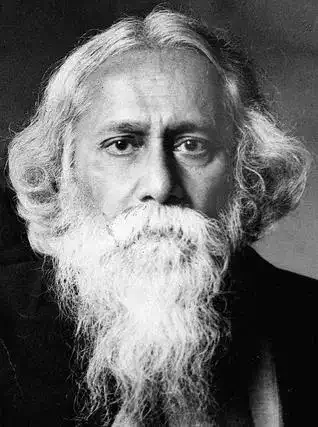
Rabindranath Tagore
When The Two Sisters Go To Fetch Water
When The Two Sisters Go To Fetch Water
WHEN the two sisters go to fetch water, they come to this spot and they smile.
They must be aware of somebody who stands behind the trees whenever they go to
fetch water.
The two sisters whisper to each other when they pass this spot.
They must have guessed the secret of that somebody who stands behind the trees
whenever they go to fetch water.
Their pitchers lurch suddenly, and water spills when they reach this spot.
They must have found out that somebody's heart is beating who stands behind the
trees whenever they go to fetch water.
The two sisters glance at each other when they come to this spot, and they smile.
There is a laughter in their swift-stepping feet, which makes confusion in somebody's
mind who stands behind the trees whenever they go to fetch water.
WHEN the two sisters go to fetch water, they come to this spot and they smile.
They must be aware of somebody who stands behind the trees whenever they go to
fetch water.
The two sisters whisper to each other when they pass this spot.
They must have guessed the secret of that somebody who stands behind the trees
whenever they go to fetch water.
Their pitchers lurch suddenly, and water spills when they reach this spot.
They must have found out that somebody's heart is beating who stands behind the
trees whenever they go to fetch water.
The two sisters glance at each other when they come to this spot, and they smile.
There is a laughter in their swift-stepping feet, which makes confusion in somebody's
mind who stands behind the trees whenever they go to fetch water.
625
Rabindranath Tagore
When The Two Sisters Go To Fetch Water
When The Two Sisters Go To Fetch Water
WHEN the two sisters go to fetch water, they come to this spot and they smile.
They must be aware of somebody who stands behind the trees whenever they go to
fetch water.
The two sisters whisper to each other when they pass this spot.
They must have guessed the secret of that somebody who stands behind the trees
whenever they go to fetch water.
Their pitchers lurch suddenly, and water spills when they reach this spot.
They must have found out that somebody's heart is beating who stands behind the
trees whenever they go to fetch water.
The two sisters glance at each other when they come to this spot, and they smile.
There is a laughter in their swift-stepping feet, which makes confusion in somebody's
mind who stands behind the trees whenever they go to fetch water.
WHEN the two sisters go to fetch water, they come to this spot and they smile.
They must be aware of somebody who stands behind the trees whenever they go to
fetch water.
The two sisters whisper to each other when they pass this spot.
They must have guessed the secret of that somebody who stands behind the trees
whenever they go to fetch water.
Their pitchers lurch suddenly, and water spills when they reach this spot.
They must have found out that somebody's heart is beating who stands behind the
trees whenever they go to fetch water.
The two sisters glance at each other when they come to this spot, and they smile.
There is a laughter in their swift-stepping feet, which makes confusion in somebody's
mind who stands behind the trees whenever they go to fetch water.
625
Rabindranath Tagore
We Are To Play The Game Of Death
We Are To Play The Game Of Death
WE are to play the game of death to-night, my bride and I.
The night is black, the clouds in the sky are capricious, and the waves are raving at
sea.
We have left our bed of dreams, flung open the door and come out, my bride and I.
We sit upon a swing, and the storm winds give us a wild push from behind.
My bride starts up with fear and delight, she trembles and clings to my breast.
Long have I served her tenderly.
I made for her a bed of flowers and I closed the doors to shut out the rude light from
her eyes.
I kissed her gently on her lips and whispered softly in her ears till she half swooned in
languor.
She was lost in the endless mist of vague sweetness.
She answered not to my touch, my songs failed to arouse her.
To-night has come to us the call of the storm from the wild.
My bride has shivered and stood up, she has clasped my hand and come out.
Her hair is flying in the wind, her veil is fluttering, her garland rustles over her breast.
The push of death has swung her into life.
We are face to face and heart to heart, my bride and I.
WE are to play the game of death to-night, my bride and I.
The night is black, the clouds in the sky are capricious, and the waves are raving at
sea.
We have left our bed of dreams, flung open the door and come out, my bride and I.
We sit upon a swing, and the storm winds give us a wild push from behind.
My bride starts up with fear and delight, she trembles and clings to my breast.
Long have I served her tenderly.
I made for her a bed of flowers and I closed the doors to shut out the rude light from
her eyes.
I kissed her gently on her lips and whispered softly in her ears till she half swooned in
languor.
She was lost in the endless mist of vague sweetness.
She answered not to my touch, my songs failed to arouse her.
To-night has come to us the call of the storm from the wild.
My bride has shivered and stood up, she has clasped my hand and come out.
Her hair is flying in the wind, her veil is fluttering, her garland rustles over her breast.
The push of death has swung her into life.
We are face to face and heart to heart, my bride and I.
497
Rabindranath Tagore
Unending Love
Unending Love
I seem to have loved you in numberless forms, numberless times…
In life after life, in age after age, forever.
My spellbound heart has made and remade the necklace of songs,
That you take as a gift, wear round your neck in your many forms,
In life after life, in age after age, forever.
Whenever I hear old chronicles of love, it's age-old pain,
It's ancient tale of being apart or together.
As I stare on and on into the past, in the end you emerge,
Clad in the light of a pole-star piercing the darkness of time:
You become an image of what is remembered forever.
You and I have floated here on the stream that brings from the fount.
At the heart of time, love of one for another.
We have played along side millions of lovers, shared in the same
Shy sweetness of meeting, the same distressful tears of farewell-
Old love but in shapes that renew and renew forever.
Today it is heaped at your feet, it has found its end in you
The love of all man’s days both past and forever:
Universal joy, universal sorrow, universal life.
The memories of all loves merging with this one love of ours –
And the songs of every poet past and forever.
I seem to have loved you in numberless forms, numberless times…
In life after life, in age after age, forever.
My spellbound heart has made and remade the necklace of songs,
That you take as a gift, wear round your neck in your many forms,
In life after life, in age after age, forever.
Whenever I hear old chronicles of love, it's age-old pain,
It's ancient tale of being apart or together.
As I stare on and on into the past, in the end you emerge,
Clad in the light of a pole-star piercing the darkness of time:
You become an image of what is remembered forever.
You and I have floated here on the stream that brings from the fount.
At the heart of time, love of one for another.
We have played along side millions of lovers, shared in the same
Shy sweetness of meeting, the same distressful tears of farewell-
Old love but in shapes that renew and renew forever.
Today it is heaped at your feet, it has found its end in you
The love of all man’s days both past and forever:
Universal joy, universal sorrow, universal life.
The memories of all loves merging with this one love of ours –
And the songs of every poet past and forever.
1,146
Rabindranath Tagore
Untimely Leave
Untimely Leave
No more noisy, loud words from me---such is my master's will.
Henceforth I deal in whispers.
The speech of my heart will be carried on in murmurings of a song.
Men hasten to the King's market. All the buyers and sellers are there.
But I have my untimely leave in the middle of the day, in the thick of work.
Let then the flowers come out in my garden, though it is not their time;
and let the midday bees strike up their lazy hum.
Full many an hour have I spent in the strife of the good and the evil,
but now it is the pleasure of my playmate of the empty days to draw my heart on to
him;
and I know not why is this sudden call to what useless inconsequence!
No more noisy, loud words from me---such is my master's will.
Henceforth I deal in whispers.
The speech of my heart will be carried on in murmurings of a song.
Men hasten to the King's market. All the buyers and sellers are there.
But I have my untimely leave in the middle of the day, in the thick of work.
Let then the flowers come out in my garden, though it is not their time;
and let the midday bees strike up their lazy hum.
Full many an hour have I spent in the strife of the good and the evil,
but now it is the pleasure of my playmate of the empty days to draw my heart on to
him;
and I know not why is this sudden call to what useless inconsequence!
501
Rabindranath Tagore
The Unheeded Pageant
The Unheeded Pageant
Ah, who was it coloured that little frock, my child, and covered
your sweet limbs with that little red tunic?
You have come out in the morning to play in the courtyard,
tottering and tumbling as you run.
But who was it coloured that little frock, my child?
What is it makes you laugh, my little life-bud?
Mother smiles at you standing on the threshold.
She claps her hands and her bracelets jingle, and you dance
with your bamboo stick in your hand like a tiny little shepherd.
But what is it makes you laugh, my little life-bud?
O beggar, what do you bed for, clinging to your mother's neck
with both your hands?
O greedy heart, shall I pluck the world like a fruit from the
sky to place it on your little rosy palm?
O beggar, what are you begging for?
The wind carries away in glee the tinkling of your anklet
bells.
The sun smiles and watches your toilet.
The sky watches over you when you sleep in your mother's arms,
and the morning comes tiptoe to your bed and kisses your eyes.
The wind carried away in glee the tinkling of your anklet
bells.
The fairy mistress of dreams is coming towards you, flying
through the twilight sky.
The world-mother keeps her seat by you in your mother's heart.
He who plays his music to the stars is standing at your window
with his flute.
And the fairy mistress of dreams is coming towards you, flying
through the twilight sky.
Ah, who was it coloured that little frock, my child, and covered
your sweet limbs with that little red tunic?
You have come out in the morning to play in the courtyard,
tottering and tumbling as you run.
But who was it coloured that little frock, my child?
What is it makes you laugh, my little life-bud?
Mother smiles at you standing on the threshold.
She claps her hands and her bracelets jingle, and you dance
with your bamboo stick in your hand like a tiny little shepherd.
But what is it makes you laugh, my little life-bud?
O beggar, what do you bed for, clinging to your mother's neck
with both your hands?
O greedy heart, shall I pluck the world like a fruit from the
sky to place it on your little rosy palm?
O beggar, what are you begging for?
The wind carries away in glee the tinkling of your anklet
bells.
The sun smiles and watches your toilet.
The sky watches over you when you sleep in your mother's arms,
and the morning comes tiptoe to your bed and kisses your eyes.
The wind carried away in glee the tinkling of your anklet
bells.
The fairy mistress of dreams is coming towards you, flying
through the twilight sky.
The world-mother keeps her seat by you in your mother's heart.
He who plays his music to the stars is standing at your window
with his flute.
And the fairy mistress of dreams is coming towards you, flying
through the twilight sky.
558
Rabindranath Tagore
The Unheeded Pageant
The Unheeded Pageant
Ah, who was it coloured that little frock, my child, and covered
your sweet limbs with that little red tunic?
You have come out in the morning to play in the courtyard,
tottering and tumbling as you run.
But who was it coloured that little frock, my child?
What is it makes you laugh, my little life-bud?
Mother smiles at you standing on the threshold.
She claps her hands and her bracelets jingle, and you dance
with your bamboo stick in your hand like a tiny little shepherd.
But what is it makes you laugh, my little life-bud?
O beggar, what do you bed for, clinging to your mother's neck
with both your hands?
O greedy heart, shall I pluck the world like a fruit from the
sky to place it on your little rosy palm?
O beggar, what are you begging for?
The wind carries away in glee the tinkling of your anklet
bells.
The sun smiles and watches your toilet.
The sky watches over you when you sleep in your mother's arms,
and the morning comes tiptoe to your bed and kisses your eyes.
The wind carried away in glee the tinkling of your anklet
bells.
The fairy mistress of dreams is coming towards you, flying
through the twilight sky.
The world-mother keeps her seat by you in your mother's heart.
He who plays his music to the stars is standing at your window
with his flute.
And the fairy mistress of dreams is coming towards you, flying
through the twilight sky.
Ah, who was it coloured that little frock, my child, and covered
your sweet limbs with that little red tunic?
You have come out in the morning to play in the courtyard,
tottering and tumbling as you run.
But who was it coloured that little frock, my child?
What is it makes you laugh, my little life-bud?
Mother smiles at you standing on the threshold.
She claps her hands and her bracelets jingle, and you dance
with your bamboo stick in your hand like a tiny little shepherd.
But what is it makes you laugh, my little life-bud?
O beggar, what do you bed for, clinging to your mother's neck
with both your hands?
O greedy heart, shall I pluck the world like a fruit from the
sky to place it on your little rosy palm?
O beggar, what are you begging for?
The wind carries away in glee the tinkling of your anklet
bells.
The sun smiles and watches your toilet.
The sky watches over you when you sleep in your mother's arms,
and the morning comes tiptoe to your bed and kisses your eyes.
The wind carried away in glee the tinkling of your anklet
bells.
The fairy mistress of dreams is coming towards you, flying
through the twilight sky.
The world-mother keeps her seat by you in your mother's heart.
He who plays his music to the stars is standing at your window
with his flute.
And the fairy mistress of dreams is coming towards you, flying
through the twilight sky.
558
Rabindranath Tagore
The Rainy Day
The Rainy Day
Sullen clouds are gathering fast over the black fringe of the
forest.
O child, do not go out!
The palm trees in a row by the lake are smiting their heads
against the dismal sky; the crows with their dragged wings are
silent on the tamarind branches, and the eastern bank of the river
is haunted by a deepening gloom.
Our cow is lowing loud, ties at the fence.
O child, wait here till I bring her into the stall.
Men have crowded into the flooded field to catch the fishes
as they escape from the overflowing ponds; the rain-water is
running in rills through the narrow lanes like a laughing boy who
has run away from his mother to tease her.
Listen, someone is shouting for the boatman at the ford.
O child, the daylight is dim, and the crossing at the ferry
is closed.
The sky seems to ride fast upon the madly rushing rain; the
water in the river is loud and impatient; women have hastened home
early from the Ganges with their filled pitchers.
The evening lamps must be made ready.
O child, do not go out!
The road to the market is desolate, the lane to the river is
slippery. The wind is roaring and struggling among the bamboo
branches like a wild beast tangled in a net.
Sullen clouds are gathering fast over the black fringe of the
forest.
O child, do not go out!
The palm trees in a row by the lake are smiting their heads
against the dismal sky; the crows with their dragged wings are
silent on the tamarind branches, and the eastern bank of the river
is haunted by a deepening gloom.
Our cow is lowing loud, ties at the fence.
O child, wait here till I bring her into the stall.
Men have crowded into the flooded field to catch the fishes
as they escape from the overflowing ponds; the rain-water is
running in rills through the narrow lanes like a laughing boy who
has run away from his mother to tease her.
Listen, someone is shouting for the boatman at the ford.
O child, the daylight is dim, and the crossing at the ferry
is closed.
The sky seems to ride fast upon the madly rushing rain; the
water in the river is loud and impatient; women have hastened home
early from the Ganges with their filled pitchers.
The evening lamps must be made ready.
O child, do not go out!
The road to the market is desolate, the lane to the river is
slippery. The wind is roaring and struggling among the bamboo
branches like a wild beast tangled in a net.
633
Rabindranath Tagore
The Last Bargain
The Last Bargain
"Come and hire me," I cried, while in the morning I was walking on the stone-paved
road.
Sword in hand, the King came in his chariot.
He held my hand and said, "I will hire you with my power."
But his power counted for nought, and he went away in his chariot.
In the heat of the midday the houses stood with shut doors.
I wandered along the crooked lane.
An old man came out with his bag of gold.
He pondered and said, "I will hire you with my money."
He weighed his coins one by one, but I turned away.
It was evening. The garden hedge was all aflower.
The fair maid came out and said, "I will hire you with a smile."
Her smile paled and melted into tears, and she went back alone into the dark.
The sun glistened on the sand, and the sea waves broke waywardly.
A child sat playing with shells.
He raised his head and seemed to know me, and said, "I hire you with nothing."
From thenceforward that bargain struck in child's play made me a free man.
"Come and hire me," I cried, while in the morning I was walking on the stone-paved
road.
Sword in hand, the King came in his chariot.
He held my hand and said, "I will hire you with my power."
But his power counted for nought, and he went away in his chariot.
In the heat of the midday the houses stood with shut doors.
I wandered along the crooked lane.
An old man came out with his bag of gold.
He pondered and said, "I will hire you with my money."
He weighed his coins one by one, but I turned away.
It was evening. The garden hedge was all aflower.
The fair maid came out and said, "I will hire you with a smile."
Her smile paled and melted into tears, and she went back alone into the dark.
The sun glistened on the sand, and the sea waves broke waywardly.
A child sat playing with shells.
He raised his head and seemed to know me, and said, "I hire you with nothing."
From thenceforward that bargain struck in child's play made me a free man.
803
Rabindranath Tagore
The Kiss
The Kiss
Lips' language to lips' ears.
Two drinking each other's heart, it seems.
Two roving loves who have left home,
pilgrims to the confluence of lips.
Two waves rise by the law of love
to break and die on two sets of lips.
Two wild desires craving each other
meet at last at the body's limits.
Love's writing a song in dainty letters,
layers of kiss-calligraphy on lips.
Plucking flowers from two sets of lips
perhaps to thread them into a chain later.
This sweet union of lips
is the red marriage-bed of a pair of smiles.
Lips' language to lips' ears.
Two drinking each other's heart, it seems.
Two roving loves who have left home,
pilgrims to the confluence of lips.
Two waves rise by the law of love
to break and die on two sets of lips.
Two wild desires craving each other
meet at last at the body's limits.
Love's writing a song in dainty letters,
layers of kiss-calligraphy on lips.
Plucking flowers from two sets of lips
perhaps to thread them into a chain later.
This sweet union of lips
is the red marriage-bed of a pair of smiles.
573
Rabindranath Tagore
The Gift
The Gift
I want to give you something, my child, for we are drifting in the
stream of the world.
Our lives will be carried apart, and our love forgotten.
But I am not so foolish as to hope that I could buy your heart
with my gifts.
Young is your life, your path long, and you drink the love we
bring you at one draught and turn and run away from us.
You have your play and your playmates. What harm is there if
you have no time or thought for us!
We, indeed, have leisure enough in old age to count the days
that are past, to cherish in our hearts what our hands have lost
for ever.
The river runs swift with a song, breaking through all
barriers. But the mountain stays and remembers, and follows her
with his love.
I want to give you something, my child, for we are drifting in the
stream of the world.
Our lives will be carried apart, and our love forgotten.
But I am not so foolish as to hope that I could buy your heart
with my gifts.
Young is your life, your path long, and you drink the love we
bring you at one draught and turn and run away from us.
You have your play and your playmates. What harm is there if
you have no time or thought for us!
We, indeed, have leisure enough in old age to count the days
that are past, to cherish in our hearts what our hands have lost
for ever.
The river runs swift with a song, breaking through all
barriers. But the mountain stays and remembers, and follows her
with his love.
591
Rabindranath Tagore
The Hero
The Hero
Mother, let us imagine we are travelling, and passing through a
strange and dangerous country.
You are riding in a palanquin and I am trotting by you on a
red horse.
It is evening and the sun goes down. The waste of Joradighi
lies wan and grey before us. The land is desolate and barren.
You are frightened and thinking-"I know not where we have come
to."
I say to you, "Mother, do not be afraid."
The meadow is prickly with spiky grass, and through it runs
a narrow broken path.
There are no cattle to be seen in the wide field; they have
gone to their village stalls.
It grows dark and dim on the land and sky, and we cannot tell
where we are going.
Suddenly you call me and ask me in a whisper, "What light is
that near the bank?"
Just then there bursts out a fearful yell, and figures come
running towards us.
You sit crouched in your palanquin and repeat the names of the
gods in prayer.
The bearers, shaking in terror, hide themselves in the thorny
bush.
I shout to you, "Don't be afraid, mother. I am here."
With long sticks in their hands and hair all wild about their
heads, they come nearer and nearer.
I shout, "Have a care, you villains! One step more and you are
dead men."
They give another terrible yell and rush forward.
You clutch my hand and say, "Dear boy, for heaven's sake, keep
away from them."
I say, "Mother, just you watch me."
Then I spur my horse for a wild gallop, and my sword and
buckler clash against each other.
The fight becomes so fearful, mother, that it would give you
a cold shudder could you see it from your palanquin.
Many of them fly, and a great number are cut to pieces.
I know you are thinking, sitting all by yourself, that your
boy must be dead by this time.
But I come to you all stained with blood, and say,"Mother, the
fight is over now."
You come out and kiss me, pressing me to your heart, and you
say to yourself,
"I don't know what I should do if I hadn't my boy to escort
me."
A thousand useless things happen day after day, and why
couldn't such a thing come true by chance?
It would be like a story in a book.
My brother would say, "Is it possible? I always thought he was
so delicate!"
Our village people would all say in amazement, "Was it not
lucky that the boy was with his mother?"
Mother, let us imagine we are travelling, and passing through a
strange and dangerous country.
You are riding in a palanquin and I am trotting by you on a
red horse.
It is evening and the sun goes down. The waste of Joradighi
lies wan and grey before us. The land is desolate and barren.
You are frightened and thinking-"I know not where we have come
to."
I say to you, "Mother, do not be afraid."
The meadow is prickly with spiky grass, and through it runs
a narrow broken path.
There are no cattle to be seen in the wide field; they have
gone to their village stalls.
It grows dark and dim on the land and sky, and we cannot tell
where we are going.
Suddenly you call me and ask me in a whisper, "What light is
that near the bank?"
Just then there bursts out a fearful yell, and figures come
running towards us.
You sit crouched in your palanquin and repeat the names of the
gods in prayer.
The bearers, shaking in terror, hide themselves in the thorny
bush.
I shout to you, "Don't be afraid, mother. I am here."
With long sticks in their hands and hair all wild about their
heads, they come nearer and nearer.
I shout, "Have a care, you villains! One step more and you are
dead men."
They give another terrible yell and rush forward.
You clutch my hand and say, "Dear boy, for heaven's sake, keep
away from them."
I say, "Mother, just you watch me."
Then I spur my horse for a wild gallop, and my sword and
buckler clash against each other.
The fight becomes so fearful, mother, that it would give you
a cold shudder could you see it from your palanquin.
Many of them fly, and a great number are cut to pieces.
I know you are thinking, sitting all by yourself, that your
boy must be dead by this time.
But I come to you all stained with blood, and say,"Mother, the
fight is over now."
You come out and kiss me, pressing me to your heart, and you
say to yourself,
"I don't know what I should do if I hadn't my boy to escort
me."
A thousand useless things happen day after day, and why
couldn't such a thing come true by chance?
It would be like a story in a book.
My brother would say, "Is it possible? I always thought he was
so delicate!"
Our village people would all say in amazement, "Was it not
lucky that the boy was with his mother?"
536
Rabindranath Tagore
The Gardener XXXIV: Do Not Go, My Love
The Gardener XXXIV: Do Not Go, My Love
Do not go, my love, without asking
my leave.
I have watched all night, and now
my eyes are heavy with sleep.
I fear lest I lose you when I'm
sleeping.
Do not go, my love, without asking
my leave.
I start up and stretch my hands to
touch you. I ask myself, "Is it a
dream?"
Could I but entangle your feet with
my heart and hold them fast to my
breast!
Do not go, my love, without asking
my leave.
Do not go, my love, without asking
my leave.
I have watched all night, and now
my eyes are heavy with sleep.
I fear lest I lose you when I'm
sleeping.
Do not go, my love, without asking
my leave.
I start up and stretch my hands to
touch you. I ask myself, "Is it a
dream?"
Could I but entangle your feet with
my heart and hold them fast to my
breast!
Do not go, my love, without asking
my leave.
538
Rabindranath Tagore
The Gardener XXIX: Speak To Me My Love
The Gardener XXIX: Speak To Me My Love
Speak to me, my love! Tell me in
words what you sang.
The night is dark. The stars are
lost in clouds. The wind is sighing
through the leaves.
I will let loose my hair. My blue
cloak will cling round me like night. I
will clasp your head to my bosom; and
there in the sweet loneliness murmur
on your heart. I will shut my eyes
and listen. I will not look in your face.
When your words are ended, we will
sit still and silent. Only the trees will
whisper in the dark.
The night will pale. The day will
dawn. We shall look at each other's
eyes and go on our different paths.
Speak to me, my love! Tell me in
words what you sang.
Speak to me, my love! Tell me in
words what you sang.
The night is dark. The stars are
lost in clouds. The wind is sighing
through the leaves.
I will let loose my hair. My blue
cloak will cling round me like night. I
will clasp your head to my bosom; and
there in the sweet loneliness murmur
on your heart. I will shut my eyes
and listen. I will not look in your face.
When your words are ended, we will
sit still and silent. Only the trees will
whisper in the dark.
The night will pale. The day will
dawn. We shall look at each other's
eyes and go on our different paths.
Speak to me, my love! Tell me in
words what you sang.
473
Rabindranath Tagore
The Gardener XXII: When She Passed by Me
The Gardener XXII: When She Passed by Me
When she passed by me with quick
steps, the end of her skirt touched
me.
From the unknown island of a
heart came a sudden warm breath of
spring.
A flutter of a flitting touch brushed
me and vanished in a moment, like a
torn flower petal blown in the breeze.
It fell upon my heart like a sigh of
her body and whisper of her heart.
When she passed by me with quick
steps, the end of her skirt touched
me.
From the unknown island of a
heart came a sudden warm breath of
spring.
A flutter of a flitting touch brushed
me and vanished in a moment, like a
torn flower petal blown in the breeze.
It fell upon my heart like a sigh of
her body and whisper of her heart.
511
Rabindranath Tagore
The Gardener XX: Day After Day He Comes
The Gardener XX: Day After Day He Comes
Day after day he comes and goes
away.
Go, and give him a flower from my
hair, my friend.
If he asks who was it that sent it, I
entreat you do not tell him my name-for
he only comes and goes away.
He sits on the dust under the tree.
Spread there a seat with flowers and
leaves, my friend.
His eyes are sad, and they bring
sadness to my heart.
He does not speak what he has in
mind; he only comes and goes away.
Day after day he comes and goes
away.
Go, and give him a flower from my
hair, my friend.
If he asks who was it that sent it, I
entreat you do not tell him my name-for
he only comes and goes away.
He sits on the dust under the tree.
Spread there a seat with flowers and
leaves, my friend.
His eyes are sad, and they bring
sadness to my heart.
He does not speak what he has in
mind; he only comes and goes away.
482
Rabindranath Tagore
The Gardener XVI: Hands Cling to Eyes
The Gardener XVI: Hands Cling to Eyes
Hands cling to hands and eyes linger
on eyes: thus begins the record of our
hearts.
It is the moonlit night of March;
the sweet smell of henna is in the air;
my flute lies on the earth neglected
and your garland of flowers is
unfinished.
This love between you and me is
simple as a song.
Your veil of the saffron colour
makes my eyes drunk.
The jasmine wreath that you wove
me thrills to my heart like praise.
It is a game of giving and withholding,
revealing and screening again;
some smiles and some little shyness,
and some sweet useless struggles.
This love between you and me is
simple as a song.
No mystery beyond the present;
no striving for the impossible; no
shadow behind the charm; no groping
in the depth of the dark.
This love between you and me is
simple as a song.
We do not stray out of all words
into the ever silent; we do not raise
our hands to the void for things
beyond hope.
It is enough what we give and we
get.
We have not crushed the joy to
the utmost to wring from it the wine
of pain.
This love between you and me is
simple as a song.
Hands cling to hands and eyes linger
on eyes: thus begins the record of our
hearts.
It is the moonlit night of March;
the sweet smell of henna is in the air;
my flute lies on the earth neglected
and your garland of flowers is
unfinished.
This love between you and me is
simple as a song.
Your veil of the saffron colour
makes my eyes drunk.
The jasmine wreath that you wove
me thrills to my heart like praise.
It is a game of giving and withholding,
revealing and screening again;
some smiles and some little shyness,
and some sweet useless struggles.
This love between you and me is
simple as a song.
No mystery beyond the present;
no striving for the impossible; no
shadow behind the charm; no groping
in the depth of the dark.
This love between you and me is
simple as a song.
We do not stray out of all words
into the ever silent; we do not raise
our hands to the void for things
beyond hope.
It is enough what we give and we
get.
We have not crushed the joy to
the utmost to wring from it the wine
of pain.
This love between you and me is
simple as a song.
454
Rabindranath Tagore
The Gardener XLVI: You Left Me
The Gardener XLVI: You Left Me
You left me and went on your way.
I thought I should mourn for you
and set your solitary image in my
heart wrought in a golden song.
But ah, my evil fortune, time is
short.
Youth wanes year after year; the
spring days are fugitive; the frail
flowers die for nothing, and the wise
man warns me that life is but a
dewdrop on the lotus leaf.
Should I neglect all this to gaze after
one who has turned her back on me?
That would be rude and foolish,
for time is short.
Then, come, my rainy nights with
pattering feet; smile, my golden
autumn; come, careless April, scattering
your kisses abroad.
You come, and you, and you also!
My loves, you know we are mortals.
Is it wise to break one's heart for the
one who takes her heart away? For
time is short.
It is sweet to sit in a corner to muse
and write in rhymes that you are all
my world.
It is heroic to hug one's sorrow and
determine not to be consoled.
But a fresh face peeps across my
door and raise its eyes to my eyes.
I cannot but wipe away my tears
and change the tune of my song.
For time is short.
You left me and went on your way.
I thought I should mourn for you
and set your solitary image in my
heart wrought in a golden song.
But ah, my evil fortune, time is
short.
Youth wanes year after year; the
spring days are fugitive; the frail
flowers die for nothing, and the wise
man warns me that life is but a
dewdrop on the lotus leaf.
Should I neglect all this to gaze after
one who has turned her back on me?
That would be rude and foolish,
for time is short.
Then, come, my rainy nights with
pattering feet; smile, my golden
autumn; come, careless April, scattering
your kisses abroad.
You come, and you, and you also!
My loves, you know we are mortals.
Is it wise to break one's heart for the
one who takes her heart away? For
time is short.
It is sweet to sit in a corner to muse
and write in rhymes that you are all
my world.
It is heroic to hug one's sorrow and
determine not to be consoled.
But a fresh face peeps across my
door and raise its eyes to my eyes.
I cannot but wipe away my tears
and change the tune of my song.
For time is short.
495
Rabindranath Tagore
The Gardener XLIV: Reverend Sir, Forgive
The Gardener XLIV: Reverend Sir, Forgive
Reverend sir, forgive this pair of
sinners. Spring winds to-day are
blowing in wild eddies, driving dust
and dead leaves away, and with them
your lessons are all lost.
Do not say, father, that life is a
vanity.
For we have made truce with death
for once, and only for a few fragrant
hours we two have been made immortal.
Even if the king's army came and
fiercely fell upon us we should sadly
shake our heads and say, Brothers,
you are disturbing us. If you must
have this noisy game, go and clatter
your arms elsewhere. Since only for
a few fleeting moments we have been
made immortal.
If friendly people came and flocked
around us, we should humbly bow to
them and say, This extravagant good
fortune is an embarrassment to us.
Room is scarce in the infinite sky
where we dwell. For in the springtime
flowers come in crowds, and the
busy wings of bees jostle each other.
Our little heaven, where dwell only
we two immortals, is too absurdly
narrow.
Reverend sir, forgive this pair of
sinners. Spring winds to-day are
blowing in wild eddies, driving dust
and dead leaves away, and with them
your lessons are all lost.
Do not say, father, that life is a
vanity.
For we have made truce with death
for once, and only for a few fragrant
hours we two have been made immortal.
Even if the king's army came and
fiercely fell upon us we should sadly
shake our heads and say, Brothers,
you are disturbing us. If you must
have this noisy game, go and clatter
your arms elsewhere. Since only for
a few fleeting moments we have been
made immortal.
If friendly people came and flocked
around us, we should humbly bow to
them and say, This extravagant good
fortune is an embarrassment to us.
Room is scarce in the infinite sky
where we dwell. For in the springtime
flowers come in crowds, and the
busy wings of bees jostle each other.
Our little heaven, where dwell only
we two immortals, is too absurdly
narrow.
490
Rabindranath Tagore
The Gardener XIX: You Walked
The Gardener XIX: You Walked
You walked by the riverside path
with the full pitcher upon your hip.
Why did you swiftly turn your face
and peep at me through your fluttering
veil?
That gleaming look from the dark
came upon me like a breeze that sends
a shiver through the rippling water
and sweeps away to the shadowy
shore.
It came to me like the bird of the
evening that hurriedly flies across the
lampless room from the one open
window to the other, and disappears
in the night.
You are hidden as a star behind the
hills, and I am a passer-by upon the
road.
But why did you stop for a moment
and glance at my face through your
veil while you walked by the riverside
path with the full pitcher upon
your hip?
You walked by the riverside path
with the full pitcher upon your hip.
Why did you swiftly turn your face
and peep at me through your fluttering
veil?
That gleaming look from the dark
came upon me like a breeze that sends
a shiver through the rippling water
and sweeps away to the shadowy
shore.
It came to me like the bird of the
evening that hurriedly flies across the
lampless room from the one open
window to the other, and disappears
in the night.
You are hidden as a star behind the
hills, and I am a passer-by upon the
road.
But why did you stop for a moment
and glance at my face through your
veil while you walked by the riverside
path with the full pitcher upon
your hip?
493
Rabindranath Tagore
The Gardener X: Let Your Work Be, Bride
The Gardener X: Let Your Work Be, Bride
Let your work be, bride. Listen, the
guest has come.
Do you hear, he is gently shaking
the chain which fastens the door?
See that your anklets make no loud
noise, and that your step is not overhurried
at meeting him.
Let your work be, bride, the guest
had come in the evening.
No, it is not the ghostly wind, bride,
do not be frightened.
It is the full moon on a night of
April; shadows are pale in the courtyard;
the sky overhead is bright.
Draw your veil over your face if
you must, carry the lamp to the door
if you fear.
No, it is not the ghostly wind, bride,
do not be frightened.
Have no word with him if you are
shy; stand aside by the door when you
meet him.
If he asks you questions, and if
you wish to, you can lower you eyes
in silence.
Do not let your bracelets jingle
when, lamp in hand, you lead him in.
Have no words with him if your are
shy.
Have you not finished you work yet,
bride? Listen, the guest has come.
Have you not lit the lamp in the
cowshed?
Have you not got ready the offering
basket for the evening service?
Have you not put the red lucky
mark at the parting of your hair, and
done your toilet for the night?
O bride, do you hear, the guest has
come?
Let your work be!
Let your work be, bride. Listen, the
guest has come.
Do you hear, he is gently shaking
the chain which fastens the door?
See that your anklets make no loud
noise, and that your step is not overhurried
at meeting him.
Let your work be, bride, the guest
had come in the evening.
No, it is not the ghostly wind, bride,
do not be frightened.
It is the full moon on a night of
April; shadows are pale in the courtyard;
the sky overhead is bright.
Draw your veil over your face if
you must, carry the lamp to the door
if you fear.
No, it is not the ghostly wind, bride,
do not be frightened.
Have no word with him if you are
shy; stand aside by the door when you
meet him.
If he asks you questions, and if
you wish to, you can lower you eyes
in silence.
Do not let your bracelets jingle
when, lamp in hand, you lead him in.
Have no words with him if your are
shy.
Have you not finished you work yet,
bride? Listen, the guest has come.
Have you not lit the lamp in the
cowshed?
Have you not got ready the offering
basket for the evening service?
Have you not put the red lucky
mark at the parting of your hair, and
done your toilet for the night?
O bride, do you hear, the guest has
come?
Let your work be!
526
Rabindranath Tagore
The Gardener XIII: I Asked Nothing
The Gardener XIII: I Asked Nothing
I asked nothing, only stood at the
edge of the wood behind the tree.
Languor was still upon the eyes
of the dawn, and the dew in the air.
The lazy smell of the damp grass
hung in the thin mist above the earth.
Under the banyan tree you were
milking the cow with your hands,
tender and fresh as butter.
And I was standing still.
I did not say a word. It was the
bird that sang unseen from the thicket.
The mango tree was shedding its
flowers upon the village road, and the
bees came humming one by one.
On the side of the pond the gate of
Shiva's temple was opened and the
worshipper had begun his chants.
With the vessel on your lap you
were milking the cow.
I stood with my empty can.
I did not come near you.
The sky woke with the sound of
the gong at the temple.
The dust was raised in the road
from the hoofs of the driven cattle.
With the gurgling pitchers at their
hips, women came from the river.
Your bracelets were jingling, and
foam brimming over the jar.
The morning wore on and I did not
come near you.
I asked nothing, only stood at the
edge of the wood behind the tree.
Languor was still upon the eyes
of the dawn, and the dew in the air.
The lazy smell of the damp grass
hung in the thin mist above the earth.
Under the banyan tree you were
milking the cow with your hands,
tender and fresh as butter.
And I was standing still.
I did not say a word. It was the
bird that sang unseen from the thicket.
The mango tree was shedding its
flowers upon the village road, and the
bees came humming one by one.
On the side of the pond the gate of
Shiva's temple was opened and the
worshipper had begun his chants.
With the vessel on your lap you
were milking the cow.
I stood with my empty can.
I did not come near you.
The sky woke with the sound of
the gong at the temple.
The dust was raised in the road
from the hoofs of the driven cattle.
With the gurgling pitchers at their
hips, women came from the river.
Your bracelets were jingling, and
foam brimming over the jar.
The morning wore on and I did not
come near you.
469