

Poems in this topic
Relationships and Family
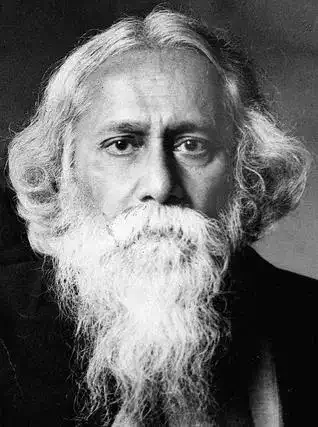
Rabindranath Tagore
The Gardener IV: Ah Me
The Gardener IV: Ah Me
Ah me, why did they build my
house by the road to the market
town?
They moor their laden boats near
my trees.
They come and go and wander at
their will.
I sit and watch them; my time
wears on.
Turn them away I cannot. And
thus my days pass by.
Night and day their steps sound
by my door.
Vainly I cry, "I do not know
you."
Some of them are known to my
fingers, some to my nostrils, the
blood in my veins seems to know
them, and some are known to my
dreams.
Turn them away I cannot. I call
them and say, "Come to my house
whoever chooses. Yes, come."
In the morning the bell rings in the
temple.
They come with their baskets in
their hands.
Their feet are rosy red. The early
light of dawn is on their faces.
Turn them away I cannot. I call
them and I say, "Come to my garden
to gather flowers. Come hither."
In the mid-day the gong sounds
at the palace gate.
I know not why they leave their
work and linger near my hedge.
The flowers in their hair are pale
and faded; the notes are languid in
their flutes.
Turn them away I cannot. I call
them and say, "The shade is cool
under my trees. Come, friends."
At night the crickets chirp in the
woods.
Who is it that comes slowly to my
door and gently knocks?
I vaguely see the face, not a word
is spoken, the stillness of the sky is
all around.
Turn away my silent guest I
cannot. I look at the face through the
dark, and hours of dreams pass by.
Ah me, why did they build my
house by the road to the market
town?
They moor their laden boats near
my trees.
They come and go and wander at
their will.
I sit and watch them; my time
wears on.
Turn them away I cannot. And
thus my days pass by.
Night and day their steps sound
by my door.
Vainly I cry, "I do not know
you."
Some of them are known to my
fingers, some to my nostrils, the
blood in my veins seems to know
them, and some are known to my
dreams.
Turn them away I cannot. I call
them and say, "Come to my house
whoever chooses. Yes, come."
In the morning the bell rings in the
temple.
They come with their baskets in
their hands.
Their feet are rosy red. The early
light of dawn is on their faces.
Turn them away I cannot. I call
them and I say, "Come to my garden
to gather flowers. Come hither."
In the mid-day the gong sounds
at the palace gate.
I know not why they leave their
work and linger near my hedge.
The flowers in their hair are pale
and faded; the notes are languid in
their flutes.
Turn them away I cannot. I call
them and say, "The shade is cool
under my trees. Come, friends."
At night the crickets chirp in the
woods.
Who is it that comes slowly to my
door and gently knocks?
I vaguely see the face, not a word
is spoken, the stillness of the sky is
all around.
Turn away my silent guest I
cannot. I look at the face through the
dark, and hours of dreams pass by.
500
Rabindranath Tagore
The Gardener LI: Then Finish the Last Song
The Gardener LI: Then Finish the Last Song
Then finish the last song and let us
leave.
Forget this night when the night is
no more.
Whom do I try to clasp in my
arms? Dreams can never be made captive.
My eager hands press emptiness to
my heart and it bruises my breast.
Then finish the last song and let us
leave.
Forget this night when the night is
no more.
Whom do I try to clasp in my
arms? Dreams can never be made captive.
My eager hands press emptiness to
my heart and it bruises my breast.
485
Rabindranath Tagore
The End
The End
It is time for me to go, mother; I am going.
When in the paling darkness of the lonely dawn you stretch out
your arms for your baby in the bed, I shall say, "Baby is not
here!"-mother, I am going.
I shall become a delicate draught of air and caress you and
I shall be ripples in the water when you bathe, and kiss you and
kiss you again.
In the gusty night when the rain patters on the leaves you
will hear my whisper in your bed, and my laughter will flash with
the lightning through the open window into your room.
If you lie awake, thinking of your baby till late into the
night, I shall sing to you from the stars, "Sleep, mother, sleep."
One the straying moonbeams I shall steal over your bed, and
lie upon your bosom while you sleep.
I shall become a dream, and through the little opening of your
eyelids I shall slip into the depths of your sleep; and when you
wake up and look round startled, like a twinkling firefly I shall
flit out into the darkness.
When, on the great festival of puja, the neighbours' children
come and play about the house, I shall melt into the music of the
flute and throb in your heart all day.
Dear auntie will come with puja-presents and will ask,"Where
is our baby, sister?" Mother, you will tell her softly, "He is in
the pupils of my eyes, he is in my body and in my soul."
It is time for me to go, mother; I am going.
When in the paling darkness of the lonely dawn you stretch out
your arms for your baby in the bed, I shall say, "Baby is not
here!"-mother, I am going.
I shall become a delicate draught of air and caress you and
I shall be ripples in the water when you bathe, and kiss you and
kiss you again.
In the gusty night when the rain patters on the leaves you
will hear my whisper in your bed, and my laughter will flash with
the lightning through the open window into your room.
If you lie awake, thinking of your baby till late into the
night, I shall sing to you from the stars, "Sleep, mother, sleep."
One the straying moonbeams I shall steal over your bed, and
lie upon your bosom while you sleep.
I shall become a dream, and through the little opening of your
eyelids I shall slip into the depths of your sleep; and when you
wake up and look round startled, like a twinkling firefly I shall
flit out into the darkness.
When, on the great festival of puja, the neighbours' children
come and play about the house, I shall melt into the music of the
flute and throb in your heart all day.
Dear auntie will come with puja-presents and will ask,"Where
is our baby, sister?" Mother, you will tell her softly, "He is in
the pupils of my eyes, he is in my body and in my soul."
545
Rabindranath Tagore
The Flower-School
The Flower-School
When storm-clouds rumble in the sky and June showers come down.
The moist east wind comes marching over the heath to blow its
bagpipes among the bamboos.
Then crowds of flowers come out of a sudden, from nobody knows
where, and dance upon the grass in wild glee.
Mother, I really think the flowers go to school underground.
They do their lessons with doors shut, and if they want to
come out to play before it is time, their master makes them stand
in a corner.
When the rain come they have their holidays.
Branches clash together in the forest, and the leaves rustle
in the wild wind, the thunder-clouds clap their giant hands and the
flower children rush out in dresses of pink and yellow and white.
Do you know, mother, their home is in the sky, where the stars
are.
Haven't you see how eager they are to get there? Don't you
know why they are in such a hurry?
Of course, I can guess to whom they raise their arms; they
have their mother as I have my own.
When storm-clouds rumble in the sky and June showers come down.
The moist east wind comes marching over the heath to blow its
bagpipes among the bamboos.
Then crowds of flowers come out of a sudden, from nobody knows
where, and dance upon the grass in wild glee.
Mother, I really think the flowers go to school underground.
They do their lessons with doors shut, and if they want to
come out to play before it is time, their master makes them stand
in a corner.
When the rain come they have their holidays.
Branches clash together in the forest, and the leaves rustle
in the wild wind, the thunder-clouds clap their giant hands and the
flower children rush out in dresses of pink and yellow and white.
Do you know, mother, their home is in the sky, where the stars
are.
Haven't you see how eager they are to get there? Don't you
know why they are in such a hurry?
Of course, I can guess to whom they raise their arms; they
have their mother as I have my own.
850
Rabindranath Tagore
The Flower-School
The Flower-School
When storm-clouds rumble in the sky and June showers come down.
The moist east wind comes marching over the heath to blow its
bagpipes among the bamboos.
Then crowds of flowers come out of a sudden, from nobody knows
where, and dance upon the grass in wild glee.
Mother, I really think the flowers go to school underground.
They do their lessons with doors shut, and if they want to
come out to play before it is time, their master makes them stand
in a corner.
When the rain come they have their holidays.
Branches clash together in the forest, and the leaves rustle
in the wild wind, the thunder-clouds clap their giant hands and the
flower children rush out in dresses of pink and yellow and white.
Do you know, mother, their home is in the sky, where the stars
are.
Haven't you see how eager they are to get there? Don't you
know why they are in such a hurry?
Of course, I can guess to whom they raise their arms; they
have their mother as I have my own.
When storm-clouds rumble in the sky and June showers come down.
The moist east wind comes marching over the heath to blow its
bagpipes among the bamboos.
Then crowds of flowers come out of a sudden, from nobody knows
where, and dance upon the grass in wild glee.
Mother, I really think the flowers go to school underground.
They do their lessons with doors shut, and if they want to
come out to play before it is time, their master makes them stand
in a corner.
When the rain come they have their holidays.
Branches clash together in the forest, and the leaves rustle
in the wild wind, the thunder-clouds clap their giant hands and the
flower children rush out in dresses of pink and yellow and white.
Do you know, mother, their home is in the sky, where the stars
are.
Haven't you see how eager they are to get there? Don't you
know why they are in such a hurry?
Of course, I can guess to whom they raise their arms; they
have their mother as I have my own.
850
Rabindranath Tagore
The Beginning
The Beginning
"Where have I come from, where did you pick me up?" the baby asked
its mother.
She answered, half crying, half laughing, and clasping the
baby to her breast
"You were hidden in my heart as its desire, my darling.
You were in the dolls of my childhood's games; and when with
clay I made the image of my god every morning, I made the unmade
you then.
You were enshrined with our household deity, in his worship
I worshipped you.
In all my hopes and my loves, in my life, in the life of my
mother you have lived.
In the lap of the deathless Spirit who rules our home you have
been nursed for ages.
When in girlhood my heart was opening its petals, you hovered
as a fragrance about it.
Your tender softness bloomed in my youthful limbs, like a glow
in the sky before the sunrise.
Heaven's first darling, twain-born with the morning light, you
have floated down the stream of the world's life, and at last you
have stranded on my heart.
As I gaze on your face, mystery overwhelms me; you who belong
to all have become mine.
For fear of losing you I hold you tight to my breast. What
magic has snared the world's treasure in these slender arms of
mine?"
"Where have I come from, where did you pick me up?" the baby asked
its mother.
She answered, half crying, half laughing, and clasping the
baby to her breast
"You were hidden in my heart as its desire, my darling.
You were in the dolls of my childhood's games; and when with
clay I made the image of my god every morning, I made the unmade
you then.
You were enshrined with our household deity, in his worship
I worshipped you.
In all my hopes and my loves, in my life, in the life of my
mother you have lived.
In the lap of the deathless Spirit who rules our home you have
been nursed for ages.
When in girlhood my heart was opening its petals, you hovered
as a fragrance about it.
Your tender softness bloomed in my youthful limbs, like a glow
in the sky before the sunrise.
Heaven's first darling, twain-born with the morning light, you
have floated down the stream of the world's life, and at last you
have stranded on my heart.
As I gaze on your face, mystery overwhelms me; you who belong
to all have become mine.
For fear of losing you I hold you tight to my breast. What
magic has snared the world's treasure in these slender arms of
mine?"
627
Rabindranath Tagore
The Beginning
The Beginning
"Where have I come from, where did you pick me up?" the baby asked
its mother.
She answered, half crying, half laughing, and clasping the
baby to her breast
"You were hidden in my heart as its desire, my darling.
You were in the dolls of my childhood's games; and when with
clay I made the image of my god every morning, I made the unmade
you then.
You were enshrined with our household deity, in his worship
I worshipped you.
In all my hopes and my loves, in my life, in the life of my
mother you have lived.
In the lap of the deathless Spirit who rules our home you have
been nursed for ages.
When in girlhood my heart was opening its petals, you hovered
as a fragrance about it.
Your tender softness bloomed in my youthful limbs, like a glow
in the sky before the sunrise.
Heaven's first darling, twain-born with the morning light, you
have floated down the stream of the world's life, and at last you
have stranded on my heart.
As I gaze on your face, mystery overwhelms me; you who belong
to all have become mine.
For fear of losing you I hold you tight to my breast. What
magic has snared the world's treasure in these slender arms of
mine?"
"Where have I come from, where did you pick me up?" the baby asked
its mother.
She answered, half crying, half laughing, and clasping the
baby to her breast
"You were hidden in my heart as its desire, my darling.
You were in the dolls of my childhood's games; and when with
clay I made the image of my god every morning, I made the unmade
you then.
You were enshrined with our household deity, in his worship
I worshipped you.
In all my hopes and my loves, in my life, in the life of my
mother you have lived.
In the lap of the deathless Spirit who rules our home you have
been nursed for ages.
When in girlhood my heart was opening its petals, you hovered
as a fragrance about it.
Your tender softness bloomed in my youthful limbs, like a glow
in the sky before the sunrise.
Heaven's first darling, twain-born with the morning light, you
have floated down the stream of the world's life, and at last you
have stranded on my heart.
As I gaze on your face, mystery overwhelms me; you who belong
to all have become mine.
For fear of losing you I hold you tight to my breast. What
magic has snared the world's treasure in these slender arms of
mine?"
627
Rabindranath Tagore
The Chanpa Flower
The Chanpa Flower
Supposing I became a chanpa flower, just for fun, and grew on a
branch high up that tree, and shook in the wind with laughter and
danced upon the newly budded leaves, would you know me, mother?
You would call, "Baby, where are you?" and I should laugh to
myself and keep quite quiet.
I should slyly open my petals and watch you at your work.
When after your bath, with wet hair spread on your shoulders,
you walked through the shadow of the champ tree to the little court
where you say your prayers, you would notice the scent of the
flower, but not know that it cane from me.
When after the midday meal you sat at the window reading
ramayana, and the tree's shadow fell over your hair and your lap,
I should fling my wee little shadow on to the page of your book,
just where you were reading.
But would you guess that it was the tiny shadow of your
little child?
When in the evening you went to the cow shed with the lighted
lamp in your hand I should suddenly drop on to the earth again and
be your own baby once more, and beg you to tell me a story.
"Where have you been, you naughty child?"
"I won't tell you, mother." That's what you and I would say
then.
Supposing I became a chanpa flower, just for fun, and grew on a
branch high up that tree, and shook in the wind with laughter and
danced upon the newly budded leaves, would you know me, mother?
You would call, "Baby, where are you?" and I should laugh to
myself and keep quite quiet.
I should slyly open my petals and watch you at your work.
When after your bath, with wet hair spread on your shoulders,
you walked through the shadow of the champ tree to the little court
where you say your prayers, you would notice the scent of the
flower, but not know that it cane from me.
When after the midday meal you sat at the window reading
ramayana, and the tree's shadow fell over your hair and your lap,
I should fling my wee little shadow on to the page of your book,
just where you were reading.
But would you guess that it was the tiny shadow of your
little child?
When in the evening you went to the cow shed with the lighted
lamp in your hand I should suddenly drop on to the earth again and
be your own baby once more, and beg you to tell me a story.
"Where have you been, you naughty child?"
"I won't tell you, mother." That's what you and I would say
then.
757
Rabindranath Tagore
The Chanpa Flower
The Chanpa Flower
Supposing I became a chanpa flower, just for fun, and grew on a
branch high up that tree, and shook in the wind with laughter and
danced upon the newly budded leaves, would you know me, mother?
You would call, "Baby, where are you?" and I should laugh to
myself and keep quite quiet.
I should slyly open my petals and watch you at your work.
When after your bath, with wet hair spread on your shoulders,
you walked through the shadow of the champ tree to the little court
where you say your prayers, you would notice the scent of the
flower, but not know that it cane from me.
When after the midday meal you sat at the window reading
ramayana, and the tree's shadow fell over your hair and your lap,
I should fling my wee little shadow on to the page of your book,
just where you were reading.
But would you guess that it was the tiny shadow of your
little child?
When in the evening you went to the cow shed with the lighted
lamp in your hand I should suddenly drop on to the earth again and
be your own baby once more, and beg you to tell me a story.
"Where have you been, you naughty child?"
"I won't tell you, mother." That's what you and I would say
then.
Supposing I became a chanpa flower, just for fun, and grew on a
branch high up that tree, and shook in the wind with laughter and
danced upon the newly budded leaves, would you know me, mother?
You would call, "Baby, where are you?" and I should laugh to
myself and keep quite quiet.
I should slyly open my petals and watch you at your work.
When after your bath, with wet hair spread on your shoulders,
you walked through the shadow of the champ tree to the little court
where you say your prayers, you would notice the scent of the
flower, but not know that it cane from me.
When after the midday meal you sat at the window reading
ramayana, and the tree's shadow fell over your hair and your lap,
I should fling my wee little shadow on to the page of your book,
just where you were reading.
But would you guess that it was the tiny shadow of your
little child?
When in the evening you went to the cow shed with the lighted
lamp in your hand I should suddenly drop on to the earth again and
be your own baby once more, and beg you to tell me a story.
"Where have you been, you naughty child?"
"I won't tell you, mother." That's what you and I would say
then.
757
Rabindranath Tagore
The Chanpa Flower
The Chanpa Flower
Supposing I became a chanpa flower, just for fun, and grew on a
branch high up that tree, and shook in the wind with laughter and
danced upon the newly budded leaves, would you know me, mother?
You would call, "Baby, where are you?" and I should laugh to
myself and keep quite quiet.
I should slyly open my petals and watch you at your work.
When after your bath, with wet hair spread on your shoulders,
you walked through the shadow of the champ tree to the little court
where you say your prayers, you would notice the scent of the
flower, but not know that it cane from me.
When after the midday meal you sat at the window reading
ramayana, and the tree's shadow fell over your hair and your lap,
I should fling my wee little shadow on to the page of your book,
just where you were reading.
But would you guess that it was the tiny shadow of your
little child?
When in the evening you went to the cow shed with the lighted
lamp in your hand I should suddenly drop on to the earth again and
be your own baby once more, and beg you to tell me a story.
"Where have you been, you naughty child?"
"I won't tell you, mother." That's what you and I would say
then.
Supposing I became a chanpa flower, just for fun, and grew on a
branch high up that tree, and shook in the wind with laughter and
danced upon the newly budded leaves, would you know me, mother?
You would call, "Baby, where are you?" and I should laugh to
myself and keep quite quiet.
I should slyly open my petals and watch you at your work.
When after your bath, with wet hair spread on your shoulders,
you walked through the shadow of the champ tree to the little court
where you say your prayers, you would notice the scent of the
flower, but not know that it cane from me.
When after the midday meal you sat at the window reading
ramayana, and the tree's shadow fell over your hair and your lap,
I should fling my wee little shadow on to the page of your book,
just where you were reading.
But would you guess that it was the tiny shadow of your
little child?
When in the evening you went to the cow shed with the lighted
lamp in your hand I should suddenly drop on to the earth again and
be your own baby once more, and beg you to tell me a story.
"Where have you been, you naughty child?"
"I won't tell you, mother." That's what you and I would say
then.
757
Rabindranath Tagore
The Astronomer
The Astronomer
I only said, "When in the evening the round full moon gets
entangled among the beaches of that Dadam tree, couldn't somebody
catch it?"
But dada laughed at me and said, "Baby, you are the silliest
child I have ever known. The moon is ever so far from us, how could
anybody catch it?"
I said, "Dada, how foolish you are! When mother looks out of
her window and smiles down at us playing, would you call her far
away?"
Still dada said, "You are a stupid child! But, baby where
could you find a net big enough to catch the moon with?"
I said, "Surely you could catch it with your hands."
But dada laughed and said, "You are the silliest child I have
known. If it came nearer, you would see how big the moon is."
I said, "Dada, what nonsense they teach at your school! When
mother bends her face down to kiss us, does her face look very
big?"
But still dada says, "You are a stupid child."
I only said, "When in the evening the round full moon gets
entangled among the beaches of that Dadam tree, couldn't somebody
catch it?"
But dada laughed at me and said, "Baby, you are the silliest
child I have ever known. The moon is ever so far from us, how could
anybody catch it?"
I said, "Dada, how foolish you are! When mother looks out of
her window and smiles down at us playing, would you call her far
away?"
Still dada said, "You are a stupid child! But, baby where
could you find a net big enough to catch the moon with?"
I said, "Surely you could catch it with your hands."
But dada laughed and said, "You are the silliest child I have
known. If it came nearer, you would see how big the moon is."
I said, "Dada, what nonsense they teach at your school! When
mother bends her face down to kiss us, does her face look very
big?"
But still dada says, "You are a stupid child."
517
Rabindranath Tagore
Superior
Superior
Mother, your baby is silly! She is so absurdly childish!
She does not know the difference between the lights in the
streets and the stars.
When we play at eating with pebbles, she thinks they are real
food, and tries to put them into her mouth.
When I open a book before her and ask her to learn her a, b,
c, she tears the leaves with her hands and roars for joy at
nothing; this is your baby's way of doing her lesson.
When I shake my head at her in anger and scold her and call
her naughty, she laughs and thinks it great fun.
Everybody knows that father is away, but if in play I call
aloud "Father," she looks about her in excitement and thinks that
father is near.
When I hold my class with the donkeys that our washer man
brings to carry away the clothes and I warn her that I am the
schoolmaster, she will scream for no reason and call me dada.
Your baby wants to catch the moon. She is so funny; she calls
Ganesh Ganush.
Mother, your baby is silly! She is so absurdly childish!
Mother, your baby is silly! She is so absurdly childish!
She does not know the difference between the lights in the
streets and the stars.
When we play at eating with pebbles, she thinks they are real
food, and tries to put them into her mouth.
When I open a book before her and ask her to learn her a, b,
c, she tears the leaves with her hands and roars for joy at
nothing; this is your baby's way of doing her lesson.
When I shake my head at her in anger and scold her and call
her naughty, she laughs and thinks it great fun.
Everybody knows that father is away, but if in play I call
aloud "Father," she looks about her in excitement and thinks that
father is near.
When I hold my class with the donkeys that our washer man
brings to carry away the clothes and I warn her that I am the
schoolmaster, she will scream for no reason and call me dada.
Your baby wants to catch the moon. She is so funny; she calls
Ganesh Ganush.
Mother, your baby is silly! She is so absurdly childish!
561
Rabindranath Tagore
Stray Birds 31 - 40
Stray Birds 31 - 40
31
THE trees come up to my window
like the yearning voice of the dumb earth.
32
HIS own mornings are new surprises to God.
33
LIFE finds its wealth by the claims of the world,
and its worth by the claims of love.
34
THE dry river-bed finds no thanks for its past.
35
THE bird wishes it were a cloud.
The cloud wishes it were a bird.
36
THE waterfall sings,
'I find my song,
when I find my freedom.'
37
I CANNOT tell why this heart languishes in silence.
It is for small needs it never asks,
or knows or remembers.
38
WOMAN,
when you move about in your household service
your limbs sing like a hill stream among its pebbles.
39
THE sun goes to cross the Western sea,
leaving its last salutation to the East.
40
DO not blame your food because you have no appetite.
31
THE trees come up to my window
like the yearning voice of the dumb earth.
32
HIS own mornings are new surprises to God.
33
LIFE finds its wealth by the claims of the world,
and its worth by the claims of love.
34
THE dry river-bed finds no thanks for its past.
35
THE bird wishes it were a cloud.
The cloud wishes it were a bird.
36
THE waterfall sings,
'I find my song,
when I find my freedom.'
37
I CANNOT tell why this heart languishes in silence.
It is for small needs it never asks,
or knows or remembers.
38
WOMAN,
when you move about in your household service
your limbs sing like a hill stream among its pebbles.
39
THE sun goes to cross the Western sea,
leaving its last salutation to the East.
40
DO not blame your food because you have no appetite.
568
Rabindranath Tagore
Sleep-Stealer
Sleep-Stealer
Who stole sleep from baby's eyes? I must know.
Clasping her pitcher to her waist mother went to fetch water
from the village near by.
It was noon. The children's playtime was over; the ducks in
the pond were silent.
The shepherd boy lay asleep under the shadow of the banyan
tree.
The crane stood grave and still in the swamp near the mango
grove.
In the meanwhile the Sleep-stealer came and, snatching sleep
from baby's eyes, flew away.
When mother came back she found baby travelling the room over
on all fours.
Who stole sleep from our baby's eyes? I must know. I must find
her and chain her up.
I must look into that dark cave, where, through boulders and
scowling stones, trickles a tiny stream.
I must search in the drowsy shade of the bakula grove, where
pigeons coo in their corner, and fairies' anklets tinkle in the
stillness of starry nights.
In the evening I will peep into the whispering silence of the
bamboo forest, where fireflies squander their light, and will ask
every creature I meet, "Can anybody tell me where the Sleep-stealer
lives?"
Who stole sleep from baby's eyes? I must know.
Shouldn't I give her a good lesson if I could only catch her!
I would raid her nest and see where she hoards all her stolen
sleep.
I would plunder it all, and carry it home.
I would bind her two wings securely, set her on the bank of
the river, and then let her play at fishing with a reed among the
rushes and water-lilies.
When the marketing is over in the evening, and the village
children sit in their mothers' laps, then the night birds will
mockingly din her ears with:
"Whose sleep will you steal now?"
Who stole sleep from baby's eyes? I must know.
Clasping her pitcher to her waist mother went to fetch water
from the village near by.
It was noon. The children's playtime was over; the ducks in
the pond were silent.
The shepherd boy lay asleep under the shadow of the banyan
tree.
The crane stood grave and still in the swamp near the mango
grove.
In the meanwhile the Sleep-stealer came and, snatching sleep
from baby's eyes, flew away.
When mother came back she found baby travelling the room over
on all fours.
Who stole sleep from our baby's eyes? I must know. I must find
her and chain her up.
I must look into that dark cave, where, through boulders and
scowling stones, trickles a tiny stream.
I must search in the drowsy shade of the bakula grove, where
pigeons coo in their corner, and fairies' anklets tinkle in the
stillness of starry nights.
In the evening I will peep into the whispering silence of the
bamboo forest, where fireflies squander their light, and will ask
every creature I meet, "Can anybody tell me where the Sleep-stealer
lives?"
Who stole sleep from baby's eyes? I must know.
Shouldn't I give her a good lesson if I could only catch her!
I would raid her nest and see where she hoards all her stolen
sleep.
I would plunder it all, and carry it home.
I would bind her two wings securely, set her on the bank of
the river, and then let her play at fishing with a reed among the
rushes and water-lilies.
When the marketing is over in the evening, and the village
children sit in their mothers' laps, then the night birds will
mockingly din her ears with:
"Whose sleep will you steal now?"
550
Rabindranath Tagore
Sit Smiling
Sit Smiling
I boasted among men that I had known you.
They see your pictures in all works of mine.
They come and ask me, `Who is he?'
I know not how to answer them. I say, `Indeed, I cannot tell.'
They blame me and they go away in scorn.
And you sit there smiling.
I put my tales of you into lasting songs.
The secret gushes out from my heart.
They come and ask me, `Tell me all your meanings.'
I know not how to answer them.
I say, `Ah, who knows what they mean!'
They smile and go away in utter scorn.
And you sit there smiling.
I boasted among men that I had known you.
They see your pictures in all works of mine.
They come and ask me, `Who is he?'
I know not how to answer them. I say, `Indeed, I cannot tell.'
They blame me and they go away in scorn.
And you sit there smiling.
I put my tales of you into lasting songs.
The secret gushes out from my heart.
They come and ask me, `Tell me all your meanings.'
I know not how to answer them.
I say, `Ah, who knows what they mean!'
They smile and go away in utter scorn.
And you sit there smiling.
588
Rabindranath Tagore
Sit Smiling
Sit Smiling
I boasted among men that I had known you.
They see your pictures in all works of mine.
They come and ask me, `Who is he?'
I know not how to answer them. I say, `Indeed, I cannot tell.'
They blame me and they go away in scorn.
And you sit there smiling.
I put my tales of you into lasting songs.
The secret gushes out from my heart.
They come and ask me, `Tell me all your meanings.'
I know not how to answer them.
I say, `Ah, who knows what they mean!'
They smile and go away in utter scorn.
And you sit there smiling.
I boasted among men that I had known you.
They see your pictures in all works of mine.
They come and ask me, `Who is he?'
I know not how to answer them. I say, `Indeed, I cannot tell.'
They blame me and they go away in scorn.
And you sit there smiling.
I put my tales of you into lasting songs.
The secret gushes out from my heart.
They come and ask me, `Tell me all your meanings.'
I know not how to answer them.
I say, `Ah, who knows what they mean!'
They smile and go away in utter scorn.
And you sit there smiling.
588
Rabindranath Tagore
Passing Breeze
Passing Breeze
Yes, I know, this is nothing but thy love,
O beloved of my heart---this golden light that dances upon the leaves,
these idle clouds sailing across the sky,
this passing breeze leaving its coolness upon my forehead.
The morning light has flooded my eyes---this is thy message to my heart.
Thy face is bent from above, thy eyes look down on my eyes,
and my heart has touched thy feet.
Yes, I know, this is nothing but thy love,
O beloved of my heart---this golden light that dances upon the leaves,
these idle clouds sailing across the sky,
this passing breeze leaving its coolness upon my forehead.
The morning light has flooded my eyes---this is thy message to my heart.
Thy face is bent from above, thy eyes look down on my eyes,
and my heart has touched thy feet.
506
Rabindranath Tagore
On the Seashore
On the Seashore
On the seashore of endless worlds children meet.
The infinite sky is motionless overhead and the restless water is boisterous. On the
seashore of endless worlds the children meet with shouts and dances.
They build their houses with sand, and they play with empty shells. With withered
leaves they weave their boats and smilingly float them on the vast deep. Children have
their play on the seashore of worlds.
They know not how to swim, they know not how to cast nets. Pearl-fishers dive for
pearls, merchants sail in their ships, while children gather pebbles and scatter them
again. They seek not for hidden treasures, they know not how to cast nets.
The sea surges up with laughter, and pale gleams the smile of the sea-beach.
Death-dealing waves sing meaningless ballads to the children, even like a mother while
rocking her baby's cradle. The sea plays with children, and pale gleams the smile of the
sea-beach.
On the seashore of endless worlds children meet. Tempest roams in the pathless
sky, ships are wrecked in the trackless water, death is abroad and children play. On
the seashore of endless worlds is the great meeting of children.
On the seashore of endless worlds children meet.
The infinite sky is motionless overhead and the restless water is boisterous. On the
seashore of endless worlds the children meet with shouts and dances.
They build their houses with sand, and they play with empty shells. With withered
leaves they weave their boats and smilingly float them on the vast deep. Children have
their play on the seashore of worlds.
They know not how to swim, they know not how to cast nets. Pearl-fishers dive for
pearls, merchants sail in their ships, while children gather pebbles and scatter them
again. They seek not for hidden treasures, they know not how to cast nets.
The sea surges up with laughter, and pale gleams the smile of the sea-beach.
Death-dealing waves sing meaningless ballads to the children, even like a mother while
rocking her baby's cradle. The sea plays with children, and pale gleams the smile of the
sea-beach.
On the seashore of endless worlds children meet. Tempest roams in the pathless
sky, ships are wrecked in the trackless water, death is abroad and children play. On
the seashore of endless worlds is the great meeting of children.
562
Rabindranath Tagore
My Polar Star
My Polar Star
I have made You the polar star of my
existence; never again can I lose my way in the
voyage of life.
Wherever I go, You are always there to
shower your benefience all around me. Your face
is ever present before my mind's eyes.
If I lose sight of You even for a moment, I
almost lose my mind.
Whenever my heart is about to go astray, just
a glance of You makes it feel ashamed of itself.
I have made You the polar star of my
existence; never again can I lose my way in the
voyage of life.
Wherever I go, You are always there to
shower your benefience all around me. Your face
is ever present before my mind's eyes.
If I lose sight of You even for a moment, I
almost lose my mind.
Whenever my heart is about to go astray, just
a glance of You makes it feel ashamed of itself.
537
Rabindranath Tagore
My Dependence
My Dependence
I like to be dependent, and so for ever
with warmth and care of my mother
my father , to love, kiss and embrace
wear life happily in all their grace.
I like to be dependent, and so for ever
on my kith and kin, for they all shower
harsh and warm advices, complaints
full wondering ,true and info giants.
I like to be dependent, and so for ever
for my friends, chat and want me near
with domestic,family and romantic tips
colleagues as well , guide me work at risks.
I like to be dependent, and so for ever
for my neighbours too, envy at times
when at my rise of fortune like to hear
my daily steps , easy and odd things too.
I like to be dependent, and so for ever
with warmth and care of my mother
my father , to love, kiss and embrace
wear life happily in all their grace.
I like to be dependent, and so for ever
on my kith and kin, for they all shower
harsh and warm advices, complaints
full wondering ,true and info giants.
I like to be dependent, and so for ever
for my friends, chat and want me near
with domestic,family and romantic tips
colleagues as well , guide me work at risks.
I like to be dependent, and so for ever
for my neighbours too, envy at times
when at my rise of fortune like to hear
my daily steps , easy and odd things too.
523
Rabindranath Tagore
Lover's Gifts XXXIX: There Is a Looker-On
Lover's Gifts XXXIX: There Is a Looker-On
There is a looker-on who sits behind my eyes. I seems he has seen
things in ages and worlds beyond memory's shore, and those
forgotten sights glisten on the grass and shiver on the leaves. He
has seen under new veils the face of the one beloved, in twilight
hours of many a nameless star. Therefore his sky seems to ache with
the pain of countless meetings and partings, and a longing pervades
this spring breeze, -the longing that is full of the whisper of
ages without beginning.
There is a looker-on who sits behind my eyes. I seems he has seen
things in ages and worlds beyond memory's shore, and those
forgotten sights glisten on the grass and shiver on the leaves. He
has seen under new veils the face of the one beloved, in twilight
hours of many a nameless star. Therefore his sky seems to ache with
the pain of countless meetings and partings, and a longing pervades
this spring breeze, -the longing that is full of the whisper of
ages without beginning.
471
Rabindranath Tagore
Lover's Gifts XLVII: The Road Is
Lover's Gifts XLVII: The Road Is
The road is my wedded companion. She speaks to me under my feet all
day, she sings to my dreams all night.
My meeting with her had no beginning, it begins endlessly at
each daybreak, renewing its summer in fresh flowers and songs, and
her every new kiss is the first kiss to me.
The road and I are lovers. I change my dress for her night
after night, leaving the tattered cumber of the old in the wayside
inns when the day dawns.
The road is my wedded companion. She speaks to me under my feet all
day, she sings to my dreams all night.
My meeting with her had no beginning, it begins endlessly at
each daybreak, renewing its summer in fresh flowers and songs, and
her every new kiss is the first kiss to me.
The road and I are lovers. I change my dress for her night
after night, leaving the tattered cumber of the old in the wayside
inns when the day dawns.
440
Rabindranath Tagore
Lover's Gifts XVI: She Dwelt Here by the Pool
Lover's Gifts XVI: She Dwelt Here by the Pool
She dwelt here by the pool with its landing-stairs in ruins. Many
an evening she had watched the moon made dizzy by the shaking of
bamboo leaves, and on many a rainy day the smell of the wet earth
had come to her over the young shoots of rice.
Her pet name is known here among those date-palm groves and
in the courtyards where girls sit and talk while stitching their
winter quilts. The water in this pool keeps in its depth the memory
of her swimming limbs, and her wet feet had left their marks, day
after day, on the footpath leading to the village.
The women who come to-day with their vessels to the water have
all seen her smile over simple jests, and the old peasant, taking
his bullocks to their bath, used to stop at her door every day to
greet her.
Many a sailing-boat passes by this village; many a traveller
takes rest beneath that banyan tree; the ferry-boat crosses to
yonder ford carrying crowds to the market; but they never notice
this spot by the village road, near the pool with its ruined
landing-stairs,-where dwelt she whom I love.
She dwelt here by the pool with its landing-stairs in ruins. Many
an evening she had watched the moon made dizzy by the shaking of
bamboo leaves, and on many a rainy day the smell of the wet earth
had come to her over the young shoots of rice.
Her pet name is known here among those date-palm groves and
in the courtyards where girls sit and talk while stitching their
winter quilts. The water in this pool keeps in its depth the memory
of her swimming limbs, and her wet feet had left their marks, day
after day, on the footpath leading to the village.
The women who come to-day with their vessels to the water have
all seen her smile over simple jests, and the old peasant, taking
his bullocks to their bath, used to stop at her door every day to
greet her.
Many a sailing-boat passes by this village; many a traveller
takes rest beneath that banyan tree; the ferry-boat crosses to
yonder ford carrying crowds to the market; but they never notice
this spot by the village road, near the pool with its ruined
landing-stairs,-where dwelt she whom I love.
503
Rabindranath Tagore
Lover's Gifts XLIII: Dying, You Have Left Behind
Lover's Gifts XLIII: Dying, You Have Left Behind
Dying, you have left behind you the great sadness of the Eternal
in my life. You have painted my thought's horizon with the sunset
colours of your departure, leaving a track of tears across the
earth to love's heaven. Clasped in your dear arms, life and death
united in me in a marriage bond.
I think I can see you watching there in the balcony with your
lamp lighted, where the end and the beginning of all things meet.
My world went hence through the doors that you opened-you holding
the cup of death to my lips, filling it with life from your own.
Dying, you have left behind you the great sadness of the Eternal
in my life. You have painted my thought's horizon with the sunset
colours of your departure, leaving a track of tears across the
earth to love's heaven. Clasped in your dear arms, life and death
united in me in a marriage bond.
I think I can see you watching there in the balcony with your
lamp lighted, where the end and the beginning of all things meet.
My world went hence through the doors that you opened-you holding
the cup of death to my lips, filling it with life from your own.
353