

Poems in this topic
Relationships and Family
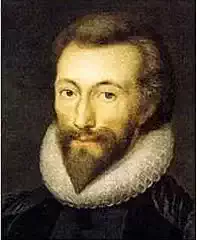
John Donne
Elegy XX (Alternate) Love's War
Elegy XX (Alternate) Love's War
Till I have peace with thee, warr other Men,
And when I have peace, can I leave thee then?
All other Warrs are scrupulous; Only thou
0 fayr free Citty, maist thyselfe allow
To any one: In Flanders, who can tell
Whether the Master presse; or men rebell?
Only we know, that which all Ideots say,
They beare most blows which come to part the fray.
France in her lunatique giddines did hate
Ever our men, yea and our God of late;
Yet she relyes upon our Angels well,
Which nere returne; no more than they which fell.
Sick Ireland is with a strange warr possest
Like to an Ague; now raging, now at rest;
Which time will cure: yet it must doe her good
If she were purg'd, and her head vayne let blood.
And Midas joyes our Spanish journeys give,
We touch all gold, but find no food to live.
And I should be in the hott parching clime,
To dust and ashes turn'd before my time.
To mew me in a Ship, is to inthrall
Mee in a prison, that weare like to fall;
Or in a Cloyster; save that there men dwell
In a calme heaven, here in a swaggering hell.
Long voyages are long consumptions,
And ships are carts for executions.
Yea they are Deaths; Is't not all one to flye
Into an other World, as t'is to dye?
Here lett mee warr; in these armes lett mee lye;
Here lett mee parle, batter, bleede, and dye.
Thyne armes imprison me, and myne armes thee,
Thy hart thy ransome is, take myne for mee.
Other men war that they their rest may gayne;
But wee will rest that wee may fight agayne.
Those warrs the ignorant, these th'experienc'd love,
There wee are alwayes under, here above.
There Engins farr off breed a just true feare,
Neere thrusts, pikes, stabs, yea bullets hurt not here.
There lyes are wrongs; here safe uprightly ly;
Tltere men kill men, we'will make one by and by,
Thou nothing; I not halfe so much shall do
In these Warrs, as they may which from us two
Shall spring. Thousands wee see which travaile not
To warrs; But stay swords, armes, and shott
To make at home; And shall not I do then
More glorious service, staying to make men?
Till I have peace with thee, warr other Men,
And when I have peace, can I leave thee then?
All other Warrs are scrupulous; Only thou
0 fayr free Citty, maist thyselfe allow
To any one: In Flanders, who can tell
Whether the Master presse; or men rebell?
Only we know, that which all Ideots say,
They beare most blows which come to part the fray.
France in her lunatique giddines did hate
Ever our men, yea and our God of late;
Yet she relyes upon our Angels well,
Which nere returne; no more than they which fell.
Sick Ireland is with a strange warr possest
Like to an Ague; now raging, now at rest;
Which time will cure: yet it must doe her good
If she were purg'd, and her head vayne let blood.
And Midas joyes our Spanish journeys give,
We touch all gold, but find no food to live.
And I should be in the hott parching clime,
To dust and ashes turn'd before my time.
To mew me in a Ship, is to inthrall
Mee in a prison, that weare like to fall;
Or in a Cloyster; save that there men dwell
In a calme heaven, here in a swaggering hell.
Long voyages are long consumptions,
And ships are carts for executions.
Yea they are Deaths; Is't not all one to flye
Into an other World, as t'is to dye?
Here lett mee warr; in these armes lett mee lye;
Here lett mee parle, batter, bleede, and dye.
Thyne armes imprison me, and myne armes thee,
Thy hart thy ransome is, take myne for mee.
Other men war that they their rest may gayne;
But wee will rest that wee may fight agayne.
Those warrs the ignorant, these th'experienc'd love,
There wee are alwayes under, here above.
There Engins farr off breed a just true feare,
Neere thrusts, pikes, stabs, yea bullets hurt not here.
There lyes are wrongs; here safe uprightly ly;
Tltere men kill men, we'will make one by and by,
Thou nothing; I not halfe so much shall do
In these Warrs, as they may which from us two
Shall spring. Thousands wee see which travaile not
To warrs; But stay swords, armes, and shott
To make at home; And shall not I do then
More glorious service, staying to make men?
316
John Donne
Elegy XVI: On His Mistress
Elegy XVI: On His Mistress
By our first strange and fatal interview,
By all desires which thereof did ensue,
By our long starving hopes, by that remorse
Which my words' masculine persuasive force
Begot in thee, and by the memory
Of hurts, which spies and rivals threatened me,
I calmly beg: but by thy father's wrath,
By all pains, which want and divorcement hath,
I conjure thee, and all the oaths which I
And thou have sworn to seal joint constancy,
Here I unswear, and overswear them thus,
Thou shalt not love by ways so dangerous.
Temper, O fair Love, love's impetuous rage,
Be my true Mistress still, not my feigned Page;
I'll go, and, by thy kind leave, leave behind
Thee, only worthy to nurse in my mind
Thirst to come back; O if thou die before,
My soul from other lands to thee shall soar.
Thy (else Almighty) beauty cannot move
Rage from the Seas, nor thy love teach them love,
Nor tame wild Boreas' harshness; thou hast read
How roughly he in pieces shivered
Fair Orithea, wbom he swore he loved.
Fall ill or good, 'tis madness to have proved
Dangers unurged; feed on this flattery,
That absent Lovers one in th' other be.
Dissemble nothing, not a boy, nor change
Thy body's habit, nor mind's; be not strange
To thyself only; all will spy in thy face
A blushing womanly discovering grace;
Ricbly clothed Apes are called Apes, and as soon
Eclipsed as bright we call the Moon the Moon.
Men of France, changeable chameleons,
Spitals of diseases, shops of fashions,
Love's fuellers, and the rightest company
Of Players, which upon the world's stage be,
Will quickly know thee, and no less, alas!
Th' indifferent Italian, as we pass
His warm land, well content to think thee Page,
Will hunt thee with such lust, and hideous rage,
As Lot's fair guests were vexed. But none of these
Nor spongy hydroptic Dutch shall thee displease,
If thou stay here. O stay here, for, for thee
England is only a worthy gallery,
To walk in expectation, till from thence
Our greatest King call thee to his presence.
When I am gone, dream me some happiness,
Nor let thy looks our long-hid love confess,
Nor praise, nor dispraise me, nor bless nor curse
Openly love's force, nor in bed fright thy Nurse
With midnight's startings, crying out-oh, oh
Nurse, O my love is slain, I saw him go
O'er the white Alps alone; I saw him, I,
Assailed, fight, taken, stabbed, bleed, fall, and die.
Augur me better chance, except dread Jove
Think it enough for me t' have had thy love.
By our first strange and fatal interview,
By all desires which thereof did ensue,
By our long starving hopes, by that remorse
Which my words' masculine persuasive force
Begot in thee, and by the memory
Of hurts, which spies and rivals threatened me,
I calmly beg: but by thy father's wrath,
By all pains, which want and divorcement hath,
I conjure thee, and all the oaths which I
And thou have sworn to seal joint constancy,
Here I unswear, and overswear them thus,
Thou shalt not love by ways so dangerous.
Temper, O fair Love, love's impetuous rage,
Be my true Mistress still, not my feigned Page;
I'll go, and, by thy kind leave, leave behind
Thee, only worthy to nurse in my mind
Thirst to come back; O if thou die before,
My soul from other lands to thee shall soar.
Thy (else Almighty) beauty cannot move
Rage from the Seas, nor thy love teach them love,
Nor tame wild Boreas' harshness; thou hast read
How roughly he in pieces shivered
Fair Orithea, wbom he swore he loved.
Fall ill or good, 'tis madness to have proved
Dangers unurged; feed on this flattery,
That absent Lovers one in th' other be.
Dissemble nothing, not a boy, nor change
Thy body's habit, nor mind's; be not strange
To thyself only; all will spy in thy face
A blushing womanly discovering grace;
Ricbly clothed Apes are called Apes, and as soon
Eclipsed as bright we call the Moon the Moon.
Men of France, changeable chameleons,
Spitals of diseases, shops of fashions,
Love's fuellers, and the rightest company
Of Players, which upon the world's stage be,
Will quickly know thee, and no less, alas!
Th' indifferent Italian, as we pass
His warm land, well content to think thee Page,
Will hunt thee with such lust, and hideous rage,
As Lot's fair guests were vexed. But none of these
Nor spongy hydroptic Dutch shall thee displease,
If thou stay here. O stay here, for, for thee
England is only a worthy gallery,
To walk in expectation, till from thence
Our greatest King call thee to his presence.
When I am gone, dream me some happiness,
Nor let thy looks our long-hid love confess,
Nor praise, nor dispraise me, nor bless nor curse
Openly love's force, nor in bed fright thy Nurse
With midnight's startings, crying out-oh, oh
Nurse, O my love is slain, I saw him go
O'er the white Alps alone; I saw him, I,
Assailed, fight, taken, stabbed, bleed, fall, and die.
Augur me better chance, except dread Jove
Think it enough for me t' have had thy love.
313
John Donne
Elegy XVI: On His Mistress
Elegy XVI: On His Mistress
By our first strange and fatal interview,
By all desires which thereof did ensue,
By our long starving hopes, by that remorse
Which my words' masculine persuasive force
Begot in thee, and by the memory
Of hurts, which spies and rivals threatened me,
I calmly beg: but by thy father's wrath,
By all pains, which want and divorcement hath,
I conjure thee, and all the oaths which I
And thou have sworn to seal joint constancy,
Here I unswear, and overswear them thus,
Thou shalt not love by ways so dangerous.
Temper, O fair Love, love's impetuous rage,
Be my true Mistress still, not my feigned Page;
I'll go, and, by thy kind leave, leave behind
Thee, only worthy to nurse in my mind
Thirst to come back; O if thou die before,
My soul from other lands to thee shall soar.
Thy (else Almighty) beauty cannot move
Rage from the Seas, nor thy love teach them love,
Nor tame wild Boreas' harshness; thou hast read
How roughly he in pieces shivered
Fair Orithea, wbom he swore he loved.
Fall ill or good, 'tis madness to have proved
Dangers unurged; feed on this flattery,
That absent Lovers one in th' other be.
Dissemble nothing, not a boy, nor change
Thy body's habit, nor mind's; be not strange
To thyself only; all will spy in thy face
A blushing womanly discovering grace;
Ricbly clothed Apes are called Apes, and as soon
Eclipsed as bright we call the Moon the Moon.
Men of France, changeable chameleons,
Spitals of diseases, shops of fashions,
Love's fuellers, and the rightest company
Of Players, which upon the world's stage be,
Will quickly know thee, and no less, alas!
Th' indifferent Italian, as we pass
His warm land, well content to think thee Page,
Will hunt thee with such lust, and hideous rage,
As Lot's fair guests were vexed. But none of these
Nor spongy hydroptic Dutch shall thee displease,
If thou stay here. O stay here, for, for thee
England is only a worthy gallery,
To walk in expectation, till from thence
Our greatest King call thee to his presence.
When I am gone, dream me some happiness,
Nor let thy looks our long-hid love confess,
Nor praise, nor dispraise me, nor bless nor curse
Openly love's force, nor in bed fright thy Nurse
With midnight's startings, crying out-oh, oh
Nurse, O my love is slain, I saw him go
O'er the white Alps alone; I saw him, I,
Assailed, fight, taken, stabbed, bleed, fall, and die.
Augur me better chance, except dread Jove
Think it enough for me t' have had thy love.
By our first strange and fatal interview,
By all desires which thereof did ensue,
By our long starving hopes, by that remorse
Which my words' masculine persuasive force
Begot in thee, and by the memory
Of hurts, which spies and rivals threatened me,
I calmly beg: but by thy father's wrath,
By all pains, which want and divorcement hath,
I conjure thee, and all the oaths which I
And thou have sworn to seal joint constancy,
Here I unswear, and overswear them thus,
Thou shalt not love by ways so dangerous.
Temper, O fair Love, love's impetuous rage,
Be my true Mistress still, not my feigned Page;
I'll go, and, by thy kind leave, leave behind
Thee, only worthy to nurse in my mind
Thirst to come back; O if thou die before,
My soul from other lands to thee shall soar.
Thy (else Almighty) beauty cannot move
Rage from the Seas, nor thy love teach them love,
Nor tame wild Boreas' harshness; thou hast read
How roughly he in pieces shivered
Fair Orithea, wbom he swore he loved.
Fall ill or good, 'tis madness to have proved
Dangers unurged; feed on this flattery,
That absent Lovers one in th' other be.
Dissemble nothing, not a boy, nor change
Thy body's habit, nor mind's; be not strange
To thyself only; all will spy in thy face
A blushing womanly discovering grace;
Ricbly clothed Apes are called Apes, and as soon
Eclipsed as bright we call the Moon the Moon.
Men of France, changeable chameleons,
Spitals of diseases, shops of fashions,
Love's fuellers, and the rightest company
Of Players, which upon the world's stage be,
Will quickly know thee, and no less, alas!
Th' indifferent Italian, as we pass
His warm land, well content to think thee Page,
Will hunt thee with such lust, and hideous rage,
As Lot's fair guests were vexed. But none of these
Nor spongy hydroptic Dutch shall thee displease,
If thou stay here. O stay here, for, for thee
England is only a worthy gallery,
To walk in expectation, till from thence
Our greatest King call thee to his presence.
When I am gone, dream me some happiness,
Nor let thy looks our long-hid love confess,
Nor praise, nor dispraise me, nor bless nor curse
Openly love's force, nor in bed fright thy Nurse
With midnight's startings, crying out-oh, oh
Nurse, O my love is slain, I saw him go
O'er the white Alps alone; I saw him, I,
Assailed, fight, taken, stabbed, bleed, fall, and die.
Augur me better chance, except dread Jove
Think it enough for me t' have had thy love.
313
John Donne
Elegy XVII: On His Mistress
Elegy XVII: On His Mistress
By our first strange and fatal interview,
By all desires which thereof did ensue,
By our long starving hopes, by that remorse
Which my words masculine persuasive force
Begot in thee, and by the memory
Of hurts, which spies and rivals threaten'd me,
I calmly beg. But by thy father's wrath,
By all pains, which want and divorcement hath,
I conjure thee, and all the oaths which I
And thou have sworn to seal joint constancy,
Here I unswear, and overswear them thus ;
Thou shalt not love by ways so dangerous.
Temper, O fair love, love's impetuous rage ;
Be my true mistress still, not my feign'd page.
I'll go, and, by thy kind leave, leave behind
Thee, only worthy to nurse in my mind
Thirst to come back ; O ! if thou die before,
My soul from other lands to thee shall soar.
Thy else almighty beauty cannot move
Rage from the seas, nor thy love teach them love,
Nor tame wild Boreas' harshness ; thou hast read
How roughly he in pieces shivered
Fair Orithea, whom he swore he loved.
Fall ill or good, 'tis madness to have proved
Dangers unurged ; feed on this flattery,
That absent lovers one in th' other be.
Dissemble nothing, not a boy, nor change
Thy body's habit, nor mind ; be not strange
To thyself only. All will spy in thy face
A blushing womanly discovering grace.
Richly clothed apes are call'd apes, and as soon
Eclipsed as bright, we call the moon the moon.
Men of France, changeable chameleons,
Spitals of diseases, shops of fashions,
Love's fuellers, and the rightest company
Of players, which upon the world's stage be,
Will quickly know thee, and no less, alas !
Th' indifferent Italian, as we pass
His warm land, well content to think thee page,
Will hunt thee with such lust, and hideous rage,
As Lot's fair guests were vex'd. But none of these
Nor spongy hydroptic Dutch shall thee displease,
If thou stay here. O stay here, for for thee
England is only a worthy gallery,
To walk in expectation, till from thence
Our greatest king call thee to his presence.
When I am gone, dream me some happiness ;
Nor let thy looks our long-hid love confess ;
Nor praise, nor dispraise me, nor bless nor curse
Openly love's force, nor in bed fright thy nurse
With midnight's startings, crying out, O ! O !
Nurse, O ! my love is slain ; I saw him go
O'er the white Alps alone ; I saw him, I,
Assail'd, fight, taken, stabb'd, bleed, fall, and die.
Augur me better chance, except dread Jove
Think it enough for me to have had thy love.
By our first strange and fatal interview,
By all desires which thereof did ensue,
By our long starving hopes, by that remorse
Which my words masculine persuasive force
Begot in thee, and by the memory
Of hurts, which spies and rivals threaten'd me,
I calmly beg. But by thy father's wrath,
By all pains, which want and divorcement hath,
I conjure thee, and all the oaths which I
And thou have sworn to seal joint constancy,
Here I unswear, and overswear them thus ;
Thou shalt not love by ways so dangerous.
Temper, O fair love, love's impetuous rage ;
Be my true mistress still, not my feign'd page.
I'll go, and, by thy kind leave, leave behind
Thee, only worthy to nurse in my mind
Thirst to come back ; O ! if thou die before,
My soul from other lands to thee shall soar.
Thy else almighty beauty cannot move
Rage from the seas, nor thy love teach them love,
Nor tame wild Boreas' harshness ; thou hast read
How roughly he in pieces shivered
Fair Orithea, whom he swore he loved.
Fall ill or good, 'tis madness to have proved
Dangers unurged ; feed on this flattery,
That absent lovers one in th' other be.
Dissemble nothing, not a boy, nor change
Thy body's habit, nor mind ; be not strange
To thyself only. All will spy in thy face
A blushing womanly discovering grace.
Richly clothed apes are call'd apes, and as soon
Eclipsed as bright, we call the moon the moon.
Men of France, changeable chameleons,
Spitals of diseases, shops of fashions,
Love's fuellers, and the rightest company
Of players, which upon the world's stage be,
Will quickly know thee, and no less, alas !
Th' indifferent Italian, as we pass
His warm land, well content to think thee page,
Will hunt thee with such lust, and hideous rage,
As Lot's fair guests were vex'd. But none of these
Nor spongy hydroptic Dutch shall thee displease,
If thou stay here. O stay here, for for thee
England is only a worthy gallery,
To walk in expectation, till from thence
Our greatest king call thee to his presence.
When I am gone, dream me some happiness ;
Nor let thy looks our long-hid love confess ;
Nor praise, nor dispraise me, nor bless nor curse
Openly love's force, nor in bed fright thy nurse
With midnight's startings, crying out, O ! O !
Nurse, O ! my love is slain ; I saw him go
O'er the white Alps alone ; I saw him, I,
Assail'd, fight, taken, stabb'd, bleed, fall, and die.
Augur me better chance, except dread Jove
Think it enough for me to have had thy love.
350
John Donne
Elegy XVII: On His Mistress
Elegy XVII: On His Mistress
By our first strange and fatal interview,
By all desires which thereof did ensue,
By our long starving hopes, by that remorse
Which my words masculine persuasive force
Begot in thee, and by the memory
Of hurts, which spies and rivals threaten'd me,
I calmly beg. But by thy father's wrath,
By all pains, which want and divorcement hath,
I conjure thee, and all the oaths which I
And thou have sworn to seal joint constancy,
Here I unswear, and overswear them thus ;
Thou shalt not love by ways so dangerous.
Temper, O fair love, love's impetuous rage ;
Be my true mistress still, not my feign'd page.
I'll go, and, by thy kind leave, leave behind
Thee, only worthy to nurse in my mind
Thirst to come back ; O ! if thou die before,
My soul from other lands to thee shall soar.
Thy else almighty beauty cannot move
Rage from the seas, nor thy love teach them love,
Nor tame wild Boreas' harshness ; thou hast read
How roughly he in pieces shivered
Fair Orithea, whom he swore he loved.
Fall ill or good, 'tis madness to have proved
Dangers unurged ; feed on this flattery,
That absent lovers one in th' other be.
Dissemble nothing, not a boy, nor change
Thy body's habit, nor mind ; be not strange
To thyself only. All will spy in thy face
A blushing womanly discovering grace.
Richly clothed apes are call'd apes, and as soon
Eclipsed as bright, we call the moon the moon.
Men of France, changeable chameleons,
Spitals of diseases, shops of fashions,
Love's fuellers, and the rightest company
Of players, which upon the world's stage be,
Will quickly know thee, and no less, alas !
Th' indifferent Italian, as we pass
His warm land, well content to think thee page,
Will hunt thee with such lust, and hideous rage,
As Lot's fair guests were vex'd. But none of these
Nor spongy hydroptic Dutch shall thee displease,
If thou stay here. O stay here, for for thee
England is only a worthy gallery,
To walk in expectation, till from thence
Our greatest king call thee to his presence.
When I am gone, dream me some happiness ;
Nor let thy looks our long-hid love confess ;
Nor praise, nor dispraise me, nor bless nor curse
Openly love's force, nor in bed fright thy nurse
With midnight's startings, crying out, O ! O !
Nurse, O ! my love is slain ; I saw him go
O'er the white Alps alone ; I saw him, I,
Assail'd, fight, taken, stabb'd, bleed, fall, and die.
Augur me better chance, except dread Jove
Think it enough for me to have had thy love.
By our first strange and fatal interview,
By all desires which thereof did ensue,
By our long starving hopes, by that remorse
Which my words masculine persuasive force
Begot in thee, and by the memory
Of hurts, which spies and rivals threaten'd me,
I calmly beg. But by thy father's wrath,
By all pains, which want and divorcement hath,
I conjure thee, and all the oaths which I
And thou have sworn to seal joint constancy,
Here I unswear, and overswear them thus ;
Thou shalt not love by ways so dangerous.
Temper, O fair love, love's impetuous rage ;
Be my true mistress still, not my feign'd page.
I'll go, and, by thy kind leave, leave behind
Thee, only worthy to nurse in my mind
Thirst to come back ; O ! if thou die before,
My soul from other lands to thee shall soar.
Thy else almighty beauty cannot move
Rage from the seas, nor thy love teach them love,
Nor tame wild Boreas' harshness ; thou hast read
How roughly he in pieces shivered
Fair Orithea, whom he swore he loved.
Fall ill or good, 'tis madness to have proved
Dangers unurged ; feed on this flattery,
That absent lovers one in th' other be.
Dissemble nothing, not a boy, nor change
Thy body's habit, nor mind ; be not strange
To thyself only. All will spy in thy face
A blushing womanly discovering grace.
Richly clothed apes are call'd apes, and as soon
Eclipsed as bright, we call the moon the moon.
Men of France, changeable chameleons,
Spitals of diseases, shops of fashions,
Love's fuellers, and the rightest company
Of players, which upon the world's stage be,
Will quickly know thee, and no less, alas !
Th' indifferent Italian, as we pass
His warm land, well content to think thee page,
Will hunt thee with such lust, and hideous rage,
As Lot's fair guests were vex'd. But none of these
Nor spongy hydroptic Dutch shall thee displease,
If thou stay here. O stay here, for for thee
England is only a worthy gallery,
To walk in expectation, till from thence
Our greatest king call thee to his presence.
When I am gone, dream me some happiness ;
Nor let thy looks our long-hid love confess ;
Nor praise, nor dispraise me, nor bless nor curse
Openly love's force, nor in bed fright thy nurse
With midnight's startings, crying out, O ! O !
Nurse, O ! my love is slain ; I saw him go
O'er the white Alps alone ; I saw him, I,
Assail'd, fight, taken, stabb'd, bleed, fall, and die.
Augur me better chance, except dread Jove
Think it enough for me to have had thy love.
350
John Donne
Elegy XII
Elegy XII
COME Fates ; I fear you not ! All whom I owe
Are paid, but you ; then 'rest me ere I go.
But Chance from you all sovereignty hath got ;
Love woundeth none but those whom Death dares not ;
True if you were, and just in equity,
I should have vanquish'd her, as you did me ;
Else lovers should not brave Death's pains, and live ;
But 'tis a rule, “ Death comes not to relieve.”
Or, pale and wan Death's terrors, are they laid
So deep in lovers, they make Death afraid ?
Or—the least comfort—have I company ?
O'ercame she Fates, Love, Death, as well as me ?
Yes, Fates do silk unto her distaff pay,
For ransom, which tax they on us do lay.
Love gives her youth—which is the reason why
Youths, for her sake, some wither and some die.
Poor Death can nothing give ; yet, for her sake,
Still in her turn, he doth a lover take.
And if Death should prove false, she fears him not ;
Our Muses, to redeem her, she hath got.
That fatal night we last kiss'd, I thus pray'd,
—Or rather, thus despair'd, I should have said—
Kisses, and yet despair ! The forbid tree
Did promise (and deceive) no more than she.
Like lambs, that see their teats, and must eat hay,
A food, whose taste hath made me pine away.
Dives, when thou saw'st bliss, and craved'st to touch
A drop of water, thy great pains were such.
Here grief wants a fresh wit, for mine being spent,
And my sighs weary, groans are all my rent.
Unable longer to endure the pain,
They break like thunder, and do bring down rain.
Thus till dry tear solder my eye, I weep ;
And then, I dream, how you securely sleep,
And in your dreams do laugh at me. I hate,
And pray Love all may ; he pities my state,
But says, I therein no revenge shall find ;
The sun would shine, though all the world were blind.
Yet, to try my hate, Love show'd me your tear ;
And I had died, had not your smile been there.
Your frown undoes me ; your smile is my wealth ;
And as you please to look, I have my health.
Methought, Love pitying me, when he saw this,
Gave me your hands, the backs and palms to kiss.
That cured me not, but to bear pain gave strength ;
And what is lost in force, is took in length.
I call'd on Love again, who fear'd you so,
That his compassion still proved greater woe ;
For, then I dream'd I was in bed with you,
But durst not feel, for fear it should not be true.
This merits not your anger, had it been ;
The queen of chastity was naked seen ;
And in bed not to feel, the pain I took,
Was more than for Actæon not to look ;
And that breast which lay ope, I did not know,
But for the clearness, from a lump of snow ;
Nor that sweet teat which on the top it bore
From the rose-bud which for my sake you wore.
These griefs to issue forth, by verse I prove ;
Or turn their course by travel and new love.
All would not do ; the best at last I tried ;
Unable longer to hold out, I died.
And then I found I lost life, death by flying ;
Who hundreds live, are but so long in dying.
Charon did let me pass ; I'll him requite.
To mark the groves or shades wrongs my delight ;
I'll speak but of those ghosts I found alone,
Those thousand ghosts, whereof myself made one,
All images of thee ; I asked them why ?
The judge told me, all they for thee did die,
And therefore had for their Elysian bliss,
In one another their own loves to kiss.
O here I miss'd not blissh, but being dead ;
For lo ! I dreamt, I dreamt, and waking said,
“ Heaven, if who are in thee there must dwell,
How is't I now was there, and now I fell ?”
COME Fates ; I fear you not ! All whom I owe
Are paid, but you ; then 'rest me ere I go.
But Chance from you all sovereignty hath got ;
Love woundeth none but those whom Death dares not ;
True if you were, and just in equity,
I should have vanquish'd her, as you did me ;
Else lovers should not brave Death's pains, and live ;
But 'tis a rule, “ Death comes not to relieve.”
Or, pale and wan Death's terrors, are they laid
So deep in lovers, they make Death afraid ?
Or—the least comfort—have I company ?
O'ercame she Fates, Love, Death, as well as me ?
Yes, Fates do silk unto her distaff pay,
For ransom, which tax they on us do lay.
Love gives her youth—which is the reason why
Youths, for her sake, some wither and some die.
Poor Death can nothing give ; yet, for her sake,
Still in her turn, he doth a lover take.
And if Death should prove false, she fears him not ;
Our Muses, to redeem her, she hath got.
That fatal night we last kiss'd, I thus pray'd,
—Or rather, thus despair'd, I should have said—
Kisses, and yet despair ! The forbid tree
Did promise (and deceive) no more than she.
Like lambs, that see their teats, and must eat hay,
A food, whose taste hath made me pine away.
Dives, when thou saw'st bliss, and craved'st to touch
A drop of water, thy great pains were such.
Here grief wants a fresh wit, for mine being spent,
And my sighs weary, groans are all my rent.
Unable longer to endure the pain,
They break like thunder, and do bring down rain.
Thus till dry tear solder my eye, I weep ;
And then, I dream, how you securely sleep,
And in your dreams do laugh at me. I hate,
And pray Love all may ; he pities my state,
But says, I therein no revenge shall find ;
The sun would shine, though all the world were blind.
Yet, to try my hate, Love show'd me your tear ;
And I had died, had not your smile been there.
Your frown undoes me ; your smile is my wealth ;
And as you please to look, I have my health.
Methought, Love pitying me, when he saw this,
Gave me your hands, the backs and palms to kiss.
That cured me not, but to bear pain gave strength ;
And what is lost in force, is took in length.
I call'd on Love again, who fear'd you so,
That his compassion still proved greater woe ;
For, then I dream'd I was in bed with you,
But durst not feel, for fear it should not be true.
This merits not your anger, had it been ;
The queen of chastity was naked seen ;
And in bed not to feel, the pain I took,
Was more than for Actæon not to look ;
And that breast which lay ope, I did not know,
But for the clearness, from a lump of snow ;
Nor that sweet teat which on the top it bore
From the rose-bud which for my sake you wore.
These griefs to issue forth, by verse I prove ;
Or turn their course by travel and new love.
All would not do ; the best at last I tried ;
Unable longer to hold out, I died.
And then I found I lost life, death by flying ;
Who hundreds live, are but so long in dying.
Charon did let me pass ; I'll him requite.
To mark the groves or shades wrongs my delight ;
I'll speak but of those ghosts I found alone,
Those thousand ghosts, whereof myself made one,
All images of thee ; I asked them why ?
The judge told me, all they for thee did die,
And therefore had for their Elysian bliss,
In one another their own loves to kiss.
O here I miss'd not blissh, but being dead ;
For lo ! I dreamt, I dreamt, and waking said,
“ Heaven, if who are in thee there must dwell,
How is't I now was there, and now I fell ?”
338
John Donne
Elegy VI
Elegy VI
Oh, let me not serve so, as those men serve
Whom honour's smokes at once fatten and starve;
Poorly enrich't with great men's words or looks;
Nor so write my name in thy loving books
As those idolatrous flatterers, which still
Their Prince's styles, with many realms fulfil
Whence they no tribute have, and where no sway.
Such services I offer as shall pay
Themselves, I hate dead names: Oh then let me
Favourite in Ordinary, or no favourite be.
When my soul was in her own body sheathed,
Nor yet by oaths betrothed, nor kisses breathed
Into my Purgatory, faithless thee,
Thy heart seemed wax, and steel thy constancy:
So, careless flowers strowed on the waters face
The curled whirlpools suck, smack, and embrace,
Yet drown them; so, the taper's beamy eye
Amorously twinkling beckons the giddy fly,
Yet burns his wings; and such the devil is,
Scarce visiting them who are entirely his.
When I behold a stream which, from the spring,
Doth with doubtful melodious murmuring,
Or in a speechless slumber, calmly ride
Her wedded channels' bosom, and then chide
And bend her brows, and swell if any bough
Do but stoop down, or kiss her upmost brow:
Yet, if her often gnawing kisses win
The traiterous bank to gape, and let her in,
She rusheth violently, and doth divorce
Her from her native, and her long-kept course,
And roars, and braves it, and in gallant scorn,
In flattering eddies promising retorn,
She flouts the channel, who thenceforth is dry;
Then say I, That is she, and this am I.
Yet let not thy deep bitterness beget
Careless despair in me, for that will whet
My mind to scorn; and Oh, love dulled with pain
Was ne'er so wise, nor well armed as disdain.
Then with new eyes I shall survey thee, and spy
Death in thy cheeks, and darkness in thine eye.
Though hope bred faith and love: thus taught, I shall,
As nations do from Rome, from thy love fall.
My hate shall outgrow thine, and utterly
I will renounce thy dalliance: and when I
Am the recusant, in that resolute state,
What hurts it me to be excommunicate?
Oh, let me not serve so, as those men serve
Whom honour's smokes at once fatten and starve;
Poorly enrich't with great men's words or looks;
Nor so write my name in thy loving books
As those idolatrous flatterers, which still
Their Prince's styles, with many realms fulfil
Whence they no tribute have, and where no sway.
Such services I offer as shall pay
Themselves, I hate dead names: Oh then let me
Favourite in Ordinary, or no favourite be.
When my soul was in her own body sheathed,
Nor yet by oaths betrothed, nor kisses breathed
Into my Purgatory, faithless thee,
Thy heart seemed wax, and steel thy constancy:
So, careless flowers strowed on the waters face
The curled whirlpools suck, smack, and embrace,
Yet drown them; so, the taper's beamy eye
Amorously twinkling beckons the giddy fly,
Yet burns his wings; and such the devil is,
Scarce visiting them who are entirely his.
When I behold a stream which, from the spring,
Doth with doubtful melodious murmuring,
Or in a speechless slumber, calmly ride
Her wedded channels' bosom, and then chide
And bend her brows, and swell if any bough
Do but stoop down, or kiss her upmost brow:
Yet, if her often gnawing kisses win
The traiterous bank to gape, and let her in,
She rusheth violently, and doth divorce
Her from her native, and her long-kept course,
And roars, and braves it, and in gallant scorn,
In flattering eddies promising retorn,
She flouts the channel, who thenceforth is dry;
Then say I, That is she, and this am I.
Yet let not thy deep bitterness beget
Careless despair in me, for that will whet
My mind to scorn; and Oh, love dulled with pain
Was ne'er so wise, nor well armed as disdain.
Then with new eyes I shall survey thee, and spy
Death in thy cheeks, and darkness in thine eye.
Though hope bred faith and love: thus taught, I shall,
As nations do from Rome, from thy love fall.
My hate shall outgrow thine, and utterly
I will renounce thy dalliance: and when I
Am the recusant, in that resolute state,
What hurts it me to be excommunicate?
303
John Donne
Break of Day
Break of Day
'Tis true, 'tis day; what though it be?
O wilt thou therefore rise from me?
Why should we rise, because 'tis light?
Did we lie down, because 'twas night?
Love which in spite of darkness brought us hither
Should in despite of light keep us together.
Light hath no tongue, but is all eye;
If it could speak as well as spy,
This were the worst that it could say -
That being well, I fain would stay,
And that I loved my heart and honour so,
That I would not from her, that had them, go.
Must business thee from hence remove?
Oh, that's the worst disease of love!
The poor, the foul, the false, love can
Admit, but not the busied man.
He which hath business, and makes love, doth do
Such wrong as when a married man doth woo.
'Tis true, 'tis day; what though it be?
O wilt thou therefore rise from me?
Why should we rise, because 'tis light?
Did we lie down, because 'twas night?
Love which in spite of darkness brought us hither
Should in despite of light keep us together.
Light hath no tongue, but is all eye;
If it could speak as well as spy,
This were the worst that it could say -
That being well, I fain would stay,
And that I loved my heart and honour so,
That I would not from her, that had them, go.
Must business thee from hence remove?
Oh, that's the worst disease of love!
The poor, the foul, the false, love can
Admit, but not the busied man.
He which hath business, and makes love, doth do
Such wrong as when a married man doth woo.
350
John Donne
A Valediction: of Weeping
A Valediction: of Weeping
Let me pour forth
My tears before thy face, whil'st I stay here,
For thy face coins them, and thy stamp they bear,
And by this Mintage they are something worth,
For thus they be
Pregnant of thee;
Fruits of much grief they are, emblems of more,
When a tear falls, that thou falls which it bore,
So thou and I are nothing then, when on a divers shore.
On a round ball
A workman that hath copies by, can lay
An Europe, Afrique, and an Asia,
And quickly make that, which was nothing, All,
So doth each tear,
Which thee doth wear,
A globe, yea world by that impression grow,
Till thy tears mixt with mine do overflow
This world, by waters sent from thee, my heaven dissolved so.
O more than Moon,
Draw not up seas to drown me in thy sphere,
Weep me not dead, in thine arms, but forbear
To teach the sea, what it may do too soon;
Let not the wind
Example find,
To do me more harm, than it purposeth;
Since thou and I sigh one another's breath,
Who e'r sighs most, is cruellest, and hastes the other's death.
Let me pour forth
My tears before thy face, whil'st I stay here,
For thy face coins them, and thy stamp they bear,
And by this Mintage they are something worth,
For thus they be
Pregnant of thee;
Fruits of much grief they are, emblems of more,
When a tear falls, that thou falls which it bore,
So thou and I are nothing then, when on a divers shore.
On a round ball
A workman that hath copies by, can lay
An Europe, Afrique, and an Asia,
And quickly make that, which was nothing, All,
So doth each tear,
Which thee doth wear,
A globe, yea world by that impression grow,
Till thy tears mixt with mine do overflow
This world, by waters sent from thee, my heaven dissolved so.
O more than Moon,
Draw not up seas to drown me in thy sphere,
Weep me not dead, in thine arms, but forbear
To teach the sea, what it may do too soon;
Let not the wind
Example find,
To do me more harm, than it purposeth;
Since thou and I sigh one another's breath,
Who e'r sighs most, is cruellest, and hastes the other's death.
366
John Donne
A Self Accuser
A Self Accuser
Your mistress, that you follow whores, still taxeth
you ;
'Tis strange that she should thus confess it, though 't be true.
Your mistress, that you follow whores, still taxeth
you ;
'Tis strange that she should thus confess it, though 't be true.
310
John Donne
A Jet Ring Sent
A Jet Ring Sent
Thou art not so black as my heart,
Nor half so brittle as her heart, thou art ;
What would'st thou say ? shall both our properties by thee be spoke,
—Nothing more endless, nothing sooner broke?
Marriage rings are not of this stuff ;
Oh, why should ought less precious, or less tough
Figure our loves ? except in thy name thou have bid it say,
'—I'm cheap, and nought but fashion ; fling me away.'
Yet stay with me since thou art come,
Circle this finger's top, which didst her thumb ;
Be justly proud, and gladly safe, that thou dost dwell with me ;
She that, O ! broke her faith, would soon break thee.
Thou art not so black as my heart,
Nor half so brittle as her heart, thou art ;
What would'st thou say ? shall both our properties by thee be spoke,
—Nothing more endless, nothing sooner broke?
Marriage rings are not of this stuff ;
Oh, why should ought less precious, or less tough
Figure our loves ? except in thy name thou have bid it say,
'—I'm cheap, and nought but fashion ; fling me away.'
Yet stay with me since thou art come,
Circle this finger's top, which didst her thumb ;
Be justly proud, and gladly safe, that thou dost dwell with me ;
She that, O ! broke her faith, would soon break thee.
335
John Donne
A Lecture Upon The Shadow
A Lecture Upon The Shadow
Stand still, and I will read to thee
A lecture, love, in love's philosophy.
These three hours that we have spent,
Walking here, two shadows went
Along with us, which we ourselves produc'd.
But, now the sun is just above our head,
We do those shadows tread,
And to brave clearness all things are reduc'd.
So whilst our infant loves did grow,
Disguises did, and shadows, flow
From us, and our cares; but now 'tis not so.
That love has not attain'd the high'st degree,
Which is still diligent lest others see.
Except our loves at this noon stay,
We shall new shadows make the other way.
As the first were made to blind
Others, these which come behind
Will work upon ourselves, and blind our eyes.
If our loves faint, and westwardly decline,
To me thou, falsely, thine,
And I to thee mine actions shall disguise.
The morning shadows wear away,
But these grow longer all the day;
But oh, love's day is short, if love decay.
Love is a growing, or full constant light,
And his first minute, after noon, is night.
Stand still, and I will read to thee
A lecture, love, in love's philosophy.
These three hours that we have spent,
Walking here, two shadows went
Along with us, which we ourselves produc'd.
But, now the sun is just above our head,
We do those shadows tread,
And to brave clearness all things are reduc'd.
So whilst our infant loves did grow,
Disguises did, and shadows, flow
From us, and our cares; but now 'tis not so.
That love has not attain'd the high'st degree,
Which is still diligent lest others see.
Except our loves at this noon stay,
We shall new shadows make the other way.
As the first were made to blind
Others, these which come behind
Will work upon ourselves, and blind our eyes.
If our loves faint, and westwardly decline,
To me thou, falsely, thine,
And I to thee mine actions shall disguise.
The morning shadows wear away,
But these grow longer all the day;
But oh, love's day is short, if love decay.
Love is a growing, or full constant light,
And his first minute, after noon, is night.
353
John Donne
A dialogue between Sir Henry Wootton and Mr. Donne
A dialogue between Sir Henry Wootton and Mr. Donne
[W.]
IF her disdain least change in you can move,
You do not love,
For when that hope gives fuel to the fire,
You sell desire.
Love is not love, but given free ;
And so is mine ; so should yours be.
[D.]
Her heart, that weeps to hear of others' moan,
To mine is stone.
Her eyes, that weep a stranger's eyes to see,
Joy to wound me.
Yet I so well affect each part,
As—caused by them—I love my smart.
[W.]
Say her disdainings justly must be graced
With name of chaste ;
And that she frowns lest longing should exceed,
And raging breed ;
So her disdains can ne'er offend,
Unless self-love take private end.
[D.]
'Tis love breeds love in me, and cold disdain
Kills that again,
As water causeth fire to fret and fume,
Till all consume.
Who can of love more rich gift make,
That to Love's self for love's own sake?
I'll never dig in quarry of an heart
To have no part,
Nor roast in fiery eyes, which always are
Canicular.
Who this way would a lover prove,
May show his patience, not his love.
A frown may be sometimes for physic good,
But not for food ;
And for that raging humour there is sure
A gentler cure.
Why bar you love of private end,
Which never should to public tend?
[W.]
IF her disdain least change in you can move,
You do not love,
For when that hope gives fuel to the fire,
You sell desire.
Love is not love, but given free ;
And so is mine ; so should yours be.
[D.]
Her heart, that weeps to hear of others' moan,
To mine is stone.
Her eyes, that weep a stranger's eyes to see,
Joy to wound me.
Yet I so well affect each part,
As—caused by them—I love my smart.
[W.]
Say her disdainings justly must be graced
With name of chaste ;
And that she frowns lest longing should exceed,
And raging breed ;
So her disdains can ne'er offend,
Unless self-love take private end.
[D.]
'Tis love breeds love in me, and cold disdain
Kills that again,
As water causeth fire to fret and fume,
Till all consume.
Who can of love more rich gift make,
That to Love's self for love's own sake?
I'll never dig in quarry of an heart
To have no part,
Nor roast in fiery eyes, which always are
Canicular.
Who this way would a lover prove,
May show his patience, not his love.
A frown may be sometimes for physic good,
But not for food ;
And for that raging humour there is sure
A gentler cure.
Why bar you love of private end,
Which never should to public tend?
277
John Donne
A dialogue between Sir Henry Wootton and Mr. Donne
A dialogue between Sir Henry Wootton and Mr. Donne
[W.]
IF her disdain least change in you can move,
You do not love,
For when that hope gives fuel to the fire,
You sell desire.
Love is not love, but given free ;
And so is mine ; so should yours be.
[D.]
Her heart, that weeps to hear of others' moan,
To mine is stone.
Her eyes, that weep a stranger's eyes to see,
Joy to wound me.
Yet I so well affect each part,
As—caused by them—I love my smart.
[W.]
Say her disdainings justly must be graced
With name of chaste ;
And that she frowns lest longing should exceed,
And raging breed ;
So her disdains can ne'er offend,
Unless self-love take private end.
[D.]
'Tis love breeds love in me, and cold disdain
Kills that again,
As water causeth fire to fret and fume,
Till all consume.
Who can of love more rich gift make,
That to Love's self for love's own sake?
I'll never dig in quarry of an heart
To have no part,
Nor roast in fiery eyes, which always are
Canicular.
Who this way would a lover prove,
May show his patience, not his love.
A frown may be sometimes for physic good,
But not for food ;
And for that raging humour there is sure
A gentler cure.
Why bar you love of private end,
Which never should to public tend?
[W.]
IF her disdain least change in you can move,
You do not love,
For when that hope gives fuel to the fire,
You sell desire.
Love is not love, but given free ;
And so is mine ; so should yours be.
[D.]
Her heart, that weeps to hear of others' moan,
To mine is stone.
Her eyes, that weep a stranger's eyes to see,
Joy to wound me.
Yet I so well affect each part,
As—caused by them—I love my smart.
[W.]
Say her disdainings justly must be graced
With name of chaste ;
And that she frowns lest longing should exceed,
And raging breed ;
So her disdains can ne'er offend,
Unless self-love take private end.
[D.]
'Tis love breeds love in me, and cold disdain
Kills that again,
As water causeth fire to fret and fume,
Till all consume.
Who can of love more rich gift make,
That to Love's self for love's own sake?
I'll never dig in quarry of an heart
To have no part,
Nor roast in fiery eyes, which always are
Canicular.
Who this way would a lover prove,
May show his patience, not his love.
A frown may be sometimes for physic good,
But not for food ;
And for that raging humour there is sure
A gentler cure.
Why bar you love of private end,
Which never should to public tend?
277
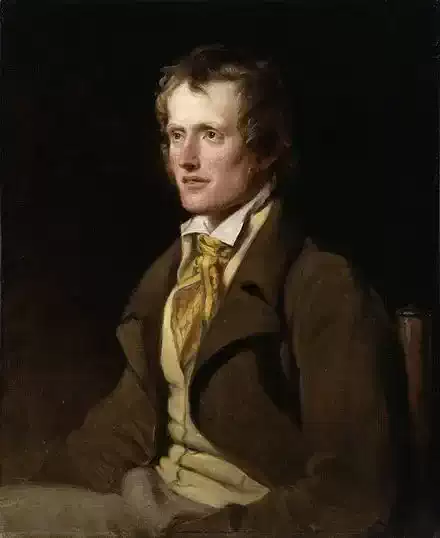
John Clare
To Anna Three Years Old
To Anna Three Years Old
My Anna, summer laughs in mirth,
And we will of the party be,
And leave the crickets in the hearth
For green fields' merry minstrelsy.
I see thee now with little hand
Catch at each object passing bye,
The happiest thing in all the land
Except the bee and butterfly.
* * * * *
And limpid brook that leaps along,
Gilt with the summer's burnished gleam,
Will stop thy little tale or song
To gaze upon its crimping stream.
Thou'lt leave my hand with eager speed
The new discovered things to see--
The old pond with its water weed
And danger-daring willow tree,
Who leans an ancient invalid
Oer spots where deepest waters be.
In sudden shout and wild surprise
I hear thy simple wonderment,
As new things meet thy childish eyes
And wake some innocent intent;
As bird or bee or butterfly
Bounds through the crowd of merry leaves
And starts the rapture of thine eye
To run for what it neer achieves.
But thou art on the bed of pain,
So tells each poor forsaken toy.
Ah, could I see that happy hour
When these shall be thy heart's employ,
And see thee toddle oer the plain,
And stoop for flowers, and shout for joy.
My Anna, summer laughs in mirth,
And we will of the party be,
And leave the crickets in the hearth
For green fields' merry minstrelsy.
I see thee now with little hand
Catch at each object passing bye,
The happiest thing in all the land
Except the bee and butterfly.
* * * * *
And limpid brook that leaps along,
Gilt with the summer's burnished gleam,
Will stop thy little tale or song
To gaze upon its crimping stream.
Thou'lt leave my hand with eager speed
The new discovered things to see--
The old pond with its water weed
And danger-daring willow tree,
Who leans an ancient invalid
Oer spots where deepest waters be.
In sudden shout and wild surprise
I hear thy simple wonderment,
As new things meet thy childish eyes
And wake some innocent intent;
As bird or bee or butterfly
Bounds through the crowd of merry leaves
And starts the rapture of thine eye
To run for what it neer achieves.
But thou art on the bed of pain,
So tells each poor forsaken toy.
Ah, could I see that happy hour
When these shall be thy heart's employ,
And see thee toddle oer the plain,
And stoop for flowers, and shout for joy.
366
John Clare
Thou Flower Of Summer
Thou Flower Of Summer
When in summer thou walkest
In the meads by the river,
And to thyself talkest,
Dost thou think of one ever--
A lost and a lorn one
That adores thee and loves thee?
And when happy morn's gone,
And nature's calm moves thee,
Leaving thee to thy sleep like an angel at rest,
Does the one who adores thee still live in thy breast?
Does nature eer give thee
Love's past happy vision,
And wrap thee and leave thee
In fancies elysian?
Thy beauty I clung to,
As leaves to the tree;
When thou fair and young too
Looked lightly on me,
Till love came upon thee like the sun to the west
And shed its perfuming and bloom on thy breast.
When in summer thou walkest
In the meads by the river,
And to thyself talkest,
Dost thou think of one ever--
A lost and a lorn one
That adores thee and loves thee?
And when happy morn's gone,
And nature's calm moves thee,
Leaving thee to thy sleep like an angel at rest,
Does the one who adores thee still live in thy breast?
Does nature eer give thee
Love's past happy vision,
And wrap thee and leave thee
In fancies elysian?
Thy beauty I clung to,
As leaves to the tree;
When thou fair and young too
Looked lightly on me,
Till love came upon thee like the sun to the west
And shed its perfuming and bloom on thy breast.
346
John Clare
The Wood-Cutter's Night Song
The Wood-Cutter's Night Song
Welcome, red and roundy sun,
Dropping lowly in the west;
Now my hard day's work is done,
I'm as happy as the best.
Joyful are the thoughts of home,
Now I'm ready for my chair,
So, till morrow-morning's come,
Bill and mittens, lie ye there!
Though to leave your pretty song,
Little birds, it gives me pain,
Yet to-morrow is not long,
Then I'm with you all again.
If I stop, and stand about,
Well I know how things will be,
Judy will be looking out
Every now-and-then for me.
So fare ye well! and hold your tongues,
Sing no more until I come;
They're not worthy of your songs
That never care to drop a crumb.
All day long I love the oaks,
But, at nights, yon little cot,
Where I see the chimney smokes,
Is by far the prettiest spot.
Wife and children all are there,
To revive with pleasant looks,
Table ready set, and chair,
Supper hanging on the hooks.
Soon as ever I get in,
When my faggot down I fling,
Little prattlers they begin
Teasing me to talk and sing.
Welcome, red and roundy sun,
Dropping lowly in the west;
Now my hard day's work is done,
I'm as happy as the best.
Joyful are the thoughts of home,
Now I'm ready for my chair,
So, till morrow-morning's come,
Bill and mittens, lie ye there!
Welcome, red and roundy sun,
Dropping lowly in the west;
Now my hard day's work is done,
I'm as happy as the best.
Joyful are the thoughts of home,
Now I'm ready for my chair,
So, till morrow-morning's come,
Bill and mittens, lie ye there!
Though to leave your pretty song,
Little birds, it gives me pain,
Yet to-morrow is not long,
Then I'm with you all again.
If I stop, and stand about,
Well I know how things will be,
Judy will be looking out
Every now-and-then for me.
So fare ye well! and hold your tongues,
Sing no more until I come;
They're not worthy of your songs
That never care to drop a crumb.
All day long I love the oaks,
But, at nights, yon little cot,
Where I see the chimney smokes,
Is by far the prettiest spot.
Wife and children all are there,
To revive with pleasant looks,
Table ready set, and chair,
Supper hanging on the hooks.
Soon as ever I get in,
When my faggot down I fling,
Little prattlers they begin
Teasing me to talk and sing.
Welcome, red and roundy sun,
Dropping lowly in the west;
Now my hard day's work is done,
I'm as happy as the best.
Joyful are the thoughts of home,
Now I'm ready for my chair,
So, till morrow-morning's come,
Bill and mittens, lie ye there!
887
John Clare
The Wood-Cutter's Night Song
The Wood-Cutter's Night Song
Welcome, red and roundy sun,
Dropping lowly in the west;
Now my hard day's work is done,
I'm as happy as the best.
Joyful are the thoughts of home,
Now I'm ready for my chair,
So, till morrow-morning's come,
Bill and mittens, lie ye there!
Though to leave your pretty song,
Little birds, it gives me pain,
Yet to-morrow is not long,
Then I'm with you all again.
If I stop, and stand about,
Well I know how things will be,
Judy will be looking out
Every now-and-then for me.
So fare ye well! and hold your tongues,
Sing no more until I come;
They're not worthy of your songs
That never care to drop a crumb.
All day long I love the oaks,
But, at nights, yon little cot,
Where I see the chimney smokes,
Is by far the prettiest spot.
Wife and children all are there,
To revive with pleasant looks,
Table ready set, and chair,
Supper hanging on the hooks.
Soon as ever I get in,
When my faggot down I fling,
Little prattlers they begin
Teasing me to talk and sing.
Welcome, red and roundy sun,
Dropping lowly in the west;
Now my hard day's work is done,
I'm as happy as the best.
Joyful are the thoughts of home,
Now I'm ready for my chair,
So, till morrow-morning's come,
Bill and mittens, lie ye there!
Welcome, red and roundy sun,
Dropping lowly in the west;
Now my hard day's work is done,
I'm as happy as the best.
Joyful are the thoughts of home,
Now I'm ready for my chair,
So, till morrow-morning's come,
Bill and mittens, lie ye there!
Though to leave your pretty song,
Little birds, it gives me pain,
Yet to-morrow is not long,
Then I'm with you all again.
If I stop, and stand about,
Well I know how things will be,
Judy will be looking out
Every now-and-then for me.
So fare ye well! and hold your tongues,
Sing no more until I come;
They're not worthy of your songs
That never care to drop a crumb.
All day long I love the oaks,
But, at nights, yon little cot,
Where I see the chimney smokes,
Is by far the prettiest spot.
Wife and children all are there,
To revive with pleasant looks,
Table ready set, and chair,
Supper hanging on the hooks.
Soon as ever I get in,
When my faggot down I fling,
Little prattlers they begin
Teasing me to talk and sing.
Welcome, red and roundy sun,
Dropping lowly in the west;
Now my hard day's work is done,
I'm as happy as the best.
Joyful are the thoughts of home,
Now I'm ready for my chair,
So, till morrow-morning's come,
Bill and mittens, lie ye there!
887
John Clare
The Shepherd's Calendar - October
The Shepherd's Calendar - October
Nature now spreads around in dreary hue
A pall to cover all that summer knew
Yet in the poets solitary way
Some pleasing objects for his praise delay
Somthing that makes him pause and turn again
As every trifle will his eye detain
The free horse rustling through the stubble land
And bawling herd boy with his motly band
Of hogs and sheep and cows who feed their fill
Oer cleard fields rambling where so ere they will
The geese flock gabbling in the splashy fields
And quaking ducks in pondweeds half conseald
Or seeking worms along the homclose sward
Right glad of freedom from the prison yard
While every cart rut dribbles its low tide
And every hollow splashing sports provide
The hedger stopping gaps wi pointed bough
Made by intruding horse and blundering cow
The milk maid tripping on her morning way
And fodderers oft tho early cutting hay
Dropping the littering forkfulls from his back
Side where the thorn fence circles round the stack
The cotter journying wi his noisev swine
Along the wood side where the brambles twine
Shaking from dinted cups the acorns brown
And from the hedges red awes dashing down
And nutters rustling in the yellow woods
Scaring from their snug lairs the pheasant broods
And squirrels secret toils oer winter dreams
Picking the brown nuts from the yellow beams
And hunters from the thickets avenue
In scarlet jackets startling on the view
Skiming a moment oer the russet plain
Then hiding in the colord woods again
The ploping guns sharp momentary shock
Which eccho bustles from her cave to mock
The sticking groups in many a ragged set
Brushing the woods their harmless loads to get
And gipseys camps in some snug shelterd nook
Where old lane hedges like the pasture brook
Run crooking as they will by wood and dell
In such lone spots these wild wood roamers dwell
On commons where no farmers claims appear
Nor tyrant justice rides to interfere
Such the abodes neath hedge or spreading oak
And but discovered by its curling smoak
Puffing and peeping up as wills the breeze
Between the branches of the colord trees
Such are the pictures that october yields
To please the poet as he walks the fields
Oft dames in faded cloak of red or grey
Loiters along the mornings dripping way
Wi wicker basket on their witherd arms
Searching the hedges of home close or farms
Where brashy elder trees to autum fade
Each cotters mossy hut and garden shade
Whose glossy berrys picturesquly weaves
Their swathy bunches mid the yellow leaves
Where the pert sparrow stains his little bill
And tutling robin picks his meals at will
Black ripening to the wan suns misty ray
Here the industrious huswives wend their way
Pulling the brittle branches carefull down
And hawking loads of berrys to the town
Wi unpretending skill yet half divine
To press and make their eldern berry wine
That bottld up becomes a rousing charm
To kindle winters icy bosom warm
That wi its merry partner nut brown beer
Makes up the peasants christmass keeping cheer
While nature like fair woman in decay
Which pale consumption hourly wastes away
Upon her waining features pale and chill
Wears dreams of beauty that seem lovely still
Among the heath furze still delights to dwell
Quaking as if with cold the harvest bell
The mushroom buttons each moist morning brings
Like spots of snow in the green tawney rings
And fuzz balls swelld like bladders in the grass
Which oft the merry laughing milking lass
Will stoop to gather in her sportive airs
And slive in mimickd fondness unawares
To smut the brown cheek of the teazing swain
Wi the black powder which their balls contain
Who feigns offence at first that love may speed
Then charms a kiss to recompence the deed
The flying clouds urged on in swiftest pace
Like living things as if they runned a race
The winds that oer each coming tempest broods
Waking like spirits in their startling moods
Fluttering the sear leaves on the blasting lea
That litters under every fading tree
And pausing oft as falls the pattering rain
Then gathering strength and twirling them again
The startld stockdove hurried wizzing bye
As the still hawk hangs oer him in the sky
Crows from the oak trees qawking as they spring
Dashing the acorns down wi beating wing
Waking the woodlands sleep in noises low
Pattring on crimpt brakes withering brown below
While from their hollow nest the squirrels (pop)
Adown the tree to pick them as they drop
The starnel crowds that dim the muddy light
The crows and jackdaws flapping home at night
And puddock circling round its lazy flight
Round the wild sweeing wood in motion slow
Before it perches on the oaks below
And hugh black beetles revelling alone
In the dull evening with their heavy drone
Buzzing from barn door straw and hovel sides
Where fodderd cattle from the night abides
These pictures linger thro the shortning day
And cheer the lone bards mellancholy way
And now and then a solitary boy
Journeying and muttering oer his dreams of joy
Nature now spreads around in dreary hue
A pall to cover all that summer knew
Yet in the poets solitary way
Some pleasing objects for his praise delay
Somthing that makes him pause and turn again
As every trifle will his eye detain
The free horse rustling through the stubble land
And bawling herd boy with his motly band
Of hogs and sheep and cows who feed their fill
Oer cleard fields rambling where so ere they will
The geese flock gabbling in the splashy fields
And quaking ducks in pondweeds half conseald
Or seeking worms along the homclose sward
Right glad of freedom from the prison yard
While every cart rut dribbles its low tide
And every hollow splashing sports provide
The hedger stopping gaps wi pointed bough
Made by intruding horse and blundering cow
The milk maid tripping on her morning way
And fodderers oft tho early cutting hay
Dropping the littering forkfulls from his back
Side where the thorn fence circles round the stack
The cotter journying wi his noisev swine
Along the wood side where the brambles twine
Shaking from dinted cups the acorns brown
And from the hedges red awes dashing down
And nutters rustling in the yellow woods
Scaring from their snug lairs the pheasant broods
And squirrels secret toils oer winter dreams
Picking the brown nuts from the yellow beams
And hunters from the thickets avenue
In scarlet jackets startling on the view
Skiming a moment oer the russet plain
Then hiding in the colord woods again
The ploping guns sharp momentary shock
Which eccho bustles from her cave to mock
The sticking groups in many a ragged set
Brushing the woods their harmless loads to get
And gipseys camps in some snug shelterd nook
Where old lane hedges like the pasture brook
Run crooking as they will by wood and dell
In such lone spots these wild wood roamers dwell
On commons where no farmers claims appear
Nor tyrant justice rides to interfere
Such the abodes neath hedge or spreading oak
And but discovered by its curling smoak
Puffing and peeping up as wills the breeze
Between the branches of the colord trees
Such are the pictures that october yields
To please the poet as he walks the fields
Oft dames in faded cloak of red or grey
Loiters along the mornings dripping way
Wi wicker basket on their witherd arms
Searching the hedges of home close or farms
Where brashy elder trees to autum fade
Each cotters mossy hut and garden shade
Whose glossy berrys picturesquly weaves
Their swathy bunches mid the yellow leaves
Where the pert sparrow stains his little bill
And tutling robin picks his meals at will
Black ripening to the wan suns misty ray
Here the industrious huswives wend their way
Pulling the brittle branches carefull down
And hawking loads of berrys to the town
Wi unpretending skill yet half divine
To press and make their eldern berry wine
That bottld up becomes a rousing charm
To kindle winters icy bosom warm
That wi its merry partner nut brown beer
Makes up the peasants christmass keeping cheer
While nature like fair woman in decay
Which pale consumption hourly wastes away
Upon her waining features pale and chill
Wears dreams of beauty that seem lovely still
Among the heath furze still delights to dwell
Quaking as if with cold the harvest bell
The mushroom buttons each moist morning brings
Like spots of snow in the green tawney rings
And fuzz balls swelld like bladders in the grass
Which oft the merry laughing milking lass
Will stoop to gather in her sportive airs
And slive in mimickd fondness unawares
To smut the brown cheek of the teazing swain
Wi the black powder which their balls contain
Who feigns offence at first that love may speed
Then charms a kiss to recompence the deed
The flying clouds urged on in swiftest pace
Like living things as if they runned a race
The winds that oer each coming tempest broods
Waking like spirits in their startling moods
Fluttering the sear leaves on the blasting lea
That litters under every fading tree
And pausing oft as falls the pattering rain
Then gathering strength and twirling them again
The startld stockdove hurried wizzing bye
As the still hawk hangs oer him in the sky
Crows from the oak trees qawking as they spring
Dashing the acorns down wi beating wing
Waking the woodlands sleep in noises low
Pattring on crimpt brakes withering brown below
While from their hollow nest the squirrels (pop)
Adown the tree to pick them as they drop
The starnel crowds that dim the muddy light
The crows and jackdaws flapping home at night
And puddock circling round its lazy flight
Round the wild sweeing wood in motion slow
Before it perches on the oaks below
And hugh black beetles revelling alone
In the dull evening with their heavy drone
Buzzing from barn door straw and hovel sides
Where fodderd cattle from the night abides
These pictures linger thro the shortning day
And cheer the lone bards mellancholy way
And now and then a solitary boy
Journeying and muttering oer his dreams of joy
337
John Clare
The Shepherds Calendar - April
The Shepherds Calendar - April
The infant april joins the spring
And views its watery skye
As youngling linnet trys its wing
And fears at first to flye
With timid step she ventures on
And hardly dares to smile
The blossoms open one by one
And sunny hours beguile
But finer days approacheth yet
With scenes more sweet to charm
And suns arrive that rise and set
Bright strangers to a storm
And as the birds with louder song
Each mornings glory cheers
With bolder step she speeds along
And looses all her fears
In wanton gambols like a child
She tends her early toils
And seeks the buds along the wild
That blossom while she smiles
And laughing on with nought to chide
She races with the hours
Or sports by natures lovley side
And fills her lap with flowers
Tho at her birth north cutting gales
Her beautys oft disguise
And hopfull blossoms turning pales
Upon her bosom dies
Yet ere she seeks another place
And ends her reign in this
She leaves us with as fair a face
As ere gave birth to bliss
And fairey month of waking mirth
From whom our joys ensue
Thou early gladder of the earth
Thrice welcom here anew
With thee the bud unfolds to leaves
The grass greens on the lea
And flowers their tender boon recieves
To bloom and smile with thee
The shepherds on thy pasture walks
The first fair cowslip finds
Whose tufted flowers on slender stalks
Keep nodding to the winds
And tho thy thorns withold the may
Their shades the violets bring
Which childern stoop for in their play
As tokens of the spring
The time when daiseys bloom divine
With thy calm hours begun
And crowflowers blazing blooms are thine
Bright childern of the sun
Along thy woodlands shaded nooks
The primrose wanly comes
And shining in thy pebley brooks
The horse bleb gaily blooms
The long lost charm of sparkling dew
Thy gentle birth recieves
And on thy wreathing locks we view
The first infolding leaves
And seeking firstling buds and flowers
The trials of thy skill
Were pastimes of my infant hours
And so they haunt me still
To see thy first broad arum leaves
I lovd them from a child
And where thy woodbines sprouting weaves
I joyd to trace the wild
And jocund as thy lambs at play
I met the wanton wind
With feelings that have passd away
Whose shadows cling behind
Those joys which childhood claims its own
Woud they were kin to men
Those treasures to the world unknown
When known-was witherd then
But hovering round our growing years
To gild cares sable shroud
Their spirit thro the gloom appears
As suns behind a cloud
As thou first met my infant eyes
When thro thy fields I flew
Whose distance where they meet the skyes
Was all the worlds I knew
That warmth of fancys wildest hours
Which made things kin to life
That heard a voice in trees and flowers
Has swoond in reasons strife
Sweet month thy pleasures bids thee be
The fairest child of spring
And every hour that comes with thee
Comes some new joy to bring
The trees still deepen in their bloom
Crass greens the meadow lands
And flowers with every morning come
As dropt by fairey hands
The field and gardens lovley hours
Begin and end with thee
For whats so sweet as peeping flowers
And bursting buds to see
What time the dews unsullied drops
In burnishd gold distills
On crocus flowers unclosing tops
And drooping daffodills
Each day with added glorys come
And as they leave the night
Put on the roseys lovley bloom
And blushes with delight
And suns that wait their welcome birth
With earlier haste pursue
Their journeys to this lower earth
To free their steps from dew
To see thee come all hearts rejoice
And warms with feelings strong
With thee all nature finds a voice
And hums a waking song
The lover views thy welcome hours
And thinks of summer come
And takes the maid thy early flowers
To tempt her steps from home
Along each hedge and sprouting bush
The singing birds are blest
And linnet green and speckld thrush
Prepare their mossy nest
On the warm bed thy plain supplys
The young lambs find repose
And mid thy green hills basking lies
Like spots of lingering snows
Young things of tender life again
Enjoys thy sunny hours
And gosslings waddle ocr the plain
As yellow as its flowers
Or swim the pond in wild delight
To catch the water flye
Where hissing geese in ceasless spite
Make childern scamper bye
Again the fairey tribes pursue
Their pleasures on the plain
And brightend with the morning dew
Black circles shine again
And on its superstitious ground
Where flowers seem loath to dwell
The toadstools fuzzy balls abound
And mushrooms yearly swell
The seasons beautys all are thine
That visit with the year
Beautys that poets think divine
And all delight to hear
Thy latter days a pleasure brings
That gladden every heart
Pleasures that come like lovley things
But like to shades depart
Thy opend leaves and ripend buds
The cuckoo makes his choice
And shepherds in thy greening woods
First hears the cheering voice
And to thy ripend blooming bowers
The nightingale belongs
And singing to thy parting hours
Keeps night awake with songs
With thee the swallow dares to come
And primes his sutty wings
And urgd to seek their yearly home
Thy suns the Martin brings
And lovley month be leisure mine
Thy yearly mate to be
Tho may day scenes may brighter shine
Their birth belongs to thee
I waked me with thy rising sun
And thy first glorys viewd
And as thy welcome hours begun
Their sunny steps pursued
And now thy sun is on the set
Like to a lovley eve
I view thy parting with regret
And linger loath to leave
Thou lovley april fare thee well
Thou early child of spring
Tho born where storms too often dwell
Thy parents news to bring
Yet what thy parting youth supplys
No other months excell
Thou first for flowers and sunny skyes
Sweet april fare thee well.
The infant april joins the spring
And views its watery skye
As youngling linnet trys its wing
And fears at first to flye
With timid step she ventures on
And hardly dares to smile
The blossoms open one by one
And sunny hours beguile
But finer days approacheth yet
With scenes more sweet to charm
And suns arrive that rise and set
Bright strangers to a storm
And as the birds with louder song
Each mornings glory cheers
With bolder step she speeds along
And looses all her fears
In wanton gambols like a child
She tends her early toils
And seeks the buds along the wild
That blossom while she smiles
And laughing on with nought to chide
She races with the hours
Or sports by natures lovley side
And fills her lap with flowers
Tho at her birth north cutting gales
Her beautys oft disguise
And hopfull blossoms turning pales
Upon her bosom dies
Yet ere she seeks another place
And ends her reign in this
She leaves us with as fair a face
As ere gave birth to bliss
And fairey month of waking mirth
From whom our joys ensue
Thou early gladder of the earth
Thrice welcom here anew
With thee the bud unfolds to leaves
The grass greens on the lea
And flowers their tender boon recieves
To bloom and smile with thee
The shepherds on thy pasture walks
The first fair cowslip finds
Whose tufted flowers on slender stalks
Keep nodding to the winds
And tho thy thorns withold the may
Their shades the violets bring
Which childern stoop for in their play
As tokens of the spring
The time when daiseys bloom divine
With thy calm hours begun
And crowflowers blazing blooms are thine
Bright childern of the sun
Along thy woodlands shaded nooks
The primrose wanly comes
And shining in thy pebley brooks
The horse bleb gaily blooms
The long lost charm of sparkling dew
Thy gentle birth recieves
And on thy wreathing locks we view
The first infolding leaves
And seeking firstling buds and flowers
The trials of thy skill
Were pastimes of my infant hours
And so they haunt me still
To see thy first broad arum leaves
I lovd them from a child
And where thy woodbines sprouting weaves
I joyd to trace the wild
And jocund as thy lambs at play
I met the wanton wind
With feelings that have passd away
Whose shadows cling behind
Those joys which childhood claims its own
Woud they were kin to men
Those treasures to the world unknown
When known-was witherd then
But hovering round our growing years
To gild cares sable shroud
Their spirit thro the gloom appears
As suns behind a cloud
As thou first met my infant eyes
When thro thy fields I flew
Whose distance where they meet the skyes
Was all the worlds I knew
That warmth of fancys wildest hours
Which made things kin to life
That heard a voice in trees and flowers
Has swoond in reasons strife
Sweet month thy pleasures bids thee be
The fairest child of spring
And every hour that comes with thee
Comes some new joy to bring
The trees still deepen in their bloom
Crass greens the meadow lands
And flowers with every morning come
As dropt by fairey hands
The field and gardens lovley hours
Begin and end with thee
For whats so sweet as peeping flowers
And bursting buds to see
What time the dews unsullied drops
In burnishd gold distills
On crocus flowers unclosing tops
And drooping daffodills
Each day with added glorys come
And as they leave the night
Put on the roseys lovley bloom
And blushes with delight
And suns that wait their welcome birth
With earlier haste pursue
Their journeys to this lower earth
To free their steps from dew
To see thee come all hearts rejoice
And warms with feelings strong
With thee all nature finds a voice
And hums a waking song
The lover views thy welcome hours
And thinks of summer come
And takes the maid thy early flowers
To tempt her steps from home
Along each hedge and sprouting bush
The singing birds are blest
And linnet green and speckld thrush
Prepare their mossy nest
On the warm bed thy plain supplys
The young lambs find repose
And mid thy green hills basking lies
Like spots of lingering snows
Young things of tender life again
Enjoys thy sunny hours
And gosslings waddle ocr the plain
As yellow as its flowers
Or swim the pond in wild delight
To catch the water flye
Where hissing geese in ceasless spite
Make childern scamper bye
Again the fairey tribes pursue
Their pleasures on the plain
And brightend with the morning dew
Black circles shine again
And on its superstitious ground
Where flowers seem loath to dwell
The toadstools fuzzy balls abound
And mushrooms yearly swell
The seasons beautys all are thine
That visit with the year
Beautys that poets think divine
And all delight to hear
Thy latter days a pleasure brings
That gladden every heart
Pleasures that come like lovley things
But like to shades depart
Thy opend leaves and ripend buds
The cuckoo makes his choice
And shepherds in thy greening woods
First hears the cheering voice
And to thy ripend blooming bowers
The nightingale belongs
And singing to thy parting hours
Keeps night awake with songs
With thee the swallow dares to come
And primes his sutty wings
And urgd to seek their yearly home
Thy suns the Martin brings
And lovley month be leisure mine
Thy yearly mate to be
Tho may day scenes may brighter shine
Their birth belongs to thee
I waked me with thy rising sun
And thy first glorys viewd
And as thy welcome hours begun
Their sunny steps pursued
And now thy sun is on the set
Like to a lovley eve
I view thy parting with regret
And linger loath to leave
Thou lovley april fare thee well
Thou early child of spring
Tho born where storms too often dwell
Thy parents news to bring
Yet what thy parting youth supplys
No other months excell
Thou first for flowers and sunny skyes
Sweet april fare thee well.
416
John Clare
The Shepherds Calendar - February - A Thaw
The Shepherds Calendar - February - A Thaw
The snow is gone from cottage tops
The thatch moss glows in brighter green
And eves in quick succession drops
Where grinning ides once hath been
Pit patting Wi a pleasant noise
In tubs set by the cottage door
And ducks and geese wi happy joys
Douse in the yard pond brimming oer
The sun peeps thro the window pane
Which childern mark wi laughing eye
And in the wet street steal again
To tell each other spring is nigh
And as young hope the past recalls
In playing groups will often draw
Building beside the sunny walls
Their spring-play-huts of sticks or straw
And oft in pleasures dreams they hie
Round homsteads by the village side
Scratting the hedgrow mosses bye
Where painted pooty shells abide
Mistaking oft the ivy spray
For leaves that come wi budding spring
And wondering in their search for play
Why birds delay to build and sing
The milkmaid singing leaves her bed
As glad as happy thoughts can be
While magpies chatter oer her head
As jocund in the change as she
Her cows around the closes stray
Nor lingering wait the foddering boy
Tossing the molehills in their play
And staring round in frolic joy
Ploughmen go whistling to their toils
And yoke again the rested plough
And mingling oer the mellow soils
Boys' shouts and whips are noising now
The shepherd now is often seen
By warm banks oer his work to bend
Or oer a gate or stile to lean
Chattering to a passing friend
Odd hive bees fancying winter oer
And dreaming in their combs of spring
Creeps on the slab beside their door
And strokes its legs upon its wing
While wild ones half asleep are humming
Round snowdrop bells a feeble note
And pigions coo of summer coming
Picking their feathers on the cote
The barking dogs by lane and wood
Drive sheep afield from foddering ground
And eccho in her summer mood
Briskly mocks the cheery sound
The flocks as from a prison broke
Shake their wet fleeces in the sun
While following fast a misty smoke
Reeks from the moist grass as they run
Nor more behind his masters heels
The dog creeps oer his winter pace
But cocks his tail and oer the fields
Runs many a wild and random chase
Following in spite of chiding calls
The startld cat wi harmless glee
Scaring her up the weed green walls
Or mossy mottld apple tree
As crows from morning perches flye
He barks and follows them in vain
Een larks will catch his nimble eye
And off he starts and barks again
Wi breathless haste and blinded guess
Oft following where the hare hath gone
Forgetting in his joys excess
His frolic puppy days are done
The gossips saunter in the sun
As at the spring from door to door
Of matters in the village done
And secret newsings mutterd oer
Young girls when they each other meet
Will stand their tales of love to tell
While going on errands down the street
Or fetching water from the well
A calm of pleasure listens round
And almost whispers winter bye
While fancy dreams of summer sounds
And quiet rapture fills the eye
The sun beams on the hedges lye
The south wind murmurs summer soft
And maids hang out white cloaths to dry
Around the eldern skirted croft
Each barns green thatch reeks in the sun
Its mate the happy sparrow calls
And as nest building spring begun
Peeps in the holes about the walls
The wren a sunny side the stack
Wi short tail ever on the strunt
Cockd gadding up above his back
Again for dancing gnats will hunt
The gladdend swine bolt from the sty
And round the yard in freedom run
Or stretching in their slumbers lye
Beside the cottage in the sun
The young horse whinneys to its mate
And sickens from the threshers door
Rubbing the straw yards banded gate
Longing for freedom on the moor
Hens leave their roosts wi cackling calls
To see the barn door free from snow
And cocks flye up the mossy walls
To clap their spangld wings and crow
About the steeples sunny top
The jackdaw flocks resemble spring
And in the stone archd windows pop
Wi summer noise and wanton wing
The small birds think their wants are oer
To see the snow hills fret again
And from the barns chaff litterd door
Betake them to the greening plain
The woodmans robin startles coy
Nor longer at his elbow comes
To peck wi hungers eager joy
Mong mossy stulps the litterd crumbs
Neath hedge and walls that screen the wind
The gnats for play will Hock together
And een poor flyes odd hopes will find
To venture in the mocking weather
From out their hiding holes again
Wi feeble pace they often creep
Along the sun warmd window pane
Like dreaming things that walk in sleep
The mavis thrush wi wild delight
Upon the orchards dripping tree
Mutters to see the day so bright
Spring scraps of young hopes poesy
And oft dame stops her burring wheel
To hear the robins note once more
That tutles while he pecks his meal
From sweet briar hips beside the door
The hedghog from its hollow root
Sees the wood moss clear of snow
And hunts each hedge for fallen fruit
Crab hip and winter bitten sloe
And oft when checkd by sudden fears
As shepherd dog his haunt espies
He rolls up in a ball of spears
And all his barking rage defies
Thus nature of the spring will dream
While south winds thaw but soon again
Frost breaths upon the stiffening stream
And numbs it into ice-the plain
Soon wears its merry garb of white
And icicles that fret at noon
Will eke their icy tails at night
Beneath the chilly stars and moon
Nature soon sickens of her joys
And all is sad and dumb again
Save merry shouts of sliding boys
About the frozen furrowd plain
The foddering boy forgets his song
And silent goes wi folded arms
And croodling shepherds bend along
Crouching to the whizzing storms
The snow is gone from cottage tops
The thatch moss glows in brighter green
And eves in quick succession drops
Where grinning ides once hath been
Pit patting Wi a pleasant noise
In tubs set by the cottage door
And ducks and geese wi happy joys
Douse in the yard pond brimming oer
The sun peeps thro the window pane
Which childern mark wi laughing eye
And in the wet street steal again
To tell each other spring is nigh
And as young hope the past recalls
In playing groups will often draw
Building beside the sunny walls
Their spring-play-huts of sticks or straw
And oft in pleasures dreams they hie
Round homsteads by the village side
Scratting the hedgrow mosses bye
Where painted pooty shells abide
Mistaking oft the ivy spray
For leaves that come wi budding spring
And wondering in their search for play
Why birds delay to build and sing
The milkmaid singing leaves her bed
As glad as happy thoughts can be
While magpies chatter oer her head
As jocund in the change as she
Her cows around the closes stray
Nor lingering wait the foddering boy
Tossing the molehills in their play
And staring round in frolic joy
Ploughmen go whistling to their toils
And yoke again the rested plough
And mingling oer the mellow soils
Boys' shouts and whips are noising now
The shepherd now is often seen
By warm banks oer his work to bend
Or oer a gate or stile to lean
Chattering to a passing friend
Odd hive bees fancying winter oer
And dreaming in their combs of spring
Creeps on the slab beside their door
And strokes its legs upon its wing
While wild ones half asleep are humming
Round snowdrop bells a feeble note
And pigions coo of summer coming
Picking their feathers on the cote
The barking dogs by lane and wood
Drive sheep afield from foddering ground
And eccho in her summer mood
Briskly mocks the cheery sound
The flocks as from a prison broke
Shake their wet fleeces in the sun
While following fast a misty smoke
Reeks from the moist grass as they run
Nor more behind his masters heels
The dog creeps oer his winter pace
But cocks his tail and oer the fields
Runs many a wild and random chase
Following in spite of chiding calls
The startld cat wi harmless glee
Scaring her up the weed green walls
Or mossy mottld apple tree
As crows from morning perches flye
He barks and follows them in vain
Een larks will catch his nimble eye
And off he starts and barks again
Wi breathless haste and blinded guess
Oft following where the hare hath gone
Forgetting in his joys excess
His frolic puppy days are done
The gossips saunter in the sun
As at the spring from door to door
Of matters in the village done
And secret newsings mutterd oer
Young girls when they each other meet
Will stand their tales of love to tell
While going on errands down the street
Or fetching water from the well
A calm of pleasure listens round
And almost whispers winter bye
While fancy dreams of summer sounds
And quiet rapture fills the eye
The sun beams on the hedges lye
The south wind murmurs summer soft
And maids hang out white cloaths to dry
Around the eldern skirted croft
Each barns green thatch reeks in the sun
Its mate the happy sparrow calls
And as nest building spring begun
Peeps in the holes about the walls
The wren a sunny side the stack
Wi short tail ever on the strunt
Cockd gadding up above his back
Again for dancing gnats will hunt
The gladdend swine bolt from the sty
And round the yard in freedom run
Or stretching in their slumbers lye
Beside the cottage in the sun
The young horse whinneys to its mate
And sickens from the threshers door
Rubbing the straw yards banded gate
Longing for freedom on the moor
Hens leave their roosts wi cackling calls
To see the barn door free from snow
And cocks flye up the mossy walls
To clap their spangld wings and crow
About the steeples sunny top
The jackdaw flocks resemble spring
And in the stone archd windows pop
Wi summer noise and wanton wing
The small birds think their wants are oer
To see the snow hills fret again
And from the barns chaff litterd door
Betake them to the greening plain
The woodmans robin startles coy
Nor longer at his elbow comes
To peck wi hungers eager joy
Mong mossy stulps the litterd crumbs
Neath hedge and walls that screen the wind
The gnats for play will Hock together
And een poor flyes odd hopes will find
To venture in the mocking weather
From out their hiding holes again
Wi feeble pace they often creep
Along the sun warmd window pane
Like dreaming things that walk in sleep
The mavis thrush wi wild delight
Upon the orchards dripping tree
Mutters to see the day so bright
Spring scraps of young hopes poesy
And oft dame stops her burring wheel
To hear the robins note once more
That tutles while he pecks his meal
From sweet briar hips beside the door
The hedghog from its hollow root
Sees the wood moss clear of snow
And hunts each hedge for fallen fruit
Crab hip and winter bitten sloe
And oft when checkd by sudden fears
As shepherd dog his haunt espies
He rolls up in a ball of spears
And all his barking rage defies
Thus nature of the spring will dream
While south winds thaw but soon again
Frost breaths upon the stiffening stream
And numbs it into ice-the plain
Soon wears its merry garb of white
And icicles that fret at noon
Will eke their icy tails at night
Beneath the chilly stars and moon
Nature soon sickens of her joys
And all is sad and dumb again
Save merry shouts of sliding boys
About the frozen furrowd plain
The foddering boy forgets his song
And silent goes wi folded arms
And croodling shepherds bend along
Crouching to the whizzing storms
330
John Clare
The Shepherds Calendar - February - A Thaw
The Shepherds Calendar - February - A Thaw
The snow is gone from cottage tops
The thatch moss glows in brighter green
And eves in quick succession drops
Where grinning ides once hath been
Pit patting Wi a pleasant noise
In tubs set by the cottage door
And ducks and geese wi happy joys
Douse in the yard pond brimming oer
The sun peeps thro the window pane
Which childern mark wi laughing eye
And in the wet street steal again
To tell each other spring is nigh
And as young hope the past recalls
In playing groups will often draw
Building beside the sunny walls
Their spring-play-huts of sticks or straw
And oft in pleasures dreams they hie
Round homsteads by the village side
Scratting the hedgrow mosses bye
Where painted pooty shells abide
Mistaking oft the ivy spray
For leaves that come wi budding spring
And wondering in their search for play
Why birds delay to build and sing
The milkmaid singing leaves her bed
As glad as happy thoughts can be
While magpies chatter oer her head
As jocund in the change as she
Her cows around the closes stray
Nor lingering wait the foddering boy
Tossing the molehills in their play
And staring round in frolic joy
Ploughmen go whistling to their toils
And yoke again the rested plough
And mingling oer the mellow soils
Boys' shouts and whips are noising now
The shepherd now is often seen
By warm banks oer his work to bend
Or oer a gate or stile to lean
Chattering to a passing friend
Odd hive bees fancying winter oer
And dreaming in their combs of spring
Creeps on the slab beside their door
And strokes its legs upon its wing
While wild ones half asleep are humming
Round snowdrop bells a feeble note
And pigions coo of summer coming
Picking their feathers on the cote
The barking dogs by lane and wood
Drive sheep afield from foddering ground
And eccho in her summer mood
Briskly mocks the cheery sound
The flocks as from a prison broke
Shake their wet fleeces in the sun
While following fast a misty smoke
Reeks from the moist grass as they run
Nor more behind his masters heels
The dog creeps oer his winter pace
But cocks his tail and oer the fields
Runs many a wild and random chase
Following in spite of chiding calls
The startld cat wi harmless glee
Scaring her up the weed green walls
Or mossy mottld apple tree
As crows from morning perches flye
He barks and follows them in vain
Een larks will catch his nimble eye
And off he starts and barks again
Wi breathless haste and blinded guess
Oft following where the hare hath gone
Forgetting in his joys excess
His frolic puppy days are done
The gossips saunter in the sun
As at the spring from door to door
Of matters in the village done
And secret newsings mutterd oer
Young girls when they each other meet
Will stand their tales of love to tell
While going on errands down the street
Or fetching water from the well
A calm of pleasure listens round
And almost whispers winter bye
While fancy dreams of summer sounds
And quiet rapture fills the eye
The sun beams on the hedges lye
The south wind murmurs summer soft
And maids hang out white cloaths to dry
Around the eldern skirted croft
Each barns green thatch reeks in the sun
Its mate the happy sparrow calls
And as nest building spring begun
Peeps in the holes about the walls
The wren a sunny side the stack
Wi short tail ever on the strunt
Cockd gadding up above his back
Again for dancing gnats will hunt
The gladdend swine bolt from the sty
And round the yard in freedom run
Or stretching in their slumbers lye
Beside the cottage in the sun
The young horse whinneys to its mate
And sickens from the threshers door
Rubbing the straw yards banded gate
Longing for freedom on the moor
Hens leave their roosts wi cackling calls
To see the barn door free from snow
And cocks flye up the mossy walls
To clap their spangld wings and crow
About the steeples sunny top
The jackdaw flocks resemble spring
And in the stone archd windows pop
Wi summer noise and wanton wing
The small birds think their wants are oer
To see the snow hills fret again
And from the barns chaff litterd door
Betake them to the greening plain
The woodmans robin startles coy
Nor longer at his elbow comes
To peck wi hungers eager joy
Mong mossy stulps the litterd crumbs
Neath hedge and walls that screen the wind
The gnats for play will Hock together
And een poor flyes odd hopes will find
To venture in the mocking weather
From out their hiding holes again
Wi feeble pace they often creep
Along the sun warmd window pane
Like dreaming things that walk in sleep
The mavis thrush wi wild delight
Upon the orchards dripping tree
Mutters to see the day so bright
Spring scraps of young hopes poesy
And oft dame stops her burring wheel
To hear the robins note once more
That tutles while he pecks his meal
From sweet briar hips beside the door
The hedghog from its hollow root
Sees the wood moss clear of snow
And hunts each hedge for fallen fruit
Crab hip and winter bitten sloe
And oft when checkd by sudden fears
As shepherd dog his haunt espies
He rolls up in a ball of spears
And all his barking rage defies
Thus nature of the spring will dream
While south winds thaw but soon again
Frost breaths upon the stiffening stream
And numbs it into ice-the plain
Soon wears its merry garb of white
And icicles that fret at noon
Will eke their icy tails at night
Beneath the chilly stars and moon
Nature soon sickens of her joys
And all is sad and dumb again
Save merry shouts of sliding boys
About the frozen furrowd plain
The foddering boy forgets his song
And silent goes wi folded arms
And croodling shepherds bend along
Crouching to the whizzing storms
The snow is gone from cottage tops
The thatch moss glows in brighter green
And eves in quick succession drops
Where grinning ides once hath been
Pit patting Wi a pleasant noise
In tubs set by the cottage door
And ducks and geese wi happy joys
Douse in the yard pond brimming oer
The sun peeps thro the window pane
Which childern mark wi laughing eye
And in the wet street steal again
To tell each other spring is nigh
And as young hope the past recalls
In playing groups will often draw
Building beside the sunny walls
Their spring-play-huts of sticks or straw
And oft in pleasures dreams they hie
Round homsteads by the village side
Scratting the hedgrow mosses bye
Where painted pooty shells abide
Mistaking oft the ivy spray
For leaves that come wi budding spring
And wondering in their search for play
Why birds delay to build and sing
The milkmaid singing leaves her bed
As glad as happy thoughts can be
While magpies chatter oer her head
As jocund in the change as she
Her cows around the closes stray
Nor lingering wait the foddering boy
Tossing the molehills in their play
And staring round in frolic joy
Ploughmen go whistling to their toils
And yoke again the rested plough
And mingling oer the mellow soils
Boys' shouts and whips are noising now
The shepherd now is often seen
By warm banks oer his work to bend
Or oer a gate or stile to lean
Chattering to a passing friend
Odd hive bees fancying winter oer
And dreaming in their combs of spring
Creeps on the slab beside their door
And strokes its legs upon its wing
While wild ones half asleep are humming
Round snowdrop bells a feeble note
And pigions coo of summer coming
Picking their feathers on the cote
The barking dogs by lane and wood
Drive sheep afield from foddering ground
And eccho in her summer mood
Briskly mocks the cheery sound
The flocks as from a prison broke
Shake their wet fleeces in the sun
While following fast a misty smoke
Reeks from the moist grass as they run
Nor more behind his masters heels
The dog creeps oer his winter pace
But cocks his tail and oer the fields
Runs many a wild and random chase
Following in spite of chiding calls
The startld cat wi harmless glee
Scaring her up the weed green walls
Or mossy mottld apple tree
As crows from morning perches flye
He barks and follows them in vain
Een larks will catch his nimble eye
And off he starts and barks again
Wi breathless haste and blinded guess
Oft following where the hare hath gone
Forgetting in his joys excess
His frolic puppy days are done
The gossips saunter in the sun
As at the spring from door to door
Of matters in the village done
And secret newsings mutterd oer
Young girls when they each other meet
Will stand their tales of love to tell
While going on errands down the street
Or fetching water from the well
A calm of pleasure listens round
And almost whispers winter bye
While fancy dreams of summer sounds
And quiet rapture fills the eye
The sun beams on the hedges lye
The south wind murmurs summer soft
And maids hang out white cloaths to dry
Around the eldern skirted croft
Each barns green thatch reeks in the sun
Its mate the happy sparrow calls
And as nest building spring begun
Peeps in the holes about the walls
The wren a sunny side the stack
Wi short tail ever on the strunt
Cockd gadding up above his back
Again for dancing gnats will hunt
The gladdend swine bolt from the sty
And round the yard in freedom run
Or stretching in their slumbers lye
Beside the cottage in the sun
The young horse whinneys to its mate
And sickens from the threshers door
Rubbing the straw yards banded gate
Longing for freedom on the moor
Hens leave their roosts wi cackling calls
To see the barn door free from snow
And cocks flye up the mossy walls
To clap their spangld wings and crow
About the steeples sunny top
The jackdaw flocks resemble spring
And in the stone archd windows pop
Wi summer noise and wanton wing
The small birds think their wants are oer
To see the snow hills fret again
And from the barns chaff litterd door
Betake them to the greening plain
The woodmans robin startles coy
Nor longer at his elbow comes
To peck wi hungers eager joy
Mong mossy stulps the litterd crumbs
Neath hedge and walls that screen the wind
The gnats for play will Hock together
And een poor flyes odd hopes will find
To venture in the mocking weather
From out their hiding holes again
Wi feeble pace they often creep
Along the sun warmd window pane
Like dreaming things that walk in sleep
The mavis thrush wi wild delight
Upon the orchards dripping tree
Mutters to see the day so bright
Spring scraps of young hopes poesy
And oft dame stops her burring wheel
To hear the robins note once more
That tutles while he pecks his meal
From sweet briar hips beside the door
The hedghog from its hollow root
Sees the wood moss clear of snow
And hunts each hedge for fallen fruit
Crab hip and winter bitten sloe
And oft when checkd by sudden fears
As shepherd dog his haunt espies
He rolls up in a ball of spears
And all his barking rage defies
Thus nature of the spring will dream
While south winds thaw but soon again
Frost breaths upon the stiffening stream
And numbs it into ice-the plain
Soon wears its merry garb of white
And icicles that fret at noon
Will eke their icy tails at night
Beneath the chilly stars and moon
Nature soon sickens of her joys
And all is sad and dumb again
Save merry shouts of sliding boys
About the frozen furrowd plain
The foddering boy forgets his song
And silent goes wi folded arms
And croodling shepherds bend along
Crouching to the whizzing storms
330
John Clare
The Sailor-Boy
The Sailor-Boy
Tis three years and a quarter since I left my own fireside
To go aboard a ship through love, and plough the ocean wide.
I crossed my native fields, where the scarlet poppies grew,
And the groundlark left his nest like a neighbour which I knew.
The pigeons from the dove cote cooed over the old lane,
The crow flocks from the oakwood went flopping oer the grain;
Like lots of dear old neighbours whom I shall see no more
They greeted me that morning I left the English shore.
The sun was just a-rising above the heath of furze,
And the shadows grow to giants; that bright ball never stirs:
There the shepherds lay with their dogs by their side,
And they started up and barked as my shadow they espied.
A maid of early morning twirled her mop upon the moor;
I wished her my farewell before she closed the door.
My friends I left behind me for other places new,
Crows and pigeons all were strangers as oer my head they flew.
Trees and bushes were all strangers, the hedges and the lanes,
The steeples and the houses and broad untrodden plains.
I passed the pretty milkmaid with her red and rosy face;
I knew not where I met her, I was strange to the place.
At last I saw the ocean, a pleasing sight to me:
I stood upon the shore of a mighty glorious sea.
The waves in easy motion went rolling on their way,
English colours were a-flying where the British squadron lay.
I left my honest parents, the church clock and the village;
I left the lads and lasses, the labour and the tillage;
To plough the briny ocean, which soon became my joy--
I sat and sang among the shrouds, a lonely sailor-boy.
Tis three years and a quarter since I left my own fireside
To go aboard a ship through love, and plough the ocean wide.
I crossed my native fields, where the scarlet poppies grew,
And the groundlark left his nest like a neighbour which I knew.
The pigeons from the dove cote cooed over the old lane,
The crow flocks from the oakwood went flopping oer the grain;
Like lots of dear old neighbours whom I shall see no more
They greeted me that morning I left the English shore.
The sun was just a-rising above the heath of furze,
And the shadows grow to giants; that bright ball never stirs:
There the shepherds lay with their dogs by their side,
And they started up and barked as my shadow they espied.
A maid of early morning twirled her mop upon the moor;
I wished her my farewell before she closed the door.
My friends I left behind me for other places new,
Crows and pigeons all were strangers as oer my head they flew.
Trees and bushes were all strangers, the hedges and the lanes,
The steeples and the houses and broad untrodden plains.
I passed the pretty milkmaid with her red and rosy face;
I knew not where I met her, I was strange to the place.
At last I saw the ocean, a pleasing sight to me:
I stood upon the shore of a mighty glorious sea.
The waves in easy motion went rolling on their way,
English colours were a-flying where the British squadron lay.
I left my honest parents, the church clock and the village;
I left the lads and lasses, the labour and the tillage;
To plough the briny ocean, which soon became my joy--
I sat and sang among the shrouds, a lonely sailor-boy.
451
John Clare
The Old Cottagers
The Old Cottagers
The little cottage stood alone, the pride
Of solitude surrounded every side.
Bean fields in blossom almost reached the wall;
A garden with its hawthorn hedge was all
The space between.--Green light did pass
Through one small window, where a looking-glass
Placed in the parlour, richly there revealed
A spacious landscape and a blooming field.
The pasture cows that herded on the moor
Printed their footsteps to the very door,
Where little summer flowers with seasons blow
And scarcely gave the eldern leave to grow.
The cuckoo that one listens far away
Sung in the orchard trees for half the day;
And where the robin lives, the village guest,
In the old weedy hedge the leafy nest
Of the coy nightingale was yearly found,
Safe from all eyes as in the loneliest ground;
And little chats that in bean stalks will lie
A nest with cobwebs there will build, and fly
Upon the kidney bean that twines and towers
Up little poles in wreaths of scarlet flowers.
There a lone couple lived, secluded there
From all the world considers joy or care,
Lived to themselves, a long lone journey trod,
And through their Bible talked aloud to God;
While one small close and cow their wants maintained,
But little needing, and but little gained.
Their neighbour's name was peace, with her they went,
With tottering age, and dignified content,
Through a rich length of years and quiet days,
And filled the neighbouring village with their praise.
The little cottage stood alone, the pride
Of solitude surrounded every side.
Bean fields in blossom almost reached the wall;
A garden with its hawthorn hedge was all
The space between.--Green light did pass
Through one small window, where a looking-glass
Placed in the parlour, richly there revealed
A spacious landscape and a blooming field.
The pasture cows that herded on the moor
Printed their footsteps to the very door,
Where little summer flowers with seasons blow
And scarcely gave the eldern leave to grow.
The cuckoo that one listens far away
Sung in the orchard trees for half the day;
And where the robin lives, the village guest,
In the old weedy hedge the leafy nest
Of the coy nightingale was yearly found,
Safe from all eyes as in the loneliest ground;
And little chats that in bean stalks will lie
A nest with cobwebs there will build, and fly
Upon the kidney bean that twines and towers
Up little poles in wreaths of scarlet flowers.
There a lone couple lived, secluded there
From all the world considers joy or care,
Lived to themselves, a long lone journey trod,
And through their Bible talked aloud to God;
While one small close and cow their wants maintained,
But little needing, and but little gained.
Their neighbour's name was peace, with her they went,
With tottering age, and dignified content,
Through a rich length of years and quiet days,
And filled the neighbouring village with their praise.
367