

Poems in this topic
Relationships and Family
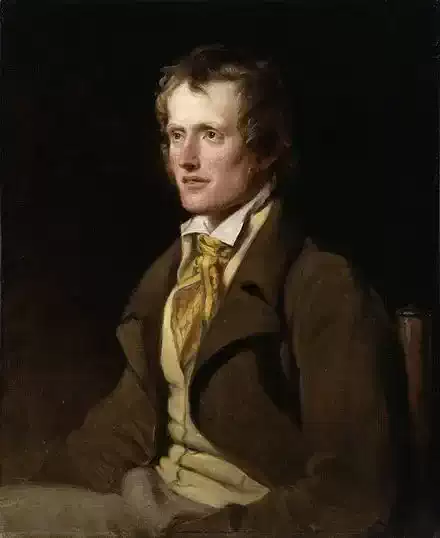
John Clare
The Maid Of Ocram, Or, Lord Gregory
The Maid Of Ocram, Or, Lord Gregory
Gay was the Maid of Ocram
As lady eer might be
Ere she did venture past a maid
To love Lord Gregory.
Fair was the Maid of Ocram
And shining like the sun
Ere her bower key was turned on two
Where bride bed lay for none.
And late at night she sought her love--
The snow slept on her skin--
Get up, she cried, thou false young man,
And let thy true love in.
And fain would he have loosed the key
All for his true love's sake,
But Lord Gregory then was fast asleep,
His mother wide awake.
And up she threw the window sash,
And out her head put she:
And who is that which knocks so late
And taunts so loud to me?
It is the Maid of Ocram,
Your own heart's next akin;
For so you've sworn, Lord Gregory,
To come and let me in.
O pause not thus, you know me well,
Haste down my way to win.
The wind disturbs my yellow locks,
The snow sleeps on my skin.--
If you be the Maid of Ocram,
As much I doubt you be,
Then tell me of three tokens
That passed with you and me.--
O talk not now of tokens
Which you do wish to break;
Chilled are those lips you've kissed so warm,
And all too numbed to speak.
You know when in my father's bower
You left your cloak for mine,
Though yours was nought but silver twist
And mine the golden twine.--
If you're the lass of Ocram,
As I take you not to be,
The second token you must tell
Which past with you and me.--
O know you not, O know you not
Twas in my father's park,
You led me out a mile too far
And courted in the dark?
When you did change your ring for mine
My yielding heart to win,
Though mine was of the beaten gold
Yours but of burnished tin,
Though mine was all true love without,
Yours but false love within?
O ask me no more tokens
For fast the snow doth fall.
Tis sad to strive and speak in vain,
You mean to break them all.--
If you are the Maid of Ocram,
As I take you not to be,
You must mention the third token
That passed with you and me.--
Twas when you stole my maidenhead;
That grieves me worst of all.--
Begone, you lying creature, then
This instant from my hall,
Or you and your vile baby
Shall in the deep sea fall;
For I have none on earth as yet
That may me father call.--
O must none close my dying feet,
And must none close my hands,
And may none bind my yellow locks
As death for all demands?
You need not use no force at all,
Your hard heart breaks the vow;
You've had your wish against my will
And you shall have it now.
And must none close my dying feet,
And must none close my hands,
And will none do the last kind deeds
That death for all demands?--
Your sister, she may close your feet,
Your brother close your hands,
Your mother, she may wrap your waist
In death's fit wedding bands;
Your father, he may tie your locks
And lay you in the sands.--
My sister, she will weep in vain,
My brother ride and run,
My mother, she will break her heart;
And ere the rising sun
My father will be looking out-
But find me they will none.
I go to lay my woes to rest,
None shall know where I'm gone.
God must be friend and father both,
Lord Gregory will be none.--
Lord Gregory started up from sleep
And thought he heard a voice
That screamed full dreadful in his ear,
And once and twice and thrice.
Lord Gregory to his mother called:
O mother dear, said he,
I've dreamt the Maid of Ocram
Was floating on the sea.
Lie still, my son, the mother said,
Tis but a little space
And half an hour has scarcely passed
Since she did pass this place.--
O cruel, cruel mother,
When she did pass so nigh
How could you let me sleep so sound
Or let her wander bye?
Now if she's lost my heart must break-I'll
seek her till I die.
He sought her east, he sought her west,
He sought through park and plain;
He sought her where she might have been
But found her not again.
I cannot curse thee, mother,
Though thine's the blame, said he
I cannot curse thee, mother,
Though thou'st done worse to me.
Yet do I curse thy pride that aye
So tauntingly aspires;
For my love was a gay knight's heir,
And my father was a squire's.
And I will sell my park and hall;
And if ye wed again
Ye shall not wed for titles twice
That made ye once so vain.
So if ye will wed, wed for love,
As I was fain to do;
Ye've gave to me a broken heart,
And I'll give nought to you.
Your pride has wronged your own heart's blood;
For she was mine by grace,
And now my lady love is gone
None else shall take her place.
I'll sell my park and sell my hall
And sink my titles too.
Your pride's done wrong enough as now
To leave it more to do.
She owneth none that owned them all
And would have graced them well;
None else shall take the right she missed
Nor in my bosom dwell.--
And then he took and burnt his will
Before his mother's face,
And tore his patents all in two,
While tears fell down apace--
But in his mother's haughty look
Ye nought but frowns might trace.
And then he sat him down to grieve,
But could not sit for pain.
And then he laid him on the bed
And ne'er got up again.
Gay was the Maid of Ocram
As lady eer might be
Ere she did venture past a maid
To love Lord Gregory.
Fair was the Maid of Ocram
And shining like the sun
Ere her bower key was turned on two
Where bride bed lay for none.
And late at night she sought her love--
The snow slept on her skin--
Get up, she cried, thou false young man,
And let thy true love in.
And fain would he have loosed the key
All for his true love's sake,
But Lord Gregory then was fast asleep,
His mother wide awake.
And up she threw the window sash,
And out her head put she:
And who is that which knocks so late
And taunts so loud to me?
It is the Maid of Ocram,
Your own heart's next akin;
For so you've sworn, Lord Gregory,
To come and let me in.
O pause not thus, you know me well,
Haste down my way to win.
The wind disturbs my yellow locks,
The snow sleeps on my skin.--
If you be the Maid of Ocram,
As much I doubt you be,
Then tell me of three tokens
That passed with you and me.--
O talk not now of tokens
Which you do wish to break;
Chilled are those lips you've kissed so warm,
And all too numbed to speak.
You know when in my father's bower
You left your cloak for mine,
Though yours was nought but silver twist
And mine the golden twine.--
If you're the lass of Ocram,
As I take you not to be,
The second token you must tell
Which past with you and me.--
O know you not, O know you not
Twas in my father's park,
You led me out a mile too far
And courted in the dark?
When you did change your ring for mine
My yielding heart to win,
Though mine was of the beaten gold
Yours but of burnished tin,
Though mine was all true love without,
Yours but false love within?
O ask me no more tokens
For fast the snow doth fall.
Tis sad to strive and speak in vain,
You mean to break them all.--
If you are the Maid of Ocram,
As I take you not to be,
You must mention the third token
That passed with you and me.--
Twas when you stole my maidenhead;
That grieves me worst of all.--
Begone, you lying creature, then
This instant from my hall,
Or you and your vile baby
Shall in the deep sea fall;
For I have none on earth as yet
That may me father call.--
O must none close my dying feet,
And must none close my hands,
And may none bind my yellow locks
As death for all demands?
You need not use no force at all,
Your hard heart breaks the vow;
You've had your wish against my will
And you shall have it now.
And must none close my dying feet,
And must none close my hands,
And will none do the last kind deeds
That death for all demands?--
Your sister, she may close your feet,
Your brother close your hands,
Your mother, she may wrap your waist
In death's fit wedding bands;
Your father, he may tie your locks
And lay you in the sands.--
My sister, she will weep in vain,
My brother ride and run,
My mother, she will break her heart;
And ere the rising sun
My father will be looking out-
But find me they will none.
I go to lay my woes to rest,
None shall know where I'm gone.
God must be friend and father both,
Lord Gregory will be none.--
Lord Gregory started up from sleep
And thought he heard a voice
That screamed full dreadful in his ear,
And once and twice and thrice.
Lord Gregory to his mother called:
O mother dear, said he,
I've dreamt the Maid of Ocram
Was floating on the sea.
Lie still, my son, the mother said,
Tis but a little space
And half an hour has scarcely passed
Since she did pass this place.--
O cruel, cruel mother,
When she did pass so nigh
How could you let me sleep so sound
Or let her wander bye?
Now if she's lost my heart must break-I'll
seek her till I die.
He sought her east, he sought her west,
He sought through park and plain;
He sought her where she might have been
But found her not again.
I cannot curse thee, mother,
Though thine's the blame, said he
I cannot curse thee, mother,
Though thou'st done worse to me.
Yet do I curse thy pride that aye
So tauntingly aspires;
For my love was a gay knight's heir,
And my father was a squire's.
And I will sell my park and hall;
And if ye wed again
Ye shall not wed for titles twice
That made ye once so vain.
So if ye will wed, wed for love,
As I was fain to do;
Ye've gave to me a broken heart,
And I'll give nought to you.
Your pride has wronged your own heart's blood;
For she was mine by grace,
And now my lady love is gone
None else shall take her place.
I'll sell my park and sell my hall
And sink my titles too.
Your pride's done wrong enough as now
To leave it more to do.
She owneth none that owned them all
And would have graced them well;
None else shall take the right she missed
Nor in my bosom dwell.--
And then he took and burnt his will
Before his mother's face,
And tore his patents all in two,
While tears fell down apace--
But in his mother's haughty look
Ye nought but frowns might trace.
And then he sat him down to grieve,
But could not sit for pain.
And then he laid him on the bed
And ne'er got up again.
419
John Clare
The Maid Of Ocram, Or, Lord Gregory
The Maid Of Ocram, Or, Lord Gregory
Gay was the Maid of Ocram
As lady eer might be
Ere she did venture past a maid
To love Lord Gregory.
Fair was the Maid of Ocram
And shining like the sun
Ere her bower key was turned on two
Where bride bed lay for none.
And late at night she sought her love--
The snow slept on her skin--
Get up, she cried, thou false young man,
And let thy true love in.
And fain would he have loosed the key
All for his true love's sake,
But Lord Gregory then was fast asleep,
His mother wide awake.
And up she threw the window sash,
And out her head put she:
And who is that which knocks so late
And taunts so loud to me?
It is the Maid of Ocram,
Your own heart's next akin;
For so you've sworn, Lord Gregory,
To come and let me in.
O pause not thus, you know me well,
Haste down my way to win.
The wind disturbs my yellow locks,
The snow sleeps on my skin.--
If you be the Maid of Ocram,
As much I doubt you be,
Then tell me of three tokens
That passed with you and me.--
O talk not now of tokens
Which you do wish to break;
Chilled are those lips you've kissed so warm,
And all too numbed to speak.
You know when in my father's bower
You left your cloak for mine,
Though yours was nought but silver twist
And mine the golden twine.--
If you're the lass of Ocram,
As I take you not to be,
The second token you must tell
Which past with you and me.--
O know you not, O know you not
Twas in my father's park,
You led me out a mile too far
And courted in the dark?
When you did change your ring for mine
My yielding heart to win,
Though mine was of the beaten gold
Yours but of burnished tin,
Though mine was all true love without,
Yours but false love within?
O ask me no more tokens
For fast the snow doth fall.
Tis sad to strive and speak in vain,
You mean to break them all.--
If you are the Maid of Ocram,
As I take you not to be,
You must mention the third token
That passed with you and me.--
Twas when you stole my maidenhead;
That grieves me worst of all.--
Begone, you lying creature, then
This instant from my hall,
Or you and your vile baby
Shall in the deep sea fall;
For I have none on earth as yet
That may me father call.--
O must none close my dying feet,
And must none close my hands,
And may none bind my yellow locks
As death for all demands?
You need not use no force at all,
Your hard heart breaks the vow;
You've had your wish against my will
And you shall have it now.
And must none close my dying feet,
And must none close my hands,
And will none do the last kind deeds
That death for all demands?--
Your sister, she may close your feet,
Your brother close your hands,
Your mother, she may wrap your waist
In death's fit wedding bands;
Your father, he may tie your locks
And lay you in the sands.--
My sister, she will weep in vain,
My brother ride and run,
My mother, she will break her heart;
And ere the rising sun
My father will be looking out-
But find me they will none.
I go to lay my woes to rest,
None shall know where I'm gone.
God must be friend and father both,
Lord Gregory will be none.--
Lord Gregory started up from sleep
And thought he heard a voice
That screamed full dreadful in his ear,
And once and twice and thrice.
Lord Gregory to his mother called:
O mother dear, said he,
I've dreamt the Maid of Ocram
Was floating on the sea.
Lie still, my son, the mother said,
Tis but a little space
And half an hour has scarcely passed
Since she did pass this place.--
O cruel, cruel mother,
When she did pass so nigh
How could you let me sleep so sound
Or let her wander bye?
Now if she's lost my heart must break-I'll
seek her till I die.
He sought her east, he sought her west,
He sought through park and plain;
He sought her where she might have been
But found her not again.
I cannot curse thee, mother,
Though thine's the blame, said he
I cannot curse thee, mother,
Though thou'st done worse to me.
Yet do I curse thy pride that aye
So tauntingly aspires;
For my love was a gay knight's heir,
And my father was a squire's.
And I will sell my park and hall;
And if ye wed again
Ye shall not wed for titles twice
That made ye once so vain.
So if ye will wed, wed for love,
As I was fain to do;
Ye've gave to me a broken heart,
And I'll give nought to you.
Your pride has wronged your own heart's blood;
For she was mine by grace,
And now my lady love is gone
None else shall take her place.
I'll sell my park and sell my hall
And sink my titles too.
Your pride's done wrong enough as now
To leave it more to do.
She owneth none that owned them all
And would have graced them well;
None else shall take the right she missed
Nor in my bosom dwell.--
And then he took and burnt his will
Before his mother's face,
And tore his patents all in two,
While tears fell down apace--
But in his mother's haughty look
Ye nought but frowns might trace.
And then he sat him down to grieve,
But could not sit for pain.
And then he laid him on the bed
And ne'er got up again.
Gay was the Maid of Ocram
As lady eer might be
Ere she did venture past a maid
To love Lord Gregory.
Fair was the Maid of Ocram
And shining like the sun
Ere her bower key was turned on two
Where bride bed lay for none.
And late at night she sought her love--
The snow slept on her skin--
Get up, she cried, thou false young man,
And let thy true love in.
And fain would he have loosed the key
All for his true love's sake,
But Lord Gregory then was fast asleep,
His mother wide awake.
And up she threw the window sash,
And out her head put she:
And who is that which knocks so late
And taunts so loud to me?
It is the Maid of Ocram,
Your own heart's next akin;
For so you've sworn, Lord Gregory,
To come and let me in.
O pause not thus, you know me well,
Haste down my way to win.
The wind disturbs my yellow locks,
The snow sleeps on my skin.--
If you be the Maid of Ocram,
As much I doubt you be,
Then tell me of three tokens
That passed with you and me.--
O talk not now of tokens
Which you do wish to break;
Chilled are those lips you've kissed so warm,
And all too numbed to speak.
You know when in my father's bower
You left your cloak for mine,
Though yours was nought but silver twist
And mine the golden twine.--
If you're the lass of Ocram,
As I take you not to be,
The second token you must tell
Which past with you and me.--
O know you not, O know you not
Twas in my father's park,
You led me out a mile too far
And courted in the dark?
When you did change your ring for mine
My yielding heart to win,
Though mine was of the beaten gold
Yours but of burnished tin,
Though mine was all true love without,
Yours but false love within?
O ask me no more tokens
For fast the snow doth fall.
Tis sad to strive and speak in vain,
You mean to break them all.--
If you are the Maid of Ocram,
As I take you not to be,
You must mention the third token
That passed with you and me.--
Twas when you stole my maidenhead;
That grieves me worst of all.--
Begone, you lying creature, then
This instant from my hall,
Or you and your vile baby
Shall in the deep sea fall;
For I have none on earth as yet
That may me father call.--
O must none close my dying feet,
And must none close my hands,
And may none bind my yellow locks
As death for all demands?
You need not use no force at all,
Your hard heart breaks the vow;
You've had your wish against my will
And you shall have it now.
And must none close my dying feet,
And must none close my hands,
And will none do the last kind deeds
That death for all demands?--
Your sister, she may close your feet,
Your brother close your hands,
Your mother, she may wrap your waist
In death's fit wedding bands;
Your father, he may tie your locks
And lay you in the sands.--
My sister, she will weep in vain,
My brother ride and run,
My mother, she will break her heart;
And ere the rising sun
My father will be looking out-
But find me they will none.
I go to lay my woes to rest,
None shall know where I'm gone.
God must be friend and father both,
Lord Gregory will be none.--
Lord Gregory started up from sleep
And thought he heard a voice
That screamed full dreadful in his ear,
And once and twice and thrice.
Lord Gregory to his mother called:
O mother dear, said he,
I've dreamt the Maid of Ocram
Was floating on the sea.
Lie still, my son, the mother said,
Tis but a little space
And half an hour has scarcely passed
Since she did pass this place.--
O cruel, cruel mother,
When she did pass so nigh
How could you let me sleep so sound
Or let her wander bye?
Now if she's lost my heart must break-I'll
seek her till I die.
He sought her east, he sought her west,
He sought through park and plain;
He sought her where she might have been
But found her not again.
I cannot curse thee, mother,
Though thine's the blame, said he
I cannot curse thee, mother,
Though thou'st done worse to me.
Yet do I curse thy pride that aye
So tauntingly aspires;
For my love was a gay knight's heir,
And my father was a squire's.
And I will sell my park and hall;
And if ye wed again
Ye shall not wed for titles twice
That made ye once so vain.
So if ye will wed, wed for love,
As I was fain to do;
Ye've gave to me a broken heart,
And I'll give nought to you.
Your pride has wronged your own heart's blood;
For she was mine by grace,
And now my lady love is gone
None else shall take her place.
I'll sell my park and sell my hall
And sink my titles too.
Your pride's done wrong enough as now
To leave it more to do.
She owneth none that owned them all
And would have graced them well;
None else shall take the right she missed
Nor in my bosom dwell.--
And then he took and burnt his will
Before his mother's face,
And tore his patents all in two,
While tears fell down apace--
But in his mother's haughty look
Ye nought but frowns might trace.
And then he sat him down to grieve,
But could not sit for pain.
And then he laid him on the bed
And ne'er got up again.
419
John Clare
The Flitting
The Flitting
I've left my own old home of homes,
Green fields and every pleasant place;
The summer like a stranger comes,
I pause and hardly know her face.
I miss the hazel's happy green,
The blue bell's quiet hanging blooms,
Where envy's sneer was never seen,
Where staring malice never comes.
I miss the heath, its yellow furze,
Molehills and rabbit tracks that lead
Through beesom, ling, and teazel burrs
That spread a wilderness indeed;
The woodland oaks and all below
That their white powdered branches shield,
The mossy paths: the very crow
Croaks music in my native field.
I sit me in my corner chair
That seems to feel itself from home,
And hear bird music here and there
From hawthorn hedge and orchard come;
I hear, but all is strange and new:
I sat on my old bench in June,
The sailing puddock's shrill 'peelew'
On Royce Wood seemed a sweeter tune.
I walk adown the narrow lane,
The nightingale is singing now,
But like to me she seems at loss
For Royce Wood and its shielding bough.
I lean upon the window sill,
The trees and summer happy seem;
Green, sunny green they shine, but still
My heart goes far away to dream.
Of happiness, and thoughts arise
With home-bred pictures many a one,
Green lanes that shut out burning skies
And old crooked stiles to rest upon;
Above them hangs the maple tree,
Below grass swells a velvet hill,
And little footpaths sweet to see
Go seeking sweeter places still,
With bye and bye a brook to cross
Oer which a little arch is thrown:
No brook is here, I feel the loss
From home and friends and all alone.
--The stone pit with its shelvy sides
Seemed hanging rocks in my esteem;
I miss the prospect far and wide
From Langley Bush, and so I seem
Alone and in a stranger scene,
Far, far from spots my heart esteems,
The closen with their ancient green,
Heaths, woods, and pastures, sunny streams.
The hawthorns here were hung with may,
But still they seem in deader green,
The sun een seems to lose its way
Nor knows the quarter it is in.
I dwell in trifles like a child,
I feel as ill becomes a man,
And still my thoughts like weedlings wild
Grow up to blossom where they can.
They turn to places known so long
I feel that joy was dwelling there,
So home-fed pleasure fills the song
That has no present joys to hear.
I read in books for happiness,
But books are like the sea to joy,
They change--as well give age the glass
To hunt its visage when a boy.
For books they follow fashions new
And throw all old esteems away,
In crowded streets flowers never grew,
But many there hath died away.
Some sing the pomps of chivalry
As legends of the ancient time,
Where gold and pearls and mystery
Are shadows painted for sublime;
But passions of sublimity
Belong to plain and simpler things,
And David underneath a tree
Sought when a shepherd Salem's springs,
Where moss did into cushions spring,
Forming a seat of velvet hue,
A small unnoticed trifling thing
To all but heaven's hailing dew.
And David's crown hath passed away,
Yet poesy breathes his shepherd-skill,
His palace lost--and to this day
The little moss is blossoming still.
Strange scenes mere shadows are to me,
Vague impersonifying things;
I love with my old haunts to be
By quiet woods and gravel springs,
Where little pebbles wear as smooth
As hermits' beads by gentle floods,
Whose noises do my spirits soothe
And warm them into singing moods.
Here every tree is strange to me,
All foreign things where eer I go,
There's none where boyhood made a swee
Or clambered up to rob a crow.
No hollow tree or woodland bower
Well known when joy was beating high,
Where beauty ran to shun a shower
And love took pains to keep her dry,
And laid the sheaf upon the ground
To keep her from the dripping grass,
And ran for stocks and set them round
Till scarce a drop of rain could pass
Through; where the maidens they reclined
And sung sweet ballads now forgot,
Which brought sweet memories to the mind,
But here no memory knows them not.
There have I sat by many a tree
And leaned oer many a rural stile,
And conned my thoughts as joys to me,
Nought heeding who might frown or smile.
Twas nature's beauty that inspired
My heart with rapture not its own,
And she's a fame that never tires;
How could I feel myself alone?
No, pasture molehills used to lie
And talk to me of sunny days,
And then the glad sheep resting bye
All still in ruminating praise
Of summer and the pleasant place
And every weed and blossom too
Was looking upward in my face
With friendship's welcome 'how do ye do?'
All tenants of an ancient place
And heirs of noble heritage,
Coeval they with Adam's race
And blest with more substantial age.
For when the world first saw the sun
These little flowers beheld him too,
And when his love for earth begun
They were the first his smiles to woo.
There little lambtoe bunches springs
In red tinged and begolden dye
For ever, and like China kings
They come but never seem to die.
There may-bloom with its little threads
Still comes upon the thorny bowers
And neer forgets those prickly heads
Like fairy pins amid the flowers.
And still they bloom as on the day
They first crowned wilderness and rock,
When Abel haply wreathed with may
The firstlings of his little flock,
And Eve might from the matted thorn
To deck her lone and lovely brow
Reach that same rose that heedless scorn
Misnames as the dog rosey now.
Give me no high-flown fangled things,
No haughty pomp in marching chime,
Where muses play on golden strings
And splendour passes for sublime,
Where cities stretch as far as fame
And fancy's straining eye can go,
And piled until the sky for shame
Is stooping far away below.
I love the verse that mild and bland
Breathes of green fields and open sky,
I love the muse that in her hand
Bears flowers of native poesy;
Who walks nor skips the pasture brook
In scorn, but by the drinking horse
Leans oer its little brig to look
How far the sallows lean across,
And feels a rapture in her breast
Upon their root-fringed grains to mark
A hermit morehen's sedgy nest
Just like a naiad's summer bark.
She counts the eggs she cannot reach
Admires the spot and loves it well,
And yearns, so nature's lessons teach,
Amid such neighbourhoods to dwell.
I love the muse who sits her down
Upon the molehill's little lap,
Who feels no fear to stain her gown
And pauses by the hedgerow gap;
Not with that affectation, praise
Of song, to sing and never see
A field flower grown in all her days
Or een a forest's aged tree.
Een here my simple feelings nurse
A love for every simple weed,
And een this little shepherd's purse
Grieves me to cut it up; indeed
I feel at times a love and joy
For every weed and every thing,
A feeling kindred from a boy,
A feeling brought with every Spring.
And why? this shepherd's purse that grows
In this strange spot, in days gone bye
Grew in the little garden rows
Of my old home now left; and I
Feel what I never felt before,
This weed an ancient neighbour here,
And though I own the spot no more
Its every trifle makes it dear.
The ivy at the parlour end,
The woodbine at the garden gate,
Are all and each affection's friend
That render parting desolate.
But times will change and friends must part
And nature still can make amends;
Their memory lingers round the heart
Like life whose essence is its friends.
Time looks on pomp with vengeful mood
Or killing apathy's disdain;
So where old marble cities stood
Poor persecuted weeds remain.
She feels a love for little things
That very few can feel beside,
And still the grass eternal springs
Where castles stood and grandeur died.
I've left my own old home of homes,
Green fields and every pleasant place;
The summer like a stranger comes,
I pause and hardly know her face.
I miss the hazel's happy green,
The blue bell's quiet hanging blooms,
Where envy's sneer was never seen,
Where staring malice never comes.
I miss the heath, its yellow furze,
Molehills and rabbit tracks that lead
Through beesom, ling, and teazel burrs
That spread a wilderness indeed;
The woodland oaks and all below
That their white powdered branches shield,
The mossy paths: the very crow
Croaks music in my native field.
I sit me in my corner chair
That seems to feel itself from home,
And hear bird music here and there
From hawthorn hedge and orchard come;
I hear, but all is strange and new:
I sat on my old bench in June,
The sailing puddock's shrill 'peelew'
On Royce Wood seemed a sweeter tune.
I walk adown the narrow lane,
The nightingale is singing now,
But like to me she seems at loss
For Royce Wood and its shielding bough.
I lean upon the window sill,
The trees and summer happy seem;
Green, sunny green they shine, but still
My heart goes far away to dream.
Of happiness, and thoughts arise
With home-bred pictures many a one,
Green lanes that shut out burning skies
And old crooked stiles to rest upon;
Above them hangs the maple tree,
Below grass swells a velvet hill,
And little footpaths sweet to see
Go seeking sweeter places still,
With bye and bye a brook to cross
Oer which a little arch is thrown:
No brook is here, I feel the loss
From home and friends and all alone.
--The stone pit with its shelvy sides
Seemed hanging rocks in my esteem;
I miss the prospect far and wide
From Langley Bush, and so I seem
Alone and in a stranger scene,
Far, far from spots my heart esteems,
The closen with their ancient green,
Heaths, woods, and pastures, sunny streams.
The hawthorns here were hung with may,
But still they seem in deader green,
The sun een seems to lose its way
Nor knows the quarter it is in.
I dwell in trifles like a child,
I feel as ill becomes a man,
And still my thoughts like weedlings wild
Grow up to blossom where they can.
They turn to places known so long
I feel that joy was dwelling there,
So home-fed pleasure fills the song
That has no present joys to hear.
I read in books for happiness,
But books are like the sea to joy,
They change--as well give age the glass
To hunt its visage when a boy.
For books they follow fashions new
And throw all old esteems away,
In crowded streets flowers never grew,
But many there hath died away.
Some sing the pomps of chivalry
As legends of the ancient time,
Where gold and pearls and mystery
Are shadows painted for sublime;
But passions of sublimity
Belong to plain and simpler things,
And David underneath a tree
Sought when a shepherd Salem's springs,
Where moss did into cushions spring,
Forming a seat of velvet hue,
A small unnoticed trifling thing
To all but heaven's hailing dew.
And David's crown hath passed away,
Yet poesy breathes his shepherd-skill,
His palace lost--and to this day
The little moss is blossoming still.
Strange scenes mere shadows are to me,
Vague impersonifying things;
I love with my old haunts to be
By quiet woods and gravel springs,
Where little pebbles wear as smooth
As hermits' beads by gentle floods,
Whose noises do my spirits soothe
And warm them into singing moods.
Here every tree is strange to me,
All foreign things where eer I go,
There's none where boyhood made a swee
Or clambered up to rob a crow.
No hollow tree or woodland bower
Well known when joy was beating high,
Where beauty ran to shun a shower
And love took pains to keep her dry,
And laid the sheaf upon the ground
To keep her from the dripping grass,
And ran for stocks and set them round
Till scarce a drop of rain could pass
Through; where the maidens they reclined
And sung sweet ballads now forgot,
Which brought sweet memories to the mind,
But here no memory knows them not.
There have I sat by many a tree
And leaned oer many a rural stile,
And conned my thoughts as joys to me,
Nought heeding who might frown or smile.
Twas nature's beauty that inspired
My heart with rapture not its own,
And she's a fame that never tires;
How could I feel myself alone?
No, pasture molehills used to lie
And talk to me of sunny days,
And then the glad sheep resting bye
All still in ruminating praise
Of summer and the pleasant place
And every weed and blossom too
Was looking upward in my face
With friendship's welcome 'how do ye do?'
All tenants of an ancient place
And heirs of noble heritage,
Coeval they with Adam's race
And blest with more substantial age.
For when the world first saw the sun
These little flowers beheld him too,
And when his love for earth begun
They were the first his smiles to woo.
There little lambtoe bunches springs
In red tinged and begolden dye
For ever, and like China kings
They come but never seem to die.
There may-bloom with its little threads
Still comes upon the thorny bowers
And neer forgets those prickly heads
Like fairy pins amid the flowers.
And still they bloom as on the day
They first crowned wilderness and rock,
When Abel haply wreathed with may
The firstlings of his little flock,
And Eve might from the matted thorn
To deck her lone and lovely brow
Reach that same rose that heedless scorn
Misnames as the dog rosey now.
Give me no high-flown fangled things,
No haughty pomp in marching chime,
Where muses play on golden strings
And splendour passes for sublime,
Where cities stretch as far as fame
And fancy's straining eye can go,
And piled until the sky for shame
Is stooping far away below.
I love the verse that mild and bland
Breathes of green fields and open sky,
I love the muse that in her hand
Bears flowers of native poesy;
Who walks nor skips the pasture brook
In scorn, but by the drinking horse
Leans oer its little brig to look
How far the sallows lean across,
And feels a rapture in her breast
Upon their root-fringed grains to mark
A hermit morehen's sedgy nest
Just like a naiad's summer bark.
She counts the eggs she cannot reach
Admires the spot and loves it well,
And yearns, so nature's lessons teach,
Amid such neighbourhoods to dwell.
I love the muse who sits her down
Upon the molehill's little lap,
Who feels no fear to stain her gown
And pauses by the hedgerow gap;
Not with that affectation, praise
Of song, to sing and never see
A field flower grown in all her days
Or een a forest's aged tree.
Een here my simple feelings nurse
A love for every simple weed,
And een this little shepherd's purse
Grieves me to cut it up; indeed
I feel at times a love and joy
For every weed and every thing,
A feeling kindred from a boy,
A feeling brought with every Spring.
And why? this shepherd's purse that grows
In this strange spot, in days gone bye
Grew in the little garden rows
Of my old home now left; and I
Feel what I never felt before,
This weed an ancient neighbour here,
And though I own the spot no more
Its every trifle makes it dear.
The ivy at the parlour end,
The woodbine at the garden gate,
Are all and each affection's friend
That render parting desolate.
But times will change and friends must part
And nature still can make amends;
Their memory lingers round the heart
Like life whose essence is its friends.
Time looks on pomp with vengeful mood
Or killing apathy's disdain;
So where old marble cities stood
Poor persecuted weeds remain.
She feels a love for little things
That very few can feel beside,
And still the grass eternal springs
Where castles stood and grandeur died.
401
John Clare
The Fallen Elm
The Fallen Elm
Old elm that murmured in our chimney top
The sweetest anthem autumn ever made
And into mellow whispering calms would drop
When showers fell on thy many coloured shade
And when dark tempests mimic thunder made -
While darkness came as it would strangle light
With the black tempest of a winter night
That rocked thee like a cradle in thy root -
How did I love to hear the winds upbraid
Thy strength without - while all within was mute.
It seasoned comfort to our hearts' desire,
We felt that kind protection like a friend
And edged our chairs up closer to the fire,
Enjoying comfort that was never penned.
Old favourite tree, thou'st seen time's changes lower,
Though change till now did never injure thee;
For time beheld thee as her sacred dower
And nature claimed thee her domestic tree.
Storms came and shook thee many a weary hour,
Yet stedfast to thy home thy roots have been;
Summers of thirst parched round thy homely bower
Till earth grew iron - still thy leaves were green.
The children sought thee in thy summer shade
And made their playhouse rings of stick and stone;
The mavis sang and felt himself alone
While in thy leaves his early nest was made,
And I did feel his happiness mine own,
Nought heeding that our friendship was betrayed,
Friend not inanimate - though stocks and stones
There are, and many formed of flesh and bones.
Thou owned a language by which hearts are stirred
Deeper than by a feeling clothed in word,
And speakest now what's known of every tongue,
Language of pity and the force of wrong.
What cant assumes, what hypocrites will dare,
Speaks home to truth and shows it what they are.
I see a picture which thy fate displays
And learn a lesson from thy destiny;
Self-interest saw thee stand in freedom's ways -
So thy old shadow must a tyrant be.
Thou'st heard the knave, abusing those in power,
Bawl freedom loud and then oppress the free;
Thou'st sheltered hypocrites in many a shower,
That when in power would never shelter thee.
Thou'st heard the knave supply his canting powers
With wrong's illusions when he wanted friends;
That bawled for shelter when he lived in showers
And when clouds vanished made thy shade amends -
With axe at root he felled thee to the ground
And barked of freedom - O I hate the sound
Time hears its visions speak, - and age sublime
Hath made thee a disciple unto time.
-It grows the cant term of enslaving tools
To wrong another by the name of right;
Thus came enclosure - ruin was its guide,
But freedom's cottage soon was thrust aside
And workhouse prisons raised upon the site.
Een nature's dwellings far away from men,
The common heath, became the spoiler's prey;
The rabbit had not where to make his den
And labour's only cow was drove away.
No matter - wrong was right and right was wrong,
And freedom's bawl was sanction to the song.
-Such was thy ruin, music-making elm;
The right of freedom was to injure thine:
As thou wert served, so would they overwhelm
In freedom's name the little that is mine.
And there are knaves that brawl for better laws
And cant of tyranny in stronger power
Who glut their vile unsatiated maws
And freedom's birthright from the weak devour.
Old elm that murmured in our chimney top
The sweetest anthem autumn ever made
And into mellow whispering calms would drop
When showers fell on thy many coloured shade
And when dark tempests mimic thunder made -
While darkness came as it would strangle light
With the black tempest of a winter night
That rocked thee like a cradle in thy root -
How did I love to hear the winds upbraid
Thy strength without - while all within was mute.
It seasoned comfort to our hearts' desire,
We felt that kind protection like a friend
And edged our chairs up closer to the fire,
Enjoying comfort that was never penned.
Old favourite tree, thou'st seen time's changes lower,
Though change till now did never injure thee;
For time beheld thee as her sacred dower
And nature claimed thee her domestic tree.
Storms came and shook thee many a weary hour,
Yet stedfast to thy home thy roots have been;
Summers of thirst parched round thy homely bower
Till earth grew iron - still thy leaves were green.
The children sought thee in thy summer shade
And made their playhouse rings of stick and stone;
The mavis sang and felt himself alone
While in thy leaves his early nest was made,
And I did feel his happiness mine own,
Nought heeding that our friendship was betrayed,
Friend not inanimate - though stocks and stones
There are, and many formed of flesh and bones.
Thou owned a language by which hearts are stirred
Deeper than by a feeling clothed in word,
And speakest now what's known of every tongue,
Language of pity and the force of wrong.
What cant assumes, what hypocrites will dare,
Speaks home to truth and shows it what they are.
I see a picture which thy fate displays
And learn a lesson from thy destiny;
Self-interest saw thee stand in freedom's ways -
So thy old shadow must a tyrant be.
Thou'st heard the knave, abusing those in power,
Bawl freedom loud and then oppress the free;
Thou'st sheltered hypocrites in many a shower,
That when in power would never shelter thee.
Thou'st heard the knave supply his canting powers
With wrong's illusions when he wanted friends;
That bawled for shelter when he lived in showers
And when clouds vanished made thy shade amends -
With axe at root he felled thee to the ground
And barked of freedom - O I hate the sound
Time hears its visions speak, - and age sublime
Hath made thee a disciple unto time.
-It grows the cant term of enslaving tools
To wrong another by the name of right;
Thus came enclosure - ruin was its guide,
But freedom's cottage soon was thrust aside
And workhouse prisons raised upon the site.
Een nature's dwellings far away from men,
The common heath, became the spoiler's prey;
The rabbit had not where to make his den
And labour's only cow was drove away.
No matter - wrong was right and right was wrong,
And freedom's bawl was sanction to the song.
-Such was thy ruin, music-making elm;
The right of freedom was to injure thine:
As thou wert served, so would they overwhelm
In freedom's name the little that is mine.
And there are knaves that brawl for better laws
And cant of tyranny in stronger power
Who glut their vile unsatiated maws
And freedom's birthright from the weak devour.
414
John Clare
The Cross Roads; Or, The Haymaker's Story
The Cross Roads; Or, The Haymaker's Story
Stopt by the storm, that long in sullen black
From the south-west stained its encroaching track,
Haymakers, hustling from the rain to hide,
Sought the grey willows by the pasture-side;
And there, while big drops bow the grassy stems,
And bleb the withering hay with pearly gems,
Dimple the brook, and patter in the leaves,
The song or tale an hour's restraint relieves.
And while the old dames gossip at their ease,
And pinch the snuff-box empty by degrees,
The young ones join in love's delightful themes,
Truths told by gipsies, and expounded dreams;
And mutter things kept secrets from the rest,
As sweethearts' names, and whom they love the best;
And dazzling ribbons they delight to show,
And last new favours of some veigling beau,
Who with such treachery tries their hearts to move,
And, like the highest, bribes the maidens' love.
The old dames, jealous of their whispered praise,
Throw in their hints of man's deluding ways;
And one, to give her counsels more effect,
And by example illustrate the fact
Of innocence oercome by flattering man,
Thrice tapped her box, and pinched, and thus began.
'Now wenches listen, and let lovers lie,
Ye'll hear a story ye may profit by;
I'm your age treble, with some oddments to't,
And right from wrong can tell, if ye'll but do't:
Ye need not giggle underneath your hat,
Mine's no joke-matter, let me tell you that;
So keep ye quiet till my story's told,
And don't despise your betters cause they're old.
'That grave ye've heard of, where the four roads meet,
Where walks the spirit in a winding-sheet,
Oft seen at night, by strangers passing late,
And tarrying neighbours that at market wait,
Stalking along as white as driven snow,
And long as one's shadow when the sun is low;
The girl that's buried there I knew her well,
And her whole history, if ye'll hark, can tell.
Her name was Jane, and neighbour's children we,
And old companions once, as ye may be;
And like to you, on Sundays often strolled
To gipsies' camps to have our fortunes told;
And oft, God rest her, in the fortune-book
Which we at hay-time in our pockets took,
Our pins at blindfold on the wheel we stuck,
When hers would always prick the worst of luck;
For try, poor thing, as often as she might,
Her point would always on the blank alight;
Which plainly shows the fortune one's to have,
As such like go unwedded to the grave,--
And so it proved.--The next succeeding May,
We both to service went from sports and play,
Though in the village still; as friends and kin
Thought neighbour's service better to begin.
So out we went:--Jane's place was reckoned good,
Though she bout life but little understood,
And had a master wild as wild can be,
And far unfit for such a child as she;
And soon the whisper went about the town,
That Jane's good looks procured her many a gown
From him, whose promise was to every one,
But whose intention was to wive with none.
Twas nought to wonder, though begun by guess;
For Jane was lovely in her Sunday dress,
And all expected such a rosy face
Would be her ruin--as was just the case.
The while the change was easily perceived,
Some months went by, ere I the tales believed;
For there are people nowadays, Lord knows,
Will sooner hatch up lies than mend their clothes;
And when with such-like tattle they begin,
Don't mind whose character they spoil a pin:
But passing neighbours often marked them smile,
And watched him take her milkpail oer a stile;
And many a time, as wandering closer by,
From Jenny's bosom met a heavy sigh;
And often marked her, as discoursing deep,
When doubts might rise to give just cause to weep,
Smothering their notice, by a wished disguise
To slive her apron corner to her eyes.
Such signs were mournful and alarming things,
And far more weighty than conjecture brings;
Though foes made double what they heard of all,
Swore lies as proofs, and prophesied her fall.
Poor thoughtless wench! it seems but Sunday past
Since we went out together for the last,
And plain enough indeed it was to find
She'd something more than common on her mind;
For she was always fond and full of chat,
In passing harmless jokes bout beaus and that,
But nothing then was scarcely talked about,
And what there was, I even forced it out.
A gloomy wanness spoiled her rosy cheek,
And doubts hung there it was not mine to seek;
She neer so much as mentioned things to come,
But sighed oer pleasures ere she left her home;
And now and then a mournful smile would raise
At freaks repeated of our younger days,
Which I brought up, while passing spots of ground
Where we, when children, 'hurly-burlied' round,
Or 'blindman-buffed' some morts of hours away--
Two games, poor thing, Jane dearly loved to play.
She smiled at these, but shook her head and sighed
When eer she thought my look was turned aside;
Nor turned she round, as was her former way,
To praise the thorn, white over then with May;
Nor stooped once, though thousands round her grew,
To pull a cowslip as she used to do:
For Jane in flowers delighted from a child--
I like the garden, but she loved the wild--
And oft on Sundays young men's gifts declined,
Posies from gardens of the sweetest kind,
And eager scrambled the dog-rose to get,
And woodbine-flowers at every bush she met.
The cowslip blossom, with its ruddy streak,
Would tempt her furlongs from the path to seek;
And gay long purple, with its tufty spike,
She'd wade oer shoes to reach it in the dyke;
And oft, while scratching through the briary woods
For tempting cuckoo-flowers and violet buds,
Poor Jane, I've known her crying sneak to town,
Fearing her mother, when she'd torn her gown.
Ah, these were days her conscience viewed with pain,
Which all are loth to lose, as well as Jane.
And, what I took more odd than all the rest,
Was, that same night she neer a wish exprest
To see the gipsies, so beloved before,
That lay a stone's throw from us on the moor:
I hinted it; she just replied again--
She once believed them, but had doubts since then.
And when we sought our cows, I called, 'Come mull!'
But she stood silent, for her heart was full.
She loved dumb things: and ere she had begun
To milk, caressed them more than eer she'd done;
But though her tears stood watering in her eye,
I little took it as her last good-bye;
For she was tender, and I've often known
Her mourn when beetles have been trampled on:
So I neer dreamed from this, what soon befell,
Till the next morning rang her passing-bell.
My story's long, but time's in plenty yet,
Since the black clouds betoken nought but wet;
And I'll een snatch a minute's breath or two,
And take another pinch, to help me through.
'So, as I said, next morn I heard the bell,
And passing neighbours crossed the street, to tell
That my poor partner Jenny had been found
In the old flag-pool, on the pasture, drowned.
God knows my heart! I twittered like a leaf,
And found too late the cause of Sunday's grief;
For every tongue was loosed to gabble oer
The slanderous things that secret passed before:
With truth or lies they need not then be strict,
The one they railed at could not contradict.
Twas now no secret of her being beguiled,
For every mouth knew Jenny died with child;
And though more cautious with a living name,
Each more than guessed her master bore the blame.
That very morning, it affects me still,
Ye know the foot-path sidles down the hill,
Ignorant as babe unborn I passed the pond
To milk as usual in our close beyond,
And cows were drinking at the water's edge,
And horses browsed among the flags and sedge,
And gnats and midges danced the water oer,
Just as I've marked them scores of times before,
And birds sat singing, as in mornings gone,--
While I as unconcerned went soodling on,
But little dreaming, as the wakening wind
Flapped the broad ash-leaves oer the pond reclin'd,
And oer the water crinked the curdled wave,
That Jane was sleeping in her watery grave.
The neatherd boy that used to tend the cows,
While getting whip-sticks from the dangling boughs
Of osiers drooping by the water-side,
Her bonnet floating on the top espied;
He knew it well, and hastened fearful down
To take the terror of his fears to town,--
A melancholy story, far too true;
And soon the village to the pasture flew,
Where, from the deepest hole the pond about,
They dragged poor Jenny's lifeless body out,
And took her home, where scarce an hour gone by
She had been living like to you and I.
I went with more, and kissed her for the last,
And thought with tears on pleasures that were past;
And, the last kindness left me then to do,
I went, at milking, where the blossoms grew,
And handfuls got of rose and lambtoe sweet,
And put them with her in her winding-sheet.
A wilful murder, jury made the crime;
Nor parson 'lowed to pray, nor bell to chime;
On the cross roads, far from her friends and kin,
The usual law for their ungodly sin
Who violent hands upon themselves have laid,
Poor Jane's last bed unchristian-like was made;
And there, like all whose last thoughts turn to heaven,
She sleeps, and doubtless hoped to be forgiven.
But, though I say't, for maids thus veigled in
I think the wicked men deserve the sin;
And sure enough we all at last shall see
The treachery punished as it ought to be.
For ere his wickedness pretended love,
Jane, I'll be bound, was spotless as the dove,
And's good a servant, still old folks allow,
As ever scoured a pail or milked a cow;
And ere he led her into ruin's way,
As gay and buxom as a summer's day:
The birds that ranted in the hedge-row boughs,
As night and morning we have sought our cows,
With yokes and buckets as she bounced along,
Were often deafed to silence with her song.
But now she's gone:--girls, shun deceitful men,
The worst of stumbles ye can fall agen;
Be deaf to them, and then, as twere, ye'll see
Your pleasures safe as under lock and key.
Throw not my words away, as many do;
They're gold in value, though they're cheap to you.
And husseys hearken, and be warned from this,
If ye love mothers, never do amiss:
Jane might love hers, but she forsook the plan
To make her happy, when she thought of man.
Poor tottering dame, it was too plainly known,
Her daughter's dying hastened on her own,
For from the day the tidings reached her door
She took to bed and looked up no more,
And, ere again another year came round,
She, well as Jane, was laid within the ground;
And all were grieved poor Goody's end to see:
No better neighbour entered house than she,
A harmless soul, with no abusive tongue,
Trig as new pins, and tight's the day was long;
And go the week about, nine times in ten
Ye'd find her house as cleanly as her sen.
But, Lord protect us! time such change does bring,
We cannot dream what oer our heads may hing;
The very house she lived in, stick and stone,
Since Goody died, has tumbled down and gone:
And where the marjoram once, and sage, and rue,
And balm, and mint, with curled-leaf parsley grew,
And double marygolds, and silver thyme,
And pumpkins neath the window used to climb;
And where I often when a child for hours
Tried through the pales to get the tempting flowers,
As lady's laces, everlasting peas,
True-love-lies-bleeding, with the hearts-at-ease,
And golden rods, and tansy running high
That oer the pale-tops smiled on passers-by,
Flowers in my time that every one would praise,
Though thrown like weeds from gardens nowadays;
Where these all grew, now henbane stinks and spreads,
And docks and thistles shake their seedy heads,
And yearly keep with nettles smothering oer;-
The house, the dame, the garden known no more:
While, neighbouring nigh, one lonely elder-tree
Is all that's left of what had used to be,
Marking the place, and bringing up with tears
The recollections of one's younger years.
And now I've done, ye're each at once as free
To take your trundle as ye used to be;
To take right ways, as Jenny should have ta'en,
Or headlong run, and be a second Jane;
For by one thoughtless girl that's acted ill
A thousand may be guided if they will:
As oft mong folks to labour bustling on,
We mark the foremost kick against a stone,
Or stumble oer a stile he meant to climb,
While hind ones see and shun the fall in time.
But ye, I will be bound, like far the best
Love's tickling nick-nacks and the laughing jest,
And ten times sooner than be warned by me,
Would each be sitting on some fellow's knee,
Sooner believe the lies wild chaps will tell
Than old dames' cautions, who would wish ye well:
So have your wills.'--She pinched her box again,
And ceased her tale, and listened to the rain,
Which still as usual pattered fast around,
And bowed the bent-head loaded to the ground;
While larks, their naked nest by force forsook,
Pruned their wet wings in bushes by the brook.
The maids, impatient now old Goody ceased,
As restless children from the school released,
Right gladly proving, what she'd just foretold,
That young ones' stories were preferred to old,
Turn to the whisperings of their former joy,
That oft deceive, but very rarely cloy.
Stopt by the storm, that long in sullen black
From the south-west stained its encroaching track,
Haymakers, hustling from the rain to hide,
Sought the grey willows by the pasture-side;
And there, while big drops bow the grassy stems,
And bleb the withering hay with pearly gems,
Dimple the brook, and patter in the leaves,
The song or tale an hour's restraint relieves.
And while the old dames gossip at their ease,
And pinch the snuff-box empty by degrees,
The young ones join in love's delightful themes,
Truths told by gipsies, and expounded dreams;
And mutter things kept secrets from the rest,
As sweethearts' names, and whom they love the best;
And dazzling ribbons they delight to show,
And last new favours of some veigling beau,
Who with such treachery tries their hearts to move,
And, like the highest, bribes the maidens' love.
The old dames, jealous of their whispered praise,
Throw in their hints of man's deluding ways;
And one, to give her counsels more effect,
And by example illustrate the fact
Of innocence oercome by flattering man,
Thrice tapped her box, and pinched, and thus began.
'Now wenches listen, and let lovers lie,
Ye'll hear a story ye may profit by;
I'm your age treble, with some oddments to't,
And right from wrong can tell, if ye'll but do't:
Ye need not giggle underneath your hat,
Mine's no joke-matter, let me tell you that;
So keep ye quiet till my story's told,
And don't despise your betters cause they're old.
'That grave ye've heard of, where the four roads meet,
Where walks the spirit in a winding-sheet,
Oft seen at night, by strangers passing late,
And tarrying neighbours that at market wait,
Stalking along as white as driven snow,
And long as one's shadow when the sun is low;
The girl that's buried there I knew her well,
And her whole history, if ye'll hark, can tell.
Her name was Jane, and neighbour's children we,
And old companions once, as ye may be;
And like to you, on Sundays often strolled
To gipsies' camps to have our fortunes told;
And oft, God rest her, in the fortune-book
Which we at hay-time in our pockets took,
Our pins at blindfold on the wheel we stuck,
When hers would always prick the worst of luck;
For try, poor thing, as often as she might,
Her point would always on the blank alight;
Which plainly shows the fortune one's to have,
As such like go unwedded to the grave,--
And so it proved.--The next succeeding May,
We both to service went from sports and play,
Though in the village still; as friends and kin
Thought neighbour's service better to begin.
So out we went:--Jane's place was reckoned good,
Though she bout life but little understood,
And had a master wild as wild can be,
And far unfit for such a child as she;
And soon the whisper went about the town,
That Jane's good looks procured her many a gown
From him, whose promise was to every one,
But whose intention was to wive with none.
Twas nought to wonder, though begun by guess;
For Jane was lovely in her Sunday dress,
And all expected such a rosy face
Would be her ruin--as was just the case.
The while the change was easily perceived,
Some months went by, ere I the tales believed;
For there are people nowadays, Lord knows,
Will sooner hatch up lies than mend their clothes;
And when with such-like tattle they begin,
Don't mind whose character they spoil a pin:
But passing neighbours often marked them smile,
And watched him take her milkpail oer a stile;
And many a time, as wandering closer by,
From Jenny's bosom met a heavy sigh;
And often marked her, as discoursing deep,
When doubts might rise to give just cause to weep,
Smothering their notice, by a wished disguise
To slive her apron corner to her eyes.
Such signs were mournful and alarming things,
And far more weighty than conjecture brings;
Though foes made double what they heard of all,
Swore lies as proofs, and prophesied her fall.
Poor thoughtless wench! it seems but Sunday past
Since we went out together for the last,
And plain enough indeed it was to find
She'd something more than common on her mind;
For she was always fond and full of chat,
In passing harmless jokes bout beaus and that,
But nothing then was scarcely talked about,
And what there was, I even forced it out.
A gloomy wanness spoiled her rosy cheek,
And doubts hung there it was not mine to seek;
She neer so much as mentioned things to come,
But sighed oer pleasures ere she left her home;
And now and then a mournful smile would raise
At freaks repeated of our younger days,
Which I brought up, while passing spots of ground
Where we, when children, 'hurly-burlied' round,
Or 'blindman-buffed' some morts of hours away--
Two games, poor thing, Jane dearly loved to play.
She smiled at these, but shook her head and sighed
When eer she thought my look was turned aside;
Nor turned she round, as was her former way,
To praise the thorn, white over then with May;
Nor stooped once, though thousands round her grew,
To pull a cowslip as she used to do:
For Jane in flowers delighted from a child--
I like the garden, but she loved the wild--
And oft on Sundays young men's gifts declined,
Posies from gardens of the sweetest kind,
And eager scrambled the dog-rose to get,
And woodbine-flowers at every bush she met.
The cowslip blossom, with its ruddy streak,
Would tempt her furlongs from the path to seek;
And gay long purple, with its tufty spike,
She'd wade oer shoes to reach it in the dyke;
And oft, while scratching through the briary woods
For tempting cuckoo-flowers and violet buds,
Poor Jane, I've known her crying sneak to town,
Fearing her mother, when she'd torn her gown.
Ah, these were days her conscience viewed with pain,
Which all are loth to lose, as well as Jane.
And, what I took more odd than all the rest,
Was, that same night she neer a wish exprest
To see the gipsies, so beloved before,
That lay a stone's throw from us on the moor:
I hinted it; she just replied again--
She once believed them, but had doubts since then.
And when we sought our cows, I called, 'Come mull!'
But she stood silent, for her heart was full.
She loved dumb things: and ere she had begun
To milk, caressed them more than eer she'd done;
But though her tears stood watering in her eye,
I little took it as her last good-bye;
For she was tender, and I've often known
Her mourn when beetles have been trampled on:
So I neer dreamed from this, what soon befell,
Till the next morning rang her passing-bell.
My story's long, but time's in plenty yet,
Since the black clouds betoken nought but wet;
And I'll een snatch a minute's breath or two,
And take another pinch, to help me through.
'So, as I said, next morn I heard the bell,
And passing neighbours crossed the street, to tell
That my poor partner Jenny had been found
In the old flag-pool, on the pasture, drowned.
God knows my heart! I twittered like a leaf,
And found too late the cause of Sunday's grief;
For every tongue was loosed to gabble oer
The slanderous things that secret passed before:
With truth or lies they need not then be strict,
The one they railed at could not contradict.
Twas now no secret of her being beguiled,
For every mouth knew Jenny died with child;
And though more cautious with a living name,
Each more than guessed her master bore the blame.
That very morning, it affects me still,
Ye know the foot-path sidles down the hill,
Ignorant as babe unborn I passed the pond
To milk as usual in our close beyond,
And cows were drinking at the water's edge,
And horses browsed among the flags and sedge,
And gnats and midges danced the water oer,
Just as I've marked them scores of times before,
And birds sat singing, as in mornings gone,--
While I as unconcerned went soodling on,
But little dreaming, as the wakening wind
Flapped the broad ash-leaves oer the pond reclin'd,
And oer the water crinked the curdled wave,
That Jane was sleeping in her watery grave.
The neatherd boy that used to tend the cows,
While getting whip-sticks from the dangling boughs
Of osiers drooping by the water-side,
Her bonnet floating on the top espied;
He knew it well, and hastened fearful down
To take the terror of his fears to town,--
A melancholy story, far too true;
And soon the village to the pasture flew,
Where, from the deepest hole the pond about,
They dragged poor Jenny's lifeless body out,
And took her home, where scarce an hour gone by
She had been living like to you and I.
I went with more, and kissed her for the last,
And thought with tears on pleasures that were past;
And, the last kindness left me then to do,
I went, at milking, where the blossoms grew,
And handfuls got of rose and lambtoe sweet,
And put them with her in her winding-sheet.
A wilful murder, jury made the crime;
Nor parson 'lowed to pray, nor bell to chime;
On the cross roads, far from her friends and kin,
The usual law for their ungodly sin
Who violent hands upon themselves have laid,
Poor Jane's last bed unchristian-like was made;
And there, like all whose last thoughts turn to heaven,
She sleeps, and doubtless hoped to be forgiven.
But, though I say't, for maids thus veigled in
I think the wicked men deserve the sin;
And sure enough we all at last shall see
The treachery punished as it ought to be.
For ere his wickedness pretended love,
Jane, I'll be bound, was spotless as the dove,
And's good a servant, still old folks allow,
As ever scoured a pail or milked a cow;
And ere he led her into ruin's way,
As gay and buxom as a summer's day:
The birds that ranted in the hedge-row boughs,
As night and morning we have sought our cows,
With yokes and buckets as she bounced along,
Were often deafed to silence with her song.
But now she's gone:--girls, shun deceitful men,
The worst of stumbles ye can fall agen;
Be deaf to them, and then, as twere, ye'll see
Your pleasures safe as under lock and key.
Throw not my words away, as many do;
They're gold in value, though they're cheap to you.
And husseys hearken, and be warned from this,
If ye love mothers, never do amiss:
Jane might love hers, but she forsook the plan
To make her happy, when she thought of man.
Poor tottering dame, it was too plainly known,
Her daughter's dying hastened on her own,
For from the day the tidings reached her door
She took to bed and looked up no more,
And, ere again another year came round,
She, well as Jane, was laid within the ground;
And all were grieved poor Goody's end to see:
No better neighbour entered house than she,
A harmless soul, with no abusive tongue,
Trig as new pins, and tight's the day was long;
And go the week about, nine times in ten
Ye'd find her house as cleanly as her sen.
But, Lord protect us! time such change does bring,
We cannot dream what oer our heads may hing;
The very house she lived in, stick and stone,
Since Goody died, has tumbled down and gone:
And where the marjoram once, and sage, and rue,
And balm, and mint, with curled-leaf parsley grew,
And double marygolds, and silver thyme,
And pumpkins neath the window used to climb;
And where I often when a child for hours
Tried through the pales to get the tempting flowers,
As lady's laces, everlasting peas,
True-love-lies-bleeding, with the hearts-at-ease,
And golden rods, and tansy running high
That oer the pale-tops smiled on passers-by,
Flowers in my time that every one would praise,
Though thrown like weeds from gardens nowadays;
Where these all grew, now henbane stinks and spreads,
And docks and thistles shake their seedy heads,
And yearly keep with nettles smothering oer;-
The house, the dame, the garden known no more:
While, neighbouring nigh, one lonely elder-tree
Is all that's left of what had used to be,
Marking the place, and bringing up with tears
The recollections of one's younger years.
And now I've done, ye're each at once as free
To take your trundle as ye used to be;
To take right ways, as Jenny should have ta'en,
Or headlong run, and be a second Jane;
For by one thoughtless girl that's acted ill
A thousand may be guided if they will:
As oft mong folks to labour bustling on,
We mark the foremost kick against a stone,
Or stumble oer a stile he meant to climb,
While hind ones see and shun the fall in time.
But ye, I will be bound, like far the best
Love's tickling nick-nacks and the laughing jest,
And ten times sooner than be warned by me,
Would each be sitting on some fellow's knee,
Sooner believe the lies wild chaps will tell
Than old dames' cautions, who would wish ye well:
So have your wills.'--She pinched her box again,
And ceased her tale, and listened to the rain,
Which still as usual pattered fast around,
And bowed the bent-head loaded to the ground;
While larks, their naked nest by force forsook,
Pruned their wet wings in bushes by the brook.
The maids, impatient now old Goody ceased,
As restless children from the school released,
Right gladly proving, what she'd just foretold,
That young ones' stories were preferred to old,
Turn to the whisperings of their former joy,
That oft deceive, but very rarely cloy.
353
John Clare
Summer
Summer
Come we to the summer, to the summer we will come,
For the woods are full of bluebells and the hedges full of bloom,
And the crow is on the oak a-building of her nest,
And love is burning diamonds in my true lover's breast;
She sits beneath the whitethorn a-plaiting of her hair,
And I will to my true lover with a fond request repair;
I will look upon her face, I will in her beauty rest,
And lay my aching weariness upon her lovely breast.
The clock-a-clay is creeping on the open bloom of May,
The merry bee is trampling the pinky threads all day,
And the chaffinch it is brooding on its grey mossy nest
In the whitethorn bush where I will lean upon my lover's breast;
I'll lean upon her breast and I'll whisper in her ear
That I cannot get a wink o'sleep for thinking of my dear;
I hunger at my meat and I daily fade away
Like the hedge rose that is broken in the heat of the day.
Come we to the summer, to the summer we will come,
For the woods are full of bluebells and the hedges full of bloom,
And the crow is on the oak a-building of her nest,
And love is burning diamonds in my true lover's breast;
She sits beneath the whitethorn a-plaiting of her hair,
And I will to my true lover with a fond request repair;
I will look upon her face, I will in her beauty rest,
And lay my aching weariness upon her lovely breast.
The clock-a-clay is creeping on the open bloom of May,
The merry bee is trampling the pinky threads all day,
And the chaffinch it is brooding on its grey mossy nest
In the whitethorn bush where I will lean upon my lover's breast;
I'll lean upon her breast and I'll whisper in her ear
That I cannot get a wink o'sleep for thinking of my dear;
I hunger at my meat and I daily fade away
Like the hedge rose that is broken in the heat of the day.
377
John Clare
Sport In The Meadows
Sport In The Meadows
Maytime is to the meadows coming in,
And cowslip peeps have gotten eer so big,
And water blobs and all their golden kin
Crowd round the shallows by the striding brig.
Daisies and buttercups and ladysmocks
Are all abouten shining here and there,
Nodding about their gold and yellow locks
Like morts of folken flocking at a fair.
The sheep and cows are crowding for a share
And snatch the blossoms in such eager haste
That basket-bearing children running there
Do think within their hearts they'll get them all
And hoot and drive them from their graceless waste
As though there wa'n't a cowslip peep to spare.
--For they want some for tea and some for wine
And some to maken up a cuckaball
To throw across the garland's silken line
That reaches oer the street from wall to wall.
--Good gracious me, how merrily they fare:
One sees a fairer cowslip than the rest,
And off they shout--the foremost bidding fair
To get the prize--and earnest half and jest
The next one pops her down--and from her hand
Her basket falls and out her cowslips all
Tumble and litter there--the merry band
In laughing friendship round about her fall
To helpen gather up the littered flowers
That she no loss may mourn. And now the wind
In frolic mood among the merry hours
Wakens with sudden start and tosses off
Some untied bonnet on its dancing wings;
Away they follow with a scream and laugh,
And aye the youngest ever lags behind,
Till on the deep lake's very bank it hings.
They shout and catch it and then off they start
And chase for cowslips merry as before,
And each one seems so anxious at the heart
As they would even get them all and more.
One climbs a molehill for a bunch of may,
One stands on tiptoe for a linnet's nest
And pricks her hand and throws her flowers away
And runs for plantin leaves to have it drest.
So do they run abouten all the day
And teaze the grass-hid larks from getting rest.
--Scarce give they time in their unruly haste
To tie a shoestring that the grass unties--
And thus they run the meadows' bloom to waste,
Till even comes and dulls their phantasies,
When one finds losses out to stifle smiles
Of silken bonnet-strings--and utters sigh
Oer garments renten clambering over stiles.
Yet in the morning fresh afield they hie,
Bidding the last day's troubles all goodbye;
When red pied cow again their coming hears,
And ere they clap the gate she tosses up
Her head and hastens from the sport she fears:
The old yoe calls her lamb nor cares to stoop
To crop a cowslip in their company.
Thus merrily the little noisy troop
Along the grass as rude marauders hie,
For ever noisy and for ever gay
While keeping in the meadows holiday.
Maytime is to the meadows coming in,
And cowslip peeps have gotten eer so big,
And water blobs and all their golden kin
Crowd round the shallows by the striding brig.
Daisies and buttercups and ladysmocks
Are all abouten shining here and there,
Nodding about their gold and yellow locks
Like morts of folken flocking at a fair.
The sheep and cows are crowding for a share
And snatch the blossoms in such eager haste
That basket-bearing children running there
Do think within their hearts they'll get them all
And hoot and drive them from their graceless waste
As though there wa'n't a cowslip peep to spare.
--For they want some for tea and some for wine
And some to maken up a cuckaball
To throw across the garland's silken line
That reaches oer the street from wall to wall.
--Good gracious me, how merrily they fare:
One sees a fairer cowslip than the rest,
And off they shout--the foremost bidding fair
To get the prize--and earnest half and jest
The next one pops her down--and from her hand
Her basket falls and out her cowslips all
Tumble and litter there--the merry band
In laughing friendship round about her fall
To helpen gather up the littered flowers
That she no loss may mourn. And now the wind
In frolic mood among the merry hours
Wakens with sudden start and tosses off
Some untied bonnet on its dancing wings;
Away they follow with a scream and laugh,
And aye the youngest ever lags behind,
Till on the deep lake's very bank it hings.
They shout and catch it and then off they start
And chase for cowslips merry as before,
And each one seems so anxious at the heart
As they would even get them all and more.
One climbs a molehill for a bunch of may,
One stands on tiptoe for a linnet's nest
And pricks her hand and throws her flowers away
And runs for plantin leaves to have it drest.
So do they run abouten all the day
And teaze the grass-hid larks from getting rest.
--Scarce give they time in their unruly haste
To tie a shoestring that the grass unties--
And thus they run the meadows' bloom to waste,
Till even comes and dulls their phantasies,
When one finds losses out to stifle smiles
Of silken bonnet-strings--and utters sigh
Oer garments renten clambering over stiles.
Yet in the morning fresh afield they hie,
Bidding the last day's troubles all goodbye;
When red pied cow again their coming hears,
And ere they clap the gate she tosses up
Her head and hastens from the sport she fears:
The old yoe calls her lamb nor cares to stoop
To crop a cowslip in their company.
Thus merrily the little noisy troop
Along the grass as rude marauders hie,
For ever noisy and for ever gay
While keeping in the meadows holiday.
498
John Clare
Song #4
Song #4
I wish I was where I would be,
With love alone to dwell,
Was I but her or she but me,
Then love would all be well.
I wish to send my thoughts to her
As quick as thoughts can fly,
But as the winds the waters stir
The mirrors change and fly.
I wish I was where I would be,
With love alone to dwell,
Was I but her or she but me,
Then love would all be well.
I wish to send my thoughts to her
As quick as thoughts can fly,
But as the winds the waters stir
The mirrors change and fly.
22
John Clare
Song #4
Song #4
I wish I was where I would be,
With love alone to dwell,
Was I but her or she but me,
Then love would all be well.
I wish to send my thoughts to her
As quick as thoughts can fly,
But as the winds the waters stir
The mirrors change and fly.
I wish I was where I would be,
With love alone to dwell,
Was I but her or she but me,
Then love would all be well.
I wish to send my thoughts to her
As quick as thoughts can fly,
But as the winds the waters stir
The mirrors change and fly.
22
John Clare
Song #2
Song #2
One gloomy eve I roamed about
Neath Oxey's hazel bowers,
While timid hares were darting out,
To crop the dewy flowers;
And soothing was the scene to me,
Right pleased was my soul,
My breast was calm as summer's sea
When waves forget to roll.
But short was even's placid smile,
My startled soul to charm,
When Nelly lightly skipt the stile,
With milk-pail on her arm:
One careless look on me she flung,
As bright as parting day;
And like a hawk from covert sprung,
It pounced my peace away.
One gloomy eve I roamed about
Neath Oxey's hazel bowers,
While timid hares were darting out,
To crop the dewy flowers;
And soothing was the scene to me,
Right pleased was my soul,
My breast was calm as summer's sea
When waves forget to roll.
But short was even's placid smile,
My startled soul to charm,
When Nelly lightly skipt the stile,
With milk-pail on her arm:
One careless look on me she flung,
As bright as parting day;
And like a hawk from covert sprung,
It pounced my peace away.
21
John Clare
Secret Love
Secret Love
I hid my love when young till I
Couldn't bear the buzzing of a fly;
I hid my love to my despite
Till I could not bear to look at light:
I dare not gaze upon her face
But left her memory in each place;
Where eer I saw a wild flower lie
I kissed and bade my love good bye.
I met her in the greenest dells
Where dewdrops pearl the wood blue bells
The lost breeze kissed her bright blue eye,
The bee kissed and went singing by,
A sunbeam found a passage there,
A gold chain round her neck so fair;
As secret as the wild bee's song
She lay there all the summer long.
I hid my love in field and town
Till een the breeze would knock me down,
The bees seemed singing ballads oer,
The fly's bass turned a lion's roar;
And even silence found a tongue,
To haunt me all the summer long;
The riddle nature could not prove
Was nothing else but secret love.
I hid my love when young till I
Couldn't bear the buzzing of a fly;
I hid my love to my despite
Till I could not bear to look at light:
I dare not gaze upon her face
But left her memory in each place;
Where eer I saw a wild flower lie
I kissed and bade my love good bye.
I met her in the greenest dells
Where dewdrops pearl the wood blue bells
The lost breeze kissed her bright blue eye,
The bee kissed and went singing by,
A sunbeam found a passage there,
A gold chain round her neck so fair;
As secret as the wild bee's song
She lay there all the summer long.
I hid my love in field and town
Till een the breeze would knock me down,
The bees seemed singing ballads oer,
The fly's bass turned a lion's roar;
And even silence found a tongue,
To haunt me all the summer long;
The riddle nature could not prove
Was nothing else but secret love.
415
John Clare
Peggy's The Lady Of The Hall
Peggy's The Lady Of The Hall
And will she leave the lowly clowns
For silk and satins gay,
Her woollen aprons and drab gowns
For lady's cold array?
And will she leave the wild hedge rose,
The redbreast and the wren,
And will she leave her Sunday beaus
And milk shed in the glen?
And will she leave her kind friends all
To be the Lady of the Hall?
The cowslips bowed their golden drops,
The white thorn white as sheets;
The lamb agen the old ewe stops,
The wren and robin tweets.
And Peggy took her milk pails still,
And sang her evening song,
To milk her cows on Cowslip Hill
For half the summer long.
But silk and satins rich and rare
Are doomed for Peggy still to wear.
But when the May had turned to haws,
The hedge rose swelled to hips,
Peggy was missed without a cause,
And left us in eclipse.
The shepherd in the hovel milks,
Where builds the little wren,
And Peggy's gone, all clad in silks--
Far from the happy glen,
From dog-rose, woodbine, clover, all
To be the Lady of the Hall.
And will she leave the lowly clowns
For silk and satins gay,
Her woollen aprons and drab gowns
For lady's cold array?
And will she leave the wild hedge rose,
The redbreast and the wren,
And will she leave her Sunday beaus
And milk shed in the glen?
And will she leave her kind friends all
To be the Lady of the Hall?
The cowslips bowed their golden drops,
The white thorn white as sheets;
The lamb agen the old ewe stops,
The wren and robin tweets.
And Peggy took her milk pails still,
And sang her evening song,
To milk her cows on Cowslip Hill
For half the summer long.
But silk and satins rich and rare
Are doomed for Peggy still to wear.
But when the May had turned to haws,
The hedge rose swelled to hips,
Peggy was missed without a cause,
And left us in eclipse.
The shepherd in the hovel milks,
Where builds the little wren,
And Peggy's gone, all clad in silks--
Far from the happy glen,
From dog-rose, woodbine, clover, all
To be the Lady of the Hall.
383
John Clare
Merry Maid
Merry Maid
Bonny and stout and brown, without a hat,
She frowns offended when they call her fat--
Yet fat she is, the merriest in the place,
And all can know she wears a pretty face.
But still she never heeds what praise can say,
But does the work, and oft runs out to play,
To run about the yard and ramp and noise
And spring the mop upon the servant boys.
When old hens noise and cackle every where
She hurries eager if the eggs are dear,
And runs to seek them when they lay away
To get them ready for the market day.
She gambols with the men and laughs aloud
And only quarrels when they call her proud.
Bonny and stout and brown, without a hat,
She frowns offended when they call her fat--
Yet fat she is, the merriest in the place,
And all can know she wears a pretty face.
But still she never heeds what praise can say,
But does the work, and oft runs out to play,
To run about the yard and ramp and noise
And spring the mop upon the servant boys.
When old hens noise and cackle every where
She hurries eager if the eggs are dear,
And runs to seek them when they lay away
To get them ready for the market day.
She gambols with the men and laughs aloud
And only quarrels when they call her proud.
369
John Clare
Love Cannot Die
Love Cannot Die
In crime and enmity they lie
Who sin and tell us love can die,
Who say to us in slander's breath
That love belongs to sin and death.
From heaven it came on angel's wing
To bloom on earth, eternal spring;
In falsehood's enmity they lie
Who sin and tell us love can die.
Twas born upon an angel's breast.
The softest dreams, the sweetest rest,
The brightest sun, the bluest sky,
Are love's own home and canopy.
The thought that cheers this heart of mine
Is that of love; love so divine
They sin who say in slander's breath
That love belongs to sin and death.
The sweetest voice that lips contain,
The sweetest thought that leaves the brain,
The sweetest feeling of the heart-There's
pleasure in its very smart.
The scent of rose and cinnamon
Is not like love remembered on;
In falsehood's enmity they lie
Who sin and tell us love can die.
In crime and enmity they lie
Who sin and tell us love can die,
Who say to us in slander's breath
That love belongs to sin and death.
From heaven it came on angel's wing
To bloom on earth, eternal spring;
In falsehood's enmity they lie
Who sin and tell us love can die.
Twas born upon an angel's breast.
The softest dreams, the sweetest rest,
The brightest sun, the bluest sky,
Are love's own home and canopy.
The thought that cheers this heart of mine
Is that of love; love so divine
They sin who say in slander's breath
That love belongs to sin and death.
The sweetest voice that lips contain,
The sweetest thought that leaves the brain,
The sweetest feeling of the heart-There's
pleasure in its very smart.
The scent of rose and cinnamon
Is not like love remembered on;
In falsehood's enmity they lie
Who sin and tell us love can die.
402
John Clare
Little Trotty Wagtail
Little Trotty Wagtail
Little trotty wagtail he went in the rain,
And tittering, tottering sideways he neer got straight again,
He stooped to get a worm, and looked up to get a fly,
And then he flew away ere his feathers they were dry.
Little trotty wagtail, he waddled in the mud,
And left his little footmarks, trample where he would.
He waddled in the water-pudge, and waggle went his tail,
And chirrupt up his wings to dry upon the garden rail.
Little trotty wagtail, you nimble all about,
And in the dimpling water-pudge you waddle in and out;
Your home is nigh at hand, and in the warm pig-stye,
So, little Master Wagtail, I'll bid you a good-bye.
Little trotty wagtail he went in the rain,
And tittering, tottering sideways he neer got straight again,
He stooped to get a worm, and looked up to get a fly,
And then he flew away ere his feathers they were dry.
Little trotty wagtail, he waddled in the mud,
And left his little footmarks, trample where he would.
He waddled in the water-pudge, and waggle went his tail,
And chirrupt up his wings to dry upon the garden rail.
Little trotty wagtail, you nimble all about,
And in the dimpling water-pudge you waddle in and out;
Your home is nigh at hand, and in the warm pig-stye,
So, little Master Wagtail, I'll bid you a good-bye.
376
John Clare
Little Trotty Wagtail
Little Trotty Wagtail
Little trotty wagtail he went in the rain,
And tittering, tottering sideways he neer got straight again,
He stooped to get a worm, and looked up to get a fly,
And then he flew away ere his feathers they were dry.
Little trotty wagtail, he waddled in the mud,
And left his little footmarks, trample where he would.
He waddled in the water-pudge, and waggle went his tail,
And chirrupt up his wings to dry upon the garden rail.
Little trotty wagtail, you nimble all about,
And in the dimpling water-pudge you waddle in and out;
Your home is nigh at hand, and in the warm pig-stye,
So, little Master Wagtail, I'll bid you a good-bye.
Little trotty wagtail he went in the rain,
And tittering, tottering sideways he neer got straight again,
He stooped to get a worm, and looked up to get a fly,
And then he flew away ere his feathers they were dry.
Little trotty wagtail, he waddled in the mud,
And left his little footmarks, trample where he would.
He waddled in the water-pudge, and waggle went his tail,
And chirrupt up his wings to dry upon the garden rail.
Little trotty wagtail, you nimble all about,
And in the dimpling water-pudge you waddle in and out;
Your home is nigh at hand, and in the warm pig-stye,
So, little Master Wagtail, I'll bid you a good-bye.
376
John Clare
House Or Window Flies
House Or Window Flies
These little window dwellers, in cottages and halls, were always
entertaining to me; after dancing in the window all day from sunrise
to sunset they would sip of the tea, drink of the beer, and eat of the
sugar, and be welcome all summer long. They look like things of mind
or fairies, and seem pleased or dull as the weather permits. In many
clean cottages and genteel houses, they are allowed every liberty to
creep, fly, or do as they like; and seldom or ever do wrong. In fact
they are the small or dwarfish portion of our own family, and so many
fairy familiars that we know and treat as one of ourselves.
These little window dwellers, in cottages and halls, were always
entertaining to me; after dancing in the window all day from sunrise
to sunset they would sip of the tea, drink of the beer, and eat of the
sugar, and be welcome all summer long. They look like things of mind
or fairies, and seem pleased or dull as the weather permits. In many
clean cottages and genteel houses, they are allowed every liberty to
creep, fly, or do as they like; and seldom or ever do wrong. In fact
they are the small or dwarfish portion of our own family, and so many
fairy familiars that we know and treat as one of ourselves.
360
John Clare
I Dreamt Of Robin
I Dreamt Of Robin
I opened the casement this morn at starlight,
And, the moment I got out of bed,
The daisies were quaking about in their white
And the cowslip was nodding its head.
The grass was all shivers, the stars were all bright,
And Robin that should come at e'en--
I thought that I saw him, a ghost by moonlight,
Like a stalking horse stand on the green.
I went bed agen and did nothing but dream
Of Robin and moonlight and flowers.
He stood like a shadow transfixed by a stream,
And I couldn't forget him for hours.
I'd just dropt asleep when I dreamed Robin spoke,
And the casement it gave such a shake,
As if every pane in the window was broke;
Such a patter the gravel did make.
So I up in the morning before the cock crew
And to strike me a light I sat down.
I saw from the door all his track in the dew
And, I guess, called 'Come in and sit down.'
And one, sure enough, tramples up to the door,
And who but young Robin his sen?
And ere the old folks were half willing to stir
We met, kissed, and parted agen.
I opened the casement this morn at starlight,
And, the moment I got out of bed,
The daisies were quaking about in their white
And the cowslip was nodding its head.
The grass was all shivers, the stars were all bright,
And Robin that should come at e'en--
I thought that I saw him, a ghost by moonlight,
Like a stalking horse stand on the green.
I went bed agen and did nothing but dream
Of Robin and moonlight and flowers.
He stood like a shadow transfixed by a stream,
And I couldn't forget him for hours.
I'd just dropt asleep when I dreamed Robin spoke,
And the casement it gave such a shake,
As if every pane in the window was broke;
Such a patter the gravel did make.
So I up in the morning before the cock crew
And to strike me a light I sat down.
I saw from the door all his track in the dew
And, I guess, called 'Come in and sit down.'
And one, sure enough, tramples up to the door,
And who but young Robin his sen?
And ere the old folks were half willing to stir
We met, kissed, and parted agen.
362
John Clare
Hen's Nest
Hen's Nest
Among the orchard weeds, from every search,
Snugly and sure, the old hen’s nest is made,
Who cackles every morning from her perch
To tell the servant girl new eggs are laid;
Who lays her washing by, and far and near
Goes seeking all about from day to day,
And stung with nettles tramples everywhere;
But still the cackling pullet lays away.
The boy on Sundays goes the stack to pull
In hopes to find her there, but naught is seen,
And takes his hat and thinks to find it full,
She’s laid so long so many might have been.
But naught is found and all is given o’er
Till the young brood come chirping to the door.
Among the orchard weeds, from every search,
Snugly and sure, the old hen’s nest is made,
Who cackles every morning from her perch
To tell the servant girl new eggs are laid;
Who lays her washing by, and far and near
Goes seeking all about from day to day,
And stung with nettles tramples everywhere;
But still the cackling pullet lays away.
The boy on Sundays goes the stack to pull
In hopes to find her there, but naught is seen,
And takes his hat and thinks to find it full,
She’s laid so long so many might have been.
But naught is found and all is given o’er
Till the young brood come chirping to the door.
462
John Clare
First Love
First Love
I ne'er was struck before that hour
With love so sudden and so sweet,
Her face it bloomed like a sweet flower
And stole my heart away complete.
My face turned pale as deadly pale.
My legs refused to walk away,
And when she looked, what could I ail?
My life and all seemed turned to clay.
And then my blood rushed to my face
And took my eyesight quite away,
The trees and bushes round the place
Seemed midnight at noonday.
I could not see a single thing,
Words from my eyes did start --
They spoke as chords do from the string,
And blood burnt round my heart.
Are flowers the winter's choice?
Is love's bed always snow?
She seemed to hear my silent voice,
Not love's appeals to know.
I never saw so sweet a face
As that I stood before.
My heart has left its dwelling-place
And can return no more
I ne'er was struck before that hour
With love so sudden and so sweet,
Her face it bloomed like a sweet flower
And stole my heart away complete.
My face turned pale as deadly pale.
My legs refused to walk away,
And when she looked, what could I ail?
My life and all seemed turned to clay.
And then my blood rushed to my face
And took my eyesight quite away,
The trees and bushes round the place
Seemed midnight at noonday.
I could not see a single thing,
Words from my eyes did start --
They spoke as chords do from the string,
And blood burnt round my heart.
Are flowers the winter's choice?
Is love's bed always snow?
She seemed to hear my silent voice,
Not love's appeals to know.
I never saw so sweet a face
As that I stood before.
My heart has left its dwelling-place
And can return no more
414
John Clare
Farewell And Defiance To Love
Farewell And Defiance To Love
Love and thy vain employs, away
From this too oft deluded breast!
No longer will I court thy stay,
To be my bosom's teazing guest.
Thou treacherous medicine, reckoned pure,
Thou quackery of the harassed heart,
That kills what it pretends to cure,
Life's mountebank thou art.
With nostrums vain of boasted powers,
That, ta'en, a worse disorder leave;
An asp hid in a group of flowers,
That bites and stings when few perceive;
Thou mock-truce to the troubled mind,
Leading it more in sorrow's way,
Freedom, that leaves us more confined,
I bid thee hence away.
Dost taunt, and deem thy power beyond
The resolution reason gave?
Tut! Falsity hath snapt each bond,
That kept me once thy quiet slave,
And made thy snare a spider's thread,
Which een my breath can break in twain;
Nor will I be, like Sampson, led
To trust thy wiles again.
I took thee as my staff to guide
Me on the road I did pursue,
And when my weakness most relied
Upon its strength it broke in two.
I took thee as my friendly host
That counsel might in dangers show,
But when I needed thee the most
I found thou wert my foe.
Tempt me no more with rosy cheeks,
Nor daze my reason with bright eyes;
I'm wearied with thy painted freaks,
And sicken at such vanities:
Be roses fine as eer they will,
They, with the meanest, fade and die,
And eyes, though thronged with darts to kill,
Share like mortality.
Feed the young bard, that madly sips
His nectar-draughts from folly's flowers,
Bright eyes, fair cheeks, and ruby lips,
Till muses melt to honey showers;
Lure him to thrum thy empty lays,
While flattery listens to the chimes,
Till words themselves grow sick with praise
And stop for want of rhymes.
Let such be still thy paramours,
And chaunt love's old and idle tune,
Robbing the spring of all its flowers,
And heaven of all her stars and moon,
To gild with dazzling similes
Blind folly's vain and empty lay:
I'm sobered from such phantasies,
So get thee hence away.
Nor bid me sigh for mine own cost,
Nor count its loss, for mine annoy,
Nor say my stubbornness hath lost
A paradise of dainty joy:
I'll not believe thee, till I know
That sober reason turns an ape,
And acts the harlequin, to show
That cares in every shape,
Heart-achings, sighs, and grief-wrung tears,
Shame-blushes at betrayed distress,
Dissembled smiles, and jealous fears,
Are nought but real happiness:
Then will I mourn what now I brave,
And suffer Celia's quirks to be
(Like a poor fate-bewilder'd slave,)
The rulers of my destiny.
I'll weep and sigh wheneer she wills
To frown, and when she deigns to smile
It shall be cure for all my ills,
And, foolish still, I'll laugh the while;
But till that comes, I'll bless the rules
Experience taught, and deem it wise
To hold thee as the game of fools,
And all thy tricks despise.
Love and thy vain employs, away
From this too oft deluded breast!
No longer will I court thy stay,
To be my bosom's teazing guest.
Thou treacherous medicine, reckoned pure,
Thou quackery of the harassed heart,
That kills what it pretends to cure,
Life's mountebank thou art.
With nostrums vain of boasted powers,
That, ta'en, a worse disorder leave;
An asp hid in a group of flowers,
That bites and stings when few perceive;
Thou mock-truce to the troubled mind,
Leading it more in sorrow's way,
Freedom, that leaves us more confined,
I bid thee hence away.
Dost taunt, and deem thy power beyond
The resolution reason gave?
Tut! Falsity hath snapt each bond,
That kept me once thy quiet slave,
And made thy snare a spider's thread,
Which een my breath can break in twain;
Nor will I be, like Sampson, led
To trust thy wiles again.
I took thee as my staff to guide
Me on the road I did pursue,
And when my weakness most relied
Upon its strength it broke in two.
I took thee as my friendly host
That counsel might in dangers show,
But when I needed thee the most
I found thou wert my foe.
Tempt me no more with rosy cheeks,
Nor daze my reason with bright eyes;
I'm wearied with thy painted freaks,
And sicken at such vanities:
Be roses fine as eer they will,
They, with the meanest, fade and die,
And eyes, though thronged with darts to kill,
Share like mortality.
Feed the young bard, that madly sips
His nectar-draughts from folly's flowers,
Bright eyes, fair cheeks, and ruby lips,
Till muses melt to honey showers;
Lure him to thrum thy empty lays,
While flattery listens to the chimes,
Till words themselves grow sick with praise
And stop for want of rhymes.
Let such be still thy paramours,
And chaunt love's old and idle tune,
Robbing the spring of all its flowers,
And heaven of all her stars and moon,
To gild with dazzling similes
Blind folly's vain and empty lay:
I'm sobered from such phantasies,
So get thee hence away.
Nor bid me sigh for mine own cost,
Nor count its loss, for mine annoy,
Nor say my stubbornness hath lost
A paradise of dainty joy:
I'll not believe thee, till I know
That sober reason turns an ape,
And acts the harlequin, to show
That cares in every shape,
Heart-achings, sighs, and grief-wrung tears,
Shame-blushes at betrayed distress,
Dissembled smiles, and jealous fears,
Are nought but real happiness:
Then will I mourn what now I brave,
And suffer Celia's quirks to be
(Like a poor fate-bewilder'd slave,)
The rulers of my destiny.
I'll weep and sigh wheneer she wills
To frown, and when she deigns to smile
It shall be cure for all my ills,
And, foolish still, I'll laugh the while;
But till that comes, I'll bless the rules
Experience taught, and deem it wise
To hold thee as the game of fools,
And all thy tricks despise.
414
John Clare
Early Spring
Early Spring
The Spring is come, and Spring flowers coming too,
The crocus, patty kay, the rich hearts' ease;
The polyanthus peeps with blebs of dew,
And daisy flowers; the buds swell on the trees;
While oer the odd flowers swim grandfather bees
In the old homestead rests the cottage cow;
The dogs sit on their haunches near the pail,
The least one to the stranger growls 'bow wow,'
Then hurries to the door and cocks his tail,
To knaw the unfinished bone; the placid cow
Looks oer the gate; the thresher's lumping flail
Is all the noise the spring encounters now.
The Spring is come, and Spring flowers coming too,
The crocus, patty kay, the rich hearts' ease;
The polyanthus peeps with blebs of dew,
And daisy flowers; the buds swell on the trees;
While oer the odd flowers swim grandfather bees
In the old homestead rests the cottage cow;
The dogs sit on their haunches near the pail,
The least one to the stranger growls 'bow wow,'
Then hurries to the door and cocks his tail,
To knaw the unfinished bone; the placid cow
Looks oer the gate; the thresher's lumping flail
Is all the noise the spring encounters now.
414
John Clare
Dyke Side
Dyke Side
The frog croaks loud, and maidens dare not pass
But fear the noisome toad and shun the grass;
And on the sunny banks they dare not go
Where hissing snakes run to the flood below.
The nuthatch noises loud in wood and wild,
Like women turning skreeking to a child.
The schoolboy hears and brushes through the trees
And runs about till drabbled to the knees.
The old hawk winnows round the old crow's nest;
The schoolboy hears and wonder fills his breast.
He throws his basket down to climb the tree
And wonders what the red blotched eggs can be:
The green woodpecker bounces from the view
And hollos as he buzzes bye 'kew kew.'
The frog croaks loud, and maidens dare not pass
But fear the noisome toad and shun the grass;
And on the sunny banks they dare not go
Where hissing snakes run to the flood below.
The nuthatch noises loud in wood and wild,
Like women turning skreeking to a child.
The schoolboy hears and brushes through the trees
And runs about till drabbled to the knees.
The old hawk winnows round the old crow's nest;
The schoolboy hears and wonder fills his breast.
He throws his basket down to climb the tree
And wonders what the red blotched eggs can be:
The green woodpecker bounces from the view
And hollos as he buzzes bye 'kew kew.'
413
John Clare
Country Letter
Country Letter
Dear brother robin this comes from us all
With our kind love and could Gip write and all
Though but a dog he'd have his love to spare
For still he knows and by your corner chair
The moment he comes in he lyes him down
and seems to fancy you are in the town.
This leaves us well in health thank God for that
For old acquaintance Sue has kept your hat
Which mother brushes ere she lays it bye
and every sunday goes upstairs to cry
Jane still is yours till you come back agen
and neer so much as dances with the men
and ned the woodman every week comes in
and asks about you kindly as our kin
and he with this and goody Thompson sends
Remembrances with those of all our friends
Father with us sends love untill he hears
and mother she has nothing but her tears
Yet wishes you like us in health the same
and longs to see a letter with your name
So loving brother don't forget to write
Old Gip lies on the hearth stone every night
Mother can't bear to turn him out of doors
and never noises now of dirty floors
Father will laugh but lets her have her way
and Gip for kindness get a double pay
So Robin write and let us quickly see
You don't forget old friends no more than we
Nor let my mother have so much to blame
To go three journeys ere your letter came.
Dear brother robin this comes from us all
With our kind love and could Gip write and all
Though but a dog he'd have his love to spare
For still he knows and by your corner chair
The moment he comes in he lyes him down
and seems to fancy you are in the town.
This leaves us well in health thank God for that
For old acquaintance Sue has kept your hat
Which mother brushes ere she lays it bye
and every sunday goes upstairs to cry
Jane still is yours till you come back agen
and neer so much as dances with the men
and ned the woodman every week comes in
and asks about you kindly as our kin
and he with this and goody Thompson sends
Remembrances with those of all our friends
Father with us sends love untill he hears
and mother she has nothing but her tears
Yet wishes you like us in health the same
and longs to see a letter with your name
So loving brother don't forget to write
Old Gip lies on the hearth stone every night
Mother can't bear to turn him out of doors
and never noises now of dirty floors
Father will laugh but lets her have her way
and Gip for kindness get a double pay
So Robin write and let us quickly see
You don't forget old friends no more than we
Nor let my mother have so much to blame
To go three journeys ere your letter came.
375