

Poems in this topic
Relationships and Family
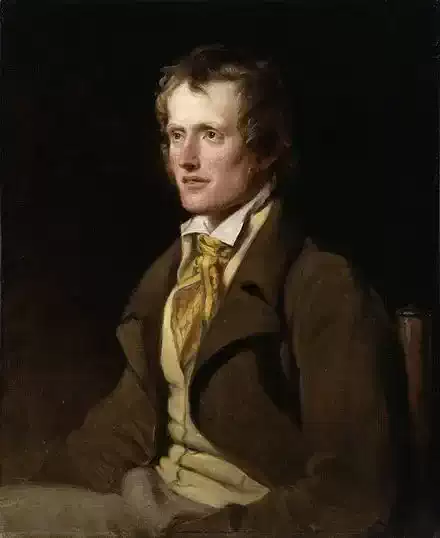
John Clare
Bonny Lassie O!
Bonny Lassie O!
O the evening's for the fair, bonny lassie O!
To meet the cooler air and walk an angel there,
With the dark dishevelled hair,
Bonny lassie O!
The bloom's on the brere, bonny lassie O!
Oak apples on the tree; and wilt thou gang to see
The shed I've made for thee,
Bonny lassie O!
Tis agen the running brook, bonny lassie O!
In a grassy nook hard by, with a little patch of sky,
And a bush to keep us dry,
Bonny lassie O!
There's the daisy all the year, bonny lassie O!
There's the king-cup bright as gold, and the speedwell never cold,
And the arum leaves unrolled,
Bonny lassie O!
O meet me at the shed, bonny lassie O!
With a woodbine peeping in, and the roses like thy skin
Blushing, thy praise to win,
Bonny lassie O!
I will meet thee there at e'en, bonny lassie O!
When the bee sips in the bean, and grey willow branches lean,
And the moonbeam looks between,
Bonny lassie O!
O the evening's for the fair, bonny lassie O!
To meet the cooler air and walk an angel there,
With the dark dishevelled hair,
Bonny lassie O!
The bloom's on the brere, bonny lassie O!
Oak apples on the tree; and wilt thou gang to see
The shed I've made for thee,
Bonny lassie O!
Tis agen the running brook, bonny lassie O!
In a grassy nook hard by, with a little patch of sky,
And a bush to keep us dry,
Bonny lassie O!
There's the daisy all the year, bonny lassie O!
There's the king-cup bright as gold, and the speedwell never cold,
And the arum leaves unrolled,
Bonny lassie O!
O meet me at the shed, bonny lassie O!
With a woodbine peeping in, and the roses like thy skin
Blushing, thy praise to win,
Bonny lassie O!
I will meet thee there at e'en, bonny lassie O!
When the bee sips in the bean, and grey willow branches lean,
And the moonbeam looks between,
Bonny lassie O!
386
John Clare
A World For Love
A World For Love
Oh, the world is all too rude for thee, with much ado and care;
Oh, this world is but a rude world, and hurts a thing so fair;
Was there a nook in which the world had never been to sear,
That place would prove a paradise when thou and Love were near.
And there to pluck the blackberry, and there to reach the sloe,
How joyously and happily would Love thy partner go;
Then rest when weary on a bank, where not a grassy blade
Had eer been bent by Trouble's feet, and Love thy pillow made.
For Summer would be ever green, though sloes were in their prime,
And Winter smile his frowns to Spring, in beauty's happy clime;
And months would come, and months would go, and all in sunny mood,
And everything inspired by thee grow beautifully good.
And there to make a cot unknown to any care and pain,
And there to shut the door alone on singing wind and rain--
Far, far away from all the world, more rude than rain or wind,
Oh, who could wish a sweeter home, or better place to find?
Than thus to love and live with thee, thou beautiful delight!
Than thus to live and love with thee the summer day and night!
The Earth itself, where thou hadst rest, would surely smile to see
Herself grow Eden once again, possest of Love and thee
Oh, the world is all too rude for thee, with much ado and care;
Oh, this world is but a rude world, and hurts a thing so fair;
Was there a nook in which the world had never been to sear,
That place would prove a paradise when thou and Love were near.
And there to pluck the blackberry, and there to reach the sloe,
How joyously and happily would Love thy partner go;
Then rest when weary on a bank, where not a grassy blade
Had eer been bent by Trouble's feet, and Love thy pillow made.
For Summer would be ever green, though sloes were in their prime,
And Winter smile his frowns to Spring, in beauty's happy clime;
And months would come, and months would go, and all in sunny mood,
And everything inspired by thee grow beautifully good.
And there to make a cot unknown to any care and pain,
And there to shut the door alone on singing wind and rain--
Far, far away from all the world, more rude than rain or wind,
Oh, who could wish a sweeter home, or better place to find?
Than thus to love and live with thee, thou beautiful delight!
Than thus to live and love with thee the summer day and night!
The Earth itself, where thou hadst rest, would surely smile to see
Herself grow Eden once again, possest of Love and thee
410
John Clare
A World For Love
A World For Love
Oh, the world is all too rude for thee, with much ado and care;
Oh, this world is but a rude world, and hurts a thing so fair;
Was there a nook in which the world had never been to sear,
That place would prove a paradise when thou and Love were near.
And there to pluck the blackberry, and there to reach the sloe,
How joyously and happily would Love thy partner go;
Then rest when weary on a bank, where not a grassy blade
Had eer been bent by Trouble's feet, and Love thy pillow made.
For Summer would be ever green, though sloes were in their prime,
And Winter smile his frowns to Spring, in beauty's happy clime;
And months would come, and months would go, and all in sunny mood,
And everything inspired by thee grow beautifully good.
And there to make a cot unknown to any care and pain,
And there to shut the door alone on singing wind and rain--
Far, far away from all the world, more rude than rain or wind,
Oh, who could wish a sweeter home, or better place to find?
Than thus to love and live with thee, thou beautiful delight!
Than thus to live and love with thee the summer day and night!
The Earth itself, where thou hadst rest, would surely smile to see
Herself grow Eden once again, possest of Love and thee
Oh, the world is all too rude for thee, with much ado and care;
Oh, this world is but a rude world, and hurts a thing so fair;
Was there a nook in which the world had never been to sear,
That place would prove a paradise when thou and Love were near.
And there to pluck the blackberry, and there to reach the sloe,
How joyously and happily would Love thy partner go;
Then rest when weary on a bank, where not a grassy blade
Had eer been bent by Trouble's feet, and Love thy pillow made.
For Summer would be ever green, though sloes were in their prime,
And Winter smile his frowns to Spring, in beauty's happy clime;
And months would come, and months would go, and all in sunny mood,
And everything inspired by thee grow beautifully good.
And there to make a cot unknown to any care and pain,
And there to shut the door alone on singing wind and rain--
Far, far away from all the world, more rude than rain or wind,
Oh, who could wish a sweeter home, or better place to find?
Than thus to love and live with thee, thou beautiful delight!
Than thus to live and love with thee the summer day and night!
The Earth itself, where thou hadst rest, would surely smile to see
Herself grow Eden once again, possest of Love and thee
410
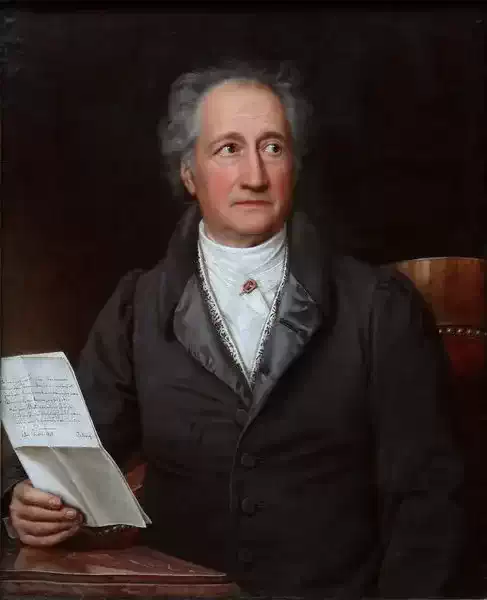
Johann Wolfgang von Goethe
With A Painted Ribbon
With A Painted Ribbon
LITTLE leaves and flow'rets too,
Scatter we with gentle hand,
Kind young spring-gods to the view,
Sporting on an airy band.
Zephyr, bear it on the wing,
Twine it round my loved one's dress;
To her glass then let her spring,
Full of eager joyousness.
Roses round her let her see,
She herself a youthful rose.
Grant, dear life, one look to me!
'Twill repay me all my woes,
What this bosom feels, feel thou.
Freely offer me thy hand;
Let the band that joins us now
Be no fragile rosy band!
LITTLE leaves and flow'rets too,
Scatter we with gentle hand,
Kind young spring-gods to the view,
Sporting on an airy band.
Zephyr, bear it on the wing,
Twine it round my loved one's dress;
To her glass then let her spring,
Full of eager joyousness.
Roses round her let her see,
She herself a youthful rose.
Grant, dear life, one look to me!
'Twill repay me all my woes,
What this bosom feels, feel thou.
Freely offer me thy hand;
Let the band that joins us now
Be no fragile rosy band!
431
Johann Wolfgang von Goethe
Wedding Night
Wedding Night
Far from the feasting, in the bedroom
Sits loyal Amor and quakes with dread:
What if the guests become too zestful,
Break the peace of the bridal bed?
A mystical and holy shimmer
Flows from his pale flames of gold;
For you both a whirl of incense
Readies pleasures manifold.
How throbs your heart as chiming timepiece
Chases noisy guests away;
Any moment, lips you burn for
Nought will utter, nought gainsay.
You hasten with her to the temple,
There to consummate your bliss;
The guardian holds aloft his flambeau,
Still and small as a taper is.
How she trembles with your kisses,
Bosom, lips, and cheeks, and brow:
His severities are shivers,
Your derring-do is duty now.
Quick, Amor helps you undress her,
He has half your enterprise;
Roguish, then, but also modest,
He'll be closing both his eyes.
Far from the feasting, in the bedroom
Sits loyal Amor and quakes with dread:
What if the guests become too zestful,
Break the peace of the bridal bed?
A mystical and holy shimmer
Flows from his pale flames of gold;
For you both a whirl of incense
Readies pleasures manifold.
How throbs your heart as chiming timepiece
Chases noisy guests away;
Any moment, lips you burn for
Nought will utter, nought gainsay.
You hasten with her to the temple,
There to consummate your bliss;
The guardian holds aloft his flambeau,
Still and small as a taper is.
How she trembles with your kisses,
Bosom, lips, and cheeks, and brow:
His severities are shivers,
Your derring-do is duty now.
Quick, Amor helps you undress her,
He has half your enterprise;
Roguish, then, but also modest,
He'll be closing both his eyes.
453
Johann Wolfgang von Goethe
Wedding Night
Wedding Night
Far from the feasting, in the bedroom
Sits loyal Amor and quakes with dread:
What if the guests become too zestful,
Break the peace of the bridal bed?
A mystical and holy shimmer
Flows from his pale flames of gold;
For you both a whirl of incense
Readies pleasures manifold.
How throbs your heart as chiming timepiece
Chases noisy guests away;
Any moment, lips you burn for
Nought will utter, nought gainsay.
You hasten with her to the temple,
There to consummate your bliss;
The guardian holds aloft his flambeau,
Still and small as a taper is.
How she trembles with your kisses,
Bosom, lips, and cheeks, and brow:
His severities are shivers,
Your derring-do is duty now.
Quick, Amor helps you undress her,
He has half your enterprise;
Roguish, then, but also modest,
He'll be closing both his eyes.
Far from the feasting, in the bedroom
Sits loyal Amor and quakes with dread:
What if the guests become too zestful,
Break the peace of the bridal bed?
A mystical and holy shimmer
Flows from his pale flames of gold;
For you both a whirl of incense
Readies pleasures manifold.
How throbs your heart as chiming timepiece
Chases noisy guests away;
Any moment, lips you burn for
Nought will utter, nought gainsay.
You hasten with her to the temple,
There to consummate your bliss;
The guardian holds aloft his flambeau,
Still and small as a taper is.
How she trembles with your kisses,
Bosom, lips, and cheeks, and brow:
His severities are shivers,
Your derring-do is duty now.
Quick, Amor helps you undress her,
He has half your enterprise;
Roguish, then, but also modest,
He'll be closing both his eyes.
453
Johann Wolfgang von Goethe
Welcome And Farewell
Welcome And Farewell
QUICK throbb'd my heart: to norse! haste, haste,
And lo! 'twas done with speed of light;
The evening soon the world embraced,
And o'er the mountains hung the night.
Soon stood, in robe of mist, the oak,
A tow'ring giant in his size,
Where darkness through the thicket broke,
And glared with hundred gloomy eyes.
From out a hill of clouds the moon
With mournful gaze began to peer:
The winds their soft wings flutter'd soon,
And murmur'd in mine awe-struck ear;
The night a thousand monsters made,
Yet fresh and joyous was my mind;
What fire within my veins then play'd!
What glow was in my bosom shrin'd!
I saw thee, and with tender pride
Felt thy sweet gaze pour joy on me;
While all my heart was at thy side.
And every breath I breath'd for thee.
The roseate hues that spring supplies
Were playing round thy features fair,
And love for me--ye Deities!
I hoped it, I deserved it ne'er!
But, when the morning sun return'd,
Departure filled with grief my heart:
Within thy kiss, what rapture burn'd!
But in thy look, what bitter smart!
I went--thy gaze to earth first roved
Thou follow'dst me with tearful eye:
And yet, what rapture to be loved!
And, Gods, to love--what ecstasy!
QUICK throbb'd my heart: to norse! haste, haste,
And lo! 'twas done with speed of light;
The evening soon the world embraced,
And o'er the mountains hung the night.
Soon stood, in robe of mist, the oak,
A tow'ring giant in his size,
Where darkness through the thicket broke,
And glared with hundred gloomy eyes.
From out a hill of clouds the moon
With mournful gaze began to peer:
The winds their soft wings flutter'd soon,
And murmur'd in mine awe-struck ear;
The night a thousand monsters made,
Yet fresh and joyous was my mind;
What fire within my veins then play'd!
What glow was in my bosom shrin'd!
I saw thee, and with tender pride
Felt thy sweet gaze pour joy on me;
While all my heart was at thy side.
And every breath I breath'd for thee.
The roseate hues that spring supplies
Were playing round thy features fair,
And love for me--ye Deities!
I hoped it, I deserved it ne'er!
But, when the morning sun return'd,
Departure filled with grief my heart:
Within thy kiss, what rapture burn'd!
But in thy look, what bitter smart!
I went--thy gaze to earth first roved
Thou follow'dst me with tearful eye:
And yet, what rapture to be loved!
And, Gods, to love--what ecstasy!
593
Johann Wolfgang von Goethe
Welcome And Farewell
Welcome And Farewell
QUICK throbb'd my heart: to norse! haste, haste,
And lo! 'twas done with speed of light;
The evening soon the world embraced,
And o'er the mountains hung the night.
Soon stood, in robe of mist, the oak,
A tow'ring giant in his size,
Where darkness through the thicket broke,
And glared with hundred gloomy eyes.
From out a hill of clouds the moon
With mournful gaze began to peer:
The winds their soft wings flutter'd soon,
And murmur'd in mine awe-struck ear;
The night a thousand monsters made,
Yet fresh and joyous was my mind;
What fire within my veins then play'd!
What glow was in my bosom shrin'd!
I saw thee, and with tender pride
Felt thy sweet gaze pour joy on me;
While all my heart was at thy side.
And every breath I breath'd for thee.
The roseate hues that spring supplies
Were playing round thy features fair,
And love for me--ye Deities!
I hoped it, I deserved it ne'er!
But, when the morning sun return'd,
Departure filled with grief my heart:
Within thy kiss, what rapture burn'd!
But in thy look, what bitter smart!
I went--thy gaze to earth first roved
Thou follow'dst me with tearful eye:
And yet, what rapture to be loved!
And, Gods, to love--what ecstasy!
QUICK throbb'd my heart: to norse! haste, haste,
And lo! 'twas done with speed of light;
The evening soon the world embraced,
And o'er the mountains hung the night.
Soon stood, in robe of mist, the oak,
A tow'ring giant in his size,
Where darkness through the thicket broke,
And glared with hundred gloomy eyes.
From out a hill of clouds the moon
With mournful gaze began to peer:
The winds their soft wings flutter'd soon,
And murmur'd in mine awe-struck ear;
The night a thousand monsters made,
Yet fresh and joyous was my mind;
What fire within my veins then play'd!
What glow was in my bosom shrin'd!
I saw thee, and with tender pride
Felt thy sweet gaze pour joy on me;
While all my heart was at thy side.
And every breath I breath'd for thee.
The roseate hues that spring supplies
Were playing round thy features fair,
And love for me--ye Deities!
I hoped it, I deserved it ne'er!
But, when the morning sun return'd,
Departure filled with grief my heart:
Within thy kiss, what rapture burn'd!
But in thy look, what bitter smart!
I went--thy gaze to earth first roved
Thou follow'dst me with tearful eye:
And yet, what rapture to be loved!
And, Gods, to love--what ecstasy!
593
Johann Wolfgang von Goethe
Trilogy Of Passion 03 Atonement
Trilogy Of Passion 03 Atonement
PASSION brings reason--who can pacify
An anguish'd heart whose loss hath been so great?
Where are the hours that fled so swiftly by?
In vain the fairest thou didst gain from fate;
Sad is the soul, confused the enterprise;
The glorious world, how on the sense it dies!
In million tones entwined for evermore,
Music with angel-pinions hovers there,
To pierce man's being to its inmost core,
Eternal beauty has its fruit to bear;
The eye grows moist, in yearnings blest reveres
The godlike worth of music as of tears.
And so the lighten'd heart soon learns to see
That it still lives, and beats, and ought to beat,
Off'ring itself with joy and willingly,
In grateful payment for a gift so sweet.
And then was felt,--oh may it constant prove!--
The twofold bliss of music and of love.
PASSION brings reason--who can pacify
An anguish'd heart whose loss hath been so great?
Where are the hours that fled so swiftly by?
In vain the fairest thou didst gain from fate;
Sad is the soul, confused the enterprise;
The glorious world, how on the sense it dies!
In million tones entwined for evermore,
Music with angel-pinions hovers there,
To pierce man's being to its inmost core,
Eternal beauty has its fruit to bear;
The eye grows moist, in yearnings blest reveres
The godlike worth of music as of tears.
And so the lighten'd heart soon learns to see
That it still lives, and beats, and ought to beat,
Off'ring itself with joy and willingly,
In grateful payment for a gift so sweet.
And then was felt,--oh may it constant prove!--
The twofold bliss of music and of love.
378
Johann Wolfgang von Goethe
To The Golden Heart That He Wore Around His Neck
To The Golden Heart That He Wore Around His Neck
OH thou token loved of joys now perish'd
That I still wear from my neck suspended,
Art thou stronger than our spirit-bond so cherish'd?
Or canst thou prolong love's days untimely ended?
Lily, I fly from thee! I still am doom'd to range
Thro' countries strange,
Thro' distant vales and woods, link'd on to thee!
Ah, Lily's heart could surely never fall
So soon away from me!
As when a bird bath broken from his thrall,
And seeks the forest green,
Proof of imprisonment he bears behind him,
A morsel of the thread once used to bind him;
The free-born bird of old no more is seen,
For he another's prey bath been.
OH thou token loved of joys now perish'd
That I still wear from my neck suspended,
Art thou stronger than our spirit-bond so cherish'd?
Or canst thou prolong love's days untimely ended?
Lily, I fly from thee! I still am doom'd to range
Thro' countries strange,
Thro' distant vales and woods, link'd on to thee!
Ah, Lily's heart could surely never fall
So soon away from me!
As when a bird bath broken from his thrall,
And seeks the forest green,
Proof of imprisonment he bears behind him,
A morsel of the thread once used to bind him;
The free-born bird of old no more is seen,
For he another's prey bath been.
256
Johann Wolfgang von Goethe
To The Chosen One
To The Chosen One
HAND in hand! and lip to lip!
Oh, be faithful, maiden dear!
Fare thee well! thy lover's ship
Past full many a rock must steers
But should he the haven see,
When the storm has ceased to break,
And be happy, reft of thee,--
May the Gods fierce vengeance take!
Boldly dared is well nigh won!
Half my task is solved aright;
Ev'ry star's to me a sun,
Only cowards deem it night.
Stood I idly by thy side,
Sorrow still would sadden me;
But when seas our paths divide,
Gladly toil I,--toil for thee!
Now the valley I perceive,
Where together we will go,
And the streamlet watch each eve,
Gliding peacefully below
Oh, the poplars on yon spot!
Oh, the beech trees in yon grove!
And behind we'll build a cot,
Where to taste the joys of love!
HAND in hand! and lip to lip!
Oh, be faithful, maiden dear!
Fare thee well! thy lover's ship
Past full many a rock must steers
But should he the haven see,
When the storm has ceased to break,
And be happy, reft of thee,--
May the Gods fierce vengeance take!
Boldly dared is well nigh won!
Half my task is solved aright;
Ev'ry star's to me a sun,
Only cowards deem it night.
Stood I idly by thy side,
Sorrow still would sadden me;
But when seas our paths divide,
Gladly toil I,--toil for thee!
Now the valley I perceive,
Where together we will go,
And the streamlet watch each eve,
Gliding peacefully below
Oh, the poplars on yon spot!
Oh, the beech trees in yon grove!
And behind we'll build a cot,
Where to taste the joys of love!
340
Johann Wolfgang von Goethe
To The Chosen One
To The Chosen One
HAND in hand! and lip to lip!
Oh, be faithful, maiden dear!
Fare thee well! thy lover's ship
Past full many a rock must steers
But should he the haven see,
When the storm has ceased to break,
And be happy, reft of thee,--
May the Gods fierce vengeance take!
Boldly dared is well nigh won!
Half my task is solved aright;
Ev'ry star's to me a sun,
Only cowards deem it night.
Stood I idly by thy side,
Sorrow still would sadden me;
But when seas our paths divide,
Gladly toil I,--toil for thee!
Now the valley I perceive,
Where together we will go,
And the streamlet watch each eve,
Gliding peacefully below
Oh, the poplars on yon spot!
Oh, the beech trees in yon grove!
And behind we'll build a cot,
Where to taste the joys of love!
HAND in hand! and lip to lip!
Oh, be faithful, maiden dear!
Fare thee well! thy lover's ship
Past full many a rock must steers
But should he the haven see,
When the storm has ceased to break,
And be happy, reft of thee,--
May the Gods fierce vengeance take!
Boldly dared is well nigh won!
Half my task is solved aright;
Ev'ry star's to me a sun,
Only cowards deem it night.
Stood I idly by thy side,
Sorrow still would sadden me;
But when seas our paths divide,
Gladly toil I,--toil for thee!
Now the valley I perceive,
Where together we will go,
And the streamlet watch each eve,
Gliding peacefully below
Oh, the poplars on yon spot!
Oh, the beech trees in yon grove!
And behind we'll build a cot,
Where to taste the joys of love!
340
Johann Wolfgang von Goethe
To His Coy One
To His Coy One
SEEST thou yon smiling Orange?
Upon the tree still hangs it;
Already March bath vanish'd,
And new-born flow'rs are shooting.
I draw nigh to the tree then,
And there I say: Oh Orange,
Thou ripe and juicy Orange,
Thou sweet and luscious Orange,
I shake the tree, I shake it,
Oh fall into my lap!
SEEST thou yon smiling Orange?
Upon the tree still hangs it;
Already March bath vanish'd,
And new-born flow'rs are shooting.
I draw nigh to the tree then,
And there I say: Oh Orange,
Thou ripe and juicy Orange,
Thou sweet and luscious Orange,
I shake the tree, I shake it,
Oh fall into my lap!
368
Johann Wolfgang von Goethe
The Wedding Night
The Wedding Night
WITHIN the chamber, far away
From the glad feast, sits Love in dread
Lest guests disturb, in wanton play,
The silence of the bridal bed.
His torch's pale flame serves to gild
The scene with mystic sacred glow;
The room with incense-clouds is fil'd,
That ye may perfect rapture know.
How beats thy heart, when thou dost hear
The chime that warns thy guests to fly!
How glow'st thou for those lips so dear,
That soon are mute, and nought deny!
With her into the holy place
Thou hast'nest then, to perfect all;
The fire the warder's hands embrace,
Grows, like a night-light, dim and small.
How heaves her bosom, and how burns
Her face at every fervent kiss!
Her coldness now to trembling turns,
Thy daring now a duty is.
Love helps thee to undress her fast,
But thou art twice as fast as he;
And then he shuts both eye at last,
With sly and roguish modesty.
WITHIN the chamber, far away
From the glad feast, sits Love in dread
Lest guests disturb, in wanton play,
The silence of the bridal bed.
His torch's pale flame serves to gild
The scene with mystic sacred glow;
The room with incense-clouds is fil'd,
That ye may perfect rapture know.
How beats thy heart, when thou dost hear
The chime that warns thy guests to fly!
How glow'st thou for those lips so dear,
That soon are mute, and nought deny!
With her into the holy place
Thou hast'nest then, to perfect all;
The fire the warder's hands embrace,
Grows, like a night-light, dim and small.
How heaves her bosom, and how burns
Her face at every fervent kiss!
Her coldness now to trembling turns,
Thy daring now a duty is.
Love helps thee to undress her fast,
But thou art twice as fast as he;
And then he shuts both eye at last,
With sly and roguish modesty.
415
Johann Wolfgang von Goethe
The Wanderer
The Wanderer
WANDERER.
YOUNG woman, may God bless thee,
Thee, and the sucking infant
Upon thy breast!
Let me, 'gainst this rocky wall,
Neath the elm-tree's shadow,
Lay aside my burden,
Near thee take my rest.
WOMAN.
What vocation leads thee,
While the day is burning,
Up this dusty path?
Bring'st thou goods from out the town
Round the country?
Smil'st thou, stranger,
At my question?
WANDERER.
From the town no goods I bring.
Cool is now the evening;
Show to me the fountain
'Whence thou drinkest,
Woman young and kind!
WOMAN.
Up the rocky pathway mount;
Go thou first! Across the thicket
Leads the pathway tow'rd the cottage
That I live in,
To the fountain
Whence I drink.
WANDERER.
Signs of man's arranging hand
See I 'mid the trees!
Not by thee these stones were join'd,
Nature, who so freely scatterest!
WOMAN.
Up, still up!
WANDERER.
Lo, a mossy architrave is here!
I discern thee, fashioning spirit!
On the stone thou hast impress'd thy seal.
WOMAN.
Onward, stranger!
WANDERER.
Over an inscription am I treading!
'Tis effaced!
Ye are seen no longer,
Words so deeply graven,
Who your master's true devotion
Should have shown to thousand grandsons!
WOMAN.
At these stones, why
Start'st thou, stranger?
Many stones are lying yonder
Round my cottage.
WANDERER.
Yonder?
WOMAN.
Through the thicket,
Turning to the left,
Here!
WANDERER.
Ye Muses and ye Graces!
WOMAN.
This, then, is my cottage.
WANDERER.
'Tis a ruin'd temple!
WOMAN.
Just below it, see,
Springs the fountain
Whence I drink.
WANDERER.
Thou dost hover
O'er thy grave, all glowing,
Genius! while upon thee
Hath thy master-piece
Fallen crumbling,
Thou Immortal One!
WOMAN.
Stay, a cup I'll fetch thee
Whence to drink.
WANDERER.
Ivy circles thy slender
Form so graceful and godlike.
How ye rise on high
From the ruins,
Column-pair
And thou, their lonely sister yonder,--
How thou,
Dusky moss upon thy sacred head,--
Lookest down in mournful majesty
On thy brethren's figures
Lying scatter'd
At thy feet!
In the shadow of the bramble
Earth and rubbish veil them,
Lofty grass is waving o'er them
Is it thus thou, Nature, prizest
Thy great masterpiece's masterpiece?
Carelessly destroyest thou
Thine own sanctuary,
Sowing thistles there?
WOMAN.
How the infant sleeps!
Wilt thou rest thee in the cottage,
Stranger? Wouldst thou rather
In the open air still linger?
Now 'tis cool! take thou the child
While I go and draw some water.
Sleep on, darling! sleep!
WANDERER.
Sweet is thy repose!
How, with heaven-born health imbued,
Peacefully he slumbers!
Oh thou, born among the ruins
Spread by great antiquity,
On thee rest her spirit!
He whom it encircles
Will, in godlike consciousness,
Ev'ry day enjoy.
Full, of germ, unfold,
As the smiling springtime's
Fairest charm,
Outshining all thy fellows!
And when the blossom's husk is faded,
May the full fruit shoot forth
From out thy breast,
And ripen in the sunshine!
WOMAN.
God bless him!--Is he sleeping still?
To the fresh draught I nought can add,
Saving a crust of bread for thee to eat.
WANDERER.
I thank thee well.
How fair the verdure all around!
How green!
WOMAN.
My husband soon
Will home return
From labour. Tarry, tarry, man,
And with us eat our evening meal.
WANDERER.
Is't here ye dwell?
WOMAN.
Yonder, within those walls we live.
My father 'twas who built the cottage
Of tiles and stones from out the ruins.
'Tis here we dwell.
He gave me to a husbandman,
And in our arms expired.--
Hast thou been sleeping, dearest heart
How lively, and how full of play!
Sweet rogue!
WANDERER.
Nature, thou ever budding one,
Thou formest each for life's enjoyments,
And, like a mother, all thy children dear,
Blessest with that sweet heritage,--a home
The swallow builds the cornice round,
Unconscious of the beauties
She plasters up.
The caterpillar spins around the bough,
To make her brood a winter house;
And thou dost patch, between antiquity's
Most glorious relics,
For thy mean use,
Oh man, a humble cot,--
Enjoyest e'en mid tombs!--
Farewell, thou happy woman!
WOMAN.
Thou wilt not stay, then?
WANDERER.
May God preserve thee,
And bless thy boy!
WOMAN.
A happy journey!
WANDERER.
Whither conducts the path
Across yon hill?
WOMAN.
To Cuma.
WANDERER.
How far from hence?
WOMAN.
'Tis full three miles.
WANDERER.
Farewell!
Oh Nature, guide me on my way!
The wandering stranger guide,
Who o'er the tombs
Of holy bygone times
Is passing,
To a kind sheltering place,
From North winds safe,
And where a poplar grove
Shuts out the noontide ray!
And when I come
Home to my cot
At evening,
Illumined by the setting sun,
Let me embrace a wife like this,
Her infant in her arms!
WANDERER.
YOUNG woman, may God bless thee,
Thee, and the sucking infant
Upon thy breast!
Let me, 'gainst this rocky wall,
Neath the elm-tree's shadow,
Lay aside my burden,
Near thee take my rest.
WOMAN.
What vocation leads thee,
While the day is burning,
Up this dusty path?
Bring'st thou goods from out the town
Round the country?
Smil'st thou, stranger,
At my question?
WANDERER.
From the town no goods I bring.
Cool is now the evening;
Show to me the fountain
'Whence thou drinkest,
Woman young and kind!
WOMAN.
Up the rocky pathway mount;
Go thou first! Across the thicket
Leads the pathway tow'rd the cottage
That I live in,
To the fountain
Whence I drink.
WANDERER.
Signs of man's arranging hand
See I 'mid the trees!
Not by thee these stones were join'd,
Nature, who so freely scatterest!
WOMAN.
Up, still up!
WANDERER.
Lo, a mossy architrave is here!
I discern thee, fashioning spirit!
On the stone thou hast impress'd thy seal.
WOMAN.
Onward, stranger!
WANDERER.
Over an inscription am I treading!
'Tis effaced!
Ye are seen no longer,
Words so deeply graven,
Who your master's true devotion
Should have shown to thousand grandsons!
WOMAN.
At these stones, why
Start'st thou, stranger?
Many stones are lying yonder
Round my cottage.
WANDERER.
Yonder?
WOMAN.
Through the thicket,
Turning to the left,
Here!
WANDERER.
Ye Muses and ye Graces!
WOMAN.
This, then, is my cottage.
WANDERER.
'Tis a ruin'd temple!
WOMAN.
Just below it, see,
Springs the fountain
Whence I drink.
WANDERER.
Thou dost hover
O'er thy grave, all glowing,
Genius! while upon thee
Hath thy master-piece
Fallen crumbling,
Thou Immortal One!
WOMAN.
Stay, a cup I'll fetch thee
Whence to drink.
WANDERER.
Ivy circles thy slender
Form so graceful and godlike.
How ye rise on high
From the ruins,
Column-pair
And thou, their lonely sister yonder,--
How thou,
Dusky moss upon thy sacred head,--
Lookest down in mournful majesty
On thy brethren's figures
Lying scatter'd
At thy feet!
In the shadow of the bramble
Earth and rubbish veil them,
Lofty grass is waving o'er them
Is it thus thou, Nature, prizest
Thy great masterpiece's masterpiece?
Carelessly destroyest thou
Thine own sanctuary,
Sowing thistles there?
WOMAN.
How the infant sleeps!
Wilt thou rest thee in the cottage,
Stranger? Wouldst thou rather
In the open air still linger?
Now 'tis cool! take thou the child
While I go and draw some water.
Sleep on, darling! sleep!
WANDERER.
Sweet is thy repose!
How, with heaven-born health imbued,
Peacefully he slumbers!
Oh thou, born among the ruins
Spread by great antiquity,
On thee rest her spirit!
He whom it encircles
Will, in godlike consciousness,
Ev'ry day enjoy.
Full, of germ, unfold,
As the smiling springtime's
Fairest charm,
Outshining all thy fellows!
And when the blossom's husk is faded,
May the full fruit shoot forth
From out thy breast,
And ripen in the sunshine!
WOMAN.
God bless him!--Is he sleeping still?
To the fresh draught I nought can add,
Saving a crust of bread for thee to eat.
WANDERER.
I thank thee well.
How fair the verdure all around!
How green!
WOMAN.
My husband soon
Will home return
From labour. Tarry, tarry, man,
And with us eat our evening meal.
WANDERER.
Is't here ye dwell?
WOMAN.
Yonder, within those walls we live.
My father 'twas who built the cottage
Of tiles and stones from out the ruins.
'Tis here we dwell.
He gave me to a husbandman,
And in our arms expired.--
Hast thou been sleeping, dearest heart
How lively, and how full of play!
Sweet rogue!
WANDERER.
Nature, thou ever budding one,
Thou formest each for life's enjoyments,
And, like a mother, all thy children dear,
Blessest with that sweet heritage,--a home
The swallow builds the cornice round,
Unconscious of the beauties
She plasters up.
The caterpillar spins around the bough,
To make her brood a winter house;
And thou dost patch, between antiquity's
Most glorious relics,
For thy mean use,
Oh man, a humble cot,--
Enjoyest e'en mid tombs!--
Farewell, thou happy woman!
WOMAN.
Thou wilt not stay, then?
WANDERER.
May God preserve thee,
And bless thy boy!
WOMAN.
A happy journey!
WANDERER.
Whither conducts the path
Across yon hill?
WOMAN.
To Cuma.
WANDERER.
How far from hence?
WOMAN.
'Tis full three miles.
WANDERER.
Farewell!
Oh Nature, guide me on my way!
The wandering stranger guide,
Who o'er the tombs
Of holy bygone times
Is passing,
To a kind sheltering place,
From North winds safe,
And where a poplar grove
Shuts out the noontide ray!
And when I come
Home to my cot
At evening,
Illumined by the setting sun,
Let me embrace a wife like this,
Her infant in her arms!
312
Johann Wolfgang von Goethe
The Visit
The Visit
FAIN had I to-day surprised my mistress,
But soon found I that her door was fasten'd.
Yet I had the key safe in my pocket,
And the darling door I open'd softly!
In the parlour found I not the maiden,
Found the maiden not within her closet,
Then her chamber-door I gently open'd,
When I found her wrapp'd in pleasing slumbers,
Fully dress'd, and lying on the sofa.
While at work had slumber stolen o'er her;
For her knitting and her needle found I
Resting in her folded bands so tender;
And I placed myself beside her softly,
And held counsel, whether I should wake her.
Then I looked upon the beauteous quiet
That on her sweet eyelids was reposing
On her lips was silent truth depicted,
On her cheeks had loveliness its dwelling,
And the pureness of a heart unsullied
In her bosom evermore was heaving.
All her limbs were gracefully reclining,
Set at rest by sweet and godlike balsam.
Gladly sat I, and the contemplation
Held the strong desire I felt to wake her
Firmer and firmer down, with mystic fetters.
"Oh, thou love," methought, "I see that slumber,
Slumber that betrayeth each false feature,
Cannot injure thee, can nought discover
That could serve to harm thy friend's soft feelings.
"Now thy beauteous eyes are firmly closed,
That, when open, form mine only rapture.
And thy sweet lips are devoid of motion,
Motionless for speaking or for kissing;
Loosen'd are the soft and magic fetters
Of thine arms, so wont to twine around me,
And the hand, the ravishing companion
Of thy sweet caresses, lies unmoving.
Were my thoughts of thee but based on error,
Were the love I bear thee self-deception,
I must now have found it out, since Amor
Is, without his bandage, placed beside me."
Long I sat thus, full of heartfelt pleasure
At my love, and at her matchless merit;
She had so delighted me while slumbering,
That I could not venture to awake her.
Then I on the little table near her
Softly placed two oranges, two roses;
Gently, gently stole I from her chamber.
When her eyes the darling one shall open,
She will straightway spy these colourd presents,
And the friendly gift will view with wonder,
For the door will still remain unopen'd.
If perchance I see to-night the angel,
How will she rejoice,--reward me doubly
For this sacrifice of fond affection!
FAIN had I to-day surprised my mistress,
But soon found I that her door was fasten'd.
Yet I had the key safe in my pocket,
And the darling door I open'd softly!
In the parlour found I not the maiden,
Found the maiden not within her closet,
Then her chamber-door I gently open'd,
When I found her wrapp'd in pleasing slumbers,
Fully dress'd, and lying on the sofa.
While at work had slumber stolen o'er her;
For her knitting and her needle found I
Resting in her folded bands so tender;
And I placed myself beside her softly,
And held counsel, whether I should wake her.
Then I looked upon the beauteous quiet
That on her sweet eyelids was reposing
On her lips was silent truth depicted,
On her cheeks had loveliness its dwelling,
And the pureness of a heart unsullied
In her bosom evermore was heaving.
All her limbs were gracefully reclining,
Set at rest by sweet and godlike balsam.
Gladly sat I, and the contemplation
Held the strong desire I felt to wake her
Firmer and firmer down, with mystic fetters.
"Oh, thou love," methought, "I see that slumber,
Slumber that betrayeth each false feature,
Cannot injure thee, can nought discover
That could serve to harm thy friend's soft feelings.
"Now thy beauteous eyes are firmly closed,
That, when open, form mine only rapture.
And thy sweet lips are devoid of motion,
Motionless for speaking or for kissing;
Loosen'd are the soft and magic fetters
Of thine arms, so wont to twine around me,
And the hand, the ravishing companion
Of thy sweet caresses, lies unmoving.
Were my thoughts of thee but based on error,
Were the love I bear thee self-deception,
I must now have found it out, since Amor
Is, without his bandage, placed beside me."
Long I sat thus, full of heartfelt pleasure
At my love, and at her matchless merit;
She had so delighted me while slumbering,
That I could not venture to awake her.
Then I on the little table near her
Softly placed two oranges, two roses;
Gently, gently stole I from her chamber.
When her eyes the darling one shall open,
She will straightway spy these colourd presents,
And the friendly gift will view with wonder,
For the door will still remain unopen'd.
If perchance I see to-night the angel,
How will she rejoice,--reward me doubly
For this sacrifice of fond affection!
592
Johann Wolfgang von Goethe
The Traveller And The Farm-Maiden
The Traveller And The Farm-Maiden
HE.
CANST thou give, oh fair and matchless maiden,
'Neath the shadow of the lindens yonder,--
Where I'd fain one moment cease to wander,--
Food and drink to one so heavy laden?
SHE.
Wouldst thou find refreshment, traveller weary,
Bread, ripe fruit and cream to meet thy wishes,--
None but Nature's plain and homely dishes,--
Near the spring may soothe thy wanderings dreary.
HE.
Dreams of old acquaintance now pass through me,
Ne'er-forgotten queen of hours of blisses.
Likenesses I've often found, but this is
One that quite a marvel seemeth to me!
SHE.
Travellers often wonder beyond measure,
But their wonder soon see cause to smother;
Fair and dark are often like each other,
Both inspire the mind with equal pleasure.
HE.
Not now for the first time I surrender
To this form, in humble adoration;
It was brightest midst the constellation
In the hail adorn'd with festal splendour.
SHE.
Be thou joyful that 'tis in my power
To complete thy strange and merry story!
Silks behind her, full of purple glory,
Floated, when thou saw'st her in that hour.
HE.
No, in truth, thou hast not sung it rightly!
Spirits may have told thee all about it;
Pearls and gems they spoke of, do not doubt it,--
By her gaze eclipsed,--it gleam'd so brightly!
SHE.
This one thing I certainly collected:
That the fair one--(say nought, I entreat thee!)
Fondly hoping once again to meet thee,
Many a castle in the air erected.
HE.
By each wind I ceaselessly was driven,
Seeking gold and honour, too, to capture!
When my wand'rings end, then oh, what rapture,
If to find that form again 'tis given!
SHE.
'Tis the daughter of the race now banish'd
That thou seest, not her likeness only;
Helen and her brother, glad though lonely,
Till this farm of their estate now vanish'd.
HE.
But the owner surely is not wanting
Of these plains, with ev'ry beauty teeming?
Verdant fields, broad meads, and pastures gleaming,
Gushing springs, all heav'nly and enchanting.
SHE.
Thou must hunt the world through, wouldst thou find him!--
We have wealth enough in our possession,
And intend to purchase the succession,
When the good man leaves the world behind him.
HE.
I have learnt the owner's own condition,
And, fair maiden, thou indeed canst buy it;
But the cost is great, I won't deny it,--
Helen is the price,--with thy permission!
SHE.
Did then fate and rank keep us asunder,
And must Love take this road, and no other?
Yonder comes my dear and trusty brother;
What will he say to it all, I wonder?
HE.
CANST thou give, oh fair and matchless maiden,
'Neath the shadow of the lindens yonder,--
Where I'd fain one moment cease to wander,--
Food and drink to one so heavy laden?
SHE.
Wouldst thou find refreshment, traveller weary,
Bread, ripe fruit and cream to meet thy wishes,--
None but Nature's plain and homely dishes,--
Near the spring may soothe thy wanderings dreary.
HE.
Dreams of old acquaintance now pass through me,
Ne'er-forgotten queen of hours of blisses.
Likenesses I've often found, but this is
One that quite a marvel seemeth to me!
SHE.
Travellers often wonder beyond measure,
But their wonder soon see cause to smother;
Fair and dark are often like each other,
Both inspire the mind with equal pleasure.
HE.
Not now for the first time I surrender
To this form, in humble adoration;
It was brightest midst the constellation
In the hail adorn'd with festal splendour.
SHE.
Be thou joyful that 'tis in my power
To complete thy strange and merry story!
Silks behind her, full of purple glory,
Floated, when thou saw'st her in that hour.
HE.
No, in truth, thou hast not sung it rightly!
Spirits may have told thee all about it;
Pearls and gems they spoke of, do not doubt it,--
By her gaze eclipsed,--it gleam'd so brightly!
SHE.
This one thing I certainly collected:
That the fair one--(say nought, I entreat thee!)
Fondly hoping once again to meet thee,
Many a castle in the air erected.
HE.
By each wind I ceaselessly was driven,
Seeking gold and honour, too, to capture!
When my wand'rings end, then oh, what rapture,
If to find that form again 'tis given!
SHE.
'Tis the daughter of the race now banish'd
That thou seest, not her likeness only;
Helen and her brother, glad though lonely,
Till this farm of their estate now vanish'd.
HE.
But the owner surely is not wanting
Of these plains, with ev'ry beauty teeming?
Verdant fields, broad meads, and pastures gleaming,
Gushing springs, all heav'nly and enchanting.
SHE.
Thou must hunt the world through, wouldst thou find him!--
We have wealth enough in our possession,
And intend to purchase the succession,
When the good man leaves the world behind him.
HE.
I have learnt the owner's own condition,
And, fair maiden, thou indeed canst buy it;
But the cost is great, I won't deny it,--
Helen is the price,--with thy permission!
SHE.
Did then fate and rank keep us asunder,
And must Love take this road, and no other?
Yonder comes my dear and trusty brother;
What will he say to it all, I wonder?
355
Johann Wolfgang von Goethe
The Spring Oracle
The Spring Oracle
OH prophetic bird so bright,
Blossom-songster, cuckoo bight!
In the fairest time of year,
Dearest bird, oh! deign to hear
What a youthful pair would pray,
Do thou call, if hope they may:
Thy cuck-oo, thy cuck-oo.
Ever more cuck-oo, cuck-oo!
Hearest thou? A loving pair
Fain would to the altar fare;
Yes! a pair in happy youth,
Full of virtue, full of truth.
Is the hour not fix'd by fate?
Say, how long must they still wait?
Hark! cuck-oo! hark! cuck-oo!
Silent yet! for shame, cuck-oo!
'Tis not our fault, certainly!
Only two years patient be!
But if we ourselves please here,
Will pa-pa-papas appear?
Know that thou'lt more kindness do us,
More thou'lt prophesy unto us.
One! cuck-oo! Two! cuck-oo!
Ever, ever, cuck-oo, cuck-oo, coo!
If we've calculated clearly,
We have half a dozen nearly.
If good promises we'll give,
Wilt thou say how long we'II live?
Truly, we'll confess to thee,
We'd prolong it willingly.
Coo cuck-oo, coo cuck-oo,
Coo, coo, coo, coo, coo, coo, coo, coo, coo!
Life is one continued feast-(
If we keep no score, at least).
If now we together dwell,
Will true love remain as well?
For if that should e'er decay,
Happiness would pass away.
Coo cuck-oo, coo cuck-oo,
Coo, coo, coo, coo, coo, coo, coo, coo, coo!
OH prophetic bird so bright,
Blossom-songster, cuckoo bight!
In the fairest time of year,
Dearest bird, oh! deign to hear
What a youthful pair would pray,
Do thou call, if hope they may:
Thy cuck-oo, thy cuck-oo.
Ever more cuck-oo, cuck-oo!
Hearest thou? A loving pair
Fain would to the altar fare;
Yes! a pair in happy youth,
Full of virtue, full of truth.
Is the hour not fix'd by fate?
Say, how long must they still wait?
Hark! cuck-oo! hark! cuck-oo!
Silent yet! for shame, cuck-oo!
'Tis not our fault, certainly!
Only two years patient be!
But if we ourselves please here,
Will pa-pa-papas appear?
Know that thou'lt more kindness do us,
More thou'lt prophesy unto us.
One! cuck-oo! Two! cuck-oo!
Ever, ever, cuck-oo, cuck-oo, coo!
If we've calculated clearly,
We have half a dozen nearly.
If good promises we'll give,
Wilt thou say how long we'II live?
Truly, we'll confess to thee,
We'd prolong it willingly.
Coo cuck-oo, coo cuck-oo,
Coo, coo, coo, coo, coo, coo, coo, coo, coo!
Life is one continued feast-(
If we keep no score, at least).
If now we together dwell,
Will true love remain as well?
For if that should e'er decay,
Happiness would pass away.
Coo cuck-oo, coo cuck-oo,
Coo, coo, coo, coo, coo, coo, coo, coo, coo!
413
Johann Wolfgang von Goethe
The Spinner
The Spinner
As I calmly sat and span,
Toiling with all zeal,
Lo! a young and handsome man
Pass'd my spinning-wheel.
And he praised,--what harm was there?--
Sweet the things he said--
Praised my flax-resembling hair,
And the even thread.
He with this was not content,
But must needs do more;
And in twain the thread was rent,
Though 'twas safe before.
And the flax's stonelike weight
Needed to be told;
But no longer was its state
Valued as of old.
When I took it to the weaver,
Something felt I start,
And more quickly, as with fever,
Throbb'd my trembling heart.
Then I bear the thread at length
Through the heat, to bleach;
But, alas, I scarce have strength
To the pool to reach.
What I in my little room
Span so fine and slight,--
As was likely. I presume--
Came at last to light.
As I calmly sat and span,
Toiling with all zeal,
Lo! a young and handsome man
Pass'd my spinning-wheel.
And he praised,--what harm was there?--
Sweet the things he said--
Praised my flax-resembling hair,
And the even thread.
He with this was not content,
But must needs do more;
And in twain the thread was rent,
Though 'twas safe before.
And the flax's stonelike weight
Needed to be told;
But no longer was its state
Valued as of old.
When I took it to the weaver,
Something felt I start,
And more quickly, as with fever,
Throbb'd my trembling heart.
Then I bear the thread at length
Through the heat, to bleach;
But, alas, I scarce have strength
To the pool to reach.
What I in my little room
Span so fine and slight,--
As was likely. I presume--
Came at last to light.
415
Johann Wolfgang von Goethe
The Pariah - Legend
The Pariah - Legend
WATER-FETCHING goes the noble
Brahmin's wife, so pure and lovely;
He is honour'd, void of blemish.
And of justice rigid, stern.
Daily from the sacred river
Brings she back refreshments precious;--
But where is the pail and pitcher?
She of neither stands in need.
For with pure heart, hands unsullied,
She the water lifts, and rolls it
To a wondrous ball of crystal
This she bears with gladsome bosom,
Modestly, with graceful motion,
To her husband in the house.
She to-day at dawn of morning
Praying comes to Ganges' waters,
Bends her o'er the glassy surface--
Sudden, in the waves reflected,
Flying swiftly far above her,
From the highest heavens descending,
She discerns the beauteous form
Of a youth divine, created
By the God's primeval wisdom
In his own eternal breast.
When she sees him, straightway feels she
Wondrous, new, confused sensations
In her inmost, deepest being;
Fain she'd linger o'er the vision,
Then repels it,--it returneth,--
And, perplex'd, she bends her flood-wards
With uncertain hands to draw it;
But, alas, she draws no more!
For the water's sacred billows
Seem to fly, to hasten from her;
She but sees the fearful chasm
Of a whirlpool black disclosed.
Arms drop down, and footsteps stumble,
Can this be the pathway homewards?
Shall she fly, or shall she tarry?
Can she think, when thought and counsel,
When assistance all are lost?
So before her spouse appears she--
On her looks he--look is judgment--
Proudly on the sword he seizes,
To the hill of death he drags her,
Where delinquents' blood pays forfeit.
What resistance could she offer?
What excuses could she proffer,
Guilty, knowing not her guilt?
And with bloody sword returns he,
Musing, to his silent dwelling,
When his son before him stands:
"Whose this blood? Oh, father! father!"
"The delinquent woman's!"--"Never!
For upon the sword it dries not,
Like the blood of the delinquent;
Fresh it flows, as from the wound.
Mother! mother! hither hasten!
Unjust never was my father,
Tell me what he now hath done."-"
Silence! silence! hers the blood is!"
"Whose, my father?"--"Silence! Silence!"
"What! oh what! my mother's blood!
What her crime? What did she? Answer!
Now, the sword! the sword now hold I;
Thou thy wife perchance might'st slaughter,
But my mother might'st not slay!
Through the flames the wife is able
Her beloved spouse to follow,
And his dear and only mother
Through the sword her faithful son."
"Stay! oh stay!" exclaim'd the father:
"Yet 'tis time, so hasten, hasten!
Join the head upon the body,
With the sword then touch the figure,
And, alive she'll follow thee."
Hastening, he, with breathless wonder,
Sees the bodies of two women
Lying crosswise, and their heads too;
Oh, what horror! which to choose!
Then his mother's head he seizes,--
Does not kiss it, deadly pale 'tis,--
On the nearest headless body
Puts it quickly, and then blesses
With the sword the pious work.
Then the giant form uprises,--
From the dear lips of his mother,
Lips all god-like--changeless--blissful,
Sound these words with horror fraught:
"Son, oh son! what overhast'ning!
Yonder is thy mother's body,
Near it lies the impious head
Of the woman who hath fallen
Victim to the judgment-sword!
To her body I am grafted
By thy hand for endless ages;
Wise in counsel, wild in action,
I shall be amongst the gods.
E'en the heav'nly boy's own image,
Though in eye and brow so lovely,
Sinking downwards to the bosom
Mad and raging lust will stir.
"'Twill return again for ever,
Ever rising, ever sinking,
Now obscured, and now transfigur'd,--
So great Brama hath ordain'd.
He 'twas sent the beauteous pinions,
Radiant face and slender members
Of the only God-begotten,
That I might be proved and tempted;
For from high descends temptation,
When the gods ordain it so.
And so I, the Brahmin woman,
With my head in Heaven reclining,
Must experience, as a Pariah,
The debasing power of earth.
Son, I send thee to thy father!
Comfort him! Let no sad penance,
Weak delay, or thought of merit,
Hold thee in the desert fast
Wander on through ev'ry nation,
Roam abroad throughout all ages,
And proclaim to e'en the meanest,
That great Brama hears his cry!
"None is in his eyes the meanest--
He whose limbs are lame and palsied,
He whose soul is wildly riven,
Worn with sorrow, hopeless, helpless,
Be he Brahmin, be he Pariah,
If tow'rd heaven he turns his gaze,
Will perceive, will learn to know it:
Thousand eyes are glowing yonder,
Thousand ears are calmly list'ning,
From which nought below is hid.
"If I to his throne soar upward,
If he sees my fearful figure
By his might transform'd to horror,
He for ever will lament it,--
May it to your good be found!
And I now will kindly warn him,
And I now will madly tell him
Whatsoe'er my mind conceiveth,
What within my bosom heaveth.
But my thoughts, my inmost feelings--
Those a secret shall remain."
WATER-FETCHING goes the noble
Brahmin's wife, so pure and lovely;
He is honour'd, void of blemish.
And of justice rigid, stern.
Daily from the sacred river
Brings she back refreshments precious;--
But where is the pail and pitcher?
She of neither stands in need.
For with pure heart, hands unsullied,
She the water lifts, and rolls it
To a wondrous ball of crystal
This she bears with gladsome bosom,
Modestly, with graceful motion,
To her husband in the house.
She to-day at dawn of morning
Praying comes to Ganges' waters,
Bends her o'er the glassy surface--
Sudden, in the waves reflected,
Flying swiftly far above her,
From the highest heavens descending,
She discerns the beauteous form
Of a youth divine, created
By the God's primeval wisdom
In his own eternal breast.
When she sees him, straightway feels she
Wondrous, new, confused sensations
In her inmost, deepest being;
Fain she'd linger o'er the vision,
Then repels it,--it returneth,--
And, perplex'd, she bends her flood-wards
With uncertain hands to draw it;
But, alas, she draws no more!
For the water's sacred billows
Seem to fly, to hasten from her;
She but sees the fearful chasm
Of a whirlpool black disclosed.
Arms drop down, and footsteps stumble,
Can this be the pathway homewards?
Shall she fly, or shall she tarry?
Can she think, when thought and counsel,
When assistance all are lost?
So before her spouse appears she--
On her looks he--look is judgment--
Proudly on the sword he seizes,
To the hill of death he drags her,
Where delinquents' blood pays forfeit.
What resistance could she offer?
What excuses could she proffer,
Guilty, knowing not her guilt?
And with bloody sword returns he,
Musing, to his silent dwelling,
When his son before him stands:
"Whose this blood? Oh, father! father!"
"The delinquent woman's!"--"Never!
For upon the sword it dries not,
Like the blood of the delinquent;
Fresh it flows, as from the wound.
Mother! mother! hither hasten!
Unjust never was my father,
Tell me what he now hath done."-"
Silence! silence! hers the blood is!"
"Whose, my father?"--"Silence! Silence!"
"What! oh what! my mother's blood!
What her crime? What did she? Answer!
Now, the sword! the sword now hold I;
Thou thy wife perchance might'st slaughter,
But my mother might'st not slay!
Through the flames the wife is able
Her beloved spouse to follow,
And his dear and only mother
Through the sword her faithful son."
"Stay! oh stay!" exclaim'd the father:
"Yet 'tis time, so hasten, hasten!
Join the head upon the body,
With the sword then touch the figure,
And, alive she'll follow thee."
Hastening, he, with breathless wonder,
Sees the bodies of two women
Lying crosswise, and their heads too;
Oh, what horror! which to choose!
Then his mother's head he seizes,--
Does not kiss it, deadly pale 'tis,--
On the nearest headless body
Puts it quickly, and then blesses
With the sword the pious work.
Then the giant form uprises,--
From the dear lips of his mother,
Lips all god-like--changeless--blissful,
Sound these words with horror fraught:
"Son, oh son! what overhast'ning!
Yonder is thy mother's body,
Near it lies the impious head
Of the woman who hath fallen
Victim to the judgment-sword!
To her body I am grafted
By thy hand for endless ages;
Wise in counsel, wild in action,
I shall be amongst the gods.
E'en the heav'nly boy's own image,
Though in eye and brow so lovely,
Sinking downwards to the bosom
Mad and raging lust will stir.
"'Twill return again for ever,
Ever rising, ever sinking,
Now obscured, and now transfigur'd,--
So great Brama hath ordain'd.
He 'twas sent the beauteous pinions,
Radiant face and slender members
Of the only God-begotten,
That I might be proved and tempted;
For from high descends temptation,
When the gods ordain it so.
And so I, the Brahmin woman,
With my head in Heaven reclining,
Must experience, as a Pariah,
The debasing power of earth.
Son, I send thee to thy father!
Comfort him! Let no sad penance,
Weak delay, or thought of merit,
Hold thee in the desert fast
Wander on through ev'ry nation,
Roam abroad throughout all ages,
And proclaim to e'en the meanest,
That great Brama hears his cry!
"None is in his eyes the meanest--
He whose limbs are lame and palsied,
He whose soul is wildly riven,
Worn with sorrow, hopeless, helpless,
Be he Brahmin, be he Pariah,
If tow'rd heaven he turns his gaze,
Will perceive, will learn to know it:
Thousand eyes are glowing yonder,
Thousand ears are calmly list'ning,
From which nought below is hid.
"If I to his throne soar upward,
If he sees my fearful figure
By his might transform'd to horror,
He for ever will lament it,--
May it to your good be found!
And I now will kindly warn him,
And I now will madly tell him
Whatsoe'er my mind conceiveth,
What within my bosom heaveth.
But my thoughts, my inmost feelings--
Those a secret shall remain."
418
Johann Wolfgang von Goethe
The Pariah - Legend
The Pariah - Legend
WATER-FETCHING goes the noble
Brahmin's wife, so pure and lovely;
He is honour'd, void of blemish.
And of justice rigid, stern.
Daily from the sacred river
Brings she back refreshments precious;--
But where is the pail and pitcher?
She of neither stands in need.
For with pure heart, hands unsullied,
She the water lifts, and rolls it
To a wondrous ball of crystal
This she bears with gladsome bosom,
Modestly, with graceful motion,
To her husband in the house.
She to-day at dawn of morning
Praying comes to Ganges' waters,
Bends her o'er the glassy surface--
Sudden, in the waves reflected,
Flying swiftly far above her,
From the highest heavens descending,
She discerns the beauteous form
Of a youth divine, created
By the God's primeval wisdom
In his own eternal breast.
When she sees him, straightway feels she
Wondrous, new, confused sensations
In her inmost, deepest being;
Fain she'd linger o'er the vision,
Then repels it,--it returneth,--
And, perplex'd, she bends her flood-wards
With uncertain hands to draw it;
But, alas, she draws no more!
For the water's sacred billows
Seem to fly, to hasten from her;
She but sees the fearful chasm
Of a whirlpool black disclosed.
Arms drop down, and footsteps stumble,
Can this be the pathway homewards?
Shall she fly, or shall she tarry?
Can she think, when thought and counsel,
When assistance all are lost?
So before her spouse appears she--
On her looks he--look is judgment--
Proudly on the sword he seizes,
To the hill of death he drags her,
Where delinquents' blood pays forfeit.
What resistance could she offer?
What excuses could she proffer,
Guilty, knowing not her guilt?
And with bloody sword returns he,
Musing, to his silent dwelling,
When his son before him stands:
"Whose this blood? Oh, father! father!"
"The delinquent woman's!"--"Never!
For upon the sword it dries not,
Like the blood of the delinquent;
Fresh it flows, as from the wound.
Mother! mother! hither hasten!
Unjust never was my father,
Tell me what he now hath done."-"
Silence! silence! hers the blood is!"
"Whose, my father?"--"Silence! Silence!"
"What! oh what! my mother's blood!
What her crime? What did she? Answer!
Now, the sword! the sword now hold I;
Thou thy wife perchance might'st slaughter,
But my mother might'st not slay!
Through the flames the wife is able
Her beloved spouse to follow,
And his dear and only mother
Through the sword her faithful son."
"Stay! oh stay!" exclaim'd the father:
"Yet 'tis time, so hasten, hasten!
Join the head upon the body,
With the sword then touch the figure,
And, alive she'll follow thee."
Hastening, he, with breathless wonder,
Sees the bodies of two women
Lying crosswise, and their heads too;
Oh, what horror! which to choose!
Then his mother's head he seizes,--
Does not kiss it, deadly pale 'tis,--
On the nearest headless body
Puts it quickly, and then blesses
With the sword the pious work.
Then the giant form uprises,--
From the dear lips of his mother,
Lips all god-like--changeless--blissful,
Sound these words with horror fraught:
"Son, oh son! what overhast'ning!
Yonder is thy mother's body,
Near it lies the impious head
Of the woman who hath fallen
Victim to the judgment-sword!
To her body I am grafted
By thy hand for endless ages;
Wise in counsel, wild in action,
I shall be amongst the gods.
E'en the heav'nly boy's own image,
Though in eye and brow so lovely,
Sinking downwards to the bosom
Mad and raging lust will stir.
"'Twill return again for ever,
Ever rising, ever sinking,
Now obscured, and now transfigur'd,--
So great Brama hath ordain'd.
He 'twas sent the beauteous pinions,
Radiant face and slender members
Of the only God-begotten,
That I might be proved and tempted;
For from high descends temptation,
When the gods ordain it so.
And so I, the Brahmin woman,
With my head in Heaven reclining,
Must experience, as a Pariah,
The debasing power of earth.
Son, I send thee to thy father!
Comfort him! Let no sad penance,
Weak delay, or thought of merit,
Hold thee in the desert fast
Wander on through ev'ry nation,
Roam abroad throughout all ages,
And proclaim to e'en the meanest,
That great Brama hears his cry!
"None is in his eyes the meanest--
He whose limbs are lame and palsied,
He whose soul is wildly riven,
Worn with sorrow, hopeless, helpless,
Be he Brahmin, be he Pariah,
If tow'rd heaven he turns his gaze,
Will perceive, will learn to know it:
Thousand eyes are glowing yonder,
Thousand ears are calmly list'ning,
From which nought below is hid.
"If I to his throne soar upward,
If he sees my fearful figure
By his might transform'd to horror,
He for ever will lament it,--
May it to your good be found!
And I now will kindly warn him,
And I now will madly tell him
Whatsoe'er my mind conceiveth,
What within my bosom heaveth.
But my thoughts, my inmost feelings--
Those a secret shall remain."
WATER-FETCHING goes the noble
Brahmin's wife, so pure and lovely;
He is honour'd, void of blemish.
And of justice rigid, stern.
Daily from the sacred river
Brings she back refreshments precious;--
But where is the pail and pitcher?
She of neither stands in need.
For with pure heart, hands unsullied,
She the water lifts, and rolls it
To a wondrous ball of crystal
This she bears with gladsome bosom,
Modestly, with graceful motion,
To her husband in the house.
She to-day at dawn of morning
Praying comes to Ganges' waters,
Bends her o'er the glassy surface--
Sudden, in the waves reflected,
Flying swiftly far above her,
From the highest heavens descending,
She discerns the beauteous form
Of a youth divine, created
By the God's primeval wisdom
In his own eternal breast.
When she sees him, straightway feels she
Wondrous, new, confused sensations
In her inmost, deepest being;
Fain she'd linger o'er the vision,
Then repels it,--it returneth,--
And, perplex'd, she bends her flood-wards
With uncertain hands to draw it;
But, alas, she draws no more!
For the water's sacred billows
Seem to fly, to hasten from her;
She but sees the fearful chasm
Of a whirlpool black disclosed.
Arms drop down, and footsteps stumble,
Can this be the pathway homewards?
Shall she fly, or shall she tarry?
Can she think, when thought and counsel,
When assistance all are lost?
So before her spouse appears she--
On her looks he--look is judgment--
Proudly on the sword he seizes,
To the hill of death he drags her,
Where delinquents' blood pays forfeit.
What resistance could she offer?
What excuses could she proffer,
Guilty, knowing not her guilt?
And with bloody sword returns he,
Musing, to his silent dwelling,
When his son before him stands:
"Whose this blood? Oh, father! father!"
"The delinquent woman's!"--"Never!
For upon the sword it dries not,
Like the blood of the delinquent;
Fresh it flows, as from the wound.
Mother! mother! hither hasten!
Unjust never was my father,
Tell me what he now hath done."-"
Silence! silence! hers the blood is!"
"Whose, my father?"--"Silence! Silence!"
"What! oh what! my mother's blood!
What her crime? What did she? Answer!
Now, the sword! the sword now hold I;
Thou thy wife perchance might'st slaughter,
But my mother might'st not slay!
Through the flames the wife is able
Her beloved spouse to follow,
And his dear and only mother
Through the sword her faithful son."
"Stay! oh stay!" exclaim'd the father:
"Yet 'tis time, so hasten, hasten!
Join the head upon the body,
With the sword then touch the figure,
And, alive she'll follow thee."
Hastening, he, with breathless wonder,
Sees the bodies of two women
Lying crosswise, and their heads too;
Oh, what horror! which to choose!
Then his mother's head he seizes,--
Does not kiss it, deadly pale 'tis,--
On the nearest headless body
Puts it quickly, and then blesses
With the sword the pious work.
Then the giant form uprises,--
From the dear lips of his mother,
Lips all god-like--changeless--blissful,
Sound these words with horror fraught:
"Son, oh son! what overhast'ning!
Yonder is thy mother's body,
Near it lies the impious head
Of the woman who hath fallen
Victim to the judgment-sword!
To her body I am grafted
By thy hand for endless ages;
Wise in counsel, wild in action,
I shall be amongst the gods.
E'en the heav'nly boy's own image,
Though in eye and brow so lovely,
Sinking downwards to the bosom
Mad and raging lust will stir.
"'Twill return again for ever,
Ever rising, ever sinking,
Now obscured, and now transfigur'd,--
So great Brama hath ordain'd.
He 'twas sent the beauteous pinions,
Radiant face and slender members
Of the only God-begotten,
That I might be proved and tempted;
For from high descends temptation,
When the gods ordain it so.
And so I, the Brahmin woman,
With my head in Heaven reclining,
Must experience, as a Pariah,
The debasing power of earth.
Son, I send thee to thy father!
Comfort him! Let no sad penance,
Weak delay, or thought of merit,
Hold thee in the desert fast
Wander on through ev'ry nation,
Roam abroad throughout all ages,
And proclaim to e'en the meanest,
That great Brama hears his cry!
"None is in his eyes the meanest--
He whose limbs are lame and palsied,
He whose soul is wildly riven,
Worn with sorrow, hopeless, helpless,
Be he Brahmin, be he Pariah,
If tow'rd heaven he turns his gaze,
Will perceive, will learn to know it:
Thousand eyes are glowing yonder,
Thousand ears are calmly list'ning,
From which nought below is hid.
"If I to his throne soar upward,
If he sees my fearful figure
By his might transform'd to horror,
He for ever will lament it,--
May it to your good be found!
And I now will kindly warn him,
And I now will madly tell him
Whatsoe'er my mind conceiveth,
What within my bosom heaveth.
But my thoughts, my inmost feelings--
Those a secret shall remain."
418
Johann Wolfgang von Goethe
The New Amadis
The New Amadis
IN my boyhood's days so drear
I was kept confined;
There I sat for many a year,
All alone I pined,
As within the womb.
Yet thou drov'st away my gloom,
Golden phantasy!
I became a hero true,
Like the Prince Pipi,
And the world roam'd through,
Many a crystal palace built,
Crush'd them with like art,
And the Dragon's life-blood spilt
With my glitt'ring dart.
Yes! I was a man!
Next I formed the knightly plan
Princess Fish to free;
She was much too complaisant,
Kindly welcomed me,--
And I was gallant.
Heav'nly bread her kisses proved,
Glowing as the wine;
Almost unto death I loved.
Sun-s appeared to shine
In her dazzling charms.
Who hath torn her from mine arms?
Could no magic band
Make her in her flight delay?
Say, where now her land?
Where, alas, the way?
IN my boyhood's days so drear
I was kept confined;
There I sat for many a year,
All alone I pined,
As within the womb.
Yet thou drov'st away my gloom,
Golden phantasy!
I became a hero true,
Like the Prince Pipi,
And the world roam'd through,
Many a crystal palace built,
Crush'd them with like art,
And the Dragon's life-blood spilt
With my glitt'ring dart.
Yes! I was a man!
Next I formed the knightly plan
Princess Fish to free;
She was much too complaisant,
Kindly welcomed me,--
And I was gallant.
Heav'nly bread her kisses proved,
Glowing as the wine;
Almost unto death I loved.
Sun-s appeared to shine
In her dazzling charms.
Who hath torn her from mine arms?
Could no magic band
Make her in her flight delay?
Say, where now her land?
Where, alas, the way?
485
Johann Wolfgang von Goethe
The Misanthrope
The Misanthrope
AT first awhile sits he,
With calm, unruffled brow;
His features then I see,
Distorted hideously,--
An owl's they might be now.
What is it, askest thou?
Is't love, or is't ennui?
'Tis both at once, I vow.
AT first awhile sits he,
With calm, unruffled brow;
His features then I see,
Distorted hideously,--
An owl's they might be now.
What is it, askest thou?
Is't love, or is't ennui?
'Tis both at once, I vow.
366
Johann Wolfgang von Goethe
The Maid Of The Mill's Treachery
The Maid Of The Mill's Treachery
WHENCE comes our friend so hastily,
When scarce the Eastern sky is grey?
Hath he just ceased, though cold it be,
In yonder holy spot to pray?
The brook appears to hem his path,
Would he barefooted o'er it go?
Why curse his orisons in wrath,
Across those heights beclad with snow?
Alas! his warm bed he bath left,
Where he had look'd for bliss, I ween;
And if his cloak too, had been reft,
How fearful his disgrace had been!
By yonder villain sorely press'd,
His wallet from him has been torn;
Our hapless friend has been undress'd,
Left well nigh naked as when born.
The reason why he came this road,
Is that he sought a pair of eyes,
Which, at the mill, as brightly glow'd
As those that are in Paradise.
He will not soon again be there;
From out the house he quickly hied,
And when he gain'd the open air,
Thus bitterly and loudly cried
'Within her gaze, so dazzling bright,
No word of treachery I could read;
She seem'd to see me with delight,
Yet plann'd e'en then this cruel deed!
Could I, when basking in her smile,
Dream of the treason in her breast?
She bade kind Cupid stay awhile,
And he was there, to make us blest.
'To taste of love's sweet ecstasy
Throughout the night, that endless seem'd,
And for her mother's help to cry
Only when morning sunlight beam'd!
A dozen of her kith and kin,
A very human flood, in-press'd
Her cousins came, her aunts peer'd in,
And uncles, brothers, and the rest.
'Then what a tumult, fierce and loud!
Each seem'd a beast of prey to be;
The maiden's honour all the crowd,
With fearful shout, demand of me.
Why should they, madmen-like, begin
To fall upon a guiltless youth?
For he who such a prize would win,
Far nimbler needs must be, in truth.
'The way to follow up with skill
His freaks, by love betimes is known:
He ne'er will leave, within a mill,
Sweet flowers for sixteen years alone.-
They stole my clothes away,-yes, all!
And tried my cloak besides to steal.
How strange that any house so small
So many rascals could conceal!
'Then I sprang up, and raved, and swore,
To force a passage through them there.
I saw the treacherous maid once more,
And she was still, alas, so fair
They all gave way before my wrath,
Wild outcries flew about pell-mell;
At length I managed to rush forth,
With voice of thunder, from that hell.
'As maidens of the town we fly,
We'll shun you maidens of the village;
Leave it to those of quality
Their humble worshippers to pillage.
Yet if ye are of practised skill,
And of all tender ties afraid,
Exchange your lovers, if ye will,
But never let them be betray'd.'
Thus sings he in the winter-night,
While not a blade of grass was green.
I laugh'd to see his piteous plight,
For it was well-deserved, I ween.
And may this be the fate of all,
Who treat by day their true loves ill,
And, with foolhardy daring, crawl
By night to Cupid's treacherous mill!
WHENCE comes our friend so hastily,
When scarce the Eastern sky is grey?
Hath he just ceased, though cold it be,
In yonder holy spot to pray?
The brook appears to hem his path,
Would he barefooted o'er it go?
Why curse his orisons in wrath,
Across those heights beclad with snow?
Alas! his warm bed he bath left,
Where he had look'd for bliss, I ween;
And if his cloak too, had been reft,
How fearful his disgrace had been!
By yonder villain sorely press'd,
His wallet from him has been torn;
Our hapless friend has been undress'd,
Left well nigh naked as when born.
The reason why he came this road,
Is that he sought a pair of eyes,
Which, at the mill, as brightly glow'd
As those that are in Paradise.
He will not soon again be there;
From out the house he quickly hied,
And when he gain'd the open air,
Thus bitterly and loudly cried
'Within her gaze, so dazzling bright,
No word of treachery I could read;
She seem'd to see me with delight,
Yet plann'd e'en then this cruel deed!
Could I, when basking in her smile,
Dream of the treason in her breast?
She bade kind Cupid stay awhile,
And he was there, to make us blest.
'To taste of love's sweet ecstasy
Throughout the night, that endless seem'd,
And for her mother's help to cry
Only when morning sunlight beam'd!
A dozen of her kith and kin,
A very human flood, in-press'd
Her cousins came, her aunts peer'd in,
And uncles, brothers, and the rest.
'Then what a tumult, fierce and loud!
Each seem'd a beast of prey to be;
The maiden's honour all the crowd,
With fearful shout, demand of me.
Why should they, madmen-like, begin
To fall upon a guiltless youth?
For he who such a prize would win,
Far nimbler needs must be, in truth.
'The way to follow up with skill
His freaks, by love betimes is known:
He ne'er will leave, within a mill,
Sweet flowers for sixteen years alone.-
They stole my clothes away,-yes, all!
And tried my cloak besides to steal.
How strange that any house so small
So many rascals could conceal!
'Then I sprang up, and raved, and swore,
To force a passage through them there.
I saw the treacherous maid once more,
And she was still, alas, so fair
They all gave way before my wrath,
Wild outcries flew about pell-mell;
At length I managed to rush forth,
With voice of thunder, from that hell.
'As maidens of the town we fly,
We'll shun you maidens of the village;
Leave it to those of quality
Their humble worshippers to pillage.
Yet if ye are of practised skill,
And of all tender ties afraid,
Exchange your lovers, if ye will,
But never let them be betray'd.'
Thus sings he in the winter-night,
While not a blade of grass was green.
I laugh'd to see his piteous plight,
For it was well-deserved, I ween.
And may this be the fate of all,
Who treat by day their true loves ill,
And, with foolhardy daring, crawl
By night to Cupid's treacherous mill!
407