

Poems in this topic
Relationships and Family
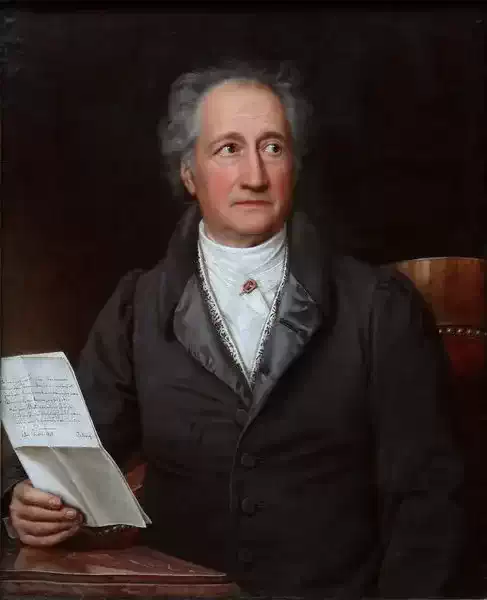
Johann Wolfgang von Goethe
Effects At A Distance
Effects At A Distance
THE queen in the lofty hall takes her place,
The tapers around her are flaming;
She speaks to the page: "With a nimble pace
Go, fetch me my purse for gaming.
'Tis lying, I'll pledge,
On my table's edge."
Each nerve the nimble boy straineth,
And the end of the castle soon gaineth.
The fairest of maidens was sipping sherbet
Beside the queen that minute;
Near her mouth broke the cup,--and she got so wet!
The very devil seem'd in it
What fearful distress
'Tis spoilt, her gay dress.
She hastens, and ev'ry nerve straineth,
And the end of the castle soon gaineth.
The boy was returning, and quickly came,
And met the sorrowing maiden;
None knew of the fact,--and yet with Love's flame,
Those two had their hearts full laden.
And, oh the bliss
Of a moment like this!
Each falls on the breast of the other,
With kisses that well nigh might smother.
They tear themselves asunder at last,
To her chamber she hastens quickly,
To reach the queen the page hies him fast,
Midst the swords and the fans crowded thickly.
The queen spied amain
On his waistcoat a stain;
For nought was inscrutable to her,
Like Sheba's queen--Solomon's wooer.
To her chief attendant she forthwith cried
"We lately together contended,
And thou didst assert, with obstinate pride,
That the spirit through space never wended,-
That traces alone
By the present were shown,--
That afar nought was fashion'd--not even
By the stars that illumine you heaven.
"Now see! while a goblet beside me they drain'd,
They spilt all the drink in the chalice;
And straightway the boy had his waistcoat stain'd
At the furthermost end of the palace.-Let
them newly be clad!
And since I am glad
That it served as a proof so decided,
The cost will by me be provided."
THE queen in the lofty hall takes her place,
The tapers around her are flaming;
She speaks to the page: "With a nimble pace
Go, fetch me my purse for gaming.
'Tis lying, I'll pledge,
On my table's edge."
Each nerve the nimble boy straineth,
And the end of the castle soon gaineth.
The fairest of maidens was sipping sherbet
Beside the queen that minute;
Near her mouth broke the cup,--and she got so wet!
The very devil seem'd in it
What fearful distress
'Tis spoilt, her gay dress.
She hastens, and ev'ry nerve straineth,
And the end of the castle soon gaineth.
The boy was returning, and quickly came,
And met the sorrowing maiden;
None knew of the fact,--and yet with Love's flame,
Those two had their hearts full laden.
And, oh the bliss
Of a moment like this!
Each falls on the breast of the other,
With kisses that well nigh might smother.
They tear themselves asunder at last,
To her chamber she hastens quickly,
To reach the queen the page hies him fast,
Midst the swords and the fans crowded thickly.
The queen spied amain
On his waistcoat a stain;
For nought was inscrutable to her,
Like Sheba's queen--Solomon's wooer.
To her chief attendant she forthwith cried
"We lately together contended,
And thou didst assert, with obstinate pride,
That the spirit through space never wended,-
That traces alone
By the present were shown,--
That afar nought was fashion'd--not even
By the stars that illumine you heaven.
"Now see! while a goblet beside me they drain'd,
They spilt all the drink in the chalice;
And straightway the boy had his waistcoat stain'd
At the furthermost end of the palace.-Let
them newly be clad!
And since I am glad
That it served as a proof so decided,
The cost will by me be provided."
477
Johann Wolfgang von Goethe
Effects At A Distance
Effects At A Distance
THE queen in the lofty hall takes her place,
The tapers around her are flaming;
She speaks to the page: "With a nimble pace
Go, fetch me my purse for gaming.
'Tis lying, I'll pledge,
On my table's edge."
Each nerve the nimble boy straineth,
And the end of the castle soon gaineth.
The fairest of maidens was sipping sherbet
Beside the queen that minute;
Near her mouth broke the cup,--and she got so wet!
The very devil seem'd in it
What fearful distress
'Tis spoilt, her gay dress.
She hastens, and ev'ry nerve straineth,
And the end of the castle soon gaineth.
The boy was returning, and quickly came,
And met the sorrowing maiden;
None knew of the fact,--and yet with Love's flame,
Those two had their hearts full laden.
And, oh the bliss
Of a moment like this!
Each falls on the breast of the other,
With kisses that well nigh might smother.
They tear themselves asunder at last,
To her chamber she hastens quickly,
To reach the queen the page hies him fast,
Midst the swords and the fans crowded thickly.
The queen spied amain
On his waistcoat a stain;
For nought was inscrutable to her,
Like Sheba's queen--Solomon's wooer.
To her chief attendant she forthwith cried
"We lately together contended,
And thou didst assert, with obstinate pride,
That the spirit through space never wended,-
That traces alone
By the present were shown,--
That afar nought was fashion'd--not even
By the stars that illumine you heaven.
"Now see! while a goblet beside me they drain'd,
They spilt all the drink in the chalice;
And straightway the boy had his waistcoat stain'd
At the furthermost end of the palace.-Let
them newly be clad!
And since I am glad
That it served as a proof so decided,
The cost will by me be provided."
THE queen in the lofty hall takes her place,
The tapers around her are flaming;
She speaks to the page: "With a nimble pace
Go, fetch me my purse for gaming.
'Tis lying, I'll pledge,
On my table's edge."
Each nerve the nimble boy straineth,
And the end of the castle soon gaineth.
The fairest of maidens was sipping sherbet
Beside the queen that minute;
Near her mouth broke the cup,--and she got so wet!
The very devil seem'd in it
What fearful distress
'Tis spoilt, her gay dress.
She hastens, and ev'ry nerve straineth,
And the end of the castle soon gaineth.
The boy was returning, and quickly came,
And met the sorrowing maiden;
None knew of the fact,--and yet with Love's flame,
Those two had their hearts full laden.
And, oh the bliss
Of a moment like this!
Each falls on the breast of the other,
With kisses that well nigh might smother.
They tear themselves asunder at last,
To her chamber she hastens quickly,
To reach the queen the page hies him fast,
Midst the swords and the fans crowded thickly.
The queen spied amain
On his waistcoat a stain;
For nought was inscrutable to her,
Like Sheba's queen--Solomon's wooer.
To her chief attendant she forthwith cried
"We lately together contended,
And thou didst assert, with obstinate pride,
That the spirit through space never wended,-
That traces alone
By the present were shown,--
That afar nought was fashion'd--not even
By the stars that illumine you heaven.
"Now see! while a goblet beside me they drain'd,
They spilt all the drink in the chalice;
And straightway the boy had his waistcoat stain'd
At the furthermost end of the palace.-Let
them newly be clad!
And since I am glad
That it served as a proof so decided,
The cost will by me be provided."
477
Johann Wolfgang von Goethe
Different Emotions On The Same Spot
Different Emotions On The Same Spot
THE MAIDEN.
I'VE seen him before me!
What rapture steals o'er me!
Oh heavenly sight!
He's coming to meet me;
Perplex'd, I retreat me,
With shame take to flight.
My mind seems to wander!
Ye rocks and trees yonder,
Conceal ye my rapture.
Conceal my delight!
THE YOUTH.
'Tis here I must find her,
'Twas here she enshrined her,
Here vanish'd from sight.
She came, as to meet me,
Then fearing to greet me,
With shame took to flight.
Is't hope? Do I wander?
Ye rocks and trees yonder,
Disclose ye the loved one,
Disclose my delight!
THE LANGUISHING.
O'er my sad, fate I sorrow,
To each dewy morrow,
Veil'd here from man's sight
By the many mistaken,
Unknown and forsaken,
Here I wing my flight!
Compassionate spirit!
Let none ever hear it,--
Conceal my affliction,
Conceal thy delight!
THE HUNTER.
To-day I'm rewarded;
Rich booty's afforded
By Fortune so bright.
My servant the pheasants,
And hares fit for presents
Takes homeward at night;
Here see I enraptured
In nets the birds captured!--
Long life to the hunter!
Long live his delight!
THE MAIDEN.
I'VE seen him before me!
What rapture steals o'er me!
Oh heavenly sight!
He's coming to meet me;
Perplex'd, I retreat me,
With shame take to flight.
My mind seems to wander!
Ye rocks and trees yonder,
Conceal ye my rapture.
Conceal my delight!
THE YOUTH.
'Tis here I must find her,
'Twas here she enshrined her,
Here vanish'd from sight.
She came, as to meet me,
Then fearing to greet me,
With shame took to flight.
Is't hope? Do I wander?
Ye rocks and trees yonder,
Disclose ye the loved one,
Disclose my delight!
THE LANGUISHING.
O'er my sad, fate I sorrow,
To each dewy morrow,
Veil'd here from man's sight
By the many mistaken,
Unknown and forsaken,
Here I wing my flight!
Compassionate spirit!
Let none ever hear it,--
Conceal my affliction,
Conceal thy delight!
THE HUNTER.
To-day I'm rewarded;
Rich booty's afforded
By Fortune so bright.
My servant the pheasants,
And hares fit for presents
Takes homeward at night;
Here see I enraptured
In nets the birds captured!--
Long life to the hunter!
Long live his delight!
337
Johann Wolfgang von Goethe
Coptic Song
Coptic Song
LEAVE we the pedants to quarrel and strive,
Rigid and cautious the teachers to be!
All of the wisest men e'er seen alive
Smile, nod, and join in the chorus with me:
"Vain 'tis to wait till the dolt grows less silly!
Play then the fool with the fool, willy-nilly,--
Children of wisdom,--remember the word!"
Merlin the old, from his glittering grave,
When I, a stripling, once spoke to him,--gave
Just the same answer as that I've preferr'd;
"Vain 'tis to wait till the dolt grows less silly!
Play then the fool with the fool, willy-nilly,--
Children of wisdom,--remember the word!"
And on the Indian breeze as it booms,
And in the depths of Egyptian tombs,
Only the same holy saying I've heard:
"Vain 'tis to wait till the dolt grows less silly!
Play then the fool with the fool, willy-nilly,--
Children of wisdom,--remember the word!"
LEAVE we the pedants to quarrel and strive,
Rigid and cautious the teachers to be!
All of the wisest men e'er seen alive
Smile, nod, and join in the chorus with me:
"Vain 'tis to wait till the dolt grows less silly!
Play then the fool with the fool, willy-nilly,--
Children of wisdom,--remember the word!"
Merlin the old, from his glittering grave,
When I, a stripling, once spoke to him,--gave
Just the same answer as that I've preferr'd;
"Vain 'tis to wait till the dolt grows less silly!
Play then the fool with the fool, willy-nilly,--
Children of wisdom,--remember the word!"
And on the Indian breeze as it booms,
And in the depths of Egyptian tombs,
Only the same holy saying I've heard:
"Vain 'tis to wait till the dolt grows less silly!
Play then the fool with the fool, willy-nilly,--
Children of wisdom,--remember the word!"
409
Johann Wolfgang von Goethe
Death-Lament Of The Noble Wife Of Asan Aga
Death-Lament Of The Noble Wife Of Asan Aga
WHAT is yonder white thing in the forest?
Is it snow, or can it swans perchance be?
Were it snow, ere this it had been melted,
Were it swans, they all away had hastend.
Snow, in truth, it is not, swans it is not,
'Tis the shining tents of Asan Aga.
He within is lying, sorely wounded;
To him come his mother and his sister;
Bashfully his wife delays to come there.
When the torment of his wounds had lessen'd,
To his faithful wife he sent this message:
"At my court no longer dare to tarry,
At my court, or e'en amongst my people."
When the woman heard this cruel message,
Mute and full of sorrow stood that true one.
At the doors she hears the feet of horses,
And bethinks that Asan comes--her husband,
To the tower she springs, to leap thence headlong,
Her two darling daughters follow sadly,
And whilst weeping bitter tears, exclaim they:
These are not our father Asan's horses;
'Tis thy brother Pintorowich coming!"
So the wife of Asan turns to meet him,
Clasps her arms in anguish round her brother:
"See thy sister's sad disgrace, oh brother!
How I'm banish'd--mother of five children!"
Silently her brother from his wallet,
Wrapp'd in deep red-silk, and ready written,
Draweth forth the letter of divorcement,
To return home to her mother's dwelling,
Free to be another's wife thenceforward.
When the woman saw that mournful letter,
Fervently she kiss'd her two sons' foreheads,
And her two girls' cheeks with fervour kiss'd she,
But she from the suckling in the cradle
Could not tear herself, so deep her sorrow!
So she's torn thence by her fiery brother,
On his nimble steed he lifts her quickly,
And so hastens, with the heart-sad woman,
Straightway tow'rd his father's lofty dwelling.
Short the time was--seven days had pass'd not,--
Yet enough 'twas; many mighty princes
Sought the woman in her widow's-mourning.
Sought the woman,--as their wife they sought her.
And the mightiest was Imoski's Cadi,
And the woman weeping begg'd her brother:
By thy life, my brother, I entreat thee,
Let me not another's wife be ever,
Lest my heart be broken at the image
Of my poor, my dearly-cherish'd children!"
To her prayer her brother would not hearken,
Fix'd to wed her to Imoski's Cadi.
Yet the good one ceaselessly implored him:
"Send, at least a letter, oh, my brother,
With this message to Imoski's Cadi:
'The young widow sends thee friendly greeting;
Earnestly she prays thee, through this letter,
That, when thou com'st hither, with thy Suatians,
A long veil thou'lt bring me, 'neath whose shadow
I may hide, when near the house of Asan,
And not see my dearly cherish'd orphans.'"
Scarcely had the Cadi read this letter,
Than he gather'd all his Suatians round him,
And then tow'rd the bride his course directed,
And the veil she ask'd for, took he with him.
Happily they reach'd the princess' dwelling,
From the dwelling happily they led her.
But when they approach'd the house of Asan,
Lo! the children saw from high their mother,
And they shouted: "To thy halls return thou!
Eat thy supper with thy darling children!"
Mournfully the wife of Asan heard it,
Tow'rd the Suatian prince then turn'd she, saying:
"Let, I pray, the Suatians and the horses
At the loved ones' door a short time tarry,
That I may give presents to my children."
And before the loved ones' door they tarried,
And she presents gave to her poor children,
To the boys gave gold-embroider'd buskins,
To the girls gave long and costly dresses,
To the suckling, helpless in the cradle,
Gave a garment, to be worn hereafter.
This aside saw Father Asan Aga,--
Sadly cried he to his darling children:
"Hither come, ye dear unhappy infants,
For your mother's breast is turn'd to iron,
Lock'd for ever, closed to all compassion!"
When the wife of Asan heard him speak thus,
On the ground, all pale and trembling, fell she,
And her spirit fled her sorrowing bosom,
When she saw her children flying from her.
WHAT is yonder white thing in the forest?
Is it snow, or can it swans perchance be?
Were it snow, ere this it had been melted,
Were it swans, they all away had hastend.
Snow, in truth, it is not, swans it is not,
'Tis the shining tents of Asan Aga.
He within is lying, sorely wounded;
To him come his mother and his sister;
Bashfully his wife delays to come there.
When the torment of his wounds had lessen'd,
To his faithful wife he sent this message:
"At my court no longer dare to tarry,
At my court, or e'en amongst my people."
When the woman heard this cruel message,
Mute and full of sorrow stood that true one.
At the doors she hears the feet of horses,
And bethinks that Asan comes--her husband,
To the tower she springs, to leap thence headlong,
Her two darling daughters follow sadly,
And whilst weeping bitter tears, exclaim they:
These are not our father Asan's horses;
'Tis thy brother Pintorowich coming!"
So the wife of Asan turns to meet him,
Clasps her arms in anguish round her brother:
"See thy sister's sad disgrace, oh brother!
How I'm banish'd--mother of five children!"
Silently her brother from his wallet,
Wrapp'd in deep red-silk, and ready written,
Draweth forth the letter of divorcement,
To return home to her mother's dwelling,
Free to be another's wife thenceforward.
When the woman saw that mournful letter,
Fervently she kiss'd her two sons' foreheads,
And her two girls' cheeks with fervour kiss'd she,
But she from the suckling in the cradle
Could not tear herself, so deep her sorrow!
So she's torn thence by her fiery brother,
On his nimble steed he lifts her quickly,
And so hastens, with the heart-sad woman,
Straightway tow'rd his father's lofty dwelling.
Short the time was--seven days had pass'd not,--
Yet enough 'twas; many mighty princes
Sought the woman in her widow's-mourning.
Sought the woman,--as their wife they sought her.
And the mightiest was Imoski's Cadi,
And the woman weeping begg'd her brother:
By thy life, my brother, I entreat thee,
Let me not another's wife be ever,
Lest my heart be broken at the image
Of my poor, my dearly-cherish'd children!"
To her prayer her brother would not hearken,
Fix'd to wed her to Imoski's Cadi.
Yet the good one ceaselessly implored him:
"Send, at least a letter, oh, my brother,
With this message to Imoski's Cadi:
'The young widow sends thee friendly greeting;
Earnestly she prays thee, through this letter,
That, when thou com'st hither, with thy Suatians,
A long veil thou'lt bring me, 'neath whose shadow
I may hide, when near the house of Asan,
And not see my dearly cherish'd orphans.'"
Scarcely had the Cadi read this letter,
Than he gather'd all his Suatians round him,
And then tow'rd the bride his course directed,
And the veil she ask'd for, took he with him.
Happily they reach'd the princess' dwelling,
From the dwelling happily they led her.
But when they approach'd the house of Asan,
Lo! the children saw from high their mother,
And they shouted: "To thy halls return thou!
Eat thy supper with thy darling children!"
Mournfully the wife of Asan heard it,
Tow'rd the Suatian prince then turn'd she, saying:
"Let, I pray, the Suatians and the horses
At the loved ones' door a short time tarry,
That I may give presents to my children."
And before the loved ones' door they tarried,
And she presents gave to her poor children,
To the boys gave gold-embroider'd buskins,
To the girls gave long and costly dresses,
To the suckling, helpless in the cradle,
Gave a garment, to be worn hereafter.
This aside saw Father Asan Aga,--
Sadly cried he to his darling children:
"Hither come, ye dear unhappy infants,
For your mother's breast is turn'd to iron,
Lock'd for ever, closed to all compassion!"
When the wife of Asan heard him speak thus,
On the ground, all pale and trembling, fell she,
And her spirit fled her sorrowing bosom,
When she saw her children flying from her.
390
Johann Wolfgang von Goethe
Death-Lament Of The Noble Wife Of Asan Aga
Death-Lament Of The Noble Wife Of Asan Aga
WHAT is yonder white thing in the forest?
Is it snow, or can it swans perchance be?
Were it snow, ere this it had been melted,
Were it swans, they all away had hastend.
Snow, in truth, it is not, swans it is not,
'Tis the shining tents of Asan Aga.
He within is lying, sorely wounded;
To him come his mother and his sister;
Bashfully his wife delays to come there.
When the torment of his wounds had lessen'd,
To his faithful wife he sent this message:
"At my court no longer dare to tarry,
At my court, or e'en amongst my people."
When the woman heard this cruel message,
Mute and full of sorrow stood that true one.
At the doors she hears the feet of horses,
And bethinks that Asan comes--her husband,
To the tower she springs, to leap thence headlong,
Her two darling daughters follow sadly,
And whilst weeping bitter tears, exclaim they:
These are not our father Asan's horses;
'Tis thy brother Pintorowich coming!"
So the wife of Asan turns to meet him,
Clasps her arms in anguish round her brother:
"See thy sister's sad disgrace, oh brother!
How I'm banish'd--mother of five children!"
Silently her brother from his wallet,
Wrapp'd in deep red-silk, and ready written,
Draweth forth the letter of divorcement,
To return home to her mother's dwelling,
Free to be another's wife thenceforward.
When the woman saw that mournful letter,
Fervently she kiss'd her two sons' foreheads,
And her two girls' cheeks with fervour kiss'd she,
But she from the suckling in the cradle
Could not tear herself, so deep her sorrow!
So she's torn thence by her fiery brother,
On his nimble steed he lifts her quickly,
And so hastens, with the heart-sad woman,
Straightway tow'rd his father's lofty dwelling.
Short the time was--seven days had pass'd not,--
Yet enough 'twas; many mighty princes
Sought the woman in her widow's-mourning.
Sought the woman,--as their wife they sought her.
And the mightiest was Imoski's Cadi,
And the woman weeping begg'd her brother:
By thy life, my brother, I entreat thee,
Let me not another's wife be ever,
Lest my heart be broken at the image
Of my poor, my dearly-cherish'd children!"
To her prayer her brother would not hearken,
Fix'd to wed her to Imoski's Cadi.
Yet the good one ceaselessly implored him:
"Send, at least a letter, oh, my brother,
With this message to Imoski's Cadi:
'The young widow sends thee friendly greeting;
Earnestly she prays thee, through this letter,
That, when thou com'st hither, with thy Suatians,
A long veil thou'lt bring me, 'neath whose shadow
I may hide, when near the house of Asan,
And not see my dearly cherish'd orphans.'"
Scarcely had the Cadi read this letter,
Than he gather'd all his Suatians round him,
And then tow'rd the bride his course directed,
And the veil she ask'd for, took he with him.
Happily they reach'd the princess' dwelling,
From the dwelling happily they led her.
But when they approach'd the house of Asan,
Lo! the children saw from high their mother,
And they shouted: "To thy halls return thou!
Eat thy supper with thy darling children!"
Mournfully the wife of Asan heard it,
Tow'rd the Suatian prince then turn'd she, saying:
"Let, I pray, the Suatians and the horses
At the loved ones' door a short time tarry,
That I may give presents to my children."
And before the loved ones' door they tarried,
And she presents gave to her poor children,
To the boys gave gold-embroider'd buskins,
To the girls gave long and costly dresses,
To the suckling, helpless in the cradle,
Gave a garment, to be worn hereafter.
This aside saw Father Asan Aga,--
Sadly cried he to his darling children:
"Hither come, ye dear unhappy infants,
For your mother's breast is turn'd to iron,
Lock'd for ever, closed to all compassion!"
When the wife of Asan heard him speak thus,
On the ground, all pale and trembling, fell she,
And her spirit fled her sorrowing bosom,
When she saw her children flying from her.
WHAT is yonder white thing in the forest?
Is it snow, or can it swans perchance be?
Were it snow, ere this it had been melted,
Were it swans, they all away had hastend.
Snow, in truth, it is not, swans it is not,
'Tis the shining tents of Asan Aga.
He within is lying, sorely wounded;
To him come his mother and his sister;
Bashfully his wife delays to come there.
When the torment of his wounds had lessen'd,
To his faithful wife he sent this message:
"At my court no longer dare to tarry,
At my court, or e'en amongst my people."
When the woman heard this cruel message,
Mute and full of sorrow stood that true one.
At the doors she hears the feet of horses,
And bethinks that Asan comes--her husband,
To the tower she springs, to leap thence headlong,
Her two darling daughters follow sadly,
And whilst weeping bitter tears, exclaim they:
These are not our father Asan's horses;
'Tis thy brother Pintorowich coming!"
So the wife of Asan turns to meet him,
Clasps her arms in anguish round her brother:
"See thy sister's sad disgrace, oh brother!
How I'm banish'd--mother of five children!"
Silently her brother from his wallet,
Wrapp'd in deep red-silk, and ready written,
Draweth forth the letter of divorcement,
To return home to her mother's dwelling,
Free to be another's wife thenceforward.
When the woman saw that mournful letter,
Fervently she kiss'd her two sons' foreheads,
And her two girls' cheeks with fervour kiss'd she,
But she from the suckling in the cradle
Could not tear herself, so deep her sorrow!
So she's torn thence by her fiery brother,
On his nimble steed he lifts her quickly,
And so hastens, with the heart-sad woman,
Straightway tow'rd his father's lofty dwelling.
Short the time was--seven days had pass'd not,--
Yet enough 'twas; many mighty princes
Sought the woman in her widow's-mourning.
Sought the woman,--as their wife they sought her.
And the mightiest was Imoski's Cadi,
And the woman weeping begg'd her brother:
By thy life, my brother, I entreat thee,
Let me not another's wife be ever,
Lest my heart be broken at the image
Of my poor, my dearly-cherish'd children!"
To her prayer her brother would not hearken,
Fix'd to wed her to Imoski's Cadi.
Yet the good one ceaselessly implored him:
"Send, at least a letter, oh, my brother,
With this message to Imoski's Cadi:
'The young widow sends thee friendly greeting;
Earnestly she prays thee, through this letter,
That, when thou com'st hither, with thy Suatians,
A long veil thou'lt bring me, 'neath whose shadow
I may hide, when near the house of Asan,
And not see my dearly cherish'd orphans.'"
Scarcely had the Cadi read this letter,
Than he gather'd all his Suatians round him,
And then tow'rd the bride his course directed,
And the veil she ask'd for, took he with him.
Happily they reach'd the princess' dwelling,
From the dwelling happily they led her.
But when they approach'd the house of Asan,
Lo! the children saw from high their mother,
And they shouted: "To thy halls return thou!
Eat thy supper with thy darling children!"
Mournfully the wife of Asan heard it,
Tow'rd the Suatian prince then turn'd she, saying:
"Let, I pray, the Suatians and the horses
At the loved ones' door a short time tarry,
That I may give presents to my children."
And before the loved ones' door they tarried,
And she presents gave to her poor children,
To the boys gave gold-embroider'd buskins,
To the girls gave long and costly dresses,
To the suckling, helpless in the cradle,
Gave a garment, to be worn hereafter.
This aside saw Father Asan Aga,--
Sadly cried he to his darling children:
"Hither come, ye dear unhappy infants,
For your mother's breast is turn'd to iron,
Lock'd for ever, closed to all compassion!"
When the wife of Asan heard him speak thus,
On the ground, all pale and trembling, fell she,
And her spirit fled her sorrowing bosom,
When she saw her children flying from her.
390
Johann Wolfgang von Goethe
Christel
Christel
My senses ofttimes are oppress'd,
Oft stagnant is my blood;
But when by Christel's sight I'm blest,
I feel my strength renew'd.
I see her here, I see her there,
And really cannot tell
The manner how, the when, the where,
The why I love her well.
If with the merest glance I view
Her black and roguish eyes,
And gaze on her black eyebrows too,
My spirit upward flies.
Has any one a mouth so sweet,
Such love-round cheeks as she?
Ah, when the eye her beauties meet,
It ne'er content can be.
And when in airy German dance
I clasp her form divine,
So quick we whirl, so quick advance,
What rapture then like mine!
And when she's giddy, and feels warm,
I cradle her, poor thing,
Upon my breast, and in mine arm,-I'm
then a very king!
And when she looks with love on me,
Forgetting all but this,
When press'd against my bosom, she
Exchanges kiss for kiss,
All through my marrow runs a thrill,
Runs e'en my foot along!
I feel so well, I feel so ill,
I feel so weak, so strong!
Would that such moments ne'er would end!
The day ne'er long I find;
Could I the night too with her spend,
E'en that I should not mind.
If she were in mine arms but held,
To quench love's thirst I'd try;
And could my torments not be quell'd,
Upon her breast would die.
My senses ofttimes are oppress'd,
Oft stagnant is my blood;
But when by Christel's sight I'm blest,
I feel my strength renew'd.
I see her here, I see her there,
And really cannot tell
The manner how, the when, the where,
The why I love her well.
If with the merest glance I view
Her black and roguish eyes,
And gaze on her black eyebrows too,
My spirit upward flies.
Has any one a mouth so sweet,
Such love-round cheeks as she?
Ah, when the eye her beauties meet,
It ne'er content can be.
And when in airy German dance
I clasp her form divine,
So quick we whirl, so quick advance,
What rapture then like mine!
And when she's giddy, and feels warm,
I cradle her, poor thing,
Upon my breast, and in mine arm,-I'm
then a very king!
And when she looks with love on me,
Forgetting all but this,
When press'd against my bosom, she
Exchanges kiss for kiss,
All through my marrow runs a thrill,
Runs e'en my foot along!
I feel so well, I feel so ill,
I feel so weak, so strong!
Would that such moments ne'er would end!
The day ne'er long I find;
Could I the night too with her spend,
E'en that I should not mind.
If she were in mine arms but held,
To quench love's thirst I'd try;
And could my torments not be quell'd,
Upon her breast would die.
515
Johann Wolfgang von Goethe
Conflict Of Wit And Beauty
Conflict Of Wit And Beauty
Sir Wit, who is so much esteem'd,
And who is worthy of all honour,
Saw Beauty his superior deem'd
By folks who loved to gaze upon her;
At this he was most sorely vex'd.
Then came Sir Breath (long known as fit
To represent the cause of wit),
Beginning, rudely, I admit,
To treat the lady with a text.
To this she hearken'd not at all,
But hasten'd to his principal:
'None are so wise, they say, as you,--
Is not the world enough for two?
If you are obstinate, good-bye!
If wise, to love me you will try,
For be assured the world can ne'er
Give birth to a more handsome pair.'
Sir Wit, who is so much esteem'd,
And who is worthy of all honour,
Saw Beauty his superior deem'd
By folks who loved to gaze upon her;
At this he was most sorely vex'd.
Then came Sir Breath (long known as fit
To represent the cause of wit),
Beginning, rudely, I admit,
To treat the lady with a text.
To this she hearken'd not at all,
But hasten'd to his principal:
'None are so wise, they say, as you,--
Is not the world enough for two?
If you are obstinate, good-bye!
If wise, to love me you will try,
For be assured the world can ne'er
Give birth to a more handsome pair.'
356
Johann Wolfgang von Goethe
By The River
By The River
FLOW on, ye lays so loved, so fair,
On to Oblivion's ocean flow!
May no rapt boy recall you e'er,
No maiden in her beauty's glow!
My love alone was then your theme,
But now she scorns my passion true.
Ye were but written in the stream;
As it flows on, then, flow ye too!
FLOW on, ye lays so loved, so fair,
On to Oblivion's ocean flow!
May no rapt boy recall you e'er,
No maiden in her beauty's glow!
My love alone was then your theme,
But now she scorns my passion true.
Ye were but written in the stream;
As it flows on, then, flow ye too!
336
Johann Wolfgang von Goethe
Book Of Suleika - These Tufted Branches
Book Of Suleika - These Tufted Branches
THESE tufted branches fair
Observe, my loved one, well!
And see the fruits they bear
In green and prickly shell!
They've hung roll'd up, till now,
Unconsciously and still;
A loosely-waving bough
Doth rock them at its will.
Yet, ripening from within.
The kernel brown swells fast;
It seeks the air to win,
It seeks the sun at last.
With joy it bursts its thrall,
The shell must needs give way.
'Tis thus my numbers fall
Before thy feet, each day.
THESE tufted branches fair
Observe, my loved one, well!
And see the fruits they bear
In green and prickly shell!
They've hung roll'd up, till now,
Unconsciously and still;
A loosely-waving bough
Doth rock them at its will.
Yet, ripening from within.
The kernel brown swells fast;
It seeks the air to win,
It seeks the sun at last.
With joy it bursts its thrall,
The shell must needs give way.
'Tis thus my numbers fall
Before thy feet, each day.
375
Johann Wolfgang von Goethe
Book Of Suleika - The Reunion
Book Of Suleika - The Reunion
CAN it be! of stars the star,
Do I press thee to my heart?
In the night of distance far,
What deep gulf, what bitter smart!
Yes, 'tis thou, indeed, at last,
Of my joys the partner dear!
Mindful, though, of sorrows past,
I the present needs must fear.
When the still-unfashion'd earth
Lay on God's eternal breast,
He ordain'd its hour of birth,
With creative joy possess'd.
Then a heavy sigh arose,
When He spake the sentence:--"Be!"
And the All, with mighty throes,
Burst into reality.
And when thus was born the light,
Darkness near it fear'd to stay,
And the elements with might
Fled on every side away;
Each on some far-distant trace,
Each with visions wild employ,
Numb, in boundless realm of space,
Harmony and feeling-void.
Dumb was all, all still and dead,
For the first time, God alone!
Then He form'd the morning-red,
Which soon made its kindness known:
It unravelled from the waste,
Bright and glowing harmony,
And once more with love was grac'd
What contended formerly.
And with earnest, noble strife,
Each its own Peculiar sought;
Back to full, unbounded life
Sight and feeling soon were brought.
Wherefore, if 'tis done, explore
How? why give the manner, name?
Allah need create no more,
We his world ourselves can frame.
So, with morning pinions bright,
To thy mouth was I impell'd;
Stamped with thousand seals by night,
Star-clear is the bond fast held.
Paragons on earth are we
Both of grief and joy sublime,
And a second sentence:--"Be!"
Parts us not a second time.
CAN it be! of stars the star,
Do I press thee to my heart?
In the night of distance far,
What deep gulf, what bitter smart!
Yes, 'tis thou, indeed, at last,
Of my joys the partner dear!
Mindful, though, of sorrows past,
I the present needs must fear.
When the still-unfashion'd earth
Lay on God's eternal breast,
He ordain'd its hour of birth,
With creative joy possess'd.
Then a heavy sigh arose,
When He spake the sentence:--"Be!"
And the All, with mighty throes,
Burst into reality.
And when thus was born the light,
Darkness near it fear'd to stay,
And the elements with might
Fled on every side away;
Each on some far-distant trace,
Each with visions wild employ,
Numb, in boundless realm of space,
Harmony and feeling-void.
Dumb was all, all still and dead,
For the first time, God alone!
Then He form'd the morning-red,
Which soon made its kindness known:
It unravelled from the waste,
Bright and glowing harmony,
And once more with love was grac'd
What contended formerly.
And with earnest, noble strife,
Each its own Peculiar sought;
Back to full, unbounded life
Sight and feeling soon were brought.
Wherefore, if 'tis done, explore
How? why give the manner, name?
Allah need create no more,
We his world ourselves can frame.
So, with morning pinions bright,
To thy mouth was I impell'd;
Stamped with thousand seals by night,
Star-clear is the bond fast held.
Paragons on earth are we
Both of grief and joy sublime,
And a second sentence:--"Be!"
Parts us not a second time.
499
Johann Wolfgang von Goethe
Book Of Suleika - Suleika 04
Book Of Suleika - Suleika 04
WITH what inward joy, sweet lay,
I thy meaning have descried!
Lovingly thou seem'st to say
That I'm ever by his side;
That he ever thinks of me,
That he to the absent gives
All his love's sweet ecstasy,
While for him alone she lives.
Yes, the mirror which reveals
Thee, my loved one, is my breast;
This the bosom, where thy seals
Endless kisses have impress'd.
Numbers sweet, unsullied truth,
Chain me down in sympathy!
Love's embodied radiant youth,
In the garb of poesy!
WITH what inward joy, sweet lay,
I thy meaning have descried!
Lovingly thou seem'st to say
That I'm ever by his side;
That he ever thinks of me,
That he to the absent gives
All his love's sweet ecstasy,
While for him alone she lives.
Yes, the mirror which reveals
Thee, my loved one, is my breast;
This the bosom, where thy seals
Endless kisses have impress'd.
Numbers sweet, unsullied truth,
Chain me down in sympathy!
Love's embodied radiant youth,
In the garb of poesy!
471
Johann Wolfgang von Goethe
Book Of Suleika - Suleika 04
Book Of Suleika - Suleika 04
WITH what inward joy, sweet lay,
I thy meaning have descried!
Lovingly thou seem'st to say
That I'm ever by his side;
That he ever thinks of me,
That he to the absent gives
All his love's sweet ecstasy,
While for him alone she lives.
Yes, the mirror which reveals
Thee, my loved one, is my breast;
This the bosom, where thy seals
Endless kisses have impress'd.
Numbers sweet, unsullied truth,
Chain me down in sympathy!
Love's embodied radiant youth,
In the garb of poesy!
WITH what inward joy, sweet lay,
I thy meaning have descried!
Lovingly thou seem'st to say
That I'm ever by his side;
That he ever thinks of me,
That he to the absent gives
All his love's sweet ecstasy,
While for him alone she lives.
Yes, the mirror which reveals
Thee, my loved one, is my breast;
This the bosom, where thy seals
Endless kisses have impress'd.
Numbers sweet, unsullied truth,
Chain me down in sympathy!
Love's embodied radiant youth,
In the garb of poesy!
471
Johann Wolfgang von Goethe
Book Of Suleika - The Loving One Again
Book Of Suleika - The Loving One Again
WRITES he in Neski,
Faithfully speaks he;
Writes he in Tali,
Joy to give, seeks he:
Writes he in either,
Good!--for he loves!
WRITES he in Neski,
Faithfully speaks he;
Writes he in Tali,
Joy to give, seeks he:
Writes he in either,
Good!--for he loves!
302
Johann Wolfgang von Goethe
Book Of Suleika - Love For Love
Book Of Suleika - Love For Love
LOVE for love, and moments sweet,
Lips returning kiss for kiss,
Word for word, and eyes that meet;
Breath for breath, and bliss for bliss.
Thus at eve, and thus the morrow!
Yet thou feeblest, at my lay,
Ever some half-hidden sorrow;
Could I Joseph's graces borrow,
All thy beauty I'd repay!
LOVE for love, and moments sweet,
Lips returning kiss for kiss,
Word for word, and eyes that meet;
Breath for breath, and bliss for bliss.
Thus at eve, and thus the morrow!
Yet thou feeblest, at my lay,
Ever some half-hidden sorrow;
Could I Joseph's graces borrow,
All thy beauty I'd repay!
367
Johann Wolfgang von Goethe
Book Of Suleika - Suleika 02
Book Of Suleika - Suleika 02
WHAT is by this stir reveal'd?
Doth the East glad tidings bring?
For my heart's deep wounds are heal'd
By his mild and cooling wing.
He the dust with sports doth meet,
And in gentle cloudlets chase;
To the vineleaf's safe retreat
Drives the insects' happy race,
Cools these burning cheeks of mine,
Checks the sun's fierce glow Adam,
Kisses, as he flies, the vine,
Flaunting over hill and plain.
And his whispers soft convey
Thousand greetings from my friend;
Ere these hills own night's dark sway,
Kisses greet me, without end.
Thus canst thou still onward go,
Serving friend and mourner too!
There, where lofty ramparts glow,
Soon the loved one shall I view.
Ah, what makes the heart's truth known,-Love's
sweet breath,--a newborn life,--
Learn I from his mouth alone,
In his breath alone is rife!
WHAT is by this stir reveal'd?
Doth the East glad tidings bring?
For my heart's deep wounds are heal'd
By his mild and cooling wing.
He the dust with sports doth meet,
And in gentle cloudlets chase;
To the vineleaf's safe retreat
Drives the insects' happy race,
Cools these burning cheeks of mine,
Checks the sun's fierce glow Adam,
Kisses, as he flies, the vine,
Flaunting over hill and plain.
And his whispers soft convey
Thousand greetings from my friend;
Ere these hills own night's dark sway,
Kisses greet me, without end.
Thus canst thou still onward go,
Serving friend and mourner too!
There, where lofty ramparts glow,
Soon the loved one shall I view.
Ah, what makes the heart's truth known,-Love's
sweet breath,--a newborn life,--
Learn I from his mouth alone,
In his breath alone is rife!
389
Johann Wolfgang von Goethe
Book Of Suleika - Hatem 01
Book Of Suleika - Hatem 01
NOT occasion makes the thief;
She's the greatest of the whole;
For Love's relics, to my grief,
From my aching heart she stole.
She hath given it to thee,--
All the joy my life had known,
So that, in my poverty,
Life I seek from thee alone.
Yet compassion greets me straight
In the lustre of thine eye,
And I bless my newborn fate,
As within thine arms I lie.
NOT occasion makes the thief;
She's the greatest of the whole;
For Love's relics, to my grief,
From my aching heart she stole.
She hath given it to thee,--
All the joy my life had known,
So that, in my poverty,
Life I seek from thee alone.
Yet compassion greets me straight
In the lustre of thine eye,
And I bless my newborn fate,
As within thine arms I lie.
604
Johann Wolfgang von Goethe
Book Of Suleika - Hatem 03
Book Of Suleika - Hatem 03
HOLD me, locks, securely caught
In the circle of her face!
Dear brown serpents, I have nought
To repay this act of grace,
Save a heart whose love ne'er dies,
Throbbing with aye-youthful glow;
For a raging ETA lies
'Neath its veil of mist and snow.
Yonder mountain's stately brow
Thou, like morning beams, dost shame;
Once again feels Hatem now
Spring's soft breath and summer's flame.
One more bumper! Fill the glass;
This last cup I pledge to thee!--
By mine ashes if she pass,
"He consumed," she'll say, "for me."
HOLD me, locks, securely caught
In the circle of her face!
Dear brown serpents, I have nought
To repay this act of grace,
Save a heart whose love ne'er dies,
Throbbing with aye-youthful glow;
For a raging ETA lies
'Neath its veil of mist and snow.
Yonder mountain's stately brow
Thou, like morning beams, dost shame;
Once again feels Hatem now
Spring's soft breath and summer's flame.
One more bumper! Fill the glass;
This last cup I pledge to thee!--
By mine ashes if she pass,
"He consumed," she'll say, "for me."
422
Johann Wolfgang von Goethe
Book Of Love - The Types
Book Of Love - The Types
LIST, and in memory bear
These six fond loving pair.
Love, when aroused, kept true
Rustan and Rad!
Strangers approach from far
Joseph and Suleika;
Love, void of hope, is in
Ferhad and Schirin.
Born for each other are
Medschnun and Lily;
Loving, though old and grey,
Dschemil saw Boteinah.
Love's sweet caprice anon,
Brown maid and Solomon!
If thou dost mark them well,
Stronger thy love will swell.
LIST, and in memory bear
These six fond loving pair.
Love, when aroused, kept true
Rustan and Rad!
Strangers approach from far
Joseph and Suleika;
Love, void of hope, is in
Ferhad and Schirin.
Born for each other are
Medschnun and Lily;
Loving, though old and grey,
Dschemil saw Boteinah.
Love's sweet caprice anon,
Brown maid and Solomon!
If thou dost mark them well,
Stronger thy love will swell.
285
Johann Wolfgang von Goethe
Ballad Of The Banished And Returning Count
Ballad Of The Banished And Returning Count
OH, enter old minstrel, thou time-honour'd one!
We children are here in the hall all alone,
The portals we straightway will bar.
Our mother is praying, our father is gone
To the forest, on wolves to make war.
Oh sing us a ballad, the tale then repeat,
'Till brother and I learn it right;
We long have been hoping a minstrel to meet,
For children hear tales with delight.
"At midnight, when darkness its fearful veil weaves,
His lofty and stately old castle he leaves,
But first he has buried his wealth.
What figure is that in his arms one perceives,
As the Count quits the gateway by stealth?
O'er what is his mantle so hastily thrown?
What bears he along in his flight?
A daughter it is, and she gently sleeps on"--
The children they hear with delight.
"The morning soon glimmers. the world is so wide,
In valleys and forests a home is supplied,
The bard in each village is cheer'd.
Thus lives he and wanders, while years onward glide,
And longer still waxes his beard;
But the maiden so fair in his arms grows amain,
'Neath her star all-protecting and bright,
Secured in the mantle from wind and from rain--"
The children they hear with delight.
"And year upon year with swift footstep now steals,
The mantle it fades, many rents it reveals,
The maiden no more it can hold.
The father he sees her, what rapture he feels!
His joy cannot now be controll'd.
How worthy she seems of the race whence she springs,
How noble and fair to the sight!
What wealth to her dearly-loved father she brings!"--
The children they hear with delight.
"Then comes there a princely knight galloping by,
She stretches her hand out, as soon as he's nigh,
But alms he refuses to give.
He seizes her hand, with a smile in his eye:
'Thou art mine!' he exclaims, 'while I live!'
'When thou know'st,' cries the old man, 'the treasure that's
there,
A princess thou'lt make her of right;
Betroth'd be she now, on this spot green and fair--'"
The children they hear with delight.
"So she's bless'd by the priest on the hallowed place,
And she goes with a smiling but sorrowful face,
From her father she fain would not part.
The old man still wanders with ne'er-changing pace,
He covers with joy his sad heart.
So I think of my daughter, as years pass away,
And my grandchildren far from my sight;
I bless them by night, and I bless them by day"--
The children they hear with delight.
He blesses the children: a knocking they hear,
The father it is! They spring forward in fear,
The old man they cannot conceal-"
Thou beggar, wouldst lure, then, my children so dear?
Straight seize him, ye vassals of steel!
To the dungeon most deep, with the fool-hardy knave!"
The mother from far hears the fight;
She hastens with flatt'ring entreaty to crave--
The children they hear with delight.
The vassals they suffer the Bard to stand there,
And mother and children implore him to spare,
The proud prince would stifle his ire,
'Till driven to fury at hearing their prayer,
His smouldering anger takes fire:
"Thou pitiful race! Oh, thou beggarly crew!
Eclipsing my star, once so bright!
Ye'll bring me destruction, ye sorely shall rue!"
The children they hear with affright.
The old man still stands there with dignified mien,
The vassals of steel quake before him, I ween,
The Count's fury increases in power;
"My wedded existence a curse long has been,
And these are the fruits from that flower!
'Tis ever denied, and the saying is true,
That to wed with the base-born is right;
The beggar has borne me a beggarly crew,--"
The children they hear with affright.
"If the husband, the father, thus treats you with scorn,
If the holiest bonds by him rashly are torn,
Then come to your father--to me!
The beggar may gladden life's pathway forlorn,
Though aged and weak he may be.
This castle is mine! thou hast made it thy prey,
Thy people 'twas put me to flight;
The tokens I bear will confirm what I say"--
The children they hear with delight.
"The king who erst govern'd returneth again,
And restores to the Faithful the goods that were ta'en,
I'll unseal all my treasures the while;
The laws shall be gentle, and peaceful the reign"--
The old man thus cries with a smile-
"Take courage, my son! all hath turned out for good,
And each hath a star that is bright,
Those the princess hath borne thee are princely in blood,"--
The children thy hear with delight.
OH, enter old minstrel, thou time-honour'd one!
We children are here in the hall all alone,
The portals we straightway will bar.
Our mother is praying, our father is gone
To the forest, on wolves to make war.
Oh sing us a ballad, the tale then repeat,
'Till brother and I learn it right;
We long have been hoping a minstrel to meet,
For children hear tales with delight.
"At midnight, when darkness its fearful veil weaves,
His lofty and stately old castle he leaves,
But first he has buried his wealth.
What figure is that in his arms one perceives,
As the Count quits the gateway by stealth?
O'er what is his mantle so hastily thrown?
What bears he along in his flight?
A daughter it is, and she gently sleeps on"--
The children they hear with delight.
"The morning soon glimmers. the world is so wide,
In valleys and forests a home is supplied,
The bard in each village is cheer'd.
Thus lives he and wanders, while years onward glide,
And longer still waxes his beard;
But the maiden so fair in his arms grows amain,
'Neath her star all-protecting and bright,
Secured in the mantle from wind and from rain--"
The children they hear with delight.
"And year upon year with swift footstep now steals,
The mantle it fades, many rents it reveals,
The maiden no more it can hold.
The father he sees her, what rapture he feels!
His joy cannot now be controll'd.
How worthy she seems of the race whence she springs,
How noble and fair to the sight!
What wealth to her dearly-loved father she brings!"--
The children they hear with delight.
"Then comes there a princely knight galloping by,
She stretches her hand out, as soon as he's nigh,
But alms he refuses to give.
He seizes her hand, with a smile in his eye:
'Thou art mine!' he exclaims, 'while I live!'
'When thou know'st,' cries the old man, 'the treasure that's
there,
A princess thou'lt make her of right;
Betroth'd be she now, on this spot green and fair--'"
The children they hear with delight.
"So she's bless'd by the priest on the hallowed place,
And she goes with a smiling but sorrowful face,
From her father she fain would not part.
The old man still wanders with ne'er-changing pace,
He covers with joy his sad heart.
So I think of my daughter, as years pass away,
And my grandchildren far from my sight;
I bless them by night, and I bless them by day"--
The children they hear with delight.
He blesses the children: a knocking they hear,
The father it is! They spring forward in fear,
The old man they cannot conceal-"
Thou beggar, wouldst lure, then, my children so dear?
Straight seize him, ye vassals of steel!
To the dungeon most deep, with the fool-hardy knave!"
The mother from far hears the fight;
She hastens with flatt'ring entreaty to crave--
The children they hear with delight.
The vassals they suffer the Bard to stand there,
And mother and children implore him to spare,
The proud prince would stifle his ire,
'Till driven to fury at hearing their prayer,
His smouldering anger takes fire:
"Thou pitiful race! Oh, thou beggarly crew!
Eclipsing my star, once so bright!
Ye'll bring me destruction, ye sorely shall rue!"
The children they hear with affright.
The old man still stands there with dignified mien,
The vassals of steel quake before him, I ween,
The Count's fury increases in power;
"My wedded existence a curse long has been,
And these are the fruits from that flower!
'Tis ever denied, and the saying is true,
That to wed with the base-born is right;
The beggar has borne me a beggarly crew,--"
The children they hear with affright.
"If the husband, the father, thus treats you with scorn,
If the holiest bonds by him rashly are torn,
Then come to your father--to me!
The beggar may gladden life's pathway forlorn,
Though aged and weak he may be.
This castle is mine! thou hast made it thy prey,
Thy people 'twas put me to flight;
The tokens I bear will confirm what I say"--
The children they hear with delight.
"The king who erst govern'd returneth again,
And restores to the Faithful the goods that were ta'en,
I'll unseal all my treasures the while;
The laws shall be gentle, and peaceful the reign"--
The old man thus cries with a smile-
"Take courage, my son! all hath turned out for good,
And each hath a star that is bright,
Those the princess hath borne thee are princely in blood,"--
The children thy hear with delight.
389
Johann Wolfgang von Goethe
Ballad Of The Banished And Returning Count
Ballad Of The Banished And Returning Count
OH, enter old minstrel, thou time-honour'd one!
We children are here in the hall all alone,
The portals we straightway will bar.
Our mother is praying, our father is gone
To the forest, on wolves to make war.
Oh sing us a ballad, the tale then repeat,
'Till brother and I learn it right;
We long have been hoping a minstrel to meet,
For children hear tales with delight.
"At midnight, when darkness its fearful veil weaves,
His lofty and stately old castle he leaves,
But first he has buried his wealth.
What figure is that in his arms one perceives,
As the Count quits the gateway by stealth?
O'er what is his mantle so hastily thrown?
What bears he along in his flight?
A daughter it is, and she gently sleeps on"--
The children they hear with delight.
"The morning soon glimmers. the world is so wide,
In valleys and forests a home is supplied,
The bard in each village is cheer'd.
Thus lives he and wanders, while years onward glide,
And longer still waxes his beard;
But the maiden so fair in his arms grows amain,
'Neath her star all-protecting and bright,
Secured in the mantle from wind and from rain--"
The children they hear with delight.
"And year upon year with swift footstep now steals,
The mantle it fades, many rents it reveals,
The maiden no more it can hold.
The father he sees her, what rapture he feels!
His joy cannot now be controll'd.
How worthy she seems of the race whence she springs,
How noble and fair to the sight!
What wealth to her dearly-loved father she brings!"--
The children they hear with delight.
"Then comes there a princely knight galloping by,
She stretches her hand out, as soon as he's nigh,
But alms he refuses to give.
He seizes her hand, with a smile in his eye:
'Thou art mine!' he exclaims, 'while I live!'
'When thou know'st,' cries the old man, 'the treasure that's
there,
A princess thou'lt make her of right;
Betroth'd be she now, on this spot green and fair--'"
The children they hear with delight.
"So she's bless'd by the priest on the hallowed place,
And she goes with a smiling but sorrowful face,
From her father she fain would not part.
The old man still wanders with ne'er-changing pace,
He covers with joy his sad heart.
So I think of my daughter, as years pass away,
And my grandchildren far from my sight;
I bless them by night, and I bless them by day"--
The children they hear with delight.
He blesses the children: a knocking they hear,
The father it is! They spring forward in fear,
The old man they cannot conceal-"
Thou beggar, wouldst lure, then, my children so dear?
Straight seize him, ye vassals of steel!
To the dungeon most deep, with the fool-hardy knave!"
The mother from far hears the fight;
She hastens with flatt'ring entreaty to crave--
The children they hear with delight.
The vassals they suffer the Bard to stand there,
And mother and children implore him to spare,
The proud prince would stifle his ire,
'Till driven to fury at hearing their prayer,
His smouldering anger takes fire:
"Thou pitiful race! Oh, thou beggarly crew!
Eclipsing my star, once so bright!
Ye'll bring me destruction, ye sorely shall rue!"
The children they hear with affright.
The old man still stands there with dignified mien,
The vassals of steel quake before him, I ween,
The Count's fury increases in power;
"My wedded existence a curse long has been,
And these are the fruits from that flower!
'Tis ever denied, and the saying is true,
That to wed with the base-born is right;
The beggar has borne me a beggarly crew,--"
The children they hear with affright.
"If the husband, the father, thus treats you with scorn,
If the holiest bonds by him rashly are torn,
Then come to your father--to me!
The beggar may gladden life's pathway forlorn,
Though aged and weak he may be.
This castle is mine! thou hast made it thy prey,
Thy people 'twas put me to flight;
The tokens I bear will confirm what I say"--
The children they hear with delight.
"The king who erst govern'd returneth again,
And restores to the Faithful the goods that were ta'en,
I'll unseal all my treasures the while;
The laws shall be gentle, and peaceful the reign"--
The old man thus cries with a smile-
"Take courage, my son! all hath turned out for good,
And each hath a star that is bright,
Those the princess hath borne thee are princely in blood,"--
The children thy hear with delight.
OH, enter old minstrel, thou time-honour'd one!
We children are here in the hall all alone,
The portals we straightway will bar.
Our mother is praying, our father is gone
To the forest, on wolves to make war.
Oh sing us a ballad, the tale then repeat,
'Till brother and I learn it right;
We long have been hoping a minstrel to meet,
For children hear tales with delight.
"At midnight, when darkness its fearful veil weaves,
His lofty and stately old castle he leaves,
But first he has buried his wealth.
What figure is that in his arms one perceives,
As the Count quits the gateway by stealth?
O'er what is his mantle so hastily thrown?
What bears he along in his flight?
A daughter it is, and she gently sleeps on"--
The children they hear with delight.
"The morning soon glimmers. the world is so wide,
In valleys and forests a home is supplied,
The bard in each village is cheer'd.
Thus lives he and wanders, while years onward glide,
And longer still waxes his beard;
But the maiden so fair in his arms grows amain,
'Neath her star all-protecting and bright,
Secured in the mantle from wind and from rain--"
The children they hear with delight.
"And year upon year with swift footstep now steals,
The mantle it fades, many rents it reveals,
The maiden no more it can hold.
The father he sees her, what rapture he feels!
His joy cannot now be controll'd.
How worthy she seems of the race whence she springs,
How noble and fair to the sight!
What wealth to her dearly-loved father she brings!"--
The children they hear with delight.
"Then comes there a princely knight galloping by,
She stretches her hand out, as soon as he's nigh,
But alms he refuses to give.
He seizes her hand, with a smile in his eye:
'Thou art mine!' he exclaims, 'while I live!'
'When thou know'st,' cries the old man, 'the treasure that's
there,
A princess thou'lt make her of right;
Betroth'd be she now, on this spot green and fair--'"
The children they hear with delight.
"So she's bless'd by the priest on the hallowed place,
And she goes with a smiling but sorrowful face,
From her father she fain would not part.
The old man still wanders with ne'er-changing pace,
He covers with joy his sad heart.
So I think of my daughter, as years pass away,
And my grandchildren far from my sight;
I bless them by night, and I bless them by day"--
The children they hear with delight.
He blesses the children: a knocking they hear,
The father it is! They spring forward in fear,
The old man they cannot conceal-"
Thou beggar, wouldst lure, then, my children so dear?
Straight seize him, ye vassals of steel!
To the dungeon most deep, with the fool-hardy knave!"
The mother from far hears the fight;
She hastens with flatt'ring entreaty to crave--
The children they hear with delight.
The vassals they suffer the Bard to stand there,
And mother and children implore him to spare,
The proud prince would stifle his ire,
'Till driven to fury at hearing their prayer,
His smouldering anger takes fire:
"Thou pitiful race! Oh, thou beggarly crew!
Eclipsing my star, once so bright!
Ye'll bring me destruction, ye sorely shall rue!"
The children they hear with affright.
The old man still stands there with dignified mien,
The vassals of steel quake before him, I ween,
The Count's fury increases in power;
"My wedded existence a curse long has been,
And these are the fruits from that flower!
'Tis ever denied, and the saying is true,
That to wed with the base-born is right;
The beggar has borne me a beggarly crew,--"
The children they hear with affright.
"If the husband, the father, thus treats you with scorn,
If the holiest bonds by him rashly are torn,
Then come to your father--to me!
The beggar may gladden life's pathway forlorn,
Though aged and weak he may be.
This castle is mine! thou hast made it thy prey,
Thy people 'twas put me to flight;
The tokens I bear will confirm what I say"--
The children they hear with delight.
"The king who erst govern'd returneth again,
And restores to the Faithful the goods that were ta'en,
I'll unseal all my treasures the while;
The laws shall be gentle, and peaceful the reign"--
The old man thus cries with a smile-
"Take courage, my son! all hath turned out for good,
And each hath a star that is bright,
Those the princess hath borne thee are princely in blood,"--
The children thy hear with delight.
389
Johann Wolfgang von Goethe
Ballad Of The Banished And Returning Count
Ballad Of The Banished And Returning Count
OH, enter old minstrel, thou time-honour'd one!
We children are here in the hall all alone,
The portals we straightway will bar.
Our mother is praying, our father is gone
To the forest, on wolves to make war.
Oh sing us a ballad, the tale then repeat,
'Till brother and I learn it right;
We long have been hoping a minstrel to meet,
For children hear tales with delight.
"At midnight, when darkness its fearful veil weaves,
His lofty and stately old castle he leaves,
But first he has buried his wealth.
What figure is that in his arms one perceives,
As the Count quits the gateway by stealth?
O'er what is his mantle so hastily thrown?
What bears he along in his flight?
A daughter it is, and she gently sleeps on"--
The children they hear with delight.
"The morning soon glimmers. the world is so wide,
In valleys and forests a home is supplied,
The bard in each village is cheer'd.
Thus lives he and wanders, while years onward glide,
And longer still waxes his beard;
But the maiden so fair in his arms grows amain,
'Neath her star all-protecting and bright,
Secured in the mantle from wind and from rain--"
The children they hear with delight.
"And year upon year with swift footstep now steals,
The mantle it fades, many rents it reveals,
The maiden no more it can hold.
The father he sees her, what rapture he feels!
His joy cannot now be controll'd.
How worthy she seems of the race whence she springs,
How noble and fair to the sight!
What wealth to her dearly-loved father she brings!"--
The children they hear with delight.
"Then comes there a princely knight galloping by,
She stretches her hand out, as soon as he's nigh,
But alms he refuses to give.
He seizes her hand, with a smile in his eye:
'Thou art mine!' he exclaims, 'while I live!'
'When thou know'st,' cries the old man, 'the treasure that's
there,
A princess thou'lt make her of right;
Betroth'd be she now, on this spot green and fair--'"
The children they hear with delight.
"So she's bless'd by the priest on the hallowed place,
And she goes with a smiling but sorrowful face,
From her father she fain would not part.
The old man still wanders with ne'er-changing pace,
He covers with joy his sad heart.
So I think of my daughter, as years pass away,
And my grandchildren far from my sight;
I bless them by night, and I bless them by day"--
The children they hear with delight.
He blesses the children: a knocking they hear,
The father it is! They spring forward in fear,
The old man they cannot conceal-"
Thou beggar, wouldst lure, then, my children so dear?
Straight seize him, ye vassals of steel!
To the dungeon most deep, with the fool-hardy knave!"
The mother from far hears the fight;
She hastens with flatt'ring entreaty to crave--
The children they hear with delight.
The vassals they suffer the Bard to stand there,
And mother and children implore him to spare,
The proud prince would stifle his ire,
'Till driven to fury at hearing their prayer,
His smouldering anger takes fire:
"Thou pitiful race! Oh, thou beggarly crew!
Eclipsing my star, once so bright!
Ye'll bring me destruction, ye sorely shall rue!"
The children they hear with affright.
The old man still stands there with dignified mien,
The vassals of steel quake before him, I ween,
The Count's fury increases in power;
"My wedded existence a curse long has been,
And these are the fruits from that flower!
'Tis ever denied, and the saying is true,
That to wed with the base-born is right;
The beggar has borne me a beggarly crew,--"
The children they hear with affright.
"If the husband, the father, thus treats you with scorn,
If the holiest bonds by him rashly are torn,
Then come to your father--to me!
The beggar may gladden life's pathway forlorn,
Though aged and weak he may be.
This castle is mine! thou hast made it thy prey,
Thy people 'twas put me to flight;
The tokens I bear will confirm what I say"--
The children they hear with delight.
"The king who erst govern'd returneth again,
And restores to the Faithful the goods that were ta'en,
I'll unseal all my treasures the while;
The laws shall be gentle, and peaceful the reign"--
The old man thus cries with a smile-
"Take courage, my son! all hath turned out for good,
And each hath a star that is bright,
Those the princess hath borne thee are princely in blood,"--
The children thy hear with delight.
OH, enter old minstrel, thou time-honour'd one!
We children are here in the hall all alone,
The portals we straightway will bar.
Our mother is praying, our father is gone
To the forest, on wolves to make war.
Oh sing us a ballad, the tale then repeat,
'Till brother and I learn it right;
We long have been hoping a minstrel to meet,
For children hear tales with delight.
"At midnight, when darkness its fearful veil weaves,
His lofty and stately old castle he leaves,
But first he has buried his wealth.
What figure is that in his arms one perceives,
As the Count quits the gateway by stealth?
O'er what is his mantle so hastily thrown?
What bears he along in his flight?
A daughter it is, and she gently sleeps on"--
The children they hear with delight.
"The morning soon glimmers. the world is so wide,
In valleys and forests a home is supplied,
The bard in each village is cheer'd.
Thus lives he and wanders, while years onward glide,
And longer still waxes his beard;
But the maiden so fair in his arms grows amain,
'Neath her star all-protecting and bright,
Secured in the mantle from wind and from rain--"
The children they hear with delight.
"And year upon year with swift footstep now steals,
The mantle it fades, many rents it reveals,
The maiden no more it can hold.
The father he sees her, what rapture he feels!
His joy cannot now be controll'd.
How worthy she seems of the race whence she springs,
How noble and fair to the sight!
What wealth to her dearly-loved father she brings!"--
The children they hear with delight.
"Then comes there a princely knight galloping by,
She stretches her hand out, as soon as he's nigh,
But alms he refuses to give.
He seizes her hand, with a smile in his eye:
'Thou art mine!' he exclaims, 'while I live!'
'When thou know'st,' cries the old man, 'the treasure that's
there,
A princess thou'lt make her of right;
Betroth'd be she now, on this spot green and fair--'"
The children they hear with delight.
"So she's bless'd by the priest on the hallowed place,
And she goes with a smiling but sorrowful face,
From her father she fain would not part.
The old man still wanders with ne'er-changing pace,
He covers with joy his sad heart.
So I think of my daughter, as years pass away,
And my grandchildren far from my sight;
I bless them by night, and I bless them by day"--
The children they hear with delight.
He blesses the children: a knocking they hear,
The father it is! They spring forward in fear,
The old man they cannot conceal-"
Thou beggar, wouldst lure, then, my children so dear?
Straight seize him, ye vassals of steel!
To the dungeon most deep, with the fool-hardy knave!"
The mother from far hears the fight;
She hastens with flatt'ring entreaty to crave--
The children they hear with delight.
The vassals they suffer the Bard to stand there,
And mother and children implore him to spare,
The proud prince would stifle his ire,
'Till driven to fury at hearing their prayer,
His smouldering anger takes fire:
"Thou pitiful race! Oh, thou beggarly crew!
Eclipsing my star, once so bright!
Ye'll bring me destruction, ye sorely shall rue!"
The children they hear with affright.
The old man still stands there with dignified mien,
The vassals of steel quake before him, I ween,
The Count's fury increases in power;
"My wedded existence a curse long has been,
And these are the fruits from that flower!
'Tis ever denied, and the saying is true,
That to wed with the base-born is right;
The beggar has borne me a beggarly crew,--"
The children they hear with affright.
"If the husband, the father, thus treats you with scorn,
If the holiest bonds by him rashly are torn,
Then come to your father--to me!
The beggar may gladden life's pathway forlorn,
Though aged and weak he may be.
This castle is mine! thou hast made it thy prey,
Thy people 'twas put me to flight;
The tokens I bear will confirm what I say"--
The children they hear with delight.
"The king who erst govern'd returneth again,
And restores to the Faithful the goods that were ta'en,
I'll unseal all my treasures the while;
The laws shall be gentle, and peaceful the reign"--
The old man thus cries with a smile-
"Take courage, my son! all hath turned out for good,
And each hath a star that is bright,
Those the princess hath borne thee are princely in blood,"--
The children thy hear with delight.
389
Johann Wolfgang von Goethe
Blindman's Buff
Blindman's Buff
OH, my Theresa dear!
Thine eyes, I greatly fear,
Can through the bandage see!
Although thine eyes are bound,
By thee I'm quickly found,
And wherefore shouldst thou catch but me?
Ere long thou held'st me fast,
With arms around me cast,
Upon thy breast I fell;
Scarce was thy bandage gone,
When all my joy was flown,
Thou coldly didst the blind repel.
He groped on ev'ry side,
His limbs he sorely tried,
While scoffs arose all round;
If thou no love wilt give,
In sadness I shall live,
As if mine eyes remain'd still bound.
OH, my Theresa dear!
Thine eyes, I greatly fear,
Can through the bandage see!
Although thine eyes are bound,
By thee I'm quickly found,
And wherefore shouldst thou catch but me?
Ere long thou held'st me fast,
With arms around me cast,
Upon thy breast I fell;
Scarce was thy bandage gone,
When all my joy was flown,
Thou coldly didst the blind repel.
He groped on ev'ry side,
His limbs he sorely tried,
While scoffs arose all round;
If thou no love wilt give,
In sadness I shall live,
As if mine eyes remain'd still bound.
397