

Poems in this topic
Relationships and Family
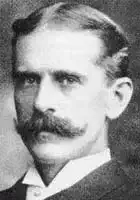
Henry Van Dyke
An American in Europe
An American in Europe
'Tis fine to see the Old World, and travel up and down
Among the famous palaces and cities of renown,
To admire the crumbly castles and the statues of the kings, --
But now I think I've had enough of antiquated things.
So it's home again, and home again, America for me!
My heart is turning home again, and there I long to be,
In the land of youth and freedom beyond the ocean bars,
Where the air is full of sunlight and the flag is full of stars.
Oh, London is a man's town, there's power in the air;
And Paris is a woman's town, with flowers in her hair;
And it's sweet to dream in Venice, and it's great to study Rome;
But when it comes to living there is no place like home.
I like the German fir-woods, in green battalions drilled;
I like the gardens of Versailles with flashing fountains filled;
But, oh, to take your hand, my dear, and ramble for a day
In the friendly western woodland where Nature has her way!
I know that Europe's wonderful, yet something seems to lack:
The Past is too much with her, and the people looking back.
But the glory of the Present is to make the Future free, --
We love our land for what she is and what she is to be.
So it's home again, and home again, America for me!
I want a ship that's westward bound to plough the rolling sea,
To the blessed Land of Room Enough beyond the ocean bars,
Where the air is full of sunlight and the flag is full of stars.
'Tis fine to see the Old World, and travel up and down
Among the famous palaces and cities of renown,
To admire the crumbly castles and the statues of the kings, --
But now I think I've had enough of antiquated things.
So it's home again, and home again, America for me!
My heart is turning home again, and there I long to be,
In the land of youth and freedom beyond the ocean bars,
Where the air is full of sunlight and the flag is full of stars.
Oh, London is a man's town, there's power in the air;
And Paris is a woman's town, with flowers in her hair;
And it's sweet to dream in Venice, and it's great to study Rome;
But when it comes to living there is no place like home.
I like the German fir-woods, in green battalions drilled;
I like the gardens of Versailles with flashing fountains filled;
But, oh, to take your hand, my dear, and ramble for a day
In the friendly western woodland where Nature has her way!
I know that Europe's wonderful, yet something seems to lack:
The Past is too much with her, and the people looking back.
But the glory of the Present is to make the Future free, --
We love our land for what she is and what she is to be.
So it's home again, and home again, America for me!
I want a ship that's westward bound to plough the rolling sea,
To the blessed Land of Room Enough beyond the ocean bars,
Where the air is full of sunlight and the flag is full of stars.
313
Henry Van Dyke
America for Me
America for Me
'Tis fine to see the Old World and travel up and down
Among the famous palaces and cities of renown,
To admire the crumblyh castles and the statues and kings
But now I think I've had enough of antiquated things.
So it's home again, and home again, America for me!
My heart is turning home again and there I long to be,
In the land of youth and freedom, beyond the ocean bars,
Where the air is full of sunlight and the flag is full of stars.
Oh, London is a man's town, there's power in the air;
And Paris is a woman's town, with flowers in her hair;
And it's sweet to dream in Venice, and it's great to study Rome;
But when it comes to living there is no place like home.
I like the German fir-woods in green battalions drilled;
I like the gardens of Versailles with flashing foutains filled;
But, oh, to take your had, my dear, and ramble for a day
In the friendly western woodland where Nature has her sway!
I know that Europe's wonderful, yet something seems to lack!
The Past is too much with her, and the people looking back.
But the glory of the Present is to make the Future free--
We love our land for what she is and what she is to be.
Oh, it's home again, and home again, America for me!
I want a ship that's westward bound to plough the rolling sea,
To the blessed Land of Room Enough, beyond the ocean bars,
Where the air is full of sunlight and the flag is full of stars.
'Tis fine to see the Old World and travel up and down
Among the famous palaces and cities of renown,
To admire the crumblyh castles and the statues and kings
But now I think I've had enough of antiquated things.
So it's home again, and home again, America for me!
My heart is turning home again and there I long to be,
In the land of youth and freedom, beyond the ocean bars,
Where the air is full of sunlight and the flag is full of stars.
Oh, London is a man's town, there's power in the air;
And Paris is a woman's town, with flowers in her hair;
And it's sweet to dream in Venice, and it's great to study Rome;
But when it comes to living there is no place like home.
I like the German fir-woods in green battalions drilled;
I like the gardens of Versailles with flashing foutains filled;
But, oh, to take your had, my dear, and ramble for a day
In the friendly western woodland where Nature has her sway!
I know that Europe's wonderful, yet something seems to lack!
The Past is too much with her, and the people looking back.
But the glory of the Present is to make the Future free--
We love our land for what she is and what she is to be.
Oh, it's home again, and home again, America for me!
I want a ship that's westward bound to plough the rolling sea,
To the blessed Land of Room Enough, beyond the ocean bars,
Where the air is full of sunlight and the flag is full of stars.
333

Henry Lawson
When the Ladies Come to the Shearing Shed
When the Ladies Come to the Shearing Shed
‘The ladies are coming,’ the super says
To the shearers sweltering there,
And ‘the ladies’ means in the shearing shed:
‘Don’t cut ’em too bad. Don’t swear.’
The ghost of a pause in the shed’s rough heart,
And lower is bowed each head;
And nothing is heard, save a whispered word,
And the roar of the shearing-shed.
The tall, shy rouser has lost his wits,
And his limbs are all astray;
He leaves a fleece on the shearing-board,
And his broom in the shearer’s way.
There’s a curse in store for that jackaroo
As down by the wall he slants—
And the ringer bends with his legs askew
And wishes he’d ‘patched them pants.’
They are girls from the city. (Our hearts rebel
As we squint at their dainty feet.)
And they gush and say in a girly way
That ‘the dear little lambs’ are ‘sweet.’
And Bill, the ringer, who’d scorn the use
Of a childish word like ‘damn,’
Would give a pound that his tongue were loose
As he tackles a lively lamb.
Swift thoughts of homes in the coastal towns—
Or rivers and waving grass—
And a weight on our hearts that we cannot define
That comes as the ladies pass.
But the rouser ventures a nervous dig
In the ribs of the next to him;
And Barcoo says to his pen-mate: ‘Twig
‘The style of the last un, Jim.’
Jim Moonlight gives her a careless glance—
Then he catches his breath with pain—
His strong hand shakes and the sunlights dance
As he bends to his work again.
But he’s well disguised in a bristling beard,
Bronzed skin, and his shearer’s dress;
And whatever Jim Moonlight hoped or feared
Were hard for his mates to guess.
Jim Moonlight, wiping his broad, white brow,
Explains, with a doleful smile:
‘A stitch in the side,’ and ‘he’s all right now’—
But he leans on the beam awhile,
And gazes out in the blazing noon
On the clearing, brown and bare—
She has come and gone, like a breath of June,
In December’s heat and glare.
The bushmen are big rough boys at the best,
With hearts of a larger growth;
But they hide those hearts with a brutal jest,
And the pain with a reckless oath.
Though the Bills and Jims of the bush-bard sing
Of their life loves, lost or dead,
The love of a girl is a sacred thing
Not voiced in a shearing-shed.
‘The ladies are coming,’ the super says
To the shearers sweltering there,
And ‘the ladies’ means in the shearing shed:
‘Don’t cut ’em too bad. Don’t swear.’
The ghost of a pause in the shed’s rough heart,
And lower is bowed each head;
And nothing is heard, save a whispered word,
And the roar of the shearing-shed.
The tall, shy rouser has lost his wits,
And his limbs are all astray;
He leaves a fleece on the shearing-board,
And his broom in the shearer’s way.
There’s a curse in store for that jackaroo
As down by the wall he slants—
And the ringer bends with his legs askew
And wishes he’d ‘patched them pants.’
They are girls from the city. (Our hearts rebel
As we squint at their dainty feet.)
And they gush and say in a girly way
That ‘the dear little lambs’ are ‘sweet.’
And Bill, the ringer, who’d scorn the use
Of a childish word like ‘damn,’
Would give a pound that his tongue were loose
As he tackles a lively lamb.
Swift thoughts of homes in the coastal towns—
Or rivers and waving grass—
And a weight on our hearts that we cannot define
That comes as the ladies pass.
But the rouser ventures a nervous dig
In the ribs of the next to him;
And Barcoo says to his pen-mate: ‘Twig
‘The style of the last un, Jim.’
Jim Moonlight gives her a careless glance—
Then he catches his breath with pain—
His strong hand shakes and the sunlights dance
As he bends to his work again.
But he’s well disguised in a bristling beard,
Bronzed skin, and his shearer’s dress;
And whatever Jim Moonlight hoped or feared
Were hard for his mates to guess.
Jim Moonlight, wiping his broad, white brow,
Explains, with a doleful smile:
‘A stitch in the side,’ and ‘he’s all right now’—
But he leans on the beam awhile,
And gazes out in the blazing noon
On the clearing, brown and bare—
She has come and gone, like a breath of June,
In December’s heat and glare.
The bushmen are big rough boys at the best,
With hearts of a larger growth;
But they hide those hearts with a brutal jest,
And the pain with a reckless oath.
Though the Bills and Jims of the bush-bard sing
Of their life loves, lost or dead,
The love of a girl is a sacred thing
Not voiced in a shearing-shed.
190
Henry Lawson
When Hopes Ran High
When Hopes Ran High
When hopes ran high the world was young,
We thought that we would never die,
And glorious were the songs we sung
In those grand days when hopes ran high.
When hopes ran high the world was true
We thought that friends could never lie—
There have been bitter truths for you
And me, since days when hopes ran high.
When hopes ran high the world was young,
We thought that we would never die,
And glorious were the songs we sung
In those grand days when hopes ran high.
When hopes ran high the world was true
We thought that friends could never lie—
There have been bitter truths for you
And me, since days when hopes ran high.
228
Henry Lawson
Trouble on the Selection
Trouble on the Selection
You lazy boy, you’re here at last,
You must be wooden-legged;
Now, are you sure the gate is fast
And all the sliprails pegged
And all the milkers at the yard,
The calves all in the pen?
We don’t want Poley’s calf to suck
His mother dry again.
And did you mend the broken rail
And make it firm and neat?
I s’pose you want that brindle steer
All night among the wheat.
And if he finds the lucerne patch,
He’ll stuff his belly full;
He’ll eat till he gets ‘blown’ on that
And busts like Ryan’s bull.
Old Spot is lost? You’ll drive me mad,
You will, upon my soul!
She might be in the boggy swamps
Or down a digger’s hole.
You needn’t talk, you never looked
You’d find her if you’d choose,
Instead of poking ’possum logs
And hunting kangaroos.
How came your boots as wet as muck?
You tried to drown the ants!
Why don’t you take your bluchers off,
Good Lord, he’s tore his pants!
Your father’s coming home to-night;
You’ll catch it hot, you’ll see.
Now go and wash your filthy face
And come and get your tea.
You lazy boy, you’re here at last,
You must be wooden-legged;
Now, are you sure the gate is fast
And all the sliprails pegged
And all the milkers at the yard,
The calves all in the pen?
We don’t want Poley’s calf to suck
His mother dry again.
And did you mend the broken rail
And make it firm and neat?
I s’pose you want that brindle steer
All night among the wheat.
And if he finds the lucerne patch,
He’ll stuff his belly full;
He’ll eat till he gets ‘blown’ on that
And busts like Ryan’s bull.
Old Spot is lost? You’ll drive me mad,
You will, upon my soul!
She might be in the boggy swamps
Or down a digger’s hole.
You needn’t talk, you never looked
You’d find her if you’d choose,
Instead of poking ’possum logs
And hunting kangaroos.
How came your boots as wet as muck?
You tried to drown the ants!
Why don’t you take your bluchers off,
Good Lord, he’s tore his pants!
Your father’s coming home to-night;
You’ll catch it hot, you’ll see.
Now go and wash your filthy face
And come and get your tea.
219
Henry Lawson
To-Morrow
To-Morrow
When you’re suffering hard for your sins, old man,
When you wake to trouble and sleep ill—
Oh, this is the clack of the middle class,
‘Win back the respect of the people!’
You are weak, you’re a fool, or a drunken brute
When you’re deep in trouble and sorrow;
But walk down the street in a decent suit,
And their hats will be off to-morrow! Old Chap—
And their hats will be off to-morrow!
They cant and they cackle—‘Redeem the Past!’
Who never had past worth redeeming:
Your soul seems dead, but you’ll find at last
That somewhere your soul lay dreaming.
You may stagger down-hill in a beer-stained coat,
You may loaf, you may cadge and borrow—
But walk down the street with a ten-pound note
And their hats will be off to-morrow! Old Man—
Yes, their hats will be off to-morrow!
But stick to it, man! for your old self’s sake,
Though to brood on the past is human;
Hold up for the sake of the mate who was true,
And the sake of the Other Woman.
And as for the rest, you may take off your hat
And banish all signs of sorrow;
You may take their hands, but in spite of that,
Can they win your respect to-morrow? Old Man—
Can they win your respect to-morrow?
When you’re suffering hard for your sins, old man,
When you wake to trouble and sleep ill—
Oh, this is the clack of the middle class,
‘Win back the respect of the people!’
You are weak, you’re a fool, or a drunken brute
When you’re deep in trouble and sorrow;
But walk down the street in a decent suit,
And their hats will be off to-morrow! Old Chap—
And their hats will be off to-morrow!
They cant and they cackle—‘Redeem the Past!’
Who never had past worth redeeming:
Your soul seems dead, but you’ll find at last
That somewhere your soul lay dreaming.
You may stagger down-hill in a beer-stained coat,
You may loaf, you may cadge and borrow—
But walk down the street with a ten-pound note
And their hats will be off to-morrow! Old Man—
Yes, their hats will be off to-morrow!
But stick to it, man! for your old self’s sake,
Though to brood on the past is human;
Hold up for the sake of the mate who was true,
And the sake of the Other Woman.
And as for the rest, you may take off your hat
And banish all signs of sorrow;
You may take their hands, but in spite of that,
Can they win your respect to-morrow? Old Man—
Can they win your respect to-morrow?
250
Henry Lawson
The Women of the Town
The Women of the Town
It is up from out the alleys, from the alleys dark and vile—
It is up from out the alleys I have struggled for a while—
Just to breathe the breath of Heaven ere my devil drags me down,
And to sing a song of pity for the women of the town.
Johnnies in the private bar room, weak and silly, vain and blind—
Even they would shrink and shudder if they knew the hell behind,
And the meanest wouldn’t grumble when he’s bilked of half-a-crown
If he knew as much as I do of the women of the town.
For I see the end too plainly of the golden-headed star
Who is smiling like an angel in the gilded private bar—
Drifting to the third-rate houses, drifting, sinking lower down
Till she raves in some foul parlour with the women of the town.
To the dingy beer-stained parlour all day long the outcasts come—
Draggled, dirty, bleared, repulsive, shameless, aye, and rotten some—
They have sold their bodies and would sell their souls for drink to drown
Memories of wrong that haunt them—haunt the women of the town.
I have seen the haunting terror of the ‘horrors’ in their eyes,
Heard them cry to Christ to help them as the mansoul never cries,
While the smirking landlord listened with a grin or with a frown.
Oh, they suffer hell in drinking, do the women of the town.
I have known too well, God help me! to what depths a man can sink,
Sacrificing wife and children, fame and honour, all for drink.
Deeper, deeper sink the women, for the veriest drunken clown
Has his feet upon the shoulders of the women of the town.
There’s a heavy cloud that’s lying on my spirit like a pall—
’Tis the horror and injustice and the hopelessness of all—
There’s the love of one for ever that no sea of sin can drown,
And she loves a brute, God help her! does the woman of the town.
O my sisters, O my sisters, I am powerless to aid;
’Tis a world of prostitution, it is business, it is trade,
And they profit from the brewer and the smirking landlord down
To the bully and the bludger, on the women of the town.
Oh, the heart of one great poet* called to heaven in a line—
Crying, ‘Mary, pity women!’—You have whiter souls than mine.
And if in the grand Hereafter there is one shall wear a crown—
For the hell that men made for her—’tis the Woman of the Town.
It is up from out the alleys, from the alleys dark and vile—
It is up from out the alleys I have struggled for a while—
Just to breathe the breath of Heaven ere my devil drags me down,
And to sing a song of pity for the women of the town.
Johnnies in the private bar room, weak and silly, vain and blind—
Even they would shrink and shudder if they knew the hell behind,
And the meanest wouldn’t grumble when he’s bilked of half-a-crown
If he knew as much as I do of the women of the town.
For I see the end too plainly of the golden-headed star
Who is smiling like an angel in the gilded private bar—
Drifting to the third-rate houses, drifting, sinking lower down
Till she raves in some foul parlour with the women of the town.
To the dingy beer-stained parlour all day long the outcasts come—
Draggled, dirty, bleared, repulsive, shameless, aye, and rotten some—
They have sold their bodies and would sell their souls for drink to drown
Memories of wrong that haunt them—haunt the women of the town.
I have seen the haunting terror of the ‘horrors’ in their eyes,
Heard them cry to Christ to help them as the mansoul never cries,
While the smirking landlord listened with a grin or with a frown.
Oh, they suffer hell in drinking, do the women of the town.
I have known too well, God help me! to what depths a man can sink,
Sacrificing wife and children, fame and honour, all for drink.
Deeper, deeper sink the women, for the veriest drunken clown
Has his feet upon the shoulders of the women of the town.
There’s a heavy cloud that’s lying on my spirit like a pall—
’Tis the horror and injustice and the hopelessness of all—
There’s the love of one for ever that no sea of sin can drown,
And she loves a brute, God help her! does the woman of the town.
O my sisters, O my sisters, I am powerless to aid;
’Tis a world of prostitution, it is business, it is trade,
And they profit from the brewer and the smirking landlord down
To the bully and the bludger, on the women of the town.
Oh, the heart of one great poet* called to heaven in a line—
Crying, ‘Mary, pity women!’—You have whiter souls than mine.
And if in the grand Hereafter there is one shall wear a crown—
For the hell that men made for her—’tis the Woman of the Town.
255
Henry Lawson
The Tracks That Lie By India
The Tracks That Lie By India
Now this is not a dismal song, like some I’ve sung of late,
When I’ve been brooding all day long about my muddled fate;
For though I’ve had a rocky time I’ll never quite forget,
And though I never was so deep in trouble and in debt,
And though I never was so poor nor in a fix so tight—
The tracks that run by India are shining in my sight.
The roads that run by India, and all the ports of call—
I’m going back to London first to raise the wherewithal.
I’ll call at Suez and Port Said as I am going past
(I was too worried to take notes when I was that way last),
At Naples and at Genoa, and, if I get the chance,
Who knows but I might run across the pleasant land of France.
The track that runs by India goes up the hot Red Sea—
The other side of Africa is far too dull for me.
(I fear that I have missed a chance I’ll never get again
To see the land of chivalry and bide awhile in Spain.)
I’ll graft a year in London, and if fortune smiles on me
I’ll take the track to India by France and Italy.
’Tis sweet to court some foreign girl with eyes of lustrous glow,
Who does not know my language and whose language I don’t know;
To loll on gently-rolling decks beneath the softening skies,
While she sits knitting opposite, and make love with our eyes—
The glance that says far more than words, the old half-mystic smile—
The track that runs by India will wait for me awhile.
The tracks that run by India to China and Japan,
The tracks where all the rovers go—the tracks that call a Man!
I’m wearied of the formal lands of parson and of priest,
Of dollars and of fashions, and I’m drifting towards the East;
I’m tired of cant and cackle, and of sordid jobbery—
The mystery of the East hath cast its glamour over me.
Now this is not a dismal song, like some I’ve sung of late,
When I’ve been brooding all day long about my muddled fate;
For though I’ve had a rocky time I’ll never quite forget,
And though I never was so deep in trouble and in debt,
And though I never was so poor nor in a fix so tight—
The tracks that run by India are shining in my sight.
The roads that run by India, and all the ports of call—
I’m going back to London first to raise the wherewithal.
I’ll call at Suez and Port Said as I am going past
(I was too worried to take notes when I was that way last),
At Naples and at Genoa, and, if I get the chance,
Who knows but I might run across the pleasant land of France.
The track that runs by India goes up the hot Red Sea—
The other side of Africa is far too dull for me.
(I fear that I have missed a chance I’ll never get again
To see the land of chivalry and bide awhile in Spain.)
I’ll graft a year in London, and if fortune smiles on me
I’ll take the track to India by France and Italy.
’Tis sweet to court some foreign girl with eyes of lustrous glow,
Who does not know my language and whose language I don’t know;
To loll on gently-rolling decks beneath the softening skies,
While she sits knitting opposite, and make love with our eyes—
The glance that says far more than words, the old half-mystic smile—
The track that runs by India will wait for me awhile.
The tracks that run by India to China and Japan,
The tracks where all the rovers go—the tracks that call a Man!
I’m wearied of the formal lands of parson and of priest,
Of dollars and of fashions, and I’m drifting towards the East;
I’m tired of cant and cackle, and of sordid jobbery—
The mystery of the East hath cast its glamour over me.
274
Henry Lawson
The Stringy-Bark Tree
The Stringy-Bark Tree
There's the whitebox and pine on the ridges afar,
Where the iron-bark, blue-gum, and peppermint are;
There is many another, but dearest to me,
And the king of them all was the stringy-bark tree.
Then of stringy-bark slabs were the walls of the hut,
And from stringy-bark saplings the rafters were cut;
And the roof that long sheltered my brothers and me
Was of broad sheets of bark from the stringy-bark tree.
And when sawn-timber homes were built out in the West,
Then for walls and for ceilings its wood was the best;
And for shingles and palings to last while men be,
There was nothing on earth like the stringy-bark tree.
Far up the long gullies the timber-trucks went,
Over tracks that seemed hopeless, by bark hut and tent;
And the gaunt timber-finder, who rode at his ease,
Led them on to a gully of stringy-bark trees.
Now still from the ridges, by ways that are dark,
Come the shingles and palings they call stringy-bark;
Though you ride through long gullies a twelve months you’ll see
But the old whitened stumps of the stringy-bark tree.
There's the whitebox and pine on the ridges afar,
Where the iron-bark, blue-gum, and peppermint are;
There is many another, but dearest to me,
And the king of them all was the stringy-bark tree.
Then of stringy-bark slabs were the walls of the hut,
And from stringy-bark saplings the rafters were cut;
And the roof that long sheltered my brothers and me
Was of broad sheets of bark from the stringy-bark tree.
And when sawn-timber homes were built out in the West,
Then for walls and for ceilings its wood was the best;
And for shingles and palings to last while men be,
There was nothing on earth like the stringy-bark tree.
Far up the long gullies the timber-trucks went,
Over tracks that seemed hopeless, by bark hut and tent;
And the gaunt timber-finder, who rode at his ease,
Led them on to a gully of stringy-bark trees.
Now still from the ridges, by ways that are dark,
Come the shingles and palings they call stringy-bark;
Though you ride through long gullies a twelve months you’ll see
But the old whitened stumps of the stringy-bark tree.
275
Henry Lawson
The Separation
The Separation
We knew too little of the world,
And you and I were good—
’Twas paltry things that wrecked our lives
As well I knew they would.
The people said our love was dead,
But how were they to know?
Ah! had we loved each other less
We’d not have quarrelled so.
We knew too little of the world,
And you and I were kind,
We listened to what others said
And both of us were blind.
The people said ’twas selfishness,
But how were they to know?
Ah! had we both more selfish been
We’d not have parted so.
But still when all seems lost on earth
Then heaven sets a sign—
Kneel down beside your lonely bed,
And I will kneel by mine,
And let us pray for happy days—
Like those of long ago.
Ah! had we knelt together then
We’d not have parted so.
We knew too little of the world,
And you and I were good—
’Twas paltry things that wrecked our lives
As well I knew they would.
The people said our love was dead,
But how were they to know?
Ah! had we loved each other less
We’d not have quarrelled so.
We knew too little of the world,
And you and I were kind,
We listened to what others said
And both of us were blind.
The people said ’twas selfishness,
But how were they to know?
Ah! had we both more selfish been
We’d not have parted so.
But still when all seems lost on earth
Then heaven sets a sign—
Kneel down beside your lonely bed,
And I will kneel by mine,
And let us pray for happy days—
Like those of long ago.
Ah! had we knelt together then
We’d not have parted so.
261
Henry Lawson
The Separation
The Separation
We knew too little of the world,
And you and I were good—
’Twas paltry things that wrecked our lives
As well I knew they would.
The people said our love was dead,
But how were they to know?
Ah! had we loved each other less
We’d not have quarrelled so.
We knew too little of the world,
And you and I were kind,
We listened to what others said
And both of us were blind.
The people said ’twas selfishness,
But how were they to know?
Ah! had we both more selfish been
We’d not have parted so.
But still when all seems lost on earth
Then heaven sets a sign—
Kneel down beside your lonely bed,
And I will kneel by mine,
And let us pray for happy days—
Like those of long ago.
Ah! had we knelt together then
We’d not have parted so.
We knew too little of the world,
And you and I were good—
’Twas paltry things that wrecked our lives
As well I knew they would.
The people said our love was dead,
But how were they to know?
Ah! had we loved each other less
We’d not have quarrelled so.
We knew too little of the world,
And you and I were kind,
We listened to what others said
And both of us were blind.
The people said ’twas selfishness,
But how were they to know?
Ah! had we both more selfish been
We’d not have parted so.
But still when all seems lost on earth
Then heaven sets a sign—
Kneel down beside your lonely bed,
And I will kneel by mine,
And let us pray for happy days—
Like those of long ago.
Ah! had we knelt together then
We’d not have parted so.
261
Henry Lawson
The Secret Whisky Cure
The Secret Whisky Cure
’Tis no tale of heroism, ’tis no tale of storm and strife,
But of ordinary boozing, and of dull domestic life—
Of the everlasting friction that most husbands must endure—
Tale of nagging and of drinking—and a secret whisky cure.
Name of Jones—perhaps you know him—small house-agent here in town—
(Friend of Smith, you know him also—likewise Robinson and Brown),
Just a hopeless little husband, whose deep sorrows were obscure,
And a bitter nagging Missis—and death seemed the only cure.
’Twas a common sordid marriage, and there’s little new to tell—
Save the pub to him was Heaven and his own home was a hell:
With the office in between them—purgatory to be sure—
And, as far as Jones could make out—well, there wasn’t any cure.
’Twas drink and nag—or nag and drink—whichever you prefer—
Till at last she couldn’t stand him any more than he could her.
Friends and relatives assisted, telling her (with motives pure)
That a legal separation was the only earthly cure.
So she went and saw a lawyer, who, in accents soft and low,
Asked her firstly if her husband had a bank account or no;
But he hadn’t and she hadn’t, they in fact were very poor,
So he bowed her out suggesting she should try some liquor cure.
She saw a drink cure advertised in the Sydney Bulletin—
Cure for brandy, cure for whisky, cure for rum and beer and gin,
And it could be given secret, it was tasteless, swift and sure—
So she purchased half a gallon of that Secret Whisky Cure.
And she put some in his coffee, smiling sweetly all the while,
And he started for the office rather puzzled by the smile—
Smile or frown he’d have a whisky, and you’ll say he was a boor—
But perhaps his wife had given him an overdose of Cure.
And he met a friend he hadn’t seen for seven years or more—
It was just upon the threshold of a private bar-room door—
And they coalised and entered straight away, you may be sure—
But of course they hadn’t reckoned with a Secret Whisky Cure.
Jones, he drank, turned pale, and, gasping, hurried out the back way quick,
Where, to his old chum’s amazement, he was violently sick;
Then they interviewed the landlord, but he swore the drink was pure—
It was only the beginning of the Secret Whisky Cure.
For Jones couldn’t stand the smell of even special whisky blends,
And shunned bar-rooms to the sorrow of his trusty drinking friends:
And they wondered, too, what evil genius had chanced to lure
Him from paths of booze and friendship—never dreaming of a Cure.
He had noticed, too, with terror that a something turned his feet,
When a pub was near, and swung him to the other side the street,
Till he thought the devils had him, and his person they’d immure
In a lunatic asylum where there wasn’t any Cure.
He consulted several doctors who were puzzled by the case—
As they mostly are, but never tell the patient to his face—
Some advised him ‘Try the Mountains for this malady obscure:’
But there wasn’t one could diagnose a Secret Whisky Cure.
And his wife, when he was sober?—Well, she nagged him all the more!
And he couldn’t drown his sorrow in the pewter as of yore:
So he shot himself at Manly and was sat upon by Woore,
And found rest amongst the spirits from the Secret Whisky Cure.
And the moral?—well, ’tis funny—or ’tis woman’s way with men—
She’s remarried to a publican who whacks her now and then,
And they get on fairly happy, he’s a brute and he’s a boor,
But she’s never tried her second with a Secret Whisky Cure.
’Tis no tale of heroism, ’tis no tale of storm and strife,
But of ordinary boozing, and of dull domestic life—
Of the everlasting friction that most husbands must endure—
Tale of nagging and of drinking—and a secret whisky cure.
Name of Jones—perhaps you know him—small house-agent here in town—
(Friend of Smith, you know him also—likewise Robinson and Brown),
Just a hopeless little husband, whose deep sorrows were obscure,
And a bitter nagging Missis—and death seemed the only cure.
’Twas a common sordid marriage, and there’s little new to tell—
Save the pub to him was Heaven and his own home was a hell:
With the office in between them—purgatory to be sure—
And, as far as Jones could make out—well, there wasn’t any cure.
’Twas drink and nag—or nag and drink—whichever you prefer—
Till at last she couldn’t stand him any more than he could her.
Friends and relatives assisted, telling her (with motives pure)
That a legal separation was the only earthly cure.
So she went and saw a lawyer, who, in accents soft and low,
Asked her firstly if her husband had a bank account or no;
But he hadn’t and she hadn’t, they in fact were very poor,
So he bowed her out suggesting she should try some liquor cure.
She saw a drink cure advertised in the Sydney Bulletin—
Cure for brandy, cure for whisky, cure for rum and beer and gin,
And it could be given secret, it was tasteless, swift and sure—
So she purchased half a gallon of that Secret Whisky Cure.
And she put some in his coffee, smiling sweetly all the while,
And he started for the office rather puzzled by the smile—
Smile or frown he’d have a whisky, and you’ll say he was a boor—
But perhaps his wife had given him an overdose of Cure.
And he met a friend he hadn’t seen for seven years or more—
It was just upon the threshold of a private bar-room door—
And they coalised and entered straight away, you may be sure—
But of course they hadn’t reckoned with a Secret Whisky Cure.
Jones, he drank, turned pale, and, gasping, hurried out the back way quick,
Where, to his old chum’s amazement, he was violently sick;
Then they interviewed the landlord, but he swore the drink was pure—
It was only the beginning of the Secret Whisky Cure.
For Jones couldn’t stand the smell of even special whisky blends,
And shunned bar-rooms to the sorrow of his trusty drinking friends:
And they wondered, too, what evil genius had chanced to lure
Him from paths of booze and friendship—never dreaming of a Cure.
He had noticed, too, with terror that a something turned his feet,
When a pub was near, and swung him to the other side the street,
Till he thought the devils had him, and his person they’d immure
In a lunatic asylum where there wasn’t any Cure.
He consulted several doctors who were puzzled by the case—
As they mostly are, but never tell the patient to his face—
Some advised him ‘Try the Mountains for this malady obscure:’
But there wasn’t one could diagnose a Secret Whisky Cure.
And his wife, when he was sober?—Well, she nagged him all the more!
And he couldn’t drown his sorrow in the pewter as of yore:
So he shot himself at Manly and was sat upon by Woore,
And found rest amongst the spirits from the Secret Whisky Cure.
And the moral?—well, ’tis funny—or ’tis woman’s way with men—
She’s remarried to a publican who whacks her now and then,
And they get on fairly happy, he’s a brute and he’s a boor,
But she’s never tried her second with a Secret Whisky Cure.
312
Henry Lawson
The Rovers
The Rovers
Some born of homely parents
For ages settled down—
The steady generations
Of village, farm, and town:
And some of dusky fathers
Who wandered since the flood—
The fairest skin or darkest
Might hold the roving blood—
Some born of brutish peasants,
And some of dainty peers,
In poverty or plenty
They pass their early years;
But, born in pride of purple,
Or straw and squalid sin,
In all the far world corners
The wanderers are kin.
A rover or a rebel,
Conceived and born to roam,
As babies they will toddle
With faces turned from home;
They’ve fought beyond the vanguard
Wherever storm has raged,
And home is but a prison
They pace like lions caged.
They smile and are not happy;
They sing and are not gay;
They weary, yet they wander;
They love, and cannot stay;
They marry, and are single
Who watch the roving star,
For, by the family fireside,
Oh, lonely men they are!
They die of peace and quiet—
The deadly ease of life;
They die of home and comfort;
They live in storm and strife;
No poverty can tie them,
Nor wealth nor place restrain—
Girl, wife, or child might draw them,
But they’ll be gone again!
Across the glowing desert;
Through naked trees and snow;
Across the rolling prairies
The skies have seen them go;
They fought to where the ocean
Receives the setting sun;—
But where shall fight the rovers
When all the lands are won?
They thirst on Greenland snowfields,
On Never-Never sands;
Where man is not to conquer
They conquer barren lands;
They feel that most are cowards,
That all depends on ‘nerve,’
They lead who cannot follow,
They rule who cannot serve.
Across the plains and ranges,
Away across the seas,
On blue and green horizons
They camp by twos and threes;
They hold on stormy borders
Of states that trouble earth
The honour of the country
That only gave them birth.
Unlisted, uncommissioned,
Untaught of any school,
In far-away world corners
Unconquered tribes they rule;
The lone hand and revolver—
Sad eyes that never quail—
The lone hand and the rifle
That win where armies fail.
They slumber sound where murder
And treachery are bare—
The pluck of self-reliance,
The pluck of past despair;
Thin brown men in pyjamas—
The thin brown wiry men!—
The helmet and revolver
That lie beside the pen.
Through drought and desolation
They won the way Out Back;
The commonplace and selfish
Have followed on their track;
They conquer lands for others,
For others find the gold,
But where shall go the rovers
When all the lands are old?
A rover and a rebel—
And so the worlds commence!
Their hearts shall beat as wildly
Ten generations hence;
And when the world is crowded—
’Tis signed and sealed by Fate—
The roving blood will rise to make
The countries desolate.
Some born of homely parents
For ages settled down—
The steady generations
Of village, farm, and town:
And some of dusky fathers
Who wandered since the flood—
The fairest skin or darkest
Might hold the roving blood—
Some born of brutish peasants,
And some of dainty peers,
In poverty or plenty
They pass their early years;
But, born in pride of purple,
Or straw and squalid sin,
In all the far world corners
The wanderers are kin.
A rover or a rebel,
Conceived and born to roam,
As babies they will toddle
With faces turned from home;
They’ve fought beyond the vanguard
Wherever storm has raged,
And home is but a prison
They pace like lions caged.
They smile and are not happy;
They sing and are not gay;
They weary, yet they wander;
They love, and cannot stay;
They marry, and are single
Who watch the roving star,
For, by the family fireside,
Oh, lonely men they are!
They die of peace and quiet—
The deadly ease of life;
They die of home and comfort;
They live in storm and strife;
No poverty can tie them,
Nor wealth nor place restrain—
Girl, wife, or child might draw them,
But they’ll be gone again!
Across the glowing desert;
Through naked trees and snow;
Across the rolling prairies
The skies have seen them go;
They fought to where the ocean
Receives the setting sun;—
But where shall fight the rovers
When all the lands are won?
They thirst on Greenland snowfields,
On Never-Never sands;
Where man is not to conquer
They conquer barren lands;
They feel that most are cowards,
That all depends on ‘nerve,’
They lead who cannot follow,
They rule who cannot serve.
Across the plains and ranges,
Away across the seas,
On blue and green horizons
They camp by twos and threes;
They hold on stormy borders
Of states that trouble earth
The honour of the country
That only gave them birth.
Unlisted, uncommissioned,
Untaught of any school,
In far-away world corners
Unconquered tribes they rule;
The lone hand and revolver—
Sad eyes that never quail—
The lone hand and the rifle
That win where armies fail.
They slumber sound where murder
And treachery are bare—
The pluck of self-reliance,
The pluck of past despair;
Thin brown men in pyjamas—
The thin brown wiry men!—
The helmet and revolver
That lie beside the pen.
Through drought and desolation
They won the way Out Back;
The commonplace and selfish
Have followed on their track;
They conquer lands for others,
For others find the gold,
But where shall go the rovers
When all the lands are old?
A rover and a rebel—
And so the worlds commence!
Their hearts shall beat as wildly
Ten generations hence;
And when the world is crowded—
’Tis signed and sealed by Fate—
The roving blood will rise to make
The countries desolate.
200
Henry Lawson
The Professional Wanderer
The Professional Wanderer
When you’ve knocked about the country—been away from home for years;
When the past, by distance softened, nearly fills your eyes with tears—
You are haunted oft, wherever or however you may roam,
By a fancy that you ought to go and see the folks at home.
You forget the family quarrels—little things that used to jar—
And you think of how they’ll worry—how they wonder where you are;
You will think you served them badly, and your own part you’ll condemn,
And it strikes you that you’ll surely be a novelty to them,
For your voice has somewhat altered, and your face has somewhat changed—
And your views of men and matters over wider fields have ranged.
Then it’s time to save your money, or to watch it (how it goes!);
Then it’s time to get a ‘Gladstone’ and a decent suit of clothes;
Then it’s time to practise daily with a hair-brush and a comb,
Till you drop in unexpected on the folks and friends at home.
When you’ve been at home for some time, and the novelty’s worn off,
And old chums no longer court you, and your friends begin to scoff;
When ‘the girls’ no longer kiss you, crying ‘Jack! how you have changed!’
When you’re stale to your relations, and their manner seems estranged ;
When the old domestic quarrels, round the table thrice a day,
Make it too much like the old times—make you wish you’d stayed away,
When, in short, you’ve spent your money in the fulness of your heart,
And your clothes are getting shabby . . . Then it’s high time to depart.
When you’ve knocked about the country—been away from home for years;
When the past, by distance softened, nearly fills your eyes with tears—
You are haunted oft, wherever or however you may roam,
By a fancy that you ought to go and see the folks at home.
You forget the family quarrels—little things that used to jar—
And you think of how they’ll worry—how they wonder where you are;
You will think you served them badly, and your own part you’ll condemn,
And it strikes you that you’ll surely be a novelty to them,
For your voice has somewhat altered, and your face has somewhat changed—
And your views of men and matters over wider fields have ranged.
Then it’s time to save your money, or to watch it (how it goes!);
Then it’s time to get a ‘Gladstone’ and a decent suit of clothes;
Then it’s time to practise daily with a hair-brush and a comb,
Till you drop in unexpected on the folks and friends at home.
When you’ve been at home for some time, and the novelty’s worn off,
And old chums no longer court you, and your friends begin to scoff;
When ‘the girls’ no longer kiss you, crying ‘Jack! how you have changed!’
When you’re stale to your relations, and their manner seems estranged ;
When the old domestic quarrels, round the table thrice a day,
Make it too much like the old times—make you wish you’d stayed away,
When, in short, you’ve spent your money in the fulness of your heart,
And your clothes are getting shabby . . . Then it’s high time to depart.
238
Henry Lawson
The Pride That Comes After
The Pride That Comes After
It knows it all, it knows it all,
The world of groans and laughter,
It sneers of pride before a fall,
But the bitter pride comes after:
So leave me and I’ll seek you not,
So seek me and you’ll find me—
But till I know your hand-grip’s true
I’ll stand with hands behind me.
It knows it all, it knows it all,
The world of lies and sorrow—
It prates of pride before a fall,
And of the humble morrow;
But shame and blame are but a name,
Oh, heart that’s hurt past curing!
We’ll drink to-night the sinner’s pride,
The pride that’s most enduring.
They know it all, they know it all,
The curs that pass the sentence.
They preach of pride before a fall
And bitter black repentance:
So leave me when my star is set,
I’ll glory that you leave me,
While one has pride to love me yet
There’s nought on earth shall grieve me.
It knows it all, it knows it all,
The world of groans and laughter,
It sneers of pride before a fall,
But the bitter pride comes after:
So leave me and I’ll seek you not,
So seek me and you’ll find me—
But till I know your hand-grip’s true
I’ll stand with hands behind me.
It knows it all, it knows it all,
The world of lies and sorrow—
It prates of pride before a fall,
And of the humble morrow;
But shame and blame are but a name,
Oh, heart that’s hurt past curing!
We’ll drink to-night the sinner’s pride,
The pride that’s most enduring.
They know it all, they know it all,
The curs that pass the sentence.
They preach of pride before a fall
And bitter black repentance:
So leave me when my star is set,
I’ll glory that you leave me,
While one has pride to love me yet
There’s nought on earth shall grieve me.
250
Henry Lawson
The Pink Carnation
The Pink Carnation
I may walk until I’m fainting, I may write until I’m blinded,
I might drink until my back teeth are afloat,
But I can’t forget my ruin and the happy days behind it,
When I wore a pink carnation in my coat.
Oh, I thought that time could conquer, and I thought my heart would harden,
But it sends a sudden lump into my throat,
When I think of what I have been, and the cottage and the garden,
When I wore a pink carnation in my coat.
God forgive you, girl, and bless you! Let no line of mine distress you –
I am sorry for the bitter lines I wrote;
But remember, and think kindly, for we met and married blindly,
When I wore a pink carnation in my coat.
I may walk until I’m fainting, I may write until I’m blinded,
I might drink until my back teeth are afloat,
But I can’t forget my ruin and the happy days behind it,
When I wore a pink carnation in my coat.
Oh, I thought that time could conquer, and I thought my heart would harden,
But it sends a sudden lump into my throat,
When I think of what I have been, and the cottage and the garden,
When I wore a pink carnation in my coat.
God forgive you, girl, and bless you! Let no line of mine distress you –
I am sorry for the bitter lines I wrote;
But remember, and think kindly, for we met and married blindly,
When I wore a pink carnation in my coat.
230
Henry Lawson
The Other Gum
The Other Gum
Well Boory, I have read your “grin”,
And listened to your whine;
I only wish you’d sent it in
Before I printed mine.
You see, I never meant to hit
The new-chum Jackaroo;
I only tried to write a skit
On poets – such as you.
We’re sinners all – the world knows that,
But damned mean sinners some –
(The ‘possum you are barking at
is up the other gum).
But sneer in safety if you choose
I’ve no hand in the game;
I will not fight the crawlers who’s
Afraid to sign his name.
I never strike without a mark –
‘Tis safer in the end;
For he who hits back in the dark
Might chance to hurt a ‘friend’!
The game is stale, your jokes are flat,
You might as well be dumb –
(The ‘possum you are howling at
Is up another gum).
Well Boory, I have read your “grin”,
And listened to your whine;
I only wish you’d sent it in
Before I printed mine.
You see, I never meant to hit
The new-chum Jackaroo;
I only tried to write a skit
On poets – such as you.
We’re sinners all – the world knows that,
But damned mean sinners some –
(The ‘possum you are barking at
is up the other gum).
But sneer in safety if you choose
I’ve no hand in the game;
I will not fight the crawlers who’s
Afraid to sign his name.
I never strike without a mark –
‘Tis safer in the end;
For he who hits back in the dark
Might chance to hurt a ‘friend’!
The game is stale, your jokes are flat,
You might as well be dumb –
(The ‘possum you are howling at
Is up another gum).
205
Henry Lawson
The Old Jimmy Woodser
The Old Jimmy Woodser
The old Jimmy Woodser comes into the bar
Unwelcomed, unnoticed, unknown,
Too old and too odd to be drunk with, by far;
So he glides to the end where the lunch baskets are
And they say that he tipples alone.
His frockcoat is green and the nap is no more,
And his hat is not quite at its best;
He wears the peaked collar our grandfathers wore,
The black-ribbon tie that was legal of yore,
And the coat buttoned over his breast.
When first he came in, for a moment I thought
That my vision or wits were astray;
For a picture and page out of Dickens he brought--‘
Twas an old file dropped in from the Chancery Court
To the wine-vault just over the way.
But I dreamed, as he tasted his “bitter” to-night
And the lights in the bar-room grew dim,
That the shades of the friends of that other day’s light,
And of girls that were bright in our grandfathers” sight,
Lifted shadowy glasses to him.
Then I opened the door, and the old man passed out,
With his short, shuffling step and bowed head;
And I sighed; for I felt, as I turned me about,
An odd sense of respect---born of whisky no doubt---
For the life that was fifty years dead.
And I thought---there are times when our memory trends
Through the future, as ‘twere on its own---
That I, out-of-date ere my pilgrimage ends,
In a new-fashioned bar to dead loves and dead friends
Might drink, like the old man, alone.
The old Jimmy Woodser comes into the bar
Unwelcomed, unnoticed, unknown,
Too old and too odd to be drunk with, by far;
So he glides to the end where the lunch baskets are
And they say that he tipples alone.
His frockcoat is green and the nap is no more,
And his hat is not quite at its best;
He wears the peaked collar our grandfathers wore,
The black-ribbon tie that was legal of yore,
And the coat buttoned over his breast.
When first he came in, for a moment I thought
That my vision or wits were astray;
For a picture and page out of Dickens he brought--‘
Twas an old file dropped in from the Chancery Court
To the wine-vault just over the way.
But I dreamed, as he tasted his “bitter” to-night
And the lights in the bar-room grew dim,
That the shades of the friends of that other day’s light,
And of girls that were bright in our grandfathers” sight,
Lifted shadowy glasses to him.
Then I opened the door, and the old man passed out,
With his short, shuffling step and bowed head;
And I sighed; for I felt, as I turned me about,
An odd sense of respect---born of whisky no doubt---
For the life that was fifty years dead.
And I thought---there are times when our memory trends
Through the future, as ‘twere on its own---
That I, out-of-date ere my pilgrimage ends,
In a new-fashioned bar to dead loves and dead friends
Might drink, like the old man, alone.
257
Henry Lawson
The Men Who Come Behind
The Men Who Come Behind
There's a class of men (and women) who are always on their guard—
Cunning, treacherous, suspicious—feeling softly—grasping hard—
Brainy, yet without the courage to forsake the beaten track—
Cautiously they feel their way behind a bolder spirit’s back.
If you save a bit of money, and you start a little store—
Say, an oyster-shop, for instance, where there wasn’t one before—
When the shop begins to pay you, and the rent is off your mind,
You will see another started by a chap that comes behind.
So it is, and so it might have been, my friend, with me and you—
When a friend of both and neither interferes between the two;
They will fight like fiends, forgetting in their passion mad and blind,
That the row is mostly started by the folk who come behind.
They will stick to you like sin will, while your money comes and goes,
But they’ll leave you when you haven’t got a shilling in your clothes.
You may get some help above you, but you’ll nearly always find
That you cannot get assistance from the men who come behind.
There are many, far too many, in the world of prose and rhyme,
Always looking for another’s ‘footsteps on the sands of time.’
Journalistic imitators are the meanest of mankind;
And the grandest themes are hackneyed by the pens that come behind.
If you strike a novel subject, write it up, and do not fail,
They will rhyme and prose about it till your very own is stale,
As they raved about the region that the wattle-boughs perfume
Till the reader cursed the bushman and the stink of wattle-bloom.
They will follow in your footsteps while you’re groping for the light ;
But they’ll run to get before you when they see you’re going right;
And they’ll trip you up and baulk you in their blind and greedy heat,
Like a stupid pup that hasn’t learned to trail behind your feet.
Take your loads of sin and sorrow on more energetic backs!
Go and strike across the country where there are not any tracks!
And—we fancy that the subject could be further treated here,
But we’ll leave it to be hackneyed by the fellows in the rear.
There's a class of men (and women) who are always on their guard—
Cunning, treacherous, suspicious—feeling softly—grasping hard—
Brainy, yet without the courage to forsake the beaten track—
Cautiously they feel their way behind a bolder spirit’s back.
If you save a bit of money, and you start a little store—
Say, an oyster-shop, for instance, where there wasn’t one before—
When the shop begins to pay you, and the rent is off your mind,
You will see another started by a chap that comes behind.
So it is, and so it might have been, my friend, with me and you—
When a friend of both and neither interferes between the two;
They will fight like fiends, forgetting in their passion mad and blind,
That the row is mostly started by the folk who come behind.
They will stick to you like sin will, while your money comes and goes,
But they’ll leave you when you haven’t got a shilling in your clothes.
You may get some help above you, but you’ll nearly always find
That you cannot get assistance from the men who come behind.
There are many, far too many, in the world of prose and rhyme,
Always looking for another’s ‘footsteps on the sands of time.’
Journalistic imitators are the meanest of mankind;
And the grandest themes are hackneyed by the pens that come behind.
If you strike a novel subject, write it up, and do not fail,
They will rhyme and prose about it till your very own is stale,
As they raved about the region that the wattle-boughs perfume
Till the reader cursed the bushman and the stink of wattle-bloom.
They will follow in your footsteps while you’re groping for the light ;
But they’ll run to get before you when they see you’re going right;
And they’ll trip you up and baulk you in their blind and greedy heat,
Like a stupid pup that hasn’t learned to trail behind your feet.
Take your loads of sin and sorrow on more energetic backs!
Go and strike across the country where there are not any tracks!
And—we fancy that the subject could be further treated here,
But we’ll leave it to be hackneyed by the fellows in the rear.
236
Henry Lawson
The Lily of St Leonards
The Lily of St Leonards
’TIS sunrise over Watson,
Where I sailed out to sea,
On that wild run to London
That wrecked and ruined me.
The beauty of the morning
On bluff and point and bay,
But the Lily of St Leonards
Was fairer than the day.
O Lily of St Leonards!
And I was mad to roam—
She died with loving words for me
Three days ere I came home.
As fair as lily whiteness,
As pure as lily gold,
And bright with childlike brightness
And wise as worlds of old.
Her heart for all was beating
And all hearts were her own—
Like sunshine through the Lily
Her purity was shown.
O Lily of St Leonards!
My night is on the track,
’Tis well you never lived to see
The wreck that I came back.
A leaden sky shuts over
A sobbing leaden sea,
For the Lily of St Leonards
Is never more for me.
I seek the wharf of Outward
Where the deck no longer thrills
Where she stood with great tears starting
Like the lights on dark wet hills.
The world was all before me
The laurels on my brow—
’Twas the world-star of the rovers,
’Tis the Star of Exile now.
’TIS sunrise over Watson,
Where I sailed out to sea,
On that wild run to London
That wrecked and ruined me.
The beauty of the morning
On bluff and point and bay,
But the Lily of St Leonards
Was fairer than the day.
O Lily of St Leonards!
And I was mad to roam—
She died with loving words for me
Three days ere I came home.
As fair as lily whiteness,
As pure as lily gold,
And bright with childlike brightness
And wise as worlds of old.
Her heart for all was beating
And all hearts were her own—
Like sunshine through the Lily
Her purity was shown.
O Lily of St Leonards!
My night is on the track,
’Tis well you never lived to see
The wreck that I came back.
A leaden sky shuts over
A sobbing leaden sea,
For the Lily of St Leonards
Is never more for me.
I seek the wharf of Outward
Where the deck no longer thrills
Where she stood with great tears starting
Like the lights on dark wet hills.
The world was all before me
The laurels on my brow—
’Twas the world-star of the rovers,
’Tis the Star of Exile now.
344
Henry Lawson
The King and Queen and I
The King and Queen and I
Oh, Scotty, have you visited the Picture Gallery,
And did you see the portraits of the King and Queen and me?
The portraits made by Longstaff, and the pictures done by Jack,
Of the King and Queen and Lawson and the lady all in black?
The King is robed in royal state, with medals on his breast,
And, like the mother Queen she is, Her Majesty is dressed.
The lady’s dressed in simple black and sports no precious stones,
And I a suit of reach-me-downs I bought from Davy Jones.
We’re strangers two to two, and each unto the other three—
I do not know the lady and I don’t think she knows me.
We’re strangers to each other here, and to the other two,
And they themselves are strangers yet, if all we hear is true.
I s’pose we’re just as satisfied as folks have ever been:
The lady would much rather be her own self than the Queen;
And though I’m down and precious stiff and I admire King Ned,
I’d sooner just be Harry, with his follies on his head.
We four may meet together—stranger folk have met, I ween,
Than a rhymer and a monarch and a lady and a queen.
Ned and I might talk it over on the terrace, frank and free,
With cigars, while Alexandra and the lady’s having tea.
Anyway, we’ll never quarrel while we’re hanging on the wall—
Friends! we all have had our troubles—we are human, one and all!
If by chance we hang together—hang together on the line,
And the thing should shock the Godly—then it’s Longstaff’s fault, not mine.
Oh, Scotty, have you visited the Picture Gallery,
And did you see the portraits of the King and Queen and me?
The portraits made by Longstaff, and the pictures done by Jack,
Of the King and Queen and Lawson and the lady all in black?
The King is robed in royal state, with medals on his breast,
And, like the mother Queen she is, Her Majesty is dressed.
The lady’s dressed in simple black and sports no precious stones,
And I a suit of reach-me-downs I bought from Davy Jones.
We’re strangers two to two, and each unto the other three—
I do not know the lady and I don’t think she knows me.
We’re strangers to each other here, and to the other two,
And they themselves are strangers yet, if all we hear is true.
I s’pose we’re just as satisfied as folks have ever been:
The lady would much rather be her own self than the Queen;
And though I’m down and precious stiff and I admire King Ned,
I’d sooner just be Harry, with his follies on his head.
We four may meet together—stranger folk have met, I ween,
Than a rhymer and a monarch and a lady and a queen.
Ned and I might talk it over on the terrace, frank and free,
With cigars, while Alexandra and the lady’s having tea.
Anyway, we’ll never quarrel while we’re hanging on the wall—
Friends! we all have had our troubles—we are human, one and all!
If by chance we hang together—hang together on the line,
And the thing should shock the Godly—then it’s Longstaff’s fault, not mine.
272
Henry Lawson
The Ghost
The Ghost
Down the street as I was drifting with the city's human tide,
Came a ghost, and for a moment walked in silence by my side --
Now my heart was hard and bitter, and a bitter spirit he,
So I felt no great aversion to his ghostly company.
Said the Shade: `At finer feelings let your lip in scorn be curled,
`Self and Pelf', my friend, has ever been the motto for the world.'
And he said: `If you'd be happy, you must clip your fancy's wings,
Stretch your conscience at the edges to the size of earthly things;
Never fight another's battle, for a friend can never know
When he'll gladly fly for succour to the bosom of the foe.
At the power of truth and friendship let your lip in scorn be curled -`
Self and Pelf', my friend, remember, is the motto of the world.
`Where Society is mighty, always truckle to her rule;
Never send an `i' undotted to the teacher of a school;
Only fight a wrong or falsehood when the crowd is at your back,
And, till Charity repay you, shut the purse, and let her pack;
At the fools who would do other let your lip in scorn be curled,
`Self and Pelf', my friend, remember, that's the motto of the world.
`Ne'er assail the shaky ladders Fame has from her niches hung,
Lest unfriendly heels above you grind your fingers from the rung;
Or the fools who idle under, envious of your fair renown,
Heedless of the pain you suffer, do their worst to shake you down.
At the praise of men, or censure, let your lip in scorn be curled,
`Self and Pelf', my friend, remember, is the motto of the world.
`Flowing founts of inspiration leave their sources parched and dry,
Scalding tears of indignation sear the hearts that beat too high;
Chilly waters thrown upon it drown the fire that's in the bard;
And the banter of the critic hurts his heart till it grows hard.
At the fame your muse may offer let your lip in scorn be curled,
`Self and Pelf', my friend, remember, that's the motto of the world.
`Shun the fields of love, where lightly, to a low and mocking tune,
Strong and useful lives are ruined, and the broken hearts are strewn.
Not a farthing is the value of the honest love you hold;
Call it lust, and make it serve you! Set your heart on nought but gold.
At the bliss of purer passions let your lip in scorn be curled -`
Self and Pelf', my friend, shall ever be the motto of the world.'
Then he ceased and looked intently in my face, and nearer drew;
But a sudden deep repugnance to his presence thrilled me through;
Then I saw his face was cruel, by the look that o'er it stole,
Then I felt his breath was poison, by the shuddering of my soul,
Then I guessed his purpose evil, by his lip in sneering curled,
And I knew he slandered mankind, by my knowledge of the world.
But he vanished as a purer brighter presence gained my side -`
Heed him not! there's truth and friendship
in this wondrous world,' she cried,
And of those who cleave to virtue in their climbing for renown,
Only they who faint or falter from the height are shaken down.
At a cynic's baneful teaching let your lip in scorn be curled!
`Brotherhood and Love and Honour!' is the motto for the world.'
Down the street as I was drifting with the city's human tide,
Came a ghost, and for a moment walked in silence by my side --
Now my heart was hard and bitter, and a bitter spirit he,
So I felt no great aversion to his ghostly company.
Said the Shade: `At finer feelings let your lip in scorn be curled,
`Self and Pelf', my friend, has ever been the motto for the world.'
And he said: `If you'd be happy, you must clip your fancy's wings,
Stretch your conscience at the edges to the size of earthly things;
Never fight another's battle, for a friend can never know
When he'll gladly fly for succour to the bosom of the foe.
At the power of truth and friendship let your lip in scorn be curled -`
Self and Pelf', my friend, remember, is the motto of the world.
`Where Society is mighty, always truckle to her rule;
Never send an `i' undotted to the teacher of a school;
Only fight a wrong or falsehood when the crowd is at your back,
And, till Charity repay you, shut the purse, and let her pack;
At the fools who would do other let your lip in scorn be curled,
`Self and Pelf', my friend, remember, that's the motto of the world.
`Ne'er assail the shaky ladders Fame has from her niches hung,
Lest unfriendly heels above you grind your fingers from the rung;
Or the fools who idle under, envious of your fair renown,
Heedless of the pain you suffer, do their worst to shake you down.
At the praise of men, or censure, let your lip in scorn be curled,
`Self and Pelf', my friend, remember, is the motto of the world.
`Flowing founts of inspiration leave their sources parched and dry,
Scalding tears of indignation sear the hearts that beat too high;
Chilly waters thrown upon it drown the fire that's in the bard;
And the banter of the critic hurts his heart till it grows hard.
At the fame your muse may offer let your lip in scorn be curled,
`Self and Pelf', my friend, remember, that's the motto of the world.
`Shun the fields of love, where lightly, to a low and mocking tune,
Strong and useful lives are ruined, and the broken hearts are strewn.
Not a farthing is the value of the honest love you hold;
Call it lust, and make it serve you! Set your heart on nought but gold.
At the bliss of purer passions let your lip in scorn be curled -`
Self and Pelf', my friend, shall ever be the motto of the world.'
Then he ceased and looked intently in my face, and nearer drew;
But a sudden deep repugnance to his presence thrilled me through;
Then I saw his face was cruel, by the look that o'er it stole,
Then I felt his breath was poison, by the shuddering of my soul,
Then I guessed his purpose evil, by his lip in sneering curled,
And I knew he slandered mankind, by my knowledge of the world.
But he vanished as a purer brighter presence gained my side -`
Heed him not! there's truth and friendship
in this wondrous world,' she cried,
And of those who cleave to virtue in their climbing for renown,
Only they who faint or falter from the height are shaken down.
At a cynic's baneful teaching let your lip in scorn be curled!
`Brotherhood and Love and Honour!' is the motto for the world.'
302
Henry Lawson
The Free-Selector's Daughter
The Free-Selector's Daughter
I met her on the Lachlan Side -A
darling girl I thought her,
And ere I left I swore I'd win
The free-selector's daughter.
I milked her father's cows a month,
I brought the wood and water,
I mended all the broken fence,
Before I won the daughter.
I listened to her father's yarns,
I did just what I `oughter',
And what you'll have to do to win
A free-selector's daughter.
I broke my pipe and burnt my twist,
And washed my mouth with water;
I had a shave before I kissed
The free-selector's daughter.
Then, rising in the frosty morn,
I brought the cows for Mary,
And when I'd milked a bucketful
I took it to the dairy.
I poured the milk into the dish
While Mary held the strainer,
I summoned heart to speak my wish,
And, oh! her blush grew plainer.
I told her I must leave the place,
I said that I would miss her;
At first she turned away her face,
And then she let me kiss her.
I put the bucket on the ground,
And in my arms I caught her:
I'd give the world to hold again
That free-selector's daughter!
I met her on the Lachlan Side -A
darling girl I thought her,
And ere I left I swore I'd win
The free-selector's daughter.
I milked her father's cows a month,
I brought the wood and water,
I mended all the broken fence,
Before I won the daughter.
I listened to her father's yarns,
I did just what I `oughter',
And what you'll have to do to win
A free-selector's daughter.
I broke my pipe and burnt my twist,
And washed my mouth with water;
I had a shave before I kissed
The free-selector's daughter.
Then, rising in the frosty morn,
I brought the cows for Mary,
And when I'd milked a bucketful
I took it to the dairy.
I poured the milk into the dish
While Mary held the strainer,
I summoned heart to speak my wish,
And, oh! her blush grew plainer.
I told her I must leave the place,
I said that I would miss her;
At first she turned away her face,
And then she let me kiss her.
I put the bucket on the ground,
And in my arms I caught her:
I'd give the world to hold again
That free-selector's daughter!
368
Henry Lawson
The Free-Selector's Daughter
The Free-Selector's Daughter
I met her on the Lachlan Side -A
darling girl I thought her,
And ere I left I swore I'd win
The free-selector's daughter.
I milked her father's cows a month,
I brought the wood and water,
I mended all the broken fence,
Before I won the daughter.
I listened to her father's yarns,
I did just what I `oughter',
And what you'll have to do to win
A free-selector's daughter.
I broke my pipe and burnt my twist,
And washed my mouth with water;
I had a shave before I kissed
The free-selector's daughter.
Then, rising in the frosty morn,
I brought the cows for Mary,
And when I'd milked a bucketful
I took it to the dairy.
I poured the milk into the dish
While Mary held the strainer,
I summoned heart to speak my wish,
And, oh! her blush grew plainer.
I told her I must leave the place,
I said that I would miss her;
At first she turned away her face,
And then she let me kiss her.
I put the bucket on the ground,
And in my arms I caught her:
I'd give the world to hold again
That free-selector's daughter!
I met her on the Lachlan Side -A
darling girl I thought her,
And ere I left I swore I'd win
The free-selector's daughter.
I milked her father's cows a month,
I brought the wood and water,
I mended all the broken fence,
Before I won the daughter.
I listened to her father's yarns,
I did just what I `oughter',
And what you'll have to do to win
A free-selector's daughter.
I broke my pipe and burnt my twist,
And washed my mouth with water;
I had a shave before I kissed
The free-selector's daughter.
Then, rising in the frosty morn,
I brought the cows for Mary,
And when I'd milked a bucketful
I took it to the dairy.
I poured the milk into the dish
While Mary held the strainer,
I summoned heart to speak my wish,
And, oh! her blush grew plainer.
I told her I must leave the place,
I said that I would miss her;
At first she turned away her face,
And then she let me kiss her.
I put the bucket on the ground,
And in my arms I caught her:
I'd give the world to hold again
That free-selector's daughter!
368