

Poems in this topic
Relationships and Family
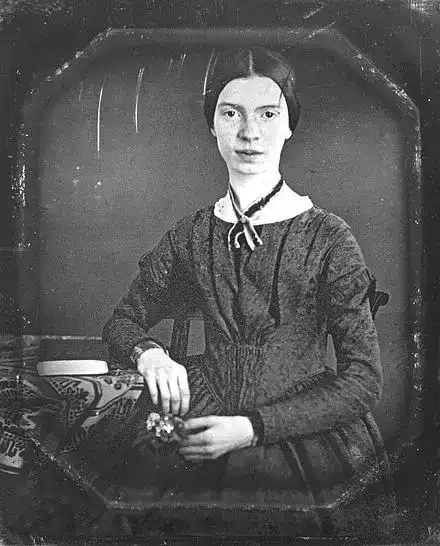
Emily Dickinson
Except the Heaven had come so near
Except the Heaven had come so near
472
Except the Heaven had come so near-
So seemed to choose My Door-
The Distance would not haunt me so-
I had not hoped-before-
But just to hear the Grace depart-
I never thought to see-
Afflicts me with a Double loss'
Tis lost-and lost to me-
472
Except the Heaven had come so near-
So seemed to choose My Door-
The Distance would not haunt me so-
I had not hoped-before-
But just to hear the Grace depart-
I never thought to see-
Afflicts me with a Double loss'
Tis lost-and lost to me-
257
Emily Dickinson
Dying! To be afraid of thee
Dying! To be afraid of thee
831
Dying! To be afraid of thee
One must to thine Artillery
Have left exposed a Friend-
Than thine old Arrow is a Shot
Delivered straighter to the Heart
The leaving Love behind.
Not for itself, the Dust is shy,
But, enemy, Beloved be
Thy Batteries divorce.
Fight sternly in a Dying eye
Two Armies, Love and Certainty
And Love and the Reverse.
831
Dying! To be afraid of thee
One must to thine Artillery
Have left exposed a Friend-
Than thine old Arrow is a Shot
Delivered straighter to the Heart
The leaving Love behind.
Not for itself, the Dust is shy,
But, enemy, Beloved be
Thy Batteries divorce.
Fight sternly in a Dying eye
Two Armies, Love and Certainty
And Love and the Reverse.
264
Emily Dickinson
Each Scar I'll keep for Him
Each Scar I'll keep for Him
877
Each Scar I'll keep for Him
Instead I'll say of Gem
In His long Absence worn
A Costlier one
But every Tear I bore
Were He to count them o'er
His own would fall so more
I'll mis sum them.
877
Each Scar I'll keep for Him
Instead I'll say of Gem
In His long Absence worn
A Costlier one
But every Tear I bore
Were He to count them o'er
His own would fall so more
I'll mis sum them.
304
Emily Dickinson
Doubt Me! My Dim Companion!
Doubt Me! My Dim Companion!
275
Doubt Me! My Dim Companion!
Why, God, would be content
With but a fraction of the Life-
Poured thee, without a stint-
The whole of me-forever-
What more the Woman can,
Say quick, that I may dower thee
With last Delight I own!
It cannot be my Spirit-
For that was thine, before-
I ceded all of Dust I knew-
What Opulence the more
Had I-a freckled Maiden,
Whose farthest of Degree,
Was-that she might-
Some distant Heaven,
Dwell timidly, with thee!
Sift her, from Brow to Barefoot!
Strain till your last Surmise-
Drop, like a Tapestry, away,
Before the Fire's Eyes-
Winnow her finest fondness-
But hallow just the snow
Intact, in Everlasting flake-
Oh, Caviler, for you!
275
Doubt Me! My Dim Companion!
Why, God, would be content
With but a fraction of the Life-
Poured thee, without a stint-
The whole of me-forever-
What more the Woman can,
Say quick, that I may dower thee
With last Delight I own!
It cannot be my Spirit-
For that was thine, before-
I ceded all of Dust I knew-
What Opulence the more
Had I-a freckled Maiden,
Whose farthest of Degree,
Was-that she might-
Some distant Heaven,
Dwell timidly, with thee!
Sift her, from Brow to Barefoot!
Strain till your last Surmise-
Drop, like a Tapestry, away,
Before the Fire's Eyes-
Winnow her finest fondness-
But hallow just the snow
Intact, in Everlasting flake-
Oh, Caviler, for you!
355
Emily Dickinson
Could I—then—shut the door
Could I—then—shut the door
220
Could I—then—shut the door—
Lest my beseeching face—at last—
Rejected—be—of Her?
220
Could I—then—shut the door—
Lest my beseeching face—at last—
Rejected—be—of Her?
240
Emily Dickinson
Come slowly—Eden!
Come slowly—Eden!
Come slowly—Eden!
Lips unused to Thee—
Bashful—sip thy Jessamines—
As the fainting Bee—
Reaching late his flower,
Round her chamber hums—
Counts his nectars—
Enters—and is lost in Balms.
Come slowly—Eden!
Lips unused to Thee—
Bashful—sip thy Jessamines—
As the fainting Bee—
Reaching late his flower,
Round her chamber hums—
Counts his nectars—
Enters—and is lost in Balms.
262
Emily Dickinson
Because the Bee may blameless hum
Because the Bee may blameless hum
869
Because the Bee may blameless hum
For Thee a Bee do I become
List even unto Me.
Because the Flowers unafraid
May lift a look on thine, a Maid
Alway a Flower would be.
Nor Robins, Robins need not hide
When Thou upon their Crypts intrude
So Wings bestow on Me
Or Petals, or a Dower of Buzz
That Bee to ride, or Flower of Furze
I that way worship Thee.
869
Because the Bee may blameless hum
For Thee a Bee do I become
List even unto Me.
Because the Flowers unafraid
May lift a look on thine, a Maid
Alway a Flower would be.
Nor Robins, Robins need not hide
When Thou upon their Crypts intrude
So Wings bestow on Me
Or Petals, or a Dower of Buzz
That Bee to ride, or Flower of Furze
I that way worship Thee.
240
Emily Dickinson
Away from Home are some and I—
Away from Home are some and I—
821
Away from Home are some and I—
An Emigrant to be
In a Metropolis of Homes
Is easy, possibly—
The Habit of a Foreign Sky
We—difficult—acquire
As Children, who remain in Face
The more their Feet retire.
821
Away from Home are some and I—
An Emigrant to be
In a Metropolis of Homes
Is easy, possibly—
The Habit of a Foreign Sky
We—difficult—acquire
As Children, who remain in Face
The more their Feet retire.
200
Emily Dickinson
Arcturus
Arcturus
"Arcturus" is his other name—
I'd rather call him "Star."
It's very mean of Science
To go and interfere!
I slew a worm the other day—
A "Savant" passing by
Murmured "Resurgam"—"Centipede"!
"Oh Lord—how frail are we"!
I pull a flower from the woods—
A monster with a glass
Computes the stamens in a breath—
And has her in a "class"!
Whereas I took the Butterfly
Aforetime in my hat—
He sits erect in "Cabinets"—
The Clover bells forgot.
What once was "Heaven"
Is "Zenith" now—
Where I proposed to go
When Time's brief masquerade was done
Is mapped and charted too.
What if the poles should frisk about
And stand upon their heads!
I hope I'm ready for "the worst"—
Whatever prank betides!
Perhaps the "Kingdom of Heaven's" changed—
I hope the "Children" there Won't be "new fashioned" when I come—
And laugh at me—and stare—
I hope the Father in the skies
Will lift his little girl—
Old fashioned—naught—everything—
Over the stile of "Pearl."
"Arcturus" is his other name—
I'd rather call him "Star."
It's very mean of Science
To go and interfere!
I slew a worm the other day—
A "Savant" passing by
Murmured "Resurgam"—"Centipede"!
"Oh Lord—how frail are we"!
I pull a flower from the woods—
A monster with a glass
Computes the stamens in a breath—
And has her in a "class"!
Whereas I took the Butterfly
Aforetime in my hat—
He sits erect in "Cabinets"—
The Clover bells forgot.
What once was "Heaven"
Is "Zenith" now—
Where I proposed to go
When Time's brief masquerade was done
Is mapped and charted too.
What if the poles should frisk about
And stand upon their heads!
I hope I'm ready for "the worst"—
Whatever prank betides!
Perhaps the "Kingdom of Heaven's" changed—
I hope the "Children" there Won't be "new fashioned" when I come—
And laugh at me—and stare—
I hope the Father in the skies
Will lift his little girl—
Old fashioned—naught—everything—
Over the stile of "Pearl."
560
Emily Dickinson
Ah, Moon—and Star!
Ah, Moon—and Star!
240
Ah, Moon—and Star!
You are very far—
But were no one
Farther than you—
Do you think I'd stop
For a Firmament—
Or a Cubit—or so?
I could borrow a Bonnet
Of the Lark—
And a Chamois' Silver Boot—
And a stirrup of an Antelope—
And be with you—Tonight!
But, Moon, and Star,
Though you're very far—
There is one—farther than you—
He—is more than a firmament—from Me—
So I can never go!
240
Ah, Moon—and Star!
You are very far—
But were no one
Farther than you—
Do you think I'd stop
For a Firmament—
Or a Cubit—or so?
I could borrow a Bonnet
Of the Lark—
And a Chamois' Silver Boot—
And a stirrup of an Antelope—
And be with you—Tonight!
But, Moon, and Star,
Though you're very far—
There is one—farther than you—
He—is more than a firmament—from Me—
So I can never go!
231
Emily Dickinson
A Secret told
A Secret told
381
A Secret told-
Ceases to be a Secret-then-
A Secret-keptThat-
can appal but One-
Better of it-continual be afraid-
Than it-
And Whom you told it to-beside-
381
A Secret told-
Ceases to be a Secret-then-
A Secret-keptThat-
can appal but One-
Better of it-continual be afraid-
Than it-
And Whom you told it to-beside-
335
Emily Dickinson
A Mien to move a Queen
A Mien to move a Queen
283
A Mien to move a Queen-
Half Child-Half Heroine-
An Orleans in the Eye
That puts its manner by
For humbler Company
When none are near
Even a Tear-
Its frequent Visitor-
A Bonnet like a Duke-
And yet a Wren's Peruke
Were not so shy
Of Goer by-
And Hands-so slight-
They would elate a Sprite
With Merriment-
A Voice that Alters-Low
And on the Ear can go
Like Let of Snow-
Or shift supreme-
As tone of Realm
On Subjects Diadem-
Too small-to fear-
Too distant-to endear-
And so Men Compromise
And just-revere-
283
A Mien to move a Queen-
Half Child-Half Heroine-
An Orleans in the Eye
That puts its manner by
For humbler Company
When none are near
Even a Tear-
Its frequent Visitor-
A Bonnet like a Duke-
And yet a Wren's Peruke
Were not so shy
Of Goer by-
And Hands-so slight-
They would elate a Sprite
With Merriment-
A Voice that Alters-Low
And on the Ear can go
Like Let of Snow-
Or shift supreme-
As tone of Realm
On Subjects Diadem-
Too small-to fear-
Too distant-to endear-
And so Men Compromise
And just-revere-
263
Emily Dickinson
A darting fear-a pomp-a tear
A darting fear-a pomp-a tear
87
A darting fear-a pomp-a tear-
A waking on a morn
To find that what one waked for,
Inhales the different dawn.
87
A darting fear-a pomp-a tear-
A waking on a morn
To find that what one waked for,
Inhales the different dawn.
442
Emily Dickinson
Why do I love You, Sir?
"Why do I love" You, Sir?
480
"Why do I love" You, Sir?
Because-
The Wind does not require the Grass
To answer-Wherefore when He pass
She cannot keep Her place.
Because He knows-and
Do not You-
And We know not-
Enough for Us
The Wisdom it be so-
The Lightning-never asked an Eye
Wherefore it shut-when He was by-
Because He knows it cannot speak-
And reasons not contained-
Of Talk-
There be-preferred by Daintier Folk-
The Sunrise-Sire-compelleth Me-
Because He's Sunrise-and I seeTherefore-
Then-
I love Thee-
480
"Why do I love" You, Sir?
Because-
The Wind does not require the Grass
To answer-Wherefore when He pass
She cannot keep Her place.
Because He knows-and
Do not You-
And We know not-
Enough for Us
The Wisdom it be so-
The Lightning-never asked an Eye
Wherefore it shut-when He was by-
Because He knows it cannot speak-
And reasons not contained-
Of Talk-
There be-preferred by Daintier Folk-
The Sunrise-Sire-compelleth Me-
Because He's Sunrise-and I seeTherefore-
Then-
I love Thee-
347
Emily Dickinson
Houses so the Wise Men tell me
"Houses"-so the Wise Men tell me
127
"Houses"-so the Wise Men tell me"
Mansions"! Mansions must be warm!
Mansions cannot let the tears in,
Mansions must exclude the storm!
"Many Mansions," by "his Father,"
I don't know him; snugly built!
Could the Children find the way there-
Some, would even trudge tonight!
127
"Houses"-so the Wise Men tell me"
Mansions"! Mansions must be warm!
Mansions cannot let the tears in,
Mansions must exclude the storm!
"Many Mansions," by "his Father,"
I don't know him; snugly built!
Could the Children find the way there-
Some, would even trudge tonight!
273
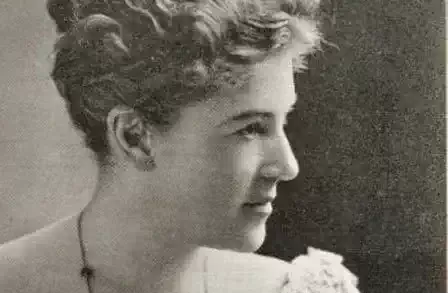
Ella Wheeler Wilcox
Woman To Man
Woman To Man
You do but jest, sir, and you jest not well,
How could the hand be enemy of the arm,
Or seed and sod be rivals! How could light
Feel jealousy of heat, plant of the leaf
Or competition dwell 'twixt lip and smile?
Are we not part and parcel of yourselves?
Like strands in one great braid we intertwine
And make the perfect whole. You could not be,
Unless we gave you birth; we are the soil
From which you sprang, yet sterile were that soil
Save as you planted. (Though in the Book we read
One woman bore a child with no man's aid
We find no record of a man-child born
Without the aid of woman! Fatherhood
Is but a small achievement at the best
While motherhood comprises heaven and hell.)
This ever-growing argument of sex
Is most unseemly, and devoid of sense.
Why waste more time in controversy, when
There is not time enough for all of love,
Our rightful occupation in this life.
Why prate of our defects, of where we fail
When just the story of our worth would need
Eternity for telling, and our best
Development comes ever thro' your praise,
As through our praise you reach your highest self.
Oh! had you not been miser of your praise
And let our virtues be their own reward
The old established, order of the world
Would never have been changed. Small blame is ours
For this unsexing of ourselves, and worse
Effeminizing of the male. We were
Content, sir, till you starved us, heart and brain.
All we have done, or wise, or otherwise
Traced to the root, was done for love of you.
Let us taboo all vain comparisons,
And go forth as God meant us, hand in hand,
Companions, mates and comrades evermore;
Two parts of one divinely ordained whole.
You do but jest, sir, and you jest not well,
How could the hand be enemy of the arm,
Or seed and sod be rivals! How could light
Feel jealousy of heat, plant of the leaf
Or competition dwell 'twixt lip and smile?
Are we not part and parcel of yourselves?
Like strands in one great braid we intertwine
And make the perfect whole. You could not be,
Unless we gave you birth; we are the soil
From which you sprang, yet sterile were that soil
Save as you planted. (Though in the Book we read
One woman bore a child with no man's aid
We find no record of a man-child born
Without the aid of woman! Fatherhood
Is but a small achievement at the best
While motherhood comprises heaven and hell.)
This ever-growing argument of sex
Is most unseemly, and devoid of sense.
Why waste more time in controversy, when
There is not time enough for all of love,
Our rightful occupation in this life.
Why prate of our defects, of where we fail
When just the story of our worth would need
Eternity for telling, and our best
Development comes ever thro' your praise,
As through our praise you reach your highest self.
Oh! had you not been miser of your praise
And let our virtues be their own reward
The old established, order of the world
Would never have been changed. Small blame is ours
For this unsexing of ourselves, and worse
Effeminizing of the male. We were
Content, sir, till you starved us, heart and brain.
All we have done, or wise, or otherwise
Traced to the root, was done for love of you.
Let us taboo all vain comparisons,
And go forth as God meant us, hand in hand,
Companions, mates and comrades evermore;
Two parts of one divinely ordained whole.
364
Ella Wheeler Wilcox
Why The Daisies Are Not All White
Why The Daisies Are Not All White
Uncle Rob says:
Once the daisies all were white,
Till a baby fellow
Ate his supper down one night,
And stained his face all yellow.
Smeared with butter, off to bed
Crept the sleepy flower.
'Fie!' the good nurse dew-drop said,
Come now to my bower.
'Let me wash you clean, I pray,
Like the pink and rosy.'
But the daisy pulled away
Like a stubborn posy.
All unwashed he went to sleep,
Naughty little fellow.
Ever since he's had to keep
That great patch of yellow.
So Uncle Rob says.
Uncle Rob says:
Once the daisies all were white,
Till a baby fellow
Ate his supper down one night,
And stained his face all yellow.
Smeared with butter, off to bed
Crept the sleepy flower.
'Fie!' the good nurse dew-drop said,
Come now to my bower.
'Let me wash you clean, I pray,
Like the pink and rosy.'
But the daisy pulled away
Like a stubborn posy.
All unwashed he went to sleep,
Naughty little fellow.
Ever since he's had to keep
That great patch of yellow.
So Uncle Rob says.
353
Ella Wheeler Wilcox
When Love Is Lost
When Love Is Lost
When love is lost, the day sets towards the night,
Albeit the morning sun may still be bright,
And not one cloud-ship sails across the sky.
Yet from the places where it used to lie
Gone is the lustrous glory of the light.
No splendour rests in any mountain height,
No scene spreads fair and beauteous to the sight;
All, all seems dull and dreary to the eye
When love is lost.
Love lends to life its grandeur and its might;
Love goes, and leaves behind it gloom and blight;
Like ghosts of time the pallid hours drag by,
And grief's one happy thought is that we die.
Ah, what can recompense us for its flight
When love is lost?
When love is lost, the day sets towards the night,
Albeit the morning sun may still be bright,
And not one cloud-ship sails across the sky.
Yet from the places where it used to lie
Gone is the lustrous glory of the light.
No splendour rests in any mountain height,
No scene spreads fair and beauteous to the sight;
All, all seems dull and dreary to the eye
When love is lost.
Love lends to life its grandeur and its might;
Love goes, and leaves behind it gloom and blight;
Like ghosts of time the pallid hours drag by,
And grief's one happy thought is that we die.
Ah, what can recompense us for its flight
When love is lost?
422
Ella Wheeler Wilcox
What Is Flirtation?
What Is Flirtation?
What is flirtation? Really,
How can I tell you that?
But when she smiles I see its wiles,
And when he lifts his hat.
'Tis walking in the moonlight,
'Tis buttoning on a glove,
'Tis lips that speak of plays next week,
While eyes are talking love.
Tis meeting in the ball-room,
'Tis whirling in the dance;
'Tis something hid beneath the lid,
More than a simple glance.
'Tis lingering in the hallway,
'Tis sitting on the stair,
'Tis bearded lips on finger-tips,
If mamma isn't there.
'Tis tucking in the carriage,
'Tis asking for a call;
'Tis long good-nights in tender lights,
And that is-no, not all!
'Tis parting when it's over,
And one goes home to sleep;
Best joys must end, tra la, my friend,
But one goes home to weep!
What is flirtation? Really,
How can I tell you that?
But when she smiles I see its wiles,
And when he lifts his hat.
'Tis walking in the moonlight,
'Tis buttoning on a glove,
'Tis lips that speak of plays next week,
While eyes are talking love.
Tis meeting in the ball-room,
'Tis whirling in the dance;
'Tis something hid beneath the lid,
More than a simple glance.
'Tis lingering in the hallway,
'Tis sitting on the stair,
'Tis bearded lips on finger-tips,
If mamma isn't there.
'Tis tucking in the carriage,
'Tis asking for a call;
'Tis long good-nights in tender lights,
And that is-no, not all!
'Tis parting when it's over,
And one goes home to sleep;
Best joys must end, tra la, my friend,
But one goes home to weep!
419
Ella Wheeler Wilcox
What Is Flirtation?
What Is Flirtation?
What is flirtation? Really,
How can I tell you that?
But when she smiles I see its wiles,
And when he lifts his hat.
'Tis walking in the moonlight,
'Tis buttoning on a glove,
'Tis lips that speak of plays next week,
While eyes are talking love.
Tis meeting in the ball-room,
'Tis whirling in the dance;
'Tis something hid beneath the lid,
More than a simple glance.
'Tis lingering in the hallway,
'Tis sitting on the stair,
'Tis bearded lips on finger-tips,
If mamma isn't there.
'Tis tucking in the carriage,
'Tis asking for a call;
'Tis long good-nights in tender lights,
And that is-no, not all!
'Tis parting when it's over,
And one goes home to sleep;
Best joys must end, tra la, my friend,
But one goes home to weep!
What is flirtation? Really,
How can I tell you that?
But when she smiles I see its wiles,
And when he lifts his hat.
'Tis walking in the moonlight,
'Tis buttoning on a glove,
'Tis lips that speak of plays next week,
While eyes are talking love.
Tis meeting in the ball-room,
'Tis whirling in the dance;
'Tis something hid beneath the lid,
More than a simple glance.
'Tis lingering in the hallway,
'Tis sitting on the stair,
'Tis bearded lips on finger-tips,
If mamma isn't there.
'Tis tucking in the carriage,
'Tis asking for a call;
'Tis long good-nights in tender lights,
And that is-no, not all!
'Tis parting when it's over,
And one goes home to sleep;
Best joys must end, tra la, my friend,
But one goes home to weep!
419
Ella Wheeler Wilcox
What I Have Seen #4
What I Have Seen #4
I saw a youth, one of God's favored few,
Crowned with beauty, and talents, and health;
He had climbed the steep pathway, and cut his way through
To the summit of glory and wealth.
The day is breaking, hearts are waking,
Refreshed for the field of labor:
Arise, arise, like the king of the skies,
With a greeting for friend and neighbor.
He had toiled hard for the honors he'd won,
He had climbed over high rocks, forded streams;
Braved the bleak winter snow, the hot summer sun,
He was reaching the goal of his dreams.
The day hangs around us, the sun hath bound us
With fetters silken and yellow:
Flow, flow away, fleeting day,
Golden-hearted and mellow.
I saw the youth lift a mug to his mouth,
Drink the last drop of the fearful first glass!
Ah! his veins thrill in a fierce, scorching drouth,
He fills it again, again drinks it! alas!
The day is dying, hearts are sighing,
Crushed with a weight of sorrow:
Sleep, oh! sleep, in a slumber deep,
And wait for a bright to-morrow.
I saw him low in the dust at my feet,
Gone beauty, health, wealth, strength, talents, all;
From the summit of Fame to the slime of the street,
He had bartered his soul for the fiend Alcohol.
The night hangs o'er us, the wind's wild chorus
Shrieks like a demons' revel:
Weep, sob, weep, for the fog is deep,
And the world is sold to the devil.
I saw a youth, one of God's favored few,
Crowned with beauty, and talents, and health;
He had climbed the steep pathway, and cut his way through
To the summit of glory and wealth.
The day is breaking, hearts are waking,
Refreshed for the field of labor:
Arise, arise, like the king of the skies,
With a greeting for friend and neighbor.
He had toiled hard for the honors he'd won,
He had climbed over high rocks, forded streams;
Braved the bleak winter snow, the hot summer sun,
He was reaching the goal of his dreams.
The day hangs around us, the sun hath bound us
With fetters silken and yellow:
Flow, flow away, fleeting day,
Golden-hearted and mellow.
I saw the youth lift a mug to his mouth,
Drink the last drop of the fearful first glass!
Ah! his veins thrill in a fierce, scorching drouth,
He fills it again, again drinks it! alas!
The day is dying, hearts are sighing,
Crushed with a weight of sorrow:
Sleep, oh! sleep, in a slumber deep,
And wait for a bright to-morrow.
I saw him low in the dust at my feet,
Gone beauty, health, wealth, strength, talents, all;
From the summit of Fame to the slime of the street,
He had bartered his soul for the fiend Alcohol.
The night hangs o'er us, the wind's wild chorus
Shrieks like a demons' revel:
Weep, sob, weep, for the fog is deep,
And the world is sold to the devil.
14
Ella Wheeler Wilcox
What I Have Seen #2
What I Have Seen #2
I saw a maid with her chivalrous lover:
He was both tender and true;
He kissed her lips, vowing over and over,
'Darling, I worship you.'
Sing, sing, bird of the spring,
Tell of the flowers the summer will bring.
I saw the maiden, sweet, loving, confiding,
Smile when he whispered 'Mine,'
Saw her lips meet his with no word of chiding,
Though his breath fumed with wine.
Wail, wail, Nightingale,
Sing of a mourner bowed and pale.
I saw the lover and maid at the altar,
Bound by the bands divine;
Heard the responses-they fail not nor falter-
Saw the guests pledge in wine.
Howl, howl, ominous Owl,
Shriek of the terrible tempest's scowl.
I saw the drunkard's wife weeping in anguish,
Saw her struck down by a blow;
I saw the husband in prison-cells languish-
Thus ends the tale of woe.
Shriek, shriek, O Raven! speak
Of the terrible midnight, dark and bleak.
I saw a maid with her chivalrous lover:
He was both tender and true;
He kissed her lips, vowing over and over,
'Darling, I worship you.'
Sing, sing, bird of the spring,
Tell of the flowers the summer will bring.
I saw the maiden, sweet, loving, confiding,
Smile when he whispered 'Mine,'
Saw her lips meet his with no word of chiding,
Though his breath fumed with wine.
Wail, wail, Nightingale,
Sing of a mourner bowed and pale.
I saw the lover and maid at the altar,
Bound by the bands divine;
Heard the responses-they fail not nor falter-
Saw the guests pledge in wine.
Howl, howl, ominous Owl,
Shriek of the terrible tempest's scowl.
I saw the drunkard's wife weeping in anguish,
Saw her struck down by a blow;
I saw the husband in prison-cells languish-
Thus ends the tale of woe.
Shriek, shriek, O Raven! speak
Of the terrible midnight, dark and bleak.
18
Ella Wheeler Wilcox
What I Have Seen #2
What I Have Seen #2
I saw a maid with her chivalrous lover:
He was both tender and true;
He kissed her lips, vowing over and over,
'Darling, I worship you.'
Sing, sing, bird of the spring,
Tell of the flowers the summer will bring.
I saw the maiden, sweet, loving, confiding,
Smile when he whispered 'Mine,'
Saw her lips meet his with no word of chiding,
Though his breath fumed with wine.
Wail, wail, Nightingale,
Sing of a mourner bowed and pale.
I saw the lover and maid at the altar,
Bound by the bands divine;
Heard the responses-they fail not nor falter-
Saw the guests pledge in wine.
Howl, howl, ominous Owl,
Shriek of the terrible tempest's scowl.
I saw the drunkard's wife weeping in anguish,
Saw her struck down by a blow;
I saw the husband in prison-cells languish-
Thus ends the tale of woe.
Shriek, shriek, O Raven! speak
Of the terrible midnight, dark and bleak.
I saw a maid with her chivalrous lover:
He was both tender and true;
He kissed her lips, vowing over and over,
'Darling, I worship you.'
Sing, sing, bird of the spring,
Tell of the flowers the summer will bring.
I saw the maiden, sweet, loving, confiding,
Smile when he whispered 'Mine,'
Saw her lips meet his with no word of chiding,
Though his breath fumed with wine.
Wail, wail, Nightingale,
Sing of a mourner bowed and pale.
I saw the lover and maid at the altar,
Bound by the bands divine;
Heard the responses-they fail not nor falter-
Saw the guests pledge in wine.
Howl, howl, ominous Owl,
Shriek of the terrible tempest's scowl.
I saw the drunkard's wife weeping in anguish,
Saw her struck down by a blow;
I saw the husband in prison-cells languish-
Thus ends the tale of woe.
Shriek, shriek, O Raven! speak
Of the terrible midnight, dark and bleak.
18
Ella Wheeler Wilcox
Vanity Fair
Vanity Fair
In Vanity Fair, as we bow and smile,
As we talk of the opera after the weather,
As we chat of fashion and fad and style,
We know we are playing a part together.
You know that the mirth she wears, she borrows;
She knows you laugh but to hide your sorrows;
We know that under the silks and laces,
And back of beautiful, beaming faces,
Lie secret trouble and grim despair,
In Vanity Fair.
In Vanity Fair, on dress parade,
Our colors look bright and our swords are gleaming;
But many a uniform's worn and frayed,
And most of the weapons, despite their seeming.
Are dull and blunted and badly battered,
And close inspection will show how tattered
And stained are the banners that float above us.
Our comrades hate, while they swear to love us;
And robed like Pleasure walks gaunt-eyed Care,
In Vanity Fair.
In Vanity Fair, as we strive for place,
As we rush and jostle and crowd and hurry,
We know the goal is not worth the race-
We know the prize is not worth the worry;
That all our gain means loss for another;
That in fighting for self we wound each other;
That the crown of success weighs hard and presse
The brow of the victor with thorns-not caresses;
That honors are empty and worthless to wear,
In Vanity Fair.
But in Vanity Fair, as we pass along,
We meet strong hearts that are worth the knowing;
'Mong poor paste jewels that deck the throng,
We see a solitaire sometimes glowing.
We find grand souls under robes of fashion,
'Neath light demeanors hide strength and passion;
And fair fine honor and Godlike resistance.
In halls of pleasure may have existence;
And we find pure altars and shrines of prayer,
In Vanity Fair.
In Vanity Fair, as we bow and smile,
As we talk of the opera after the weather,
As we chat of fashion and fad and style,
We know we are playing a part together.
You know that the mirth she wears, she borrows;
She knows you laugh but to hide your sorrows;
We know that under the silks and laces,
And back of beautiful, beaming faces,
Lie secret trouble and grim despair,
In Vanity Fair.
In Vanity Fair, on dress parade,
Our colors look bright and our swords are gleaming;
But many a uniform's worn and frayed,
And most of the weapons, despite their seeming.
Are dull and blunted and badly battered,
And close inspection will show how tattered
And stained are the banners that float above us.
Our comrades hate, while they swear to love us;
And robed like Pleasure walks gaunt-eyed Care,
In Vanity Fair.
In Vanity Fair, as we strive for place,
As we rush and jostle and crowd and hurry,
We know the goal is not worth the race-
We know the prize is not worth the worry;
That all our gain means loss for another;
That in fighting for self we wound each other;
That the crown of success weighs hard and presse
The brow of the victor with thorns-not caresses;
That honors are empty and worthless to wear,
In Vanity Fair.
But in Vanity Fair, as we pass along,
We meet strong hearts that are worth the knowing;
'Mong poor paste jewels that deck the throng,
We see a solitaire sometimes glowing.
We find grand souls under robes of fashion,
'Neath light demeanors hide strength and passion;
And fair fine honor and Godlike resistance.
In halls of pleasure may have existence;
And we find pure altars and shrines of prayer,
In Vanity Fair.
494