

Poems in this topic
Relationships and Family
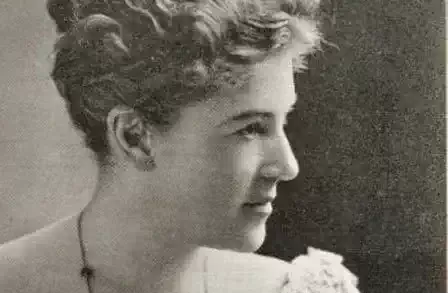
Ella Wheeler Wilcox
The Farewell to Clarimonde
The Farewell to Clarimonde
Adieu, Romauld! But thou canst not forget me.
Although no more I haunt thy dreams at night,
Thy hungering heart forever must regret me,
And starve for those lost moments of delight.
Naught shall avail thy priestly rites and duties,
Nor fears of Hell, nor hopes of Heaven beyond:
Before the Cross shall rise my fair form's beauties—-
The lips, the limbs, the eyes of Clarimonde.
Like gall the wine sipped from the sacred chalice
Shall taste to one who knew my red mouth's bliss,
When Youth and Beauty dwelt in Love's own palace,
And life flowed on in one eternal kiss.
Through what strange ways I come, dear heart, to reach thee,
From viewless lands, by paths no man e'er trod!
I braved all fears, all dangers dared, to teach thee
A love more mighty than thy love of God.
Think not in all His Kingdom to discover
Such joys, Romauld, as ours, when fierce yet fond
I clasped thee—kissed thee—crowned thee my one lover:
Thou canst not find another Clarimonde.
I knew all arts of love: he who possessed me
Possessed all women, and could never tire;
A new life dawned for him who once caressed me;
Satiety itself I set on fire.
Inconstancy I chained: men died to win me;
Kings cast by crowns for one hour on my breast:
And all the passionate tide of love within me
I gave to thee, Romauld. Wert thou not blest?
Yet, for the love of God, thy hand hath riven
Our welded souls. But not in prayer well conned,
Not in thy dearly-purchased peace of Heaven,
Canst thou forget those hours with Clarimonde.
Adieu, Romauld! But thou canst not forget me.
Although no more I haunt thy dreams at night,
Thy hungering heart forever must regret me,
And starve for those lost moments of delight.
Naught shall avail thy priestly rites and duties,
Nor fears of Hell, nor hopes of Heaven beyond:
Before the Cross shall rise my fair form's beauties—-
The lips, the limbs, the eyes of Clarimonde.
Like gall the wine sipped from the sacred chalice
Shall taste to one who knew my red mouth's bliss,
When Youth and Beauty dwelt in Love's own palace,
And life flowed on in one eternal kiss.
Through what strange ways I come, dear heart, to reach thee,
From viewless lands, by paths no man e'er trod!
I braved all fears, all dangers dared, to teach thee
A love more mighty than thy love of God.
Think not in all His Kingdom to discover
Such joys, Romauld, as ours, when fierce yet fond
I clasped thee—kissed thee—crowned thee my one lover:
Thou canst not find another Clarimonde.
I knew all arts of love: he who possessed me
Possessed all women, and could never tire;
A new life dawned for him who once caressed me;
Satiety itself I set on fire.
Inconstancy I chained: men died to win me;
Kings cast by crowns for one hour on my breast:
And all the passionate tide of love within me
I gave to thee, Romauld. Wert thou not blest?
Yet, for the love of God, thy hand hath riven
Our welded souls. But not in prayer well conned,
Not in thy dearly-purchased peace of Heaven,
Canst thou forget those hours with Clarimonde.
470
Ella Wheeler Wilcox
The Farewell to Clarimonde
The Farewell to Clarimonde
Adieu, Romauld! But thou canst not forget me.
Although no more I haunt thy dreams at night,
Thy hungering heart forever must regret me,
And starve for those lost moments of delight.
Naught shall avail thy priestly rites and duties,
Nor fears of Hell, nor hopes of Heaven beyond:
Before the Cross shall rise my fair form's beauties—-
The lips, the limbs, the eyes of Clarimonde.
Like gall the wine sipped from the sacred chalice
Shall taste to one who knew my red mouth's bliss,
When Youth and Beauty dwelt in Love's own palace,
And life flowed on in one eternal kiss.
Through what strange ways I come, dear heart, to reach thee,
From viewless lands, by paths no man e'er trod!
I braved all fears, all dangers dared, to teach thee
A love more mighty than thy love of God.
Think not in all His Kingdom to discover
Such joys, Romauld, as ours, when fierce yet fond
I clasped thee—kissed thee—crowned thee my one lover:
Thou canst not find another Clarimonde.
I knew all arts of love: he who possessed me
Possessed all women, and could never tire;
A new life dawned for him who once caressed me;
Satiety itself I set on fire.
Inconstancy I chained: men died to win me;
Kings cast by crowns for one hour on my breast:
And all the passionate tide of love within me
I gave to thee, Romauld. Wert thou not blest?
Yet, for the love of God, thy hand hath riven
Our welded souls. But not in prayer well conned,
Not in thy dearly-purchased peace of Heaven,
Canst thou forget those hours with Clarimonde.
Adieu, Romauld! But thou canst not forget me.
Although no more I haunt thy dreams at night,
Thy hungering heart forever must regret me,
And starve for those lost moments of delight.
Naught shall avail thy priestly rites and duties,
Nor fears of Hell, nor hopes of Heaven beyond:
Before the Cross shall rise my fair form's beauties—-
The lips, the limbs, the eyes of Clarimonde.
Like gall the wine sipped from the sacred chalice
Shall taste to one who knew my red mouth's bliss,
When Youth and Beauty dwelt in Love's own palace,
And life flowed on in one eternal kiss.
Through what strange ways I come, dear heart, to reach thee,
From viewless lands, by paths no man e'er trod!
I braved all fears, all dangers dared, to teach thee
A love more mighty than thy love of God.
Think not in all His Kingdom to discover
Such joys, Romauld, as ours, when fierce yet fond
I clasped thee—kissed thee—crowned thee my one lover:
Thou canst not find another Clarimonde.
I knew all arts of love: he who possessed me
Possessed all women, and could never tire;
A new life dawned for him who once caressed me;
Satiety itself I set on fire.
Inconstancy I chained: men died to win me;
Kings cast by crowns for one hour on my breast:
And all the passionate tide of love within me
I gave to thee, Romauld. Wert thou not blest?
Yet, for the love of God, thy hand hath riven
Our welded souls. But not in prayer well conned,
Not in thy dearly-purchased peace of Heaven,
Canst thou forget those hours with Clarimonde.
470
Ella Wheeler Wilcox
The Farewell to Clarimonde
The Farewell to Clarimonde
Adieu, Romauld! But thou canst not forget me.
Although no more I haunt thy dreams at night,
Thy hungering heart forever must regret me,
And starve for those lost moments of delight.
Naught shall avail thy priestly rites and duties,
Nor fears of Hell, nor hopes of Heaven beyond:
Before the Cross shall rise my fair form's beauties—-
The lips, the limbs, the eyes of Clarimonde.
Like gall the wine sipped from the sacred chalice
Shall taste to one who knew my red mouth's bliss,
When Youth and Beauty dwelt in Love's own palace,
And life flowed on in one eternal kiss.
Through what strange ways I come, dear heart, to reach thee,
From viewless lands, by paths no man e'er trod!
I braved all fears, all dangers dared, to teach thee
A love more mighty than thy love of God.
Think not in all His Kingdom to discover
Such joys, Romauld, as ours, when fierce yet fond
I clasped thee—kissed thee—crowned thee my one lover:
Thou canst not find another Clarimonde.
I knew all arts of love: he who possessed me
Possessed all women, and could never tire;
A new life dawned for him who once caressed me;
Satiety itself I set on fire.
Inconstancy I chained: men died to win me;
Kings cast by crowns for one hour on my breast:
And all the passionate tide of love within me
I gave to thee, Romauld. Wert thou not blest?
Yet, for the love of God, thy hand hath riven
Our welded souls. But not in prayer well conned,
Not in thy dearly-purchased peace of Heaven,
Canst thou forget those hours with Clarimonde.
Adieu, Romauld! But thou canst not forget me.
Although no more I haunt thy dreams at night,
Thy hungering heart forever must regret me,
And starve for those lost moments of delight.
Naught shall avail thy priestly rites and duties,
Nor fears of Hell, nor hopes of Heaven beyond:
Before the Cross shall rise my fair form's beauties—-
The lips, the limbs, the eyes of Clarimonde.
Like gall the wine sipped from the sacred chalice
Shall taste to one who knew my red mouth's bliss,
When Youth and Beauty dwelt in Love's own palace,
And life flowed on in one eternal kiss.
Through what strange ways I come, dear heart, to reach thee,
From viewless lands, by paths no man e'er trod!
I braved all fears, all dangers dared, to teach thee
A love more mighty than thy love of God.
Think not in all His Kingdom to discover
Such joys, Romauld, as ours, when fierce yet fond
I clasped thee—kissed thee—crowned thee my one lover:
Thou canst not find another Clarimonde.
I knew all arts of love: he who possessed me
Possessed all women, and could never tire;
A new life dawned for him who once caressed me;
Satiety itself I set on fire.
Inconstancy I chained: men died to win me;
Kings cast by crowns for one hour on my breast:
And all the passionate tide of love within me
I gave to thee, Romauld. Wert thou not blest?
Yet, for the love of God, thy hand hath riven
Our welded souls. But not in prayer well conned,
Not in thy dearly-purchased peace of Heaven,
Canst thou forget those hours with Clarimonde.
470
Ella Wheeler Wilcox
The Duet
The Duet
I was smoking a cigarette;
Maud, my wife, and the tenor McKey
Were singing together a blithe duet,
And days it were better I should forget
Came suddenly back to me,
Days when life seemed a gay masque ball
And to love and be loved as the sum of it all.
As they sang together the whole scene fled,
The room’s rich hangings, the sweet home air,
Stately Maud, with her proud blonde head,
And I seemed to see in her place instead
A wealth of blue-black hair,
And a face, ah! your face, - yours, Lisette,
A face it were wiser I should forget.
We were back – well, no matter when or where,
But you remember, I know, Lisette,
I saw you, dainty, and debonnaire,
With the very same look you used to wear
In the days I should forget.
And your lips, as red as the vintage we quaffed,
Were pearl-edged bumpers of wine when you laughed.
Two small slippers with big rosettes
Peeped out under your kilt-skirt there,
While we sat smoking our cigarettes
(Oh, I shall be dust when my heart forgets!)
And singing that selfsame air;
And between the verses for interlude,
I kissed your throat, and your shoulders nude.
You were so full of a subtle fire,
You were so warm and so sweet, Lisette;
You were everything men admire,
And there were no fetters to make us tire;
For you were – a pretty grisette.
But you loved, as only such natures can,
With a love that makes heaven of hell for a man.
****
They have ceased singing that old duet,
Stately Maud and the tenor McKey.
‘You are burning your coat with your cigarette,
And qu’avez-vous, dearest, your lids are wet, ’
Maud says, as she leans o’er me.
And I smile, and lie to her, husband-wise,
‘Oh, it is nothing but smoke in my eyes.’
I was smoking a cigarette;
Maud, my wife, and the tenor McKey
Were singing together a blithe duet,
And days it were better I should forget
Came suddenly back to me,
Days when life seemed a gay masque ball
And to love and be loved as the sum of it all.
As they sang together the whole scene fled,
The room’s rich hangings, the sweet home air,
Stately Maud, with her proud blonde head,
And I seemed to see in her place instead
A wealth of blue-black hair,
And a face, ah! your face, - yours, Lisette,
A face it were wiser I should forget.
We were back – well, no matter when or where,
But you remember, I know, Lisette,
I saw you, dainty, and debonnaire,
With the very same look you used to wear
In the days I should forget.
And your lips, as red as the vintage we quaffed,
Were pearl-edged bumpers of wine when you laughed.
Two small slippers with big rosettes
Peeped out under your kilt-skirt there,
While we sat smoking our cigarettes
(Oh, I shall be dust when my heart forgets!)
And singing that selfsame air;
And between the verses for interlude,
I kissed your throat, and your shoulders nude.
You were so full of a subtle fire,
You were so warm and so sweet, Lisette;
You were everything men admire,
And there were no fetters to make us tire;
For you were – a pretty grisette.
But you loved, as only such natures can,
With a love that makes heaven of hell for a man.
****
They have ceased singing that old duet,
Stately Maud and the tenor McKey.
‘You are burning your coat with your cigarette,
And qu’avez-vous, dearest, your lids are wet, ’
Maud says, as she leans o’er me.
And I smile, and lie to her, husband-wise,
‘Oh, it is nothing but smoke in my eyes.’
448
Ella Wheeler Wilcox
The Duet
The Duet
I was smoking a cigarette;
Maud, my wife, and the tenor McKey
Were singing together a blithe duet,
And days it were better I should forget
Came suddenly back to me,
Days when life seemed a gay masque ball
And to love and be loved as the sum of it all.
As they sang together the whole scene fled,
The room’s rich hangings, the sweet home air,
Stately Maud, with her proud blonde head,
And I seemed to see in her place instead
A wealth of blue-black hair,
And a face, ah! your face, - yours, Lisette,
A face it were wiser I should forget.
We were back – well, no matter when or where,
But you remember, I know, Lisette,
I saw you, dainty, and debonnaire,
With the very same look you used to wear
In the days I should forget.
And your lips, as red as the vintage we quaffed,
Were pearl-edged bumpers of wine when you laughed.
Two small slippers with big rosettes
Peeped out under your kilt-skirt there,
While we sat smoking our cigarettes
(Oh, I shall be dust when my heart forgets!)
And singing that selfsame air;
And between the verses for interlude,
I kissed your throat, and your shoulders nude.
You were so full of a subtle fire,
You were so warm and so sweet, Lisette;
You were everything men admire,
And there were no fetters to make us tire;
For you were – a pretty grisette.
But you loved, as only such natures can,
With a love that makes heaven of hell for a man.
****
They have ceased singing that old duet,
Stately Maud and the tenor McKey.
‘You are burning your coat with your cigarette,
And qu’avez-vous, dearest, your lids are wet, ’
Maud says, as she leans o’er me.
And I smile, and lie to her, husband-wise,
‘Oh, it is nothing but smoke in my eyes.’
I was smoking a cigarette;
Maud, my wife, and the tenor McKey
Were singing together a blithe duet,
And days it were better I should forget
Came suddenly back to me,
Days when life seemed a gay masque ball
And to love and be loved as the sum of it all.
As they sang together the whole scene fled,
The room’s rich hangings, the sweet home air,
Stately Maud, with her proud blonde head,
And I seemed to see in her place instead
A wealth of blue-black hair,
And a face, ah! your face, - yours, Lisette,
A face it were wiser I should forget.
We were back – well, no matter when or where,
But you remember, I know, Lisette,
I saw you, dainty, and debonnaire,
With the very same look you used to wear
In the days I should forget.
And your lips, as red as the vintage we quaffed,
Were pearl-edged bumpers of wine when you laughed.
Two small slippers with big rosettes
Peeped out under your kilt-skirt there,
While we sat smoking our cigarettes
(Oh, I shall be dust when my heart forgets!)
And singing that selfsame air;
And between the verses for interlude,
I kissed your throat, and your shoulders nude.
You were so full of a subtle fire,
You were so warm and so sweet, Lisette;
You were everything men admire,
And there were no fetters to make us tire;
For you were – a pretty grisette.
But you loved, as only such natures can,
With a love that makes heaven of hell for a man.
****
They have ceased singing that old duet,
Stately Maud and the tenor McKey.
‘You are burning your coat with your cigarette,
And qu’avez-vous, dearest, your lids are wet, ’
Maud says, as she leans o’er me.
And I smile, and lie to her, husband-wise,
‘Oh, it is nothing but smoke in my eyes.’
448
Ella Wheeler Wilcox
The Common Lot
The Common Lot
It is a common fate – a woman’s lot –
To waste on one the riches of her soul,
Who takes the wealth she gives him, but cannot
Repay the interest, and much less the whole.
As I look up into your eyes, and wait
For some response to my fond gaze and touch,
It seems to me there is no sadder fate
Than to be doomed to loving overmuch.
Are you not kind? Ah, yes, so very kind –
So thoughtful of my comfort, and so true.
Yes, yes, dear heart; but I, not being blind,
Know that I am not loved, as I love you.
One tenderer word, a little longer kiss,
Will fill my soul with music and with song;
And if you seem abstracted, or I miss
The heart-tone from your voice, my world goes wrong.
And oftentimes you think me childish – weak –
When at some thoughtless word the tears will start;
You cannot understand how aught you speak
Has power to stir the deapths of my poor heart.
I cannot help it, dear – I wish I could,
Or feign indifference where I now adore;
For if I seemed to love you less, you would,
Manlike, I have no doubt, love me the more.
‘Tis a sad gift, that much applauded thing,
A constant heart; for fact doth daily prove
That constancy finds oft a cruel sting,
While fickle natures win the deeper love.
It is a common fate – a woman’s lot –
To waste on one the riches of her soul,
Who takes the wealth she gives him, but cannot
Repay the interest, and much less the whole.
As I look up into your eyes, and wait
For some response to my fond gaze and touch,
It seems to me there is no sadder fate
Than to be doomed to loving overmuch.
Are you not kind? Ah, yes, so very kind –
So thoughtful of my comfort, and so true.
Yes, yes, dear heart; but I, not being blind,
Know that I am not loved, as I love you.
One tenderer word, a little longer kiss,
Will fill my soul with music and with song;
And if you seem abstracted, or I miss
The heart-tone from your voice, my world goes wrong.
And oftentimes you think me childish – weak –
When at some thoughtless word the tears will start;
You cannot understand how aught you speak
Has power to stir the deapths of my poor heart.
I cannot help it, dear – I wish I could,
Or feign indifference where I now adore;
For if I seemed to love you less, you would,
Manlike, I have no doubt, love me the more.
‘Tis a sad gift, that much applauded thing,
A constant heart; for fact doth daily prove
That constancy finds oft a cruel sting,
While fickle natures win the deeper love.
362
Ella Wheeler Wilcox
The Boys' And Girls' Thanksgiving of 1892
The Boys' And Girls' Thanksgiving of 1892
Never since the race was started,
Had a boy in any clime,
Cause to be so thankful-hearted,
As the boys of present time.
Not a girl in old times living-
Let the world talk as it may-
Found such reasons for Thanksgiving,
As the girls who live to-day!
Grandmas, in their corners sitting,
Toiling till the day grew late,
What knew they with endless knitting,
Of the jolly roller-skate?
Grandpas sitting by the fender,
Reading by the faggots' blaze,
What knew they of modern splendor
Found in incandescent rays?
Where they toiled in bitter weather,
Braving rain and snow and sleet,
Gathering sticks of wood together,
We have radiators' heat.
But these fruits of modern science
They first planted seed by seed,
In their strength and self-reliance
We may find a noble creed.
With the dawn of great inventions,
Came the anti-warring days.
Men are sick of armed contentions,
God be thanked with heart-felt praise.
Once a boy was trained for fighting,
Now the world is better taught,
'Tis an age when wrongs are righting
By the force of common thought.
Once a girl was trained for sewing,
Spinning, knitting, nothing more.
She must never think of knowing
Aught of things outside her door.
If she soared above her spinning,
If she sought a life more broad,
She was looked upon as sinning
'Gainst the laws of man and God.
Now a girl is taught she's human,
Brain and body, soul and heart
All are needed by the woman
Who to-day would play her part.
Swift and sure the world advances,
Let the critic carp who may.
God be praised for all the chances
Boys and girls enjoy to-day.
Never since the race was started,
Had a boy in any clime,
Cause to be so thankful-hearted,
As the boys of present time.
Not a girl in old times living-
Let the world talk as it may-
Found such reasons for Thanksgiving,
As the girls who live to-day!
Grandmas, in their corners sitting,
Toiling till the day grew late,
What knew they with endless knitting,
Of the jolly roller-skate?
Grandpas sitting by the fender,
Reading by the faggots' blaze,
What knew they of modern splendor
Found in incandescent rays?
Where they toiled in bitter weather,
Braving rain and snow and sleet,
Gathering sticks of wood together,
We have radiators' heat.
But these fruits of modern science
They first planted seed by seed,
In their strength and self-reliance
We may find a noble creed.
With the dawn of great inventions,
Came the anti-warring days.
Men are sick of armed contentions,
God be thanked with heart-felt praise.
Once a boy was trained for fighting,
Now the world is better taught,
'Tis an age when wrongs are righting
By the force of common thought.
Once a girl was trained for sewing,
Spinning, knitting, nothing more.
She must never think of knowing
Aught of things outside her door.
If she soared above her spinning,
If she sought a life more broad,
She was looked upon as sinning
'Gainst the laws of man and God.
Now a girl is taught she's human,
Brain and body, soul and heart
All are needed by the woman
Who to-day would play her part.
Swift and sure the world advances,
Let the critic carp who may.
God be praised for all the chances
Boys and girls enjoy to-day.
492
Ella Wheeler Wilcox
The Ah Goo Tongue
The Ah Goo Tongue
The queerest languages known to man,
Sanscrit, Hebrew, Hindoostan,
Are all translated and made as free
And comprehensive as A B C.
Yet the oldest language talked or sung,
The strange mysterious Ah Goo tongue,
The royal language of Babyland
No man living can understand.
Every soul in the world to-day
Was one time anchored in Babyland Bay,
And quarantined there for a year or more
Before he even could step on shore.
And everybody in Babyland Bay
Talks the Ah Goo tongue, so people say,
But once on land-why not a word
Do they understand of it when 'tis heard.
For the fairy rulers of Babyland
Who guard the kingdom on every hand,
Have willed that no one shall keep the key
Who crosses into the Grown-up Sea.
So the sweet court language has never been made
A common parlance of strife or trade,
But is kept in the kingdom where natives come
Versed in the language of Babydom.
They are all of them royal and that is how
The Grown-up people all kneel and bow,
When they hear that language talked or sung-
The strange mysterious Ah Goo tongue.
The queerest languages known to man,
Sanscrit, Hebrew, Hindoostan,
Are all translated and made as free
And comprehensive as A B C.
Yet the oldest language talked or sung,
The strange mysterious Ah Goo tongue,
The royal language of Babyland
No man living can understand.
Every soul in the world to-day
Was one time anchored in Babyland Bay,
And quarantined there for a year or more
Before he even could step on shore.
And everybody in Babyland Bay
Talks the Ah Goo tongue, so people say,
But once on land-why not a word
Do they understand of it when 'tis heard.
For the fairy rulers of Babyland
Who guard the kingdom on every hand,
Have willed that no one shall keep the key
Who crosses into the Grown-up Sea.
So the sweet court language has never been made
A common parlance of strife or trade,
But is kept in the kingdom where natives come
Versed in the language of Babydom.
They are all of them royal and that is how
The Grown-up people all kneel and bow,
When they hear that language talked or sung-
The strange mysterious Ah Goo tongue.
407
Ella Wheeler Wilcox
The Beautiful Blue Danube
The Beautiful Blue Danube
They drift down the hall together;
He smiles in her lifted eyes.
Like waves of that mighty river
The strains of the ‘Danube’ rise.
They float on its rhythmic measure,
Like leaves on a summer stream;
And here, in this scene of pleasure,
I bury my sweet dead dream.
Through the cloud of her dusky tresses,
Like a star, shines out her face;
And the form of his strong arm presses
Is sylph-like in its grace.
As a leaf on the bounding river
Is lost in the seething sea,
I know that for ever and ever
My dream is lost to me.
And still the viols are playing
That grand old wordless rhyme;
And still those two are swaying
In perfect tune and time.
If the great bassoons that mutter,
If the clarinets that blow,
Were given the chance to utter
The secret things they know.
Would the lists of the slain who slumber
On the Danube’s battle-plains
The unknown hosts outnumber
Who die ‘neath the ‘Danube’s’ strains?
Those fall where the cannons rattle,
‘Mid the rain of shot and shell;
But these, in a fiercer battle,
Find death in the music’s swell.
With the river’s roar of passion
Is blended the dying groan;
But here, in the halls of fashion,
Hearts break, and make no moan.
And the music, swelling and sweeping,
Like the river, knows it all;
But none are counting or keeping
The lists of those who fall.
They drift down the hall together;
He smiles in her lifted eyes.
Like waves of that mighty river
The strains of the ‘Danube’ rise.
They float on its rhythmic measure,
Like leaves on a summer stream;
And here, in this scene of pleasure,
I bury my sweet dead dream.
Through the cloud of her dusky tresses,
Like a star, shines out her face;
And the form of his strong arm presses
Is sylph-like in its grace.
As a leaf on the bounding river
Is lost in the seething sea,
I know that for ever and ever
My dream is lost to me.
And still the viols are playing
That grand old wordless rhyme;
And still those two are swaying
In perfect tune and time.
If the great bassoons that mutter,
If the clarinets that blow,
Were given the chance to utter
The secret things they know.
Would the lists of the slain who slumber
On the Danube’s battle-plains
The unknown hosts outnumber
Who die ‘neath the ‘Danube’s’ strains?
Those fall where the cannons rattle,
‘Mid the rain of shot and shell;
But these, in a fiercer battle,
Find death in the music’s swell.
With the river’s roar of passion
Is blended the dying groan;
But here, in the halls of fashion,
Hearts break, and make no moan.
And the music, swelling and sweeping,
Like the river, knows it all;
But none are counting or keeping
The lists of those who fall.
367
Ella Wheeler Wilcox
Songs Of A Country Home
Songs Of A Country Home
I
Who has not felt his heart leap up, and glow
What time the tulips first begin to blow,
Has one sweet joy, still left for him to know.
It is like early loves' imagining;
That fragile pleasure, which the Tulips bring,
When suddenly we see them, in the Spring.
Not all the gardens later royal train,
Not great triumphant Roses, when they reign,
Can bring that delicate delight again.
II
One of the sweetest hours is this;
(Of all I think we like it best
A little restful oasis,
Between the breakfast, and the post.
Just south of coffee, and of toast,
Just north of daily task and duty;
Just west of dreams, this Island gleams,
A fertile spot of peace and beauty.
We wander out across the lawn;
We idle by a bush in bloom;
The Household pets come following on;
Or if the day is one of gloom,
We loiter in a pleasant room
Or from a casement, lean and chatter.
Then comes the mail, like sudden hail,
And off we scatter.
III
When roses die, in languid August days,
We leave the Garden, to its fallen ways;
And seek the shelter of wide porticos,
Where Honeysuckle, in defiance blows
Undaunted by the Sun's too ardent rays.
The matron Summer, turns a wistful gaze
Across green valleys, back to tender Mays;
And something of her large contentment goes,
When roses die.
Yet all her subtle fascination stays
To lure us into idle sweet delays.
The lowered awning, by the hammock shows
Inviting nooks for dreaming and repose;
Oh, restful are the pleasures of those days
When roses die.
IV
The summer folk, fled back to town;
The green woods changed to red and brown;
A sound upon the frosty air
Of windows closing everywhere.
And then the log, lapped by a blaze.
Oh, what is better than these days;
With books and friends and love a-near;
Go on, gay world, but leave me here.
I
Who has not felt his heart leap up, and glow
What time the tulips first begin to blow,
Has one sweet joy, still left for him to know.
It is like early loves' imagining;
That fragile pleasure, which the Tulips bring,
When suddenly we see them, in the Spring.
Not all the gardens later royal train,
Not great triumphant Roses, when they reign,
Can bring that delicate delight again.
II
One of the sweetest hours is this;
(Of all I think we like it best
A little restful oasis,
Between the breakfast, and the post.
Just south of coffee, and of toast,
Just north of daily task and duty;
Just west of dreams, this Island gleams,
A fertile spot of peace and beauty.
We wander out across the lawn;
We idle by a bush in bloom;
The Household pets come following on;
Or if the day is one of gloom,
We loiter in a pleasant room
Or from a casement, lean and chatter.
Then comes the mail, like sudden hail,
And off we scatter.
III
When roses die, in languid August days,
We leave the Garden, to its fallen ways;
And seek the shelter of wide porticos,
Where Honeysuckle, in defiance blows
Undaunted by the Sun's too ardent rays.
The matron Summer, turns a wistful gaze
Across green valleys, back to tender Mays;
And something of her large contentment goes,
When roses die.
Yet all her subtle fascination stays
To lure us into idle sweet delays.
The lowered awning, by the hammock shows
Inviting nooks for dreaming and repose;
Oh, restful are the pleasures of those days
When roses die.
IV
The summer folk, fled back to town;
The green woods changed to red and brown;
A sound upon the frosty air
Of windows closing everywhere.
And then the log, lapped by a blaze.
Oh, what is better than these days;
With books and friends and love a-near;
Go on, gay world, but leave me here.
552
Ella Wheeler Wilcox
Smoke
Smoke
Last summer, lazing by the sea,
I met a most entrancing creature,
Her black eyes quite bewildered me---
She had a Spanish cast of feature.
She often smoked a cigarette,
And did it in the cutest fashion.
Before a week passed by she set
My young heart in a raging passion.
I swore I loved her as my life,
I gave her gems (don't tell my tailor).
She promised to become my wife,
But whispered, 'Papa is my jailer.'
'We must be very sly, you see,
For Papa will not list to reason.
You must not come to call on me
Until he's gone from home a season.
'I'll send you word, now don't forget,
Take this as pledge, I will remember.'
She gave me a perfumed cigarette,
And turned and left me with September.
To-day she sent her 'cards' to me.
'My presence asked' to see her marry
That millionaire old banker C---
She has my 'presents,' so I'll tarry.
And still I feel a keen regret
(About the jewels that I gave her)
I've smoked the little cigarette---
It had a most delicious flavour.
Last summer, lazing by the sea,
I met a most entrancing creature,
Her black eyes quite bewildered me---
She had a Spanish cast of feature.
She often smoked a cigarette,
And did it in the cutest fashion.
Before a week passed by she set
My young heart in a raging passion.
I swore I loved her as my life,
I gave her gems (don't tell my tailor).
She promised to become my wife,
But whispered, 'Papa is my jailer.'
'We must be very sly, you see,
For Papa will not list to reason.
You must not come to call on me
Until he's gone from home a season.
'I'll send you word, now don't forget,
Take this as pledge, I will remember.'
She gave me a perfumed cigarette,
And turned and left me with September.
To-day she sent her 'cards' to me.
'My presence asked' to see her marry
That millionaire old banker C---
She has my 'presents,' so I'll tarry.
And still I feel a keen regret
(About the jewels that I gave her)
I've smoked the little cigarette---
It had a most delicious flavour.
420
Ella Wheeler Wilcox
Smoke
Smoke
Last summer, lazing by the sea,
I met a most entrancing creature,
Her black eyes quite bewildered me---
She had a Spanish cast of feature.
She often smoked a cigarette,
And did it in the cutest fashion.
Before a week passed by she set
My young heart in a raging passion.
I swore I loved her as my life,
I gave her gems (don't tell my tailor).
She promised to become my wife,
But whispered, 'Papa is my jailer.'
'We must be very sly, you see,
For Papa will not list to reason.
You must not come to call on me
Until he's gone from home a season.
'I'll send you word, now don't forget,
Take this as pledge, I will remember.'
She gave me a perfumed cigarette,
And turned and left me with September.
To-day she sent her 'cards' to me.
'My presence asked' to see her marry
That millionaire old banker C---
She has my 'presents,' so I'll tarry.
And still I feel a keen regret
(About the jewels that I gave her)
I've smoked the little cigarette---
It had a most delicious flavour.
Last summer, lazing by the sea,
I met a most entrancing creature,
Her black eyes quite bewildered me---
She had a Spanish cast of feature.
She often smoked a cigarette,
And did it in the cutest fashion.
Before a week passed by she set
My young heart in a raging passion.
I swore I loved her as my life,
I gave her gems (don't tell my tailor).
She promised to become my wife,
But whispered, 'Papa is my jailer.'
'We must be very sly, you see,
For Papa will not list to reason.
You must not come to call on me
Until he's gone from home a season.
'I'll send you word, now don't forget,
Take this as pledge, I will remember.'
She gave me a perfumed cigarette,
And turned and left me with September.
To-day she sent her 'cards' to me.
'My presence asked' to see her marry
That millionaire old banker C---
She has my 'presents,' so I'll tarry.
And still I feel a keen regret
(About the jewels that I gave her)
I've smoked the little cigarette---
It had a most delicious flavour.
420
Ella Wheeler Wilcox
Sign-Board
Sign-Board
I will paint you a sign, rumseller,
And hang it above your door;
A truer and better signboard
Than ever you had before.
I will paint with the skill of a master,
And many shall pause to see
This wonderful piece of painting,
So like the reality.
I will paint yourself, rumseller,
As you wait for that fair young boy,
Just in the morning of manhood,
A mother's pride and joy.
He has no thought of stopping,
But you greet him with a smile,
And you seem so blithe and friendly,
That he pauses to chat awhile.
I will paint you again, rumseller,
I will paint you as you stand,
With a foaming glass of liquor
Extended in your hand.
He wavers, but you urge him-
Drink, pledge me just this one!
And he takes the glass and drains it,
And the hellish work is done.
And next I will paint a drunkard-
Only a year has flown,
But into that loathsome creature
The fair young boy has grown.
The work was sure and rapid.
I will paint him as he lies
In a torpid, drunken slumber,
Under the wintry skies.
I will paint the form of the mother
As she kneels at her darling's side,
Her beautiful boy that was dearer
Than all the world beside.
I will paint the shape of a coffin,
Labeled with one word-'lost,'
I will paint all this, rumseller,
And will paint it free of cost.
The sin and the shame and the sorrow,
The crime and the want and the woe
That are born there in your workshop,
No hand can paint, you know.
But I'll paint you a sign, rumseller,
And many shall pause to view
This wonderful swinging signboard,
So terribly, fearfully true.
I will paint you a sign, rumseller,
And hang it above your door;
A truer and better signboard
Than ever you had before.
I will paint with the skill of a master,
And many shall pause to see
This wonderful piece of painting,
So like the reality.
I will paint yourself, rumseller,
As you wait for that fair young boy,
Just in the morning of manhood,
A mother's pride and joy.
He has no thought of stopping,
But you greet him with a smile,
And you seem so blithe and friendly,
That he pauses to chat awhile.
I will paint you again, rumseller,
I will paint you as you stand,
With a foaming glass of liquor
Extended in your hand.
He wavers, but you urge him-
Drink, pledge me just this one!
And he takes the glass and drains it,
And the hellish work is done.
And next I will paint a drunkard-
Only a year has flown,
But into that loathsome creature
The fair young boy has grown.
The work was sure and rapid.
I will paint him as he lies
In a torpid, drunken slumber,
Under the wintry skies.
I will paint the form of the mother
As she kneels at her darling's side,
Her beautiful boy that was dearer
Than all the world beside.
I will paint the shape of a coffin,
Labeled with one word-'lost,'
I will paint all this, rumseller,
And will paint it free of cost.
The sin and the shame and the sorrow,
The crime and the want and the woe
That are born there in your workshop,
No hand can paint, you know.
But I'll paint you a sign, rumseller,
And many shall pause to view
This wonderful swinging signboard,
So terribly, fearfully true.
347
Ella Wheeler Wilcox
Sestina
Sestina
I wandered o'er the vast green plains of youth,
And searched for Pleasure. On a distant height
Fame's silhouette stood sharp against the skies.
Beyond vast crowds that thronged a broad highway
I caught the glimmer of a golden goal,
While from a blooming bower smiled siren Love.
Straight gazing in her eyes, I laughed at Love,
With all the haughty insolence of youth,
As past her bower I strode to seek my goal.
'Now will I climb to glory's dizzy height, '
I said, ' for there above the common way
Doth pleasure dwell companioned by the skies.'
But when I reached that summit near the skies,
So far from man I seemed, so far from Love'
Not here, ' I cried, 'doth Pleasure find her way, '
Seen from the distant borderland of youth.
Fame smiles upon us from her sun-kissed height,
But frowns in shadows when we reach the goal.
Then were mine eyes fixed on that glittering goal,
Dear to all sense-sunk souls beneath the skies.
Gold tempts the artist from the lofty height,
Gold lures the maiden from the arms of Love,
Gold buys the fresh ingenuous heart of youth,
'And gold, ' I said, 'will show me Pleasure's way.'
But ah! the soil and discord of that way,
Where savage hordes rushed headlong to the goal,
Dead to the best impulses of their youth,
Blind to the azure beauty of the skies;
Dulled to the voice of conscience and of love,
They wandered far from Truth's eternal height.
Then Truth spoke to me from that noble height,
Saying: 'Thou didst pass Pleasure on the way,
She with the yearning eyes so full of Love,
Whom thou disdained to seek for glory's goal.'
Two blending paths beneath God's arching skies
Lead straight to Pleasure. Ah, blind heart of youth,
Not up fame's height, not toward the base god's goal,
Doth Pleasure make her way, but 'neath calm skies
Where Duty walks with Love in endless youth.
I wandered o'er the vast green plains of youth,
And searched for Pleasure. On a distant height
Fame's silhouette stood sharp against the skies.
Beyond vast crowds that thronged a broad highway
I caught the glimmer of a golden goal,
While from a blooming bower smiled siren Love.
Straight gazing in her eyes, I laughed at Love,
With all the haughty insolence of youth,
As past her bower I strode to seek my goal.
'Now will I climb to glory's dizzy height, '
I said, ' for there above the common way
Doth pleasure dwell companioned by the skies.'
But when I reached that summit near the skies,
So far from man I seemed, so far from Love'
Not here, ' I cried, 'doth Pleasure find her way, '
Seen from the distant borderland of youth.
Fame smiles upon us from her sun-kissed height,
But frowns in shadows when we reach the goal.
Then were mine eyes fixed on that glittering goal,
Dear to all sense-sunk souls beneath the skies.
Gold tempts the artist from the lofty height,
Gold lures the maiden from the arms of Love,
Gold buys the fresh ingenuous heart of youth,
'And gold, ' I said, 'will show me Pleasure's way.'
But ah! the soil and discord of that way,
Where savage hordes rushed headlong to the goal,
Dead to the best impulses of their youth,
Blind to the azure beauty of the skies;
Dulled to the voice of conscience and of love,
They wandered far from Truth's eternal height.
Then Truth spoke to me from that noble height,
Saying: 'Thou didst pass Pleasure on the way,
She with the yearning eyes so full of Love,
Whom thou disdained to seek for glory's goal.'
Two blending paths beneath God's arching skies
Lead straight to Pleasure. Ah, blind heart of youth,
Not up fame's height, not toward the base god's goal,
Doth Pleasure make her way, but 'neath calm skies
Where Duty walks with Love in endless youth.
415
Ella Wheeler Wilcox
Refuted
Refuted
‘Anticipation is sweeter than realisation.’
It may be, yet I have not found it so.
In those first golden dreams of future fame
I did not find such happiness as came
When toil was crowned with triumph. Now I know
My words have recognition, and will go
Straight to some listening heart, my early aim,
To win the idle glory of a name,
Pales like a candle in the noonday’s glow.
So with the deeper joys of which I dreamed:
Life yields more rapture than did childhood’s fancies,
And each year brings more pleasure than I waited.
Friendship proves truer than of old it seemed,
And, all beyond youth’s passion-hued romances,
Love is more perfect than anticipated.
‘Anticipation is sweeter than realisation.’
It may be, yet I have not found it so.
In those first golden dreams of future fame
I did not find such happiness as came
When toil was crowned with triumph. Now I know
My words have recognition, and will go
Straight to some listening heart, my early aim,
To win the idle glory of a name,
Pales like a candle in the noonday’s glow.
So with the deeper joys of which I dreamed:
Life yields more rapture than did childhood’s fancies,
And each year brings more pleasure than I waited.
Friendship proves truer than of old it seemed,
And, all beyond youth’s passion-hued romances,
Love is more perfect than anticipated.
426
Ella Wheeler Wilcox
Queries
Queries
Well, how has it been with you since we met
That last strange time of a hundred times?
When we met to swear that we could forget—
I your caresses, and you my rhymes—
The rhyme of my lays that rang like a bell,
And the rhyme of my heart with yours, as well?
How has it been since we drank that last kiss,
That was bitter with lees of the wasted wine,
When the tattered remains of a threadbare bliss,
And the worn-out shreds of a joy divine,
With a year's best dreams and hopes, were cast
Into the rag-bag of the Past?
Since Time, the rag-buyer, hurried away,
With a chuckle of glee at a bargain made,
Did you discover, like me, one day,
That, hid in the folds of those garments frayed,
Were priceless jewels and diadems—
The soul's best treasures, the heart's best gems?
Have you, too, found that you could not supply
The place of those jewels so rare and chaste?
Do all that you borrow or beg or buy
Prove to be nothing but skilful paste?
Have you found pleasure, as I found art,
Not all-sufficient to fill your heart?
Do you sometimes sigh for the tattered shreds
Of the old delight that we cast away,
And find no worth in the silken threads
Of newer fabrics we wear to-day?
Have you thought the bitter of that last kiss
Better than sweets of a later bliss?
What idle queries!—or yes or no—
Whatever your answer, I understand
That there is no pathway by which we can go
Back to the dead past's wonderland;
And the gems he purchased from me, from you,
There is no rebuying from Time, the Jew
Well, how has it been with you since we met
That last strange time of a hundred times?
When we met to swear that we could forget—
I your caresses, and you my rhymes—
The rhyme of my lays that rang like a bell,
And the rhyme of my heart with yours, as well?
How has it been since we drank that last kiss,
That was bitter with lees of the wasted wine,
When the tattered remains of a threadbare bliss,
And the worn-out shreds of a joy divine,
With a year's best dreams and hopes, were cast
Into the rag-bag of the Past?
Since Time, the rag-buyer, hurried away,
With a chuckle of glee at a bargain made,
Did you discover, like me, one day,
That, hid in the folds of those garments frayed,
Were priceless jewels and diadems—
The soul's best treasures, the heart's best gems?
Have you, too, found that you could not supply
The place of those jewels so rare and chaste?
Do all that you borrow or beg or buy
Prove to be nothing but skilful paste?
Have you found pleasure, as I found art,
Not all-sufficient to fill your heart?
Do you sometimes sigh for the tattered shreds
Of the old delight that we cast away,
And find no worth in the silken threads
Of newer fabrics we wear to-day?
Have you thought the bitter of that last kiss
Better than sweets of a later bliss?
What idle queries!—or yes or no—
Whatever your answer, I understand
That there is no pathway by which we can go
Back to the dead past's wonderland;
And the gems he purchased from me, from you,
There is no rebuying from Time, the Jew
336
Ella Wheeler Wilcox
PH. Best & Co.'s Lager-Beer
PH. Best & Co.'s Lager-Beer
In every part of the thrifty town,
Whether my course be up or down,
In lane, and alley, and avenue,
Painted in yellow, and red, and blue,
This side and that, east and west,
Was this flaunting sign-board of 'Ph. Best.'
'Twas hung high up, and swung in the air
With a swaggering, bold-faced, 'devil-may-careIt-
is-none-of-your-business' sort of way;
Or, as if dreading the light o' the day,
It hung low, over a basement-stair,
And seemed ashamed when you saw it there.
Or it shone like a wicked and evil eye
From a 'restaurant' door on passers-by,
And seemed with a twinkling wink to say:
'Are you bound for hell? Then step this way;
This is the ticket-office of sin;
If you think of purchasing, pray, walk in.'
Or it glared from a window where the light
Of the lamps within shone full and bright,
And seemed to be saying, 'Come out of the storm!
Come into my haven snug and warm;
I will give you warmth from the flowing bowl,
And all I ask is your purse and soul.'
But whether on window, door, or stair,
Wherever I went, it was always there;
Painted in yellow, and red, and blue,
It stared from alley and avenue:
It was north, and south, and east, and west,
The lager-beer of this Philip Best.
And who was Philip Best, you ask?
Oh! he was a man, whose noble task
Was the brewing of beer-good beer, first-class-
That should sparkle, and bubble, and boil in the glass:
Should sparkle and flow till drank, and then
Feast like a vampire on brains of men.
Ah! Philip Best, you have passed from view,
But your name and your works live after you.
Come, brothers, raise him a monument,
Inscribed, 'Here lies the man who sent
A million of souls to the depths of hell;
Turned genius and worth to the prison-cell;
Stole bread from the mouth of the hungry child:
Made the father a brute, and the mother wild;
Filled happy homes with dread unrest:
Oh! a very great man was Philip Best.
O Ph. Best! you have passed from view,
But your nameand your deeds live after you.'
In every part of the thrifty town,
Whether my course be up or down,
In lane, and alley, and avenue,
Painted in yellow, and red, and blue,
This side and that, east and west,
Was this flaunting sign-board of 'Ph. Best.'
'Twas hung high up, and swung in the air
With a swaggering, bold-faced, 'devil-may-careIt-
is-none-of-your-business' sort of way;
Or, as if dreading the light o' the day,
It hung low, over a basement-stair,
And seemed ashamed when you saw it there.
Or it shone like a wicked and evil eye
From a 'restaurant' door on passers-by,
And seemed with a twinkling wink to say:
'Are you bound for hell? Then step this way;
This is the ticket-office of sin;
If you think of purchasing, pray, walk in.'
Or it glared from a window where the light
Of the lamps within shone full and bright,
And seemed to be saying, 'Come out of the storm!
Come into my haven snug and warm;
I will give you warmth from the flowing bowl,
And all I ask is your purse and soul.'
But whether on window, door, or stair,
Wherever I went, it was always there;
Painted in yellow, and red, and blue,
It stared from alley and avenue:
It was north, and south, and east, and west,
The lager-beer of this Philip Best.
And who was Philip Best, you ask?
Oh! he was a man, whose noble task
Was the brewing of beer-good beer, first-class-
That should sparkle, and bubble, and boil in the glass:
Should sparkle and flow till drank, and then
Feast like a vampire on brains of men.
Ah! Philip Best, you have passed from view,
But your name and your works live after you.
Come, brothers, raise him a monument,
Inscribed, 'Here lies the man who sent
A million of souls to the depths of hell;
Turned genius and worth to the prison-cell;
Stole bread from the mouth of the hungry child:
Made the father a brute, and the mother wild;
Filled happy homes with dread unrest:
Oh! a very great man was Philip Best.
O Ph. Best! you have passed from view,
But your nameand your deeds live after you.'
338
Ella Wheeler Wilcox
Platonic
Platonic
I knew it the first of the summer,
I knew it the same at the end,
That you and your love were plighted,
But couldn’t you be my friend?
Couldn’t we sit in the twilight,
Couldn’t we walk on the shore
With only a pleasant friendship
To bind us, and nothing more?
There was not a word of folly
Spoken between us two,
Though we lingered oft in the garden
Till the roses were wet with dew.
We touched on a thousand subjects –
The moon and the worlds above, -
And our talk was tinctured with science,
And everything else, save love.
A wholly Platonic friendship
You said I had proven to you
Could bind a man and a woman
The whole long season through,
With never a thought of flirting,
Though both were in their youth,
What would you have said, my lady,
If you had known the truth!
What would you have done, I wonder,
Had I gone on my knees to you
And told you my passionate story,
There in the dusk and the dew?
My burning, burdensome story,
Hidden and hushed so long –
My story of hopeless loving –
Say, would you have thought it wrong?
But I fought with my heart and conquered,
I hid my wound from sight;
You were going away in the morning,
And I said a calm goodnight.
But now when I sit in the twilight,
Or when I walk by the sea
That friendship, quite Platonic,
Comes surging over me.
And a passionate longing fills me
For the roses, the dusk, the dew;
For the beautiful summer vanished,
For the moonlight walks – and you.
I knew it the first of the summer,
I knew it the same at the end,
That you and your love were plighted,
But couldn’t you be my friend?
Couldn’t we sit in the twilight,
Couldn’t we walk on the shore
With only a pleasant friendship
To bind us, and nothing more?
There was not a word of folly
Spoken between us two,
Though we lingered oft in the garden
Till the roses were wet with dew.
We touched on a thousand subjects –
The moon and the worlds above, -
And our talk was tinctured with science,
And everything else, save love.
A wholly Platonic friendship
You said I had proven to you
Could bind a man and a woman
The whole long season through,
With never a thought of flirting,
Though both were in their youth,
What would you have said, my lady,
If you had known the truth!
What would you have done, I wonder,
Had I gone on my knees to you
And told you my passionate story,
There in the dusk and the dew?
My burning, burdensome story,
Hidden and hushed so long –
My story of hopeless loving –
Say, would you have thought it wrong?
But I fought with my heart and conquered,
I hid my wound from sight;
You were going away in the morning,
And I said a calm goodnight.
But now when I sit in the twilight,
Or when I walk by the sea
That friendship, quite Platonic,
Comes surging over me.
And a passionate longing fills me
For the roses, the dusk, the dew;
For the beautiful summer vanished,
For the moonlight walks – and you.
379
Ella Wheeler Wilcox
Platonic
Platonic
I knew it the first of the summer,
I knew it the same at the end,
That you and your love were plighted,
But couldn’t you be my friend?
Couldn’t we sit in the twilight,
Couldn’t we walk on the shore
With only a pleasant friendship
To bind us, and nothing more?
There was not a word of folly
Spoken between us two,
Though we lingered oft in the garden
Till the roses were wet with dew.
We touched on a thousand subjects –
The moon and the worlds above, -
And our talk was tinctured with science,
And everything else, save love.
A wholly Platonic friendship
You said I had proven to you
Could bind a man and a woman
The whole long season through,
With never a thought of flirting,
Though both were in their youth,
What would you have said, my lady,
If you had known the truth!
What would you have done, I wonder,
Had I gone on my knees to you
And told you my passionate story,
There in the dusk and the dew?
My burning, burdensome story,
Hidden and hushed so long –
My story of hopeless loving –
Say, would you have thought it wrong?
But I fought with my heart and conquered,
I hid my wound from sight;
You were going away in the morning,
And I said a calm goodnight.
But now when I sit in the twilight,
Or when I walk by the sea
That friendship, quite Platonic,
Comes surging over me.
And a passionate longing fills me
For the roses, the dusk, the dew;
For the beautiful summer vanished,
For the moonlight walks – and you.
I knew it the first of the summer,
I knew it the same at the end,
That you and your love were plighted,
But couldn’t you be my friend?
Couldn’t we sit in the twilight,
Couldn’t we walk on the shore
With only a pleasant friendship
To bind us, and nothing more?
There was not a word of folly
Spoken between us two,
Though we lingered oft in the garden
Till the roses were wet with dew.
We touched on a thousand subjects –
The moon and the worlds above, -
And our talk was tinctured with science,
And everything else, save love.
A wholly Platonic friendship
You said I had proven to you
Could bind a man and a woman
The whole long season through,
With never a thought of flirting,
Though both were in their youth,
What would you have said, my lady,
If you had known the truth!
What would you have done, I wonder,
Had I gone on my knees to you
And told you my passionate story,
There in the dusk and the dew?
My burning, burdensome story,
Hidden and hushed so long –
My story of hopeless loving –
Say, would you have thought it wrong?
But I fought with my heart and conquered,
I hid my wound from sight;
You were going away in the morning,
And I said a calm goodnight.
But now when I sit in the twilight,
Or when I walk by the sea
That friendship, quite Platonic,
Comes surging over me.
And a passionate longing fills me
For the roses, the dusk, the dew;
For the beautiful summer vanished,
For the moonlight walks – and you.
379
Ella Wheeler Wilcox
Peek-A-Boo
Peek-A-Boo
The cunningest thing that a baby can do
Is the very first time it plays peek-a-boo;
When it hides its pink little face in its hands,
And crows, and shows that it understands
What nurse, and mamma and papa, too,
Mean when they hide and cry, 'Peek-a-boo, peek-a-boo.'
Oh, what a wonderful thing it is,
When they find that baby can play like this;
And everyone listens, and thinks it true
That baby's gurgle means 'Peek-a-boo, peek-a-boo';
And over and over the changes are rung
On the marvelous infant who talks so young.
I wonder if any one ever knew
A baby that never played peek-a-boo, peek-a-boo.
'Tis old as the hills are. I believe
Cain was taught it by Mother Eve;
For Cain was an innocent baby, too,
And I am sure he played peek-a-boo, peek-a-boo.
And the whole world full of the children of men,
Have all of them played that game since then.
Kings and princes and beggars, too,
Everyone has played peek-a-boo, peek-a-boo.
Thief and robber and ruffian bold,
The crazy tramp and the drunkard old,
All have been babies who laughed and knew
How to hide, and play peek-a-boo, peek-a-boo.
The cunningest thing that a baby can do
Is the very first time it plays peek-a-boo;
When it hides its pink little face in its hands,
And crows, and shows that it understands
What nurse, and mamma and papa, too,
Mean when they hide and cry, 'Peek-a-boo, peek-a-boo.'
Oh, what a wonderful thing it is,
When they find that baby can play like this;
And everyone listens, and thinks it true
That baby's gurgle means 'Peek-a-boo, peek-a-boo';
And over and over the changes are rung
On the marvelous infant who talks so young.
I wonder if any one ever knew
A baby that never played peek-a-boo, peek-a-boo.
'Tis old as the hills are. I believe
Cain was taught it by Mother Eve;
For Cain was an innocent baby, too,
And I am sure he played peek-a-boo, peek-a-boo.
And the whole world full of the children of men,
Have all of them played that game since then.
Kings and princes and beggars, too,
Everyone has played peek-a-boo, peek-a-boo.
Thief and robber and ruffian bold,
The crazy tramp and the drunkard old,
All have been babies who laughed and knew
How to hide, and play peek-a-boo, peek-a-boo.
372
Ella Wheeler Wilcox
Pardoned Out
Pardoned Out
I’m pardoned out. Again the stars
Shine on me with their myriad eyes.
So long I’ve peered ‘twixt iron bars,
I’m awed by this expanse of skies.
The world is wider than I thought,
And yet ‘tis not so wide, I know,
But into its remotest spot
My tale of shame can go.
I’m pardoned out. Old Father Time
Who seemed to halt in horror, when
I strained my manhood by a crime,
With steady step moves on again,
And through the black appalling night,
That walled me in a gloom accurst,
The wonder of the morning light
In sudden glory burst.
I’m pardoned out. I shall be knows
No more by number, but by name.
And yet each whispering wind has blown
Abroad the story of my shame.
I dread to see men shrink away
With startled looks of scorn or fear,
When in life’s crowded marts some day,
That name falls on their ear.
I’m pardoned out, ah God! to roam
Like some whipped dog among my kind.
I have no friends, I have no home,
Save these bleak walls I leave behind.
How can I face the world of men,
My comrades in the days of yore?
Oh! hide me in my cell again,
And, warden lock the door.
I’m pardoned out. Again the stars
Shine on me with their myriad eyes.
So long I’ve peered ‘twixt iron bars,
I’m awed by this expanse of skies.
The world is wider than I thought,
And yet ‘tis not so wide, I know,
But into its remotest spot
My tale of shame can go.
I’m pardoned out. Old Father Time
Who seemed to halt in horror, when
I strained my manhood by a crime,
With steady step moves on again,
And through the black appalling night,
That walled me in a gloom accurst,
The wonder of the morning light
In sudden glory burst.
I’m pardoned out. I shall be knows
No more by number, but by name.
And yet each whispering wind has blown
Abroad the story of my shame.
I dread to see men shrink away
With startled looks of scorn or fear,
When in life’s crowded marts some day,
That name falls on their ear.
I’m pardoned out, ah God! to roam
Like some whipped dog among my kind.
I have no friends, I have no home,
Save these bleak walls I leave behind.
How can I face the world of men,
My comrades in the days of yore?
Oh! hide me in my cell again,
And, warden lock the door.
401
Ella Wheeler Wilcox
Over The Alley
Over The Alley
Here in my office I sit and write
Hour on hour, and day on day,
With no one to speak to from morn till night,
Though I have a neighbour just over the way.
Across the alley that yawns between
A maiden sits sewing the whole day long;
A face more lovely is seldom seen
In hall or castle or country throng.
Her curling tresses are golden brown;
Her eyes, I think, are violet blue,
Though her long, thick lashes are always down,
Jealously hiding the orbs from view;
Her neck is slender, and round, and white,
And this way and that way her soft hair blows,
As there in the window from morn till night,
She sits in her beauty, and sings and sews.
And I in my office chair, lounge and dream,
In an idle way, of a sweet 'might be, '
While the maid at her window sews her seam,
With never a glance or a thought for me.
Perhaps she is angry because I look
So long and so often across the way,
Over the top of my ledger-book;
But those stolen glances brighten the day.
And I am blameless of any wrong; She
is the transgressor, by sitting there
And making my eyes turn oft and long
To a face so delicate, pure and fair.
Work is forgotten; the page lies clean,
Untouched by the pen, while hours go by.
Oh, maid of the pensive air and mien!
Give me one glance of your violet eye.
Drop your thimble or spool of thread
Down in the alley, I pray, my sweet,
Or the comb or ribbon from that fair head,
That I may follow with nimble feet;
For how can I tell you my heart has gone
Across the alley, and lingers there,
Till I know your name, my beautiful one?
How could I venture, and how could I dare?
Just one day longer I'll wait and dream,
And then, if you grant me no other way,
I shall write you a letter: 'Maid of the seam,
You have stolen my property; now give pay,
Beautiful robber and charming thief!
Give me one glance for the deed you've done.'
Thus shall I tell you my loss and grief,
Over the alley, my beautiful one.
Here in my office I sit and write
Hour on hour, and day on day,
With no one to speak to from morn till night,
Though I have a neighbour just over the way.
Across the alley that yawns between
A maiden sits sewing the whole day long;
A face more lovely is seldom seen
In hall or castle or country throng.
Her curling tresses are golden brown;
Her eyes, I think, are violet blue,
Though her long, thick lashes are always down,
Jealously hiding the orbs from view;
Her neck is slender, and round, and white,
And this way and that way her soft hair blows,
As there in the window from morn till night,
She sits in her beauty, and sings and sews.
And I in my office chair, lounge and dream,
In an idle way, of a sweet 'might be, '
While the maid at her window sews her seam,
With never a glance or a thought for me.
Perhaps she is angry because I look
So long and so often across the way,
Over the top of my ledger-book;
But those stolen glances brighten the day.
And I am blameless of any wrong; She
is the transgressor, by sitting there
And making my eyes turn oft and long
To a face so delicate, pure and fair.
Work is forgotten; the page lies clean,
Untouched by the pen, while hours go by.
Oh, maid of the pensive air and mien!
Give me one glance of your violet eye.
Drop your thimble or spool of thread
Down in the alley, I pray, my sweet,
Or the comb or ribbon from that fair head,
That I may follow with nimble feet;
For how can I tell you my heart has gone
Across the alley, and lingers there,
Till I know your name, my beautiful one?
How could I venture, and how could I dare?
Just one day longer I'll wait and dream,
And then, if you grant me no other way,
I shall write you a letter: 'Maid of the seam,
You have stolen my property; now give pay,
Beautiful robber and charming thief!
Give me one glance for the deed you've done.'
Thus shall I tell you my loss and grief,
Over the alley, my beautiful one.
441
Ella Wheeler Wilcox
Only A Sad Mistake
Only A Sad Mistake
Only a blunder-a sad mistake;
All my own fault and mine alone.
The saddest error a heart can make;
I was so young, or I would have known.
Only his rare, sweet, tender smile;
Only a lingering touch of his hand.
I think I was dreaming all the while,
The reason I did not understand.
Yet, somewhere, I've read men woo this way;
That eyes speak, sometimes, before the tongue.
And I was sure he would speak some day;
Pardon the folly-I was so young.
Was I, say-for now I am old!
So old, it seems like a hundred years
Since I felt my heart growing hard and cold
With a pain too bitter and deep for tears.
I saw him lean over the stranger's chair,
With a warm, new light in his beautiful eyes;
And I woke from my dreaming, then and there,
And went out of my self-made Paradise.
He never loved me-I know, I see!
Such sad, sad blunders as young hearts make.
She did not win him away from me,
For he was not mine. It was my mistake.
A woman should wait for a man to speak
Before she dreams of his love, I own;
But I was a girl-girls' hearts are weak;
And the pain, like the fault, is mine alone.
Only a blunder-a sad mistake;
All my own fault and mine alone.
The saddest error a heart can make;
I was so young, or I would have known.
Only his rare, sweet, tender smile;
Only a lingering touch of his hand.
I think I was dreaming all the while,
The reason I did not understand.
Yet, somewhere, I've read men woo this way;
That eyes speak, sometimes, before the tongue.
And I was sure he would speak some day;
Pardon the folly-I was so young.
Was I, say-for now I am old!
So old, it seems like a hundred years
Since I felt my heart growing hard and cold
With a pain too bitter and deep for tears.
I saw him lean over the stranger's chair,
With a warm, new light in his beautiful eyes;
And I woke from my dreaming, then and there,
And went out of my self-made Paradise.
He never loved me-I know, I see!
Such sad, sad blunders as young hearts make.
She did not win him away from me,
For he was not mine. It was my mistake.
A woman should wait for a man to speak
Before she dreams of his love, I own;
But I was a girl-girls' hearts are weak;
And the pain, like the fault, is mine alone.
449
Ella Wheeler Wilcox
Only A Sad Mistake
Only A Sad Mistake
Only a blunder-a sad mistake;
All my own fault and mine alone.
The saddest error a heart can make;
I was so young, or I would have known.
Only his rare, sweet, tender smile;
Only a lingering touch of his hand.
I think I was dreaming all the while,
The reason I did not understand.
Yet, somewhere, I've read men woo this way;
That eyes speak, sometimes, before the tongue.
And I was sure he would speak some day;
Pardon the folly-I was so young.
Was I, say-for now I am old!
So old, it seems like a hundred years
Since I felt my heart growing hard and cold
With a pain too bitter and deep for tears.
I saw him lean over the stranger's chair,
With a warm, new light in his beautiful eyes;
And I woke from my dreaming, then and there,
And went out of my self-made Paradise.
He never loved me-I know, I see!
Such sad, sad blunders as young hearts make.
She did not win him away from me,
For he was not mine. It was my mistake.
A woman should wait for a man to speak
Before she dreams of his love, I own;
But I was a girl-girls' hearts are weak;
And the pain, like the fault, is mine alone.
Only a blunder-a sad mistake;
All my own fault and mine alone.
The saddest error a heart can make;
I was so young, or I would have known.
Only his rare, sweet, tender smile;
Only a lingering touch of his hand.
I think I was dreaming all the while,
The reason I did not understand.
Yet, somewhere, I've read men woo this way;
That eyes speak, sometimes, before the tongue.
And I was sure he would speak some day;
Pardon the folly-I was so young.
Was I, say-for now I am old!
So old, it seems like a hundred years
Since I felt my heart growing hard and cold
With a pain too bitter and deep for tears.
I saw him lean over the stranger's chair,
With a warm, new light in his beautiful eyes;
And I woke from my dreaming, then and there,
And went out of my self-made Paradise.
He never loved me-I know, I see!
Such sad, sad blunders as young hearts make.
She did not win him away from me,
For he was not mine. It was my mistake.
A woman should wait for a man to speak
Before she dreams of his love, I own;
But I was a girl-girls' hearts are weak;
And the pain, like the fault, is mine alone.
449