

Poems in this topic
Relationships and Family
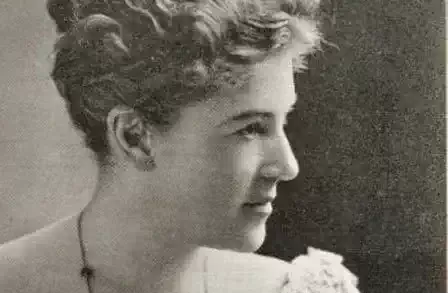
Ella Wheeler Wilcox
Only A Slight Flirtation
Only A Slight Flirtation
‘Twas just a slight flirtation,
And where’s the harm, I pray,
In that amusing pastime
So much in vogue to-day?
Her hand was plighted elsewhere
To one she held most dear,
But why should she sit lonely
When other men are near?
They walked to church together,
They sat upon the shore.
She found him entertaining,
He found her something more.
They rambled in the moonlight;
It made her look so fair,
She let him praise her beauty,
And kiss her flowing hair.
‘Twas just a nice flirtation.
So sad the fellow died.
Was drowned one day while boating,
The week she was a bride.’
A life went out in darkness,
A mother’s fond heart broke,
A maiden pined in secret –
With grief she never spoke.
While robed in bridal whiteness,
Queen of a festal throng,
She moved, whose slight flirtation
Had wrought this triple wrong.
‘Twas just a slight flirtation,
And where’s the harm, I pray,
In that amusing pastime
So much in vogue to-day?
Her hand was plighted elsewhere
To one she held most dear,
But why should she sit lonely
When other men are near?
They walked to church together,
They sat upon the shore.
She found him entertaining,
He found her something more.
They rambled in the moonlight;
It made her look so fair,
She let him praise her beauty,
And kiss her flowing hair.
‘Twas just a nice flirtation.
So sad the fellow died.
Was drowned one day while boating,
The week she was a bride.’
A life went out in darkness,
A mother’s fond heart broke,
A maiden pined in secret –
With grief she never spoke.
While robed in bridal whiteness,
Queen of a festal throng,
She moved, whose slight flirtation
Had wrought this triple wrong.
437
Ella Wheeler Wilcox
Only A Slight Flirtation
Only A Slight Flirtation
‘Twas just a slight flirtation,
And where’s the harm, I pray,
In that amusing pastime
So much in vogue to-day?
Her hand was plighted elsewhere
To one she held most dear,
But why should she sit lonely
When other men are near?
They walked to church together,
They sat upon the shore.
She found him entertaining,
He found her something more.
They rambled in the moonlight;
It made her look so fair,
She let him praise her beauty,
And kiss her flowing hair.
‘Twas just a nice flirtation.
So sad the fellow died.
Was drowned one day while boating,
The week she was a bride.’
A life went out in darkness,
A mother’s fond heart broke,
A maiden pined in secret –
With grief she never spoke.
While robed in bridal whiteness,
Queen of a festal throng,
She moved, whose slight flirtation
Had wrought this triple wrong.
‘Twas just a slight flirtation,
And where’s the harm, I pray,
In that amusing pastime
So much in vogue to-day?
Her hand was plighted elsewhere
To one she held most dear,
But why should she sit lonely
When other men are near?
They walked to church together,
They sat upon the shore.
She found him entertaining,
He found her something more.
They rambled in the moonlight;
It made her look so fair,
She let him praise her beauty,
And kiss her flowing hair.
‘Twas just a nice flirtation.
So sad the fellow died.
Was drowned one day while boating,
The week she was a bride.’
A life went out in darkness,
A mother’s fond heart broke,
A maiden pined in secret –
With grief she never spoke.
While robed in bridal whiteness,
Queen of a festal throng,
She moved, whose slight flirtation
Had wrought this triple wrong.
437
Ella Wheeler Wilcox
Older Than You
Older Than You
We are younger in years! Yes, that is true;
But in some things we are older than you.
For instance, you sometimes say with a smile,
'It will do to drink wine once in a while.'
We say, 'It will not do at all!'
Wine is an imp of old Alcohol.
So are gin and beer, and cider, too.
If you drink up them, they will eat up you.
'Cider is not a strong drink,' you say.
Ah! but, my friend, it opens the way
For brandy and whiskey to follow fast.
It has done it many a time in the past.
It tempts and teases the appetite.
Let it alone, boys, keep to the right;
Onward and upward we mean to go.
Heaven is reached that way, you know.
People who drink are behind the time.
They are back with darkness, and woe, and crime.
This age is progressive. You people who drink,
Though ever so little, just pause and think-
Think of the anguish that liquor makes;
Think of the hearts that it burdens and breaks.
Let it alone: stop drinking to-day-
This is what we, the children, say.
We are younger in years! Yes, that is true;
But in some things we are older than you.
For instance, you sometimes say with a smile,
'It will do to drink wine once in a while.'
We say, 'It will not do at all!'
Wine is an imp of old Alcohol.
So are gin and beer, and cider, too.
If you drink up them, they will eat up you.
'Cider is not a strong drink,' you say.
Ah! but, my friend, it opens the way
For brandy and whiskey to follow fast.
It has done it many a time in the past.
It tempts and teases the appetite.
Let it alone, boys, keep to the right;
Onward and upward we mean to go.
Heaven is reached that way, you know.
People who drink are behind the time.
They are back with darkness, and woe, and crime.
This age is progressive. You people who drink,
Though ever so little, just pause and think-
Think of the anguish that liquor makes;
Think of the hearts that it burdens and breaks.
Let it alone: stop drinking to-day-
This is what we, the children, say.
386
Ella Wheeler Wilcox
Now I lay Me
Now I lay Me
When I pass from earth away,
Palsied though I be and gray,
May my spirit keep so young
That my failing, faltering tongue
Frames that prayer so dear to me
Taught me at my mother's knee:
'Now I lay me down to sleep,'
(Passing to Eternal rest
On the loving parent breast)
'I pray the Lord my soul to keep;'
(From all danger safe and calm
In the hollow of His palm
'If I should die before I wake,'
(Drifting with a bated breath
Out of slumber into death,)
'I pray the Lord my soul to take.'
(From the body's claim set free
Sheltered in the Great to be.)
Simple prayer of trust and truth
Taught me in my early youth-
Let my soul its beauty keep
When I lay me down to sleep.
When I pass from earth away,
Palsied though I be and gray,
May my spirit keep so young
That my failing, faltering tongue
Frames that prayer so dear to me
Taught me at my mother's knee:
'Now I lay me down to sleep,'
(Passing to Eternal rest
On the loving parent breast)
'I pray the Lord my soul to keep;'
(From all danger safe and calm
In the hollow of His palm
'If I should die before I wake,'
(Drifting with a bated breath
Out of slumber into death,)
'I pray the Lord my soul to take.'
(From the body's claim set free
Sheltered in the Great to be.)
Simple prayer of trust and truth
Taught me in my early youth-
Let my soul its beauty keep
When I lay me down to sleep.
468
Ella Wheeler Wilcox
New And Old
New And Old
I and new love, in all its living bloom,
Sat vis-à-vis, while tender twilight hours
Went softly by us, treading as on flowers.
Then suddenly I saw within the room
The old love, long since lying in its tomb.
It dropped the cerecloth from its fleshless face
And smiled on me, with a remembered grace
That, like the noontide, lit the gloaming gloom.
Upon its shroud there hung the grave’s green mould,
About it hung the odour of the dead;
Yet from its cavernous eyes such light was shed
That all my life seemed gilded, as with gold;
Unto the trembling new love “Go, ” I said,
“I do not need thee, for I have the old.”
I and new love, in all its living bloom,
Sat vis-à-vis, while tender twilight hours
Went softly by us, treading as on flowers.
Then suddenly I saw within the room
The old love, long since lying in its tomb.
It dropped the cerecloth from its fleshless face
And smiled on me, with a remembered grace
That, like the noontide, lit the gloaming gloom.
Upon its shroud there hung the grave’s green mould,
About it hung the odour of the dead;
Yet from its cavernous eyes such light was shed
That all my life seemed gilded, as with gold;
Unto the trembling new love “Go, ” I said,
“I do not need thee, for I have the old.”
419
Ella Wheeler Wilcox
My Vision
My Vision
Wherever my feet may wander
Wherever I chance to be,
There comes, with the coming of even' time
A vision sweet to me.
I see my mother sitting
In the old familiar place,
And she rocks to the tune her needles sing,
And thinks of an absent face.
I can hear the roar of the city
AAbout me now as I write;
But over an hundred miles of snow
My thought-steeds fly tonight,
To the dear little cozy cottage,
And the room where mother sits,
And slowly rocks in her easy chair
And thinks of me as she knits.
Sometimes with the merry dancers
When my feet are keeping time,
And my heart beats high, as young hearts will,
To the music's rhythmic chime.
My spirit slips over the distance
Over the glitter and whirl,
To my mother who sits, and rocks, and knits,
And thinks of her "little girl."
And when I listen to voices that flatter,
And smile, as women do,
To whispered words that may be sweet,
But are not always true;
I think of the sweet, quaint picture
Afar in quiet ways,
And I know one smile of my mother's eyes
Is better than all their praise.
And I know I can never wander
Far from the path of right,
Though snares are set for a woman's feet
In places that seem most bright.
For the vision is with me always,
Wherever I chance to be,
Of mother sitting, rocking, and knitting,
Thinking and praying for me.
Wherever my feet may wander
Wherever I chance to be,
There comes, with the coming of even' time
A vision sweet to me.
I see my mother sitting
In the old familiar place,
And she rocks to the tune her needles sing,
And thinks of an absent face.
I can hear the roar of the city
AAbout me now as I write;
But over an hundred miles of snow
My thought-steeds fly tonight,
To the dear little cozy cottage,
And the room where mother sits,
And slowly rocks in her easy chair
And thinks of me as she knits.
Sometimes with the merry dancers
When my feet are keeping time,
And my heart beats high, as young hearts will,
To the music's rhythmic chime.
My spirit slips over the distance
Over the glitter and whirl,
To my mother who sits, and rocks, and knits,
And thinks of her "little girl."
And when I listen to voices that flatter,
And smile, as women do,
To whispered words that may be sweet,
But are not always true;
I think of the sweet, quaint picture
Afar in quiet ways,
And I know one smile of my mother's eyes
Is better than all their praise.
And I know I can never wander
Far from the path of right,
Though snares are set for a woman's feet
In places that seem most bright.
For the vision is with me always,
Wherever I chance to be,
Of mother sitting, rocking, and knitting,
Thinking and praying for me.
445
Ella Wheeler Wilcox
My Home
My Home
This is the place that I love the best,
A little brown house, like a ground-bird's nest,
Hid among grasses, and vines, and trees,
Summer retreat of the birds and bees.
The tenderest light that ever was seen
Sifts through the vine-made window screen--
Sifts and quivers, and flits and falls
On home-made carpets and gray-hung walls.
All through June the west wind free
The breath of clover brings to me.
All through the languid July day
I catch the scent of new-mown hay.
The morning-glories and scarlet vine
Over the doorway twist and twine;
And every day, when the house is still,
The humming-bird comes to the window-sill.
In the cunningest chamber under the sun
I sink to sleep when the day is done;
And am waked at morn, in my snow-white bed,
By a singing bird on the roof o'erhead.
Better than treasures brought from Rome,
Are the living pictures I see at home--
My aged father, with frosted hair,
And mother's face, like a painting rare.
Far from the city's dust and heat,
I get but sounds and odors sweet.
Who can wonder I love to stay,
Week after week, here hidden away,
In this sly nook that I love the best--
This little brown house like a ground-bird's nest?
This is the place that I love the best,
A little brown house, like a ground-bird's nest,
Hid among grasses, and vines, and trees,
Summer retreat of the birds and bees.
The tenderest light that ever was seen
Sifts through the vine-made window screen--
Sifts and quivers, and flits and falls
On home-made carpets and gray-hung walls.
All through June the west wind free
The breath of clover brings to me.
All through the languid July day
I catch the scent of new-mown hay.
The morning-glories and scarlet vine
Over the doorway twist and twine;
And every day, when the house is still,
The humming-bird comes to the window-sill.
In the cunningest chamber under the sun
I sink to sleep when the day is done;
And am waked at morn, in my snow-white bed,
By a singing bird on the roof o'erhead.
Better than treasures brought from Rome,
Are the living pictures I see at home--
My aged father, with frosted hair,
And mother's face, like a painting rare.
Far from the city's dust and heat,
I get but sounds and odors sweet.
Who can wonder I love to stay,
Week after week, here hidden away,
In this sly nook that I love the best--
This little brown house like a ground-bird's nest?
371
Ella Wheeler Wilcox
My Home
My Home
This is the place that I love the best,
A little brown house, like a ground-bird's nest,
Hid among grasses, and vines, and trees,
Summer retreat of the birds and bees.
The tenderest light that ever was seen
Sifts through the vine-made window screen--
Sifts and quivers, and flits and falls
On home-made carpets and gray-hung walls.
All through June the west wind free
The breath of clover brings to me.
All through the languid July day
I catch the scent of new-mown hay.
The morning-glories and scarlet vine
Over the doorway twist and twine;
And every day, when the house is still,
The humming-bird comes to the window-sill.
In the cunningest chamber under the sun
I sink to sleep when the day is done;
And am waked at morn, in my snow-white bed,
By a singing bird on the roof o'erhead.
Better than treasures brought from Rome,
Are the living pictures I see at home--
My aged father, with frosted hair,
And mother's face, like a painting rare.
Far from the city's dust and heat,
I get but sounds and odors sweet.
Who can wonder I love to stay,
Week after week, here hidden away,
In this sly nook that I love the best--
This little brown house like a ground-bird's nest?
This is the place that I love the best,
A little brown house, like a ground-bird's nest,
Hid among grasses, and vines, and trees,
Summer retreat of the birds and bees.
The tenderest light that ever was seen
Sifts through the vine-made window screen--
Sifts and quivers, and flits and falls
On home-made carpets and gray-hung walls.
All through June the west wind free
The breath of clover brings to me.
All through the languid July day
I catch the scent of new-mown hay.
The morning-glories and scarlet vine
Over the doorway twist and twine;
And every day, when the house is still,
The humming-bird comes to the window-sill.
In the cunningest chamber under the sun
I sink to sleep when the day is done;
And am waked at morn, in my snow-white bed,
By a singing bird on the roof o'erhead.
Better than treasures brought from Rome,
Are the living pictures I see at home--
My aged father, with frosted hair,
And mother's face, like a painting rare.
Far from the city's dust and heat,
I get but sounds and odors sweet.
Who can wonder I love to stay,
Week after week, here hidden away,
In this sly nook that I love the best--
This little brown house like a ground-bird's nest?
371
Ella Wheeler Wilcox
Mother's Kisses
Mother's Kisses
Baby was playing and down he fell, down he fell, down he fell,
Mama will kiss him and make him well,
Oh! what a miracle this is!
Baby was running and stubbed his toe, stubbed his toe, stubbed his toe,
If mama will kiss him the pain will go-
Magical mother's kisses.
Once an angel fair and calm,
Brewed a wondrous soothing balm
From the sweet immortal flowers,
Growing in the heavenly bowers,
Then the mothers of the earth,
All were called and told its worth.
'But anoint your lips with this,'
Said the angel, 'and your kiss
Shall have magic in its touch.'
Now 'tis plain to see why such
Soothing balm for bruise or wound
In a mother's kiss is found.
Baby was playing and down he fell, down he fell, down he fell,
Mama will kiss him, and make him well,
Oh! what a miracle this is.
Baby was running and stubbed his toe, stubbed his toe, stubbed his toe,
If mama kisses him, pain will go-
Magical mother's kisses.
Baby was playing and down he fell, down he fell, down he fell,
Mama will kiss him and make him well,
Oh! what a miracle this is!
Baby was running and stubbed his toe, stubbed his toe, stubbed his toe,
If mama will kiss him the pain will go-
Magical mother's kisses.
Once an angel fair and calm,
Brewed a wondrous soothing balm
From the sweet immortal flowers,
Growing in the heavenly bowers,
Then the mothers of the earth,
All were called and told its worth.
'But anoint your lips with this,'
Said the angel, 'and your kiss
Shall have magic in its touch.'
Now 'tis plain to see why such
Soothing balm for bruise or wound
In a mother's kiss is found.
Baby was playing and down he fell, down he fell, down he fell,
Mama will kiss him, and make him well,
Oh! what a miracle this is.
Baby was running and stubbed his toe, stubbed his toe, stubbed his toe,
If mama kisses him, pain will go-
Magical mother's kisses.
424
Ella Wheeler Wilcox
Mother's Kisses
Mother's Kisses
Baby was playing and down he fell, down he fell, down he fell,
Mama will kiss him and make him well,
Oh! what a miracle this is!
Baby was running and stubbed his toe, stubbed his toe, stubbed his toe,
If mama will kiss him the pain will go-
Magical mother's kisses.
Once an angel fair and calm,
Brewed a wondrous soothing balm
From the sweet immortal flowers,
Growing in the heavenly bowers,
Then the mothers of the earth,
All were called and told its worth.
'But anoint your lips with this,'
Said the angel, 'and your kiss
Shall have magic in its touch.'
Now 'tis plain to see why such
Soothing balm for bruise or wound
In a mother's kiss is found.
Baby was playing and down he fell, down he fell, down he fell,
Mama will kiss him, and make him well,
Oh! what a miracle this is.
Baby was running and stubbed his toe, stubbed his toe, stubbed his toe,
If mama kisses him, pain will go-
Magical mother's kisses.
Baby was playing and down he fell, down he fell, down he fell,
Mama will kiss him and make him well,
Oh! what a miracle this is!
Baby was running and stubbed his toe, stubbed his toe, stubbed his toe,
If mama will kiss him the pain will go-
Magical mother's kisses.
Once an angel fair and calm,
Brewed a wondrous soothing balm
From the sweet immortal flowers,
Growing in the heavenly bowers,
Then the mothers of the earth,
All were called and told its worth.
'But anoint your lips with this,'
Said the angel, 'and your kiss
Shall have magic in its touch.'
Now 'tis plain to see why such
Soothing balm for bruise or wound
In a mother's kiss is found.
Baby was playing and down he fell, down he fell, down he fell,
Mama will kiss him, and make him well,
Oh! what a miracle this is.
Baby was running and stubbed his toe, stubbed his toe, stubbed his toe,
If mama kisses him, pain will go-
Magical mother's kisses.
424
Ella Wheeler Wilcox
Moon And Sea
Moon And Sea
You are the moon, dear love, and I the sea:
The tide of hope swells high within my breast,
And hides the rough dark rocks of life’s unrest
When your fond eyes smile near in perigee.
But when that loving face is turned from me,
Low falls the tide, and the grim rocks appear,
And earth’s dim coast-line seems a thing to fear.
You are the moon, dear one, and I the sea.
You are the moon, dear love, and I the sea:
The tide of hope swells high within my breast,
And hides the rough dark rocks of life’s unrest
When your fond eyes smile near in perigee.
But when that loving face is turned from me,
Low falls the tide, and the grim rocks appear,
And earth’s dim coast-line seems a thing to fear.
You are the moon, dear one, and I the sea.
363
Ella Wheeler Wilcox
Moon And Sea
Moon And Sea
You are the moon, dear love, and I the sea:
The tide of hope swells high within my breast,
And hides the rough dark rocks of life’s unrest
When your fond eyes smile near in perigee.
But when that loving face is turned from me,
Low falls the tide, and the grim rocks appear,
And earth’s dim coast-line seems a thing to fear.
You are the moon, dear one, and I the sea.
You are the moon, dear love, and I the sea:
The tide of hope swells high within my breast,
And hides the rough dark rocks of life’s unrest
When your fond eyes smile near in perigee.
But when that loving face is turned from me,
Low falls the tide, and the grim rocks appear,
And earth’s dim coast-line seems a thing to fear.
You are the moon, dear one, and I the sea.
363
Ella Wheeler Wilcox
Memory's Mansion
Memory's Mansion
In Memory's Mansion are wonderful rooms,
And I wander about them at will;
And I pause at the casements, where boxes of blooms
Are sending sweet scents o'er the sill.
I lean from a window that looks on a lawn;
From a turret that looks on the wave.
But I draw down the shade when I see on some glade
A stone standing guard by a grave.
To Memory's attic I clambered one day
When the roof was resounding with rain,
And there, among relics long hidden away,
I rummaged with heart ache and pain.
A hope long surrendered and covered with dust,
A pastime, out-grown and forgot,
And a fragment of love all corroded with rust,
Were lying heaped up in one spot.
And there on the floor of that garret was tossed
A friendship too fragile to last,
With pieces of dearly bought pleasures that cost
Vast fortunes of pain in the past,
A fabric of passion, once vivid and bright,
As the breast of a robin in Spring,
Was spread out before me-a terrible sight-
A moth-eaten rag of a thing.
Then down the deep stairway I hurriedly went,
And into fair chambers below;
But the mansion seemed filled with the old attic scent
Wherever my footsteps would go.
Though in Memory's House I still wander full oft,
No more to the garret I climb;
And I leave all the rubbish heaped there in the loft
To the hands of the Housekeeper, Time.
In Memory's Mansion are wonderful rooms,
And I wander about them at will;
And I pause at the casements, where boxes of blooms
Are sending sweet scents o'er the sill.
I lean from a window that looks on a lawn;
From a turret that looks on the wave.
But I draw down the shade when I see on some glade
A stone standing guard by a grave.
To Memory's attic I clambered one day
When the roof was resounding with rain,
And there, among relics long hidden away,
I rummaged with heart ache and pain.
A hope long surrendered and covered with dust,
A pastime, out-grown and forgot,
And a fragment of love all corroded with rust,
Were lying heaped up in one spot.
And there on the floor of that garret was tossed
A friendship too fragile to last,
With pieces of dearly bought pleasures that cost
Vast fortunes of pain in the past,
A fabric of passion, once vivid and bright,
As the breast of a robin in Spring,
Was spread out before me-a terrible sight-
A moth-eaten rag of a thing.
Then down the deep stairway I hurriedly went,
And into fair chambers below;
But the mansion seemed filled with the old attic scent
Wherever my footsteps would go.
Though in Memory's House I still wander full oft,
No more to the garret I climb;
And I leave all the rubbish heaped there in the loft
To the hands of the Housekeeper, Time.
498
Ella Wheeler Wilcox
Master And Servant
Master And Servant
The devil to Bacchus said, one day,
In a scowling, growling, petulant way,
As he came from earth to hell:
'There's a soul above that I cannot move,
And I've struggled long and well;
He's a manly youth, with an eye of truth,
A fellow of matchless grace;
And he looks me through with his eye of blue
Till I cower before his face.
The very power and strength of heaven
To this young, fearless soul were given;
For I've never an art that can reach his heart,
And I cannot snare his feet:
I have wasted days in devising ways,
And now must cry 'Defeat!''
And the devil scowled, and grumbled, and growled,
And beat about with his cane,
Till the demons fled over the burning waste
Out of his reach in hurrying haste,
Howling aloud in pain.
Bacchus laughed as he stooped and quaffed
A burning bumper of wine:
'Why, master,' said he, 'you soon shall see
The fellow down at your shrine;
Long ago, if you'd let me know,
We'd had him in our ranks.
And now, adieu! while I work for you;
Don't hurry about your thanks!
I'm going above; you know they love
The sight of my glowing face.
They call me a god! ho! ho! how odd!
With this for my dwelling-place.'
A youth with a dower of manly grace,
A maid with the morning in her face;
And she filleth a goblet full to the brim,
And giveth the bubbling draught to him.
'Drink!' she says, and the goblet sways
And shimmers under his eyes.
He tries to speak, but the tongue is weak,
And the words sink into sighs;
For the maid is fair, and she holds him there
With a spell that he cannot flee:
'Drink!' and she sips with her ruby lips'
Drink but a draught with me.'
And the lovers quaffed, while the demons laughed,
And Bacchus laughed loud and long.
'Ho! ho!' cried he, 'what a victory!
Ho! ho! for the soul so strong
That my master was beat, and cried 'Defeat!'
But wine is a tempter, and love is sweet.'
Bacchus went back o'er the fiery track
Into the land below;
And the devil said, 'Well, what have you to tell
Of the thing I want to know?'
And Bacchus said he, 'Why, look and see!
There is your strong, brave youth
Reeling along, with a drunken song
Staining those lips of truth.
My work is done! You must go on
And finish the job I started;
And as long as I stay in your service, pray,
Don't ever be down-hearted.'
The devil to Bacchus said, one day,
In a scowling, growling, petulant way,
As he came from earth to hell:
'There's a soul above that I cannot move,
And I've struggled long and well;
He's a manly youth, with an eye of truth,
A fellow of matchless grace;
And he looks me through with his eye of blue
Till I cower before his face.
The very power and strength of heaven
To this young, fearless soul were given;
For I've never an art that can reach his heart,
And I cannot snare his feet:
I have wasted days in devising ways,
And now must cry 'Defeat!''
And the devil scowled, and grumbled, and growled,
And beat about with his cane,
Till the demons fled over the burning waste
Out of his reach in hurrying haste,
Howling aloud in pain.
Bacchus laughed as he stooped and quaffed
A burning bumper of wine:
'Why, master,' said he, 'you soon shall see
The fellow down at your shrine;
Long ago, if you'd let me know,
We'd had him in our ranks.
And now, adieu! while I work for you;
Don't hurry about your thanks!
I'm going above; you know they love
The sight of my glowing face.
They call me a god! ho! ho! how odd!
With this for my dwelling-place.'
A youth with a dower of manly grace,
A maid with the morning in her face;
And she filleth a goblet full to the brim,
And giveth the bubbling draught to him.
'Drink!' she says, and the goblet sways
And shimmers under his eyes.
He tries to speak, but the tongue is weak,
And the words sink into sighs;
For the maid is fair, and she holds him there
With a spell that he cannot flee:
'Drink!' and she sips with her ruby lips'
Drink but a draught with me.'
And the lovers quaffed, while the demons laughed,
And Bacchus laughed loud and long.
'Ho! ho!' cried he, 'what a victory!
Ho! ho! for the soul so strong
That my master was beat, and cried 'Defeat!'
But wine is a tempter, and love is sweet.'
Bacchus went back o'er the fiery track
Into the land below;
And the devil said, 'Well, what have you to tell
Of the thing I want to know?'
And Bacchus said he, 'Why, look and see!
There is your strong, brave youth
Reeling along, with a drunken song
Staining those lips of truth.
My work is done! You must go on
And finish the job I started;
And as long as I stay in your service, pray,
Don't ever be down-hearted.'
407
Ella Wheeler Wilcox
Love's Language
Love's Language
How does Love speak?
In the faint flush upon the tell-tale cheek,
And in the pallor that succeeds it; by
The quivering lid of an averted eye –
The smile that proves the parent to a sigh –
Thus doth Love speak.
How does Love speak?
By the uneven heart-throbs, and the freak
Of bounding pulses that stand still and ache,
While new emotions, like strange barques, make
Along vein-channels their disturbing course;
Still as the dawn, and with the dawn’s swift force –
Thus doth Love speak.
How does Love speak?
In the avoidance of that which we seek –
The sudden silence and reserve when near –
The eye that glistens with an unshed tear –
The joy that seems the counterpart of fear,
As the alarmed heart leaps in the breast,
And knows, and names, the greets its god-like guest –
Thus doth Love speak.
How doth Love speak?
In the proud spirit suddenly grown meek –
The haughty heart grown humble; in the tender
And unnamed light that floods the world with splendour,
In the resemblance which the fond eyes trace
In all things to one beloved face;
In the shy touch of hands that thrill and tremble;
In looks and lips that can no more dissemble –
Thus doth Love speak.
How doth Love speak?
In the wild words that uttered seem so weak
They shrink ashamed to silence; in the fire
Glance strikes with glance, swift flashing high and higher,
Like lightnings that precede the mighty storm;
In the deep, soulful stillness; in the warm,
Impassioned tide that sweeps through throbbing veins,
Between the shores of keen delights and pains;
In the embrace where madness melts in bliss,
And in convulsive rapture of a kiss –
Thus doth Love speak.
How does Love speak?
In the faint flush upon the tell-tale cheek,
And in the pallor that succeeds it; by
The quivering lid of an averted eye –
The smile that proves the parent to a sigh –
Thus doth Love speak.
How does Love speak?
By the uneven heart-throbs, and the freak
Of bounding pulses that stand still and ache,
While new emotions, like strange barques, make
Along vein-channels their disturbing course;
Still as the dawn, and with the dawn’s swift force –
Thus doth Love speak.
How does Love speak?
In the avoidance of that which we seek –
The sudden silence and reserve when near –
The eye that glistens with an unshed tear –
The joy that seems the counterpart of fear,
As the alarmed heart leaps in the breast,
And knows, and names, the greets its god-like guest –
Thus doth Love speak.
How doth Love speak?
In the proud spirit suddenly grown meek –
The haughty heart grown humble; in the tender
And unnamed light that floods the world with splendour,
In the resemblance which the fond eyes trace
In all things to one beloved face;
In the shy touch of hands that thrill and tremble;
In looks and lips that can no more dissemble –
Thus doth Love speak.
How doth Love speak?
In the wild words that uttered seem so weak
They shrink ashamed to silence; in the fire
Glance strikes with glance, swift flashing high and higher,
Like lightnings that precede the mighty storm;
In the deep, soulful stillness; in the warm,
Impassioned tide that sweeps through throbbing veins,
Between the shores of keen delights and pains;
In the embrace where madness melts in bliss,
And in convulsive rapture of a kiss –
Thus doth Love speak.
524
Ella Wheeler Wilcox
Love Song
Love Song
Once in the world’s first prime,
When nothing lived or stirred,
Nothing but new-born Time,
Nor was there even a bird –
The Silence spoke to a Star,
But do not dare repeat
What it said to its love afar:
It was too sweet, too sweet.
But there, in the fair world’s youth,
Ere sorrow had drawn breath,
When nothing was known but Truth,
Nor was there even death,
The Star to Silence wed,
And the Sun was priest that day,
And they made their bridal-bed
High in the Milky Way.
For the great white star had heard
Her silent lover’s speech;
It needed no passionate word
To pledge them each to each.
O lady fair and far,
Hear, oh, hear, and apply!
Thou the beautiful Star –
The voiceless silence, I.
Once in the world’s first prime,
When nothing lived or stirred,
Nothing but new-born Time,
Nor was there even a bird –
The Silence spoke to a Star,
But do not dare repeat
What it said to its love afar:
It was too sweet, too sweet.
But there, in the fair world’s youth,
Ere sorrow had drawn breath,
When nothing was known but Truth,
Nor was there even death,
The Star to Silence wed,
And the Sun was priest that day,
And they made their bridal-bed
High in the Milky Way.
For the great white star had heard
Her silent lover’s speech;
It needed no passionate word
To pledge them each to each.
O lady fair and far,
Hear, oh, hear, and apply!
Thou the beautiful Star –
The voiceless silence, I.
479
Ella Wheeler Wilcox
Love Song
Love Song
Once in the world’s first prime,
When nothing lived or stirred,
Nothing but new-born Time,
Nor was there even a bird –
The Silence spoke to a Star,
But do not dare repeat
What it said to its love afar:
It was too sweet, too sweet.
But there, in the fair world’s youth,
Ere sorrow had drawn breath,
When nothing was known but Truth,
Nor was there even death,
The Star to Silence wed,
And the Sun was priest that day,
And they made their bridal-bed
High in the Milky Way.
For the great white star had heard
Her silent lover’s speech;
It needed no passionate word
To pledge them each to each.
O lady fair and far,
Hear, oh, hear, and apply!
Thou the beautiful Star –
The voiceless silence, I.
Once in the world’s first prime,
When nothing lived or stirred,
Nothing but new-born Time,
Nor was there even a bird –
The Silence spoke to a Star,
But do not dare repeat
What it said to its love afar:
It was too sweet, too sweet.
But there, in the fair world’s youth,
Ere sorrow had drawn breath,
When nothing was known but Truth,
Nor was there even death,
The Star to Silence wed,
And the Sun was priest that day,
And they made their bridal-bed
High in the Milky Way.
For the great white star had heard
Her silent lover’s speech;
It needed no passionate word
To pledge them each to each.
O lady fair and far,
Hear, oh, hear, and apply!
Thou the beautiful Star –
The voiceless silence, I.
479
Ella Wheeler Wilcox
Love Will Wane
Love Will Wane
When your love begins to wane,
Spare me from the cruel pain
Of all speech that tells me so Spare
me words, for I shall know,
By the half-averted eyes,
By the breast that no more sighs
By the rapture I shall miss
From your strangely-altered kiss;
By the arms that still enfold
But have lost their clinging hold,
And, too willing, let me go,
I shall know, love, I shall know.
Bitter will the knowledge be,
Bitterer than death to me.
Yet, 'twill come to me some day,
For it is sad world's way.
Make no vows - vows cannot bind
Changing hearts of wayward mind.
Men grow weary of a bliss
Passionate and fond as this.
Love will wane. But I shall know,
If you do not tell me so.
Know it, tho' you smile and say,
That you love me more each day.
Know it by the inner sight
That forever sees aright.
Words could not but increase my woe,
And without them, I shall know.
When your love begins to wane,
Spare me from the cruel pain
Of all speech that tells me so Spare
me words, for I shall know,
By the half-averted eyes,
By the breast that no more sighs
By the rapture I shall miss
From your strangely-altered kiss;
By the arms that still enfold
But have lost their clinging hold,
And, too willing, let me go,
I shall know, love, I shall know.
Bitter will the knowledge be,
Bitterer than death to me.
Yet, 'twill come to me some day,
For it is sad world's way.
Make no vows - vows cannot bind
Changing hearts of wayward mind.
Men grow weary of a bliss
Passionate and fond as this.
Love will wane. But I shall know,
If you do not tell me so.
Know it, tho' you smile and say,
That you love me more each day.
Know it by the inner sight
That forever sees aright.
Words could not but increase my woe,
And without them, I shall know.
464
Ella Wheeler Wilcox
Love Will Wane
Love Will Wane
When your love begins to wane,
Spare me from the cruel pain
Of all speech that tells me so Spare
me words, for I shall know,
By the half-averted eyes,
By the breast that no more sighs
By the rapture I shall miss
From your strangely-altered kiss;
By the arms that still enfold
But have lost their clinging hold,
And, too willing, let me go,
I shall know, love, I shall know.
Bitter will the knowledge be,
Bitterer than death to me.
Yet, 'twill come to me some day,
For it is sad world's way.
Make no vows - vows cannot bind
Changing hearts of wayward mind.
Men grow weary of a bliss
Passionate and fond as this.
Love will wane. But I shall know,
If you do not tell me so.
Know it, tho' you smile and say,
That you love me more each day.
Know it by the inner sight
That forever sees aright.
Words could not but increase my woe,
And without them, I shall know.
When your love begins to wane,
Spare me from the cruel pain
Of all speech that tells me so Spare
me words, for I shall know,
By the half-averted eyes,
By the breast that no more sighs
By the rapture I shall miss
From your strangely-altered kiss;
By the arms that still enfold
But have lost their clinging hold,
And, too willing, let me go,
I shall know, love, I shall know.
Bitter will the knowledge be,
Bitterer than death to me.
Yet, 'twill come to me some day,
For it is sad world's way.
Make no vows - vows cannot bind
Changing hearts of wayward mind.
Men grow weary of a bliss
Passionate and fond as this.
Love will wane. But I shall know,
If you do not tell me so.
Know it, tho' you smile and say,
That you love me more each day.
Know it by the inner sight
That forever sees aright.
Words could not but increase my woe,
And without them, I shall know.
464
Ella Wheeler Wilcox
Love is Enough
Love is Enough
Love is enough. Let us not ask for gold.
Wealth breeds false aims, and pride and selfishness;
In those serene, Arcadian days of old
Men gave no thought to princely homes and dress.
The gods who dwelt on fair Olympia's height
Lived only for dear love and love's delight.
Love is enough.
Love is enough. Why should we care for fame?
Ambition is a most unpleasant guest:
It lures us with the glory of a name
Far from the happy haunts of peace and rest.
Let us stay here in this secluded place
Made beautiful by love's endearing grace!
Love is enough.
Love is enough. Why should we strive for power?
It brings men only envy and distrust.
The poor world's homage pleases but an hour,
And earthly honours vanish in the dust.
The grandest lives are ofttimes desolate;
Let me be loved, and let who will be great.
Love is enough.
Love is enough. Why should we ask for more?
What greater gift have gods vouchsafed to men?
What better boon of all their precious store
Than our fond hearts that love and love again?
Old love may die; new love is just as sweet;
And life is fair and all the world complete:
Love is enough!
Love is enough. Let us not ask for gold.
Wealth breeds false aims, and pride and selfishness;
In those serene, Arcadian days of old
Men gave no thought to princely homes and dress.
The gods who dwelt on fair Olympia's height
Lived only for dear love and love's delight.
Love is enough.
Love is enough. Why should we care for fame?
Ambition is a most unpleasant guest:
It lures us with the glory of a name
Far from the happy haunts of peace and rest.
Let us stay here in this secluded place
Made beautiful by love's endearing grace!
Love is enough.
Love is enough. Why should we strive for power?
It brings men only envy and distrust.
The poor world's homage pleases but an hour,
And earthly honours vanish in the dust.
The grandest lives are ofttimes desolate;
Let me be loved, and let who will be great.
Love is enough.
Love is enough. Why should we ask for more?
What greater gift have gods vouchsafed to men?
What better boon of all their precious store
Than our fond hearts that love and love again?
Old love may die; new love is just as sweet;
And life is fair and all the world complete:
Love is enough!
404
Ella Wheeler Wilcox
Little Queen
Little Queen
Do you remember the name I wore –
The old pet-name of Little Queen –
In the dear, dead days that are no more,
The happiest days of our lives, I ween?
For we loved with that passionate love of youth
That blesses but once with its perfect bliss, -
A love that, in spite of its trust and truth,
Seems never to thrive, in a world like this.
I lived for you, and you lived for me;
All was centred in “Little Queen”;
And never a thought in our hearts had we
That strife or trouble could come between,
What utter sinking of self it was!
How little we cared for the world of men!
For love’s fair kingdom, and loves’ sweet laws,
Were all of the world and life to us then.
But a love like ours was a challenge to fate;
She rang down the curtains and shifted the scene;
Yet sometimes now, when the day grows late,
I can hear you calling for Little Queen;
For a happy home and a busy life
Can never wholly crowd out our past;
In the twilight pauses that come from strife,
You will think of me while life shall last.
And however sweet the voice of fame
May sing to me of a great world’s praise,
I shall long sometimes for the old pet-name
That you gave to me in the dear, dead days;
And nothing the angel band can say,
When I reach the shores of the great Unseen,
Can please me so much as on that day
To hear your greeting of “Little Queen.”
Do you remember the name I wore –
The old pet-name of Little Queen –
In the dear, dead days that are no more,
The happiest days of our lives, I ween?
For we loved with that passionate love of youth
That blesses but once with its perfect bliss, -
A love that, in spite of its trust and truth,
Seems never to thrive, in a world like this.
I lived for you, and you lived for me;
All was centred in “Little Queen”;
And never a thought in our hearts had we
That strife or trouble could come between,
What utter sinking of self it was!
How little we cared for the world of men!
For love’s fair kingdom, and loves’ sweet laws,
Were all of the world and life to us then.
But a love like ours was a challenge to fate;
She rang down the curtains and shifted the scene;
Yet sometimes now, when the day grows late,
I can hear you calling for Little Queen;
For a happy home and a busy life
Can never wholly crowd out our past;
In the twilight pauses that come from strife,
You will think of me while life shall last.
And however sweet the voice of fame
May sing to me of a great world’s praise,
I shall long sometimes for the old pet-name
That you gave to me in the dear, dead days;
And nothing the angel band can say,
When I reach the shores of the great Unseen,
Can please me so much as on that day
To hear your greeting of “Little Queen.”
432
Ella Wheeler Wilcox
Life's Scars
Life's Scars
They say the world is round, and yet
I often think it square,
So many little hurts we get
From corners here and there.
But one great truth in life I've found,
While journeying to the West-
The only folks who really wound
Are those we love the best.
The man you thoroughly despise
Can rouse your wrath, 'tis true;
Annoyance in your heart will rise
At things mere strangers do;
But those are only passing ills;
This rule all lives will prove;
The rankling wound which aches and thrills
Is dealt by hands we love.
The choicest garb, the sweetest grace,
Are oft to strangers shown;
The careless mien, the frowning face,
Are given to our own.
We flatter those we scarcely know,
We please the fleeting guest,
And deal full many a thoughtless blow
To those who love us best.
Love does not grow on every tree,
Nor true hearts yearly bloom.
Alas for those who only see
This cut across a tomb!
But, soon or late, the fact grows plain
To all through sorrow's test:
The only folks who give us pain
Are those we love the best.
They say the world is round, and yet
I often think it square,
So many little hurts we get
From corners here and there.
But one great truth in life I've found,
While journeying to the West-
The only folks who really wound
Are those we love the best.
The man you thoroughly despise
Can rouse your wrath, 'tis true;
Annoyance in your heart will rise
At things mere strangers do;
But those are only passing ills;
This rule all lives will prove;
The rankling wound which aches and thrills
Is dealt by hands we love.
The choicest garb, the sweetest grace,
Are oft to strangers shown;
The careless mien, the frowning face,
Are given to our own.
We flatter those we scarcely know,
We please the fleeting guest,
And deal full many a thoughtless blow
To those who love us best.
Love does not grow on every tree,
Nor true hearts yearly bloom.
Alas for those who only see
This cut across a tomb!
But, soon or late, the fact grows plain
To all through sorrow's test:
The only folks who give us pain
Are those we love the best.
628
Ella Wheeler Wilcox
Isaura
Isaura
Dost thou not tire, Isaura, of this play?
'What play?' Why, this old play of winning hearts!
Nay, now, lift not thine eyes in that feigned way:
'Tis all in vain—I know thee and thine arts.
Let us be frank, Isaura. I have made
A study of thee; and while I admire
The practised skill with which thy plans are laid,
I can but wonder if thou dost not tire.
Why, I tire even of Hamlet and Macbeth!
When overlong the season runs, I find
Those master-scenes of passion, blood, and death,
After a time do pall upon my mind.
Dost thou not tire of lifting up thine eyes
To read the story thou hast read so oft—
Of ardent glances and deep quivering sighs,
Of haughty faces suddenly grown soft?
Is it not stale, oh, very stale, to thee,
The scene that follows? Hearts are much the same;
The loves of men but vary in degree—
They find no new expressions for the flame.
Thou must know all they utter ere they speak,
As I know Hamlet's part, whoever plays.
Oh, does it not seem sometimes poor and weak?
I think thou must grow weary of their ways.
I pity thee, Isaura! I would be
The humblest maiden with her dream untold
Rather than live a Queen of Hearts, like thee,
And find life's rarest treasures stale and old.
I pity thee; for now, let come what may,
Fame, glory, riches, yet life will lack all.
Wherewith can salt be salted? And what way
Can life be seasoned after love doth pall?
Dost thou not tire, Isaura, of this play?
'What play?' Why, this old play of winning hearts!
Nay, now, lift not thine eyes in that feigned way:
'Tis all in vain—I know thee and thine arts.
Let us be frank, Isaura. I have made
A study of thee; and while I admire
The practised skill with which thy plans are laid,
I can but wonder if thou dost not tire.
Why, I tire even of Hamlet and Macbeth!
When overlong the season runs, I find
Those master-scenes of passion, blood, and death,
After a time do pall upon my mind.
Dost thou not tire of lifting up thine eyes
To read the story thou hast read so oft—
Of ardent glances and deep quivering sighs,
Of haughty faces suddenly grown soft?
Is it not stale, oh, very stale, to thee,
The scene that follows? Hearts are much the same;
The loves of men but vary in degree—
They find no new expressions for the flame.
Thou must know all they utter ere they speak,
As I know Hamlet's part, whoever plays.
Oh, does it not seem sometimes poor and weak?
I think thou must grow weary of their ways.
I pity thee, Isaura! I would be
The humblest maiden with her dream untold
Rather than live a Queen of Hearts, like thee,
And find life's rarest treasures stale and old.
I pity thee; for now, let come what may,
Fame, glory, riches, yet life will lack all.
Wherewith can salt be salted? And what way
Can life be seasoned after love doth pall?
451
Ella Wheeler Wilcox
Is It Best?
Is It Best?
O mother who sips sweetened liquors!
Look down at the child on your breast;
Think, think of the rough path before him,
And ask yourself then, 'Is it best?
Shall I foster a love for this poison,
Instil the thirst into his veins?
In the fountain he seeks at my bosom
Sow the rank seeds of death, grief, and pains?
'Shall I give him the thirst of the drunkard,
Bequeath him the weapons of crime?
Can we look for a glass of pure water
Dipped up from a fountain of slime?
Can we look for brave men, strong and noble,
Where the parents drink poison for food?
When the body and soul are corrupted,
Can we look for the works to be good?'
Oh! think of the future before him!
There are perils you cannot remove.
Yet this, the great highway of sorrow-
Oh! guard him from this with your love.
There are rough paths enough in the future
For the feet of the child on your breast;
And lower the glass you are lifting,
And ask yourself, then, 'Is it best?'
O mother who sips sweetened liquors!
Look down at the child on your breast;
Think, think of the rough path before him,
And ask yourself then, 'Is it best?
Shall I foster a love for this poison,
Instil the thirst into his veins?
In the fountain he seeks at my bosom
Sow the rank seeds of death, grief, and pains?
'Shall I give him the thirst of the drunkard,
Bequeath him the weapons of crime?
Can we look for a glass of pure water
Dipped up from a fountain of slime?
Can we look for brave men, strong and noble,
Where the parents drink poison for food?
When the body and soul are corrupted,
Can we look for the works to be good?'
Oh! think of the future before him!
There are perils you cannot remove.
Yet this, the great highway of sorrow-
Oh! guard him from this with your love.
There are rough paths enough in the future
For the feet of the child on your breast;
And lower the glass you are lifting,
And ask yourself, then, 'Is it best?'
338