

Poems in this topic
Relationships and Family
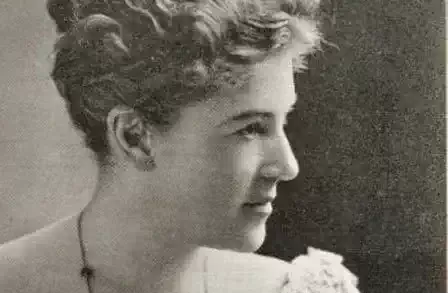
Ella Wheeler Wilcox
In the Long Run
In the Long Run
In the long run fame finds the deserving man.
The lucky wight may prosper for a day,
But in good time true merit leads the van,
And vain pretense, unnoticed, goes its way.
There is no Chance, no Destiny, no Fate,
But Fortune smiles on those who work and wait,
In the long run.
In the long run all goodly sorrow pays,
There is no better thing than righteous pain,
The sleepless nights, the awful thorn-crowned days,
Bring sure reward to tortured soul and brain.
Unmeaning joys enervate in the end,
But sorrow yields a glorious dividend
In the long run.
In the long run all hidden things are known,
The eye of truth will penetrate the night,
And good or ill, thy secret shall be known,
However well 't is guarded from the light.
All the unspoken motives of the breast
Are fathomed by the years and stand confest
In the long run.
In the long run all love is paid by love,
Though undervalued by the hosts of earth;
The great eternal Governemnt above
Keeps strict account and will redeem its worth.
Give thy love freely; do not count the cost;
So beautiful a thing was never lost
In the long run.
In the long run fame finds the deserving man.
The lucky wight may prosper for a day,
But in good time true merit leads the van,
And vain pretense, unnoticed, goes its way.
There is no Chance, no Destiny, no Fate,
But Fortune smiles on those who work and wait,
In the long run.
In the long run all goodly sorrow pays,
There is no better thing than righteous pain,
The sleepless nights, the awful thorn-crowned days,
Bring sure reward to tortured soul and brain.
Unmeaning joys enervate in the end,
But sorrow yields a glorious dividend
In the long run.
In the long run all hidden things are known,
The eye of truth will penetrate the night,
And good or ill, thy secret shall be known,
However well 't is guarded from the light.
All the unspoken motives of the breast
Are fathomed by the years and stand confest
In the long run.
In the long run all love is paid by love,
Though undervalued by the hosts of earth;
The great eternal Governemnt above
Keeps strict account and will redeem its worth.
Give thy love freely; do not count the cost;
So beautiful a thing was never lost
In the long run.
374
Ella Wheeler Wilcox
In The Cup
In The Cup
There is grief in the cup!
I saw a proud mother set wine on the board;
The eyes of her son sparkled bright as she poured
The ruddy stream into the glass in his hand.
The cup was of silver; the lady was grand
In her satins and laces; her proud heart was glad
In the love of her fair, noble son; but, oh! sad,
Oh! so sad ere a year had passed by,
And the soft light had gone from her beautiful eye.
For the boy that she loved, with a love strong as death,
In the chill hours of morn with a drunkard's foul breath
And a drunkard's fierce oath, reeled and staggered his way
To his home, a dark blot on the face of the day.
There is shame in the cup!
The tempter said, 'Drink,' and a fair maiden quaffed
Till her cheeks glowed the hue of the dangerous draught.
The voice of the tempter spoke low in her ear
Words that once would have started the quick, angry tear,
But wine blunts the conscience, and wine dulls the brain,
She listened and smiled, and he whispered again.
He lifted the goblet: 'Once more,' he said, 'drink,'
And the soul of the maiden was lost in the brink.
There is death in the cup!
A man in God's image, strong, noble, and grand,
With talents that crowned him a prince of the land,
Sipped the ruddy red wine!-sipped it lightly at first,
Until from its chains broke the demon of thirst.
And thirst became master, and man became slave,
And he ended his life in the drunkard's poor grave.
Wealth, fame, talents, beauty, and life swallowed up,
Grief, shame, death, destruction, are all in the cup.
There is grief in the cup!
I saw a proud mother set wine on the board;
The eyes of her son sparkled bright as she poured
The ruddy stream into the glass in his hand.
The cup was of silver; the lady was grand
In her satins and laces; her proud heart was glad
In the love of her fair, noble son; but, oh! sad,
Oh! so sad ere a year had passed by,
And the soft light had gone from her beautiful eye.
For the boy that she loved, with a love strong as death,
In the chill hours of morn with a drunkard's foul breath
And a drunkard's fierce oath, reeled and staggered his way
To his home, a dark blot on the face of the day.
There is shame in the cup!
The tempter said, 'Drink,' and a fair maiden quaffed
Till her cheeks glowed the hue of the dangerous draught.
The voice of the tempter spoke low in her ear
Words that once would have started the quick, angry tear,
But wine blunts the conscience, and wine dulls the brain,
She listened and smiled, and he whispered again.
He lifted the goblet: 'Once more,' he said, 'drink,'
And the soul of the maiden was lost in the brink.
There is death in the cup!
A man in God's image, strong, noble, and grand,
With talents that crowned him a prince of the land,
Sipped the ruddy red wine!-sipped it lightly at first,
Until from its chains broke the demon of thirst.
And thirst became master, and man became slave,
And he ended his life in the drunkard's poor grave.
Wealth, fame, talents, beauty, and life swallowed up,
Grief, shame, death, destruction, are all in the cup.
358
Ella Wheeler Wilcox
If--
If--
If I were a raindrop, and you were a leaf,
I would burst from the cloud above you
And lie on your breast in a rapture of rest,
And love you, love you, love you.
If I were a brown bee, and you were a rose,
I would fly to you, love, nor miss you;
I would sip and sip from your nectared lip,
And kiss you, kiss you, kiss you.
If I were a doe, dear, and you were a brook,
Ah, what would I do then, think you?
I would kneel by the bank, in the grasses dank,
And drink you, drink you, drink you.
If I were a raindrop, and you were a leaf,
I would burst from the cloud above you
And lie on your breast in a rapture of rest,
And love you, love you, love you.
If I were a brown bee, and you were a rose,
I would fly to you, love, nor miss you;
I would sip and sip from your nectared lip,
And kiss you, kiss you, kiss you.
If I were a doe, dear, and you were a brook,
Ah, what would I do then, think you?
I would kneel by the bank, in the grasses dank,
And drink you, drink you, drink you.
455
Ella Wheeler Wilcox
I Step Across The Mystic Border-Land
I Step Across The Mystic Border-Land
I step across the mystic border-land,
And look upon the wonder-world of Art.
How beautiful, how beautiful its hills!
And all its valleys, how surpassing fair!
The winding paths that lead up to the heights
Are polished by the footsteps of the great.
The mountain-peaks stand very near to God:
The chosen few whose feet have trod thereon
Have talked with Him. and with the angels walked.
Here are no sounds of discord-no profane
Or senseless gossip of unworthy things-
Only the songs of chisels and of pens,
Of busy brushes, and ecstatic strains
Of souls surcharged with music most divine.
Here is no idle sorrow, no poor grief
For any day or object left behind-
For time is counted precious, and herein
Is such complete abandonment of Self
That tears turn into rainbows, and enhance
The beauty of the land where all is fair,
Awed and afraid, I cross the border-land.
Oh, who am I, that I dare enter here
Where the great artists of the world have trod-
The genius-crowned aristocrats of Earth?
Only the singer of a little song;
Yet loving Art with such a mighty love
I hold it greater to have won a place
Just on the fair land's edge, to make my grave,
Than in the outer world of greed and gain
To sit upon a royal throne and reign.
I step across the mystic border-land,
And look upon the wonder-world of Art.
How beautiful, how beautiful its hills!
And all its valleys, how surpassing fair!
The winding paths that lead up to the heights
Are polished by the footsteps of the great.
The mountain-peaks stand very near to God:
The chosen few whose feet have trod thereon
Have talked with Him. and with the angels walked.
Here are no sounds of discord-no profane
Or senseless gossip of unworthy things-
Only the songs of chisels and of pens,
Of busy brushes, and ecstatic strains
Of souls surcharged with music most divine.
Here is no idle sorrow, no poor grief
For any day or object left behind-
For time is counted precious, and herein
Is such complete abandonment of Self
That tears turn into rainbows, and enhance
The beauty of the land where all is fair,
Awed and afraid, I cross the border-land.
Oh, who am I, that I dare enter here
Where the great artists of the world have trod-
The genius-crowned aristocrats of Earth?
Only the singer of a little song;
Yet loving Art with such a mighty love
I hold it greater to have won a place
Just on the fair land's edge, to make my grave,
Than in the outer world of greed and gain
To sit upon a royal throne and reign.
378
Ella Wheeler Wilcox
I Love You
I Love You
I love your lips when they're wet with wine
And red with a wild desire;
I love your eyes when the lovelight lies
Lit with a passionate fire.
I love your arms when the warm white flesh
Touches mine in a fond embrace;
I love your hair when the strands enmesh
Your kisses against my face.
Not for me the cold calm kiss
Of a virgin's bloodless love;
Not for me the saint's white bliss,
Nor the heart of a spotless dove.
But give me the love that so freely gives
And laughs at the whole world's blame,
With your body so young and warm in my arms,
It sets my poor heart aflame.
So kiss me sweet with your warm wet mouth,
Still fragrant with ruby wine,
And say with a fervor born of the South
That your body and soul are mine.
Clasp me close in your warm young arms,
While the pale stars shine above,
And we'll live our whole young lives away
In the joys of a living love.
I love your lips when they're wet with wine
And red with a wild desire;
I love your eyes when the lovelight lies
Lit with a passionate fire.
I love your arms when the warm white flesh
Touches mine in a fond embrace;
I love your hair when the strands enmesh
Your kisses against my face.
Not for me the cold calm kiss
Of a virgin's bloodless love;
Not for me the saint's white bliss,
Nor the heart of a spotless dove.
But give me the love that so freely gives
And laughs at the whole world's blame,
With your body so young and warm in my arms,
It sets my poor heart aflame.
So kiss me sweet with your warm wet mouth,
Still fragrant with ruby wine,
And say with a fervor born of the South
That your body and soul are mine.
Clasp me close in your warm young arms,
While the pale stars shine above,
And we'll live our whole young lives away
In the joys of a living love.
505
Ella Wheeler Wilcox
How does Love speak?
How does Love speak?
In the faint flush upon the tell-tale cheek,
And in the pallor that succeeds it; by
The quivering lid of an averted eye -
The smile that proves the parent of a sigh:
Thus doth Love speak.
How does Love speak?
By the uneven heart-throbs, and the freak
Of bounding pulses that stand still and ache
While new emotions, like strange barges, make
Along vein-channels their disturbing course,
Still as the dawn, and with the dawn's swift force:
Thus doth Love speak.
How does Love speak?
In the avoidance of that which we seek
The sudden silence and reserve when near;
The eye that glistens with an unshed tear;
The joy that seems the counterpart of fear,
As the alarmed heart leads in the breast,
And knows, and names, and greets its godlike guest:
Thus doth Love speak.
How does Love speak?
In the proud spirit suddenly grown meek,
The haughty heart grown humble; in the tender
And unnamed light that floods the world with splendour;
In the resemblance which the fond eyes trace
In all fair things to one beloved face;
In the shy touch of hands that thrill and tremble;
In looks and lips that can no more dissemble:
Thus doth Love speak.
How does Love speak?
In wild words that uttered seem so weak
They shrink ashamed to silence; in the fire
Glance strikes with glance, swift flashing high and higher,
Like lightnings that precede the mighty storm
In the deep, soulful stillness; in the warm,
Impassioned tide that sweeps thro' throbbing veins,
Between the shores of keen delights and pains;
In the embrace where madness melts in bliss,
And in the convulsive rapture of a kiss:
Thus doth Love speak.
In the faint flush upon the tell-tale cheek,
And in the pallor that succeeds it; by
The quivering lid of an averted eye -
The smile that proves the parent of a sigh:
Thus doth Love speak.
How does Love speak?
By the uneven heart-throbs, and the freak
Of bounding pulses that stand still and ache
While new emotions, like strange barges, make
Along vein-channels their disturbing course,
Still as the dawn, and with the dawn's swift force:
Thus doth Love speak.
How does Love speak?
In the avoidance of that which we seek
The sudden silence and reserve when near;
The eye that glistens with an unshed tear;
The joy that seems the counterpart of fear,
As the alarmed heart leads in the breast,
And knows, and names, and greets its godlike guest:
Thus doth Love speak.
How does Love speak?
In the proud spirit suddenly grown meek,
The haughty heart grown humble; in the tender
And unnamed light that floods the world with splendour;
In the resemblance which the fond eyes trace
In all fair things to one beloved face;
In the shy touch of hands that thrill and tremble;
In looks and lips that can no more dissemble:
Thus doth Love speak.
How does Love speak?
In wild words that uttered seem so weak
They shrink ashamed to silence; in the fire
Glance strikes with glance, swift flashing high and higher,
Like lightnings that precede the mighty storm
In the deep, soulful stillness; in the warm,
Impassioned tide that sweeps thro' throbbing veins,
Between the shores of keen delights and pains;
In the embrace where madness melts in bliss,
And in the convulsive rapture of a kiss:
Thus doth Love speak.
416
Ella Wheeler Wilcox
Her Last Letter
Her Last Letter
Sitting alone by the window,
Watching the moonlit street,
Bending my head to listen
To the well-known sound of your feet,
I have been wondering, darling,
How I can bear the pain,
When I watch, with sighs and tear-wet eyes;
And wait for your coming in vain.
For I know that a day approaches
When your heart will tire of me;
When by door and gate I may watch and wait
For a form I shall not see.
When the love that is now my heaven,
The kisses that make my life,
You will bestow on another,
And that other will be-your wife.
You will grow weary of sinning
(Though you do not call it so),
You will long for a love that is purer
Than the love that we two know.
God knows I have loved you dearly,
With a passion strong as true;
But you will grow tired and leave me,
Though I gave up all for you.
I was as pure as the morning
When I first looked on your face;
I knew I never could reach you
In your high, exalted place.
But I looked and loved and worshiped
As a flower might worship a star,
And your eyes shone down upon me,
And you seemed so far-so far.
And then? Well, then, you loved me,
Loved me with all your heart;
But we could not stand at the altar,
We were so far apart.
If a star should wed with a flower
The star must drop from the sky,
Or the flower in trying to reach it
Would droop on its stalk and die.
But you said that you loved me, darling,
And swore by the heavens above
That the Lord and all of His angels
Would sanction and bless our love.
And I? I was weak, not wicked.
My love was as pure as true,
And sin itself seemed a virtue
If only shared by you.
We have been happy together,
Though under the cloud of sin,
But I know that the day approaches
When my chastening must begin.
You have been faithful and tender,
But you will not always be,
And I think I had better leave you
While your thoughts are kind of me.
I know my beauty is fading-
Sin furrows the fairest brow-
And I know that your heart will weary
Of the face you smile on now.
You will take a bride to your bosom
After you turn from me;
You will sit with your wife in the moonlight,
And hold her babe on your knee.
Oh, God! I never could bear it;
It would madden my brain, I know;
And so while you love me dearly
I think I had better go.
It is sweeter to feel, my darling-
To know as I fall asleep-
That some one will mourn me and miss me,
That some one is left to weep,
Than to die as I should in the future,
To drop in the street some day,
Unknown, unwept and forgotten
After you cast me away.
Perhaps the blood of the Saviour
Can wash my garments clean;
Perchance I may drink of the waters
That flow through pastures green.
Perchance we may meet in heaven,
And walk in the streets above,
With nothing to grieve us or part us
Since our sinning was all through love.
God says, 'Love one another,'
And down to the depths of hell
Will he send the soul of a women
Because she loved-and fell?
And so in the moonlight he found her,
Or found her beautiful clay,
Lifeless and pallid as marble,
For the spirit had flown away.
The farewell words she had written
She held to her cold, white breast,
And the buried blade of a dagger
Told how she had gone to rest.
Sitting alone by the window,
Watching the moonlit street,
Bending my head to listen
To the well-known sound of your feet,
I have been wondering, darling,
How I can bear the pain,
When I watch, with sighs and tear-wet eyes;
And wait for your coming in vain.
For I know that a day approaches
When your heart will tire of me;
When by door and gate I may watch and wait
For a form I shall not see.
When the love that is now my heaven,
The kisses that make my life,
You will bestow on another,
And that other will be-your wife.
You will grow weary of sinning
(Though you do not call it so),
You will long for a love that is purer
Than the love that we two know.
God knows I have loved you dearly,
With a passion strong as true;
But you will grow tired and leave me,
Though I gave up all for you.
I was as pure as the morning
When I first looked on your face;
I knew I never could reach you
In your high, exalted place.
But I looked and loved and worshiped
As a flower might worship a star,
And your eyes shone down upon me,
And you seemed so far-so far.
And then? Well, then, you loved me,
Loved me with all your heart;
But we could not stand at the altar,
We were so far apart.
If a star should wed with a flower
The star must drop from the sky,
Or the flower in trying to reach it
Would droop on its stalk and die.
But you said that you loved me, darling,
And swore by the heavens above
That the Lord and all of His angels
Would sanction and bless our love.
And I? I was weak, not wicked.
My love was as pure as true,
And sin itself seemed a virtue
If only shared by you.
We have been happy together,
Though under the cloud of sin,
But I know that the day approaches
When my chastening must begin.
You have been faithful and tender,
But you will not always be,
And I think I had better leave you
While your thoughts are kind of me.
I know my beauty is fading-
Sin furrows the fairest brow-
And I know that your heart will weary
Of the face you smile on now.
You will take a bride to your bosom
After you turn from me;
You will sit with your wife in the moonlight,
And hold her babe on your knee.
Oh, God! I never could bear it;
It would madden my brain, I know;
And so while you love me dearly
I think I had better go.
It is sweeter to feel, my darling-
To know as I fall asleep-
That some one will mourn me and miss me,
That some one is left to weep,
Than to die as I should in the future,
To drop in the street some day,
Unknown, unwept and forgotten
After you cast me away.
Perhaps the blood of the Saviour
Can wash my garments clean;
Perchance I may drink of the waters
That flow through pastures green.
Perchance we may meet in heaven,
And walk in the streets above,
With nothing to grieve us or part us
Since our sinning was all through love.
God says, 'Love one another,'
And down to the depths of hell
Will he send the soul of a women
Because she loved-and fell?
And so in the moonlight he found her,
Or found her beautiful clay,
Lifeless and pallid as marble,
For the spirit had flown away.
The farewell words she had written
She held to her cold, white breast,
And the buried blade of a dagger
Told how she had gone to rest.
397
Ella Wheeler Wilcox
Her Last Letter
Her Last Letter
Sitting alone by the window,
Watching the moonlit street,
Bending my head to listen
To the well-known sound of your feet,
I have been wondering, darling,
How I can bear the pain,
When I watch, with sighs and tear-wet eyes;
And wait for your coming in vain.
For I know that a day approaches
When your heart will tire of me;
When by door and gate I may watch and wait
For a form I shall not see.
When the love that is now my heaven,
The kisses that make my life,
You will bestow on another,
And that other will be-your wife.
You will grow weary of sinning
(Though you do not call it so),
You will long for a love that is purer
Than the love that we two know.
God knows I have loved you dearly,
With a passion strong as true;
But you will grow tired and leave me,
Though I gave up all for you.
I was as pure as the morning
When I first looked on your face;
I knew I never could reach you
In your high, exalted place.
But I looked and loved and worshiped
As a flower might worship a star,
And your eyes shone down upon me,
And you seemed so far-so far.
And then? Well, then, you loved me,
Loved me with all your heart;
But we could not stand at the altar,
We were so far apart.
If a star should wed with a flower
The star must drop from the sky,
Or the flower in trying to reach it
Would droop on its stalk and die.
But you said that you loved me, darling,
And swore by the heavens above
That the Lord and all of His angels
Would sanction and bless our love.
And I? I was weak, not wicked.
My love was as pure as true,
And sin itself seemed a virtue
If only shared by you.
We have been happy together,
Though under the cloud of sin,
But I know that the day approaches
When my chastening must begin.
You have been faithful and tender,
But you will not always be,
And I think I had better leave you
While your thoughts are kind of me.
I know my beauty is fading-
Sin furrows the fairest brow-
And I know that your heart will weary
Of the face you smile on now.
You will take a bride to your bosom
After you turn from me;
You will sit with your wife in the moonlight,
And hold her babe on your knee.
Oh, God! I never could bear it;
It would madden my brain, I know;
And so while you love me dearly
I think I had better go.
It is sweeter to feel, my darling-
To know as I fall asleep-
That some one will mourn me and miss me,
That some one is left to weep,
Than to die as I should in the future,
To drop in the street some day,
Unknown, unwept and forgotten
After you cast me away.
Perhaps the blood of the Saviour
Can wash my garments clean;
Perchance I may drink of the waters
That flow through pastures green.
Perchance we may meet in heaven,
And walk in the streets above,
With nothing to grieve us or part us
Since our sinning was all through love.
God says, 'Love one another,'
And down to the depths of hell
Will he send the soul of a women
Because she loved-and fell?
And so in the moonlight he found her,
Or found her beautiful clay,
Lifeless and pallid as marble,
For the spirit had flown away.
The farewell words she had written
She held to her cold, white breast,
And the buried blade of a dagger
Told how she had gone to rest.
Sitting alone by the window,
Watching the moonlit street,
Bending my head to listen
To the well-known sound of your feet,
I have been wondering, darling,
How I can bear the pain,
When I watch, with sighs and tear-wet eyes;
And wait for your coming in vain.
For I know that a day approaches
When your heart will tire of me;
When by door and gate I may watch and wait
For a form I shall not see.
When the love that is now my heaven,
The kisses that make my life,
You will bestow on another,
And that other will be-your wife.
You will grow weary of sinning
(Though you do not call it so),
You will long for a love that is purer
Than the love that we two know.
God knows I have loved you dearly,
With a passion strong as true;
But you will grow tired and leave me,
Though I gave up all for you.
I was as pure as the morning
When I first looked on your face;
I knew I never could reach you
In your high, exalted place.
But I looked and loved and worshiped
As a flower might worship a star,
And your eyes shone down upon me,
And you seemed so far-so far.
And then? Well, then, you loved me,
Loved me with all your heart;
But we could not stand at the altar,
We were so far apart.
If a star should wed with a flower
The star must drop from the sky,
Or the flower in trying to reach it
Would droop on its stalk and die.
But you said that you loved me, darling,
And swore by the heavens above
That the Lord and all of His angels
Would sanction and bless our love.
And I? I was weak, not wicked.
My love was as pure as true,
And sin itself seemed a virtue
If only shared by you.
We have been happy together,
Though under the cloud of sin,
But I know that the day approaches
When my chastening must begin.
You have been faithful and tender,
But you will not always be,
And I think I had better leave you
While your thoughts are kind of me.
I know my beauty is fading-
Sin furrows the fairest brow-
And I know that your heart will weary
Of the face you smile on now.
You will take a bride to your bosom
After you turn from me;
You will sit with your wife in the moonlight,
And hold her babe on your knee.
Oh, God! I never could bear it;
It would madden my brain, I know;
And so while you love me dearly
I think I had better go.
It is sweeter to feel, my darling-
To know as I fall asleep-
That some one will mourn me and miss me,
That some one is left to weep,
Than to die as I should in the future,
To drop in the street some day,
Unknown, unwept and forgotten
After you cast me away.
Perhaps the blood of the Saviour
Can wash my garments clean;
Perchance I may drink of the waters
That flow through pastures green.
Perchance we may meet in heaven,
And walk in the streets above,
With nothing to grieve us or part us
Since our sinning was all through love.
God says, 'Love one another,'
And down to the depths of hell
Will he send the soul of a women
Because she loved-and fell?
And so in the moonlight he found her,
Or found her beautiful clay,
Lifeless and pallid as marble,
For the spirit had flown away.
The farewell words she had written
She held to her cold, white breast,
And the buried blade of a dagger
Told how she had gone to rest.
397
Ella Wheeler Wilcox
Her Last Letter
Her Last Letter
Sitting alone by the window,
Watching the moonlit street,
Bending my head to listen
To the well-known sound of your feet,
I have been wondering, darling,
How I can bear the pain,
When I watch, with sighs and tear-wet eyes;
And wait for your coming in vain.
For I know that a day approaches
When your heart will tire of me;
When by door and gate I may watch and wait
For a form I shall not see.
When the love that is now my heaven,
The kisses that make my life,
You will bestow on another,
And that other will be-your wife.
You will grow weary of sinning
(Though you do not call it so),
You will long for a love that is purer
Than the love that we two know.
God knows I have loved you dearly,
With a passion strong as true;
But you will grow tired and leave me,
Though I gave up all for you.
I was as pure as the morning
When I first looked on your face;
I knew I never could reach you
In your high, exalted place.
But I looked and loved and worshiped
As a flower might worship a star,
And your eyes shone down upon me,
And you seemed so far-so far.
And then? Well, then, you loved me,
Loved me with all your heart;
But we could not stand at the altar,
We were so far apart.
If a star should wed with a flower
The star must drop from the sky,
Or the flower in trying to reach it
Would droop on its stalk and die.
But you said that you loved me, darling,
And swore by the heavens above
That the Lord and all of His angels
Would sanction and bless our love.
And I? I was weak, not wicked.
My love was as pure as true,
And sin itself seemed a virtue
If only shared by you.
We have been happy together,
Though under the cloud of sin,
But I know that the day approaches
When my chastening must begin.
You have been faithful and tender,
But you will not always be,
And I think I had better leave you
While your thoughts are kind of me.
I know my beauty is fading-
Sin furrows the fairest brow-
And I know that your heart will weary
Of the face you smile on now.
You will take a bride to your bosom
After you turn from me;
You will sit with your wife in the moonlight,
And hold her babe on your knee.
Oh, God! I never could bear it;
It would madden my brain, I know;
And so while you love me dearly
I think I had better go.
It is sweeter to feel, my darling-
To know as I fall asleep-
That some one will mourn me and miss me,
That some one is left to weep,
Than to die as I should in the future,
To drop in the street some day,
Unknown, unwept and forgotten
After you cast me away.
Perhaps the blood of the Saviour
Can wash my garments clean;
Perchance I may drink of the waters
That flow through pastures green.
Perchance we may meet in heaven,
And walk in the streets above,
With nothing to grieve us or part us
Since our sinning was all through love.
God says, 'Love one another,'
And down to the depths of hell
Will he send the soul of a women
Because she loved-and fell?
And so in the moonlight he found her,
Or found her beautiful clay,
Lifeless and pallid as marble,
For the spirit had flown away.
The farewell words she had written
She held to her cold, white breast,
And the buried blade of a dagger
Told how she had gone to rest.
Sitting alone by the window,
Watching the moonlit street,
Bending my head to listen
To the well-known sound of your feet,
I have been wondering, darling,
How I can bear the pain,
When I watch, with sighs and tear-wet eyes;
And wait for your coming in vain.
For I know that a day approaches
When your heart will tire of me;
When by door and gate I may watch and wait
For a form I shall not see.
When the love that is now my heaven,
The kisses that make my life,
You will bestow on another,
And that other will be-your wife.
You will grow weary of sinning
(Though you do not call it so),
You will long for a love that is purer
Than the love that we two know.
God knows I have loved you dearly,
With a passion strong as true;
But you will grow tired and leave me,
Though I gave up all for you.
I was as pure as the morning
When I first looked on your face;
I knew I never could reach you
In your high, exalted place.
But I looked and loved and worshiped
As a flower might worship a star,
And your eyes shone down upon me,
And you seemed so far-so far.
And then? Well, then, you loved me,
Loved me with all your heart;
But we could not stand at the altar,
We were so far apart.
If a star should wed with a flower
The star must drop from the sky,
Or the flower in trying to reach it
Would droop on its stalk and die.
But you said that you loved me, darling,
And swore by the heavens above
That the Lord and all of His angels
Would sanction and bless our love.
And I? I was weak, not wicked.
My love was as pure as true,
And sin itself seemed a virtue
If only shared by you.
We have been happy together,
Though under the cloud of sin,
But I know that the day approaches
When my chastening must begin.
You have been faithful and tender,
But you will not always be,
And I think I had better leave you
While your thoughts are kind of me.
I know my beauty is fading-
Sin furrows the fairest brow-
And I know that your heart will weary
Of the face you smile on now.
You will take a bride to your bosom
After you turn from me;
You will sit with your wife in the moonlight,
And hold her babe on your knee.
Oh, God! I never could bear it;
It would madden my brain, I know;
And so while you love me dearly
I think I had better go.
It is sweeter to feel, my darling-
To know as I fall asleep-
That some one will mourn me and miss me,
That some one is left to weep,
Than to die as I should in the future,
To drop in the street some day,
Unknown, unwept and forgotten
After you cast me away.
Perhaps the blood of the Saviour
Can wash my garments clean;
Perchance I may drink of the waters
That flow through pastures green.
Perchance we may meet in heaven,
And walk in the streets above,
With nothing to grieve us or part us
Since our sinning was all through love.
God says, 'Love one another,'
And down to the depths of hell
Will he send the soul of a women
Because she loved-and fell?
And so in the moonlight he found her,
Or found her beautiful clay,
Lifeless and pallid as marble,
For the spirit had flown away.
The farewell words she had written
She held to her cold, white breast,
And the buried blade of a dagger
Told how she had gone to rest.
397
Ella Wheeler Wilcox
Her Last Letter
Her Last Letter
Sitting alone by the window,
Watching the moonlit street,
Bending my head to listen
To the well-known sound of your feet,
I have been wondering, darling,
How I can bear the pain,
When I watch, with sighs and tear-wet eyes;
And wait for your coming in vain.
For I know that a day approaches
When your heart will tire of me;
When by door and gate I may watch and wait
For a form I shall not see.
When the love that is now my heaven,
The kisses that make my life,
You will bestow on another,
And that other will be-your wife.
You will grow weary of sinning
(Though you do not call it so),
You will long for a love that is purer
Than the love that we two know.
God knows I have loved you dearly,
With a passion strong as true;
But you will grow tired and leave me,
Though I gave up all for you.
I was as pure as the morning
When I first looked on your face;
I knew I never could reach you
In your high, exalted place.
But I looked and loved and worshiped
As a flower might worship a star,
And your eyes shone down upon me,
And you seemed so far-so far.
And then? Well, then, you loved me,
Loved me with all your heart;
But we could not stand at the altar,
We were so far apart.
If a star should wed with a flower
The star must drop from the sky,
Or the flower in trying to reach it
Would droop on its stalk and die.
But you said that you loved me, darling,
And swore by the heavens above
That the Lord and all of His angels
Would sanction and bless our love.
And I? I was weak, not wicked.
My love was as pure as true,
And sin itself seemed a virtue
If only shared by you.
We have been happy together,
Though under the cloud of sin,
But I know that the day approaches
When my chastening must begin.
You have been faithful and tender,
But you will not always be,
And I think I had better leave you
While your thoughts are kind of me.
I know my beauty is fading-
Sin furrows the fairest brow-
And I know that your heart will weary
Of the face you smile on now.
You will take a bride to your bosom
After you turn from me;
You will sit with your wife in the moonlight,
And hold her babe on your knee.
Oh, God! I never could bear it;
It would madden my brain, I know;
And so while you love me dearly
I think I had better go.
It is sweeter to feel, my darling-
To know as I fall asleep-
That some one will mourn me and miss me,
That some one is left to weep,
Than to die as I should in the future,
To drop in the street some day,
Unknown, unwept and forgotten
After you cast me away.
Perhaps the blood of the Saviour
Can wash my garments clean;
Perchance I may drink of the waters
That flow through pastures green.
Perchance we may meet in heaven,
And walk in the streets above,
With nothing to grieve us or part us
Since our sinning was all through love.
God says, 'Love one another,'
And down to the depths of hell
Will he send the soul of a women
Because she loved-and fell?
And so in the moonlight he found her,
Or found her beautiful clay,
Lifeless and pallid as marble,
For the spirit had flown away.
The farewell words she had written
She held to her cold, white breast,
And the buried blade of a dagger
Told how she had gone to rest.
Sitting alone by the window,
Watching the moonlit street,
Bending my head to listen
To the well-known sound of your feet,
I have been wondering, darling,
How I can bear the pain,
When I watch, with sighs and tear-wet eyes;
And wait for your coming in vain.
For I know that a day approaches
When your heart will tire of me;
When by door and gate I may watch and wait
For a form I shall not see.
When the love that is now my heaven,
The kisses that make my life,
You will bestow on another,
And that other will be-your wife.
You will grow weary of sinning
(Though you do not call it so),
You will long for a love that is purer
Than the love that we two know.
God knows I have loved you dearly,
With a passion strong as true;
But you will grow tired and leave me,
Though I gave up all for you.
I was as pure as the morning
When I first looked on your face;
I knew I never could reach you
In your high, exalted place.
But I looked and loved and worshiped
As a flower might worship a star,
And your eyes shone down upon me,
And you seemed so far-so far.
And then? Well, then, you loved me,
Loved me with all your heart;
But we could not stand at the altar,
We were so far apart.
If a star should wed with a flower
The star must drop from the sky,
Or the flower in trying to reach it
Would droop on its stalk and die.
But you said that you loved me, darling,
And swore by the heavens above
That the Lord and all of His angels
Would sanction and bless our love.
And I? I was weak, not wicked.
My love was as pure as true,
And sin itself seemed a virtue
If only shared by you.
We have been happy together,
Though under the cloud of sin,
But I know that the day approaches
When my chastening must begin.
You have been faithful and tender,
But you will not always be,
And I think I had better leave you
While your thoughts are kind of me.
I know my beauty is fading-
Sin furrows the fairest brow-
And I know that your heart will weary
Of the face you smile on now.
You will take a bride to your bosom
After you turn from me;
You will sit with your wife in the moonlight,
And hold her babe on your knee.
Oh, God! I never could bear it;
It would madden my brain, I know;
And so while you love me dearly
I think I had better go.
It is sweeter to feel, my darling-
To know as I fall asleep-
That some one will mourn me and miss me,
That some one is left to weep,
Than to die as I should in the future,
To drop in the street some day,
Unknown, unwept and forgotten
After you cast me away.
Perhaps the blood of the Saviour
Can wash my garments clean;
Perchance I may drink of the waters
That flow through pastures green.
Perchance we may meet in heaven,
And walk in the streets above,
With nothing to grieve us or part us
Since our sinning was all through love.
God says, 'Love one another,'
And down to the depths of hell
Will he send the soul of a women
Because she loved-and fell?
And so in the moonlight he found her,
Or found her beautiful clay,
Lifeless and pallid as marble,
For the spirit had flown away.
The farewell words she had written
She held to her cold, white breast,
And the buried blade of a dagger
Told how she had gone to rest.
397
Ella Wheeler Wilcox
Gracia
Gracia
Nay, nay, Antonio! nay, thou shalt not blame her,
My Gracia, who hath so deserted me.
Thou art my friend, but if thou dost defame her
I shall not hesitate to challenge thee.
'Curse and forget her?' So I might another,
One not so bounteous-natured or so fair;
But she, Antonio, she was like no other—
I curse her not, because she was so rare.
She was made out of laughter and sweet kisses;
Not blood, but sunshine, through her blue veins ran
Her soul spilled over with its wealth of blisses;
She was too great for loving but a man.
None but a god could keep so rare a creature:
I blame her not for her inconstancy;
When I recall each radiant smile and feature,
I wonder she so long was true to me.
Call her not false or fickle. I, who love her,
Do hold her not unlike the royal sun,
That, all unmated, roams the wide world over
And lights all worlds, but lingers not with one.
If she were less a goddess, more a woman,
And so had dallied for a time with me,
And then had left me, I, who am but human,
Would slay her and her newer love, maybe.
But since she seeks Apollo, or another
Of those lost gods (and seeks him all in vain)
And has loved me as well as any other
Of her men loves, why, I do not complain.
Nay, nay, Antonio! nay, thou shalt not blame her,
My Gracia, who hath so deserted me.
Thou art my friend, but if thou dost defame her
I shall not hesitate to challenge thee.
'Curse and forget her?' So I might another,
One not so bounteous-natured or so fair;
But she, Antonio, she was like no other—
I curse her not, because she was so rare.
She was made out of laughter and sweet kisses;
Not blood, but sunshine, through her blue veins ran
Her soul spilled over with its wealth of blisses;
She was too great for loving but a man.
None but a god could keep so rare a creature:
I blame her not for her inconstancy;
When I recall each radiant smile and feature,
I wonder she so long was true to me.
Call her not false or fickle. I, who love her,
Do hold her not unlike the royal sun,
That, all unmated, roams the wide world over
And lights all worlds, but lingers not with one.
If she were less a goddess, more a woman,
And so had dallied for a time with me,
And then had left me, I, who am but human,
Would slay her and her newer love, maybe.
But since she seeks Apollo, or another
Of those lost gods (and seeks him all in vain)
And has loved me as well as any other
Of her men loves, why, I do not complain.
449
Ella Wheeler Wilcox
From the Grave
From the Grave
When the first sere leaves of the year were falling,
I heard, with a heart that was strangely thrilled,
Out of the grave of a dead Past calling,
A voice I fancied forever stilled.
All through winter and spring and summer,
Silence hung over that grave like a pall,
But, borne on the breath of the last sad comer,
I listen again to the old-time call.
It is only a love of a by-gone season,
A senseless folly that mocked at me
A reckless passion that lacked all reason,
So I killed it, and hid it where none could see.
I smothered it first to stop its crying,
Then stabbed it through with a good sharp blade,
And cold and pallid I saw it lying,
And deep—ah' deep was the grave I made.
But now I know that there is no killing
A thing like Love, for it laughs at Death.
There is no hushing, there is no stilling
That which is part of your life and breath.
You may bury it deep, and leave behind you
The land, the people, that knew your slain;
It will push the sods from its grave, and find you
On wastes of water or desert plain.
You may hear but tongues of a foreign people,
You may list to sounds that are strange and new;
But, clear as a silver bell in a steeple,
That voice from the grave shall call to you.
You may rouse your pride, you may use your reason.
And seem for a space to slay Love so;
But, all in its own good time and season,
It will rise and follow wherever you go.
You shall sit sometimes, when the leaves are falling,
Alone with your heart, as I sit to-day,
And hear that voice from your dead Past calling
Out of the graves that you hid away.
When the first sere leaves of the year were falling,
I heard, with a heart that was strangely thrilled,
Out of the grave of a dead Past calling,
A voice I fancied forever stilled.
All through winter and spring and summer,
Silence hung over that grave like a pall,
But, borne on the breath of the last sad comer,
I listen again to the old-time call.
It is only a love of a by-gone season,
A senseless folly that mocked at me
A reckless passion that lacked all reason,
So I killed it, and hid it where none could see.
I smothered it first to stop its crying,
Then stabbed it through with a good sharp blade,
And cold and pallid I saw it lying,
And deep—ah' deep was the grave I made.
But now I know that there is no killing
A thing like Love, for it laughs at Death.
There is no hushing, there is no stilling
That which is part of your life and breath.
You may bury it deep, and leave behind you
The land, the people, that knew your slain;
It will push the sods from its grave, and find you
On wastes of water or desert plain.
You may hear but tongues of a foreign people,
You may list to sounds that are strange and new;
But, clear as a silver bell in a steeple,
That voice from the grave shall call to you.
You may rouse your pride, you may use your reason.
And seem for a space to slay Love so;
But, all in its own good time and season,
It will rise and follow wherever you go.
You shall sit sometimes, when the leaves are falling,
Alone with your heart, as I sit to-day,
And hear that voice from your dead Past calling
Out of the graves that you hid away.
497
Ella Wheeler Wilcox
Five Little Toes At Night
Five Little Toes At Night
This little toe is tired,
This little toe needs rocking,
This little toe is sleepy you know,
But this little toe keeps talking,
This toe big and tall is the mischief of all,
For he made a great hole in his stocking.
This little toe is tired,
This little toe needs rocking,
This little toe is sleepy you know,
But this little toe keeps talking,
This toe big and tall is the mischief of all,
For he made a great hole in his stocking.
391
Ella Wheeler Wilcox
Desolation
Desolation
I think that the bitterest sorrow or pain
Of love unrequited, or cold death’s woe,
Is sweet, compared to that hour when we know
That some grand passion is on the wane.
When we see that the glory, and glow, and grace
Which lent a splendour to night and day,
Are surely fading, and showing grey
And dull groundwork of the commonplace.
When fond expressions on dull ears fall,
When the hands clasp calmly without one thrill,
When we cannot muster by force of will
The old emotions that came at call.
When the dream has vanished we fain would keep,
When the heart, like a watch, runs out of gear,
And all the savour goes out of the year,
Oh, then is the time – if we could – to weep!
But no tears soften this dull, pale woe;
We must sit and face it with dry, sad eyes.
If we seek to hold it, the swifter joy flies –
We can only be passive, and let it go.
I think that the bitterest sorrow or pain
Of love unrequited, or cold death’s woe,
Is sweet, compared to that hour when we know
That some grand passion is on the wane.
When we see that the glory, and glow, and grace
Which lent a splendour to night and day,
Are surely fading, and showing grey
And dull groundwork of the commonplace.
When fond expressions on dull ears fall,
When the hands clasp calmly without one thrill,
When we cannot muster by force of will
The old emotions that came at call.
When the dream has vanished we fain would keep,
When the heart, like a watch, runs out of gear,
And all the savour goes out of the year,
Oh, then is the time – if we could – to weep!
But no tears soften this dull, pale woe;
We must sit and face it with dry, sad eyes.
If we seek to hold it, the swifter joy flies –
We can only be passive, and let it go.
481
Ella Wheeler Wilcox
Dell And I
Dell And I
In a mansion grand, just over the way,
Lives bonny, beautiful Dell;
You may have heard of this lady gay,
For she is a famous belle.
I live in a low cot opposite,
You never have heard of me;
For when the lady moon shines bright,
Who would a pale star see?
But ah, well, ah, well! I am happier far than Dell,
As strange as that may be.
Dell has robes of the richest kind-
Pinks and purples and blues.
And she worries her maid and frets her mind
To know which one to choose.
Which shall it be now, silk or lace?
In which will I be most fair?
She stands by the mirror with anxious face,
And her maid looks on in despair.
Ah, well, ah, well! I am not worried, you see, like Dell,
For I have but
one
to wear.
Dell has lovers of every grade,
Of every age and style;
Suitors flutter about the maid,
And bask in her word and smile.
She keeps them all, with a coquette's art,
As suits her mood or mirth,
And vainly wonders if in one heart
Of all true love has birth.
Ah, well, ah, well! I never question myself like Dell,
For I
know
a true heart's worth.
Pleasure to Dell seems stale and old,
Often she sits and sighs;
Life to me is a tale untold,
Each day is a glad surprise.
Dell with marry, of course, some day
After her belleship is run;
She will cavil the matter in worldly way
And wed Dame Fortune's son.
But, ah, well, sweet to tell, I shall not dally and choose like Dell,
For I love and am loved byone
.
In a mansion grand, just over the way,
Lives bonny, beautiful Dell;
You may have heard of this lady gay,
For she is a famous belle.
I live in a low cot opposite,
You never have heard of me;
For when the lady moon shines bright,
Who would a pale star see?
But ah, well, ah, well! I am happier far than Dell,
As strange as that may be.
Dell has robes of the richest kind-
Pinks and purples and blues.
And she worries her maid and frets her mind
To know which one to choose.
Which shall it be now, silk or lace?
In which will I be most fair?
She stands by the mirror with anxious face,
And her maid looks on in despair.
Ah, well, ah, well! I am not worried, you see, like Dell,
For I have but
one
to wear.
Dell has lovers of every grade,
Of every age and style;
Suitors flutter about the maid,
And bask in her word and smile.
She keeps them all, with a coquette's art,
As suits her mood or mirth,
And vainly wonders if in one heart
Of all true love has birth.
Ah, well, ah, well! I never question myself like Dell,
For I
know
a true heart's worth.
Pleasure to Dell seems stale and old,
Often she sits and sighs;
Life to me is a tale untold,
Each day is a glad surprise.
Dell with marry, of course, some day
After her belleship is run;
She will cavil the matter in worldly way
And wed Dame Fortune's son.
But, ah, well, sweet to tell, I shall not dally and choose like Dell,
For I love and am loved byone
.
430
Ella Wheeler Wilcox
Daft
Daft
In the warm yellow smile of the morning,
She stands at the lattice pane,
And watches the strong young binders
Stride down to the fields of grain.
And she counts them over and over
As they pass her cottage door:
Are they six, she counts them seven;
Are they seven, she counts one more.
When the sun swings high in the heavens,
And the reapers go shouting home,
She calls to the household, saying,
'Make haste! for the binders have come
And Johnnie will want his dinner He
was always a hungry child';
And they answer, 'Yes, it ia waiting';
Then tell you, 'Her brain is wild.'
Again, in the hush of the evening,
When the work of the day is done,
And the binders go singing homeward
In the last red rays of the sun,
She will sit at the threshold waiting,
And with her withered face lights with joy:
'Come, Johnnie, ' she says, as they pass her,
'Come into the house, my boy.'
Five summers ago her Johnnie
Went out in the smile of the morn,
Singing across the meadow,
Striding down through the corn -
He towered above the binders,
Walking on either side,
And the mother's heart within her
Swelled with exultant pride.
For he was the light of the household His
brown eyes were wells of truth,
And his face was the face of the morning,
Lit with its pure, fresh youth,
And his song rang out from the hilltops
Like the mellow blast of a horn,
And he strode o'er the fresh shorn meadows,
And down through the rows of corn.
But hushed were the voices of singing,
Hushed by the presence of death,
As back to the cottage they bore him In
the noontide's scorching breath,
For the heat of the sun had slain him,
Had smitten the heart in his breast,
And he who towered above them
Lay lower than all the rest.
The grain grows ripe in the sunshine,
And the summers ebb and flow,
And the binders stride to their labour
And sing as they come and go;
But never again from the hilltops
Echoes the voice like a horn;
Never up from the meadows,
Never back from the corn.
Yet the poor, crazed brain of the mother
Fancies him always near;
She is blest in her strange delusion,
For she knoweth no pain nor fear,
And always she counts the binders
As they pass by her cottage door;
Are they six, she counts them seven;
Are they seven, she counts one more.
In the warm yellow smile of the morning,
She stands at the lattice pane,
And watches the strong young binders
Stride down to the fields of grain.
And she counts them over and over
As they pass her cottage door:
Are they six, she counts them seven;
Are they seven, she counts one more.
When the sun swings high in the heavens,
And the reapers go shouting home,
She calls to the household, saying,
'Make haste! for the binders have come
And Johnnie will want his dinner He
was always a hungry child';
And they answer, 'Yes, it ia waiting';
Then tell you, 'Her brain is wild.'
Again, in the hush of the evening,
When the work of the day is done,
And the binders go singing homeward
In the last red rays of the sun,
She will sit at the threshold waiting,
And with her withered face lights with joy:
'Come, Johnnie, ' she says, as they pass her,
'Come into the house, my boy.'
Five summers ago her Johnnie
Went out in the smile of the morn,
Singing across the meadow,
Striding down through the corn -
He towered above the binders,
Walking on either side,
And the mother's heart within her
Swelled with exultant pride.
For he was the light of the household His
brown eyes were wells of truth,
And his face was the face of the morning,
Lit with its pure, fresh youth,
And his song rang out from the hilltops
Like the mellow blast of a horn,
And he strode o'er the fresh shorn meadows,
And down through the rows of corn.
But hushed were the voices of singing,
Hushed by the presence of death,
As back to the cottage they bore him In
the noontide's scorching breath,
For the heat of the sun had slain him,
Had smitten the heart in his breast,
And he who towered above them
Lay lower than all the rest.
The grain grows ripe in the sunshine,
And the summers ebb and flow,
And the binders stride to their labour
And sing as they come and go;
But never again from the hilltops
Echoes the voice like a horn;
Never up from the meadows,
Never back from the corn.
Yet the poor, crazed brain of the mother
Fancies him always near;
She is blest in her strange delusion,
For she knoweth no pain nor fear,
And always she counts the binders
As they pass by her cottage door;
Are they six, she counts them seven;
Are they seven, she counts one more.
434
Ella Wheeler Wilcox
Canada
Canada
England, father and mother in one,
Look on your stalwart son.
Sturdy and strong, with the valour of youth,
Where is another so lusty?
Coated and mailed, with the armour of truth,
Where is another so trusty?
Flesh of your flesh, and bone of your bone,
He is yours alone.
England, father and mother in one,
See the wealth of your son.
Forests primeval, and virginal sod,
Wheat-fields golden and splendid:
Riches of nature and opulent God
For the use of his children intended.
A courage that dares, and a hope that endures,
And a soul all yours.
England, father and mother in one,
Hear the cry of your son.
Little cares he for the glories of earth
Lying around and above him,
Yearning is he for the rights of his birth,
And the heart of his mother to love him.
Vast are your gifts to him, ample his store,
Now open your door.
England, father and mother in one,
Heed the voice of your son.
Proffer him place in your councils of state:
Let him sit near, and attend you.
Ponder his words in the hour of debate,
Strong is his arm to defend you.
Flesh of your flesh, and bone of your bone,
Give him his own.
England, father and mother in one,
Look on your stalwart son.
Sturdy and strong, with the valour of youth,
Where is another so lusty?
Coated and mailed, with the armour of truth,
Where is another so trusty?
Flesh of your flesh, and bone of your bone,
He is yours alone.
England, father and mother in one,
See the wealth of your son.
Forests primeval, and virginal sod,
Wheat-fields golden and splendid:
Riches of nature and opulent God
For the use of his children intended.
A courage that dares, and a hope that endures,
And a soul all yours.
England, father and mother in one,
Hear the cry of your son.
Little cares he for the glories of earth
Lying around and above him,
Yearning is he for the rights of his birth,
And the heart of his mother to love him.
Vast are your gifts to him, ample his store,
Now open your door.
England, father and mother in one,
Heed the voice of your son.
Proffer him place in your councils of state:
Let him sit near, and attend you.
Ponder his words in the hour of debate,
Strong is his arm to defend you.
Flesh of your flesh, and bone of your bone,
Give him his own.
406
Ella Wheeler Wilcox
Breaking The Day In Two
Breaking The Day In Two
When from dawn till noon seems one long day,
And from noon till night another,
Oh, then should a little boy come from play,
And creep into the arms of his mother.
Snugly creep and fall asleep,
O come, my baby, do;
Creep into my lap, and with a nap,
We'll break the day in two.
When the shadows slant for afternoon,
When the midday meal is over;
When the winds have sung themselves into a swoon,
And the bees drone in the clover.
Then hie to me, hie, for a lullaby-
Come, my baby, do;
Creep into my lap, and with a nap
We'll break the day in two.
We'll break it in two with a crooning song,
With a soft and soothing number;
For the day has no right to be so long
And keep my baby from slumber.
Then rock-a-by, rock, may white dreams flock
Like angels over you;
Baby's gone, and the deed is done
We've broken the day in two.
When from dawn till noon seems one long day,
And from noon till night another,
Oh, then should a little boy come from play,
And creep into the arms of his mother.
Snugly creep and fall asleep,
O come, my baby, do;
Creep into my lap, and with a nap,
We'll break the day in two.
When the shadows slant for afternoon,
When the midday meal is over;
When the winds have sung themselves into a swoon,
And the bees drone in the clover.
Then hie to me, hie, for a lullaby-
Come, my baby, do;
Creep into my lap, and with a nap
We'll break the day in two.
We'll break it in two with a crooning song,
With a soft and soothing number;
For the day has no right to be so long
And keep my baby from slumber.
Then rock-a-by, rock, may white dreams flock
Like angels over you;
Baby's gone, and the deed is done
We've broken the day in two.
382
Ella Wheeler Wilcox
Breaking The Day In Two
Breaking The Day In Two
When from dawn till noon seems one long day,
And from noon till night another,
Oh, then should a little boy come from play,
And creep into the arms of his mother.
Snugly creep and fall asleep,
O come, my baby, do;
Creep into my lap, and with a nap,
We'll break the day in two.
When the shadows slant for afternoon,
When the midday meal is over;
When the winds have sung themselves into a swoon,
And the bees drone in the clover.
Then hie to me, hie, for a lullaby-
Come, my baby, do;
Creep into my lap, and with a nap
We'll break the day in two.
We'll break it in two with a crooning song,
With a soft and soothing number;
For the day has no right to be so long
And keep my baby from slumber.
Then rock-a-by, rock, may white dreams flock
Like angels over you;
Baby's gone, and the deed is done
We've broken the day in two.
When from dawn till noon seems one long day,
And from noon till night another,
Oh, then should a little boy come from play,
And creep into the arms of his mother.
Snugly creep and fall asleep,
O come, my baby, do;
Creep into my lap, and with a nap,
We'll break the day in two.
When the shadows slant for afternoon,
When the midday meal is over;
When the winds have sung themselves into a swoon,
And the bees drone in the clover.
Then hie to me, hie, for a lullaby-
Come, my baby, do;
Creep into my lap, and with a nap
We'll break the day in two.
We'll break it in two with a crooning song,
With a soft and soothing number;
For the day has no right to be so long
And keep my baby from slumber.
Then rock-a-by, rock, may white dreams flock
Like angels over you;
Baby's gone, and the deed is done
We've broken the day in two.
382
Ella Wheeler Wilcox
But One
But One
The year has but one June, dear friend;
The year has but one June;
And when that perfect month doth end,
The robin's song, though loud, though long,
Seems never quite in tune.
The rose, though still its blushing face
By bee and bird is seen,
May yet have lost that subtle grace—
That nameless spell the winds know
Which makes it garden's queen.
Life's perfect June, love's red, red rose,
Have burned and bloomed for me.
Though still youth's summer sunlight glows;
Though thou art kind, dear friend, I find
I have no heart for thee.
The year has but one June, dear friend;
The year has but one June;
And when that perfect month doth end,
The robin's song, though loud, though long,
Seems never quite in tune.
The rose, though still its blushing face
By bee and bird is seen,
May yet have lost that subtle grace—
That nameless spell the winds know
Which makes it garden's queen.
Life's perfect June, love's red, red rose,
Have burned and bloomed for me.
Though still youth's summer sunlight glows;
Though thou art kind, dear friend, I find
I have no heart for thee.
414
Ella Wheeler Wilcox
Baby's First Journey
Baby's First Journey
Lightly they hold him and lightly they sway him-
Soft as a pillow are somebody's arms.
Down he goes slowly, ever so lowly
Over the rim of the cradle they lay himBaby's
first journey is free from alarms.
Baby is growing while Mama sings by-lo,
Sturdy and rosy and laughing and fair,
Crowing and growing past every one's knowing,
Out goes the cradle and in comes the 'high-lo,'
Baby's next journey is into this chair.
Crying or cooing or waking or sleeping,
Baby is ever a thing to adore.
Look at him yonder-oh what a wonder,
Who would believe it, the darling is creeping,
Baby's next journey is over the floor.
Sweeter and cuter and brighter and stronger,
Mama can see every day how he's grown.
Shoes are all battered, stockings all tattered,
Oh! but the baby is baby no longer
Look at the fellow-he's walking alone!
Lightly they hold him and lightly they sway him-
Soft as a pillow are somebody's arms.
Down he goes slowly, ever so lowly
Over the rim of the cradle they lay himBaby's
first journey is free from alarms.
Baby is growing while Mama sings by-lo,
Sturdy and rosy and laughing and fair,
Crowing and growing past every one's knowing,
Out goes the cradle and in comes the 'high-lo,'
Baby's next journey is into this chair.
Crying or cooing or waking or sleeping,
Baby is ever a thing to adore.
Look at him yonder-oh what a wonder,
Who would believe it, the darling is creeping,
Baby's next journey is over the floor.
Sweeter and cuter and brighter and stronger,
Mama can see every day how he's grown.
Shoes are all battered, stockings all tattered,
Oh! but the baby is baby no longer
Look at the fellow-he's walking alone!
388
Ella Wheeler Wilcox
Baby's First Journey
Baby's First Journey
Lightly they hold him and lightly they sway him-
Soft as a pillow are somebody's arms.
Down he goes slowly, ever so lowly
Over the rim of the cradle they lay himBaby's
first journey is free from alarms.
Baby is growing while Mama sings by-lo,
Sturdy and rosy and laughing and fair,
Crowing and growing past every one's knowing,
Out goes the cradle and in comes the 'high-lo,'
Baby's next journey is into this chair.
Crying or cooing or waking or sleeping,
Baby is ever a thing to adore.
Look at him yonder-oh what a wonder,
Who would believe it, the darling is creeping,
Baby's next journey is over the floor.
Sweeter and cuter and brighter and stronger,
Mama can see every day how he's grown.
Shoes are all battered, stockings all tattered,
Oh! but the baby is baby no longer
Look at the fellow-he's walking alone!
Lightly they hold him and lightly they sway him-
Soft as a pillow are somebody's arms.
Down he goes slowly, ever so lowly
Over the rim of the cradle they lay himBaby's
first journey is free from alarms.
Baby is growing while Mama sings by-lo,
Sturdy and rosy and laughing and fair,
Crowing and growing past every one's knowing,
Out goes the cradle and in comes the 'high-lo,'
Baby's next journey is into this chair.
Crying or cooing or waking or sleeping,
Baby is ever a thing to adore.
Look at him yonder-oh what a wonder,
Who would believe it, the darling is creeping,
Baby's next journey is over the floor.
Sweeter and cuter and brighter and stronger,
Mama can see every day how he's grown.
Shoes are all battered, stockings all tattered,
Oh! but the baby is baby no longer
Look at the fellow-he's walking alone!
388
Ella Wheeler Wilcox
At The Hop
At The Hop
‘Tis time to dress. Dost hear the music surging
Like sobbing waves that roll up from the sea?
Yes, yes, I hear – I yield – no need of urging;
I know your wishes, - send Lisette to me.
I hate the ballroom; hate its gilded pleasure;
I hate the crowd within it, well you know;
But what of that? I am your lawful treasure –
And when you would display me I must go.
You bought me with a mother’s pain and trouble.
I’ve been a great expense to you always.
And now, if you can sell me, and get double
The sum cost – why, what have I to say?
You’ve done your duty: kept me in the fashion,
And shown off me at every stylish place.
‘Twas not your fault I had a heart of passion;
‘Twas not your fault I ever saw his face.
The dream was brief, and beautiful, and tender,
(O, God! to live those golden hours once more.
The silver moonlight, and his dark eyes’ splendour,
The sky above us, and the sea below.)
Come, come, Lisette, bring out those royal laces;
To-night must make the victory complete.
Among the crowd of masked and smiling faces,
I’ll move with laughter, and with smiles most sweet.
Make me most fair! with youth and grace and beauty.
I needs must conquer bloated age and gold.
She shall not say I have not done my duty;
I’m ready now – a daughter to be sold!
‘Tis time to dress. Dost hear the music surging
Like sobbing waves that roll up from the sea?
Yes, yes, I hear – I yield – no need of urging;
I know your wishes, - send Lisette to me.
I hate the ballroom; hate its gilded pleasure;
I hate the crowd within it, well you know;
But what of that? I am your lawful treasure –
And when you would display me I must go.
You bought me with a mother’s pain and trouble.
I’ve been a great expense to you always.
And now, if you can sell me, and get double
The sum cost – why, what have I to say?
You’ve done your duty: kept me in the fashion,
And shown off me at every stylish place.
‘Twas not your fault I had a heart of passion;
‘Twas not your fault I ever saw his face.
The dream was brief, and beautiful, and tender,
(O, God! to live those golden hours once more.
The silver moonlight, and his dark eyes’ splendour,
The sky above us, and the sea below.)
Come, come, Lisette, bring out those royal laces;
To-night must make the victory complete.
Among the crowd of masked and smiling faces,
I’ll move with laughter, and with smiles most sweet.
Make me most fair! with youth and grace and beauty.
I needs must conquer bloated age and gold.
She shall not say I have not done my duty;
I’m ready now – a daughter to be sold!
372
Ella Wheeler Wilcox
Artist's Life
Artist's Life
Of all the waltzes the great Strauss wrote,
mad with melody, rhythm--rife
From the very first to the final note,
Give me his "Artist's Life!"
It stirs my blood to my finger ends,
Thrills me and fills me with vague unrest,
And all that is sweetest and saddest blends
Together within my breast.
It brings back that night in the dim arcade,
In love's sweet morning and life's best prime,
When the great brass orchestra played and played,
And set our thoughts to rhyme.
It brings back that Winter of mad delights,
Of leaping pulses and tripping feet,
And those languid moon-washed Summer nights
When we heard the band in the street.
It brings back rapture and glee and glow,
It brings back passion and pain and strife,
And so of all the waltzes I know,
Give me the "Artist's Life."
For it is so full of the dear old time--
So full of the dear friends I knew.
And under its rhythm, and lilt, and rhyme,
I am always finding--you.
Of all the waltzes the great Strauss wrote,
mad with melody, rhythm--rife
From the very first to the final note,
Give me his "Artist's Life!"
It stirs my blood to my finger ends,
Thrills me and fills me with vague unrest,
And all that is sweetest and saddest blends
Together within my breast.
It brings back that night in the dim arcade,
In love's sweet morning and life's best prime,
When the great brass orchestra played and played,
And set our thoughts to rhyme.
It brings back that Winter of mad delights,
Of leaping pulses and tripping feet,
And those languid moon-washed Summer nights
When we heard the band in the street.
It brings back rapture and glee and glow,
It brings back passion and pain and strife,
And so of all the waltzes I know,
Give me the "Artist's Life."
For it is so full of the dear old time--
So full of the dear friends I knew.
And under its rhythm, and lilt, and rhyme,
I am always finding--you.
379