

Poems in this topic
Relationships and Family
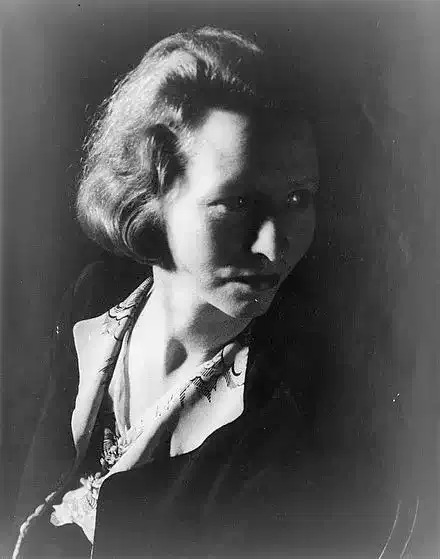
Edna St. Vincent Millay
Passer Mortuus Est
Passer Mortuus Est
Death devours all lovely things;
Lesbia with her sparrow
Shares the darkness,—presently
Every bed is narrow.
Unremembered as old rain
Dries the sheer libation,
And the little petulant hand
Is an annotation.
After all, my erstwhile dear,
My no longer cherished,
Need we say it was not love,
Now that love is perished?
Death devours all lovely things;
Lesbia with her sparrow
Shares the darkness,—presently
Every bed is narrow.
Unremembered as old rain
Dries the sheer libation,
And the little petulant hand
Is an annotation.
After all, my erstwhile dear,
My no longer cherished,
Need we say it was not love,
Now that love is perished?
393
Edna St. Vincent Millay
Modern Declaration
Modern Declaration
I, having loved ever since I was a child a few things, never having
wavered
In these affections; never through shyness in the houses of the
rich or in the presence of clergymen having denied these
loves;
Never when worked upon by cynics like chiropractors having
grunted or clicked a vertebra to the discredit of those loves;
Never when anxious to land a job having diminished them by a
conniving smile; or when befuddled by drink
Jeered at them through heartache or lazily fondled the fingers of
their alert enemies; declare
That I shall love you always.
No matter what party is in power;
No matter what temporarily expedient combination of allied
interests wins the war;
Shall love you always.
I, having loved ever since I was a child a few things, never having
wavered
In these affections; never through shyness in the houses of the
rich or in the presence of clergymen having denied these
loves;
Never when worked upon by cynics like chiropractors having
grunted or clicked a vertebra to the discredit of those loves;
Never when anxious to land a job having diminished them by a
conniving smile; or when befuddled by drink
Jeered at them through heartache or lazily fondled the fingers of
their alert enemies; declare
That I shall love you always.
No matter what party is in power;
No matter what temporarily expedient combination of allied
interests wins the war;
Shall love you always.
403
Edna St. Vincent Millay
Love Is Not All
Love Is Not All
Love is not all: it is not meat nor drink
Nor slumber nor a roof against the rain;
Nor yet a floating spar to men that sink
And rise and sink and rise and sink again;
Love can not fill the thickened lung with breath,
Nor clean the blood, nor set the fractured bone;
Yet many a man is making friends with death
Even as I speak, for lack of love alone.
It well may be that in a difficult hour,
Pinned down by pain and moaning for release,
Or nagged by want past resolution's power,
I might be driven to sell your love for peace,
Or trade the memory of this night for food.
It well may be. I do not think I would.
Love is not all: it is not meat nor drink
Nor slumber nor a roof against the rain;
Nor yet a floating spar to men that sink
And rise and sink and rise and sink again;
Love can not fill the thickened lung with breath,
Nor clean the blood, nor set the fractured bone;
Yet many a man is making friends with death
Even as I speak, for lack of love alone.
It well may be that in a difficult hour,
Pinned down by pain and moaning for release,
Or nagged by want past resolution's power,
I might be driven to sell your love for peace,
Or trade the memory of this night for food.
It well may be. I do not think I would.
374
Edna St. Vincent Millay
Inland
Inland
People that build their houses inland,
People that buy a plot of ground
Shaped like a house, and build a house there,
Far from the sea-board, far from the sound
Of water sucking the hollow ledges,
Tons of water striking the shore,—
What do they long for, as I long for
One salt smell of the sea once more?
People the waves have not awakened,
Spanking the boats at the harbour's head,
What do they long for, as I long for,—
Starting up in my inland bed,
Beating the narrow walls, and finding
Neither a window nor a door,
Screaming to God for death by drowning,—
One salt taste of the sea once more?
People that build their houses inland,
People that buy a plot of ground
Shaped like a house, and build a house there,
Far from the sea-board, far from the sound
Of water sucking the hollow ledges,
Tons of water striking the shore,—
What do they long for, as I long for
One salt smell of the sea once more?
People the waves have not awakened,
Spanking the boats at the harbour's head,
What do they long for, as I long for,—
Starting up in my inland bed,
Beating the narrow walls, and finding
Neither a window nor a door,
Screaming to God for death by drowning,—
One salt taste of the sea once more?
289
Edna St. Vincent Millay
Humoresque
Humoresque
"Heaven bless the babe!" they said.
"What queer books she must have read!"
(Love, by whom I was beguiled,
Grant I may not bear a child.)
"Little does she guess to-day
What the world may be!" they say.
(Snow, drift deep and cover
Till the spring my murdered lover.)
"Heaven bless the babe!" they said.
"What queer books she must have read!"
(Love, by whom I was beguiled,
Grant I may not bear a child.)
"Little does she guess to-day
What the world may be!" they say.
(Snow, drift deep and cover
Till the spring my murdered lover.)
357
Edna St. Vincent Millay
Fontaine, Je Ne Boirai Pas De Ton Eau!
Fontaine, Je Ne Boirai Pas De Ton Eau!
I know I might have lived in such a way
As to have suffered only pain:
Loving not man nor dog;
Not money, even; feeling
Toothache perhaps, but never more than an hour away
From skill and novocaine;
Making no contacts, dealing with life through Agents, drinking
one cocktail, betting two dollars, wearing raincoats in the
rain.
Betrayed at length by no one but the fog
Whispering to the wing of the plane.
"Fountain," I have cried to that unbubbling well, "I will not
drink of thy water!" Yet I thirst
For a mouthful of—not to swallow, only to rinse my mouth in
—peace.
And while the eyes of the past condemn,
The eyes of the present narrow into assignation. And—
worst—
The young are so old, they are born with their fingers crossed;
I shall get no help from them.
I know I might have lived in such a way
As to have suffered only pain:
Loving not man nor dog;
Not money, even; feeling
Toothache perhaps, but never more than an hour away
From skill and novocaine;
Making no contacts, dealing with life through Agents, drinking
one cocktail, betting two dollars, wearing raincoats in the
rain.
Betrayed at length by no one but the fog
Whispering to the wing of the plane.
"Fountain," I have cried to that unbubbling well, "I will not
drink of thy water!" Yet I thirst
For a mouthful of—not to swallow, only to rinse my mouth in
—peace.
And while the eyes of the past condemn,
The eyes of the present narrow into assignation. And—
worst—
The young are so old, they are born with their fingers crossed;
I shall get no help from them.
308
Edna St. Vincent Millay
Daphne
Daphne
Why do you follow me?—
Any moment I can be
Nothing but a laurel-tree.
Any moment of the chase
I can leave you in my place
A pink bough for your embrace.
Yet if over hill and hollow
Still it is your will to follow,
I am off;—to heel, Apollo!
Why do you follow me?—
Any moment I can be
Nothing but a laurel-tree.
Any moment of the chase
I can leave you in my place
A pink bough for your embrace.
Yet if over hill and hollow
Still it is your will to follow,
I am off;—to heel, Apollo!
346
Edna St. Vincent Millay
Bluebeard
Bluebeard
This door you might not open, and you did;
So enter now, and see for what slight thing
You are betrayed... Here is no treasure hid,
No cauldron, no clear crystal mirroring
The sought-for truth, no heads of women slain
For greed like yours, no writhings of distress,
But only what you see... Look yet again—
An empty room, cobwebbed and comfortless.
Yet this alone out of my life I kept
Unto myself, lest any know me quite;
And you did so profane me when you crept
Unto the threshold of this room to-night
That I must never more behold your face.
This now is yours. I seek another place.
This door you might not open, and you did;
So enter now, and see for what slight thing
You are betrayed... Here is no treasure hid,
No cauldron, no clear crystal mirroring
The sought-for truth, no heads of women slain
For greed like yours, no writhings of distress,
But only what you see... Look yet again—
An empty room, cobwebbed and comfortless.
Yet this alone out of my life I kept
Unto myself, lest any know me quite;
And you did so profane me when you crept
Unto the threshold of this room to-night
That I must never more behold your face.
This now is yours. I seek another place.
343
Edna St. Vincent Millay
Bluebeard
Bluebeard
This door you might not open, and you did;
So enter now, and see for what slight thing
You are betrayed... Here is no treasure hid,
No cauldron, no clear crystal mirroring
The sought-for truth, no heads of women slain
For greed like yours, no writhings of distress,
But only what you see... Look yet again—
An empty room, cobwebbed and comfortless.
Yet this alone out of my life I kept
Unto myself, lest any know me quite;
And you did so profane me when you crept
Unto the threshold of this room to-night
That I must never more behold your face.
This now is yours. I seek another place.
This door you might not open, and you did;
So enter now, and see for what slight thing
You are betrayed... Here is no treasure hid,
No cauldron, no clear crystal mirroring
The sought-for truth, no heads of women slain
For greed like yours, no writhings of distress,
But only what you see... Look yet again—
An empty room, cobwebbed and comfortless.
Yet this alone out of my life I kept
Unto myself, lest any know me quite;
And you did so profane me when you crept
Unto the threshold of this room to-night
That I must never more behold your face.
This now is yours. I seek another place.
343
Edna St. Vincent Millay
And do you think that love itself
And do you think that love itself
And do you think that love itself,
Living in such an ugly house,
Can prosper long?
We meet and part;
Our talk is all of heres and nows,
Our conduct likewise; in no act
Is any future, any past;
Under our sly, unspoken pact,
I KNOW with whom I saw you last,
But I say nothing; and you know
At six-fifteen to whom I go—
Can even love be treated so?
I KNOW, but I do not insist,
Having stealth and tact, thought not enough,
What hour your eye is on your wrist.
No wild appeal, no mild rebuff
Deflates the hour, leaves the wine flat—
Yet if YOU drop the picked-up book
To intercept my clockward look—
Tell me, can love go on like that?
Even the bored, insulted heart,
That signed so long and tight a lease,
Can BREAK it CONTRACT, slump in peace.
And do you think that love itself,
Living in such an ugly house,
Can prosper long?
We meet and part;
Our talk is all of heres and nows,
Our conduct likewise; in no act
Is any future, any past;
Under our sly, unspoken pact,
I KNOW with whom I saw you last,
But I say nothing; and you know
At six-fifteen to whom I go—
Can even love be treated so?
I KNOW, but I do not insist,
Having stealth and tact, thought not enough,
What hour your eye is on your wrist.
No wild appeal, no mild rebuff
Deflates the hour, leaves the wine flat—
Yet if YOU drop the picked-up book
To intercept my clockward look—
Tell me, can love go on like that?
Even the bored, insulted heart,
That signed so long and tight a lease,
Can BREAK it CONTRACT, slump in peace.
345
Edna St. Vincent Millay
And do you think that love itself
And do you think that love itself
And do you think that love itself,
Living in such an ugly house,
Can prosper long?
We meet and part;
Our talk is all of heres and nows,
Our conduct likewise; in no act
Is any future, any past;
Under our sly, unspoken pact,
I KNOW with whom I saw you last,
But I say nothing; and you know
At six-fifteen to whom I go—
Can even love be treated so?
I KNOW, but I do not insist,
Having stealth and tact, thought not enough,
What hour your eye is on your wrist.
No wild appeal, no mild rebuff
Deflates the hour, leaves the wine flat—
Yet if YOU drop the picked-up book
To intercept my clockward look—
Tell me, can love go on like that?
Even the bored, insulted heart,
That signed so long and tight a lease,
Can BREAK it CONTRACT, slump in peace.
And do you think that love itself,
Living in such an ugly house,
Can prosper long?
We meet and part;
Our talk is all of heres and nows,
Our conduct likewise; in no act
Is any future, any past;
Under our sly, unspoken pact,
I KNOW with whom I saw you last,
But I say nothing; and you know
At six-fifteen to whom I go—
Can even love be treated so?
I KNOW, but I do not insist,
Having stealth and tact, thought not enough,
What hour your eye is on your wrist.
No wild appeal, no mild rebuff
Deflates the hour, leaves the wine flat—
Yet if YOU drop the picked-up book
To intercept my clockward look—
Tell me, can love go on like that?
Even the bored, insulted heart,
That signed so long and tight a lease,
Can BREAK it CONTRACT, slump in peace.
345
Edna St. Vincent Millay
And do you think that love itself
And do you think that love itself
And do you think that love itself,
Living in such an ugly house,
Can prosper long?
We meet and part;
Our talk is all of heres and nows,
Our conduct likewise; in no act
Is any future, any past;
Under our sly, unspoken pact,
I KNOW with whom I saw you last,
But I say nothing; and you know
At six-fifteen to whom I go—
Can even love be treated so?
I KNOW, but I do not insist,
Having stealth and tact, thought not enough,
What hour your eye is on your wrist.
No wild appeal, no mild rebuff
Deflates the hour, leaves the wine flat—
Yet if YOU drop the picked-up book
To intercept my clockward look—
Tell me, can love go on like that?
Even the bored, insulted heart,
That signed so long and tight a lease,
Can BREAK it CONTRACT, slump in peace.
And do you think that love itself,
Living in such an ugly house,
Can prosper long?
We meet and part;
Our talk is all of heres and nows,
Our conduct likewise; in no act
Is any future, any past;
Under our sly, unspoken pact,
I KNOW with whom I saw you last,
But I say nothing; and you know
At six-fifteen to whom I go—
Can even love be treated so?
I KNOW, but I do not insist,
Having stealth and tact, thought not enough,
What hour your eye is on your wrist.
No wild appeal, no mild rebuff
Deflates the hour, leaves the wine flat—
Yet if YOU drop the picked-up book
To intercept my clockward look—
Tell me, can love go on like that?
Even the bored, insulted heart,
That signed so long and tight a lease,
Can BREAK it CONTRACT, slump in peace.
345
Edna St. Vincent Millay
A Visit To The Asylum
A Visit To The Asylum
Once from a big, big building,
When I was small, small,
The queer folk in the windows
Would smile at me and call.
And in the hard wee gardens
Such pleasant men would hoe:
"Sir, may we touch the little girl's hair!"—
It was so red, you know.
They cut me coloured asters
With shears so sharp and neat,
They brought me grapes and plums and pears
And pretty cakes to eat.
And out of all the windows,
No matter where we went,
The merriest eyes would follow me
And make me compliment.
There were a thousand windows,
All latticed up and down.
And up to all the windows,
When we went back to town,
The queer folk put their faces,
As gentle as could be;
"Come again, little girl!" they called, and I
Called back, "You come see me!"
Once from a big, big building,
When I was small, small,
The queer folk in the windows
Would smile at me and call.
And in the hard wee gardens
Such pleasant men would hoe:
"Sir, may we touch the little girl's hair!"—
It was so red, you know.
They cut me coloured asters
With shears so sharp and neat,
They brought me grapes and plums and pears
And pretty cakes to eat.
And out of all the windows,
No matter where we went,
The merriest eyes would follow me
And make me compliment.
There were a thousand windows,
All latticed up and down.
And up to all the windows,
When we went back to town,
The queer folk put their faces,
As gentle as could be;
"Come again, little girl!" they called, and I
Called back, "You come see me!"
374
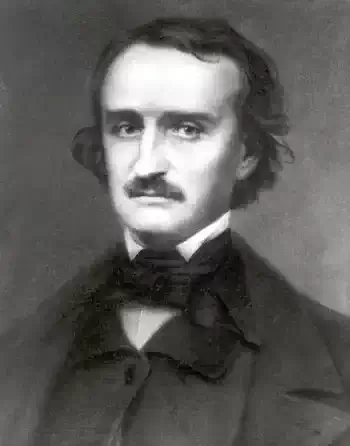
Edgar Allan Poe
To The River --
To The River --
Fair river! in thy bright, clear flow
Of crystal, wandering water,
Thou art an emblem of the glow
Of beauty- the unhidden heartThe
playful maziness of art
In old Alberto's daughter;
But when within thy wave she looksWhich
glistens then, and tremblesWhy,
then, the prettiest of brooks
Her worshipper resembles;
For in his heart, as in thy stream,
Her image deeply liesHis
heart which trembles at the beam
Of her soul-searching eyes.
Fair river! in thy bright, clear flow
Of crystal, wandering water,
Thou art an emblem of the glow
Of beauty- the unhidden heartThe
playful maziness of art
In old Alberto's daughter;
But when within thy wave she looksWhich
glistens then, and tremblesWhy,
then, the prettiest of brooks
Her worshipper resembles;
For in his heart, as in thy stream,
Her image deeply liesHis
heart which trembles at the beam
Of her soul-searching eyes.
233
Edna St. Vincent Millay
And we are done forever
And we are done forever; by and by
I shall forget you, as I said, but now,
If you entreat me with your loveliest lie
I will protest you with my favorite vow.
I would indeed that love were longer-lived,
And vows were not so brittle as they are,
But so it is, and nature has contrived
To struggle on without a break thus far, -
Whether or not we find what we are seeking
Is idle, biologically speaking.
I shall forget you, as I said, but now,
If you entreat me with your loveliest lie
I will protest you with my favorite vow.
I would indeed that love were longer-lived,
And vows were not so brittle as they are,
But so it is, and nature has contrived
To struggle on without a break thus far, -
Whether or not we find what we are seeking
Is idle, biologically speaking.
106
Edgar Allan Poe
To Marie Louise (Shew)
To Marie Louise (Shew)
Of all who hail thy presence as the morning-
Of all to whom thine absence is the night-
The blotting utterly from out high heaven
The sacred sun- of all who, weeping, bless thee
Hourly for hope- for life- ah! above all,
For the resurrection of deep-buried faith
In Truth- in Virtue- in Humanity-
Of all who, on Despair's unhallowed bed
Lying down to die, have suddenly arisen
At thy soft-murmured words, 'Let there be light!'
At the soft-murmured words that were fulfilled
In the seraphic glancing of thine eyes-
Of all who owe thee most- whose gratitude
Nearest resembles worship- oh, remember
The truest- the most fervently devoted,
And think that these weak lines are written by him-
By him who, as he pens them, thrills to think
His spirit is communing with an angel's.
Of all who hail thy presence as the morning-
Of all to whom thine absence is the night-
The blotting utterly from out high heaven
The sacred sun- of all who, weeping, bless thee
Hourly for hope- for life- ah! above all,
For the resurrection of deep-buried faith
In Truth- in Virtue- in Humanity-
Of all who, on Despair's unhallowed bed
Lying down to die, have suddenly arisen
At thy soft-murmured words, 'Let there be light!'
At the soft-murmured words that were fulfilled
In the seraphic glancing of thine eyes-
Of all who owe thee most- whose gratitude
Nearest resembles worship- oh, remember
The truest- the most fervently devoted,
And think that these weak lines are written by him-
By him who, as he pens them, thrills to think
His spirit is communing with an angel's.
358
Edgar Allan Poe
To Helen - 1848
To Helen - 1848
I saw thee once- once only- years ago:
I must not say how many- but not many.
It was a July midnight; and from out
A full-orbed moon, that, like thine own soul, soaring,
Sought a precipitate pathway up through heaven,
There fell a silvery-silken veil of light,
With quietude, and sultriness, and slumber,
Upon the upturned faces of a thousand
Roses that grew in an enchanted garden,
Where no wind dared to stir, unless on tiptoe-
Fell on the upturn'd faces of these roses
That gave out, in return for the love-light,
Their odorous souls in an ecstatic death-
Fell on the upturn'd faces of these roses
That smiled and died in this parterre, enchanted
By thee, and by the poetry of thy presence.
Clad all in white, upon a violet bank
I saw thee half reclining; while the moon
Fell on the upturn'd faces of the roses,
And on thine own, upturn'd- alas, in sorrow!
Was it not Fate, that, on this July midnight-
Was it not Fate, (whose name is also Sorrow,)
That bade me pause before that garden-gate,
To breathe the incense of those slumbering roses?
No footstep stirred: the hated world an slept,
Save only thee and me. (Oh, Heaven!- oh, God!
How my heart beats in coupling those two words!)
Save only thee and me. I paused- I looked-
And in an instant all things disappeared.
(Ah, bear in mind this garden was enchanted!)
The pearly lustre of the moon went out:
The mossy banks and the meandering paths,
The happy flowers and the repining trees,
Were seen no more: the very roses' odors
Died in the arms of the adoring airs.
All- all expired save thee- save less than thou:
Save only the divine light in thine eyes-
Save but the soul in thine uplifted eyes.
I saw but them- they were the world to me!
I saw but them- saw only them for hours,
Saw only them until the moon went down.
What wild heart-histories seemed to he enwritten
Upon those crystalline, celestial spheres!
How dark a woe, yet how sublime a hope!
How silently serene a sea of pride!
How daring an ambition; yet how deep-
How fathomless a capacity for love!
But now, at length, dear Dian sank from sight,
Into a western couch of thunder-cloud;
And thou, a ghost, amid the entombing trees
Didst glide away. Only thine eyes remained;
They would not go- they never yet have gone;
Lighting my lonely pathway home that night,
They have not left me (as my hopes have) since;
They follow me- they lead me through the years.
They are my ministers- yet I their slave.
Their office is to illumine and enkindle-
My duty, to be saved by their bright light,
And purified in their electric fire,
And sanctified in their elysian fire.
They fill my soul with Beauty (which is Hope),
And are far up in Heaven- the stars I kneel to
In the sad, silent watches of my night;
While even in the meridian glare of day
I see them still- two sweetly scintillant
Venuses, unextinguished by the sun!
I saw thee once- once only- years ago:
I must not say how many- but not many.
It was a July midnight; and from out
A full-orbed moon, that, like thine own soul, soaring,
Sought a precipitate pathway up through heaven,
There fell a silvery-silken veil of light,
With quietude, and sultriness, and slumber,
Upon the upturned faces of a thousand
Roses that grew in an enchanted garden,
Where no wind dared to stir, unless on tiptoe-
Fell on the upturn'd faces of these roses
That gave out, in return for the love-light,
Their odorous souls in an ecstatic death-
Fell on the upturn'd faces of these roses
That smiled and died in this parterre, enchanted
By thee, and by the poetry of thy presence.
Clad all in white, upon a violet bank
I saw thee half reclining; while the moon
Fell on the upturn'd faces of the roses,
And on thine own, upturn'd- alas, in sorrow!
Was it not Fate, that, on this July midnight-
Was it not Fate, (whose name is also Sorrow,)
That bade me pause before that garden-gate,
To breathe the incense of those slumbering roses?
No footstep stirred: the hated world an slept,
Save only thee and me. (Oh, Heaven!- oh, God!
How my heart beats in coupling those two words!)
Save only thee and me. I paused- I looked-
And in an instant all things disappeared.
(Ah, bear in mind this garden was enchanted!)
The pearly lustre of the moon went out:
The mossy banks and the meandering paths,
The happy flowers and the repining trees,
Were seen no more: the very roses' odors
Died in the arms of the adoring airs.
All- all expired save thee- save less than thou:
Save only the divine light in thine eyes-
Save but the soul in thine uplifted eyes.
I saw but them- they were the world to me!
I saw but them- saw only them for hours,
Saw only them until the moon went down.
What wild heart-histories seemed to he enwritten
Upon those crystalline, celestial spheres!
How dark a woe, yet how sublime a hope!
How silently serene a sea of pride!
How daring an ambition; yet how deep-
How fathomless a capacity for love!
But now, at length, dear Dian sank from sight,
Into a western couch of thunder-cloud;
And thou, a ghost, amid the entombing trees
Didst glide away. Only thine eyes remained;
They would not go- they never yet have gone;
Lighting my lonely pathway home that night,
They have not left me (as my hopes have) since;
They follow me- they lead me through the years.
They are my ministers- yet I their slave.
Their office is to illumine and enkindle-
My duty, to be saved by their bright light,
And purified in their electric fire,
And sanctified in their elysian fire.
They fill my soul with Beauty (which is Hope),
And are far up in Heaven- the stars I kneel to
In the sad, silent watches of my night;
While even in the meridian glare of day
I see them still- two sweetly scintillant
Venuses, unextinguished by the sun!
294
Edgar Allan Poe
To F--S S. O--D
To F--S S. O--D
Thou wouldst be loved?- then let thy heart
From its present pathway part not!
Being everything which now thou art,
Be nothing which thou art not.
So with the world thy gentle ways,
Thy grace, thy more than beauty,
Shall be an endless theme of praise,
And love- a simple duty.
Thou wouldst be loved?- then let thy heart
From its present pathway part not!
Being everything which now thou art,
Be nothing which thou art not.
So with the world thy gentle ways,
Thy grace, thy more than beauty,
Shall be an endless theme of praise,
And love- a simple duty.
284
Edgar Allan Poe
To --
To --
The bowers whereat, in dreams, I see
The wantonest singing birds,
Are lips- and all thy melody
Of lip-begotten words
Thine eyes, in Heaven of heart enshrined,
Then desolately fall,
O God! on my funereal mind
Like starlight on a pall
Thy heart- thy heart!- I wake and sigh,
And sleep to dream till day
Of the truth that gold can never buyOf
the baubles that it may.
The bowers whereat, in dreams, I see
The wantonest singing birds,
Are lips- and all thy melody
Of lip-begotten words
Thine eyes, in Heaven of heart enshrined,
Then desolately fall,
O God! on my funereal mind
Like starlight on a pall
Thy heart- thy heart!- I wake and sigh,
And sleep to dream till day
Of the truth that gold can never buyOf
the baubles that it may.
241
Edgar Allan Poe
Song
Song
I saw thee on thy bridal dayWhen
a burning blush came o'er thee,
Though happiness around thee lay,
The world all love before thee:
And in thine eye a kindling light
(Whatever it might be)
Was all on Earth my aching sight
Of Loveliness could see.
That blush, perhaps, was maiden shameAs
such it well may passThough
its glow hath raised a fiercer flame
In the breast of him, alas!
Who saw thee on that bridal day,
When that deep blush would come o'er thee,
Though happiness around thee lay;
The world all love before thee.
I saw thee on thy bridal dayWhen
a burning blush came o'er thee,
Though happiness around thee lay,
The world all love before thee:
And in thine eye a kindling light
(Whatever it might be)
Was all on Earth my aching sight
Of Loveliness could see.
That blush, perhaps, was maiden shameAs
such it well may passThough
its glow hath raised a fiercer flame
In the breast of him, alas!
Who saw thee on that bridal day,
When that deep blush would come o'er thee,
Though happiness around thee lay;
The world all love before thee.
253
Edgar Allan Poe
Song
Song
I saw thee on thy bridal dayWhen
a burning blush came o'er thee,
Though happiness around thee lay,
The world all love before thee:
And in thine eye a kindling light
(Whatever it might be)
Was all on Earth my aching sight
Of Loveliness could see.
That blush, perhaps, was maiden shameAs
such it well may passThough
its glow hath raised a fiercer flame
In the breast of him, alas!
Who saw thee on that bridal day,
When that deep blush would come o'er thee,
Though happiness around thee lay;
The world all love before thee.
I saw thee on thy bridal dayWhen
a burning blush came o'er thee,
Though happiness around thee lay,
The world all love before thee:
And in thine eye a kindling light
(Whatever it might be)
Was all on Earth my aching sight
Of Loveliness could see.
That blush, perhaps, was maiden shameAs
such it well may passThough
its glow hath raised a fiercer flame
In the breast of him, alas!
Who saw thee on that bridal day,
When that deep blush would come o'er thee,
Though happiness around thee lay;
The world all love before thee.
253
Edgar Allan Poe
Sancta Maria
Sancta Maria
Sancta Maria! turn thine eyes -
Upon the sinner's sacrifice,
Of fervent prayer and humble love,
From thy holy throne above.
At morn - at noon - at twilight dim -
Maria! thou hast heard my hymn!
In joy and wo - in good and ill -
Mother of God, be with me still!
When the Hours flew brightly by,
And not a cloud obscured the sky,
My soul, lest it should truant be,
Thy grace did guide to thine and thee;
Now, when storms of Fate o'ercast
Darkly my Present and my Past,
Let my Future radiant shine
With sweet hopes of thee and thine!
Sancta Maria! turn thine eyes -
Upon the sinner's sacrifice,
Of fervent prayer and humble love,
From thy holy throne above.
At morn - at noon - at twilight dim -
Maria! thou hast heard my hymn!
In joy and wo - in good and ill -
Mother of God, be with me still!
When the Hours flew brightly by,
And not a cloud obscured the sky,
My soul, lest it should truant be,
Thy grace did guide to thine and thee;
Now, when storms of Fate o'ercast
Darkly my Present and my Past,
Let my Future radiant shine
With sweet hopes of thee and thine!
226
Edgar Allan Poe
Impromptu - To Kate Carol
Impromptu - To Kate Carol
When from your gems of thought I turn
To those pure orbs, your heart to learn,
I scarce know which to prize most high —
The bright i-dea, or the bright dear-eye.
When from your gems of thought I turn
To those pure orbs, your heart to learn,
I scarce know which to prize most high —
The bright i-dea, or the bright dear-eye.
259
Edgar Allan Poe
Bridal Ballad
Bridal Ballad
The ring is on my hand,
And the wreath is on my brow;
Satin and jewels grand
Are all at my command,
And I am happy now.
And my lord he loves me well;
But, when first he breathed his vow,
I felt my bosom swellFor
the words rang as a knell,
And the voice seemed his who fell
In the battle down the dell,
And who is happy now.
But he spoke to re-assure me,
And he kissed my pallid brow,
While a reverie came o'er me,
And to the church-yard bore me,
And I sighed to him before me,
Thinking him dead D'Elormie,
"Oh, I am happy now!"
And thus the words were spoken,
And this the plighted vow,
And, though my faith be broken,
And, though my heart be broken,
Here is a ring, as token
That I am happy now!
Would God I could awaken!
For I dream I know not how!
And my soul is sorely shaken
Lest an evil step be taken,
Lest the dead who is forsaken
May not be happy now.
The ring is on my hand,
And the wreath is on my brow;
Satin and jewels grand
Are all at my command,
And I am happy now.
And my lord he loves me well;
But, when first he breathed his vow,
I felt my bosom swellFor
the words rang as a knell,
And the voice seemed his who fell
In the battle down the dell,
And who is happy now.
But he spoke to re-assure me,
And he kissed my pallid brow,
While a reverie came o'er me,
And to the church-yard bore me,
And I sighed to him before me,
Thinking him dead D'Elormie,
"Oh, I am happy now!"
And thus the words were spoken,
And this the plighted vow,
And, though my faith be broken,
And, though my heart be broken,
Here is a ring, as token
That I am happy now!
Would God I could awaken!
For I dream I know not how!
And my soul is sorely shaken
Lest an evil step be taken,
Lest the dead who is forsaken
May not be happy now.
344