

Poems in this topic
Relationships and Family
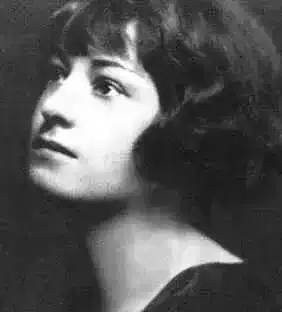
Dorothy Parker
Ballade of Unfortunate Mammals
Ballade of Unfortunate Mammals
Love is sharper than stones or sticks;
Lone as the sea, and deeper blue;
Loud in the night as a clock that ticks;
Longer-lived than the Wandering Jew.
Show me a love was done and through,
Tell me a kiss escaped its debt!
Son, to your death you'll pay your due-
Women and elephants never forget.
Ever a man, alas, would mix,
Ever a man, heigh-ho, must woo;
So he's left in the world-old fix,
Thus is furthered the sale of rue.
Son, your chances are thin and fewWon't
you ponder, before you're set?
Shoot if you must, but hold in view
Women and elephants never forget.
Down from Caesar past Joynson-Hicks
Echoes the warning, ever new:
Though they're trained to amusing tricks,
Gentler, they, than the pigeon's coo,
Careful, son, of the curs'ed two-
Either one is a dangerous pet;
Natural history proves it true-
Women and elephants never forget.
L'ENVOI
Prince, a precept I'd leave for you,
Coined in Eden, existing yet:
Skirt the parlor, and shun the zoo-
Women and elephants never forget.
Love is sharper than stones or sticks;
Lone as the sea, and deeper blue;
Loud in the night as a clock that ticks;
Longer-lived than the Wandering Jew.
Show me a love was done and through,
Tell me a kiss escaped its debt!
Son, to your death you'll pay your due-
Women and elephants never forget.
Ever a man, alas, would mix,
Ever a man, heigh-ho, must woo;
So he's left in the world-old fix,
Thus is furthered the sale of rue.
Son, your chances are thin and fewWon't
you ponder, before you're set?
Shoot if you must, but hold in view
Women and elephants never forget.
Down from Caesar past Joynson-Hicks
Echoes the warning, ever new:
Though they're trained to amusing tricks,
Gentler, they, than the pigeon's coo,
Careful, son, of the curs'ed two-
Either one is a dangerous pet;
Natural history proves it true-
Women and elephants never forget.
L'ENVOI
Prince, a precept I'd leave for you,
Coined in Eden, existing yet:
Skirt the parlor, and shun the zoo-
Women and elephants never forget.
430
Dorothy Parker
Autumn Valentine
Autumn Valentine
In May my heart was breakingOh,
wide the wound, and deep!
And bitter it beat at waking,
And sore it split in sleep.
And when it came November,
I sought my heart, and sighed,
"Poor thing, do you remember?"
"What heart was that?" it cried.
In May my heart was breakingOh,
wide the wound, and deep!
And bitter it beat at waking,
And sore it split in sleep.
And when it came November,
I sought my heart, and sighed,
"Poor thing, do you remember?"
"What heart was that?" it cried.
365
Dorothy Parker
A Well-Worn Story
A Well-Worn Story
In April, in April,
My one love came along,
And I ran the slope of my high hill
To follow a thread of song.
His eyes were hard as porphyry
With looking on cruel lands;
His voice went slipping over me
Like terrible silver hands.
Together we trod the secret lane
And walked the muttering town.
I wore my heart like a wet, red stain
On the breast of a velvet gown.
In April, in April,
My love went whistling by,
And I stumbled here to my high hill
Along the way of a lie.
Now what should I do in this place
But sit and count the chimes,
And splash cold water on my face
And spoil a page with rhymes?
In April, in April,
My one love came along,
And I ran the slope of my high hill
To follow a thread of song.
His eyes were hard as porphyry
With looking on cruel lands;
His voice went slipping over me
Like terrible silver hands.
Together we trod the secret lane
And walked the muttering town.
I wore my heart like a wet, red stain
On the breast of a velvet gown.
In April, in April,
My love went whistling by,
And I stumbled here to my high hill
Along the way of a lie.
Now what should I do in this place
But sit and count the chimes,
And splash cold water on my face
And spoil a page with rhymes?
423
Dorothy Parker
A Certain Lady
A Certain Lady
Oh, I can smile for you, and tilt my head,
And drink your rushing words with eager lips,
And paint my mouth for you a fragrant red,
And trace your brows with tutored finger-tips.
When you rehearse your list of loves to me,
Oh, I can laugh and marvel, rapturous-eyed.
And you laugh back, nor can you ever see
The thousand little deaths my heart has died.
And you believe, so well I know my part,
That I am gay as morning, light as snow,
And all the straining things within my heart
You'll never know.
Oh, I can laugh and listen, when we meet,
And you bring tales of fresh adventurings, --
Of ladies delicately indiscreet,
Of lingering hands, and gently whispered things.
And you are pleased with me, and strive anew
To sing me sagas of your late delights.
Thus do you want me -- marveling, gay, and true,
Nor do you see my staring eyes of nights.
And when, in search of novelty, you stray,
Oh, I can kiss you blithely as you go ....
And what goes on, my love, while you're away,
You'll never know.
Oh, I can smile for you, and tilt my head,
And drink your rushing words with eager lips,
And paint my mouth for you a fragrant red,
And trace your brows with tutored finger-tips.
When you rehearse your list of loves to me,
Oh, I can laugh and marvel, rapturous-eyed.
And you laugh back, nor can you ever see
The thousand little deaths my heart has died.
And you believe, so well I know my part,
That I am gay as morning, light as snow,
And all the straining things within my heart
You'll never know.
Oh, I can laugh and listen, when we meet,
And you bring tales of fresh adventurings, --
Of ladies delicately indiscreet,
Of lingering hands, and gently whispered things.
And you are pleased with me, and strive anew
To sing me sagas of your late delights.
Thus do you want me -- marveling, gay, and true,
Nor do you see my staring eyes of nights.
And when, in search of novelty, you stray,
Oh, I can kiss you blithely as you go ....
And what goes on, my love, while you're away,
You'll never know.
456
Dorothy Parker
A Certain Lady
A Certain Lady
Oh, I can smile for you, and tilt my head,
And drink your rushing words with eager lips,
And paint my mouth for you a fragrant red,
And trace your brows with tutored finger-tips.
When you rehearse your list of loves to me,
Oh, I can laugh and marvel, rapturous-eyed.
And you laugh back, nor can you ever see
The thousand little deaths my heart has died.
And you believe, so well I know my part,
That I am gay as morning, light as snow,
And all the straining things within my heart
You'll never know.
Oh, I can laugh and listen, when we meet,
And you bring tales of fresh adventurings, --
Of ladies delicately indiscreet,
Of lingering hands, and gently whispered things.
And you are pleased with me, and strive anew
To sing me sagas of your late delights.
Thus do you want me -- marveling, gay, and true,
Nor do you see my staring eyes of nights.
And when, in search of novelty, you stray,
Oh, I can kiss you blithely as you go ....
And what goes on, my love, while you're away,
You'll never know.
Oh, I can smile for you, and tilt my head,
And drink your rushing words with eager lips,
And paint my mouth for you a fragrant red,
And trace your brows with tutored finger-tips.
When you rehearse your list of loves to me,
Oh, I can laugh and marvel, rapturous-eyed.
And you laugh back, nor can you ever see
The thousand little deaths my heart has died.
And you believe, so well I know my part,
That I am gay as morning, light as snow,
And all the straining things within my heart
You'll never know.
Oh, I can laugh and listen, when we meet,
And you bring tales of fresh adventurings, --
Of ladies delicately indiscreet,
Of lingering hands, and gently whispered things.
And you are pleased with me, and strive anew
To sing me sagas of your late delights.
Thus do you want me -- marveling, gay, and true,
Nor do you see my staring eyes of nights.
And when, in search of novelty, you stray,
Oh, I can kiss you blithely as you go ....
And what goes on, my love, while you're away,
You'll never know.
456
Dorothy Parker
A Certain Lady
A Certain Lady
Oh, I can smile for you, and tilt my head,
And drink your rushing words with eager lips,
And paint my mouth for you a fragrant red,
And trace your brows with tutored finger-tips.
When you rehearse your list of loves to me,
Oh, I can laugh and marvel, rapturous-eyed.
And you laugh back, nor can you ever see
The thousand little deaths my heart has died.
And you believe, so well I know my part,
That I am gay as morning, light as snow,
And all the straining things within my heart
You'll never know.
Oh, I can laugh and listen, when we meet,
And you bring tales of fresh adventurings, --
Of ladies delicately indiscreet,
Of lingering hands, and gently whispered things.
And you are pleased with me, and strive anew
To sing me sagas of your late delights.
Thus do you want me -- marveling, gay, and true,
Nor do you see my staring eyes of nights.
And when, in search of novelty, you stray,
Oh, I can kiss you blithely as you go ....
And what goes on, my love, while you're away,
You'll never know.
Oh, I can smile for you, and tilt my head,
And drink your rushing words with eager lips,
And paint my mouth for you a fragrant red,
And trace your brows with tutored finger-tips.
When you rehearse your list of loves to me,
Oh, I can laugh and marvel, rapturous-eyed.
And you laugh back, nor can you ever see
The thousand little deaths my heart has died.
And you believe, so well I know my part,
That I am gay as morning, light as snow,
And all the straining things within my heart
You'll never know.
Oh, I can laugh and listen, when we meet,
And you bring tales of fresh adventurings, --
Of ladies delicately indiscreet,
Of lingering hands, and gently whispered things.
And you are pleased with me, and strive anew
To sing me sagas of your late delights.
Thus do you want me -- marveling, gay, and true,
Nor do you see my staring eyes of nights.
And when, in search of novelty, you stray,
Oh, I can kiss you blithely as you go ....
And what goes on, my love, while you're away,
You'll never know.
456
Dorothy Parker
A Fairly Sad Tale
A Fairly Sad Tale
I think that I shall never know
Why I am thus, and I am so.
Around me, other girls inspire
In men the rush and roar of fire,
The sweet transparency of glass,
The tenderness of April grass,
The durability of granite;
But me- I don't know how to plan it.
The lads I've met in Cupid's deadlock
Were- shall we say?- born out of wedlock.
They broke my heart, they stilled my song,
And said they had to run along,
Explaining, so to sop my tears,
First came their parents or careers.
But ever does experience
Deny me wisdom, calm, and sense!
Though she's a fool who seeks to capture
The twenty-first fine, careless rapture,
I must go on, till ends my rope,
Who from my birth was cursed with hope.
A heart in half is chaste, archaic;
But mine resembles a mosaic-
The thing's become ridiculous!
Why am I so? Why am I thus?
I think that I shall never know
Why I am thus, and I am so.
Around me, other girls inspire
In men the rush and roar of fire,
The sweet transparency of glass,
The tenderness of April grass,
The durability of granite;
But me- I don't know how to plan it.
The lads I've met in Cupid's deadlock
Were- shall we say?- born out of wedlock.
They broke my heart, they stilled my song,
And said they had to run along,
Explaining, so to sop my tears,
First came their parents or careers.
But ever does experience
Deny me wisdom, calm, and sense!
Though she's a fool who seeks to capture
The twenty-first fine, careless rapture,
I must go on, till ends my rope,
Who from my birth was cursed with hope.
A heart in half is chaste, archaic;
But mine resembles a mosaic-
The thing's become ridiculous!
Why am I so? Why am I thus?
436
Dorothy Parker
A Fairly Sad Tale
A Fairly Sad Tale
I think that I shall never know
Why I am thus, and I am so.
Around me, other girls inspire
In men the rush and roar of fire,
The sweet transparency of glass,
The tenderness of April grass,
The durability of granite;
But me- I don't know how to plan it.
The lads I've met in Cupid's deadlock
Were- shall we say?- born out of wedlock.
They broke my heart, they stilled my song,
And said they had to run along,
Explaining, so to sop my tears,
First came their parents or careers.
But ever does experience
Deny me wisdom, calm, and sense!
Though she's a fool who seeks to capture
The twenty-first fine, careless rapture,
I must go on, till ends my rope,
Who from my birth was cursed with hope.
A heart in half is chaste, archaic;
But mine resembles a mosaic-
The thing's become ridiculous!
Why am I so? Why am I thus?
I think that I shall never know
Why I am thus, and I am so.
Around me, other girls inspire
In men the rush and roar of fire,
The sweet transparency of glass,
The tenderness of April grass,
The durability of granite;
But me- I don't know how to plan it.
The lads I've met in Cupid's deadlock
Were- shall we say?- born out of wedlock.
They broke my heart, they stilled my song,
And said they had to run along,
Explaining, so to sop my tears,
First came their parents or careers.
But ever does experience
Deny me wisdom, calm, and sense!
Though she's a fool who seeks to capture
The twenty-first fine, careless rapture,
I must go on, till ends my rope,
Who from my birth was cursed with hope.
A heart in half is chaste, archaic;
But mine resembles a mosaic-
The thing's become ridiculous!
Why am I so? Why am I thus?
436

Derek Walcott
Egypt, Tobago
Egypt, Tobago
There is a shattered palm
on this fierce shore,
its plumes the rusting helmet
of a dead warrior.
Numb Antony, in the torpor
stretching her inert
sex near him like a sleeping cat,
knows his heart is the real desert.
Over the dunes
of her heaving,
to his heart's drumming
fades the mirage of the legions,
across love-tousled sheets,
the triremes fading.
Ar the carved door of her temple
a fly wrings its message.
He brushes a damp hair
away from an ear
as perfect as a sleeping child's.
He stares, inert, the fallen column.
He lies like a copper palm
tree at three in the afternoon
by a hot sea
and a river, in Egypt, Tobago
Her salt marsh dries in the heat
where he foundered
without armor.
He exchanged an empire for her beads of sweat,
the uproar of arenas,
the changing surf
of senators, for
this silent ceiling over silent sand
this grizzled bear, whose fur,
moulting, is silvered for
this quick fox with her
sweet stench. By sleep dismembered,
his head
is in Egypt, his feet
in Rome, his groin a desert
trench with its dead soldier.
He drifts a finger
through her stiff hair
crisp as a mare's fountaining tail.
Shadows creep up the palace tile.
He is too tired to move;
a groan would waken
trumpets, one more gesture
war. His glare,
a shield
reflecting fires,
a brass brow that cannot frown
at carnage, sweats the sun's force.
It is not the turmoil
of autumnal lust,
its treacheries, that drove
him, fired and grimed with dust,
this far, not even love,
but a great rage without
clamor, that grew great
because its depth is quiet;
it hears the river
of her young brown blood,
it feels the whole sky quiver
with her blue eyelid.
She sleeps with the soft engine of a child,
that sleep which scythes
the stalks of lances, fells the
harvest of legions
with nothing for its knives,
that makes Caesars,
sputtering at flies,
slapping their foreheads
with the laurel's imprint,
drunkards, comedians.
All-humbling sleep, whose peace
is sweet as death,
whose silence has
all the sea's weight and volubility,
who swings this globe by a hair's trembling breath.
Shattered and wild and
palm-crowned Antony,
rusting in Egypt,
ready to lose the world,
to Actium and sand,
everything else
is vanity, but this tenderness
for a woman not his mistress
but his sleeping child.
The sky is cloudless. The afternoon is mild.
There is a shattered palm
on this fierce shore,
its plumes the rusting helmet
of a dead warrior.
Numb Antony, in the torpor
stretching her inert
sex near him like a sleeping cat,
knows his heart is the real desert.
Over the dunes
of her heaving,
to his heart's drumming
fades the mirage of the legions,
across love-tousled sheets,
the triremes fading.
Ar the carved door of her temple
a fly wrings its message.
He brushes a damp hair
away from an ear
as perfect as a sleeping child's.
He stares, inert, the fallen column.
He lies like a copper palm
tree at three in the afternoon
by a hot sea
and a river, in Egypt, Tobago
Her salt marsh dries in the heat
where he foundered
without armor.
He exchanged an empire for her beads of sweat,
the uproar of arenas,
the changing surf
of senators, for
this silent ceiling over silent sand
this grizzled bear, whose fur,
moulting, is silvered for
this quick fox with her
sweet stench. By sleep dismembered,
his head
is in Egypt, his feet
in Rome, his groin a desert
trench with its dead soldier.
He drifts a finger
through her stiff hair
crisp as a mare's fountaining tail.
Shadows creep up the palace tile.
He is too tired to move;
a groan would waken
trumpets, one more gesture
war. His glare,
a shield
reflecting fires,
a brass brow that cannot frown
at carnage, sweats the sun's force.
It is not the turmoil
of autumnal lust,
its treacheries, that drove
him, fired and grimed with dust,
this far, not even love,
but a great rage without
clamor, that grew great
because its depth is quiet;
it hears the river
of her young brown blood,
it feels the whole sky quiver
with her blue eyelid.
She sleeps with the soft engine of a child,
that sleep which scythes
the stalks of lances, fells the
harvest of legions
with nothing for its knives,
that makes Caesars,
sputtering at flies,
slapping their foreheads
with the laurel's imprint,
drunkards, comedians.
All-humbling sleep, whose peace
is sweet as death,
whose silence has
all the sea's weight and volubility,
who swings this globe by a hair's trembling breath.
Shattered and wild and
palm-crowned Antony,
rusting in Egypt,
ready to lose the world,
to Actium and sand,
everything else
is vanity, but this tenderness
for a woman not his mistress
but his sleeping child.
The sky is cloudless. The afternoon is mild.
1,202
Derek Walcott
Blues
Blues
Those five or six young guys
lunched on the stoop
that oven-hot summer night
whistled me over. Nice
and friendly. So, I stop.
MacDougal or Christopher
Street in chains of light.
A summer festival. Or some
saint's. I wasn't too far from
home, but not too bright
for a nigger, and not too dark.
I figured we were all
one, wop, nigger, jew,
besides, this wasn't Central Park.
I'm coming on too strong? You figure
right! They beat this yellow nigger
black and blue.
Yeah. During all this, scared
on case one used a knife,
I hung my olive-green, just-bought
sports coat on a fire plug.
I did nothing. They fought
each other, really. Life
gives them a few kcks,
that's all. The spades, the spicks.
My face smashed in, my bloddy mug
pouring, my olive-branch jacket saved
from cuts and tears,
I crawled four flights upstairs.
Sprawled in the gutter, I
remember a few watchers waved
loudly, and one kid's mother shouting
like 'Jackie' or 'Terry,'
'now that's enough!'
It's nothing really.
They don't get enough love.
You know they wouldn't kill
you. Just playing rough,
like young Americans will.
Still it taught me somthing
about love. If it's so tough,
forget it.
Those five or six young guys
lunched on the stoop
that oven-hot summer night
whistled me over. Nice
and friendly. So, I stop.
MacDougal or Christopher
Street in chains of light.
A summer festival. Or some
saint's. I wasn't too far from
home, but not too bright
for a nigger, and not too dark.
I figured we were all
one, wop, nigger, jew,
besides, this wasn't Central Park.
I'm coming on too strong? You figure
right! They beat this yellow nigger
black and blue.
Yeah. During all this, scared
on case one used a knife,
I hung my olive-green, just-bought
sports coat on a fire plug.
I did nothing. They fought
each other, really. Life
gives them a few kcks,
that's all. The spades, the spicks.
My face smashed in, my bloddy mug
pouring, my olive-branch jacket saved
from cuts and tears,
I crawled four flights upstairs.
Sprawled in the gutter, I
remember a few watchers waved
loudly, and one kid's mother shouting
like 'Jackie' or 'Terry,'
'now that's enough!'
It's nothing really.
They don't get enough love.
You know they wouldn't kill
you. Just playing rough,
like young Americans will.
Still it taught me somthing
about love. If it's so tough,
forget it.
1,109
Derek Walcott
A City's Death By Fire
A City's Death By Fire
After that hot gospeller has levelled all but the churched sky,
I wrote the tale by tallow of a city's death by fire;
Under a candle's eye, that smoked in tears, I
Wanted to tell, in more than wax, of faiths that were snapped like wire.
All day I walked abroad among the rubbled tales,
Shocked at each wall that stood on the street like a liar;
Loud was the bird-rocked sky, and all the clouds were bales
Torn open by looting, and white, in spite of the fire.
By the smoking sea, where Christ walked, I asked, why
Should a man wax tears, when his wooden world fails?
In town, leaves were paper, but the hills were a flock of faiths;
To a boy who walked all day, each leaf was a green breath
Rebuilding a love I thought was dead as nails,
Blessing the death and the baptism by fire.
After that hot gospeller has levelled all but the churched sky,
I wrote the tale by tallow of a city's death by fire;
Under a candle's eye, that smoked in tears, I
Wanted to tell, in more than wax, of faiths that were snapped like wire.
All day I walked abroad among the rubbled tales,
Shocked at each wall that stood on the street like a liar;
Loud was the bird-rocked sky, and all the clouds were bales
Torn open by looting, and white, in spite of the fire.
By the smoking sea, where Christ walked, I asked, why
Should a man wax tears, when his wooden world fails?
In town, leaves were paper, but the hills were a flock of faiths;
To a boy who walked all day, each leaf was a green breath
Rebuilding a love I thought was dead as nails,
Blessing the death and the baptism by fire.
1,429

D.H. Lawrence
The Virgin Mother
The Virgin Mother
My little love, my darling,
You were a doorway to me;
You let me out of the confines
Into this strange countrie,
Where people are crowded like thistles,
Yet are shapely and comely to see.
My little love, my dearest
Twice have you issued me,
Once from your womb, sweet mother,
Once from myself, to be
Free of all hearts, my darling,
Of each heart’s home-life free.
And so, my love, my mother,
I shall always be true to you;
Twice I am born, my dearest,
To life, and to death, in you;
And this is the life hereafter
Wherein I am true.
I kiss you good-bye, my darling,
Our ways are different now;
You are a seed in the night-time,
I am a man, to plough
The difficult glebe of the future
For God to endow.
I kiss you good-bye, my dearest,
It is finished between us here.
Oh, if I were calm as you are,
Sweet and still on your bier!
O God, if I had not to leave you
Alone, my dear!
Let the last word be uttered,
Oh grant the farewell is said!
Spare me the strength to leave you
Now you are dead.
I must go, but my soul lies helpless
Beside your bed.
My little love, my darling,
You were a doorway to me;
You let me out of the confines
Into this strange countrie,
Where people are crowded like thistles,
Yet are shapely and comely to see.
My little love, my dearest
Twice have you issued me,
Once from your womb, sweet mother,
Once from myself, to be
Free of all hearts, my darling,
Of each heart’s home-life free.
And so, my love, my mother,
I shall always be true to you;
Twice I am born, my dearest,
To life, and to death, in you;
And this is the life hereafter
Wherein I am true.
I kiss you good-bye, my darling,
Our ways are different now;
You are a seed in the night-time,
I am a man, to plough
The difficult glebe of the future
For God to endow.
I kiss you good-bye, my dearest,
It is finished between us here.
Oh, if I were calm as you are,
Sweet and still on your bier!
O God, if I had not to leave you
Alone, my dear!
Let the last word be uttered,
Oh grant the farewell is said!
Spare me the strength to leave you
Now you are dead.
I must go, but my soul lies helpless
Beside your bed.
242
D.H. Lawrence
The Virgin Mother
The Virgin Mother
My little love, my darling,
You were a doorway to me;
You let me out of the confines
Into this strange countrie,
Where people are crowded like thistles,
Yet are shapely and comely to see.
My little love, my dearest
Twice have you issued me,
Once from your womb, sweet mother,
Once from myself, to be
Free of all hearts, my darling,
Of each heart’s home-life free.
And so, my love, my mother,
I shall always be true to you;
Twice I am born, my dearest,
To life, and to death, in you;
And this is the life hereafter
Wherein I am true.
I kiss you good-bye, my darling,
Our ways are different now;
You are a seed in the night-time,
I am a man, to plough
The difficult glebe of the future
For God to endow.
I kiss you good-bye, my dearest,
It is finished between us here.
Oh, if I were calm as you are,
Sweet and still on your bier!
O God, if I had not to leave you
Alone, my dear!
Let the last word be uttered,
Oh grant the farewell is said!
Spare me the strength to leave you
Now you are dead.
I must go, but my soul lies helpless
Beside your bed.
My little love, my darling,
You were a doorway to me;
You let me out of the confines
Into this strange countrie,
Where people are crowded like thistles,
Yet are shapely and comely to see.
My little love, my dearest
Twice have you issued me,
Once from your womb, sweet mother,
Once from myself, to be
Free of all hearts, my darling,
Of each heart’s home-life free.
And so, my love, my mother,
I shall always be true to you;
Twice I am born, my dearest,
To life, and to death, in you;
And this is the life hereafter
Wherein I am true.
I kiss you good-bye, my darling,
Our ways are different now;
You are a seed in the night-time,
I am a man, to plough
The difficult glebe of the future
For God to endow.
I kiss you good-bye, my dearest,
It is finished between us here.
Oh, if I were calm as you are,
Sweet and still on your bier!
O God, if I had not to leave you
Alone, my dear!
Let the last word be uttered,
Oh grant the farewell is said!
Spare me the strength to leave you
Now you are dead.
I must go, but my soul lies helpless
Beside your bed.
242
D.H. Lawrence
The Hands of the Betrothed
The Hands of the Betrothed
Her tawny eyes are onyx of thoughtlessness,
Hardened they are like gems in ancient modesty;
Yea, and her mouth’s prudent and crude caress
Means even less than her many words to me.
Though her kiss betrays me also this, this only
Consolation, that in her lips her blood at climax clips
Two wild, dumb paws in anguish on the lonely
Fruit of my heart, ere down, rebuked, it slips.
I know from her hardened lips that still her heart is
Hungry for me, yet if I put my hand in her breast
She puts me away, like a saleswoman whose mart is
Endangered by the pilferer on his quest.
But her hands are still the woman, the large, strong hands
Heavier than mine, yet like leverets caught in steel
When I hold them; my still soul understands
Their dumb confession of what her sort must feel.
For never her hands come nigh me but they lift
Like heavy birds from the morning stubble, to settle
Upon me like sleeping birds, like birds that shift
Uneasily in their sleep, disturbing my mettle.
How caressingly she lays her hand on my knee,
How strangely she tries to disown it, as it sinks
In my flesh and bone and forages into me,
How it stirs like a subtle stoat, whatever she thinks!
And often I see her clench her fingers tight
And thrust her fists suppressed in the folds of her skirt;
And sometimes, how she grasps her arms with her bright
Big hands, as if surely her arms did hurt.
And I have seen her stand all unaware
Pressing her spread hands over her breasts, as she
Would crush their mounds on her heart, to kill in there
The pain that is her simple ache for me.
Her strong hands take my part, the part of a man
To her; she crushes them into her bosom deep
Where I should lie, and with her own strong span
Closes her arms, that should fold me in sleep.
Ah, and she puts her hands upon the wall,
Presses them there, and kisses her bright hands,
Then lets her black hair loose, the darkness fall
About her from her maiden-folded bands.
And sits in her own dark night of her bitter hair
Dreaming—God knows of what, for to me she’s the same
Betrothed young lady who loves me, and takes care
Of her womanly virtue and of my good name.
Her tawny eyes are onyx of thoughtlessness,
Hardened they are like gems in ancient modesty;
Yea, and her mouth’s prudent and crude caress
Means even less than her many words to me.
Though her kiss betrays me also this, this only
Consolation, that in her lips her blood at climax clips
Two wild, dumb paws in anguish on the lonely
Fruit of my heart, ere down, rebuked, it slips.
I know from her hardened lips that still her heart is
Hungry for me, yet if I put my hand in her breast
She puts me away, like a saleswoman whose mart is
Endangered by the pilferer on his quest.
But her hands are still the woman, the large, strong hands
Heavier than mine, yet like leverets caught in steel
When I hold them; my still soul understands
Their dumb confession of what her sort must feel.
For never her hands come nigh me but they lift
Like heavy birds from the morning stubble, to settle
Upon me like sleeping birds, like birds that shift
Uneasily in their sleep, disturbing my mettle.
How caressingly she lays her hand on my knee,
How strangely she tries to disown it, as it sinks
In my flesh and bone and forages into me,
How it stirs like a subtle stoat, whatever she thinks!
And often I see her clench her fingers tight
And thrust her fists suppressed in the folds of her skirt;
And sometimes, how she grasps her arms with her bright
Big hands, as if surely her arms did hurt.
And I have seen her stand all unaware
Pressing her spread hands over her breasts, as she
Would crush their mounds on her heart, to kill in there
The pain that is her simple ache for me.
Her strong hands take my part, the part of a man
To her; she crushes them into her bosom deep
Where I should lie, and with her own strong span
Closes her arms, that should fold me in sleep.
Ah, and she puts her hands upon the wall,
Presses them there, and kisses her bright hands,
Then lets her black hair loose, the darkness fall
About her from her maiden-folded bands.
And sits in her own dark night of her bitter hair
Dreaming—God knows of what, for to me she’s the same
Betrothed young lady who loves me, and takes care
Of her womanly virtue and of my good name.
259
D.H. Lawrence
Sorrow
Sorrow
Why does the thin grey strand
Floating up from the forgotten
Cigarette between my fingers,
Why does it trouble me?
Ah, you will understand;
When I carried my mother downstairs,
A few times only, at the beginning
Of her soft-foot malady,
I should find, for a reprimand
To my gaiety, a few long grey hairs
On the breast of my coat; and one by one
I let them float up the dark chimney.
Why does the thin grey strand
Floating up from the forgotten
Cigarette between my fingers,
Why does it trouble me?
Ah, you will understand;
When I carried my mother downstairs,
A few times only, at the beginning
Of her soft-foot malady,
I should find, for a reprimand
To my gaiety, a few long grey hairs
On the breast of my coat; and one by one
I let them float up the dark chimney.
239
D.H. Lawrence
Piano
Piano
Softly, in the dusk, a woman is singing to me;
Taking me back down the vista of years, till I see
A child sitting under the piano, in the boom of the tingling strings
And pressing the small, poised feet of a mother who smiles as she sings.
In spite of myself, the insidious mastery of song
Betrays me back, till the heart of me weeps to belong
To the old Sunday evenings at home, with winter outside
And hymns in the cosy parlour, the tinkling piano our guide.
So now it is vain for the singer to burst into clamour
With the great black piano appassionato. The glamour
Of childish days is upon me, my manhood is cast
Down in the flood of remembrance, I weep like a child for the past.
Softly, in the dusk, a woman is singing to me;
Taking me back down the vista of years, till I see
A child sitting under the piano, in the boom of the tingling strings
And pressing the small, poised feet of a mother who smiles as she sings.
In spite of myself, the insidious mastery of song
Betrays me back, till the heart of me weeps to belong
To the old Sunday evenings at home, with winter outside
And hymns in the cosy parlour, the tinkling piano our guide.
So now it is vain for the singer to burst into clamour
With the great black piano appassionato. The glamour
Of childish days is upon me, my manhood is cast
Down in the flood of remembrance, I weep like a child for the past.
287
D.H. Lawrence
New Year's Eve
New Year's Eve
There are only two things now,
The great black night scooped out
And this fireglow.
This fireglow, the core,
And we the two ripe pips
That are held in store.
Listen, the darkness rings
As it circulates round our fire.
Take off your things.
Your shoulders, your bruised throat!
You breasts, your nakedness!
This fiery coat!
As the darkness flickers and dips,
As the firelight falls and leaps
From your feet to your lips!
There are only two things now,
The great black night scooped out
And this fireglow.
This fireglow, the core,
And we the two ripe pips
That are held in store.
Listen, the darkness rings
As it circulates round our fire.
Take off your things.
Your shoulders, your bruised throat!
You breasts, your nakedness!
This fiery coat!
As the darkness flickers and dips,
As the firelight falls and leaps
From your feet to your lips!
201
D.H. Lawrence
Monologue of a Mother
Monologue of a Mother
This is the last of all, this is the last!
I must hold my hands, and turn my face to the fire,
I must watch my dead days fusing together in dross,
Shape after shape, and scene after scene from my past
Fusing to one dead mass in the sinking fire
Where the ash on the dying coals grows swiftly, like heavy moss.
Strange he is, my son, whom I have awaited like a loyer,
Strange to me like a captive in a foreign country, haunting
The confines and gazing out on the land where the wind is free;
White and gaunt, with wistful eyes that hover
Always on the distance, as if his soul were chaunting
The monotonous weird of departure away from me.
Like a strange white bird blown out of the frozen seas,
Like a bird from the far north blown with a broken wing
Into our sooty garden, he drags and beats
From place to place perpetually, seeking release
From me, from the hand of my love which creeps up, needing
His happiness, whilst he in displeasure retreats.
I must look away from him, for my faded eyes
Like a cringing dog at his heels offend him now,
Like a toothless hound pursuing him with my will,
Till he chafes at my crouching persistence, and a sharp spark flies
In my soul from under the sudden frown of his brow,
As he blenches and turns away, and my heart stands still.
This is the last, it will not be any more.
All my life I have borne the burden of myself,
All the long years of sitting in my husband’s house,
Never have I said to myself as he closed the door:
“Now I am caught!—You are hopelessly lost, O Self,
You are frightened with joy, my heart, like a frightened mouse.”
Three times have I offered myself, three times rejected.
It will not be any more. No more, my son, my son!
Never to know the glad freedom of obedience, since long ago
The angel of childhood kissed me and went. I expected
Another would take me,—and now, my son, O my son,
I must sit awhile and wait, and never know
The loss of myself, till death comes, who cannot fail.
Death, in whose service is nothing of gladness, takes me:
For the lips and the eyes of God are behind a veil.
And the thought of the lipless voice of the Father shakes me
With fear, and fills my eyes with the tears of desire,
And my heart rebels with anguish as night draws nigher.
This is the last of all, this is the last!
I must hold my hands, and turn my face to the fire,
I must watch my dead days fusing together in dross,
Shape after shape, and scene after scene from my past
Fusing to one dead mass in the sinking fire
Where the ash on the dying coals grows swiftly, like heavy moss.
Strange he is, my son, whom I have awaited like a loyer,
Strange to me like a captive in a foreign country, haunting
The confines and gazing out on the land where the wind is free;
White and gaunt, with wistful eyes that hover
Always on the distance, as if his soul were chaunting
The monotonous weird of departure away from me.
Like a strange white bird blown out of the frozen seas,
Like a bird from the far north blown with a broken wing
Into our sooty garden, he drags and beats
From place to place perpetually, seeking release
From me, from the hand of my love which creeps up, needing
His happiness, whilst he in displeasure retreats.
I must look away from him, for my faded eyes
Like a cringing dog at his heels offend him now,
Like a toothless hound pursuing him with my will,
Till he chafes at my crouching persistence, and a sharp spark flies
In my soul from under the sudden frown of his brow,
As he blenches and turns away, and my heart stands still.
This is the last, it will not be any more.
All my life I have borne the burden of myself,
All the long years of sitting in my husband’s house,
Never have I said to myself as he closed the door:
“Now I am caught!—You are hopelessly lost, O Self,
You are frightened with joy, my heart, like a frightened mouse.”
Three times have I offered myself, three times rejected.
It will not be any more. No more, my son, my son!
Never to know the glad freedom of obedience, since long ago
The angel of childhood kissed me and went. I expected
Another would take me,—and now, my son, O my son,
I must sit awhile and wait, and never know
The loss of myself, till death comes, who cannot fail.
Death, in whose service is nothing of gladness, takes me:
For the lips and the eyes of God are behind a veil.
And the thought of the lipless voice of the Father shakes me
With fear, and fills my eyes with the tears of desire,
And my heart rebels with anguish as night draws nigher.
238
D.H. Lawrence
Liaison
Liaison
A big bud of moon hangs out of the twilight,
Star-spiders spinning their thread
Hang high suspended, withouten respite
Watching us overhead.
Come then under the trees, where the leaf-cloths
Curtain us in so dark
That here we’re safe from even the ermin-moth’s
Flitting remark.
Here in this swarthy, secret tent,
Where black boughs flap the ground,
You shall draw the thorn from my discontent,
Surgeon me sound.
This rare, rich night! For in here
Under the yew-tree tent
The darkness is loveliest where I could sear
You like frankincense into scent.
Here not even the stars can spy us,
Not even the white moths write
With their little pale signs on the wall, to try us
And set us affright.
Kiss but then the dust from off my lips,
But draw the turgid pain
From my breast to your bosom, eclipse
My soul again.
Waste me not, I beg you, waste
Not the inner night:
Taste, oh taste and let me taste
The core of delight.
A big bud of moon hangs out of the twilight,
Star-spiders spinning their thread
Hang high suspended, withouten respite
Watching us overhead.
Come then under the trees, where the leaf-cloths
Curtain us in so dark
That here we’re safe from even the ermin-moth’s
Flitting remark.
Here in this swarthy, secret tent,
Where black boughs flap the ground,
You shall draw the thorn from my discontent,
Surgeon me sound.
This rare, rich night! For in here
Under the yew-tree tent
The darkness is loveliest where I could sear
You like frankincense into scent.
Here not even the stars can spy us,
Not even the white moths write
With their little pale signs on the wall, to try us
And set us affright.
Kiss but then the dust from off my lips,
But draw the turgid pain
From my breast to your bosom, eclipse
My soul again.
Waste me not, I beg you, waste
Not the inner night:
Taste, oh taste and let me taste
The core of delight.
217
D.H. Lawrence
Intimates
Intimates
Don't you care for my love? she said bitterly.
I handed her the mirror, and said:
Please address these questions to the proper person!
Please make all requests to head-quarters!
In all matters of emotional importance
please approach the supreme authority direct! -
So I handed her the mirror.
And she would have broken it over my head,
but she caught sight of her own reflection
and that held her spellbound for two seconds
while I fled.
Don't you care for my love? she said bitterly.
I handed her the mirror, and said:
Please address these questions to the proper person!
Please make all requests to head-quarters!
In all matters of emotional importance
please approach the supreme authority direct! -
So I handed her the mirror.
And she would have broken it over my head,
but she caught sight of her own reflection
and that held her spellbound for two seconds
while I fled.
187
D.H. Lawrence
In a Boat
In a Boat
See the stars, love,
In the water much clearer and brighter
Than those above us, and whiter,
Like nenuphars.
Star-shadows shine, love,
How many stars in your bowl?
How many shadows in your soul,
Only mine, love, mine?
When I move the oars, love,
See how the stars are tossed,
Distorted, the brightest lost.
—So that bright one of yours, love.
The poor waters spill
The stars, waters broken, forsaken.
—The heavens are not shaken, you say, love,
Its stars stand still.
There, did you see
That spark fly up at us; even
Stars are not safe in heaven.
—What of yours, then, love, yours?
What then, love, if soon
Your light be tossed over a wave?
Will you count the darkness a grave,
And swoon, love, swoon?
See the stars, love,
In the water much clearer and brighter
Than those above us, and whiter,
Like nenuphars.
Star-shadows shine, love,
How many stars in your bowl?
How many shadows in your soul,
Only mine, love, mine?
When I move the oars, love,
See how the stars are tossed,
Distorted, the brightest lost.
—So that bright one of yours, love.
The poor waters spill
The stars, waters broken, forsaken.
—The heavens are not shaken, you say, love,
Its stars stand still.
There, did you see
That spark fly up at us; even
Stars are not safe in heaven.
—What of yours, then, love, yours?
What then, love, if soon
Your light be tossed over a wave?
Will you count the darkness a grave,
And swoon, love, swoon?
253
D.H. Lawrence
How Beastly the Bourgeois Is
How Beastly the Bourgeois Is
How beastly the bourgeois is
especially the male of the species--
Presentable, eminently presentable-shall
I make you a present of him?
Isn't he handsome? Isn't he healthy? Isn't he a fine specimen?
Doesn't he look the fresh clean Englishman, outside?
Isn't it God's own image? tramping his thirty miles a day
after partridges, or a little rubber ball?
wouldn't you like to be like that, well off, and quite the
thing
Oh, but wait!
Let him meet a new emotion, let him be faced with another
man's need,
let him come home to a bit of moral difficulty, let life
face him with a new demand on his understanding
and then watch him go soggy, like a wet meringue.
Watch him turn into a mess, either a fool or a bully.
Just watch the display of him, confronted with a new
demand on his intelligence,
a new life-demand.
How beastly the bourgeois is
especially the male of the species--
Nicely groomed, like a mushroom
standing there so sleek and erect and eyeable-and
like a fungus, living on the remains of a bygone life
sucking his life out of the dead leaves of greater life
than his own.
And even so, he's stale, he's been there too long.
Touch him, and you'll find he's all gone inside
just like an old mushroom, all wormy inside, and hollow
under a smooth skin and an upright appearance.
Full of seething, wormy, hollow feelings
rather nasty--
How beastly the bourgeois is!
Standing in their thousands, these appearances, in damp
England
what a pity they can't all be kicked over
like sickening toadstools, and left to melt back, swiftly
into the soil of England.
How beastly the bourgeois is
especially the male of the species--
Presentable, eminently presentable-shall
I make you a present of him?
Isn't he handsome? Isn't he healthy? Isn't he a fine specimen?
Doesn't he look the fresh clean Englishman, outside?
Isn't it God's own image? tramping his thirty miles a day
after partridges, or a little rubber ball?
wouldn't you like to be like that, well off, and quite the
thing
Oh, but wait!
Let him meet a new emotion, let him be faced with another
man's need,
let him come home to a bit of moral difficulty, let life
face him with a new demand on his understanding
and then watch him go soggy, like a wet meringue.
Watch him turn into a mess, either a fool or a bully.
Just watch the display of him, confronted with a new
demand on his intelligence,
a new life-demand.
How beastly the bourgeois is
especially the male of the species--
Nicely groomed, like a mushroom
standing there so sleek and erect and eyeable-and
like a fungus, living on the remains of a bygone life
sucking his life out of the dead leaves of greater life
than his own.
And even so, he's stale, he's been there too long.
Touch him, and you'll find he's all gone inside
just like an old mushroom, all wormy inside, and hollow
under a smooth skin and an upright appearance.
Full of seething, wormy, hollow feelings
rather nasty--
How beastly the bourgeois is!
Standing in their thousands, these appearances, in damp
England
what a pity they can't all be kicked over
like sickening toadstools, and left to melt back, swiftly
into the soil of England.
183
D.H. Lawrence
Giorno dei Morti
Giorno dei Morti
Along the avenue of cypresses,
All in their scarlet cloaks and surplices
Of linen, go the chanting choristers,
The priests in gold and black, the villagers. . .
And all along the path to the cemetery
The round dark heads of men crowd silently,
And black-scarved faces of womenfolk, wistfully
Watch at the banner of death, and the mystery.
And at the foot of a grave a father stands
With sunken head, and forgotten, folded hands;
And at the foot of a grave a mother kneels
With pale shut face, nor either hears nor feels
The coming of the chanting choristers
Between the avenue of cypresses,
The silence of the many villagers,
The candle-flames beside the surplices.
Along the avenue of cypresses,
All in their scarlet cloaks and surplices
Of linen, go the chanting choristers,
The priests in gold and black, the villagers. . .
And all along the path to the cemetery
The round dark heads of men crowd silently,
And black-scarved faces of womenfolk, wistfully
Watch at the banner of death, and the mystery.
And at the foot of a grave a father stands
With sunken head, and forgotten, folded hands;
And at the foot of a grave a mother kneels
With pale shut face, nor either hears nor feels
The coming of the chanting choristers
Between the avenue of cypresses,
The silence of the many villagers,
The candle-flames beside the surplices.
226
D.H. Lawrence
Excursion
Excursion
I wonder, can the night go by;
Can this shot arrow of travel fly
Shaft-golden with light, sheer into the sky
Of a dawned to-morrow,
Without ever sleep delivering us
From each other, or loosing the dolorous
Unfruitful sorrow!
What is it then that you can see
That at the window endlessly
You watch the red sparks whirl and flee
And the night look through?
Your presence peering lonelily there
Oppresses me so, I can hardly bear
To share the train with you.
You hurt my heart-beats’ privacy;
I wish I could put you away from me;
I suffocate in this intimacy,
For all that I love you;
How I have longed for this night in the train,
Yet now every fibre of me cries in pain
To God to remove you.
But surely my soul’s best dream is still
That one night pouring down shall swill
Us away in an utter sleep, until
We are one, smooth-rounded.
Yet closely bitten in to me
Is this armour of stiff reluctancy
That keeps me impounded.
So, dear love, when another night
Pours on us, lift your fingers white
And strip me naked, touch me light,
Light, light all over.
For I ache most earnestly for your touch,
Yet I cannot move, however much
I would be your lover.
Night after night with a blemish of day
Unblown and unblossomed has withered away;
Come another night, come a new night, say
Will you pluck me apart?
Will you open the amorous, aching bud
Of my body, and loose the burning flood
That would leap to you from my heart?
I wonder, can the night go by;
Can this shot arrow of travel fly
Shaft-golden with light, sheer into the sky
Of a dawned to-morrow,
Without ever sleep delivering us
From each other, or loosing the dolorous
Unfruitful sorrow!
What is it then that you can see
That at the window endlessly
You watch the red sparks whirl and flee
And the night look through?
Your presence peering lonelily there
Oppresses me so, I can hardly bear
To share the train with you.
You hurt my heart-beats’ privacy;
I wish I could put you away from me;
I suffocate in this intimacy,
For all that I love you;
How I have longed for this night in the train,
Yet now every fibre of me cries in pain
To God to remove you.
But surely my soul’s best dream is still
That one night pouring down shall swill
Us away in an utter sleep, until
We are one, smooth-rounded.
Yet closely bitten in to me
Is this armour of stiff reluctancy
That keeps me impounded.
So, dear love, when another night
Pours on us, lift your fingers white
And strip me naked, touch me light,
Light, light all over.
For I ache most earnestly for your touch,
Yet I cannot move, however much
I would be your lover.
Night after night with a blemish of day
Unblown and unblossomed has withered away;
Come another night, come a new night, say
Will you pluck me apart?
Will you open the amorous, aching bud
Of my body, and loose the burning flood
That would leap to you from my heart?
224