

Poems in this topic
Emotions and Feelings
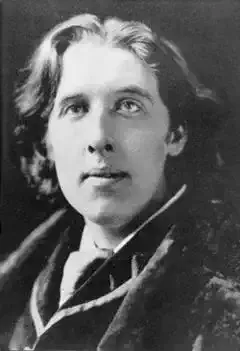
Oscar Wilde
Hellas
Hellas
To drift with every passion till my soul
Is a stringed lute on which all winds can play,
Is it for this that I have given away
Mine ancient wisdom, and austere control?-
Methinks my life is a twice-written scroll
Scrawled over on some boyish holiday
With idle songs for pipe and virelay
Which do but mar the secret of the whole.
Surely that was a time I might have trod
The sunlit heights, and from life's dissonance
Struck one clear chord to reach the ears of God;
is that time dead? lo! with a little rod
I did but touch the honey of romance-
And must I lose a soul's inheritance?
To drift with every passion till my soul
Is a stringed lute on which all winds can play,
Is it for this that I have given away
Mine ancient wisdom, and austere control?-
Methinks my life is a twice-written scroll
Scrawled over on some boyish holiday
With idle songs for pipe and virelay
Which do but mar the secret of the whole.
Surely that was a time I might have trod
The sunlit heights, and from life's dissonance
Struck one clear chord to reach the ears of God;
is that time dead? lo! with a little rod
I did but touch the honey of romance-
And must I lose a soul's inheritance?
444
Oscar Wilde
Hellas
Hellas
To drift with every passion till my soul
Is a stringed lute on which all winds can play,
Is it for this that I have given away
Mine ancient wisdom, and austere control?-
Methinks my life is a twice-written scroll
Scrawled over on some boyish holiday
With idle songs for pipe and virelay
Which do but mar the secret of the whole.
Surely that was a time I might have trod
The sunlit heights, and from life's dissonance
Struck one clear chord to reach the ears of God;
is that time dead? lo! with a little rod
I did but touch the honey of romance-
And must I lose a soul's inheritance?
To drift with every passion till my soul
Is a stringed lute on which all winds can play,
Is it for this that I have given away
Mine ancient wisdom, and austere control?-
Methinks my life is a twice-written scroll
Scrawled over on some boyish holiday
With idle songs for pipe and virelay
Which do but mar the secret of the whole.
Surely that was a time I might have trod
The sunlit heights, and from life's dissonance
Struck one clear chord to reach the ears of God;
is that time dead? lo! with a little rod
I did but touch the honey of romance-
And must I lose a soul's inheritance?
444
Oscar Wilde
Flower of Love
Flower of Love
Sweet, I blame you not, for mine the fault was, had I not been made of common
clay
I had climbed the higher heights unclimbed yet, seen the fuller air, the
larger day.
From the wildness of my wasted passion I had struck a better, clearer song,
Lit some lighter light of freer freedom, battled with some Hydra-headed wrong.
Had my lips been smitten into music by the kisses that but made them bleed,
You had walked with Bice and the angels on that verdant and enamelled meed.
I had trod the road which Dante treading saw the suns of seven circles shine,
Ay! perchance had seen the heavens opening, as they opened to the Florentine.
And the mighty nations would have crowned me, who am crownless now and without
name,
And some orient dawn had found me kneeling on the threshold of the House of
Fame.
I had sat within that marble circle where the oldest bard is as the young,
And the pipe is ever dropping honey, and the lyre's strings are ever strung.
Keats had lifted up his hymeneal curls from out the poppy-seeded wine,
With ambrosial mouth had kissed my forehead, clasped the hand of noble love in
mine.
And at springtide, when the apple-blossoms brush the burnished bosom of the
dove,
Two young lovers lying in an orchard would have read the story of our love;
Would have read the legend of my passion, known the bitter secret of my heart,
Kissed as we have kissed, but never parted as we two are fated now to part.
For the crimson flower of our life is eaten by the cankerworm of truth,
And no hand can gather up the fallen withered petals of the rose of youth.
Yet I am not sorry that I loved you -ah! what else had I a boy to do? -
For the hungry teeth of time devour, and the silent-footed years pursue.
Rudderless, we drift athwart a tempest, and when once the storm of youth is
past,
Without lyre, without lute or chorus, Death the silent pilot comes at last.
And within the grave there is no pleasure, for the blindworm battens on the
root,
And Desire shudders into ashes, and the tree of Passion bears no fruit.
Ah! what else had I to do but love you? God's own mother was less dear to me,
And less dear the Cytheraean rising like an argent lily from the sea.
I have made my choice, have lived my poems, and, though youth is gone in
wasted days,
I have found the lover's crown of myrtle better than the poet's crown of bays.
Sweet, I blame you not, for mine the fault was, had I not been made of common
clay
I had climbed the higher heights unclimbed yet, seen the fuller air, the
larger day.
From the wildness of my wasted passion I had struck a better, clearer song,
Lit some lighter light of freer freedom, battled with some Hydra-headed wrong.
Had my lips been smitten into music by the kisses that but made them bleed,
You had walked with Bice and the angels on that verdant and enamelled meed.
I had trod the road which Dante treading saw the suns of seven circles shine,
Ay! perchance had seen the heavens opening, as they opened to the Florentine.
And the mighty nations would have crowned me, who am crownless now and without
name,
And some orient dawn had found me kneeling on the threshold of the House of
Fame.
I had sat within that marble circle where the oldest bard is as the young,
And the pipe is ever dropping honey, and the lyre's strings are ever strung.
Keats had lifted up his hymeneal curls from out the poppy-seeded wine,
With ambrosial mouth had kissed my forehead, clasped the hand of noble love in
mine.
And at springtide, when the apple-blossoms brush the burnished bosom of the
dove,
Two young lovers lying in an orchard would have read the story of our love;
Would have read the legend of my passion, known the bitter secret of my heart,
Kissed as we have kissed, but never parted as we two are fated now to part.
For the crimson flower of our life is eaten by the cankerworm of truth,
And no hand can gather up the fallen withered petals of the rose of youth.
Yet I am not sorry that I loved you -ah! what else had I a boy to do? -
For the hungry teeth of time devour, and the silent-footed years pursue.
Rudderless, we drift athwart a tempest, and when once the storm of youth is
past,
Without lyre, without lute or chorus, Death the silent pilot comes at last.
And within the grave there is no pleasure, for the blindworm battens on the
root,
And Desire shudders into ashes, and the tree of Passion bears no fruit.
Ah! what else had I to do but love you? God's own mother was less dear to me,
And less dear the Cytheraean rising like an argent lily from the sea.
I have made my choice, have lived my poems, and, though youth is gone in
wasted days,
I have found the lover's crown of myrtle better than the poet's crown of bays.
235
Oscar Wilde
Endymion
Endymion
THE apple trees are hung with gold,
And birds are loud in Arcady,
The sheep lie bleating in the fold,
The wild goat runs across the wold,
But yesterday his love he told,
I know he will come back to me.
O rising moon! O Lady moon!
Be you my lover's sentinel,
You cannot choose but know him well,
For he is shod with purple shoon,
You cannot choose but know my love,
For he a shepherd's crook doth bear,
And he is soft as any dove,
And brown and curly is his hair.
The turtle now has ceased to call
Upon her crimson-footed groom,
The grey wolf prowls about the stall,
The lily's singing seneschal
Sleeps in the lily-bell, and all
The violet hills are lost in gloom.
O risen moon! O holy moon!
Stand on the top of Helice,
And if my own true love you see,
Ah! if you see the purple shoon,
The hazel crook, the lad's brown hair,
The goat-skin wrapped about his arm,
Tell him that I am waiting where
The rushlight glimmers in the Farm.
The falling dew is cold and chill,
And no bird sings in Arcady,
The little fauns have left the hill,
Even the tired daffodil
Has closed its gilded doors, and still
My lover comes not back to me.
False moon! False moon! O waning moon!
Where is my own true lover gone,
Where are the lips vermilion,
The shepherd's crook, the purple shoon?
Why spread that silver pavilion,
Why wear that veil of drifting mist?
Ah! thou hast young Endymion,
Thou hast the lips that should be kissed!
THE apple trees are hung with gold,
And birds are loud in Arcady,
The sheep lie bleating in the fold,
The wild goat runs across the wold,
But yesterday his love he told,
I know he will come back to me.
O rising moon! O Lady moon!
Be you my lover's sentinel,
You cannot choose but know him well,
For he is shod with purple shoon,
You cannot choose but know my love,
For he a shepherd's crook doth bear,
And he is soft as any dove,
And brown and curly is his hair.
The turtle now has ceased to call
Upon her crimson-footed groom,
The grey wolf prowls about the stall,
The lily's singing seneschal
Sleeps in the lily-bell, and all
The violet hills are lost in gloom.
O risen moon! O holy moon!
Stand on the top of Helice,
And if my own true love you see,
Ah! if you see the purple shoon,
The hazel crook, the lad's brown hair,
The goat-skin wrapped about his arm,
Tell him that I am waiting where
The rushlight glimmers in the Farm.
The falling dew is cold and chill,
And no bird sings in Arcady,
The little fauns have left the hill,
Even the tired daffodil
Has closed its gilded doors, and still
My lover comes not back to me.
False moon! False moon! O waning moon!
Where is my own true lover gone,
Where are the lips vermilion,
The shepherd's crook, the purple shoon?
Why spread that silver pavilion,
Why wear that veil of drifting mist?
Ah! thou hast young Endymion,
Thou hast the lips that should be kissed!
227
Oscar Wilde
E Tenebris
E Tenebris
COME down, O Christ, and help me! reach thy hand,
For I am drowning in a stormier sea
Than Simon on thy lake of Galilee:
The wine of life is spilt upon the sand,
My heart is as some famine-murdered land,
Whence all good things have perished utterly,
And well I know my soul in Hell must lie
If I this night before God's throne should stand.
'He sleeps perchance, or rideth to the chase,
Like Baal, when his prophets howled that name
From morn to noon on Carmel's smitten height.'
Nay, peace, I shall behold before the night,
The feet of brass, the robe more white than flame,
The wounded hands, the weary human face.
COME down, O Christ, and help me! reach thy hand,
For I am drowning in a stormier sea
Than Simon on thy lake of Galilee:
The wine of life is spilt upon the sand,
My heart is as some famine-murdered land,
Whence all good things have perished utterly,
And well I know my soul in Hell must lie
If I this night before God's throne should stand.
'He sleeps perchance, or rideth to the chase,
Like Baal, when his prophets howled that name
From morn to noon on Carmel's smitten height.'
Nay, peace, I shall behold before the night,
The feet of brass, the robe more white than flame,
The wounded hands, the weary human face.
237
Oscar Wilde
E Tenebris
E Tenebris
COME down, O Christ, and help me! reach thy hand,
For I am drowning in a stormier sea
Than Simon on thy lake of Galilee:
The wine of life is spilt upon the sand,
My heart is as some famine-murdered land,
Whence all good things have perished utterly,
And well I know my soul in Hell must lie
If I this night before God's throne should stand.
'He sleeps perchance, or rideth to the chase,
Like Baal, when his prophets howled that name
From morn to noon on Carmel's smitten height.'
Nay, peace, I shall behold before the night,
The feet of brass, the robe more white than flame,
The wounded hands, the weary human face.
COME down, O Christ, and help me! reach thy hand,
For I am drowning in a stormier sea
Than Simon on thy lake of Galilee:
The wine of life is spilt upon the sand,
My heart is as some famine-murdered land,
Whence all good things have perished utterly,
And well I know my soul in Hell must lie
If I this night before God's throne should stand.
'He sleeps perchance, or rideth to the chase,
Like Baal, when his prophets howled that name
From morn to noon on Carmel's smitten height.'
Nay, peace, I shall behold before the night,
The feet of brass, the robe more white than flame,
The wounded hands, the weary human face.
237
Oscar Wilde
Canzonet
Canzonet
I have no store
Of gryphon-guarded gold;
Now, as before,
Bare is the shepherd's fold.
Rubies nor pearls
Have I to gem thy throat;
Yet woodland girls
Have loved the shepherd's note.
Then pluck a reed
And bid me sing to thee,
For I would feed
Thine ears with melody,
Who art more fair
Than fairest fleur-de-lys,
More sweet and rare
Than sweetest ambergris.
What dost thou fear?
Young Hyacinth is slain,
Pan is not here,
And will not come again.
No horned Faun
Treads down the yellow leas,
No God at dawn
Steals through the olive trees.
Hylas is dead,
Nor will he e'er divine
Those little red
Rose-petalled lips of thine.
On the high hill
No ivory dryads play,
Silver and still
Sinks the sad autumn day.
I have no store
Of gryphon-guarded gold;
Now, as before,
Bare is the shepherd's fold.
Rubies nor pearls
Have I to gem thy throat;
Yet woodland girls
Have loved the shepherd's note.
Then pluck a reed
And bid me sing to thee,
For I would feed
Thine ears with melody,
Who art more fair
Than fairest fleur-de-lys,
More sweet and rare
Than sweetest ambergris.
What dost thou fear?
Young Hyacinth is slain,
Pan is not here,
And will not come again.
No horned Faun
Treads down the yellow leas,
No God at dawn
Steals through the olive trees.
Hylas is dead,
Nor will he e'er divine
Those little red
Rose-petalled lips of thine.
On the high hill
No ivory dryads play,
Silver and still
Sinks the sad autumn day.
238
Oscar Wilde
By The Arno
By The Arno
THE oleander on the wall
Grows crimson in the dawning light,
Though the grey shadows of the night
Lie yet on Florence like a pall.
The dew is bright upon the hill,
And bright the blossoms overhead,
But ah! the grasshoppers have fled,
The little Attic song is still.
Only the leaves are gently stirred
By the soft breathing of the gale,
And in the almond-scented vale
The lonely nightingale is heard.
The day will make thee silent soon,
O nightingale sing on for love!
While yet upon the shadowy grove
Splinter the arrows of the moon.
Before across the silent lawn
In sea-green mist the morning steals,
And to love's frightened eyes reveals
The long white fingers of the dawn
Fast climbing up the eastern sky
To grasp and slay the shuddering night,
All careless of my heart's delight,
Or if the nightingale should die.
THE oleander on the wall
Grows crimson in the dawning light,
Though the grey shadows of the night
Lie yet on Florence like a pall.
The dew is bright upon the hill,
And bright the blossoms overhead,
But ah! the grasshoppers have fled,
The little Attic song is still.
Only the leaves are gently stirred
By the soft breathing of the gale,
And in the almond-scented vale
The lonely nightingale is heard.
The day will make thee silent soon,
O nightingale sing on for love!
While yet upon the shadowy grove
Splinter the arrows of the moon.
Before across the silent lawn
In sea-green mist the morning steals,
And to love's frightened eyes reveals
The long white fingers of the dawn
Fast climbing up the eastern sky
To grasp and slay the shuddering night,
All careless of my heart's delight,
Or if the nightingale should die.
239
Oscar Wilde
Ave Imperatrix
Ave Imperatrix
SET in this stormy Northern sea,
Queen of these restless fields of tide,
England! what shall men say of thee,
Before whose feet the worlds divide?
The earth, a brittle globe of glass,
Lies in the hollow of thy hand,
And through its heart of crystal pass,
Like shadows through a twilight land,
The spears of crimson-suited war,
The long white-crested waves of fight,
And all the deadly fires which are
The torches of the lords of Night.
The yellow leopards, strained and lean,
The treacherous Russian knows so well,
With gaping blackened jaws are seen
Leap through the hail of screaming shell.
The strong sea-lion of England's wars
Hath left his sapphire cave of sea,
To battle with the storm that mars
The star of England's chivalry.
The brazen-throated clarion blows
Across the Pathan's reedy fen,
And the high steeps of Indian snows
Shake to the tread of armèd men.
And many an Afghan chief, who lies
Beneath his cool pomegranate-trees,
Clutches his sword in fierce surmise
When on the mountain-side he sees
The fleet-foot Marri scout, who comes
To tell how he hath heard afar
The measured roll of English drums
Beat at the gates of Kandahar.
For southern wind and east wind meet
Where, girt and crowned by sword and fire,
England with bare and bloody feet
Climbs the steep road of wide empire.
O lonely Himalayan height,
Grey pillar of the Indian sky,
Where saw'st thou last in clanging fight
Our wingèd dogs of Victory?
The almond groves of Samarcand,
Bokhara, where red lilies blow,
And Oxus, by whose yellow sand
The grave white-turbaned merchants go:
And on from thence to Ispahan,
The gilded garden of the sun,
Whence the long dusty caravan
Brings cedar and vermilion;
And that dread city of Cabool
Set at the mountain's scarpèd feet,
Whose marble tanks are ever full
With water for the noonday heat:
Where through the narrow straight Bazaar
A little maid Circassian
Is led, a present from the Czar
Unto some old and bearded khan,--
Here have our wild war-eagles flown,
And flapped wide wings in fiery fight;
But the sad dove, that sits alone
In England--she hath no delight.
In vain the laughing girl will lean
To greet her love with love-lit eyes:
Down in some treacherous black ravine,
Clutching his flag, the dead boy lies.
And many a moon and sun will see
The lingering wistful children wait
To climb upon their father's knee;
And in each house made desolate
Pale women who have lost their lord
Will kiss the relics of the slain--
Some tarnished epaulette--some sword--
Poor toys to soothe such anguished pain.
For not in quiet English fields
Are these, our brothers, lain to rest,
Where we might deck their broken shields
With all the flowers the dead love best.
For some are by the Delhi walls,
And many in the Afghan land,
And many where the Ganges falls
Through seven mouths of shifting sand.
And some in Russian waters lie,
And others in the seas which are
The portals to the East, or by
The wind-swept heights of Trafalgar.
O wandering graves! O restless sleep!
O silence of the sunless day!
O still ravine! O stormy deep!
Give up your prey! Give up your prey!
And thou whose wounds are never healed,
Whose weary race is never won,
O Cromwell's England! must thou yield
For every inch of ground a son?
Go! crown with thorns thy gold-crowned head,
Change thy glad song to song of pain;
Wind and wild wave have got thy dead,
And will not yield them back again.
Wave and wild wind and foreign shore
Possess the flower of English land--
Lips that thy lips shall kiss no more,
Hands that shall never clasp thy hand.
What profit now that we have bound
The whole round world with nets of gold,
If hidden in our heart is found
The care that groweth never old?
What profit that our galleys ride,
Pine-forest-like, on every main?
Ruin and wreck are at our side,
Grim warders of the House of pain.
Where are the brave, the strong, the fleet?
Where is our English chivalry?
Wild grasses are their burial-sheet,
And sobbing waves their threnody.
O loved ones lying far away,
What word of love can dead lips send!
O wasted dust! O senseless clay!
Is this the end! is this the end!
Peace, peace! we wrong the noble dead
To vex their solemn slumber so;
Though childless, and with thorn-crowned head,
Up the steep road must England go,
Yet when this fiery web is spun,
Her watchmen shall descry from far
The young Republic like a sun
Rise from these crimson seas of war.
SET in this stormy Northern sea,
Queen of these restless fields of tide,
England! what shall men say of thee,
Before whose feet the worlds divide?
The earth, a brittle globe of glass,
Lies in the hollow of thy hand,
And through its heart of crystal pass,
Like shadows through a twilight land,
The spears of crimson-suited war,
The long white-crested waves of fight,
And all the deadly fires which are
The torches of the lords of Night.
The yellow leopards, strained and lean,
The treacherous Russian knows so well,
With gaping blackened jaws are seen
Leap through the hail of screaming shell.
The strong sea-lion of England's wars
Hath left his sapphire cave of sea,
To battle with the storm that mars
The star of England's chivalry.
The brazen-throated clarion blows
Across the Pathan's reedy fen,
And the high steeps of Indian snows
Shake to the tread of armèd men.
And many an Afghan chief, who lies
Beneath his cool pomegranate-trees,
Clutches his sword in fierce surmise
When on the mountain-side he sees
The fleet-foot Marri scout, who comes
To tell how he hath heard afar
The measured roll of English drums
Beat at the gates of Kandahar.
For southern wind and east wind meet
Where, girt and crowned by sword and fire,
England with bare and bloody feet
Climbs the steep road of wide empire.
O lonely Himalayan height,
Grey pillar of the Indian sky,
Where saw'st thou last in clanging fight
Our wingèd dogs of Victory?
The almond groves of Samarcand,
Bokhara, where red lilies blow,
And Oxus, by whose yellow sand
The grave white-turbaned merchants go:
And on from thence to Ispahan,
The gilded garden of the sun,
Whence the long dusty caravan
Brings cedar and vermilion;
And that dread city of Cabool
Set at the mountain's scarpèd feet,
Whose marble tanks are ever full
With water for the noonday heat:
Where through the narrow straight Bazaar
A little maid Circassian
Is led, a present from the Czar
Unto some old and bearded khan,--
Here have our wild war-eagles flown,
And flapped wide wings in fiery fight;
But the sad dove, that sits alone
In England--she hath no delight.
In vain the laughing girl will lean
To greet her love with love-lit eyes:
Down in some treacherous black ravine,
Clutching his flag, the dead boy lies.
And many a moon and sun will see
The lingering wistful children wait
To climb upon their father's knee;
And in each house made desolate
Pale women who have lost their lord
Will kiss the relics of the slain--
Some tarnished epaulette--some sword--
Poor toys to soothe such anguished pain.
For not in quiet English fields
Are these, our brothers, lain to rest,
Where we might deck their broken shields
With all the flowers the dead love best.
For some are by the Delhi walls,
And many in the Afghan land,
And many where the Ganges falls
Through seven mouths of shifting sand.
And some in Russian waters lie,
And others in the seas which are
The portals to the East, or by
The wind-swept heights of Trafalgar.
O wandering graves! O restless sleep!
O silence of the sunless day!
O still ravine! O stormy deep!
Give up your prey! Give up your prey!
And thou whose wounds are never healed,
Whose weary race is never won,
O Cromwell's England! must thou yield
For every inch of ground a son?
Go! crown with thorns thy gold-crowned head,
Change thy glad song to song of pain;
Wind and wild wave have got thy dead,
And will not yield them back again.
Wave and wild wind and foreign shore
Possess the flower of English land--
Lips that thy lips shall kiss no more,
Hands that shall never clasp thy hand.
What profit now that we have bound
The whole round world with nets of gold,
If hidden in our heart is found
The care that groweth never old?
What profit that our galleys ride,
Pine-forest-like, on every main?
Ruin and wreck are at our side,
Grim warders of the House of pain.
Where are the brave, the strong, the fleet?
Where is our English chivalry?
Wild grasses are their burial-sheet,
And sobbing waves their threnody.
O loved ones lying far away,
What word of love can dead lips send!
O wasted dust! O senseless clay!
Is this the end! is this the end!
Peace, peace! we wrong the noble dead
To vex their solemn slumber so;
Though childless, and with thorn-crowned head,
Up the steep road must England go,
Yet when this fiery web is spun,
Her watchmen shall descry from far
The young Republic like a sun
Rise from these crimson seas of war.
244
Oscar Wilde
Ballade De Marguerite
Ballade De Marguerite
(NORMANDE.)
I AM weary of lying within the chase
When the knights are meeting in market-place.
Nay, go not thou to the red-roofed town
Lest the hooves of the war-horse tread thee down.
But I would not go where the Squires ride,
I would only walk by my Lady's side.
Alack! and alack! thou art over bold,
A Forester's son may not eat off gold.
Will she love me the less that my Father is seen,
Each Martinmas day in a doublet green?
Perchance she is sewing at tapestrie,
Spindle and loom are not meet for thee.
Ah, if she is working the arras bright
I might ravel the threads by the fire-light.
Perchance she is hunting of the deer,
How could you follow o'er hill and meer?
Ah, if she is riding with the court,
I might run beside her and wind the morte.
Perchance she is kneeling in S. Denys,
(On her soul may our Lady have gramercy!)
Ah, if she is praying in lone chapelle,
I might swing the censer and ring the bell.
Come in my son, for you look sae pale,
The father shall fill thee a stoup of ale.
But who are these knights in bright array?
Is it a pageant the rich folks play?
'Tis the King of England from over sea,
Who has come unto visit our fair countrie.
But why does the curfew toll sae low
And why do the mourners walk a-row?
O 'tis Hugh of Amiens my sister's son
Who is lying stark, for his day is done.
Nay, nay, for I see white lilies clear,
It is no strong man who lies on the bier.
O 'tis old Dame Jeannette that kept the hall,
I knew she would die at the autumn fall.
Dame Jeannette had not that gold-brown hair,
Old Jeannette was not a maiden fair.
O 'tis none of our kith and none of our kin,
(Her soul may our Lady assoil from sin!)
But I hear the boy's voice chaunting sweet,
'Elle est morte, la Marguerite.'
Come in my son and lie on the bed,
And let the dead folk bury their dead.
O mother, you know I loved her true:
O mother, hath one grave room for two?
(NORMANDE.)
I AM weary of lying within the chase
When the knights are meeting in market-place.
Nay, go not thou to the red-roofed town
Lest the hooves of the war-horse tread thee down.
But I would not go where the Squires ride,
I would only walk by my Lady's side.
Alack! and alack! thou art over bold,
A Forester's son may not eat off gold.
Will she love me the less that my Father is seen,
Each Martinmas day in a doublet green?
Perchance she is sewing at tapestrie,
Spindle and loom are not meet for thee.
Ah, if she is working the arras bright
I might ravel the threads by the fire-light.
Perchance she is hunting of the deer,
How could you follow o'er hill and meer?
Ah, if she is riding with the court,
I might run beside her and wind the morte.
Perchance she is kneeling in S. Denys,
(On her soul may our Lady have gramercy!)
Ah, if she is praying in lone chapelle,
I might swing the censer and ring the bell.
Come in my son, for you look sae pale,
The father shall fill thee a stoup of ale.
But who are these knights in bright array?
Is it a pageant the rich folks play?
'Tis the King of England from over sea,
Who has come unto visit our fair countrie.
But why does the curfew toll sae low
And why do the mourners walk a-row?
O 'tis Hugh of Amiens my sister's son
Who is lying stark, for his day is done.
Nay, nay, for I see white lilies clear,
It is no strong man who lies on the bier.
O 'tis old Dame Jeannette that kept the hall,
I knew she would die at the autumn fall.
Dame Jeannette had not that gold-brown hair,
Old Jeannette was not a maiden fair.
O 'tis none of our kith and none of our kin,
(Her soul may our Lady assoil from sin!)
But I hear the boy's voice chaunting sweet,
'Elle est morte, la Marguerite.'
Come in my son and lie on the bed,
And let the dead folk bury their dead.
O mother, you know I loved her true:
O mother, hath one grave room for two?
305
Oscar Wilde
At Verona
At Verona
HOW steep the stairs within Kings' houses are
For exile-wearied feet as mine to tread,
And O how salt and bitter is the bread
Which falls from this Hound's table,--better far
That I had died in the red ways of war,
Or that the gate of Florence bare my head,
Than to live thus, by all things comraded
Which seek the essence of my soul to mar.
'Curse God and die: what better hope than this?
He hath forgotten thee in all the bliss
Of his gold city, and eternal day'--
Nay peace: behind my prison's blinded bars
I do possess what none can take away,
My love, and all the glory of the stars.
HOW steep the stairs within Kings' houses are
For exile-wearied feet as mine to tread,
And O how salt and bitter is the bread
Which falls from this Hound's table,--better far
That I had died in the red ways of war,
Or that the gate of Florence bare my head,
Than to live thus, by all things comraded
Which seek the essence of my soul to mar.
'Curse God and die: what better hope than this?
He hath forgotten thee in all the bliss
Of his gold city, and eternal day'--
Nay peace: behind my prison's blinded bars
I do possess what none can take away,
My love, and all the glory of the stars.
255
Oscar Wilde
At Verona
At Verona
HOW steep the stairs within Kings' houses are
For exile-wearied feet as mine to tread,
And O how salt and bitter is the bread
Which falls from this Hound's table,--better far
That I had died in the red ways of war,
Or that the gate of Florence bare my head,
Than to live thus, by all things comraded
Which seek the essence of my soul to mar.
'Curse God and die: what better hope than this?
He hath forgotten thee in all the bliss
Of his gold city, and eternal day'--
Nay peace: behind my prison's blinded bars
I do possess what none can take away,
My love, and all the glory of the stars.
HOW steep the stairs within Kings' houses are
For exile-wearied feet as mine to tread,
And O how salt and bitter is the bread
Which falls from this Hound's table,--better far
That I had died in the red ways of war,
Or that the gate of Florence bare my head,
Than to live thus, by all things comraded
Which seek the essence of my soul to mar.
'Curse God and die: what better hope than this?
He hath forgotten thee in all the bliss
Of his gold city, and eternal day'--
Nay peace: behind my prison's blinded bars
I do possess what none can take away,
My love, and all the glory of the stars.
255
Oscar Wilde
A Vision
A Vision
TWO crownèd Kings, and One that stood alone
With no green weight of laurels round his head,
But with sad eyes as one uncomforted,
And wearied with man's never-ceasing moan
For sins no bleating victim can atone,
And sweet long lips with tears and kisses fed.
Girt was he in a garment black and red,
And at his feet I marked a broken stone
Which sent up lilies, dove-like, to his knees.
Now at their sight, my heart being lit with flame
I cried to Beatricé, 'Who are these?'
And she made answer, knowing well each name,
'Æschylos first, the second Sophokles,
And last (wide stream of tears!) Euripides.'
TWO crownèd Kings, and One that stood alone
With no green weight of laurels round his head,
But with sad eyes as one uncomforted,
And wearied with man's never-ceasing moan
For sins no bleating victim can atone,
And sweet long lips with tears and kisses fed.
Girt was he in a garment black and red,
And at his feet I marked a broken stone
Which sent up lilies, dove-like, to his knees.
Now at their sight, my heart being lit with flame
I cried to Beatricé, 'Who are these?'
And she made answer, knowing well each name,
'Æschylos first, the second Sophokles,
And last (wide stream of tears!) Euripides.'
223

Ogden Nash
Winter Complaint
Winter Complaint
Now when I have a cold
I am careful with my cold,
I consult a physician
And I do as I am told.
I muffle up my torso
In woolly woolly garb,
And I quaff great flagons
Of sodium bicarb.
I munch on aspirin,
I lunch on water,
And I wouldn’t dream of osculating
Anybody’s daughter,
And to anybody’s son
I wouldn’t say howdy,
For I am a sufferer
Magna cum laude.
I don’t like germs,
But I’ll keep the germs I’ve got.
Will I take a chance of spreading them?
Definitely not.
I sneeze out the window
And I cough up the flue,
And I live like a hermit
Till the germs get through.
And because I’m considerate,
Because I’m wary,
I am treated by my friends
Like Typhoid Mary.
Now when you have a cold
You are careless with your cold,
You are cocky as a gangster
Who has just been paroled.
You ignore your physician,
You eat steaks and oxtails,
You stuff yourself with starches,
You drink lots of cocktails,
And you claim that gargling
Is a time of waste,
And you won’t take soda
For you don’t like the taste,
And you prowl around parties
Full of selfish bliss,
And greet your hostess
With a genial kiss.
You convert yourself
Into a deadly missle,
You exhale Hello’s
Like a steamboat wistle.
You sneeze in the subway
And you cough at dances,
And let everybody else
Take their own good chances.
You’re a bronchial boor,
A bacterial blighter,
And you get more invitations
Than a gossip writer.
Yes, your throat is froggy,
And your eyes are swimmy,
And you hand is clammy,
And you nose is brimmy,
But you woo my girls
And their hearts you jimmy
While I sit here
With the cold you gimmy.
Now when I have a cold
I am careful with my cold,
I consult a physician
And I do as I am told.
I muffle up my torso
In woolly woolly garb,
And I quaff great flagons
Of sodium bicarb.
I munch on aspirin,
I lunch on water,
And I wouldn’t dream of osculating
Anybody’s daughter,
And to anybody’s son
I wouldn’t say howdy,
For I am a sufferer
Magna cum laude.
I don’t like germs,
But I’ll keep the germs I’ve got.
Will I take a chance of spreading them?
Definitely not.
I sneeze out the window
And I cough up the flue,
And I live like a hermit
Till the germs get through.
And because I’m considerate,
Because I’m wary,
I am treated by my friends
Like Typhoid Mary.
Now when you have a cold
You are careless with your cold,
You are cocky as a gangster
Who has just been paroled.
You ignore your physician,
You eat steaks and oxtails,
You stuff yourself with starches,
You drink lots of cocktails,
And you claim that gargling
Is a time of waste,
And you won’t take soda
For you don’t like the taste,
And you prowl around parties
Full of selfish bliss,
And greet your hostess
With a genial kiss.
You convert yourself
Into a deadly missle,
You exhale Hello’s
Like a steamboat wistle.
You sneeze in the subway
And you cough at dances,
And let everybody else
Take their own good chances.
You’re a bronchial boor,
A bacterial blighter,
And you get more invitations
Than a gossip writer.
Yes, your throat is froggy,
And your eyes are swimmy,
And you hand is clammy,
And you nose is brimmy,
But you woo my girls
And their hearts you jimmy
While I sit here
With the cold you gimmy.
302
Ogden Nash
What's The Use?
What's The Use?
Sure, deck your limbs in pants,
Yours are the limbs, my sweeting.
You look divine as you advance . . .
Have you seen yourself retreating?
Sure, deck your limbs in pants,
Yours are the limbs, my sweeting.
You look divine as you advance . . .
Have you seen yourself retreating?
243
Ogden Nash
What's The Use?
What's The Use?
Sure, deck your limbs in pants,
Yours are the limbs, my sweeting.
You look divine as you advance . . .
Have you seen yourself retreating?
Sure, deck your limbs in pants,
Yours are the limbs, my sweeting.
You look divine as you advance . . .
Have you seen yourself retreating?
243
Ogden Nash
Very Like a Whale
Very Like a Whale
One thing that literature would be greatly the better for
Would be a more restricted employment by the authors of simile and
metaphor.
Authors of all races, be they Greeks, Romans, Teutons or Celts,
Can't seem just to say that anything is the thing it is but have to
go out of their way to say that it is like something else.
What does it mean when we are told
That that Assyrian came down like a wolf on the fold?
In the first place, George Gordon Byron had enough experience
To know that it probably wasn't just one Assyrian, it was a lot of
Assyrians.
However, as too many arguments are apt to induce apoplexy and
thus hinder longevity.
We'll let it pass as one Assyrian for the sake of brevity.
Now then, this particular Assyrian, the one whose cohorts were
gleaming in purple and gold,
Just what does the poet mean when he says he came down like a
wold on the fold?
In heaven and earth more than is dreamed of in our philosophy
there are great many things.
But I don't imagine that among them there is a wolf with purple
and gold cohorts or purple and gold anythings.
No, no, Lord Byron, before I'll believe that this Assyrian was
actually like a wolf I must have some kind of proof;
Did he run on all fours and did he have a hairy tail and a big red
mouth and big white teeth and did he say Woof Woof?
Frankly I think it is very unlikely, and all you were entitled to say,
at the very most,
Was that the Assyrian cohorts came down like a lot of Assyrian
cohorts about to destroy the Hebrew host.
But that wasn't fancy enough for Lord Byron, oh dear me no, he
had to invent a lot of figures of speech and then interpolate them,
With the result that whenever you mention Old Testament soldiers
to people they say Oh yes, they're the ones that a lot of
wolves dressed up in gold and purple ate them.
That's the kind of thing that's being done all the time by poets,
from Homer to Tennyson;
They're always comparing ladies to lilies and veal to venison,
And they always say things like that the snow is a white blanket
after a winter storm.
Oh it is, is it, all right then, you sleep under a six-inch blanket of
snow and I'll sleep under a half-inch blanket of unpoetical
blanket material and we'll see which one keeps warm,
And after that maybe you'll begin to comprehend dimly
What I mean by too much metaphor and simile.
One thing that literature would be greatly the better for
Would be a more restricted employment by the authors of simile and
metaphor.
Authors of all races, be they Greeks, Romans, Teutons or Celts,
Can't seem just to say that anything is the thing it is but have to
go out of their way to say that it is like something else.
What does it mean when we are told
That that Assyrian came down like a wolf on the fold?
In the first place, George Gordon Byron had enough experience
To know that it probably wasn't just one Assyrian, it was a lot of
Assyrians.
However, as too many arguments are apt to induce apoplexy and
thus hinder longevity.
We'll let it pass as one Assyrian for the sake of brevity.
Now then, this particular Assyrian, the one whose cohorts were
gleaming in purple and gold,
Just what does the poet mean when he says he came down like a
wold on the fold?
In heaven and earth more than is dreamed of in our philosophy
there are great many things.
But I don't imagine that among them there is a wolf with purple
and gold cohorts or purple and gold anythings.
No, no, Lord Byron, before I'll believe that this Assyrian was
actually like a wolf I must have some kind of proof;
Did he run on all fours and did he have a hairy tail and a big red
mouth and big white teeth and did he say Woof Woof?
Frankly I think it is very unlikely, and all you were entitled to say,
at the very most,
Was that the Assyrian cohorts came down like a lot of Assyrian
cohorts about to destroy the Hebrew host.
But that wasn't fancy enough for Lord Byron, oh dear me no, he
had to invent a lot of figures of speech and then interpolate them,
With the result that whenever you mention Old Testament soldiers
to people they say Oh yes, they're the ones that a lot of
wolves dressed up in gold and purple ate them.
That's the kind of thing that's being done all the time by poets,
from Homer to Tennyson;
They're always comparing ladies to lilies and veal to venison,
And they always say things like that the snow is a white blanket
after a winter storm.
Oh it is, is it, all right then, you sleep under a six-inch blanket of
snow and I'll sleep under a half-inch blanket of unpoetical
blanket material and we'll see which one keeps warm,
And after that maybe you'll begin to comprehend dimly
What I mean by too much metaphor and simile.
282
Ogden Nash
The Turtle
The Turtle
The turtle lives 'twixt plated decks
Which practically conceal its sex.
I think it clever of the turtle
such a fix to be so fertile.
The turtle lives 'twixt plated decks
Which practically conceal its sex.
I think it clever of the turtle
such a fix to be so fertile.
283
Ogden Nash
Tin Wedding Whistle
Tin Wedding Whistle
Though you know it anyhow
Listen to me, darling, now,
Though you know it anyhow
Listen to me, darling, now,
319
Ogden Nash
The Termite
The Termite
Some primal termite knocked on wood
And tasted it, and found it good!
And that is why your Cousin May
Fell through the parlor floor today.
Some primal termite knocked on wood
And tasted it, and found it good!
And that is why your Cousin May
Fell through the parlor floor today.
302
Ogden Nash
The Sunset Years of Samuel Shy
The Sunset Years of Samuel Shy
Master I may be,
But not of my fate.
Now come the kisses, too many too late.
Tell me, O Parcae,
For fain would I know,
Where were these kisses three decades ago?
Girls there were plenty,
Mint julep girls, beer girls,
Gay younger married and headstrong career girls,
The girls of my friends
And the wives of my friends,
Some smugly settled and some at loose ends,
Sad girls, serene girls,
Girls breathless and turbulent,
Debs cosmopolitan, matrons suburbulent,
All of them amiable,
All of them cordial,
Innocent rousers of instincts primordial,
But even though health and wealth
Hadn't yet missed me,
None of them,
Not even Jenny,
Once kissed me.
These very same girls
Who with me have grown older
Now freely relax with a head on my shoulder,
And now come the kisses,
A flood in full spate,
The meaningless kisses, too many too late.
They kiss me hello,
They kiss me goodbye,
Should I offer a light, there's a kiss for reply.
They kiss me at weddings,
They kiss me at wakes,
The drop of a hat is less than it takes.
They kiss me at cocktails,
They kiss me at bridge,
It's all automatic, like slapping a midge.
The sound of their kisses
Is loud in my ears
Like the locusts that swarm every seventeen years.
I'm arthritic, dyspeptic,
Potentially ulcery,
And weary of kisses by custom compulsory.
Should my dear ones commit me
As senile demential,
It's from kisses perfunctory, inconsequential.
Answer, O Parcae,
For fain would I know,
Where were these kisses three decades ago?
Master I may be,
But not of my fate.
Now come the kisses, too many too late.
Tell me, O Parcae,
For fain would I know,
Where were these kisses three decades ago?
Girls there were plenty,
Mint julep girls, beer girls,
Gay younger married and headstrong career girls,
The girls of my friends
And the wives of my friends,
Some smugly settled and some at loose ends,
Sad girls, serene girls,
Girls breathless and turbulent,
Debs cosmopolitan, matrons suburbulent,
All of them amiable,
All of them cordial,
Innocent rousers of instincts primordial,
But even though health and wealth
Hadn't yet missed me,
None of them,
Not even Jenny,
Once kissed me.
These very same girls
Who with me have grown older
Now freely relax with a head on my shoulder,
And now come the kisses,
A flood in full spate,
The meaningless kisses, too many too late.
They kiss me hello,
They kiss me goodbye,
Should I offer a light, there's a kiss for reply.
They kiss me at weddings,
They kiss me at wakes,
The drop of a hat is less than it takes.
They kiss me at cocktails,
They kiss me at bridge,
It's all automatic, like slapping a midge.
The sound of their kisses
Is loud in my ears
Like the locusts that swarm every seventeen years.
I'm arthritic, dyspeptic,
Potentially ulcery,
And weary of kisses by custom compulsory.
Should my dear ones commit me
As senile demential,
It's from kisses perfunctory, inconsequential.
Answer, O Parcae,
For fain would I know,
Where were these kisses three decades ago?
265
Ogden Nash
The Sunset Years of Samuel Shy
The Sunset Years of Samuel Shy
Master I may be,
But not of my fate.
Now come the kisses, too many too late.
Tell me, O Parcae,
For fain would I know,
Where were these kisses three decades ago?
Girls there were plenty,
Mint julep girls, beer girls,
Gay younger married and headstrong career girls,
The girls of my friends
And the wives of my friends,
Some smugly settled and some at loose ends,
Sad girls, serene girls,
Girls breathless and turbulent,
Debs cosmopolitan, matrons suburbulent,
All of them amiable,
All of them cordial,
Innocent rousers of instincts primordial,
But even though health and wealth
Hadn't yet missed me,
None of them,
Not even Jenny,
Once kissed me.
These very same girls
Who with me have grown older
Now freely relax with a head on my shoulder,
And now come the kisses,
A flood in full spate,
The meaningless kisses, too many too late.
They kiss me hello,
They kiss me goodbye,
Should I offer a light, there's a kiss for reply.
They kiss me at weddings,
They kiss me at wakes,
The drop of a hat is less than it takes.
They kiss me at cocktails,
They kiss me at bridge,
It's all automatic, like slapping a midge.
The sound of their kisses
Is loud in my ears
Like the locusts that swarm every seventeen years.
I'm arthritic, dyspeptic,
Potentially ulcery,
And weary of kisses by custom compulsory.
Should my dear ones commit me
As senile demential,
It's from kisses perfunctory, inconsequential.
Answer, O Parcae,
For fain would I know,
Where were these kisses three decades ago?
Master I may be,
But not of my fate.
Now come the kisses, too many too late.
Tell me, O Parcae,
For fain would I know,
Where were these kisses three decades ago?
Girls there were plenty,
Mint julep girls, beer girls,
Gay younger married and headstrong career girls,
The girls of my friends
And the wives of my friends,
Some smugly settled and some at loose ends,
Sad girls, serene girls,
Girls breathless and turbulent,
Debs cosmopolitan, matrons suburbulent,
All of them amiable,
All of them cordial,
Innocent rousers of instincts primordial,
But even though health and wealth
Hadn't yet missed me,
None of them,
Not even Jenny,
Once kissed me.
These very same girls
Who with me have grown older
Now freely relax with a head on my shoulder,
And now come the kisses,
A flood in full spate,
The meaningless kisses, too many too late.
They kiss me hello,
They kiss me goodbye,
Should I offer a light, there's a kiss for reply.
They kiss me at weddings,
They kiss me at wakes,
The drop of a hat is less than it takes.
They kiss me at cocktails,
They kiss me at bridge,
It's all automatic, like slapping a midge.
The sound of their kisses
Is loud in my ears
Like the locusts that swarm every seventeen years.
I'm arthritic, dyspeptic,
Potentially ulcery,
And weary of kisses by custom compulsory.
Should my dear ones commit me
As senile demential,
It's from kisses perfunctory, inconsequential.
Answer, O Parcae,
For fain would I know,
Where were these kisses three decades ago?
265