

Poems in this topic
Emotions and Feelings
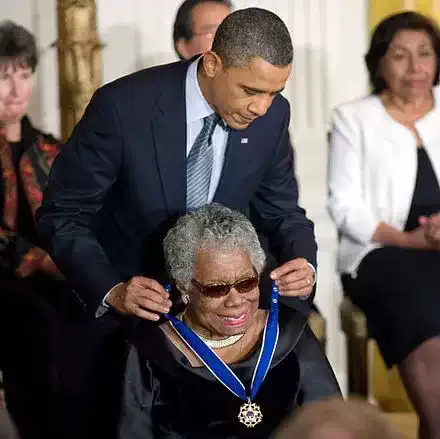
Maya Angelou
Alone
Alone
Lying, thinking
Last night
How to find my soul a home
Where water is not thirsty
And bread loaf is not stone
I came up with one thing
And I don't believe I'm wrong
That nobody,
But nobody
Can make it out here alone.
Alone, all alone
Nobody, but nobody
Can make it out here alone.
There are some millionaires
With money they can't use
Their wives run round like banshees
Their children sing the blues
They've got expensive doctors
To cure their hearts of stone.
But nobody
No, nobody
Can make it out here alone.
Alone, all alone
Nobody, but nobody
Can make it out here alone.
Now if you listen closely
I'll tell you what I know
Storm clouds are gathering
The wind is gonna blow
The race of man is suffering
And I can hear the moan,
'Cause nobody,
But nobody
Can make it out here alone.
Alone, all alone
Nobody, but nobody
Can make it out here alone.
Lying, thinking
Last night
How to find my soul a home
Where water is not thirsty
And bread loaf is not stone
I came up with one thing
And I don't believe I'm wrong
That nobody,
But nobody
Can make it out here alone.
Alone, all alone
Nobody, but nobody
Can make it out here alone.
There are some millionaires
With money they can't use
Their wives run round like banshees
Their children sing the blues
They've got expensive doctors
To cure their hearts of stone.
But nobody
No, nobody
Can make it out here alone.
Alone, all alone
Nobody, but nobody
Can make it out here alone.
Now if you listen closely
I'll tell you what I know
Storm clouds are gathering
The wind is gonna blow
The race of man is suffering
And I can hear the moan,
'Cause nobody,
But nobody
Can make it out here alone.
Alone, all alone
Nobody, but nobody
Can make it out here alone.
307
Maya Angelou
These are not the only wonders of the world
These are not the only wonders of the world
When we come to it
We, this people, on this minuscule and kithless globe
Who reach daily for the bomb, the blade and the dagger
Yet who petition in the dark for tokens of peace
We, this people on this mote of matter
In whose mouths abide cankerous words
Which challenge our very existence
Yet out of those same mouths
Come songs of such exquisite sweetness
That the heart falters in its labor
And the body is quieted into awe
We, this people, on this small and drifting planet
Whose hands can strike with such abandon
That in a twinkling, life is sapped from the living
Yet those same hands can touch with such healing, irresistible tenderness
That the haughty neck is happy to bow
And the proud back is glad to bend
Out of such chaos, of such contradiction
We learn that we are neither devils nor divines
When we come to it
We, this people, on this wayward, floating body
Created on this earth, of this earth
Have the power to fashion for this earth
A climate where every man and every woman
Can live freely without sanctimonious piety
Without crippling fear
When we come to it
We must confess that we are the possible
We are the miraculous, the true wonder of this world
That is when, and only when
We come to it.
When we come to it
We, this people, on this minuscule and kithless globe
Who reach daily for the bomb, the blade and the dagger
Yet who petition in the dark for tokens of peace
We, this people on this mote of matter
In whose mouths abide cankerous words
Which challenge our very existence
Yet out of those same mouths
Come songs of such exquisite sweetness
That the heart falters in its labor
And the body is quieted into awe
We, this people, on this small and drifting planet
Whose hands can strike with such abandon
That in a twinkling, life is sapped from the living
Yet those same hands can touch with such healing, irresistible tenderness
That the haughty neck is happy to bow
And the proud back is glad to bend
Out of such chaos, of such contradiction
We learn that we are neither devils nor divines
When we come to it
We, this people, on this wayward, floating body
Created on this earth, of this earth
Have the power to fashion for this earth
A climate where every man and every woman
Can live freely without sanctimonious piety
Without crippling fear
When we come to it
We must confess that we are the possible
We are the miraculous, the true wonder of this world
That is when, and only when
We come to it.
163
Maya Angelou
These are not the only wonders of the world
These are not the only wonders of the world
When we come to it
We, this people, on this minuscule and kithless globe
Who reach daily for the bomb, the blade and the dagger
Yet who petition in the dark for tokens of peace
We, this people on this mote of matter
In whose mouths abide cankerous words
Which challenge our very existence
Yet out of those same mouths
Come songs of such exquisite sweetness
That the heart falters in its labor
And the body is quieted into awe
We, this people, on this small and drifting planet
Whose hands can strike with such abandon
That in a twinkling, life is sapped from the living
Yet those same hands can touch with such healing, irresistible tenderness
That the haughty neck is happy to bow
And the proud back is glad to bend
Out of such chaos, of such contradiction
We learn that we are neither devils nor divines
When we come to it
We, this people, on this wayward, floating body
Created on this earth, of this earth
Have the power to fashion for this earth
A climate where every man and every woman
Can live freely without sanctimonious piety
Without crippling fear
When we come to it
We must confess that we are the possible
We are the miraculous, the true wonder of this world
That is when, and only when
We come to it.
When we come to it
We, this people, on this minuscule and kithless globe
Who reach daily for the bomb, the blade and the dagger
Yet who petition in the dark for tokens of peace
We, this people on this mote of matter
In whose mouths abide cankerous words
Which challenge our very existence
Yet out of those same mouths
Come songs of such exquisite sweetness
That the heart falters in its labor
And the body is quieted into awe
We, this people, on this small and drifting planet
Whose hands can strike with such abandon
That in a twinkling, life is sapped from the living
Yet those same hands can touch with such healing, irresistible tenderness
That the haughty neck is happy to bow
And the proud back is glad to bend
Out of such chaos, of such contradiction
We learn that we are neither devils nor divines
When we come to it
We, this people, on this wayward, floating body
Created on this earth, of this earth
Have the power to fashion for this earth
A climate where every man and every woman
Can live freely without sanctimonious piety
Without crippling fear
When we come to it
We must confess that we are the possible
We are the miraculous, the true wonder of this world
That is when, and only when
We come to it.
163

Matsuo Bashō
In this world of ours,
In this world of ours,
Yo no naka wa kutte hako shite nete okite
Sate sono ato wa shinuru bakari zo
In this world of ours,
We eat only to cast out,
Sleep only to wake,
And what comes after all that
Is simply to die at last.
Yo no naka wa kutte hako shite nete okite
Sate sono ato wa shinuru bakari zo
In this world of ours,
We eat only to cast out,
Sleep only to wake,
And what comes after all that
Is simply to die at last.
434
Matsuo Bashō
Collection of Six Haiku
Collection of Six Haiku
Waking in the night;
the lamp is low,
the oil freezing.
It has rained enough
to turn the stubble on the field
black.
Winter rain
falls on the cow-shed;
a cock crows.
The leeks
newly washed white,-
how cold it is!
The sea darkens;
the voices of the wild ducks
are faintly white.
Ill on a journey;
my dreams wander
over a withered moor.
Waking in the night;
the lamp is low,
the oil freezing.
It has rained enough
to turn the stubble on the field
black.
Winter rain
falls on the cow-shed;
a cock crows.
The leeks
newly washed white,-
how cold it is!
The sea darkens;
the voices of the wild ducks
are faintly white.
Ill on a journey;
my dreams wander
over a withered moor.
466

Mao Tsé-Tung
Reply to Mr. Liu Ya-Tzu
Reply to Mr. Liu Ya-Tzu
I still remember our drinking tea in Kwangchow
And your asking for verses in Chungking as the leaves yellowed.
Back in the old capital after thirty-one years,
At the season of falling flowers I read your polished lines.
Beware of heartbreak with grievance overfull,
Range far your eye over long vistas.
Do not say the waters of Kunming Lake are too shallow,
For watching fish they are better than Fuchun River.
I still remember our drinking tea in Kwangchow
And your asking for verses in Chungking as the leaves yellowed.
Back in the old capital after thirty-one years,
At the season of falling flowers I read your polished lines.
Beware of heartbreak with grievance overfull,
Range far your eye over long vistas.
Do not say the waters of Kunming Lake are too shallow,
For watching fish they are better than Fuchun River.
245
Mao Tsé-Tung
Reply to Mr. Liu Ya-Tzu
Reply to Mr. Liu Ya-Tzu
I still remember our drinking tea in Kwangchow
And your asking for verses in Chungking as the leaves yellowed.
Back in the old capital after thirty-one years,
At the season of falling flowers I read your polished lines.
Beware of heartbreak with grievance overfull,
Range far your eye over long vistas.
Do not say the waters of Kunming Lake are too shallow,
For watching fish they are better than Fuchun River.
I still remember our drinking tea in Kwangchow
And your asking for verses in Chungking as the leaves yellowed.
Back in the old capital after thirty-one years,
At the season of falling flowers I read your polished lines.
Beware of heartbreak with grievance overfull,
Range far your eye over long vistas.
Do not say the waters of Kunming Lake are too shallow,
For watching fish they are better than Fuchun River.
245
Mao Tsé-Tung
Reply to Comrade Kuo Mo-Jo
Reply to Comrade Kuo Mo-Jo
On this tiny globe
A few flies dash themselves against the wall,
Humming without cease,
Sometimes shrilling,
Sometimes moaning.
Ants on the locust tree assume a great-nation swagger
And mayflies lightly plot to topple the giant tree.
The west wind scatters leaves over Changan,
And the arrows are flying, twanging.
So many deeds cry out to be done,
And always urgently;
The world rolls on,
Time presses.
Ten thousand years are too long,
Seize the day, seize the hour!
The Four Seas are rising, clouds and waters raging,
The Five Continents are rocking, wind and thunder roaring.
Our force is irresistible,
Away with all pests!
On this tiny globe
A few flies dash themselves against the wall,
Humming without cease,
Sometimes shrilling,
Sometimes moaning.
Ants on the locust tree assume a great-nation swagger
And mayflies lightly plot to topple the giant tree.
The west wind scatters leaves over Changan,
And the arrows are flying, twanging.
So many deeds cry out to be done,
And always urgently;
The world rolls on,
Time presses.
Ten thousand years are too long,
Seize the day, seize the hour!
The Four Seas are rising, clouds and waters raging,
The Five Continents are rocking, wind and thunder roaring.
Our force is irresistible,
Away with all pests!
358
Mao Tsé-Tung
Reply to a Friend
Reply to a Friend
White clouds are sailing above Mount Chiuyi;
Riding the wind, the Princesses descend the green hills.
Once they speckled the bamboos with their profuse tears,
Now they are robed in rose-red clouds.
Tungting Lake's snow-topped waves surge skyward;
The long isle reverberates with earth-shaking song.
And I am lost in dreams, untrammelled dreams
Of the land of hibiscus glowing in the morning sun.
White clouds are sailing above Mount Chiuyi;
Riding the wind, the Princesses descend the green hills.
Once they speckled the bamboos with their profuse tears,
Now they are robed in rose-red clouds.
Tungting Lake's snow-topped waves surge skyward;
The long isle reverberates with earth-shaking song.
And I am lost in dreams, untrammelled dreams
Of the land of hibiscus glowing in the morning sun.
223
Mao Tsé-Tung
Reply to a Friend
Reply to a Friend
White clouds are sailing above Mount Chiuyi;
Riding the wind, the Princesses descend the green hills.
Once they speckled the bamboos with their profuse tears,
Now they are robed in rose-red clouds.
Tungting Lake's snow-topped waves surge skyward;
The long isle reverberates with earth-shaking song.
And I am lost in dreams, untrammelled dreams
Of the land of hibiscus glowing in the morning sun.
White clouds are sailing above Mount Chiuyi;
Riding the wind, the Princesses descend the green hills.
Once they speckled the bamboos with their profuse tears,
Now they are robed in rose-red clouds.
Tungting Lake's snow-topped waves surge skyward;
The long isle reverberates with earth-shaking song.
And I am lost in dreams, untrammelled dreams
Of the land of hibiscus glowing in the morning sun.
223
Mao Tsé-Tung
Militia Women Inscription on a Photograph
Militia Women Inscription on a Photograph
How bright and brave they look, shouldering five-foot rifles
On the parade ground lit up by the first gleams of day.
China's daughters have high-aspiring minds,
They love their battle array, not silks and satins.
How bright and brave they look, shouldering five-foot rifles
On the parade ground lit up by the first gleams of day.
China's daughters have high-aspiring minds,
They love their battle array, not silks and satins.
341
Mao Tsé-Tung
Loushan Pass
Loushan Pass
Fierce the west wind,
Wild geese cry under the frosty morning moon.
Under the frosty morning moon
Horses' hooves clattering,
Bugles sobbing low.
Idle boast the strong pass is a wall of iron,
With firm strides we are crossing its summit.
We are crossing its summit,
The rolling hills sea-blue,
The dying sun blood-red.
Fierce the west wind,
Wild geese cry under the frosty morning moon.
Under the frosty morning moon
Horses' hooves clattering,
Bugles sobbing low.
Idle boast the strong pass is a wall of iron,
With firm strides we are crossing its summit.
We are crossing its summit,
The rolling hills sea-blue,
The dying sun blood-red.
240
Mao Tsé-Tung
Chingkangshan
Chingkangshan
Below the hills fly our flags and banners,
Above the hilltops sound our bugles and drums.
The foe encircles us thousands strong,
Steadfastly we stand our ground.
Already our defence is iron-clad,
Now our wills unite like a fortress.
From Huangyangchieh roars the thunder of guns,
Word comes the enemy has fled into the night.
Below the hills fly our flags and banners,
Above the hilltops sound our bugles and drums.
The foe encircles us thousands strong,
Steadfastly we stand our ground.
Already our defence is iron-clad,
Now our wills unite like a fortress.
From Huangyangchieh roars the thunder of guns,
Word comes the enemy has fled into the night.
289
Mao Tsé-Tung
Against the First Encirclement Campaign
Against the First Encirclement Campaign
Forests blaze red beneath the frosty sky,
The wrath of Heaven's armies soars to the clouds.
Mist veils Lungkang, its thousand peaks blurred.
All cry out in unison:
Our van has taken Chang Hui-tsan!
The enemy returns to Kiangsi two hundred thousand strong,
Fumes billowing in the wind in mid-sky.
Workers and peasants are wakened in their millions
To fight as one man,
Under the riot of red flags round the foot of Puchou !
Forests blaze red beneath the frosty sky,
The wrath of Heaven's armies soars to the clouds.
Mist veils Lungkang, its thousand peaks blurred.
All cry out in unison:
Our van has taken Chang Hui-tsan!
The enemy returns to Kiangsi two hundred thousand strong,
Fumes billowing in the wind in mid-sky.
Workers and peasants are wakened in their millions
To fight as one man,
Under the riot of red flags round the foot of Puchou !
221
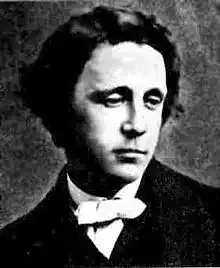
Lewis Carroll
You Are Old Father William
You Are Old Father William
"You are old, father William," the young man said,
"And your hair has become very white;
And yet you incessantly stand on your head Do
you think, at your age, it is right?
"In my youth," father William replied to his son,
"I feared it might injure the brain;
But, now that I'm perfectly sure I have none,
Why, I do it again and again."
"You are old," said the youth, "as I mentioned before,
And you have grown most uncommonly fat;
Yet you turned a backsomersault
in at the door Pray
what is the reason for that?"
"In my youth," said the sage, as he shook his grey locks,
"I kept all my limbs very supple
By the use of this ointment one
shilling a box Allow
me to sell you a couple?"
"You are old," said the youth, "and your jaws are too weak
For anything tougher than suet;
Yet you finished the goose, with the bones and the beak Pray,
how did you mange to do it?"
"In my youth," said his fater, "I took to the law,
And argued each case with my wife;
And the muscular strength, which it gave to my jaw,
Has lasted the rest of my life."
"You are old," said the youth, "one would hardly suppose
That your eye was as steady as every;
Yet you balanced an eel on the tend of your nose What
made you so awfully clever?"
"I have answered three questions, and that is enough,"
Said his father. "Don't give yourself airs!
Do you think I can listen all day to such stuff?
Be off, or I'll kick you down stairs.
"You are old, father William," the young man said,
"And your hair has become very white;
And yet you incessantly stand on your head Do
you think, at your age, it is right?
"In my youth," father William replied to his son,
"I feared it might injure the brain;
But, now that I'm perfectly sure I have none,
Why, I do it again and again."
"You are old," said the youth, "as I mentioned before,
And you have grown most uncommonly fat;
Yet you turned a backsomersault
in at the door Pray
what is the reason for that?"
"In my youth," said the sage, as he shook his grey locks,
"I kept all my limbs very supple
By the use of this ointment one
shilling a box Allow
me to sell you a couple?"
"You are old," said the youth, "and your jaws are too weak
For anything tougher than suet;
Yet you finished the goose, with the bones and the beak Pray,
how did you mange to do it?"
"In my youth," said his fater, "I took to the law,
And argued each case with my wife;
And the muscular strength, which it gave to my jaw,
Has lasted the rest of my life."
"You are old," said the youth, "one would hardly suppose
That your eye was as steady as every;
Yet you balanced an eel on the tend of your nose What
made you so awfully clever?"
"I have answered three questions, and that is enough,"
Said his father. "Don't give yourself airs!
Do you think I can listen all day to such stuff?
Be off, or I'll kick you down stairs.
519
Lewis Carroll
Twinkle, Twinkle, Little Bat!
Twinkle, Twinkle, Little Bat!
" it
was at the great concert given by the
Queen of Hearts, and I had to sing
`Twinkle, twinkle, little bat!
How I wonder what you're at!'You know the song, perhaps?" "I've heard something
like it," said Alice. "It goes on, you know," the Hatter continued,
"in this way:
`Up above the world you fly,
Like a teatray in the sky.
Twinkle, twinkle '"
" it
was at the great concert given by the
Queen of Hearts, and I had to sing
`Twinkle, twinkle, little bat!
How I wonder what you're at!'You know the song, perhaps?" "I've heard something
like it," said Alice. "It goes on, you know," the Hatter continued,
"in this way:
`Up above the world you fly,
Like a teatray in the sky.
Twinkle, twinkle '"
226
Lewis Carroll
The White Knight's Song
The White Knight's Song
'Haddock's Eyes' or 'The Aged Aged Man' or
'Ways and Means' or 'ASitting
On A Gate'
I'll tell thee everything I can;
There's little to relate.
I saw an aged, aged man,
Asitting
on a gate.
'Who are you, aged man?' I said.
'And how is it you live?'
And his answer trickled through my head
Like water through a sieve.
He said 'I look for butterflies
That sleep among the wheat;
I make them into muttonpies,
And sell them in the street.
I sell them unto men,' he said,
'Who sail on stormy seas;
And that's the way I get my breadA
trifle, if you please.'
But I was thinking of a plan
To dye one's whiskers green,
And always use so large a fan
That it could not be seen.
So, having no reply to give
To what the old man said,
I cried, 'Come, tell me how you live!'
And thumped him on the head.
His accents mild took up the tale;
He said, 'I go my ways,
And when I find a mountainrill,
I set it in a blaze.
And thence they make a stuff they call
Rowland's Macassar OilYet
twopencehalfpenny
is all
They give me for my toil.'
But I was thinking of a way
To feed oneself on batter,
And so go on from day to day
Getting a little fatter.
I shook him well from side to side,
Until his face was blue;
'Come, tell me how you live,' I cried
'And what it is you do!'
He said, 'I hunt for haddocks' eyes
Among the heather bright,
And work them into waistcoatbuttons
In the silent night.
And these I do not sell for gold
Or coin of silvery shine,
But for a copper halfpenny,
And that will purchase nine.
'I sometimes dig for buttered rolls,
Or set limed twigs for crabs;
I sometimes search the grassy knolls
For wheels of hansomcabs.
And that's the way' (he gave a wink)
'By which I get my wealthAnd
very gladly will I drink
Your Honor's noble health.'
I heard him then, for I had just
Completed my design
To keep the Menai bridge from rust
By boiling it in wine.
I thanked him much for telling me
The way he got his wealth,
But chiefly for his wish that he
Might drink my noble health.
And now, if e'er by chance I put
My fingers into glue,
Or madly squeeze a righthand
foot
Into a lefthand
shoe,
Or if I drop upon my toe
A very heavy weight,
I weep, for it reminds me so
Of that old man I used to knowWhose
look was mild, whose speech was slow,
Whose hair was whiter than the snow,
Whose face was very like a crow
With eyes, like cinders, all aglow,
Who seemed distracted with his woe,
Who rocked his body to and fro,
And muttered mumblingly and low,
As if his mouth were full of dough,
Who snorted like a buffaloThat
summer evening long ago
Asitting
on a gate.
'Haddock's Eyes' or 'The Aged Aged Man' or
'Ways and Means' or 'ASitting
On A Gate'
I'll tell thee everything I can;
There's little to relate.
I saw an aged, aged man,
Asitting
on a gate.
'Who are you, aged man?' I said.
'And how is it you live?'
And his answer trickled through my head
Like water through a sieve.
He said 'I look for butterflies
That sleep among the wheat;
I make them into muttonpies,
And sell them in the street.
I sell them unto men,' he said,
'Who sail on stormy seas;
And that's the way I get my breadA
trifle, if you please.'
But I was thinking of a plan
To dye one's whiskers green,
And always use so large a fan
That it could not be seen.
So, having no reply to give
To what the old man said,
I cried, 'Come, tell me how you live!'
And thumped him on the head.
His accents mild took up the tale;
He said, 'I go my ways,
And when I find a mountainrill,
I set it in a blaze.
And thence they make a stuff they call
Rowland's Macassar OilYet
twopencehalfpenny
is all
They give me for my toil.'
But I was thinking of a way
To feed oneself on batter,
And so go on from day to day
Getting a little fatter.
I shook him well from side to side,
Until his face was blue;
'Come, tell me how you live,' I cried
'And what it is you do!'
He said, 'I hunt for haddocks' eyes
Among the heather bright,
And work them into waistcoatbuttons
In the silent night.
And these I do not sell for gold
Or coin of silvery shine,
But for a copper halfpenny,
And that will purchase nine.
'I sometimes dig for buttered rolls,
Or set limed twigs for crabs;
I sometimes search the grassy knolls
For wheels of hansomcabs.
And that's the way' (he gave a wink)
'By which I get my wealthAnd
very gladly will I drink
Your Honor's noble health.'
I heard him then, for I had just
Completed my design
To keep the Menai bridge from rust
By boiling it in wine.
I thanked him much for telling me
The way he got his wealth,
But chiefly for his wish that he
Might drink my noble health.
And now, if e'er by chance I put
My fingers into glue,
Or madly squeeze a righthand
foot
Into a lefthand
shoe,
Or if I drop upon my toe
A very heavy weight,
I weep, for it reminds me so
Of that old man I used to knowWhose
look was mild, whose speech was slow,
Whose hair was whiter than the snow,
Whose face was very like a crow
With eyes, like cinders, all aglow,
Who seemed distracted with his woe,
Who rocked his body to and fro,
And muttered mumblingly and low,
As if his mouth were full of dough,
Who snorted like a buffaloThat
summer evening long ago
Asitting
on a gate.
215
Lewis Carroll
The White Knight's Song
The White Knight's Song
'Haddock's Eyes' or 'The Aged Aged Man' or
'Ways and Means' or 'ASitting
On A Gate'
I'll tell thee everything I can;
There's little to relate.
I saw an aged, aged man,
Asitting
on a gate.
'Who are you, aged man?' I said.
'And how is it you live?'
And his answer trickled through my head
Like water through a sieve.
He said 'I look for butterflies
That sleep among the wheat;
I make them into muttonpies,
And sell them in the street.
I sell them unto men,' he said,
'Who sail on stormy seas;
And that's the way I get my breadA
trifle, if you please.'
But I was thinking of a plan
To dye one's whiskers green,
And always use so large a fan
That it could not be seen.
So, having no reply to give
To what the old man said,
I cried, 'Come, tell me how you live!'
And thumped him on the head.
His accents mild took up the tale;
He said, 'I go my ways,
And when I find a mountainrill,
I set it in a blaze.
And thence they make a stuff they call
Rowland's Macassar OilYet
twopencehalfpenny
is all
They give me for my toil.'
But I was thinking of a way
To feed oneself on batter,
And so go on from day to day
Getting a little fatter.
I shook him well from side to side,
Until his face was blue;
'Come, tell me how you live,' I cried
'And what it is you do!'
He said, 'I hunt for haddocks' eyes
Among the heather bright,
And work them into waistcoatbuttons
In the silent night.
And these I do not sell for gold
Or coin of silvery shine,
But for a copper halfpenny,
And that will purchase nine.
'I sometimes dig for buttered rolls,
Or set limed twigs for crabs;
I sometimes search the grassy knolls
For wheels of hansomcabs.
And that's the way' (he gave a wink)
'By which I get my wealthAnd
very gladly will I drink
Your Honor's noble health.'
I heard him then, for I had just
Completed my design
To keep the Menai bridge from rust
By boiling it in wine.
I thanked him much for telling me
The way he got his wealth,
But chiefly for his wish that he
Might drink my noble health.
And now, if e'er by chance I put
My fingers into glue,
Or madly squeeze a righthand
foot
Into a lefthand
shoe,
Or if I drop upon my toe
A very heavy weight,
I weep, for it reminds me so
Of that old man I used to knowWhose
look was mild, whose speech was slow,
Whose hair was whiter than the snow,
Whose face was very like a crow
With eyes, like cinders, all aglow,
Who seemed distracted with his woe,
Who rocked his body to and fro,
And muttered mumblingly and low,
As if his mouth were full of dough,
Who snorted like a buffaloThat
summer evening long ago
Asitting
on a gate.
'Haddock's Eyes' or 'The Aged Aged Man' or
'Ways and Means' or 'ASitting
On A Gate'
I'll tell thee everything I can;
There's little to relate.
I saw an aged, aged man,
Asitting
on a gate.
'Who are you, aged man?' I said.
'And how is it you live?'
And his answer trickled through my head
Like water through a sieve.
He said 'I look for butterflies
That sleep among the wheat;
I make them into muttonpies,
And sell them in the street.
I sell them unto men,' he said,
'Who sail on stormy seas;
And that's the way I get my breadA
trifle, if you please.'
But I was thinking of a plan
To dye one's whiskers green,
And always use so large a fan
That it could not be seen.
So, having no reply to give
To what the old man said,
I cried, 'Come, tell me how you live!'
And thumped him on the head.
His accents mild took up the tale;
He said, 'I go my ways,
And when I find a mountainrill,
I set it in a blaze.
And thence they make a stuff they call
Rowland's Macassar OilYet
twopencehalfpenny
is all
They give me for my toil.'
But I was thinking of a way
To feed oneself on batter,
And so go on from day to day
Getting a little fatter.
I shook him well from side to side,
Until his face was blue;
'Come, tell me how you live,' I cried
'And what it is you do!'
He said, 'I hunt for haddocks' eyes
Among the heather bright,
And work them into waistcoatbuttons
In the silent night.
And these I do not sell for gold
Or coin of silvery shine,
But for a copper halfpenny,
And that will purchase nine.
'I sometimes dig for buttered rolls,
Or set limed twigs for crabs;
I sometimes search the grassy knolls
For wheels of hansomcabs.
And that's the way' (he gave a wink)
'By which I get my wealthAnd
very gladly will I drink
Your Honor's noble health.'
I heard him then, for I had just
Completed my design
To keep the Menai bridge from rust
By boiling it in wine.
I thanked him much for telling me
The way he got his wealth,
But chiefly for his wish that he
Might drink my noble health.
And now, if e'er by chance I put
My fingers into glue,
Or madly squeeze a righthand
foot
Into a lefthand
shoe,
Or if I drop upon my toe
A very heavy weight,
I weep, for it reminds me so
Of that old man I used to knowWhose
look was mild, whose speech was slow,
Whose hair was whiter than the snow,
Whose face was very like a crow
With eyes, like cinders, all aglow,
Who seemed distracted with his woe,
Who rocked his body to and fro,
And muttered mumblingly and low,
As if his mouth were full of dough,
Who snorted like a buffaloThat
summer evening long ago
Asitting
on a gate.
215
Lewis Carroll
The White Knight's Song
The White Knight's Song
'Haddock's Eyes' or 'The Aged Aged Man' or
'Ways and Means' or 'ASitting
On A Gate'
I'll tell thee everything I can;
There's little to relate.
I saw an aged, aged man,
Asitting
on a gate.
'Who are you, aged man?' I said.
'And how is it you live?'
And his answer trickled through my head
Like water through a sieve.
He said 'I look for butterflies
That sleep among the wheat;
I make them into muttonpies,
And sell them in the street.
I sell them unto men,' he said,
'Who sail on stormy seas;
And that's the way I get my breadA
trifle, if you please.'
But I was thinking of a plan
To dye one's whiskers green,
And always use so large a fan
That it could not be seen.
So, having no reply to give
To what the old man said,
I cried, 'Come, tell me how you live!'
And thumped him on the head.
His accents mild took up the tale;
He said, 'I go my ways,
And when I find a mountainrill,
I set it in a blaze.
And thence they make a stuff they call
Rowland's Macassar OilYet
twopencehalfpenny
is all
They give me for my toil.'
But I was thinking of a way
To feed oneself on batter,
And so go on from day to day
Getting a little fatter.
I shook him well from side to side,
Until his face was blue;
'Come, tell me how you live,' I cried
'And what it is you do!'
He said, 'I hunt for haddocks' eyes
Among the heather bright,
And work them into waistcoatbuttons
In the silent night.
And these I do not sell for gold
Or coin of silvery shine,
But for a copper halfpenny,
And that will purchase nine.
'I sometimes dig for buttered rolls,
Or set limed twigs for crabs;
I sometimes search the grassy knolls
For wheels of hansomcabs.
And that's the way' (he gave a wink)
'By which I get my wealthAnd
very gladly will I drink
Your Honor's noble health.'
I heard him then, for I had just
Completed my design
To keep the Menai bridge from rust
By boiling it in wine.
I thanked him much for telling me
The way he got his wealth,
But chiefly for his wish that he
Might drink my noble health.
And now, if e'er by chance I put
My fingers into glue,
Or madly squeeze a righthand
foot
Into a lefthand
shoe,
Or if I drop upon my toe
A very heavy weight,
I weep, for it reminds me so
Of that old man I used to knowWhose
look was mild, whose speech was slow,
Whose hair was whiter than the snow,
Whose face was very like a crow
With eyes, like cinders, all aglow,
Who seemed distracted with his woe,
Who rocked his body to and fro,
And muttered mumblingly and low,
As if his mouth were full of dough,
Who snorted like a buffaloThat
summer evening long ago
Asitting
on a gate.
'Haddock's Eyes' or 'The Aged Aged Man' or
'Ways and Means' or 'ASitting
On A Gate'
I'll tell thee everything I can;
There's little to relate.
I saw an aged, aged man,
Asitting
on a gate.
'Who are you, aged man?' I said.
'And how is it you live?'
And his answer trickled through my head
Like water through a sieve.
He said 'I look for butterflies
That sleep among the wheat;
I make them into muttonpies,
And sell them in the street.
I sell them unto men,' he said,
'Who sail on stormy seas;
And that's the way I get my breadA
trifle, if you please.'
But I was thinking of a plan
To dye one's whiskers green,
And always use so large a fan
That it could not be seen.
So, having no reply to give
To what the old man said,
I cried, 'Come, tell me how you live!'
And thumped him on the head.
His accents mild took up the tale;
He said, 'I go my ways,
And when I find a mountainrill,
I set it in a blaze.
And thence they make a stuff they call
Rowland's Macassar OilYet
twopencehalfpenny
is all
They give me for my toil.'
But I was thinking of a way
To feed oneself on batter,
And so go on from day to day
Getting a little fatter.
I shook him well from side to side,
Until his face was blue;
'Come, tell me how you live,' I cried
'And what it is you do!'
He said, 'I hunt for haddocks' eyes
Among the heather bright,
And work them into waistcoatbuttons
In the silent night.
And these I do not sell for gold
Or coin of silvery shine,
But for a copper halfpenny,
And that will purchase nine.
'I sometimes dig for buttered rolls,
Or set limed twigs for crabs;
I sometimes search the grassy knolls
For wheels of hansomcabs.
And that's the way' (he gave a wink)
'By which I get my wealthAnd
very gladly will I drink
Your Honor's noble health.'
I heard him then, for I had just
Completed my design
To keep the Menai bridge from rust
By boiling it in wine.
I thanked him much for telling me
The way he got his wealth,
But chiefly for his wish that he
Might drink my noble health.
And now, if e'er by chance I put
My fingers into glue,
Or madly squeeze a righthand
foot
Into a lefthand
shoe,
Or if I drop upon my toe
A very heavy weight,
I weep, for it reminds me so
Of that old man I used to knowWhose
look was mild, whose speech was slow,
Whose hair was whiter than the snow,
Whose face was very like a crow
With eyes, like cinders, all aglow,
Who seemed distracted with his woe,
Who rocked his body to and fro,
And muttered mumblingly and low,
As if his mouth were full of dough,
Who snorted like a buffaloThat
summer evening long ago
Asitting
on a gate.
215
Lewis Carroll
The Voice of the Lobster
The Voice of the Lobster
''Tis the voice of the Lobster: I heard him declare
'You have baked me too brown, I must sugar my hair.'
As a duck with its eyelids, so he with his nose
Trims his belt and his buttons, and turns out his toes.
When the sands are all dry, he is gay as a lark,
And will talk in contemptuous tones of the Shark:
But, when the tide rises and sharks are around,
His voice has a timid and tremulous sound.'
'I passed by his garden, and marked, with one eye,
How the Owl and the Panter were sharing a pie:
The Panther took piecrust,
and gravy, and meat,
While the Old had the dish as its share of the treat.
When the pie was all finished, the Owl, as a boon,
Was kindly permitted to pocket the spoon:
While the Panther received knife and fork with a growl,
And concluded the banquet by [eating the owl.]
''Tis the voice of the Lobster: I heard him declare
'You have baked me too brown, I must sugar my hair.'
As a duck with its eyelids, so he with his nose
Trims his belt and his buttons, and turns out his toes.
When the sands are all dry, he is gay as a lark,
And will talk in contemptuous tones of the Shark:
But, when the tide rises and sharks are around,
His voice has a timid and tremulous sound.'
'I passed by his garden, and marked, with one eye,
How the Owl and the Panter were sharing a pie:
The Panther took piecrust,
and gravy, and meat,
While the Old had the dish as its share of the treat.
When the pie was all finished, the Owl, as a boon,
Was kindly permitted to pocket the spoon:
While the Panther received knife and fork with a growl,
And concluded the banquet by [eating the owl.]
216
Lewis Carroll
The Sea
The Sea
There are certain things a
spider, a ghost,
The incometax,
gout, an umbrella for three That
I hate, but the thing that I hate the most
Is a thing they call the SEA.
Pour some salt water over the floor Ugly
I'm sure you'll allow it to be:
Suppose it extended a mile or more,
That's very like the SEA.
Beat a dog till it howls outright Cruel,
but all very well for a spree;
Suppose that one did so day and night,
That would be like the SEA.
I had a vision of nurserymaids;
Tens of thousands passed by me All
leading children with wooden spades,
And this was by the SEA.
Who invented those spades of wood?
Who was it cut them out of the tree?
None, I think, but an idiot could Or
one that loved the SEA.
It is pleasant and dreamy, no doubt, to float
With `thoughts as boundless, and souls as free';
But suppose you are very unwell in a boat,
How do you like the SEA.
There is an insect that people avoid
(Whence is derived the verb `to flee')
Where have you been by it most annoyed?
In lodgings by the SEA.
If you like coffee with sand for dregs,
A decided hint of salt in your tea,
And a fishy taste in the very eggs By
all means choose the SEA.
And if, with these dainties to drink and eat,
You prefer not a vestige of grass or tree,
And a chronic state of wet in your feet,
Then I
recommend the SEA.
For I have friends who dwell by the coast,
Pleasant friends they are to me!
It is when I'm with them I wonder most
That anyone likes the SEA.
They take me a walk: though tired and stiff,
To climb the heights I madly agree:
And, after a tumble or so from the cliff,
They kindly suggest the SEA.
I try the rocks, and I think it cool
That they laugh with such an excess of glee,
As I heavily slip into every pool,
That skirts the cold, cold SEA.
There are certain things a
spider, a ghost,
The incometax,
gout, an umbrella for three That
I hate, but the thing that I hate the most
Is a thing they call the SEA.
Pour some salt water over the floor Ugly
I'm sure you'll allow it to be:
Suppose it extended a mile or more,
That's very like the SEA.
Beat a dog till it howls outright Cruel,
but all very well for a spree;
Suppose that one did so day and night,
That would be like the SEA.
I had a vision of nurserymaids;
Tens of thousands passed by me All
leading children with wooden spades,
And this was by the SEA.
Who invented those spades of wood?
Who was it cut them out of the tree?
None, I think, but an idiot could Or
one that loved the SEA.
It is pleasant and dreamy, no doubt, to float
With `thoughts as boundless, and souls as free';
But suppose you are very unwell in a boat,
How do you like the SEA.
There is an insect that people avoid
(Whence is derived the verb `to flee')
Where have you been by it most annoyed?
In lodgings by the SEA.
If you like coffee with sand for dregs,
A decided hint of salt in your tea,
And a fishy taste in the very eggs By
all means choose the SEA.
And if, with these dainties to drink and eat,
You prefer not a vestige of grass or tree,
And a chronic state of wet in your feet,
Then I
recommend the SEA.
For I have friends who dwell by the coast,
Pleasant friends they are to me!
It is when I'm with them I wonder most
That anyone likes the SEA.
They take me a walk: though tired and stiff,
To climb the heights I madly agree:
And, after a tumble or so from the cliff,
They kindly suggest the SEA.
I try the rocks, and I think it cool
That they laugh with such an excess of glee,
As I heavily slip into every pool,
That skirts the cold, cold SEA.
199
Lewis Carroll
The Mad Gardener's Song
The Mad Gardener's Song
He thought he saw an Elephant,
That practised on a fife:
He looked again, and found it was
A letter from his wife.
'At length I realise,' he said,
The bitterness of Life!'
He thought he saw a Buffalo
Upon the chimneypiece:
He looked again, and found it was
His Sister's Husband's Niece.
'Unless you leave this house,' he said,
'I'll send for the Police!'
He thought he saw a Rattlesnake
That questioned him in Greek:
He looked again, and found it was
The Middle of Next Week.
'The one thing I regret,' he said,
'Is that it cannot speak!'
He thought he saw a Banker's Clerk
Descending from the bus:
He looked again, and found it was
A Hippopotamus.
'If this should stay to dine,' he said,
'There won't be much for us!'
He thought he saw a Kangaroo
That worked a coffeemill:
He looked again, and found it was
A VegetablePill.
'Were I to swallow this,' he said,
'I should be very ill!'
He thought he saw a CoachandFour
That stood beside his bed:
He looked again, and found it was
A Bear without a Head.
'Poor thing,' he said, 'poor silly thing!
It's waiting to be fed!'
He thought he saw an Albatross
That fluttered round the lamp:
He looked again, and found it was
A PennyPostage
Stamp.
'You'd best be getting home,' he said:
'The nights are very damp!'
He thought he saw a GardenDoor
That opened with a key:
He looked again, and found it was
A Double Rule of Three:
'And all its mystery,' he said,
'Is clear as day to me!'
He thought he saw a Argument
That proved he was the Pope:
He looked again, and found it was
A Bar of Mottled Soap.
'A fact so dread,' he faintly said,
'Extinguishes all hope!'
He thought he saw an Elephant,
That practised on a fife:
He looked again, and found it was
A letter from his wife.
'At length I realise,' he said,
The bitterness of Life!'
He thought he saw a Buffalo
Upon the chimneypiece:
He looked again, and found it was
His Sister's Husband's Niece.
'Unless you leave this house,' he said,
'I'll send for the Police!'
He thought he saw a Rattlesnake
That questioned him in Greek:
He looked again, and found it was
The Middle of Next Week.
'The one thing I regret,' he said,
'Is that it cannot speak!'
He thought he saw a Banker's Clerk
Descending from the bus:
He looked again, and found it was
A Hippopotamus.
'If this should stay to dine,' he said,
'There won't be much for us!'
He thought he saw a Kangaroo
That worked a coffeemill:
He looked again, and found it was
A VegetablePill.
'Were I to swallow this,' he said,
'I should be very ill!'
He thought he saw a CoachandFour
That stood beside his bed:
He looked again, and found it was
A Bear without a Head.
'Poor thing,' he said, 'poor silly thing!
It's waiting to be fed!'
He thought he saw an Albatross
That fluttered round the lamp:
He looked again, and found it was
A PennyPostage
Stamp.
'You'd best be getting home,' he said:
'The nights are very damp!'
He thought he saw a GardenDoor
That opened with a key:
He looked again, and found it was
A Double Rule of Three:
'And all its mystery,' he said,
'Is clear as day to me!'
He thought he saw a Argument
That proved he was the Pope:
He looked again, and found it was
A Bar of Mottled Soap.
'A fact so dread,' he faintly said,
'Extinguishes all hope!'
218
Lewis Carroll
The Palace of Humbug
The Palace of Humbug
Lays of Mystery,
Imagination, and Humor
Number 1
I dreamt I dwelt in marble halls,
And each damp thing that creeps and crawls
Went wobblewobble
on the walls.
Faint odours of departed cheese,
Blown on the dank, unwholesome breeze,
Awoke the never ending sneeze.
Strange pictures decked the arras drear,
Strange characters of woe and fear,
The humbugs of the social sphere.
One showed a vain and noisy prig,
That shouted empty words and big
At him that nodded in a wig.
And one, a dotard grim and gray,
Who wasteth childhood's happy day
In work more profitless than play.
Whose icy breast no pity warms,
Whose little victims sit in swarms,
And slowly sob on lower forms.
And one, a green thymehonoured
Bank,
Where flowers are growing wild and rank,
Like weeds that fringe a poisoned tank.
All birds of evil omen there
Flood with rich Notes the tainted air,
The witless wanderer to snare.
The fatal Notes neglected fall,
No creature heeds the treacherous call,
For all those goodly Strawn Baits Pall.
The wandering phantom broke and fled,
Straightway I saw within my head
A vision of a ghostly bed,
Where lay two worn decrepit men,
The fictions of a lawyer's pen,
Who never more might breathe again.
The servingman
of Richard Roe
Wept, inarticulate with woe:
She wept, that waiting on John Doe.
"Oh rouse", I urged, "the waning sense
With tales of tangled evidence,
Of suit, demurrer, and defence."
"Vain", she replied, "such mockeries:
For morbid fancies, such as these,
No suits can suit, no plea can please."
And bending o'er that man of straw,
She cried in grief and sudden awe,
Not inappropriately, "Law!"
The wellremembered
voice he knew,
He smiled, he faintly muttered "Sue!"
(Her very name was legal too.)
The night was fled, the dawn was nigh:
A hurricane went raving by,
And swept the Vision from mine eye.
Vanished that dim and ghostly bed,
(The hangings, tape; the tape was red happy
'Tis o'er, and Doe and Roe are dead!
Oh, yet my spirit inly crawls,
What time it shudderingly recalls
That horrid dream of marble halls!
Lays of Mystery,
Imagination, and Humor
Number 1
I dreamt I dwelt in marble halls,
And each damp thing that creeps and crawls
Went wobblewobble
on the walls.
Faint odours of departed cheese,
Blown on the dank, unwholesome breeze,
Awoke the never ending sneeze.
Strange pictures decked the arras drear,
Strange characters of woe and fear,
The humbugs of the social sphere.
One showed a vain and noisy prig,
That shouted empty words and big
At him that nodded in a wig.
And one, a dotard grim and gray,
Who wasteth childhood's happy day
In work more profitless than play.
Whose icy breast no pity warms,
Whose little victims sit in swarms,
And slowly sob on lower forms.
And one, a green thymehonoured
Bank,
Where flowers are growing wild and rank,
Like weeds that fringe a poisoned tank.
All birds of evil omen there
Flood with rich Notes the tainted air,
The witless wanderer to snare.
The fatal Notes neglected fall,
No creature heeds the treacherous call,
For all those goodly Strawn Baits Pall.
The wandering phantom broke and fled,
Straightway I saw within my head
A vision of a ghostly bed,
Where lay two worn decrepit men,
The fictions of a lawyer's pen,
Who never more might breathe again.
The servingman
of Richard Roe
Wept, inarticulate with woe:
She wept, that waiting on John Doe.
"Oh rouse", I urged, "the waning sense
With tales of tangled evidence,
Of suit, demurrer, and defence."
"Vain", she replied, "such mockeries:
For morbid fancies, such as these,
No suits can suit, no plea can please."
And bending o'er that man of straw,
She cried in grief and sudden awe,
Not inappropriately, "Law!"
The wellremembered
voice he knew,
He smiled, he faintly muttered "Sue!"
(Her very name was legal too.)
The night was fled, the dawn was nigh:
A hurricane went raving by,
And swept the Vision from mine eye.
Vanished that dim and ghostly bed,
(The hangings, tape; the tape was red happy
'Tis o'er, and Doe and Roe are dead!
Oh, yet my spirit inly crawls,
What time it shudderingly recalls
That horrid dream of marble halls!
210
Lewis Carroll
The Lang Coortin'
The Lang Coortin'
The ladye she stood at her lattice high,
Wi' her doggie at her feet;
Thorough the lattice she can spy
The passers in the street,
'There's one that standeth at the door,
And tirleth at the pin:
Now speak and say, my popinjay,
If I sall let him in.'
Then up and spake the popinjay
That flew abune her head:
'Gae let him in that tirls the pin:
He cometh thee to wed.'
O when he cam' the parlour in,
A woeful man was he!
'And dinna ye ken your lover agen,
Sae well that loveth thee?'
'And how wad I ken ye loved me, Sir,
That have been sae lang away?
And how wad I ken ye loved me, Sir?
Ye never telled me sae.'
Said '
Ladye dear,' and the salt, salt tear
Cam' rinnin' doon his cheek,
'I have sent the tokens of my love
This many and many a week.
'O didna ye get the rings, Ladye,
The rings o' the gowd sae fine?
I wot that I have sent to thee
Four score, four score and nine.'
'They cam' to me,' said that fair ladye.
'Wow, they were flimsie things!'
Said '
that chain o' gowd, my doggie to howd,
It is made o' thae selfsame
rings.'
'And didna ye get the locks, the locks,
The locks o' my ain black hair,
Whilk I sent by post, whilk I sent by box,
Whilk I sent by the carrier?'
'They cam' to me,' said that fair ladye;
'And I prithee send nae mair!'
Said '
that cushion sae red, for my doggie's head,
It is stuffed wi' thae locks o' hair.'
'And didna ye get the letter, Ladye,
Tied wi' a silken string,
Whilk I sent to thee frae the far countrie,
A message of love to bring?'
'It cam' to me frae the far countrie
Wi' its silken string and a';
But it wasna prepaid,' said that highborn
maid,
'Sae I gar'd them tak' it awa'.'
'O ever alack that ye sent it back,
It was written sae clerkly and well!
Now the message it brought, and the boon that it sought,
I must even say it mysel'.'
Then up and spake the popinjay,
Sae wisely counselled he.
'Now say it in the proper way:
Gae doon upon thy knee!'
The lover he turned baith red and pale,
Went doon upon his knee:
'O Ladye, hear the waesome tale
That must be told to thee!
'For five lang years, and five lang years,
I coorted thee by looks;
By nods and winks, by smiles and tears,
As I had read in books.
'For ten lang years, O weary hours!
I coorted thee by signs;
By sending game, by sending flowers,
By sending Valentines.
'For five lang years, and five lang years,
I have dwelt in the far countrie,
Till that thy mind should be inclined
Mair tenderly to me.
'Now thirty years are gane and past,
I am come frae a foreign land:
I am come to tell thee my love at last O
Ladye, gie me thy hand!'
The ladye she turned not pale nor red,
But she smiled a pitiful smile:
'Sic' a coortin' as yours, my man,' she said
'Takes a lang and a weary while!'
And out and laughed the popinjay,
A laugh of bitter scorn:
'A coortin' done in sic' a way,
It ought not to be borne!'
Wi' that the doggie barked aloud,
And up and doon he ran,
And tugged and strained his chain o' gowd,
All for to bite the man.
'O hush thee, gentle popinjay!
O hush thee, doggie dear!
There is a word I fain wad say,
It needeth he should hear!'
Aye louder screamed that ladye fair
To drown her doggie's bark:
Ever the lover shouted mair
To make that ladye hark:
Shrill and more shrill the popinjay
Upraised his angry squall:
I trow the doggie's voice that day
Was louder than them all!
The servingmen
and servingmaids
Sat by the kitchen fire:
They heard sic' a din the parlour within
As made them much admire.
Out spake the boy in buttons
(I ween he wasna thin),
'Now wha will tae the parlour gae,
And stay this deadlie din?'
And they have taen a kerchief,
Casted their kevils in,
For wha will tae the parlour gae,
And stay that deadlie din.
When on that boy the kevil fell
To stay the fearsome noise,
'Gae in,' they cried, 'whate'er betide,
Thou prince of buttonboys!'
Syne, he has taen a supple cane
To swinge that dog sae fat:
The doggie yowled, the doggie howled
The louder aye for that.
Syne, he has taen a muttonbane
The
doggie ceased his noise,
And followed doon the kitchen stair
That prince of buttonboys!
Then sadly spake that ladye fair,
Wi' a frown upon her brow:
'O dearer to me is my sma' doggie
Than a dozen sic' as thou!
'Nae use, nae use for sighs and tears:
Nae use at all to fret:
Sin' ye've bided sae well for thirty years,
Ye may bide a wee langer yet!'
Sadly, sadly he crossed the floor
And tirled at the pin:
Sadly went he through the door
Where sadly he cam' in.
'O gin I had a popinjay
To fly abune my head,
To tell me what I ought to say,
I had by this been wed.
'O gin I find anither ladye,'
He said wi' sighs and tears,
'I wot my coortin' sall not be
Anither thirty years
'For gin I find a ladye gay,
Exactly to my taste,
I'll pop the question, aye or nay,
In twenty years at maist.'
The ladye she stood at her lattice high,
Wi' her doggie at her feet;
Thorough the lattice she can spy
The passers in the street,
'There's one that standeth at the door,
And tirleth at the pin:
Now speak and say, my popinjay,
If I sall let him in.'
Then up and spake the popinjay
That flew abune her head:
'Gae let him in that tirls the pin:
He cometh thee to wed.'
O when he cam' the parlour in,
A woeful man was he!
'And dinna ye ken your lover agen,
Sae well that loveth thee?'
'And how wad I ken ye loved me, Sir,
That have been sae lang away?
And how wad I ken ye loved me, Sir?
Ye never telled me sae.'
Said '
Ladye dear,' and the salt, salt tear
Cam' rinnin' doon his cheek,
'I have sent the tokens of my love
This many and many a week.
'O didna ye get the rings, Ladye,
The rings o' the gowd sae fine?
I wot that I have sent to thee
Four score, four score and nine.'
'They cam' to me,' said that fair ladye.
'Wow, they were flimsie things!'
Said '
that chain o' gowd, my doggie to howd,
It is made o' thae selfsame
rings.'
'And didna ye get the locks, the locks,
The locks o' my ain black hair,
Whilk I sent by post, whilk I sent by box,
Whilk I sent by the carrier?'
'They cam' to me,' said that fair ladye;
'And I prithee send nae mair!'
Said '
that cushion sae red, for my doggie's head,
It is stuffed wi' thae locks o' hair.'
'And didna ye get the letter, Ladye,
Tied wi' a silken string,
Whilk I sent to thee frae the far countrie,
A message of love to bring?'
'It cam' to me frae the far countrie
Wi' its silken string and a';
But it wasna prepaid,' said that highborn
maid,
'Sae I gar'd them tak' it awa'.'
'O ever alack that ye sent it back,
It was written sae clerkly and well!
Now the message it brought, and the boon that it sought,
I must even say it mysel'.'
Then up and spake the popinjay,
Sae wisely counselled he.
'Now say it in the proper way:
Gae doon upon thy knee!'
The lover he turned baith red and pale,
Went doon upon his knee:
'O Ladye, hear the waesome tale
That must be told to thee!
'For five lang years, and five lang years,
I coorted thee by looks;
By nods and winks, by smiles and tears,
As I had read in books.
'For ten lang years, O weary hours!
I coorted thee by signs;
By sending game, by sending flowers,
By sending Valentines.
'For five lang years, and five lang years,
I have dwelt in the far countrie,
Till that thy mind should be inclined
Mair tenderly to me.
'Now thirty years are gane and past,
I am come frae a foreign land:
I am come to tell thee my love at last O
Ladye, gie me thy hand!'
The ladye she turned not pale nor red,
But she smiled a pitiful smile:
'Sic' a coortin' as yours, my man,' she said
'Takes a lang and a weary while!'
And out and laughed the popinjay,
A laugh of bitter scorn:
'A coortin' done in sic' a way,
It ought not to be borne!'
Wi' that the doggie barked aloud,
And up and doon he ran,
And tugged and strained his chain o' gowd,
All for to bite the man.
'O hush thee, gentle popinjay!
O hush thee, doggie dear!
There is a word I fain wad say,
It needeth he should hear!'
Aye louder screamed that ladye fair
To drown her doggie's bark:
Ever the lover shouted mair
To make that ladye hark:
Shrill and more shrill the popinjay
Upraised his angry squall:
I trow the doggie's voice that day
Was louder than them all!
The servingmen
and servingmaids
Sat by the kitchen fire:
They heard sic' a din the parlour within
As made them much admire.
Out spake the boy in buttons
(I ween he wasna thin),
'Now wha will tae the parlour gae,
And stay this deadlie din?'
And they have taen a kerchief,
Casted their kevils in,
For wha will tae the parlour gae,
And stay that deadlie din.
When on that boy the kevil fell
To stay the fearsome noise,
'Gae in,' they cried, 'whate'er betide,
Thou prince of buttonboys!'
Syne, he has taen a supple cane
To swinge that dog sae fat:
The doggie yowled, the doggie howled
The louder aye for that.
Syne, he has taen a muttonbane
The
doggie ceased his noise,
And followed doon the kitchen stair
That prince of buttonboys!
Then sadly spake that ladye fair,
Wi' a frown upon her brow:
'O dearer to me is my sma' doggie
Than a dozen sic' as thou!
'Nae use, nae use for sighs and tears:
Nae use at all to fret:
Sin' ye've bided sae well for thirty years,
Ye may bide a wee langer yet!'
Sadly, sadly he crossed the floor
And tirled at the pin:
Sadly went he through the door
Where sadly he cam' in.
'O gin I had a popinjay
To fly abune my head,
To tell me what I ought to say,
I had by this been wed.
'O gin I find anither ladye,'
He said wi' sighs and tears,
'I wot my coortin' sall not be
Anither thirty years
'For gin I find a ladye gay,
Exactly to my taste,
I'll pop the question, aye or nay,
In twenty years at maist.'
189