

Poems in this topic
Emotions and Feelings

Joyce Kilmer
To a Young Poet who Killed Himself
To a Young Poet who Killed Himself
When you had played with life a space
And made it drink and lust and sing,
You flung it back into God's face
And thought you did a noble thing.
"Lo, I have lived and loved," you said,
"And sung to fools too dull to hear me.
Now for a cool and grassy bed
With violets in blossom near me."
Well, rest is good for weary feet,
Although they ran for no great prize;
And violets are very sweet,
Although their roots are in your eyes.
But hark to what the earthworms say
Who share with you your muddy haven:
"The fight was on -- you ran away.
You are a coward and a craven."
"The rug is ruined where you bled;
It was a dirty way to die!
To put a bullet through your head
And make a silly woman cry!
You could not vex the merry stars
Nor make them heed you, dead or living.
Not all your puny anger mars
God's irresistible forgiving.
"Yes, God forgives and men forget,
And you're forgiven and forgotten.
You may be gaily sinning yet
And quick and fresh instead of rotten.
And when you think of love and fame
And all that might have come to pass,
Then don't you feel a little shame?
And don't you think you were an ass?"
When you had played with life a space
And made it drink and lust and sing,
You flung it back into God's face
And thought you did a noble thing.
"Lo, I have lived and loved," you said,
"And sung to fools too dull to hear me.
Now for a cool and grassy bed
With violets in blossom near me."
Well, rest is good for weary feet,
Although they ran for no great prize;
And violets are very sweet,
Although their roots are in your eyes.
But hark to what the earthworms say
Who share with you your muddy haven:
"The fight was on -- you ran away.
You are a coward and a craven."
"The rug is ruined where you bled;
It was a dirty way to die!
To put a bullet through your head
And make a silly woman cry!
You could not vex the merry stars
Nor make them heed you, dead or living.
Not all your puny anger mars
God's irresistible forgiving.
"Yes, God forgives and men forget,
And you're forgiven and forgotten.
You may be gaily sinning yet
And quick and fresh instead of rotten.
And when you think of love and fame
And all that might have come to pass,
Then don't you feel a little shame?
And don't you think you were an ass?"
155
Joyce Kilmer
To a Young Poet who Killed Himself
To a Young Poet who Killed Himself
When you had played with life a space
And made it drink and lust and sing,
You flung it back into God's face
And thought you did a noble thing.
"Lo, I have lived and loved," you said,
"And sung to fools too dull to hear me.
Now for a cool and grassy bed
With violets in blossom near me."
Well, rest is good for weary feet,
Although they ran for no great prize;
And violets are very sweet,
Although their roots are in your eyes.
But hark to what the earthworms say
Who share with you your muddy haven:
"The fight was on -- you ran away.
You are a coward and a craven."
"The rug is ruined where you bled;
It was a dirty way to die!
To put a bullet through your head
And make a silly woman cry!
You could not vex the merry stars
Nor make them heed you, dead or living.
Not all your puny anger mars
God's irresistible forgiving.
"Yes, God forgives and men forget,
And you're forgiven and forgotten.
You may be gaily sinning yet
And quick and fresh instead of rotten.
And when you think of love and fame
And all that might have come to pass,
Then don't you feel a little shame?
And don't you think you were an ass?"
When you had played with life a space
And made it drink and lust and sing,
You flung it back into God's face
And thought you did a noble thing.
"Lo, I have lived and loved," you said,
"And sung to fools too dull to hear me.
Now for a cool and grassy bed
With violets in blossom near me."
Well, rest is good for weary feet,
Although they ran for no great prize;
And violets are very sweet,
Although their roots are in your eyes.
But hark to what the earthworms say
Who share with you your muddy haven:
"The fight was on -- you ran away.
You are a coward and a craven."
"The rug is ruined where you bled;
It was a dirty way to die!
To put a bullet through your head
And make a silly woman cry!
You could not vex the merry stars
Nor make them heed you, dead or living.
Not all your puny anger mars
God's irresistible forgiving.
"Yes, God forgives and men forget,
And you're forgiven and forgotten.
You may be gaily sinning yet
And quick and fresh instead of rotten.
And when you think of love and fame
And all that might have come to pass,
Then don't you feel a little shame?
And don't you think you were an ass?"
155
Joyce Kilmer
The House with Nobody in It
The House with Nobody in It
Whenever I walk to Suffern along the Erie track
I go by a poor old farmhouse with its shingles broken and black.
I suppose I've passed it a hundred times, but I always stop for a minute
And look at the house, the tragic house, the house with nobody in it.
I never have seen a haunted house, but I hear there are such things;
That they hold the talk of spirits, their mirth and sorrowings.
I know this house isn't haunted, and I wish it were, I do;
For it wouldn't be so lonely if it had a ghost or two.
This house on the road to Suffern needs a dozen panes of glass,
And somebody ought to weed the walk and take a scythe to the grass.
It needs new paint and shingles, and the vines should be trimmed and tied;
But what it needs the most of all is some people living inside.
If I had a lot of money and all my debts were paid
I'd put a gang of men to work with brush and saw and spade.
I'd buy that place and fix it up the way it used to be
And I'd find some people who wanted a home and give it to them free.
Now, a new house standing empty, with staring window and door,
Looks idle, perhaps, and foolish, like a hat on its block in the store.
But there's nothing mournful about it; it cannot be sad and lone
For the lack of something within it that it has never known.
But a house that has done what a house should do,
a house that has sheltered life,
That has put its loving wooden arms around a man and his wife,
A house that has echoed a baby's laugh and held up his stumbling feet,
Is the saddest sight, when it's left alone, that ever your eyes could meet.
So whenever I go to Suffern along the Erie track
I never go by the empty house without stopping and looking back,
Yet it hurts me to look at the crumbling roof and the shutters fallen apart,
For I can't help thinking the poor old house is a house with a broken heart.
Whenever I walk to Suffern along the Erie track
I go by a poor old farmhouse with its shingles broken and black.
I suppose I've passed it a hundred times, but I always stop for a minute
And look at the house, the tragic house, the house with nobody in it.
I never have seen a haunted house, but I hear there are such things;
That they hold the talk of spirits, their mirth and sorrowings.
I know this house isn't haunted, and I wish it were, I do;
For it wouldn't be so lonely if it had a ghost or two.
This house on the road to Suffern needs a dozen panes of glass,
And somebody ought to weed the walk and take a scythe to the grass.
It needs new paint and shingles, and the vines should be trimmed and tied;
But what it needs the most of all is some people living inside.
If I had a lot of money and all my debts were paid
I'd put a gang of men to work with brush and saw and spade.
I'd buy that place and fix it up the way it used to be
And I'd find some people who wanted a home and give it to them free.
Now, a new house standing empty, with staring window and door,
Looks idle, perhaps, and foolish, like a hat on its block in the store.
But there's nothing mournful about it; it cannot be sad and lone
For the lack of something within it that it has never known.
But a house that has done what a house should do,
a house that has sheltered life,
That has put its loving wooden arms around a man and his wife,
A house that has echoed a baby's laugh and held up his stumbling feet,
Is the saddest sight, when it's left alone, that ever your eyes could meet.
So whenever I go to Suffern along the Erie track
I never go by the empty house without stopping and looking back,
Yet it hurts me to look at the crumbling roof and the shutters fallen apart,
For I can't help thinking the poor old house is a house with a broken heart.
132
Joyce Kilmer
The House with Nobody in It
The House with Nobody in It
Whenever I walk to Suffern along the Erie track
I go by a poor old farmhouse with its shingles broken and black.
I suppose I've passed it a hundred times, but I always stop for a minute
And look at the house, the tragic house, the house with nobody in it.
I never have seen a haunted house, but I hear there are such things;
That they hold the talk of spirits, their mirth and sorrowings.
I know this house isn't haunted, and I wish it were, I do;
For it wouldn't be so lonely if it had a ghost or two.
This house on the road to Suffern needs a dozen panes of glass,
And somebody ought to weed the walk and take a scythe to the grass.
It needs new paint and shingles, and the vines should be trimmed and tied;
But what it needs the most of all is some people living inside.
If I had a lot of money and all my debts were paid
I'd put a gang of men to work with brush and saw and spade.
I'd buy that place and fix it up the way it used to be
And I'd find some people who wanted a home and give it to them free.
Now, a new house standing empty, with staring window and door,
Looks idle, perhaps, and foolish, like a hat on its block in the store.
But there's nothing mournful about it; it cannot be sad and lone
For the lack of something within it that it has never known.
But a house that has done what a house should do,
a house that has sheltered life,
That has put its loving wooden arms around a man and his wife,
A house that has echoed a baby's laugh and held up his stumbling feet,
Is the saddest sight, when it's left alone, that ever your eyes could meet.
So whenever I go to Suffern along the Erie track
I never go by the empty house without stopping and looking back,
Yet it hurts me to look at the crumbling roof and the shutters fallen apart,
For I can't help thinking the poor old house is a house with a broken heart.
Whenever I walk to Suffern along the Erie track
I go by a poor old farmhouse with its shingles broken and black.
I suppose I've passed it a hundred times, but I always stop for a minute
And look at the house, the tragic house, the house with nobody in it.
I never have seen a haunted house, but I hear there are such things;
That they hold the talk of spirits, their mirth and sorrowings.
I know this house isn't haunted, and I wish it were, I do;
For it wouldn't be so lonely if it had a ghost or two.
This house on the road to Suffern needs a dozen panes of glass,
And somebody ought to weed the walk and take a scythe to the grass.
It needs new paint and shingles, and the vines should be trimmed and tied;
But what it needs the most of all is some people living inside.
If I had a lot of money and all my debts were paid
I'd put a gang of men to work with brush and saw and spade.
I'd buy that place and fix it up the way it used to be
And I'd find some people who wanted a home and give it to them free.
Now, a new house standing empty, with staring window and door,
Looks idle, perhaps, and foolish, like a hat on its block in the store.
But there's nothing mournful about it; it cannot be sad and lone
For the lack of something within it that it has never known.
But a house that has done what a house should do,
a house that has sheltered life,
That has put its loving wooden arms around a man and his wife,
A house that has echoed a baby's laugh and held up his stumbling feet,
Is the saddest sight, when it's left alone, that ever your eyes could meet.
So whenever I go to Suffern along the Erie track
I never go by the empty house without stopping and looking back,
Yet it hurts me to look at the crumbling roof and the shutters fallen apart,
For I can't help thinking the poor old house is a house with a broken heart.
132
Joyce Kilmer
Servant Girl and Grocer's Boy
Servant Girl and Grocer's Boy
Her lips' remark was: "Oh, you kid!"
Her soul spoke thus (I know it did):
"O king of realms of endless joy,
My own, my golden grocer's boy,
I am a princess forced to dwell
Within a lonely kitchen cell,
While you go dashing through the land
With loveliness on every hand.
Your whistle strikes my eager ears
Like music of the choiring spheres.
The mighty earth grows faint and reels
Beneath your thundering wagon wheels.
How keenly, perilously sweet
To cling upon that swaying seat!
How happy she who by your side
May share the splendors of that ride!
Ah, if you will not take my hand
And bear me off across the land,
Then, traveller from Arcady,
Remain awhile and comfort me.
What other maiden can you find
So young and delicate and kind?"
Her lips' remark was: "Oh, you kid!"
Her soul spoke thus (I know it did).
Her lips' remark was: "Oh, you kid!"
Her soul spoke thus (I know it did):
"O king of realms of endless joy,
My own, my golden grocer's boy,
I am a princess forced to dwell
Within a lonely kitchen cell,
While you go dashing through the land
With loveliness on every hand.
Your whistle strikes my eager ears
Like music of the choiring spheres.
The mighty earth grows faint and reels
Beneath your thundering wagon wheels.
How keenly, perilously sweet
To cling upon that swaying seat!
How happy she who by your side
May share the splendors of that ride!
Ah, if you will not take my hand
And bear me off across the land,
Then, traveller from Arcady,
Remain awhile and comfort me.
What other maiden can you find
So young and delicate and kind?"
Her lips' remark was: "Oh, you kid!"
Her soul spoke thus (I know it did).
116
Joyce Kilmer
Roofs
Roofs
(For Amelia Josephine Burr)
The road is wide and the stars are out
and the breath of the night is sweet,
And this is the time when wanderlust should seize upon my feet.
But I'm glad to turn from the open road and the starlight on my face,
And to leave the splendour of out-of-doors for a human dwelling place.
I never have seen a vagabond who really liked to roam
All up and down the streets of the world and not to have a home:
The tramp who slept in your barn last night and left at break of day
Will wander only until he finds another place to stay.
A gypsy-man will sleep in his cart with canvas overhead;
Or else he'll go into his tent when it is time for bed.
He'll sit on the grass and take his ease so long as the sun is high,
But when it is dark he wants a roof to keep away the sky.
If you call a gypsy a vagabond, I think you do him wrong,
For he never goes a-travelling but he takes his home along.
And the only reason a road is good, as every wanderer knows,
Is just because of the homes, the homes, the homes to which it goes.
They say that life is a highway and its milestones are the years,
And now and then there's a toll-gate where you buy your way with tears.
It's a rough road and a steep road and it stretches broad and far,
But at last it leads to a golden Town where golden Houses are.
(For Amelia Josephine Burr)
The road is wide and the stars are out
and the breath of the night is sweet,
And this is the time when wanderlust should seize upon my feet.
But I'm glad to turn from the open road and the starlight on my face,
And to leave the splendour of out-of-doors for a human dwelling place.
I never have seen a vagabond who really liked to roam
All up and down the streets of the world and not to have a home:
The tramp who slept in your barn last night and left at break of day
Will wander only until he finds another place to stay.
A gypsy-man will sleep in his cart with canvas overhead;
Or else he'll go into his tent when it is time for bed.
He'll sit on the grass and take his ease so long as the sun is high,
But when it is dark he wants a roof to keep away the sky.
If you call a gypsy a vagabond, I think you do him wrong,
For he never goes a-travelling but he takes his home along.
And the only reason a road is good, as every wanderer knows,
Is just because of the homes, the homes, the homes to which it goes.
They say that life is a highway and its milestones are the years,
And now and then there's a toll-gate where you buy your way with tears.
It's a rough road and a steep road and it stretches broad and far,
But at last it leads to a golden Town where golden Houses are.
152
Joyce Kilmer
Memorial Day
Memorial Day
"Dulce et decorum est"
The bugle echoes shrill and sweet,
But not of war it sings to-day.
The road is rhythmic with the feet
Of men-at-arms who come to pray.
The roses blossom white and red
On tombs where weary soldiers lie;
Flags wave above the honored dead
And martial music cleaves the sky.
Above their wreath-strewn graves we kneel,
They kept the faith and fought the fight.
Through flying lead and crimson steel
They plunged for Freedom and the Right.
May we, their grateful children, learn
Their strength, who lie beneath this sod,
Who went through fire and death to earn
At last the accolade of God.
In shining rank on rank arrayed
They march, the legions of the Lord;
He is their Captain unafraid,
The Prince of Peace . . . Who brought a sword.
"Dulce et decorum est"
The bugle echoes shrill and sweet,
But not of war it sings to-day.
The road is rhythmic with the feet
Of men-at-arms who come to pray.
The roses blossom white and red
On tombs where weary soldiers lie;
Flags wave above the honored dead
And martial music cleaves the sky.
Above their wreath-strewn graves we kneel,
They kept the faith and fought the fight.
Through flying lead and crimson steel
They plunged for Freedom and the Right.
May we, their grateful children, learn
Their strength, who lie beneath this sod,
Who went through fire and death to earn
At last the accolade of God.
In shining rank on rank arrayed
They march, the legions of the Lord;
He is their Captain unafraid,
The Prince of Peace . . . Who brought a sword.
144
Joyce Kilmer
Memorial Day
Memorial Day
"Dulce et decorum est"
The bugle echoes shrill and sweet,
But not of war it sings to-day.
The road is rhythmic with the feet
Of men-at-arms who come to pray.
The roses blossom white and red
On tombs where weary soldiers lie;
Flags wave above the honored dead
And martial music cleaves the sky.
Above their wreath-strewn graves we kneel,
They kept the faith and fought the fight.
Through flying lead and crimson steel
They plunged for Freedom and the Right.
May we, their grateful children, learn
Their strength, who lie beneath this sod,
Who went through fire and death to earn
At last the accolade of God.
In shining rank on rank arrayed
They march, the legions of the Lord;
He is their Captain unafraid,
The Prince of Peace . . . Who brought a sword.
"Dulce et decorum est"
The bugle echoes shrill and sweet,
But not of war it sings to-day.
The road is rhythmic with the feet
Of men-at-arms who come to pray.
The roses blossom white and red
On tombs where weary soldiers lie;
Flags wave above the honored dead
And martial music cleaves the sky.
Above their wreath-strewn graves we kneel,
They kept the faith and fought the fight.
Through flying lead and crimson steel
They plunged for Freedom and the Right.
May we, their grateful children, learn
Their strength, who lie beneath this sod,
Who went through fire and death to earn
At last the accolade of God.
In shining rank on rank arrayed
They march, the legions of the Lord;
He is their Captain unafraid,
The Prince of Peace . . . Who brought a sword.
144
Joyce Kilmer
Main Street
Main Street
(For S.M.L.)
I like to look at the blossomy track of the moon upon the sea,
But it isn't half so fine a sight as Main Street used to be
When it all was covered over with a couple of feet of snow,
And over the crisp and radiant road the ringing sleighs would go.
Now, Main Street bordered with autumn leaves, it was a pleasant thing,
And its gutters were gay with dandelions early in the Spring;
I like to think of it white with frost or dusty in the heat,
Because I think it is humaner than any other street.
A city street that is busy and wide is ground by a thousand wheels,
And a burden of traffic on its breast is all it ever feels:
It is dully conscious of weight and speed and of work that never ends,
But it cannot be human like Main Street, and recognise its friends.
There were only about a hundred teams on Main Street in a day,
And twenty or thirty people, I guess, and some children out to play.
And there wasn't a wagon or buggy, or a man or a girl or a boy
That Main Street didn't remember, and somehow seem to enjoy.
The truck and the motor and trolley car and the elevated train
They make the weary city street reverberate with pain:
But there is yet an echo left deep down within my heart
Of the music the Main Street cobblestones made beneath a butcher's cart.
God be thanked for the Milky Way that runs across the sky,
That's the path that my feet would tread whenever I have to die.
Some folks call it a Silver Sword, and some a Pearly Crown,
But the only thing I think it is, is Main Street, Heaventown.
(For S.M.L.)
I like to look at the blossomy track of the moon upon the sea,
But it isn't half so fine a sight as Main Street used to be
When it all was covered over with a couple of feet of snow,
And over the crisp and radiant road the ringing sleighs would go.
Now, Main Street bordered with autumn leaves, it was a pleasant thing,
And its gutters were gay with dandelions early in the Spring;
I like to think of it white with frost or dusty in the heat,
Because I think it is humaner than any other street.
A city street that is busy and wide is ground by a thousand wheels,
And a burden of traffic on its breast is all it ever feels:
It is dully conscious of weight and speed and of work that never ends,
But it cannot be human like Main Street, and recognise its friends.
There were only about a hundred teams on Main Street in a day,
And twenty or thirty people, I guess, and some children out to play.
And there wasn't a wagon or buggy, or a man or a girl or a boy
That Main Street didn't remember, and somehow seem to enjoy.
The truck and the motor and trolley car and the elevated train
They make the weary city street reverberate with pain:
But there is yet an echo left deep down within my heart
Of the music the Main Street cobblestones made beneath a butcher's cart.
God be thanked for the Milky Way that runs across the sky,
That's the path that my feet would tread whenever I have to die.
Some folks call it a Silver Sword, and some a Pearly Crown,
But the only thing I think it is, is Main Street, Heaventown.
125
Joyce Kilmer
Love's Lantern
Love's Lantern
(For Aline)
Because the road was steep and long
And through a dark and lonely land,
God set upon my lips a song
And put a lantern in my hand.
Through miles on weary miles of night
That stretch relentless in my way
My lantern burns serene and white,
An unexhausted cup of day.
O golden lights and lights like wine,
How dim your boasted splendors are.
Behold this little lamp of mine;
It is more starlike than a star!
(For Aline)
Because the road was steep and long
And through a dark and lonely land,
God set upon my lips a song
And put a lantern in my hand.
Through miles on weary miles of night
That stretch relentless in my way
My lantern burns serene and white,
An unexhausted cup of day.
O golden lights and lights like wine,
How dim your boasted splendors are.
Behold this little lamp of mine;
It is more starlike than a star!
120
Joyce Kilmer
Folly
Folly
(For A. K. K.)
What distant mountains thrill and glow
Beneath our Lady Folly's tread?
Why has she left us, wise in woe,
Shrewd, practical, uncomforted?
We cannot love or dream or sing,
We are too cynical to pray,
There is no joy in anything
Since Lady Folly went away.
Many a knight and gentle maid,
Whose glory shines from years gone by,
Through ignorance was unafraid
And as a fool knew how to die.
Saint Folly rode beside Jehanne
And broke the ranks of Hell with her,
And Folly's smile shone brightly on
Christ's plaything, Brother Juniper.
Our minds are troubled and defiled
By study in a weary school.
O for the folly of the child!
The ready courage of the fool!
Lord, crush our knowledge utterly
And make us humble, simple men;
And cleansed of wisdom, let us see
Our Lady Folly's face again.
(For A. K. K.)
What distant mountains thrill and glow
Beneath our Lady Folly's tread?
Why has she left us, wise in woe,
Shrewd, practical, uncomforted?
We cannot love or dream or sing,
We are too cynical to pray,
There is no joy in anything
Since Lady Folly went away.
Many a knight and gentle maid,
Whose glory shines from years gone by,
Through ignorance was unafraid
And as a fool knew how to die.
Saint Folly rode beside Jehanne
And broke the ranks of Hell with her,
And Folly's smile shone brightly on
Christ's plaything, Brother Juniper.
Our minds are troubled and defiled
By study in a weary school.
O for the folly of the child!
The ready courage of the fool!
Lord, crush our knowledge utterly
And make us humble, simple men;
And cleansed of wisdom, let us see
Our Lady Folly's face again.
138
Joyce Kilmer
Easter
Easter
The air is like a butterfly
With frail blue wings.
The happy earth looks at the sky
And sings.
The air is like a butterfly
With frail blue wings.
The happy earth looks at the sky
And sings.
126
Joyce Kilmer
Dave Lilly
Dave Lilly
There's a brook on the side of Greylock that used to be full of trout,
But there's nothing there now but minnows; they say it is all fished out.
I fished there many a Summer day some twenty years ago,
And I never quit without getting a mess of a dozen or so.
There was a man, Dave Lilly, who lived on the North Adams road,
And he spent all his time fishing, while his neighbors reaped and sowed.
He was the luckiest fisherman in the Berkshire hills, I think.
And when he didn't go fishing he'd sit in the tavern and drink.
Well, Dave is dead and buried and nobody cares very much;
They have no use in Greylock for drunkards and loafers and such.
But I always liked Dave Lilly, he was pleasant as you could wish;
He was shiftless and good-for-nothing, but he certainly could fish.
The other night I was walking up the hill from Williamstown
And I came to the brook I mentioned,
and I stopped on the bridge and sat down.
I looked at the blackened water with its little flecks of white
And I heard it ripple and whisper in the still of the Summer night.
And after I'd been there a minute it seemed to me I could feel
The presence of someone near me, and I heard the hum of a reel.
And the water was churned and broken, and something was brought to land
By a twist and flirt of a shadowy rod in a deft and shadowy hand.
I scrambled down to the brookside and hunted all about;
There wasn't a sign of a fisherman; there wasn't a sign of a trout.
But I heard somebody chuckle behind the hollow oak
And I got a whiff of tobacco like Lilly used to smoke.
It's fifteen years, they tell me, since anyone fished that brook;
And there's nothing in it but minnows that nibble the bait off your hook.
But before the sun has risen and after the moon has set
I know that it's full of ghostly trout for Lilly's ghost to get.
I guess I'll go to the tavern and get a bottle of rye
And leave it down by the hollow oak, where Lilly's ghost went by.
I meant to go up on the hillside and try to find his grave
And put some flowers on it -- but this will be better for Dave.
There's a brook on the side of Greylock that used to be full of trout,
But there's nothing there now but minnows; they say it is all fished out.
I fished there many a Summer day some twenty years ago,
And I never quit without getting a mess of a dozen or so.
There was a man, Dave Lilly, who lived on the North Adams road,
And he spent all his time fishing, while his neighbors reaped and sowed.
He was the luckiest fisherman in the Berkshire hills, I think.
And when he didn't go fishing he'd sit in the tavern and drink.
Well, Dave is dead and buried and nobody cares very much;
They have no use in Greylock for drunkards and loafers and such.
But I always liked Dave Lilly, he was pleasant as you could wish;
He was shiftless and good-for-nothing, but he certainly could fish.
The other night I was walking up the hill from Williamstown
And I came to the brook I mentioned,
and I stopped on the bridge and sat down.
I looked at the blackened water with its little flecks of white
And I heard it ripple and whisper in the still of the Summer night.
And after I'd been there a minute it seemed to me I could feel
The presence of someone near me, and I heard the hum of a reel.
And the water was churned and broken, and something was brought to land
By a twist and flirt of a shadowy rod in a deft and shadowy hand.
I scrambled down to the brookside and hunted all about;
There wasn't a sign of a fisherman; there wasn't a sign of a trout.
But I heard somebody chuckle behind the hollow oak
And I got a whiff of tobacco like Lilly used to smoke.
It's fifteen years, they tell me, since anyone fished that brook;
And there's nothing in it but minnows that nibble the bait off your hook.
But before the sun has risen and after the moon has set
I know that it's full of ghostly trout for Lilly's ghost to get.
I guess I'll go to the tavern and get a bottle of rye
And leave it down by the hollow oak, where Lilly's ghost went by.
I meant to go up on the hillside and try to find his grave
And put some flowers on it -- but this will be better for Dave.
173
Joyce Kilmer
Ballade of my Lady's Beauty
Ballade of my Lady's Beauty
Squire Adam had two wives, they say,
Two wives had he, for his delight,
He kissed and clypt them all the day
And clypt and kissed them all the night.
Now Eve like ocean foam was white
And Lilith roses dipped in wine,
But though they were a goodly sight
No lady is so fair as mine.
To Venus some folk tribute pay
And Queen of Beauty she is hight,
And Sainte Marie the world doth sway
In cerule napery bedight.
My wonderment these twain invite,
Their comeliness it is divine,
And yet I say in their despite,
No lady is so fair as mine.
Dame Helen caused a grievous fray,
For love of her brave men did fight,
The eyes of her made sages fey
And put their hearts in woeful plight.
To her no rhymes will I indite,
For her no garlands will I twine,
Though she be made of flowers and light
No lady is so fair as mine.
L'Envoi
Prince Eros, Lord of lovely might,
Who on Olympus dost recline,
Do I not tell the truth aright?
No lady is so fair as mine.
Squire Adam had two wives, they say,
Two wives had he, for his delight,
He kissed and clypt them all the day
And clypt and kissed them all the night.
Now Eve like ocean foam was white
And Lilith roses dipped in wine,
But though they were a goodly sight
No lady is so fair as mine.
To Venus some folk tribute pay
And Queen of Beauty she is hight,
And Sainte Marie the world doth sway
In cerule napery bedight.
My wonderment these twain invite,
Their comeliness it is divine,
And yet I say in their despite,
No lady is so fair as mine.
Dame Helen caused a grievous fray,
For love of her brave men did fight,
The eyes of her made sages fey
And put their hearts in woeful plight.
To her no rhymes will I indite,
For her no garlands will I twine,
Though she be made of flowers and light
No lady is so fair as mine.
L'Envoi
Prince Eros, Lord of lovely might,
Who on Olympus dost recline,
Do I not tell the truth aright?
No lady is so fair as mine.
106
Joyce Kilmer
But, of your courtesy, Monsignore,
But, of your courtesy, Monsignore,
Do me this favour:
When you this morning make your way
To the Ivory Throne that bursts into bloom with roses
because of her who sits upon it,
When you come to pay your devoir to Our Lady,
I beg you, say to her:
"Madame, a poor poet, one of your singing servants yet on earth,
Has asked me to say that at this moment he is especially grateful to you
For wearing a blue gown."
Do me this favour:
When you this morning make your way
To the Ivory Throne that bursts into bloom with roses
because of her who sits upon it,
When you come to pay your devoir to Our Lady,
I beg you, say to her:
"Madame, a poor poet, one of your singing servants yet on earth,
Has asked me to say that at this moment he is especially grateful to you
For wearing a blue gown."
152
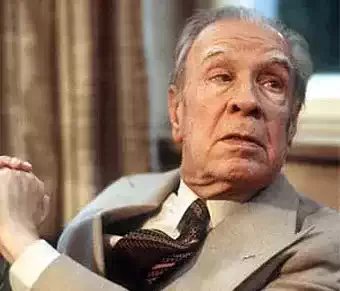
Jorge Luis Borges
To a Cat
To a Cat
Mirrors are not more silent
nor the creeping dawn more secretive;
in the moonlight, you are that panther
we catch sight of from afar.
By the inexplicable workings of a divine law,
we look for you in vain;
More remote, even, than the Ganges or the setting sun,
yours is the solitude, yours the secret.
Your haunch allows the lingering
caress of my hand. You have accepted,
since that long forgotten past,
the love of the distrustful hand.
You belong to another time. You are lord
of a place bounded like a dream.
Mirrors are not more silent
nor the creeping dawn more secretive;
in the moonlight, you are that panther
we catch sight of from afar.
By the inexplicable workings of a divine law,
we look for you in vain;
More remote, even, than the Ganges or the setting sun,
yours is the solitude, yours the secret.
Your haunch allows the lingering
caress of my hand. You have accepted,
since that long forgotten past,
the love of the distrustful hand.
You belong to another time. You are lord
of a place bounded like a dream.
680
Jorge Luis Borges
Susana Soca
Susana Soca
With lingering love she gazed at the dispersed
Colors of dusk. It pleased her utterly
To lose herself in the complex melody
Or in the cunous life to be found in verse.
lt was not the primal red but rather grays
That spun the fine thread of her destiny,
For the nicest distinctions and all spent
In waverings, ambiguities, delays.
Lacking the nerve to tread this treacherous
Labyrinth, she looked in on, whom without,
The shapes, the turbulence, the striving rout,
(Like the other lady of the looking glass.)
The gods that dwell too far away for prayer
Abandoned her to the final tiger, Fire.
With lingering love she gazed at the dispersed
Colors of dusk. It pleased her utterly
To lose herself in the complex melody
Or in the cunous life to be found in verse.
lt was not the primal red but rather grays
That spun the fine thread of her destiny,
For the nicest distinctions and all spent
In waverings, ambiguities, delays.
Lacking the nerve to tread this treacherous
Labyrinth, she looked in on, whom without,
The shapes, the turbulence, the striving rout,
(Like the other lady of the looking glass.)
The gods that dwell too far away for prayer
Abandoned her to the final tiger, Fire.
1,257
Jorge Luis Borges
El Instante
El Instante
Dónde estarán los siglos, dónde el sueño
de espadas que los tártaros soñaron,
dónde los fuertes muros que allanaron,
dónde el Árbol de Adán y el otro Leño?
El presente está solo. La memoria
erige el tiempo. Sucesión y engaño
es la rutina del reloj. El año
no es menos vano que la vana historia.
Entre el alba y la noche hay un abismo
de agonías, de luces, de cuidados;
el rostro que se mira en los gastados
espejos de la noche no es el mismo.
El hoy fugaz es tenue y es eterno;
otro Cielo no esperes, ni otro Infierno.
Dónde estarán los siglos, dónde el sueño
de espadas que los tártaros soñaron,
dónde los fuertes muros que allanaron,
dónde el Árbol de Adán y el otro Leño?
El presente está solo. La memoria
erige el tiempo. Sucesión y engaño
es la rutina del reloj. El año
no es menos vano que la vana historia.
Entre el alba y la noche hay un abismo
de agonías, de luces, de cuidados;
el rostro que se mira en los gastados
espejos de la noche no es el mismo.
El hoy fugaz es tenue y es eterno;
otro Cielo no esperes, ni otro Infierno.
803
Jorge Luis Borges
Adam Cast Forth
Adam Cast Forth
Was there a Garden or was the Garden a dream?
Amid the fleeting light, I have slowed myself and queried,
Almost for consolation, if the bygone period
Over which this Adam, wretched now, once reigned supreme,
Might not have been just a magical illusion
Of that God I dreamed. Already it's imprecise
In my memory, the clear Paradise,
But I know it exists, in flower and profusion,
Although not for me. My punishment for life
Is the stubborn earth with the incestuous strife
Of Cains and Abels and their brood; I await no pardon.
Yet, it's much to have loved, to have known true joy,
To have had -- if only for just one day --
The experience of touching the living Garden.
Translated by Genia Gurarie, ..
Copyright retained by Genia Gurarie.
email: [email protected]
http://www.princeton.edu/~egurarie/
For permission to reproduce, write personally to the translator.
Was there a Garden or was the Garden a dream?
Amid the fleeting light, I have slowed myself and queried,
Almost for consolation, if the bygone period
Over which this Adam, wretched now, once reigned supreme,
Might not have been just a magical illusion
Of that God I dreamed. Already it's imprecise
In my memory, the clear Paradise,
But I know it exists, in flower and profusion,
Although not for me. My punishment for life
Is the stubborn earth with the incestuous strife
Of Cains and Abels and their brood; I await no pardon.
Yet, it's much to have loved, to have known true joy,
To have had -- if only for just one day --
The experience of touching the living Garden.
Translated by Genia Gurarie, ..
Copyright retained by Genia Gurarie.
email: [email protected]
http://www.princeton.edu/~egurarie/
For permission to reproduce, write personally to the translator.
818
Jorge Luis Borges
Art of Poetry, The
Art of Poetry, The
To gaze at a river made of time and water
And remember Time is another river.
To know we stray like a river
and our faces vanish like water.
To feel that waking is another dream
that dreams of not dreaming and that the death
we fear in our bones is the death
that every night we call a dream.
To see in every day and year a symbol
of all the days of man and his years,
and convert the outrage of the years
into a music, a sound, and a symbol.
To see in death a dream, in the sunset
a golden sadness--such is poetry,
humble and immortal, poetry,
returning, like dawn and the sunset.
Sometimes at evening there's a face
that sees us from the deeps of a mirror.
Art must be that sort of mirror,
disclosing to each of us his face.
They say Ulysses, wearied of wonders,
wept with love on seeing Ithaca,
humble and green. Art is that Ithaca,
a green eternity, not wonders.
Art is endless like a river flowing,
passing, yet remaining, a mirror to the same
inconstant Heraclitus, who is the same
and yet another, like the river flowing.
To gaze at a river made of time and water
And remember Time is another river.
To know we stray like a river
and our faces vanish like water.
To feel that waking is another dream
that dreams of not dreaming and that the death
we fear in our bones is the death
that every night we call a dream.
To see in every day and year a symbol
of all the days of man and his years,
and convert the outrage of the years
into a music, a sound, and a symbol.
To see in death a dream, in the sunset
a golden sadness--such is poetry,
humble and immortal, poetry,
returning, like dawn and the sunset.
Sometimes at evening there's a face
that sees us from the deeps of a mirror.
Art must be that sort of mirror,
disclosing to each of us his face.
They say Ulysses, wearied of wonders,
wept with love on seeing Ithaca,
humble and green. Art is that Ithaca,
a green eternity, not wonders.
Art is endless like a river flowing,
passing, yet remaining, a mirror to the same
inconstant Heraclitus, who is the same
and yet another, like the river flowing.
966

Jonathan Swift
Verses on the Death of Dr. Swift, D.S.P.D.
Verses on the Death of Dr. Swift, D.S.P.D.
As Rochefoucauld his maxims drew
From Nature, I believe 'em true:
They argue no corrupted mind
In him; the fault is in mankind.
This maxim more than all the rest
Is thought too base for human breast:
'In all distresses of our friends,
We first consult our private ends;
While Nature, kindly bent to ease us,
Points out some circumstance to please us.'
If this perhaps your patience move,
Let reason and experience prove.
We all behold with envious eyes
Our equal rais'd above our size.
Who would not at a crowded show
Stand high himself, keep others low?
I love my friend as well as you
But would not have him stop my view.
Then let him have the higher post:
I ask but for an inch at most.
If in a battle you should find
One, whom you love of all mankind,
Had some heroic action done,
A champion kill'd, or trophy won;
Rather than thus be overtopt,
Would you not wish his laurels cropt?
Dear honest Ned is in the gout,
Lies rack'd with pain, and you without:
How patiently you hear him groan!
How glad the case is not your own!
What poet would not grieve to see
His brethren write as well as he?
But rather than they should excel,
He'd wish his rivals all in hell.
Her end when emulation misses,
She turns to envy, stings and hisses:
The strongest friendship yields to pride,
Unless the odds be on our side.
Vain human kind! fantastic race!
Thy various follies who can trace?
Self-love, ambition, envy, pride,
Their empire in our hearts divide.
Give others riches, power, and station,
'Tis all on me a usurpation.
I have no title to aspire;
Yet, when you sink, I seem the higher.
In Pope I cannot read a line,
But with a sigh I wish it mine;
When he can in one couplet fix
More sense than I can do in six;
It gives me such a jealous fit,
I cry, 'Pox take him and his wit!'
Why must I be outdone by Gay
In my own hum'rous biting way?
Arbuthnot is no more my friend,
Who dares to irony pretend,
Which I was born to introduce,
Refin'd it first, and show'd its use.
St. John, as well as Pultney, knows
That I had some repute for prose;
And, till they drove me out of date,
Could maul a minister of state.
If they have mortify'd my pride,
And made me throw my pen aside;
If with such talents Heav'n has blest 'em,
Have I not reason to detest 'em?
To all my foes, dear Fortune, send
Thy gifts; but never to my friend:
I tamely can endure the first,
But this with envy makes me burst.
Thus much may serve by way of proem:
Proceed we therefore to our poem.
The time is not remote, when I
Must by the course of nature die;
When I foresee my special friends
Will try to find their private ends:
Tho' it is hardly understood
Which way my death can do them good,
Yet thus, methinks, I hear 'em speak:
'See, how the Dean begins to break!
Poor gentleman, he droops apace!
You plainly find it in his face.
That old vertigo in his head
Will never leave him till he's dead.
Besides, his memory decays:
He recollects not what he says;
He cannot call his friends to mind:
Forgets the place where last he din'd;
Plies you with stories o'er and o'er;
He told them fifty times before.
How does he fancy we can sit
To hear his out-of-fashion'd wit?
But he takes up with younger folks,
Who for his wine will bear his jokes.
Faith, he must make his stories shorter,
Or change his comrades once a quarter:
In half the time he talks them round,
There must another set be found.
'For poetry he's past his prime:
He takes an hour to find a rhyme;
His fire is out, his wit decay'd,
His fancy sunk, his Muse a jade.
I'd have him throw away his pen;-
But there's no talking to some men!'
And then their tenderness appears,
By adding largely to my years:
'He's older than he would be reckon'd
And well remembers Charles the Second.
'He hardly drinks a pint of wine;
And that, I doubt, is no good sign.
His stomach too begins to fail:
Last year we thought him strong and hale;
But now he's quite another thing:
I wish he may hold out till spring.'
Then hug themselves, and reason thus:
'It is not yet so bad with us.'
In such a case, they talk in tropes,
And by their fears express their hopes:
Some great misfortune to portend,
No enemy can match a friend.
With all the kindness they profess,
The merit of a lucky guess
(When daily 'How d'ye's' come of course,
And servants answer, 'Worse and worse!')
Would please 'em better, than to tell,
That, 'God be prais'd, the Dean is well.'
Then he who prophecy'd the best
Approves his foresight to the rest:
'You know I always fear'd the worst,
And often told you so at first.'
He'd rather choose that I should die,
Than his prediction prove a lie.
Not one foretells I shall recover;
But all agree to give me over.
Yet, should some neighbour feel a pain
Just in the parts where I complain,
How many a message would he send?
What hearty prayers that I should mend?
Inquire what regimen I kept,
What gave me ease, and how I slept?
And more lament when I was dead,
Than all the sniv'llers round my bed.
My good companions, never fear;
For though you may mistake a year,
Though your prognostics run too fast,
They must be verify'd at last.
Behold the fatal day arrive!
'How is the Dean?'-'He's just alive.'
Now the departing prayer is read;
'He hardly breathes.'-'The Dean is dead.'
Before the passing-bell begun,
The news thro' half the town has run.
'O, may we all for death prepare!
What has he left? and who's his heir?''
I know no more than what the news is;
'Tis all bequeath'd to public uses.''
To public use! a perfect whim!
What had the public done for him?
Mere envy, avarice, and pride:
He gave it all-but first he died.
And had the Dean, in all the nation,
No worthy friend, no poor relation?
So ready to do strangers good,
Forgetting his own flesh and blood?'
Now Grub-Street wits are all employ'd;
With elegies the town is cloy'd:
Some paragraph in ev'ry paper
To curse the Dean or bless the Drapier.
The doctors, tender of their fame,
Wisely on me lay all the blame:
'We must confess his case was nice;
But he would never take advice.
Had he been rul'd, for aught appears,
He might have liv'd these twenty years;
For, when we open'd him, we found
That all his vital parts were sound.'
From Dublin soon to London spread,
'Tis told at Court, the Dean is dead.
Kind Lady Suffolk in the spleen
Runs laughing up to tell the Queen.
The Queen, so gracious, mild, and good,
Cries, 'Is he gone! 'tis time he should.
He's dead, you say; why, let him rot:
I'm glad the medals were forgot.
I promis'd them, I own; but when?
I only was the Princess then;
But now, as consort of a king,
You know, 'tis quite a different thing.'
Now Chartres, at Sir Robert's levee,
Tells with a sneer the tidings heavy:
'Why, is he dead without his shoes?'
Cries Bob, 'I'm sorry for the news:
O, were the wretch but living still,
And in his place my good friend Will!
Or had a mitre on his head,
Provided Bolingbroke were dead!'
Now Curll his shop from rubbish drains:
Three genuine tomes of Swift's remains!
And then, to make them pass the glibber,
Revis'd by Tibbalds, Moore, and Cibber.
He'll treat me as he does my betters,
Publish my will, my life, my letters:
Revive the libels born to die;
Which Pope must bear, as well as I.
Here shift the scene, to represent
How those I love my death lament.
Poor Pope will grieve a month, and Gay
A week, and Arbuthnot a day.
St. John himself will scarce forbear
To bite his pen, and drop a tear.
The rest will give a shrug, and cry,
'I'm sorry-but we all must die!'
Indifference, clad in Wisdom's guise,
All fortitude of mind supplies:
For how can stony bowels melt
In those who never pity felt?
When we are lash'd, they kiss the rod,
Resigning to the will of God.
The fools, my juniors by a year,
Are tortur'd with suspense and fear;
Who wisely thought my age a screen,
When death approach'd, to stand between:
The screen remov'd, their hearts are trembling;
They mourn for me without dissembling.
My female friends, whose tender hearts
Have better learn'd to act their parts,
Receive the news in doleful dumps:
'The Dean is dead: (and what is trumps?)
Then, Lord have mercy on his soul!
(Ladies, I'll venture for the vole.)
Six deans, they say, must bear the pall:
(I wish I knew what king to call.)
Madam, your husband will attend
The funeral of so good a friend.
No, madam, 'tis a shocking sight:
And he's engag'd to-morrow night:
My Lady Club would take it ill,
If he should fail her at quadrille.
He lov'd the Dean-(I lead a heart)
But dearest friends, they say, must part.
His time was come: he ran his race;
We hope he's in a better place.'
Why do we grieve that friends should die?
No loss more easy to supply.
One year is past; a different scene!
No further mention of the Dean;
Who now, alas! no more is miss'd,
Than if he never did exist.
Where's now this fav'rite of Apollo!
Departed:-and his works must follow;
Must undergo the common fate;
His kind of wit is out of date.
Some country squire to Lintot goes,
Inquires for 'Swift in Verse and Prose.'
Says Lintot, 'I have heard the name;
He died a year ago.'-'The same.'
He searcheth all his shop in vain.
'Sir, you may find them in Duck-lane;
I sent them with a load of books,
Last Monday to the pastry-cook's.
To fancy they could live a year!
I find you're but a stranger here.
The Dean was famous in his time,
And had a kind of knack at rhyme.
His way of writing now is past;
The town hath got a better taste;
I keep no antiquated stuff,
But spick and span I have enough.
Pray do but give me leave to show 'em;
Here's Colley Cibber's birth-day poem.
This ode you never yet have seen,
By Stephen Duck, upon the Queen.
Then here's a letter finely penn'd
Against the Craftsman and his friend:
It clearly shows that all reflection
On ministers is disaffection.
Next, here's Sir Robert's vindication,
And Mr. Henley's last oration.
The hawkers have not got 'em yet:
Your honour please to buy a set?
'Here's Woolston's tracts, the twelfth edition;
'Tis read by every politician:
The country members, when in town,
To all their boroughs send them down;
You never met a thing so smart;
The courtiers have them all by heart:
Those maids of honour who can read
Are taught to use them for their creed.
The rev'rend author's good intention
Hath been rewarded with a pension.
He doth an honour to his gown,
By bravely running priestcraft down:
He shows, as sure as God's in Gloucester,
That Jesus was a grand imposter;
That all his miracles were cheats,
Perform'd as jugglers do their feats:
The church had never such a writer;
A shame he hath not got a mitre!'
Suppose me dead; and then suppose
A club assembled at the Rose ;
Where, from discourse of this and that,
I grow the subject of their chat.
And while they toss my name about,
With favour some, and some without,
One, quite indiff'rent in the cause,
My character impartial draws:
'The Dean, if we believe report,
Was never ill receiv'd at Court.
As for his works in verse and prose
I own myself no judge of those;
Nor can I tell what critics thought 'em:
But this I know, all people bought 'em.
As with a moral view design'd
To cure the vices of mankind:
His vein, ironically grave,
Expos'd the fool, and lash'd the knave.
To steal a hint was never known,
But what he writ was all his own.
'He never thought an honour done him,
Because a duke was proud to own him,
Would rather slip aside and choose
To talk with wits in dirty shoes;
Despis'd the fools with stars and garters,
So often seen caressing Chartres.
He never courted men in station,
Nor persons held in admiration;
Of no man's greatness was afraid,
Because he sought for no man's aid.
Though trusted long in great affairs
He gave himself no haughty airs:
Without regarding private ends,
Spent all his credit for his friends;
And only chose the wise and good;
No flatt'rers; no allies in blood:
But succour'd virtue in distress,
And seldom fail'd of good success;
As numbers in their hearts must own,
Who, but for him, had been unknown.
'With princes kept a due decorum,
But never stood in awe before 'em.
He follow'd David's lesson just:
'In princes never put thy trust';
And, would you make him truly sour,
Provoke him with a slave in pow'r.
The Irish senate if you nam'd,
With what impatience he declaim'd!
Fair Liberty was all his cry,
For her he stood prepar'd to die;
For her he boldly stood alone;
For her he oft expos'd his own.
Two kingdoms, just as faction led,
Had set a price upon his head;
But not a traitor could be found
To sell him for six hundred pound.
'Had he but spar'd his tongue and pen
He might have rose like other men:
But pow'r was never in his thought,
And wealth he valu'd not a groat:
Ingratitude he often found,
And pity'd those who meant the wound:
But kept the tenor of his mind,
To merit well of human kind:
Nor made a sacrifice of those
Who still were true, to please his foes.
He labour'd many a fruitless hour
To reconcile his friends in pow'r;
Saw mischief by a faction brewing,
While they pursu'd each other's ruin.
But, finding vain was all his care,
He left the Court in mere despair.
'And, oh! how short are human schemes!
Here ended all our golden dreams.
What St. John's skill in state affairs,
What Ormond's valour, Oxford's cares,
To save their sinking country lent,
Was all destroy'd by one event.
Too soon that precious life was ended,
On which alone our weal depended.
When up a dangerous faction starts,
With wrath and vengeance in their hearts;
By solemn League and Cov'nant bound,
To ruin, slaughter, and confound;
To turn religion to a fable,
And make the government a Babel;
Pervert the law, disgrace the gown,
Corrupt the senate, rob the crown;
To sacrifice old England's glory,
And make her infamous in story:
When such a tempest shook the land,
How could unguarded Virtue stand?
'With horror, grief, despair, the Dean
Beheld the dire destructive scene:
His friends in exile, or the tower,
Himself within the frown of power,
Pursu'd by base envenom'd pens,
Far to the land of slaves and fens;
A servile race in folly nurs'd,
Who truckle most when treated worst.
'By innocence and resolution,
He bore continual persecution,
While numbers to preferment rose,
Whose merits were, to be his foes;
When ev'n his own familiar friends,
Intent upon their private ends,
Like renegadoes now he feels,
Against him lifting up their heels.
'The Dean did by his pen defeat
An infamous destructive cheat;
Taught fools their int'rest how to know,
And gave them arms to ward the blow.
Envy hath own'd it was his doing,
To save that helpless land from ruin;
While they who at the steerage stood,
And reap'd the profit, sought his blood.
'To save them from their evil fate,
In him was held a crime of state.
A wicked monster on the bench,
Whose fury blood could never quench,
As vile and profligate a villain,
As modern Scroggs, or old Tresilian,
Who long all justice had discarded,
Nor fear'd he God, nor man regarded,
Vow'd on the Dean his rage to vent,
And make him of his zeal repent;
But Heav'n his innocence defends,
The grateful people stand his friends.
Not strains of law, nor judge's frown,
Nor topics brought to please the crown,
Nor witness hir'd, nor jury pick'd,
Prevail to bring him in convict.
'In exile, with a steady heart,
He spent his life's declining part;
Where folly, pride, and faction sway,
Remote from St. John, Pope, and Gay.
'His friendships there, to few confin'd,
Were always of the middling kind;
No fools of rank, a mongrel breed,
Who fain would pass for lords indeed:
Where titles gave no right or power
And peerage is a wither'd flower;
He would have held it a disgrace,
If such a wretch had known his face.
On rural squires, that kingdom's bane,
He vented oft his wrath in vain;
Biennial squires to market brought;
Who sell their souls and votes for nought;
The nation stripp'd, go joyful back,
To rob the church, their tenants rack,
Go snacks with thieves and rapparees,
And keep the peace to pick up fees;
In ev'ry job to have a share,
A jail or barrack to repair;
And turn the tax for public roads,
Commodious to their own abodes.
'Perhaps I may allow, the Dean
Had too much satire in his vein;
And seem'd determin'd not to starve it,
Because no age could more deserve it.
Yet malice never was his aim;
He lash'd the vice, but spar'd the name;
No individual could resent,
Where thousands equally were meant.
His satire points at no defect,
But what all mortals may correct;
For he abhorr'd that senseless tribe
Who call it humour when they gibe.
He spar'd a hump, or crooked nose,
Whose owners set not up for beaux.
True genuine dulness mov'd his pity,
Unless it offer'd to be witty.
Those who their ignorance confess'd
He ne'er offended with a jest;
But laugh'd to hear an idiot quote
A verse from Horace, learn'd by rote.
'He knew a hundred pleasant stories
With all the turns of Whigs and Tories:
Was cheerful to his dying day;
And friends would let him have his way.
'He gave the little wealth he had
To build a house for fools and mad;
And show'd by one satiric touch,
No nation wanted it so much.
That kingdom he hath left his debtor,
I wish it soon may have a better.'
As Rochefoucauld his maxims drew
From Nature, I believe 'em true:
They argue no corrupted mind
In him; the fault is in mankind.
This maxim more than all the rest
Is thought too base for human breast:
'In all distresses of our friends,
We first consult our private ends;
While Nature, kindly bent to ease us,
Points out some circumstance to please us.'
If this perhaps your patience move,
Let reason and experience prove.
We all behold with envious eyes
Our equal rais'd above our size.
Who would not at a crowded show
Stand high himself, keep others low?
I love my friend as well as you
But would not have him stop my view.
Then let him have the higher post:
I ask but for an inch at most.
If in a battle you should find
One, whom you love of all mankind,
Had some heroic action done,
A champion kill'd, or trophy won;
Rather than thus be overtopt,
Would you not wish his laurels cropt?
Dear honest Ned is in the gout,
Lies rack'd with pain, and you without:
How patiently you hear him groan!
How glad the case is not your own!
What poet would not grieve to see
His brethren write as well as he?
But rather than they should excel,
He'd wish his rivals all in hell.
Her end when emulation misses,
She turns to envy, stings and hisses:
The strongest friendship yields to pride,
Unless the odds be on our side.
Vain human kind! fantastic race!
Thy various follies who can trace?
Self-love, ambition, envy, pride,
Their empire in our hearts divide.
Give others riches, power, and station,
'Tis all on me a usurpation.
I have no title to aspire;
Yet, when you sink, I seem the higher.
In Pope I cannot read a line,
But with a sigh I wish it mine;
When he can in one couplet fix
More sense than I can do in six;
It gives me such a jealous fit,
I cry, 'Pox take him and his wit!'
Why must I be outdone by Gay
In my own hum'rous biting way?
Arbuthnot is no more my friend,
Who dares to irony pretend,
Which I was born to introduce,
Refin'd it first, and show'd its use.
St. John, as well as Pultney, knows
That I had some repute for prose;
And, till they drove me out of date,
Could maul a minister of state.
If they have mortify'd my pride,
And made me throw my pen aside;
If with such talents Heav'n has blest 'em,
Have I not reason to detest 'em?
To all my foes, dear Fortune, send
Thy gifts; but never to my friend:
I tamely can endure the first,
But this with envy makes me burst.
Thus much may serve by way of proem:
Proceed we therefore to our poem.
The time is not remote, when I
Must by the course of nature die;
When I foresee my special friends
Will try to find their private ends:
Tho' it is hardly understood
Which way my death can do them good,
Yet thus, methinks, I hear 'em speak:
'See, how the Dean begins to break!
Poor gentleman, he droops apace!
You plainly find it in his face.
That old vertigo in his head
Will never leave him till he's dead.
Besides, his memory decays:
He recollects not what he says;
He cannot call his friends to mind:
Forgets the place where last he din'd;
Plies you with stories o'er and o'er;
He told them fifty times before.
How does he fancy we can sit
To hear his out-of-fashion'd wit?
But he takes up with younger folks,
Who for his wine will bear his jokes.
Faith, he must make his stories shorter,
Or change his comrades once a quarter:
In half the time he talks them round,
There must another set be found.
'For poetry he's past his prime:
He takes an hour to find a rhyme;
His fire is out, his wit decay'd,
His fancy sunk, his Muse a jade.
I'd have him throw away his pen;-
But there's no talking to some men!'
And then their tenderness appears,
By adding largely to my years:
'He's older than he would be reckon'd
And well remembers Charles the Second.
'He hardly drinks a pint of wine;
And that, I doubt, is no good sign.
His stomach too begins to fail:
Last year we thought him strong and hale;
But now he's quite another thing:
I wish he may hold out till spring.'
Then hug themselves, and reason thus:
'It is not yet so bad with us.'
In such a case, they talk in tropes,
And by their fears express their hopes:
Some great misfortune to portend,
No enemy can match a friend.
With all the kindness they profess,
The merit of a lucky guess
(When daily 'How d'ye's' come of course,
And servants answer, 'Worse and worse!')
Would please 'em better, than to tell,
That, 'God be prais'd, the Dean is well.'
Then he who prophecy'd the best
Approves his foresight to the rest:
'You know I always fear'd the worst,
And often told you so at first.'
He'd rather choose that I should die,
Than his prediction prove a lie.
Not one foretells I shall recover;
But all agree to give me over.
Yet, should some neighbour feel a pain
Just in the parts where I complain,
How many a message would he send?
What hearty prayers that I should mend?
Inquire what regimen I kept,
What gave me ease, and how I slept?
And more lament when I was dead,
Than all the sniv'llers round my bed.
My good companions, never fear;
For though you may mistake a year,
Though your prognostics run too fast,
They must be verify'd at last.
Behold the fatal day arrive!
'How is the Dean?'-'He's just alive.'
Now the departing prayer is read;
'He hardly breathes.'-'The Dean is dead.'
Before the passing-bell begun,
The news thro' half the town has run.
'O, may we all for death prepare!
What has he left? and who's his heir?''
I know no more than what the news is;
'Tis all bequeath'd to public uses.''
To public use! a perfect whim!
What had the public done for him?
Mere envy, avarice, and pride:
He gave it all-but first he died.
And had the Dean, in all the nation,
No worthy friend, no poor relation?
So ready to do strangers good,
Forgetting his own flesh and blood?'
Now Grub-Street wits are all employ'd;
With elegies the town is cloy'd:
Some paragraph in ev'ry paper
To curse the Dean or bless the Drapier.
The doctors, tender of their fame,
Wisely on me lay all the blame:
'We must confess his case was nice;
But he would never take advice.
Had he been rul'd, for aught appears,
He might have liv'd these twenty years;
For, when we open'd him, we found
That all his vital parts were sound.'
From Dublin soon to London spread,
'Tis told at Court, the Dean is dead.
Kind Lady Suffolk in the spleen
Runs laughing up to tell the Queen.
The Queen, so gracious, mild, and good,
Cries, 'Is he gone! 'tis time he should.
He's dead, you say; why, let him rot:
I'm glad the medals were forgot.
I promis'd them, I own; but when?
I only was the Princess then;
But now, as consort of a king,
You know, 'tis quite a different thing.'
Now Chartres, at Sir Robert's levee,
Tells with a sneer the tidings heavy:
'Why, is he dead without his shoes?'
Cries Bob, 'I'm sorry for the news:
O, were the wretch but living still,
And in his place my good friend Will!
Or had a mitre on his head,
Provided Bolingbroke were dead!'
Now Curll his shop from rubbish drains:
Three genuine tomes of Swift's remains!
And then, to make them pass the glibber,
Revis'd by Tibbalds, Moore, and Cibber.
He'll treat me as he does my betters,
Publish my will, my life, my letters:
Revive the libels born to die;
Which Pope must bear, as well as I.
Here shift the scene, to represent
How those I love my death lament.
Poor Pope will grieve a month, and Gay
A week, and Arbuthnot a day.
St. John himself will scarce forbear
To bite his pen, and drop a tear.
The rest will give a shrug, and cry,
'I'm sorry-but we all must die!'
Indifference, clad in Wisdom's guise,
All fortitude of mind supplies:
For how can stony bowels melt
In those who never pity felt?
When we are lash'd, they kiss the rod,
Resigning to the will of God.
The fools, my juniors by a year,
Are tortur'd with suspense and fear;
Who wisely thought my age a screen,
When death approach'd, to stand between:
The screen remov'd, their hearts are trembling;
They mourn for me without dissembling.
My female friends, whose tender hearts
Have better learn'd to act their parts,
Receive the news in doleful dumps:
'The Dean is dead: (and what is trumps?)
Then, Lord have mercy on his soul!
(Ladies, I'll venture for the vole.)
Six deans, they say, must bear the pall:
(I wish I knew what king to call.)
Madam, your husband will attend
The funeral of so good a friend.
No, madam, 'tis a shocking sight:
And he's engag'd to-morrow night:
My Lady Club would take it ill,
If he should fail her at quadrille.
He lov'd the Dean-(I lead a heart)
But dearest friends, they say, must part.
His time was come: he ran his race;
We hope he's in a better place.'
Why do we grieve that friends should die?
No loss more easy to supply.
One year is past; a different scene!
No further mention of the Dean;
Who now, alas! no more is miss'd,
Than if he never did exist.
Where's now this fav'rite of Apollo!
Departed:-and his works must follow;
Must undergo the common fate;
His kind of wit is out of date.
Some country squire to Lintot goes,
Inquires for 'Swift in Verse and Prose.'
Says Lintot, 'I have heard the name;
He died a year ago.'-'The same.'
He searcheth all his shop in vain.
'Sir, you may find them in Duck-lane;
I sent them with a load of books,
Last Monday to the pastry-cook's.
To fancy they could live a year!
I find you're but a stranger here.
The Dean was famous in his time,
And had a kind of knack at rhyme.
His way of writing now is past;
The town hath got a better taste;
I keep no antiquated stuff,
But spick and span I have enough.
Pray do but give me leave to show 'em;
Here's Colley Cibber's birth-day poem.
This ode you never yet have seen,
By Stephen Duck, upon the Queen.
Then here's a letter finely penn'd
Against the Craftsman and his friend:
It clearly shows that all reflection
On ministers is disaffection.
Next, here's Sir Robert's vindication,
And Mr. Henley's last oration.
The hawkers have not got 'em yet:
Your honour please to buy a set?
'Here's Woolston's tracts, the twelfth edition;
'Tis read by every politician:
The country members, when in town,
To all their boroughs send them down;
You never met a thing so smart;
The courtiers have them all by heart:
Those maids of honour who can read
Are taught to use them for their creed.
The rev'rend author's good intention
Hath been rewarded with a pension.
He doth an honour to his gown,
By bravely running priestcraft down:
He shows, as sure as God's in Gloucester,
That Jesus was a grand imposter;
That all his miracles were cheats,
Perform'd as jugglers do their feats:
The church had never such a writer;
A shame he hath not got a mitre!'
Suppose me dead; and then suppose
A club assembled at the Rose ;
Where, from discourse of this and that,
I grow the subject of their chat.
And while they toss my name about,
With favour some, and some without,
One, quite indiff'rent in the cause,
My character impartial draws:
'The Dean, if we believe report,
Was never ill receiv'd at Court.
As for his works in verse and prose
I own myself no judge of those;
Nor can I tell what critics thought 'em:
But this I know, all people bought 'em.
As with a moral view design'd
To cure the vices of mankind:
His vein, ironically grave,
Expos'd the fool, and lash'd the knave.
To steal a hint was never known,
But what he writ was all his own.
'He never thought an honour done him,
Because a duke was proud to own him,
Would rather slip aside and choose
To talk with wits in dirty shoes;
Despis'd the fools with stars and garters,
So often seen caressing Chartres.
He never courted men in station,
Nor persons held in admiration;
Of no man's greatness was afraid,
Because he sought for no man's aid.
Though trusted long in great affairs
He gave himself no haughty airs:
Without regarding private ends,
Spent all his credit for his friends;
And only chose the wise and good;
No flatt'rers; no allies in blood:
But succour'd virtue in distress,
And seldom fail'd of good success;
As numbers in their hearts must own,
Who, but for him, had been unknown.
'With princes kept a due decorum,
But never stood in awe before 'em.
He follow'd David's lesson just:
'In princes never put thy trust';
And, would you make him truly sour,
Provoke him with a slave in pow'r.
The Irish senate if you nam'd,
With what impatience he declaim'd!
Fair Liberty was all his cry,
For her he stood prepar'd to die;
For her he boldly stood alone;
For her he oft expos'd his own.
Two kingdoms, just as faction led,
Had set a price upon his head;
But not a traitor could be found
To sell him for six hundred pound.
'Had he but spar'd his tongue and pen
He might have rose like other men:
But pow'r was never in his thought,
And wealth he valu'd not a groat:
Ingratitude he often found,
And pity'd those who meant the wound:
But kept the tenor of his mind,
To merit well of human kind:
Nor made a sacrifice of those
Who still were true, to please his foes.
He labour'd many a fruitless hour
To reconcile his friends in pow'r;
Saw mischief by a faction brewing,
While they pursu'd each other's ruin.
But, finding vain was all his care,
He left the Court in mere despair.
'And, oh! how short are human schemes!
Here ended all our golden dreams.
What St. John's skill in state affairs,
What Ormond's valour, Oxford's cares,
To save their sinking country lent,
Was all destroy'd by one event.
Too soon that precious life was ended,
On which alone our weal depended.
When up a dangerous faction starts,
With wrath and vengeance in their hearts;
By solemn League and Cov'nant bound,
To ruin, slaughter, and confound;
To turn religion to a fable,
And make the government a Babel;
Pervert the law, disgrace the gown,
Corrupt the senate, rob the crown;
To sacrifice old England's glory,
And make her infamous in story:
When such a tempest shook the land,
How could unguarded Virtue stand?
'With horror, grief, despair, the Dean
Beheld the dire destructive scene:
His friends in exile, or the tower,
Himself within the frown of power,
Pursu'd by base envenom'd pens,
Far to the land of slaves and fens;
A servile race in folly nurs'd,
Who truckle most when treated worst.
'By innocence and resolution,
He bore continual persecution,
While numbers to preferment rose,
Whose merits were, to be his foes;
When ev'n his own familiar friends,
Intent upon their private ends,
Like renegadoes now he feels,
Against him lifting up their heels.
'The Dean did by his pen defeat
An infamous destructive cheat;
Taught fools their int'rest how to know,
And gave them arms to ward the blow.
Envy hath own'd it was his doing,
To save that helpless land from ruin;
While they who at the steerage stood,
And reap'd the profit, sought his blood.
'To save them from their evil fate,
In him was held a crime of state.
A wicked monster on the bench,
Whose fury blood could never quench,
As vile and profligate a villain,
As modern Scroggs, or old Tresilian,
Who long all justice had discarded,
Nor fear'd he God, nor man regarded,
Vow'd on the Dean his rage to vent,
And make him of his zeal repent;
But Heav'n his innocence defends,
The grateful people stand his friends.
Not strains of law, nor judge's frown,
Nor topics brought to please the crown,
Nor witness hir'd, nor jury pick'd,
Prevail to bring him in convict.
'In exile, with a steady heart,
He spent his life's declining part;
Where folly, pride, and faction sway,
Remote from St. John, Pope, and Gay.
'His friendships there, to few confin'd,
Were always of the middling kind;
No fools of rank, a mongrel breed,
Who fain would pass for lords indeed:
Where titles gave no right or power
And peerage is a wither'd flower;
He would have held it a disgrace,
If such a wretch had known his face.
On rural squires, that kingdom's bane,
He vented oft his wrath in vain;
Biennial squires to market brought;
Who sell their souls and votes for nought;
The nation stripp'd, go joyful back,
To rob the church, their tenants rack,
Go snacks with thieves and rapparees,
And keep the peace to pick up fees;
In ev'ry job to have a share,
A jail or barrack to repair;
And turn the tax for public roads,
Commodious to their own abodes.
'Perhaps I may allow, the Dean
Had too much satire in his vein;
And seem'd determin'd not to starve it,
Because no age could more deserve it.
Yet malice never was his aim;
He lash'd the vice, but spar'd the name;
No individual could resent,
Where thousands equally were meant.
His satire points at no defect,
But what all mortals may correct;
For he abhorr'd that senseless tribe
Who call it humour when they gibe.
He spar'd a hump, or crooked nose,
Whose owners set not up for beaux.
True genuine dulness mov'd his pity,
Unless it offer'd to be witty.
Those who their ignorance confess'd
He ne'er offended with a jest;
But laugh'd to hear an idiot quote
A verse from Horace, learn'd by rote.
'He knew a hundred pleasant stories
With all the turns of Whigs and Tories:
Was cheerful to his dying day;
And friends would let him have his way.
'He gave the little wealth he had
To build a house for fools and mad;
And show'd by one satiric touch,
No nation wanted it so much.
That kingdom he hath left his debtor,
I wish it soon may have a better.'
305
Jonathan Swift
Verses on the Death of Dr. Swift, D.S.P.D.
Verses on the Death of Dr. Swift, D.S.P.D.
As Rochefoucauld his maxims drew
From Nature, I believe 'em true:
They argue no corrupted mind
In him; the fault is in mankind.
This maxim more than all the rest
Is thought too base for human breast:
'In all distresses of our friends,
We first consult our private ends;
While Nature, kindly bent to ease us,
Points out some circumstance to please us.'
If this perhaps your patience move,
Let reason and experience prove.
We all behold with envious eyes
Our equal rais'd above our size.
Who would not at a crowded show
Stand high himself, keep others low?
I love my friend as well as you
But would not have him stop my view.
Then let him have the higher post:
I ask but for an inch at most.
If in a battle you should find
One, whom you love of all mankind,
Had some heroic action done,
A champion kill'd, or trophy won;
Rather than thus be overtopt,
Would you not wish his laurels cropt?
Dear honest Ned is in the gout,
Lies rack'd with pain, and you without:
How patiently you hear him groan!
How glad the case is not your own!
What poet would not grieve to see
His brethren write as well as he?
But rather than they should excel,
He'd wish his rivals all in hell.
Her end when emulation misses,
She turns to envy, stings and hisses:
The strongest friendship yields to pride,
Unless the odds be on our side.
Vain human kind! fantastic race!
Thy various follies who can trace?
Self-love, ambition, envy, pride,
Their empire in our hearts divide.
Give others riches, power, and station,
'Tis all on me a usurpation.
I have no title to aspire;
Yet, when you sink, I seem the higher.
In Pope I cannot read a line,
But with a sigh I wish it mine;
When he can in one couplet fix
More sense than I can do in six;
It gives me such a jealous fit,
I cry, 'Pox take him and his wit!'
Why must I be outdone by Gay
In my own hum'rous biting way?
Arbuthnot is no more my friend,
Who dares to irony pretend,
Which I was born to introduce,
Refin'd it first, and show'd its use.
St. John, as well as Pultney, knows
That I had some repute for prose;
And, till they drove me out of date,
Could maul a minister of state.
If they have mortify'd my pride,
And made me throw my pen aside;
If with such talents Heav'n has blest 'em,
Have I not reason to detest 'em?
To all my foes, dear Fortune, send
Thy gifts; but never to my friend:
I tamely can endure the first,
But this with envy makes me burst.
Thus much may serve by way of proem:
Proceed we therefore to our poem.
The time is not remote, when I
Must by the course of nature die;
When I foresee my special friends
Will try to find their private ends:
Tho' it is hardly understood
Which way my death can do them good,
Yet thus, methinks, I hear 'em speak:
'See, how the Dean begins to break!
Poor gentleman, he droops apace!
You plainly find it in his face.
That old vertigo in his head
Will never leave him till he's dead.
Besides, his memory decays:
He recollects not what he says;
He cannot call his friends to mind:
Forgets the place where last he din'd;
Plies you with stories o'er and o'er;
He told them fifty times before.
How does he fancy we can sit
To hear his out-of-fashion'd wit?
But he takes up with younger folks,
Who for his wine will bear his jokes.
Faith, he must make his stories shorter,
Or change his comrades once a quarter:
In half the time he talks them round,
There must another set be found.
'For poetry he's past his prime:
He takes an hour to find a rhyme;
His fire is out, his wit decay'd,
His fancy sunk, his Muse a jade.
I'd have him throw away his pen;-
But there's no talking to some men!'
And then their tenderness appears,
By adding largely to my years:
'He's older than he would be reckon'd
And well remembers Charles the Second.
'He hardly drinks a pint of wine;
And that, I doubt, is no good sign.
His stomach too begins to fail:
Last year we thought him strong and hale;
But now he's quite another thing:
I wish he may hold out till spring.'
Then hug themselves, and reason thus:
'It is not yet so bad with us.'
In such a case, they talk in tropes,
And by their fears express their hopes:
Some great misfortune to portend,
No enemy can match a friend.
With all the kindness they profess,
The merit of a lucky guess
(When daily 'How d'ye's' come of course,
And servants answer, 'Worse and worse!')
Would please 'em better, than to tell,
That, 'God be prais'd, the Dean is well.'
Then he who prophecy'd the best
Approves his foresight to the rest:
'You know I always fear'd the worst,
And often told you so at first.'
He'd rather choose that I should die,
Than his prediction prove a lie.
Not one foretells I shall recover;
But all agree to give me over.
Yet, should some neighbour feel a pain
Just in the parts where I complain,
How many a message would he send?
What hearty prayers that I should mend?
Inquire what regimen I kept,
What gave me ease, and how I slept?
And more lament when I was dead,
Than all the sniv'llers round my bed.
My good companions, never fear;
For though you may mistake a year,
Though your prognostics run too fast,
They must be verify'd at last.
Behold the fatal day arrive!
'How is the Dean?'-'He's just alive.'
Now the departing prayer is read;
'He hardly breathes.'-'The Dean is dead.'
Before the passing-bell begun,
The news thro' half the town has run.
'O, may we all for death prepare!
What has he left? and who's his heir?''
I know no more than what the news is;
'Tis all bequeath'd to public uses.''
To public use! a perfect whim!
What had the public done for him?
Mere envy, avarice, and pride:
He gave it all-but first he died.
And had the Dean, in all the nation,
No worthy friend, no poor relation?
So ready to do strangers good,
Forgetting his own flesh and blood?'
Now Grub-Street wits are all employ'd;
With elegies the town is cloy'd:
Some paragraph in ev'ry paper
To curse the Dean or bless the Drapier.
The doctors, tender of their fame,
Wisely on me lay all the blame:
'We must confess his case was nice;
But he would never take advice.
Had he been rul'd, for aught appears,
He might have liv'd these twenty years;
For, when we open'd him, we found
That all his vital parts were sound.'
From Dublin soon to London spread,
'Tis told at Court, the Dean is dead.
Kind Lady Suffolk in the spleen
Runs laughing up to tell the Queen.
The Queen, so gracious, mild, and good,
Cries, 'Is he gone! 'tis time he should.
He's dead, you say; why, let him rot:
I'm glad the medals were forgot.
I promis'd them, I own; but when?
I only was the Princess then;
But now, as consort of a king,
You know, 'tis quite a different thing.'
Now Chartres, at Sir Robert's levee,
Tells with a sneer the tidings heavy:
'Why, is he dead without his shoes?'
Cries Bob, 'I'm sorry for the news:
O, were the wretch but living still,
And in his place my good friend Will!
Or had a mitre on his head,
Provided Bolingbroke were dead!'
Now Curll his shop from rubbish drains:
Three genuine tomes of Swift's remains!
And then, to make them pass the glibber,
Revis'd by Tibbalds, Moore, and Cibber.
He'll treat me as he does my betters,
Publish my will, my life, my letters:
Revive the libels born to die;
Which Pope must bear, as well as I.
Here shift the scene, to represent
How those I love my death lament.
Poor Pope will grieve a month, and Gay
A week, and Arbuthnot a day.
St. John himself will scarce forbear
To bite his pen, and drop a tear.
The rest will give a shrug, and cry,
'I'm sorry-but we all must die!'
Indifference, clad in Wisdom's guise,
All fortitude of mind supplies:
For how can stony bowels melt
In those who never pity felt?
When we are lash'd, they kiss the rod,
Resigning to the will of God.
The fools, my juniors by a year,
Are tortur'd with suspense and fear;
Who wisely thought my age a screen,
When death approach'd, to stand between:
The screen remov'd, their hearts are trembling;
They mourn for me without dissembling.
My female friends, whose tender hearts
Have better learn'd to act their parts,
Receive the news in doleful dumps:
'The Dean is dead: (and what is trumps?)
Then, Lord have mercy on his soul!
(Ladies, I'll venture for the vole.)
Six deans, they say, must bear the pall:
(I wish I knew what king to call.)
Madam, your husband will attend
The funeral of so good a friend.
No, madam, 'tis a shocking sight:
And he's engag'd to-morrow night:
My Lady Club would take it ill,
If he should fail her at quadrille.
He lov'd the Dean-(I lead a heart)
But dearest friends, they say, must part.
His time was come: he ran his race;
We hope he's in a better place.'
Why do we grieve that friends should die?
No loss more easy to supply.
One year is past; a different scene!
No further mention of the Dean;
Who now, alas! no more is miss'd,
Than if he never did exist.
Where's now this fav'rite of Apollo!
Departed:-and his works must follow;
Must undergo the common fate;
His kind of wit is out of date.
Some country squire to Lintot goes,
Inquires for 'Swift in Verse and Prose.'
Says Lintot, 'I have heard the name;
He died a year ago.'-'The same.'
He searcheth all his shop in vain.
'Sir, you may find them in Duck-lane;
I sent them with a load of books,
Last Monday to the pastry-cook's.
To fancy they could live a year!
I find you're but a stranger here.
The Dean was famous in his time,
And had a kind of knack at rhyme.
His way of writing now is past;
The town hath got a better taste;
I keep no antiquated stuff,
But spick and span I have enough.
Pray do but give me leave to show 'em;
Here's Colley Cibber's birth-day poem.
This ode you never yet have seen,
By Stephen Duck, upon the Queen.
Then here's a letter finely penn'd
Against the Craftsman and his friend:
It clearly shows that all reflection
On ministers is disaffection.
Next, here's Sir Robert's vindication,
And Mr. Henley's last oration.
The hawkers have not got 'em yet:
Your honour please to buy a set?
'Here's Woolston's tracts, the twelfth edition;
'Tis read by every politician:
The country members, when in town,
To all their boroughs send them down;
You never met a thing so smart;
The courtiers have them all by heart:
Those maids of honour who can read
Are taught to use them for their creed.
The rev'rend author's good intention
Hath been rewarded with a pension.
He doth an honour to his gown,
By bravely running priestcraft down:
He shows, as sure as God's in Gloucester,
That Jesus was a grand imposter;
That all his miracles were cheats,
Perform'd as jugglers do their feats:
The church had never such a writer;
A shame he hath not got a mitre!'
Suppose me dead; and then suppose
A club assembled at the Rose ;
Where, from discourse of this and that,
I grow the subject of their chat.
And while they toss my name about,
With favour some, and some without,
One, quite indiff'rent in the cause,
My character impartial draws:
'The Dean, if we believe report,
Was never ill receiv'd at Court.
As for his works in verse and prose
I own myself no judge of those;
Nor can I tell what critics thought 'em:
But this I know, all people bought 'em.
As with a moral view design'd
To cure the vices of mankind:
His vein, ironically grave,
Expos'd the fool, and lash'd the knave.
To steal a hint was never known,
But what he writ was all his own.
'He never thought an honour done him,
Because a duke was proud to own him,
Would rather slip aside and choose
To talk with wits in dirty shoes;
Despis'd the fools with stars and garters,
So often seen caressing Chartres.
He never courted men in station,
Nor persons held in admiration;
Of no man's greatness was afraid,
Because he sought for no man's aid.
Though trusted long in great affairs
He gave himself no haughty airs:
Without regarding private ends,
Spent all his credit for his friends;
And only chose the wise and good;
No flatt'rers; no allies in blood:
But succour'd virtue in distress,
And seldom fail'd of good success;
As numbers in their hearts must own,
Who, but for him, had been unknown.
'With princes kept a due decorum,
But never stood in awe before 'em.
He follow'd David's lesson just:
'In princes never put thy trust';
And, would you make him truly sour,
Provoke him with a slave in pow'r.
The Irish senate if you nam'd,
With what impatience he declaim'd!
Fair Liberty was all his cry,
For her he stood prepar'd to die;
For her he boldly stood alone;
For her he oft expos'd his own.
Two kingdoms, just as faction led,
Had set a price upon his head;
But not a traitor could be found
To sell him for six hundred pound.
'Had he but spar'd his tongue and pen
He might have rose like other men:
But pow'r was never in his thought,
And wealth he valu'd not a groat:
Ingratitude he often found,
And pity'd those who meant the wound:
But kept the tenor of his mind,
To merit well of human kind:
Nor made a sacrifice of those
Who still were true, to please his foes.
He labour'd many a fruitless hour
To reconcile his friends in pow'r;
Saw mischief by a faction brewing,
While they pursu'd each other's ruin.
But, finding vain was all his care,
He left the Court in mere despair.
'And, oh! how short are human schemes!
Here ended all our golden dreams.
What St. John's skill in state affairs,
What Ormond's valour, Oxford's cares,
To save their sinking country lent,
Was all destroy'd by one event.
Too soon that precious life was ended,
On which alone our weal depended.
When up a dangerous faction starts,
With wrath and vengeance in their hearts;
By solemn League and Cov'nant bound,
To ruin, slaughter, and confound;
To turn religion to a fable,
And make the government a Babel;
Pervert the law, disgrace the gown,
Corrupt the senate, rob the crown;
To sacrifice old England's glory,
And make her infamous in story:
When such a tempest shook the land,
How could unguarded Virtue stand?
'With horror, grief, despair, the Dean
Beheld the dire destructive scene:
His friends in exile, or the tower,
Himself within the frown of power,
Pursu'd by base envenom'd pens,
Far to the land of slaves and fens;
A servile race in folly nurs'd,
Who truckle most when treated worst.
'By innocence and resolution,
He bore continual persecution,
While numbers to preferment rose,
Whose merits were, to be his foes;
When ev'n his own familiar friends,
Intent upon their private ends,
Like renegadoes now he feels,
Against him lifting up their heels.
'The Dean did by his pen defeat
An infamous destructive cheat;
Taught fools their int'rest how to know,
And gave them arms to ward the blow.
Envy hath own'd it was his doing,
To save that helpless land from ruin;
While they who at the steerage stood,
And reap'd the profit, sought his blood.
'To save them from their evil fate,
In him was held a crime of state.
A wicked monster on the bench,
Whose fury blood could never quench,
As vile and profligate a villain,
As modern Scroggs, or old Tresilian,
Who long all justice had discarded,
Nor fear'd he God, nor man regarded,
Vow'd on the Dean his rage to vent,
And make him of his zeal repent;
But Heav'n his innocence defends,
The grateful people stand his friends.
Not strains of law, nor judge's frown,
Nor topics brought to please the crown,
Nor witness hir'd, nor jury pick'd,
Prevail to bring him in convict.
'In exile, with a steady heart,
He spent his life's declining part;
Where folly, pride, and faction sway,
Remote from St. John, Pope, and Gay.
'His friendships there, to few confin'd,
Were always of the middling kind;
No fools of rank, a mongrel breed,
Who fain would pass for lords indeed:
Where titles gave no right or power
And peerage is a wither'd flower;
He would have held it a disgrace,
If such a wretch had known his face.
On rural squires, that kingdom's bane,
He vented oft his wrath in vain;
Biennial squires to market brought;
Who sell their souls and votes for nought;
The nation stripp'd, go joyful back,
To rob the church, their tenants rack,
Go snacks with thieves and rapparees,
And keep the peace to pick up fees;
In ev'ry job to have a share,
A jail or barrack to repair;
And turn the tax for public roads,
Commodious to their own abodes.
'Perhaps I may allow, the Dean
Had too much satire in his vein;
And seem'd determin'd not to starve it,
Because no age could more deserve it.
Yet malice never was his aim;
He lash'd the vice, but spar'd the name;
No individual could resent,
Where thousands equally were meant.
His satire points at no defect,
But what all mortals may correct;
For he abhorr'd that senseless tribe
Who call it humour when they gibe.
He spar'd a hump, or crooked nose,
Whose owners set not up for beaux.
True genuine dulness mov'd his pity,
Unless it offer'd to be witty.
Those who their ignorance confess'd
He ne'er offended with a jest;
But laugh'd to hear an idiot quote
A verse from Horace, learn'd by rote.
'He knew a hundred pleasant stories
With all the turns of Whigs and Tories:
Was cheerful to his dying day;
And friends would let him have his way.
'He gave the little wealth he had
To build a house for fools and mad;
And show'd by one satiric touch,
No nation wanted it so much.
That kingdom he hath left his debtor,
I wish it soon may have a better.'
As Rochefoucauld his maxims drew
From Nature, I believe 'em true:
They argue no corrupted mind
In him; the fault is in mankind.
This maxim more than all the rest
Is thought too base for human breast:
'In all distresses of our friends,
We first consult our private ends;
While Nature, kindly bent to ease us,
Points out some circumstance to please us.'
If this perhaps your patience move,
Let reason and experience prove.
We all behold with envious eyes
Our equal rais'd above our size.
Who would not at a crowded show
Stand high himself, keep others low?
I love my friend as well as you
But would not have him stop my view.
Then let him have the higher post:
I ask but for an inch at most.
If in a battle you should find
One, whom you love of all mankind,
Had some heroic action done,
A champion kill'd, or trophy won;
Rather than thus be overtopt,
Would you not wish his laurels cropt?
Dear honest Ned is in the gout,
Lies rack'd with pain, and you without:
How patiently you hear him groan!
How glad the case is not your own!
What poet would not grieve to see
His brethren write as well as he?
But rather than they should excel,
He'd wish his rivals all in hell.
Her end when emulation misses,
She turns to envy, stings and hisses:
The strongest friendship yields to pride,
Unless the odds be on our side.
Vain human kind! fantastic race!
Thy various follies who can trace?
Self-love, ambition, envy, pride,
Their empire in our hearts divide.
Give others riches, power, and station,
'Tis all on me a usurpation.
I have no title to aspire;
Yet, when you sink, I seem the higher.
In Pope I cannot read a line,
But with a sigh I wish it mine;
When he can in one couplet fix
More sense than I can do in six;
It gives me such a jealous fit,
I cry, 'Pox take him and his wit!'
Why must I be outdone by Gay
In my own hum'rous biting way?
Arbuthnot is no more my friend,
Who dares to irony pretend,
Which I was born to introduce,
Refin'd it first, and show'd its use.
St. John, as well as Pultney, knows
That I had some repute for prose;
And, till they drove me out of date,
Could maul a minister of state.
If they have mortify'd my pride,
And made me throw my pen aside;
If with such talents Heav'n has blest 'em,
Have I not reason to detest 'em?
To all my foes, dear Fortune, send
Thy gifts; but never to my friend:
I tamely can endure the first,
But this with envy makes me burst.
Thus much may serve by way of proem:
Proceed we therefore to our poem.
The time is not remote, when I
Must by the course of nature die;
When I foresee my special friends
Will try to find their private ends:
Tho' it is hardly understood
Which way my death can do them good,
Yet thus, methinks, I hear 'em speak:
'See, how the Dean begins to break!
Poor gentleman, he droops apace!
You plainly find it in his face.
That old vertigo in his head
Will never leave him till he's dead.
Besides, his memory decays:
He recollects not what he says;
He cannot call his friends to mind:
Forgets the place where last he din'd;
Plies you with stories o'er and o'er;
He told them fifty times before.
How does he fancy we can sit
To hear his out-of-fashion'd wit?
But he takes up with younger folks,
Who for his wine will bear his jokes.
Faith, he must make his stories shorter,
Or change his comrades once a quarter:
In half the time he talks them round,
There must another set be found.
'For poetry he's past his prime:
He takes an hour to find a rhyme;
His fire is out, his wit decay'd,
His fancy sunk, his Muse a jade.
I'd have him throw away his pen;-
But there's no talking to some men!'
And then their tenderness appears,
By adding largely to my years:
'He's older than he would be reckon'd
And well remembers Charles the Second.
'He hardly drinks a pint of wine;
And that, I doubt, is no good sign.
His stomach too begins to fail:
Last year we thought him strong and hale;
But now he's quite another thing:
I wish he may hold out till spring.'
Then hug themselves, and reason thus:
'It is not yet so bad with us.'
In such a case, they talk in tropes,
And by their fears express their hopes:
Some great misfortune to portend,
No enemy can match a friend.
With all the kindness they profess,
The merit of a lucky guess
(When daily 'How d'ye's' come of course,
And servants answer, 'Worse and worse!')
Would please 'em better, than to tell,
That, 'God be prais'd, the Dean is well.'
Then he who prophecy'd the best
Approves his foresight to the rest:
'You know I always fear'd the worst,
And often told you so at first.'
He'd rather choose that I should die,
Than his prediction prove a lie.
Not one foretells I shall recover;
But all agree to give me over.
Yet, should some neighbour feel a pain
Just in the parts where I complain,
How many a message would he send?
What hearty prayers that I should mend?
Inquire what regimen I kept,
What gave me ease, and how I slept?
And more lament when I was dead,
Than all the sniv'llers round my bed.
My good companions, never fear;
For though you may mistake a year,
Though your prognostics run too fast,
They must be verify'd at last.
Behold the fatal day arrive!
'How is the Dean?'-'He's just alive.'
Now the departing prayer is read;
'He hardly breathes.'-'The Dean is dead.'
Before the passing-bell begun,
The news thro' half the town has run.
'O, may we all for death prepare!
What has he left? and who's his heir?''
I know no more than what the news is;
'Tis all bequeath'd to public uses.''
To public use! a perfect whim!
What had the public done for him?
Mere envy, avarice, and pride:
He gave it all-but first he died.
And had the Dean, in all the nation,
No worthy friend, no poor relation?
So ready to do strangers good,
Forgetting his own flesh and blood?'
Now Grub-Street wits are all employ'd;
With elegies the town is cloy'd:
Some paragraph in ev'ry paper
To curse the Dean or bless the Drapier.
The doctors, tender of their fame,
Wisely on me lay all the blame:
'We must confess his case was nice;
But he would never take advice.
Had he been rul'd, for aught appears,
He might have liv'd these twenty years;
For, when we open'd him, we found
That all his vital parts were sound.'
From Dublin soon to London spread,
'Tis told at Court, the Dean is dead.
Kind Lady Suffolk in the spleen
Runs laughing up to tell the Queen.
The Queen, so gracious, mild, and good,
Cries, 'Is he gone! 'tis time he should.
He's dead, you say; why, let him rot:
I'm glad the medals were forgot.
I promis'd them, I own; but when?
I only was the Princess then;
But now, as consort of a king,
You know, 'tis quite a different thing.'
Now Chartres, at Sir Robert's levee,
Tells with a sneer the tidings heavy:
'Why, is he dead without his shoes?'
Cries Bob, 'I'm sorry for the news:
O, were the wretch but living still,
And in his place my good friend Will!
Or had a mitre on his head,
Provided Bolingbroke were dead!'
Now Curll his shop from rubbish drains:
Three genuine tomes of Swift's remains!
And then, to make them pass the glibber,
Revis'd by Tibbalds, Moore, and Cibber.
He'll treat me as he does my betters,
Publish my will, my life, my letters:
Revive the libels born to die;
Which Pope must bear, as well as I.
Here shift the scene, to represent
How those I love my death lament.
Poor Pope will grieve a month, and Gay
A week, and Arbuthnot a day.
St. John himself will scarce forbear
To bite his pen, and drop a tear.
The rest will give a shrug, and cry,
'I'm sorry-but we all must die!'
Indifference, clad in Wisdom's guise,
All fortitude of mind supplies:
For how can stony bowels melt
In those who never pity felt?
When we are lash'd, they kiss the rod,
Resigning to the will of God.
The fools, my juniors by a year,
Are tortur'd with suspense and fear;
Who wisely thought my age a screen,
When death approach'd, to stand between:
The screen remov'd, their hearts are trembling;
They mourn for me without dissembling.
My female friends, whose tender hearts
Have better learn'd to act their parts,
Receive the news in doleful dumps:
'The Dean is dead: (and what is trumps?)
Then, Lord have mercy on his soul!
(Ladies, I'll venture for the vole.)
Six deans, they say, must bear the pall:
(I wish I knew what king to call.)
Madam, your husband will attend
The funeral of so good a friend.
No, madam, 'tis a shocking sight:
And he's engag'd to-morrow night:
My Lady Club would take it ill,
If he should fail her at quadrille.
He lov'd the Dean-(I lead a heart)
But dearest friends, they say, must part.
His time was come: he ran his race;
We hope he's in a better place.'
Why do we grieve that friends should die?
No loss more easy to supply.
One year is past; a different scene!
No further mention of the Dean;
Who now, alas! no more is miss'd,
Than if he never did exist.
Where's now this fav'rite of Apollo!
Departed:-and his works must follow;
Must undergo the common fate;
His kind of wit is out of date.
Some country squire to Lintot goes,
Inquires for 'Swift in Verse and Prose.'
Says Lintot, 'I have heard the name;
He died a year ago.'-'The same.'
He searcheth all his shop in vain.
'Sir, you may find them in Duck-lane;
I sent them with a load of books,
Last Monday to the pastry-cook's.
To fancy they could live a year!
I find you're but a stranger here.
The Dean was famous in his time,
And had a kind of knack at rhyme.
His way of writing now is past;
The town hath got a better taste;
I keep no antiquated stuff,
But spick and span I have enough.
Pray do but give me leave to show 'em;
Here's Colley Cibber's birth-day poem.
This ode you never yet have seen,
By Stephen Duck, upon the Queen.
Then here's a letter finely penn'd
Against the Craftsman and his friend:
It clearly shows that all reflection
On ministers is disaffection.
Next, here's Sir Robert's vindication,
And Mr. Henley's last oration.
The hawkers have not got 'em yet:
Your honour please to buy a set?
'Here's Woolston's tracts, the twelfth edition;
'Tis read by every politician:
The country members, when in town,
To all their boroughs send them down;
You never met a thing so smart;
The courtiers have them all by heart:
Those maids of honour who can read
Are taught to use them for their creed.
The rev'rend author's good intention
Hath been rewarded with a pension.
He doth an honour to his gown,
By bravely running priestcraft down:
He shows, as sure as God's in Gloucester,
That Jesus was a grand imposter;
That all his miracles were cheats,
Perform'd as jugglers do their feats:
The church had never such a writer;
A shame he hath not got a mitre!'
Suppose me dead; and then suppose
A club assembled at the Rose ;
Where, from discourse of this and that,
I grow the subject of their chat.
And while they toss my name about,
With favour some, and some without,
One, quite indiff'rent in the cause,
My character impartial draws:
'The Dean, if we believe report,
Was never ill receiv'd at Court.
As for his works in verse and prose
I own myself no judge of those;
Nor can I tell what critics thought 'em:
But this I know, all people bought 'em.
As with a moral view design'd
To cure the vices of mankind:
His vein, ironically grave,
Expos'd the fool, and lash'd the knave.
To steal a hint was never known,
But what he writ was all his own.
'He never thought an honour done him,
Because a duke was proud to own him,
Would rather slip aside and choose
To talk with wits in dirty shoes;
Despis'd the fools with stars and garters,
So often seen caressing Chartres.
He never courted men in station,
Nor persons held in admiration;
Of no man's greatness was afraid,
Because he sought for no man's aid.
Though trusted long in great affairs
He gave himself no haughty airs:
Without regarding private ends,
Spent all his credit for his friends;
And only chose the wise and good;
No flatt'rers; no allies in blood:
But succour'd virtue in distress,
And seldom fail'd of good success;
As numbers in their hearts must own,
Who, but for him, had been unknown.
'With princes kept a due decorum,
But never stood in awe before 'em.
He follow'd David's lesson just:
'In princes never put thy trust';
And, would you make him truly sour,
Provoke him with a slave in pow'r.
The Irish senate if you nam'd,
With what impatience he declaim'd!
Fair Liberty was all his cry,
For her he stood prepar'd to die;
For her he boldly stood alone;
For her he oft expos'd his own.
Two kingdoms, just as faction led,
Had set a price upon his head;
But not a traitor could be found
To sell him for six hundred pound.
'Had he but spar'd his tongue and pen
He might have rose like other men:
But pow'r was never in his thought,
And wealth he valu'd not a groat:
Ingratitude he often found,
And pity'd those who meant the wound:
But kept the tenor of his mind,
To merit well of human kind:
Nor made a sacrifice of those
Who still were true, to please his foes.
He labour'd many a fruitless hour
To reconcile his friends in pow'r;
Saw mischief by a faction brewing,
While they pursu'd each other's ruin.
But, finding vain was all his care,
He left the Court in mere despair.
'And, oh! how short are human schemes!
Here ended all our golden dreams.
What St. John's skill in state affairs,
What Ormond's valour, Oxford's cares,
To save their sinking country lent,
Was all destroy'd by one event.
Too soon that precious life was ended,
On which alone our weal depended.
When up a dangerous faction starts,
With wrath and vengeance in their hearts;
By solemn League and Cov'nant bound,
To ruin, slaughter, and confound;
To turn religion to a fable,
And make the government a Babel;
Pervert the law, disgrace the gown,
Corrupt the senate, rob the crown;
To sacrifice old England's glory,
And make her infamous in story:
When such a tempest shook the land,
How could unguarded Virtue stand?
'With horror, grief, despair, the Dean
Beheld the dire destructive scene:
His friends in exile, or the tower,
Himself within the frown of power,
Pursu'd by base envenom'd pens,
Far to the land of slaves and fens;
A servile race in folly nurs'd,
Who truckle most when treated worst.
'By innocence and resolution,
He bore continual persecution,
While numbers to preferment rose,
Whose merits were, to be his foes;
When ev'n his own familiar friends,
Intent upon their private ends,
Like renegadoes now he feels,
Against him lifting up their heels.
'The Dean did by his pen defeat
An infamous destructive cheat;
Taught fools their int'rest how to know,
And gave them arms to ward the blow.
Envy hath own'd it was his doing,
To save that helpless land from ruin;
While they who at the steerage stood,
And reap'd the profit, sought his blood.
'To save them from their evil fate,
In him was held a crime of state.
A wicked monster on the bench,
Whose fury blood could never quench,
As vile and profligate a villain,
As modern Scroggs, or old Tresilian,
Who long all justice had discarded,
Nor fear'd he God, nor man regarded,
Vow'd on the Dean his rage to vent,
And make him of his zeal repent;
But Heav'n his innocence defends,
The grateful people stand his friends.
Not strains of law, nor judge's frown,
Nor topics brought to please the crown,
Nor witness hir'd, nor jury pick'd,
Prevail to bring him in convict.
'In exile, with a steady heart,
He spent his life's declining part;
Where folly, pride, and faction sway,
Remote from St. John, Pope, and Gay.
'His friendships there, to few confin'd,
Were always of the middling kind;
No fools of rank, a mongrel breed,
Who fain would pass for lords indeed:
Where titles gave no right or power
And peerage is a wither'd flower;
He would have held it a disgrace,
If such a wretch had known his face.
On rural squires, that kingdom's bane,
He vented oft his wrath in vain;
Biennial squires to market brought;
Who sell their souls and votes for nought;
The nation stripp'd, go joyful back,
To rob the church, their tenants rack,
Go snacks with thieves and rapparees,
And keep the peace to pick up fees;
In ev'ry job to have a share,
A jail or barrack to repair;
And turn the tax for public roads,
Commodious to their own abodes.
'Perhaps I may allow, the Dean
Had too much satire in his vein;
And seem'd determin'd not to starve it,
Because no age could more deserve it.
Yet malice never was his aim;
He lash'd the vice, but spar'd the name;
No individual could resent,
Where thousands equally were meant.
His satire points at no defect,
But what all mortals may correct;
For he abhorr'd that senseless tribe
Who call it humour when they gibe.
He spar'd a hump, or crooked nose,
Whose owners set not up for beaux.
True genuine dulness mov'd his pity,
Unless it offer'd to be witty.
Those who their ignorance confess'd
He ne'er offended with a jest;
But laugh'd to hear an idiot quote
A verse from Horace, learn'd by rote.
'He knew a hundred pleasant stories
With all the turns of Whigs and Tories:
Was cheerful to his dying day;
And friends would let him have his way.
'He gave the little wealth he had
To build a house for fools and mad;
And show'd by one satiric touch,
No nation wanted it so much.
That kingdom he hath left his debtor,
I wish it soon may have a better.'
305
Jonathan Swift
Verses on the Death of Dr. Swift, D.S.P.D.
Verses on the Death of Dr. Swift, D.S.P.D.
As Rochefoucauld his maxims drew
From Nature, I believe 'em true:
They argue no corrupted mind
In him; the fault is in mankind.
This maxim more than all the rest
Is thought too base for human breast:
'In all distresses of our friends,
We first consult our private ends;
While Nature, kindly bent to ease us,
Points out some circumstance to please us.'
If this perhaps your patience move,
Let reason and experience prove.
We all behold with envious eyes
Our equal rais'd above our size.
Who would not at a crowded show
Stand high himself, keep others low?
I love my friend as well as you
But would not have him stop my view.
Then let him have the higher post:
I ask but for an inch at most.
If in a battle you should find
One, whom you love of all mankind,
Had some heroic action done,
A champion kill'd, or trophy won;
Rather than thus be overtopt,
Would you not wish his laurels cropt?
Dear honest Ned is in the gout,
Lies rack'd with pain, and you without:
How patiently you hear him groan!
How glad the case is not your own!
What poet would not grieve to see
His brethren write as well as he?
But rather than they should excel,
He'd wish his rivals all in hell.
Her end when emulation misses,
She turns to envy, stings and hisses:
The strongest friendship yields to pride,
Unless the odds be on our side.
Vain human kind! fantastic race!
Thy various follies who can trace?
Self-love, ambition, envy, pride,
Their empire in our hearts divide.
Give others riches, power, and station,
'Tis all on me a usurpation.
I have no title to aspire;
Yet, when you sink, I seem the higher.
In Pope I cannot read a line,
But with a sigh I wish it mine;
When he can in one couplet fix
More sense than I can do in six;
It gives me such a jealous fit,
I cry, 'Pox take him and his wit!'
Why must I be outdone by Gay
In my own hum'rous biting way?
Arbuthnot is no more my friend,
Who dares to irony pretend,
Which I was born to introduce,
Refin'd it first, and show'd its use.
St. John, as well as Pultney, knows
That I had some repute for prose;
And, till they drove me out of date,
Could maul a minister of state.
If they have mortify'd my pride,
And made me throw my pen aside;
If with such talents Heav'n has blest 'em,
Have I not reason to detest 'em?
To all my foes, dear Fortune, send
Thy gifts; but never to my friend:
I tamely can endure the first,
But this with envy makes me burst.
Thus much may serve by way of proem:
Proceed we therefore to our poem.
The time is not remote, when I
Must by the course of nature die;
When I foresee my special friends
Will try to find their private ends:
Tho' it is hardly understood
Which way my death can do them good,
Yet thus, methinks, I hear 'em speak:
'See, how the Dean begins to break!
Poor gentleman, he droops apace!
You plainly find it in his face.
That old vertigo in his head
Will never leave him till he's dead.
Besides, his memory decays:
He recollects not what he says;
He cannot call his friends to mind:
Forgets the place where last he din'd;
Plies you with stories o'er and o'er;
He told them fifty times before.
How does he fancy we can sit
To hear his out-of-fashion'd wit?
But he takes up with younger folks,
Who for his wine will bear his jokes.
Faith, he must make his stories shorter,
Or change his comrades once a quarter:
In half the time he talks them round,
There must another set be found.
'For poetry he's past his prime:
He takes an hour to find a rhyme;
His fire is out, his wit decay'd,
His fancy sunk, his Muse a jade.
I'd have him throw away his pen;-
But there's no talking to some men!'
And then their tenderness appears,
By adding largely to my years:
'He's older than he would be reckon'd
And well remembers Charles the Second.
'He hardly drinks a pint of wine;
And that, I doubt, is no good sign.
His stomach too begins to fail:
Last year we thought him strong and hale;
But now he's quite another thing:
I wish he may hold out till spring.'
Then hug themselves, and reason thus:
'It is not yet so bad with us.'
In such a case, they talk in tropes,
And by their fears express their hopes:
Some great misfortune to portend,
No enemy can match a friend.
With all the kindness they profess,
The merit of a lucky guess
(When daily 'How d'ye's' come of course,
And servants answer, 'Worse and worse!')
Would please 'em better, than to tell,
That, 'God be prais'd, the Dean is well.'
Then he who prophecy'd the best
Approves his foresight to the rest:
'You know I always fear'd the worst,
And often told you so at first.'
He'd rather choose that I should die,
Than his prediction prove a lie.
Not one foretells I shall recover;
But all agree to give me over.
Yet, should some neighbour feel a pain
Just in the parts where I complain,
How many a message would he send?
What hearty prayers that I should mend?
Inquire what regimen I kept,
What gave me ease, and how I slept?
And more lament when I was dead,
Than all the sniv'llers round my bed.
My good companions, never fear;
For though you may mistake a year,
Though your prognostics run too fast,
They must be verify'd at last.
Behold the fatal day arrive!
'How is the Dean?'-'He's just alive.'
Now the departing prayer is read;
'He hardly breathes.'-'The Dean is dead.'
Before the passing-bell begun,
The news thro' half the town has run.
'O, may we all for death prepare!
What has he left? and who's his heir?''
I know no more than what the news is;
'Tis all bequeath'd to public uses.''
To public use! a perfect whim!
What had the public done for him?
Mere envy, avarice, and pride:
He gave it all-but first he died.
And had the Dean, in all the nation,
No worthy friend, no poor relation?
So ready to do strangers good,
Forgetting his own flesh and blood?'
Now Grub-Street wits are all employ'd;
With elegies the town is cloy'd:
Some paragraph in ev'ry paper
To curse the Dean or bless the Drapier.
The doctors, tender of their fame,
Wisely on me lay all the blame:
'We must confess his case was nice;
But he would never take advice.
Had he been rul'd, for aught appears,
He might have liv'd these twenty years;
For, when we open'd him, we found
That all his vital parts were sound.'
From Dublin soon to London spread,
'Tis told at Court, the Dean is dead.
Kind Lady Suffolk in the spleen
Runs laughing up to tell the Queen.
The Queen, so gracious, mild, and good,
Cries, 'Is he gone! 'tis time he should.
He's dead, you say; why, let him rot:
I'm glad the medals were forgot.
I promis'd them, I own; but when?
I only was the Princess then;
But now, as consort of a king,
You know, 'tis quite a different thing.'
Now Chartres, at Sir Robert's levee,
Tells with a sneer the tidings heavy:
'Why, is he dead without his shoes?'
Cries Bob, 'I'm sorry for the news:
O, were the wretch but living still,
And in his place my good friend Will!
Or had a mitre on his head,
Provided Bolingbroke were dead!'
Now Curll his shop from rubbish drains:
Three genuine tomes of Swift's remains!
And then, to make them pass the glibber,
Revis'd by Tibbalds, Moore, and Cibber.
He'll treat me as he does my betters,
Publish my will, my life, my letters:
Revive the libels born to die;
Which Pope must bear, as well as I.
Here shift the scene, to represent
How those I love my death lament.
Poor Pope will grieve a month, and Gay
A week, and Arbuthnot a day.
St. John himself will scarce forbear
To bite his pen, and drop a tear.
The rest will give a shrug, and cry,
'I'm sorry-but we all must die!'
Indifference, clad in Wisdom's guise,
All fortitude of mind supplies:
For how can stony bowels melt
In those who never pity felt?
When we are lash'd, they kiss the rod,
Resigning to the will of God.
The fools, my juniors by a year,
Are tortur'd with suspense and fear;
Who wisely thought my age a screen,
When death approach'd, to stand between:
The screen remov'd, their hearts are trembling;
They mourn for me without dissembling.
My female friends, whose tender hearts
Have better learn'd to act their parts,
Receive the news in doleful dumps:
'The Dean is dead: (and what is trumps?)
Then, Lord have mercy on his soul!
(Ladies, I'll venture for the vole.)
Six deans, they say, must bear the pall:
(I wish I knew what king to call.)
Madam, your husband will attend
The funeral of so good a friend.
No, madam, 'tis a shocking sight:
And he's engag'd to-morrow night:
My Lady Club would take it ill,
If he should fail her at quadrille.
He lov'd the Dean-(I lead a heart)
But dearest friends, they say, must part.
His time was come: he ran his race;
We hope he's in a better place.'
Why do we grieve that friends should die?
No loss more easy to supply.
One year is past; a different scene!
No further mention of the Dean;
Who now, alas! no more is miss'd,
Than if he never did exist.
Where's now this fav'rite of Apollo!
Departed:-and his works must follow;
Must undergo the common fate;
His kind of wit is out of date.
Some country squire to Lintot goes,
Inquires for 'Swift in Verse and Prose.'
Says Lintot, 'I have heard the name;
He died a year ago.'-'The same.'
He searcheth all his shop in vain.
'Sir, you may find them in Duck-lane;
I sent them with a load of books,
Last Monday to the pastry-cook's.
To fancy they could live a year!
I find you're but a stranger here.
The Dean was famous in his time,
And had a kind of knack at rhyme.
His way of writing now is past;
The town hath got a better taste;
I keep no antiquated stuff,
But spick and span I have enough.
Pray do but give me leave to show 'em;
Here's Colley Cibber's birth-day poem.
This ode you never yet have seen,
By Stephen Duck, upon the Queen.
Then here's a letter finely penn'd
Against the Craftsman and his friend:
It clearly shows that all reflection
On ministers is disaffection.
Next, here's Sir Robert's vindication,
And Mr. Henley's last oration.
The hawkers have not got 'em yet:
Your honour please to buy a set?
'Here's Woolston's tracts, the twelfth edition;
'Tis read by every politician:
The country members, when in town,
To all their boroughs send them down;
You never met a thing so smart;
The courtiers have them all by heart:
Those maids of honour who can read
Are taught to use them for their creed.
The rev'rend author's good intention
Hath been rewarded with a pension.
He doth an honour to his gown,
By bravely running priestcraft down:
He shows, as sure as God's in Gloucester,
That Jesus was a grand imposter;
That all his miracles were cheats,
Perform'd as jugglers do their feats:
The church had never such a writer;
A shame he hath not got a mitre!'
Suppose me dead; and then suppose
A club assembled at the Rose ;
Where, from discourse of this and that,
I grow the subject of their chat.
And while they toss my name about,
With favour some, and some without,
One, quite indiff'rent in the cause,
My character impartial draws:
'The Dean, if we believe report,
Was never ill receiv'd at Court.
As for his works in verse and prose
I own myself no judge of those;
Nor can I tell what critics thought 'em:
But this I know, all people bought 'em.
As with a moral view design'd
To cure the vices of mankind:
His vein, ironically grave,
Expos'd the fool, and lash'd the knave.
To steal a hint was never known,
But what he writ was all his own.
'He never thought an honour done him,
Because a duke was proud to own him,
Would rather slip aside and choose
To talk with wits in dirty shoes;
Despis'd the fools with stars and garters,
So often seen caressing Chartres.
He never courted men in station,
Nor persons held in admiration;
Of no man's greatness was afraid,
Because he sought for no man's aid.
Though trusted long in great affairs
He gave himself no haughty airs:
Without regarding private ends,
Spent all his credit for his friends;
And only chose the wise and good;
No flatt'rers; no allies in blood:
But succour'd virtue in distress,
And seldom fail'd of good success;
As numbers in their hearts must own,
Who, but for him, had been unknown.
'With princes kept a due decorum,
But never stood in awe before 'em.
He follow'd David's lesson just:
'In princes never put thy trust';
And, would you make him truly sour,
Provoke him with a slave in pow'r.
The Irish senate if you nam'd,
With what impatience he declaim'd!
Fair Liberty was all his cry,
For her he stood prepar'd to die;
For her he boldly stood alone;
For her he oft expos'd his own.
Two kingdoms, just as faction led,
Had set a price upon his head;
But not a traitor could be found
To sell him for six hundred pound.
'Had he but spar'd his tongue and pen
He might have rose like other men:
But pow'r was never in his thought,
And wealth he valu'd not a groat:
Ingratitude he often found,
And pity'd those who meant the wound:
But kept the tenor of his mind,
To merit well of human kind:
Nor made a sacrifice of those
Who still were true, to please his foes.
He labour'd many a fruitless hour
To reconcile his friends in pow'r;
Saw mischief by a faction brewing,
While they pursu'd each other's ruin.
But, finding vain was all his care,
He left the Court in mere despair.
'And, oh! how short are human schemes!
Here ended all our golden dreams.
What St. John's skill in state affairs,
What Ormond's valour, Oxford's cares,
To save their sinking country lent,
Was all destroy'd by one event.
Too soon that precious life was ended,
On which alone our weal depended.
When up a dangerous faction starts,
With wrath and vengeance in their hearts;
By solemn League and Cov'nant bound,
To ruin, slaughter, and confound;
To turn religion to a fable,
And make the government a Babel;
Pervert the law, disgrace the gown,
Corrupt the senate, rob the crown;
To sacrifice old England's glory,
And make her infamous in story:
When such a tempest shook the land,
How could unguarded Virtue stand?
'With horror, grief, despair, the Dean
Beheld the dire destructive scene:
His friends in exile, or the tower,
Himself within the frown of power,
Pursu'd by base envenom'd pens,
Far to the land of slaves and fens;
A servile race in folly nurs'd,
Who truckle most when treated worst.
'By innocence and resolution,
He bore continual persecution,
While numbers to preferment rose,
Whose merits were, to be his foes;
When ev'n his own familiar friends,
Intent upon their private ends,
Like renegadoes now he feels,
Against him lifting up their heels.
'The Dean did by his pen defeat
An infamous destructive cheat;
Taught fools their int'rest how to know,
And gave them arms to ward the blow.
Envy hath own'd it was his doing,
To save that helpless land from ruin;
While they who at the steerage stood,
And reap'd the profit, sought his blood.
'To save them from their evil fate,
In him was held a crime of state.
A wicked monster on the bench,
Whose fury blood could never quench,
As vile and profligate a villain,
As modern Scroggs, or old Tresilian,
Who long all justice had discarded,
Nor fear'd he God, nor man regarded,
Vow'd on the Dean his rage to vent,
And make him of his zeal repent;
But Heav'n his innocence defends,
The grateful people stand his friends.
Not strains of law, nor judge's frown,
Nor topics brought to please the crown,
Nor witness hir'd, nor jury pick'd,
Prevail to bring him in convict.
'In exile, with a steady heart,
He spent his life's declining part;
Where folly, pride, and faction sway,
Remote from St. John, Pope, and Gay.
'His friendships there, to few confin'd,
Were always of the middling kind;
No fools of rank, a mongrel breed,
Who fain would pass for lords indeed:
Where titles gave no right or power
And peerage is a wither'd flower;
He would have held it a disgrace,
If such a wretch had known his face.
On rural squires, that kingdom's bane,
He vented oft his wrath in vain;
Biennial squires to market brought;
Who sell their souls and votes for nought;
The nation stripp'd, go joyful back,
To rob the church, their tenants rack,
Go snacks with thieves and rapparees,
And keep the peace to pick up fees;
In ev'ry job to have a share,
A jail or barrack to repair;
And turn the tax for public roads,
Commodious to their own abodes.
'Perhaps I may allow, the Dean
Had too much satire in his vein;
And seem'd determin'd not to starve it,
Because no age could more deserve it.
Yet malice never was his aim;
He lash'd the vice, but spar'd the name;
No individual could resent,
Where thousands equally were meant.
His satire points at no defect,
But what all mortals may correct;
For he abhorr'd that senseless tribe
Who call it humour when they gibe.
He spar'd a hump, or crooked nose,
Whose owners set not up for beaux.
True genuine dulness mov'd his pity,
Unless it offer'd to be witty.
Those who their ignorance confess'd
He ne'er offended with a jest;
But laugh'd to hear an idiot quote
A verse from Horace, learn'd by rote.
'He knew a hundred pleasant stories
With all the turns of Whigs and Tories:
Was cheerful to his dying day;
And friends would let him have his way.
'He gave the little wealth he had
To build a house for fools and mad;
And show'd by one satiric touch,
No nation wanted it so much.
That kingdom he hath left his debtor,
I wish it soon may have a better.'
As Rochefoucauld his maxims drew
From Nature, I believe 'em true:
They argue no corrupted mind
In him; the fault is in mankind.
This maxim more than all the rest
Is thought too base for human breast:
'In all distresses of our friends,
We first consult our private ends;
While Nature, kindly bent to ease us,
Points out some circumstance to please us.'
If this perhaps your patience move,
Let reason and experience prove.
We all behold with envious eyes
Our equal rais'd above our size.
Who would not at a crowded show
Stand high himself, keep others low?
I love my friend as well as you
But would not have him stop my view.
Then let him have the higher post:
I ask but for an inch at most.
If in a battle you should find
One, whom you love of all mankind,
Had some heroic action done,
A champion kill'd, or trophy won;
Rather than thus be overtopt,
Would you not wish his laurels cropt?
Dear honest Ned is in the gout,
Lies rack'd with pain, and you without:
How patiently you hear him groan!
How glad the case is not your own!
What poet would not grieve to see
His brethren write as well as he?
But rather than they should excel,
He'd wish his rivals all in hell.
Her end when emulation misses,
She turns to envy, stings and hisses:
The strongest friendship yields to pride,
Unless the odds be on our side.
Vain human kind! fantastic race!
Thy various follies who can trace?
Self-love, ambition, envy, pride,
Their empire in our hearts divide.
Give others riches, power, and station,
'Tis all on me a usurpation.
I have no title to aspire;
Yet, when you sink, I seem the higher.
In Pope I cannot read a line,
But with a sigh I wish it mine;
When he can in one couplet fix
More sense than I can do in six;
It gives me such a jealous fit,
I cry, 'Pox take him and his wit!'
Why must I be outdone by Gay
In my own hum'rous biting way?
Arbuthnot is no more my friend,
Who dares to irony pretend,
Which I was born to introduce,
Refin'd it first, and show'd its use.
St. John, as well as Pultney, knows
That I had some repute for prose;
And, till they drove me out of date,
Could maul a minister of state.
If they have mortify'd my pride,
And made me throw my pen aside;
If with such talents Heav'n has blest 'em,
Have I not reason to detest 'em?
To all my foes, dear Fortune, send
Thy gifts; but never to my friend:
I tamely can endure the first,
But this with envy makes me burst.
Thus much may serve by way of proem:
Proceed we therefore to our poem.
The time is not remote, when I
Must by the course of nature die;
When I foresee my special friends
Will try to find their private ends:
Tho' it is hardly understood
Which way my death can do them good,
Yet thus, methinks, I hear 'em speak:
'See, how the Dean begins to break!
Poor gentleman, he droops apace!
You plainly find it in his face.
That old vertigo in his head
Will never leave him till he's dead.
Besides, his memory decays:
He recollects not what he says;
He cannot call his friends to mind:
Forgets the place where last he din'd;
Plies you with stories o'er and o'er;
He told them fifty times before.
How does he fancy we can sit
To hear his out-of-fashion'd wit?
But he takes up with younger folks,
Who for his wine will bear his jokes.
Faith, he must make his stories shorter,
Or change his comrades once a quarter:
In half the time he talks them round,
There must another set be found.
'For poetry he's past his prime:
He takes an hour to find a rhyme;
His fire is out, his wit decay'd,
His fancy sunk, his Muse a jade.
I'd have him throw away his pen;-
But there's no talking to some men!'
And then their tenderness appears,
By adding largely to my years:
'He's older than he would be reckon'd
And well remembers Charles the Second.
'He hardly drinks a pint of wine;
And that, I doubt, is no good sign.
His stomach too begins to fail:
Last year we thought him strong and hale;
But now he's quite another thing:
I wish he may hold out till spring.'
Then hug themselves, and reason thus:
'It is not yet so bad with us.'
In such a case, they talk in tropes,
And by their fears express their hopes:
Some great misfortune to portend,
No enemy can match a friend.
With all the kindness they profess,
The merit of a lucky guess
(When daily 'How d'ye's' come of course,
And servants answer, 'Worse and worse!')
Would please 'em better, than to tell,
That, 'God be prais'd, the Dean is well.'
Then he who prophecy'd the best
Approves his foresight to the rest:
'You know I always fear'd the worst,
And often told you so at first.'
He'd rather choose that I should die,
Than his prediction prove a lie.
Not one foretells I shall recover;
But all agree to give me over.
Yet, should some neighbour feel a pain
Just in the parts where I complain,
How many a message would he send?
What hearty prayers that I should mend?
Inquire what regimen I kept,
What gave me ease, and how I slept?
And more lament when I was dead,
Than all the sniv'llers round my bed.
My good companions, never fear;
For though you may mistake a year,
Though your prognostics run too fast,
They must be verify'd at last.
Behold the fatal day arrive!
'How is the Dean?'-'He's just alive.'
Now the departing prayer is read;
'He hardly breathes.'-'The Dean is dead.'
Before the passing-bell begun,
The news thro' half the town has run.
'O, may we all for death prepare!
What has he left? and who's his heir?''
I know no more than what the news is;
'Tis all bequeath'd to public uses.''
To public use! a perfect whim!
What had the public done for him?
Mere envy, avarice, and pride:
He gave it all-but first he died.
And had the Dean, in all the nation,
No worthy friend, no poor relation?
So ready to do strangers good,
Forgetting his own flesh and blood?'
Now Grub-Street wits are all employ'd;
With elegies the town is cloy'd:
Some paragraph in ev'ry paper
To curse the Dean or bless the Drapier.
The doctors, tender of their fame,
Wisely on me lay all the blame:
'We must confess his case was nice;
But he would never take advice.
Had he been rul'd, for aught appears,
He might have liv'd these twenty years;
For, when we open'd him, we found
That all his vital parts were sound.'
From Dublin soon to London spread,
'Tis told at Court, the Dean is dead.
Kind Lady Suffolk in the spleen
Runs laughing up to tell the Queen.
The Queen, so gracious, mild, and good,
Cries, 'Is he gone! 'tis time he should.
He's dead, you say; why, let him rot:
I'm glad the medals were forgot.
I promis'd them, I own; but when?
I only was the Princess then;
But now, as consort of a king,
You know, 'tis quite a different thing.'
Now Chartres, at Sir Robert's levee,
Tells with a sneer the tidings heavy:
'Why, is he dead without his shoes?'
Cries Bob, 'I'm sorry for the news:
O, were the wretch but living still,
And in his place my good friend Will!
Or had a mitre on his head,
Provided Bolingbroke were dead!'
Now Curll his shop from rubbish drains:
Three genuine tomes of Swift's remains!
And then, to make them pass the glibber,
Revis'd by Tibbalds, Moore, and Cibber.
He'll treat me as he does my betters,
Publish my will, my life, my letters:
Revive the libels born to die;
Which Pope must bear, as well as I.
Here shift the scene, to represent
How those I love my death lament.
Poor Pope will grieve a month, and Gay
A week, and Arbuthnot a day.
St. John himself will scarce forbear
To bite his pen, and drop a tear.
The rest will give a shrug, and cry,
'I'm sorry-but we all must die!'
Indifference, clad in Wisdom's guise,
All fortitude of mind supplies:
For how can stony bowels melt
In those who never pity felt?
When we are lash'd, they kiss the rod,
Resigning to the will of God.
The fools, my juniors by a year,
Are tortur'd with suspense and fear;
Who wisely thought my age a screen,
When death approach'd, to stand between:
The screen remov'd, their hearts are trembling;
They mourn for me without dissembling.
My female friends, whose tender hearts
Have better learn'd to act their parts,
Receive the news in doleful dumps:
'The Dean is dead: (and what is trumps?)
Then, Lord have mercy on his soul!
(Ladies, I'll venture for the vole.)
Six deans, they say, must bear the pall:
(I wish I knew what king to call.)
Madam, your husband will attend
The funeral of so good a friend.
No, madam, 'tis a shocking sight:
And he's engag'd to-morrow night:
My Lady Club would take it ill,
If he should fail her at quadrille.
He lov'd the Dean-(I lead a heart)
But dearest friends, they say, must part.
His time was come: he ran his race;
We hope he's in a better place.'
Why do we grieve that friends should die?
No loss more easy to supply.
One year is past; a different scene!
No further mention of the Dean;
Who now, alas! no more is miss'd,
Than if he never did exist.
Where's now this fav'rite of Apollo!
Departed:-and his works must follow;
Must undergo the common fate;
His kind of wit is out of date.
Some country squire to Lintot goes,
Inquires for 'Swift in Verse and Prose.'
Says Lintot, 'I have heard the name;
He died a year ago.'-'The same.'
He searcheth all his shop in vain.
'Sir, you may find them in Duck-lane;
I sent them with a load of books,
Last Monday to the pastry-cook's.
To fancy they could live a year!
I find you're but a stranger here.
The Dean was famous in his time,
And had a kind of knack at rhyme.
His way of writing now is past;
The town hath got a better taste;
I keep no antiquated stuff,
But spick and span I have enough.
Pray do but give me leave to show 'em;
Here's Colley Cibber's birth-day poem.
This ode you never yet have seen,
By Stephen Duck, upon the Queen.
Then here's a letter finely penn'd
Against the Craftsman and his friend:
It clearly shows that all reflection
On ministers is disaffection.
Next, here's Sir Robert's vindication,
And Mr. Henley's last oration.
The hawkers have not got 'em yet:
Your honour please to buy a set?
'Here's Woolston's tracts, the twelfth edition;
'Tis read by every politician:
The country members, when in town,
To all their boroughs send them down;
You never met a thing so smart;
The courtiers have them all by heart:
Those maids of honour who can read
Are taught to use them for their creed.
The rev'rend author's good intention
Hath been rewarded with a pension.
He doth an honour to his gown,
By bravely running priestcraft down:
He shows, as sure as God's in Gloucester,
That Jesus was a grand imposter;
That all his miracles were cheats,
Perform'd as jugglers do their feats:
The church had never such a writer;
A shame he hath not got a mitre!'
Suppose me dead; and then suppose
A club assembled at the Rose ;
Where, from discourse of this and that,
I grow the subject of their chat.
And while they toss my name about,
With favour some, and some without,
One, quite indiff'rent in the cause,
My character impartial draws:
'The Dean, if we believe report,
Was never ill receiv'd at Court.
As for his works in verse and prose
I own myself no judge of those;
Nor can I tell what critics thought 'em:
But this I know, all people bought 'em.
As with a moral view design'd
To cure the vices of mankind:
His vein, ironically grave,
Expos'd the fool, and lash'd the knave.
To steal a hint was never known,
But what he writ was all his own.
'He never thought an honour done him,
Because a duke was proud to own him,
Would rather slip aside and choose
To talk with wits in dirty shoes;
Despis'd the fools with stars and garters,
So often seen caressing Chartres.
He never courted men in station,
Nor persons held in admiration;
Of no man's greatness was afraid,
Because he sought for no man's aid.
Though trusted long in great affairs
He gave himself no haughty airs:
Without regarding private ends,
Spent all his credit for his friends;
And only chose the wise and good;
No flatt'rers; no allies in blood:
But succour'd virtue in distress,
And seldom fail'd of good success;
As numbers in their hearts must own,
Who, but for him, had been unknown.
'With princes kept a due decorum,
But never stood in awe before 'em.
He follow'd David's lesson just:
'In princes never put thy trust';
And, would you make him truly sour,
Provoke him with a slave in pow'r.
The Irish senate if you nam'd,
With what impatience he declaim'd!
Fair Liberty was all his cry,
For her he stood prepar'd to die;
For her he boldly stood alone;
For her he oft expos'd his own.
Two kingdoms, just as faction led,
Had set a price upon his head;
But not a traitor could be found
To sell him for six hundred pound.
'Had he but spar'd his tongue and pen
He might have rose like other men:
But pow'r was never in his thought,
And wealth he valu'd not a groat:
Ingratitude he often found,
And pity'd those who meant the wound:
But kept the tenor of his mind,
To merit well of human kind:
Nor made a sacrifice of those
Who still were true, to please his foes.
He labour'd many a fruitless hour
To reconcile his friends in pow'r;
Saw mischief by a faction brewing,
While they pursu'd each other's ruin.
But, finding vain was all his care,
He left the Court in mere despair.
'And, oh! how short are human schemes!
Here ended all our golden dreams.
What St. John's skill in state affairs,
What Ormond's valour, Oxford's cares,
To save their sinking country lent,
Was all destroy'd by one event.
Too soon that precious life was ended,
On which alone our weal depended.
When up a dangerous faction starts,
With wrath and vengeance in their hearts;
By solemn League and Cov'nant bound,
To ruin, slaughter, and confound;
To turn religion to a fable,
And make the government a Babel;
Pervert the law, disgrace the gown,
Corrupt the senate, rob the crown;
To sacrifice old England's glory,
And make her infamous in story:
When such a tempest shook the land,
How could unguarded Virtue stand?
'With horror, grief, despair, the Dean
Beheld the dire destructive scene:
His friends in exile, or the tower,
Himself within the frown of power,
Pursu'd by base envenom'd pens,
Far to the land of slaves and fens;
A servile race in folly nurs'd,
Who truckle most when treated worst.
'By innocence and resolution,
He bore continual persecution,
While numbers to preferment rose,
Whose merits were, to be his foes;
When ev'n his own familiar friends,
Intent upon their private ends,
Like renegadoes now he feels,
Against him lifting up their heels.
'The Dean did by his pen defeat
An infamous destructive cheat;
Taught fools their int'rest how to know,
And gave them arms to ward the blow.
Envy hath own'd it was his doing,
To save that helpless land from ruin;
While they who at the steerage stood,
And reap'd the profit, sought his blood.
'To save them from their evil fate,
In him was held a crime of state.
A wicked monster on the bench,
Whose fury blood could never quench,
As vile and profligate a villain,
As modern Scroggs, or old Tresilian,
Who long all justice had discarded,
Nor fear'd he God, nor man regarded,
Vow'd on the Dean his rage to vent,
And make him of his zeal repent;
But Heav'n his innocence defends,
The grateful people stand his friends.
Not strains of law, nor judge's frown,
Nor topics brought to please the crown,
Nor witness hir'd, nor jury pick'd,
Prevail to bring him in convict.
'In exile, with a steady heart,
He spent his life's declining part;
Where folly, pride, and faction sway,
Remote from St. John, Pope, and Gay.
'His friendships there, to few confin'd,
Were always of the middling kind;
No fools of rank, a mongrel breed,
Who fain would pass for lords indeed:
Where titles gave no right or power
And peerage is a wither'd flower;
He would have held it a disgrace,
If such a wretch had known his face.
On rural squires, that kingdom's bane,
He vented oft his wrath in vain;
Biennial squires to market brought;
Who sell their souls and votes for nought;
The nation stripp'd, go joyful back,
To rob the church, their tenants rack,
Go snacks with thieves and rapparees,
And keep the peace to pick up fees;
In ev'ry job to have a share,
A jail or barrack to repair;
And turn the tax for public roads,
Commodious to their own abodes.
'Perhaps I may allow, the Dean
Had too much satire in his vein;
And seem'd determin'd not to starve it,
Because no age could more deserve it.
Yet malice never was his aim;
He lash'd the vice, but spar'd the name;
No individual could resent,
Where thousands equally were meant.
His satire points at no defect,
But what all mortals may correct;
For he abhorr'd that senseless tribe
Who call it humour when they gibe.
He spar'd a hump, or crooked nose,
Whose owners set not up for beaux.
True genuine dulness mov'd his pity,
Unless it offer'd to be witty.
Those who their ignorance confess'd
He ne'er offended with a jest;
But laugh'd to hear an idiot quote
A verse from Horace, learn'd by rote.
'He knew a hundred pleasant stories
With all the turns of Whigs and Tories:
Was cheerful to his dying day;
And friends would let him have his way.
'He gave the little wealth he had
To build a house for fools and mad;
And show'd by one satiric touch,
No nation wanted it so much.
That kingdom he hath left his debtor,
I wish it soon may have a better.'
305
Jonathan Swift
Verses on the Death of Dr. Swift, D.S.P.D.
Verses on the Death of Dr. Swift, D.S.P.D.
As Rochefoucauld his maxims drew
From Nature, I believe 'em true:
They argue no corrupted mind
In him; the fault is in mankind.
This maxim more than all the rest
Is thought too base for human breast:
'In all distresses of our friends,
We first consult our private ends;
While Nature, kindly bent to ease us,
Points out some circumstance to please us.'
If this perhaps your patience move,
Let reason and experience prove.
We all behold with envious eyes
Our equal rais'd above our size.
Who would not at a crowded show
Stand high himself, keep others low?
I love my friend as well as you
But would not have him stop my view.
Then let him have the higher post:
I ask but for an inch at most.
If in a battle you should find
One, whom you love of all mankind,
Had some heroic action done,
A champion kill'd, or trophy won;
Rather than thus be overtopt,
Would you not wish his laurels cropt?
Dear honest Ned is in the gout,
Lies rack'd with pain, and you without:
How patiently you hear him groan!
How glad the case is not your own!
What poet would not grieve to see
His brethren write as well as he?
But rather than they should excel,
He'd wish his rivals all in hell.
Her end when emulation misses,
She turns to envy, stings and hisses:
The strongest friendship yields to pride,
Unless the odds be on our side.
Vain human kind! fantastic race!
Thy various follies who can trace?
Self-love, ambition, envy, pride,
Their empire in our hearts divide.
Give others riches, power, and station,
'Tis all on me a usurpation.
I have no title to aspire;
Yet, when you sink, I seem the higher.
In Pope I cannot read a line,
But with a sigh I wish it mine;
When he can in one couplet fix
More sense than I can do in six;
It gives me such a jealous fit,
I cry, 'Pox take him and his wit!'
Why must I be outdone by Gay
In my own hum'rous biting way?
Arbuthnot is no more my friend,
Who dares to irony pretend,
Which I was born to introduce,
Refin'd it first, and show'd its use.
St. John, as well as Pultney, knows
That I had some repute for prose;
And, till they drove me out of date,
Could maul a minister of state.
If they have mortify'd my pride,
And made me throw my pen aside;
If with such talents Heav'n has blest 'em,
Have I not reason to detest 'em?
To all my foes, dear Fortune, send
Thy gifts; but never to my friend:
I tamely can endure the first,
But this with envy makes me burst.
Thus much may serve by way of proem:
Proceed we therefore to our poem.
The time is not remote, when I
Must by the course of nature die;
When I foresee my special friends
Will try to find their private ends:
Tho' it is hardly understood
Which way my death can do them good,
Yet thus, methinks, I hear 'em speak:
'See, how the Dean begins to break!
Poor gentleman, he droops apace!
You plainly find it in his face.
That old vertigo in his head
Will never leave him till he's dead.
Besides, his memory decays:
He recollects not what he says;
He cannot call his friends to mind:
Forgets the place where last he din'd;
Plies you with stories o'er and o'er;
He told them fifty times before.
How does he fancy we can sit
To hear his out-of-fashion'd wit?
But he takes up with younger folks,
Who for his wine will bear his jokes.
Faith, he must make his stories shorter,
Or change his comrades once a quarter:
In half the time he talks them round,
There must another set be found.
'For poetry he's past his prime:
He takes an hour to find a rhyme;
His fire is out, his wit decay'd,
His fancy sunk, his Muse a jade.
I'd have him throw away his pen;-
But there's no talking to some men!'
And then their tenderness appears,
By adding largely to my years:
'He's older than he would be reckon'd
And well remembers Charles the Second.
'He hardly drinks a pint of wine;
And that, I doubt, is no good sign.
His stomach too begins to fail:
Last year we thought him strong and hale;
But now he's quite another thing:
I wish he may hold out till spring.'
Then hug themselves, and reason thus:
'It is not yet so bad with us.'
In such a case, they talk in tropes,
And by their fears express their hopes:
Some great misfortune to portend,
No enemy can match a friend.
With all the kindness they profess,
The merit of a lucky guess
(When daily 'How d'ye's' come of course,
And servants answer, 'Worse and worse!')
Would please 'em better, than to tell,
That, 'God be prais'd, the Dean is well.'
Then he who prophecy'd the best
Approves his foresight to the rest:
'You know I always fear'd the worst,
And often told you so at first.'
He'd rather choose that I should die,
Than his prediction prove a lie.
Not one foretells I shall recover;
But all agree to give me over.
Yet, should some neighbour feel a pain
Just in the parts where I complain,
How many a message would he send?
What hearty prayers that I should mend?
Inquire what regimen I kept,
What gave me ease, and how I slept?
And more lament when I was dead,
Than all the sniv'llers round my bed.
My good companions, never fear;
For though you may mistake a year,
Though your prognostics run too fast,
They must be verify'd at last.
Behold the fatal day arrive!
'How is the Dean?'-'He's just alive.'
Now the departing prayer is read;
'He hardly breathes.'-'The Dean is dead.'
Before the passing-bell begun,
The news thro' half the town has run.
'O, may we all for death prepare!
What has he left? and who's his heir?''
I know no more than what the news is;
'Tis all bequeath'd to public uses.''
To public use! a perfect whim!
What had the public done for him?
Mere envy, avarice, and pride:
He gave it all-but first he died.
And had the Dean, in all the nation,
No worthy friend, no poor relation?
So ready to do strangers good,
Forgetting his own flesh and blood?'
Now Grub-Street wits are all employ'd;
With elegies the town is cloy'd:
Some paragraph in ev'ry paper
To curse the Dean or bless the Drapier.
The doctors, tender of their fame,
Wisely on me lay all the blame:
'We must confess his case was nice;
But he would never take advice.
Had he been rul'd, for aught appears,
He might have liv'd these twenty years;
For, when we open'd him, we found
That all his vital parts were sound.'
From Dublin soon to London spread,
'Tis told at Court, the Dean is dead.
Kind Lady Suffolk in the spleen
Runs laughing up to tell the Queen.
The Queen, so gracious, mild, and good,
Cries, 'Is he gone! 'tis time he should.
He's dead, you say; why, let him rot:
I'm glad the medals were forgot.
I promis'd them, I own; but when?
I only was the Princess then;
But now, as consort of a king,
You know, 'tis quite a different thing.'
Now Chartres, at Sir Robert's levee,
Tells with a sneer the tidings heavy:
'Why, is he dead without his shoes?'
Cries Bob, 'I'm sorry for the news:
O, were the wretch but living still,
And in his place my good friend Will!
Or had a mitre on his head,
Provided Bolingbroke were dead!'
Now Curll his shop from rubbish drains:
Three genuine tomes of Swift's remains!
And then, to make them pass the glibber,
Revis'd by Tibbalds, Moore, and Cibber.
He'll treat me as he does my betters,
Publish my will, my life, my letters:
Revive the libels born to die;
Which Pope must bear, as well as I.
Here shift the scene, to represent
How those I love my death lament.
Poor Pope will grieve a month, and Gay
A week, and Arbuthnot a day.
St. John himself will scarce forbear
To bite his pen, and drop a tear.
The rest will give a shrug, and cry,
'I'm sorry-but we all must die!'
Indifference, clad in Wisdom's guise,
All fortitude of mind supplies:
For how can stony bowels melt
In those who never pity felt?
When we are lash'd, they kiss the rod,
Resigning to the will of God.
The fools, my juniors by a year,
Are tortur'd with suspense and fear;
Who wisely thought my age a screen,
When death approach'd, to stand between:
The screen remov'd, their hearts are trembling;
They mourn for me without dissembling.
My female friends, whose tender hearts
Have better learn'd to act their parts,
Receive the news in doleful dumps:
'The Dean is dead: (and what is trumps?)
Then, Lord have mercy on his soul!
(Ladies, I'll venture for the vole.)
Six deans, they say, must bear the pall:
(I wish I knew what king to call.)
Madam, your husband will attend
The funeral of so good a friend.
No, madam, 'tis a shocking sight:
And he's engag'd to-morrow night:
My Lady Club would take it ill,
If he should fail her at quadrille.
He lov'd the Dean-(I lead a heart)
But dearest friends, they say, must part.
His time was come: he ran his race;
We hope he's in a better place.'
Why do we grieve that friends should die?
No loss more easy to supply.
One year is past; a different scene!
No further mention of the Dean;
Who now, alas! no more is miss'd,
Than if he never did exist.
Where's now this fav'rite of Apollo!
Departed:-and his works must follow;
Must undergo the common fate;
His kind of wit is out of date.
Some country squire to Lintot goes,
Inquires for 'Swift in Verse and Prose.'
Says Lintot, 'I have heard the name;
He died a year ago.'-'The same.'
He searcheth all his shop in vain.
'Sir, you may find them in Duck-lane;
I sent them with a load of books,
Last Monday to the pastry-cook's.
To fancy they could live a year!
I find you're but a stranger here.
The Dean was famous in his time,
And had a kind of knack at rhyme.
His way of writing now is past;
The town hath got a better taste;
I keep no antiquated stuff,
But spick and span I have enough.
Pray do but give me leave to show 'em;
Here's Colley Cibber's birth-day poem.
This ode you never yet have seen,
By Stephen Duck, upon the Queen.
Then here's a letter finely penn'd
Against the Craftsman and his friend:
It clearly shows that all reflection
On ministers is disaffection.
Next, here's Sir Robert's vindication,
And Mr. Henley's last oration.
The hawkers have not got 'em yet:
Your honour please to buy a set?
'Here's Woolston's tracts, the twelfth edition;
'Tis read by every politician:
The country members, when in town,
To all their boroughs send them down;
You never met a thing so smart;
The courtiers have them all by heart:
Those maids of honour who can read
Are taught to use them for their creed.
The rev'rend author's good intention
Hath been rewarded with a pension.
He doth an honour to his gown,
By bravely running priestcraft down:
He shows, as sure as God's in Gloucester,
That Jesus was a grand imposter;
That all his miracles were cheats,
Perform'd as jugglers do their feats:
The church had never such a writer;
A shame he hath not got a mitre!'
Suppose me dead; and then suppose
A club assembled at the Rose ;
Where, from discourse of this and that,
I grow the subject of their chat.
And while they toss my name about,
With favour some, and some without,
One, quite indiff'rent in the cause,
My character impartial draws:
'The Dean, if we believe report,
Was never ill receiv'd at Court.
As for his works in verse and prose
I own myself no judge of those;
Nor can I tell what critics thought 'em:
But this I know, all people bought 'em.
As with a moral view design'd
To cure the vices of mankind:
His vein, ironically grave,
Expos'd the fool, and lash'd the knave.
To steal a hint was never known,
But what he writ was all his own.
'He never thought an honour done him,
Because a duke was proud to own him,
Would rather slip aside and choose
To talk with wits in dirty shoes;
Despis'd the fools with stars and garters,
So often seen caressing Chartres.
He never courted men in station,
Nor persons held in admiration;
Of no man's greatness was afraid,
Because he sought for no man's aid.
Though trusted long in great affairs
He gave himself no haughty airs:
Without regarding private ends,
Spent all his credit for his friends;
And only chose the wise and good;
No flatt'rers; no allies in blood:
But succour'd virtue in distress,
And seldom fail'd of good success;
As numbers in their hearts must own,
Who, but for him, had been unknown.
'With princes kept a due decorum,
But never stood in awe before 'em.
He follow'd David's lesson just:
'In princes never put thy trust';
And, would you make him truly sour,
Provoke him with a slave in pow'r.
The Irish senate if you nam'd,
With what impatience he declaim'd!
Fair Liberty was all his cry,
For her he stood prepar'd to die;
For her he boldly stood alone;
For her he oft expos'd his own.
Two kingdoms, just as faction led,
Had set a price upon his head;
But not a traitor could be found
To sell him for six hundred pound.
'Had he but spar'd his tongue and pen
He might have rose like other men:
But pow'r was never in his thought,
And wealth he valu'd not a groat:
Ingratitude he often found,
And pity'd those who meant the wound:
But kept the tenor of his mind,
To merit well of human kind:
Nor made a sacrifice of those
Who still were true, to please his foes.
He labour'd many a fruitless hour
To reconcile his friends in pow'r;
Saw mischief by a faction brewing,
While they pursu'd each other's ruin.
But, finding vain was all his care,
He left the Court in mere despair.
'And, oh! how short are human schemes!
Here ended all our golden dreams.
What St. John's skill in state affairs,
What Ormond's valour, Oxford's cares,
To save their sinking country lent,
Was all destroy'd by one event.
Too soon that precious life was ended,
On which alone our weal depended.
When up a dangerous faction starts,
With wrath and vengeance in their hearts;
By solemn League and Cov'nant bound,
To ruin, slaughter, and confound;
To turn religion to a fable,
And make the government a Babel;
Pervert the law, disgrace the gown,
Corrupt the senate, rob the crown;
To sacrifice old England's glory,
And make her infamous in story:
When such a tempest shook the land,
How could unguarded Virtue stand?
'With horror, grief, despair, the Dean
Beheld the dire destructive scene:
His friends in exile, or the tower,
Himself within the frown of power,
Pursu'd by base envenom'd pens,
Far to the land of slaves and fens;
A servile race in folly nurs'd,
Who truckle most when treated worst.
'By innocence and resolution,
He bore continual persecution,
While numbers to preferment rose,
Whose merits were, to be his foes;
When ev'n his own familiar friends,
Intent upon their private ends,
Like renegadoes now he feels,
Against him lifting up their heels.
'The Dean did by his pen defeat
An infamous destructive cheat;
Taught fools their int'rest how to know,
And gave them arms to ward the blow.
Envy hath own'd it was his doing,
To save that helpless land from ruin;
While they who at the steerage stood,
And reap'd the profit, sought his blood.
'To save them from their evil fate,
In him was held a crime of state.
A wicked monster on the bench,
Whose fury blood could never quench,
As vile and profligate a villain,
As modern Scroggs, or old Tresilian,
Who long all justice had discarded,
Nor fear'd he God, nor man regarded,
Vow'd on the Dean his rage to vent,
And make him of his zeal repent;
But Heav'n his innocence defends,
The grateful people stand his friends.
Not strains of law, nor judge's frown,
Nor topics brought to please the crown,
Nor witness hir'd, nor jury pick'd,
Prevail to bring him in convict.
'In exile, with a steady heart,
He spent his life's declining part;
Where folly, pride, and faction sway,
Remote from St. John, Pope, and Gay.
'His friendships there, to few confin'd,
Were always of the middling kind;
No fools of rank, a mongrel breed,
Who fain would pass for lords indeed:
Where titles gave no right or power
And peerage is a wither'd flower;
He would have held it a disgrace,
If such a wretch had known his face.
On rural squires, that kingdom's bane,
He vented oft his wrath in vain;
Biennial squires to market brought;
Who sell their souls and votes for nought;
The nation stripp'd, go joyful back,
To rob the church, their tenants rack,
Go snacks with thieves and rapparees,
And keep the peace to pick up fees;
In ev'ry job to have a share,
A jail or barrack to repair;
And turn the tax for public roads,
Commodious to their own abodes.
'Perhaps I may allow, the Dean
Had too much satire in his vein;
And seem'd determin'd not to starve it,
Because no age could more deserve it.
Yet malice never was his aim;
He lash'd the vice, but spar'd the name;
No individual could resent,
Where thousands equally were meant.
His satire points at no defect,
But what all mortals may correct;
For he abhorr'd that senseless tribe
Who call it humour when they gibe.
He spar'd a hump, or crooked nose,
Whose owners set not up for beaux.
True genuine dulness mov'd his pity,
Unless it offer'd to be witty.
Those who their ignorance confess'd
He ne'er offended with a jest;
But laugh'd to hear an idiot quote
A verse from Horace, learn'd by rote.
'He knew a hundred pleasant stories
With all the turns of Whigs and Tories:
Was cheerful to his dying day;
And friends would let him have his way.
'He gave the little wealth he had
To build a house for fools and mad;
And show'd by one satiric touch,
No nation wanted it so much.
That kingdom he hath left his debtor,
I wish it soon may have a better.'
As Rochefoucauld his maxims drew
From Nature, I believe 'em true:
They argue no corrupted mind
In him; the fault is in mankind.
This maxim more than all the rest
Is thought too base for human breast:
'In all distresses of our friends,
We first consult our private ends;
While Nature, kindly bent to ease us,
Points out some circumstance to please us.'
If this perhaps your patience move,
Let reason and experience prove.
We all behold with envious eyes
Our equal rais'd above our size.
Who would not at a crowded show
Stand high himself, keep others low?
I love my friend as well as you
But would not have him stop my view.
Then let him have the higher post:
I ask but for an inch at most.
If in a battle you should find
One, whom you love of all mankind,
Had some heroic action done,
A champion kill'd, or trophy won;
Rather than thus be overtopt,
Would you not wish his laurels cropt?
Dear honest Ned is in the gout,
Lies rack'd with pain, and you without:
How patiently you hear him groan!
How glad the case is not your own!
What poet would not grieve to see
His brethren write as well as he?
But rather than they should excel,
He'd wish his rivals all in hell.
Her end when emulation misses,
She turns to envy, stings and hisses:
The strongest friendship yields to pride,
Unless the odds be on our side.
Vain human kind! fantastic race!
Thy various follies who can trace?
Self-love, ambition, envy, pride,
Their empire in our hearts divide.
Give others riches, power, and station,
'Tis all on me a usurpation.
I have no title to aspire;
Yet, when you sink, I seem the higher.
In Pope I cannot read a line,
But with a sigh I wish it mine;
When he can in one couplet fix
More sense than I can do in six;
It gives me such a jealous fit,
I cry, 'Pox take him and his wit!'
Why must I be outdone by Gay
In my own hum'rous biting way?
Arbuthnot is no more my friend,
Who dares to irony pretend,
Which I was born to introduce,
Refin'd it first, and show'd its use.
St. John, as well as Pultney, knows
That I had some repute for prose;
And, till they drove me out of date,
Could maul a minister of state.
If they have mortify'd my pride,
And made me throw my pen aside;
If with such talents Heav'n has blest 'em,
Have I not reason to detest 'em?
To all my foes, dear Fortune, send
Thy gifts; but never to my friend:
I tamely can endure the first,
But this with envy makes me burst.
Thus much may serve by way of proem:
Proceed we therefore to our poem.
The time is not remote, when I
Must by the course of nature die;
When I foresee my special friends
Will try to find their private ends:
Tho' it is hardly understood
Which way my death can do them good,
Yet thus, methinks, I hear 'em speak:
'See, how the Dean begins to break!
Poor gentleman, he droops apace!
You plainly find it in his face.
That old vertigo in his head
Will never leave him till he's dead.
Besides, his memory decays:
He recollects not what he says;
He cannot call his friends to mind:
Forgets the place where last he din'd;
Plies you with stories o'er and o'er;
He told them fifty times before.
How does he fancy we can sit
To hear his out-of-fashion'd wit?
But he takes up with younger folks,
Who for his wine will bear his jokes.
Faith, he must make his stories shorter,
Or change his comrades once a quarter:
In half the time he talks them round,
There must another set be found.
'For poetry he's past his prime:
He takes an hour to find a rhyme;
His fire is out, his wit decay'd,
His fancy sunk, his Muse a jade.
I'd have him throw away his pen;-
But there's no talking to some men!'
And then their tenderness appears,
By adding largely to my years:
'He's older than he would be reckon'd
And well remembers Charles the Second.
'He hardly drinks a pint of wine;
And that, I doubt, is no good sign.
His stomach too begins to fail:
Last year we thought him strong and hale;
But now he's quite another thing:
I wish he may hold out till spring.'
Then hug themselves, and reason thus:
'It is not yet so bad with us.'
In such a case, they talk in tropes,
And by their fears express their hopes:
Some great misfortune to portend,
No enemy can match a friend.
With all the kindness they profess,
The merit of a lucky guess
(When daily 'How d'ye's' come of course,
And servants answer, 'Worse and worse!')
Would please 'em better, than to tell,
That, 'God be prais'd, the Dean is well.'
Then he who prophecy'd the best
Approves his foresight to the rest:
'You know I always fear'd the worst,
And often told you so at first.'
He'd rather choose that I should die,
Than his prediction prove a lie.
Not one foretells I shall recover;
But all agree to give me over.
Yet, should some neighbour feel a pain
Just in the parts where I complain,
How many a message would he send?
What hearty prayers that I should mend?
Inquire what regimen I kept,
What gave me ease, and how I slept?
And more lament when I was dead,
Than all the sniv'llers round my bed.
My good companions, never fear;
For though you may mistake a year,
Though your prognostics run too fast,
They must be verify'd at last.
Behold the fatal day arrive!
'How is the Dean?'-'He's just alive.'
Now the departing prayer is read;
'He hardly breathes.'-'The Dean is dead.'
Before the passing-bell begun,
The news thro' half the town has run.
'O, may we all for death prepare!
What has he left? and who's his heir?''
I know no more than what the news is;
'Tis all bequeath'd to public uses.''
To public use! a perfect whim!
What had the public done for him?
Mere envy, avarice, and pride:
He gave it all-but first he died.
And had the Dean, in all the nation,
No worthy friend, no poor relation?
So ready to do strangers good,
Forgetting his own flesh and blood?'
Now Grub-Street wits are all employ'd;
With elegies the town is cloy'd:
Some paragraph in ev'ry paper
To curse the Dean or bless the Drapier.
The doctors, tender of their fame,
Wisely on me lay all the blame:
'We must confess his case was nice;
But he would never take advice.
Had he been rul'd, for aught appears,
He might have liv'd these twenty years;
For, when we open'd him, we found
That all his vital parts were sound.'
From Dublin soon to London spread,
'Tis told at Court, the Dean is dead.
Kind Lady Suffolk in the spleen
Runs laughing up to tell the Queen.
The Queen, so gracious, mild, and good,
Cries, 'Is he gone! 'tis time he should.
He's dead, you say; why, let him rot:
I'm glad the medals were forgot.
I promis'd them, I own; but when?
I only was the Princess then;
But now, as consort of a king,
You know, 'tis quite a different thing.'
Now Chartres, at Sir Robert's levee,
Tells with a sneer the tidings heavy:
'Why, is he dead without his shoes?'
Cries Bob, 'I'm sorry for the news:
O, were the wretch but living still,
And in his place my good friend Will!
Or had a mitre on his head,
Provided Bolingbroke were dead!'
Now Curll his shop from rubbish drains:
Three genuine tomes of Swift's remains!
And then, to make them pass the glibber,
Revis'd by Tibbalds, Moore, and Cibber.
He'll treat me as he does my betters,
Publish my will, my life, my letters:
Revive the libels born to die;
Which Pope must bear, as well as I.
Here shift the scene, to represent
How those I love my death lament.
Poor Pope will grieve a month, and Gay
A week, and Arbuthnot a day.
St. John himself will scarce forbear
To bite his pen, and drop a tear.
The rest will give a shrug, and cry,
'I'm sorry-but we all must die!'
Indifference, clad in Wisdom's guise,
All fortitude of mind supplies:
For how can stony bowels melt
In those who never pity felt?
When we are lash'd, they kiss the rod,
Resigning to the will of God.
The fools, my juniors by a year,
Are tortur'd with suspense and fear;
Who wisely thought my age a screen,
When death approach'd, to stand between:
The screen remov'd, their hearts are trembling;
They mourn for me without dissembling.
My female friends, whose tender hearts
Have better learn'd to act their parts,
Receive the news in doleful dumps:
'The Dean is dead: (and what is trumps?)
Then, Lord have mercy on his soul!
(Ladies, I'll venture for the vole.)
Six deans, they say, must bear the pall:
(I wish I knew what king to call.)
Madam, your husband will attend
The funeral of so good a friend.
No, madam, 'tis a shocking sight:
And he's engag'd to-morrow night:
My Lady Club would take it ill,
If he should fail her at quadrille.
He lov'd the Dean-(I lead a heart)
But dearest friends, they say, must part.
His time was come: he ran his race;
We hope he's in a better place.'
Why do we grieve that friends should die?
No loss more easy to supply.
One year is past; a different scene!
No further mention of the Dean;
Who now, alas! no more is miss'd,
Than if he never did exist.
Where's now this fav'rite of Apollo!
Departed:-and his works must follow;
Must undergo the common fate;
His kind of wit is out of date.
Some country squire to Lintot goes,
Inquires for 'Swift in Verse and Prose.'
Says Lintot, 'I have heard the name;
He died a year ago.'-'The same.'
He searcheth all his shop in vain.
'Sir, you may find them in Duck-lane;
I sent them with a load of books,
Last Monday to the pastry-cook's.
To fancy they could live a year!
I find you're but a stranger here.
The Dean was famous in his time,
And had a kind of knack at rhyme.
His way of writing now is past;
The town hath got a better taste;
I keep no antiquated stuff,
But spick and span I have enough.
Pray do but give me leave to show 'em;
Here's Colley Cibber's birth-day poem.
This ode you never yet have seen,
By Stephen Duck, upon the Queen.
Then here's a letter finely penn'd
Against the Craftsman and his friend:
It clearly shows that all reflection
On ministers is disaffection.
Next, here's Sir Robert's vindication,
And Mr. Henley's last oration.
The hawkers have not got 'em yet:
Your honour please to buy a set?
'Here's Woolston's tracts, the twelfth edition;
'Tis read by every politician:
The country members, when in town,
To all their boroughs send them down;
You never met a thing so smart;
The courtiers have them all by heart:
Those maids of honour who can read
Are taught to use them for their creed.
The rev'rend author's good intention
Hath been rewarded with a pension.
He doth an honour to his gown,
By bravely running priestcraft down:
He shows, as sure as God's in Gloucester,
That Jesus was a grand imposter;
That all his miracles were cheats,
Perform'd as jugglers do their feats:
The church had never such a writer;
A shame he hath not got a mitre!'
Suppose me dead; and then suppose
A club assembled at the Rose ;
Where, from discourse of this and that,
I grow the subject of their chat.
And while they toss my name about,
With favour some, and some without,
One, quite indiff'rent in the cause,
My character impartial draws:
'The Dean, if we believe report,
Was never ill receiv'd at Court.
As for his works in verse and prose
I own myself no judge of those;
Nor can I tell what critics thought 'em:
But this I know, all people bought 'em.
As with a moral view design'd
To cure the vices of mankind:
His vein, ironically grave,
Expos'd the fool, and lash'd the knave.
To steal a hint was never known,
But what he writ was all his own.
'He never thought an honour done him,
Because a duke was proud to own him,
Would rather slip aside and choose
To talk with wits in dirty shoes;
Despis'd the fools with stars and garters,
So often seen caressing Chartres.
He never courted men in station,
Nor persons held in admiration;
Of no man's greatness was afraid,
Because he sought for no man's aid.
Though trusted long in great affairs
He gave himself no haughty airs:
Without regarding private ends,
Spent all his credit for his friends;
And only chose the wise and good;
No flatt'rers; no allies in blood:
But succour'd virtue in distress,
And seldom fail'd of good success;
As numbers in their hearts must own,
Who, but for him, had been unknown.
'With princes kept a due decorum,
But never stood in awe before 'em.
He follow'd David's lesson just:
'In princes never put thy trust';
And, would you make him truly sour,
Provoke him with a slave in pow'r.
The Irish senate if you nam'd,
With what impatience he declaim'd!
Fair Liberty was all his cry,
For her he stood prepar'd to die;
For her he boldly stood alone;
For her he oft expos'd his own.
Two kingdoms, just as faction led,
Had set a price upon his head;
But not a traitor could be found
To sell him for six hundred pound.
'Had he but spar'd his tongue and pen
He might have rose like other men:
But pow'r was never in his thought,
And wealth he valu'd not a groat:
Ingratitude he often found,
And pity'd those who meant the wound:
But kept the tenor of his mind,
To merit well of human kind:
Nor made a sacrifice of those
Who still were true, to please his foes.
He labour'd many a fruitless hour
To reconcile his friends in pow'r;
Saw mischief by a faction brewing,
While they pursu'd each other's ruin.
But, finding vain was all his care,
He left the Court in mere despair.
'And, oh! how short are human schemes!
Here ended all our golden dreams.
What St. John's skill in state affairs,
What Ormond's valour, Oxford's cares,
To save their sinking country lent,
Was all destroy'd by one event.
Too soon that precious life was ended,
On which alone our weal depended.
When up a dangerous faction starts,
With wrath and vengeance in their hearts;
By solemn League and Cov'nant bound,
To ruin, slaughter, and confound;
To turn religion to a fable,
And make the government a Babel;
Pervert the law, disgrace the gown,
Corrupt the senate, rob the crown;
To sacrifice old England's glory,
And make her infamous in story:
When such a tempest shook the land,
How could unguarded Virtue stand?
'With horror, grief, despair, the Dean
Beheld the dire destructive scene:
His friends in exile, or the tower,
Himself within the frown of power,
Pursu'd by base envenom'd pens,
Far to the land of slaves and fens;
A servile race in folly nurs'd,
Who truckle most when treated worst.
'By innocence and resolution,
He bore continual persecution,
While numbers to preferment rose,
Whose merits were, to be his foes;
When ev'n his own familiar friends,
Intent upon their private ends,
Like renegadoes now he feels,
Against him lifting up their heels.
'The Dean did by his pen defeat
An infamous destructive cheat;
Taught fools their int'rest how to know,
And gave them arms to ward the blow.
Envy hath own'd it was his doing,
To save that helpless land from ruin;
While they who at the steerage stood,
And reap'd the profit, sought his blood.
'To save them from their evil fate,
In him was held a crime of state.
A wicked monster on the bench,
Whose fury blood could never quench,
As vile and profligate a villain,
As modern Scroggs, or old Tresilian,
Who long all justice had discarded,
Nor fear'd he God, nor man regarded,
Vow'd on the Dean his rage to vent,
And make him of his zeal repent;
But Heav'n his innocence defends,
The grateful people stand his friends.
Not strains of law, nor judge's frown,
Nor topics brought to please the crown,
Nor witness hir'd, nor jury pick'd,
Prevail to bring him in convict.
'In exile, with a steady heart,
He spent his life's declining part;
Where folly, pride, and faction sway,
Remote from St. John, Pope, and Gay.
'His friendships there, to few confin'd,
Were always of the middling kind;
No fools of rank, a mongrel breed,
Who fain would pass for lords indeed:
Where titles gave no right or power
And peerage is a wither'd flower;
He would have held it a disgrace,
If such a wretch had known his face.
On rural squires, that kingdom's bane,
He vented oft his wrath in vain;
Biennial squires to market brought;
Who sell their souls and votes for nought;
The nation stripp'd, go joyful back,
To rob the church, their tenants rack,
Go snacks with thieves and rapparees,
And keep the peace to pick up fees;
In ev'ry job to have a share,
A jail or barrack to repair;
And turn the tax for public roads,
Commodious to their own abodes.
'Perhaps I may allow, the Dean
Had too much satire in his vein;
And seem'd determin'd not to starve it,
Because no age could more deserve it.
Yet malice never was his aim;
He lash'd the vice, but spar'd the name;
No individual could resent,
Where thousands equally were meant.
His satire points at no defect,
But what all mortals may correct;
For he abhorr'd that senseless tribe
Who call it humour when they gibe.
He spar'd a hump, or crooked nose,
Whose owners set not up for beaux.
True genuine dulness mov'd his pity,
Unless it offer'd to be witty.
Those who their ignorance confess'd
He ne'er offended with a jest;
But laugh'd to hear an idiot quote
A verse from Horace, learn'd by rote.
'He knew a hundred pleasant stories
With all the turns of Whigs and Tories:
Was cheerful to his dying day;
And friends would let him have his way.
'He gave the little wealth he had
To build a house for fools and mad;
And show'd by one satiric touch,
No nation wanted it so much.
That kingdom he hath left his debtor,
I wish it soon may have a better.'
305