

Poems in this topic
Emotions and Feelings
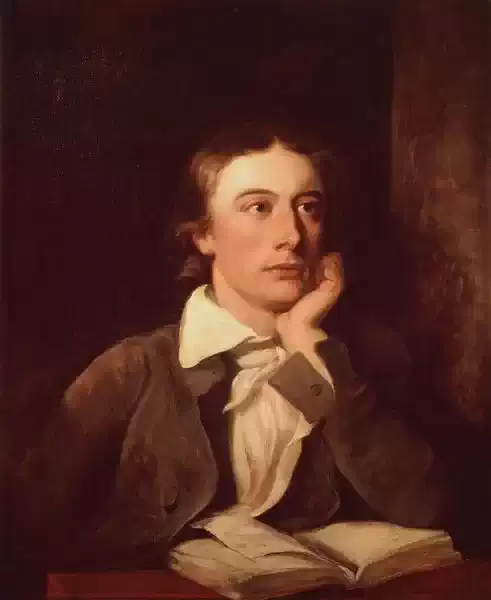
John Keats
To Fanny
To Fanny
I cry your mercy-pity-love!-aye, love!
Merciful love that tantalizes not,
One-thoughted, never-wandering, guileless love,
Unmasked, and being seen-without a blot!
O! let me have thee whole,-all-all-be mine!
That shape, that fairness, that sweet minor zest
Of love, your kiss,-those hands, those eyes divine,
That warm, white, lucent, million-pleasured breast,Yourself-
your soul-in pity give me all,
Withhold no atom's atom or I die,
Or living on, perhaps, your wretched thrall,
Forget, in the mist of idle misery,
Life's purposes,-the palate of my mind
Losing its gust, and my ambition blind!
I cry your mercy-pity-love!-aye, love!
Merciful love that tantalizes not,
One-thoughted, never-wandering, guileless love,
Unmasked, and being seen-without a blot!
O! let me have thee whole,-all-all-be mine!
That shape, that fairness, that sweet minor zest
Of love, your kiss,-those hands, those eyes divine,
That warm, white, lucent, million-pleasured breast,Yourself-
your soul-in pity give me all,
Withhold no atom's atom or I die,
Or living on, perhaps, your wretched thrall,
Forget, in the mist of idle misery,
Life's purposes,-the palate of my mind
Losing its gust, and my ambition blind!
456
John Keats
To Fanny
To Fanny
I cry your mercy-pity-love!-aye, love!
Merciful love that tantalizes not,
One-thoughted, never-wandering, guileless love,
Unmasked, and being seen-without a blot!
O! let me have thee whole,-all-all-be mine!
That shape, that fairness, that sweet minor zest
Of love, your kiss,-those hands, those eyes divine,
That warm, white, lucent, million-pleasured breast,Yourself-
your soul-in pity give me all,
Withhold no atom's atom or I die,
Or living on, perhaps, your wretched thrall,
Forget, in the mist of idle misery,
Life's purposes,-the palate of my mind
Losing its gust, and my ambition blind!
I cry your mercy-pity-love!-aye, love!
Merciful love that tantalizes not,
One-thoughted, never-wandering, guileless love,
Unmasked, and being seen-without a blot!
O! let me have thee whole,-all-all-be mine!
That shape, that fairness, that sweet minor zest
Of love, your kiss,-those hands, those eyes divine,
That warm, white, lucent, million-pleasured breast,Yourself-
your soul-in pity give me all,
Withhold no atom's atom or I die,
Or living on, perhaps, your wretched thrall,
Forget, in the mist of idle misery,
Life's purposes,-the palate of my mind
Losing its gust, and my ambition blind!
456
John Keats
To Fanny
To Fanny
I cry your mercy-pity-love!-aye, love!
Merciful love that tantalizes not,
One-thoughted, never-wandering, guileless love,
Unmasked, and being seen-without a blot!
O! let me have thee whole,-all-all-be mine!
That shape, that fairness, that sweet minor zest
Of love, your kiss,-those hands, those eyes divine,
That warm, white, lucent, million-pleasured breast,Yourself-
your soul-in pity give me all,
Withhold no atom's atom or I die,
Or living on, perhaps, your wretched thrall,
Forget, in the mist of idle misery,
Life's purposes,-the palate of my mind
Losing its gust, and my ambition blind!
I cry your mercy-pity-love!-aye, love!
Merciful love that tantalizes not,
One-thoughted, never-wandering, guileless love,
Unmasked, and being seen-without a blot!
O! let me have thee whole,-all-all-be mine!
That shape, that fairness, that sweet minor zest
Of love, your kiss,-those hands, those eyes divine,
That warm, white, lucent, million-pleasured breast,Yourself-
your soul-in pity give me all,
Withhold no atom's atom or I die,
Or living on, perhaps, your wretched thrall,
Forget, in the mist of idle misery,
Life's purposes,-the palate of my mind
Losing its gust, and my ambition blind!
456
John Keats
To A Friend Who Sent Me Some Roses
To A Friend Who Sent Me Some Roses
As late I rambled in the happy fields,
What time the skylark shakes the tremulous dew
From his lush clover covert;-when anew
Adventurous knights take up their dinted shields;
I saw the sweetest flower wild nature yields,
A fresh-blown musk-rose; 'twas the first that threw
Its sweets upon the summer: graceful it grew
As is the wand that Queen Titania wields.
And, as I feasted on its fragrancy,
I thought the garden-rose it far excelled;
But when, O Wells! thy roses came to me,
My sense with their deliciousness was spelled:
Soft voices had they, that with tender plea
Whispered of peace, and truth, and friendliness unquelled.
As late I rambled in the happy fields,
What time the skylark shakes the tremulous dew
From his lush clover covert;-when anew
Adventurous knights take up their dinted shields;
I saw the sweetest flower wild nature yields,
A fresh-blown musk-rose; 'twas the first that threw
Its sweets upon the summer: graceful it grew
As is the wand that Queen Titania wields.
And, as I feasted on its fragrancy,
I thought the garden-rose it far excelled;
But when, O Wells! thy roses came to me,
My sense with their deliciousness was spelled:
Soft voices had they, that with tender plea
Whispered of peace, and truth, and friendliness unquelled.
452
John Keats
Think Of It Not, Sweet One
Think Of It Not, Sweet One
THINK not of it, sweet one, so;--Give
it not a tear;
Sigh thou mayst, and bid it go
Any---anywhere.
Do not lool so sad, sweet one,--Sad
and fadingly;
Shed one drop then,---it is gone--O
'twas born to die!
Still so pale? then, dearest, weep;
Weep, I'll count the tears,
And each one shall be a bliss
For thee in after years.
Brighter has it left thine eyes
Than a sunny rill;
And thy whispering melodies
Are tenderer still.
Yet---as all things mourn awhile
At fleeting blisses,
E'en let us too! but be our dirge
A dirge of kisses.
THINK not of it, sweet one, so;--Give
it not a tear;
Sigh thou mayst, and bid it go
Any---anywhere.
Do not lool so sad, sweet one,--Sad
and fadingly;
Shed one drop then,---it is gone--O
'twas born to die!
Still so pale? then, dearest, weep;
Weep, I'll count the tears,
And each one shall be a bliss
For thee in after years.
Brighter has it left thine eyes
Than a sunny rill;
And thy whispering melodies
Are tenderer still.
Yet---as all things mourn awhile
At fleeting blisses,
E'en let us too! but be our dirge
A dirge of kisses.
373
John Keats
Think Of It Not, Sweet One
Think Of It Not, Sweet One
THINK not of it, sweet one, so;--Give
it not a tear;
Sigh thou mayst, and bid it go
Any---anywhere.
Do not lool so sad, sweet one,--Sad
and fadingly;
Shed one drop then,---it is gone--O
'twas born to die!
Still so pale? then, dearest, weep;
Weep, I'll count the tears,
And each one shall be a bliss
For thee in after years.
Brighter has it left thine eyes
Than a sunny rill;
And thy whispering melodies
Are tenderer still.
Yet---as all things mourn awhile
At fleeting blisses,
E'en let us too! but be our dirge
A dirge of kisses.
THINK not of it, sweet one, so;--Give
it not a tear;
Sigh thou mayst, and bid it go
Any---anywhere.
Do not lool so sad, sweet one,--Sad
and fadingly;
Shed one drop then,---it is gone--O
'twas born to die!
Still so pale? then, dearest, weep;
Weep, I'll count the tears,
And each one shall be a bliss
For thee in after years.
Brighter has it left thine eyes
Than a sunny rill;
And thy whispering melodies
Are tenderer still.
Yet---as all things mourn awhile
At fleeting blisses,
E'en let us too! but be our dirge
A dirge of kisses.
373
John Keats
To ****
To ****
Hadst thou liv'd in days of old,
O what wonders had been told
Of thy lively countenance,
And thy humid eyes that dance
In the midst of their own brightness;
In the very fane of lightness.
Over which thine eyebrows, leaning,
Picture out each lovely meaning:
In a dainty bend they lie,
Like to streaks across the sky,
Or the feathers from a crow,
Fallen on a bed of snow.
Of thy dark hair that extends
Into many graceful bends:
As the leaves of Hellebore
Turn to whence they sprung before.
And behind each ample curl
Peeps the richness of a pearl.
Downward too flows many a tress
With a glossy waviness;
Full, and round like globes that rise
From the censer to the skies
Through sunny air. Add too, the sweetness
Of thy honied voice; the neatness
Of thine ankle lightly turn'd:
With those beauties, scarce discern'd,
Kept with such sweet privacy,
That they seldom meet the eye
Of the little loves that fly
Round about with eager pry.
Saving when, with freshening lave,
Thou dipp'st them in the taintless wave;
Like twin water lillies, born
In the coolness of the morn.
O, if thou hadst breathed then,
Now the Muses had been ten.
Couldst thou wish for lineage higher
Than twin sister of Thalia?
At least for ever, evermore,
Will I call the Graces four.
Hadst thou liv'd when chivalry
Lifted up her lance on high,
Tell me what thou wouldst have been?
Ah! I see the silver sheen
Of thy broidered, floating vest
Cov’ring half thine ivory breast;
Which, O heavens! I should see,
But that cruel destiny
Has placed a golden cuirass there;
Keeping secret what is fair.
Like sunbeams in a cloudlet nested
Thy locks in knightly casque are rested:
O’er which bend four milky plumes
Like the gentle lilly’s blooms
Springing from a costly vase.
See with what a stately pace
Comes thine alabaster steed;
Servant of heroic deed!
O'er his loins, his trappings glow
Like the northern lights on snow.
Mount his back! thy sword unsheath!
Sign of the enchanter's death;
Bane of every wicked spell;
Silencer of dragon's yell.
Alas! thou this wilt never do:
Thou art an enchantress too,
And wilt surely never spill
Blood of those whose eyes can kill.
Hadst thou liv'd in days of old,
O what wonders had been told
Of thy lively countenance,
And thy humid eyes that dance
In the midst of their own brightness;
In the very fane of lightness.
Over which thine eyebrows, leaning,
Picture out each lovely meaning:
In a dainty bend they lie,
Like to streaks across the sky,
Or the feathers from a crow,
Fallen on a bed of snow.
Of thy dark hair that extends
Into many graceful bends:
As the leaves of Hellebore
Turn to whence they sprung before.
And behind each ample curl
Peeps the richness of a pearl.
Downward too flows many a tress
With a glossy waviness;
Full, and round like globes that rise
From the censer to the skies
Through sunny air. Add too, the sweetness
Of thy honied voice; the neatness
Of thine ankle lightly turn'd:
With those beauties, scarce discern'd,
Kept with such sweet privacy,
That they seldom meet the eye
Of the little loves that fly
Round about with eager pry.
Saving when, with freshening lave,
Thou dipp'st them in the taintless wave;
Like twin water lillies, born
In the coolness of the morn.
O, if thou hadst breathed then,
Now the Muses had been ten.
Couldst thou wish for lineage higher
Than twin sister of Thalia?
At least for ever, evermore,
Will I call the Graces four.
Hadst thou liv'd when chivalry
Lifted up her lance on high,
Tell me what thou wouldst have been?
Ah! I see the silver sheen
Of thy broidered, floating vest
Cov’ring half thine ivory breast;
Which, O heavens! I should see,
But that cruel destiny
Has placed a golden cuirass there;
Keeping secret what is fair.
Like sunbeams in a cloudlet nested
Thy locks in knightly casque are rested:
O’er which bend four milky plumes
Like the gentle lilly’s blooms
Springing from a costly vase.
See with what a stately pace
Comes thine alabaster steed;
Servant of heroic deed!
O'er his loins, his trappings glow
Like the northern lights on snow.
Mount his back! thy sword unsheath!
Sign of the enchanter's death;
Bane of every wicked spell;
Silencer of dragon's yell.
Alas! thou this wilt never do:
Thou art an enchantress too,
And wilt surely never spill
Blood of those whose eyes can kill.
446
John Keats
The Gadfly
The Gadfly
1.
All gentle folks who owe a grudge
To any living thing
Open your ears and stay your t[r]udge
Whilst I in dudgeon sing.
2.
The Gadfly he hath stung me sore--
O may he ne'er sting you!
But we have many a horrid bore
He may sting black and blue.
3.
Has any here an old grey Mare
With three legs all her store,
O put it to her Buttocks bare
And straight she'll run on four.
4.
Has any here a Lawyer suit
Of 1743,
Take Lawyer's nose and put it to't
And you the end will see.
5.
Is there a Man in Parliament
Dum[b-] founder'd in his speech,
O let his neighbour make a rent
And put one in his breech.
6.
O Lowther how much better thou
Hadst figur'd t'other day
When to the folks thou mad'st a bow
And hadst no more to say.
7.
If lucky Gadfly had but ta'en
His seat * * * * * * * * *
And put thee to a little pain
To save thee from a worse.
8.
Better than Southey it had been,
Better than Mr. D-------,
Better than Wordsworth too, I ween,
Better than Mr. V-------.
9.
Forgive me pray good people all
For deviating so --
In spirit sure I had a call -www.
PoemHunter.com - The World's Poetry Archive
And now I on will go.
10.
Has any here a daughter fair
Too fond of reading novels,
Too apt to fall in love with care
And charming Mister Lovels,
11.
O put a Gadfly to that thing
She keeps so white and pert --
I mean the finger for the ring,
And it will breed a wort.
12.
Has any here a pious spouse
Who seven times a day
Scolds as King David pray'd, to chouse
And have her holy way -13.
O let a Gadfly's little sting
Persuade her sacred tongue
That noises are a common thing,
But that her bell has rung.
14.
And as this is the summon bo
num of all conquering,
I leave 'withouten wordes mo'
The Gadfly's little sting.
1.
All gentle folks who owe a grudge
To any living thing
Open your ears and stay your t[r]udge
Whilst I in dudgeon sing.
2.
The Gadfly he hath stung me sore--
O may he ne'er sting you!
But we have many a horrid bore
He may sting black and blue.
3.
Has any here an old grey Mare
With three legs all her store,
O put it to her Buttocks bare
And straight she'll run on four.
4.
Has any here a Lawyer suit
Of 1743,
Take Lawyer's nose and put it to't
And you the end will see.
5.
Is there a Man in Parliament
Dum[b-] founder'd in his speech,
O let his neighbour make a rent
And put one in his breech.
6.
O Lowther how much better thou
Hadst figur'd t'other day
When to the folks thou mad'st a bow
And hadst no more to say.
7.
If lucky Gadfly had but ta'en
His seat * * * * * * * * *
And put thee to a little pain
To save thee from a worse.
8.
Better than Southey it had been,
Better than Mr. D-------,
Better than Wordsworth too, I ween,
Better than Mr. V-------.
9.
Forgive me pray good people all
For deviating so --
In spirit sure I had a call -www.
PoemHunter.com - The World's Poetry Archive
And now I on will go.
10.
Has any here a daughter fair
Too fond of reading novels,
Too apt to fall in love with care
And charming Mister Lovels,
11.
O put a Gadfly to that thing
She keeps so white and pert --
I mean the finger for the ring,
And it will breed a wort.
12.
Has any here a pious spouse
Who seven times a day
Scolds as King David pray'd, to chouse
And have her holy way -13.
O let a Gadfly's little sting
Persuade her sacred tongue
That noises are a common thing,
But that her bell has rung.
14.
And as this is the summon bo
num of all conquering,
I leave 'withouten wordes mo'
The Gadfly's little sting.
478
John Keats
The Gadfly
The Gadfly
1.
All gentle folks who owe a grudge
To any living thing
Open your ears and stay your t[r]udge
Whilst I in dudgeon sing.
2.
The Gadfly he hath stung me sore--
O may he ne'er sting you!
But we have many a horrid bore
He may sting black and blue.
3.
Has any here an old grey Mare
With three legs all her store,
O put it to her Buttocks bare
And straight she'll run on four.
4.
Has any here a Lawyer suit
Of 1743,
Take Lawyer's nose and put it to't
And you the end will see.
5.
Is there a Man in Parliament
Dum[b-] founder'd in his speech,
O let his neighbour make a rent
And put one in his breech.
6.
O Lowther how much better thou
Hadst figur'd t'other day
When to the folks thou mad'st a bow
And hadst no more to say.
7.
If lucky Gadfly had but ta'en
His seat * * * * * * * * *
And put thee to a little pain
To save thee from a worse.
8.
Better than Southey it had been,
Better than Mr. D-------,
Better than Wordsworth too, I ween,
Better than Mr. V-------.
9.
Forgive me pray good people all
For deviating so --
In spirit sure I had a call -www.
PoemHunter.com - The World's Poetry Archive
And now I on will go.
10.
Has any here a daughter fair
Too fond of reading novels,
Too apt to fall in love with care
And charming Mister Lovels,
11.
O put a Gadfly to that thing
She keeps so white and pert --
I mean the finger for the ring,
And it will breed a wort.
12.
Has any here a pious spouse
Who seven times a day
Scolds as King David pray'd, to chouse
And have her holy way -13.
O let a Gadfly's little sting
Persuade her sacred tongue
That noises are a common thing,
But that her bell has rung.
14.
And as this is the summon bo
num of all conquering,
I leave 'withouten wordes mo'
The Gadfly's little sting.
1.
All gentle folks who owe a grudge
To any living thing
Open your ears and stay your t[r]udge
Whilst I in dudgeon sing.
2.
The Gadfly he hath stung me sore--
O may he ne'er sting you!
But we have many a horrid bore
He may sting black and blue.
3.
Has any here an old grey Mare
With three legs all her store,
O put it to her Buttocks bare
And straight she'll run on four.
4.
Has any here a Lawyer suit
Of 1743,
Take Lawyer's nose and put it to't
And you the end will see.
5.
Is there a Man in Parliament
Dum[b-] founder'd in his speech,
O let his neighbour make a rent
And put one in his breech.
6.
O Lowther how much better thou
Hadst figur'd t'other day
When to the folks thou mad'st a bow
And hadst no more to say.
7.
If lucky Gadfly had but ta'en
His seat * * * * * * * * *
And put thee to a little pain
To save thee from a worse.
8.
Better than Southey it had been,
Better than Mr. D-------,
Better than Wordsworth too, I ween,
Better than Mr. V-------.
9.
Forgive me pray good people all
For deviating so --
In spirit sure I had a call -www.
PoemHunter.com - The World's Poetry Archive
And now I on will go.
10.
Has any here a daughter fair
Too fond of reading novels,
Too apt to fall in love with care
And charming Mister Lovels,
11.
O put a Gadfly to that thing
She keeps so white and pert --
I mean the finger for the ring,
And it will breed a wort.
12.
Has any here a pious spouse
Who seven times a day
Scolds as King David pray'd, to chouse
And have her holy way -13.
O let a Gadfly's little sting
Persuade her sacred tongue
That noises are a common thing,
But that her bell has rung.
14.
And as this is the summon bo
num of all conquering,
I leave 'withouten wordes mo'
The Gadfly's little sting.
478
John Keats
The Day Is Gone, And All Its Sweets Are Gone
The Day Is Gone, And All Its Sweets Are Gone
The day is gone, and all its sweets are gone!
Sweet voice, sweet lips, soft hand, and softer breast,
Warm breath, light whisper, tender semitone,
Bright eyes, accomplished shape, and lang'rous waist!
Faded the flower and all its budded charms,
Faded the sight of beauty from my eyes,
Faded the shape of beauty from my arms,
Faded the voice, warmth, whiteness, paradise-
Vanished unseasonably at shut of eve,
When the dusk holiday-or holinight
Of fragrant-curtained love begins to weave
The woof of darkness thick, for hid delight;
But, as I've read love's missal through today,
He'll let me sleep, seeing I fast and pray.
The day is gone, and all its sweets are gone!
Sweet voice, sweet lips, soft hand, and softer breast,
Warm breath, light whisper, tender semitone,
Bright eyes, accomplished shape, and lang'rous waist!
Faded the flower and all its budded charms,
Faded the sight of beauty from my eyes,
Faded the shape of beauty from my arms,
Faded the voice, warmth, whiteness, paradise-
Vanished unseasonably at shut of eve,
When the dusk holiday-or holinight
Of fragrant-curtained love begins to weave
The woof of darkness thick, for hid delight;
But, as I've read love's missal through today,
He'll let me sleep, seeing I fast and pray.
473
John Keats
Stanzas To Miss Wylie
Stanzas To Miss Wylie
1.
O come Georgiana! the rose is full blown,
The riches of Flora are lavishly strown,
The air is all softness, and crystal the streams,
The West is resplendently clothed in beams.
2.
O come! let us haste to the freshening shades,
The quaintly carv'd seats, and the opening glades;
Where the faeries are chanting their evening hymns,
And in the last sun-beam the sylph lightly swims.
3.
And when thou art weary I'll find thee a bed,
Of mosses and flowers to pillow thy head:
And there Georgiana I'll sit at thy feet,
While my story of love I enraptur'd repeat.
4.
So fondly I'll breathe, and so softly I'll sigh,
Thou wilt think that some amorous Zephyr is nigh:
Yet no -- as I breathe I will press thy fair knee,
And then thou wilt know that the sigh comes from me.
5.
Ah! why dearest girl should we lose all these blisses?
That mortal's a fool who such happiness misses:
So smile acquiescence, and give me thy hand,
With love-looking eyes, and with voice sweetly bland.
1.
O come Georgiana! the rose is full blown,
The riches of Flora are lavishly strown,
The air is all softness, and crystal the streams,
The West is resplendently clothed in beams.
2.
O come! let us haste to the freshening shades,
The quaintly carv'd seats, and the opening glades;
Where the faeries are chanting their evening hymns,
And in the last sun-beam the sylph lightly swims.
3.
And when thou art weary I'll find thee a bed,
Of mosses and flowers to pillow thy head:
And there Georgiana I'll sit at thy feet,
While my story of love I enraptur'd repeat.
4.
So fondly I'll breathe, and so softly I'll sigh,
Thou wilt think that some amorous Zephyr is nigh:
Yet no -- as I breathe I will press thy fair knee,
And then thou wilt know that the sigh comes from me.
5.
Ah! why dearest girl should we lose all these blisses?
That mortal's a fool who such happiness misses:
So smile acquiescence, and give me thy hand,
With love-looking eyes, and with voice sweetly bland.
467
John Keats
Sonnet: When I Have Fears That I May Cease To Be
Sonnet: When I Have Fears That I May Cease To Be
When I have fears that I may cease to be
Before my pen has glean'd my teeming brain,
Before high piled books, in charactry,
Hold like rich garners the full-ripen'd grain;
When I behold, upon the night's starr'd face,
Huge cloudy symbols of a high romance,
And think that I may never live to trace
Their shadows, with the magic hand of chance;
And when I feel, fair creature of an hour,
That I shall never look upon thee more,
Never have relish in the faery power
Of unreflecting love; -- then on the shore
Of the wide world I stand alone, and think
Till Love and Fame to nothingness do sink.
When I have fears that I may cease to be
Before my pen has glean'd my teeming brain,
Before high piled books, in charactry,
Hold like rich garners the full-ripen'd grain;
When I behold, upon the night's starr'd face,
Huge cloudy symbols of a high romance,
And think that I may never live to trace
Their shadows, with the magic hand of chance;
And when I feel, fair creature of an hour,
That I shall never look upon thee more,
Never have relish in the faery power
Of unreflecting love; -- then on the shore
Of the wide world I stand alone, and think
Till Love and Fame to nothingness do sink.
411
John Keats
Sonnet: When I Have Fears That I May Cease To Be
Sonnet: When I Have Fears That I May Cease To Be
When I have fears that I may cease to be
Before my pen has glean'd my teeming brain,
Before high piled books, in charactry,
Hold like rich garners the full-ripen'd grain;
When I behold, upon the night's starr'd face,
Huge cloudy symbols of a high romance,
And think that I may never live to trace
Their shadows, with the magic hand of chance;
And when I feel, fair creature of an hour,
That I shall never look upon thee more,
Never have relish in the faery power
Of unreflecting love; -- then on the shore
Of the wide world I stand alone, and think
Till Love and Fame to nothingness do sink.
When I have fears that I may cease to be
Before my pen has glean'd my teeming brain,
Before high piled books, in charactry,
Hold like rich garners the full-ripen'd grain;
When I behold, upon the night's starr'd face,
Huge cloudy symbols of a high romance,
And think that I may never live to trace
Their shadows, with the magic hand of chance;
And when I feel, fair creature of an hour,
That I shall never look upon thee more,
Never have relish in the faery power
Of unreflecting love; -- then on the shore
Of the wide world I stand alone, and think
Till Love and Fame to nothingness do sink.
411
John Keats
Sonnet. To A Lady Seen For A Few Moments At Vauxhall
Sonnet. To A Lady Seen For A Few Moments At Vauxhall
Time's sea hath been five years at its slow ebb,
Long hours have to and fro let creep the sand,
Since I was tangled in thy beauty's web,
And snared by the ungloving of thine hand.
And yet I never look on midnight sky,
But I behold thine eyes' well memory'd light;
I cannot look upon the rose's dye,
But to thy cheek my soul doth take its flight.
I cannot look on any budding flower,
But my fond ear, in fancy at thy lips
And hearkening for a love-sound, doth devour
Its sweets in the wrong sense: -- Thou dost eclipse
Every delight with sweet remembering,
And grief unto my darling joys dost bring.
Time's sea hath been five years at its slow ebb,
Long hours have to and fro let creep the sand,
Since I was tangled in thy beauty's web,
And snared by the ungloving of thine hand.
And yet I never look on midnight sky,
But I behold thine eyes' well memory'd light;
I cannot look upon the rose's dye,
But to thy cheek my soul doth take its flight.
I cannot look on any budding flower,
But my fond ear, in fancy at thy lips
And hearkening for a love-sound, doth devour
Its sweets in the wrong sense: -- Thou dost eclipse
Every delight with sweet remembering,
And grief unto my darling joys dost bring.
510
John Keats
Sonnet. Why Did I Laugh Tonight?
Sonnet. Why Did I Laugh Tonight?
Why did I laugh to-night? No voice will tell
No God, no Demon of severe response,
Deigns to reply from Heaven or from Hell
Then to my human heart I turn at once:
Heart! Thou and I are here sad and alone;
I say, why did I laugh? O mortal pain!
O Darkness! Darkness! ever must I moan,
To question Heaven and Hell and Heart in vain.
Why did I laugh? I know this Being's lease,
My fancy to its utmost blisses spreads;
Yet would I on this very midnight cease,
And all the world's gaudy ensigns see in shreds;
Verse, Fame, and Beauty are intense indeed,
But Death intenser -- Death is Life's high meed.
Why did I laugh to-night? No voice will tell
No God, no Demon of severe response,
Deigns to reply from Heaven or from Hell
Then to my human heart I turn at once:
Heart! Thou and I are here sad and alone;
I say, why did I laugh? O mortal pain!
O Darkness! Darkness! ever must I moan,
To question Heaven and Hell and Heart in vain.
Why did I laugh? I know this Being's lease,
My fancy to its utmost blisses spreads;
Yet would I on this very midnight cease,
And all the world's gaudy ensigns see in shreds;
Verse, Fame, and Beauty are intense indeed,
But Death intenser -- Death is Life's high meed.
458
John Keats
Sonnet. The Day Is Gone
Sonnet. The Day Is Gone
The day is gone, and all its sweets are gone!
Sweet voice, sweet lips, soft hand, and softer breast,
Warm breath, light whisper, tender semitone,
Bright eyes, accomplished shape, and lang'rous waist!
Faded the flower and all its budded charms,
Faded the sight of beauty from my eyes,
Faded the shape of beauty from my arms,
Faded the voice, warmth, whiteness, paradise--
Vanished unseasonably at shut of eve,
When the dusk holiday -- or holinight
Of fragrant-curtained love begins to weave
The woof of darkness thick, for hid delight;
But, as I've read love's missal through today,
He'll let me sleep, seeing I fast and pray.
The day is gone, and all its sweets are gone!
Sweet voice, sweet lips, soft hand, and softer breast,
Warm breath, light whisper, tender semitone,
Bright eyes, accomplished shape, and lang'rous waist!
Faded the flower and all its budded charms,
Faded the sight of beauty from my eyes,
Faded the shape of beauty from my arms,
Faded the voice, warmth, whiteness, paradise--
Vanished unseasonably at shut of eve,
When the dusk holiday -- or holinight
Of fragrant-curtained love begins to weave
The woof of darkness thick, for hid delight;
But, as I've read love's missal through today,
He'll let me sleep, seeing I fast and pray.
424
John Keats
Sonnet. On A Picture Of Leander
Sonnet. On A Picture Of Leander
Come hither all sweet Maidens soberly
Down looking aye, and with a chasten'd light
Hid in the fringes of your eyelids white,
And meekly let your fair hands joined be,
As if so gentle that ye could not see,
Untouch'd, a victim of your beauty bright,
Sinking away to his young spirit's night,
Sinking bewilder'd 'mid the dreary sea.
'Tis young Leander toiling to his death.
Nigh swooning he doth purse his weary lips
For Hero's cheek, and smiles against her smile.
O horrid dream! see how his body dips
Dead-heavy; arms and shoulders gleam awhile;
He's gone; up bubbles all his amorous breath!
Come hither all sweet Maidens soberly
Down looking aye, and with a chasten'd light
Hid in the fringes of your eyelids white,
And meekly let your fair hands joined be,
As if so gentle that ye could not see,
Untouch'd, a victim of your beauty bright,
Sinking away to his young spirit's night,
Sinking bewilder'd 'mid the dreary sea.
'Tis young Leander toiling to his death.
Nigh swooning he doth purse his weary lips
For Hero's cheek, and smiles against her smile.
O horrid dream! see how his body dips
Dead-heavy; arms and shoulders gleam awhile;
He's gone; up bubbles all his amorous breath!
534
John Keats
Sonnet XVII. Happy Is England
Sonnet XVII. Happy Is England
Happy is England! I could be content
To see no other verdure than its own;
To feel no other breezes than are blown
Through its tall woods with high romances blent:
Yet do I sometimes feel a languishment
For skies Italian, and an inward groan
To sit upon an Alp as on a throne,
And half forget what world or worldling meant.
Happy is England, sweet her artless daughters;
Enough their simple loveliness for me,
Enough their whitest arms in silence clinging:
Yet do I often warmly burn to see
Beauties of deeper glance, and hear their singing,
And float with them about the summer waters.
Happy is England! I could be content
To see no other verdure than its own;
To feel no other breezes than are blown
Through its tall woods with high romances blent:
Yet do I sometimes feel a languishment
For skies Italian, and an inward groan
To sit upon an Alp as on a throne,
And half forget what world or worldling meant.
Happy is England, sweet her artless daughters;
Enough their simple loveliness for me,
Enough their whitest arms in silence clinging:
Yet do I often warmly burn to see
Beauties of deeper glance, and hear their singing,
And float with them about the summer waters.
459
John Keats
Sonnet XIII. Addressed To Haydon
Sonnet XIII. Addressed To Haydon
High-mindedness, a jealousy for good,
A loving-kindness for the great man's fame,
Dwells here and there with people of no name,
In noisome alley, and in pathless wood:
And where we think the truth least understood,
Oft may be found a 'singleness of aim,'
That ought to frighten into hooded shame
A money-mongering, pitiable brood.
How glorious this affection for the cause
Of steadfast genius, toiling gallantly!
What when a stout unbending champion awes
Envy and malice to their native sty?
Unnumbered souls breathe out a still applause,
Proud to behold him in his country's eye.
High-mindedness, a jealousy for good,
A loving-kindness for the great man's fame,
Dwells here and there with people of no name,
In noisome alley, and in pathless wood:
And where we think the truth least understood,
Oft may be found a 'singleness of aim,'
That ought to frighten into hooded shame
A money-mongering, pitiable brood.
How glorious this affection for the cause
Of steadfast genius, toiling gallantly!
What when a stout unbending champion awes
Envy and malice to their native sty?
Unnumbered souls breathe out a still applause,
Proud to behold him in his country's eye.
299
John Keats
Sonnet XIII. Addressed To Haydon
Sonnet XIII. Addressed To Haydon
High-mindedness, a jealousy for good,
A loving-kindness for the great man's fame,
Dwells here and there with people of no name,
In noisome alley, and in pathless wood:
And where we think the truth least understood,
Oft may be found a 'singleness of aim,'
That ought to frighten into hooded shame
A money-mongering, pitiable brood.
How glorious this affection for the cause
Of steadfast genius, toiling gallantly!
What when a stout unbending champion awes
Envy and malice to their native sty?
Unnumbered souls breathe out a still applause,
Proud to behold him in his country's eye.
High-mindedness, a jealousy for good,
A loving-kindness for the great man's fame,
Dwells here and there with people of no name,
In noisome alley, and in pathless wood:
And where we think the truth least understood,
Oft may be found a 'singleness of aim,'
That ought to frighten into hooded shame
A money-mongering, pitiable brood.
How glorious this affection for the cause
Of steadfast genius, toiling gallantly!
What when a stout unbending champion awes
Envy and malice to their native sty?
Unnumbered souls breathe out a still applause,
Proud to behold him in his country's eye.
299
John Keats
Sonnet XI. On First Looking Into Chapman's Homer
Sonnet XI. On First Looking Into Chapman's Homer
Much have I travell'd in the realms of gold,
And many goodly states and kingdoms seen;
Round many western islands have I been
Which bards in fealty to Apollo hold.
Oft of one wide expanse had I been told
That deep-brow'd Homer ruled as his demesne;
Yet did I never breathe its pure serene
Till I heard Chapman speak out loud and bold:
Then felt I like some watcher of the skies
When a new planet swims into his ken;
Or like stout Cortez when with eagle eyes
He star'd at the Pacific -- and all his men
Look'd at each other with a wild surmise --
Silent, upon a peak in Darien.
Much have I travell'd in the realms of gold,
And many goodly states and kingdoms seen;
Round many western islands have I been
Which bards in fealty to Apollo hold.
Oft of one wide expanse had I been told
That deep-brow'd Homer ruled as his demesne;
Yet did I never breathe its pure serene
Till I heard Chapman speak out loud and bold:
Then felt I like some watcher of the skies
When a new planet swims into his ken;
Or like stout Cortez when with eagle eyes
He star'd at the Pacific -- and all his men
Look'd at each other with a wild surmise --
Silent, upon a peak in Darien.
440
John Keats
Sonnet To John Hamilton Reynolds
Sonnet To John Hamilton Reynolds
O that a week could be an age, and we
Felt parting and warm meeting every week,
Then one poor year a thousand years would be,
The flush of welcome ever on the cheek:
So could we live long life in little space,
So time itself would be annihilate,
So a day's journey in oblivious haze
To serve ourjoys would lengthen and dilate.
O to arrive each Monday morn from Ind!
To land each Tuesday from the rich Levant!
In little time a host of joys to bind,
And keep our souls in one eternal pant!
This morn, my friend, and yester-evening taught
Me how to harbour such a happy thought.
O that a week could be an age, and we
Felt parting and warm meeting every week,
Then one poor year a thousand years would be,
The flush of welcome ever on the cheek:
So could we live long life in little space,
So time itself would be annihilate,
So a day's journey in oblivious haze
To serve ourjoys would lengthen and dilate.
O to arrive each Monday morn from Ind!
To land each Tuesday from the rich Levant!
In little time a host of joys to bind,
And keep our souls in one eternal pant!
This morn, my friend, and yester-evening taught
Me how to harbour such a happy thought.
453
John Keats
Sonnet To John Hamilton Reynolds
Sonnet To John Hamilton Reynolds
O that a week could be an age, and we
Felt parting and warm meeting every week,
Then one poor year a thousand years would be,
The flush of welcome ever on the cheek:
So could we live long life in little space,
So time itself would be annihilate,
So a day's journey in oblivious haze
To serve ourjoys would lengthen and dilate.
O to arrive each Monday morn from Ind!
To land each Tuesday from the rich Levant!
In little time a host of joys to bind,
And keep our souls in one eternal pant!
This morn, my friend, and yester-evening taught
Me how to harbour such a happy thought.
O that a week could be an age, and we
Felt parting and warm meeting every week,
Then one poor year a thousand years would be,
The flush of welcome ever on the cheek:
So could we live long life in little space,
So time itself would be annihilate,
So a day's journey in oblivious haze
To serve ourjoys would lengthen and dilate.
O to arrive each Monday morn from Ind!
To land each Tuesday from the rich Levant!
In little time a host of joys to bind,
And keep our souls in one eternal pant!
This morn, my friend, and yester-evening taught
Me how to harbour such a happy thought.
453
John Keats
Sonnet To Sleep
Sonnet To Sleep
O soft embalmer of the still midnight!
Shutting, with careful fingers and benign,
Our gloom-pleas'd eyes, embower'd from the light,
Enshaded in forgetfulness divine;
O soothest Sleep! if so it please thee, close,
In midst of this thine hymn, my willing eyes.
Or wait the Amen, ere thy poppy throws
Around my bed its lulling charities;
Then save me, or the passed day will shine
Upon my pillow, breeding many woes;
Save me from curious conscience, that still hoards
Its strength for darkness, burrowing like a mole;
Turn the key deftly in the oiled wards,
And seal the hushed casket of my soul.
O soft embalmer of the still midnight!
Shutting, with careful fingers and benign,
Our gloom-pleas'd eyes, embower'd from the light,
Enshaded in forgetfulness divine;
O soothest Sleep! if so it please thee, close,
In midst of this thine hymn, my willing eyes.
Or wait the Amen, ere thy poppy throws
Around my bed its lulling charities;
Then save me, or the passed day will shine
Upon my pillow, breeding many woes;
Save me from curious conscience, that still hoards
Its strength for darkness, burrowing like a mole;
Turn the key deftly in the oiled wards,
And seal the hushed casket of my soul.
400