

Poems in this topic
Emotions and Feelings
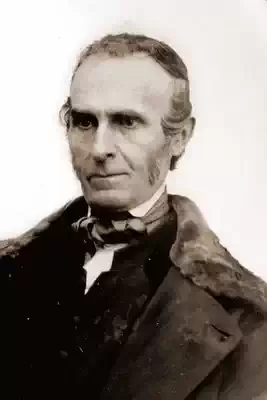
John Greenleaf Whittier
The Hero
The Hero
'O for a knight like Bayard,
Without reproach or fear;
My light glove on his casque of steel,
My love-knot on his spear!
'O for the white plume floating
Sad Zutphen's field above,
The lion heart in battle,
The woman's heart in love!
'O that man once more were manly,
Woman's pride, and not her scorn
That once more the pale young mother
Dared to boast `a man is born'!
'But, now life's slumberous current
No sun-bowed cascade wakes;
No tall, heroic manhood
The level dulness breaks.
'O for a knight like Bayard,
Without reproach or fear!
My light glove on his casque of steel
My love-knot on his spear!'
Then I said, my own heart throbbing
To the time her proud pulse beat,
'Life hath its regal natures yet,True,
tender, brave, and sweet!
'Smile not, fair unbeliever!
One man, at least, I know,
Who might wear the crest of Bayard
Or Sydney's plume of snow.
'Once, when over purple mountains
Died away the Grecian sun,
And the far Cyllenian ranges
Paled and darkened, one by one,
'Fell the Turk, a bolt of thunder,
Cleaving all the quiet sky,
And against his sharp steel lightnings
Stood the Suliote but to die.
'Woe for the weak and halting!
The crescent blazed behind
A curving line of sabres
Like fire before the wind!
'Last to fly, and first to rally,
Rode he of whom I speak,
When, groaning in his bridle path,
Sank down like a wounded Greek.
'With the rich Albanian costume
Wet with many a ghastly stain,
Gazing on earth and sky as one
Who might not gaze again!
'He looked forward to the mountains,
Back on foes that never spare,
Then flung him from his saddle,
And place the stranger there.
''Allah! hu!' Through flashing sabres,
Through a stormy hail of lead,
The good Thessalian charger
Up the slopes of olives sped.
'Hot spurred the turbaned riders;
He almost felt their breath,
Where a mountain stream rolled darkly down
Between the hills and death.
'One brave and manful struggle,He
gained the solid land,
And the cover of the mountains,
And the carbines of his band!'
'It was very great and noble,'
Said the moist-eyed listener then,
'But one brave deed makes no hero;
Tell me what he since hath been!'
'Still a brave and generous manhood,
Still and honor without stain,
In the prison of the Kaiser,
By the barricades of Seine.
'But dream not helm and harness
The sign of valor true;
Peace bath higher tests of manhood
Than battle ever knew.
'Wouldst know him now? Behold him,
The Cadmus of the blind,
Giving the dumb lip language,
The idiot clay a mind.
'Walking his round of duty
Serenely day by day,
With the strong man's hand of labor
And childhood's heart of play.
'True as the knights of story,
Sir Lancelot and his peers,
Brave in his calm endurance
As they in tilt of spears.
'As waves in stillest waters,
As stars in noonday skies,
All that wakes to noble action
In his noon of calmness lies.
'Wherever outraged Nature
Asks word or action brave,
Wherever struggles labor,
Wherever groans a slave,
'Wherever rise the peoples,
Wherever sinks a throne,
The throbbing heart of Freedom finds
An answer in his own.
'Knight of a better era,
Without reproach or fear!
Said I not well that Bayards
And Sidneys still are here?
'O for a knight like Bayard,
Without reproach or fear;
My light glove on his casque of steel,
My love-knot on his spear!
'O for the white plume floating
Sad Zutphen's field above,
The lion heart in battle,
The woman's heart in love!
'O that man once more were manly,
Woman's pride, and not her scorn
That once more the pale young mother
Dared to boast `a man is born'!
'But, now life's slumberous current
No sun-bowed cascade wakes;
No tall, heroic manhood
The level dulness breaks.
'O for a knight like Bayard,
Without reproach or fear!
My light glove on his casque of steel
My love-knot on his spear!'
Then I said, my own heart throbbing
To the time her proud pulse beat,
'Life hath its regal natures yet,True,
tender, brave, and sweet!
'Smile not, fair unbeliever!
One man, at least, I know,
Who might wear the crest of Bayard
Or Sydney's plume of snow.
'Once, when over purple mountains
Died away the Grecian sun,
And the far Cyllenian ranges
Paled and darkened, one by one,
'Fell the Turk, a bolt of thunder,
Cleaving all the quiet sky,
And against his sharp steel lightnings
Stood the Suliote but to die.
'Woe for the weak and halting!
The crescent blazed behind
A curving line of sabres
Like fire before the wind!
'Last to fly, and first to rally,
Rode he of whom I speak,
When, groaning in his bridle path,
Sank down like a wounded Greek.
'With the rich Albanian costume
Wet with many a ghastly stain,
Gazing on earth and sky as one
Who might not gaze again!
'He looked forward to the mountains,
Back on foes that never spare,
Then flung him from his saddle,
And place the stranger there.
''Allah! hu!' Through flashing sabres,
Through a stormy hail of lead,
The good Thessalian charger
Up the slopes of olives sped.
'Hot spurred the turbaned riders;
He almost felt their breath,
Where a mountain stream rolled darkly down
Between the hills and death.
'One brave and manful struggle,He
gained the solid land,
And the cover of the mountains,
And the carbines of his band!'
'It was very great and noble,'
Said the moist-eyed listener then,
'But one brave deed makes no hero;
Tell me what he since hath been!'
'Still a brave and generous manhood,
Still and honor without stain,
In the prison of the Kaiser,
By the barricades of Seine.
'But dream not helm and harness
The sign of valor true;
Peace bath higher tests of manhood
Than battle ever knew.
'Wouldst know him now? Behold him,
The Cadmus of the blind,
Giving the dumb lip language,
The idiot clay a mind.
'Walking his round of duty
Serenely day by day,
With the strong man's hand of labor
And childhood's heart of play.
'True as the knights of story,
Sir Lancelot and his peers,
Brave in his calm endurance
As they in tilt of spears.
'As waves in stillest waters,
As stars in noonday skies,
All that wakes to noble action
In his noon of calmness lies.
'Wherever outraged Nature
Asks word or action brave,
Wherever struggles labor,
Wherever groans a slave,
'Wherever rise the peoples,
Wherever sinks a throne,
The throbbing heart of Freedom finds
An answer in his own.
'Knight of a better era,
Without reproach or fear!
Said I not well that Bayards
And Sidneys still are here?
249
John Greenleaf Whittier
The Hero
The Hero
'O for a knight like Bayard,
Without reproach or fear;
My light glove on his casque of steel,
My love-knot on his spear!
'O for the white plume floating
Sad Zutphen's field above,
The lion heart in battle,
The woman's heart in love!
'O that man once more were manly,
Woman's pride, and not her scorn
That once more the pale young mother
Dared to boast `a man is born'!
'But, now life's slumberous current
No sun-bowed cascade wakes;
No tall, heroic manhood
The level dulness breaks.
'O for a knight like Bayard,
Without reproach or fear!
My light glove on his casque of steel
My love-knot on his spear!'
Then I said, my own heart throbbing
To the time her proud pulse beat,
'Life hath its regal natures yet,True,
tender, brave, and sweet!
'Smile not, fair unbeliever!
One man, at least, I know,
Who might wear the crest of Bayard
Or Sydney's plume of snow.
'Once, when over purple mountains
Died away the Grecian sun,
And the far Cyllenian ranges
Paled and darkened, one by one,
'Fell the Turk, a bolt of thunder,
Cleaving all the quiet sky,
And against his sharp steel lightnings
Stood the Suliote but to die.
'Woe for the weak and halting!
The crescent blazed behind
A curving line of sabres
Like fire before the wind!
'Last to fly, and first to rally,
Rode he of whom I speak,
When, groaning in his bridle path,
Sank down like a wounded Greek.
'With the rich Albanian costume
Wet with many a ghastly stain,
Gazing on earth and sky as one
Who might not gaze again!
'He looked forward to the mountains,
Back on foes that never spare,
Then flung him from his saddle,
And place the stranger there.
''Allah! hu!' Through flashing sabres,
Through a stormy hail of lead,
The good Thessalian charger
Up the slopes of olives sped.
'Hot spurred the turbaned riders;
He almost felt their breath,
Where a mountain stream rolled darkly down
Between the hills and death.
'One brave and manful struggle,He
gained the solid land,
And the cover of the mountains,
And the carbines of his band!'
'It was very great and noble,'
Said the moist-eyed listener then,
'But one brave deed makes no hero;
Tell me what he since hath been!'
'Still a brave and generous manhood,
Still and honor without stain,
In the prison of the Kaiser,
By the barricades of Seine.
'But dream not helm and harness
The sign of valor true;
Peace bath higher tests of manhood
Than battle ever knew.
'Wouldst know him now? Behold him,
The Cadmus of the blind,
Giving the dumb lip language,
The idiot clay a mind.
'Walking his round of duty
Serenely day by day,
With the strong man's hand of labor
And childhood's heart of play.
'True as the knights of story,
Sir Lancelot and his peers,
Brave in his calm endurance
As they in tilt of spears.
'As waves in stillest waters,
As stars in noonday skies,
All that wakes to noble action
In his noon of calmness lies.
'Wherever outraged Nature
Asks word or action brave,
Wherever struggles labor,
Wherever groans a slave,
'Wherever rise the peoples,
Wherever sinks a throne,
The throbbing heart of Freedom finds
An answer in his own.
'Knight of a better era,
Without reproach or fear!
Said I not well that Bayards
And Sidneys still are here?
'O for a knight like Bayard,
Without reproach or fear;
My light glove on his casque of steel,
My love-knot on his spear!
'O for the white plume floating
Sad Zutphen's field above,
The lion heart in battle,
The woman's heart in love!
'O that man once more were manly,
Woman's pride, and not her scorn
That once more the pale young mother
Dared to boast `a man is born'!
'But, now life's slumberous current
No sun-bowed cascade wakes;
No tall, heroic manhood
The level dulness breaks.
'O for a knight like Bayard,
Without reproach or fear!
My light glove on his casque of steel
My love-knot on his spear!'
Then I said, my own heart throbbing
To the time her proud pulse beat,
'Life hath its regal natures yet,True,
tender, brave, and sweet!
'Smile not, fair unbeliever!
One man, at least, I know,
Who might wear the crest of Bayard
Or Sydney's plume of snow.
'Once, when over purple mountains
Died away the Grecian sun,
And the far Cyllenian ranges
Paled and darkened, one by one,
'Fell the Turk, a bolt of thunder,
Cleaving all the quiet sky,
And against his sharp steel lightnings
Stood the Suliote but to die.
'Woe for the weak and halting!
The crescent blazed behind
A curving line of sabres
Like fire before the wind!
'Last to fly, and first to rally,
Rode he of whom I speak,
When, groaning in his bridle path,
Sank down like a wounded Greek.
'With the rich Albanian costume
Wet with many a ghastly stain,
Gazing on earth and sky as one
Who might not gaze again!
'He looked forward to the mountains,
Back on foes that never spare,
Then flung him from his saddle,
And place the stranger there.
''Allah! hu!' Through flashing sabres,
Through a stormy hail of lead,
The good Thessalian charger
Up the slopes of olives sped.
'Hot spurred the turbaned riders;
He almost felt their breath,
Where a mountain stream rolled darkly down
Between the hills and death.
'One brave and manful struggle,He
gained the solid land,
And the cover of the mountains,
And the carbines of his band!'
'It was very great and noble,'
Said the moist-eyed listener then,
'But one brave deed makes no hero;
Tell me what he since hath been!'
'Still a brave and generous manhood,
Still and honor without stain,
In the prison of the Kaiser,
By the barricades of Seine.
'But dream not helm and harness
The sign of valor true;
Peace bath higher tests of manhood
Than battle ever knew.
'Wouldst know him now? Behold him,
The Cadmus of the blind,
Giving the dumb lip language,
The idiot clay a mind.
'Walking his round of duty
Serenely day by day,
With the strong man's hand of labor
And childhood's heart of play.
'True as the knights of story,
Sir Lancelot and his peers,
Brave in his calm endurance
As they in tilt of spears.
'As waves in stillest waters,
As stars in noonday skies,
All that wakes to noble action
In his noon of calmness lies.
'Wherever outraged Nature
Asks word or action brave,
Wherever struggles labor,
Wherever groans a slave,
'Wherever rise the peoples,
Wherever sinks a throne,
The throbbing heart of Freedom finds
An answer in his own.
'Knight of a better era,
Without reproach or fear!
Said I not well that Bayards
And Sidneys still are here?
249
John Greenleaf Whittier
The Henchman
The Henchman
My lady walks her morning round,
My lady's page her fleet greyhound,
My lady's hair the fond winds stir,
And all the birds make songs for her.
Her thrushes sing in Rathburn bowers,
And Rathburn side is gay with flowers;
But ne'er like hers, in flower or bird,
Was beauty seen or music heard.
The distance of the stars is hers;
The least of all her worshippers,
The dust beneath her dainty heel,
She knows not that I see or feel.
Oh, proud and calm!-she cannot know
Where'er she goes with her I go;
Oh, cold and fair!-she cannot guess
I kneel to share her hound's caress!
Gay knights beside her hunt and hawk,
I rob their ears of her sweet talk;
Her suitors come from east and west,
I steal her smiles from every guest.
Unheard of her, in loving words,
I greet her with the song of birds;
I reach her with her green-armed bowers,
I kiss her with the lips of flowers.
The hound and I are on her trail,
The wind and I uplift her veil;
As if the calm, cold moon she were,
And I the tide, I follow her.
As unrebuked as they, I share
The license of the sun and air,
And in a common homage hide
My worship from her scorn and pride.
World-wide apart, and yet so near,
I breathe her charmed atmosphere,
Wherein to her my service brings
The reverence due to holy things.
Her maiden pride, her haughty name,
My dumb devotion shall not shame;
The love that no return doth crave
To knightly levels lifts the slave,
No lance have I, in joust or fight,
To splinter in my lady's sight
But, at her feet, how blest were I
For any need of hers to die!
My lady walks her morning round,
My lady's page her fleet greyhound,
My lady's hair the fond winds stir,
And all the birds make songs for her.
Her thrushes sing in Rathburn bowers,
And Rathburn side is gay with flowers;
But ne'er like hers, in flower or bird,
Was beauty seen or music heard.
The distance of the stars is hers;
The least of all her worshippers,
The dust beneath her dainty heel,
She knows not that I see or feel.
Oh, proud and calm!-she cannot know
Where'er she goes with her I go;
Oh, cold and fair!-she cannot guess
I kneel to share her hound's caress!
Gay knights beside her hunt and hawk,
I rob their ears of her sweet talk;
Her suitors come from east and west,
I steal her smiles from every guest.
Unheard of her, in loving words,
I greet her with the song of birds;
I reach her with her green-armed bowers,
I kiss her with the lips of flowers.
The hound and I are on her trail,
The wind and I uplift her veil;
As if the calm, cold moon she were,
And I the tide, I follow her.
As unrebuked as they, I share
The license of the sun and air,
And in a common homage hide
My worship from her scorn and pride.
World-wide apart, and yet so near,
I breathe her charmed atmosphere,
Wherein to her my service brings
The reverence due to holy things.
Her maiden pride, her haughty name,
My dumb devotion shall not shame;
The love that no return doth crave
To knightly levels lifts the slave,
No lance have I, in joust or fight,
To splinter in my lady's sight
But, at her feet, how blest were I
For any need of hers to die!
229
John Greenleaf Whittier
The Golden Wedding Of Longwood
The Golden Wedding Of Longwood
With fifty years between you and your well-kept wedding vow,
The Golden Age, old friends of mine, is not a fable now.
And, sweet as has life's vintage been through all your pleasant past,
Still, as at Cana's marriage-feast, the best wine is the last!
Again before me, with your names, fair Chester's landscape comes,
Its meadows, woods, and ample barns, and quaint, stone-builded homes.
The smooth-shorn vales, the wheaten slopes, the boscage green and soft,
Of which their poet sings so well from towered Cedarcroft.
And lo! from all the country-side come neighbors, kith and kin;
From city, hamlet, farm-house old, the wedding guests come in.
And they who, without scrip or purse, mob-hunted, travel-worn,
In Freedom's age of martyrs came, as victors now return.
Older and slower, yet the same, files in the long array,
And hearts are light and eyes are glad, though heads are badger-gray.
The fire-tried men of Thirty-eight who saw with me the fall,
Midst roaring flames and shouting mob, of Pennsylvania Hall;
And they of Lancaster who turned the cheeks of tyrants pale,
Singing of freedom through the grates of Moyamensing jail!
And haply with them, all unseen, old comrades, gone before,
Pass, silently as shadows pass, within your open door,-
The eagle face of Lindley Coates, brave Garrett's daring zeal,
Christian grace of Pennock, the steadfast heart of Neal.
Ah me! beyond all power to name, the worthies tried and true,
Grave men, fair women, youth and maid, pass by in hushed review.
Of varying faiths, a common cause fused all their hearts in one.
God give them now, whate'er their names, the peace of duty done!
How gladly would I tread again the old-remembered places,
Sit down beside your hearth once more and look in the dear old faces!
And thank you for the lessons your fifty years are teaching,
For honest lives that louder speak than half our noisy preaching;
For your steady faith and courage in that dark and evil time,
When the Golden Rule was treason, and to feed the hungry, crime;
For the poor slave's house of refuge when the hounds were on his track,
And saint and sinner, church and state, joined hands to send him back.
Blessings upon you!--What you did for each sad, suffering one,
So homeless, faint, and naked, unto our Lord was done!
Fair fall on Kennett's pleasant vales and Longwood's bowery ways
The mellow sunset of your lives, friends of my early days.
May many more of quiet years be added to your sum,
And, late at last, in tenderest love, the beckoning angel come.
Dear hearts are here, dear hearts are there, alike below, above;
Our friends are now in either world, and love is sure of love.
With fifty years between you and your well-kept wedding vow,
The Golden Age, old friends of mine, is not a fable now.
And, sweet as has life's vintage been through all your pleasant past,
Still, as at Cana's marriage-feast, the best wine is the last!
Again before me, with your names, fair Chester's landscape comes,
Its meadows, woods, and ample barns, and quaint, stone-builded homes.
The smooth-shorn vales, the wheaten slopes, the boscage green and soft,
Of which their poet sings so well from towered Cedarcroft.
And lo! from all the country-side come neighbors, kith and kin;
From city, hamlet, farm-house old, the wedding guests come in.
And they who, without scrip or purse, mob-hunted, travel-worn,
In Freedom's age of martyrs came, as victors now return.
Older and slower, yet the same, files in the long array,
And hearts are light and eyes are glad, though heads are badger-gray.
The fire-tried men of Thirty-eight who saw with me the fall,
Midst roaring flames and shouting mob, of Pennsylvania Hall;
And they of Lancaster who turned the cheeks of tyrants pale,
Singing of freedom through the grates of Moyamensing jail!
And haply with them, all unseen, old comrades, gone before,
Pass, silently as shadows pass, within your open door,-
The eagle face of Lindley Coates, brave Garrett's daring zeal,
Christian grace of Pennock, the steadfast heart of Neal.
Ah me! beyond all power to name, the worthies tried and true,
Grave men, fair women, youth and maid, pass by in hushed review.
Of varying faiths, a common cause fused all their hearts in one.
God give them now, whate'er their names, the peace of duty done!
How gladly would I tread again the old-remembered places,
Sit down beside your hearth once more and look in the dear old faces!
And thank you for the lessons your fifty years are teaching,
For honest lives that louder speak than half our noisy preaching;
For your steady faith and courage in that dark and evil time,
When the Golden Rule was treason, and to feed the hungry, crime;
For the poor slave's house of refuge when the hounds were on his track,
And saint and sinner, church and state, joined hands to send him back.
Blessings upon you!--What you did for each sad, suffering one,
So homeless, faint, and naked, unto our Lord was done!
Fair fall on Kennett's pleasant vales and Longwood's bowery ways
The mellow sunset of your lives, friends of my early days.
May many more of quiet years be added to your sum,
And, late at last, in tenderest love, the beckoning angel come.
Dear hearts are here, dear hearts are there, alike below, above;
Our friends are now in either world, and love is sure of love.
291
John Greenleaf Whittier
The Golden Wedding Of Longwood
The Golden Wedding Of Longwood
With fifty years between you and your well-kept wedding vow,
The Golden Age, old friends of mine, is not a fable now.
And, sweet as has life's vintage been through all your pleasant past,
Still, as at Cana's marriage-feast, the best wine is the last!
Again before me, with your names, fair Chester's landscape comes,
Its meadows, woods, and ample barns, and quaint, stone-builded homes.
The smooth-shorn vales, the wheaten slopes, the boscage green and soft,
Of which their poet sings so well from towered Cedarcroft.
And lo! from all the country-side come neighbors, kith and kin;
From city, hamlet, farm-house old, the wedding guests come in.
And they who, without scrip or purse, mob-hunted, travel-worn,
In Freedom's age of martyrs came, as victors now return.
Older and slower, yet the same, files in the long array,
And hearts are light and eyes are glad, though heads are badger-gray.
The fire-tried men of Thirty-eight who saw with me the fall,
Midst roaring flames and shouting mob, of Pennsylvania Hall;
And they of Lancaster who turned the cheeks of tyrants pale,
Singing of freedom through the grates of Moyamensing jail!
And haply with them, all unseen, old comrades, gone before,
Pass, silently as shadows pass, within your open door,-
The eagle face of Lindley Coates, brave Garrett's daring zeal,
Christian grace of Pennock, the steadfast heart of Neal.
Ah me! beyond all power to name, the worthies tried and true,
Grave men, fair women, youth and maid, pass by in hushed review.
Of varying faiths, a common cause fused all their hearts in one.
God give them now, whate'er their names, the peace of duty done!
How gladly would I tread again the old-remembered places,
Sit down beside your hearth once more and look in the dear old faces!
And thank you for the lessons your fifty years are teaching,
For honest lives that louder speak than half our noisy preaching;
For your steady faith and courage in that dark and evil time,
When the Golden Rule was treason, and to feed the hungry, crime;
For the poor slave's house of refuge when the hounds were on his track,
And saint and sinner, church and state, joined hands to send him back.
Blessings upon you!--What you did for each sad, suffering one,
So homeless, faint, and naked, unto our Lord was done!
Fair fall on Kennett's pleasant vales and Longwood's bowery ways
The mellow sunset of your lives, friends of my early days.
May many more of quiet years be added to your sum,
And, late at last, in tenderest love, the beckoning angel come.
Dear hearts are here, dear hearts are there, alike below, above;
Our friends are now in either world, and love is sure of love.
With fifty years between you and your well-kept wedding vow,
The Golden Age, old friends of mine, is not a fable now.
And, sweet as has life's vintage been through all your pleasant past,
Still, as at Cana's marriage-feast, the best wine is the last!
Again before me, with your names, fair Chester's landscape comes,
Its meadows, woods, and ample barns, and quaint, stone-builded homes.
The smooth-shorn vales, the wheaten slopes, the boscage green and soft,
Of which their poet sings so well from towered Cedarcroft.
And lo! from all the country-side come neighbors, kith and kin;
From city, hamlet, farm-house old, the wedding guests come in.
And they who, without scrip or purse, mob-hunted, travel-worn,
In Freedom's age of martyrs came, as victors now return.
Older and slower, yet the same, files in the long array,
And hearts are light and eyes are glad, though heads are badger-gray.
The fire-tried men of Thirty-eight who saw with me the fall,
Midst roaring flames and shouting mob, of Pennsylvania Hall;
And they of Lancaster who turned the cheeks of tyrants pale,
Singing of freedom through the grates of Moyamensing jail!
And haply with them, all unseen, old comrades, gone before,
Pass, silently as shadows pass, within your open door,-
The eagle face of Lindley Coates, brave Garrett's daring zeal,
Christian grace of Pennock, the steadfast heart of Neal.
Ah me! beyond all power to name, the worthies tried and true,
Grave men, fair women, youth and maid, pass by in hushed review.
Of varying faiths, a common cause fused all their hearts in one.
God give them now, whate'er their names, the peace of duty done!
How gladly would I tread again the old-remembered places,
Sit down beside your hearth once more and look in the dear old faces!
And thank you for the lessons your fifty years are teaching,
For honest lives that louder speak than half our noisy preaching;
For your steady faith and courage in that dark and evil time,
When the Golden Rule was treason, and to feed the hungry, crime;
For the poor slave's house of refuge when the hounds were on his track,
And saint and sinner, church and state, joined hands to send him back.
Blessings upon you!--What you did for each sad, suffering one,
So homeless, faint, and naked, unto our Lord was done!
Fair fall on Kennett's pleasant vales and Longwood's bowery ways
The mellow sunset of your lives, friends of my early days.
May many more of quiet years be added to your sum,
And, late at last, in tenderest love, the beckoning angel come.
Dear hearts are here, dear hearts are there, alike below, above;
Our friends are now in either world, and love is sure of love.
291
John Greenleaf Whittier
The Haschish
The Haschish
Of all that Orient lands can vaunt
Of marvels with our own competing,
The strangest is the Haschish plant,
And what will follow on its eating.
What pictures to the taster rise,
Of Dervish or of Almeh dances!
Of Eblis, or of Paradise,
Set all aglow with Houri glances!
The poppy visions of Cathay,
The heavy beer-trance of the Suabian;
The wizard lights and demon play
Of nights Walpurgis and Arabian!
The Mollah and the Christian dog
Change place in mad metempsychosis;
The Muezzin climbs the synagogue,
The Rabbi shakes his beard at Moses!
The Arab by his desert well
Sits choosing from some Caliph's daughters,
And hears his single camel's bell
Sound welcome to his regal quarters.
The Koran's reader makes complaint
Of Shitan dancing on and off it;
The robber offers alms, the saint
Drinks Tokay and blasphemes the Prophet.
Such scenes that Eastern plant awakes;
But we have one ordained to beat it,
The Haschish of the West, which makes
Or fools or knaves of all who eat it.
The preacher eats, and straight appears
His Bible in a new translation;
Its angels negro overseers,
And Heaven itself a snug plantation!
The man of peace, about whose dreams
The sweet millennial angels cluster,
Tastes the mad weed, and plots and schemes,
A raving Cuban filibuster!
The noisiest Democrat, with ease,
It turns to Slavery's parish beadle;
The shrewdest statesman eats and sees
Due southward point the polar needle.
The Judge partakes, and sits erelong
Upon his bench a railing blackguard;
Decides off-hand that right is wrong,
And reads the ten commandments backward.
O potent plant! so rare a taste
Has never Turk or Gentoo gotten;
The hempen Haschish of the East
Is powerless to our Western Cotton!
Of all that Orient lands can vaunt
Of marvels with our own competing,
The strangest is the Haschish plant,
And what will follow on its eating.
What pictures to the taster rise,
Of Dervish or of Almeh dances!
Of Eblis, or of Paradise,
Set all aglow with Houri glances!
The poppy visions of Cathay,
The heavy beer-trance of the Suabian;
The wizard lights and demon play
Of nights Walpurgis and Arabian!
The Mollah and the Christian dog
Change place in mad metempsychosis;
The Muezzin climbs the synagogue,
The Rabbi shakes his beard at Moses!
The Arab by his desert well
Sits choosing from some Caliph's daughters,
And hears his single camel's bell
Sound welcome to his regal quarters.
The Koran's reader makes complaint
Of Shitan dancing on and off it;
The robber offers alms, the saint
Drinks Tokay and blasphemes the Prophet.
Such scenes that Eastern plant awakes;
But we have one ordained to beat it,
The Haschish of the West, which makes
Or fools or knaves of all who eat it.
The preacher eats, and straight appears
His Bible in a new translation;
Its angels negro overseers,
And Heaven itself a snug plantation!
The man of peace, about whose dreams
The sweet millennial angels cluster,
Tastes the mad weed, and plots and schemes,
A raving Cuban filibuster!
The noisiest Democrat, with ease,
It turns to Slavery's parish beadle;
The shrewdest statesman eats and sees
Due southward point the polar needle.
The Judge partakes, and sits erelong
Upon his bench a railing blackguard;
Decides off-hand that right is wrong,
And reads the ten commandments backward.
O potent plant! so rare a taste
Has never Turk or Gentoo gotten;
The hempen Haschish of the East
Is powerless to our Western Cotton!
315
John Greenleaf Whittier
The Haschish
The Haschish
Of all that Orient lands can vaunt
Of marvels with our own competing,
The strangest is the Haschish plant,
And what will follow on its eating.
What pictures to the taster rise,
Of Dervish or of Almeh dances!
Of Eblis, or of Paradise,
Set all aglow with Houri glances!
The poppy visions of Cathay,
The heavy beer-trance of the Suabian;
The wizard lights and demon play
Of nights Walpurgis and Arabian!
The Mollah and the Christian dog
Change place in mad metempsychosis;
The Muezzin climbs the synagogue,
The Rabbi shakes his beard at Moses!
The Arab by his desert well
Sits choosing from some Caliph's daughters,
And hears his single camel's bell
Sound welcome to his regal quarters.
The Koran's reader makes complaint
Of Shitan dancing on and off it;
The robber offers alms, the saint
Drinks Tokay and blasphemes the Prophet.
Such scenes that Eastern plant awakes;
But we have one ordained to beat it,
The Haschish of the West, which makes
Or fools or knaves of all who eat it.
The preacher eats, and straight appears
His Bible in a new translation;
Its angels negro overseers,
And Heaven itself a snug plantation!
The man of peace, about whose dreams
The sweet millennial angels cluster,
Tastes the mad weed, and plots and schemes,
A raving Cuban filibuster!
The noisiest Democrat, with ease,
It turns to Slavery's parish beadle;
The shrewdest statesman eats and sees
Due southward point the polar needle.
The Judge partakes, and sits erelong
Upon his bench a railing blackguard;
Decides off-hand that right is wrong,
And reads the ten commandments backward.
O potent plant! so rare a taste
Has never Turk or Gentoo gotten;
The hempen Haschish of the East
Is powerless to our Western Cotton!
Of all that Orient lands can vaunt
Of marvels with our own competing,
The strangest is the Haschish plant,
And what will follow on its eating.
What pictures to the taster rise,
Of Dervish or of Almeh dances!
Of Eblis, or of Paradise,
Set all aglow with Houri glances!
The poppy visions of Cathay,
The heavy beer-trance of the Suabian;
The wizard lights and demon play
Of nights Walpurgis and Arabian!
The Mollah and the Christian dog
Change place in mad metempsychosis;
The Muezzin climbs the synagogue,
The Rabbi shakes his beard at Moses!
The Arab by his desert well
Sits choosing from some Caliph's daughters,
And hears his single camel's bell
Sound welcome to his regal quarters.
The Koran's reader makes complaint
Of Shitan dancing on and off it;
The robber offers alms, the saint
Drinks Tokay and blasphemes the Prophet.
Such scenes that Eastern plant awakes;
But we have one ordained to beat it,
The Haschish of the West, which makes
Or fools or knaves of all who eat it.
The preacher eats, and straight appears
His Bible in a new translation;
Its angels negro overseers,
And Heaven itself a snug plantation!
The man of peace, about whose dreams
The sweet millennial angels cluster,
Tastes the mad weed, and plots and schemes,
A raving Cuban filibuster!
The noisiest Democrat, with ease,
It turns to Slavery's parish beadle;
The shrewdest statesman eats and sees
Due southward point the polar needle.
The Judge partakes, and sits erelong
Upon his bench a railing blackguard;
Decides off-hand that right is wrong,
And reads the ten commandments backward.
O potent plant! so rare a taste
Has never Turk or Gentoo gotten;
The hempen Haschish of the East
Is powerless to our Western Cotton!
315
John Greenleaf Whittier
The Haschish
The Haschish
Of all that Orient lands can vaunt
Of marvels with our own competing,
The strangest is the Haschish plant,
And what will follow on its eating.
What pictures to the taster rise,
Of Dervish or of Almeh dances!
Of Eblis, or of Paradise,
Set all aglow with Houri glances!
The poppy visions of Cathay,
The heavy beer-trance of the Suabian;
The wizard lights and demon play
Of nights Walpurgis and Arabian!
The Mollah and the Christian dog
Change place in mad metempsychosis;
The Muezzin climbs the synagogue,
The Rabbi shakes his beard at Moses!
The Arab by his desert well
Sits choosing from some Caliph's daughters,
And hears his single camel's bell
Sound welcome to his regal quarters.
The Koran's reader makes complaint
Of Shitan dancing on and off it;
The robber offers alms, the saint
Drinks Tokay and blasphemes the Prophet.
Such scenes that Eastern plant awakes;
But we have one ordained to beat it,
The Haschish of the West, which makes
Or fools or knaves of all who eat it.
The preacher eats, and straight appears
His Bible in a new translation;
Its angels negro overseers,
And Heaven itself a snug plantation!
The man of peace, about whose dreams
The sweet millennial angels cluster,
Tastes the mad weed, and plots and schemes,
A raving Cuban filibuster!
The noisiest Democrat, with ease,
It turns to Slavery's parish beadle;
The shrewdest statesman eats and sees
Due southward point the polar needle.
The Judge partakes, and sits erelong
Upon his bench a railing blackguard;
Decides off-hand that right is wrong,
And reads the ten commandments backward.
O potent plant! so rare a taste
Has never Turk or Gentoo gotten;
The hempen Haschish of the East
Is powerless to our Western Cotton!
Of all that Orient lands can vaunt
Of marvels with our own competing,
The strangest is the Haschish plant,
And what will follow on its eating.
What pictures to the taster rise,
Of Dervish or of Almeh dances!
Of Eblis, or of Paradise,
Set all aglow with Houri glances!
The poppy visions of Cathay,
The heavy beer-trance of the Suabian;
The wizard lights and demon play
Of nights Walpurgis and Arabian!
The Mollah and the Christian dog
Change place in mad metempsychosis;
The Muezzin climbs the synagogue,
The Rabbi shakes his beard at Moses!
The Arab by his desert well
Sits choosing from some Caliph's daughters,
And hears his single camel's bell
Sound welcome to his regal quarters.
The Koran's reader makes complaint
Of Shitan dancing on and off it;
The robber offers alms, the saint
Drinks Tokay and blasphemes the Prophet.
Such scenes that Eastern plant awakes;
But we have one ordained to beat it,
The Haschish of the West, which makes
Or fools or knaves of all who eat it.
The preacher eats, and straight appears
His Bible in a new translation;
Its angels negro overseers,
And Heaven itself a snug plantation!
The man of peace, about whose dreams
The sweet millennial angels cluster,
Tastes the mad weed, and plots and schemes,
A raving Cuban filibuster!
The noisiest Democrat, with ease,
It turns to Slavery's parish beadle;
The shrewdest statesman eats and sees
Due southward point the polar needle.
The Judge partakes, and sits erelong
Upon his bench a railing blackguard;
Decides off-hand that right is wrong,
And reads the ten commandments backward.
O potent plant! so rare a taste
Has never Turk or Gentoo gotten;
The hempen Haschish of the East
Is powerless to our Western Cotton!
315
John Greenleaf Whittier
The Haschish
The Haschish
Of all that Orient lands can vaunt
Of marvels with our own competing,
The strangest is the Haschish plant,
And what will follow on its eating.
What pictures to the taster rise,
Of Dervish or of Almeh dances!
Of Eblis, or of Paradise,
Set all aglow with Houri glances!
The poppy visions of Cathay,
The heavy beer-trance of the Suabian;
The wizard lights and demon play
Of nights Walpurgis and Arabian!
The Mollah and the Christian dog
Change place in mad metempsychosis;
The Muezzin climbs the synagogue,
The Rabbi shakes his beard at Moses!
The Arab by his desert well
Sits choosing from some Caliph's daughters,
And hears his single camel's bell
Sound welcome to his regal quarters.
The Koran's reader makes complaint
Of Shitan dancing on and off it;
The robber offers alms, the saint
Drinks Tokay and blasphemes the Prophet.
Such scenes that Eastern plant awakes;
But we have one ordained to beat it,
The Haschish of the West, which makes
Or fools or knaves of all who eat it.
The preacher eats, and straight appears
His Bible in a new translation;
Its angels negro overseers,
And Heaven itself a snug plantation!
The man of peace, about whose dreams
The sweet millennial angels cluster,
Tastes the mad weed, and plots and schemes,
A raving Cuban filibuster!
The noisiest Democrat, with ease,
It turns to Slavery's parish beadle;
The shrewdest statesman eats and sees
Due southward point the polar needle.
The Judge partakes, and sits erelong
Upon his bench a railing blackguard;
Decides off-hand that right is wrong,
And reads the ten commandments backward.
O potent plant! so rare a taste
Has never Turk or Gentoo gotten;
The hempen Haschish of the East
Is powerless to our Western Cotton!
Of all that Orient lands can vaunt
Of marvels with our own competing,
The strangest is the Haschish plant,
And what will follow on its eating.
What pictures to the taster rise,
Of Dervish or of Almeh dances!
Of Eblis, or of Paradise,
Set all aglow with Houri glances!
The poppy visions of Cathay,
The heavy beer-trance of the Suabian;
The wizard lights and demon play
Of nights Walpurgis and Arabian!
The Mollah and the Christian dog
Change place in mad metempsychosis;
The Muezzin climbs the synagogue,
The Rabbi shakes his beard at Moses!
The Arab by his desert well
Sits choosing from some Caliph's daughters,
And hears his single camel's bell
Sound welcome to his regal quarters.
The Koran's reader makes complaint
Of Shitan dancing on and off it;
The robber offers alms, the saint
Drinks Tokay and blasphemes the Prophet.
Such scenes that Eastern plant awakes;
But we have one ordained to beat it,
The Haschish of the West, which makes
Or fools or knaves of all who eat it.
The preacher eats, and straight appears
His Bible in a new translation;
Its angels negro overseers,
And Heaven itself a snug plantation!
The man of peace, about whose dreams
The sweet millennial angels cluster,
Tastes the mad weed, and plots and schemes,
A raving Cuban filibuster!
The noisiest Democrat, with ease,
It turns to Slavery's parish beadle;
The shrewdest statesman eats and sees
Due southward point the polar needle.
The Judge partakes, and sits erelong
Upon his bench a railing blackguard;
Decides off-hand that right is wrong,
And reads the ten commandments backward.
O potent plant! so rare a taste
Has never Turk or Gentoo gotten;
The hempen Haschish of the East
Is powerless to our Western Cotton!
315
John Greenleaf Whittier
The Female Martyr
The Female Martyr
'BRING out your dead!' The midnight street
Heard and gave back the hoarse, low call;
Harsh fell the tread of hasty feet,
Glanced through the dark the coarse white sheet,
Her coffin and her pall.
'What--only one!' the brutal hack-man said,
As, with an oath, he spurned away the dead.
How sunk the inmost hearts of all,
As rolled that dead-cart slowly by,
With creaking wheel and harsh hoof-fall!
The dying turned him to the wall,
To hear it and to die!
Onward it rolled; while oft its driver stayed,
And hoarsely clamored, 'Ho! bring out your dead.'
It paused beside the burial-place;
'Toss in your load!' and it was done.
With quick hand and averted face,
Hastily to the grave's embrace
They cast them, one by one,
Stranger and friend, the evil and the just,
Together trodden in the churchyard dust.
And thou, young martyr! thou wast there;
No white-robed sisters round thee trod,
Nor holy hymn, nor funeral prayer
Rose through the damp and noisome air,
Giving thee to thy God;
Nor flower, nor cross, nor hallowed taper gave
Grace to the dead, and beauty to the grave!
Yet, gentle sufferer! there shall be,
In every heart of kindly feeling,
A rite as holy paid to thee
As if beneath the convent-tree
Thy sisterhood were kneeling,
At vesper hours, like sorrowing angels, keeping
Their tearful watch around thy place of sleeping.
For thou wast one in whom the light
Of Heaven's own love was kindled well;
Enduring with a martyr's might,
Through weary day and wakeful night,
Far more than words may tell
Gentle, and meek, and lowly, and unknown,
Thy mercies measured by thy God alone!
Where manly hearts were failing, where
The throngful street grew foul with death,
O high-souled martyr! thou wast there,
Inhaling, from the loathsome air,
Poison with every breath.
Yet shrinking not from offices of dread
For the wrung dying, and the unconscious dead.
And, where the sickly taper shed
Its light through vapors, damp, confined,
Hushed as a seraph's fell thy tread,
A new Electra by the bed
Of suffering human-kind!
Pointing the spirit, in its dark dismay,
To that pure hope which fadeth not away.
Innocent teacher of the high
And holy mysteries of Heaven!
How turned to thee each glazing eye,
In mute and awful sympathy,
As thy low prayers were given;
And the o'er-hovering Spoiler wore, the while,
An angel's features, a deliverer's smile!
A blessed task! and worthy one
Who, turning from the world, as thou,
Before life's pathway had begun
To leave its spring-time flower and sun,
Had sealed her early vow;
Giving to God her beauty and her youth,
Her pure affections and her guileless truth.
Earth may not claim thee. Nothing here
Could be for thee a meet reward;
Thine is a treasure far more dear
Eye hath not seen it, nor the ear
Of living mortal heard
The joys prepared, the promised bliss above,
The holy presence of Eternal Love!
Sleep on in peace. The earth has not
A nobler name than thine shall be.
The deeds by martial manhood wrought,
The lofty energies of thought,
The fire of poesy,
These have but frail and fading honors; thine
Shall Time unto Eternity consign.
Yea, and when thrones shall crumble down,
And human pride and grandeur fall,
The herald's line of long renown,
The mitre and the kingly crown,-Perishing
glories all!
The pure devotion of thy generous heart
Shall live in Heaven, of which it was a part.
'BRING out your dead!' The midnight street
Heard and gave back the hoarse, low call;
Harsh fell the tread of hasty feet,
Glanced through the dark the coarse white sheet,
Her coffin and her pall.
'What--only one!' the brutal hack-man said,
As, with an oath, he spurned away the dead.
How sunk the inmost hearts of all,
As rolled that dead-cart slowly by,
With creaking wheel and harsh hoof-fall!
The dying turned him to the wall,
To hear it and to die!
Onward it rolled; while oft its driver stayed,
And hoarsely clamored, 'Ho! bring out your dead.'
It paused beside the burial-place;
'Toss in your load!' and it was done.
With quick hand and averted face,
Hastily to the grave's embrace
They cast them, one by one,
Stranger and friend, the evil and the just,
Together trodden in the churchyard dust.
And thou, young martyr! thou wast there;
No white-robed sisters round thee trod,
Nor holy hymn, nor funeral prayer
Rose through the damp and noisome air,
Giving thee to thy God;
Nor flower, nor cross, nor hallowed taper gave
Grace to the dead, and beauty to the grave!
Yet, gentle sufferer! there shall be,
In every heart of kindly feeling,
A rite as holy paid to thee
As if beneath the convent-tree
Thy sisterhood were kneeling,
At vesper hours, like sorrowing angels, keeping
Their tearful watch around thy place of sleeping.
For thou wast one in whom the light
Of Heaven's own love was kindled well;
Enduring with a martyr's might,
Through weary day and wakeful night,
Far more than words may tell
Gentle, and meek, and lowly, and unknown,
Thy mercies measured by thy God alone!
Where manly hearts were failing, where
The throngful street grew foul with death,
O high-souled martyr! thou wast there,
Inhaling, from the loathsome air,
Poison with every breath.
Yet shrinking not from offices of dread
For the wrung dying, and the unconscious dead.
And, where the sickly taper shed
Its light through vapors, damp, confined,
Hushed as a seraph's fell thy tread,
A new Electra by the bed
Of suffering human-kind!
Pointing the spirit, in its dark dismay,
To that pure hope which fadeth not away.
Innocent teacher of the high
And holy mysteries of Heaven!
How turned to thee each glazing eye,
In mute and awful sympathy,
As thy low prayers were given;
And the o'er-hovering Spoiler wore, the while,
An angel's features, a deliverer's smile!
A blessed task! and worthy one
Who, turning from the world, as thou,
Before life's pathway had begun
To leave its spring-time flower and sun,
Had sealed her early vow;
Giving to God her beauty and her youth,
Her pure affections and her guileless truth.
Earth may not claim thee. Nothing here
Could be for thee a meet reward;
Thine is a treasure far more dear
Eye hath not seen it, nor the ear
Of living mortal heard
The joys prepared, the promised bliss above,
The holy presence of Eternal Love!
Sleep on in peace. The earth has not
A nobler name than thine shall be.
The deeds by martial manhood wrought,
The lofty energies of thought,
The fire of poesy,
These have but frail and fading honors; thine
Shall Time unto Eternity consign.
Yea, and when thrones shall crumble down,
And human pride and grandeur fall,
The herald's line of long renown,
The mitre and the kingly crown,-Perishing
glories all!
The pure devotion of thy generous heart
Shall live in Heaven, of which it was a part.
255
John Greenleaf Whittier
The Fishermen
The Fishermen
HURRAH! the seaward breezes
Sweep down the bay amain;
Heave up, my lads, the anchor!
Run up the sail again!
Leave to the lubber landsmen
The rail-car and the steed;
The stars of heaven shall guide us,
The breath of heaven shall speed.
From the hill-top looks the steeple,
And the lighthouse from the sand;
And the scattered pines are waving
Their farewell from the land.
One glance, my lads, behind us,
For the homes we leave one sigh,
Ere we take the change and chances
Of the ocean and the sky.
Now, brothers, for the icebergs
Of frozen Labrador,
Floating spectral in the moonshine,
Along the low, black shore!
Where like snow the gannet's feathers
On Brador's rocks are shed,
And the noisy murr are flying,
Like black scuds, overhead;
Where in mist the rock is hiding,
And the sharp reef lurks below,
And the white squall smites in summer,
And the autumn tempests blow;
Where, through gray and rolling vapor,
From evening unto morn,
A thousand, boats are hailing,
Horn answering unto horn.
Hurrah! for the Red Island,
With the white cross on its crown!
Hurrah! for Meccatina,
And its mountains bare and brown!
Where the Caribou's tall antlers
O'er the dwarf-wood freely toss,
And the footstep of the Mickmack
Has no sound upon the moss.
There we'll drop our lines, and gather
Old Ocean's treasures in,
Where'er the mottled mackerel
Turns up a steel-dark fin.
The sea's our field of harvest,
Its scaly tribes our grain;
We'll reap the teeming waters
As at home they reap the plain!
Our wet hands spread the carpet,
And light the hearth of home;
From our fish, as in the old time,
The silver coin shall come.
As the demon fled the chamber
Where the fish of Tobit lay,
So ours from all our dwellings
Shall frighten Want away.
Though the mist upon our jackets
In the bitter air congeals,
And our lines wind stiff and slowly
From off the frozen reels;
Though the fog be dark around us,
And the storm blow high and loud,
We will whistle down the wild wind,
And laugh beneath the cloud!
In the darkness as in daylight,
On the water as on land,
God's eye is looking on us,
And beneath us is His hand!
Death will find us soon or later,
On the deck or in the cot;
And we cannot meet him better
Than in working out our lot.
Hurrah! hurrah! the west-wind
Comes freshening down the bay,
The rising sails are filling;
Give way, my lads, give way!
Leave the coward landsman clinging
To the dull earth, like a weed;
The stars of heaven shall guide us,
The breath of heaven shall speed!
HURRAH! the seaward breezes
Sweep down the bay amain;
Heave up, my lads, the anchor!
Run up the sail again!
Leave to the lubber landsmen
The rail-car and the steed;
The stars of heaven shall guide us,
The breath of heaven shall speed.
From the hill-top looks the steeple,
And the lighthouse from the sand;
And the scattered pines are waving
Their farewell from the land.
One glance, my lads, behind us,
For the homes we leave one sigh,
Ere we take the change and chances
Of the ocean and the sky.
Now, brothers, for the icebergs
Of frozen Labrador,
Floating spectral in the moonshine,
Along the low, black shore!
Where like snow the gannet's feathers
On Brador's rocks are shed,
And the noisy murr are flying,
Like black scuds, overhead;
Where in mist the rock is hiding,
And the sharp reef lurks below,
And the white squall smites in summer,
And the autumn tempests blow;
Where, through gray and rolling vapor,
From evening unto morn,
A thousand, boats are hailing,
Horn answering unto horn.
Hurrah! for the Red Island,
With the white cross on its crown!
Hurrah! for Meccatina,
And its mountains bare and brown!
Where the Caribou's tall antlers
O'er the dwarf-wood freely toss,
And the footstep of the Mickmack
Has no sound upon the moss.
There we'll drop our lines, and gather
Old Ocean's treasures in,
Where'er the mottled mackerel
Turns up a steel-dark fin.
The sea's our field of harvest,
Its scaly tribes our grain;
We'll reap the teeming waters
As at home they reap the plain!
Our wet hands spread the carpet,
And light the hearth of home;
From our fish, as in the old time,
The silver coin shall come.
As the demon fled the chamber
Where the fish of Tobit lay,
So ours from all our dwellings
Shall frighten Want away.
Though the mist upon our jackets
In the bitter air congeals,
And our lines wind stiff and slowly
From off the frozen reels;
Though the fog be dark around us,
And the storm blow high and loud,
We will whistle down the wild wind,
And laugh beneath the cloud!
In the darkness as in daylight,
On the water as on land,
God's eye is looking on us,
And beneath us is His hand!
Death will find us soon or later,
On the deck or in the cot;
And we cannot meet him better
Than in working out our lot.
Hurrah! hurrah! the west-wind
Comes freshening down the bay,
The rising sails are filling;
Give way, my lads, give way!
Leave the coward landsman clinging
To the dull earth, like a weed;
The stars of heaven shall guide us,
The breath of heaven shall speed!
293
John Greenleaf Whittier
The Farewell
The Farewell
Of A Virginia Slave Mother To Her Daughters Sold Into Southern Bondage
Gone, gone, -- sold and gone
To the rice-swamp dank and lone.
Where the slave-whip ceaseless swings
Where the noisome insect stings
Where the fever demon strews
Poison with the falling dews
Where the sickly sunbeams glare
Through the hot and misty air;
Gone, gone, -- sold and gone,
To the rice-swamp dank and lone,
From Virginia's hills and waters;
Woe is me, my stolen daughters!
Gone, gone, -- sold and gone
To the rice-swamp dank and lone
There no mother's eye is near them,
There no mother's ear can hear them;
Never, when the torturing lash
Seams their back with many a gash
Shall a mother's kindness bless them
Or a mother's arms caress them.
Gone, gone, -- sold and gone,
To the rice-swamp dank and lone,
From Virginia's hills and waters;
Woe is me, my stolen daughters!
Gone, gone, -- sold and gone,
To the rice-swamp dank and lone,
Oh, when weary, sad, and slow,
From the fields at night they go
Faint with toil, and racked with pain
To their cheerless homes again,
There no brother's voice shall greet them
There no father's welcome meet them.
Gone, gone, -- sold and gone,
To the rice-swamp dank and lone,
From Virginia's hills and waters;
Woe is me, my stolen daughters!
Gone, gone, -- sold and gone,
To the rice-swamp dank and lone
From the tree whose shadow lay
On their childhood's place of play;
From the cool sprmg where they drank;
Rock, and hill, and rivulet bank;
From the solemn house of prayer,
And the holy counsels there;
Gone, gone, -- sold and gone,
To the rice-swamp dank and lone,
From Virginia's hills and waters;
Woe is me, my stolen daughters!
Gone, gone, -- sold and gone,
To the rice-swamp dank and lone;
Toiling through the weary day,
And at night the spoiler's prey.
Oh, that they had earlier died,
Sleeping calmly, side by side,
Where the tyrant's power is o'er
And the fetter galls no more!
Gone, gone, -- sold and gone,
To the rice-swamp dank and lone;
From Virginia's hills and waters
Woe is me, my stolen daughters!
Gone, gone, -- sold and gone,
To the rice-swamp dank and lone;
By the holy love He beareth;
By the bruised reed He spareth;
Oh, may He, to whom alone
All their cruel wrongs are known,
Still their hope and refuge prove,
With a more than mother's love.
Gone, gone, -- sold and gone,
To the rice-swamp dank and lone,
From Virginia's hills and waters;
Woe is me, my stolen daughters!
Of A Virginia Slave Mother To Her Daughters Sold Into Southern Bondage
Gone, gone, -- sold and gone
To the rice-swamp dank and lone.
Where the slave-whip ceaseless swings
Where the noisome insect stings
Where the fever demon strews
Poison with the falling dews
Where the sickly sunbeams glare
Through the hot and misty air;
Gone, gone, -- sold and gone,
To the rice-swamp dank and lone,
From Virginia's hills and waters;
Woe is me, my stolen daughters!
Gone, gone, -- sold and gone
To the rice-swamp dank and lone
There no mother's eye is near them,
There no mother's ear can hear them;
Never, when the torturing lash
Seams their back with many a gash
Shall a mother's kindness bless them
Or a mother's arms caress them.
Gone, gone, -- sold and gone,
To the rice-swamp dank and lone,
From Virginia's hills and waters;
Woe is me, my stolen daughters!
Gone, gone, -- sold and gone,
To the rice-swamp dank and lone,
Oh, when weary, sad, and slow,
From the fields at night they go
Faint with toil, and racked with pain
To their cheerless homes again,
There no brother's voice shall greet them
There no father's welcome meet them.
Gone, gone, -- sold and gone,
To the rice-swamp dank and lone,
From Virginia's hills and waters;
Woe is me, my stolen daughters!
Gone, gone, -- sold and gone,
To the rice-swamp dank and lone
From the tree whose shadow lay
On their childhood's place of play;
From the cool sprmg where they drank;
Rock, and hill, and rivulet bank;
From the solemn house of prayer,
And the holy counsels there;
Gone, gone, -- sold and gone,
To the rice-swamp dank and lone,
From Virginia's hills and waters;
Woe is me, my stolen daughters!
Gone, gone, -- sold and gone,
To the rice-swamp dank and lone;
Toiling through the weary day,
And at night the spoiler's prey.
Oh, that they had earlier died,
Sleeping calmly, side by side,
Where the tyrant's power is o'er
And the fetter galls no more!
Gone, gone, -- sold and gone,
To the rice-swamp dank and lone;
From Virginia's hills and waters
Woe is me, my stolen daughters!
Gone, gone, -- sold and gone,
To the rice-swamp dank and lone;
By the holy love He beareth;
By the bruised reed He spareth;
Oh, may He, to whom alone
All their cruel wrongs are known,
Still their hope and refuge prove,
With a more than mother's love.
Gone, gone, -- sold and gone,
To the rice-swamp dank and lone,
From Virginia's hills and waters;
Woe is me, my stolen daughters!
404
John Greenleaf Whittier
The Exiles. 1660
The Exiles. 1660
The goodman sat beside his door
One sultry afternoon,
With his young wife singing at his side
An old and goodly tune.
A glimmer of heat was in the air,The
dark green woods were still;
And the skirts of a heavy thunder-cloud
Hung over the western hill.
Black, thick, and vast arose that cloud
Above the wilderness,
As some dark world from upper air
Were stooping over this.
At times the solemn thunder pealed,
And all was still again,
Save a low murmur in the air
Of coming wind and rain.
Just as the first big rain-drop fell,
A weary stranger came,
And stood before the farmer's door,
With travel soiled and lame.
Sad seemed he, yet sustaining hope
Was in his quiet glance,
And peace, like autumn's moonlight, clothed
His tranquil countenance,
A look, like that his Master wore
In Pilate's council-hall:
It told of wrongs, but of a love
Meekly forgiving all.
'Friend! wilt thou give me shelter here?'
The stranger meekly said;
And, leaning on his oaken staff,
The goodman's features read.
'My life is hunted,-evil men
Are following in my track;
The traces of the torturer's whip
Are on my aged back;
'And much, I fear, 't will peril thee
Within thy doors to take
A hunted seeker of the Truth,
Oppressed for conscience' sake.'
Oh, kindly spoke the goodman's wife,
'Come in, old man!' quoth she,
'We will not leave thee to the storm,
Whoever thou mayst be.'
Then came the aged wanderer in,
And silent sat him down;
While all within grew dark as night
Beneath the storm-cloud's frown.
But while the sudden lightning's blaze
Filled every cottage nook,
And with the jarring thunder-roll
The loosened casements shook,
A heavy tramp of horses' feet
Came sounding up the lane,
And half a score of horse, or more,
Came plunging through the rain.
'Now, Goodman Macy, ope thy door,We
would not be house-breakers;
A rueful deed thou'st done this day,
In harboring banished Quakers.'
Out looked the cautious goodman then,
With much of fear and awe,
For there, with broad wig drenched with rain
The parish priest he saw.
Open thy door, thou wicked man,
And let thy pastor in,
And give God thanks, if forty stripes
Repay thy deadly sin.'
'What seek ye?' quoth the goodman;
'The stranger is my guest;
He is worn with toil and grievous wrong,Pray
let the old man rest.'
'Now, out upon thee, canting knave!'
And strong hands shook the door.
'Believe me, Macy,' quoth the priest,
'Thou 'lt rue thy conduct sore.'
Then kindled Macy's eye of fire
'No priest who walks the earth,
Shall pluck away the stranger-guest
Made welcome to my hearth.'
Down from his cottage wall he caught
The matchlock, hotly tried
At Preston-pans and Marston-moor,
By fiery Ireton's side;
Where Puritan, and Cavalier,
With shout and psalm contended;
And Rupert's oath, and Cromwell's prayer,
With battle-thunder blended.
Up rose the ancient stranger then
'My spirit is not free
To bring the wrath and violence
Of evil men on thee;
'And for thyself, I pray forbear,
Bethink thee of thy Lord,
Who healed again the smitten ear,
And sheathed His follower's sword.
'I go, as to the slaughter led.
Friends of the poor, farewell!'
Beneath his hand the oaken door
Back on its hinges fell.
'Come forth, old graybeard, yea and nay,'
The reckless scoffers cried,
As to a horseman's saddle-bow
The old man's arms were tied.
And of his bondage hard and long
In Boston's crowded jail,
Where suffering woman's prayer was heard,
With sickening childhood's wail,
It suits not with our tale to tell;
Those scenes have passed away;
Let the dim shadows of the past
Brood o'er that evil day.
'Ho, sheriff!' quoth the ardent priest,
'Take Goodman Macy too;
The sin of this day's heresy
His back or purse shall rue.'
'Now, goodwife, haste thee!' Macy cried.
She caught his manly arm;
Behind, the parson urged pursuit,
With outcry and alarm.
Ho! speed the Macys, neck or naught,The
river-course was near;
The plashing on its pebbled shore
Was music to their ear.
A gray rock, tasselled o'er with birch,
Above the waters hung,
And at its base, with every wave,
A small light wherry swung.
A leap-they gain the boat-and there
The goodman wields his oar;
'Ill luck betide them all,' he cried,
'The laggards on the shore.'
Down through the crashing underwood,
The burly sheriff came:'
Stand, Goodman Macy, yield thyself;
Yield in the King's own name.'
'Now out upon thy hangman's face!'
Bold Macy answered then,'
Whip women, on the village green,
But meddle not with men.'
The priest came panting to the shore,
His grave cocked hat was gone;
Behind him, like some owl's nest, hung
His wig upon a thorn.
'Come back,-come back!' the parson cried,
'The church's curse beware.'
'Curse, an' thou wilt,' said Macy, 'but
Thy blessing prithee spare.'
'Vile scoffer!' cried the baffled priest,
'Thou 'lt yet the gallows see.'
'Who's born to be hanged will not be drowned,'
Quoth Macy, merrily;
'And so, sir sheriff and priest, good-by!'
He bent him to his oar,
And the small boat glided quietly
From the twain upon the shore.
Now in the west, the heavy clouds
Scattered and fell asunder,
While feebler came the rush of rain,
And fainter growled the thunder.
And through the broken clouds, the sun
Looked out serene and warm,
Painting its holy symbol-light
Upon the passing storm.
Oh, beautiful! that rainbow span,
O'er dim Crane-neck was bended;
One bright foot touched the eastern hills,
And one with ocean blended.
By green Pentucket's southern'slope
The small boat glided fast;
The watchers of the Block-house saw
The strangers as they passed.
That night a stalwart garrison
Sat shaking in their shoes,
To hear the dip of Indian oars,
The glide of birch canoes.
The fisher-wives of SalisburyThe
men were all awayLooked
out to see the stranger oar
Upon their waters play.
Deer-Island's rocks and fir-trees threw
Their sunset-shadows o'er them,
And Newbury's spire and weathercock
Peered o'er the pines before them.
Around the Black Rocks, on their left,
The marsh lay broad and green;
And on their right, with dwarf shrubs crowned,
Plum Island's hills were seen.
With skilful hand and wary eye
The harbor-bar was crossed;
A plaything of the restless wave,
The boat on ocean tossed.
The glory of the sunset heaven
On land and water lay;
On the steep hills of Agawam,
On cape, and bluff, and bay.
They passed the gray rocks of Cape Ann,
And Gloucester's harbor-bar;
The watch-fire of the garrison
Shone like a setting star.
How brightly broke the morning
On Massachusetts Bay!
Blue wave, and bright green island,
Rejoicing in the day.
On passed the bark in safety
Round isle and headland steep;
No tempest broke above them,
No fog-cloud veiled the deep.
Far round the bleak and stormy Cape
The venturous Macy passed,
And on Nantucket's naked isle
Drew up his boat at last.
And how, in log-built cabin,
They braved the rough sea-weather;
And there, in peace and quietness,
Went down life's vale together;
How others drew around them,
And how their fishing sped,
Until to every wind of heaven
Nantucket's sails were spread;
How pale Want alternated
With Plenty's golden smile;
Behold, is it not written
In the annals of the isle?
And yet that isle remaineth
A refuge of the free,
As when true-hearted Macy
Beheld it from the sea.
Free as the winds that winnow
Her shrubless hills of sand,
Free as the waves that batter
Along her yielding land.
Than hers, at duty's summons,
No loftier spirit stirs,
Nor falls o'er human suffering
A readier tear then hers.
God bless the sea-beat island!
And grant forevermore,
That charity and freedom dwell
As now upon her shore!
The goodman sat beside his door
One sultry afternoon,
With his young wife singing at his side
An old and goodly tune.
A glimmer of heat was in the air,The
dark green woods were still;
And the skirts of a heavy thunder-cloud
Hung over the western hill.
Black, thick, and vast arose that cloud
Above the wilderness,
As some dark world from upper air
Were stooping over this.
At times the solemn thunder pealed,
And all was still again,
Save a low murmur in the air
Of coming wind and rain.
Just as the first big rain-drop fell,
A weary stranger came,
And stood before the farmer's door,
With travel soiled and lame.
Sad seemed he, yet sustaining hope
Was in his quiet glance,
And peace, like autumn's moonlight, clothed
His tranquil countenance,
A look, like that his Master wore
In Pilate's council-hall:
It told of wrongs, but of a love
Meekly forgiving all.
'Friend! wilt thou give me shelter here?'
The stranger meekly said;
And, leaning on his oaken staff,
The goodman's features read.
'My life is hunted,-evil men
Are following in my track;
The traces of the torturer's whip
Are on my aged back;
'And much, I fear, 't will peril thee
Within thy doors to take
A hunted seeker of the Truth,
Oppressed for conscience' sake.'
Oh, kindly spoke the goodman's wife,
'Come in, old man!' quoth she,
'We will not leave thee to the storm,
Whoever thou mayst be.'
Then came the aged wanderer in,
And silent sat him down;
While all within grew dark as night
Beneath the storm-cloud's frown.
But while the sudden lightning's blaze
Filled every cottage nook,
And with the jarring thunder-roll
The loosened casements shook,
A heavy tramp of horses' feet
Came sounding up the lane,
And half a score of horse, or more,
Came plunging through the rain.
'Now, Goodman Macy, ope thy door,We
would not be house-breakers;
A rueful deed thou'st done this day,
In harboring banished Quakers.'
Out looked the cautious goodman then,
With much of fear and awe,
For there, with broad wig drenched with rain
The parish priest he saw.
Open thy door, thou wicked man,
And let thy pastor in,
And give God thanks, if forty stripes
Repay thy deadly sin.'
'What seek ye?' quoth the goodman;
'The stranger is my guest;
He is worn with toil and grievous wrong,Pray
let the old man rest.'
'Now, out upon thee, canting knave!'
And strong hands shook the door.
'Believe me, Macy,' quoth the priest,
'Thou 'lt rue thy conduct sore.'
Then kindled Macy's eye of fire
'No priest who walks the earth,
Shall pluck away the stranger-guest
Made welcome to my hearth.'
Down from his cottage wall he caught
The matchlock, hotly tried
At Preston-pans and Marston-moor,
By fiery Ireton's side;
Where Puritan, and Cavalier,
With shout and psalm contended;
And Rupert's oath, and Cromwell's prayer,
With battle-thunder blended.
Up rose the ancient stranger then
'My spirit is not free
To bring the wrath and violence
Of evil men on thee;
'And for thyself, I pray forbear,
Bethink thee of thy Lord,
Who healed again the smitten ear,
And sheathed His follower's sword.
'I go, as to the slaughter led.
Friends of the poor, farewell!'
Beneath his hand the oaken door
Back on its hinges fell.
'Come forth, old graybeard, yea and nay,'
The reckless scoffers cried,
As to a horseman's saddle-bow
The old man's arms were tied.
And of his bondage hard and long
In Boston's crowded jail,
Where suffering woman's prayer was heard,
With sickening childhood's wail,
It suits not with our tale to tell;
Those scenes have passed away;
Let the dim shadows of the past
Brood o'er that evil day.
'Ho, sheriff!' quoth the ardent priest,
'Take Goodman Macy too;
The sin of this day's heresy
His back or purse shall rue.'
'Now, goodwife, haste thee!' Macy cried.
She caught his manly arm;
Behind, the parson urged pursuit,
With outcry and alarm.
Ho! speed the Macys, neck or naught,The
river-course was near;
The plashing on its pebbled shore
Was music to their ear.
A gray rock, tasselled o'er with birch,
Above the waters hung,
And at its base, with every wave,
A small light wherry swung.
A leap-they gain the boat-and there
The goodman wields his oar;
'Ill luck betide them all,' he cried,
'The laggards on the shore.'
Down through the crashing underwood,
The burly sheriff came:'
Stand, Goodman Macy, yield thyself;
Yield in the King's own name.'
'Now out upon thy hangman's face!'
Bold Macy answered then,'
Whip women, on the village green,
But meddle not with men.'
The priest came panting to the shore,
His grave cocked hat was gone;
Behind him, like some owl's nest, hung
His wig upon a thorn.
'Come back,-come back!' the parson cried,
'The church's curse beware.'
'Curse, an' thou wilt,' said Macy, 'but
Thy blessing prithee spare.'
'Vile scoffer!' cried the baffled priest,
'Thou 'lt yet the gallows see.'
'Who's born to be hanged will not be drowned,'
Quoth Macy, merrily;
'And so, sir sheriff and priest, good-by!'
He bent him to his oar,
And the small boat glided quietly
From the twain upon the shore.
Now in the west, the heavy clouds
Scattered and fell asunder,
While feebler came the rush of rain,
And fainter growled the thunder.
And through the broken clouds, the sun
Looked out serene and warm,
Painting its holy symbol-light
Upon the passing storm.
Oh, beautiful! that rainbow span,
O'er dim Crane-neck was bended;
One bright foot touched the eastern hills,
And one with ocean blended.
By green Pentucket's southern'slope
The small boat glided fast;
The watchers of the Block-house saw
The strangers as they passed.
That night a stalwart garrison
Sat shaking in their shoes,
To hear the dip of Indian oars,
The glide of birch canoes.
The fisher-wives of SalisburyThe
men were all awayLooked
out to see the stranger oar
Upon their waters play.
Deer-Island's rocks and fir-trees threw
Their sunset-shadows o'er them,
And Newbury's spire and weathercock
Peered o'er the pines before them.
Around the Black Rocks, on their left,
The marsh lay broad and green;
And on their right, with dwarf shrubs crowned,
Plum Island's hills were seen.
With skilful hand and wary eye
The harbor-bar was crossed;
A plaything of the restless wave,
The boat on ocean tossed.
The glory of the sunset heaven
On land and water lay;
On the steep hills of Agawam,
On cape, and bluff, and bay.
They passed the gray rocks of Cape Ann,
And Gloucester's harbor-bar;
The watch-fire of the garrison
Shone like a setting star.
How brightly broke the morning
On Massachusetts Bay!
Blue wave, and bright green island,
Rejoicing in the day.
On passed the bark in safety
Round isle and headland steep;
No tempest broke above them,
No fog-cloud veiled the deep.
Far round the bleak and stormy Cape
The venturous Macy passed,
And on Nantucket's naked isle
Drew up his boat at last.
And how, in log-built cabin,
They braved the rough sea-weather;
And there, in peace and quietness,
Went down life's vale together;
How others drew around them,
And how their fishing sped,
Until to every wind of heaven
Nantucket's sails were spread;
How pale Want alternated
With Plenty's golden smile;
Behold, is it not written
In the annals of the isle?
And yet that isle remaineth
A refuge of the free,
As when true-hearted Macy
Beheld it from the sea.
Free as the winds that winnow
Her shrubless hills of sand,
Free as the waves that batter
Along her yielding land.
Than hers, at duty's summons,
No loftier spirit stirs,
Nor falls o'er human suffering
A readier tear then hers.
God bless the sea-beat island!
And grant forevermore,
That charity and freedom dwell
As now upon her shore!
302
John Greenleaf Whittier
The Eternal Goodness
The Eternal Goodness
O Friends! with whom my feet have trod
The quiet aisles of prayer,
Glad witness to your zeal for God
And love of man I bear.
I trace your lines of argument;
Your logic linked and strong
I weigh as one who dreads dissent,
And fears a doubt as wrong.
But still my human hands are weak
To hold your iron creeds:
Against the words ye bid me speak
My heart within me pleads.
Who fathoms the Eternal Thought?
Who talks of scheme and plan?
The Lord is God! He needeth not
The poor device of man.
I walk with bare, hushed feet the ground
Ye tread with boldness shod;
I dare not fix with mete and bound
The love and power of God.
Ye praise His justice; even such
His pitying love I deem:
Ye seek a king; I fain would touch
The robe that hath no seam.
Ye see the curse which overbroods
A world of pain and loss;
I hear our Lord's beatitudes
And prayer upon the cross.
More than your schoolmen teach, within
Myself, alas! I know:
Too dark ye cannot paint the sin,
Too small the merit show.
I bow my forehead to the dust,
I veil mine eyes for shame,
And urge, in trembling self-distrust,
A prayer without a claim.
I see the wrong that round me lies,
I feel the guilt within;
I hear, with groan and travail-cries,
The world confess its sin.
Yet, in the maddening maze of things,
And tossed by storm and flood,
To one fixed trust my spirit clings;
I know that God is good!
Not mine to look where cherubim
And seraphs may not see,
But nothing can be good in Him
Which evil is in me.
The wrong that pains my soul below
I dare not throne above,
I know not of His hate, - I know
His goodness and His love.
I dimly guess from blessings known
Of greater out of sight,
And, with the chastened Psalmist, own
His judgments too are right.
I long for household voices gone.
For vanished smiles I long,
But God hath led my dear ones on,
And He can do no wrong.
I know not what the future hath
Of marvel or surprise,
Assured alone that life and death
His mercy underlies.
And if my heart and flesh are weak
To bear an untried pain,
The bruised reed He will not break,
But strengthen and sustain.
No offering of my own I have,
Nor works my faith to prove;
I can but give the gifts He gave,
And plead His love for love.
And so beside the Silent Sea
I wait the muffled oar;
No harm from Him can come to me
On ocean or on shore.
I know not where His islands lift
Their fronded palms in air;
I only know I cannot drift
Beyond His love and care.
O brothers! if my faith is vain,
If hopes like these betray,
Pray for me that my feet may gain
The sure and safer way.
And Thou, O Lord! by whom are seen
Thy creatures as they be,
Forgive me if too close I lean
My human heart on Thee!
O Friends! with whom my feet have trod
The quiet aisles of prayer,
Glad witness to your zeal for God
And love of man I bear.
I trace your lines of argument;
Your logic linked and strong
I weigh as one who dreads dissent,
And fears a doubt as wrong.
But still my human hands are weak
To hold your iron creeds:
Against the words ye bid me speak
My heart within me pleads.
Who fathoms the Eternal Thought?
Who talks of scheme and plan?
The Lord is God! He needeth not
The poor device of man.
I walk with bare, hushed feet the ground
Ye tread with boldness shod;
I dare not fix with mete and bound
The love and power of God.
Ye praise His justice; even such
His pitying love I deem:
Ye seek a king; I fain would touch
The robe that hath no seam.
Ye see the curse which overbroods
A world of pain and loss;
I hear our Lord's beatitudes
And prayer upon the cross.
More than your schoolmen teach, within
Myself, alas! I know:
Too dark ye cannot paint the sin,
Too small the merit show.
I bow my forehead to the dust,
I veil mine eyes for shame,
And urge, in trembling self-distrust,
A prayer without a claim.
I see the wrong that round me lies,
I feel the guilt within;
I hear, with groan and travail-cries,
The world confess its sin.
Yet, in the maddening maze of things,
And tossed by storm and flood,
To one fixed trust my spirit clings;
I know that God is good!
Not mine to look where cherubim
And seraphs may not see,
But nothing can be good in Him
Which evil is in me.
The wrong that pains my soul below
I dare not throne above,
I know not of His hate, - I know
His goodness and His love.
I dimly guess from blessings known
Of greater out of sight,
And, with the chastened Psalmist, own
His judgments too are right.
I long for household voices gone.
For vanished smiles I long,
But God hath led my dear ones on,
And He can do no wrong.
I know not what the future hath
Of marvel or surprise,
Assured alone that life and death
His mercy underlies.
And if my heart and flesh are weak
To bear an untried pain,
The bruised reed He will not break,
But strengthen and sustain.
No offering of my own I have,
Nor works my faith to prove;
I can but give the gifts He gave,
And plead His love for love.
And so beside the Silent Sea
I wait the muffled oar;
No harm from Him can come to me
On ocean or on shore.
I know not where His islands lift
Their fronded palms in air;
I only know I cannot drift
Beyond His love and care.
O brothers! if my faith is vain,
If hopes like these betray,
Pray for me that my feet may gain
The sure and safer way.
And Thou, O Lord! by whom are seen
Thy creatures as they be,
Forgive me if too close I lean
My human heart on Thee!
344
John Greenleaf Whittier
The Eternal Goodness
The Eternal Goodness
O Friends! with whom my feet have trod
The quiet aisles of prayer,
Glad witness to your zeal for God
And love of man I bear.
I trace your lines of argument;
Your logic linked and strong
I weigh as one who dreads dissent,
And fears a doubt as wrong.
But still my human hands are weak
To hold your iron creeds:
Against the words ye bid me speak
My heart within me pleads.
Who fathoms the Eternal Thought?
Who talks of scheme and plan?
The Lord is God! He needeth not
The poor device of man.
I walk with bare, hushed feet the ground
Ye tread with boldness shod;
I dare not fix with mete and bound
The love and power of God.
Ye praise His justice; even such
His pitying love I deem:
Ye seek a king; I fain would touch
The robe that hath no seam.
Ye see the curse which overbroods
A world of pain and loss;
I hear our Lord's beatitudes
And prayer upon the cross.
More than your schoolmen teach, within
Myself, alas! I know:
Too dark ye cannot paint the sin,
Too small the merit show.
I bow my forehead to the dust,
I veil mine eyes for shame,
And urge, in trembling self-distrust,
A prayer without a claim.
I see the wrong that round me lies,
I feel the guilt within;
I hear, with groan and travail-cries,
The world confess its sin.
Yet, in the maddening maze of things,
And tossed by storm and flood,
To one fixed trust my spirit clings;
I know that God is good!
Not mine to look where cherubim
And seraphs may not see,
But nothing can be good in Him
Which evil is in me.
The wrong that pains my soul below
I dare not throne above,
I know not of His hate, - I know
His goodness and His love.
I dimly guess from blessings known
Of greater out of sight,
And, with the chastened Psalmist, own
His judgments too are right.
I long for household voices gone.
For vanished smiles I long,
But God hath led my dear ones on,
And He can do no wrong.
I know not what the future hath
Of marvel or surprise,
Assured alone that life and death
His mercy underlies.
And if my heart and flesh are weak
To bear an untried pain,
The bruised reed He will not break,
But strengthen and sustain.
No offering of my own I have,
Nor works my faith to prove;
I can but give the gifts He gave,
And plead His love for love.
And so beside the Silent Sea
I wait the muffled oar;
No harm from Him can come to me
On ocean or on shore.
I know not where His islands lift
Their fronded palms in air;
I only know I cannot drift
Beyond His love and care.
O brothers! if my faith is vain,
If hopes like these betray,
Pray for me that my feet may gain
The sure and safer way.
And Thou, O Lord! by whom are seen
Thy creatures as they be,
Forgive me if too close I lean
My human heart on Thee!
O Friends! with whom my feet have trod
The quiet aisles of prayer,
Glad witness to your zeal for God
And love of man I bear.
I trace your lines of argument;
Your logic linked and strong
I weigh as one who dreads dissent,
And fears a doubt as wrong.
But still my human hands are weak
To hold your iron creeds:
Against the words ye bid me speak
My heart within me pleads.
Who fathoms the Eternal Thought?
Who talks of scheme and plan?
The Lord is God! He needeth not
The poor device of man.
I walk with bare, hushed feet the ground
Ye tread with boldness shod;
I dare not fix with mete and bound
The love and power of God.
Ye praise His justice; even such
His pitying love I deem:
Ye seek a king; I fain would touch
The robe that hath no seam.
Ye see the curse which overbroods
A world of pain and loss;
I hear our Lord's beatitudes
And prayer upon the cross.
More than your schoolmen teach, within
Myself, alas! I know:
Too dark ye cannot paint the sin,
Too small the merit show.
I bow my forehead to the dust,
I veil mine eyes for shame,
And urge, in trembling self-distrust,
A prayer without a claim.
I see the wrong that round me lies,
I feel the guilt within;
I hear, with groan and travail-cries,
The world confess its sin.
Yet, in the maddening maze of things,
And tossed by storm and flood,
To one fixed trust my spirit clings;
I know that God is good!
Not mine to look where cherubim
And seraphs may not see,
But nothing can be good in Him
Which evil is in me.
The wrong that pains my soul below
I dare not throne above,
I know not of His hate, - I know
His goodness and His love.
I dimly guess from blessings known
Of greater out of sight,
And, with the chastened Psalmist, own
His judgments too are right.
I long for household voices gone.
For vanished smiles I long,
But God hath led my dear ones on,
And He can do no wrong.
I know not what the future hath
Of marvel or surprise,
Assured alone that life and death
His mercy underlies.
And if my heart and flesh are weak
To bear an untried pain,
The bruised reed He will not break,
But strengthen and sustain.
No offering of my own I have,
Nor works my faith to prove;
I can but give the gifts He gave,
And plead His love for love.
And so beside the Silent Sea
I wait the muffled oar;
No harm from Him can come to me
On ocean or on shore.
I know not where His islands lift
Their fronded palms in air;
I only know I cannot drift
Beyond His love and care.
O brothers! if my faith is vain,
If hopes like these betray,
Pray for me that my feet may gain
The sure and safer way.
And Thou, O Lord! by whom are seen
Thy creatures as they be,
Forgive me if too close I lean
My human heart on Thee!
344
John Greenleaf Whittier
The Disenthralled
The Disenthralled
HE had bowed down to drunkenness,
An abject worshipper:
The pride of manhood's pulse had grown
Too faint and cold to stir;
And he had given his spirit up
To the unblessëd thrall,
And bowing to the poison cup,
He gloried in his fall!
There came a change —the cloud rolled off,
And light fell on his brain —
And like the passing of a dream
That cometh not again,
The shadow of the spirit fled.
He saw the gulf before,
He shuddered at the waste behind,
And was a man once more.
He shook the serpent folds away,
That gathered round his heart,
As shakes the swaying forest-oak
Its poison vine apart;
He stood erect; returning pride
Grew terrible within,
And conscience sat in judgment, on
His most familiar sin.
The light of Intellect again
Along his pathway shone;
And Reason like a monarch sat
Upon his olden throne.
The honored and the wise once more
Within his presence came;
And lingered oft on lovely lips
His once forbidden name.
There may be glory in the might,
That treadeth nations down;
Wreaths for the crimson conqueror,
Pride for the kingly crown;
But nobler is that triumph hour,
The disenthralled shall find,
When evil passion boweth down,
Unto the Godlike mind!
HE had bowed down to drunkenness,
An abject worshipper:
The pride of manhood's pulse had grown
Too faint and cold to stir;
And he had given his spirit up
To the unblessëd thrall,
And bowing to the poison cup,
He gloried in his fall!
There came a change —the cloud rolled off,
And light fell on his brain —
And like the passing of a dream
That cometh not again,
The shadow of the spirit fled.
He saw the gulf before,
He shuddered at the waste behind,
And was a man once more.
He shook the serpent folds away,
That gathered round his heart,
As shakes the swaying forest-oak
Its poison vine apart;
He stood erect; returning pride
Grew terrible within,
And conscience sat in judgment, on
His most familiar sin.
The light of Intellect again
Along his pathway shone;
And Reason like a monarch sat
Upon his olden throne.
The honored and the wise once more
Within his presence came;
And lingered oft on lovely lips
His once forbidden name.
There may be glory in the might,
That treadeth nations down;
Wreaths for the crimson conqueror,
Pride for the kingly crown;
But nobler is that triumph hour,
The disenthralled shall find,
When evil passion boweth down,
Unto the Godlike mind!
334
John Greenleaf Whittier
The Double-Headed Snake of Newbury
The Double-Headed Snake of Newbury
Far away in the twilight time
Of every people, in every clime,
Dragons and griffins and monsters dire,
Born of water, and air, and fire,
Or nursed, like the Python, in the mud
And ooze of the old Deucalion flood,
Crawl and wriggle and foam with rage,
Through dusk tradition and ballad age.
So from the childhood of Newbury town
And its time of fable the tale comes down
Of a terror which haunted bush and brake,
The Amphisbaena, the Double Snake!
Thou who makest the tale thy mirth,
Consider that strip of Christian earth
On the desolate shore of a sailless sea,
Full of terror and mystery,
Half redeemed from the evil hold
Of the wood so dreary, and dark, and old,
Which drank with its lips of leaves the dew
When Time was young, and the world was new,
And wove its shadows with sun and moon,
Ere the stones of Cheops were squared and hewn.
Think of the sea's dread monotone,
Of the mournful wail from the pine-wood blown,
Of the strange, vast splendors that lit the North,
Of the troubled throes of the quaking earth,
And the dismal tales the Indian told,
Till the settler's heart at his hearth grew cold,
And he shrank from the tawny wizard boasts,
And the hovering shadows seemed full of ghosts,
And above, below, and on every side,
The fear of his creed seemed verified;And
think, if his lot were now thine own,
To grope with terrors nor named nor known,
How laxer muscle and weaker nerve
And a feebler faith thy need might serve;
And own to thyself the wonder more
That the snake had two heads, and not a score!
Whether he lurked in the Oldtown fen
Or the gray earth-flax of the Devil's Den,
Or swam in the wooded Artichoke,
Or coiled by the Northman's Written Rock,
Nothing on record is left to show;
Only the fact that be lived, we know,
And left the cast of a double head
In the scaly mask which he yearly shed.
For he carried a head where his tail should be,
And the two, of course, could never agree,
But wriggled about with main and might,
Now to the left and now to the right;
Pulling and twisting this way and that,
Neither knew what the other was at.
A snake with two beads, lurking so near!
Judge of the wonder, guess at the fear!
Think what ancient gossips might say,
Shaking their heads in their dreary way,
Between the meetings on Sabbath-day!
How urchins, searching at day's decline
The Common Pasture for sheep or kine,
The terrible double-ganger heard
In leafy rustle or whir of bird!
Think what a zest it gave to the sport,
In berry-time, of the younger sort,
As over pastures blackberry-twined,
Reuben and Dorothy lagged behind,
And closer and closer, for fear of harm,
The maiden clung to her lover's arm;
And how the spark, who was forced to stay,
By his sweetheart's fears, till the break of day,
Thanked the snake for the fond delay.
Far and wide the tale was told,
Like a snowball growing while it rolled.
The nurse hushed with it the baby's cry;
And it served, in the worthy minister's eye,
To paint the primitive serpent by.
Cotton Mather came galloping down
All the way to Newbury town,
With his eyes agog and his ears set wide,
And his marvellous inkhorn at his side;
Stirring the while in the shallow pool
Of his brains for the lore he learned at school,
To garnish the story, with here a streak
Of Latin, and there another of Greek
And the tales he heard and the notes he took,
Behold! are they not in his Wonder-Book?
Stories, like dragons, are hard to kill.
If the snake does not, the tale runs still
In Byfield Meadows, on Pipestave Hill.
And still, whenever husband and wife
Publish the shame of their daily strife,
And, with mad cross-purpose, tug and strain
At either end of the marriage-chain,
The gossips say, with a knowing shake
Of their gray heads, 'Look at the Double Snake
One in body and two in will,
The Amphisbaena is living still!'
Far away in the twilight time
Of every people, in every clime,
Dragons and griffins and monsters dire,
Born of water, and air, and fire,
Or nursed, like the Python, in the mud
And ooze of the old Deucalion flood,
Crawl and wriggle and foam with rage,
Through dusk tradition and ballad age.
So from the childhood of Newbury town
And its time of fable the tale comes down
Of a terror which haunted bush and brake,
The Amphisbaena, the Double Snake!
Thou who makest the tale thy mirth,
Consider that strip of Christian earth
On the desolate shore of a sailless sea,
Full of terror and mystery,
Half redeemed from the evil hold
Of the wood so dreary, and dark, and old,
Which drank with its lips of leaves the dew
When Time was young, and the world was new,
And wove its shadows with sun and moon,
Ere the stones of Cheops were squared and hewn.
Think of the sea's dread monotone,
Of the mournful wail from the pine-wood blown,
Of the strange, vast splendors that lit the North,
Of the troubled throes of the quaking earth,
And the dismal tales the Indian told,
Till the settler's heart at his hearth grew cold,
And he shrank from the tawny wizard boasts,
And the hovering shadows seemed full of ghosts,
And above, below, and on every side,
The fear of his creed seemed verified;And
think, if his lot were now thine own,
To grope with terrors nor named nor known,
How laxer muscle and weaker nerve
And a feebler faith thy need might serve;
And own to thyself the wonder more
That the snake had two heads, and not a score!
Whether he lurked in the Oldtown fen
Or the gray earth-flax of the Devil's Den,
Or swam in the wooded Artichoke,
Or coiled by the Northman's Written Rock,
Nothing on record is left to show;
Only the fact that be lived, we know,
And left the cast of a double head
In the scaly mask which he yearly shed.
For he carried a head where his tail should be,
And the two, of course, could never agree,
But wriggled about with main and might,
Now to the left and now to the right;
Pulling and twisting this way and that,
Neither knew what the other was at.
A snake with two beads, lurking so near!
Judge of the wonder, guess at the fear!
Think what ancient gossips might say,
Shaking their heads in their dreary way,
Between the meetings on Sabbath-day!
How urchins, searching at day's decline
The Common Pasture for sheep or kine,
The terrible double-ganger heard
In leafy rustle or whir of bird!
Think what a zest it gave to the sport,
In berry-time, of the younger sort,
As over pastures blackberry-twined,
Reuben and Dorothy lagged behind,
And closer and closer, for fear of harm,
The maiden clung to her lover's arm;
And how the spark, who was forced to stay,
By his sweetheart's fears, till the break of day,
Thanked the snake for the fond delay.
Far and wide the tale was told,
Like a snowball growing while it rolled.
The nurse hushed with it the baby's cry;
And it served, in the worthy minister's eye,
To paint the primitive serpent by.
Cotton Mather came galloping down
All the way to Newbury town,
With his eyes agog and his ears set wide,
And his marvellous inkhorn at his side;
Stirring the while in the shallow pool
Of his brains for the lore he learned at school,
To garnish the story, with here a streak
Of Latin, and there another of Greek
And the tales he heard and the notes he took,
Behold! are they not in his Wonder-Book?
Stories, like dragons, are hard to kill.
If the snake does not, the tale runs still
In Byfield Meadows, on Pipestave Hill.
And still, whenever husband and wife
Publish the shame of their daily strife,
And, with mad cross-purpose, tug and strain
At either end of the marriage-chain,
The gossips say, with a knowing shake
Of their gray heads, 'Look at the Double Snake
One in body and two in will,
The Amphisbaena is living still!'
339
John Greenleaf Whittier
The Cypress-Tree Of Ceylon
The Cypress-Tree Of Ceylon
THEY sat in silent watchfulness
The sacred cypress-tree about,
And, from beneath old wrinkled brows,
Their failing eyes looked out.
Gray Age and Sickness waiting there
Through weary night and lingering day,-Grim
as the idols at their side,
And motionless as they.
Unheeded in the boughs above
The song of Ceylon's birds was sweet;
Unseen of them the island flowers
Bloomed brightly at their feet.
O'er them the tropic night-storm swept,
The thunder crashed on rock and hill;
The cloud-fire on their eyeballs blazed,
Yet there they waited still!
What was the world without to them?
The Moslem's sunset-call, the dance
Of Ceylon's maids, the passing gleam
Of battle-flag and lance?
They waited for that falling leaf
Of which the wandering Jogees sing:
Which lends once more to wintry age
The greenness of its spring.
Oh, if these poor and blinded ones
In trustful patience wait to feel
O'er torpid pulse and failing limb
A youthful freshness steal;
Shall we, who sit beneath that Tree
Whose healing leaves of life are shed,
In answer to the breath of prayer,
Upon the waiting head;
Not to restore our failing forms,
And build the spirit's broken shrine,
But on the fainting soul to shed
A light and life divine-
Shall we grow weary in our watch,
And murmur at the long delay?
Impatient of our Father's time
And His appointed way?
Or shall the stir of outward things
Allure and claim the Christian's eye,
When on the heathen watcher's ear
Their powerless murmurs die?
Alas! a deeper test of faith
Than prison cell or martyr's stake,
The self-abasing watchfulness
Of silent prayer may make.
We gird us bravely to rebuke
Our erring brother in the wrong,-And
in the ear of Pride and Power
Our warning voice is strong.
Easier to smite with Peter's sword
Than 'watch one hour' in humbling prayer.
Life's 'great things,' like the Syrian lord,
Our hearts can do and dare.
But oh! we shrink from Jordan's side,
From waters which alone can save;
And murmur for Abana's banks
And Pharpar's brighter wave.
O Thou, who in the garden's shade
Didst wake Thy weary ones again,
Who slumbered at that fearful hour
Forgetful of Thy pain;
Bend o'er us now, as over them,
And set our sleep-bound spirits free,
Nor leave us slumbering in the watch
Our souls should keep with Thee!
THEY sat in silent watchfulness
The sacred cypress-tree about,
And, from beneath old wrinkled brows,
Their failing eyes looked out.
Gray Age and Sickness waiting there
Through weary night and lingering day,-Grim
as the idols at their side,
And motionless as they.
Unheeded in the boughs above
The song of Ceylon's birds was sweet;
Unseen of them the island flowers
Bloomed brightly at their feet.
O'er them the tropic night-storm swept,
The thunder crashed on rock and hill;
The cloud-fire on their eyeballs blazed,
Yet there they waited still!
What was the world without to them?
The Moslem's sunset-call, the dance
Of Ceylon's maids, the passing gleam
Of battle-flag and lance?
They waited for that falling leaf
Of which the wandering Jogees sing:
Which lends once more to wintry age
The greenness of its spring.
Oh, if these poor and blinded ones
In trustful patience wait to feel
O'er torpid pulse and failing limb
A youthful freshness steal;
Shall we, who sit beneath that Tree
Whose healing leaves of life are shed,
In answer to the breath of prayer,
Upon the waiting head;
Not to restore our failing forms,
And build the spirit's broken shrine,
But on the fainting soul to shed
A light and life divine-
Shall we grow weary in our watch,
And murmur at the long delay?
Impatient of our Father's time
And His appointed way?
Or shall the stir of outward things
Allure and claim the Christian's eye,
When on the heathen watcher's ear
Their powerless murmurs die?
Alas! a deeper test of faith
Than prison cell or martyr's stake,
The self-abasing watchfulness
Of silent prayer may make.
We gird us bravely to rebuke
Our erring brother in the wrong,-And
in the ear of Pride and Power
Our warning voice is strong.
Easier to smite with Peter's sword
Than 'watch one hour' in humbling prayer.
Life's 'great things,' like the Syrian lord,
Our hearts can do and dare.
But oh! we shrink from Jordan's side,
From waters which alone can save;
And murmur for Abana's banks
And Pharpar's brighter wave.
O Thou, who in the garden's shade
Didst wake Thy weary ones again,
Who slumbered at that fearful hour
Forgetful of Thy pain;
Bend o'er us now, as over them,
And set our sleep-bound spirits free,
Nor leave us slumbering in the watch
Our souls should keep with Thee!
307
John Greenleaf Whittier
The Cypress-Tree Of Ceylon
The Cypress-Tree Of Ceylon
THEY sat in silent watchfulness
The sacred cypress-tree about,
And, from beneath old wrinkled brows,
Their failing eyes looked out.
Gray Age and Sickness waiting there
Through weary night and lingering day,-Grim
as the idols at their side,
And motionless as they.
Unheeded in the boughs above
The song of Ceylon's birds was sweet;
Unseen of them the island flowers
Bloomed brightly at their feet.
O'er them the tropic night-storm swept,
The thunder crashed on rock and hill;
The cloud-fire on their eyeballs blazed,
Yet there they waited still!
What was the world without to them?
The Moslem's sunset-call, the dance
Of Ceylon's maids, the passing gleam
Of battle-flag and lance?
They waited for that falling leaf
Of which the wandering Jogees sing:
Which lends once more to wintry age
The greenness of its spring.
Oh, if these poor and blinded ones
In trustful patience wait to feel
O'er torpid pulse and failing limb
A youthful freshness steal;
Shall we, who sit beneath that Tree
Whose healing leaves of life are shed,
In answer to the breath of prayer,
Upon the waiting head;
Not to restore our failing forms,
And build the spirit's broken shrine,
But on the fainting soul to shed
A light and life divine-
Shall we grow weary in our watch,
And murmur at the long delay?
Impatient of our Father's time
And His appointed way?
Or shall the stir of outward things
Allure and claim the Christian's eye,
When on the heathen watcher's ear
Their powerless murmurs die?
Alas! a deeper test of faith
Than prison cell or martyr's stake,
The self-abasing watchfulness
Of silent prayer may make.
We gird us bravely to rebuke
Our erring brother in the wrong,-And
in the ear of Pride and Power
Our warning voice is strong.
Easier to smite with Peter's sword
Than 'watch one hour' in humbling prayer.
Life's 'great things,' like the Syrian lord,
Our hearts can do and dare.
But oh! we shrink from Jordan's side,
From waters which alone can save;
And murmur for Abana's banks
And Pharpar's brighter wave.
O Thou, who in the garden's shade
Didst wake Thy weary ones again,
Who slumbered at that fearful hour
Forgetful of Thy pain;
Bend o'er us now, as over them,
And set our sleep-bound spirits free,
Nor leave us slumbering in the watch
Our souls should keep with Thee!
THEY sat in silent watchfulness
The sacred cypress-tree about,
And, from beneath old wrinkled brows,
Their failing eyes looked out.
Gray Age and Sickness waiting there
Through weary night and lingering day,-Grim
as the idols at their side,
And motionless as they.
Unheeded in the boughs above
The song of Ceylon's birds was sweet;
Unseen of them the island flowers
Bloomed brightly at their feet.
O'er them the tropic night-storm swept,
The thunder crashed on rock and hill;
The cloud-fire on their eyeballs blazed,
Yet there they waited still!
What was the world without to them?
The Moslem's sunset-call, the dance
Of Ceylon's maids, the passing gleam
Of battle-flag and lance?
They waited for that falling leaf
Of which the wandering Jogees sing:
Which lends once more to wintry age
The greenness of its spring.
Oh, if these poor and blinded ones
In trustful patience wait to feel
O'er torpid pulse and failing limb
A youthful freshness steal;
Shall we, who sit beneath that Tree
Whose healing leaves of life are shed,
In answer to the breath of prayer,
Upon the waiting head;
Not to restore our failing forms,
And build the spirit's broken shrine,
But on the fainting soul to shed
A light and life divine-
Shall we grow weary in our watch,
And murmur at the long delay?
Impatient of our Father's time
And His appointed way?
Or shall the stir of outward things
Allure and claim the Christian's eye,
When on the heathen watcher's ear
Their powerless murmurs die?
Alas! a deeper test of faith
Than prison cell or martyr's stake,
The self-abasing watchfulness
Of silent prayer may make.
We gird us bravely to rebuke
Our erring brother in the wrong,-And
in the ear of Pride and Power
Our warning voice is strong.
Easier to smite with Peter's sword
Than 'watch one hour' in humbling prayer.
Life's 'great things,' like the Syrian lord,
Our hearts can do and dare.
But oh! we shrink from Jordan's side,
From waters which alone can save;
And murmur for Abana's banks
And Pharpar's brighter wave.
O Thou, who in the garden's shade
Didst wake Thy weary ones again,
Who slumbered at that fearful hour
Forgetful of Thy pain;
Bend o'er us now, as over them,
And set our sleep-bound spirits free,
Nor leave us slumbering in the watch
Our souls should keep with Thee!
307
John Greenleaf Whittier
The Cry Of A Lost Soul
The Cry Of A Lost Soul
In that black forest, where, when day is done,
With a snake's stillness glides the Amazon
Darkly from sunset to the rising sun,
A cry, as of the pained heart of the wood,
The long, despairing moan of solitude
And darkness and the absence of all good,
Startles the traveller, with a sound so drear,
So full of hopeless agony and fear,
His heart stands still and listens like his ear.
The guide, as if he heard a dead-bell toll,
Starts, drops his oar against the gunwale's thole,
Crosses himself, and whispers, 'A lost soul!'
'No, Senor, not a bird. I know it well,-It
is the pained soul of some infidel
Or cursed heretic that cries from hell.
'Poor fool! with hope still mocking his despair,
He wanders, shrieking on the midnight air
For human pity and for Christian prayer.
'Saints strike him dumb! Our Holy Mother hath
No prayer for him who, sinning unto death,
Burns always in the furnace of God's wrath!'
Thus to the baptized pagan's cruel lie,
Lending new horror to that mournful cry,
The voyager listens, making no reply.
Dim burns the boat-lamp: shadows deepen round,
From giant trees with snake-like creepers wound,
And the black water glides without a sound.
But in the traveller's heart a secret sense
Of nature plastic to benign intents,
And an eternal good in Providence,
Lifts to the starry calm of heaven his eyes;
And to! rebuking all earth's ominous cries,
The Cross of pardon lights the tropic skies!
'Father of all!' he urges his strong plea,
'Thou lovest all: Thy erring child may be
Lost to himself, but never lost to Thee!
'All souls are Thine; the wings of morning bear
None from that Presence which is everywhere,
Nor hell itself can hide, for Thou art there.
'Through sins of sense, perversities of will,
Through doubt and pain, through guilt and shame and ill,
Thy pitying eye is on Thy creature still.
'Wilt thou not make, Eternal Source and Goal!
In Thy long years, life's broken circle whole,
And change to praise the cry of a lost soul?'
In that black forest, where, when day is done,
With a snake's stillness glides the Amazon
Darkly from sunset to the rising sun,
A cry, as of the pained heart of the wood,
The long, despairing moan of solitude
And darkness and the absence of all good,
Startles the traveller, with a sound so drear,
So full of hopeless agony and fear,
His heart stands still and listens like his ear.
The guide, as if he heard a dead-bell toll,
Starts, drops his oar against the gunwale's thole,
Crosses himself, and whispers, 'A lost soul!'
'No, Senor, not a bird. I know it well,-It
is the pained soul of some infidel
Or cursed heretic that cries from hell.
'Poor fool! with hope still mocking his despair,
He wanders, shrieking on the midnight air
For human pity and for Christian prayer.
'Saints strike him dumb! Our Holy Mother hath
No prayer for him who, sinning unto death,
Burns always in the furnace of God's wrath!'
Thus to the baptized pagan's cruel lie,
Lending new horror to that mournful cry,
The voyager listens, making no reply.
Dim burns the boat-lamp: shadows deepen round,
From giant trees with snake-like creepers wound,
And the black water glides without a sound.
But in the traveller's heart a secret sense
Of nature plastic to benign intents,
And an eternal good in Providence,
Lifts to the starry calm of heaven his eyes;
And to! rebuking all earth's ominous cries,
The Cross of pardon lights the tropic skies!
'Father of all!' he urges his strong plea,
'Thou lovest all: Thy erring child may be
Lost to himself, but never lost to Thee!
'All souls are Thine; the wings of morning bear
None from that Presence which is everywhere,
Nor hell itself can hide, for Thou art there.
'Through sins of sense, perversities of will,
Through doubt and pain, through guilt and shame and ill,
Thy pitying eye is on Thy creature still.
'Wilt thou not make, Eternal Source and Goal!
In Thy long years, life's broken circle whole,
And change to praise the cry of a lost soul?'
306
John Greenleaf Whittier
The Cry Of A Lost Soul
The Cry Of A Lost Soul
In that black forest, where, when day is done,
With a snake's stillness glides the Amazon
Darkly from sunset to the rising sun,
A cry, as of the pained heart of the wood,
The long, despairing moan of solitude
And darkness and the absence of all good,
Startles the traveller, with a sound so drear,
So full of hopeless agony and fear,
His heart stands still and listens like his ear.
The guide, as if he heard a dead-bell toll,
Starts, drops his oar against the gunwale's thole,
Crosses himself, and whispers, 'A lost soul!'
'No, Senor, not a bird. I know it well,-It
is the pained soul of some infidel
Or cursed heretic that cries from hell.
'Poor fool! with hope still mocking his despair,
He wanders, shrieking on the midnight air
For human pity and for Christian prayer.
'Saints strike him dumb! Our Holy Mother hath
No prayer for him who, sinning unto death,
Burns always in the furnace of God's wrath!'
Thus to the baptized pagan's cruel lie,
Lending new horror to that mournful cry,
The voyager listens, making no reply.
Dim burns the boat-lamp: shadows deepen round,
From giant trees with snake-like creepers wound,
And the black water glides without a sound.
But in the traveller's heart a secret sense
Of nature plastic to benign intents,
And an eternal good in Providence,
Lifts to the starry calm of heaven his eyes;
And to! rebuking all earth's ominous cries,
The Cross of pardon lights the tropic skies!
'Father of all!' he urges his strong plea,
'Thou lovest all: Thy erring child may be
Lost to himself, but never lost to Thee!
'All souls are Thine; the wings of morning bear
None from that Presence which is everywhere,
Nor hell itself can hide, for Thou art there.
'Through sins of sense, perversities of will,
Through doubt and pain, through guilt and shame and ill,
Thy pitying eye is on Thy creature still.
'Wilt thou not make, Eternal Source and Goal!
In Thy long years, life's broken circle whole,
And change to praise the cry of a lost soul?'
In that black forest, where, when day is done,
With a snake's stillness glides the Amazon
Darkly from sunset to the rising sun,
A cry, as of the pained heart of the wood,
The long, despairing moan of solitude
And darkness and the absence of all good,
Startles the traveller, with a sound so drear,
So full of hopeless agony and fear,
His heart stands still and listens like his ear.
The guide, as if he heard a dead-bell toll,
Starts, drops his oar against the gunwale's thole,
Crosses himself, and whispers, 'A lost soul!'
'No, Senor, not a bird. I know it well,-It
is the pained soul of some infidel
Or cursed heretic that cries from hell.
'Poor fool! with hope still mocking his despair,
He wanders, shrieking on the midnight air
For human pity and for Christian prayer.
'Saints strike him dumb! Our Holy Mother hath
No prayer for him who, sinning unto death,
Burns always in the furnace of God's wrath!'
Thus to the baptized pagan's cruel lie,
Lending new horror to that mournful cry,
The voyager listens, making no reply.
Dim burns the boat-lamp: shadows deepen round,
From giant trees with snake-like creepers wound,
And the black water glides without a sound.
But in the traveller's heart a secret sense
Of nature plastic to benign intents,
And an eternal good in Providence,
Lifts to the starry calm of heaven his eyes;
And to! rebuking all earth's ominous cries,
The Cross of pardon lights the tropic skies!
'Father of all!' he urges his strong plea,
'Thou lovest all: Thy erring child may be
Lost to himself, but never lost to Thee!
'All souls are Thine; the wings of morning bear
None from that Presence which is everywhere,
Nor hell itself can hide, for Thou art there.
'Through sins of sense, perversities of will,
Through doubt and pain, through guilt and shame and ill,
Thy pitying eye is on Thy creature still.
'Wilt thou not make, Eternal Source and Goal!
In Thy long years, life's broken circle whole,
And change to praise the cry of a lost soul?'
306
John Greenleaf Whittier
The Cross
The Cross
'The cross, if rightly borne, shall be
No burden, but support to thee;'
So, moved of old time for our sake,
The holy monk of Kempen spake.
Thou brave and true one! upon whom
Was laid the cross of martyrdom,
How didst thou, in thy generous youth,
Bear witness to this blessed truth!
Thy cross of suffering and of shame
A staff within thy hands became,
In paths where faith alone could see
The Master's steps supporting thee.
Thine was the seed-time; God alone
Beholds the end of what is sown;
Beyond our vision, weak and dim,
The harvest-time is hid with Him.
Yet, unforgotten where it lies,
That seed of generous sacrifice,
Though seeming on the desert cast,
Shall rise with bloom and fruit at last.
'The cross, if rightly borne, shall be
No burden, but support to thee;'
So, moved of old time for our sake,
The holy monk of Kempen spake.
Thou brave and true one! upon whom
Was laid the cross of martyrdom,
How didst thou, in thy generous youth,
Bear witness to this blessed truth!
Thy cross of suffering and of shame
A staff within thy hands became,
In paths where faith alone could see
The Master's steps supporting thee.
Thine was the seed-time; God alone
Beholds the end of what is sown;
Beyond our vision, weak and dim,
The harvest-time is hid with Him.
Yet, unforgotten where it lies,
That seed of generous sacrifice,
Though seeming on the desert cast,
Shall rise with bloom and fruit at last.
298
John Greenleaf Whittier
The Countess
The Countess
TO E. W.
I KNOW not, Time and Space so intervene,
Whether, still waiting with a trust serene,
Thou bearest up thy fourscore years and ten,
Or, called at last, art now Heaven's citizen;
But, here or there, a pleasant thought of thee,
Like an old friend, all day has been with me.
The shy, still boy, for whom thy kindly hand
Smoothed his hard pathway to the wonder-land
Of thought and fancy, in gray manhood yet
Keeps green the memory of his early debt.
To-day, when truth and falsehood speak their words
Through hot-lipped cannon and the teeth of swords,
Listening with quickened heart and ear intent
To each sharp clause of that stern argument,
I still can hear at times a softer note
Of the old pastoral music round me float,
While through the hot gleam of our civil strife
Looms the green mirage of a simpler life.
As, at his alien post, the sentinel
Drops the old bucket in the homestead well,
And hears old voices in the winds that toss
Above his head the live-oak's beard of moss,
So, in our trial-time, and under skies
Shadowed by swords like Islam's paradise,
I wait and watch, and let my fancy stray
To milder scenes and youth's Arcadian day;
And howsoe'er the pencil dipped in dreams
Shades the brown woods or tints the sunset streams,
The country doctor in the foreground seems,
Whose ancient sulky down the village lanes
Dragged, like a war-car, captive ills and pains.
I could not paint the scenery of my song,
Mindless of one who looked thereon so long;
Who, night and day, on duty's lonely round,
Made friends o' the woods and rocks, and knew the sound
Of each small brook, and what the hillside trees
Said to the winds that touched their leafy keys;
Who saw so keenly and so well could paint
The village-folk, with all their humors quaint,
The parson ambling on his wall-eyed roan.
Grave and erect, with white hair backward blown;
The tough old boatman, half amphibious grown;
The muttering witch-wife of the gossip's tale,
And the loud straggler levying his blackmail,-Old
customs, habits, superstitions, fears,
All that lies buried under fifty years.
To thee, as is most fit, I bring my lay,
And, grateful, own the debt I cannot pay.
. . . . . . . . . .
Over the wooded northern ridge,
Between its houses brown,
To the dark tunnel of the bridge
The street comes straggling down.
You catch a glimpse, through birch and pine,
Of gable, roof, and porch,
The tavern with its swinging sign,
The sharp horn of the church.
The river's steel-blue crescent curves
To meet, in ebb and flow,
The single broken wharf that serves
For sloop and gundelow.
With salt sea-scents along its shores
The heavy hay-boats crawl,
The long antennae of their oars
In lazy rise and fall.
Along the gray abutment's wall
The idle shad-net dries;
The toll-man in his cobbler's stall
Sits smoking with closed eyes.
You hear the pier's low undertone
Of waves that chafe and gnaw;
You start,--a skipper's horn is blown
To raise the creaking draw.
At times a blacksmith's anvil sounds
With slow and sluggard beat,
Or stage-coach on its dusty rounds
Fakes up the staring street.
A place for idle eyes and ears,
A cobwebbed nook of dreams;
Left by the stream whose waves are years
The stranded village seems.
And there, like other moss and rust,
The native dweller clings,
And keeps, in uninquiring trust,
The old, dull round of things.
The fisher drops his patient lines,
The farmer sows his grain,
Content to hear the murmuring pines
Instead of railroad-train.
Go where, along the tangled steep
That slopes against the west,
The hamlet's buried idlers sleep
In still profounder rest.
Throw back the locust's flowery plume,
The birch's pale-green scarf,
And break the web of brier and bloom
From name and epitaph.
A simple muster-roll of death,
Of pomp and romance shorn,
The dry, old names that common breath
Has cheapened and outworn.
Yet pause by one low mound, and part
The wild vines o'er it laced,
And read the words by rustic art
Upon its headstone traced.
Haply yon white-haired villager
Of fourscore years can say
What means the noble name of her
Who sleeps with common clay.
An exile from the Gascon land
Found refuge here and rest,
And loved, of all the village band,
Its fairest and its best.
He knelt with her on Sabbath morns,
He worshipped through her eyes,
And on the pride that doubts and scorns
Stole in her faith's surprise.
Her simple daily life he saw
By homeliest duties tried,
In all things by an untaught law
Of fitness justified.
For her his rank aside he laid;
He took the hue and tone
Of lowly life and toil, and made
Her simple ways his own.
Yet still, in gay and careless ease,
To harvest-field or dance
He brought the gentle courtesies,
The nameless grace of France.
And she who taught him love not less
From him she loved in turn
Caught in her sweet unconsciousness
What love is quick to learn.
Each grew to each in pleased accord,
Nor knew the gazing town
If she looked upward to her lord
Or he to her looked down.
How sweet, when summer's day was o'er,
His violin's mirth and wail,
The walk on pleasant Newbury's shore,
The river's moonlit sail!
Ah! life is brief, though love be long;
The altar and the bier,
The burial hymn and bridal song,
Were both in one short year!
Her rest is quiet on the hill,
Beneath the locust's bloom
Far off her lover sleeps as still
Within his scutcheoned tomb.
The Gascon lord, the village maid,
In death still clasp their hands;
The love that levels rank and grade
Unites their severed lands.
What matter whose the hillside grave,
Or whose the blazoned stone?
Forever to her western wave
Shall whisper blue Garonne!
O Love!--so hallowing every soil
That gives thy sweet flower room,
Wherever, nursed by ease or toil,
The human heart takes bloom!-
Plant of lost Eden, from the sod
Of sinful earth unriven,
White blossom of the trees of God
Dropped down to us from heaven!
This tangled waste of mound and stone
Is holy for thy sale;
A sweetness which is all thy own
Breathes out from fern and brake.
And while ancestral pride shall twine
The Gascon's tomb with flowers,
Fall sweetly here, O song of mine,
With summer's bloom and showers!
And let the lines that severed seem
Unite again in thee,
As western wave and Gallic stream
Are mingled in one sea!
TO E. W.
I KNOW not, Time and Space so intervene,
Whether, still waiting with a trust serene,
Thou bearest up thy fourscore years and ten,
Or, called at last, art now Heaven's citizen;
But, here or there, a pleasant thought of thee,
Like an old friend, all day has been with me.
The shy, still boy, for whom thy kindly hand
Smoothed his hard pathway to the wonder-land
Of thought and fancy, in gray manhood yet
Keeps green the memory of his early debt.
To-day, when truth and falsehood speak their words
Through hot-lipped cannon and the teeth of swords,
Listening with quickened heart and ear intent
To each sharp clause of that stern argument,
I still can hear at times a softer note
Of the old pastoral music round me float,
While through the hot gleam of our civil strife
Looms the green mirage of a simpler life.
As, at his alien post, the sentinel
Drops the old bucket in the homestead well,
And hears old voices in the winds that toss
Above his head the live-oak's beard of moss,
So, in our trial-time, and under skies
Shadowed by swords like Islam's paradise,
I wait and watch, and let my fancy stray
To milder scenes and youth's Arcadian day;
And howsoe'er the pencil dipped in dreams
Shades the brown woods or tints the sunset streams,
The country doctor in the foreground seems,
Whose ancient sulky down the village lanes
Dragged, like a war-car, captive ills and pains.
I could not paint the scenery of my song,
Mindless of one who looked thereon so long;
Who, night and day, on duty's lonely round,
Made friends o' the woods and rocks, and knew the sound
Of each small brook, and what the hillside trees
Said to the winds that touched their leafy keys;
Who saw so keenly and so well could paint
The village-folk, with all their humors quaint,
The parson ambling on his wall-eyed roan.
Grave and erect, with white hair backward blown;
The tough old boatman, half amphibious grown;
The muttering witch-wife of the gossip's tale,
And the loud straggler levying his blackmail,-Old
customs, habits, superstitions, fears,
All that lies buried under fifty years.
To thee, as is most fit, I bring my lay,
And, grateful, own the debt I cannot pay.
. . . . . . . . . .
Over the wooded northern ridge,
Between its houses brown,
To the dark tunnel of the bridge
The street comes straggling down.
You catch a glimpse, through birch and pine,
Of gable, roof, and porch,
The tavern with its swinging sign,
The sharp horn of the church.
The river's steel-blue crescent curves
To meet, in ebb and flow,
The single broken wharf that serves
For sloop and gundelow.
With salt sea-scents along its shores
The heavy hay-boats crawl,
The long antennae of their oars
In lazy rise and fall.
Along the gray abutment's wall
The idle shad-net dries;
The toll-man in his cobbler's stall
Sits smoking with closed eyes.
You hear the pier's low undertone
Of waves that chafe and gnaw;
You start,--a skipper's horn is blown
To raise the creaking draw.
At times a blacksmith's anvil sounds
With slow and sluggard beat,
Or stage-coach on its dusty rounds
Fakes up the staring street.
A place for idle eyes and ears,
A cobwebbed nook of dreams;
Left by the stream whose waves are years
The stranded village seems.
And there, like other moss and rust,
The native dweller clings,
And keeps, in uninquiring trust,
The old, dull round of things.
The fisher drops his patient lines,
The farmer sows his grain,
Content to hear the murmuring pines
Instead of railroad-train.
Go where, along the tangled steep
That slopes against the west,
The hamlet's buried idlers sleep
In still profounder rest.
Throw back the locust's flowery plume,
The birch's pale-green scarf,
And break the web of brier and bloom
From name and epitaph.
A simple muster-roll of death,
Of pomp and romance shorn,
The dry, old names that common breath
Has cheapened and outworn.
Yet pause by one low mound, and part
The wild vines o'er it laced,
And read the words by rustic art
Upon its headstone traced.
Haply yon white-haired villager
Of fourscore years can say
What means the noble name of her
Who sleeps with common clay.
An exile from the Gascon land
Found refuge here and rest,
And loved, of all the village band,
Its fairest and its best.
He knelt with her on Sabbath morns,
He worshipped through her eyes,
And on the pride that doubts and scorns
Stole in her faith's surprise.
Her simple daily life he saw
By homeliest duties tried,
In all things by an untaught law
Of fitness justified.
For her his rank aside he laid;
He took the hue and tone
Of lowly life and toil, and made
Her simple ways his own.
Yet still, in gay and careless ease,
To harvest-field or dance
He brought the gentle courtesies,
The nameless grace of France.
And she who taught him love not less
From him she loved in turn
Caught in her sweet unconsciousness
What love is quick to learn.
Each grew to each in pleased accord,
Nor knew the gazing town
If she looked upward to her lord
Or he to her looked down.
How sweet, when summer's day was o'er,
His violin's mirth and wail,
The walk on pleasant Newbury's shore,
The river's moonlit sail!
Ah! life is brief, though love be long;
The altar and the bier,
The burial hymn and bridal song,
Were both in one short year!
Her rest is quiet on the hill,
Beneath the locust's bloom
Far off her lover sleeps as still
Within his scutcheoned tomb.
The Gascon lord, the village maid,
In death still clasp their hands;
The love that levels rank and grade
Unites their severed lands.
What matter whose the hillside grave,
Or whose the blazoned stone?
Forever to her western wave
Shall whisper blue Garonne!
O Love!--so hallowing every soil
That gives thy sweet flower room,
Wherever, nursed by ease or toil,
The human heart takes bloom!-
Plant of lost Eden, from the sod
Of sinful earth unriven,
White blossom of the trees of God
Dropped down to us from heaven!
This tangled waste of mound and stone
Is holy for thy sale;
A sweetness which is all thy own
Breathes out from fern and brake.
And while ancestral pride shall twine
The Gascon's tomb with flowers,
Fall sweetly here, O song of mine,
With summer's bloom and showers!
And let the lines that severed seem
Unite again in thee,
As western wave and Gallic stream
Are mingled in one sea!
309
John Greenleaf Whittier
The Countess
The Countess
TO E. W.
I KNOW not, Time and Space so intervene,
Whether, still waiting with a trust serene,
Thou bearest up thy fourscore years and ten,
Or, called at last, art now Heaven's citizen;
But, here or there, a pleasant thought of thee,
Like an old friend, all day has been with me.
The shy, still boy, for whom thy kindly hand
Smoothed his hard pathway to the wonder-land
Of thought and fancy, in gray manhood yet
Keeps green the memory of his early debt.
To-day, when truth and falsehood speak their words
Through hot-lipped cannon and the teeth of swords,
Listening with quickened heart and ear intent
To each sharp clause of that stern argument,
I still can hear at times a softer note
Of the old pastoral music round me float,
While through the hot gleam of our civil strife
Looms the green mirage of a simpler life.
As, at his alien post, the sentinel
Drops the old bucket in the homestead well,
And hears old voices in the winds that toss
Above his head the live-oak's beard of moss,
So, in our trial-time, and under skies
Shadowed by swords like Islam's paradise,
I wait and watch, and let my fancy stray
To milder scenes and youth's Arcadian day;
And howsoe'er the pencil dipped in dreams
Shades the brown woods or tints the sunset streams,
The country doctor in the foreground seems,
Whose ancient sulky down the village lanes
Dragged, like a war-car, captive ills and pains.
I could not paint the scenery of my song,
Mindless of one who looked thereon so long;
Who, night and day, on duty's lonely round,
Made friends o' the woods and rocks, and knew the sound
Of each small brook, and what the hillside trees
Said to the winds that touched their leafy keys;
Who saw so keenly and so well could paint
The village-folk, with all their humors quaint,
The parson ambling on his wall-eyed roan.
Grave and erect, with white hair backward blown;
The tough old boatman, half amphibious grown;
The muttering witch-wife of the gossip's tale,
And the loud straggler levying his blackmail,-Old
customs, habits, superstitions, fears,
All that lies buried under fifty years.
To thee, as is most fit, I bring my lay,
And, grateful, own the debt I cannot pay.
. . . . . . . . . .
Over the wooded northern ridge,
Between its houses brown,
To the dark tunnel of the bridge
The street comes straggling down.
You catch a glimpse, through birch and pine,
Of gable, roof, and porch,
The tavern with its swinging sign,
The sharp horn of the church.
The river's steel-blue crescent curves
To meet, in ebb and flow,
The single broken wharf that serves
For sloop and gundelow.
With salt sea-scents along its shores
The heavy hay-boats crawl,
The long antennae of their oars
In lazy rise and fall.
Along the gray abutment's wall
The idle shad-net dries;
The toll-man in his cobbler's stall
Sits smoking with closed eyes.
You hear the pier's low undertone
Of waves that chafe and gnaw;
You start,--a skipper's horn is blown
To raise the creaking draw.
At times a blacksmith's anvil sounds
With slow and sluggard beat,
Or stage-coach on its dusty rounds
Fakes up the staring street.
A place for idle eyes and ears,
A cobwebbed nook of dreams;
Left by the stream whose waves are years
The stranded village seems.
And there, like other moss and rust,
The native dweller clings,
And keeps, in uninquiring trust,
The old, dull round of things.
The fisher drops his patient lines,
The farmer sows his grain,
Content to hear the murmuring pines
Instead of railroad-train.
Go where, along the tangled steep
That slopes against the west,
The hamlet's buried idlers sleep
In still profounder rest.
Throw back the locust's flowery plume,
The birch's pale-green scarf,
And break the web of brier and bloom
From name and epitaph.
A simple muster-roll of death,
Of pomp and romance shorn,
The dry, old names that common breath
Has cheapened and outworn.
Yet pause by one low mound, and part
The wild vines o'er it laced,
And read the words by rustic art
Upon its headstone traced.
Haply yon white-haired villager
Of fourscore years can say
What means the noble name of her
Who sleeps with common clay.
An exile from the Gascon land
Found refuge here and rest,
And loved, of all the village band,
Its fairest and its best.
He knelt with her on Sabbath morns,
He worshipped through her eyes,
And on the pride that doubts and scorns
Stole in her faith's surprise.
Her simple daily life he saw
By homeliest duties tried,
In all things by an untaught law
Of fitness justified.
For her his rank aside he laid;
He took the hue and tone
Of lowly life and toil, and made
Her simple ways his own.
Yet still, in gay and careless ease,
To harvest-field or dance
He brought the gentle courtesies,
The nameless grace of France.
And she who taught him love not less
From him she loved in turn
Caught in her sweet unconsciousness
What love is quick to learn.
Each grew to each in pleased accord,
Nor knew the gazing town
If she looked upward to her lord
Or he to her looked down.
How sweet, when summer's day was o'er,
His violin's mirth and wail,
The walk on pleasant Newbury's shore,
The river's moonlit sail!
Ah! life is brief, though love be long;
The altar and the bier,
The burial hymn and bridal song,
Were both in one short year!
Her rest is quiet on the hill,
Beneath the locust's bloom
Far off her lover sleeps as still
Within his scutcheoned tomb.
The Gascon lord, the village maid,
In death still clasp their hands;
The love that levels rank and grade
Unites their severed lands.
What matter whose the hillside grave,
Or whose the blazoned stone?
Forever to her western wave
Shall whisper blue Garonne!
O Love!--so hallowing every soil
That gives thy sweet flower room,
Wherever, nursed by ease or toil,
The human heart takes bloom!-
Plant of lost Eden, from the sod
Of sinful earth unriven,
White blossom of the trees of God
Dropped down to us from heaven!
This tangled waste of mound and stone
Is holy for thy sale;
A sweetness which is all thy own
Breathes out from fern and brake.
And while ancestral pride shall twine
The Gascon's tomb with flowers,
Fall sweetly here, O song of mine,
With summer's bloom and showers!
And let the lines that severed seem
Unite again in thee,
As western wave and Gallic stream
Are mingled in one sea!
TO E. W.
I KNOW not, Time and Space so intervene,
Whether, still waiting with a trust serene,
Thou bearest up thy fourscore years and ten,
Or, called at last, art now Heaven's citizen;
But, here or there, a pleasant thought of thee,
Like an old friend, all day has been with me.
The shy, still boy, for whom thy kindly hand
Smoothed his hard pathway to the wonder-land
Of thought and fancy, in gray manhood yet
Keeps green the memory of his early debt.
To-day, when truth and falsehood speak their words
Through hot-lipped cannon and the teeth of swords,
Listening with quickened heart and ear intent
To each sharp clause of that stern argument,
I still can hear at times a softer note
Of the old pastoral music round me float,
While through the hot gleam of our civil strife
Looms the green mirage of a simpler life.
As, at his alien post, the sentinel
Drops the old bucket in the homestead well,
And hears old voices in the winds that toss
Above his head the live-oak's beard of moss,
So, in our trial-time, and under skies
Shadowed by swords like Islam's paradise,
I wait and watch, and let my fancy stray
To milder scenes and youth's Arcadian day;
And howsoe'er the pencil dipped in dreams
Shades the brown woods or tints the sunset streams,
The country doctor in the foreground seems,
Whose ancient sulky down the village lanes
Dragged, like a war-car, captive ills and pains.
I could not paint the scenery of my song,
Mindless of one who looked thereon so long;
Who, night and day, on duty's lonely round,
Made friends o' the woods and rocks, and knew the sound
Of each small brook, and what the hillside trees
Said to the winds that touched their leafy keys;
Who saw so keenly and so well could paint
The village-folk, with all their humors quaint,
The parson ambling on his wall-eyed roan.
Grave and erect, with white hair backward blown;
The tough old boatman, half amphibious grown;
The muttering witch-wife of the gossip's tale,
And the loud straggler levying his blackmail,-Old
customs, habits, superstitions, fears,
All that lies buried under fifty years.
To thee, as is most fit, I bring my lay,
And, grateful, own the debt I cannot pay.
. . . . . . . . . .
Over the wooded northern ridge,
Between its houses brown,
To the dark tunnel of the bridge
The street comes straggling down.
You catch a glimpse, through birch and pine,
Of gable, roof, and porch,
The tavern with its swinging sign,
The sharp horn of the church.
The river's steel-blue crescent curves
To meet, in ebb and flow,
The single broken wharf that serves
For sloop and gundelow.
With salt sea-scents along its shores
The heavy hay-boats crawl,
The long antennae of their oars
In lazy rise and fall.
Along the gray abutment's wall
The idle shad-net dries;
The toll-man in his cobbler's stall
Sits smoking with closed eyes.
You hear the pier's low undertone
Of waves that chafe and gnaw;
You start,--a skipper's horn is blown
To raise the creaking draw.
At times a blacksmith's anvil sounds
With slow and sluggard beat,
Or stage-coach on its dusty rounds
Fakes up the staring street.
A place for idle eyes and ears,
A cobwebbed nook of dreams;
Left by the stream whose waves are years
The stranded village seems.
And there, like other moss and rust,
The native dweller clings,
And keeps, in uninquiring trust,
The old, dull round of things.
The fisher drops his patient lines,
The farmer sows his grain,
Content to hear the murmuring pines
Instead of railroad-train.
Go where, along the tangled steep
That slopes against the west,
The hamlet's buried idlers sleep
In still profounder rest.
Throw back the locust's flowery plume,
The birch's pale-green scarf,
And break the web of brier and bloom
From name and epitaph.
A simple muster-roll of death,
Of pomp and romance shorn,
The dry, old names that common breath
Has cheapened and outworn.
Yet pause by one low mound, and part
The wild vines o'er it laced,
And read the words by rustic art
Upon its headstone traced.
Haply yon white-haired villager
Of fourscore years can say
What means the noble name of her
Who sleeps with common clay.
An exile from the Gascon land
Found refuge here and rest,
And loved, of all the village band,
Its fairest and its best.
He knelt with her on Sabbath morns,
He worshipped through her eyes,
And on the pride that doubts and scorns
Stole in her faith's surprise.
Her simple daily life he saw
By homeliest duties tried,
In all things by an untaught law
Of fitness justified.
For her his rank aside he laid;
He took the hue and tone
Of lowly life and toil, and made
Her simple ways his own.
Yet still, in gay and careless ease,
To harvest-field or dance
He brought the gentle courtesies,
The nameless grace of France.
And she who taught him love not less
From him she loved in turn
Caught in her sweet unconsciousness
What love is quick to learn.
Each grew to each in pleased accord,
Nor knew the gazing town
If she looked upward to her lord
Or he to her looked down.
How sweet, when summer's day was o'er,
His violin's mirth and wail,
The walk on pleasant Newbury's shore,
The river's moonlit sail!
Ah! life is brief, though love be long;
The altar and the bier,
The burial hymn and bridal song,
Were both in one short year!
Her rest is quiet on the hill,
Beneath the locust's bloom
Far off her lover sleeps as still
Within his scutcheoned tomb.
The Gascon lord, the village maid,
In death still clasp their hands;
The love that levels rank and grade
Unites their severed lands.
What matter whose the hillside grave,
Or whose the blazoned stone?
Forever to her western wave
Shall whisper blue Garonne!
O Love!--so hallowing every soil
That gives thy sweet flower room,
Wherever, nursed by ease or toil,
The human heart takes bloom!-
Plant of lost Eden, from the sod
Of sinful earth unriven,
White blossom of the trees of God
Dropped down to us from heaven!
This tangled waste of mound and stone
Is holy for thy sale;
A sweetness which is all thy own
Breathes out from fern and brake.
And while ancestral pride shall twine
The Gascon's tomb with flowers,
Fall sweetly here, O song of mine,
With summer's bloom and showers!
And let the lines that severed seem
Unite again in thee,
As western wave and Gallic stream
Are mingled in one sea!
309