

Poems in this topic
Emotions and Feelings
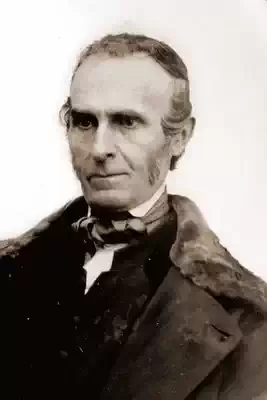
John Greenleaf Whittier
The Clear Vision
The Clear Vision
I did but dream. I never knew
What charms our sternest season wore.
Was never yet the sky so blue,
Was never earth so white before.
Till now I never saw the glow
Of sunset on yon hills of snow,
And never learned the bough's designs
Of beauty in its leafless lines.
Did ever such a morning break
As that my eastern windows see?
Did ever such a moonlight take
Weird photographs of shrub and tree?
Rang ever bells so wild and fleet
The music of the winter street?
Was ever yet a sound by half
So merry as you school-boy's laugh?
O Earth! with gladness overfraught,
No added charm thy face hath found;
Within my heart the change is wrought,
My footsteps make enchanted ground.
From couch of pain and curtained room
Forth to thy light and air I come,
To find in all that meets my eyes
The freshness of a glad surprise.
Fair seem these winter days, and soon
Shall blow the warm west-winds of spring,
To set the unbound rills in tune
And hither urge the bluebird's wing.
The vales shall laugh in flowers, the woods
Grow misty green with leafing buds,
And violets and wind-flowers sway
Against the throbbing heart of May.
Break forth, my lips, in praise, and own
The wiser love severely kind;
Since, richer for its chastening grown,
I see, whereas I once was blind.
The world, O Father! hath not wronged
With loss the life by Thee prolonged;
But still, with every added year,
More beautiful Thy works appear!
As Thou hast made thy world without,
Make Thou more fair my world within;
Shine through its lingering clouds of doubt;
Rebuke its haunting shapes of sin;
Fill, brief or long, my granted span
Of life with love to thee and man;
Strike when thou wilt the hour of rest,
But let my last days be my best!
I did but dream. I never knew
What charms our sternest season wore.
Was never yet the sky so blue,
Was never earth so white before.
Till now I never saw the glow
Of sunset on yon hills of snow,
And never learned the bough's designs
Of beauty in its leafless lines.
Did ever such a morning break
As that my eastern windows see?
Did ever such a moonlight take
Weird photographs of shrub and tree?
Rang ever bells so wild and fleet
The music of the winter street?
Was ever yet a sound by half
So merry as you school-boy's laugh?
O Earth! with gladness overfraught,
No added charm thy face hath found;
Within my heart the change is wrought,
My footsteps make enchanted ground.
From couch of pain and curtained room
Forth to thy light and air I come,
To find in all that meets my eyes
The freshness of a glad surprise.
Fair seem these winter days, and soon
Shall blow the warm west-winds of spring,
To set the unbound rills in tune
And hither urge the bluebird's wing.
The vales shall laugh in flowers, the woods
Grow misty green with leafing buds,
And violets and wind-flowers sway
Against the throbbing heart of May.
Break forth, my lips, in praise, and own
The wiser love severely kind;
Since, richer for its chastening grown,
I see, whereas I once was blind.
The world, O Father! hath not wronged
With loss the life by Thee prolonged;
But still, with every added year,
More beautiful Thy works appear!
As Thou hast made thy world without,
Make Thou more fair my world within;
Shine through its lingering clouds of doubt;
Rebuke its haunting shapes of sin;
Fill, brief or long, my granted span
Of life with love to thee and man;
Strike when thou wilt the hour of rest,
But let my last days be my best!
282
John Greenleaf Whittier
The Christmas Of 1888
The Christmas Of 1888
Low in the east, against a white, cold dawn,
The black-lined silhouette of the woods was drawn,
And on a wintry waste
Of frosted streams and hillsides bare and brown,
Through thin cloud-films, a pallid ghost looked down,
The waning moon half-faced!
In that pale sky and sere, snow-waiting earth,
What sign was there of the immortal birth?
What herald of the One?
Lo! swift as thought the heavenly radiance came,
A rose-red splendor swept the sky like flame,
Up rolled the round, bright sun!
And all was changed. From a transfigured world
The moon's ghost fled, the smoke of home-hearths curled
Up the still air unblown.
In Orient warmth and brightness, did that morn
O'er Nain and Nazareth, when the Christ was born,
Break fairer than our own?
The morning's promise noon and eve fulfilled
In warm, soft sky and landscape hazy-hilled
And sunset fair as they;
A sweet reminder of His holiest time,
A summer-miracle in our winter clime,
God gave a perfect day.
The near was blended with the old and far,
And Bethlehem's hillside and the Magi's star
Seemed here, as there and then,-Our
homestead pine-tree was the Syrian palm,
Our heart's desire the angels' midnight psalm,
Peace, and good-will to men!
Low in the east, against a white, cold dawn,
The black-lined silhouette of the woods was drawn,
And on a wintry waste
Of frosted streams and hillsides bare and brown,
Through thin cloud-films, a pallid ghost looked down,
The waning moon half-faced!
In that pale sky and sere, snow-waiting earth,
What sign was there of the immortal birth?
What herald of the One?
Lo! swift as thought the heavenly radiance came,
A rose-red splendor swept the sky like flame,
Up rolled the round, bright sun!
And all was changed. From a transfigured world
The moon's ghost fled, the smoke of home-hearths curled
Up the still air unblown.
In Orient warmth and brightness, did that morn
O'er Nain and Nazareth, when the Christ was born,
Break fairer than our own?
The morning's promise noon and eve fulfilled
In warm, soft sky and landscape hazy-hilled
And sunset fair as they;
A sweet reminder of His holiest time,
A summer-miracle in our winter clime,
God gave a perfect day.
The near was blended with the old and far,
And Bethlehem's hillside and the Magi's star
Seemed here, as there and then,-Our
homestead pine-tree was the Syrian palm,
Our heart's desire the angels' midnight psalm,
Peace, and good-will to men!
339
John Greenleaf Whittier
The Changeling ( From The Tent on the Beach )
The Changeling ( From The Tent on the Beach )
FOR the fairest maid in Hampton
They needed not to search,
Who saw young Anna favor
Come walking into church,-
Or bringing from the meadows,
At set of harvest-day,
The frolic of the blackbirds,
The sweetness of the hay.
Now the weariest of all mothers,
The saddest two years' bride,
She scowls in the face of her husband,
And spurns her child aside.
"Rake out the red coals, goodman,-For
there the child shall lie,
Till the black witch comes to fetch her
And both up chimney fly.
"It's never my own little daughter,
It's never my own," she said;
"The witches have stolen my Anna,
And left me an imp instead.
"Oh, fair and sweet was my baby,
Blue eyes, and hair of gold;
But this is ugly and wrinkled,
Cross, and cunning, and old.
"I hate the touch of her fingers,
I hate the feel of her skin;
It's not the milk from my bosom,
But my blood, that she sucks in.
"My face grows sharp with the torment;
Look! my arms are skin and bone!
Rake open the red coals, goodman,
And the witch shall have her own.
"She'll come when she hears it crying,
In the shape of an owl or bat,
And she'll bring us our darling Anna
In place of her screeching brat."
Then the goodman, Ezra Dalton,
Laid his hand upon her head:
Thy sorrow is great, O woman!
I sorrow with thee," he said.
"The paths to trouble are many
And never but one sure way
Leads out to the light beyond it:
My poor wife, let us pray."
Then he said to the great All-Father,
"Thy daughter is weak and blind;
Let her sight come back, and clothe her
Once more in her right mind.
"Lead her out of this evil shadow,
Out of these fancies wild;
Let the holy love of the mother
Turn again to her child.
"Make her lips like the lips of Mary
Kissing her blessed Son;
Let her hands, like the hands of Jesus,
Rest on her little one.
"Comfort the soul of thy handmaid,
Open her prison-door,
And thine shall be all the glory
And praise forevermore."
Then into the face of its mother
The baby looked up and smiled;
And the cloud of her soul was lifted,
And she knew her little child.
A beam of the slant west sunshine
Made the wan face almost fair,
Lit the blue eyes' patient wonder
And the rings of pale gold hair.
She kissed it on lip and forehead,
She kissed it on cheek and chink
And she bared her snow-white bosom
To the lips so pale and thin.
Oh, fair on her bridal morning
Was the maid who blushed and smiled,
But fairer to Ezra Dalton
Looked the mother of his child.
With more than a lover's fondness
He stooped to her worn young face,
And the nursing child and the mother
He folded in one embrace.
"Blessed be God!" he murmured.
"Blessed be God!" she said;
"For I see, who once was blinded,-I
live, who once was dead.
"Now mount and ride, my goodman,
As thou lovest thy own soul!
Woe's me, if my wicked fancies
Be the death of Goody Cole!"
His horse he saddled and bridled,
And into the night rode he,
Now through the great black woodland,
Now by the white-beached sea.
He rode through the silent clearings,
He came to the ferry wide,
And thrice he called to the boatman
Asleep on the other side.
He set his horse to the river,
He swam to Newbury town,
And he called up Justice Sewall
In his nightcap and his gown.
And the grave and worshipful justice
(Upon whose soul be peace!)
Set his name to the jailer's warrant
For Goodwife Cole's release.
Then through the night the hoof-beats
Went sounding like a flail;
And Goody Cole at cockcrow
Came forth from Ipswich jail.
.
FOR the fairest maid in Hampton
They needed not to search,
Who saw young Anna favor
Come walking into church,-
Or bringing from the meadows,
At set of harvest-day,
The frolic of the blackbirds,
The sweetness of the hay.
Now the weariest of all mothers,
The saddest two years' bride,
She scowls in the face of her husband,
And spurns her child aside.
"Rake out the red coals, goodman,-For
there the child shall lie,
Till the black witch comes to fetch her
And both up chimney fly.
"It's never my own little daughter,
It's never my own," she said;
"The witches have stolen my Anna,
And left me an imp instead.
"Oh, fair and sweet was my baby,
Blue eyes, and hair of gold;
But this is ugly and wrinkled,
Cross, and cunning, and old.
"I hate the touch of her fingers,
I hate the feel of her skin;
It's not the milk from my bosom,
But my blood, that she sucks in.
"My face grows sharp with the torment;
Look! my arms are skin and bone!
Rake open the red coals, goodman,
And the witch shall have her own.
"She'll come when she hears it crying,
In the shape of an owl or bat,
And she'll bring us our darling Anna
In place of her screeching brat."
Then the goodman, Ezra Dalton,
Laid his hand upon her head:
Thy sorrow is great, O woman!
I sorrow with thee," he said.
"The paths to trouble are many
And never but one sure way
Leads out to the light beyond it:
My poor wife, let us pray."
Then he said to the great All-Father,
"Thy daughter is weak and blind;
Let her sight come back, and clothe her
Once more in her right mind.
"Lead her out of this evil shadow,
Out of these fancies wild;
Let the holy love of the mother
Turn again to her child.
"Make her lips like the lips of Mary
Kissing her blessed Son;
Let her hands, like the hands of Jesus,
Rest on her little one.
"Comfort the soul of thy handmaid,
Open her prison-door,
And thine shall be all the glory
And praise forevermore."
Then into the face of its mother
The baby looked up and smiled;
And the cloud of her soul was lifted,
And she knew her little child.
A beam of the slant west sunshine
Made the wan face almost fair,
Lit the blue eyes' patient wonder
And the rings of pale gold hair.
She kissed it on lip and forehead,
She kissed it on cheek and chink
And she bared her snow-white bosom
To the lips so pale and thin.
Oh, fair on her bridal morning
Was the maid who blushed and smiled,
But fairer to Ezra Dalton
Looked the mother of his child.
With more than a lover's fondness
He stooped to her worn young face,
And the nursing child and the mother
He folded in one embrace.
"Blessed be God!" he murmured.
"Blessed be God!" she said;
"For I see, who once was blinded,-I
live, who once was dead.
"Now mount and ride, my goodman,
As thou lovest thy own soul!
Woe's me, if my wicked fancies
Be the death of Goody Cole!"
His horse he saddled and bridled,
And into the night rode he,
Now through the great black woodland,
Now by the white-beached sea.
He rode through the silent clearings,
He came to the ferry wide,
And thrice he called to the boatman
Asleep on the other side.
He set his horse to the river,
He swam to Newbury town,
And he called up Justice Sewall
In his nightcap and his gown.
And the grave and worshipful justice
(Upon whose soul be peace!)
Set his name to the jailer's warrant
For Goodwife Cole's release.
Then through the night the hoof-beats
Went sounding like a flail;
And Goody Cole at cockcrow
Came forth from Ipswich jail.
.
209
John Greenleaf Whittier
The Brown Dwarf of Rügen (From Narrative and Legendary Poems )
The Brown Dwarf of Rügen (From Narrative and Legendary Poems )
THE pleasant isle of Rügen looks the Baltic water o'er,
To the silver-sanded beaches of the Pomeranian shore;
And in the town of Rambin a little boy and maid
Plucked the meadow-flowers together and in the sea-surf played.
Alike were they in beauty if not in their degree:
He was the Amptman's first-born, the miller's child was she.
Now of old the isle of Rügen was full of Dwarfs and Trolls,
The brown-faced little Earth-men, the people without souls;
And for every man and woman in Rügen's island found
Walking in air and sunshine, a Troll was underground.
It chanced the little maiden, one morning, strolled away
Among the haunted Nine Hills, where the elves and goblins play.
That day, in barley fields below, the harvesters had known
Of evil voices in the air, and heard the small horns blown.
She came not back; the search for her in field and wood was vain:
They cried her east, they cried her west, but she came not again.
"She's down among the Brown Dwarfs," said the dream-wives wise and old,
And prayers were made, and masses said, and Rambin's church bell tolled.
Five years her father mourned her; and then John Deitrich said:
"I will find my little playmate, be she alive or dead."
He watched among the Nine Hills, he heard the Brown Dwarfs sing,
And saw them dance by moonlight merrily in a ring.
And when their gay-robed leader tossed up his cap of red,
Young Deitrich caught it as it fell, and thrust it on his head.
The Troll came crouching at his feet and wept for lack of it.
"Oh, give me back my magic cap, for your great head unfit!"
"Nay," Deitrich said; "the Dwarf who throws his charmëd cap away,
Must serve its finder at his will, and for his folly pay.
"You stole my pretty Lisbeth, and hid her in the earth;
And you shall ope the door of glass and let me lead her forth."
"She will not come; she's one of us; she's mine!" the Brown Dwarf said;
"The day is set, the cake is baked, to-morrow we shall wed."
"The fell fiend fetch thee!" Deitrich cried, "and keep thy foul tongue still.
Quick! open, to thy evil world, the glass door of the hill!"
The Dwarf obeyed; and youth and Troll down the long stairway passed,
And saw in dim and sunless light a country strange and vast.
Weird, rich, and wonderful, he saw the elfin under-land, -Its
palaces of precious stones, its streets of golden sand.
He came unto a banquet-hall with tables richly spread,
Where a young maiden served to him the red wine and the bread.
How fair she seemed among the Trolls so ugly and so wild!
Yet pale and very sorrowful, like one who never smiled!
Her low, sweet voice, her gold-brown hair, her tender blue eyes seemed
Like something he had seen elsewhere or something he had dreamed.
He looked; he clasped her in his arms; he knew the long-lost one;
"O Lisbeth! See thy playmate -- I am the Amptman's son!"
She leaned her fair head on his breast, and through her sobs she spoke:
"Oh, take me from this evil place, and from the elfin folk!
"And let me tread the grass-green fields and smell the flowers again,
And feel the soft wind on my cheek and hear the dropping rain!
"And oh, to hear the singing bird, the rustling of the tree,
The lowing cows, the bleat of sheep, the voices of the sea;
"And oh, upon my father's knee to set beside the door,
And hear the bell of vespers ring in Rambin church once more!"
He kissed her cheek, he kissed her lips; the Brown Dwarf groaned to see,
And tore his tangled hair and ground his long teeth angrily.
But Deitrich said: "For five long years this tender Christian maid
Has served you in your evil world, and well must she be paid!
"Haste! -- hither bring me precious gems, the richest in your store;
Then when we pass the gate of glass, you'll take your cap once more."
No choice was left the baffled Troll, and, murmuring, he obeyed,
And filled the pockets of the youth and apron of the maid.
They left the dreadful under-land and passed the gate of glass;
They felt the sunshine's warm caress, they trod the soft, green grass.
And when, beneath, they saw the Dwarf stretch up to them his brown
And crooked claw-like fingers, they tossed his red cap down.
Oh, never shone so bright a sun, was never sky so blue,
As hand in hand they homeward walked the pleasant meadows through!
And never sang the birds so sweet in Rambin's woods before,
And never washed the waves so soft along the Baltic shore;
And when beneath his door-yard trees the father met his child,
The bells rung out their merriest peal, the folks with joy ran wild.
And soon from Rambin's holy church the twain came forth as one,
The Amptman kissed a daughter, the miller blest a son.
John Deitrich's fame went far and wide, and nurse and maid crooned o'er
Their cradle song: "Sleep on, sleep well, the Trolls shall come no more!"
for in the haunted Nine Hills he set a cross of stone;
And Elf and Brown Dwarf sought in vain a door where door was none.
The tower he built in Rambin, fair Rügen's pride and boast,
Looked o'er the Baltic water to the Pomeranian coast;
And, for his worth ennobled, and rich beyond compare,
Count Deitrich and his lovely bride dwelt long and happy there.
THE pleasant isle of Rügen looks the Baltic water o'er,
To the silver-sanded beaches of the Pomeranian shore;
And in the town of Rambin a little boy and maid
Plucked the meadow-flowers together and in the sea-surf played.
Alike were they in beauty if not in their degree:
He was the Amptman's first-born, the miller's child was she.
Now of old the isle of Rügen was full of Dwarfs and Trolls,
The brown-faced little Earth-men, the people without souls;
And for every man and woman in Rügen's island found
Walking in air and sunshine, a Troll was underground.
It chanced the little maiden, one morning, strolled away
Among the haunted Nine Hills, where the elves and goblins play.
That day, in barley fields below, the harvesters had known
Of evil voices in the air, and heard the small horns blown.
She came not back; the search for her in field and wood was vain:
They cried her east, they cried her west, but she came not again.
"She's down among the Brown Dwarfs," said the dream-wives wise and old,
And prayers were made, and masses said, and Rambin's church bell tolled.
Five years her father mourned her; and then John Deitrich said:
"I will find my little playmate, be she alive or dead."
He watched among the Nine Hills, he heard the Brown Dwarfs sing,
And saw them dance by moonlight merrily in a ring.
And when their gay-robed leader tossed up his cap of red,
Young Deitrich caught it as it fell, and thrust it on his head.
The Troll came crouching at his feet and wept for lack of it.
"Oh, give me back my magic cap, for your great head unfit!"
"Nay," Deitrich said; "the Dwarf who throws his charmëd cap away,
Must serve its finder at his will, and for his folly pay.
"You stole my pretty Lisbeth, and hid her in the earth;
And you shall ope the door of glass and let me lead her forth."
"She will not come; she's one of us; she's mine!" the Brown Dwarf said;
"The day is set, the cake is baked, to-morrow we shall wed."
"The fell fiend fetch thee!" Deitrich cried, "and keep thy foul tongue still.
Quick! open, to thy evil world, the glass door of the hill!"
The Dwarf obeyed; and youth and Troll down the long stairway passed,
And saw in dim and sunless light a country strange and vast.
Weird, rich, and wonderful, he saw the elfin under-land, -Its
palaces of precious stones, its streets of golden sand.
He came unto a banquet-hall with tables richly spread,
Where a young maiden served to him the red wine and the bread.
How fair she seemed among the Trolls so ugly and so wild!
Yet pale and very sorrowful, like one who never smiled!
Her low, sweet voice, her gold-brown hair, her tender blue eyes seemed
Like something he had seen elsewhere or something he had dreamed.
He looked; he clasped her in his arms; he knew the long-lost one;
"O Lisbeth! See thy playmate -- I am the Amptman's son!"
She leaned her fair head on his breast, and through her sobs she spoke:
"Oh, take me from this evil place, and from the elfin folk!
"And let me tread the grass-green fields and smell the flowers again,
And feel the soft wind on my cheek and hear the dropping rain!
"And oh, to hear the singing bird, the rustling of the tree,
The lowing cows, the bleat of sheep, the voices of the sea;
"And oh, upon my father's knee to set beside the door,
And hear the bell of vespers ring in Rambin church once more!"
He kissed her cheek, he kissed her lips; the Brown Dwarf groaned to see,
And tore his tangled hair and ground his long teeth angrily.
But Deitrich said: "For five long years this tender Christian maid
Has served you in your evil world, and well must she be paid!
"Haste! -- hither bring me precious gems, the richest in your store;
Then when we pass the gate of glass, you'll take your cap once more."
No choice was left the baffled Troll, and, murmuring, he obeyed,
And filled the pockets of the youth and apron of the maid.
They left the dreadful under-land and passed the gate of glass;
They felt the sunshine's warm caress, they trod the soft, green grass.
And when, beneath, they saw the Dwarf stretch up to them his brown
And crooked claw-like fingers, they tossed his red cap down.
Oh, never shone so bright a sun, was never sky so blue,
As hand in hand they homeward walked the pleasant meadows through!
And never sang the birds so sweet in Rambin's woods before,
And never washed the waves so soft along the Baltic shore;
And when beneath his door-yard trees the father met his child,
The bells rung out their merriest peal, the folks with joy ran wild.
And soon from Rambin's holy church the twain came forth as one,
The Amptman kissed a daughter, the miller blest a son.
John Deitrich's fame went far and wide, and nurse and maid crooned o'er
Their cradle song: "Sleep on, sleep well, the Trolls shall come no more!"
for in the haunted Nine Hills he set a cross of stone;
And Elf and Brown Dwarf sought in vain a door where door was none.
The tower he built in Rambin, fair Rügen's pride and boast,
Looked o'er the Baltic water to the Pomeranian coast;
And, for his worth ennobled, and rich beyond compare,
Count Deitrich and his lovely bride dwelt long and happy there.
268
John Greenleaf Whittier
The Branded Hand
The Branded Hand
WELCOME home again, brave seaman! with thy thoughtful brow and gray,
And the old heroic spirit of our earlier, better day;
With that front of calm endurance, on whose steady nerve in vain
Pressed the iron of the prison, smote the fiery shafts of pain!
Is the tyrant's brand upon thee? Did the brutal cravens aim
To make God's truth thy falsehood, His holiest work thy shame?
When, all blood-quenched, from the torture the iron was withdrawn,
How laughed their evil angel the baffled fools to scorn!
They change to wrong the duty which God hath written out
On the great heart of humanity, too legible for doubt!
They, the loathsome moral lepers, blotched from footsole up to crown,
Give to shame what God hath given unto honor and renown!
Why, that brand is highest honor! than its traces never yet
Upon old armorial hatchments was a prouder blazon set;
And thy unborn generations, as they tread our rocky strand,
Shall tell with pride the story of their father's branded hand!
As the Templar home was welcome, bearing back from Syrian wars
The scars of Arab lances and of Paynim scimitars,
The pallor of the prison, and the shackle's crimson span,
So we meet thee, so we greet thee, truest friend of God and man.
He suffered for the ransom of the dear Redeemer's grave,
Thou for His living presence in the bound and bleeding slave;
He for a soil no longer by the feet of angels trod,
Thou for the true Shechinah, the present home of God!
For, while the jurist, sitting with the slave-whip o'er him swung,
From the tortured truths of freedom the lie of slavery wrung,
And the solemn priest to Moloch, on each God-deserted shrine,
Broke the bondman's heart for bread, poured the bondman's blood for wine;
While the multitude in blindness to a far-off Saviour knelt
And spurned, the while, the temple where a present Saviour dwelt;
Thou beheld'st Him in the task-field, in the prison shadows dim,
And thy mercy to the bondman, it was mercy unto Him!
In thy lone and long night-watches, sky above and wave below,
Thou didst learn a higher wisdom than the babbling schoolmen know;
God's stars and silence taught thee, as His angels only can,
That the one sole sacred thing beneath the cope of heaven is Man!
That he who treads profanely on the scrolls of law and creed,
In the depth of God's great goodness may find mercy in his need;
But woe to him who crushes the soul with chain and rod,
And herds with lower natures the awful form of God!.
Then lift that manly right-hand, bold ploughman of the wave!
Its branded palm shall prophesy, 'Salvation to the Slave!'
Hold up its fire-wrought language, that whoso reads may feel
His heart swell strong within him, his sinews change to steel.
Hold it up before our sunshine, up against our Northern air;
Ho! men of Massachusetts, for the love of God, look there!
Take it henceforth for your standard, like the Bruce's heart of yore,
In the dark strife closing round ye, let that hand be seen before!
And the masters of the slave-land shall tremble at that sign,
When it points its finger Southward along the Puritan line
Can the craft of State avail them? Can a Christless church withstand,
In the van of Freedom's onset, the coming of that hand?
WELCOME home again, brave seaman! with thy thoughtful brow and gray,
And the old heroic spirit of our earlier, better day;
With that front of calm endurance, on whose steady nerve in vain
Pressed the iron of the prison, smote the fiery shafts of pain!
Is the tyrant's brand upon thee? Did the brutal cravens aim
To make God's truth thy falsehood, His holiest work thy shame?
When, all blood-quenched, from the torture the iron was withdrawn,
How laughed their evil angel the baffled fools to scorn!
They change to wrong the duty which God hath written out
On the great heart of humanity, too legible for doubt!
They, the loathsome moral lepers, blotched from footsole up to crown,
Give to shame what God hath given unto honor and renown!
Why, that brand is highest honor! than its traces never yet
Upon old armorial hatchments was a prouder blazon set;
And thy unborn generations, as they tread our rocky strand,
Shall tell with pride the story of their father's branded hand!
As the Templar home was welcome, bearing back from Syrian wars
The scars of Arab lances and of Paynim scimitars,
The pallor of the prison, and the shackle's crimson span,
So we meet thee, so we greet thee, truest friend of God and man.
He suffered for the ransom of the dear Redeemer's grave,
Thou for His living presence in the bound and bleeding slave;
He for a soil no longer by the feet of angels trod,
Thou for the true Shechinah, the present home of God!
For, while the jurist, sitting with the slave-whip o'er him swung,
From the tortured truths of freedom the lie of slavery wrung,
And the solemn priest to Moloch, on each God-deserted shrine,
Broke the bondman's heart for bread, poured the bondman's blood for wine;
While the multitude in blindness to a far-off Saviour knelt
And spurned, the while, the temple where a present Saviour dwelt;
Thou beheld'st Him in the task-field, in the prison shadows dim,
And thy mercy to the bondman, it was mercy unto Him!
In thy lone and long night-watches, sky above and wave below,
Thou didst learn a higher wisdom than the babbling schoolmen know;
God's stars and silence taught thee, as His angels only can,
That the one sole sacred thing beneath the cope of heaven is Man!
That he who treads profanely on the scrolls of law and creed,
In the depth of God's great goodness may find mercy in his need;
But woe to him who crushes the soul with chain and rod,
And herds with lower natures the awful form of God!.
Then lift that manly right-hand, bold ploughman of the wave!
Its branded palm shall prophesy, 'Salvation to the Slave!'
Hold up its fire-wrought language, that whoso reads may feel
His heart swell strong within him, his sinews change to steel.
Hold it up before our sunshine, up against our Northern air;
Ho! men of Massachusetts, for the love of God, look there!
Take it henceforth for your standard, like the Bruce's heart of yore,
In the dark strife closing round ye, let that hand be seen before!
And the masters of the slave-land shall tremble at that sign,
When it points its finger Southward along the Puritan line
Can the craft of State avail them? Can a Christless church withstand,
In the van of Freedom's onset, the coming of that hand?
203
John Greenleaf Whittier
The Branded Hand
The Branded Hand
WELCOME home again, brave seaman! with thy thoughtful brow and gray,
And the old heroic spirit of our earlier, better day;
With that front of calm endurance, on whose steady nerve in vain
Pressed the iron of the prison, smote the fiery shafts of pain!
Is the tyrant's brand upon thee? Did the brutal cravens aim
To make God's truth thy falsehood, His holiest work thy shame?
When, all blood-quenched, from the torture the iron was withdrawn,
How laughed their evil angel the baffled fools to scorn!
They change to wrong the duty which God hath written out
On the great heart of humanity, too legible for doubt!
They, the loathsome moral lepers, blotched from footsole up to crown,
Give to shame what God hath given unto honor and renown!
Why, that brand is highest honor! than its traces never yet
Upon old armorial hatchments was a prouder blazon set;
And thy unborn generations, as they tread our rocky strand,
Shall tell with pride the story of their father's branded hand!
As the Templar home was welcome, bearing back from Syrian wars
The scars of Arab lances and of Paynim scimitars,
The pallor of the prison, and the shackle's crimson span,
So we meet thee, so we greet thee, truest friend of God and man.
He suffered for the ransom of the dear Redeemer's grave,
Thou for His living presence in the bound and bleeding slave;
He for a soil no longer by the feet of angels trod,
Thou for the true Shechinah, the present home of God!
For, while the jurist, sitting with the slave-whip o'er him swung,
From the tortured truths of freedom the lie of slavery wrung,
And the solemn priest to Moloch, on each God-deserted shrine,
Broke the bondman's heart for bread, poured the bondman's blood for wine;
While the multitude in blindness to a far-off Saviour knelt
And spurned, the while, the temple where a present Saviour dwelt;
Thou beheld'st Him in the task-field, in the prison shadows dim,
And thy mercy to the bondman, it was mercy unto Him!
In thy lone and long night-watches, sky above and wave below,
Thou didst learn a higher wisdom than the babbling schoolmen know;
God's stars and silence taught thee, as His angels only can,
That the one sole sacred thing beneath the cope of heaven is Man!
That he who treads profanely on the scrolls of law and creed,
In the depth of God's great goodness may find mercy in his need;
But woe to him who crushes the soul with chain and rod,
And herds with lower natures the awful form of God!.
Then lift that manly right-hand, bold ploughman of the wave!
Its branded palm shall prophesy, 'Salvation to the Slave!'
Hold up its fire-wrought language, that whoso reads may feel
His heart swell strong within him, his sinews change to steel.
Hold it up before our sunshine, up against our Northern air;
Ho! men of Massachusetts, for the love of God, look there!
Take it henceforth for your standard, like the Bruce's heart of yore,
In the dark strife closing round ye, let that hand be seen before!
And the masters of the slave-land shall tremble at that sign,
When it points its finger Southward along the Puritan line
Can the craft of State avail them? Can a Christless church withstand,
In the van of Freedom's onset, the coming of that hand?
WELCOME home again, brave seaman! with thy thoughtful brow and gray,
And the old heroic spirit of our earlier, better day;
With that front of calm endurance, on whose steady nerve in vain
Pressed the iron of the prison, smote the fiery shafts of pain!
Is the tyrant's brand upon thee? Did the brutal cravens aim
To make God's truth thy falsehood, His holiest work thy shame?
When, all blood-quenched, from the torture the iron was withdrawn,
How laughed their evil angel the baffled fools to scorn!
They change to wrong the duty which God hath written out
On the great heart of humanity, too legible for doubt!
They, the loathsome moral lepers, blotched from footsole up to crown,
Give to shame what God hath given unto honor and renown!
Why, that brand is highest honor! than its traces never yet
Upon old armorial hatchments was a prouder blazon set;
And thy unborn generations, as they tread our rocky strand,
Shall tell with pride the story of their father's branded hand!
As the Templar home was welcome, bearing back from Syrian wars
The scars of Arab lances and of Paynim scimitars,
The pallor of the prison, and the shackle's crimson span,
So we meet thee, so we greet thee, truest friend of God and man.
He suffered for the ransom of the dear Redeemer's grave,
Thou for His living presence in the bound and bleeding slave;
He for a soil no longer by the feet of angels trod,
Thou for the true Shechinah, the present home of God!
For, while the jurist, sitting with the slave-whip o'er him swung,
From the tortured truths of freedom the lie of slavery wrung,
And the solemn priest to Moloch, on each God-deserted shrine,
Broke the bondman's heart for bread, poured the bondman's blood for wine;
While the multitude in blindness to a far-off Saviour knelt
And spurned, the while, the temple where a present Saviour dwelt;
Thou beheld'st Him in the task-field, in the prison shadows dim,
And thy mercy to the bondman, it was mercy unto Him!
In thy lone and long night-watches, sky above and wave below,
Thou didst learn a higher wisdom than the babbling schoolmen know;
God's stars and silence taught thee, as His angels only can,
That the one sole sacred thing beneath the cope of heaven is Man!
That he who treads profanely on the scrolls of law and creed,
In the depth of God's great goodness may find mercy in his need;
But woe to him who crushes the soul with chain and rod,
And herds with lower natures the awful form of God!.
Then lift that manly right-hand, bold ploughman of the wave!
Its branded palm shall prophesy, 'Salvation to the Slave!'
Hold up its fire-wrought language, that whoso reads may feel
His heart swell strong within him, his sinews change to steel.
Hold it up before our sunshine, up against our Northern air;
Ho! men of Massachusetts, for the love of God, look there!
Take it henceforth for your standard, like the Bruce's heart of yore,
In the dark strife closing round ye, let that hand be seen before!
And the masters of the slave-land shall tremble at that sign,
When it points its finger Southward along the Puritan line
Can the craft of State avail them? Can a Christless church withstand,
In the van of Freedom's onset, the coming of that hand?
203
John Greenleaf Whittier
The Battle Autumn of 1862
The Battle Autumn of 1862
The flags of war like storm birds fly,
The charging trumpets blow;
Yet rolls no thunder in the sky,
No earthquake strives below.
And, calm and patient, Nature keeps
Her ancient promises well,
Though o'er her bloom and greenness sweeps,
The battle's breath of hell.
And still she walks in golden hours,
Through harvest-happy farms,
And still she wears her fruits and flowers
Like jewels on her arms.
What means the gladness of the plain,
This joy of eve and morn,
The mirth that shakes the bread of grain
And yellow locks of corn?
Ah! eyes may well be full of tears,
And hearts with hate are hot;
But even-paced come round the years,
And nature changes not.
She meets with smiles our bitter grief,
With songs our groans of pain;
She mocks with tints of flowers and leaf,
The war-field's crimson stain.
Still, in the cannon's pause, we hear
Her sweet thanksgiving psalm;
Too near to God for doubt or fear,
She shares the eternal calm.
She knows the seed lies safe below
The fires that blast and burn;
For all the tears of blood we sow
She waits the rich return.
She sees with clearer eye than ours
The good of suffering born,
The hearts that blossom like her flowers
And ripen like her corn.
Oh, give to us, in times like these,
The vision of her eyes;
And make her fields and fruited trees
Our golden prophecies.
Oh, give to us her finer ear;
Above this stormy din,
We, too, would hear the bells of cheer
Ring peace and freedom in.
The flags of war like storm birds fly,
The charging trumpets blow;
Yet rolls no thunder in the sky,
No earthquake strives below.
And, calm and patient, Nature keeps
Her ancient promises well,
Though o'er her bloom and greenness sweeps,
The battle's breath of hell.
And still she walks in golden hours,
Through harvest-happy farms,
And still she wears her fruits and flowers
Like jewels on her arms.
What means the gladness of the plain,
This joy of eve and morn,
The mirth that shakes the bread of grain
And yellow locks of corn?
Ah! eyes may well be full of tears,
And hearts with hate are hot;
But even-paced come round the years,
And nature changes not.
She meets with smiles our bitter grief,
With songs our groans of pain;
She mocks with tints of flowers and leaf,
The war-field's crimson stain.
Still, in the cannon's pause, we hear
Her sweet thanksgiving psalm;
Too near to God for doubt or fear,
She shares the eternal calm.
She knows the seed lies safe below
The fires that blast and burn;
For all the tears of blood we sow
She waits the rich return.
She sees with clearer eye than ours
The good of suffering born,
The hearts that blossom like her flowers
And ripen like her corn.
Oh, give to us, in times like these,
The vision of her eyes;
And make her fields and fruited trees
Our golden prophecies.
Oh, give to us her finer ear;
Above this stormy din,
We, too, would hear the bells of cheer
Ring peace and freedom in.
315
John Greenleaf Whittier
The Birthday Wreath
The Birthday Wreath
Blossom and greenness, making all
The winter birthday tropical,
And the plain Quaker parlors gay,
Have gone from bracket, stand, and wall;
We saw them fade, and droop, and fall,
And laid them tenderly away.
White virgin lilies, mignonette,
Blown rose, and pink, and violet,
A breath of fragrance passing by;
Visions of beauty and decay,
Colors and shapes that could not stay,
The fairest, sweetest, first to die.
But still this rustic wreath of mine,
Of acorned oak and needled pine,
And lighter growths of forest lands,
Woven and wound with careful pains,
And tender thoughts, and prayers, remains,
As when it dropped from love's dear hands.
And not unfitly garlanded,
Is he, who, country-born and bred,
Welcomes the sylvan ring which gives
A feeling of old summer days,
The wild delight of woodland ways,
The glory of the autumn leaves.
And, if the flowery meed of song
To other bards may well belong,
Be his, who from the farm-field spoke
A word for Freedom when her need
Was not of dulcimer and reed.
This Isthmian wreath of pine and oak.
Blossom and greenness, making all
The winter birthday tropical,
And the plain Quaker parlors gay,
Have gone from bracket, stand, and wall;
We saw them fade, and droop, and fall,
And laid them tenderly away.
White virgin lilies, mignonette,
Blown rose, and pink, and violet,
A breath of fragrance passing by;
Visions of beauty and decay,
Colors and shapes that could not stay,
The fairest, sweetest, first to die.
But still this rustic wreath of mine,
Of acorned oak and needled pine,
And lighter growths of forest lands,
Woven and wound with careful pains,
And tender thoughts, and prayers, remains,
As when it dropped from love's dear hands.
And not unfitly garlanded,
Is he, who, country-born and bred,
Welcomes the sylvan ring which gives
A feeling of old summer days,
The wild delight of woodland ways,
The glory of the autumn leaves.
And, if the flowery meed of song
To other bards may well belong,
Be his, who from the farm-field spoke
A word for Freedom when her need
Was not of dulcimer and reed.
This Isthmian wreath of pine and oak.
277
John Greenleaf Whittier
The Angels of Buena Vista
The Angels of Buena Vista
Speak and tell us, our Ximena, looking northward far away,
O'er the camp of the invaders, o'er the Mexican array,
Who is losing? who is winning? are they far or come they near?
Look abroad, and tell us, sister, whither rolls the storm we hear.
Down the hills of Angostura still the storm of battle rolls;
Blood is flowing, men are dying; God have mercy on their souls!
'Who is losing? who is winning?' Over hill and over plain,
I see but smoke of cannon clouding through the mountain rain.'
Holy Mother! keep our brothers! Look, Ximena, look once more.
'Still I see the fearful whirlwind rolling darkly as before,
Bearing on, in strange confusion, friend and foeman, foot and horse,
Like some wild and troubled torrent sweeping down its mountain course.'
Look forth once more, Ximena! 'Ah! the smoke has rolled away;
And I see the Northern rifles gleaming down the ranks of gray.
Hark! that sudden blast of bugles! there the troop of Minon wheels;
There the Northern horses thunder, with the cannon at their heels.
'Jesu, pity I how it thickens I now retreat and now advance!
Bight against the blazing cannon shivers Puebla's charging lance!
Down they go, the brave young riders; horse and foot together fall;
Like a ploughshare in the fallow, through them ploughs the Northern ball.'
Nearer came the storm and nearer, rolling fast and frightful on!
Speak, Ximena, speak and tell us, who has lost, and who has won?
Alas! alas! I know not; friend and foe together fall,
O'er the dying rush the living: pray, my sisters, for them all!
'Lo! the wind the smoke is lifting. Blessed Mother, save my brain!
I can see the wounded crawling slowly out from heaps of slain.
Now they stagger, blind and bleeding; now they fall, and strive to rise;
Hasten, sisters, haste and save them, lest they die before our eyes!
'O my hearts love! O my dear one! lay thy poor head on my knee;
Dost thou know the lips that kiss thee? Canst thou hear me? canst thou see?
O my husband, brave and gentle! O my Bernal, look once more
On the blessed cross before thee! Mercy! all is o'er!'
Dry thy tears, my poor Ximena; lay thy dear one down to rest;
Let his hands be meekly folded, lay the cross upon his breast;
Let his dirge be sung hereafter, and his funeral masses said;
To-day, thou poor bereaved one, the living ask thy aid.
Close beside her, faintly moaning, fair and young, a soldier lay,
Torn with shot and pierced with lances, bleeding slow his life away;
But, as tenderly before him the lorn Ximena knelt,
She saw the Northern eagle shining on his pistol-belt.
With a stifled cry of horror straight she turned away her head;
With a sad and bitter feeling looked she back upon her dead;
But she heard the youth's low moaning, and his struggling breath of pain,
And she raised the cooling water to his parching lips again.
Whispered low the dying soldier, pressed her hand and faintly smiled;
Was that pitying face his mother's? did she watch beside her child?
All his stranger words with meaning her woman's heart supplied;
With her kiss upon his forehead, 'Mother!' murmured he, and died!
'A bitter curse upon them, poor boy, who led thee forth,
From some gentle, sad-eyed mother, weeping, lonely, in the North!'
Spake the mournful Mexic woman, as she laid him with her dead,
And turned to soothe the living, and bind the wounds which bled.
'Look forth once more, Ximena!' Like a cloud before the wind
Rolls the battle down the mountains, leaving blood and death behind;
Ah! they plead in vain for mercy; in the dust the wounded strive;
'Hide your faces, holy angels! O thou Christ of God, forgive!'
Sink, O Night, among thy mountains! let the cool, gray shadows fall;
Dying brothers, fighting demons, drop thy curtain over all!
Through the thickening winter twilight, wide apart the battle rolled,
In its sheath the sabre rested, and the cannon's lips grew cold.
But the noble Mexic women still their holy task pursued,
Through that long, dark night of sorrow, worn and faint and lacking food.
Over weak and suffering brothers, with a tender care they hung,
And the dying foeman blessed them in a strange and Northern tongue.
Not wholly lost, O Father! is this evil world of ours;
Upward, through its blood and ashes, spring afresh the Eden flowers;
From its smoking hell of battle, Love and Pity send their prayer,
And still thy white-winged angels hover dimly in our air!
Speak and tell us, our Ximena, looking northward far away,
O'er the camp of the invaders, o'er the Mexican array,
Who is losing? who is winning? are they far or come they near?
Look abroad, and tell us, sister, whither rolls the storm we hear.
Down the hills of Angostura still the storm of battle rolls;
Blood is flowing, men are dying; God have mercy on their souls!
'Who is losing? who is winning?' Over hill and over plain,
I see but smoke of cannon clouding through the mountain rain.'
Holy Mother! keep our brothers! Look, Ximena, look once more.
'Still I see the fearful whirlwind rolling darkly as before,
Bearing on, in strange confusion, friend and foeman, foot and horse,
Like some wild and troubled torrent sweeping down its mountain course.'
Look forth once more, Ximena! 'Ah! the smoke has rolled away;
And I see the Northern rifles gleaming down the ranks of gray.
Hark! that sudden blast of bugles! there the troop of Minon wheels;
There the Northern horses thunder, with the cannon at their heels.
'Jesu, pity I how it thickens I now retreat and now advance!
Bight against the blazing cannon shivers Puebla's charging lance!
Down they go, the brave young riders; horse and foot together fall;
Like a ploughshare in the fallow, through them ploughs the Northern ball.'
Nearer came the storm and nearer, rolling fast and frightful on!
Speak, Ximena, speak and tell us, who has lost, and who has won?
Alas! alas! I know not; friend and foe together fall,
O'er the dying rush the living: pray, my sisters, for them all!
'Lo! the wind the smoke is lifting. Blessed Mother, save my brain!
I can see the wounded crawling slowly out from heaps of slain.
Now they stagger, blind and bleeding; now they fall, and strive to rise;
Hasten, sisters, haste and save them, lest they die before our eyes!
'O my hearts love! O my dear one! lay thy poor head on my knee;
Dost thou know the lips that kiss thee? Canst thou hear me? canst thou see?
O my husband, brave and gentle! O my Bernal, look once more
On the blessed cross before thee! Mercy! all is o'er!'
Dry thy tears, my poor Ximena; lay thy dear one down to rest;
Let his hands be meekly folded, lay the cross upon his breast;
Let his dirge be sung hereafter, and his funeral masses said;
To-day, thou poor bereaved one, the living ask thy aid.
Close beside her, faintly moaning, fair and young, a soldier lay,
Torn with shot and pierced with lances, bleeding slow his life away;
But, as tenderly before him the lorn Ximena knelt,
She saw the Northern eagle shining on his pistol-belt.
With a stifled cry of horror straight she turned away her head;
With a sad and bitter feeling looked she back upon her dead;
But she heard the youth's low moaning, and his struggling breath of pain,
And she raised the cooling water to his parching lips again.
Whispered low the dying soldier, pressed her hand and faintly smiled;
Was that pitying face his mother's? did she watch beside her child?
All his stranger words with meaning her woman's heart supplied;
With her kiss upon his forehead, 'Mother!' murmured he, and died!
'A bitter curse upon them, poor boy, who led thee forth,
From some gentle, sad-eyed mother, weeping, lonely, in the North!'
Spake the mournful Mexic woman, as she laid him with her dead,
And turned to soothe the living, and bind the wounds which bled.
'Look forth once more, Ximena!' Like a cloud before the wind
Rolls the battle down the mountains, leaving blood and death behind;
Ah! they plead in vain for mercy; in the dust the wounded strive;
'Hide your faces, holy angels! O thou Christ of God, forgive!'
Sink, O Night, among thy mountains! let the cool, gray shadows fall;
Dying brothers, fighting demons, drop thy curtain over all!
Through the thickening winter twilight, wide apart the battle rolled,
In its sheath the sabre rested, and the cannon's lips grew cold.
But the noble Mexic women still their holy task pursued,
Through that long, dark night of sorrow, worn and faint and lacking food.
Over weak and suffering brothers, with a tender care they hung,
And the dying foeman blessed them in a strange and Northern tongue.
Not wholly lost, O Father! is this evil world of ours;
Upward, through its blood and ashes, spring afresh the Eden flowers;
From its smoking hell of battle, Love and Pity send their prayer,
And still thy white-winged angels hover dimly in our air!
375
John Greenleaf Whittier
Summer By The Lakeside: Lake Winnipesaukee
Summer By The Lakeside: Lake Winnipesaukee
I. NOON.
White clouds, whose shadows haunt the deep,
Light mists, whose soft embraces keep
The sunshine on the hills asleep!
O isles of calm! O dark, still wood!
And stiller skies that overbrood
Your rest with deeper quietude!
O shapes and hues, dim beckoning, through
Yon mountain gaps, my longing view
Beyond the purple and the blue,
To stiller sea and greener land,
And softer lights and airs more bland,
And skies,--the hollow of God's hand!
Transfused through you, O mountain friends!
With mine your solemn spirit blends,
And life no more hath separate ends.
I read each misty mountain sign,
I know the voice of wave and pine,
And I am yours, and ye are mine.
Life's burdens fall, its discords cease,
I lapse into the glad release
Of Nature's own exceeding peace.
O welcome calm of heart and mind!
As falls yon fir-tree's loosened rind
To leave a tenderer growth behind,
So fall the weary years away;
A child again, my head I lay
Upon the lap of this sweet day.
This western wind hath Lethean powers,
Yon noonday cloud nepenthe showers,
The lake is white with lotus-flowers!
Even Duty's voice is faint and low,
And slumberous Conscience, waking slow,
Forgets her blotted scroll to show.
The Shadow which pursues us all,
Whose ever-nearing steps appall,
Whose voice we hear behind us call,-
That Shadow blends with mountain gray,
It speaks but what the light waves say,-Death
walks apart from Fear to-day!
Rocked on her breast, these pines and I
Alike on Nature's love rely;
And equal seems to live or die.
Assured that He whose presence fills
With light the spaces of these hills
No evil to His creatures wills,
The simple faith remains, that He
Will do, whatever that may be,
The best alike for man and tree.
What mosses over one shall grow,
What light and life the other know,
Unanxious, leaving Him to show.
II. EVENING.
Yon mountain's side is black with night,
While, broad-orhed, o'er its gleaming crown
The moon, slow-rounding into sight,
On the hushed inland sea looks down.
How start to light the clustering isles,
Each silver-hemmed! How sharply show
The shadows of their rocky piles,
And tree-tops in the wave below!
How far and strange the mountains seem,
Dim-looming through the pale, still light
The vague, vast grouping of a dream,
They stretch into the solemn night.
Beneath, lake, wood, and peopled vale,
Hushed by that presence grand and grave,
Are silent, save the cricket's wail,
And low response of leaf and wave.
Fair scenes! whereto the Day and Night
Make rival love, I leave ye soon,
What time before the eastern light
The pale ghost of the setting moon
Shall hide behind yon rocky spines,
And the young archer, Morn, shall break
His arrows on the mountain pines,
And, golden-sandalled, walk the lake!
Farewell! around this smiling bay
Gay-hearted Health, and Life in bloom,
With lighter steps than mine, may stray
In radiant summers yet to come.
But none shall more regretful leave
These waters and these hills than I
Or, distant, fonder dream how eve
Or dawn is painting wave and sky;
How rising moons shine sad and mild
On wooded isle and silvering bay;
Or setting suns beyond the piled
And purple mountains lead the day;
Nor laughing girl, nor bearding boy,
Nor full-pulsed manhood, lingering here,
Shall add, to life's abounding joy,
The charmed repose to suffering dear.
Still waits kind Nature to impart
Her choicest gifts to such as gain
An entrance to her loving heart
Through the sharp discipline of pain.
Forever from the Hand that takes
One blessing from us others fall;
And, soon or late, our Father makes
His perfect recompense to all!
Oh, watched by Silence and the Night,
And folded in the strong embrace
Of the great mountains, with the light
Of the sweet heavens upon thy face,
Lake of the Northland! keep thy dower
Of beauty still, and while above
Thy solemn mountains speak of power,
Be thou the mirror of God's love.
I. NOON.
White clouds, whose shadows haunt the deep,
Light mists, whose soft embraces keep
The sunshine on the hills asleep!
O isles of calm! O dark, still wood!
And stiller skies that overbrood
Your rest with deeper quietude!
O shapes and hues, dim beckoning, through
Yon mountain gaps, my longing view
Beyond the purple and the blue,
To stiller sea and greener land,
And softer lights and airs more bland,
And skies,--the hollow of God's hand!
Transfused through you, O mountain friends!
With mine your solemn spirit blends,
And life no more hath separate ends.
I read each misty mountain sign,
I know the voice of wave and pine,
And I am yours, and ye are mine.
Life's burdens fall, its discords cease,
I lapse into the glad release
Of Nature's own exceeding peace.
O welcome calm of heart and mind!
As falls yon fir-tree's loosened rind
To leave a tenderer growth behind,
So fall the weary years away;
A child again, my head I lay
Upon the lap of this sweet day.
This western wind hath Lethean powers,
Yon noonday cloud nepenthe showers,
The lake is white with lotus-flowers!
Even Duty's voice is faint and low,
And slumberous Conscience, waking slow,
Forgets her blotted scroll to show.
The Shadow which pursues us all,
Whose ever-nearing steps appall,
Whose voice we hear behind us call,-
That Shadow blends with mountain gray,
It speaks but what the light waves say,-Death
walks apart from Fear to-day!
Rocked on her breast, these pines and I
Alike on Nature's love rely;
And equal seems to live or die.
Assured that He whose presence fills
With light the spaces of these hills
No evil to His creatures wills,
The simple faith remains, that He
Will do, whatever that may be,
The best alike for man and tree.
What mosses over one shall grow,
What light and life the other know,
Unanxious, leaving Him to show.
II. EVENING.
Yon mountain's side is black with night,
While, broad-orhed, o'er its gleaming crown
The moon, slow-rounding into sight,
On the hushed inland sea looks down.
How start to light the clustering isles,
Each silver-hemmed! How sharply show
The shadows of their rocky piles,
And tree-tops in the wave below!
How far and strange the mountains seem,
Dim-looming through the pale, still light
The vague, vast grouping of a dream,
They stretch into the solemn night.
Beneath, lake, wood, and peopled vale,
Hushed by that presence grand and grave,
Are silent, save the cricket's wail,
And low response of leaf and wave.
Fair scenes! whereto the Day and Night
Make rival love, I leave ye soon,
What time before the eastern light
The pale ghost of the setting moon
Shall hide behind yon rocky spines,
And the young archer, Morn, shall break
His arrows on the mountain pines,
And, golden-sandalled, walk the lake!
Farewell! around this smiling bay
Gay-hearted Health, and Life in bloom,
With lighter steps than mine, may stray
In radiant summers yet to come.
But none shall more regretful leave
These waters and these hills than I
Or, distant, fonder dream how eve
Or dawn is painting wave and sky;
How rising moons shine sad and mild
On wooded isle and silvering bay;
Or setting suns beyond the piled
And purple mountains lead the day;
Nor laughing girl, nor bearding boy,
Nor full-pulsed manhood, lingering here,
Shall add, to life's abounding joy,
The charmed repose to suffering dear.
Still waits kind Nature to impart
Her choicest gifts to such as gain
An entrance to her loving heart
Through the sharp discipline of pain.
Forever from the Hand that takes
One blessing from us others fall;
And, soon or late, our Father makes
His perfect recompense to all!
Oh, watched by Silence and the Night,
And folded in the strong embrace
Of the great mountains, with the light
Of the sweet heavens upon thy face,
Lake of the Northland! keep thy dower
Of beauty still, and while above
Thy solemn mountains speak of power,
Be thou the mirror of God's love.
218
John Greenleaf Whittier
Summer By The Lakeside: Lake Winnipesaukee
Summer By The Lakeside: Lake Winnipesaukee
I. NOON.
White clouds, whose shadows haunt the deep,
Light mists, whose soft embraces keep
The sunshine on the hills asleep!
O isles of calm! O dark, still wood!
And stiller skies that overbrood
Your rest with deeper quietude!
O shapes and hues, dim beckoning, through
Yon mountain gaps, my longing view
Beyond the purple and the blue,
To stiller sea and greener land,
And softer lights and airs more bland,
And skies,--the hollow of God's hand!
Transfused through you, O mountain friends!
With mine your solemn spirit blends,
And life no more hath separate ends.
I read each misty mountain sign,
I know the voice of wave and pine,
And I am yours, and ye are mine.
Life's burdens fall, its discords cease,
I lapse into the glad release
Of Nature's own exceeding peace.
O welcome calm of heart and mind!
As falls yon fir-tree's loosened rind
To leave a tenderer growth behind,
So fall the weary years away;
A child again, my head I lay
Upon the lap of this sweet day.
This western wind hath Lethean powers,
Yon noonday cloud nepenthe showers,
The lake is white with lotus-flowers!
Even Duty's voice is faint and low,
And slumberous Conscience, waking slow,
Forgets her blotted scroll to show.
The Shadow which pursues us all,
Whose ever-nearing steps appall,
Whose voice we hear behind us call,-
That Shadow blends with mountain gray,
It speaks but what the light waves say,-Death
walks apart from Fear to-day!
Rocked on her breast, these pines and I
Alike on Nature's love rely;
And equal seems to live or die.
Assured that He whose presence fills
With light the spaces of these hills
No evil to His creatures wills,
The simple faith remains, that He
Will do, whatever that may be,
The best alike for man and tree.
What mosses over one shall grow,
What light and life the other know,
Unanxious, leaving Him to show.
II. EVENING.
Yon mountain's side is black with night,
While, broad-orhed, o'er its gleaming crown
The moon, slow-rounding into sight,
On the hushed inland sea looks down.
How start to light the clustering isles,
Each silver-hemmed! How sharply show
The shadows of their rocky piles,
And tree-tops in the wave below!
How far and strange the mountains seem,
Dim-looming through the pale, still light
The vague, vast grouping of a dream,
They stretch into the solemn night.
Beneath, lake, wood, and peopled vale,
Hushed by that presence grand and grave,
Are silent, save the cricket's wail,
And low response of leaf and wave.
Fair scenes! whereto the Day and Night
Make rival love, I leave ye soon,
What time before the eastern light
The pale ghost of the setting moon
Shall hide behind yon rocky spines,
And the young archer, Morn, shall break
His arrows on the mountain pines,
And, golden-sandalled, walk the lake!
Farewell! around this smiling bay
Gay-hearted Health, and Life in bloom,
With lighter steps than mine, may stray
In radiant summers yet to come.
But none shall more regretful leave
These waters and these hills than I
Or, distant, fonder dream how eve
Or dawn is painting wave and sky;
How rising moons shine sad and mild
On wooded isle and silvering bay;
Or setting suns beyond the piled
And purple mountains lead the day;
Nor laughing girl, nor bearding boy,
Nor full-pulsed manhood, lingering here,
Shall add, to life's abounding joy,
The charmed repose to suffering dear.
Still waits kind Nature to impart
Her choicest gifts to such as gain
An entrance to her loving heart
Through the sharp discipline of pain.
Forever from the Hand that takes
One blessing from us others fall;
And, soon or late, our Father makes
His perfect recompense to all!
Oh, watched by Silence and the Night,
And folded in the strong embrace
Of the great mountains, with the light
Of the sweet heavens upon thy face,
Lake of the Northland! keep thy dower
Of beauty still, and while above
Thy solemn mountains speak of power,
Be thou the mirror of God's love.
I. NOON.
White clouds, whose shadows haunt the deep,
Light mists, whose soft embraces keep
The sunshine on the hills asleep!
O isles of calm! O dark, still wood!
And stiller skies that overbrood
Your rest with deeper quietude!
O shapes and hues, dim beckoning, through
Yon mountain gaps, my longing view
Beyond the purple and the blue,
To stiller sea and greener land,
And softer lights and airs more bland,
And skies,--the hollow of God's hand!
Transfused through you, O mountain friends!
With mine your solemn spirit blends,
And life no more hath separate ends.
I read each misty mountain sign,
I know the voice of wave and pine,
And I am yours, and ye are mine.
Life's burdens fall, its discords cease,
I lapse into the glad release
Of Nature's own exceeding peace.
O welcome calm of heart and mind!
As falls yon fir-tree's loosened rind
To leave a tenderer growth behind,
So fall the weary years away;
A child again, my head I lay
Upon the lap of this sweet day.
This western wind hath Lethean powers,
Yon noonday cloud nepenthe showers,
The lake is white with lotus-flowers!
Even Duty's voice is faint and low,
And slumberous Conscience, waking slow,
Forgets her blotted scroll to show.
The Shadow which pursues us all,
Whose ever-nearing steps appall,
Whose voice we hear behind us call,-
That Shadow blends with mountain gray,
It speaks but what the light waves say,-Death
walks apart from Fear to-day!
Rocked on her breast, these pines and I
Alike on Nature's love rely;
And equal seems to live or die.
Assured that He whose presence fills
With light the spaces of these hills
No evil to His creatures wills,
The simple faith remains, that He
Will do, whatever that may be,
The best alike for man and tree.
What mosses over one shall grow,
What light and life the other know,
Unanxious, leaving Him to show.
II. EVENING.
Yon mountain's side is black with night,
While, broad-orhed, o'er its gleaming crown
The moon, slow-rounding into sight,
On the hushed inland sea looks down.
How start to light the clustering isles,
Each silver-hemmed! How sharply show
The shadows of their rocky piles,
And tree-tops in the wave below!
How far and strange the mountains seem,
Dim-looming through the pale, still light
The vague, vast grouping of a dream,
They stretch into the solemn night.
Beneath, lake, wood, and peopled vale,
Hushed by that presence grand and grave,
Are silent, save the cricket's wail,
And low response of leaf and wave.
Fair scenes! whereto the Day and Night
Make rival love, I leave ye soon,
What time before the eastern light
The pale ghost of the setting moon
Shall hide behind yon rocky spines,
And the young archer, Morn, shall break
His arrows on the mountain pines,
And, golden-sandalled, walk the lake!
Farewell! around this smiling bay
Gay-hearted Health, and Life in bloom,
With lighter steps than mine, may stray
In radiant summers yet to come.
But none shall more regretful leave
These waters and these hills than I
Or, distant, fonder dream how eve
Or dawn is painting wave and sky;
How rising moons shine sad and mild
On wooded isle and silvering bay;
Or setting suns beyond the piled
And purple mountains lead the day;
Nor laughing girl, nor bearding boy,
Nor full-pulsed manhood, lingering here,
Shall add, to life's abounding joy,
The charmed repose to suffering dear.
Still waits kind Nature to impart
Her choicest gifts to such as gain
An entrance to her loving heart
Through the sharp discipline of pain.
Forever from the Hand that takes
One blessing from us others fall;
And, soon or late, our Father makes
His perfect recompense to all!
Oh, watched by Silence and the Night,
And folded in the strong embrace
Of the great mountains, with the light
Of the sweet heavens upon thy face,
Lake of the Northland! keep thy dower
Of beauty still, and while above
Thy solemn mountains speak of power,
Be thou the mirror of God's love.
218
John Greenleaf Whittier
St. Martin's Summer
St. Martin's Summer
Though flowers have perished at the touch
Of Frost, the early comer,
I hail the season loved so much,
The good St. Martin's summer.
O gracious morn, with rose-red dawn,
And thin moon curving o'er it!
The old year's darling, latest born,
More loved than all before it!
How flamed the sunrise through the pines!
How stretched the birchen shadows,
Braiding in long, wind-wavered lines
The westward sloping meadows!
The sweet day, opening as a flower
Unfolds its petals tender,
Renews for us at noontide's hour
The summer's tempered splendor.
The birds are hushed; alone the wind,
That through the woodland searches,
The red-oak's lingering leaves can find,
And yellow plumes of larches.
But still the balsam-breathing pine
Invites no thought of sorrow,
No hint of loss from air like wine
The earth's content can borrow.
The summer and the winter here
Midway a truce are holding,
A soft, consenting atmosphere
Their tents of peace enfolding.
The silent woods, the lonely hills,
Rise solemn in their gladness;
The quiet that the valley fills
Is scarcely joy or sadness.
How strange! The autumn yesterday
In winter's grasp seemed dying;
On whirling winds from skies of gray
The early snow was flying.
And now, while over Nature's mood
There steals a soft relenting,
I will not mar the present good,
Forecasting or lamenting.
My autumn time and Nature's hold
A dreamy tryst together,
And, both grown old, about us fold
The golden-tissued weather.
I lean my heart against the day
To feel its bland caressing;
I will not let it pass away
Before it leaves its blessing.
God's angels come not as of old
The Syrian shepherds knew them;
In reddening dawns, in sunset gold,
And warm noon lights I view them.
Nor need there is, in times like this
When heaven to earth draws nearer,
Of wing or song as witnesses
To make their presence clearer.
O stream of life, whose swifter flow
Is of the end forewarning,
Methinks thy sundown afterglow
Seems less of night than morning!
Old cares grow light; aside I lay
The doubts and fears that troubled;
The quiet of the happy day
Within my soul is doubled.
That clouds must veil this fair sunshine
Not less a joy I find it;
Nor less yon warm horizon line
That winter lurks behind it.
The mystery of the untried days
I close my eyes from reading;
His will be done whose darkest ways
To light and life are leading!
Less drear the winter night shall be,
If memory cheer and hearten
Its heavy hours with thoughts of thee,
Sweet summer of St. Martin!
Though flowers have perished at the touch
Of Frost, the early comer,
I hail the season loved so much,
The good St. Martin's summer.
O gracious morn, with rose-red dawn,
And thin moon curving o'er it!
The old year's darling, latest born,
More loved than all before it!
How flamed the sunrise through the pines!
How stretched the birchen shadows,
Braiding in long, wind-wavered lines
The westward sloping meadows!
The sweet day, opening as a flower
Unfolds its petals tender,
Renews for us at noontide's hour
The summer's tempered splendor.
The birds are hushed; alone the wind,
That through the woodland searches,
The red-oak's lingering leaves can find,
And yellow plumes of larches.
But still the balsam-breathing pine
Invites no thought of sorrow,
No hint of loss from air like wine
The earth's content can borrow.
The summer and the winter here
Midway a truce are holding,
A soft, consenting atmosphere
Their tents of peace enfolding.
The silent woods, the lonely hills,
Rise solemn in their gladness;
The quiet that the valley fills
Is scarcely joy or sadness.
How strange! The autumn yesterday
In winter's grasp seemed dying;
On whirling winds from skies of gray
The early snow was flying.
And now, while over Nature's mood
There steals a soft relenting,
I will not mar the present good,
Forecasting or lamenting.
My autumn time and Nature's hold
A dreamy tryst together,
And, both grown old, about us fold
The golden-tissued weather.
I lean my heart against the day
To feel its bland caressing;
I will not let it pass away
Before it leaves its blessing.
God's angels come not as of old
The Syrian shepherds knew them;
In reddening dawns, in sunset gold,
And warm noon lights I view them.
Nor need there is, in times like this
When heaven to earth draws nearer,
Of wing or song as witnesses
To make their presence clearer.
O stream of life, whose swifter flow
Is of the end forewarning,
Methinks thy sundown afterglow
Seems less of night than morning!
Old cares grow light; aside I lay
The doubts and fears that troubled;
The quiet of the happy day
Within my soul is doubled.
That clouds must veil this fair sunshine
Not less a joy I find it;
Nor less yon warm horizon line
That winter lurks behind it.
The mystery of the untried days
I close my eyes from reading;
His will be done whose darkest ways
To light and life are leading!
Less drear the winter night shall be,
If memory cheer and hearten
Its heavy hours with thoughts of thee,
Sweet summer of St. Martin!
248
John Greenleaf Whittier
Song Of The Negro Boatman
Song Of The Negro Boatman
Oh, praise an' tanks! De Lord he come
To set de people free;
An' massa tink it day ob doom,
An' we ob jubilee.
De Lord dat heap de Red Sea waves
He jus' as 'trong as den;
He say de word: we las' night slaves;
To-day, de Lord's freemen.
De yam will grow, de cotton blow,
We'll hab de rice an' corn;
Oh nebber you fear, if nebber you hear
De driver blow his horn!
Ole massa on he trabbels gone;
He leaf de land behind:
De Lord's breff blow him furder on,
Like corn-shuck in de wind.
We own de hoe, we own de plough,
We own de hands dat hold;
We sell de pig, we sell de cow,
But nebber chile be sold.
De yam will grow, de cotton blow,
We'll hab de rice an' corn;
Oh nebber you fear, if nebber you hear
De driver blow his horn!
We pray de Lord: he gib us signs
Dat some clay we be free;
De norf-wind tell it to de pines,
De wild-duck to de sea;
We tink it when de church-bell ring,
We dream it in de dream;
De rice-bird mean it when he sing,
De eagle when he scream.
De yam will grow, de cotton blow,
We'll hab de rice an' corn:
Oh nebber you fear, if nebber you hear
De driver blow his horn!
We know de promise nebber fail,
An' nebber lie de word;
So like de 'postles in de jail,
We waited for de Lord
An' now he open ebery door,
An' trow away de key;
He tink we lub him so before,
We lub him better free.
De yam will grow, de cotton blow,
He'll gib de rice an' corn;
Oh nebber you fear, if nebber you hear
De driver blow his horn!
So sing our dusky gondoliers;
And with a secret pain,
And smiles that seem akin to tears,
We hear the wild refrain.
We dare not share the negro's trust,
Nor yet his hope deny;
We only know that God is just,
And every wrong shall die.
Rude seems the song; each swarthy face,
Flame-lighted, ruder still:
We start to think that hapless race
Must shape our good or ill;
That laws of changeless justice bind
Oppressor with oppressed;
And, close as sin and suffering joined,
We march to Fate abreast.
Sing on, poor hearts! your chant shall be
Our sign of blight or bloom,
The Vala-song of Liberty,
Or death-rune of our doom!
Oh, praise an' tanks! De Lord he come
To set de people free;
An' massa tink it day ob doom,
An' we ob jubilee.
De Lord dat heap de Red Sea waves
He jus' as 'trong as den;
He say de word: we las' night slaves;
To-day, de Lord's freemen.
De yam will grow, de cotton blow,
We'll hab de rice an' corn;
Oh nebber you fear, if nebber you hear
De driver blow his horn!
Ole massa on he trabbels gone;
He leaf de land behind:
De Lord's breff blow him furder on,
Like corn-shuck in de wind.
We own de hoe, we own de plough,
We own de hands dat hold;
We sell de pig, we sell de cow,
But nebber chile be sold.
De yam will grow, de cotton blow,
We'll hab de rice an' corn;
Oh nebber you fear, if nebber you hear
De driver blow his horn!
We pray de Lord: he gib us signs
Dat some clay we be free;
De norf-wind tell it to de pines,
De wild-duck to de sea;
We tink it when de church-bell ring,
We dream it in de dream;
De rice-bird mean it when he sing,
De eagle when he scream.
De yam will grow, de cotton blow,
We'll hab de rice an' corn:
Oh nebber you fear, if nebber you hear
De driver blow his horn!
We know de promise nebber fail,
An' nebber lie de word;
So like de 'postles in de jail,
We waited for de Lord
An' now he open ebery door,
An' trow away de key;
He tink we lub him so before,
We lub him better free.
De yam will grow, de cotton blow,
He'll gib de rice an' corn;
Oh nebber you fear, if nebber you hear
De driver blow his horn!
So sing our dusky gondoliers;
And with a secret pain,
And smiles that seem akin to tears,
We hear the wild refrain.
We dare not share the negro's trust,
Nor yet his hope deny;
We only know that God is just,
And every wrong shall die.
Rude seems the song; each swarthy face,
Flame-lighted, ruder still:
We start to think that hapless race
Must shape our good or ill;
That laws of changeless justice bind
Oppressor with oppressed;
And, close as sin and suffering joined,
We march to Fate abreast.
Sing on, poor hearts! your chant shall be
Our sign of blight or bloom,
The Vala-song of Liberty,
Or death-rune of our doom!
323
John Greenleaf Whittier
Seed-Time And Harvest
Seed-Time And Harvest
As o'er his furrowed fields which lie
Beneath a coldly dropping sky,
Yet chill with winter's melted snow,
The husbandman goes forth to sow,
Thus, Freedom, on the bitter blast
The ventures of thy seed we cast,
And trust to warmer sun and rain
To swell the germs and fill the grain.
Who calls thy glorious service hard?
Who deems it not its own reward?
Who, for its trials, counts it less
A cause of praise and thankfulness?
It may not be our lot to wield
The sickle in the ripened field;
Nor ours to hear, on summer eves,
The reaper's song among the sheaves.
Yet where our duty's task is wrought
In unison with God's great thought,
The near and future blend in one,
And whatsoe'er is willed, is done!
And ours the grateful service whence
Comes day by day the recompense;
The hope, the trust, the purpose stayed,
The fountain and the noonday shade.
And were this life the utmost span,
The only end and aim of man,
Better the toil of fields like these
Than waking dream and slothful ease.
But life, though falling like our grain,
Like that revives and springs again;
And, early called, how blest are they
Who wait in heaven their harvest-day!
As o'er his furrowed fields which lie
Beneath a coldly dropping sky,
Yet chill with winter's melted snow,
The husbandman goes forth to sow,
Thus, Freedom, on the bitter blast
The ventures of thy seed we cast,
And trust to warmer sun and rain
To swell the germs and fill the grain.
Who calls thy glorious service hard?
Who deems it not its own reward?
Who, for its trials, counts it less
A cause of praise and thankfulness?
It may not be our lot to wield
The sickle in the ripened field;
Nor ours to hear, on summer eves,
The reaper's song among the sheaves.
Yet where our duty's task is wrought
In unison with God's great thought,
The near and future blend in one,
And whatsoe'er is willed, is done!
And ours the grateful service whence
Comes day by day the recompense;
The hope, the trust, the purpose stayed,
The fountain and the noonday shade.
And were this life the utmost span,
The only end and aim of man,
Better the toil of fields like these
Than waking dream and slothful ease.
But life, though falling like our grain,
Like that revives and springs again;
And, early called, how blest are they
Who wait in heaven their harvest-day!
303
John Greenleaf Whittier
Requital
Requital
As Islam's Prophet, when his last day drew
Nigh to its close, besought all men to say
Whom he had wronged, to whom he then should pay
A debt forgotten, or for pardon sue,
And, through the silence of his weeping friends,
A strange voice cried: 'Thou owest me a debt,'
'Allah be praised!' he answered. 'Even yet
He gives me power to make to thee amends.
O friend! I thank thee for thy timely word.'
So runs the tale. Its lesson all may heed,
For all have sinned in thought, or word, or deed,
Or, like the Prophet, through neglect have erred.
All need forgiveness, all have debts to pay
Ere the night cometh, while it still is day.
As Islam's Prophet, when his last day drew
Nigh to its close, besought all men to say
Whom he had wronged, to whom he then should pay
A debt forgotten, or for pardon sue,
And, through the silence of his weeping friends,
A strange voice cried: 'Thou owest me a debt,'
'Allah be praised!' he answered. 'Even yet
He gives me power to make to thee amends.
O friend! I thank thee for thy timely word.'
So runs the tale. Its lesson all may heed,
For all have sinned in thought, or word, or deed,
Or, like the Prophet, through neglect have erred.
All need forgiveness, all have debts to pay
Ere the night cometh, while it still is day.
335
John Greenleaf Whittier
Requital
Requital
As Islam's Prophet, when his last day drew
Nigh to its close, besought all men to say
Whom he had wronged, to whom he then should pay
A debt forgotten, or for pardon sue,
And, through the silence of his weeping friends,
A strange voice cried: 'Thou owest me a debt,'
'Allah be praised!' he answered. 'Even yet
He gives me power to make to thee amends.
O friend! I thank thee for thy timely word.'
So runs the tale. Its lesson all may heed,
For all have sinned in thought, or word, or deed,
Or, like the Prophet, through neglect have erred.
All need forgiveness, all have debts to pay
Ere the night cometh, while it still is day.
As Islam's Prophet, when his last day drew
Nigh to its close, besought all men to say
Whom he had wronged, to whom he then should pay
A debt forgotten, or for pardon sue,
And, through the silence of his weeping friends,
A strange voice cried: 'Thou owest me a debt,'
'Allah be praised!' he answered. 'Even yet
He gives me power to make to thee amends.
O friend! I thank thee for thy timely word.'
So runs the tale. Its lesson all may heed,
For all have sinned in thought, or word, or deed,
Or, like the Prophet, through neglect have erred.
All need forgiveness, all have debts to pay
Ere the night cometh, while it still is day.
335
John Greenleaf Whittier
Revelation
Revelation
Still, as of old, in Beavor's Vale,
O man of God! our hope and faith
The Elements and Stars assail,
And the awed spirit holds its breath,
Blown over by a wind of death.
Takes Nature thought for such as we,
What place her human atom fills,
The weed-drift of her careless sea,
The mist on her unheeding hills?
What reeks she of our helpless wills?
Strange god of Force, with fear, not love,
Its trembling worshipper! Can prayer
Reach the shut ear of Fate, or move
Unpitying Energy to spare?
What doth the cosmic Vastness care?
In vain to this dread Unconcern
For the All-Father's love we look;
In vain, in quest of it, we turn
The storied leaves of Nature's book,
The prints her rocky tablets took.
I pray for faith, I long to trust;
I listen with my heart, and hear
A Voice without a sound: 'Be just,
Be true, be merciful, revere
The Word within thee: God is near!
'A light to sky and earth unknown
Pales all their lights: a mightier force
Than theirs the powers of Nature own,
And, to its goal as at its source,
His Spirit moves the Universe.
'Believe and trust. Through stars and suns,
Through life and death, through soul and sense,
His wise, paternal purpose runs;
The darkness of His providence
Is star-lit with benign intents.'
O joy supreme! I know the Voice,
Like none beside on earth or sea;
Yea, more, O soul of mine, rejoice,
By all that He requires of me,
I know what God himself must be.
No picture to my aid I call,
I shape no image in my prayer;
I only know in Him is all
Of life, light, beauty, everywhere,
Eternal Goodness here and there!
I know He is, and what He is,
Whose one great purpose is the good
Of all. I rest my soul on His
Immortal Love and Fatherhood;
And trust Him, as His children should.
I fear no more. The clouded face
Of Nature smiles; through all her things
Of time and space and sense I trace
The moving of the Spirit's wings,
And hear the song of hope she sings.
Still, as of old, in Beavor's Vale,
O man of God! our hope and faith
The Elements and Stars assail,
And the awed spirit holds its breath,
Blown over by a wind of death.
Takes Nature thought for such as we,
What place her human atom fills,
The weed-drift of her careless sea,
The mist on her unheeding hills?
What reeks she of our helpless wills?
Strange god of Force, with fear, not love,
Its trembling worshipper! Can prayer
Reach the shut ear of Fate, or move
Unpitying Energy to spare?
What doth the cosmic Vastness care?
In vain to this dread Unconcern
For the All-Father's love we look;
In vain, in quest of it, we turn
The storied leaves of Nature's book,
The prints her rocky tablets took.
I pray for faith, I long to trust;
I listen with my heart, and hear
A Voice without a sound: 'Be just,
Be true, be merciful, revere
The Word within thee: God is near!
'A light to sky and earth unknown
Pales all their lights: a mightier force
Than theirs the powers of Nature own,
And, to its goal as at its source,
His Spirit moves the Universe.
'Believe and trust. Through stars and suns,
Through life and death, through soul and sense,
His wise, paternal purpose runs;
The darkness of His providence
Is star-lit with benign intents.'
O joy supreme! I know the Voice,
Like none beside on earth or sea;
Yea, more, O soul of mine, rejoice,
By all that He requires of me,
I know what God himself must be.
No picture to my aid I call,
I shape no image in my prayer;
I only know in Him is all
Of life, light, beauty, everywhere,
Eternal Goodness here and there!
I know He is, and what He is,
Whose one great purpose is the good
Of all. I rest my soul on His
Immortal Love and Fatherhood;
And trust Him, as His children should.
I fear no more. The clouded face
Of Nature smiles; through all her things
Of time and space and sense I trace
The moving of the Spirit's wings,
And hear the song of hope she sings.
229
John Greenleaf Whittier
Remembrance
Remembrance
WITH COPIES OF THE AUTHOR'S WRITINGS.
Friend of mine! whose lot was cast
With me in the distant past;
Where, like shadows flitting fast,
Fact and fancy, thought and theme,
Word and work, begin to seem
Like a half-remembered dream!
Touched by change have all things been,
Yet I think of thee as when
We had speech of lip and pen.
For the calm thy kindness lent
To a path of discontent,
Rough with trial and dissent;
Gentle words where such were few,
Softening blame where blame was true,
Praising where small praise was due;
For a waking dream made good,
For an ideal understood,
For thy Christian womanhood;
For thy marvellous gift to cull
From our common life and dull
Whatsoe'er is beautiful;
Thoughts and fancies, Hybla's bees
Dropping sweetness; true heart's-ease
Of congenial sympathies;-
Still for these I own my debt;
Memory, with her eyelids wet,
Fain would thank thee even yet!
And as one who scatters flowers
Where the Queen of May's sweet hours
Sits, o'ertwined with blossomed bowers,
In superfluous zeal bestowing
Gifts where gifts are overflowing,
So I pay the debt I'm owing.
To thy full thoughts, gay or sad,
Sunny-hued or sober clad,
Something of my own I add;
Well assured that thou wilt take
Even the offering which I make
Kindly for the giver's sake.
WITH COPIES OF THE AUTHOR'S WRITINGS.
Friend of mine! whose lot was cast
With me in the distant past;
Where, like shadows flitting fast,
Fact and fancy, thought and theme,
Word and work, begin to seem
Like a half-remembered dream!
Touched by change have all things been,
Yet I think of thee as when
We had speech of lip and pen.
For the calm thy kindness lent
To a path of discontent,
Rough with trial and dissent;
Gentle words where such were few,
Softening blame where blame was true,
Praising where small praise was due;
For a waking dream made good,
For an ideal understood,
For thy Christian womanhood;
For thy marvellous gift to cull
From our common life and dull
Whatsoe'er is beautiful;
Thoughts and fancies, Hybla's bees
Dropping sweetness; true heart's-ease
Of congenial sympathies;-
Still for these I own my debt;
Memory, with her eyelids wet,
Fain would thank thee even yet!
And as one who scatters flowers
Where the Queen of May's sweet hours
Sits, o'ertwined with blossomed bowers,
In superfluous zeal bestowing
Gifts where gifts are overflowing,
So I pay the debt I'm owing.
To thy full thoughts, gay or sad,
Sunny-hued or sober clad,
Something of my own I add;
Well assured that thou wilt take
Even the offering which I make
Kindly for the giver's sake.
279
John Greenleaf Whittier
Remembrance
Remembrance
WITH COPIES OF THE AUTHOR'S WRITINGS.
Friend of mine! whose lot was cast
With me in the distant past;
Where, like shadows flitting fast,
Fact and fancy, thought and theme,
Word and work, begin to seem
Like a half-remembered dream!
Touched by change have all things been,
Yet I think of thee as when
We had speech of lip and pen.
For the calm thy kindness lent
To a path of discontent,
Rough with trial and dissent;
Gentle words where such were few,
Softening blame where blame was true,
Praising where small praise was due;
For a waking dream made good,
For an ideal understood,
For thy Christian womanhood;
For thy marvellous gift to cull
From our common life and dull
Whatsoe'er is beautiful;
Thoughts and fancies, Hybla's bees
Dropping sweetness; true heart's-ease
Of congenial sympathies;-
Still for these I own my debt;
Memory, with her eyelids wet,
Fain would thank thee even yet!
And as one who scatters flowers
Where the Queen of May's sweet hours
Sits, o'ertwined with blossomed bowers,
In superfluous zeal bestowing
Gifts where gifts are overflowing,
So I pay the debt I'm owing.
To thy full thoughts, gay or sad,
Sunny-hued or sober clad,
Something of my own I add;
Well assured that thou wilt take
Even the offering which I make
Kindly for the giver's sake.
WITH COPIES OF THE AUTHOR'S WRITINGS.
Friend of mine! whose lot was cast
With me in the distant past;
Where, like shadows flitting fast,
Fact and fancy, thought and theme,
Word and work, begin to seem
Like a half-remembered dream!
Touched by change have all things been,
Yet I think of thee as when
We had speech of lip and pen.
For the calm thy kindness lent
To a path of discontent,
Rough with trial and dissent;
Gentle words where such were few,
Softening blame where blame was true,
Praising where small praise was due;
For a waking dream made good,
For an ideal understood,
For thy Christian womanhood;
For thy marvellous gift to cull
From our common life and dull
Whatsoe'er is beautiful;
Thoughts and fancies, Hybla's bees
Dropping sweetness; true heart's-ease
Of congenial sympathies;-
Still for these I own my debt;
Memory, with her eyelids wet,
Fain would thank thee even yet!
And as one who scatters flowers
Where the Queen of May's sweet hours
Sits, o'ertwined with blossomed bowers,
In superfluous zeal bestowing
Gifts where gifts are overflowing,
So I pay the debt I'm owing.
To thy full thoughts, gay or sad,
Sunny-hued or sober clad,
Something of my own I add;
Well assured that thou wilt take
Even the offering which I make
Kindly for the giver's sake.
279
John Greenleaf Whittier
R. S. S., At Deer Island On The Merrimac
R. S. S., At Deer Island On The Merrimac
Make, for he loved thee well, our Merrimac,
From wave and shore a low and long lament
For him, whose last look sought thee, as he went
The unknown way from which no step comes back.
And ye, O ancient pine-trees, at whose feet
He watched in life the sunset's reddening glow,
Let the soft south wind through your needles blow
A fitting requiem tenderly and sweet!
No fonder lover of all lovely things
Shall walk where once he walked, no smile more glad
Greet friends than his who friends in all men had,
Whose pleasant memory, to that Island clings,
Where a dear mourner in the home he left
Of love's sweet solace cannot be bereft.
Make, for he loved thee well, our Merrimac,
From wave and shore a low and long lament
For him, whose last look sought thee, as he went
The unknown way from which no step comes back.
And ye, O ancient pine-trees, at whose feet
He watched in life the sunset's reddening glow,
Let the soft south wind through your needles blow
A fitting requiem tenderly and sweet!
No fonder lover of all lovely things
Shall walk where once he walked, no smile more glad
Greet friends than his who friends in all men had,
Whose pleasant memory, to that Island clings,
Where a dear mourner in the home he left
Of love's sweet solace cannot be bereft.
290
John Greenleaf Whittier
Our Country
Our Country
WE give thy natal day to hope,
O Country of our love and prayer!
Thy way is down no fatal slope,
But up to freer sun and air.
Tried as by furnace-fires, and yet
By God's grace only stronger made,
In future tasks before thee set
Thou shalt not lack the old-time aid.
The fathers sleep, but men remain
As wise, as true, and brave as they;
Why count the loss and not the gain?
The best is that we have to-day.
Whate'er of folly, shame, or crime,
Withhin thy mighty bounds transpires,
With speed defying space and time
Comes to us on the accusing wires;
While of thy wealth of noble deeds,
Thy homes of peace, thy votes unsold,
The love that pleads for human needs,
The wrong redressed, but half is told!
We read each felon's chronicle,
His acts, his words, his gallows-mood;
We know the single sinner well
And not the nine and ninety good.
Yet if, on daily scandals fed,
We seem at times to doubt thy worth,
We know thee still, when all is said,
The best and dearest spot on earth.
From the warm Mexic Gulf, or where
Belted with flowers Los Angeles
Basks in the semi-tropic air,
To where Katahdin's cedar trees
Are dwarfed and bent by Northern winds,
Thy plenty's horn is yearly filled;
Alone, the rounding century finds
Thy liberal soil by free hands tilled.
A refuge for the wronged and poor,
Thy generous heart has borne the blame
That, with them, through thy open door,
The old world's evil outcasts came.
But, with thy just and equal rule,
And labor's need and breadth of lands,
Free press and rostrum, church and school,
Thy sure, if slow, transforming hands
Shall mould even them to thy design,
Making a blessing of the ban;
And Freedom's chemistry combine
The alien elements of man.
The power that broke their prison bar
And set the dusky millions free,
And welded in the flame of war
The Union fast to Liberty,
Shall if not deal with other ills,
Redress the red man's grievance, break
The Circean cup which shames and kills
And Labor full requital make?
Alone to such as fitly bear
Thy civic honors bid them fall?
And call thy daughters forth to share
The rights and duties pledged to all?
Give every child his right of school,
Merge private greed in public good,
And spare a treasury overfull
The tax upon a poor man's food?
No lack was in thy primal stock,
No weakling founders builded here;
Thine were the men of Plymouth Rock,
The Huguenot and Cavalier;
And they whose firm endurance gained
The freedom of the souls of men,
Whose hands, unstained with blood, maintained
The swordless commonwealth of Penn.
And thine shall be the power of all
To do the work which duty bids,
And make the people's council hall
As lasting as the Pyramids!
Well have thy later years made good
Thy brave-said word a century back,
The pledge of human brotherhood,
The equal claim of white and black.
That word still echoes round the world,
And all who hear it turn to thee,
And read upon thy flag unfurled
The prophecies of destiny.
Thy great world-lesson all shall learn,
The nations in thy school shall sit,
Earth's farthest mountain-tops shall burn
With watch-fires from thy own uplit.
Great without seeking to be great
By fraud or conquest, rich in gold,
But richer in the large estate
Of virtue which thy children hold,
With peace that comes of purity
And strength to simple justice due,
So runs our loyal dream of thee;
God of our fathers! make it true.
O Land of lands! to thee we give
Our prayers, our hopes, our service free;
For thee thy sons shall nobly live,
And at thy need shall die for thee!
WE give thy natal day to hope,
O Country of our love and prayer!
Thy way is down no fatal slope,
But up to freer sun and air.
Tried as by furnace-fires, and yet
By God's grace only stronger made,
In future tasks before thee set
Thou shalt not lack the old-time aid.
The fathers sleep, but men remain
As wise, as true, and brave as they;
Why count the loss and not the gain?
The best is that we have to-day.
Whate'er of folly, shame, or crime,
Withhin thy mighty bounds transpires,
With speed defying space and time
Comes to us on the accusing wires;
While of thy wealth of noble deeds,
Thy homes of peace, thy votes unsold,
The love that pleads for human needs,
The wrong redressed, but half is told!
We read each felon's chronicle,
His acts, his words, his gallows-mood;
We know the single sinner well
And not the nine and ninety good.
Yet if, on daily scandals fed,
We seem at times to doubt thy worth,
We know thee still, when all is said,
The best and dearest spot on earth.
From the warm Mexic Gulf, or where
Belted with flowers Los Angeles
Basks in the semi-tropic air,
To where Katahdin's cedar trees
Are dwarfed and bent by Northern winds,
Thy plenty's horn is yearly filled;
Alone, the rounding century finds
Thy liberal soil by free hands tilled.
A refuge for the wronged and poor,
Thy generous heart has borne the blame
That, with them, through thy open door,
The old world's evil outcasts came.
But, with thy just and equal rule,
And labor's need and breadth of lands,
Free press and rostrum, church and school,
Thy sure, if slow, transforming hands
Shall mould even them to thy design,
Making a blessing of the ban;
And Freedom's chemistry combine
The alien elements of man.
The power that broke their prison bar
And set the dusky millions free,
And welded in the flame of war
The Union fast to Liberty,
Shall if not deal with other ills,
Redress the red man's grievance, break
The Circean cup which shames and kills
And Labor full requital make?
Alone to such as fitly bear
Thy civic honors bid them fall?
And call thy daughters forth to share
The rights and duties pledged to all?
Give every child his right of school,
Merge private greed in public good,
And spare a treasury overfull
The tax upon a poor man's food?
No lack was in thy primal stock,
No weakling founders builded here;
Thine were the men of Plymouth Rock,
The Huguenot and Cavalier;
And they whose firm endurance gained
The freedom of the souls of men,
Whose hands, unstained with blood, maintained
The swordless commonwealth of Penn.
And thine shall be the power of all
To do the work which duty bids,
And make the people's council hall
As lasting as the Pyramids!
Well have thy later years made good
Thy brave-said word a century back,
The pledge of human brotherhood,
The equal claim of white and black.
That word still echoes round the world,
And all who hear it turn to thee,
And read upon thy flag unfurled
The prophecies of destiny.
Thy great world-lesson all shall learn,
The nations in thy school shall sit,
Earth's farthest mountain-tops shall burn
With watch-fires from thy own uplit.
Great without seeking to be great
By fraud or conquest, rich in gold,
But richer in the large estate
Of virtue which thy children hold,
With peace that comes of purity
And strength to simple justice due,
So runs our loyal dream of thee;
God of our fathers! make it true.
O Land of lands! to thee we give
Our prayers, our hopes, our service free;
For thee thy sons shall nobly live,
And at thy need shall die for thee!
290
John Greenleaf Whittier
Our River
Our River
FOR A SUMMER FESTIVAL AT 'THE LAURELS' ON THE MERRIMAC.
Once more on yonder laurelled height
The summer flowers have budded;
Once more with summer's golden light
The vales of home are flooded;
And once more, by the grace of Him
Of every good the Giver,
We sing upon its wooded rim
The praises of our river,
Its pines above, its waves below,
The west-wind down it blowing,
As fair as when the young Brissot
Beheld it seaward flowing,-And
bore its memory o'er the deep,
To soothe a martyr's sadness,
And fresco, hi his troubled sleep,
His prison-walls with gladness.
We know the world is rich with streams
Renowned in song and story,
Whose music murmurs through our dreams
Of human love and glory
We know that Arno's banks are fair,
And Rhine has castled shadows,
And, poet-tuned, the Doon and Ayr
Go singing down their meadows.
But while, unpictured and unsung
By painter or by poet,
Our river waits the tuneful tongue
And cunning hand to show it,-We
only know the fond skies lean
Above it, warm with blessing,
And the sweet soul of our Undine
Awakes to our caressing.
No fickle sun-god holds the flocks
That graze its shores in keeping;
No icy kiss of Dian mocks
The youth beside it sleeping
Our Christian river loveth most
The beautiful and human;
The heathen streams of Naiads boast,
But ours of man and woman.
The miner in his cabin hears
The ripple we are hearing;
It whispers soft to homesick ears
Around the settler's clearing
In Sacramento's vales of corn,
Or Santee's bloom of cotton,
Our river by its valley-born
Was never yet forgotten.
The drum rolls loud, the bugle fills
The summer air with clangor;
The war-storm shakes the solid hills
Beneath its tread of anger;
Young eyes that last year smiled in ours
Now point the rifle's barrel,
And hands then stained with fruits and flowers
Bear redder stains of quarrel.
But blue skies smile, and flowers bloom on,
And rivers still keep flowing,
The dear God still his rain and sun
On good and ill bestowing.
His pine-trees whisper, 'Trust and wait!'
His flowers are prophesying
That all we dread of change or fate
His live is underlying.
And thou, O Mountain-born!--no more
We ask the wise Allotter
Than for the firmness of thy shore,
The calmness of thy water,
The cheerful lights that overlay,
Thy rugged slopes with beauty,
To match our spirits to our day
And make a joy of duty.
FOR A SUMMER FESTIVAL AT 'THE LAURELS' ON THE MERRIMAC.
Once more on yonder laurelled height
The summer flowers have budded;
Once more with summer's golden light
The vales of home are flooded;
And once more, by the grace of Him
Of every good the Giver,
We sing upon its wooded rim
The praises of our river,
Its pines above, its waves below,
The west-wind down it blowing,
As fair as when the young Brissot
Beheld it seaward flowing,-And
bore its memory o'er the deep,
To soothe a martyr's sadness,
And fresco, hi his troubled sleep,
His prison-walls with gladness.
We know the world is rich with streams
Renowned in song and story,
Whose music murmurs through our dreams
Of human love and glory
We know that Arno's banks are fair,
And Rhine has castled shadows,
And, poet-tuned, the Doon and Ayr
Go singing down their meadows.
But while, unpictured and unsung
By painter or by poet,
Our river waits the tuneful tongue
And cunning hand to show it,-We
only know the fond skies lean
Above it, warm with blessing,
And the sweet soul of our Undine
Awakes to our caressing.
No fickle sun-god holds the flocks
That graze its shores in keeping;
No icy kiss of Dian mocks
The youth beside it sleeping
Our Christian river loveth most
The beautiful and human;
The heathen streams of Naiads boast,
But ours of man and woman.
The miner in his cabin hears
The ripple we are hearing;
It whispers soft to homesick ears
Around the settler's clearing
In Sacramento's vales of corn,
Or Santee's bloom of cotton,
Our river by its valley-born
Was never yet forgotten.
The drum rolls loud, the bugle fills
The summer air with clangor;
The war-storm shakes the solid hills
Beneath its tread of anger;
Young eyes that last year smiled in ours
Now point the rifle's barrel,
And hands then stained with fruits and flowers
Bear redder stains of quarrel.
But blue skies smile, and flowers bloom on,
And rivers still keep flowing,
The dear God still his rain and sun
On good and ill bestowing.
His pine-trees whisper, 'Trust and wait!'
His flowers are prophesying
That all we dread of change or fate
His live is underlying.
And thou, O Mountain-born!--no more
We ask the wise Allotter
Than for the firmness of thy shore,
The calmness of thy water,
The cheerful lights that overlay,
Thy rugged slopes with beauty,
To match our spirits to our day
And make a joy of duty.
279
John Greenleaf Whittier
One Of The Signers
One Of The Signers
O storied vale of Merrimac
Rejoice through all thy shade and shine,
And from his century's sleep call back
A brave and honored son of thine.
Unveil his effigy between
The living and the dead to-day;
The fathers of the Old Thirteen
Shall witness bear as spirits may.
Unseen, unheard, his gray compeers
The shades of Lee and Jefferson,
Wise Franklin reverend with his years
And Carroll, lord of Carrollton!
Be thine henceforth a pride of place
Beyond thy namesake's over-sea,
Where scarce a stone is left to trace
The Holy House of Amesbury.
A prouder memory lingers round
The birthplace of thy true man here
Than that which haunts the refuge found
By Arthur's mythic Guinevere.
The plain deal table where he sat
And signed a nation's title-deed
Is dearer now to fame than that
Which bore the scroll of Runnymede.
Long as, on Freedom's natal morn,
Shall ring the Independence bells,
Give to thy dwellers yet unborn
The lesson which his image tells.
For in that hour of Destiny,
Which tried the men of bravest stock,
He knew the end alone must be
A free land or a traitor's block.
Among those picked and chosen men
Than his, who here first drew his breath,
No firmer fingers held the pen
Which wrote for liberty or death.
Not for their hearths and homes alone,
But for the world their work was done;
On all the winds their thought has flown
Through all the circuit of the sun.
We trace its flight by broken chains,
By songs of grateful Labor still;
To-day, in all her holy fanes,
It rings the bells of freed Brazil.
O hills that watched his boyhood's home,
O earth and air that nursed him, give,
In this memorial semblance, room
To him who shall its bronze outlive!
And thou, O Land he loved, rejoice
That in the countless years to come,
Whenever Freedom needs a voice,
These sculptured lips shall not be dumb!
O storied vale of Merrimac
Rejoice through all thy shade and shine,
And from his century's sleep call back
A brave and honored son of thine.
Unveil his effigy between
The living and the dead to-day;
The fathers of the Old Thirteen
Shall witness bear as spirits may.
Unseen, unheard, his gray compeers
The shades of Lee and Jefferson,
Wise Franklin reverend with his years
And Carroll, lord of Carrollton!
Be thine henceforth a pride of place
Beyond thy namesake's over-sea,
Where scarce a stone is left to trace
The Holy House of Amesbury.
A prouder memory lingers round
The birthplace of thy true man here
Than that which haunts the refuge found
By Arthur's mythic Guinevere.
The plain deal table where he sat
And signed a nation's title-deed
Is dearer now to fame than that
Which bore the scroll of Runnymede.
Long as, on Freedom's natal morn,
Shall ring the Independence bells,
Give to thy dwellers yet unborn
The lesson which his image tells.
For in that hour of Destiny,
Which tried the men of bravest stock,
He knew the end alone must be
A free land or a traitor's block.
Among those picked and chosen men
Than his, who here first drew his breath,
No firmer fingers held the pen
Which wrote for liberty or death.
Not for their hearths and homes alone,
But for the world their work was done;
On all the winds their thought has flown
Through all the circuit of the sun.
We trace its flight by broken chains,
By songs of grateful Labor still;
To-day, in all her holy fanes,
It rings the bells of freed Brazil.
O hills that watched his boyhood's home,
O earth and air that nursed him, give,
In this memorial semblance, room
To him who shall its bronze outlive!
And thou, O Land he loved, rejoice
That in the countless years to come,
Whenever Freedom needs a voice,
These sculptured lips shall not be dumb!
326
John Greenleaf Whittier
Norumbega Hall
Norumbega Hall
Not on Penobscot's wooded bank the spires
Of the sought City rose, nor yet beside
The winding Charles, nor where the daily tide
Of Naumkeag's haven rises and retires,
The vision tarried; but somewhere we knew
The beautiful gates must open to our quest,
Somewhere that marvellous City of the West
Would lift its towers and palace domes in view,
And, to! at last its mystery is made known-Its
only dwellers maidens fair and young,
Its Princess such as England's Laureate sung;
And safe from capture, save by love alone,
It lends its beauty to the lake's green shore,
And Norumbega is a myth no more.
Not on Penobscot's wooded bank the spires
Of the sought City rose, nor yet beside
The winding Charles, nor where the daily tide
Of Naumkeag's haven rises and retires,
The vision tarried; but somewhere we knew
The beautiful gates must open to our quest,
Somewhere that marvellous City of the West
Would lift its towers and palace domes in view,
And, to! at last its mystery is made known-Its
only dwellers maidens fair and young,
Its Princess such as England's Laureate sung;
And safe from capture, save by love alone,
It lends its beauty to the lake's green shore,
And Norumbega is a myth no more.
250