

Poems in this topic
Emotions and Feelings
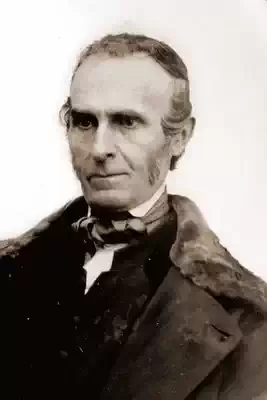
John Greenleaf Whittier
New Hampshire
New Hampshire
GOD bless New Hampshire! from her granite peaks
Once more the voice of Stark and Langdon speaks.
The long-bound vassal of the exulting South
For very shame her self-forged chain has broken;
Turn the black seal of slavery from her mouth,
And in the clear tones of her old time spoken!
Oh, all undreamed-of, all unhoped for changes!
The tyrants's ally proves his sternest foe;
To all his biddings, from her mountain ranges,
New Hampshire thunders an indignant No!
Who is it now despairs? Oh, faint of heart,
Look upward to those Northern mountain cold,
Flouted by Freedom's victor-flag unrolled
And gather strength to bear a manlier part!
All is not lost. The angel of God's blessing
Encamps with Freedom on the field of fight;
Still to her banner, day by day, are pressing,
Unlooked-for allies, striking for the right!
Courage, then, Northern hearts! Be firm, be true:
What one brave State hath done, can ye not also do?
GOD bless New Hampshire! from her granite peaks
Once more the voice of Stark and Langdon speaks.
The long-bound vassal of the exulting South
For very shame her self-forged chain has broken;
Turn the black seal of slavery from her mouth,
And in the clear tones of her old time spoken!
Oh, all undreamed-of, all unhoped for changes!
The tyrants's ally proves his sternest foe;
To all his biddings, from her mountain ranges,
New Hampshire thunders an indignant No!
Who is it now despairs? Oh, faint of heart,
Look upward to those Northern mountain cold,
Flouted by Freedom's victor-flag unrolled
And gather strength to bear a manlier part!
All is not lost. The angel of God's blessing
Encamps with Freedom on the field of fight;
Still to her banner, day by day, are pressing,
Unlooked-for allies, striking for the right!
Courage, then, Northern hearts! Be firm, be true:
What one brave State hath done, can ye not also do?
273
John Greenleaf Whittier
Naples – 1860
Naples – 1860
I GIVE thee joy!—I know to thee
The dearest spot on earth must be
Where sleeps thy loved one by the summer sea;
Where, near her sweetest poet’s tomb,
The land of Virgil gave thee room
To lay thy flower with her perpetual bloom.
I know that when the sky shut down
Behind thee on the gleaming town,
On Baiae’s baths and Posilippo’s crown;
And, through thy tears, the mocking day
Burned Ischia’s mountain lines away,
And Capri melted in its sunny bay;
Through thy great farewell sorrow shot
The sharp pang of a bitter thought
That slaves must tread around that holy spot.
Thou knewest not the land was blest
In giving thy beloved rest,
Holding the fond hope closer to her breast,
That every sweet and saintly grave
Was freedom’s prophecy, and gave
The pledge of Heaven to sanctify and save.
That pledge is answered. To thy ear
The unchained city sends its cheer,
And, tuned to joy, the muffled bells of fear
Ring Victor in. The land sits free
And happy by the summer sea,
And Bourbon Naples now is Italy!
She smiles above her broken chain
The languid smile that follows pain,
Stretching her cramped limbs to the sun again.
Oh, joy for all, who hear her call
From gray Camaldoli’s convent wall
And Elmo’s towers to freedom’s carnival!
A new life breathes among her vines
And olives, like the breath of pines
Blown downward from the breezy Apennines.
Lean, O my friend, to meet that breath,
Rejoice as one who witnesseth
Beauty from ashes rise, and life from death!
Thy sorrow shall no more be pain,
Its tears shall fall in sunlit rain,
Writing the grave with flowers: “Arisen again!”
I GIVE thee joy!—I know to thee
The dearest spot on earth must be
Where sleeps thy loved one by the summer sea;
Where, near her sweetest poet’s tomb,
The land of Virgil gave thee room
To lay thy flower with her perpetual bloom.
I know that when the sky shut down
Behind thee on the gleaming town,
On Baiae’s baths and Posilippo’s crown;
And, through thy tears, the mocking day
Burned Ischia’s mountain lines away,
And Capri melted in its sunny bay;
Through thy great farewell sorrow shot
The sharp pang of a bitter thought
That slaves must tread around that holy spot.
Thou knewest not the land was blest
In giving thy beloved rest,
Holding the fond hope closer to her breast,
That every sweet and saintly grave
Was freedom’s prophecy, and gave
The pledge of Heaven to sanctify and save.
That pledge is answered. To thy ear
The unchained city sends its cheer,
And, tuned to joy, the muffled bells of fear
Ring Victor in. The land sits free
And happy by the summer sea,
And Bourbon Naples now is Italy!
She smiles above her broken chain
The languid smile that follows pain,
Stretching her cramped limbs to the sun again.
Oh, joy for all, who hear her call
From gray Camaldoli’s convent wall
And Elmo’s towers to freedom’s carnival!
A new life breathes among her vines
And olives, like the breath of pines
Blown downward from the breezy Apennines.
Lean, O my friend, to meet that breath,
Rejoice as one who witnesseth
Beauty from ashes rise, and life from death!
Thy sorrow shall no more be pain,
Its tears shall fall in sunlit rain,
Writing the grave with flowers: “Arisen again!”
275
John Greenleaf Whittier
My Trust
My Trust
A picture memory brings to me
I look across the years and see
Myself beside my mother's knee.
I feel her gentle hand restrain
My selfish moods, and know again
A child's blind sense of wrong and pain.
But wiser now, a man gray grown,
My childhood's needs are better known,
My mother's chastening love I own.
Gray grown, but in our Father's sight
A child still groping for the light
To read His works and ways aright.
I wait, in His good time to see
That as my mother dealt with me
So with His children dealeth He.
I bow myself beneath His hand
That pain itself was wisely planned
I feel, and partly understand.
The joy that comes in sorrow's guise,
The sweet pains of self-sacrifice,
I would not have them otherwise.
And what were life and death if sin
Knew not the dread rebuke within,
The pang of merciful discipline?
Not with thy proud despair of old,
Crowned stoic of Rome's noblest mould!
Pleasure and pain alike I hold.
I suffer with no vain pretence
Of triumph over flesh and sense,
Yet trust the grievous providence,
How dark soe'er it seems, may tend,
By ways I cannot comprehend,
To some unguessed benignant end;
That every loss and lapse may gain
The clear-aired heights by steps of pain,
And never cross is borne in vain.
A picture memory brings to me
I look across the years and see
Myself beside my mother's knee.
I feel her gentle hand restrain
My selfish moods, and know again
A child's blind sense of wrong and pain.
But wiser now, a man gray grown,
My childhood's needs are better known,
My mother's chastening love I own.
Gray grown, but in our Father's sight
A child still groping for the light
To read His works and ways aright.
I wait, in His good time to see
That as my mother dealt with me
So with His children dealeth He.
I bow myself beneath His hand
That pain itself was wisely planned
I feel, and partly understand.
The joy that comes in sorrow's guise,
The sweet pains of self-sacrifice,
I would not have them otherwise.
And what were life and death if sin
Knew not the dread rebuke within,
The pang of merciful discipline?
Not with thy proud despair of old,
Crowned stoic of Rome's noblest mould!
Pleasure and pain alike I hold.
I suffer with no vain pretence
Of triumph over flesh and sense,
Yet trust the grievous providence,
How dark soe'er it seems, may tend,
By ways I cannot comprehend,
To some unguessed benignant end;
That every loss and lapse may gain
The clear-aired heights by steps of pain,
And never cross is borne in vain.
346
John Greenleaf Whittier
My Triumph
My Triumph
The autumn-time has come;
On woods that dream of bloom,
And over purpling vines,
The low sun fainter shines.
The aster-flower is failing,
The hazel's gold is paling;
Yet overhead more near
The eternal stars appear!
And present gratitude
Insures the future's good,
And for the things I see
I trust the things to be;
That in the paths untrod,
And the long days of God,
My feet shall still be led,
My heart be comforted.
O living friends who love me!
O dear ones gone above me!
Careless of other fame,
I leave to you my name.
Hide it from idle praises,
Save it from evil phrases:
Why, when dear lips that spake it
Are dumb, should strangers wake it?
Let the thick curtain fall;
I better know than all
How little I have gained,
How vast the unattained.
Not by the page word-painted
Let life be banned or sainted:
Deeper than written scroll
The colors of the soul.
Sweeter than any sung
My songs that found no tongue;
Nobler than any fact
My wish that failed of act.
Others shall sing the song,
Others shall right the wrong, -Finish
what I begin,
And all I fail of win.
What matter, I or they?
Mine or another's day,
So the right word be said
And life the sweeter made?
Hail to the coming singers!
Hail to the brave light-bringers!
Forward I reach and share
All that they sing and dare.
The airs of heaven blow o'er me;
A glory shines before me
Of what mankind shall be, -Pure,
generous, brave, and free.
A dream of man and woman
Diviner but still human,
Solving the riddle old,
Shaping the Age of Gold!
The love of God and neighbor;
An equal-handed labor;
The richer life, where beauty
Walks hand in hand with duty.
Ring, bells in unreared steeples,
The joy of unborn peoples!
Sound, trumpets far off blown,
Your triumph is my own!
Parcel and part of all,
I keep the festival,
Fore-reach the good to be,
And share the victory.
I feel the earth move sunward,
I join the great march onward,
And take, by faith, while living,
My freehold of thanksgiving.
The autumn-time has come;
On woods that dream of bloom,
And over purpling vines,
The low sun fainter shines.
The aster-flower is failing,
The hazel's gold is paling;
Yet overhead more near
The eternal stars appear!
And present gratitude
Insures the future's good,
And for the things I see
I trust the things to be;
That in the paths untrod,
And the long days of God,
My feet shall still be led,
My heart be comforted.
O living friends who love me!
O dear ones gone above me!
Careless of other fame,
I leave to you my name.
Hide it from idle praises,
Save it from evil phrases:
Why, when dear lips that spake it
Are dumb, should strangers wake it?
Let the thick curtain fall;
I better know than all
How little I have gained,
How vast the unattained.
Not by the page word-painted
Let life be banned or sainted:
Deeper than written scroll
The colors of the soul.
Sweeter than any sung
My songs that found no tongue;
Nobler than any fact
My wish that failed of act.
Others shall sing the song,
Others shall right the wrong, -Finish
what I begin,
And all I fail of win.
What matter, I or they?
Mine or another's day,
So the right word be said
And life the sweeter made?
Hail to the coming singers!
Hail to the brave light-bringers!
Forward I reach and share
All that they sing and dare.
The airs of heaven blow o'er me;
A glory shines before me
Of what mankind shall be, -Pure,
generous, brave, and free.
A dream of man and woman
Diviner but still human,
Solving the riddle old,
Shaping the Age of Gold!
The love of God and neighbor;
An equal-handed labor;
The richer life, where beauty
Walks hand in hand with duty.
Ring, bells in unreared steeples,
The joy of unborn peoples!
Sound, trumpets far off blown,
Your triumph is my own!
Parcel and part of all,
I keep the festival,
Fore-reach the good to be,
And share the victory.
I feel the earth move sunward,
I join the great march onward,
And take, by faith, while living,
My freehold of thanksgiving.
344
John Greenleaf Whittier
My Triumph
My Triumph
The autumn-time has come;
On woods that dream of bloom,
And over purpling vines,
The low sun fainter shines.
The aster-flower is failing,
The hazel's gold is paling;
Yet overhead more near
The eternal stars appear!
And present gratitude
Insures the future's good,
And for the things I see
I trust the things to be;
That in the paths untrod,
And the long days of God,
My feet shall still be led,
My heart be comforted.
O living friends who love me!
O dear ones gone above me!
Careless of other fame,
I leave to you my name.
Hide it from idle praises,
Save it from evil phrases:
Why, when dear lips that spake it
Are dumb, should strangers wake it?
Let the thick curtain fall;
I better know than all
How little I have gained,
How vast the unattained.
Not by the page word-painted
Let life be banned or sainted:
Deeper than written scroll
The colors of the soul.
Sweeter than any sung
My songs that found no tongue;
Nobler than any fact
My wish that failed of act.
Others shall sing the song,
Others shall right the wrong, -Finish
what I begin,
And all I fail of win.
What matter, I or they?
Mine or another's day,
So the right word be said
And life the sweeter made?
Hail to the coming singers!
Hail to the brave light-bringers!
Forward I reach and share
All that they sing and dare.
The airs of heaven blow o'er me;
A glory shines before me
Of what mankind shall be, -Pure,
generous, brave, and free.
A dream of man and woman
Diviner but still human,
Solving the riddle old,
Shaping the Age of Gold!
The love of God and neighbor;
An equal-handed labor;
The richer life, where beauty
Walks hand in hand with duty.
Ring, bells in unreared steeples,
The joy of unborn peoples!
Sound, trumpets far off blown,
Your triumph is my own!
Parcel and part of all,
I keep the festival,
Fore-reach the good to be,
And share the victory.
I feel the earth move sunward,
I join the great march onward,
And take, by faith, while living,
My freehold of thanksgiving.
The autumn-time has come;
On woods that dream of bloom,
And over purpling vines,
The low sun fainter shines.
The aster-flower is failing,
The hazel's gold is paling;
Yet overhead more near
The eternal stars appear!
And present gratitude
Insures the future's good,
And for the things I see
I trust the things to be;
That in the paths untrod,
And the long days of God,
My feet shall still be led,
My heart be comforted.
O living friends who love me!
O dear ones gone above me!
Careless of other fame,
I leave to you my name.
Hide it from idle praises,
Save it from evil phrases:
Why, when dear lips that spake it
Are dumb, should strangers wake it?
Let the thick curtain fall;
I better know than all
How little I have gained,
How vast the unattained.
Not by the page word-painted
Let life be banned or sainted:
Deeper than written scroll
The colors of the soul.
Sweeter than any sung
My songs that found no tongue;
Nobler than any fact
My wish that failed of act.
Others shall sing the song,
Others shall right the wrong, -Finish
what I begin,
And all I fail of win.
What matter, I or they?
Mine or another's day,
So the right word be said
And life the sweeter made?
Hail to the coming singers!
Hail to the brave light-bringers!
Forward I reach and share
All that they sing and dare.
The airs of heaven blow o'er me;
A glory shines before me
Of what mankind shall be, -Pure,
generous, brave, and free.
A dream of man and woman
Diviner but still human,
Solving the riddle old,
Shaping the Age of Gold!
The love of God and neighbor;
An equal-handed labor;
The richer life, where beauty
Walks hand in hand with duty.
Ring, bells in unreared steeples,
The joy of unborn peoples!
Sound, trumpets far off blown,
Your triumph is my own!
Parcel and part of all,
I keep the festival,
Fore-reach the good to be,
And share the victory.
I feel the earth move sunward,
I join the great march onward,
And take, by faith, while living,
My freehold of thanksgiving.
344
John Greenleaf Whittier
My Playmate
My Playmate
The pines were dark on Ramoth hill,
Their song was soft and low;
The blossoms in the sweet May wind
Were falling like the snow.
The blossoms drifted at our feet,
The orchard birds sang clear;
The sweetest and the saddest day
It seemed of all the year.
For, more to me than birds or flowers,
My playmate left her home,
And took with her the laughing spring,
The music and the bloom.
She kissed the lips of kith and kin,
She laid her hand in mine
What more could ask the bashful boy
Who fed her father's kine?
She left us in the bloom of May
The constant years told o'er
Their seasons with as sweet May morns,
But she came back no more.
I walk, with noiseless feet, the round
Of uneventful years;
Still o'er and o'er I sow the spring
And reap the autumn ears.
She lives where all the golden year
Her summer roses blow;
The dusky children of the sun
Before her come and go.
There haply with her jewelled hands
She smooths her silken gown,No
more the homespun lap wherein
I shook the walnuts down.
The wild grapes wait us by the brook,
The brown nuts on the hill,
And still the May-day flowers make sweet
The woods of Follymill.
The lilies blossom in the pond,
The bird builds in the tree,
The dark pines sing on Ramoth hill
The slow song of the sea.
I wonder if she thinks of them,
And how the old time seems,
If ever the pines of Ramoth wood
Are sounding in her dreams.
I see her face, I hear her voice;
Does she remember mine?
And what to her is now the boy
Who fed her father's kine?
What cares she that the orioles build
For other eyes than ours,That
other hands with nuts are filled,
And other laps with flowers?
O playmate in the golden time!
Our mossy seat is green,
Its fringing violets blossom yet,
The old trees o'er it lean.
The winds so sweet with birch and fern
A sweeter memory blow;
And there in spring the veeries sing
The song of long ago.
And still the pines of Ramoth wood
Are moaning like the sea,
The moaning of the sea of change
Between myself and thee!
The pines were dark on Ramoth hill,
Their song was soft and low;
The blossoms in the sweet May wind
Were falling like the snow.
The blossoms drifted at our feet,
The orchard birds sang clear;
The sweetest and the saddest day
It seemed of all the year.
For, more to me than birds or flowers,
My playmate left her home,
And took with her the laughing spring,
The music and the bloom.
She kissed the lips of kith and kin,
She laid her hand in mine
What more could ask the bashful boy
Who fed her father's kine?
She left us in the bloom of May
The constant years told o'er
Their seasons with as sweet May morns,
But she came back no more.
I walk, with noiseless feet, the round
Of uneventful years;
Still o'er and o'er I sow the spring
And reap the autumn ears.
She lives where all the golden year
Her summer roses blow;
The dusky children of the sun
Before her come and go.
There haply with her jewelled hands
She smooths her silken gown,No
more the homespun lap wherein
I shook the walnuts down.
The wild grapes wait us by the brook,
The brown nuts on the hill,
And still the May-day flowers make sweet
The woods of Follymill.
The lilies blossom in the pond,
The bird builds in the tree,
The dark pines sing on Ramoth hill
The slow song of the sea.
I wonder if she thinks of them,
And how the old time seems,
If ever the pines of Ramoth wood
Are sounding in her dreams.
I see her face, I hear her voice;
Does she remember mine?
And what to her is now the boy
Who fed her father's kine?
What cares she that the orioles build
For other eyes than ours,That
other hands with nuts are filled,
And other laps with flowers?
O playmate in the golden time!
Our mossy seat is green,
Its fringing violets blossom yet,
The old trees o'er it lean.
The winds so sweet with birch and fern
A sweeter memory blow;
And there in spring the veeries sing
The song of long ago.
And still the pines of Ramoth wood
Are moaning like the sea,
The moaning of the sea of change
Between myself and thee!
254
John Greenleaf Whittier
My Soul And I
My Soul And I
Stand still, my soul, in the silent dark
I would question thee,
Alone in the shadow drear and stark
With God and me!
What, my soul, was thy errand here?
Was it mirth or ease,
Or heaping up dust from year to year?
'Nay, none of these!'
Speak, soul, aright in His holy sight
Whose eye looks still
And steadily on thee through the night
'To do His will!'
What hast thou done, O soul of mine,
That thou tremblest so?
Hast thou wrought His task, and kept the line
He bade thee go?
Aha! thou tremblest!--well I see
Thou 'rt craven grown.
Is it so hard with God and me
To stand alone?
Summon thy sunshine bravery back,
O wretched sprite!
Let me hear thy voice through this deep and black
Abysmal night.
What hast thou wrought for Right and Truth,
For God and Man,
From the golden hours of bright-eyed youth
To life's mid span?
What, silent all! art sad of cheer?
Art fearful now?
When God seemed far and men were near,
How brave wert thou!
Ah, soul of mine, thy tones I hear,
But weak and low,
Like far sad murmurs on my ear
They come and go.
I have wrestled stoutly with the Wrong,
And borne the Right
From beneath the footfall of the throng
To life and light.
'Wherever Freedom shivered a chain,
God speed, quoth I;
To Error amidst her shouting train
I gave the lie.'
Ah, soul of mine! ah, soul of mine!
Thy deeds are well:
Were they wrought for Truth's sake or for thine?
My soul, pray tell.
'Of all the work my hand hath wrought
Beneath the sky,
Save a place in kindly human thought,
No gain have I.'
Go to, go to! for thy very self
Thy deeds were done
Thou for fame, the miser for pelf,
Your end is one!
And where art thou going, soul of mine?
Canst see the end?
And whither this troubled life of thine
Evermore doth tend?
What daunts thee now? what shakes thee so?
My sad soul say.
'I see a cloud like a curtain low
Hang o'er my way.
'Whither I go I cannot tell
That cloud hangs black,
High as the heaven and deep as hell
Across my track.
'I see its shadow coldly enwrap
The souls before.
Sadly they enter it, step by step,
To return no more.
'They shrink, they shudder, dear God! they kneel
To Thee in prayer.
They shut their eyes on the cloud, but feel
That it still is there.
'In vain they turn from the dread Before
To the Known and Gone;
For while gazing behind them evermore
Their feet glide on.
'Yet, at times, I see upon sweet pale faces
A light begin
To tremble, as if from holy places
And shrines within.
'And at times methinks their cold lips move
With hymn and prayer,
As if somewhat of awe, but more of love
And hope were there.
'I call on the souls who have left the light
To reveal their lot;
I bend mine ear to that wall of night,
And they answer not.
'But I hear around me sighs of pain
And the cry of fear,
And a sound like the slow sad dropping of rain,
Each drop a tear!
'Ah, the cloud is dark, and day by day
I am moving thither
I must pass beneath it on my way-God
pity me!--whither?'
Ah, soul of mine! so brave and wise
In the life-storm loud,
Fronting so calmly all human eyes
In the sunlit crowd!
Now standing apart with God and me
Thou art weakness all,
Gazing vainly after the things to be
Through Death's dread wall.
But never for this, never for this
Was thy being lent;
For the craven's fear is but selfishness,
Like his merriment.
Folly and Fear are sisters twain
One closing her eyes.
The other peopling the dark inane
With spectral lies.
Know well, my soul, God's hand controls
Whate'er thou fearest;
Round Him in calmest music rolls
Whate'er thou Nearest.
What to thee is shadow, to Him is day,
And the end He knoweth,
And not on a blind and aimless way
The spirit goeth.
Man sees no future,--a phantom show
Is alone before him;
Past Time is dead, and the grasses grow,
And flowers bloom o'er him.
Nothing before, nothing behind;
The steps of Faith
Fall on the seeming void, and find
The rock beneath.
The Present, the Present is all thou hast
For thy sure possessing;
Like the patriarch's angel hold it fast
Till it gives its blessing.
Why fear the night? why shrink from Death;
That phantom wan?
There is nothing in heaven or earth beneath
Save God and man.
Peopling the shadows we turn from Him
And from one another;
All is spectral and vague and dim
Save God and our brother!
Like warp and woof all destinies
Are woven fast,
Linked in sympathy like the keys
Of an organ vast.
Pluck one thread, and the web ye mar;
Break but one
Of a thousand keys, and the paining jar
Through all will run.
O restless spirit! wherefore strain
Beyond thy sphere?
Heaven and hell, with their joy and pain,
Are now and here.
Back to thyself is measured well
All thou hast given;
Thy neighbor's wrong is thy present hell,
His bliss, thy heaven.
And in life, in death, in dark and light,
All are in God's care
Sound the black abyss, pierce the deep of night,
And He is there!
All which is real now remaineth,
And fadeth never
The hand which upholds it now sustaineth
The soul forever.
Leaning on Him, make with reverent meekness
His own thy will,
And with strength from Him shall thy utter weakness
Life's task fulfil;
And that cloud itself, which now before thee
Lies dark in view,
Shall with beams of light from the inner glory
Be stricken through.
And like meadow mist through autumn's dawn
Uprolling thin,
Its thickest folds when about thee drawn
Let sunlight in.
Then of what is to be, and of what is done,
Why queriest thou?
The past and the time to be are one,
And both are now!
Stand still, my soul, in the silent dark
I would question thee,
Alone in the shadow drear and stark
With God and me!
What, my soul, was thy errand here?
Was it mirth or ease,
Or heaping up dust from year to year?
'Nay, none of these!'
Speak, soul, aright in His holy sight
Whose eye looks still
And steadily on thee through the night
'To do His will!'
What hast thou done, O soul of mine,
That thou tremblest so?
Hast thou wrought His task, and kept the line
He bade thee go?
Aha! thou tremblest!--well I see
Thou 'rt craven grown.
Is it so hard with God and me
To stand alone?
Summon thy sunshine bravery back,
O wretched sprite!
Let me hear thy voice through this deep and black
Abysmal night.
What hast thou wrought for Right and Truth,
For God and Man,
From the golden hours of bright-eyed youth
To life's mid span?
What, silent all! art sad of cheer?
Art fearful now?
When God seemed far and men were near,
How brave wert thou!
Ah, soul of mine, thy tones I hear,
But weak and low,
Like far sad murmurs on my ear
They come and go.
I have wrestled stoutly with the Wrong,
And borne the Right
From beneath the footfall of the throng
To life and light.
'Wherever Freedom shivered a chain,
God speed, quoth I;
To Error amidst her shouting train
I gave the lie.'
Ah, soul of mine! ah, soul of mine!
Thy deeds are well:
Were they wrought for Truth's sake or for thine?
My soul, pray tell.
'Of all the work my hand hath wrought
Beneath the sky,
Save a place in kindly human thought,
No gain have I.'
Go to, go to! for thy very self
Thy deeds were done
Thou for fame, the miser for pelf,
Your end is one!
And where art thou going, soul of mine?
Canst see the end?
And whither this troubled life of thine
Evermore doth tend?
What daunts thee now? what shakes thee so?
My sad soul say.
'I see a cloud like a curtain low
Hang o'er my way.
'Whither I go I cannot tell
That cloud hangs black,
High as the heaven and deep as hell
Across my track.
'I see its shadow coldly enwrap
The souls before.
Sadly they enter it, step by step,
To return no more.
'They shrink, they shudder, dear God! they kneel
To Thee in prayer.
They shut their eyes on the cloud, but feel
That it still is there.
'In vain they turn from the dread Before
To the Known and Gone;
For while gazing behind them evermore
Their feet glide on.
'Yet, at times, I see upon sweet pale faces
A light begin
To tremble, as if from holy places
And shrines within.
'And at times methinks their cold lips move
With hymn and prayer,
As if somewhat of awe, but more of love
And hope were there.
'I call on the souls who have left the light
To reveal their lot;
I bend mine ear to that wall of night,
And they answer not.
'But I hear around me sighs of pain
And the cry of fear,
And a sound like the slow sad dropping of rain,
Each drop a tear!
'Ah, the cloud is dark, and day by day
I am moving thither
I must pass beneath it on my way-God
pity me!--whither?'
Ah, soul of mine! so brave and wise
In the life-storm loud,
Fronting so calmly all human eyes
In the sunlit crowd!
Now standing apart with God and me
Thou art weakness all,
Gazing vainly after the things to be
Through Death's dread wall.
But never for this, never for this
Was thy being lent;
For the craven's fear is but selfishness,
Like his merriment.
Folly and Fear are sisters twain
One closing her eyes.
The other peopling the dark inane
With spectral lies.
Know well, my soul, God's hand controls
Whate'er thou fearest;
Round Him in calmest music rolls
Whate'er thou Nearest.
What to thee is shadow, to Him is day,
And the end He knoweth,
And not on a blind and aimless way
The spirit goeth.
Man sees no future,--a phantom show
Is alone before him;
Past Time is dead, and the grasses grow,
And flowers bloom o'er him.
Nothing before, nothing behind;
The steps of Faith
Fall on the seeming void, and find
The rock beneath.
The Present, the Present is all thou hast
For thy sure possessing;
Like the patriarch's angel hold it fast
Till it gives its blessing.
Why fear the night? why shrink from Death;
That phantom wan?
There is nothing in heaven or earth beneath
Save God and man.
Peopling the shadows we turn from Him
And from one another;
All is spectral and vague and dim
Save God and our brother!
Like warp and woof all destinies
Are woven fast,
Linked in sympathy like the keys
Of an organ vast.
Pluck one thread, and the web ye mar;
Break but one
Of a thousand keys, and the paining jar
Through all will run.
O restless spirit! wherefore strain
Beyond thy sphere?
Heaven and hell, with their joy and pain,
Are now and here.
Back to thyself is measured well
All thou hast given;
Thy neighbor's wrong is thy present hell,
His bliss, thy heaven.
And in life, in death, in dark and light,
All are in God's care
Sound the black abyss, pierce the deep of night,
And He is there!
All which is real now remaineth,
And fadeth never
The hand which upholds it now sustaineth
The soul forever.
Leaning on Him, make with reverent meekness
His own thy will,
And with strength from Him shall thy utter weakness
Life's task fulfil;
And that cloud itself, which now before thee
Lies dark in view,
Shall with beams of light from the inner glory
Be stricken through.
And like meadow mist through autumn's dawn
Uprolling thin,
Its thickest folds when about thee drawn
Let sunlight in.
Then of what is to be, and of what is done,
Why queriest thou?
The past and the time to be are one,
And both are now!
335
John Greenleaf Whittier
My Dream
My Dream
In my dream, methought I trod,
Yesternight, a mountain road;
Narrow as Al Sirat's span,
High as eagle's flight, it ran.
Overhead, a roof of cloud
With its weight of thunder bowed;
Underneath, to left and right,
Blankness and abysmal night.
Here and there a wild-flower blushed,
Now and then a bird-song gushed;
Now and then, through rifts of shade,
Stars shone out, and sunbeams played.
But the goodly company,
Walking in that path with me,
One by one the brink o'erslid,
One by one the darkness hid.
Some with wailing and lament,
Some with cheerful courage went;
But, of all who smiled or mourned,
Never one to us returned.
Anxiously, with eye and ear,
Questioning that shadow drear,
Never hand in token stirred,
Never answering voice I heard!
Steeper, darker!--lo! I felt
From my feet the pathway melt.
Swallowed by the black despair,
And the hungry jaws of air,
Past the stony-throated caves,
Strangled by the wash of waves,
Past the splintered crags, I sank
On a green and flowery bank,-
Soft as fall of thistle-down,
Lightly as a cloud is blown,
Soothingly as childhood pressed
To the bosom of its rest.
Of the sharp-horned rocks instead,
Green the grassy meadows spread,
Bright with waters singing by
Trees that propped a golden sky.
Painless, trustful, sorrow-free,
Old lost faces welcomed me,
With whose sweetness of content
Still expectant hope was blent.
Waking while the dawning gray
Slowly brightened into day,
Pondering that vision fled,
Thus unto myself I said:-
'Steep and hung with clouds of strife
Is our narrow path of life;
And our death the dreaded fall
Through the dark, awaiting all.
'So, with painful steps we climb
Up the dizzy ways of time,
Ever in the shadow shed
By the forecast of our dread.
'Dread of mystery solved alone,
Of the untried and unknown;
Yet the end thereof may seem
Like the falling of my dream.
'And this heart-consuming care,
All our fears of here or there,
Change and absence, loss and death,
Prove but simple lack of faith.'
Thou, O Most Compassionate!
Who didst stoop to our estate,
Drinking of the cup we drain,
Treading in our path of pain,-
Through the doubt and mystery,
Grant to us thy steps to see,
And the grace to draw from thence
Larger hope and confidence.
Show thy vacant tomb, and let,
As of old, the angels sit,
Whispering, by its open door
'Fear not! He hath gone before!'
In my dream, methought I trod,
Yesternight, a mountain road;
Narrow as Al Sirat's span,
High as eagle's flight, it ran.
Overhead, a roof of cloud
With its weight of thunder bowed;
Underneath, to left and right,
Blankness and abysmal night.
Here and there a wild-flower blushed,
Now and then a bird-song gushed;
Now and then, through rifts of shade,
Stars shone out, and sunbeams played.
But the goodly company,
Walking in that path with me,
One by one the brink o'erslid,
One by one the darkness hid.
Some with wailing and lament,
Some with cheerful courage went;
But, of all who smiled or mourned,
Never one to us returned.
Anxiously, with eye and ear,
Questioning that shadow drear,
Never hand in token stirred,
Never answering voice I heard!
Steeper, darker!--lo! I felt
From my feet the pathway melt.
Swallowed by the black despair,
And the hungry jaws of air,
Past the stony-throated caves,
Strangled by the wash of waves,
Past the splintered crags, I sank
On a green and flowery bank,-
Soft as fall of thistle-down,
Lightly as a cloud is blown,
Soothingly as childhood pressed
To the bosom of its rest.
Of the sharp-horned rocks instead,
Green the grassy meadows spread,
Bright with waters singing by
Trees that propped a golden sky.
Painless, trustful, sorrow-free,
Old lost faces welcomed me,
With whose sweetness of content
Still expectant hope was blent.
Waking while the dawning gray
Slowly brightened into day,
Pondering that vision fled,
Thus unto myself I said:-
'Steep and hung with clouds of strife
Is our narrow path of life;
And our death the dreaded fall
Through the dark, awaiting all.
'So, with painful steps we climb
Up the dizzy ways of time,
Ever in the shadow shed
By the forecast of our dread.
'Dread of mystery solved alone,
Of the untried and unknown;
Yet the end thereof may seem
Like the falling of my dream.
'And this heart-consuming care,
All our fears of here or there,
Change and absence, loss and death,
Prove but simple lack of faith.'
Thou, O Most Compassionate!
Who didst stoop to our estate,
Drinking of the cup we drain,
Treading in our path of pain,-
Through the doubt and mystery,
Grant to us thy steps to see,
And the grace to draw from thence
Larger hope and confidence.
Show thy vacant tomb, and let,
As of old, the angels sit,
Whispering, by its open door
'Fear not! He hath gone before!'
335
John Greenleaf Whittier
My Dream
My Dream
In my dream, methought I trod,
Yesternight, a mountain road;
Narrow as Al Sirat's span,
High as eagle's flight, it ran.
Overhead, a roof of cloud
With its weight of thunder bowed;
Underneath, to left and right,
Blankness and abysmal night.
Here and there a wild-flower blushed,
Now and then a bird-song gushed;
Now and then, through rifts of shade,
Stars shone out, and sunbeams played.
But the goodly company,
Walking in that path with me,
One by one the brink o'erslid,
One by one the darkness hid.
Some with wailing and lament,
Some with cheerful courage went;
But, of all who smiled or mourned,
Never one to us returned.
Anxiously, with eye and ear,
Questioning that shadow drear,
Never hand in token stirred,
Never answering voice I heard!
Steeper, darker!--lo! I felt
From my feet the pathway melt.
Swallowed by the black despair,
And the hungry jaws of air,
Past the stony-throated caves,
Strangled by the wash of waves,
Past the splintered crags, I sank
On a green and flowery bank,-
Soft as fall of thistle-down,
Lightly as a cloud is blown,
Soothingly as childhood pressed
To the bosom of its rest.
Of the sharp-horned rocks instead,
Green the grassy meadows spread,
Bright with waters singing by
Trees that propped a golden sky.
Painless, trustful, sorrow-free,
Old lost faces welcomed me,
With whose sweetness of content
Still expectant hope was blent.
Waking while the dawning gray
Slowly brightened into day,
Pondering that vision fled,
Thus unto myself I said:-
'Steep and hung with clouds of strife
Is our narrow path of life;
And our death the dreaded fall
Through the dark, awaiting all.
'So, with painful steps we climb
Up the dizzy ways of time,
Ever in the shadow shed
By the forecast of our dread.
'Dread of mystery solved alone,
Of the untried and unknown;
Yet the end thereof may seem
Like the falling of my dream.
'And this heart-consuming care,
All our fears of here or there,
Change and absence, loss and death,
Prove but simple lack of faith.'
Thou, O Most Compassionate!
Who didst stoop to our estate,
Drinking of the cup we drain,
Treading in our path of pain,-
Through the doubt and mystery,
Grant to us thy steps to see,
And the grace to draw from thence
Larger hope and confidence.
Show thy vacant tomb, and let,
As of old, the angels sit,
Whispering, by its open door
'Fear not! He hath gone before!'
In my dream, methought I trod,
Yesternight, a mountain road;
Narrow as Al Sirat's span,
High as eagle's flight, it ran.
Overhead, a roof of cloud
With its weight of thunder bowed;
Underneath, to left and right,
Blankness and abysmal night.
Here and there a wild-flower blushed,
Now and then a bird-song gushed;
Now and then, through rifts of shade,
Stars shone out, and sunbeams played.
But the goodly company,
Walking in that path with me,
One by one the brink o'erslid,
One by one the darkness hid.
Some with wailing and lament,
Some with cheerful courage went;
But, of all who smiled or mourned,
Never one to us returned.
Anxiously, with eye and ear,
Questioning that shadow drear,
Never hand in token stirred,
Never answering voice I heard!
Steeper, darker!--lo! I felt
From my feet the pathway melt.
Swallowed by the black despair,
And the hungry jaws of air,
Past the stony-throated caves,
Strangled by the wash of waves,
Past the splintered crags, I sank
On a green and flowery bank,-
Soft as fall of thistle-down,
Lightly as a cloud is blown,
Soothingly as childhood pressed
To the bosom of its rest.
Of the sharp-horned rocks instead,
Green the grassy meadows spread,
Bright with waters singing by
Trees that propped a golden sky.
Painless, trustful, sorrow-free,
Old lost faces welcomed me,
With whose sweetness of content
Still expectant hope was blent.
Waking while the dawning gray
Slowly brightened into day,
Pondering that vision fled,
Thus unto myself I said:-
'Steep and hung with clouds of strife
Is our narrow path of life;
And our death the dreaded fall
Through the dark, awaiting all.
'So, with painful steps we climb
Up the dizzy ways of time,
Ever in the shadow shed
By the forecast of our dread.
'Dread of mystery solved alone,
Of the untried and unknown;
Yet the end thereof may seem
Like the falling of my dream.
'And this heart-consuming care,
All our fears of here or there,
Change and absence, loss and death,
Prove but simple lack of faith.'
Thou, O Most Compassionate!
Who didst stoop to our estate,
Drinking of the cup we drain,
Treading in our path of pain,-
Through the doubt and mystery,
Grant to us thy steps to see,
And the grace to draw from thence
Larger hope and confidence.
Show thy vacant tomb, and let,
As of old, the angels sit,
Whispering, by its open door
'Fear not! He hath gone before!'
335
John Greenleaf Whittier
My Dream
My Dream
In my dream, methought I trod,
Yesternight, a mountain road;
Narrow as Al Sirat's span,
High as eagle's flight, it ran.
Overhead, a roof of cloud
With its weight of thunder bowed;
Underneath, to left and right,
Blankness and abysmal night.
Here and there a wild-flower blushed,
Now and then a bird-song gushed;
Now and then, through rifts of shade,
Stars shone out, and sunbeams played.
But the goodly company,
Walking in that path with me,
One by one the brink o'erslid,
One by one the darkness hid.
Some with wailing and lament,
Some with cheerful courage went;
But, of all who smiled or mourned,
Never one to us returned.
Anxiously, with eye and ear,
Questioning that shadow drear,
Never hand in token stirred,
Never answering voice I heard!
Steeper, darker!--lo! I felt
From my feet the pathway melt.
Swallowed by the black despair,
And the hungry jaws of air,
Past the stony-throated caves,
Strangled by the wash of waves,
Past the splintered crags, I sank
On a green and flowery bank,-
Soft as fall of thistle-down,
Lightly as a cloud is blown,
Soothingly as childhood pressed
To the bosom of its rest.
Of the sharp-horned rocks instead,
Green the grassy meadows spread,
Bright with waters singing by
Trees that propped a golden sky.
Painless, trustful, sorrow-free,
Old lost faces welcomed me,
With whose sweetness of content
Still expectant hope was blent.
Waking while the dawning gray
Slowly brightened into day,
Pondering that vision fled,
Thus unto myself I said:-
'Steep and hung with clouds of strife
Is our narrow path of life;
And our death the dreaded fall
Through the dark, awaiting all.
'So, with painful steps we climb
Up the dizzy ways of time,
Ever in the shadow shed
By the forecast of our dread.
'Dread of mystery solved alone,
Of the untried and unknown;
Yet the end thereof may seem
Like the falling of my dream.
'And this heart-consuming care,
All our fears of here or there,
Change and absence, loss and death,
Prove but simple lack of faith.'
Thou, O Most Compassionate!
Who didst stoop to our estate,
Drinking of the cup we drain,
Treading in our path of pain,-
Through the doubt and mystery,
Grant to us thy steps to see,
And the grace to draw from thence
Larger hope and confidence.
Show thy vacant tomb, and let,
As of old, the angels sit,
Whispering, by its open door
'Fear not! He hath gone before!'
In my dream, methought I trod,
Yesternight, a mountain road;
Narrow as Al Sirat's span,
High as eagle's flight, it ran.
Overhead, a roof of cloud
With its weight of thunder bowed;
Underneath, to left and right,
Blankness and abysmal night.
Here and there a wild-flower blushed,
Now and then a bird-song gushed;
Now and then, through rifts of shade,
Stars shone out, and sunbeams played.
But the goodly company,
Walking in that path with me,
One by one the brink o'erslid,
One by one the darkness hid.
Some with wailing and lament,
Some with cheerful courage went;
But, of all who smiled or mourned,
Never one to us returned.
Anxiously, with eye and ear,
Questioning that shadow drear,
Never hand in token stirred,
Never answering voice I heard!
Steeper, darker!--lo! I felt
From my feet the pathway melt.
Swallowed by the black despair,
And the hungry jaws of air,
Past the stony-throated caves,
Strangled by the wash of waves,
Past the splintered crags, I sank
On a green and flowery bank,-
Soft as fall of thistle-down,
Lightly as a cloud is blown,
Soothingly as childhood pressed
To the bosom of its rest.
Of the sharp-horned rocks instead,
Green the grassy meadows spread,
Bright with waters singing by
Trees that propped a golden sky.
Painless, trustful, sorrow-free,
Old lost faces welcomed me,
With whose sweetness of content
Still expectant hope was blent.
Waking while the dawning gray
Slowly brightened into day,
Pondering that vision fled,
Thus unto myself I said:-
'Steep and hung with clouds of strife
Is our narrow path of life;
And our death the dreaded fall
Through the dark, awaiting all.
'So, with painful steps we climb
Up the dizzy ways of time,
Ever in the shadow shed
By the forecast of our dread.
'Dread of mystery solved alone,
Of the untried and unknown;
Yet the end thereof may seem
Like the falling of my dream.
'And this heart-consuming care,
All our fears of here or there,
Change and absence, loss and death,
Prove but simple lack of faith.'
Thou, O Most Compassionate!
Who didst stoop to our estate,
Drinking of the cup we drain,
Treading in our path of pain,-
Through the doubt and mystery,
Grant to us thy steps to see,
And the grace to draw from thence
Larger hope and confidence.
Show thy vacant tomb, and let,
As of old, the angels sit,
Whispering, by its open door
'Fear not! He hath gone before!'
335
John Greenleaf Whittier
Memories
Memories
A beautiful and happy girl,
With step as light as summer air,
Eyes glad with smiles, and brow of pearl,
Shadowed by many a careless curl
Of unconfined and flowing hair;
A seeming child in everything,
Save thoughtful brow and ripening charms,
As Nature wears the smile of Spring
When sinking into Summer's arms.
A mind rejoicing in the light
Which melted through its graceful bower,
Leaf after leaf, dew-moist and bright,
And stainless in its holy white,
Unfolding like a morning flower
A heart, which, like a fine-toned lute,
With every breath of feeling woke,
And, even when the tongue was mute,
From eye and lip in music spoke.
How thrills once more the lengthening chain
Of memory, at the thought of thee!
Old hopes which long in dust have lain
Old dreams, come thronging back again,
And boyhood lives again in me;
I feel its glow upon my cheek,
Its fulness of the heart is mine,
As when I leaned to hear thee speak,
Or raised my doubtful eye to thine.
I hear again thy low replies,
I feel thy arm within my own,
And timidly again uprise
The fringed lids of hazel eyes,
With soft brown tresses overblown.
Ah! memories of sweet summer eves,
Of moonlit wave and willowy way,
Of stars and flowers, and dewy leaves,
And smiles and tones more dear than they!
Ere this, thy quiet eye hath smiled
My picture of thy youth to see,
When, half a woman, half a child,
Thy very artlessness beguiled,
And folly's self seemed wise in thee;
I too can smile, when o'er that hour
The lights of memory backward stream,
Yet feel the while that manhood's power
Is vainer than my boyhood's dream.
Years have passed on, and left their trace,
Of graver care and deeper thought;
And unto me the calm, cold face
Of manhood, and to thee the grace
Of woman's pensive beauty brought.
More wide, perchance, for blame than praise,
The school-boy's humble name has flown;
Thine, in the green and quiet ways
Of unobtrusive goodness known.
And wider yet in thought and deed
Diverge our pathways, one in youth;
Thine the Genevan's sternest creed,
While answers to my spirit's need
The Derby dalesman's simple truth.
For thee, the priestly rite and prayer,
And holy day, and solemn psalm;
For me, the silent reverence where
My brethren gather, slow and calm.
Yet hath thy spirit left on me
An impress Time has worn not out,
And something of myself in thee,
A shadow from the past, I see,
Lingering, even yet, thy way about;
Not wholly can the heart unlearn
That lesson of its better hours,
Not yet has Time's dull footstep worn
To common dust that path of flowers.
Thus, while at times before our eyes
The shadows melt, and fall apart,
And, smiling through them, round us lies
The warm light of our morning skies,-The
Indian Summer of the heart!
In secret sympathies of mind,
In founts of feeling which retain
Their pure, fresh flow, we yet may find
Our early dreams not wholly vain
A beautiful and happy girl,
With step as light as summer air,
Eyes glad with smiles, and brow of pearl,
Shadowed by many a careless curl
Of unconfined and flowing hair;
A seeming child in everything,
Save thoughtful brow and ripening charms,
As Nature wears the smile of Spring
When sinking into Summer's arms.
A mind rejoicing in the light
Which melted through its graceful bower,
Leaf after leaf, dew-moist and bright,
And stainless in its holy white,
Unfolding like a morning flower
A heart, which, like a fine-toned lute,
With every breath of feeling woke,
And, even when the tongue was mute,
From eye and lip in music spoke.
How thrills once more the lengthening chain
Of memory, at the thought of thee!
Old hopes which long in dust have lain
Old dreams, come thronging back again,
And boyhood lives again in me;
I feel its glow upon my cheek,
Its fulness of the heart is mine,
As when I leaned to hear thee speak,
Or raised my doubtful eye to thine.
I hear again thy low replies,
I feel thy arm within my own,
And timidly again uprise
The fringed lids of hazel eyes,
With soft brown tresses overblown.
Ah! memories of sweet summer eves,
Of moonlit wave and willowy way,
Of stars and flowers, and dewy leaves,
And smiles and tones more dear than they!
Ere this, thy quiet eye hath smiled
My picture of thy youth to see,
When, half a woman, half a child,
Thy very artlessness beguiled,
And folly's self seemed wise in thee;
I too can smile, when o'er that hour
The lights of memory backward stream,
Yet feel the while that manhood's power
Is vainer than my boyhood's dream.
Years have passed on, and left their trace,
Of graver care and deeper thought;
And unto me the calm, cold face
Of manhood, and to thee the grace
Of woman's pensive beauty brought.
More wide, perchance, for blame than praise,
The school-boy's humble name has flown;
Thine, in the green and quiet ways
Of unobtrusive goodness known.
And wider yet in thought and deed
Diverge our pathways, one in youth;
Thine the Genevan's sternest creed,
While answers to my spirit's need
The Derby dalesman's simple truth.
For thee, the priestly rite and prayer,
And holy day, and solemn psalm;
For me, the silent reverence where
My brethren gather, slow and calm.
Yet hath thy spirit left on me
An impress Time has worn not out,
And something of myself in thee,
A shadow from the past, I see,
Lingering, even yet, thy way about;
Not wholly can the heart unlearn
That lesson of its better hours,
Not yet has Time's dull footstep worn
To common dust that path of flowers.
Thus, while at times before our eyes
The shadows melt, and fall apart,
And, smiling through them, round us lies
The warm light of our morning skies,-The
Indian Summer of the heart!
In secret sympathies of mind,
In founts of feeling which retain
Their pure, fresh flow, we yet may find
Our early dreams not wholly vain
304
John Greenleaf Whittier
Marguerite
Marguerite
MASSACHUSETTS BAY, 1760.
THE robins sang in the orchard, the buds into
blossoms grew;
Little of human sorrow the buds and the robins
knew!
Sick, in an alien household, the poor French
neutral lay;
Into her lonesome garret fell the light of the April
day,
Through the dusty window, curtained by the spider's
warp and woof,
On the loose-laid floor of hemlock, on oaken ribs
of roof,
The bedquilt's faded patchwork, the teacups on the
stand,
The wheel with flaxen tangle, as it dropped from
her sick hand.
What to her was the song of the robin, or warm
morning light,
As she lay in the trance of the dying, heedless of
sound or sight?
Done was the work of her bands, she had eaten her
bitter bread;
The world of the alien people lay behind her dim
and dead.
But her soul went back to its child-time; she saw
the sun o'erflow
With gold the Basin of Minas, and set over
Gaspereau;
The low, bare flats at ebb-tide, the rush of the sea
at flood,
Through inlet and creek and river, from dike to
upland wood;
The gulls in the red of morning, the fish-hawk's
rise and fall,
The drift of the fog in moonshine, over the dark
coast-wall.
She saw the face of her mother, she heard the song
she sang;
And far off, faintly, slowly, the bell for vespers
rang.
By her bed the hard-faced mistress sat, smoothing
the wrinkled sheet,
Peering into the face, so helpless, and feeling the
ice-cold feet.
With a vague remorse atoning for her greed and
long abuse,
By care no longer heeded and pity too late for use.
Up the stairs of the garret softly the son of the
mistress stepped,
Leaned over the head-board, covering his face with
his hands, and wept.
Outspake the mother, who watched him sharply,
with brow a-frown
'What! love you the Papist, the beggar, the
charge of the town?'
Be she Papist or beggar who lies here, I know
and God knows
I love her, and fain would go with her wherever
she goes!
'O mother! that sweet face came pleading, for
love so athirst.
You saw but the town-charge; I knew her God's
angel at first.'
Shaking her gray head, the mistress hushed down
a bitter cry;
And awed by the silence and shadow of death
drawing nigh,
She murmured a psalm of the Bible; but closer
the young girl pressed,
With the last of her life in her fingers, the cross
to her breast.
'My son, come away,' cried the mother, her voice
cruel grown.
'She is joined to her idols, like Ephraim; let her
alone!'
But he knelt with his hand on her forehead, his
lips to her ear,
And he called back the soul that was passing
'Marguerite, do you hear?'
She paused on the threshold of Heaven; love, pity,
surprise,
Wistful, tender, lit up for an instant the cloud of
her eyes.
With his heart on his lips he kissed her, but never
her cheek grew red,
And the words the living long for he spake in the
ear of the dead.
And the robins sang in the orchard, where buds to
blossoms grew;
Of the folded hands and the still face never the
robins knew!
MASSACHUSETTS BAY, 1760.
THE robins sang in the orchard, the buds into
blossoms grew;
Little of human sorrow the buds and the robins
knew!
Sick, in an alien household, the poor French
neutral lay;
Into her lonesome garret fell the light of the April
day,
Through the dusty window, curtained by the spider's
warp and woof,
On the loose-laid floor of hemlock, on oaken ribs
of roof,
The bedquilt's faded patchwork, the teacups on the
stand,
The wheel with flaxen tangle, as it dropped from
her sick hand.
What to her was the song of the robin, or warm
morning light,
As she lay in the trance of the dying, heedless of
sound or sight?
Done was the work of her bands, she had eaten her
bitter bread;
The world of the alien people lay behind her dim
and dead.
But her soul went back to its child-time; she saw
the sun o'erflow
With gold the Basin of Minas, and set over
Gaspereau;
The low, bare flats at ebb-tide, the rush of the sea
at flood,
Through inlet and creek and river, from dike to
upland wood;
The gulls in the red of morning, the fish-hawk's
rise and fall,
The drift of the fog in moonshine, over the dark
coast-wall.
She saw the face of her mother, she heard the song
she sang;
And far off, faintly, slowly, the bell for vespers
rang.
By her bed the hard-faced mistress sat, smoothing
the wrinkled sheet,
Peering into the face, so helpless, and feeling the
ice-cold feet.
With a vague remorse atoning for her greed and
long abuse,
By care no longer heeded and pity too late for use.
Up the stairs of the garret softly the son of the
mistress stepped,
Leaned over the head-board, covering his face with
his hands, and wept.
Outspake the mother, who watched him sharply,
with brow a-frown
'What! love you the Papist, the beggar, the
charge of the town?'
Be she Papist or beggar who lies here, I know
and God knows
I love her, and fain would go with her wherever
she goes!
'O mother! that sweet face came pleading, for
love so athirst.
You saw but the town-charge; I knew her God's
angel at first.'
Shaking her gray head, the mistress hushed down
a bitter cry;
And awed by the silence and shadow of death
drawing nigh,
She murmured a psalm of the Bible; but closer
the young girl pressed,
With the last of her life in her fingers, the cross
to her breast.
'My son, come away,' cried the mother, her voice
cruel grown.
'She is joined to her idols, like Ephraim; let her
alone!'
But he knelt with his hand on her forehead, his
lips to her ear,
And he called back the soul that was passing
'Marguerite, do you hear?'
She paused on the threshold of Heaven; love, pity,
surprise,
Wistful, tender, lit up for an instant the cloud of
her eyes.
With his heart on his lips he kissed her, but never
her cheek grew red,
And the words the living long for he spake in the
ear of the dead.
And the robins sang in the orchard, where buds to
blossoms grew;
Of the folded hands and the still face never the
robins knew!
282
John Greenleaf Whittier
Lexington
Lexington
1775.
No Berserk thirst of blood had they,
No battle-joy was theirs, who set
Against the alien bayonet
Their homespun breasts in that old day.
Their feet had trodden peaceful, ways;
They loved not strife, they dreaded pain;
They saw not, what to us is plain,
That God would make man's wrath his praise.
No seers were they, but simple men;
Its vast results the future hid
The meaning of the work they did
Was strange and dark and doubtful then.
Swift as their summons came they left
The plough mid-furrow standing still,
The half-ground corn grist in the mill,
The spade in earth, the axe in cleft.
They went where duty seemed to call,
They scarcely asked the reason why;
They only knew they could but die,
And death was not the worst of all!
Of man for man the sacrifice,
All that was theirs to give, they gave.
The flowers that blossomed from their grave
Have sown themselves beneath all skies.
Their death-shot shook the feudal tower,
And shattered slavery's chain as well;
On the sky's dome, as on a bell,
Its echo struck the world's great hour.
That fateful echo is not dumb
The nations listening to its sound
Wait, from a century's vantage-ground,
The holier triumphs yet to come,-
The bridal time of Law and Love,
The gladness of the world's release,
When, war-sick, at the feet of Peace
The hawk shall nestle with the dove!-
The golden age of brotherhood
Unknown to other rivalries
Than of the mild humanities,
And gracious interchange of good,
When closer strand shall lean to strand,
Till meet, beneath saluting flags,
The eagle of our mountain-crags,
The lion of our Motherland!
1775.
No Berserk thirst of blood had they,
No battle-joy was theirs, who set
Against the alien bayonet
Their homespun breasts in that old day.
Their feet had trodden peaceful, ways;
They loved not strife, they dreaded pain;
They saw not, what to us is plain,
That God would make man's wrath his praise.
No seers were they, but simple men;
Its vast results the future hid
The meaning of the work they did
Was strange and dark and doubtful then.
Swift as their summons came they left
The plough mid-furrow standing still,
The half-ground corn grist in the mill,
The spade in earth, the axe in cleft.
They went where duty seemed to call,
They scarcely asked the reason why;
They only knew they could but die,
And death was not the worst of all!
Of man for man the sacrifice,
All that was theirs to give, they gave.
The flowers that blossomed from their grave
Have sown themselves beneath all skies.
Their death-shot shook the feudal tower,
And shattered slavery's chain as well;
On the sky's dome, as on a bell,
Its echo struck the world's great hour.
That fateful echo is not dumb
The nations listening to its sound
Wait, from a century's vantage-ground,
The holier triumphs yet to come,-
The bridal time of Law and Love,
The gladness of the world's release,
When, war-sick, at the feet of Peace
The hawk shall nestle with the dove!-
The golden age of brotherhood
Unknown to other rivalries
Than of the mild humanities,
And gracious interchange of good,
When closer strand shall lean to strand,
Till meet, beneath saluting flags,
The eagle of our mountain-crags,
The lion of our Motherland!
532
John Greenleaf Whittier
Kenoza Lake
Kenoza Lake
As Adam did in Paradise,
To-day the primal right we claim
Fair mirror of the woods and skies,
We give to thee a name.
Lake of the pickerel!--let no more
The echoes answer back, 'Great Pond,'
But sweet Kenoza, from thy shore
And watching hills beyond,
Let Indian ghosts, if such there be
Who ply unseen their shadowy lines,
Call back the ancient name to thee,
As with the voice of pines.
The shores we trod as barefoot boys,
The nutted woods we wandered through,
To friendship, love, and social joys
We consecrate anew.
Here shall the tender song be sung,
And memory's dirges soft and low,
And wit shall sparkle on the tongue,
And mirth shall overflow,
Harmless as summer lightning plays
From a low, hidden cloud by night,
A light to set the hills ablaze,
But not a bolt to smite.
In sunny South and prairied West
Are exiled hearts remembering still,
As bees their hive, as birds their nest,
The homes of Haverhill.
They join us in our rites to-day;
And, listening, we may hear, erelong,
From inland lake and ocean bay,
The echoes of our song.
Kenoza! o'er no sweeter lake
Shall morning break or noon-cloud sail,-No
fairer face than thine shall take
The sunset's golden veil.
Long be it ere the tide of trade
Shall break with harsh-resounding din
The quiet of thy banks of shade,
And hills that fold thee in.
Still let thy woodlands hide the hare,
The shy loon sound his trumpet-note,
Wing-weary from his fields of air,
The wild-goose on thee float.
Thy peace rebuke our feverish stir,
Thy beauty our deforming strife;
Thy woods and waters minister
The healing of their life.
And sinless Mirth, from care released,
Behold, unawed, thy mirrored sky,
Smiling as smiled on Cana's feast
The Master's loving eye.
And when the summer day grows dim,
And light mists walk thy mimic sea,
Revive in us the thought of Him
Who walked on Galilee!
As Adam did in Paradise,
To-day the primal right we claim
Fair mirror of the woods and skies,
We give to thee a name.
Lake of the pickerel!--let no more
The echoes answer back, 'Great Pond,'
But sweet Kenoza, from thy shore
And watching hills beyond,
Let Indian ghosts, if such there be
Who ply unseen their shadowy lines,
Call back the ancient name to thee,
As with the voice of pines.
The shores we trod as barefoot boys,
The nutted woods we wandered through,
To friendship, love, and social joys
We consecrate anew.
Here shall the tender song be sung,
And memory's dirges soft and low,
And wit shall sparkle on the tongue,
And mirth shall overflow,
Harmless as summer lightning plays
From a low, hidden cloud by night,
A light to set the hills ablaze,
But not a bolt to smite.
In sunny South and prairied West
Are exiled hearts remembering still,
As bees their hive, as birds their nest,
The homes of Haverhill.
They join us in our rites to-day;
And, listening, we may hear, erelong,
From inland lake and ocean bay,
The echoes of our song.
Kenoza! o'er no sweeter lake
Shall morning break or noon-cloud sail,-No
fairer face than thine shall take
The sunset's golden veil.
Long be it ere the tide of trade
Shall break with harsh-resounding din
The quiet of thy banks of shade,
And hills that fold thee in.
Still let thy woodlands hide the hare,
The shy loon sound his trumpet-note,
Wing-weary from his fields of air,
The wild-goose on thee float.
Thy peace rebuke our feverish stir,
Thy beauty our deforming strife;
Thy woods and waters minister
The healing of their life.
And sinless Mirth, from care released,
Behold, unawed, thy mirrored sky,
Smiling as smiled on Cana's feast
The Master's loving eye.
And when the summer day grows dim,
And light mists walk thy mimic sea,
Revive in us the thought of Him
Who walked on Galilee!
255
John Greenleaf Whittier
Kallundborg Church ( From The Tent on the Beach)
Kallundborg Church ( From The Tent on the Beach)
"Tie stille, barn min!
Imorgen kommer Fin,
Fa'er din,
Og gi'er dich Esbern Snares öine og hjerte at lege med!"
Zealand Rhyme.
"BUILD at Kallundborg by the sea
A church as stately as church may be,
And there shalt thou wed my daughter fair,"
Said the Lord of Nesvek to Esbern Snare.
And the Baron laughed. But Esbern said,
"Though I lose my soul, I will Helva wed!"
And off he strode, in his pride of will,
To the Troll who dwelt in Ulshoi hill.
"Build, O Troll, a church for me
At Kallundborg by the mighty sea;
Build it stately, and build it fair,
Build it quickly," said Esbern Snare.
But the sly Dwarf said, "No work is wrought
By Trolls of the Hills, O man, for naught.
What wilt thou give for thy church so fair?"
"Set thy own price," quoth Esbern Snare.
"When Kallundborg church is builded well,
Thou must the name of its builder tell,
Or thy heart and thy eyes must be my boon."
"Build," said Esbern, "and build it soon."
By night and by day the Troll wrought on;
He hewed the timbers, he piled the stone;
But day by day, as the walls rose fair,
Darker and sadder grew Esbern Snare.
He listened by night, he watched by day,
He sought and thought, but he dared not pray;
In vain he called on the Elle-maids shy,
And the Neck and the Nis gave no reply.
Of his evil bargain far and wide
A rumor ran through the country-side;
And Helva of Nesvek, young and fair,
Prayed for the soul of Esbern Snare.
And now the church was wellnigh done;
One pillar it lacked, and one alone;
And the grim Troll muttered, "Fool thou art!
To-morrow gives me thy eyes and heart!"
By Kallundborg in black despair,
Through wood and meadow, walked Esbern Snare,
Till, worn and weary, the strong man sank
Under the birches on Ulshoi bank.
At his last day's work he heard the Troll
Hammer and delve in the quarry's hole;
Before him the church stood large and fair:
"I have builded my tomb," said Esbern Snare.
And he closed his eyes the sight to hide,
When he heard a light step at his side:
"O Esbern Snare! a sweet voice said,
"Would I might die now in thy stead!"
With a grasp by love and by fear made strong,
He held her fast, and he held her long;
With the beating heart of a bird afeard,
She hid her face in his flame-red beard.
"O love!" he cried, "let me look to-day
In thine eyes ere mine are plucked away;
Let me hold thee close, let me feel thy heart
Ere mine by the Troll is torn apart!
"I sinned, O Helva, for love of thee!
Pray that the Lord Christ pardon me!"
But fast as she prayed, and faster still,
Hammered the Troll in Ulshoi hill.
He knew, as he wrought, that a loving heart
Was somehow baffling his evil art;
For more than spell of Elf or Troll
Is a maiden's prayer for her lover's soul.
And Esbern listened, and caught the sound
Of a Troll-wife singing underground:
"To-morrow comes Fine, father thine:
Lie still and hush thee, baby mine!
"Lie still, my darling! next sunrise
Thou'lt play with Esbern Snare's heart and eyes!"
"Ho! ho!" quoth Esbern, "is that your game?
Thanks to the Troll-wife, I know his name!"
The Troll he heard him, and hurried on
To Kallundborg church with the lacking stone.
"Too late, Gaffer Fine!" cried Esbern Snare;
And Troll and pillar vanished in air!
That night the harvesters heard the sound
Of a woman sobbing underground,
And the voice of the Hill-Troll loud with blame
Of the careless singer who told his name.
Of the Troll of the Church they sing the rune
By the Northern Sea in the harvest moon;
And the fishers of Zealand hear him still
Scolding his wife in Ulshoi hill.
And seaward over its groves of birch
Still looks the tower of Kallundborg church
Where, first at its altar, a wedded pair,
Stood Helva of Nesvek and Esbern Snare!
"Tie stille, barn min!
Imorgen kommer Fin,
Fa'er din,
Og gi'er dich Esbern Snares öine og hjerte at lege med!"
Zealand Rhyme.
"BUILD at Kallundborg by the sea
A church as stately as church may be,
And there shalt thou wed my daughter fair,"
Said the Lord of Nesvek to Esbern Snare.
And the Baron laughed. But Esbern said,
"Though I lose my soul, I will Helva wed!"
And off he strode, in his pride of will,
To the Troll who dwelt in Ulshoi hill.
"Build, O Troll, a church for me
At Kallundborg by the mighty sea;
Build it stately, and build it fair,
Build it quickly," said Esbern Snare.
But the sly Dwarf said, "No work is wrought
By Trolls of the Hills, O man, for naught.
What wilt thou give for thy church so fair?"
"Set thy own price," quoth Esbern Snare.
"When Kallundborg church is builded well,
Thou must the name of its builder tell,
Or thy heart and thy eyes must be my boon."
"Build," said Esbern, "and build it soon."
By night and by day the Troll wrought on;
He hewed the timbers, he piled the stone;
But day by day, as the walls rose fair,
Darker and sadder grew Esbern Snare.
He listened by night, he watched by day,
He sought and thought, but he dared not pray;
In vain he called on the Elle-maids shy,
And the Neck and the Nis gave no reply.
Of his evil bargain far and wide
A rumor ran through the country-side;
And Helva of Nesvek, young and fair,
Prayed for the soul of Esbern Snare.
And now the church was wellnigh done;
One pillar it lacked, and one alone;
And the grim Troll muttered, "Fool thou art!
To-morrow gives me thy eyes and heart!"
By Kallundborg in black despair,
Through wood and meadow, walked Esbern Snare,
Till, worn and weary, the strong man sank
Under the birches on Ulshoi bank.
At his last day's work he heard the Troll
Hammer and delve in the quarry's hole;
Before him the church stood large and fair:
"I have builded my tomb," said Esbern Snare.
And he closed his eyes the sight to hide,
When he heard a light step at his side:
"O Esbern Snare! a sweet voice said,
"Would I might die now in thy stead!"
With a grasp by love and by fear made strong,
He held her fast, and he held her long;
With the beating heart of a bird afeard,
She hid her face in his flame-red beard.
"O love!" he cried, "let me look to-day
In thine eyes ere mine are plucked away;
Let me hold thee close, let me feel thy heart
Ere mine by the Troll is torn apart!
"I sinned, O Helva, for love of thee!
Pray that the Lord Christ pardon me!"
But fast as she prayed, and faster still,
Hammered the Troll in Ulshoi hill.
He knew, as he wrought, that a loving heart
Was somehow baffling his evil art;
For more than spell of Elf or Troll
Is a maiden's prayer for her lover's soul.
And Esbern listened, and caught the sound
Of a Troll-wife singing underground:
"To-morrow comes Fine, father thine:
Lie still and hush thee, baby mine!
"Lie still, my darling! next sunrise
Thou'lt play with Esbern Snare's heart and eyes!"
"Ho! ho!" quoth Esbern, "is that your game?
Thanks to the Troll-wife, I know his name!"
The Troll he heard him, and hurried on
To Kallundborg church with the lacking stone.
"Too late, Gaffer Fine!" cried Esbern Snare;
And Troll and pillar vanished in air!
That night the harvesters heard the sound
Of a woman sobbing underground,
And the voice of the Hill-Troll loud with blame
Of the careless singer who told his name.
Of the Troll of the Church they sing the rune
By the Northern Sea in the harvest moon;
And the fishers of Zealand hear him still
Scolding his wife in Ulshoi hill.
And seaward over its groves of birch
Still looks the tower of Kallundborg church
Where, first at its altar, a wedded pair,
Stood Helva of Nesvek and Esbern Snare!
256
John Greenleaf Whittier
Kallundborg Church ( From The Tent on the Beach)
Kallundborg Church ( From The Tent on the Beach)
"Tie stille, barn min!
Imorgen kommer Fin,
Fa'er din,
Og gi'er dich Esbern Snares öine og hjerte at lege med!"
Zealand Rhyme.
"BUILD at Kallundborg by the sea
A church as stately as church may be,
And there shalt thou wed my daughter fair,"
Said the Lord of Nesvek to Esbern Snare.
And the Baron laughed. But Esbern said,
"Though I lose my soul, I will Helva wed!"
And off he strode, in his pride of will,
To the Troll who dwelt in Ulshoi hill.
"Build, O Troll, a church for me
At Kallundborg by the mighty sea;
Build it stately, and build it fair,
Build it quickly," said Esbern Snare.
But the sly Dwarf said, "No work is wrought
By Trolls of the Hills, O man, for naught.
What wilt thou give for thy church so fair?"
"Set thy own price," quoth Esbern Snare.
"When Kallundborg church is builded well,
Thou must the name of its builder tell,
Or thy heart and thy eyes must be my boon."
"Build," said Esbern, "and build it soon."
By night and by day the Troll wrought on;
He hewed the timbers, he piled the stone;
But day by day, as the walls rose fair,
Darker and sadder grew Esbern Snare.
He listened by night, he watched by day,
He sought and thought, but he dared not pray;
In vain he called on the Elle-maids shy,
And the Neck and the Nis gave no reply.
Of his evil bargain far and wide
A rumor ran through the country-side;
And Helva of Nesvek, young and fair,
Prayed for the soul of Esbern Snare.
And now the church was wellnigh done;
One pillar it lacked, and one alone;
And the grim Troll muttered, "Fool thou art!
To-morrow gives me thy eyes and heart!"
By Kallundborg in black despair,
Through wood and meadow, walked Esbern Snare,
Till, worn and weary, the strong man sank
Under the birches on Ulshoi bank.
At his last day's work he heard the Troll
Hammer and delve in the quarry's hole;
Before him the church stood large and fair:
"I have builded my tomb," said Esbern Snare.
And he closed his eyes the sight to hide,
When he heard a light step at his side:
"O Esbern Snare! a sweet voice said,
"Would I might die now in thy stead!"
With a grasp by love and by fear made strong,
He held her fast, and he held her long;
With the beating heart of a bird afeard,
She hid her face in his flame-red beard.
"O love!" he cried, "let me look to-day
In thine eyes ere mine are plucked away;
Let me hold thee close, let me feel thy heart
Ere mine by the Troll is torn apart!
"I sinned, O Helva, for love of thee!
Pray that the Lord Christ pardon me!"
But fast as she prayed, and faster still,
Hammered the Troll in Ulshoi hill.
He knew, as he wrought, that a loving heart
Was somehow baffling his evil art;
For more than spell of Elf or Troll
Is a maiden's prayer for her lover's soul.
And Esbern listened, and caught the sound
Of a Troll-wife singing underground:
"To-morrow comes Fine, father thine:
Lie still and hush thee, baby mine!
"Lie still, my darling! next sunrise
Thou'lt play with Esbern Snare's heart and eyes!"
"Ho! ho!" quoth Esbern, "is that your game?
Thanks to the Troll-wife, I know his name!"
The Troll he heard him, and hurried on
To Kallundborg church with the lacking stone.
"Too late, Gaffer Fine!" cried Esbern Snare;
And Troll and pillar vanished in air!
That night the harvesters heard the sound
Of a woman sobbing underground,
And the voice of the Hill-Troll loud with blame
Of the careless singer who told his name.
Of the Troll of the Church they sing the rune
By the Northern Sea in the harvest moon;
And the fishers of Zealand hear him still
Scolding his wife in Ulshoi hill.
And seaward over its groves of birch
Still looks the tower of Kallundborg church
Where, first at its altar, a wedded pair,
Stood Helva of Nesvek and Esbern Snare!
"Tie stille, barn min!
Imorgen kommer Fin,
Fa'er din,
Og gi'er dich Esbern Snares öine og hjerte at lege med!"
Zealand Rhyme.
"BUILD at Kallundborg by the sea
A church as stately as church may be,
And there shalt thou wed my daughter fair,"
Said the Lord of Nesvek to Esbern Snare.
And the Baron laughed. But Esbern said,
"Though I lose my soul, I will Helva wed!"
And off he strode, in his pride of will,
To the Troll who dwelt in Ulshoi hill.
"Build, O Troll, a church for me
At Kallundborg by the mighty sea;
Build it stately, and build it fair,
Build it quickly," said Esbern Snare.
But the sly Dwarf said, "No work is wrought
By Trolls of the Hills, O man, for naught.
What wilt thou give for thy church so fair?"
"Set thy own price," quoth Esbern Snare.
"When Kallundborg church is builded well,
Thou must the name of its builder tell,
Or thy heart and thy eyes must be my boon."
"Build," said Esbern, "and build it soon."
By night and by day the Troll wrought on;
He hewed the timbers, he piled the stone;
But day by day, as the walls rose fair,
Darker and sadder grew Esbern Snare.
He listened by night, he watched by day,
He sought and thought, but he dared not pray;
In vain he called on the Elle-maids shy,
And the Neck and the Nis gave no reply.
Of his evil bargain far and wide
A rumor ran through the country-side;
And Helva of Nesvek, young and fair,
Prayed for the soul of Esbern Snare.
And now the church was wellnigh done;
One pillar it lacked, and one alone;
And the grim Troll muttered, "Fool thou art!
To-morrow gives me thy eyes and heart!"
By Kallundborg in black despair,
Through wood and meadow, walked Esbern Snare,
Till, worn and weary, the strong man sank
Under the birches on Ulshoi bank.
At his last day's work he heard the Troll
Hammer and delve in the quarry's hole;
Before him the church stood large and fair:
"I have builded my tomb," said Esbern Snare.
And he closed his eyes the sight to hide,
When he heard a light step at his side:
"O Esbern Snare! a sweet voice said,
"Would I might die now in thy stead!"
With a grasp by love and by fear made strong,
He held her fast, and he held her long;
With the beating heart of a bird afeard,
She hid her face in his flame-red beard.
"O love!" he cried, "let me look to-day
In thine eyes ere mine are plucked away;
Let me hold thee close, let me feel thy heart
Ere mine by the Troll is torn apart!
"I sinned, O Helva, for love of thee!
Pray that the Lord Christ pardon me!"
But fast as she prayed, and faster still,
Hammered the Troll in Ulshoi hill.
He knew, as he wrought, that a loving heart
Was somehow baffling his evil art;
For more than spell of Elf or Troll
Is a maiden's prayer for her lover's soul.
And Esbern listened, and caught the sound
Of a Troll-wife singing underground:
"To-morrow comes Fine, father thine:
Lie still and hush thee, baby mine!
"Lie still, my darling! next sunrise
Thou'lt play with Esbern Snare's heart and eyes!"
"Ho! ho!" quoth Esbern, "is that your game?
Thanks to the Troll-wife, I know his name!"
The Troll he heard him, and hurried on
To Kallundborg church with the lacking stone.
"Too late, Gaffer Fine!" cried Esbern Snare;
And Troll and pillar vanished in air!
That night the harvesters heard the sound
Of a woman sobbing underground,
And the voice of the Hill-Troll loud with blame
Of the careless singer who told his name.
Of the Troll of the Church they sing the rune
By the Northern Sea in the harvest moon;
And the fishers of Zealand hear him still
Scolding his wife in Ulshoi hill.
And seaward over its groves of birch
Still looks the tower of Kallundborg church
Where, first at its altar, a wedded pair,
Stood Helva of Nesvek and Esbern Snare!
256
John Greenleaf Whittier
Italy
Italy
ACROSS the sea I heard the groans
Of nations in the intervals
Of wind and wave. Their blood and bones
Cried out in torture, crushed by thrones,
And sucked by priestly cannibals.
I dreamed of Freedom slowly gained
By martyr meekness, patience, faith,
And lo! an athlete grimly stained,
With corded muscles battle-strained,
Shouting it from the fields of death!
I turn me, awe-struck, from the sight,
Among the clamoring thousands mute,
I only know that God is right,
And that the children of the light
Shall tread the darkness under foot.
I know the pent fire heaves its crust,
That sultry skies the bolt will form
To smite them clear; that Nature must
The balance of her powers adjust,
Though with the earthquake and the storm.
God reigns, and let the earth rejoice!
I bow before His sterner plan.
Dumb are the organs of my choice;
He speaks in battle's stormy voice,
His praise is in the wrath of man!
Yet, surely as He lives, the day
Of peace He promised shall be ours,
To fold the flags of war, and lay
Its sword and spear to rust away,
And sow its ghastly fields with flowers!
ACROSS the sea I heard the groans
Of nations in the intervals
Of wind and wave. Their blood and bones
Cried out in torture, crushed by thrones,
And sucked by priestly cannibals.
I dreamed of Freedom slowly gained
By martyr meekness, patience, faith,
And lo! an athlete grimly stained,
With corded muscles battle-strained,
Shouting it from the fields of death!
I turn me, awe-struck, from the sight,
Among the clamoring thousands mute,
I only know that God is right,
And that the children of the light
Shall tread the darkness under foot.
I know the pent fire heaves its crust,
That sultry skies the bolt will form
To smite them clear; that Nature must
The balance of her powers adjust,
Though with the earthquake and the storm.
God reigns, and let the earth rejoice!
I bow before His sterner plan.
Dumb are the organs of my choice;
He speaks in battle's stormy voice,
His praise is in the wrath of man!
Yet, surely as He lives, the day
Of peace He promised shall be ours,
To fold the flags of war, and lay
Its sword and spear to rust away,
And sow its ghastly fields with flowers!
258
John Greenleaf Whittier
Inscription On A Fountain
Inscription On A Fountain
FOR DOROTHEA L. DIX.
Stranger and traveller,
Drink freely and bestow
A kindly thought on her
Who bade this fountain flow,
Yet hath no other claim
Than as the minister
Of blessing in God's name.
Drink, and in His peace go
FOR DOROTHEA L. DIX.
Stranger and traveller,
Drink freely and bestow
A kindly thought on her
Who bade this fountain flow,
Yet hath no other claim
Than as the minister
Of blessing in God's name.
Drink, and in His peace go
317
John Greenleaf Whittier
In Remembrance Of Joseph Sturge
In Remembrance Of Joseph Sturge
In the fair land o'erwatched by Ischia's mountains,
Across the charmed bay
Whose blue waves keep with Capri's silver fountains
Perpetual holiday,
A king lies dead, his wafer duly eaten,
His gold-bought masses given;
And Rome's great altar smokes with gums to sweeten
Her foulest gift to Heaven.
And while all Naples thrills with mute thanksgiving,
The court of England's queen
For the dead monster so abhorred while living
In mourning garb is seen.
With a true sorrow God rebukes that feigning;
By lone Edgbaston's side
Stands a great city in the sky's sad raining,
Bareheaded and wet-eyed!
Silent for once the restless hive of labor,
Save the low funeral tread,
Or voice of craftsman whispering to his neighbor
The good deeds of the dead.
For him no minster's chant of the immortals
Rose from the lips of sin;
No mitred priest swung back the heavenly portals
To let the white soul in.
But Age and Sickness framed their tearful faces
In the low hovel's door,
And prayers went up from all the dark by-places
And Ghettos of the poor.
The pallid toiler and the negro chattel,
The vagrant of the street,
The human dice wherewith in games of battle
The lords of earth compete,
Touched with a grief that needs no outward draping,
All swelled the long lament,
Of grateful hearts, instead of marble, shaping
His viewless monument!
For never yet, with ritual pomp and splendor,
In the long heretofore,
A heart more loyal, warm, and true, and tender,
Has England's turf closed o'er.
And if there fell from out her grand old steeples
No crash of brazen wail,
The murmurous woe of kindreds, tongues, and peoples
Swept in on every gale.
It came from Holstein's birchen-belted meadows,
And from the tropic calms
Of Indian islands in the sunlit shadows
Of Occidental palms;
From the locked roadsteads of the Bothniaii peasants,
And harbors of the Finn,
Where war's worn victims saw his gentle presence
Come sailing, Christ-like, in,
To seek the lost, to build the old waste places,
To link the hostile shores
Of severing seas, and sow with England's daisies
The moss of Finland's moors.
Thanks for the good man's beautiful example,
Who in the vilest saw
Some sacred crypt or altar of a temple
Still vocal with God's law;
And heard with tender ear the spirit sighing
As from its prison cell,
Praying for pity, like the mournful crying
Of Jonah out of hell.
Not his the golden pen's or lip's persuasion,
But a fine sense of right,
And Truth's directness, meeting each occasion
Straight as a line of light.
His faith and works, like streams that intermingle,
In the same channel ran
The crystal clearness of an eye kept single
Shamed all the frauds of man.
The very gentlest of all human natures
He joined to courage strong,
And love outreaching unto all God's creatures
With sturdy hate of wrong.
Tender as woman, manliness and meekness
In him were so allied
That they who judged him by his strength or weakness
Saw but a single side.
Men failed, betrayed him, but his zeal seemed nourished
By failure and by fall;
Still a large faith in human-kind he cherished,
And in God's love for all.
And now he rests: his greatness and his sweetness
No more shall seem at strife,
And death has moulded into calm completeness
The statue of his life.
Where the dews glisten and the songbirds warble,
His dust to dust is laid,
In Nature's keeping, with no pomp of marble
To shame his modest shade.
The forges glow, the hammers all are ringing;
Beneath its smoky vale,
Hard by, the city of his love is swinging
Its clamorous iron flail.
But round his grave are quietude and beauty,
And the sweet heaven above,-The
fitting symbols of a life of duty
Transfigured into love!
In the fair land o'erwatched by Ischia's mountains,
Across the charmed bay
Whose blue waves keep with Capri's silver fountains
Perpetual holiday,
A king lies dead, his wafer duly eaten,
His gold-bought masses given;
And Rome's great altar smokes with gums to sweeten
Her foulest gift to Heaven.
And while all Naples thrills with mute thanksgiving,
The court of England's queen
For the dead monster so abhorred while living
In mourning garb is seen.
With a true sorrow God rebukes that feigning;
By lone Edgbaston's side
Stands a great city in the sky's sad raining,
Bareheaded and wet-eyed!
Silent for once the restless hive of labor,
Save the low funeral tread,
Or voice of craftsman whispering to his neighbor
The good deeds of the dead.
For him no minster's chant of the immortals
Rose from the lips of sin;
No mitred priest swung back the heavenly portals
To let the white soul in.
But Age and Sickness framed their tearful faces
In the low hovel's door,
And prayers went up from all the dark by-places
And Ghettos of the poor.
The pallid toiler and the negro chattel,
The vagrant of the street,
The human dice wherewith in games of battle
The lords of earth compete,
Touched with a grief that needs no outward draping,
All swelled the long lament,
Of grateful hearts, instead of marble, shaping
His viewless monument!
For never yet, with ritual pomp and splendor,
In the long heretofore,
A heart more loyal, warm, and true, and tender,
Has England's turf closed o'er.
And if there fell from out her grand old steeples
No crash of brazen wail,
The murmurous woe of kindreds, tongues, and peoples
Swept in on every gale.
It came from Holstein's birchen-belted meadows,
And from the tropic calms
Of Indian islands in the sunlit shadows
Of Occidental palms;
From the locked roadsteads of the Bothniaii peasants,
And harbors of the Finn,
Where war's worn victims saw his gentle presence
Come sailing, Christ-like, in,
To seek the lost, to build the old waste places,
To link the hostile shores
Of severing seas, and sow with England's daisies
The moss of Finland's moors.
Thanks for the good man's beautiful example,
Who in the vilest saw
Some sacred crypt or altar of a temple
Still vocal with God's law;
And heard with tender ear the spirit sighing
As from its prison cell,
Praying for pity, like the mournful crying
Of Jonah out of hell.
Not his the golden pen's or lip's persuasion,
But a fine sense of right,
And Truth's directness, meeting each occasion
Straight as a line of light.
His faith and works, like streams that intermingle,
In the same channel ran
The crystal clearness of an eye kept single
Shamed all the frauds of man.
The very gentlest of all human natures
He joined to courage strong,
And love outreaching unto all God's creatures
With sturdy hate of wrong.
Tender as woman, manliness and meekness
In him were so allied
That they who judged him by his strength or weakness
Saw but a single side.
Men failed, betrayed him, but his zeal seemed nourished
By failure and by fall;
Still a large faith in human-kind he cherished,
And in God's love for all.
And now he rests: his greatness and his sweetness
No more shall seem at strife,
And death has moulded into calm completeness
The statue of his life.
Where the dews glisten and the songbirds warble,
His dust to dust is laid,
In Nature's keeping, with no pomp of marble
To shame his modest shade.
The forges glow, the hammers all are ringing;
Beneath its smoky vale,
Hard by, the city of his love is swinging
Its clamorous iron flail.
But round his grave are quietude and beauty,
And the sweet heaven above,-The
fitting symbols of a life of duty
Transfigured into love!
352
John Greenleaf Whittier
In Peace
In Peace
A track of moonlight on a quiet lake,
Whose small waves on a silver-sanded shore
Whisper of peace, and with the low winds make
Such harmonies as keep the woods awake,
And listening all night long for their sweet sake
A green-waved slope of meadow, hovered o'er
By angel-troops of lilies, swaying light
On viewless stems, with folded wings of white;
A slumberous stretch of mountain-land, far seen
Where the low westering day, with gold and green,
Purple and amber, softly blended, fills
The wooded vales, and melts among the hills;
A vine-fringed river, winding to its rest
On the calm bosom of a stormless sea,
Bearing alike upon its placid breast,
With earthly flowers and heavenly' stars impressed,
The hues of time and of eternity
Such are the pictures which the thought of thee,
O friend, awakeneth,--charming the keen pain
Of thy departure, and our sense of loss
Requiting with the fullness of thy gain.
Lo! on the quiet grave thy life-borne cross,
Dropped only at its side, methinks doth shine,
Of thy beatitude the radiant sign!
No sob of grief, no wild lament be there,
To break the Sabbath of the holy air;
But, in their stead, the silent-breathing prayer
Of hearts still waiting for a rest like thine.
O spirit redeemed! Forgive us, if henceforth,
With sweet and pure similitudes of earth,
We keep thy pleasant memory freshly green,
Of love's inheritance a priceless part,
Which Fancy's self, in reverent awe, is seen
To paint, forgetful of the tricks of art,
With pencil dipped alone in colors of the heart.
A track of moonlight on a quiet lake,
Whose small waves on a silver-sanded shore
Whisper of peace, and with the low winds make
Such harmonies as keep the woods awake,
And listening all night long for their sweet sake
A green-waved slope of meadow, hovered o'er
By angel-troops of lilies, swaying light
On viewless stems, with folded wings of white;
A slumberous stretch of mountain-land, far seen
Where the low westering day, with gold and green,
Purple and amber, softly blended, fills
The wooded vales, and melts among the hills;
A vine-fringed river, winding to its rest
On the calm bosom of a stormless sea,
Bearing alike upon its placid breast,
With earthly flowers and heavenly' stars impressed,
The hues of time and of eternity
Such are the pictures which the thought of thee,
O friend, awakeneth,--charming the keen pain
Of thy departure, and our sense of loss
Requiting with the fullness of thy gain.
Lo! on the quiet grave thy life-borne cross,
Dropped only at its side, methinks doth shine,
Of thy beatitude the radiant sign!
No sob of grief, no wild lament be there,
To break the Sabbath of the holy air;
But, in their stead, the silent-breathing prayer
Of hearts still waiting for a rest like thine.
O spirit redeemed! Forgive us, if henceforth,
With sweet and pure similitudes of earth,
We keep thy pleasant memory freshly green,
Of love's inheritance a priceless part,
Which Fancy's self, in reverent awe, is seen
To paint, forgetful of the tricks of art,
With pencil dipped alone in colors of the heart.
314
John Greenleaf Whittier
In Peace
In Peace
A track of moonlight on a quiet lake,
Whose small waves on a silver-sanded shore
Whisper of peace, and with the low winds make
Such harmonies as keep the woods awake,
And listening all night long for their sweet sake
A green-waved slope of meadow, hovered o'er
By angel-troops of lilies, swaying light
On viewless stems, with folded wings of white;
A slumberous stretch of mountain-land, far seen
Where the low westering day, with gold and green,
Purple and amber, softly blended, fills
The wooded vales, and melts among the hills;
A vine-fringed river, winding to its rest
On the calm bosom of a stormless sea,
Bearing alike upon its placid breast,
With earthly flowers and heavenly' stars impressed,
The hues of time and of eternity
Such are the pictures which the thought of thee,
O friend, awakeneth,--charming the keen pain
Of thy departure, and our sense of loss
Requiting with the fullness of thy gain.
Lo! on the quiet grave thy life-borne cross,
Dropped only at its side, methinks doth shine,
Of thy beatitude the radiant sign!
No sob of grief, no wild lament be there,
To break the Sabbath of the holy air;
But, in their stead, the silent-breathing prayer
Of hearts still waiting for a rest like thine.
O spirit redeemed! Forgive us, if henceforth,
With sweet and pure similitudes of earth,
We keep thy pleasant memory freshly green,
Of love's inheritance a priceless part,
Which Fancy's self, in reverent awe, is seen
To paint, forgetful of the tricks of art,
With pencil dipped alone in colors of the heart.
A track of moonlight on a quiet lake,
Whose small waves on a silver-sanded shore
Whisper of peace, and with the low winds make
Such harmonies as keep the woods awake,
And listening all night long for their sweet sake
A green-waved slope of meadow, hovered o'er
By angel-troops of lilies, swaying light
On viewless stems, with folded wings of white;
A slumberous stretch of mountain-land, far seen
Where the low westering day, with gold and green,
Purple and amber, softly blended, fills
The wooded vales, and melts among the hills;
A vine-fringed river, winding to its rest
On the calm bosom of a stormless sea,
Bearing alike upon its placid breast,
With earthly flowers and heavenly' stars impressed,
The hues of time and of eternity
Such are the pictures which the thought of thee,
O friend, awakeneth,--charming the keen pain
Of thy departure, and our sense of loss
Requiting with the fullness of thy gain.
Lo! on the quiet grave thy life-borne cross,
Dropped only at its side, methinks doth shine,
Of thy beatitude the radiant sign!
No sob of grief, no wild lament be there,
To break the Sabbath of the holy air;
But, in their stead, the silent-breathing prayer
Of hearts still waiting for a rest like thine.
O spirit redeemed! Forgive us, if henceforth,
With sweet and pure similitudes of earth,
We keep thy pleasant memory freshly green,
Of love's inheritance a priceless part,
Which Fancy's self, in reverent awe, is seen
To paint, forgetful of the tricks of art,
With pencil dipped alone in colors of the heart.
314
John Greenleaf Whittier
In Peace
In Peace
A track of moonlight on a quiet lake,
Whose small waves on a silver-sanded shore
Whisper of peace, and with the low winds make
Such harmonies as keep the woods awake,
And listening all night long for their sweet sake
A green-waved slope of meadow, hovered o'er
By angel-troops of lilies, swaying light
On viewless stems, with folded wings of white;
A slumberous stretch of mountain-land, far seen
Where the low westering day, with gold and green,
Purple and amber, softly blended, fills
The wooded vales, and melts among the hills;
A vine-fringed river, winding to its rest
On the calm bosom of a stormless sea,
Bearing alike upon its placid breast,
With earthly flowers and heavenly' stars impressed,
The hues of time and of eternity
Such are the pictures which the thought of thee,
O friend, awakeneth,--charming the keen pain
Of thy departure, and our sense of loss
Requiting with the fullness of thy gain.
Lo! on the quiet grave thy life-borne cross,
Dropped only at its side, methinks doth shine,
Of thy beatitude the radiant sign!
No sob of grief, no wild lament be there,
To break the Sabbath of the holy air;
But, in their stead, the silent-breathing prayer
Of hearts still waiting for a rest like thine.
O spirit redeemed! Forgive us, if henceforth,
With sweet and pure similitudes of earth,
We keep thy pleasant memory freshly green,
Of love's inheritance a priceless part,
Which Fancy's self, in reverent awe, is seen
To paint, forgetful of the tricks of art,
With pencil dipped alone in colors of the heart.
A track of moonlight on a quiet lake,
Whose small waves on a silver-sanded shore
Whisper of peace, and with the low winds make
Such harmonies as keep the woods awake,
And listening all night long for their sweet sake
A green-waved slope of meadow, hovered o'er
By angel-troops of lilies, swaying light
On viewless stems, with folded wings of white;
A slumberous stretch of mountain-land, far seen
Where the low westering day, with gold and green,
Purple and amber, softly blended, fills
The wooded vales, and melts among the hills;
A vine-fringed river, winding to its rest
On the calm bosom of a stormless sea,
Bearing alike upon its placid breast,
With earthly flowers and heavenly' stars impressed,
The hues of time and of eternity
Such are the pictures which the thought of thee,
O friend, awakeneth,--charming the keen pain
Of thy departure, and our sense of loss
Requiting with the fullness of thy gain.
Lo! on the quiet grave thy life-borne cross,
Dropped only at its side, methinks doth shine,
Of thy beatitude the radiant sign!
No sob of grief, no wild lament be there,
To break the Sabbath of the holy air;
But, in their stead, the silent-breathing prayer
Of hearts still waiting for a rest like thine.
O spirit redeemed! Forgive us, if henceforth,
With sweet and pure similitudes of earth,
We keep thy pleasant memory freshly green,
Of love's inheritance a priceless part,
Which Fancy's self, in reverent awe, is seen
To paint, forgetful of the tricks of art,
With pencil dipped alone in colors of the heart.
314
John Greenleaf Whittier
Immortal love, forever full
Immortal love, forever full
Immortal love, forever full,
Forever flowing free,
Forever shared, forever whole,
A never ebbing sea!
Our outward lips confess the name
All other names above;
Love only knoweth whence it came,
And comprehendeth love.
Blow, winds of God, awake and blow
The mists of earth away:
Shine out, O Light divine, and show
How wide and far we stray.
We may not climb the heavenly steeps
To bring the Lord Christ down;
In vain we search the lowest deeps,
For Him no depths can drown.
But warm, sweet, tender, even yet,
A present help is He;
And faith still has its Olivet,
And love its Galilee.
The healing of His seamless dress
Is by our beds of pain;
We touch Him in life’s throng and press,
And we are whole again.
Through Him the first fond prayers are said
Our lips of childhood frame,
The last low whispers of our dead
Are burdened with His Name.
O Lord and Master of us all,
Whate’er our name or sign,
We own Thy sway, we hear Thy call,
We test our lives by Thine.
The letter fails, the systems fall,
And every symbol wanes;
The Spirit over brooding all,
Eternal Love remains.
Immortal love, forever full,
Forever flowing free,
Forever shared, forever whole,
A never ebbing sea!
Our outward lips confess the name
All other names above;
Love only knoweth whence it came,
And comprehendeth love.
Blow, winds of God, awake and blow
The mists of earth away:
Shine out, O Light divine, and show
How wide and far we stray.
We may not climb the heavenly steeps
To bring the Lord Christ down;
In vain we search the lowest deeps,
For Him no depths can drown.
But warm, sweet, tender, even yet,
A present help is He;
And faith still has its Olivet,
And love its Galilee.
The healing of His seamless dress
Is by our beds of pain;
We touch Him in life’s throng and press,
And we are whole again.
Through Him the first fond prayers are said
Our lips of childhood frame,
The last low whispers of our dead
Are burdened with His Name.
O Lord and Master of us all,
Whate’er our name or sign,
We own Thy sway, we hear Thy call,
We test our lives by Thine.
The letter fails, the systems fall,
And every symbol wanes;
The Spirit over brooding all,
Eternal Love remains.
327
John Greenleaf Whittier
Immortal love, forever full
Immortal love, forever full
Immortal love, forever full,
Forever flowing free,
Forever shared, forever whole,
A never ebbing sea!
Our outward lips confess the name
All other names above;
Love only knoweth whence it came,
And comprehendeth love.
Blow, winds of God, awake and blow
The mists of earth away:
Shine out, O Light divine, and show
How wide and far we stray.
We may not climb the heavenly steeps
To bring the Lord Christ down;
In vain we search the lowest deeps,
For Him no depths can drown.
But warm, sweet, tender, even yet,
A present help is He;
And faith still has its Olivet,
And love its Galilee.
The healing of His seamless dress
Is by our beds of pain;
We touch Him in life’s throng and press,
And we are whole again.
Through Him the first fond prayers are said
Our lips of childhood frame,
The last low whispers of our dead
Are burdened with His Name.
O Lord and Master of us all,
Whate’er our name or sign,
We own Thy sway, we hear Thy call,
We test our lives by Thine.
The letter fails, the systems fall,
And every symbol wanes;
The Spirit over brooding all,
Eternal Love remains.
Immortal love, forever full,
Forever flowing free,
Forever shared, forever whole,
A never ebbing sea!
Our outward lips confess the name
All other names above;
Love only knoweth whence it came,
And comprehendeth love.
Blow, winds of God, awake and blow
The mists of earth away:
Shine out, O Light divine, and show
How wide and far we stray.
We may not climb the heavenly steeps
To bring the Lord Christ down;
In vain we search the lowest deeps,
For Him no depths can drown.
But warm, sweet, tender, even yet,
A present help is He;
And faith still has its Olivet,
And love its Galilee.
The healing of His seamless dress
Is by our beds of pain;
We touch Him in life’s throng and press,
And we are whole again.
Through Him the first fond prayers are said
Our lips of childhood frame,
The last low whispers of our dead
Are burdened with His Name.
O Lord and Master of us all,
Whate’er our name or sign,
We own Thy sway, we hear Thy call,
We test our lives by Thine.
The letter fails, the systems fall,
And every symbol wanes;
The Spirit over brooding all,
Eternal Love remains.
327