

Poems in this topic
Emotions and Feelings
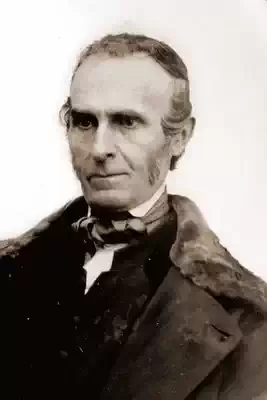
John Greenleaf Whittier
Hymns From The French Of Lamartine
Hymns From The French Of Lamartine
I.
'Encore un hymne, O ma lyre
Un hymn pour le Seigneur,
Un hymne dans mon delire,
Un hymne dans mon bonheur.'
One hymn more, O my lyre!
Praise to the God above,
Of joy and life and love,
Sweeping its strings of fire!
Oh, who the speed of bird and wind
And sunbeam's glance will lend to me,
That, soaring upward, I may find
My resting-place and home in Thee?
Thou, whom my soul, midst doubt and gloom,
Adoreth with a fervent flame,-Mysterious
spirit! unto whom
Pertain nor sign nor name!
Swiftly my lyre's soft murmurs go,
Up from the cold and joyless earth,
Back to the God who bade them flow,
Whose moving spirit sent them forth.
But as for me, O God! for me,
The lowly creature of Thy will,
Lingering and sad, I sigh to Thee,
An earth-bound pilgrim still!
Was not my spirit born to shine
Where yonder stars and suns are glowing?
To breathe with them the light divine
From God's own holy altar flowing?
To be, indeed, whate'er the soul
In dreams hath thirsted for so long,-A
portion of heaven's glorious whole
Of loveliness and song?
Oh, watchers of the stars at night,
Who breathe their fire, as we the air,-Suns,
thunders, stars, and rays of light,
Oh, say, is He, the Eternal, there?
Bend there around His awful throne
The seraph's glance, the angel's knee?
Or are thy inmost depths His own,
O wild and mighty sea?
Thoughts of my soul, how swift ye go!
Swift as the eagle's glance of fire,
Or arrows from the archer's bow,
To the far aim of your desire!
Thought after thought, ye thronging rise,
Like spring-doves from the startled wood,
Bearing like them your sacrifice
Of music unto God!
And shall these thoughts of joy and love
Come back again no more to me?
Returning like the patriarch's dove
Wing-weary from the eternal sea,
To bear within my longing arms
The promise-bough of kindlier skies,
Plucked from the green, immortal palms
Which shadow Paradise?
All-moving spirit! freely forth
At Thy command the strong wind goes
Its errand to the passive earth,
Nor art can stay, nor strength oppose,
Until it folds its weary wing
Once more within the hand divine;
So, weary from its wandering,
My spirit turns to Thine!
Child of the sea, the mountain stream,
From its dark caverns, hurries on,
Ceaseless, by night and morning's beam,
By evening's star and noontide's sun,
Until at last it sinks to rest,
O'erwearied, in the waiting sea,
And moans upon its mother's breast,-So
turns my soul to Thee!
O Thou who bidst the torrent flow,
Who lendest wings unto the wind,-Mover
of all things! where art Thou?
Oh, whither shall I go to find
The secret of Thy resting-place?
Is there no holy wing for me,
That, soaring, I may search the space
Of highest heaven for Thee?
Oh, would I were as free to rise
As leaves on autumn's whirlwind borne,-The
arrowy light of sunset skies,
Or sound, or ray, or star of morn,
Which melts in heaven at twilight's close,
Or aught which soars unchecked and free
Through earth and heaven; that I might lose
Myself in finding Thee!
II.
LE CRI DE L'AME.
'Quand le souffle divin qui flotte sur le monde.'
When the breath divine is flowing,
Zephyr-like o'er all things going,
And, as the touch of viewless fingers,
Softly on my soul it lingers,
Open to a breath the lightest,
Conscious of a touch the slightest,-As
some calm, still lake, whereon
Sinks the snowy-bosomed swan,
And the glistening water-rings
Circle round her moving wings
When my upward gaze is turning
Where the stars of heaven are burning
Through the deep and dark abyss,
Flowers of midnight's wilderness,
Blowing with the evening's breath
Sweetly in their Maker's path
When the breaking day is flushing
All the east, and light is gushing
Upward through the horizon's haze,
Sheaf-like, with its thousand rays,
Spreading, until all above
Overflows with joy and love,
And below, on earth's green bosom,
All is changed to light and blossom:
When my waking fancies over
Forms of brightness flit and hover
Holy as the seraphs are,
Who by Zion's fountains wear
On their foreheads, white and broad,
'Holiness unto the Lord!'
When, inspired with rapture high,
It would seem a single sigh
Could a world of love create;
That my life could know no date,
And my eager thoughts could fill
Heaven and Earth, o'erflowing still!
Then, O Father! Thou alone,
From the shadow of Thy throne,
To the sighing of my breast
And its rapture answerest.
All my thoughts, which, upward winging,
Bathe where Thy own light is springing,-All
my yearnings to be free
Are at echoes answering Thee!
Seldom upon lips of mine,
Father! rests that name of Thine;
Deep within my inmost breast,
In the secret place of mind,
Like an awful presence shrined,
Doth the dread idea rest
Hushed and holy dwells it there,
Prompter of the silent prayer,
Lifting up my spirit's eye
And its faint, but earnest cry,
From its dark and cold abode,
Unto Thee, my Guide and God!
I.
'Encore un hymne, O ma lyre
Un hymn pour le Seigneur,
Un hymne dans mon delire,
Un hymne dans mon bonheur.'
One hymn more, O my lyre!
Praise to the God above,
Of joy and life and love,
Sweeping its strings of fire!
Oh, who the speed of bird and wind
And sunbeam's glance will lend to me,
That, soaring upward, I may find
My resting-place and home in Thee?
Thou, whom my soul, midst doubt and gloom,
Adoreth with a fervent flame,-Mysterious
spirit! unto whom
Pertain nor sign nor name!
Swiftly my lyre's soft murmurs go,
Up from the cold and joyless earth,
Back to the God who bade them flow,
Whose moving spirit sent them forth.
But as for me, O God! for me,
The lowly creature of Thy will,
Lingering and sad, I sigh to Thee,
An earth-bound pilgrim still!
Was not my spirit born to shine
Where yonder stars and suns are glowing?
To breathe with them the light divine
From God's own holy altar flowing?
To be, indeed, whate'er the soul
In dreams hath thirsted for so long,-A
portion of heaven's glorious whole
Of loveliness and song?
Oh, watchers of the stars at night,
Who breathe their fire, as we the air,-Suns,
thunders, stars, and rays of light,
Oh, say, is He, the Eternal, there?
Bend there around His awful throne
The seraph's glance, the angel's knee?
Or are thy inmost depths His own,
O wild and mighty sea?
Thoughts of my soul, how swift ye go!
Swift as the eagle's glance of fire,
Or arrows from the archer's bow,
To the far aim of your desire!
Thought after thought, ye thronging rise,
Like spring-doves from the startled wood,
Bearing like them your sacrifice
Of music unto God!
And shall these thoughts of joy and love
Come back again no more to me?
Returning like the patriarch's dove
Wing-weary from the eternal sea,
To bear within my longing arms
The promise-bough of kindlier skies,
Plucked from the green, immortal palms
Which shadow Paradise?
All-moving spirit! freely forth
At Thy command the strong wind goes
Its errand to the passive earth,
Nor art can stay, nor strength oppose,
Until it folds its weary wing
Once more within the hand divine;
So, weary from its wandering,
My spirit turns to Thine!
Child of the sea, the mountain stream,
From its dark caverns, hurries on,
Ceaseless, by night and morning's beam,
By evening's star and noontide's sun,
Until at last it sinks to rest,
O'erwearied, in the waiting sea,
And moans upon its mother's breast,-So
turns my soul to Thee!
O Thou who bidst the torrent flow,
Who lendest wings unto the wind,-Mover
of all things! where art Thou?
Oh, whither shall I go to find
The secret of Thy resting-place?
Is there no holy wing for me,
That, soaring, I may search the space
Of highest heaven for Thee?
Oh, would I were as free to rise
As leaves on autumn's whirlwind borne,-The
arrowy light of sunset skies,
Or sound, or ray, or star of morn,
Which melts in heaven at twilight's close,
Or aught which soars unchecked and free
Through earth and heaven; that I might lose
Myself in finding Thee!
II.
LE CRI DE L'AME.
'Quand le souffle divin qui flotte sur le monde.'
When the breath divine is flowing,
Zephyr-like o'er all things going,
And, as the touch of viewless fingers,
Softly on my soul it lingers,
Open to a breath the lightest,
Conscious of a touch the slightest,-As
some calm, still lake, whereon
Sinks the snowy-bosomed swan,
And the glistening water-rings
Circle round her moving wings
When my upward gaze is turning
Where the stars of heaven are burning
Through the deep and dark abyss,
Flowers of midnight's wilderness,
Blowing with the evening's breath
Sweetly in their Maker's path
When the breaking day is flushing
All the east, and light is gushing
Upward through the horizon's haze,
Sheaf-like, with its thousand rays,
Spreading, until all above
Overflows with joy and love,
And below, on earth's green bosom,
All is changed to light and blossom:
When my waking fancies over
Forms of brightness flit and hover
Holy as the seraphs are,
Who by Zion's fountains wear
On their foreheads, white and broad,
'Holiness unto the Lord!'
When, inspired with rapture high,
It would seem a single sigh
Could a world of love create;
That my life could know no date,
And my eager thoughts could fill
Heaven and Earth, o'erflowing still!
Then, O Father! Thou alone,
From the shadow of Thy throne,
To the sighing of my breast
And its rapture answerest.
All my thoughts, which, upward winging,
Bathe where Thy own light is springing,-All
my yearnings to be free
Are at echoes answering Thee!
Seldom upon lips of mine,
Father! rests that name of Thine;
Deep within my inmost breast,
In the secret place of mind,
Like an awful presence shrined,
Doth the dread idea rest
Hushed and holy dwells it there,
Prompter of the silent prayer,
Lifting up my spirit's eye
And its faint, but earnest cry,
From its dark and cold abode,
Unto Thee, my Guide and God!
263
John Greenleaf Whittier
I Was A Stranger, And Ye Took Me In
I Was A Stranger, And Ye Took Me In
'Neath skies that winter never knew
The air was full of light and balm,
And warm and soft the Gulf wind blew
Through orange bloom and groves of palm.
A stranger from the frozen North,
Who sought the fount of health in vain,
Sank homeless on the alien earth,
And breathed the languid air with pain.
God's angel came! The tender shade
Of pity made her blue eye dim;
Against her woman's breast she laid
The drooping, fainting head of him.
She bore him to a pleasant room,
Flower-sweet and cool with salt sea air,
And watched beside his bed, for whom
His far-off sisters might not care.
She fanned his feverish brow and smoothed
Its lines of pain with tenderest touch.
With holy hymn and prayer she soothed
The trembling soul that feared so much.
Through her the peace that passeth sight
Came to him, as he lapsed away
As one whose troubled dreams of night
Slide slowly into tranquil day.
The sweetness of the Land of Flowers
Upon his lonely grave she laid
The jasmine dropped its golden showers,
The orange lent its bloom and shade.
And something whispered in her thought,
More sweet than mortal voices be
'The service thou for him hast wrought
O daughter! hath been done for me.'
'Neath skies that winter never knew
The air was full of light and balm,
And warm and soft the Gulf wind blew
Through orange bloom and groves of palm.
A stranger from the frozen North,
Who sought the fount of health in vain,
Sank homeless on the alien earth,
And breathed the languid air with pain.
God's angel came! The tender shade
Of pity made her blue eye dim;
Against her woman's breast she laid
The drooping, fainting head of him.
She bore him to a pleasant room,
Flower-sweet and cool with salt sea air,
And watched beside his bed, for whom
His far-off sisters might not care.
She fanned his feverish brow and smoothed
Its lines of pain with tenderest touch.
With holy hymn and prayer she soothed
The trembling soul that feared so much.
Through her the peace that passeth sight
Came to him, as he lapsed away
As one whose troubled dreams of night
Slide slowly into tranquil day.
The sweetness of the Land of Flowers
Upon his lonely grave she laid
The jasmine dropped its golden showers,
The orange lent its bloom and shade.
And something whispered in her thought,
More sweet than mortal voices be
'The service thou for him hast wrought
O daughter! hath been done for me.'
253
John Greenleaf Whittier
Hymn For The House Of Worship At Georgetown, Erected In Memory Of A
Hymn For The House Of Worship At Georgetown, Erected In Memory Of A
Mother
Thou dwellest not, O Lord of all
In temples which thy children raise;
Our work to thine is mean and small,
And brief to thy eternal days.
Forgive the weakness and the pride,
If marred thereby our gift may be,
For love, at least, has sanctified
The altar that we rear to thee.
The heart and not the hand has wrought
From sunken base to tower above
The image of a tender thought,
The memory of a deathless love!
And though should never sound of speech
Or organ echo from its wall,
Its stones would pious lessons teach,
Its shade in benedictions fall.
Here should the dove of peace be found,
And blessings and not curses given;
Nor strife profane, nor hatred wound,
The mingled loves of earth and heaven.
Thou, who didst soothe with dying breath
The dear one watching by Thy cross,
Forgetful of the pains of death
In sorrow for her mighty loss,
In memory of that tender claim,
O Mother-born, the offering take,
And make it worthy of Thy name,
And bless it for a mother's sake!
Mother
Thou dwellest not, O Lord of all
In temples which thy children raise;
Our work to thine is mean and small,
And brief to thy eternal days.
Forgive the weakness and the pride,
If marred thereby our gift may be,
For love, at least, has sanctified
The altar that we rear to thee.
The heart and not the hand has wrought
From sunken base to tower above
The image of a tender thought,
The memory of a deathless love!
And though should never sound of speech
Or organ echo from its wall,
Its stones would pious lessons teach,
Its shade in benedictions fall.
Here should the dove of peace be found,
And blessings and not curses given;
Nor strife profane, nor hatred wound,
The mingled loves of earth and heaven.
Thou, who didst soothe with dying breath
The dear one watching by Thy cross,
Forgetful of the pains of death
In sorrow for her mighty loss,
In memory of that tender claim,
O Mother-born, the offering take,
And make it worthy of Thy name,
And bless it for a mother's sake!
213
John Greenleaf Whittier
Help
Help
Dream not, O Soul, that easy is the task
Thus set before thee. If it proves at length,
As well it may, beyond thy natural strength,
Faint not, despair not. As a child may ask
A father, pray the Everlasting Good
For light and guidance midst the subtle snares
Of sin thick planted in life's thoroughfares,
For spiritual strength and moral hardihood;
Still listening, through the noise of time and sense,
To the still whisper of the Inward Word;
Bitter in blame, sweet in approval heard,
Itself its own confirming evidence
To health of soul a voice to cheer and please,
To guilt the wrath of the Eumenides.
Dream not, O Soul, that easy is the task
Thus set before thee. If it proves at length,
As well it may, beyond thy natural strength,
Faint not, despair not. As a child may ask
A father, pray the Everlasting Good
For light and guidance midst the subtle snares
Of sin thick planted in life's thoroughfares,
For spiritual strength and moral hardihood;
Still listening, through the noise of time and sense,
To the still whisper of the Inward Word;
Bitter in blame, sweet in approval heard,
Itself its own confirming evidence
To health of soul a voice to cheer and please,
To guilt the wrath of the Eumenides.
278
John Greenleaf Whittier
Godspeed
Godspeed
Outbound, your bark awaits you. Were I one
Whose prayer availeth much, my wish should be
Your favoring trad-wind and consenting sea.
By sail or steed was never love outrun,
And, here or there, love follows her in whom
All graces and sweet charities unite,
The old Greek beauty set in holier light;
And her for whom New England's byways bloom,
Who walks among us welcome as the Spring,
Calling up blossoms where her light feet stray.
God keep you both, make beautiful your way,
Comfort, console, and bless; and safely bring,
Ere yet I make upon a vaster sea
The unreturning voyage, my friends to me.
Outbound, your bark awaits you. Were I one
Whose prayer availeth much, my wish should be
Your favoring trad-wind and consenting sea.
By sail or steed was never love outrun,
And, here or there, love follows her in whom
All graces and sweet charities unite,
The old Greek beauty set in holier light;
And her for whom New England's byways bloom,
Who walks among us welcome as the Spring,
Calling up blossoms where her light feet stray.
God keep you both, make beautiful your way,
Comfort, console, and bless; and safely bring,
Ere yet I make upon a vaster sea
The unreturning voyage, my friends to me.
310
John Greenleaf Whittier
Godspeed
Godspeed
Outbound, your bark awaits you. Were I one
Whose prayer availeth much, my wish should be
Your favoring trad-wind and consenting sea.
By sail or steed was never love outrun,
And, here or there, love follows her in whom
All graces and sweet charities unite,
The old Greek beauty set in holier light;
And her for whom New England's byways bloom,
Who walks among us welcome as the Spring,
Calling up blossoms where her light feet stray.
God keep you both, make beautiful your way,
Comfort, console, and bless; and safely bring,
Ere yet I make upon a vaster sea
The unreturning voyage, my friends to me.
Outbound, your bark awaits you. Were I one
Whose prayer availeth much, my wish should be
Your favoring trad-wind and consenting sea.
By sail or steed was never love outrun,
And, here or there, love follows her in whom
All graces and sweet charities unite,
The old Greek beauty set in holier light;
And her for whom New England's byways bloom,
Who walks among us welcome as the Spring,
Calling up blossoms where her light feet stray.
God keep you both, make beautiful your way,
Comfort, console, and bless; and safely bring,
Ere yet I make upon a vaster sea
The unreturning voyage, my friends to me.
310
John Greenleaf Whittier
Greeting
Greeting
I spread a scanty board too late;
The old-time guests for whom I wait
Come few and slow, methinks, to-day.
Ah! who could hear my messages
Across the dim unsounded seas
On which so many have sailed away!
Come, then, old friends, who linger yet,
And let us meet, as we have met,
Once more beneath this low sunshine;
And grateful for the good we 've known,
The riddles solved, the ills outgrown,
Shake bands upon the border line.
The favor, asked too oft before,
From your indulgent ears, once more
I crave, and, if belated lays
To slower, feebler measures move,
The silent, sympathy of love
To me is dearer now than praise.
And ye, O younger friends, for whom
My hearth and heart keep open room,
Come smiling through the shadows long,
Be with me while the sun goes down,
And with your cheerful voices drown
The minor of my even-song.
For, equal through the day and night,
The wise Eternal oversight
And love and power and righteous will
Remain: the law of destiny
The best for each and all must be,
And life its promise shall fulfil.
I spread a scanty board too late;
The old-time guests for whom I wait
Come few and slow, methinks, to-day.
Ah! who could hear my messages
Across the dim unsounded seas
On which so many have sailed away!
Come, then, old friends, who linger yet,
And let us meet, as we have met,
Once more beneath this low sunshine;
And grateful for the good we 've known,
The riddles solved, the ills outgrown,
Shake bands upon the border line.
The favor, asked too oft before,
From your indulgent ears, once more
I crave, and, if belated lays
To slower, feebler measures move,
The silent, sympathy of love
To me is dearer now than praise.
And ye, O younger friends, for whom
My hearth and heart keep open room,
Come smiling through the shadows long,
Be with me while the sun goes down,
And with your cheerful voices drown
The minor of my even-song.
For, equal through the day and night,
The wise Eternal oversight
And love and power and righteous will
Remain: the law of destiny
The best for each and all must be,
And life its promise shall fulfil.
288
John Greenleaf Whittier
Greeting
Greeting
I spread a scanty board too late;
The old-time guests for whom I wait
Come few and slow, methinks, to-day.
Ah! who could hear my messages
Across the dim unsounded seas
On which so many have sailed away!
Come, then, old friends, who linger yet,
And let us meet, as we have met,
Once more beneath this low sunshine;
And grateful for the good we 've known,
The riddles solved, the ills outgrown,
Shake bands upon the border line.
The favor, asked too oft before,
From your indulgent ears, once more
I crave, and, if belated lays
To slower, feebler measures move,
The silent, sympathy of love
To me is dearer now than praise.
And ye, O younger friends, for whom
My hearth and heart keep open room,
Come smiling through the shadows long,
Be with me while the sun goes down,
And with your cheerful voices drown
The minor of my even-song.
For, equal through the day and night,
The wise Eternal oversight
And love and power and righteous will
Remain: the law of destiny
The best for each and all must be,
And life its promise shall fulfil.
I spread a scanty board too late;
The old-time guests for whom I wait
Come few and slow, methinks, to-day.
Ah! who could hear my messages
Across the dim unsounded seas
On which so many have sailed away!
Come, then, old friends, who linger yet,
And let us meet, as we have met,
Once more beneath this low sunshine;
And grateful for the good we 've known,
The riddles solved, the ills outgrown,
Shake bands upon the border line.
The favor, asked too oft before,
From your indulgent ears, once more
I crave, and, if belated lays
To slower, feebler measures move,
The silent, sympathy of love
To me is dearer now than praise.
And ye, O younger friends, for whom
My hearth and heart keep open room,
Come smiling through the shadows long,
Be with me while the sun goes down,
And with your cheerful voices drown
The minor of my even-song.
For, equal through the day and night,
The wise Eternal oversight
And love and power and righteous will
Remain: the law of destiny
The best for each and all must be,
And life its promise shall fulfil.
288
John Greenleaf Whittier
Greeting
Greeting
I spread a scanty board too late;
The old-time guests for whom I wait
Come few and slow, methinks, to-day.
Ah! who could hear my messages
Across the dim unsounded seas
On which so many have sailed away!
Come, then, old friends, who linger yet,
And let us meet, as we have met,
Once more beneath this low sunshine;
And grateful for the good we 've known,
The riddles solved, the ills outgrown,
Shake bands upon the border line.
The favor, asked too oft before,
From your indulgent ears, once more
I crave, and, if belated lays
To slower, feebler measures move,
The silent, sympathy of love
To me is dearer now than praise.
And ye, O younger friends, for whom
My hearth and heart keep open room,
Come smiling through the shadows long,
Be with me while the sun goes down,
And with your cheerful voices drown
The minor of my even-song.
For, equal through the day and night,
The wise Eternal oversight
And love and power and righteous will
Remain: the law of destiny
The best for each and all must be,
And life its promise shall fulfil.
I spread a scanty board too late;
The old-time guests for whom I wait
Come few and slow, methinks, to-day.
Ah! who could hear my messages
Across the dim unsounded seas
On which so many have sailed away!
Come, then, old friends, who linger yet,
And let us meet, as we have met,
Once more beneath this low sunshine;
And grateful for the good we 've known,
The riddles solved, the ills outgrown,
Shake bands upon the border line.
The favor, asked too oft before,
From your indulgent ears, once more
I crave, and, if belated lays
To slower, feebler measures move,
The silent, sympathy of love
To me is dearer now than praise.
And ye, O younger friends, for whom
My hearth and heart keep open room,
Come smiling through the shadows long,
Be with me while the sun goes down,
And with your cheerful voices drown
The minor of my even-song.
For, equal through the day and night,
The wise Eternal oversight
And love and power and righteous will
Remain: the law of destiny
The best for each and all must be,
And life its promise shall fulfil.
288
John Greenleaf Whittier
George L. Stearns
George L. Stearns
He has done the work of a true man,-Crown
him, honor him, love him.
Weep, over him, tears of woman,
Stoop manliest brows above him!
O dusky mothers and daughters,
Vigils of mourning keep for him!
Up in the mountains, and down by the waters,
Lift up your voices and weep for him,
For the warmest of hearts is frozen,
The freest of hands is still;
And the gap in our picked and chosen
The long years may not fill.
No duty could overtask him,
No need his will outrun;
Or ever our lips could ask him,
His hands the work had done.
He forgot his own soul for others,
Himself to his neighbor lending;
He found the Lord in his suffering brothers,
And not in the clouds descending.
So the bed was sweet to die on,
Whence he saw the doors wide swung
Against whose bolted iron
The strength of his life was flung.
And he saw ere his eye was darkened
The sheaves of the harvest-bringing,
And knew while his ear yet hearkened
The voice of the reapers singing.
Ah, well! The world is discreet;
There are plenty to pause and wait;
But here was a man who set his feet
Sometimes in advance of fate;
Plucked off the old bark when the inner
Was slow to renew it,
And put to the Lord's work the sinner
When saints failed to do it.
Never rode to the wrong's redressing
A worthier paladin.
Shall he not hear the blessing,
'Good and faithful, enter in!'
He has done the work of a true man,-Crown
him, honor him, love him.
Weep, over him, tears of woman,
Stoop manliest brows above him!
O dusky mothers and daughters,
Vigils of mourning keep for him!
Up in the mountains, and down by the waters,
Lift up your voices and weep for him,
For the warmest of hearts is frozen,
The freest of hands is still;
And the gap in our picked and chosen
The long years may not fill.
No duty could overtask him,
No need his will outrun;
Or ever our lips could ask him,
His hands the work had done.
He forgot his own soul for others,
Himself to his neighbor lending;
He found the Lord in his suffering brothers,
And not in the clouds descending.
So the bed was sweet to die on,
Whence he saw the doors wide swung
Against whose bolted iron
The strength of his life was flung.
And he saw ere his eye was darkened
The sheaves of the harvest-bringing,
And knew while his ear yet hearkened
The voice of the reapers singing.
Ah, well! The world is discreet;
There are plenty to pause and wait;
But here was a man who set his feet
Sometimes in advance of fate;
Plucked off the old bark when the inner
Was slow to renew it,
And put to the Lord's work the sinner
When saints failed to do it.
Never rode to the wrong's redressing
A worthier paladin.
Shall he not hear the blessing,
'Good and faithful, enter in!'
343
John Greenleaf Whittier
For An Autumn festival
For An Autumn festival
The Persian's flowery gifts, the shrine
Of fruitful Ceres, charm no more;
The woven wreaths of oak and pine
Are dust along the Isthmian shore.
But beauty hath its homage still,
And nature holds us still in debt;
And woman's grace and household skill,
And manhood's toil, are honored yet.
And we, to-day, amidst our flowers
And fruits, have come to own again
The blessings of the summer hours,
The early and the latter rain;
To see our Father's hand once more
Reverse for us the plenteous horn
Of autumn, filled and running o'er
With fruit, and flower, and golden corn!
Once more the liberal year laughs out
O'er richer stores than gems or gold;
Once more with harvest-song and shout
Is Nature's bloodless triumph told.
Our common mother rests and sings,
Like Ruth, among her garnered sheaves;
Her lap is full of goodly things,
Her brow is bright with autumn leaves.
Oh, favors every year made new!
Oh, gifts with rain and sunshine sent
The bounty overruns our due,
The fulness shames our discontent.
We shut our eyes, the flowers bloom on;
We murmur, but the corn-ears fill,
We choose the shadow, but the sun
That casts it shines behind us still.
God gives us with our rugged soil
The power to make it Eden-fair,
And richer fruits to crown our toil
Than summer-wedded islands bear.
Who murmurs at his lot to-day?
Who scorns his native fruit and bloom?
Or sighs for dainties far away,
Beside the bounteous board of home?
Thank Heaven, instead, that Freedom's arm
Can change a rocky soil to gold,-
That brave and generous lives can warm
A clime with northern ices cold.
And let these altars, wreathed with flowers
And piled with fruits, awake again
Thanksgivings for the golden hours,
The early and the latter rain!
The Persian's flowery gifts, the shrine
Of fruitful Ceres, charm no more;
The woven wreaths of oak and pine
Are dust along the Isthmian shore.
But beauty hath its homage still,
And nature holds us still in debt;
And woman's grace and household skill,
And manhood's toil, are honored yet.
And we, to-day, amidst our flowers
And fruits, have come to own again
The blessings of the summer hours,
The early and the latter rain;
To see our Father's hand once more
Reverse for us the plenteous horn
Of autumn, filled and running o'er
With fruit, and flower, and golden corn!
Once more the liberal year laughs out
O'er richer stores than gems or gold;
Once more with harvest-song and shout
Is Nature's bloodless triumph told.
Our common mother rests and sings,
Like Ruth, among her garnered sheaves;
Her lap is full of goodly things,
Her brow is bright with autumn leaves.
Oh, favors every year made new!
Oh, gifts with rain and sunshine sent
The bounty overruns our due,
The fulness shames our discontent.
We shut our eyes, the flowers bloom on;
We murmur, but the corn-ears fill,
We choose the shadow, but the sun
That casts it shines behind us still.
God gives us with our rugged soil
The power to make it Eden-fair,
And richer fruits to crown our toil
Than summer-wedded islands bear.
Who murmurs at his lot to-day?
Who scorns his native fruit and bloom?
Or sighs for dainties far away,
Beside the bounteous board of home?
Thank Heaven, instead, that Freedom's arm
Can change a rocky soil to gold,-
That brave and generous lives can warm
A clime with northern ices cold.
And let these altars, wreathed with flowers
And piled with fruits, awake again
Thanksgivings for the golden hours,
The early and the latter rain!
318
John Greenleaf Whittier
Forgiveness
Forgiveness
My heart was heavy, for its trust had been
Abused, its kindness answered with foul wrong;
So, turning gloomily from my fellow-men,
One summer Sabbath day I strolled among
The green mounds of the village burial-place;
Where, pondering how all human love and hate
Find one sad level; and how, soon or late,
Wronged and wrongdoer, each with meekened face,
And cold hands folded over a still heart,
Pass the green threshold of our common grave,
Whither all footsteps tend, whence none depart,
Awed for myself, and pitying my race,
Our common sorrow, like a mighty wave,
Swept all my pride away, and trembling I forgave!
My heart was heavy, for its trust had been
Abused, its kindness answered with foul wrong;
So, turning gloomily from my fellow-men,
One summer Sabbath day I strolled among
The green mounds of the village burial-place;
Where, pondering how all human love and hate
Find one sad level; and how, soon or late,
Wronged and wrongdoer, each with meekened face,
And cold hands folded over a still heart,
Pass the green threshold of our common grave,
Whither all footsteps tend, whence none depart,
Awed for myself, and pitying my race,
Our common sorrow, like a mighty wave,
Swept all my pride away, and trembling I forgave!
347
John Greenleaf Whittier
Forgiveness
Forgiveness
My heart was heavy, for its trust had been
Abused, its kindness answered with foul wrong;
So, turning gloomily from my fellow-men,
One summer Sabbath day I strolled among
The green mounds of the village burial-place;
Where, pondering how all human love and hate
Find one sad level; and how, soon or late,
Wronged and wrongdoer, each with meekened face,
And cold hands folded over a still heart,
Pass the green threshold of our common grave,
Whither all footsteps tend, whence none depart,
Awed for myself, and pitying my race,
Our common sorrow, like a mighty wave,
Swept all my pride away, and trembling I forgave!
My heart was heavy, for its trust had been
Abused, its kindness answered with foul wrong;
So, turning gloomily from my fellow-men,
One summer Sabbath day I strolled among
The green mounds of the village burial-place;
Where, pondering how all human love and hate
Find one sad level; and how, soon or late,
Wronged and wrongdoer, each with meekened face,
And cold hands folded over a still heart,
Pass the green threshold of our common grave,
Whither all footsteps tend, whence none depart,
Awed for myself, and pitying my race,
Our common sorrow, like a mighty wave,
Swept all my pride away, and trembling I forgave!
347
John Greenleaf Whittier
Forgiveness
Forgiveness
My heart was heavy, for its trust had been
Abused, its kindness answered with foul wrong;
So, turning gloomily from my fellow-men,
One summer Sabbath day I strolled among
The green mounds of the village burial-place;
Where, pondering how all human love and hate
Find one sad level; and how, soon or late,
Wronged and wrongdoer, each with meekened face,
And cold hands folded over a still heart,
Pass the green threshold of our common grave,
Whither all footsteps tend, whence none depart,
Awed for myself, and pitying my race,
Our common sorrow, like a mighty wave,
Swept all my pride away, and trembling I forgave!
My heart was heavy, for its trust had been
Abused, its kindness answered with foul wrong;
So, turning gloomily from my fellow-men,
One summer Sabbath day I strolled among
The green mounds of the village burial-place;
Where, pondering how all human love and hate
Find one sad level; and how, soon or late,
Wronged and wrongdoer, each with meekened face,
And cold hands folded over a still heart,
Pass the green threshold of our common grave,
Whither all footsteps tend, whence none depart,
Awed for myself, and pitying my race,
Our common sorrow, like a mighty wave,
Swept all my pride away, and trembling I forgave!
347
John Greenleaf Whittier
Ezekiel
Ezekiel
They hear Thee not, O God! nor see;
Beneath Thy rod they mock at Thee;
The princes of our ancient line
Lie drunken with Assyrian wine;
The priests around Thy altar speak
The false words which their hearers seek;
And hymns which Chaldea's wanton maids
Have sung in Dura's idol-shades
Are with the Levites' chant ascending,
With Zion's holiest anthems blending!
On Israel's bleeding bosom set,
The heathen heel is crushing yet;
The towers upon our holy hill
Echo Chaldean footsteps still.
Our wasted shrines,--who weeps for them?
Who mourneth for Jerusalem?
Who turneth from his gains away?
Whose knee with mine is bowed to pray?
Who, leaving feast and purpling cup,
Takes Zion's lamentation up?
A sad and thoughtful youth, I went
With Israel's early banishment;
And where the sullen Chebar crept,
The ritual of my fathers kept.
The water for the trench I drew,
The firstling of the flock I slew,
And, standing at the altar's side,
I shared the Levites' lingering pride,
That still, amidst her mocking foes,
The smoke of Zion's offering rose.
In sudden whirlwind, cloud and flame,
The Spirit of the Highest came!
Before mine eyes a vision passed,
A glory terrible and vast;
With dreadful eyes of living things,
And sounding sweep of angel wings,
With circling light and sapphire throne,
And flame-like form of One thereon,
And voice of that dread Likeness sent
Down from the crystal firmament!
The burden of a prophet's power
Fell on me in that fearful hour;
From off unutterable woes
The curtain of the future rose;
I saw far down the coming time
The fiery chastisement of crime;
With noise of mingling hosts, and jar
Of falling towers and shouts of war,
I saw the nations rise and fall,
Like fire-gleams on my tent's white wall.
In dream and trance, I--saw the slain
Of Egypt heaped like harvest grain.
I saw the walls of sea-born Tyre
Swept over by the spoiler's fire;
And heard the low, expiring moan
Of Edom on his rocky throne;
And, woe is me! the wild lament
From Zion's desolation sent;
And felt within my heart each blow
Which laid her holy places low.
In bonds and sorrow, day by day,
Before the pictured tile I lay;
And there, as in a mirror, saw
The coming of Assyria's war;
Her swarthy lines of spearmen pass
Like locusts through Bethhoron's grass;
I saw them draw their stormy hem
Of battle round Jerusalem;
And, listening, heard the Hebrew wail!
Blend with the victor-trump of Baal!
Who trembled at my warning word?
Who owned the prophet of the Lord?
How mocked the rude, how scoffed the vile,
How stung the Levites' scornful smile,
As o'er my spirit, dark and slow,
The shadow crept of Israel's woe
As if the angel's mournful roll
Had left its record on my soul,
And traced in lines of darkness there
The picture of its great despair!
Yet ever at the hour I feel
My lips in prophecy unseal.
Prince, priest, and Levite gather near,
And Salem's daughters haste to hear,
On Chebar's waste and alien shore,
The harp of Judah swept once more.
They listen, as in Babel's throng
The Chaldeans to the dancer's song,
Or wild sabbeka's nightly play,-As
careless and as vain as they.
. . . . .
And thus, O Prophet-bard of old,
Hast thou thy tale of sorrow told
The same which earth's unwelcome seers
Have felt in all succeeding years.
Sport of the changeful multitude,
Nor calmly heard nor understood,
Their song has seemed a trick of art,
Their warnings but, the actor's part.
With bonds, and scorn, and evil will,
The world requites its prophets still.
So was it when the Holy One
The garments of the flesh put on
Men followed where the Highest led
For common gifts of daily bread,
And gross of ear, of vision dim,
Owned not the Godlike power of Him.
Vain as a dreamer's words to them
His wail above Jerusalem,
And meaningless the watch He kept
Through which His weak disciples slept.
Yet shrink not thou, whoe'er thou art,
For God's great purpose set apart,
Before whose far-discerning eyes,
The Future as the Present lies!
Beyond a narrow-bounded age
Stretches thy prophet-heritage,
Through Heaven's vast spaces angel-trod,
And through the eternal years of God
Thy audience, worlds!--all things to be
The witness of the Truth in thee!
They hear Thee not, O God! nor see;
Beneath Thy rod they mock at Thee;
The princes of our ancient line
Lie drunken with Assyrian wine;
The priests around Thy altar speak
The false words which their hearers seek;
And hymns which Chaldea's wanton maids
Have sung in Dura's idol-shades
Are with the Levites' chant ascending,
With Zion's holiest anthems blending!
On Israel's bleeding bosom set,
The heathen heel is crushing yet;
The towers upon our holy hill
Echo Chaldean footsteps still.
Our wasted shrines,--who weeps for them?
Who mourneth for Jerusalem?
Who turneth from his gains away?
Whose knee with mine is bowed to pray?
Who, leaving feast and purpling cup,
Takes Zion's lamentation up?
A sad and thoughtful youth, I went
With Israel's early banishment;
And where the sullen Chebar crept,
The ritual of my fathers kept.
The water for the trench I drew,
The firstling of the flock I slew,
And, standing at the altar's side,
I shared the Levites' lingering pride,
That still, amidst her mocking foes,
The smoke of Zion's offering rose.
In sudden whirlwind, cloud and flame,
The Spirit of the Highest came!
Before mine eyes a vision passed,
A glory terrible and vast;
With dreadful eyes of living things,
And sounding sweep of angel wings,
With circling light and sapphire throne,
And flame-like form of One thereon,
And voice of that dread Likeness sent
Down from the crystal firmament!
The burden of a prophet's power
Fell on me in that fearful hour;
From off unutterable woes
The curtain of the future rose;
I saw far down the coming time
The fiery chastisement of crime;
With noise of mingling hosts, and jar
Of falling towers and shouts of war,
I saw the nations rise and fall,
Like fire-gleams on my tent's white wall.
In dream and trance, I--saw the slain
Of Egypt heaped like harvest grain.
I saw the walls of sea-born Tyre
Swept over by the spoiler's fire;
And heard the low, expiring moan
Of Edom on his rocky throne;
And, woe is me! the wild lament
From Zion's desolation sent;
And felt within my heart each blow
Which laid her holy places low.
In bonds and sorrow, day by day,
Before the pictured tile I lay;
And there, as in a mirror, saw
The coming of Assyria's war;
Her swarthy lines of spearmen pass
Like locusts through Bethhoron's grass;
I saw them draw their stormy hem
Of battle round Jerusalem;
And, listening, heard the Hebrew wail!
Blend with the victor-trump of Baal!
Who trembled at my warning word?
Who owned the prophet of the Lord?
How mocked the rude, how scoffed the vile,
How stung the Levites' scornful smile,
As o'er my spirit, dark and slow,
The shadow crept of Israel's woe
As if the angel's mournful roll
Had left its record on my soul,
And traced in lines of darkness there
The picture of its great despair!
Yet ever at the hour I feel
My lips in prophecy unseal.
Prince, priest, and Levite gather near,
And Salem's daughters haste to hear,
On Chebar's waste and alien shore,
The harp of Judah swept once more.
They listen, as in Babel's throng
The Chaldeans to the dancer's song,
Or wild sabbeka's nightly play,-As
careless and as vain as they.
. . . . .
And thus, O Prophet-bard of old,
Hast thou thy tale of sorrow told
The same which earth's unwelcome seers
Have felt in all succeeding years.
Sport of the changeful multitude,
Nor calmly heard nor understood,
Their song has seemed a trick of art,
Their warnings but, the actor's part.
With bonds, and scorn, and evil will,
The world requites its prophets still.
So was it when the Holy One
The garments of the flesh put on
Men followed where the Highest led
For common gifts of daily bread,
And gross of ear, of vision dim,
Owned not the Godlike power of Him.
Vain as a dreamer's words to them
His wail above Jerusalem,
And meaningless the watch He kept
Through which His weak disciples slept.
Yet shrink not thou, whoe'er thou art,
For God's great purpose set apart,
Before whose far-discerning eyes,
The Future as the Present lies!
Beyond a narrow-bounded age
Stretches thy prophet-heritage,
Through Heaven's vast spaces angel-trod,
And through the eternal years of God
Thy audience, worlds!--all things to be
The witness of the Truth in thee!
345
John Greenleaf Whittier
Ezekiel
Ezekiel
They hear Thee not, O God! nor see;
Beneath Thy rod they mock at Thee;
The princes of our ancient line
Lie drunken with Assyrian wine;
The priests around Thy altar speak
The false words which their hearers seek;
And hymns which Chaldea's wanton maids
Have sung in Dura's idol-shades
Are with the Levites' chant ascending,
With Zion's holiest anthems blending!
On Israel's bleeding bosom set,
The heathen heel is crushing yet;
The towers upon our holy hill
Echo Chaldean footsteps still.
Our wasted shrines,--who weeps for them?
Who mourneth for Jerusalem?
Who turneth from his gains away?
Whose knee with mine is bowed to pray?
Who, leaving feast and purpling cup,
Takes Zion's lamentation up?
A sad and thoughtful youth, I went
With Israel's early banishment;
And where the sullen Chebar crept,
The ritual of my fathers kept.
The water for the trench I drew,
The firstling of the flock I slew,
And, standing at the altar's side,
I shared the Levites' lingering pride,
That still, amidst her mocking foes,
The smoke of Zion's offering rose.
In sudden whirlwind, cloud and flame,
The Spirit of the Highest came!
Before mine eyes a vision passed,
A glory terrible and vast;
With dreadful eyes of living things,
And sounding sweep of angel wings,
With circling light and sapphire throne,
And flame-like form of One thereon,
And voice of that dread Likeness sent
Down from the crystal firmament!
The burden of a prophet's power
Fell on me in that fearful hour;
From off unutterable woes
The curtain of the future rose;
I saw far down the coming time
The fiery chastisement of crime;
With noise of mingling hosts, and jar
Of falling towers and shouts of war,
I saw the nations rise and fall,
Like fire-gleams on my tent's white wall.
In dream and trance, I--saw the slain
Of Egypt heaped like harvest grain.
I saw the walls of sea-born Tyre
Swept over by the spoiler's fire;
And heard the low, expiring moan
Of Edom on his rocky throne;
And, woe is me! the wild lament
From Zion's desolation sent;
And felt within my heart each blow
Which laid her holy places low.
In bonds and sorrow, day by day,
Before the pictured tile I lay;
And there, as in a mirror, saw
The coming of Assyria's war;
Her swarthy lines of spearmen pass
Like locusts through Bethhoron's grass;
I saw them draw their stormy hem
Of battle round Jerusalem;
And, listening, heard the Hebrew wail!
Blend with the victor-trump of Baal!
Who trembled at my warning word?
Who owned the prophet of the Lord?
How mocked the rude, how scoffed the vile,
How stung the Levites' scornful smile,
As o'er my spirit, dark and slow,
The shadow crept of Israel's woe
As if the angel's mournful roll
Had left its record on my soul,
And traced in lines of darkness there
The picture of its great despair!
Yet ever at the hour I feel
My lips in prophecy unseal.
Prince, priest, and Levite gather near,
And Salem's daughters haste to hear,
On Chebar's waste and alien shore,
The harp of Judah swept once more.
They listen, as in Babel's throng
The Chaldeans to the dancer's song,
Or wild sabbeka's nightly play,-As
careless and as vain as they.
. . . . .
And thus, O Prophet-bard of old,
Hast thou thy tale of sorrow told
The same which earth's unwelcome seers
Have felt in all succeeding years.
Sport of the changeful multitude,
Nor calmly heard nor understood,
Their song has seemed a trick of art,
Their warnings but, the actor's part.
With bonds, and scorn, and evil will,
The world requites its prophets still.
So was it when the Holy One
The garments of the flesh put on
Men followed where the Highest led
For common gifts of daily bread,
And gross of ear, of vision dim,
Owned not the Godlike power of Him.
Vain as a dreamer's words to them
His wail above Jerusalem,
And meaningless the watch He kept
Through which His weak disciples slept.
Yet shrink not thou, whoe'er thou art,
For God's great purpose set apart,
Before whose far-discerning eyes,
The Future as the Present lies!
Beyond a narrow-bounded age
Stretches thy prophet-heritage,
Through Heaven's vast spaces angel-trod,
And through the eternal years of God
Thy audience, worlds!--all things to be
The witness of the Truth in thee!
They hear Thee not, O God! nor see;
Beneath Thy rod they mock at Thee;
The princes of our ancient line
Lie drunken with Assyrian wine;
The priests around Thy altar speak
The false words which their hearers seek;
And hymns which Chaldea's wanton maids
Have sung in Dura's idol-shades
Are with the Levites' chant ascending,
With Zion's holiest anthems blending!
On Israel's bleeding bosom set,
The heathen heel is crushing yet;
The towers upon our holy hill
Echo Chaldean footsteps still.
Our wasted shrines,--who weeps for them?
Who mourneth for Jerusalem?
Who turneth from his gains away?
Whose knee with mine is bowed to pray?
Who, leaving feast and purpling cup,
Takes Zion's lamentation up?
A sad and thoughtful youth, I went
With Israel's early banishment;
And where the sullen Chebar crept,
The ritual of my fathers kept.
The water for the trench I drew,
The firstling of the flock I slew,
And, standing at the altar's side,
I shared the Levites' lingering pride,
That still, amidst her mocking foes,
The smoke of Zion's offering rose.
In sudden whirlwind, cloud and flame,
The Spirit of the Highest came!
Before mine eyes a vision passed,
A glory terrible and vast;
With dreadful eyes of living things,
And sounding sweep of angel wings,
With circling light and sapphire throne,
And flame-like form of One thereon,
And voice of that dread Likeness sent
Down from the crystal firmament!
The burden of a prophet's power
Fell on me in that fearful hour;
From off unutterable woes
The curtain of the future rose;
I saw far down the coming time
The fiery chastisement of crime;
With noise of mingling hosts, and jar
Of falling towers and shouts of war,
I saw the nations rise and fall,
Like fire-gleams on my tent's white wall.
In dream and trance, I--saw the slain
Of Egypt heaped like harvest grain.
I saw the walls of sea-born Tyre
Swept over by the spoiler's fire;
And heard the low, expiring moan
Of Edom on his rocky throne;
And, woe is me! the wild lament
From Zion's desolation sent;
And felt within my heart each blow
Which laid her holy places low.
In bonds and sorrow, day by day,
Before the pictured tile I lay;
And there, as in a mirror, saw
The coming of Assyria's war;
Her swarthy lines of spearmen pass
Like locusts through Bethhoron's grass;
I saw them draw their stormy hem
Of battle round Jerusalem;
And, listening, heard the Hebrew wail!
Blend with the victor-trump of Baal!
Who trembled at my warning word?
Who owned the prophet of the Lord?
How mocked the rude, how scoffed the vile,
How stung the Levites' scornful smile,
As o'er my spirit, dark and slow,
The shadow crept of Israel's woe
As if the angel's mournful roll
Had left its record on my soul,
And traced in lines of darkness there
The picture of its great despair!
Yet ever at the hour I feel
My lips in prophecy unseal.
Prince, priest, and Levite gather near,
And Salem's daughters haste to hear,
On Chebar's waste and alien shore,
The harp of Judah swept once more.
They listen, as in Babel's throng
The Chaldeans to the dancer's song,
Or wild sabbeka's nightly play,-As
careless and as vain as they.
. . . . .
And thus, O Prophet-bard of old,
Hast thou thy tale of sorrow told
The same which earth's unwelcome seers
Have felt in all succeeding years.
Sport of the changeful multitude,
Nor calmly heard nor understood,
Their song has seemed a trick of art,
Their warnings but, the actor's part.
With bonds, and scorn, and evil will,
The world requites its prophets still.
So was it when the Holy One
The garments of the flesh put on
Men followed where the Highest led
For common gifts of daily bread,
And gross of ear, of vision dim,
Owned not the Godlike power of Him.
Vain as a dreamer's words to them
His wail above Jerusalem,
And meaningless the watch He kept
Through which His weak disciples slept.
Yet shrink not thou, whoe'er thou art,
For God's great purpose set apart,
Before whose far-discerning eyes,
The Future as the Present lies!
Beyond a narrow-bounded age
Stretches thy prophet-heritage,
Through Heaven's vast spaces angel-trod,
And through the eternal years of God
Thy audience, worlds!--all things to be
The witness of the Truth in thee!
345
John Greenleaf Whittier
Divine Compassion
Divine Compassion
Long since, a dream of heaven I had,
And still the vision haunts me oft;
I see the saints in white robes clad,
The martyrs with their palms aloft;
But hearing still, in middle song,
The ceaseless dissonance of wrong;
And shrinking, with hid faces, from the strain
Of sad, beseeching eyes, full of remorse and pain.
The glad song falters to a wail,
The harping sinks to low lament;
Before the still unlifted veil
I see the crowned foreheads bent,
Making more sweet the heavenly air,
With breathings of unselfish prayer;
And a Voice saith: 'O Pity which is pain,
O Love that weeps, fill up my sufferings which remain!
'Shall souls redeemed by me refuse
To share my sorrow in their turn?
Or, sin-forgiven, my gift abuse
Of peace with selfish unconcern?
Has saintly ease no pitying care?
Has faith no work, and love no prayer?
While sin remains, and souls in darkness dwell,
Can heaven itself be heaven, and look unmoved on hell?'
Then through the Gates of Pain, I dream,
A wind of heaven blows coolly in;
Fainter the awful discords seem,
The smoke of torment grows more thin,
Tears quench the burning soil, and thence
Spring sweet, pale flowers of penitence
And through the dreary realm of man's despair,
Star-crowned an angel walks, and to! God's hope is there!
Is it a dream? Is heaven so high
That pity cannot breathe its air?
Its happy eyes forever dry,
Its holy lips without a prayer!
My God! my God! if thither led
By Thy free grace unmerited,
No crown nor palm be mine, but let me keep
A heart that still can feel, and eyes that still can weep.
Long since, a dream of heaven I had,
And still the vision haunts me oft;
I see the saints in white robes clad,
The martyrs with their palms aloft;
But hearing still, in middle song,
The ceaseless dissonance of wrong;
And shrinking, with hid faces, from the strain
Of sad, beseeching eyes, full of remorse and pain.
The glad song falters to a wail,
The harping sinks to low lament;
Before the still unlifted veil
I see the crowned foreheads bent,
Making more sweet the heavenly air,
With breathings of unselfish prayer;
And a Voice saith: 'O Pity which is pain,
O Love that weeps, fill up my sufferings which remain!
'Shall souls redeemed by me refuse
To share my sorrow in their turn?
Or, sin-forgiven, my gift abuse
Of peace with selfish unconcern?
Has saintly ease no pitying care?
Has faith no work, and love no prayer?
While sin remains, and souls in darkness dwell,
Can heaven itself be heaven, and look unmoved on hell?'
Then through the Gates of Pain, I dream,
A wind of heaven blows coolly in;
Fainter the awful discords seem,
The smoke of torment grows more thin,
Tears quench the burning soil, and thence
Spring sweet, pale flowers of penitence
And through the dreary realm of man's despair,
Star-crowned an angel walks, and to! God's hope is there!
Is it a dream? Is heaven so high
That pity cannot breathe its air?
Its happy eyes forever dry,
Its holy lips without a prayer!
My God! my God! if thither led
By Thy free grace unmerited,
No crown nor palm be mine, but let me keep
A heart that still can feel, and eyes that still can weep.
339
John Greenleaf Whittier
Divine Compassion
Divine Compassion
Long since, a dream of heaven I had,
And still the vision haunts me oft;
I see the saints in white robes clad,
The martyrs with their palms aloft;
But hearing still, in middle song,
The ceaseless dissonance of wrong;
And shrinking, with hid faces, from the strain
Of sad, beseeching eyes, full of remorse and pain.
The glad song falters to a wail,
The harping sinks to low lament;
Before the still unlifted veil
I see the crowned foreheads bent,
Making more sweet the heavenly air,
With breathings of unselfish prayer;
And a Voice saith: 'O Pity which is pain,
O Love that weeps, fill up my sufferings which remain!
'Shall souls redeemed by me refuse
To share my sorrow in their turn?
Or, sin-forgiven, my gift abuse
Of peace with selfish unconcern?
Has saintly ease no pitying care?
Has faith no work, and love no prayer?
While sin remains, and souls in darkness dwell,
Can heaven itself be heaven, and look unmoved on hell?'
Then through the Gates of Pain, I dream,
A wind of heaven blows coolly in;
Fainter the awful discords seem,
The smoke of torment grows more thin,
Tears quench the burning soil, and thence
Spring sweet, pale flowers of penitence
And through the dreary realm of man's despair,
Star-crowned an angel walks, and to! God's hope is there!
Is it a dream? Is heaven so high
That pity cannot breathe its air?
Its happy eyes forever dry,
Its holy lips without a prayer!
My God! my God! if thither led
By Thy free grace unmerited,
No crown nor palm be mine, but let me keep
A heart that still can feel, and eyes that still can weep.
Long since, a dream of heaven I had,
And still the vision haunts me oft;
I see the saints in white robes clad,
The martyrs with their palms aloft;
But hearing still, in middle song,
The ceaseless dissonance of wrong;
And shrinking, with hid faces, from the strain
Of sad, beseeching eyes, full of remorse and pain.
The glad song falters to a wail,
The harping sinks to low lament;
Before the still unlifted veil
I see the crowned foreheads bent,
Making more sweet the heavenly air,
With breathings of unselfish prayer;
And a Voice saith: 'O Pity which is pain,
O Love that weeps, fill up my sufferings which remain!
'Shall souls redeemed by me refuse
To share my sorrow in their turn?
Or, sin-forgiven, my gift abuse
Of peace with selfish unconcern?
Has saintly ease no pitying care?
Has faith no work, and love no prayer?
While sin remains, and souls in darkness dwell,
Can heaven itself be heaven, and look unmoved on hell?'
Then through the Gates of Pain, I dream,
A wind of heaven blows coolly in;
Fainter the awful discords seem,
The smoke of torment grows more thin,
Tears quench the burning soil, and thence
Spring sweet, pale flowers of penitence
And through the dreary realm of man's despair,
Star-crowned an angel walks, and to! God's hope is there!
Is it a dream? Is heaven so high
That pity cannot breathe its air?
Its happy eyes forever dry,
Its holy lips without a prayer!
My God! my God! if thither led
By Thy free grace unmerited,
No crown nor palm be mine, but let me keep
A heart that still can feel, and eyes that still can weep.
339
John Greenleaf Whittier
Dedication - Songs of Labor
Dedication - Songs of Labor
I WOULD the gift I offer here
Might graces from thy favor take,
And, seen through Friendship's atmosphere,
On softened lines and coloring, wear
The unaccustomed light of beauty, for thy sake.
Few leaves of Fancy's spring remain:
But what I have I give to thee,
The o'er-sunned bloom of summer's plain,
And paler flowers, the latter rain
Calls from the westering slope of life's autumnal lea.
Above the fallen groves of green,
Where youth's enchanted forest stood,
Dry root and mossëd trunk between,
A sober after-growth is seen,
As springs the pine where falls the gay-leafed maple wood!
Yet birds will sing, and breezes play
Their leaf-harps in the sombre tree;
And through the bleak and wintry day
It keeps its steady green alway, —
So, even my after-thoughts may have a charm for thee.
Art's perfect forms no moral need,
And beauty is its own excuse;
But for the dull and flowerless weed
Some healing virtue still must plead,
And the rough ore must find its honors in its use.
So haply these, my simple lays
Of homely toil, may serve to show
The orchard bloom and tasselled maize
That skirt and gladden duty's ways,
The unsung beauty hid life's common things below.
Haply from them the toiler, bent
Above his forge or plough, may gain,
A manlier spirit of content,
And feel that life is wisest spent
Where the strong working hand makes strong the working brain.
The doom which to the guilty pair
Without the walls of Eden came,
Transforming sinless ease to care
And rugged toil, no more shall bear
The burden of old crime, or mark of primal shame.
A blessing now, a curse no more;
Since He, whose name we breathe with awe,
The coarse mechanic vesture wore,
A poor man toiling with the poor,
In labor, as in prayer, fulfilling the same law.
I WOULD the gift I offer here
Might graces from thy favor take,
And, seen through Friendship's atmosphere,
On softened lines and coloring, wear
The unaccustomed light of beauty, for thy sake.
Few leaves of Fancy's spring remain:
But what I have I give to thee,
The o'er-sunned bloom of summer's plain,
And paler flowers, the latter rain
Calls from the westering slope of life's autumnal lea.
Above the fallen groves of green,
Where youth's enchanted forest stood,
Dry root and mossëd trunk between,
A sober after-growth is seen,
As springs the pine where falls the gay-leafed maple wood!
Yet birds will sing, and breezes play
Their leaf-harps in the sombre tree;
And through the bleak and wintry day
It keeps its steady green alway, —
So, even my after-thoughts may have a charm for thee.
Art's perfect forms no moral need,
And beauty is its own excuse;
But for the dull and flowerless weed
Some healing virtue still must plead,
And the rough ore must find its honors in its use.
So haply these, my simple lays
Of homely toil, may serve to show
The orchard bloom and tasselled maize
That skirt and gladden duty's ways,
The unsung beauty hid life's common things below.
Haply from them the toiler, bent
Above his forge or plough, may gain,
A manlier spirit of content,
And feel that life is wisest spent
Where the strong working hand makes strong the working brain.
The doom which to the guilty pair
Without the walls of Eden came,
Transforming sinless ease to care
And rugged toil, no more shall bear
The burden of old crime, or mark of primal shame.
A blessing now, a curse no more;
Since He, whose name we breathe with awe,
The coarse mechanic vesture wore,
A poor man toiling with the poor,
In labor, as in prayer, fulfilling the same law.
260
John Greenleaf Whittier
Dedication - Songs of Labor
Dedication - Songs of Labor
I WOULD the gift I offer here
Might graces from thy favor take,
And, seen through Friendship's atmosphere,
On softened lines and coloring, wear
The unaccustomed light of beauty, for thy sake.
Few leaves of Fancy's spring remain:
But what I have I give to thee,
The o'er-sunned bloom of summer's plain,
And paler flowers, the latter rain
Calls from the westering slope of life's autumnal lea.
Above the fallen groves of green,
Where youth's enchanted forest stood,
Dry root and mossëd trunk between,
A sober after-growth is seen,
As springs the pine where falls the gay-leafed maple wood!
Yet birds will sing, and breezes play
Their leaf-harps in the sombre tree;
And through the bleak and wintry day
It keeps its steady green alway, —
So, even my after-thoughts may have a charm for thee.
Art's perfect forms no moral need,
And beauty is its own excuse;
But for the dull and flowerless weed
Some healing virtue still must plead,
And the rough ore must find its honors in its use.
So haply these, my simple lays
Of homely toil, may serve to show
The orchard bloom and tasselled maize
That skirt and gladden duty's ways,
The unsung beauty hid life's common things below.
Haply from them the toiler, bent
Above his forge or plough, may gain,
A manlier spirit of content,
And feel that life is wisest spent
Where the strong working hand makes strong the working brain.
The doom which to the guilty pair
Without the walls of Eden came,
Transforming sinless ease to care
And rugged toil, no more shall bear
The burden of old crime, or mark of primal shame.
A blessing now, a curse no more;
Since He, whose name we breathe with awe,
The coarse mechanic vesture wore,
A poor man toiling with the poor,
In labor, as in prayer, fulfilling the same law.
I WOULD the gift I offer here
Might graces from thy favor take,
And, seen through Friendship's atmosphere,
On softened lines and coloring, wear
The unaccustomed light of beauty, for thy sake.
Few leaves of Fancy's spring remain:
But what I have I give to thee,
The o'er-sunned bloom of summer's plain,
And paler flowers, the latter rain
Calls from the westering slope of life's autumnal lea.
Above the fallen groves of green,
Where youth's enchanted forest stood,
Dry root and mossëd trunk between,
A sober after-growth is seen,
As springs the pine where falls the gay-leafed maple wood!
Yet birds will sing, and breezes play
Their leaf-harps in the sombre tree;
And through the bleak and wintry day
It keeps its steady green alway, —
So, even my after-thoughts may have a charm for thee.
Art's perfect forms no moral need,
And beauty is its own excuse;
But for the dull and flowerless weed
Some healing virtue still must plead,
And the rough ore must find its honors in its use.
So haply these, my simple lays
Of homely toil, may serve to show
The orchard bloom and tasselled maize
That skirt and gladden duty's ways,
The unsung beauty hid life's common things below.
Haply from them the toiler, bent
Above his forge or plough, may gain,
A manlier spirit of content,
And feel that life is wisest spent
Where the strong working hand makes strong the working brain.
The doom which to the guilty pair
Without the walls of Eden came,
Transforming sinless ease to care
And rugged toil, no more shall bear
The burden of old crime, or mark of primal shame.
A blessing now, a curse no more;
Since He, whose name we breathe with awe,
The coarse mechanic vesture wore,
A poor man toiling with the poor,
In labor, as in prayer, fulfilling the same law.
260
John Greenleaf Whittier
Daniel Neall
Daniel Neall
I.
FRIENDof the Slave, and yet the friend of all;
Lover of peace, yet ever foremost when
The need of battling Freedom called for men
To plant the banner on the outer wall;
Gentle and kindly, ever at distress
Melted to more than woman's tenderness,
Yet firm and steadfast, at his duty's post
Fronting the violence of a maddened host,
Like some-gray rock from which the waves are tossed!
Knowing his deeds of love, men questioned not
The faith of one whose walk and word were right;
Who tranquilly in Life's great task-field wrought,
And, side by side with evil, scarcely caught
A stain upon his pilgrim garb of white:
Prompt to redress another's wrong, his own
Leaving to Time and Truth and Penitence alone.
II.
Such was our friend. Formed on the good old plan,
A true and brave and downright honest man!
He blew no trumpet in the market-place,
Nor in the church with hypocritic face
Supplied with cant the lack of Christian grace;
Loathing pretence, he did with cheerful will
What others talked of while their hands were still;
And, while 'Lord, Lord!' the pious tyrants cried,
Who, in the poor, their Master crucified,
His daily prayer, far better understood.
In acts than words, was simply doing good.
So calm, so constant was his rectitude,
That by his loss alone we know its worth,
And feel how true a man has walked with us on earth.
I.
FRIENDof the Slave, and yet the friend of all;
Lover of peace, yet ever foremost when
The need of battling Freedom called for men
To plant the banner on the outer wall;
Gentle and kindly, ever at distress
Melted to more than woman's tenderness,
Yet firm and steadfast, at his duty's post
Fronting the violence of a maddened host,
Like some-gray rock from which the waves are tossed!
Knowing his deeds of love, men questioned not
The faith of one whose walk and word were right;
Who tranquilly in Life's great task-field wrought,
And, side by side with evil, scarcely caught
A stain upon his pilgrim garb of white:
Prompt to redress another's wrong, his own
Leaving to Time and Truth and Penitence alone.
II.
Such was our friend. Formed on the good old plan,
A true and brave and downright honest man!
He blew no trumpet in the market-place,
Nor in the church with hypocritic face
Supplied with cant the lack of Christian grace;
Loathing pretence, he did with cheerful will
What others talked of while their hands were still;
And, while 'Lord, Lord!' the pious tyrants cried,
Who, in the poor, their Master crucified,
His daily prayer, far better understood.
In acts than words, was simply doing good.
So calm, so constant was his rectitude,
That by his loss alone we know its worth,
And feel how true a man has walked with us on earth.
295
John Greenleaf Whittier
Daniel Neall
Daniel Neall
I.
FRIENDof the Slave, and yet the friend of all;
Lover of peace, yet ever foremost when
The need of battling Freedom called for men
To plant the banner on the outer wall;
Gentle and kindly, ever at distress
Melted to more than woman's tenderness,
Yet firm and steadfast, at his duty's post
Fronting the violence of a maddened host,
Like some-gray rock from which the waves are tossed!
Knowing his deeds of love, men questioned not
The faith of one whose walk and word were right;
Who tranquilly in Life's great task-field wrought,
And, side by side with evil, scarcely caught
A stain upon his pilgrim garb of white:
Prompt to redress another's wrong, his own
Leaving to Time and Truth and Penitence alone.
II.
Such was our friend. Formed on the good old plan,
A true and brave and downright honest man!
He blew no trumpet in the market-place,
Nor in the church with hypocritic face
Supplied with cant the lack of Christian grace;
Loathing pretence, he did with cheerful will
What others talked of while their hands were still;
And, while 'Lord, Lord!' the pious tyrants cried,
Who, in the poor, their Master crucified,
His daily prayer, far better understood.
In acts than words, was simply doing good.
So calm, so constant was his rectitude,
That by his loss alone we know its worth,
And feel how true a man has walked with us on earth.
I.
FRIENDof the Slave, and yet the friend of all;
Lover of peace, yet ever foremost when
The need of battling Freedom called for men
To plant the banner on the outer wall;
Gentle and kindly, ever at distress
Melted to more than woman's tenderness,
Yet firm and steadfast, at his duty's post
Fronting the violence of a maddened host,
Like some-gray rock from which the waves are tossed!
Knowing his deeds of love, men questioned not
The faith of one whose walk and word were right;
Who tranquilly in Life's great task-field wrought,
And, side by side with evil, scarcely caught
A stain upon his pilgrim garb of white:
Prompt to redress another's wrong, his own
Leaving to Time and Truth and Penitence alone.
II.
Such was our friend. Formed on the good old plan,
A true and brave and downright honest man!
He blew no trumpet in the market-place,
Nor in the church with hypocritic face
Supplied with cant the lack of Christian grace;
Loathing pretence, he did with cheerful will
What others talked of while their hands were still;
And, while 'Lord, Lord!' the pious tyrants cried,
Who, in the poor, their Master crucified,
His daily prayer, far better understood.
In acts than words, was simply doing good.
So calm, so constant was his rectitude,
That by his loss alone we know its worth,
And feel how true a man has walked with us on earth.
295
John Greenleaf Whittier
Clerical Oppressors
Clerical Oppressors
JUST God! and these are they
Who minister at thine altar, God of Right!
Men who their hands with prayer and blessing lay
On Israel's Ark of light!
What! preach, and kidnap men?
Give thanks, and rob thy own afflicted poor?
Talk of thy glorious liberty, and then
Bolt hard the captive's door?
What! servants of thy own
Merciful Son, who came to seek and save
The homeless and the outcast, fettering down
The tasked and plundered slave!
Pilate and Herod, friends!
Chief priests and rulers, as of old, combine!
Just God and holy! is that church, which lends
Strength to the spoiler, thine?
Paid hypocrites, who turn
Judgment aside, and rob the Holy Book
Of those high words of truth which search and burn
In warning and rebuke;
Feed fat, ye locusts, feed!
And, in your tasselled pulpits, thank the Lord
That, from the toiling bondman's utter need,
Ye pile your own full board.
How long, O Lord! how long
Shall such a priesthood barter truth away,
And in Thy name, for robbery and wrong
At Thy own altars pray?
Is not Thy hand stretched forth
Visibly in the heavens, to awe and smite?
Shall not the living God of all the earth,
And heaven above, do right?
Woe, then, to all who grind
Their brethren of a common Father down!
To all who plunder from the immortal mind
Its bright and glorious crown!
Woe to the priesthood! woe
To those whose hire is with the price of blood;
Perverting, darkening, changing, as they go,
The searching truths of God!
Their glory and their might.
Shall perish; and their very names shall be
Vile before all the people, in the light
Of a world's liberty.
Oh, speed the moment on
When Wrong shall cease, and Liberty and Love
And Truth and Right throughout the earth be known
As in their home above.
JUST God! and these are they
Who minister at thine altar, God of Right!
Men who their hands with prayer and blessing lay
On Israel's Ark of light!
What! preach, and kidnap men?
Give thanks, and rob thy own afflicted poor?
Talk of thy glorious liberty, and then
Bolt hard the captive's door?
What! servants of thy own
Merciful Son, who came to seek and save
The homeless and the outcast, fettering down
The tasked and plundered slave!
Pilate and Herod, friends!
Chief priests and rulers, as of old, combine!
Just God and holy! is that church, which lends
Strength to the spoiler, thine?
Paid hypocrites, who turn
Judgment aside, and rob the Holy Book
Of those high words of truth which search and burn
In warning and rebuke;
Feed fat, ye locusts, feed!
And, in your tasselled pulpits, thank the Lord
That, from the toiling bondman's utter need,
Ye pile your own full board.
How long, O Lord! how long
Shall such a priesthood barter truth away,
And in Thy name, for robbery and wrong
At Thy own altars pray?
Is not Thy hand stretched forth
Visibly in the heavens, to awe and smite?
Shall not the living God of all the earth,
And heaven above, do right?
Woe, then, to all who grind
Their brethren of a common Father down!
To all who plunder from the immortal mind
Its bright and glorious crown!
Woe to the priesthood! woe
To those whose hire is with the price of blood;
Perverting, darkening, changing, as they go,
The searching truths of God!
Their glory and their might.
Shall perish; and their very names shall be
Vile before all the people, in the light
Of a world's liberty.
Oh, speed the moment on
When Wrong shall cease, and Liberty and Love
And Truth and Right throughout the earth be known
As in their home above.
316
John Greenleaf Whittier
Chicago
Chicago
Men said at vespers: 'All is well!'
In one wild night the city fell;
Fell shrines of prayer and marts of gain
Before the fiery hurricane.
On threescore spires had sunset shone,
Where ghastly sunrise looked on none.
Men clasped each other's hands, and said
'The City of the West is dead!'
Brave hearts who fought, in slow retreat,
The fiends of fire from street to street,
Turned, powerless, to the blinding glare,
The dumb defiance of despair.
A sudden impulse thrilled each wire
That signalled round that sea of fire;
Swift words of cheer, warm heart-throbs came;
In tears of pity died the flame!
From East, from West, from South and North,
The messages of hope shot forth,
And, underneath the severing wave,
The world, full-handed, reached to save.
Fair seemed the old; but fairer still
The new, the dreary void shall fill
With dearer homes than those o'erthrown,
For love shall lay each corner-stone.
Rise, stricken city! from thee throw
The ashen sackcloth of thy woe;
And build, as to Amphion's strain,
To songs of cheer thy walls again!
How shrivelled in thy hot distress
The primal sin of selfishness!
How instant rose, to take thy part,
The angel in the human heart!
Ah! not in vain the flames that tossed
Above thy dreadful holocaust;
The Christ again has preached through thee
The Gospel of Humanity!
Then lift once more thy towers on high,
And fret with spires the western sky,
To tell that God is yet with us,
And love is still miraculous!
Men said at vespers: 'All is well!'
In one wild night the city fell;
Fell shrines of prayer and marts of gain
Before the fiery hurricane.
On threescore spires had sunset shone,
Where ghastly sunrise looked on none.
Men clasped each other's hands, and said
'The City of the West is dead!'
Brave hearts who fought, in slow retreat,
The fiends of fire from street to street,
Turned, powerless, to the blinding glare,
The dumb defiance of despair.
A sudden impulse thrilled each wire
That signalled round that sea of fire;
Swift words of cheer, warm heart-throbs came;
In tears of pity died the flame!
From East, from West, from South and North,
The messages of hope shot forth,
And, underneath the severing wave,
The world, full-handed, reached to save.
Fair seemed the old; but fairer still
The new, the dreary void shall fill
With dearer homes than those o'erthrown,
For love shall lay each corner-stone.
Rise, stricken city! from thee throw
The ashen sackcloth of thy woe;
And build, as to Amphion's strain,
To songs of cheer thy walls again!
How shrivelled in thy hot distress
The primal sin of selfishness!
How instant rose, to take thy part,
The angel in the human heart!
Ah! not in vain the flames that tossed
Above thy dreadful holocaust;
The Christ again has preached through thee
The Gospel of Humanity!
Then lift once more thy towers on high,
And fret with spires the western sky,
To tell that God is yet with us,
And love is still miraculous!
277