

Poems in this topic
Emotions and Feelings
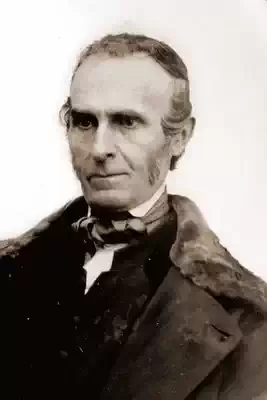
John Greenleaf Whittier
A Sea Dream
A Sea Dream
We saw the slow tides go and come,
The curving surf-lines lightly drawn,
The gray rocks touched with tender bloom
Beneath the fresh-blown rose of dawn.
We saw in richer sunsets lost
The sombre pomp of showery noons;
And signalled spectral sails that crossed
The weird, low light of rising moons.
On stormy eves from cliff and head
We saw the white spray tossed and spurned;
While over all, in gold and red,
Its face of fire the lighthouse turned.
The rail-car brought its daily crowds,
Half curious, half indifferent,
Like passing sails or floating clouds,
We saw them as they came and went.
But, one calm morning, as we lay
And watched the mirage-lifted wall
Of coast, across the dreamy bay,
And heard afar the curlew call,
And nearer voices, wild or tame,
Of airy flock and childish throng,
Up from the water's edge there came
Faint snatches of familiar song.
Careless we heard the singer's choice
Of old and common airs; at last
The tender pathos of his voice
In one low chanson held us fast.
A song that mingled joy and pain,
And memories old and sadly sweet;
While, timing to its minor strain,
The waves in lapsing cadence beat.
. . . . .
The waves are glad in breeze and sun;
The rocks are fringed with foam;
I walk once more a haunted shore,
A stranger, yet at home,
A land of dreams I roam.
Is this the wind, the soft sea wind
That stirred thy locks of brown?
Are these the rocks whose mosses knew
The trail of thy light gown,
Where boy and girl sat down?
I see the gray fort's broken wall,
The boats that rock below;
And, out at sea, the passing sails
We saw so long ago
Rose-red in morning's glow.
The freshness of the early time
On every breeze is blown;
As glad the sea, as blue the sky,-The
change is ours alone;
The saddest is my own.
A stranger now, a world-worn man,
Is he who bears my name;
But thou, methinks, whose mortal life
Immortal youth became,
Art evermore the same.
Thou art not here, thou art not there,
Thy place I cannot see;
I only know that where thou art
The blessed angels be,
And heaven is glad for thee.
Forgive me if the evil years
Have left on me their sign;
Wash out, O soul so beautiful,
The many stains of mine
In tears of love divine!
I could not look on thee and live,
If thou wert by my side;
The vision of a shining one,
The white and heavenly bride,
Is well to me denied.
But turn to me thy dear girl-face
Without the angel's crown,
The wedded roses of thy lips,
Thy loose hair rippling down
In waves of golden brown.
Look forth once more through space and time,
And let thy sweet shade fall
In tenderest grace of soul and form
On memory's frescoed wall,
A shadow, and yet all!
Draw near, more near, forever dear!
Where'er I rest or roam,
Or in the city's crowded streets,
Or by the blown sea foam,
The thought of thee is home!
. . . . .
At breakfast hour the singer read
The city news, with comment wise,
Like one who felt the pulse of trade
Beneath his finger fall and rise.
His look, his air, his curt speech, told
The man of action, not of books,
To whom the corners made in gold
And stocks were more than seaside nooks.
Of life beneath the life confessed
His song had hinted unawares;
Of flowers in traffic's ledgers pressed,
Of human hearts in bulls and bears.
But eyes in vain were turned to watch
That face so hard and shrewd and strong;
And ears in vain grew sharp to catch
The meaning of that morning song.
In vain some sweet-voiced querist sought
To sound him, leaving as she came;
Her baited album only caught
A common, unromantic name.
No word betrayed the mystery fine,
That trembled on the singer's tongue;
He came and went, and left no sign
Behind him save the song he sung.
We saw the slow tides go and come,
The curving surf-lines lightly drawn,
The gray rocks touched with tender bloom
Beneath the fresh-blown rose of dawn.
We saw in richer sunsets lost
The sombre pomp of showery noons;
And signalled spectral sails that crossed
The weird, low light of rising moons.
On stormy eves from cliff and head
We saw the white spray tossed and spurned;
While over all, in gold and red,
Its face of fire the lighthouse turned.
The rail-car brought its daily crowds,
Half curious, half indifferent,
Like passing sails or floating clouds,
We saw them as they came and went.
But, one calm morning, as we lay
And watched the mirage-lifted wall
Of coast, across the dreamy bay,
And heard afar the curlew call,
And nearer voices, wild or tame,
Of airy flock and childish throng,
Up from the water's edge there came
Faint snatches of familiar song.
Careless we heard the singer's choice
Of old and common airs; at last
The tender pathos of his voice
In one low chanson held us fast.
A song that mingled joy and pain,
And memories old and sadly sweet;
While, timing to its minor strain,
The waves in lapsing cadence beat.
. . . . .
The waves are glad in breeze and sun;
The rocks are fringed with foam;
I walk once more a haunted shore,
A stranger, yet at home,
A land of dreams I roam.
Is this the wind, the soft sea wind
That stirred thy locks of brown?
Are these the rocks whose mosses knew
The trail of thy light gown,
Where boy and girl sat down?
I see the gray fort's broken wall,
The boats that rock below;
And, out at sea, the passing sails
We saw so long ago
Rose-red in morning's glow.
The freshness of the early time
On every breeze is blown;
As glad the sea, as blue the sky,-The
change is ours alone;
The saddest is my own.
A stranger now, a world-worn man,
Is he who bears my name;
But thou, methinks, whose mortal life
Immortal youth became,
Art evermore the same.
Thou art not here, thou art not there,
Thy place I cannot see;
I only know that where thou art
The blessed angels be,
And heaven is glad for thee.
Forgive me if the evil years
Have left on me their sign;
Wash out, O soul so beautiful,
The many stains of mine
In tears of love divine!
I could not look on thee and live,
If thou wert by my side;
The vision of a shining one,
The white and heavenly bride,
Is well to me denied.
But turn to me thy dear girl-face
Without the angel's crown,
The wedded roses of thy lips,
Thy loose hair rippling down
In waves of golden brown.
Look forth once more through space and time,
And let thy sweet shade fall
In tenderest grace of soul and form
On memory's frescoed wall,
A shadow, and yet all!
Draw near, more near, forever dear!
Where'er I rest or roam,
Or in the city's crowded streets,
Or by the blown sea foam,
The thought of thee is home!
. . . . .
At breakfast hour the singer read
The city news, with comment wise,
Like one who felt the pulse of trade
Beneath his finger fall and rise.
His look, his air, his curt speech, told
The man of action, not of books,
To whom the corners made in gold
And stocks were more than seaside nooks.
Of life beneath the life confessed
His song had hinted unawares;
Of flowers in traffic's ledgers pressed,
Of human hearts in bulls and bears.
But eyes in vain were turned to watch
That face so hard and shrewd and strong;
And ears in vain grew sharp to catch
The meaning of that morning song.
In vain some sweet-voiced querist sought
To sound him, leaving as she came;
Her baited album only caught
A common, unromantic name.
No word betrayed the mystery fine,
That trembled on the singer's tongue;
He came and went, and left no sign
Behind him save the song he sung.
324
John Greenleaf Whittier
A Sea Dream
A Sea Dream
We saw the slow tides go and come,
The curving surf-lines lightly drawn,
The gray rocks touched with tender bloom
Beneath the fresh-blown rose of dawn.
We saw in richer sunsets lost
The sombre pomp of showery noons;
And signalled spectral sails that crossed
The weird, low light of rising moons.
On stormy eves from cliff and head
We saw the white spray tossed and spurned;
While over all, in gold and red,
Its face of fire the lighthouse turned.
The rail-car brought its daily crowds,
Half curious, half indifferent,
Like passing sails or floating clouds,
We saw them as they came and went.
But, one calm morning, as we lay
And watched the mirage-lifted wall
Of coast, across the dreamy bay,
And heard afar the curlew call,
And nearer voices, wild or tame,
Of airy flock and childish throng,
Up from the water's edge there came
Faint snatches of familiar song.
Careless we heard the singer's choice
Of old and common airs; at last
The tender pathos of his voice
In one low chanson held us fast.
A song that mingled joy and pain,
And memories old and sadly sweet;
While, timing to its minor strain,
The waves in lapsing cadence beat.
. . . . .
The waves are glad in breeze and sun;
The rocks are fringed with foam;
I walk once more a haunted shore,
A stranger, yet at home,
A land of dreams I roam.
Is this the wind, the soft sea wind
That stirred thy locks of brown?
Are these the rocks whose mosses knew
The trail of thy light gown,
Where boy and girl sat down?
I see the gray fort's broken wall,
The boats that rock below;
And, out at sea, the passing sails
We saw so long ago
Rose-red in morning's glow.
The freshness of the early time
On every breeze is blown;
As glad the sea, as blue the sky,-The
change is ours alone;
The saddest is my own.
A stranger now, a world-worn man,
Is he who bears my name;
But thou, methinks, whose mortal life
Immortal youth became,
Art evermore the same.
Thou art not here, thou art not there,
Thy place I cannot see;
I only know that where thou art
The blessed angels be,
And heaven is glad for thee.
Forgive me if the evil years
Have left on me their sign;
Wash out, O soul so beautiful,
The many stains of mine
In tears of love divine!
I could not look on thee and live,
If thou wert by my side;
The vision of a shining one,
The white and heavenly bride,
Is well to me denied.
But turn to me thy dear girl-face
Without the angel's crown,
The wedded roses of thy lips,
Thy loose hair rippling down
In waves of golden brown.
Look forth once more through space and time,
And let thy sweet shade fall
In tenderest grace of soul and form
On memory's frescoed wall,
A shadow, and yet all!
Draw near, more near, forever dear!
Where'er I rest or roam,
Or in the city's crowded streets,
Or by the blown sea foam,
The thought of thee is home!
. . . . .
At breakfast hour the singer read
The city news, with comment wise,
Like one who felt the pulse of trade
Beneath his finger fall and rise.
His look, his air, his curt speech, told
The man of action, not of books,
To whom the corners made in gold
And stocks were more than seaside nooks.
Of life beneath the life confessed
His song had hinted unawares;
Of flowers in traffic's ledgers pressed,
Of human hearts in bulls and bears.
But eyes in vain were turned to watch
That face so hard and shrewd and strong;
And ears in vain grew sharp to catch
The meaning of that morning song.
In vain some sweet-voiced querist sought
To sound him, leaving as she came;
Her baited album only caught
A common, unromantic name.
No word betrayed the mystery fine,
That trembled on the singer's tongue;
He came and went, and left no sign
Behind him save the song he sung.
We saw the slow tides go and come,
The curving surf-lines lightly drawn,
The gray rocks touched with tender bloom
Beneath the fresh-blown rose of dawn.
We saw in richer sunsets lost
The sombre pomp of showery noons;
And signalled spectral sails that crossed
The weird, low light of rising moons.
On stormy eves from cliff and head
We saw the white spray tossed and spurned;
While over all, in gold and red,
Its face of fire the lighthouse turned.
The rail-car brought its daily crowds,
Half curious, half indifferent,
Like passing sails or floating clouds,
We saw them as they came and went.
But, one calm morning, as we lay
And watched the mirage-lifted wall
Of coast, across the dreamy bay,
And heard afar the curlew call,
And nearer voices, wild or tame,
Of airy flock and childish throng,
Up from the water's edge there came
Faint snatches of familiar song.
Careless we heard the singer's choice
Of old and common airs; at last
The tender pathos of his voice
In one low chanson held us fast.
A song that mingled joy and pain,
And memories old and sadly sweet;
While, timing to its minor strain,
The waves in lapsing cadence beat.
. . . . .
The waves are glad in breeze and sun;
The rocks are fringed with foam;
I walk once more a haunted shore,
A stranger, yet at home,
A land of dreams I roam.
Is this the wind, the soft sea wind
That stirred thy locks of brown?
Are these the rocks whose mosses knew
The trail of thy light gown,
Where boy and girl sat down?
I see the gray fort's broken wall,
The boats that rock below;
And, out at sea, the passing sails
We saw so long ago
Rose-red in morning's glow.
The freshness of the early time
On every breeze is blown;
As glad the sea, as blue the sky,-The
change is ours alone;
The saddest is my own.
A stranger now, a world-worn man,
Is he who bears my name;
But thou, methinks, whose mortal life
Immortal youth became,
Art evermore the same.
Thou art not here, thou art not there,
Thy place I cannot see;
I only know that where thou art
The blessed angels be,
And heaven is glad for thee.
Forgive me if the evil years
Have left on me their sign;
Wash out, O soul so beautiful,
The many stains of mine
In tears of love divine!
I could not look on thee and live,
If thou wert by my side;
The vision of a shining one,
The white and heavenly bride,
Is well to me denied.
But turn to me thy dear girl-face
Without the angel's crown,
The wedded roses of thy lips,
Thy loose hair rippling down
In waves of golden brown.
Look forth once more through space and time,
And let thy sweet shade fall
In tenderest grace of soul and form
On memory's frescoed wall,
A shadow, and yet all!
Draw near, more near, forever dear!
Where'er I rest or roam,
Or in the city's crowded streets,
Or by the blown sea foam,
The thought of thee is home!
. . . . .
At breakfast hour the singer read
The city news, with comment wise,
Like one who felt the pulse of trade
Beneath his finger fall and rise.
His look, his air, his curt speech, told
The man of action, not of books,
To whom the corners made in gold
And stocks were more than seaside nooks.
Of life beneath the life confessed
His song had hinted unawares;
Of flowers in traffic's ledgers pressed,
Of human hearts in bulls and bears.
But eyes in vain were turned to watch
That face so hard and shrewd and strong;
And ears in vain grew sharp to catch
The meaning of that morning song.
In vain some sweet-voiced querist sought
To sound him, leaving as she came;
Her baited album only caught
A common, unromantic name.
No word betrayed the mystery fine,
That trembled on the singer's tongue;
He came and went, and left no sign
Behind him save the song he sung.
324
John Greenleaf Whittier
A Letter
A Letter
'TIS over, Moses! All is lost!
I hear the bells a-ringing;
Of Pharaoh and his Red Sea host
I hear the Free-Wills singing.*
We're routed, Moses, horse and foot,
If there be truth in figures,
With Federal Whigs in hot pursuit,
And Hale, and all the 'niggers.'
Alack! alas! this month or more
We've felt a sad foreboding;
Our very dreams the burden bore
Of central cliques exploding;
Before our eyes a furnace shone,
Where heads of dough were roasting,
And one we took to be your own
The traitor Hale was toasting!
Our Belknap brother* heard with awe
The Congo minstrels playing;
At Pittsfield Reuben Leavitt* saw
The ghost of Storrs a-praying;
And Carroll's woods were sad to see,
With black-winged crows a-darting;
And Black Snout looked on Ossipee,
New-glossed with Day and Martin.
We thought the 'Old Man of the Notch'
His face seemed changing wholly —
His lips seemed thick; his nose seemed flat;
His misty hair looked woolly;
And Coös teamsters, shrieking, fled
From the metamorphosed figure.
'Look there!' they said, 'the Old Stone Head
Himself is turning nigger!'
The schoolhouse* out of Canaan hauled
Seemed turning on its track again,
And like a great swamp-turtle crawled
To Canaan village back again,
Shook off the mud and settled flat
Upon its underpinning;
A nigger on its ridge-pole sat,
From ear to ear a-grinning.
Gray H—d heard o' nights the sound
Of rail-cars onward faring;
Right over Democratic ground
The iron horse came tearing.
A flag waved o'er that spectral train,
As high as Pittsfield steeple;
Its emblem was a broken chain;
Its motto: 'To the people!'
I dreamed that Charley took his bed,
With Hale for his physician;
His daily dose an old 'unread
And unreferred' petition.*
There Hayes and Tuck as nurses sat,
As near as near could be, man;
They leeched him with the 'Democrat;'
They blistered with the 'Freeman.'
Ah! grisly portents! What avail
Your terrors of forewarning?
We wake to find the nightmare Hale
Astride our breasts at morning!
From Portsmouth lights to Indian stream
Our foes their throats are trying;
The very factory-spindles seem
To mock us while they're flying.
The hills have bonfires; in our streets
Flags flout us in our faces;
The newsboys, peddling off their sheets,
Are hoarse with our disgraces.
In vain we turn, for gibing wit
And shoutings follow after,
As if old Kearsarge had split
His granite sides with laughter!
What boots it that we pelted out
The anti-slavery women,9
And bravely strewed their hall about
With tattered lace and trimming?
Was it for such a sad reverse
Our mobs became peacemakers,
And kept their tar and wooden horse
For Englishmen and Quakers?
For this did shifty Atherton
Make gag rules for the Great House?
Wiped we for this our feet upon
Petitions in our State House?
Plied we for this our axe of doom,
No stubborn traitor sparing,
Who scoffed at our opinion loom,
And took to homespun wearing?
Ah, Moses! hard it is to scan
These crooked providences,
Deducing from the wisest plan
The saddest consequences!
Strange that, in trampling as was meet
The nigger-men's petition,
We sprung a mine beneath our feet
Which opened up perdition.
How goodly, Moses, was the game
In which we've long been actors,
Supplying freedom with the name
And slavery with the practice!
Our smooth words fed the people's mouth,
Their ears our party rattle;
We kept them headed to the South,
As drovers do their cattle.
But now our game of politics
The world at large is learning;
And men grown gray in all our tricks
State's evidence are turning.
Votes and preambles subtly spun
They cram with meanings louder,
And load the Democratic gun
With abolition powder.
The ides of June! Woe worth the day
When, turning all things over,
The traitor Hale shall make his hay
From Democratic clover!
Who then shall take him in the law,
Who punish crime so flagrant?
Whose hand shall serve, whose pen shall draw,
A writ against that 'vagrant'?
Alas! no hope is left us here,
And one can only pine for
The envied place of overseer
Of slaves in Carolina!
Pray, Moses, give Calhoun the wink,
And see what pay he's giving!
We're practised long enough, we think,
To know the art of driving.
And for the faithful rank and file,
Who know their proper stations,
Perhaps it may be worth their while
To try the rice plantations.
Let Hale exult, let Wilson scoff,
To see us southward scamper;
The slaves, we know, are 'better off
Than laborers in New Hampshire!'
'TIS over, Moses! All is lost!
I hear the bells a-ringing;
Of Pharaoh and his Red Sea host
I hear the Free-Wills singing.*
We're routed, Moses, horse and foot,
If there be truth in figures,
With Federal Whigs in hot pursuit,
And Hale, and all the 'niggers.'
Alack! alas! this month or more
We've felt a sad foreboding;
Our very dreams the burden bore
Of central cliques exploding;
Before our eyes a furnace shone,
Where heads of dough were roasting,
And one we took to be your own
The traitor Hale was toasting!
Our Belknap brother* heard with awe
The Congo minstrels playing;
At Pittsfield Reuben Leavitt* saw
The ghost of Storrs a-praying;
And Carroll's woods were sad to see,
With black-winged crows a-darting;
And Black Snout looked on Ossipee,
New-glossed with Day and Martin.
We thought the 'Old Man of the Notch'
His face seemed changing wholly —
His lips seemed thick; his nose seemed flat;
His misty hair looked woolly;
And Coös teamsters, shrieking, fled
From the metamorphosed figure.
'Look there!' they said, 'the Old Stone Head
Himself is turning nigger!'
The schoolhouse* out of Canaan hauled
Seemed turning on its track again,
And like a great swamp-turtle crawled
To Canaan village back again,
Shook off the mud and settled flat
Upon its underpinning;
A nigger on its ridge-pole sat,
From ear to ear a-grinning.
Gray H—d heard o' nights the sound
Of rail-cars onward faring;
Right over Democratic ground
The iron horse came tearing.
A flag waved o'er that spectral train,
As high as Pittsfield steeple;
Its emblem was a broken chain;
Its motto: 'To the people!'
I dreamed that Charley took his bed,
With Hale for his physician;
His daily dose an old 'unread
And unreferred' petition.*
There Hayes and Tuck as nurses sat,
As near as near could be, man;
They leeched him with the 'Democrat;'
They blistered with the 'Freeman.'
Ah! grisly portents! What avail
Your terrors of forewarning?
We wake to find the nightmare Hale
Astride our breasts at morning!
From Portsmouth lights to Indian stream
Our foes their throats are trying;
The very factory-spindles seem
To mock us while they're flying.
The hills have bonfires; in our streets
Flags flout us in our faces;
The newsboys, peddling off their sheets,
Are hoarse with our disgraces.
In vain we turn, for gibing wit
And shoutings follow after,
As if old Kearsarge had split
His granite sides with laughter!
What boots it that we pelted out
The anti-slavery women,9
And bravely strewed their hall about
With tattered lace and trimming?
Was it for such a sad reverse
Our mobs became peacemakers,
And kept their tar and wooden horse
For Englishmen and Quakers?
For this did shifty Atherton
Make gag rules for the Great House?
Wiped we for this our feet upon
Petitions in our State House?
Plied we for this our axe of doom,
No stubborn traitor sparing,
Who scoffed at our opinion loom,
And took to homespun wearing?
Ah, Moses! hard it is to scan
These crooked providences,
Deducing from the wisest plan
The saddest consequences!
Strange that, in trampling as was meet
The nigger-men's petition,
We sprung a mine beneath our feet
Which opened up perdition.
How goodly, Moses, was the game
In which we've long been actors,
Supplying freedom with the name
And slavery with the practice!
Our smooth words fed the people's mouth,
Their ears our party rattle;
We kept them headed to the South,
As drovers do their cattle.
But now our game of politics
The world at large is learning;
And men grown gray in all our tricks
State's evidence are turning.
Votes and preambles subtly spun
They cram with meanings louder,
And load the Democratic gun
With abolition powder.
The ides of June! Woe worth the day
When, turning all things over,
The traitor Hale shall make his hay
From Democratic clover!
Who then shall take him in the law,
Who punish crime so flagrant?
Whose hand shall serve, whose pen shall draw,
A writ against that 'vagrant'?
Alas! no hope is left us here,
And one can only pine for
The envied place of overseer
Of slaves in Carolina!
Pray, Moses, give Calhoun the wink,
And see what pay he's giving!
We're practised long enough, we think,
To know the art of driving.
And for the faithful rank and file,
Who know their proper stations,
Perhaps it may be worth their while
To try the rice plantations.
Let Hale exult, let Wilson scoff,
To see us southward scamper;
The slaves, we know, are 'better off
Than laborers in New Hampshire!'
279
John Greenleaf Whittier
A Memory
A Memory
Here, while the loom of Winter weaves
The shroud of flowers and fountains,
I think of thee and summer eves
Among the Northern mountains.
When thunder tolled the twilight's close,
And winds the lake were rude on,
And thou wert singing, _Ca' the Yowes_,
The bonny yowes of Cluden!
When, close and closer, hushing breath,
Our circle narrowed round thee,
And smiles and tears made up the wreath
Wherewith our silence crowned thee;
And, strangers all, we felt the ties
Of sisters and of brothers;
Ah! whose of all those kindly eyes
Now smile upon another's?
The sport of Time, who still apart
The waifs of life is flinging;
Oh, nevermore shall heart to heart
Draw nearer for that singing!
Yet when the panes are frosty-starred,
And twilight's fire is gleaming,
I hear the songs of Scotland's bard
Sound softly through my dreaming!
A song that lends to winter snows
The glow of summer weather,-Again
I hear thee ca' the yowes
To Cluden's hills of heather
Here, while the loom of Winter weaves
The shroud of flowers and fountains,
I think of thee and summer eves
Among the Northern mountains.
When thunder tolled the twilight's close,
And winds the lake were rude on,
And thou wert singing, _Ca' the Yowes_,
The bonny yowes of Cluden!
When, close and closer, hushing breath,
Our circle narrowed round thee,
And smiles and tears made up the wreath
Wherewith our silence crowned thee;
And, strangers all, we felt the ties
Of sisters and of brothers;
Ah! whose of all those kindly eyes
Now smile upon another's?
The sport of Time, who still apart
The waifs of life is flinging;
Oh, nevermore shall heart to heart
Draw nearer for that singing!
Yet when the panes are frosty-starred,
And twilight's fire is gleaming,
I hear the songs of Scotland's bard
Sound softly through my dreaming!
A song that lends to winter snows
The glow of summer weather,-Again
I hear thee ca' the yowes
To Cluden's hills of heather
316
John Greenleaf Whittier
A Memory
A Memory
Here, while the loom of Winter weaves
The shroud of flowers and fountains,
I think of thee and summer eves
Among the Northern mountains.
When thunder tolled the twilight's close,
And winds the lake were rude on,
And thou wert singing, _Ca' the Yowes_,
The bonny yowes of Cluden!
When, close and closer, hushing breath,
Our circle narrowed round thee,
And smiles and tears made up the wreath
Wherewith our silence crowned thee;
And, strangers all, we felt the ties
Of sisters and of brothers;
Ah! whose of all those kindly eyes
Now smile upon another's?
The sport of Time, who still apart
The waifs of life is flinging;
Oh, nevermore shall heart to heart
Draw nearer for that singing!
Yet when the panes are frosty-starred,
And twilight's fire is gleaming,
I hear the songs of Scotland's bard
Sound softly through my dreaming!
A song that lends to winter snows
The glow of summer weather,-Again
I hear thee ca' the yowes
To Cluden's hills of heather
Here, while the loom of Winter weaves
The shroud of flowers and fountains,
I think of thee and summer eves
Among the Northern mountains.
When thunder tolled the twilight's close,
And winds the lake were rude on,
And thou wert singing, _Ca' the Yowes_,
The bonny yowes of Cluden!
When, close and closer, hushing breath,
Our circle narrowed round thee,
And smiles and tears made up the wreath
Wherewith our silence crowned thee;
And, strangers all, we felt the ties
Of sisters and of brothers;
Ah! whose of all those kindly eyes
Now smile upon another's?
The sport of Time, who still apart
The waifs of life is flinging;
Oh, nevermore shall heart to heart
Draw nearer for that singing!
Yet when the panes are frosty-starred,
And twilight's fire is gleaming,
I hear the songs of Scotland's bard
Sound softly through my dreaming!
A song that lends to winter snows
The glow of summer weather,-Again
I hear thee ca' the yowes
To Cluden's hills of heather
316
John Greenleaf Whittier
A Greeting
A Greeting
Thrice welcome from the Land of Flowers
And golden-fruited orange bowers
To this sweet, green-turfed June of ours!
To her who, in our evil time,
Dragged into light the nation's crime
With strength beyond the strength of men,
And, mightier than their swords, her pen!
To her who world-wide entrance gave
To the log-cabin of the slave;
Made all his wrongs and sorrows known,
And all earth's languages his own,-North,
South, and East and West, made all
The common air electrical,
Until the o'ercharged bolts of heaven
Blazed down, and every chain was riven!
Welcome from each and all to her
Whose Wooing of the Minister
Revealed the warm heart of the man
Beneath the creed-bound Puritan,
And taught the kinship of the love
Of man below and God above;
To her whose vigorous pencil-strokes
Sketched into life her Oldtown Folks;
Whose fireside stories, grave or gay,
In quaint Sam Lawson's vagrant way,
With old New England's flavor rife,
Waifs from her rude idyllic life,
Are racy as the legends old
By Chaucer or Boccaccio told;
To her who keeps, through change of place
And time, her native strength and grace,
Alike where warm Sorrento smiles,
Or where, by birchen-shaded isles,
Whose summer winds have shivered o'er
The icy drift of Labrador,
She lifts to light the priceless Pearl
Of Harpswell's angel-beckoned girl!
To her at threescore years and ten
Be tributes of the tongue and pen;
Be honor, praise, and heart-thanks given,
The loves of earth, the hopes of heaven!
Ah, dearer than the praise that stirs
The air to-day, our love is hers!
She needs no guaranty of fame
Whose own is linked with Freedom's name.
Long ages after ours shall keep
Her memory living while we sleep;
The waves that wash our gray coast lines,
The winds that rock the Southern pines,
Shall sing of her; the unending years
Shall tell her tale in unborn ears.
And when, with sins and follies past,
Are numbered color-hate and caste,
White, black, and red shall own as one
The noblest work by woman done.
Thrice welcome from the Land of Flowers
And golden-fruited orange bowers
To this sweet, green-turfed June of ours!
To her who, in our evil time,
Dragged into light the nation's crime
With strength beyond the strength of men,
And, mightier than their swords, her pen!
To her who world-wide entrance gave
To the log-cabin of the slave;
Made all his wrongs and sorrows known,
And all earth's languages his own,-North,
South, and East and West, made all
The common air electrical,
Until the o'ercharged bolts of heaven
Blazed down, and every chain was riven!
Welcome from each and all to her
Whose Wooing of the Minister
Revealed the warm heart of the man
Beneath the creed-bound Puritan,
And taught the kinship of the love
Of man below and God above;
To her whose vigorous pencil-strokes
Sketched into life her Oldtown Folks;
Whose fireside stories, grave or gay,
In quaint Sam Lawson's vagrant way,
With old New England's flavor rife,
Waifs from her rude idyllic life,
Are racy as the legends old
By Chaucer or Boccaccio told;
To her who keeps, through change of place
And time, her native strength and grace,
Alike where warm Sorrento smiles,
Or where, by birchen-shaded isles,
Whose summer winds have shivered o'er
The icy drift of Labrador,
She lifts to light the priceless Pearl
Of Harpswell's angel-beckoned girl!
To her at threescore years and ten
Be tributes of the tongue and pen;
Be honor, praise, and heart-thanks given,
The loves of earth, the hopes of heaven!
Ah, dearer than the praise that stirs
The air to-day, our love is hers!
She needs no guaranty of fame
Whose own is linked with Freedom's name.
Long ages after ours shall keep
Her memory living while we sleep;
The waves that wash our gray coast lines,
The winds that rock the Southern pines,
Shall sing of her; the unending years
Shall tell her tale in unborn ears.
And when, with sins and follies past,
Are numbered color-hate and caste,
White, black, and red shall own as one
The noblest work by woman done.
311
John Greenleaf Whittier
A Christmas Carmen
A Christmas Carmen
I.
Sound over all waters, reach out from all lands,
The chorus of voices, the clasping of hands;
Sing hymns that were sung by the stars of the morn,
Sing songs of the angels when Jesus was born!
With glad jubilations
Bring hope to the nations!
The dark night is ending and dawn has begun:
Rise, hope of the ages, arise like the sun,
All speech flow to music, all hearts beat as one!
II.
Sing the bridal of nations! with chorals of love
Sing out the war-vulture and sing in the dove,
Till the hearts of the peoples keep time in accord,
And the voice of the world is the voice of the Lord!
Clasp hands of the nations
In strong gratulations:
The dark night is ending and dawn has begun;
Rise, hope of the ages, arise like the sun,
All speech flow to music, all hearts beat as one!
III.
Blow, bugles of battle, the marches of peace;
East, west, north, and south let the long quarrel cease
Sing the song of great joy that the angels began,
Sing of glory to God and of good-will to man!
Hark! joining in chorus
The heavens bend o’er us!
The dark night is ending and dawn has begun;
Rise, hope of the ages, arise like the sun,
All speech flow to music, all hearts beat as one!
I.
Sound over all waters, reach out from all lands,
The chorus of voices, the clasping of hands;
Sing hymns that were sung by the stars of the morn,
Sing songs of the angels when Jesus was born!
With glad jubilations
Bring hope to the nations!
The dark night is ending and dawn has begun:
Rise, hope of the ages, arise like the sun,
All speech flow to music, all hearts beat as one!
II.
Sing the bridal of nations! with chorals of love
Sing out the war-vulture and sing in the dove,
Till the hearts of the peoples keep time in accord,
And the voice of the world is the voice of the Lord!
Clasp hands of the nations
In strong gratulations:
The dark night is ending and dawn has begun;
Rise, hope of the ages, arise like the sun,
All speech flow to music, all hearts beat as one!
III.
Blow, bugles of battle, the marches of peace;
East, west, north, and south let the long quarrel cease
Sing the song of great joy that the angels began,
Sing of glory to God and of good-will to man!
Hark! joining in chorus
The heavens bend o’er us!
The dark night is ending and dawn has begun;
Rise, hope of the ages, arise like the sun,
All speech flow to music, all hearts beat as one!
373
John Greenleaf Whittier
A Day
A Day
Talk not of sad November, when a day
Of warm, glad sunshine fills the sky of noon,
And a wind, borrowed from some morn of June,
Stirs the brown grasses and the leafless spray.
On the unfrosted pool the pillared pines
Lay their long shafts of shadow: the small rill,
Singing a pleasant song of summer still,
A line of silver, down the hill-slope shines.
Hushed the bird-voices and the hum of bees,
In the thin grass the crickets pipe no more;
But still the squirrel hoards his winter store,
And drops his nut-shells from the shag-bark trees.
Softly the dark green hemlocks whisper: high
Above, the spires of yellowing larches show,
Where the woodpecker and home-loving crow
And jay and nut-hatch winter’s threat defy.
O gracious beauty, ever new and old!
O sights and sounds of nature, doubly dear
When the low sunshine warns the closing year
Of snow-blown fields and waves of Arctic cold!
Close to my heart I fold each lovely thing
The sweet day yields; and, not disconsolate,
With the calm patience of the woods I wait
For leaf and blossom when God gives us Spring!
Talk not of sad November, when a day
Of warm, glad sunshine fills the sky of noon,
And a wind, borrowed from some morn of June,
Stirs the brown grasses and the leafless spray.
On the unfrosted pool the pillared pines
Lay their long shafts of shadow: the small rill,
Singing a pleasant song of summer still,
A line of silver, down the hill-slope shines.
Hushed the bird-voices and the hum of bees,
In the thin grass the crickets pipe no more;
But still the squirrel hoards his winter store,
And drops his nut-shells from the shag-bark trees.
Softly the dark green hemlocks whisper: high
Above, the spires of yellowing larches show,
Where the woodpecker and home-loving crow
And jay and nut-hatch winter’s threat defy.
O gracious beauty, ever new and old!
O sights and sounds of nature, doubly dear
When the low sunshine warns the closing year
Of snow-blown fields and waves of Arctic cold!
Close to my heart I fold each lovely thing
The sweet day yields; and, not disconsolate,
With the calm patience of the woods I wait
For leaf and blossom when God gives us Spring!
326
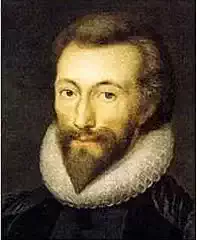
John Donne
Twickenham Garden
Twickenham Garden
BLASTED with sighs, and surrounded with tears,
Hither I come to seek the spring,
And at mine eyes, and at mine ears,
Receive such balms as else cure every thing.
But O ! self-traitor, I do bring
The spider Love, which transubstantiates all,
And can convert manna to gall ;
And that this place may thoroughly be thought
True paradise, I have the serpent brought.
'Twere wholesomer for me that winter did
Benight the glory of this place,
And that a grave frost did forbid
These trees to laugh and mock me to my face ;
But that I may not this disgrace
Endure, nor yet leave loving, Love, let me
Some senseless piece of this place be ;
Make me a mandrake, so I may grow here,
Or a stone fountain weeping out my year.
Hither with crystal phials, lovers, come,
And take my tears, which are love's wine,
And try your mistress' tears at home,
For all are false, that taste not just like mine.
Alas ! hearts do not in eyes shine,
Nor can you more judge women's thoughts by tears,
Than by her shadow what she wears.
O perverse sex, where none is true but she,
Who's therefore true, because her truth kills me.
BLASTED with sighs, and surrounded with tears,
Hither I come to seek the spring,
And at mine eyes, and at mine ears,
Receive such balms as else cure every thing.
But O ! self-traitor, I do bring
The spider Love, which transubstantiates all,
And can convert manna to gall ;
And that this place may thoroughly be thought
True paradise, I have the serpent brought.
'Twere wholesomer for me that winter did
Benight the glory of this place,
And that a grave frost did forbid
These trees to laugh and mock me to my face ;
But that I may not this disgrace
Endure, nor yet leave loving, Love, let me
Some senseless piece of this place be ;
Make me a mandrake, so I may grow here,
Or a stone fountain weeping out my year.
Hither with crystal phials, lovers, come,
And take my tears, which are love's wine,
And try your mistress' tears at home,
For all are false, that taste not just like mine.
Alas ! hearts do not in eyes shine,
Nor can you more judge women's thoughts by tears,
Than by her shadow what she wears.
O perverse sex, where none is true but she,
Who's therefore true, because her truth kills me.
366
John Donne
To The Countess Of Bedford I
To The Countess Of Bedford I
MADAM—
Reason is our soul's left hand, faith her right ;
By these we reach divinity, that's you ;
Their loves, who have the blessing of your light,
Grew from their reason ; mine from fair faith grew.
But as, although a squint left-handedness
Be ungracious, yet we cannot want that hand ;
So would I—not to increase, but to express
My faith—as I believe, so understand.
Therefore I study you first in your saints,
Those friends whom your election glorifies ;
Then in your deeds, accesses and restraints,
And what you read, and what yourself devise.
But soon the reasons why you're loved by all,
Grow infinite, and so pass reason's reach ;
Then back again to implicit faith I fall,
And rest on that the Catholic voice doth teach—
That you are good ; and not one heretic
Denies it ; if he did, yet you are so ;
For rocks, which high to sense deep-rooted stick,
Waves wash, not undermine, nor overthrow.
In everything there naturally grows
A balsamum to keep it fresh and new,
If 'twere not inured by extrinsic blows ;
Your birth and beauty are this balm in you.
But you, of learning, and religion,
And virtue, and such ingredients, have made
A mithridate, whose operation
Keeps off, or cures, what can be done or said.
Yet this is not your physic, but your food,
A diet fit for you ; for you are here
The first good angel, since the world's frame stood,
That ever did in woman's shape appear.
Since you are then God's masterpiece, and so
His factor for our loves, do as you do ;
Make your return home gracious, and bestow
This life on that ; so make one life of two.
For, so God help me, I would not miss you there,
For all the good which you can do me here.
MADAM—
Reason is our soul's left hand, faith her right ;
By these we reach divinity, that's you ;
Their loves, who have the blessing of your light,
Grew from their reason ; mine from fair faith grew.
But as, although a squint left-handedness
Be ungracious, yet we cannot want that hand ;
So would I—not to increase, but to express
My faith—as I believe, so understand.
Therefore I study you first in your saints,
Those friends whom your election glorifies ;
Then in your deeds, accesses and restraints,
And what you read, and what yourself devise.
But soon the reasons why you're loved by all,
Grow infinite, and so pass reason's reach ;
Then back again to implicit faith I fall,
And rest on that the Catholic voice doth teach—
That you are good ; and not one heretic
Denies it ; if he did, yet you are so ;
For rocks, which high to sense deep-rooted stick,
Waves wash, not undermine, nor overthrow.
In everything there naturally grows
A balsamum to keep it fresh and new,
If 'twere not inured by extrinsic blows ;
Your birth and beauty are this balm in you.
But you, of learning, and religion,
And virtue, and such ingredients, have made
A mithridate, whose operation
Keeps off, or cures, what can be done or said.
Yet this is not your physic, but your food,
A diet fit for you ; for you are here
The first good angel, since the world's frame stood,
That ever did in woman's shape appear.
Since you are then God's masterpiece, and so
His factor for our loves, do as you do ;
Make your return home gracious, and bestow
This life on that ; so make one life of two.
For, so God help me, I would not miss you there,
For all the good which you can do me here.
341
John Donne
To Sir Henry Wotton At His Going Ambassador To Venice
To Sir Henry Wotton At His Going Ambassador To Venice
AFTER those reverend papers, whose soul is
Our good and great king's loved hand and fear'd name ;
By which to you he derives much of his,
And, how he may, makes you almost the same,
A taper of his torch, a copy writ
From his oiginal, and a fair beam
Of the same warm and dazzling sun, though it
Must in another sphere his virtue stream ;
After those learned papers which your hand
Hath stored with notes of use and pleasures too,
From which rich treasury you may command
Fit matter whether you will write or do ;
After those loving papers where friends send,
With glad grief to your sea-ward steps, farewell,
Which thicken on you now, as prayers ascend
To heaven in troops, at a good man's passing-bell ;
Admit this honest paper, and allow
It such an audience as yourself would ask ;
What you must say at Venice, this means now,
And hath for nature, what you have for task.
To swear much love, not to be changed before
Honour, alone will to your fortune fit ;
Nor shall I then honour your fortune, more
Than I have done your honour, wanting it.
But 'tis an easier load, though both oppress,
To want, than govern greatness, for we are
In that, our own and only business,
In this, we must for others' vices care.
'Tis therefore well your spirits now are placed
In their last furnace, in activity ;
Which fits them—schools and courts and wars o'erpast—
To touch and test in any best degree.
For me—if there be such a thing as I—
Fortune—if there be such a thing as she—
Spies that I bear so well her tyranny,
That she thinks nothing else so fit for me.
But, though she part us, to hear my oft prayers
For your increase, God is as near me here ;
And to send you what I shall beg, His stairs
In length and ease are alike everywhere.
AFTER those reverend papers, whose soul is
Our good and great king's loved hand and fear'd name ;
By which to you he derives much of his,
And, how he may, makes you almost the same,
A taper of his torch, a copy writ
From his oiginal, and a fair beam
Of the same warm and dazzling sun, though it
Must in another sphere his virtue stream ;
After those learned papers which your hand
Hath stored with notes of use and pleasures too,
From which rich treasury you may command
Fit matter whether you will write or do ;
After those loving papers where friends send,
With glad grief to your sea-ward steps, farewell,
Which thicken on you now, as prayers ascend
To heaven in troops, at a good man's passing-bell ;
Admit this honest paper, and allow
It such an audience as yourself would ask ;
What you must say at Venice, this means now,
And hath for nature, what you have for task.
To swear much love, not to be changed before
Honour, alone will to your fortune fit ;
Nor shall I then honour your fortune, more
Than I have done your honour, wanting it.
But 'tis an easier load, though both oppress,
To want, than govern greatness, for we are
In that, our own and only business,
In this, we must for others' vices care.
'Tis therefore well your spirits now are placed
In their last furnace, in activity ;
Which fits them—schools and courts and wars o'erpast—
To touch and test in any best degree.
For me—if there be such a thing as I—
Fortune—if there be such a thing as she—
Spies that I bear so well her tyranny,
That she thinks nothing else so fit for me.
But, though she part us, to hear my oft prayers
For your increase, God is as near me here ;
And to send you what I shall beg, His stairs
In length and ease are alike everywhere.
335
John Donne
To Sir Henry Wotton At His Going Ambassador To Venice
To Sir Henry Wotton At His Going Ambassador To Venice
AFTER those reverend papers, whose soul is
Our good and great king's loved hand and fear'd name ;
By which to you he derives much of his,
And, how he may, makes you almost the same,
A taper of his torch, a copy writ
From his oiginal, and a fair beam
Of the same warm and dazzling sun, though it
Must in another sphere his virtue stream ;
After those learned papers which your hand
Hath stored with notes of use and pleasures too,
From which rich treasury you may command
Fit matter whether you will write or do ;
After those loving papers where friends send,
With glad grief to your sea-ward steps, farewell,
Which thicken on you now, as prayers ascend
To heaven in troops, at a good man's passing-bell ;
Admit this honest paper, and allow
It such an audience as yourself would ask ;
What you must say at Venice, this means now,
And hath for nature, what you have for task.
To swear much love, not to be changed before
Honour, alone will to your fortune fit ;
Nor shall I then honour your fortune, more
Than I have done your honour, wanting it.
But 'tis an easier load, though both oppress,
To want, than govern greatness, for we are
In that, our own and only business,
In this, we must for others' vices care.
'Tis therefore well your spirits now are placed
In their last furnace, in activity ;
Which fits them—schools and courts and wars o'erpast—
To touch and test in any best degree.
For me—if there be such a thing as I—
Fortune—if there be such a thing as she—
Spies that I bear so well her tyranny,
That she thinks nothing else so fit for me.
But, though she part us, to hear my oft prayers
For your increase, God is as near me here ;
And to send you what I shall beg, His stairs
In length and ease are alike everywhere.
AFTER those reverend papers, whose soul is
Our good and great king's loved hand and fear'd name ;
By which to you he derives much of his,
And, how he may, makes you almost the same,
A taper of his torch, a copy writ
From his oiginal, and a fair beam
Of the same warm and dazzling sun, though it
Must in another sphere his virtue stream ;
After those learned papers which your hand
Hath stored with notes of use and pleasures too,
From which rich treasury you may command
Fit matter whether you will write or do ;
After those loving papers where friends send,
With glad grief to your sea-ward steps, farewell,
Which thicken on you now, as prayers ascend
To heaven in troops, at a good man's passing-bell ;
Admit this honest paper, and allow
It such an audience as yourself would ask ;
What you must say at Venice, this means now,
And hath for nature, what you have for task.
To swear much love, not to be changed before
Honour, alone will to your fortune fit ;
Nor shall I then honour your fortune, more
Than I have done your honour, wanting it.
But 'tis an easier load, though both oppress,
To want, than govern greatness, for we are
In that, our own and only business,
In this, we must for others' vices care.
'Tis therefore well your spirits now are placed
In their last furnace, in activity ;
Which fits them—schools and courts and wars o'erpast—
To touch and test in any best degree.
For me—if there be such a thing as I—
Fortune—if there be such a thing as she—
Spies that I bear so well her tyranny,
That she thinks nothing else so fit for me.
But, though she part us, to hear my oft prayers
For your increase, God is as near me here ;
And to send you what I shall beg, His stairs
In length and ease are alike everywhere.
335
John Donne
TO Mr.T.W.
TO Mr.T.W.
PREGNANT again with th' old twins, Hope and Fear,
Oft have I asked for thee, both how and where
Thou wert ; and what my hopes of letters were ;
As in our streets sly beggars narrowly
Watch motions of the giver's hand or eye,
And evermore conceive some hope thereby.
And now thy alms is given, thy letter's read,
The body risen again, the which was dead,
And thy poor starveling bountifully fed.
After this banquet my soul doth say grace,
And praise thee for 't, and zealously embrace
Thy love, though I think thy love in this case
To be as gluttons, which say 'midst their meat,
They love that best of which they most do eat.
PREGNANT again with th' old twins, Hope and Fear,
Oft have I asked for thee, both how and where
Thou wert ; and what my hopes of letters were ;
As in our streets sly beggars narrowly
Watch motions of the giver's hand or eye,
And evermore conceive some hope thereby.
And now thy alms is given, thy letter's read,
The body risen again, the which was dead,
And thy poor starveling bountifully fed.
After this banquet my soul doth say grace,
And praise thee for 't, and zealously embrace
Thy love, though I think thy love in this case
To be as gluttons, which say 'midst their meat,
They love that best of which they most do eat.
372
John Donne
TO Mr.T.W.
TO Mr.T.W.
PREGNANT again with th' old twins, Hope and Fear,
Oft have I asked for thee, both how and where
Thou wert ; and what my hopes of letters were ;
As in our streets sly beggars narrowly
Watch motions of the giver's hand or eye,
And evermore conceive some hope thereby.
And now thy alms is given, thy letter's read,
The body risen again, the which was dead,
And thy poor starveling bountifully fed.
After this banquet my soul doth say grace,
And praise thee for 't, and zealously embrace
Thy love, though I think thy love in this case
To be as gluttons, which say 'midst their meat,
They love that best of which they most do eat.
PREGNANT again with th' old twins, Hope and Fear,
Oft have I asked for thee, both how and where
Thou wert ; and what my hopes of letters were ;
As in our streets sly beggars narrowly
Watch motions of the giver's hand or eye,
And evermore conceive some hope thereby.
And now thy alms is given, thy letter's read,
The body risen again, the which was dead,
And thy poor starveling bountifully fed.
After this banquet my soul doth say grace,
And praise thee for 't, and zealously embrace
Thy love, though I think thy love in this case
To be as gluttons, which say 'midst their meat,
They love that best of which they most do eat.
372
John Donne
The Will
The Will
Before I sigh my last gasp, let me breathe,
Great Love, some legacies ; I here bequeath
Mine eyes to Argus, if mine eyes can see ;
If they be blind, then, Love, I give them thee ;
My tongue to Fame ; to ambassadors mine ears ;
To women, or the sea, my tears ;
Thou, Love, hast taught me heretofore
By making me serve her who had twenty more,
That I should give to none, but such as had too much before.
My constancy I to the planets give ;
My truth to them who at the court do live ;
My ingenuity and openness,
To Jesuits ; to buffoons my pensiveness ;
My silence to any, who abroad hath been ;
My money to a Capuchin :
Thou, Love, taught'st me, by appointing me
To love there, where no love received can be,
Only to give to such as have an incapacity.
My faith I give to Roman Catholics ;
All my good works unto the Schismatics
Of Amsterdam ; my best civility
And courtship to an University ;
My modesty I give to soldiers bare ;
My patience let gamesters share :
Thou, Love, taught'st me, by making me
Love her that holds my love disparity,
Only to give to those that count my gifts indignity.
I give my reputation to those
Which were my friends ; mine industry to foes ;
To schoolmen I bequeath my doubtfulness ;
My sickness to physicians, or excess ;
To nature all that I in rhyme have writ ;
And to my company my wit :
Thou, Love, by making me adore
Her, who begot this love in me before,
Taught'st me to make, as though I gave, when I do but restore.
To him for whom the passing-bell next tolls,
I give my physic books ; my written rolls
Of moral counsels I to Bedlam give ;
My brazen medals unto them which live
In want of bread ; to them which pass among
All foreigners, mine English tongue :
Though, Love, by making me love one
Who thinks her friendship a fit portion
For younger lovers, dost my gifts thus disproportion.
Therefore I'll give no more, but I'll undo
The world by dying, because love dies too.
Then all your beauties will be no more worth
Than gold in mines, where none doth draw it forth ;
And all your graces no more use shall have,
Than a sun-dial in a grave :
Thou, Love, taught'st me by making me
Love her who doth neglect both me and thee,
To invent, and practise this one way, to annihilate all three.
Before I sigh my last gasp, let me breathe,
Great Love, some legacies ; I here bequeath
Mine eyes to Argus, if mine eyes can see ;
If they be blind, then, Love, I give them thee ;
My tongue to Fame ; to ambassadors mine ears ;
To women, or the sea, my tears ;
Thou, Love, hast taught me heretofore
By making me serve her who had twenty more,
That I should give to none, but such as had too much before.
My constancy I to the planets give ;
My truth to them who at the court do live ;
My ingenuity and openness,
To Jesuits ; to buffoons my pensiveness ;
My silence to any, who abroad hath been ;
My money to a Capuchin :
Thou, Love, taught'st me, by appointing me
To love there, where no love received can be,
Only to give to such as have an incapacity.
My faith I give to Roman Catholics ;
All my good works unto the Schismatics
Of Amsterdam ; my best civility
And courtship to an University ;
My modesty I give to soldiers bare ;
My patience let gamesters share :
Thou, Love, taught'st me, by making me
Love her that holds my love disparity,
Only to give to those that count my gifts indignity.
I give my reputation to those
Which were my friends ; mine industry to foes ;
To schoolmen I bequeath my doubtfulness ;
My sickness to physicians, or excess ;
To nature all that I in rhyme have writ ;
And to my company my wit :
Thou, Love, by making me adore
Her, who begot this love in me before,
Taught'st me to make, as though I gave, when I do but restore.
To him for whom the passing-bell next tolls,
I give my physic books ; my written rolls
Of moral counsels I to Bedlam give ;
My brazen medals unto them which live
In want of bread ; to them which pass among
All foreigners, mine English tongue :
Though, Love, by making me love one
Who thinks her friendship a fit portion
For younger lovers, dost my gifts thus disproportion.
Therefore I'll give no more, but I'll undo
The world by dying, because love dies too.
Then all your beauties will be no more worth
Than gold in mines, where none doth draw it forth ;
And all your graces no more use shall have,
Than a sun-dial in a grave :
Thou, Love, taught'st me by making me
Love her who doth neglect both me and thee,
To invent, and practise this one way, to annihilate all three.
315
John Donne
The Will
The Will
Before I sigh my last gasp, let me breathe,
Great Love, some legacies ; I here bequeath
Mine eyes to Argus, if mine eyes can see ;
If they be blind, then, Love, I give them thee ;
My tongue to Fame ; to ambassadors mine ears ;
To women, or the sea, my tears ;
Thou, Love, hast taught me heretofore
By making me serve her who had twenty more,
That I should give to none, but such as had too much before.
My constancy I to the planets give ;
My truth to them who at the court do live ;
My ingenuity and openness,
To Jesuits ; to buffoons my pensiveness ;
My silence to any, who abroad hath been ;
My money to a Capuchin :
Thou, Love, taught'st me, by appointing me
To love there, where no love received can be,
Only to give to such as have an incapacity.
My faith I give to Roman Catholics ;
All my good works unto the Schismatics
Of Amsterdam ; my best civility
And courtship to an University ;
My modesty I give to soldiers bare ;
My patience let gamesters share :
Thou, Love, taught'st me, by making me
Love her that holds my love disparity,
Only to give to those that count my gifts indignity.
I give my reputation to those
Which were my friends ; mine industry to foes ;
To schoolmen I bequeath my doubtfulness ;
My sickness to physicians, or excess ;
To nature all that I in rhyme have writ ;
And to my company my wit :
Thou, Love, by making me adore
Her, who begot this love in me before,
Taught'st me to make, as though I gave, when I do but restore.
To him for whom the passing-bell next tolls,
I give my physic books ; my written rolls
Of moral counsels I to Bedlam give ;
My brazen medals unto them which live
In want of bread ; to them which pass among
All foreigners, mine English tongue :
Though, Love, by making me love one
Who thinks her friendship a fit portion
For younger lovers, dost my gifts thus disproportion.
Therefore I'll give no more, but I'll undo
The world by dying, because love dies too.
Then all your beauties will be no more worth
Than gold in mines, where none doth draw it forth ;
And all your graces no more use shall have,
Than a sun-dial in a grave :
Thou, Love, taught'st me by making me
Love her who doth neglect both me and thee,
To invent, and practise this one way, to annihilate all three.
Before I sigh my last gasp, let me breathe,
Great Love, some legacies ; I here bequeath
Mine eyes to Argus, if mine eyes can see ;
If they be blind, then, Love, I give them thee ;
My tongue to Fame ; to ambassadors mine ears ;
To women, or the sea, my tears ;
Thou, Love, hast taught me heretofore
By making me serve her who had twenty more,
That I should give to none, but such as had too much before.
My constancy I to the planets give ;
My truth to them who at the court do live ;
My ingenuity and openness,
To Jesuits ; to buffoons my pensiveness ;
My silence to any, who abroad hath been ;
My money to a Capuchin :
Thou, Love, taught'st me, by appointing me
To love there, where no love received can be,
Only to give to such as have an incapacity.
My faith I give to Roman Catholics ;
All my good works unto the Schismatics
Of Amsterdam ; my best civility
And courtship to an University ;
My modesty I give to soldiers bare ;
My patience let gamesters share :
Thou, Love, taught'st me, by making me
Love her that holds my love disparity,
Only to give to those that count my gifts indignity.
I give my reputation to those
Which were my friends ; mine industry to foes ;
To schoolmen I bequeath my doubtfulness ;
My sickness to physicians, or excess ;
To nature all that I in rhyme have writ ;
And to my company my wit :
Thou, Love, by making me adore
Her, who begot this love in me before,
Taught'st me to make, as though I gave, when I do but restore.
To him for whom the passing-bell next tolls,
I give my physic books ; my written rolls
Of moral counsels I to Bedlam give ;
My brazen medals unto them which live
In want of bread ; to them which pass among
All foreigners, mine English tongue :
Though, Love, by making me love one
Who thinks her friendship a fit portion
For younger lovers, dost my gifts thus disproportion.
Therefore I'll give no more, but I'll undo
The world by dying, because love dies too.
Then all your beauties will be no more worth
Than gold in mines, where none doth draw it forth ;
And all your graces no more use shall have,
Than a sun-dial in a grave :
Thou, Love, taught'st me by making me
Love her who doth neglect both me and thee,
To invent, and practise this one way, to annihilate all three.
315
John Donne
To His Mistress Going to Bed
To His Mistress Going to Bed
Come, Madam, come, all rest my powers defy,
Until I labour, I in labour lie.
The foe oft-times having the foe in sight,
Is tired with standing though they never fight.
Off with that girdle, like heaven's zone glistering,
But a far fairer world encompassing.
Unpin that spangled breastplate which you wear,
That th' eyes of busy fools may be stopped there.
Unlace yourself, for that harmonious chime
Tells me from you, that now 'tis your bed time.
Off with that happy busk, which I envy,
That still can be, and still can stand so nigh.
Your gown going off, such beauteous state reveals,
As when from flowery meads th' hill's shadow steals.
Off with that wiry coronet and show
The hairy diadem which on you doth grow;
Now off with those shoes, and then safely tread
In this love's hallowed temple, this soft bed.
In such white robes heaven's angels used to be
Received by men; thou angel bring'st with thee
A heaven like Mahomet's paradise; and though
Ill spirits walk in white, we easily know
By this these angels from an evil sprite,
Those set our hairs, but these our flesh upright.
License my roving hands, and let them go
Before, behind, between, above, below.
O my America, my new found land,
My kingdom, safeliest when with one man manned,
My mine of precious stones, my empery,
How blessed am I in this discovering thee!
To enter in these bonds, is to be free;
Then where my hand is set, my seal shall be.
Full nakedness, all joys are due to thee
As souls unbodied, bodies unclothed must be,
To taste whole joys. Gems which you women use
Are like Atlanta's balls, cast in men's views,
That when a fool's eye lighteth on a gem,
His earthly soul may covet theirs, not them.
Like pictures, or like books' gay coverings made
For laymen, are all women thus arrayed;
Themselves are mystic books, which only we
Whom their imputed grace will dignify
Must see revealed. Then since I may know,
As liberally, as to a midwife, show
Thyself: cast all, yea, this white linen hence,
Here is no penance, much less innocence.
To teach thee, I am naked first, why then
What needst thou have more covering than a man.
Come, Madam, come, all rest my powers defy,
Until I labour, I in labour lie.
The foe oft-times having the foe in sight,
Is tired with standing though they never fight.
Off with that girdle, like heaven's zone glistering,
But a far fairer world encompassing.
Unpin that spangled breastplate which you wear,
That th' eyes of busy fools may be stopped there.
Unlace yourself, for that harmonious chime
Tells me from you, that now 'tis your bed time.
Off with that happy busk, which I envy,
That still can be, and still can stand so nigh.
Your gown going off, such beauteous state reveals,
As when from flowery meads th' hill's shadow steals.
Off with that wiry coronet and show
The hairy diadem which on you doth grow;
Now off with those shoes, and then safely tread
In this love's hallowed temple, this soft bed.
In such white robes heaven's angels used to be
Received by men; thou angel bring'st with thee
A heaven like Mahomet's paradise; and though
Ill spirits walk in white, we easily know
By this these angels from an evil sprite,
Those set our hairs, but these our flesh upright.
License my roving hands, and let them go
Before, behind, between, above, below.
O my America, my new found land,
My kingdom, safeliest when with one man manned,
My mine of precious stones, my empery,
How blessed am I in this discovering thee!
To enter in these bonds, is to be free;
Then where my hand is set, my seal shall be.
Full nakedness, all joys are due to thee
As souls unbodied, bodies unclothed must be,
To taste whole joys. Gems which you women use
Are like Atlanta's balls, cast in men's views,
That when a fool's eye lighteth on a gem,
His earthly soul may covet theirs, not them.
Like pictures, or like books' gay coverings made
For laymen, are all women thus arrayed;
Themselves are mystic books, which only we
Whom their imputed grace will dignify
Must see revealed. Then since I may know,
As liberally, as to a midwife, show
Thyself: cast all, yea, this white linen hence,
Here is no penance, much less innocence.
To teach thee, I am naked first, why then
What needst thou have more covering than a man.
303
John Donne
The Sun Rising
The Sun Rising
Busy old fool, unruly Sun,
Why dost thou thus,
Through windows, and through curtains, call on
us?
Must to thy motions lovers' seasons run?
Saucy pedantic wretch, go chide
Late schoolboys, and sour prentices,
Go tell court-huntsmen that the king will ride,
Call country ants to harvest offices,
Love, all alike, no season knows, nor clime,
Nor hours, days, months, which are the rags of
time.
Thy beams, so reverend and strong
Why shouldst thou think?
I could eclipse and cloud them with a wink,
But that I would not lose her sight so long:
If her eyes have not blinded thine,
Look, and tomorrow late, tell me
Whether both the'Indias of spice and mine
Be where thou leftst them, or lie here with me.
Ask for those kings whom thou saw'st yesterday,
And thou shalt hear: 'All here in one bed lay.'
She'is all states, and all princes I,
Nothing else is.
Princes do but play us; compar'd to this,
All honour's mimic, all wealth alchemy.
Thou, sun, art half as happy'as we,
In that the world's contracted thus;
Thine age asks ease, and since thy duties be
To warm the world, that's done in warming us.
Shine here to us, and thou art everywhere;
This bed thy centre is, these walls, thy sphere.
Busy old fool, unruly Sun,
Why dost thou thus,
Through windows, and through curtains, call on
us?
Must to thy motions lovers' seasons run?
Saucy pedantic wretch, go chide
Late schoolboys, and sour prentices,
Go tell court-huntsmen that the king will ride,
Call country ants to harvest offices,
Love, all alike, no season knows, nor clime,
Nor hours, days, months, which are the rags of
time.
Thy beams, so reverend and strong
Why shouldst thou think?
I could eclipse and cloud them with a wink,
But that I would not lose her sight so long:
If her eyes have not blinded thine,
Look, and tomorrow late, tell me
Whether both the'Indias of spice and mine
Be where thou leftst them, or lie here with me.
Ask for those kings whom thou saw'st yesterday,
And thou shalt hear: 'All here in one bed lay.'
She'is all states, and all princes I,
Nothing else is.
Princes do but play us; compar'd to this,
All honour's mimic, all wealth alchemy.
Thou, sun, art half as happy'as we,
In that the world's contracted thus;
Thine age asks ease, and since thy duties be
To warm the world, that's done in warming us.
Shine here to us, and thou art everywhere;
This bed thy centre is, these walls, thy sphere.
453
John Donne
The Triple Fool
The Triple Fool
I am two fools, I know-
For loving, and for saying so
In whining poetry;
But where's that wiseman that would not be I,
If she would not deny?
Then, as th' earths inward narrow crooked lanes
Do purge sea waters fretful salt away,
I thought, if I could draw my pains
Through rhymes vexation, I should them allay.
Grief brought to numbers cannot be so fierce,
For he tames it that fetters it in verse.
But when I have done so,
Some man, his art and voice to show,
Doth set and sing my pain,
And, by delighting many, frees again
Grief, which verse did restrain.
To Love and Grief tribute of verse belongs,
But not of such as pleases when 'tis read;
Both are increased by such songs,
For both their triumphs so are published;
And I, which was two fooles, do so grow three;
Who are a little wise, the best fools be.
I am two fools, I know-
For loving, and for saying so
In whining poetry;
But where's that wiseman that would not be I,
If she would not deny?
Then, as th' earths inward narrow crooked lanes
Do purge sea waters fretful salt away,
I thought, if I could draw my pains
Through rhymes vexation, I should them allay.
Grief brought to numbers cannot be so fierce,
For he tames it that fetters it in verse.
But when I have done so,
Some man, his art and voice to show,
Doth set and sing my pain,
And, by delighting many, frees again
Grief, which verse did restrain.
To Love and Grief tribute of verse belongs,
But not of such as pleases when 'tis read;
Both are increased by such songs,
For both their triumphs so are published;
And I, which was two fooles, do so grow three;
Who are a little wise, the best fools be.
359
John Donne
The Paradox
The Paradox
No Lover saith, I love, nor any other
Can judge a perfect Lover;
Hee thinkes that else none can, nor will agree
That any loves but hee;
I cannot say I'lov'd. for who can say
Hee was kill'd yesterday?
Lover withh excesse of heat, more yong than old,
Death kills with too much cold;
Wee dye but once, and who lov'd last did die,
Hee that saith twice, doth lye:
For though hee seeme to move, and stirre a while,
It doth the sense beguile.
Such life is like the light which bideth yet
When the lights life is set,
Or like the heat, which fire in solid matter
Leave behinde, two houres after.
Once I lov's and dy'd; and am now become
Mine Epitaph and Tombe.
Here dead men speake their last, and so do I;
Love-slaine, loe, here I lye.
No Lover saith, I love, nor any other
Can judge a perfect Lover;
Hee thinkes that else none can, nor will agree
That any loves but hee;
I cannot say I'lov'd. for who can say
Hee was kill'd yesterday?
Lover withh excesse of heat, more yong than old,
Death kills with too much cold;
Wee dye but once, and who lov'd last did die,
Hee that saith twice, doth lye:
For though hee seeme to move, and stirre a while,
It doth the sense beguile.
Such life is like the light which bideth yet
When the lights life is set,
Or like the heat, which fire in solid matter
Leave behinde, two houres after.
Once I lov's and dy'd; and am now become
Mine Epitaph and Tombe.
Here dead men speake their last, and so do I;
Love-slaine, loe, here I lye.
379
John Donne
The Prohibition
The Prohibition
Take heed of loving me,
At least remember, I forbade it thee;
Not that I shall repair my unthrifty waste
Of breath and blood, upon thy sighs, and tears,
By being to thee then what to me thou wast;
But, so great joy, our life at once outwears,
Then, lest thy love, by my death, frustrate be,
If thou love me, take heed of loving me.
Take heed of hating me,
Or too much triumph in the victory.
Not that I shall be mine own officer,
And hate with hate again retaliate;
But thou wilt lose the style of conqueror,
If I, thy conquest, perish by thy hate.
Then, lest my being nothing lessen thee,
If thou hate me, take heed of hating me.
Yet, love and hate me too,
So, these extremes shall neither`s office do;
Love me, that I may die the gentler way;
Hate me, because thy love`s too great for me;
Or let these two, themselves, not me decay;
So shall I live thy stage, not triumph be;
Lest thou thy love and hate and me undo,
To let me live, Oh love and hate me too.
Take heed of loving me,
At least remember, I forbade it thee;
Not that I shall repair my unthrifty waste
Of breath and blood, upon thy sighs, and tears,
By being to thee then what to me thou wast;
But, so great joy, our life at once outwears,
Then, lest thy love, by my death, frustrate be,
If thou love me, take heed of loving me.
Take heed of hating me,
Or too much triumph in the victory.
Not that I shall be mine own officer,
And hate with hate again retaliate;
But thou wilt lose the style of conqueror,
If I, thy conquest, perish by thy hate.
Then, lest my being nothing lessen thee,
If thou hate me, take heed of hating me.
Yet, love and hate me too,
So, these extremes shall neither`s office do;
Love me, that I may die the gentler way;
Hate me, because thy love`s too great for me;
Or let these two, themselves, not me decay;
So shall I live thy stage, not triumph be;
Lest thou thy love and hate and me undo,
To let me live, Oh love and hate me too.
311
John Donne
The Harbinger
The Harbinger
to the Progresse.
TWo soules moue here, and mine (a third) must moue
Paces of admiration, and of loue;
Thy soule (Deare Virgin) whose this tribute is,
Mou'd from this mortall sphere to liuely blisse,
And yet moues still, and still aspires to see
The worlds last day, thy glories full degree:
Like as those starres which thou ore-lookest farre,
Are in their place, and yet still moued are
No soule (whiles with the luggage of this clay
It clogged is) can follow thee halfe way;
Or see thy flight; which doth our thoughts outgoe
So fast, that now the lightning moues but slow:
But now thou art as high in heauen flowne
As heau'ns from vs; what soule besides thine owne
Can tell thy ioyes, or say he can relate
Thy glorious Iornals in that blessed state?
I enuie thee (Rich soule) I enuy thee,
Although I cannot yet thy glory see:
And thou (Great spirit) which her's follow'd hast
So fast, as none can follow thine so fast;
So farre as none can follow thine so farre,
(And if this flesh did not the passage barre
Had'st caught her) let me wonder at thy flight
Which long agone had'st lost the vulgar sight
And now mak'st proud the better eyes, that they
Can see thee les'ned in thine aery way;
So while thou mak'st her soule by progresse knowne
Thou mak'st a noble progresse of thine owne.
From this worlds carcasse hauing mounted hie
To that pure life of Immortalitie;
Since thine aspiring thoughts themselues so raise
That more may not beseeme a creatures praise,
Yet still thou vow'st her more; and euery yeare
Mak'st a new Progresse, while thou wandrest here;
Still vpward mount; and let thy makers praise
Honor thy Laura, and adorne thy laies.
And since thy Mus[es] head in heauen shrouds
Oh let her neuer stoope below the clouds:
And if those glorious sainted soules may know
Or what we doe, or what we sing below,
Those acts, those songs shall still content them best
Which praise those awfull powers that make them blest.
to the Progresse.
TWo soules moue here, and mine (a third) must moue
Paces of admiration, and of loue;
Thy soule (Deare Virgin) whose this tribute is,
Mou'd from this mortall sphere to liuely blisse,
And yet moues still, and still aspires to see
The worlds last day, thy glories full degree:
Like as those starres which thou ore-lookest farre,
Are in their place, and yet still moued are
No soule (whiles with the luggage of this clay
It clogged is) can follow thee halfe way;
Or see thy flight; which doth our thoughts outgoe
So fast, that now the lightning moues but slow:
But now thou art as high in heauen flowne
As heau'ns from vs; what soule besides thine owne
Can tell thy ioyes, or say he can relate
Thy glorious Iornals in that blessed state?
I enuie thee (Rich soule) I enuy thee,
Although I cannot yet thy glory see:
And thou (Great spirit) which her's follow'd hast
So fast, as none can follow thine so fast;
So farre as none can follow thine so farre,
(And if this flesh did not the passage barre
Had'st caught her) let me wonder at thy flight
Which long agone had'st lost the vulgar sight
And now mak'st proud the better eyes, that they
Can see thee les'ned in thine aery way;
So while thou mak'st her soule by progresse knowne
Thou mak'st a noble progresse of thine owne.
From this worlds carcasse hauing mounted hie
To that pure life of Immortalitie;
Since thine aspiring thoughts themselues so raise
That more may not beseeme a creatures praise,
Yet still thou vow'st her more; and euery yeare
Mak'st a new Progresse, while thou wandrest here;
Still vpward mount; and let thy makers praise
Honor thy Laura, and adorne thy laies.
And since thy Mus[es] head in heauen shrouds
Oh let her neuer stoope below the clouds:
And if those glorious sainted soules may know
Or what we doe, or what we sing below,
Those acts, those songs shall still content them best
Which praise those awfull powers that make them blest.
350
John Donne
The Legacy
The Legacy
When I died last, and, Dear, I die
As often as from thee I go,
Though it be but an hour ago,
And Lovers' hours be full eternity,
I can remember yet, that I
Something did say, and something did bestow;
Though I be dead, which sent me, I should be
Mine own executor and legacy.
I heard me say, "Tell her anon,
That myself, that is you, not I,
Did kill me," and when I felt me die,
I bid me send my heart, when I was gone,
But alas could there find none,
When I had ripp'd me, and search'd where hearts should lie;
It kill'd me again, that I who still was true,
In life, in my last will should cozen you.
Yet I found something like a heart,
But colors it, and corners had,
It was not good, it was not bad,
It was intire to none, and few had part.
As good as could be made by art
It seem'd, and therefore for our losses sad,
I meant to send this heart in stead of mine,
But oh, no man could hold it, for 'twas thine.
When I died last, and, Dear, I die
As often as from thee I go,
Though it be but an hour ago,
And Lovers' hours be full eternity,
I can remember yet, that I
Something did say, and something did bestow;
Though I be dead, which sent me, I should be
Mine own executor and legacy.
I heard me say, "Tell her anon,
That myself, that is you, not I,
Did kill me," and when I felt me die,
I bid me send my heart, when I was gone,
But alas could there find none,
When I had ripp'd me, and search'd where hearts should lie;
It kill'd me again, that I who still was true,
In life, in my last will should cozen you.
Yet I found something like a heart,
But colors it, and corners had,
It was not good, it was not bad,
It was intire to none, and few had part.
As good as could be made by art
It seem'd, and therefore for our losses sad,
I meant to send this heart in stead of mine,
But oh, no man could hold it, for 'twas thine.
465
John Donne
The Flea
The Flea
Mark but this flea, and mark in this,
How little that which thou deny'st me is;
It sucked me first, and now sucks thee,
And in this flea, our two bloods mingled be;
Thou knowest that this cannot be said
A sin, nor shame, nor loss of maidenhead.
Yet this enjoys before it woo,
And pampered, swells with one blood made of two,
And this, alas, is more than we would do.
Oh stay, three lives in one flea spare,
Where we almost, yea, more than married are.
This flea is you and I, and this
Our marriage bed, and marriage temple is;
Though parents grudge, and you, we are met
And cloistered in these living walls of jet.
Though use make you apt to kill me,
Let not to that self murder added be,
And sacrilege, three sins in killing three.
Cruel and sudden, hast thou since
Purpled thy nail in blood of innocence?
Wherein could this flea guilty be
Except in that drop which it sucked from thee?
Yet thou triumph'st, and sayest that thou
Find'st not thyself, nor me, the weaker now.
'Tis true, then learn how false fears be;
Just so much honor, when thou yieldst to me,
Will waste, as this flea's death took life from thee.
Mark but this flea, and mark in this,
How little that which thou deny'st me is;
It sucked me first, and now sucks thee,
And in this flea, our two bloods mingled be;
Thou knowest that this cannot be said
A sin, nor shame, nor loss of maidenhead.
Yet this enjoys before it woo,
And pampered, swells with one blood made of two,
And this, alas, is more than we would do.
Oh stay, three lives in one flea spare,
Where we almost, yea, more than married are.
This flea is you and I, and this
Our marriage bed, and marriage temple is;
Though parents grudge, and you, we are met
And cloistered in these living walls of jet.
Though use make you apt to kill me,
Let not to that self murder added be,
And sacrilege, three sins in killing three.
Cruel and sudden, hast thou since
Purpled thy nail in blood of innocence?
Wherein could this flea guilty be
Except in that drop which it sucked from thee?
Yet thou triumph'st, and sayest that thou
Find'st not thyself, nor me, the weaker now.
'Tis true, then learn how false fears be;
Just so much honor, when thou yieldst to me,
Will waste, as this flea's death took life from thee.
277