

Poems in this topic
Emotions and Feelings
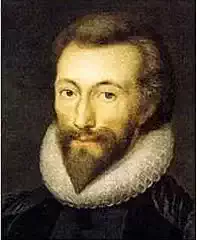
John Donne
Farewell to Love
Farewell to Love
Whilst yet to prove,
I thought there was some deity in love
So did I reverence, and gave
Worship, as atheists at their dying hour
Call, what they cannot name, an unknown power,
As ignorantly did I crave:
Thus when
Things not yet known are coveted by men,
Our desires give them fashion, and so
As they wax lesser, fall, as they size, grow.
But, from late fair
His highness sitting in a golden chair,
Is not less cared for after three days
By children, than the thing which lovers so
Blindly admire, and with such worship woo;
Being had, enjoying it decays:
And thence,
What before pleased them all, takes but one sense,
And that so lamely, as it leaves behind
A kind of sorrowing dullness to the mind.
Ah cannot we,
As well as cocks and lions jocund be,
After such pleasures ? Unless wise
Nature decreed (since each such act, they say
Diminish the length of life a day)
This; as she would man should despise
The sport,
Because that other curse of being short,
And only for a minute made to be
Eager, desires to raise posterity.
Since so, my mind
Shall not desire what no man else can find,
I`ll no more dote and run
To purse things which had, endamaged me.
And when I come where moving beauties be,
As men do when the summer’s sun
Grows great,
Though I admire their greatness, shun their heat;
Each place can afford shadow. If all fail,
’Tis but applying worm-seed to the tail.
Whilst yet to prove,
I thought there was some deity in love
So did I reverence, and gave
Worship, as atheists at their dying hour
Call, what they cannot name, an unknown power,
As ignorantly did I crave:
Thus when
Things not yet known are coveted by men,
Our desires give them fashion, and so
As they wax lesser, fall, as they size, grow.
But, from late fair
His highness sitting in a golden chair,
Is not less cared for after three days
By children, than the thing which lovers so
Blindly admire, and with such worship woo;
Being had, enjoying it decays:
And thence,
What before pleased them all, takes but one sense,
And that so lamely, as it leaves behind
A kind of sorrowing dullness to the mind.
Ah cannot we,
As well as cocks and lions jocund be,
After such pleasures ? Unless wise
Nature decreed (since each such act, they say
Diminish the length of life a day)
This; as she would man should despise
The sport,
Because that other curse of being short,
And only for a minute made to be
Eager, desires to raise posterity.
Since so, my mind
Shall not desire what no man else can find,
I`ll no more dote and run
To purse things which had, endamaged me.
And when I come where moving beauties be,
As men do when the summer’s sun
Grows great,
Though I admire their greatness, shun their heat;
Each place can afford shadow. If all fail,
’Tis but applying worm-seed to the tail.
376
John Donne
Elegy XX (Alternate) Love's War
Elegy XX (Alternate) Love's War
Till I have peace with thee, warr other Men,
And when I have peace, can I leave thee then?
All other Warrs are scrupulous; Only thou
0 fayr free Citty, maist thyselfe allow
To any one: In Flanders, who can tell
Whether the Master presse; or men rebell?
Only we know, that which all Ideots say,
They beare most blows which come to part the fray.
France in her lunatique giddines did hate
Ever our men, yea and our God of late;
Yet she relyes upon our Angels well,
Which nere returne; no more than they which fell.
Sick Ireland is with a strange warr possest
Like to an Ague; now raging, now at rest;
Which time will cure: yet it must doe her good
If she were purg'd, and her head vayne let blood.
And Midas joyes our Spanish journeys give,
We touch all gold, but find no food to live.
And I should be in the hott parching clime,
To dust and ashes turn'd before my time.
To mew me in a Ship, is to inthrall
Mee in a prison, that weare like to fall;
Or in a Cloyster; save that there men dwell
In a calme heaven, here in a swaggering hell.
Long voyages are long consumptions,
And ships are carts for executions.
Yea they are Deaths; Is't not all one to flye
Into an other World, as t'is to dye?
Here lett mee warr; in these armes lett mee lye;
Here lett mee parle, batter, bleede, and dye.
Thyne armes imprison me, and myne armes thee,
Thy hart thy ransome is, take myne for mee.
Other men war that they their rest may gayne;
But wee will rest that wee may fight agayne.
Those warrs the ignorant, these th'experienc'd love,
There wee are alwayes under, here above.
There Engins farr off breed a just true feare,
Neere thrusts, pikes, stabs, yea bullets hurt not here.
There lyes are wrongs; here safe uprightly ly;
Tltere men kill men, we'will make one by and by,
Thou nothing; I not halfe so much shall do
In these Warrs, as they may which from us two
Shall spring. Thousands wee see which travaile not
To warrs; But stay swords, armes, and shott
To make at home; And shall not I do then
More glorious service, staying to make men?
Till I have peace with thee, warr other Men,
And when I have peace, can I leave thee then?
All other Warrs are scrupulous; Only thou
0 fayr free Citty, maist thyselfe allow
To any one: In Flanders, who can tell
Whether the Master presse; or men rebell?
Only we know, that which all Ideots say,
They beare most blows which come to part the fray.
France in her lunatique giddines did hate
Ever our men, yea and our God of late;
Yet she relyes upon our Angels well,
Which nere returne; no more than they which fell.
Sick Ireland is with a strange warr possest
Like to an Ague; now raging, now at rest;
Which time will cure: yet it must doe her good
If she were purg'd, and her head vayne let blood.
And Midas joyes our Spanish journeys give,
We touch all gold, but find no food to live.
And I should be in the hott parching clime,
To dust and ashes turn'd before my time.
To mew me in a Ship, is to inthrall
Mee in a prison, that weare like to fall;
Or in a Cloyster; save that there men dwell
In a calme heaven, here in a swaggering hell.
Long voyages are long consumptions,
And ships are carts for executions.
Yea they are Deaths; Is't not all one to flye
Into an other World, as t'is to dye?
Here lett mee warr; in these armes lett mee lye;
Here lett mee parle, batter, bleede, and dye.
Thyne armes imprison me, and myne armes thee,
Thy hart thy ransome is, take myne for mee.
Other men war that they their rest may gayne;
But wee will rest that wee may fight agayne.
Those warrs the ignorant, these th'experienc'd love,
There wee are alwayes under, here above.
There Engins farr off breed a just true feare,
Neere thrusts, pikes, stabs, yea bullets hurt not here.
There lyes are wrongs; here safe uprightly ly;
Tltere men kill men, we'will make one by and by,
Thou nothing; I not halfe so much shall do
In these Warrs, as they may which from us two
Shall spring. Thousands wee see which travaile not
To warrs; But stay swords, armes, and shott
To make at home; And shall not I do then
More glorious service, staying to make men?
316
John Donne
Elegy XVI: On His Mistress
Elegy XVI: On His Mistress
By our first strange and fatal interview,
By all desires which thereof did ensue,
By our long starving hopes, by that remorse
Which my words' masculine persuasive force
Begot in thee, and by the memory
Of hurts, which spies and rivals threatened me,
I calmly beg: but by thy father's wrath,
By all pains, which want and divorcement hath,
I conjure thee, and all the oaths which I
And thou have sworn to seal joint constancy,
Here I unswear, and overswear them thus,
Thou shalt not love by ways so dangerous.
Temper, O fair Love, love's impetuous rage,
Be my true Mistress still, not my feigned Page;
I'll go, and, by thy kind leave, leave behind
Thee, only worthy to nurse in my mind
Thirst to come back; O if thou die before,
My soul from other lands to thee shall soar.
Thy (else Almighty) beauty cannot move
Rage from the Seas, nor thy love teach them love,
Nor tame wild Boreas' harshness; thou hast read
How roughly he in pieces shivered
Fair Orithea, wbom he swore he loved.
Fall ill or good, 'tis madness to have proved
Dangers unurged; feed on this flattery,
That absent Lovers one in th' other be.
Dissemble nothing, not a boy, nor change
Thy body's habit, nor mind's; be not strange
To thyself only; all will spy in thy face
A blushing womanly discovering grace;
Ricbly clothed Apes are called Apes, and as soon
Eclipsed as bright we call the Moon the Moon.
Men of France, changeable chameleons,
Spitals of diseases, shops of fashions,
Love's fuellers, and the rightest company
Of Players, which upon the world's stage be,
Will quickly know thee, and no less, alas!
Th' indifferent Italian, as we pass
His warm land, well content to think thee Page,
Will hunt thee with such lust, and hideous rage,
As Lot's fair guests were vexed. But none of these
Nor spongy hydroptic Dutch shall thee displease,
If thou stay here. O stay here, for, for thee
England is only a worthy gallery,
To walk in expectation, till from thence
Our greatest King call thee to his presence.
When I am gone, dream me some happiness,
Nor let thy looks our long-hid love confess,
Nor praise, nor dispraise me, nor bless nor curse
Openly love's force, nor in bed fright thy Nurse
With midnight's startings, crying out-oh, oh
Nurse, O my love is slain, I saw him go
O'er the white Alps alone; I saw him, I,
Assailed, fight, taken, stabbed, bleed, fall, and die.
Augur me better chance, except dread Jove
Think it enough for me t' have had thy love.
By our first strange and fatal interview,
By all desires which thereof did ensue,
By our long starving hopes, by that remorse
Which my words' masculine persuasive force
Begot in thee, and by the memory
Of hurts, which spies and rivals threatened me,
I calmly beg: but by thy father's wrath,
By all pains, which want and divorcement hath,
I conjure thee, and all the oaths which I
And thou have sworn to seal joint constancy,
Here I unswear, and overswear them thus,
Thou shalt not love by ways so dangerous.
Temper, O fair Love, love's impetuous rage,
Be my true Mistress still, not my feigned Page;
I'll go, and, by thy kind leave, leave behind
Thee, only worthy to nurse in my mind
Thirst to come back; O if thou die before,
My soul from other lands to thee shall soar.
Thy (else Almighty) beauty cannot move
Rage from the Seas, nor thy love teach them love,
Nor tame wild Boreas' harshness; thou hast read
How roughly he in pieces shivered
Fair Orithea, wbom he swore he loved.
Fall ill or good, 'tis madness to have proved
Dangers unurged; feed on this flattery,
That absent Lovers one in th' other be.
Dissemble nothing, not a boy, nor change
Thy body's habit, nor mind's; be not strange
To thyself only; all will spy in thy face
A blushing womanly discovering grace;
Ricbly clothed Apes are called Apes, and as soon
Eclipsed as bright we call the Moon the Moon.
Men of France, changeable chameleons,
Spitals of diseases, shops of fashions,
Love's fuellers, and the rightest company
Of Players, which upon the world's stage be,
Will quickly know thee, and no less, alas!
Th' indifferent Italian, as we pass
His warm land, well content to think thee Page,
Will hunt thee with such lust, and hideous rage,
As Lot's fair guests were vexed. But none of these
Nor spongy hydroptic Dutch shall thee displease,
If thou stay here. O stay here, for, for thee
England is only a worthy gallery,
To walk in expectation, till from thence
Our greatest King call thee to his presence.
When I am gone, dream me some happiness,
Nor let thy looks our long-hid love confess,
Nor praise, nor dispraise me, nor bless nor curse
Openly love's force, nor in bed fright thy Nurse
With midnight's startings, crying out-oh, oh
Nurse, O my love is slain, I saw him go
O'er the white Alps alone; I saw him, I,
Assailed, fight, taken, stabbed, bleed, fall, and die.
Augur me better chance, except dread Jove
Think it enough for me t' have had thy love.
315
John Donne
Elegy XVI: On His Mistress
Elegy XVI: On His Mistress
By our first strange and fatal interview,
By all desires which thereof did ensue,
By our long starving hopes, by that remorse
Which my words' masculine persuasive force
Begot in thee, and by the memory
Of hurts, which spies and rivals threatened me,
I calmly beg: but by thy father's wrath,
By all pains, which want and divorcement hath,
I conjure thee, and all the oaths which I
And thou have sworn to seal joint constancy,
Here I unswear, and overswear them thus,
Thou shalt not love by ways so dangerous.
Temper, O fair Love, love's impetuous rage,
Be my true Mistress still, not my feigned Page;
I'll go, and, by thy kind leave, leave behind
Thee, only worthy to nurse in my mind
Thirst to come back; O if thou die before,
My soul from other lands to thee shall soar.
Thy (else Almighty) beauty cannot move
Rage from the Seas, nor thy love teach them love,
Nor tame wild Boreas' harshness; thou hast read
How roughly he in pieces shivered
Fair Orithea, wbom he swore he loved.
Fall ill or good, 'tis madness to have proved
Dangers unurged; feed on this flattery,
That absent Lovers one in th' other be.
Dissemble nothing, not a boy, nor change
Thy body's habit, nor mind's; be not strange
To thyself only; all will spy in thy face
A blushing womanly discovering grace;
Ricbly clothed Apes are called Apes, and as soon
Eclipsed as bright we call the Moon the Moon.
Men of France, changeable chameleons,
Spitals of diseases, shops of fashions,
Love's fuellers, and the rightest company
Of Players, which upon the world's stage be,
Will quickly know thee, and no less, alas!
Th' indifferent Italian, as we pass
His warm land, well content to think thee Page,
Will hunt thee with such lust, and hideous rage,
As Lot's fair guests were vexed. But none of these
Nor spongy hydroptic Dutch shall thee displease,
If thou stay here. O stay here, for, for thee
England is only a worthy gallery,
To walk in expectation, till from thence
Our greatest King call thee to his presence.
When I am gone, dream me some happiness,
Nor let thy looks our long-hid love confess,
Nor praise, nor dispraise me, nor bless nor curse
Openly love's force, nor in bed fright thy Nurse
With midnight's startings, crying out-oh, oh
Nurse, O my love is slain, I saw him go
O'er the white Alps alone; I saw him, I,
Assailed, fight, taken, stabbed, bleed, fall, and die.
Augur me better chance, except dread Jove
Think it enough for me t' have had thy love.
By our first strange and fatal interview,
By all desires which thereof did ensue,
By our long starving hopes, by that remorse
Which my words' masculine persuasive force
Begot in thee, and by the memory
Of hurts, which spies and rivals threatened me,
I calmly beg: but by thy father's wrath,
By all pains, which want and divorcement hath,
I conjure thee, and all the oaths which I
And thou have sworn to seal joint constancy,
Here I unswear, and overswear them thus,
Thou shalt not love by ways so dangerous.
Temper, O fair Love, love's impetuous rage,
Be my true Mistress still, not my feigned Page;
I'll go, and, by thy kind leave, leave behind
Thee, only worthy to nurse in my mind
Thirst to come back; O if thou die before,
My soul from other lands to thee shall soar.
Thy (else Almighty) beauty cannot move
Rage from the Seas, nor thy love teach them love,
Nor tame wild Boreas' harshness; thou hast read
How roughly he in pieces shivered
Fair Orithea, wbom he swore he loved.
Fall ill or good, 'tis madness to have proved
Dangers unurged; feed on this flattery,
That absent Lovers one in th' other be.
Dissemble nothing, not a boy, nor change
Thy body's habit, nor mind's; be not strange
To thyself only; all will spy in thy face
A blushing womanly discovering grace;
Ricbly clothed Apes are called Apes, and as soon
Eclipsed as bright we call the Moon the Moon.
Men of France, changeable chameleons,
Spitals of diseases, shops of fashions,
Love's fuellers, and the rightest company
Of Players, which upon the world's stage be,
Will quickly know thee, and no less, alas!
Th' indifferent Italian, as we pass
His warm land, well content to think thee Page,
Will hunt thee with such lust, and hideous rage,
As Lot's fair guests were vexed. But none of these
Nor spongy hydroptic Dutch shall thee displease,
If thou stay here. O stay here, for, for thee
England is only a worthy gallery,
To walk in expectation, till from thence
Our greatest King call thee to his presence.
When I am gone, dream me some happiness,
Nor let thy looks our long-hid love confess,
Nor praise, nor dispraise me, nor bless nor curse
Openly love's force, nor in bed fright thy Nurse
With midnight's startings, crying out-oh, oh
Nurse, O my love is slain, I saw him go
O'er the white Alps alone; I saw him, I,
Assailed, fight, taken, stabbed, bleed, fall, and die.
Augur me better chance, except dread Jove
Think it enough for me t' have had thy love.
315
John Donne
Elegy XVII: On His Mistress
Elegy XVII: On His Mistress
By our first strange and fatal interview,
By all desires which thereof did ensue,
By our long starving hopes, by that remorse
Which my words masculine persuasive force
Begot in thee, and by the memory
Of hurts, which spies and rivals threaten'd me,
I calmly beg. But by thy father's wrath,
By all pains, which want and divorcement hath,
I conjure thee, and all the oaths which I
And thou have sworn to seal joint constancy,
Here I unswear, and overswear them thus ;
Thou shalt not love by ways so dangerous.
Temper, O fair love, love's impetuous rage ;
Be my true mistress still, not my feign'd page.
I'll go, and, by thy kind leave, leave behind
Thee, only worthy to nurse in my mind
Thirst to come back ; O ! if thou die before,
My soul from other lands to thee shall soar.
Thy else almighty beauty cannot move
Rage from the seas, nor thy love teach them love,
Nor tame wild Boreas' harshness ; thou hast read
How roughly he in pieces shivered
Fair Orithea, whom he swore he loved.
Fall ill or good, 'tis madness to have proved
Dangers unurged ; feed on this flattery,
That absent lovers one in th' other be.
Dissemble nothing, not a boy, nor change
Thy body's habit, nor mind ; be not strange
To thyself only. All will spy in thy face
A blushing womanly discovering grace.
Richly clothed apes are call'd apes, and as soon
Eclipsed as bright, we call the moon the moon.
Men of France, changeable chameleons,
Spitals of diseases, shops of fashions,
Love's fuellers, and the rightest company
Of players, which upon the world's stage be,
Will quickly know thee, and no less, alas !
Th' indifferent Italian, as we pass
His warm land, well content to think thee page,
Will hunt thee with such lust, and hideous rage,
As Lot's fair guests were vex'd. But none of these
Nor spongy hydroptic Dutch shall thee displease,
If thou stay here. O stay here, for for thee
England is only a worthy gallery,
To walk in expectation, till from thence
Our greatest king call thee to his presence.
When I am gone, dream me some happiness ;
Nor let thy looks our long-hid love confess ;
Nor praise, nor dispraise me, nor bless nor curse
Openly love's force, nor in bed fright thy nurse
With midnight's startings, crying out, O ! O !
Nurse, O ! my love is slain ; I saw him go
O'er the white Alps alone ; I saw him, I,
Assail'd, fight, taken, stabb'd, bleed, fall, and die.
Augur me better chance, except dread Jove
Think it enough for me to have had thy love.
By our first strange and fatal interview,
By all desires which thereof did ensue,
By our long starving hopes, by that remorse
Which my words masculine persuasive force
Begot in thee, and by the memory
Of hurts, which spies and rivals threaten'd me,
I calmly beg. But by thy father's wrath,
By all pains, which want and divorcement hath,
I conjure thee, and all the oaths which I
And thou have sworn to seal joint constancy,
Here I unswear, and overswear them thus ;
Thou shalt not love by ways so dangerous.
Temper, O fair love, love's impetuous rage ;
Be my true mistress still, not my feign'd page.
I'll go, and, by thy kind leave, leave behind
Thee, only worthy to nurse in my mind
Thirst to come back ; O ! if thou die before,
My soul from other lands to thee shall soar.
Thy else almighty beauty cannot move
Rage from the seas, nor thy love teach them love,
Nor tame wild Boreas' harshness ; thou hast read
How roughly he in pieces shivered
Fair Orithea, whom he swore he loved.
Fall ill or good, 'tis madness to have proved
Dangers unurged ; feed on this flattery,
That absent lovers one in th' other be.
Dissemble nothing, not a boy, nor change
Thy body's habit, nor mind ; be not strange
To thyself only. All will spy in thy face
A blushing womanly discovering grace.
Richly clothed apes are call'd apes, and as soon
Eclipsed as bright, we call the moon the moon.
Men of France, changeable chameleons,
Spitals of diseases, shops of fashions,
Love's fuellers, and the rightest company
Of players, which upon the world's stage be,
Will quickly know thee, and no less, alas !
Th' indifferent Italian, as we pass
His warm land, well content to think thee page,
Will hunt thee with such lust, and hideous rage,
As Lot's fair guests were vex'd. But none of these
Nor spongy hydroptic Dutch shall thee displease,
If thou stay here. O stay here, for for thee
England is only a worthy gallery,
To walk in expectation, till from thence
Our greatest king call thee to his presence.
When I am gone, dream me some happiness ;
Nor let thy looks our long-hid love confess ;
Nor praise, nor dispraise me, nor bless nor curse
Openly love's force, nor in bed fright thy nurse
With midnight's startings, crying out, O ! O !
Nurse, O ! my love is slain ; I saw him go
O'er the white Alps alone ; I saw him, I,
Assail'd, fight, taken, stabb'd, bleed, fall, and die.
Augur me better chance, except dread Jove
Think it enough for me to have had thy love.
351
John Donne
Elegy XII
Elegy XII
COME Fates ; I fear you not ! All whom I owe
Are paid, but you ; then 'rest me ere I go.
But Chance from you all sovereignty hath got ;
Love woundeth none but those whom Death dares not ;
True if you were, and just in equity,
I should have vanquish'd her, as you did me ;
Else lovers should not brave Death's pains, and live ;
But 'tis a rule, “ Death comes not to relieve.”
Or, pale and wan Death's terrors, are they laid
So deep in lovers, they make Death afraid ?
Or—the least comfort—have I company ?
O'ercame she Fates, Love, Death, as well as me ?
Yes, Fates do silk unto her distaff pay,
For ransom, which tax they on us do lay.
Love gives her youth—which is the reason why
Youths, for her sake, some wither and some die.
Poor Death can nothing give ; yet, for her sake,
Still in her turn, he doth a lover take.
And if Death should prove false, she fears him not ;
Our Muses, to redeem her, she hath got.
That fatal night we last kiss'd, I thus pray'd,
—Or rather, thus despair'd, I should have said—
Kisses, and yet despair ! The forbid tree
Did promise (and deceive) no more than she.
Like lambs, that see their teats, and must eat hay,
A food, whose taste hath made me pine away.
Dives, when thou saw'st bliss, and craved'st to touch
A drop of water, thy great pains were such.
Here grief wants a fresh wit, for mine being spent,
And my sighs weary, groans are all my rent.
Unable longer to endure the pain,
They break like thunder, and do bring down rain.
Thus till dry tear solder my eye, I weep ;
And then, I dream, how you securely sleep,
And in your dreams do laugh at me. I hate,
And pray Love all may ; he pities my state,
But says, I therein no revenge shall find ;
The sun would shine, though all the world were blind.
Yet, to try my hate, Love show'd me your tear ;
And I had died, had not your smile been there.
Your frown undoes me ; your smile is my wealth ;
And as you please to look, I have my health.
Methought, Love pitying me, when he saw this,
Gave me your hands, the backs and palms to kiss.
That cured me not, but to bear pain gave strength ;
And what is lost in force, is took in length.
I call'd on Love again, who fear'd you so,
That his compassion still proved greater woe ;
For, then I dream'd I was in bed with you,
But durst not feel, for fear it should not be true.
This merits not your anger, had it been ;
The queen of chastity was naked seen ;
And in bed not to feel, the pain I took,
Was more than for Actæon not to look ;
And that breast which lay ope, I did not know,
But for the clearness, from a lump of snow ;
Nor that sweet teat which on the top it bore
From the rose-bud which for my sake you wore.
These griefs to issue forth, by verse I prove ;
Or turn their course by travel and new love.
All would not do ; the best at last I tried ;
Unable longer to hold out, I died.
And then I found I lost life, death by flying ;
Who hundreds live, are but so long in dying.
Charon did let me pass ; I'll him requite.
To mark the groves or shades wrongs my delight ;
I'll speak but of those ghosts I found alone,
Those thousand ghosts, whereof myself made one,
All images of thee ; I asked them why ?
The judge told me, all they for thee did die,
And therefore had for their Elysian bliss,
In one another their own loves to kiss.
O here I miss'd not blissh, but being dead ;
For lo ! I dreamt, I dreamt, and waking said,
“ Heaven, if who are in thee there must dwell,
How is't I now was there, and now I fell ?”
COME Fates ; I fear you not ! All whom I owe
Are paid, but you ; then 'rest me ere I go.
But Chance from you all sovereignty hath got ;
Love woundeth none but those whom Death dares not ;
True if you were, and just in equity,
I should have vanquish'd her, as you did me ;
Else lovers should not brave Death's pains, and live ;
But 'tis a rule, “ Death comes not to relieve.”
Or, pale and wan Death's terrors, are they laid
So deep in lovers, they make Death afraid ?
Or—the least comfort—have I company ?
O'ercame she Fates, Love, Death, as well as me ?
Yes, Fates do silk unto her distaff pay,
For ransom, which tax they on us do lay.
Love gives her youth—which is the reason why
Youths, for her sake, some wither and some die.
Poor Death can nothing give ; yet, for her sake,
Still in her turn, he doth a lover take.
And if Death should prove false, she fears him not ;
Our Muses, to redeem her, she hath got.
That fatal night we last kiss'd, I thus pray'd,
—Or rather, thus despair'd, I should have said—
Kisses, and yet despair ! The forbid tree
Did promise (and deceive) no more than she.
Like lambs, that see their teats, and must eat hay,
A food, whose taste hath made me pine away.
Dives, when thou saw'st bliss, and craved'st to touch
A drop of water, thy great pains were such.
Here grief wants a fresh wit, for mine being spent,
And my sighs weary, groans are all my rent.
Unable longer to endure the pain,
They break like thunder, and do bring down rain.
Thus till dry tear solder my eye, I weep ;
And then, I dream, how you securely sleep,
And in your dreams do laugh at me. I hate,
And pray Love all may ; he pities my state,
But says, I therein no revenge shall find ;
The sun would shine, though all the world were blind.
Yet, to try my hate, Love show'd me your tear ;
And I had died, had not your smile been there.
Your frown undoes me ; your smile is my wealth ;
And as you please to look, I have my health.
Methought, Love pitying me, when he saw this,
Gave me your hands, the backs and palms to kiss.
That cured me not, but to bear pain gave strength ;
And what is lost in force, is took in length.
I call'd on Love again, who fear'd you so,
That his compassion still proved greater woe ;
For, then I dream'd I was in bed with you,
But durst not feel, for fear it should not be true.
This merits not your anger, had it been ;
The queen of chastity was naked seen ;
And in bed not to feel, the pain I took,
Was more than for Actæon not to look ;
And that breast which lay ope, I did not know,
But for the clearness, from a lump of snow ;
Nor that sweet teat which on the top it bore
From the rose-bud which for my sake you wore.
These griefs to issue forth, by verse I prove ;
Or turn their course by travel and new love.
All would not do ; the best at last I tried ;
Unable longer to hold out, I died.
And then I found I lost life, death by flying ;
Who hundreds live, are but so long in dying.
Charon did let me pass ; I'll him requite.
To mark the groves or shades wrongs my delight ;
I'll speak but of those ghosts I found alone,
Those thousand ghosts, whereof myself made one,
All images of thee ; I asked them why ?
The judge told me, all they for thee did die,
And therefore had for their Elysian bliss,
In one another their own loves to kiss.
O here I miss'd not blissh, but being dead ;
For lo ! I dreamt, I dreamt, and waking said,
“ Heaven, if who are in thee there must dwell,
How is't I now was there, and now I fell ?”
338
John Donne
Elegy XII
Elegy XII
COME Fates ; I fear you not ! All whom I owe
Are paid, but you ; then 'rest me ere I go.
But Chance from you all sovereignty hath got ;
Love woundeth none but those whom Death dares not ;
True if you were, and just in equity,
I should have vanquish'd her, as you did me ;
Else lovers should not brave Death's pains, and live ;
But 'tis a rule, “ Death comes not to relieve.”
Or, pale and wan Death's terrors, are they laid
So deep in lovers, they make Death afraid ?
Or—the least comfort—have I company ?
O'ercame she Fates, Love, Death, as well as me ?
Yes, Fates do silk unto her distaff pay,
For ransom, which tax they on us do lay.
Love gives her youth—which is the reason why
Youths, for her sake, some wither and some die.
Poor Death can nothing give ; yet, for her sake,
Still in her turn, he doth a lover take.
And if Death should prove false, she fears him not ;
Our Muses, to redeem her, she hath got.
That fatal night we last kiss'd, I thus pray'd,
—Or rather, thus despair'd, I should have said—
Kisses, and yet despair ! The forbid tree
Did promise (and deceive) no more than she.
Like lambs, that see their teats, and must eat hay,
A food, whose taste hath made me pine away.
Dives, when thou saw'st bliss, and craved'st to touch
A drop of water, thy great pains were such.
Here grief wants a fresh wit, for mine being spent,
And my sighs weary, groans are all my rent.
Unable longer to endure the pain,
They break like thunder, and do bring down rain.
Thus till dry tear solder my eye, I weep ;
And then, I dream, how you securely sleep,
And in your dreams do laugh at me. I hate,
And pray Love all may ; he pities my state,
But says, I therein no revenge shall find ;
The sun would shine, though all the world were blind.
Yet, to try my hate, Love show'd me your tear ;
And I had died, had not your smile been there.
Your frown undoes me ; your smile is my wealth ;
And as you please to look, I have my health.
Methought, Love pitying me, when he saw this,
Gave me your hands, the backs and palms to kiss.
That cured me not, but to bear pain gave strength ;
And what is lost in force, is took in length.
I call'd on Love again, who fear'd you so,
That his compassion still proved greater woe ;
For, then I dream'd I was in bed with you,
But durst not feel, for fear it should not be true.
This merits not your anger, had it been ;
The queen of chastity was naked seen ;
And in bed not to feel, the pain I took,
Was more than for Actæon not to look ;
And that breast which lay ope, I did not know,
But for the clearness, from a lump of snow ;
Nor that sweet teat which on the top it bore
From the rose-bud which for my sake you wore.
These griefs to issue forth, by verse I prove ;
Or turn their course by travel and new love.
All would not do ; the best at last I tried ;
Unable longer to hold out, I died.
And then I found I lost life, death by flying ;
Who hundreds live, are but so long in dying.
Charon did let me pass ; I'll him requite.
To mark the groves or shades wrongs my delight ;
I'll speak but of those ghosts I found alone,
Those thousand ghosts, whereof myself made one,
All images of thee ; I asked them why ?
The judge told me, all they for thee did die,
And therefore had for their Elysian bliss,
In one another their own loves to kiss.
O here I miss'd not blissh, but being dead ;
For lo ! I dreamt, I dreamt, and waking said,
“ Heaven, if who are in thee there must dwell,
How is't I now was there, and now I fell ?”
COME Fates ; I fear you not ! All whom I owe
Are paid, but you ; then 'rest me ere I go.
But Chance from you all sovereignty hath got ;
Love woundeth none but those whom Death dares not ;
True if you were, and just in equity,
I should have vanquish'd her, as you did me ;
Else lovers should not brave Death's pains, and live ;
But 'tis a rule, “ Death comes not to relieve.”
Or, pale and wan Death's terrors, are they laid
So deep in lovers, they make Death afraid ?
Or—the least comfort—have I company ?
O'ercame she Fates, Love, Death, as well as me ?
Yes, Fates do silk unto her distaff pay,
For ransom, which tax they on us do lay.
Love gives her youth—which is the reason why
Youths, for her sake, some wither and some die.
Poor Death can nothing give ; yet, for her sake,
Still in her turn, he doth a lover take.
And if Death should prove false, she fears him not ;
Our Muses, to redeem her, she hath got.
That fatal night we last kiss'd, I thus pray'd,
—Or rather, thus despair'd, I should have said—
Kisses, and yet despair ! The forbid tree
Did promise (and deceive) no more than she.
Like lambs, that see their teats, and must eat hay,
A food, whose taste hath made me pine away.
Dives, when thou saw'st bliss, and craved'st to touch
A drop of water, thy great pains were such.
Here grief wants a fresh wit, for mine being spent,
And my sighs weary, groans are all my rent.
Unable longer to endure the pain,
They break like thunder, and do bring down rain.
Thus till dry tear solder my eye, I weep ;
And then, I dream, how you securely sleep,
And in your dreams do laugh at me. I hate,
And pray Love all may ; he pities my state,
But says, I therein no revenge shall find ;
The sun would shine, though all the world were blind.
Yet, to try my hate, Love show'd me your tear ;
And I had died, had not your smile been there.
Your frown undoes me ; your smile is my wealth ;
And as you please to look, I have my health.
Methought, Love pitying me, when he saw this,
Gave me your hands, the backs and palms to kiss.
That cured me not, but to bear pain gave strength ;
And what is lost in force, is took in length.
I call'd on Love again, who fear'd you so,
That his compassion still proved greater woe ;
For, then I dream'd I was in bed with you,
But durst not feel, for fear it should not be true.
This merits not your anger, had it been ;
The queen of chastity was naked seen ;
And in bed not to feel, the pain I took,
Was more than for Actæon not to look ;
And that breast which lay ope, I did not know,
But for the clearness, from a lump of snow ;
Nor that sweet teat which on the top it bore
From the rose-bud which for my sake you wore.
These griefs to issue forth, by verse I prove ;
Or turn their course by travel and new love.
All would not do ; the best at last I tried ;
Unable longer to hold out, I died.
And then I found I lost life, death by flying ;
Who hundreds live, are but so long in dying.
Charon did let me pass ; I'll him requite.
To mark the groves or shades wrongs my delight ;
I'll speak but of those ghosts I found alone,
Those thousand ghosts, whereof myself made one,
All images of thee ; I asked them why ?
The judge told me, all they for thee did die,
And therefore had for their Elysian bliss,
In one another their own loves to kiss.
O here I miss'd not blissh, but being dead ;
For lo ! I dreamt, I dreamt, and waking said,
“ Heaven, if who are in thee there must dwell,
How is't I now was there, and now I fell ?”
338
John Donne
Elegy XIV: Julia
Elegy XIV: Julia
Hark, news, O envy ; thou shalt hear descried
My Julia ; who as yet was ne'er envied.
To vomit gall in slander, swell her veins
With calumny, that hell itself disdains,
Is her continual practice ; does her best,
To tear opinion e'en out of the breast
Of dearest friends, and—which is worse than vile—
Sticks jealousy in wedlock ; her own child
Scapes not the showers of envy. To repeat
The monstrous fashions how, were alive to eat
Deare reputation ; would to God she were
But half so loth to act vice, as to hear
My mild reproof. Lived Mantuan now again
That female Mastix to limn with his pen,
This she Chimera that hath eyes of fire,
Burning with anger—anger feeds desire—
Tongued like the night crow, whose ill boding cries
Give out for nothing but new injuries ;
Her breath like to the juice in Tænarus,
That blasts the springs, though ne'er so prosperous ;
Her hands, I know not how, used more to spill
The food of others than herself to fill ;
But O ! her mind, that Orcus, which includes
Legions of mischiefs, countless multitudes
Of formless curses, projects unmade up,
Abuses yet unfashion'd, thoughts corrupt,
Misshapen cavils, palpable untroths,
Inevitable errors, self-accusing loaths.
These, like those atoms swarming in the sun,
Throng in her bosom for creation.
I blush to give her halfe her due ; yet say,
No poison's half so bad as Julia.
Hark, news, O envy ; thou shalt hear descried
My Julia ; who as yet was ne'er envied.
To vomit gall in slander, swell her veins
With calumny, that hell itself disdains,
Is her continual practice ; does her best,
To tear opinion e'en out of the breast
Of dearest friends, and—which is worse than vile—
Sticks jealousy in wedlock ; her own child
Scapes not the showers of envy. To repeat
The monstrous fashions how, were alive to eat
Deare reputation ; would to God she were
But half so loth to act vice, as to hear
My mild reproof. Lived Mantuan now again
That female Mastix to limn with his pen,
This she Chimera that hath eyes of fire,
Burning with anger—anger feeds desire—
Tongued like the night crow, whose ill boding cries
Give out for nothing but new injuries ;
Her breath like to the juice in Tænarus,
That blasts the springs, though ne'er so prosperous ;
Her hands, I know not how, used more to spill
The food of others than herself to fill ;
But O ! her mind, that Orcus, which includes
Legions of mischiefs, countless multitudes
Of formless curses, projects unmade up,
Abuses yet unfashion'd, thoughts corrupt,
Misshapen cavils, palpable untroths,
Inevitable errors, self-accusing loaths.
These, like those atoms swarming in the sun,
Throng in her bosom for creation.
I blush to give her halfe her due ; yet say,
No poison's half so bad as Julia.
352
John Donne
Elegy XIV: Julia
Elegy XIV: Julia
Hark, news, O envy ; thou shalt hear descried
My Julia ; who as yet was ne'er envied.
To vomit gall in slander, swell her veins
With calumny, that hell itself disdains,
Is her continual practice ; does her best,
To tear opinion e'en out of the breast
Of dearest friends, and—which is worse than vile—
Sticks jealousy in wedlock ; her own child
Scapes not the showers of envy. To repeat
The monstrous fashions how, were alive to eat
Deare reputation ; would to God she were
But half so loth to act vice, as to hear
My mild reproof. Lived Mantuan now again
That female Mastix to limn with his pen,
This she Chimera that hath eyes of fire,
Burning with anger—anger feeds desire—
Tongued like the night crow, whose ill boding cries
Give out for nothing but new injuries ;
Her breath like to the juice in Tænarus,
That blasts the springs, though ne'er so prosperous ;
Her hands, I know not how, used more to spill
The food of others than herself to fill ;
But O ! her mind, that Orcus, which includes
Legions of mischiefs, countless multitudes
Of formless curses, projects unmade up,
Abuses yet unfashion'd, thoughts corrupt,
Misshapen cavils, palpable untroths,
Inevitable errors, self-accusing loaths.
These, like those atoms swarming in the sun,
Throng in her bosom for creation.
I blush to give her halfe her due ; yet say,
No poison's half so bad as Julia.
Hark, news, O envy ; thou shalt hear descried
My Julia ; who as yet was ne'er envied.
To vomit gall in slander, swell her veins
With calumny, that hell itself disdains,
Is her continual practice ; does her best,
To tear opinion e'en out of the breast
Of dearest friends, and—which is worse than vile—
Sticks jealousy in wedlock ; her own child
Scapes not the showers of envy. To repeat
The monstrous fashions how, were alive to eat
Deare reputation ; would to God she were
But half so loth to act vice, as to hear
My mild reproof. Lived Mantuan now again
That female Mastix to limn with his pen,
This she Chimera that hath eyes of fire,
Burning with anger—anger feeds desire—
Tongued like the night crow, whose ill boding cries
Give out for nothing but new injuries ;
Her breath like to the juice in Tænarus,
That blasts the springs, though ne'er so prosperous ;
Her hands, I know not how, used more to spill
The food of others than herself to fill ;
But O ! her mind, that Orcus, which includes
Legions of mischiefs, countless multitudes
Of formless curses, projects unmade up,
Abuses yet unfashion'd, thoughts corrupt,
Misshapen cavils, palpable untroths,
Inevitable errors, self-accusing loaths.
These, like those atoms swarming in the sun,
Throng in her bosom for creation.
I blush to give her halfe her due ; yet say,
No poison's half so bad as Julia.
352
John Donne
Elegy VI
Elegy VI
Oh, let me not serve so, as those men serve
Whom honour's smokes at once fatten and starve;
Poorly enrich't with great men's words or looks;
Nor so write my name in thy loving books
As those idolatrous flatterers, which still
Their Prince's styles, with many realms fulfil
Whence they no tribute have, and where no sway.
Such services I offer as shall pay
Themselves, I hate dead names: Oh then let me
Favourite in Ordinary, or no favourite be.
When my soul was in her own body sheathed,
Nor yet by oaths betrothed, nor kisses breathed
Into my Purgatory, faithless thee,
Thy heart seemed wax, and steel thy constancy:
So, careless flowers strowed on the waters face
The curled whirlpools suck, smack, and embrace,
Yet drown them; so, the taper's beamy eye
Amorously twinkling beckons the giddy fly,
Yet burns his wings; and such the devil is,
Scarce visiting them who are entirely his.
When I behold a stream which, from the spring,
Doth with doubtful melodious murmuring,
Or in a speechless slumber, calmly ride
Her wedded channels' bosom, and then chide
And bend her brows, and swell if any bough
Do but stoop down, or kiss her upmost brow:
Yet, if her often gnawing kisses win
The traiterous bank to gape, and let her in,
She rusheth violently, and doth divorce
Her from her native, and her long-kept course,
And roars, and braves it, and in gallant scorn,
In flattering eddies promising retorn,
She flouts the channel, who thenceforth is dry;
Then say I, That is she, and this am I.
Yet let not thy deep bitterness beget
Careless despair in me, for that will whet
My mind to scorn; and Oh, love dulled with pain
Was ne'er so wise, nor well armed as disdain.
Then with new eyes I shall survey thee, and spy
Death in thy cheeks, and darkness in thine eye.
Though hope bred faith and love: thus taught, I shall,
As nations do from Rome, from thy love fall.
My hate shall outgrow thine, and utterly
I will renounce thy dalliance: and when I
Am the recusant, in that resolute state,
What hurts it me to be excommunicate?
Oh, let me not serve so, as those men serve
Whom honour's smokes at once fatten and starve;
Poorly enrich't with great men's words or looks;
Nor so write my name in thy loving books
As those idolatrous flatterers, which still
Their Prince's styles, with many realms fulfil
Whence they no tribute have, and where no sway.
Such services I offer as shall pay
Themselves, I hate dead names: Oh then let me
Favourite in Ordinary, or no favourite be.
When my soul was in her own body sheathed,
Nor yet by oaths betrothed, nor kisses breathed
Into my Purgatory, faithless thee,
Thy heart seemed wax, and steel thy constancy:
So, careless flowers strowed on the waters face
The curled whirlpools suck, smack, and embrace,
Yet drown them; so, the taper's beamy eye
Amorously twinkling beckons the giddy fly,
Yet burns his wings; and such the devil is,
Scarce visiting them who are entirely his.
When I behold a stream which, from the spring,
Doth with doubtful melodious murmuring,
Or in a speechless slumber, calmly ride
Her wedded channels' bosom, and then chide
And bend her brows, and swell if any bough
Do but stoop down, or kiss her upmost brow:
Yet, if her often gnawing kisses win
The traiterous bank to gape, and let her in,
She rusheth violently, and doth divorce
Her from her native, and her long-kept course,
And roars, and braves it, and in gallant scorn,
In flattering eddies promising retorn,
She flouts the channel, who thenceforth is dry;
Then say I, That is she, and this am I.
Yet let not thy deep bitterness beget
Careless despair in me, for that will whet
My mind to scorn; and Oh, love dulled with pain
Was ne'er so wise, nor well armed as disdain.
Then with new eyes I shall survey thee, and spy
Death in thy cheeks, and darkness in thine eye.
Though hope bred faith and love: thus taught, I shall,
As nations do from Rome, from thy love fall.
My hate shall outgrow thine, and utterly
I will renounce thy dalliance: and when I
Am the recusant, in that resolute state,
What hurts it me to be excommunicate?
304
John Donne
Elegy VI
Elegy VI
Oh, let me not serve so, as those men serve
Whom honour's smokes at once fatten and starve;
Poorly enrich't with great men's words or looks;
Nor so write my name in thy loving books
As those idolatrous flatterers, which still
Their Prince's styles, with many realms fulfil
Whence they no tribute have, and where no sway.
Such services I offer as shall pay
Themselves, I hate dead names: Oh then let me
Favourite in Ordinary, or no favourite be.
When my soul was in her own body sheathed,
Nor yet by oaths betrothed, nor kisses breathed
Into my Purgatory, faithless thee,
Thy heart seemed wax, and steel thy constancy:
So, careless flowers strowed on the waters face
The curled whirlpools suck, smack, and embrace,
Yet drown them; so, the taper's beamy eye
Amorously twinkling beckons the giddy fly,
Yet burns his wings; and such the devil is,
Scarce visiting them who are entirely his.
When I behold a stream which, from the spring,
Doth with doubtful melodious murmuring,
Or in a speechless slumber, calmly ride
Her wedded channels' bosom, and then chide
And bend her brows, and swell if any bough
Do but stoop down, or kiss her upmost brow:
Yet, if her often gnawing kisses win
The traiterous bank to gape, and let her in,
She rusheth violently, and doth divorce
Her from her native, and her long-kept course,
And roars, and braves it, and in gallant scorn,
In flattering eddies promising retorn,
She flouts the channel, who thenceforth is dry;
Then say I, That is she, and this am I.
Yet let not thy deep bitterness beget
Careless despair in me, for that will whet
My mind to scorn; and Oh, love dulled with pain
Was ne'er so wise, nor well armed as disdain.
Then with new eyes I shall survey thee, and spy
Death in thy cheeks, and darkness in thine eye.
Though hope bred faith and love: thus taught, I shall,
As nations do from Rome, from thy love fall.
My hate shall outgrow thine, and utterly
I will renounce thy dalliance: and when I
Am the recusant, in that resolute state,
What hurts it me to be excommunicate?
Oh, let me not serve so, as those men serve
Whom honour's smokes at once fatten and starve;
Poorly enrich't with great men's words or looks;
Nor so write my name in thy loving books
As those idolatrous flatterers, which still
Their Prince's styles, with many realms fulfil
Whence they no tribute have, and where no sway.
Such services I offer as shall pay
Themselves, I hate dead names: Oh then let me
Favourite in Ordinary, or no favourite be.
When my soul was in her own body sheathed,
Nor yet by oaths betrothed, nor kisses breathed
Into my Purgatory, faithless thee,
Thy heart seemed wax, and steel thy constancy:
So, careless flowers strowed on the waters face
The curled whirlpools suck, smack, and embrace,
Yet drown them; so, the taper's beamy eye
Amorously twinkling beckons the giddy fly,
Yet burns his wings; and such the devil is,
Scarce visiting them who are entirely his.
When I behold a stream which, from the spring,
Doth with doubtful melodious murmuring,
Or in a speechless slumber, calmly ride
Her wedded channels' bosom, and then chide
And bend her brows, and swell if any bough
Do but stoop down, or kiss her upmost brow:
Yet, if her often gnawing kisses win
The traiterous bank to gape, and let her in,
She rusheth violently, and doth divorce
Her from her native, and her long-kept course,
And roars, and braves it, and in gallant scorn,
In flattering eddies promising retorn,
She flouts the channel, who thenceforth is dry;
Then say I, That is she, and this am I.
Yet let not thy deep bitterness beget
Careless despair in me, for that will whet
My mind to scorn; and Oh, love dulled with pain
Was ne'er so wise, nor well armed as disdain.
Then with new eyes I shall survey thee, and spy
Death in thy cheeks, and darkness in thine eye.
Though hope bred faith and love: thus taught, I shall,
As nations do from Rome, from thy love fall.
My hate shall outgrow thine, and utterly
I will renounce thy dalliance: and when I
Am the recusant, in that resolute state,
What hurts it me to be excommunicate?
304
John Donne
Elegy IX: The Autumnal
Elegy IX: The Autumnal
No spring nor summer beauty hath such grace
As I have seen in one autumnal face.
Young beauties force our love, and that's a rape,
This doth but counsel, yet you cannot scape.
If 'twere a shame to love, here 'twere no shame;
Affection here takes reverence's name.
Were her first years the golden age? That's true,
But now she's gold oft tried and ever new.
That was her torrid and inflaming time,
This is her tolerable tropic clime.
Fair eyes, who asks more heat than comes from hence,
He in a fever wishes pestilence.
Call not these wrinkles, graves; if graves they were,
They were Love's graves, for else he is no where.
Yet lies not Love dead here, but here doth sit
Vow'd to this trench, like an anachorit;
And here till hers, which must be his death, come,
He doth not dig a grave, but build a tomb.
Here dwells he; though he sojourn ev'rywhere
In progress, yet his standing house is here:
Here where still evening is, not noon nor night,
Where no voluptuousness, yet all delight.
In all her words, unto all hearers fit,
You may at revels, you at council, sit.
This is Love's timber, youth his underwood;
There he, as wine in June, enrages blood,
Which then comes seasonabliest when our taste
And appetite to other things is past.
Xerxes' strange Lydian love, the platan tree,
Was lov'd for age, none being so large as she,
Or else because, being young, nature did bless
Her youth with age's glory, barrenness.
If we love things long sought, age is a thing
Which we are fifty years in compassing;
If transitory things, which soon decay,
Age must be loveliest at the latest day.
But name not winter faces, whose skin's slack,
Lank as an unthrift's purse, but a soul's sack;
Whose eyes seek light within, for all here's shade;
Whose mouths are holes, rather worn out than made;
Whose every tooth to a several place is gone,
To vex their souls at resurrection:
Name not these living death's-heads unto me,
For these, not ancient, but antique be.
I hate extremes, yet I had rather stay
With tombs than cradles, to wear out a day.
Since such love's natural lation is, may still
My love descend, and journey down the hill,
Not panting after growing beauties. So,
I shall ebb on with them who homeward go.
No spring nor summer beauty hath such grace
As I have seen in one autumnal face.
Young beauties force our love, and that's a rape,
This doth but counsel, yet you cannot scape.
If 'twere a shame to love, here 'twere no shame;
Affection here takes reverence's name.
Were her first years the golden age? That's true,
But now she's gold oft tried and ever new.
That was her torrid and inflaming time,
This is her tolerable tropic clime.
Fair eyes, who asks more heat than comes from hence,
He in a fever wishes pestilence.
Call not these wrinkles, graves; if graves they were,
They were Love's graves, for else he is no where.
Yet lies not Love dead here, but here doth sit
Vow'd to this trench, like an anachorit;
And here till hers, which must be his death, come,
He doth not dig a grave, but build a tomb.
Here dwells he; though he sojourn ev'rywhere
In progress, yet his standing house is here:
Here where still evening is, not noon nor night,
Where no voluptuousness, yet all delight.
In all her words, unto all hearers fit,
You may at revels, you at council, sit.
This is Love's timber, youth his underwood;
There he, as wine in June, enrages blood,
Which then comes seasonabliest when our taste
And appetite to other things is past.
Xerxes' strange Lydian love, the platan tree,
Was lov'd for age, none being so large as she,
Or else because, being young, nature did bless
Her youth with age's glory, barrenness.
If we love things long sought, age is a thing
Which we are fifty years in compassing;
If transitory things, which soon decay,
Age must be loveliest at the latest day.
But name not winter faces, whose skin's slack,
Lank as an unthrift's purse, but a soul's sack;
Whose eyes seek light within, for all here's shade;
Whose mouths are holes, rather worn out than made;
Whose every tooth to a several place is gone,
To vex their souls at resurrection:
Name not these living death's-heads unto me,
For these, not ancient, but antique be.
I hate extremes, yet I had rather stay
With tombs than cradles, to wear out a day.
Since such love's natural lation is, may still
My love descend, and journey down the hill,
Not panting after growing beauties. So,
I shall ebb on with them who homeward go.
283
John Donne
Elegy III: Change
Elegy III: Change
Although thy hand and faith, and good works too,
Have seal'd thy love which nothing should undo,
Yea though thou fall back, that apostasy
Confirm thy love; yet much, much I fear thee.
Women are like the Arts, forc'd unto none,
Open to'all searchers, unpriz'd, if unknown.
If I have caught a bird, and let him fly,
Another fouler using these means, as I,
May catch the same bird; and, as these things be,
Women are made for men, not him, nor me.
Foxes and goats; all beasts change when they please,
Shall women, more hot, wily, wild then these,
Be bound to one man, and did Nature then
Idly make them apter to endure than men?
They are our clogges, not their owne; if a man be
Chain'd to a galley, yet the galley is free;
Who hath a plow-land, casts all his seed corn there,
And yet allows his ground more corn should bear;
Though Danuby into the sea must flow,
The sea receives the Rhene, Volga, and Po.
By nature, which gave it, this liberty
Thou lov'st, but Oh! canst thou love it and me?
Likeness glues love: Then if so thou do,
To make us like and love, must I change too?
More than thy hate, I hate it, rather let me
Allow her change, then change as oft as she,
And so not teach, but force my opinion
To love not any one, nor every one.
To live in one land is captivity,
To run all countries, a wild roguery;
Waters stink soon, if in one place they bide,
And in the vast sea are worse putrified:
But when they kiss one bank, and leaving this
Never look back, but the next bank do kiss,
Then are they purest; Change is the nursery
Of music, joy, life, and eternity.
Although thy hand and faith, and good works too,
Have seal'd thy love which nothing should undo,
Yea though thou fall back, that apostasy
Confirm thy love; yet much, much I fear thee.
Women are like the Arts, forc'd unto none,
Open to'all searchers, unpriz'd, if unknown.
If I have caught a bird, and let him fly,
Another fouler using these means, as I,
May catch the same bird; and, as these things be,
Women are made for men, not him, nor me.
Foxes and goats; all beasts change when they please,
Shall women, more hot, wily, wild then these,
Be bound to one man, and did Nature then
Idly make them apter to endure than men?
They are our clogges, not their owne; if a man be
Chain'd to a galley, yet the galley is free;
Who hath a plow-land, casts all his seed corn there,
And yet allows his ground more corn should bear;
Though Danuby into the sea must flow,
The sea receives the Rhene, Volga, and Po.
By nature, which gave it, this liberty
Thou lov'st, but Oh! canst thou love it and me?
Likeness glues love: Then if so thou do,
To make us like and love, must I change too?
More than thy hate, I hate it, rather let me
Allow her change, then change as oft as she,
And so not teach, but force my opinion
To love not any one, nor every one.
To live in one land is captivity,
To run all countries, a wild roguery;
Waters stink soon, if in one place they bide,
And in the vast sea are worse putrified:
But when they kiss one bank, and leaving this
Never look back, but the next bank do kiss,
Then are they purest; Change is the nursery
Of music, joy, life, and eternity.
377
John Donne
Elegy I: Jealousy
Elegy I: Jealousy
Fond woman, which wouldst have thy husband die,
And yet complain'st of his great jealousy;
If swol'n with poison, he lay in his last bed,
His body with a sere-bark covered,
Drawing his breath, as thick and short, as can
The nimblest crocheting musician,
Ready with loathsome vomiting to spew
His soul out of one hell, into a new,
Made deaf with his poor kindred's howling cries,
Begging with few feigned tears, great legacies,
Thou wouldst not weep, but jolly and frolic be,
As a slave, which tomorrow should be free;
Yet weep'st thou, when thou seest him hungerly
Swallow his own death, hearts-bane jealousy.
O give him many thanks, he's courteous,
That in suspecting kindly warneth us
Wee must not, as we used, flout openly,
In scoffing riddles, his deformity;
Nor at his board together being sat,
With words, nor touch, scarce looks adulterate;
Nor when he swol'n, and pampered with great fare
Sits down, and snorts, caged in his basket chair,
Must we usurp his own bed any more,
Nor kiss and play in his house, as before.
Now I see many dangers; for that is
His realm, his castle, and his diocese.
But if, as envious men, which would revile
Their Prince, or coin his gold, themselves exile
Into another country, and do it there,
We play in another house, what should we fear?
There we will scorn his houshold policies,
His seely plots, and pensionary spies,
As the inhabitants of Thames' right side
Do London's Mayor; or Germans, the Pope's pride.
Fond woman, which wouldst have thy husband die,
And yet complain'st of his great jealousy;
If swol'n with poison, he lay in his last bed,
His body with a sere-bark covered,
Drawing his breath, as thick and short, as can
The nimblest crocheting musician,
Ready with loathsome vomiting to spew
His soul out of one hell, into a new,
Made deaf with his poor kindred's howling cries,
Begging with few feigned tears, great legacies,
Thou wouldst not weep, but jolly and frolic be,
As a slave, which tomorrow should be free;
Yet weep'st thou, when thou seest him hungerly
Swallow his own death, hearts-bane jealousy.
O give him many thanks, he's courteous,
That in suspecting kindly warneth us
Wee must not, as we used, flout openly,
In scoffing riddles, his deformity;
Nor at his board together being sat,
With words, nor touch, scarce looks adulterate;
Nor when he swol'n, and pampered with great fare
Sits down, and snorts, caged in his basket chair,
Must we usurp his own bed any more,
Nor kiss and play in his house, as before.
Now I see many dangers; for that is
His realm, his castle, and his diocese.
But if, as envious men, which would revile
Their Prince, or coin his gold, themselves exile
Into another country, and do it there,
We play in another house, what should we fear?
There we will scorn his houshold policies,
His seely plots, and pensionary spies,
As the inhabitants of Thames' right side
Do London's Mayor; or Germans, the Pope's pride.
323
John Donne
Elegy I: Jealousy
Elegy I: Jealousy
Fond woman, which wouldst have thy husband die,
And yet complain'st of his great jealousy;
If swol'n with poison, he lay in his last bed,
His body with a sere-bark covered,
Drawing his breath, as thick and short, as can
The nimblest crocheting musician,
Ready with loathsome vomiting to spew
His soul out of one hell, into a new,
Made deaf with his poor kindred's howling cries,
Begging with few feigned tears, great legacies,
Thou wouldst not weep, but jolly and frolic be,
As a slave, which tomorrow should be free;
Yet weep'st thou, when thou seest him hungerly
Swallow his own death, hearts-bane jealousy.
O give him many thanks, he's courteous,
That in suspecting kindly warneth us
Wee must not, as we used, flout openly,
In scoffing riddles, his deformity;
Nor at his board together being sat,
With words, nor touch, scarce looks adulterate;
Nor when he swol'n, and pampered with great fare
Sits down, and snorts, caged in his basket chair,
Must we usurp his own bed any more,
Nor kiss and play in his house, as before.
Now I see many dangers; for that is
His realm, his castle, and his diocese.
But if, as envious men, which would revile
Their Prince, or coin his gold, themselves exile
Into another country, and do it there,
We play in another house, what should we fear?
There we will scorn his houshold policies,
His seely plots, and pensionary spies,
As the inhabitants of Thames' right side
Do London's Mayor; or Germans, the Pope's pride.
Fond woman, which wouldst have thy husband die,
And yet complain'st of his great jealousy;
If swol'n with poison, he lay in his last bed,
His body with a sere-bark covered,
Drawing his breath, as thick and short, as can
The nimblest crocheting musician,
Ready with loathsome vomiting to spew
His soul out of one hell, into a new,
Made deaf with his poor kindred's howling cries,
Begging with few feigned tears, great legacies,
Thou wouldst not weep, but jolly and frolic be,
As a slave, which tomorrow should be free;
Yet weep'st thou, when thou seest him hungerly
Swallow his own death, hearts-bane jealousy.
O give him many thanks, he's courteous,
That in suspecting kindly warneth us
Wee must not, as we used, flout openly,
In scoffing riddles, his deformity;
Nor at his board together being sat,
With words, nor touch, scarce looks adulterate;
Nor when he swol'n, and pampered with great fare
Sits down, and snorts, caged in his basket chair,
Must we usurp his own bed any more,
Nor kiss and play in his house, as before.
Now I see many dangers; for that is
His realm, his castle, and his diocese.
But if, as envious men, which would revile
Their Prince, or coin his gold, themselves exile
Into another country, and do it there,
We play in another house, what should we fear?
There we will scorn his houshold policies,
His seely plots, and pensionary spies,
As the inhabitants of Thames' right side
Do London's Mayor; or Germans, the Pope's pride.
323
John Donne
Elegy I: Jealousy
Elegy I: Jealousy
Fond woman, which wouldst have thy husband die,
And yet complain'st of his great jealousy;
If swol'n with poison, he lay in his last bed,
His body with a sere-bark covered,
Drawing his breath, as thick and short, as can
The nimblest crocheting musician,
Ready with loathsome vomiting to spew
His soul out of one hell, into a new,
Made deaf with his poor kindred's howling cries,
Begging with few feigned tears, great legacies,
Thou wouldst not weep, but jolly and frolic be,
As a slave, which tomorrow should be free;
Yet weep'st thou, when thou seest him hungerly
Swallow his own death, hearts-bane jealousy.
O give him many thanks, he's courteous,
That in suspecting kindly warneth us
Wee must not, as we used, flout openly,
In scoffing riddles, his deformity;
Nor at his board together being sat,
With words, nor touch, scarce looks adulterate;
Nor when he swol'n, and pampered with great fare
Sits down, and snorts, caged in his basket chair,
Must we usurp his own bed any more,
Nor kiss and play in his house, as before.
Now I see many dangers; for that is
His realm, his castle, and his diocese.
But if, as envious men, which would revile
Their Prince, or coin his gold, themselves exile
Into another country, and do it there,
We play in another house, what should we fear?
There we will scorn his houshold policies,
His seely plots, and pensionary spies,
As the inhabitants of Thames' right side
Do London's Mayor; or Germans, the Pope's pride.
Fond woman, which wouldst have thy husband die,
And yet complain'st of his great jealousy;
If swol'n with poison, he lay in his last bed,
His body with a sere-bark covered,
Drawing his breath, as thick and short, as can
The nimblest crocheting musician,
Ready with loathsome vomiting to spew
His soul out of one hell, into a new,
Made deaf with his poor kindred's howling cries,
Begging with few feigned tears, great legacies,
Thou wouldst not weep, but jolly and frolic be,
As a slave, which tomorrow should be free;
Yet weep'st thou, when thou seest him hungerly
Swallow his own death, hearts-bane jealousy.
O give him many thanks, he's courteous,
That in suspecting kindly warneth us
Wee must not, as we used, flout openly,
In scoffing riddles, his deformity;
Nor at his board together being sat,
With words, nor touch, scarce looks adulterate;
Nor when he swol'n, and pampered with great fare
Sits down, and snorts, caged in his basket chair,
Must we usurp his own bed any more,
Nor kiss and play in his house, as before.
Now I see many dangers; for that is
His realm, his castle, and his diocese.
But if, as envious men, which would revile
Their Prince, or coin his gold, themselves exile
Into another country, and do it there,
We play in another house, what should we fear?
There we will scorn his houshold policies,
His seely plots, and pensionary spies,
As the inhabitants of Thames' right side
Do London's Mayor; or Germans, the Pope's pride.
323
John Donne
Crucifying
Crucifying
By miracles exceeding power of man,
He faith in some, envy in some begat,
For, what weak spirits admire, ambitious hate :
In both affections many to Him ran.
But O ! the worst are most, they will and can,
Alas ! and do, unto th' Immaculate,
Whose creature Fate is, now prescribe a fate,
Measuring self-life's infinity to span,
Nay to an inch. Lo ! where condemned He
Bears His own cross, with pain, yet by and by
When it bears him, He must bear more and die.
Now Thou art lifted up, draw me to Thee,
And at Thy death giving such liberal dole,
Moist with one drop of Thy blood my dry soul.
By miracles exceeding power of man,
He faith in some, envy in some begat,
For, what weak spirits admire, ambitious hate :
In both affections many to Him ran.
But O ! the worst are most, they will and can,
Alas ! and do, unto th' Immaculate,
Whose creature Fate is, now prescribe a fate,
Measuring self-life's infinity to span,
Nay to an inch. Lo ! where condemned He
Bears His own cross, with pain, yet by and by
When it bears him, He must bear more and die.
Now Thou art lifted up, draw me to Thee,
And at Thy death giving such liberal dole,
Moist with one drop of Thy blood my dry soul.
443
John Donne
Break of Day
Break of Day
'Tis true, 'tis day; what though it be?
O wilt thou therefore rise from me?
Why should we rise, because 'tis light?
Did we lie down, because 'twas night?
Love which in spite of darkness brought us hither
Should in despite of light keep us together.
Light hath no tongue, but is all eye;
If it could speak as well as spy,
This were the worst that it could say -
That being well, I fain would stay,
And that I loved my heart and honour so,
That I would not from her, that had them, go.
Must business thee from hence remove?
Oh, that's the worst disease of love!
The poor, the foul, the false, love can
Admit, but not the busied man.
He which hath business, and makes love, doth do
Such wrong as when a married man doth woo.
'Tis true, 'tis day; what though it be?
O wilt thou therefore rise from me?
Why should we rise, because 'tis light?
Did we lie down, because 'twas night?
Love which in spite of darkness brought us hither
Should in despite of light keep us together.
Light hath no tongue, but is all eye;
If it could speak as well as spy,
This were the worst that it could say -
That being well, I fain would stay,
And that I loved my heart and honour so,
That I would not from her, that had them, go.
Must business thee from hence remove?
Oh, that's the worst disease of love!
The poor, the foul, the false, love can
Admit, but not the busied man.
He which hath business, and makes love, doth do
Such wrong as when a married man doth woo.
350
John Donne
Break of Day
Break of Day
'Tis true, 'tis day; what though it be?
O wilt thou therefore rise from me?
Why should we rise, because 'tis light?
Did we lie down, because 'twas night?
Love which in spite of darkness brought us hither
Should in despite of light keep us together.
Light hath no tongue, but is all eye;
If it could speak as well as spy,
This were the worst that it could say -
That being well, I fain would stay,
And that I loved my heart and honour so,
That I would not from her, that had them, go.
Must business thee from hence remove?
Oh, that's the worst disease of love!
The poor, the foul, the false, love can
Admit, but not the busied man.
He which hath business, and makes love, doth do
Such wrong as when a married man doth woo.
'Tis true, 'tis day; what though it be?
O wilt thou therefore rise from me?
Why should we rise, because 'tis light?
Did we lie down, because 'twas night?
Love which in spite of darkness brought us hither
Should in despite of light keep us together.
Light hath no tongue, but is all eye;
If it could speak as well as spy,
This were the worst that it could say -
That being well, I fain would stay,
And that I loved my heart and honour so,
That I would not from her, that had them, go.
Must business thee from hence remove?
Oh, that's the worst disease of love!
The poor, the foul, the false, love can
Admit, but not the busied man.
He which hath business, and makes love, doth do
Such wrong as when a married man doth woo.
350
John Donne
Community
Community
Good we must love, and must hate ill,
For ill is ill, and good good still ;
But there are things indifferent,
Which wee may neither hate, nor love,
But one, and then another prove,
As we shall find our fancy bent.
If then at first wise Nature had
Made women either good or bad,
Then some wee might hate, and some choose ;
But since she did them so create,
That we may neither love, nor hate,
Only this rests, all all may use.
If they were good it would be seen ;
Good is as visible as green,
And to all eyes itself betrays.
If they were bad, they could not last ;
Bad doth itself, and others waste ;
So they deserve nor blame, nor praise.
But they are ours as fruits are ours ;
He that but tastes, he that devours,
And he that leaves all, doth as well ;
Changed loves are but changed sorts of meat ;
And when he hath the kernel eat,
Who doth not fling away the shell?
Good we must love, and must hate ill,
For ill is ill, and good good still ;
But there are things indifferent,
Which wee may neither hate, nor love,
But one, and then another prove,
As we shall find our fancy bent.
If then at first wise Nature had
Made women either good or bad,
Then some wee might hate, and some choose ;
But since she did them so create,
That we may neither love, nor hate,
Only this rests, all all may use.
If they were good it would be seen ;
Good is as visible as green,
And to all eyes itself betrays.
If they were bad, they could not last ;
Bad doth itself, and others waste ;
So they deserve nor blame, nor praise.
But they are ours as fruits are ours ;
He that but tastes, he that devours,
And he that leaves all, doth as well ;
Changed loves are but changed sorts of meat ;
And when he hath the kernel eat,
Who doth not fling away the shell?
336
John Donne
A Valediction Of Weeping
A Valediction Of Weeping
Let me pour forth
My tears before thy face, whilst I stay here,
For thy face coins them, and thy stamp they bear,
And by this mintage they are something worth,
For thus they be
Pregnant of thee;
Fruits of much grief they are, emblems of more,
When a tear falls, that thou falls which it bore,
So thou and I are nothing then, when on a diverse shore.
On a round ball
A workman that hath copies by, can lay
An Europe, Afric, and an Asia,
And quickly make that, which was nothing, all;
So doth each tear
Which thee doth wear,
A globe, yea world, by that impression grow,
Till thy tears mix'd with mine do overflow
This world; by waters sent from thee, my heaven dissolved so.
O more than moon,
Draw not up seas to drown me in thy sphere,
Weep me not dead, in thine arms, but forbear
To teach the sea what it may do too soon;
Let not the wind
Example find,
To do me more harm than it purposeth;
Since thou and I sigh one another's breath,
Whoe'er sighs most is cruellest, and hastes the other's death.
Let me pour forth
My tears before thy face, whilst I stay here,
For thy face coins them, and thy stamp they bear,
And by this mintage they are something worth,
For thus they be
Pregnant of thee;
Fruits of much grief they are, emblems of more,
When a tear falls, that thou falls which it bore,
So thou and I are nothing then, when on a diverse shore.
On a round ball
A workman that hath copies by, can lay
An Europe, Afric, and an Asia,
And quickly make that, which was nothing, all;
So doth each tear
Which thee doth wear,
A globe, yea world, by that impression grow,
Till thy tears mix'd with mine do overflow
This world; by waters sent from thee, my heaven dissolved so.
O more than moon,
Draw not up seas to drown me in thy sphere,
Weep me not dead, in thine arms, but forbear
To teach the sea what it may do too soon;
Let not the wind
Example find,
To do me more harm than it purposeth;
Since thou and I sigh one another's breath,
Whoe'er sighs most is cruellest, and hastes the other's death.
431
John Donne
A Valediction Of Weeping
A Valediction Of Weeping
Let me pour forth
My tears before thy face, whilst I stay here,
For thy face coins them, and thy stamp they bear,
And by this mintage they are something worth,
For thus they be
Pregnant of thee;
Fruits of much grief they are, emblems of more,
When a tear falls, that thou falls which it bore,
So thou and I are nothing then, when on a diverse shore.
On a round ball
A workman that hath copies by, can lay
An Europe, Afric, and an Asia,
And quickly make that, which was nothing, all;
So doth each tear
Which thee doth wear,
A globe, yea world, by that impression grow,
Till thy tears mix'd with mine do overflow
This world; by waters sent from thee, my heaven dissolved so.
O more than moon,
Draw not up seas to drown me in thy sphere,
Weep me not dead, in thine arms, but forbear
To teach the sea what it may do too soon;
Let not the wind
Example find,
To do me more harm than it purposeth;
Since thou and I sigh one another's breath,
Whoe'er sighs most is cruellest, and hastes the other's death.
Let me pour forth
My tears before thy face, whilst I stay here,
For thy face coins them, and thy stamp they bear,
And by this mintage they are something worth,
For thus they be
Pregnant of thee;
Fruits of much grief they are, emblems of more,
When a tear falls, that thou falls which it bore,
So thou and I are nothing then, when on a diverse shore.
On a round ball
A workman that hath copies by, can lay
An Europe, Afric, and an Asia,
And quickly make that, which was nothing, all;
So doth each tear
Which thee doth wear,
A globe, yea world, by that impression grow,
Till thy tears mix'd with mine do overflow
This world; by waters sent from thee, my heaven dissolved so.
O more than moon,
Draw not up seas to drown me in thy sphere,
Weep me not dead, in thine arms, but forbear
To teach the sea what it may do too soon;
Let not the wind
Example find,
To do me more harm than it purposeth;
Since thou and I sigh one another's breath,
Whoe'er sighs most is cruellest, and hastes the other's death.
431
John Donne
A Valediction: of Weeping
A Valediction: of Weeping
Let me pour forth
My tears before thy face, whil'st I stay here,
For thy face coins them, and thy stamp they bear,
And by this Mintage they are something worth,
For thus they be
Pregnant of thee;
Fruits of much grief they are, emblems of more,
When a tear falls, that thou falls which it bore,
So thou and I are nothing then, when on a divers shore.
On a round ball
A workman that hath copies by, can lay
An Europe, Afrique, and an Asia,
And quickly make that, which was nothing, All,
So doth each tear,
Which thee doth wear,
A globe, yea world by that impression grow,
Till thy tears mixt with mine do overflow
This world, by waters sent from thee, my heaven dissolved so.
O more than Moon,
Draw not up seas to drown me in thy sphere,
Weep me not dead, in thine arms, but forbear
To teach the sea, what it may do too soon;
Let not the wind
Example find,
To do me more harm, than it purposeth;
Since thou and I sigh one another's breath,
Who e'r sighs most, is cruellest, and hastes the other's death.
Let me pour forth
My tears before thy face, whil'st I stay here,
For thy face coins them, and thy stamp they bear,
And by this Mintage they are something worth,
For thus they be
Pregnant of thee;
Fruits of much grief they are, emblems of more,
When a tear falls, that thou falls which it bore,
So thou and I are nothing then, when on a divers shore.
On a round ball
A workman that hath copies by, can lay
An Europe, Afrique, and an Asia,
And quickly make that, which was nothing, All,
So doth each tear,
Which thee doth wear,
A globe, yea world by that impression grow,
Till thy tears mixt with mine do overflow
This world, by waters sent from thee, my heaven dissolved so.
O more than Moon,
Draw not up seas to drown me in thy sphere,
Weep me not dead, in thine arms, but forbear
To teach the sea, what it may do too soon;
Let not the wind
Example find,
To do me more harm, than it purposeth;
Since thou and I sigh one another's breath,
Who e'r sighs most, is cruellest, and hastes the other's death.
367
John Donne
A Valediction: of Weeping
A Valediction: of Weeping
Let me pour forth
My tears before thy face, whil'st I stay here,
For thy face coins them, and thy stamp they bear,
And by this Mintage they are something worth,
For thus they be
Pregnant of thee;
Fruits of much grief they are, emblems of more,
When a tear falls, that thou falls which it bore,
So thou and I are nothing then, when on a divers shore.
On a round ball
A workman that hath copies by, can lay
An Europe, Afrique, and an Asia,
And quickly make that, which was nothing, All,
So doth each tear,
Which thee doth wear,
A globe, yea world by that impression grow,
Till thy tears mixt with mine do overflow
This world, by waters sent from thee, my heaven dissolved so.
O more than Moon,
Draw not up seas to drown me in thy sphere,
Weep me not dead, in thine arms, but forbear
To teach the sea, what it may do too soon;
Let not the wind
Example find,
To do me more harm, than it purposeth;
Since thou and I sigh one another's breath,
Who e'r sighs most, is cruellest, and hastes the other's death.
Let me pour forth
My tears before thy face, whil'st I stay here,
For thy face coins them, and thy stamp they bear,
And by this Mintage they are something worth,
For thus they be
Pregnant of thee;
Fruits of much grief they are, emblems of more,
When a tear falls, that thou falls which it bore,
So thou and I are nothing then, when on a divers shore.
On a round ball
A workman that hath copies by, can lay
An Europe, Afrique, and an Asia,
And quickly make that, which was nothing, All,
So doth each tear,
Which thee doth wear,
A globe, yea world by that impression grow,
Till thy tears mixt with mine do overflow
This world, by waters sent from thee, my heaven dissolved so.
O more than Moon,
Draw not up seas to drown me in thy sphere,
Weep me not dead, in thine arms, but forbear
To teach the sea, what it may do too soon;
Let not the wind
Example find,
To do me more harm, than it purposeth;
Since thou and I sigh one another's breath,
Who e'r sighs most, is cruellest, and hastes the other's death.
367