

Poems in this topic
Emotions and Feelings
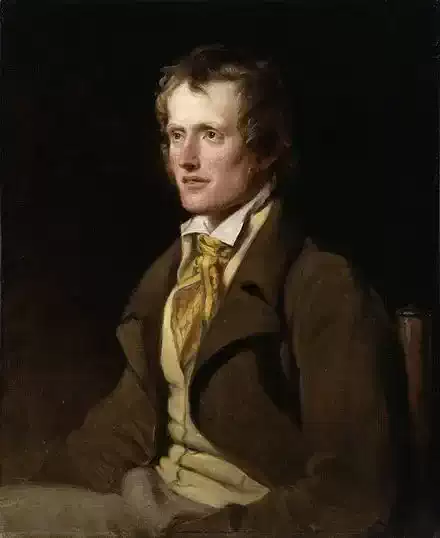
John Clare
From The Parish: A Satire
From The Parish: A Satire
I
In politics and politicians' lies
The modern farmer waxes wondrous wise;
Opinionates with wisdom all compact,
And een could tell a nation how to act;
Throws light on darkness with excessive skill,
Knows who acts well and whose designs are ill,
Proves half the members nought but bribery's tools,
And calls the past a dull dark age of fools.
As wise as Solomon they read the news,
Not with their blind forefathers' simple views,
Who read of wars, and wished that wars would cease,
And blessed the King, and wished his country peace;
Who marked the weight of each fat sheep and ox,
The price of grain and rise and fall of stocks;
Who thought it learning how to buy and sell,
And him a wise man who could manage well.
No, not with such old-fashioned, idle views
Do these newsmongers traffic with the news.
They read of politics and not of grain,
And speechify and comment and explain,
And know so much of Parliament and state
You'd think they're members when you heard them prate;
And know so little of their farms the while
They can but urge a wiser man to smile.
II
A thing all consequence here takes the lead,
Reigning knight-errant oer this dirty breed--
A bailiff he, and who so great to brag
Of law and all its terrors as Bumtagg;
Fawning a puppy at his master's side
And frowning like a wolf on all beside;
Who fattens best where sorrow worst appears
And feeds on sad misfortune's bitterest tears?
Such is Bumtagg the bailiff to a hair,
The worshipper and demon of despair,
Who waits and hopes and wishes for success
At every nod and signal of distress,
Happy at heart, when storms begin to boil,
To seek the shipwreck and to share the spoil.
Brave is this Bumtagg, match him if you can;
For there's none like him living--save his man.
As every animal assists his kind
Just so are these in blood and business joined;
Yet both in different colours hide their art,
And each as suits his ends transacts his part.
One keeps the heart-bred villain full in sight,
The other cants and acts the hypocrite,
Smoothing the deed where law sharks set their gin
Like a coy dog to draw misfortune in.
But both will chuckle oer their prisoners' sighs
And are as blest as spiders over flies.
Such is Bumtagg, whose history I resign,
As other knaves wait room to stink and shine;
And, as the meanest knave a dog can brag,
Such is the lurcher that assists Bumtagg.
I
In politics and politicians' lies
The modern farmer waxes wondrous wise;
Opinionates with wisdom all compact,
And een could tell a nation how to act;
Throws light on darkness with excessive skill,
Knows who acts well and whose designs are ill,
Proves half the members nought but bribery's tools,
And calls the past a dull dark age of fools.
As wise as Solomon they read the news,
Not with their blind forefathers' simple views,
Who read of wars, and wished that wars would cease,
And blessed the King, and wished his country peace;
Who marked the weight of each fat sheep and ox,
The price of grain and rise and fall of stocks;
Who thought it learning how to buy and sell,
And him a wise man who could manage well.
No, not with such old-fashioned, idle views
Do these newsmongers traffic with the news.
They read of politics and not of grain,
And speechify and comment and explain,
And know so much of Parliament and state
You'd think they're members when you heard them prate;
And know so little of their farms the while
They can but urge a wiser man to smile.
II
A thing all consequence here takes the lead,
Reigning knight-errant oer this dirty breed--
A bailiff he, and who so great to brag
Of law and all its terrors as Bumtagg;
Fawning a puppy at his master's side
And frowning like a wolf on all beside;
Who fattens best where sorrow worst appears
And feeds on sad misfortune's bitterest tears?
Such is Bumtagg the bailiff to a hair,
The worshipper and demon of despair,
Who waits and hopes and wishes for success
At every nod and signal of distress,
Happy at heart, when storms begin to boil,
To seek the shipwreck and to share the spoil.
Brave is this Bumtagg, match him if you can;
For there's none like him living--save his man.
As every animal assists his kind
Just so are these in blood and business joined;
Yet both in different colours hide their art,
And each as suits his ends transacts his part.
One keeps the heart-bred villain full in sight,
The other cants and acts the hypocrite,
Smoothing the deed where law sharks set their gin
Like a coy dog to draw misfortune in.
But both will chuckle oer their prisoners' sighs
And are as blest as spiders over flies.
Such is Bumtagg, whose history I resign,
As other knaves wait room to stink and shine;
And, as the meanest knave a dog can brag,
Such is the lurcher that assists Bumtagg.
358
John Clare
Farmer's Boy
Farmer's Boy
He waits all day beside his little flock
And asks the passing stranger what's o'clock,
But those who often pass his daily tasks
Look at their watch and tell before he asks.
He mutters stories to himself and lies
Where the thick hedge the warmest house supplies,
And when he hears the hunters far and wide
He climbs the highest tree to see them ride--
He climbs till all the fields are blea and bare
And makes the old crow's nest an easy chair.
And soon his sheep are got in other grounds--
He hastens down and fears his master come,
He stops the gap and keeps them all in bounds
And tends them closely till it's time for home.
He waits all day beside his little flock
And asks the passing stranger what's o'clock,
But those who often pass his daily tasks
Look at their watch and tell before he asks.
He mutters stories to himself and lies
Where the thick hedge the warmest house supplies,
And when he hears the hunters far and wide
He climbs the highest tree to see them ride--
He climbs till all the fields are blea and bare
And makes the old crow's nest an easy chair.
And soon his sheep are got in other grounds--
He hastens down and fears his master come,
He stops the gap and keeps them all in bounds
And tends them closely till it's time for home.
419
John Clare
Farewell And Defiance To Love
Farewell And Defiance To Love
Love and thy vain employs, away
From this too oft deluded breast!
No longer will I court thy stay,
To be my bosom's teazing guest.
Thou treacherous medicine, reckoned pure,
Thou quackery of the harassed heart,
That kills what it pretends to cure,
Life's mountebank thou art.
With nostrums vain of boasted powers,
That, ta'en, a worse disorder leave;
An asp hid in a group of flowers,
That bites and stings when few perceive;
Thou mock-truce to the troubled mind,
Leading it more in sorrow's way,
Freedom, that leaves us more confined,
I bid thee hence away.
Dost taunt, and deem thy power beyond
The resolution reason gave?
Tut! Falsity hath snapt each bond,
That kept me once thy quiet slave,
And made thy snare a spider's thread,
Which een my breath can break in twain;
Nor will I be, like Sampson, led
To trust thy wiles again.
I took thee as my staff to guide
Me on the road I did pursue,
And when my weakness most relied
Upon its strength it broke in two.
I took thee as my friendly host
That counsel might in dangers show,
But when I needed thee the most
I found thou wert my foe.
Tempt me no more with rosy cheeks,
Nor daze my reason with bright eyes;
I'm wearied with thy painted freaks,
And sicken at such vanities:
Be roses fine as eer they will,
They, with the meanest, fade and die,
And eyes, though thronged with darts to kill,
Share like mortality.
Feed the young bard, that madly sips
His nectar-draughts from folly's flowers,
Bright eyes, fair cheeks, and ruby lips,
Till muses melt to honey showers;
Lure him to thrum thy empty lays,
While flattery listens to the chimes,
Till words themselves grow sick with praise
And stop for want of rhymes.
Let such be still thy paramours,
And chaunt love's old and idle tune,
Robbing the spring of all its flowers,
And heaven of all her stars and moon,
To gild with dazzling similes
Blind folly's vain and empty lay:
I'm sobered from such phantasies,
So get thee hence away.
Nor bid me sigh for mine own cost,
Nor count its loss, for mine annoy,
Nor say my stubbornness hath lost
A paradise of dainty joy:
I'll not believe thee, till I know
That sober reason turns an ape,
And acts the harlequin, to show
That cares in every shape,
Heart-achings, sighs, and grief-wrung tears,
Shame-blushes at betrayed distress,
Dissembled smiles, and jealous fears,
Are nought but real happiness:
Then will I mourn what now I brave,
And suffer Celia's quirks to be
(Like a poor fate-bewilder'd slave,)
The rulers of my destiny.
I'll weep and sigh wheneer she wills
To frown, and when she deigns to smile
It shall be cure for all my ills,
And, foolish still, I'll laugh the while;
But till that comes, I'll bless the rules
Experience taught, and deem it wise
To hold thee as the game of fools,
And all thy tricks despise.
Love and thy vain employs, away
From this too oft deluded breast!
No longer will I court thy stay,
To be my bosom's teazing guest.
Thou treacherous medicine, reckoned pure,
Thou quackery of the harassed heart,
That kills what it pretends to cure,
Life's mountebank thou art.
With nostrums vain of boasted powers,
That, ta'en, a worse disorder leave;
An asp hid in a group of flowers,
That bites and stings when few perceive;
Thou mock-truce to the troubled mind,
Leading it more in sorrow's way,
Freedom, that leaves us more confined,
I bid thee hence away.
Dost taunt, and deem thy power beyond
The resolution reason gave?
Tut! Falsity hath snapt each bond,
That kept me once thy quiet slave,
And made thy snare a spider's thread,
Which een my breath can break in twain;
Nor will I be, like Sampson, led
To trust thy wiles again.
I took thee as my staff to guide
Me on the road I did pursue,
And when my weakness most relied
Upon its strength it broke in two.
I took thee as my friendly host
That counsel might in dangers show,
But when I needed thee the most
I found thou wert my foe.
Tempt me no more with rosy cheeks,
Nor daze my reason with bright eyes;
I'm wearied with thy painted freaks,
And sicken at such vanities:
Be roses fine as eer they will,
They, with the meanest, fade and die,
And eyes, though thronged with darts to kill,
Share like mortality.
Feed the young bard, that madly sips
His nectar-draughts from folly's flowers,
Bright eyes, fair cheeks, and ruby lips,
Till muses melt to honey showers;
Lure him to thrum thy empty lays,
While flattery listens to the chimes,
Till words themselves grow sick with praise
And stop for want of rhymes.
Let such be still thy paramours,
And chaunt love's old and idle tune,
Robbing the spring of all its flowers,
And heaven of all her stars and moon,
To gild with dazzling similes
Blind folly's vain and empty lay:
I'm sobered from such phantasies,
So get thee hence away.
Nor bid me sigh for mine own cost,
Nor count its loss, for mine annoy,
Nor say my stubbornness hath lost
A paradise of dainty joy:
I'll not believe thee, till I know
That sober reason turns an ape,
And acts the harlequin, to show
That cares in every shape,
Heart-achings, sighs, and grief-wrung tears,
Shame-blushes at betrayed distress,
Dissembled smiles, and jealous fears,
Are nought but real happiness:
Then will I mourn what now I brave,
And suffer Celia's quirks to be
(Like a poor fate-bewilder'd slave,)
The rulers of my destiny.
I'll weep and sigh wheneer she wills
To frown, and when she deigns to smile
It shall be cure for all my ills,
And, foolish still, I'll laugh the while;
But till that comes, I'll bless the rules
Experience taught, and deem it wise
To hold thee as the game of fools,
And all thy tricks despise.
415
John Clare
Dyke Side
Dyke Side
The frog croaks loud, and maidens dare not pass
But fear the noisome toad and shun the grass;
And on the sunny banks they dare not go
Where hissing snakes run to the flood below.
The nuthatch noises loud in wood and wild,
Like women turning skreeking to a child.
The schoolboy hears and brushes through the trees
And runs about till drabbled to the knees.
The old hawk winnows round the old crow's nest;
The schoolboy hears and wonder fills his breast.
He throws his basket down to climb the tree
And wonders what the red blotched eggs can be:
The green woodpecker bounces from the view
And hollos as he buzzes bye 'kew kew.'
The frog croaks loud, and maidens dare not pass
But fear the noisome toad and shun the grass;
And on the sunny banks they dare not go
Where hissing snakes run to the flood below.
The nuthatch noises loud in wood and wild,
Like women turning skreeking to a child.
The schoolboy hears and brushes through the trees
And runs about till drabbled to the knees.
The old hawk winnows round the old crow's nest;
The schoolboy hears and wonder fills his breast.
He throws his basket down to climb the tree
And wonders what the red blotched eggs can be:
The green woodpecker bounces from the view
And hollos as he buzzes bye 'kew kew.'
413
John Clare
Country Letter
Country Letter
Dear brother robin this comes from us all
With our kind love and could Gip write and all
Though but a dog he'd have his love to spare
For still he knows and by your corner chair
The moment he comes in he lyes him down
and seems to fancy you are in the town.
This leaves us well in health thank God for that
For old acquaintance Sue has kept your hat
Which mother brushes ere she lays it bye
and every sunday goes upstairs to cry
Jane still is yours till you come back agen
and neer so much as dances with the men
and ned the woodman every week comes in
and asks about you kindly as our kin
and he with this and goody Thompson sends
Remembrances with those of all our friends
Father with us sends love untill he hears
and mother she has nothing but her tears
Yet wishes you like us in health the same
and longs to see a letter with your name
So loving brother don't forget to write
Old Gip lies on the hearth stone every night
Mother can't bear to turn him out of doors
and never noises now of dirty floors
Father will laugh but lets her have her way
and Gip for kindness get a double pay
So Robin write and let us quickly see
You don't forget old friends no more than we
Nor let my mother have so much to blame
To go three journeys ere your letter came.
Dear brother robin this comes from us all
With our kind love and could Gip write and all
Though but a dog he'd have his love to spare
For still he knows and by your corner chair
The moment he comes in he lyes him down
and seems to fancy you are in the town.
This leaves us well in health thank God for that
For old acquaintance Sue has kept your hat
Which mother brushes ere she lays it bye
and every sunday goes upstairs to cry
Jane still is yours till you come back agen
and neer so much as dances with the men
and ned the woodman every week comes in
and asks about you kindly as our kin
and he with this and goody Thompson sends
Remembrances with those of all our friends
Father with us sends love untill he hears
and mother she has nothing but her tears
Yet wishes you like us in health the same
and longs to see a letter with your name
So loving brother don't forget to write
Old Gip lies on the hearth stone every night
Mother can't bear to turn him out of doors
and never noises now of dirty floors
Father will laugh but lets her have her way
and Gip for kindness get a double pay
So Robin write and let us quickly see
You don't forget old friends no more than we
Nor let my mother have so much to blame
To go three journeys ere your letter came.
375
John Clare
Country Letter
Country Letter
Dear brother robin this comes from us all
With our kind love and could Gip write and all
Though but a dog he'd have his love to spare
For still he knows and by your corner chair
The moment he comes in he lyes him down
and seems to fancy you are in the town.
This leaves us well in health thank God for that
For old acquaintance Sue has kept your hat
Which mother brushes ere she lays it bye
and every sunday goes upstairs to cry
Jane still is yours till you come back agen
and neer so much as dances with the men
and ned the woodman every week comes in
and asks about you kindly as our kin
and he with this and goody Thompson sends
Remembrances with those of all our friends
Father with us sends love untill he hears
and mother she has nothing but her tears
Yet wishes you like us in health the same
and longs to see a letter with your name
So loving brother don't forget to write
Old Gip lies on the hearth stone every night
Mother can't bear to turn him out of doors
and never noises now of dirty floors
Father will laugh but lets her have her way
and Gip for kindness get a double pay
So Robin write and let us quickly see
You don't forget old friends no more than we
Nor let my mother have so much to blame
To go three journeys ere your letter came.
Dear brother robin this comes from us all
With our kind love and could Gip write and all
Though but a dog he'd have his love to spare
For still he knows and by your corner chair
The moment he comes in he lyes him down
and seems to fancy you are in the town.
This leaves us well in health thank God for that
For old acquaintance Sue has kept your hat
Which mother brushes ere she lays it bye
and every sunday goes upstairs to cry
Jane still is yours till you come back agen
and neer so much as dances with the men
and ned the woodman every week comes in
and asks about you kindly as our kin
and he with this and goody Thompson sends
Remembrances with those of all our friends
Father with us sends love untill he hears
and mother she has nothing but her tears
Yet wishes you like us in health the same
and longs to see a letter with your name
So loving brother don't forget to write
Old Gip lies on the hearth stone every night
Mother can't bear to turn him out of doors
and never noises now of dirty floors
Father will laugh but lets her have her way
and Gip for kindness get a double pay
So Robin write and let us quickly see
You don't forget old friends no more than we
Nor let my mother have so much to blame
To go three journeys ere your letter came.
375
John Clare
Decay
Decay
O Poesy is on the wane,
For Fancy's visions all unfitting;
I hardly know her face again,
Nature herself seems on the flitting.
The fields grow old and common things,
The grass, the sky, the winds a-blowing;
And spots, where still a beauty clings,
Are sighing 'going! all a-going!'
O Poesy is on the wane,
I hardly know her face again.
The bank with brambles overspread,
And little molehills round about it,
Was more to me than laurel shades,
With paths of gravel finely clouted;
And streaking here and streaking there,
Through shaven grass and many a border,
With rutty lanes had no compare,
And heaths were in a richer order.
But Poesy is on the wane,
I hardly know her face again.
I sat beside the pasture stream,
When Beauty's self was sitting by,
The fields did more than Eden seem
Nor could I tell the reason why.
I often drank when not adry
To pledge her health in draughts divine;
Smiles made it nectar from the sky,
Love turned een water into wine.
O Poesy is on the wane,
I cannot find her face again.
The sun those mornings used to find,
Its clouds were other-country mountains,
And heaven looked downward on the mind,
Like groves, and rocks, and mottled fountains.
Those heavens are gone, the mountains grey
Turned mist--the sun, a homeless ranger,
Pursues alone his naked way,
Unnoticed like a very stranger.
O Poesy is on the wane,
Nor love nor joy is mine again.
Love's sun went down without a frown,
For very joy it used to grieve us;
I often think the West is gone,
Ah, cruel Time, to undeceive us.
The stream it is a common stream,
Where we on Sundays used to ramble,
The sky hangs oer a broken dream,
The bramble's dwindled to a bramble!
O Poesy is on the wane,
I cannot find her haunts again.
Mere withered stalks and fading trees,
And pastures spread with hills and rushes,
Are all my fading vision sees;
Gone, gone are rapture's flooding gushes!
When mushrooms they were fairy bowers,
Their marble pillars overswelling,
And Danger paused to pluck the flowers
That in their swarthy rings were dwelling.
Yes, Poesy is on the wane,
Nor joy nor fear is mine again.
Aye, Poesy hath passed away,
And Fancy's visions undeceive us;
The night hath ta'en the place of day,
And why should passing shadows grieve us?
I thought the flowers upon the hills
Were flowers from Adam's open gardens;
But I have had my summer thrills,
And I have had my heart's rewardings.
So Poesy is on the wane,
I hardly know her face again.
And Friendship it hath burned away,
Like to a very ember cooling,
A make-believe on April day
That sent the simple heart a-fooling;
Mere jesting in an earnest way,
Deceiving on and still deceiving;
And Hope is but a fancy-play,
And Joy the art of true believing;
For Poesy is on the wane,
O could I feel her faith again!
O Poesy is on the wane,
For Fancy's visions all unfitting;
I hardly know her face again,
Nature herself seems on the flitting.
The fields grow old and common things,
The grass, the sky, the winds a-blowing;
And spots, where still a beauty clings,
Are sighing 'going! all a-going!'
O Poesy is on the wane,
I hardly know her face again.
The bank with brambles overspread,
And little molehills round about it,
Was more to me than laurel shades,
With paths of gravel finely clouted;
And streaking here and streaking there,
Through shaven grass and many a border,
With rutty lanes had no compare,
And heaths were in a richer order.
But Poesy is on the wane,
I hardly know her face again.
I sat beside the pasture stream,
When Beauty's self was sitting by,
The fields did more than Eden seem
Nor could I tell the reason why.
I often drank when not adry
To pledge her health in draughts divine;
Smiles made it nectar from the sky,
Love turned een water into wine.
O Poesy is on the wane,
I cannot find her face again.
The sun those mornings used to find,
Its clouds were other-country mountains,
And heaven looked downward on the mind,
Like groves, and rocks, and mottled fountains.
Those heavens are gone, the mountains grey
Turned mist--the sun, a homeless ranger,
Pursues alone his naked way,
Unnoticed like a very stranger.
O Poesy is on the wane,
Nor love nor joy is mine again.
Love's sun went down without a frown,
For very joy it used to grieve us;
I often think the West is gone,
Ah, cruel Time, to undeceive us.
The stream it is a common stream,
Where we on Sundays used to ramble,
The sky hangs oer a broken dream,
The bramble's dwindled to a bramble!
O Poesy is on the wane,
I cannot find her haunts again.
Mere withered stalks and fading trees,
And pastures spread with hills and rushes,
Are all my fading vision sees;
Gone, gone are rapture's flooding gushes!
When mushrooms they were fairy bowers,
Their marble pillars overswelling,
And Danger paused to pluck the flowers
That in their swarthy rings were dwelling.
Yes, Poesy is on the wane,
Nor joy nor fear is mine again.
Aye, Poesy hath passed away,
And Fancy's visions undeceive us;
The night hath ta'en the place of day,
And why should passing shadows grieve us?
I thought the flowers upon the hills
Were flowers from Adam's open gardens;
But I have had my summer thrills,
And I have had my heart's rewardings.
So Poesy is on the wane,
I hardly know her face again.
And Friendship it hath burned away,
Like to a very ember cooling,
A make-believe on April day
That sent the simple heart a-fooling;
Mere jesting in an earnest way,
Deceiving on and still deceiving;
And Hope is but a fancy-play,
And Joy the art of true believing;
For Poesy is on the wane,
O could I feel her faith again!
450
John Clare
Decay
Decay
O Poesy is on the wane,
For Fancy's visions all unfitting;
I hardly know her face again,
Nature herself seems on the flitting.
The fields grow old and common things,
The grass, the sky, the winds a-blowing;
And spots, where still a beauty clings,
Are sighing 'going! all a-going!'
O Poesy is on the wane,
I hardly know her face again.
The bank with brambles overspread,
And little molehills round about it,
Was more to me than laurel shades,
With paths of gravel finely clouted;
And streaking here and streaking there,
Through shaven grass and many a border,
With rutty lanes had no compare,
And heaths were in a richer order.
But Poesy is on the wane,
I hardly know her face again.
I sat beside the pasture stream,
When Beauty's self was sitting by,
The fields did more than Eden seem
Nor could I tell the reason why.
I often drank when not adry
To pledge her health in draughts divine;
Smiles made it nectar from the sky,
Love turned een water into wine.
O Poesy is on the wane,
I cannot find her face again.
The sun those mornings used to find,
Its clouds were other-country mountains,
And heaven looked downward on the mind,
Like groves, and rocks, and mottled fountains.
Those heavens are gone, the mountains grey
Turned mist--the sun, a homeless ranger,
Pursues alone his naked way,
Unnoticed like a very stranger.
O Poesy is on the wane,
Nor love nor joy is mine again.
Love's sun went down without a frown,
For very joy it used to grieve us;
I often think the West is gone,
Ah, cruel Time, to undeceive us.
The stream it is a common stream,
Where we on Sundays used to ramble,
The sky hangs oer a broken dream,
The bramble's dwindled to a bramble!
O Poesy is on the wane,
I cannot find her haunts again.
Mere withered stalks and fading trees,
And pastures spread with hills and rushes,
Are all my fading vision sees;
Gone, gone are rapture's flooding gushes!
When mushrooms they were fairy bowers,
Their marble pillars overswelling,
And Danger paused to pluck the flowers
That in their swarthy rings were dwelling.
Yes, Poesy is on the wane,
Nor joy nor fear is mine again.
Aye, Poesy hath passed away,
And Fancy's visions undeceive us;
The night hath ta'en the place of day,
And why should passing shadows grieve us?
I thought the flowers upon the hills
Were flowers from Adam's open gardens;
But I have had my summer thrills,
And I have had my heart's rewardings.
So Poesy is on the wane,
I hardly know her face again.
And Friendship it hath burned away,
Like to a very ember cooling,
A make-believe on April day
That sent the simple heart a-fooling;
Mere jesting in an earnest way,
Deceiving on and still deceiving;
And Hope is but a fancy-play,
And Joy the art of true believing;
For Poesy is on the wane,
O could I feel her faith again!
O Poesy is on the wane,
For Fancy's visions all unfitting;
I hardly know her face again,
Nature herself seems on the flitting.
The fields grow old and common things,
The grass, the sky, the winds a-blowing;
And spots, where still a beauty clings,
Are sighing 'going! all a-going!'
O Poesy is on the wane,
I hardly know her face again.
The bank with brambles overspread,
And little molehills round about it,
Was more to me than laurel shades,
With paths of gravel finely clouted;
And streaking here and streaking there,
Through shaven grass and many a border,
With rutty lanes had no compare,
And heaths were in a richer order.
But Poesy is on the wane,
I hardly know her face again.
I sat beside the pasture stream,
When Beauty's self was sitting by,
The fields did more than Eden seem
Nor could I tell the reason why.
I often drank when not adry
To pledge her health in draughts divine;
Smiles made it nectar from the sky,
Love turned een water into wine.
O Poesy is on the wane,
I cannot find her face again.
The sun those mornings used to find,
Its clouds were other-country mountains,
And heaven looked downward on the mind,
Like groves, and rocks, and mottled fountains.
Those heavens are gone, the mountains grey
Turned mist--the sun, a homeless ranger,
Pursues alone his naked way,
Unnoticed like a very stranger.
O Poesy is on the wane,
Nor love nor joy is mine again.
Love's sun went down without a frown,
For very joy it used to grieve us;
I often think the West is gone,
Ah, cruel Time, to undeceive us.
The stream it is a common stream,
Where we on Sundays used to ramble,
The sky hangs oer a broken dream,
The bramble's dwindled to a bramble!
O Poesy is on the wane,
I cannot find her haunts again.
Mere withered stalks and fading trees,
And pastures spread with hills and rushes,
Are all my fading vision sees;
Gone, gone are rapture's flooding gushes!
When mushrooms they were fairy bowers,
Their marble pillars overswelling,
And Danger paused to pluck the flowers
That in their swarthy rings were dwelling.
Yes, Poesy is on the wane,
Nor joy nor fear is mine again.
Aye, Poesy hath passed away,
And Fancy's visions undeceive us;
The night hath ta'en the place of day,
And why should passing shadows grieve us?
I thought the flowers upon the hills
Were flowers from Adam's open gardens;
But I have had my summer thrills,
And I have had my heart's rewardings.
So Poesy is on the wane,
I hardly know her face again.
And Friendship it hath burned away,
Like to a very ember cooling,
A make-believe on April day
That sent the simple heart a-fooling;
Mere jesting in an earnest way,
Deceiving on and still deceiving;
And Hope is but a fancy-play,
And Joy the art of true believing;
For Poesy is on the wane,
O could I feel her faith again!
450
John Clare
Braggart
Braggart
With careful step to keep his balance up
He reels on warily along the street,
Slabbering at mouth and with a staggering stoop
Mutters an angry look at all he meets.
Bumptious and vain and proud he shoulders up
And would be something if he knew but how;
To any man on earth he will not stoop
But cracks of work, of horses and of plough.
Proud of the foolish talk, the ale he quaffs,
He never heeds the insult loud that laughs:
With rosy maid he tries to joke and play,--
Who shrugs and nettles deep his pomp and pride.
And calls him 'drunken beast' and runs away--
King to himself and fool to all beside.
With careful step to keep his balance up
He reels on warily along the street,
Slabbering at mouth and with a staggering stoop
Mutters an angry look at all he meets.
Bumptious and vain and proud he shoulders up
And would be something if he knew but how;
To any man on earth he will not stoop
But cracks of work, of horses and of plough.
Proud of the foolish talk, the ale he quaffs,
He never heeds the insult loud that laughs:
With rosy maid he tries to joke and play,--
Who shrugs and nettles deep his pomp and pride.
And calls him 'drunken beast' and runs away--
King to himself and fool to all beside.
401
John Clare
Christmass
Christmass
Christmass is come and every hearth
Makes room to give him welcome now
Een want will dry its tears in mirth
And crown him wi a holly bough
Tho tramping neath a winters sky
Oer snow track paths and ryhmey stiles
The huswife sets her spining bye
And bids him welcome wi her smiles
Each house is swept the day before
And windows stuck wi evergreens
The snow is beesomd from the door
And comfort crowns the cottage scenes
Gilt holly wi its thorny pricks
And yew and box wi berrys small
These deck the unusd candlesticks
And pictures hanging by the wall
Neighbours resume their anual cheer
Wishing wi smiles and spirits high
Clad christmass and a happy year
To every morning passer bye
Milk maids their christmass journeys go
Accompanyd wi favourd swain
And childern pace the crumping snow
To taste their grannys cake again
Hung wi the ivys veining bough
The ash trees round the cottage farm
Are often stript of branches now
The cotters christmass hearth to warm
He swings and twists his hazel band
And lops them off wi sharpend hook
And oft brings ivy in his hand
To decorate the chimney nook
Old winter whipes his ides bye
And warms his fingers till he smiles
Where cottage hearths are blazing high
And labour resteth from his toils
Wi merry mirth beguiling care
Old customs keeping wi the day
Friends meet their christmass cheer to share
And pass it in a harmless way
Old customs O I love the sound
However simple they may be
What ere wi time has sanction found
Is welcome and is dear to me
Pride grows above simplicity
And spurns it from her haughty mind
And soon the poets song will be
The only refuge they can find
The shepherd now no more afraid
Since custom doth the chance bestow
Starts up to kiss the giggling maid
Beneath the branch of mizzletoe
That neath each cottage beam is seen
Wi pearl-like-berrys shining gay
The shadow still of what hath been
Which fashion yearly fades away
And singers too a merry throng
At early morn wi simple skill
Yet imitate the angels song
And chant their christmass ditty still
And mid the storm that dies and swells
By fits-in humings softly steals
The music of the village bells
Ringing round their merry peals
And when its past a merry crew
Bedeckt in masks and ribbons gay
The 'Morrice danse' their sports renew
And act their winter evening play
The clown-turnd-kings for penny praise
Storm wi the actors strut and swell
And harlequin a laugh to raise
Wears his hump back and tinkling bell
And oft for pence and spicy ale
Wi winter nosgays pind before
The wassail singer tells her tale
And drawls her christmass carrols oer
The prentice boy wi ruddy face
And ryhme bepowderd dancing locks
From door to door wi happy pace
Runs round to claim his 'christmass box'
The block behind the fire is put
To sanction customs old desires
And many a faggots bands are cut
For the old farmers christmass fires
Where loud tongd gladness joins the throng
And winter meets the warmth of may
Feeling by times the heat too strong
And rubs his shins and draws away
While snows the window panes bedim
The fire curls up a sunny charm
Where creaming oer the pitchers rim
The flowering ale is set to warm
Mirth full of joy as summer bees
Sits there its pleasures to impart
While childern tween their parents knees
Sing scraps of carrols oer by heart
And some to view the winter weathers
Climb up the window seat wi glee
Likening the snow to falling feathers
In fancys infant extacy
Laughing wi superstitious love
Oer visions wild that youth supplyes
Of people pulling geese above
And keeping christmass in the skyes
As tho the homstead trees were drest
In lieu of snow wi dancing leaves
As. tho the sundryd martins nest
Instead of ides hung the eaves
The childern hail the happy day
As if the snow was april grass
And pleasd as neath the warmth of may
Sport oer the water froze to glass
Thou day of happy sound and mirth
That long wi childish memory stays
How blest around the cottage hearth
I met thee in my boyish days
Harping wi raptures dreaming joys
On presents that thy coming found
The welcome sight of little toys
The christmass gifts of comers round
'The wooden horse wi arching head
Drawn upon wheels around the room
The gilded coach of ginger bread
And many colord sugar plumb
Gilt coverd books for pictures sought
Or storys childhood loves to tell
Wi many a urgent promise bought
To get tomorrows lesson well
And many a thing a minutes sport
Left broken on the sanded floor
When we woud leave our play and court
Our parents promises for more
Tho manhood bids such raptures dye
And throws such toys away as vain
Yet memory loves to turn her eye
And talk such pleasures oer again
Around the glowing hearth at night
The harmless laugh and winter tale
Goes round-while parting friends delight
To toast each other oer their ale
The cotter oft wi quiet zeal
Will musing oer his bible lean
While in the dark the lovers steal
To kiss and toy behind the screen
The yule cake dotted thick wi plumbs
Is on each supper table found
And cats look up for falling crumbs
Which greedy childern litter round
And huswifes sage stuffd seasond chine
Long hung in chimney nook to drye
And boiling eldern berry wine
To drink the christmass eves 'good bye'
Christmass is come and every hearth
Makes room to give him welcome now
Een want will dry its tears in mirth
And crown him wi a holly bough
Tho tramping neath a winters sky
Oer snow track paths and ryhmey stiles
The huswife sets her spining bye
And bids him welcome wi her smiles
Each house is swept the day before
And windows stuck wi evergreens
The snow is beesomd from the door
And comfort crowns the cottage scenes
Gilt holly wi its thorny pricks
And yew and box wi berrys small
These deck the unusd candlesticks
And pictures hanging by the wall
Neighbours resume their anual cheer
Wishing wi smiles and spirits high
Clad christmass and a happy year
To every morning passer bye
Milk maids their christmass journeys go
Accompanyd wi favourd swain
And childern pace the crumping snow
To taste their grannys cake again
Hung wi the ivys veining bough
The ash trees round the cottage farm
Are often stript of branches now
The cotters christmass hearth to warm
He swings and twists his hazel band
And lops them off wi sharpend hook
And oft brings ivy in his hand
To decorate the chimney nook
Old winter whipes his ides bye
And warms his fingers till he smiles
Where cottage hearths are blazing high
And labour resteth from his toils
Wi merry mirth beguiling care
Old customs keeping wi the day
Friends meet their christmass cheer to share
And pass it in a harmless way
Old customs O I love the sound
However simple they may be
What ere wi time has sanction found
Is welcome and is dear to me
Pride grows above simplicity
And spurns it from her haughty mind
And soon the poets song will be
The only refuge they can find
The shepherd now no more afraid
Since custom doth the chance bestow
Starts up to kiss the giggling maid
Beneath the branch of mizzletoe
That neath each cottage beam is seen
Wi pearl-like-berrys shining gay
The shadow still of what hath been
Which fashion yearly fades away
And singers too a merry throng
At early morn wi simple skill
Yet imitate the angels song
And chant their christmass ditty still
And mid the storm that dies and swells
By fits-in humings softly steals
The music of the village bells
Ringing round their merry peals
And when its past a merry crew
Bedeckt in masks and ribbons gay
The 'Morrice danse' their sports renew
And act their winter evening play
The clown-turnd-kings for penny praise
Storm wi the actors strut and swell
And harlequin a laugh to raise
Wears his hump back and tinkling bell
And oft for pence and spicy ale
Wi winter nosgays pind before
The wassail singer tells her tale
And drawls her christmass carrols oer
The prentice boy wi ruddy face
And ryhme bepowderd dancing locks
From door to door wi happy pace
Runs round to claim his 'christmass box'
The block behind the fire is put
To sanction customs old desires
And many a faggots bands are cut
For the old farmers christmass fires
Where loud tongd gladness joins the throng
And winter meets the warmth of may
Feeling by times the heat too strong
And rubs his shins and draws away
While snows the window panes bedim
The fire curls up a sunny charm
Where creaming oer the pitchers rim
The flowering ale is set to warm
Mirth full of joy as summer bees
Sits there its pleasures to impart
While childern tween their parents knees
Sing scraps of carrols oer by heart
And some to view the winter weathers
Climb up the window seat wi glee
Likening the snow to falling feathers
In fancys infant extacy
Laughing wi superstitious love
Oer visions wild that youth supplyes
Of people pulling geese above
And keeping christmass in the skyes
As tho the homstead trees were drest
In lieu of snow wi dancing leaves
As. tho the sundryd martins nest
Instead of ides hung the eaves
The childern hail the happy day
As if the snow was april grass
And pleasd as neath the warmth of may
Sport oer the water froze to glass
Thou day of happy sound and mirth
That long wi childish memory stays
How blest around the cottage hearth
I met thee in my boyish days
Harping wi raptures dreaming joys
On presents that thy coming found
The welcome sight of little toys
The christmass gifts of comers round
'The wooden horse wi arching head
Drawn upon wheels around the room
The gilded coach of ginger bread
And many colord sugar plumb
Gilt coverd books for pictures sought
Or storys childhood loves to tell
Wi many a urgent promise bought
To get tomorrows lesson well
And many a thing a minutes sport
Left broken on the sanded floor
When we woud leave our play and court
Our parents promises for more
Tho manhood bids such raptures dye
And throws such toys away as vain
Yet memory loves to turn her eye
And talk such pleasures oer again
Around the glowing hearth at night
The harmless laugh and winter tale
Goes round-while parting friends delight
To toast each other oer their ale
The cotter oft wi quiet zeal
Will musing oer his bible lean
While in the dark the lovers steal
To kiss and toy behind the screen
The yule cake dotted thick wi plumbs
Is on each supper table found
And cats look up for falling crumbs
Which greedy childern litter round
And huswifes sage stuffd seasond chine
Long hung in chimney nook to drye
And boiling eldern berry wine
To drink the christmass eves 'good bye'
378
John Clare
An Invite, to Eternity
An Invite, to Eternity
Wilt thou go with me, sweet maid,
Say, maiden, wilt thou go with me
Through the valley-depths of shade,
Of night and dark obscurity;
Where the path has lost its way,
Where the sun forgets the day,
Where there's nor life nor light to see,
Sweet maiden, wilt thou go with me!
Where stones will turn to flooding streams,
Where plains will rise like ocean waves,
Where life will fade like visioned dreams
And mountains darken into caves,
Say, maiden, wilt thou go with me
Through this sad non-identity,
Where parents live and are forgot,
And sisters live and know us not!
Say, maiden; wilt thou go with me
In this strange death of life to be,
To live in death and be the same,
Without this life or home or name,
At once to be and not to be -
That was and is not -yet to see
Things pass like shadows, and the sky
Above, below, around us lie?
Wilt thou go with me, sweet maid,
Say, maiden, wilt thou go with me
Through the valley-depths of shade,
Of night and dark obscurity;
Where the path has lost its way,
Where the sun forgets the day,
Where there's nor life nor light to see,
Sweet maiden, wilt thou go with me!
Where stones will turn to flooding streams,
Where plains will rise like ocean waves,
Where life will fade like visioned dreams
And mountains darken into caves,
Say, maiden, wilt thou go with me
Through this sad non-identity,
Where parents live and are forgot,
And sisters live and know us not!
Say, maiden; wilt thou go with me
In this strange death of life to be,
To live in death and be the same,
Without this life or home or name,
At once to be and not to be -
That was and is not -yet to see
Things pass like shadows, and the sky
Above, below, around us lie?
394
John Clare
An Invite, to Eternity
An Invite, to Eternity
Wilt thou go with me, sweet maid,
Say, maiden, wilt thou go with me
Through the valley-depths of shade,
Of night and dark obscurity;
Where the path has lost its way,
Where the sun forgets the day,
Where there's nor life nor light to see,
Sweet maiden, wilt thou go with me!
Where stones will turn to flooding streams,
Where plains will rise like ocean waves,
Where life will fade like visioned dreams
And mountains darken into caves,
Say, maiden, wilt thou go with me
Through this sad non-identity,
Where parents live and are forgot,
And sisters live and know us not!
Say, maiden; wilt thou go with me
In this strange death of life to be,
To live in death and be the same,
Without this life or home or name,
At once to be and not to be -
That was and is not -yet to see
Things pass like shadows, and the sky
Above, below, around us lie?
Wilt thou go with me, sweet maid,
Say, maiden, wilt thou go with me
Through the valley-depths of shade,
Of night and dark obscurity;
Where the path has lost its way,
Where the sun forgets the day,
Where there's nor life nor light to see,
Sweet maiden, wilt thou go with me!
Where stones will turn to flooding streams,
Where plains will rise like ocean waves,
Where life will fade like visioned dreams
And mountains darken into caves,
Say, maiden, wilt thou go with me
Through this sad non-identity,
Where parents live and are forgot,
And sisters live and know us not!
Say, maiden; wilt thou go with me
In this strange death of life to be,
To live in death and be the same,
Without this life or home or name,
At once to be and not to be -
That was and is not -yet to see
Things pass like shadows, and the sky
Above, below, around us lie?
394
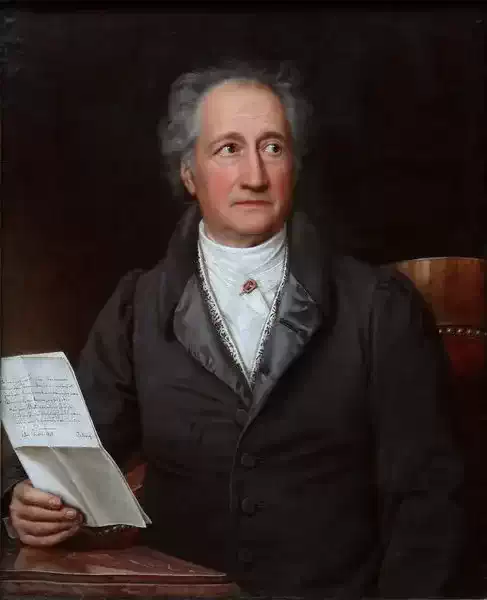
Johann Wolfgang von Goethe
With A Painted Ribbon
With A Painted Ribbon
LITTLE leaves and flow'rets too,
Scatter we with gentle hand,
Kind young spring-gods to the view,
Sporting on an airy band.
Zephyr, bear it on the wing,
Twine it round my loved one's dress;
To her glass then let her spring,
Full of eager joyousness.
Roses round her let her see,
She herself a youthful rose.
Grant, dear life, one look to me!
'Twill repay me all my woes,
What this bosom feels, feel thou.
Freely offer me thy hand;
Let the band that joins us now
Be no fragile rosy band!
LITTLE leaves and flow'rets too,
Scatter we with gentle hand,
Kind young spring-gods to the view,
Sporting on an airy band.
Zephyr, bear it on the wing,
Twine it round my loved one's dress;
To her glass then let her spring,
Full of eager joyousness.
Roses round her let her see,
She herself a youthful rose.
Grant, dear life, one look to me!
'Twill repay me all my woes,
What this bosom feels, feel thou.
Freely offer me thy hand;
Let the band that joins us now
Be no fragile rosy band!
436
John Clare
A vision
A vision
I lost the love of heaven above,
I spurned the lust of earth below,
I felt the sweets of fancied love
And hell itself my only foe.
I lost earth's joys but felt the glow
Of heaven's flame abound in me
Till loveliness and I did grow
The bard of immortality.
I loved but woman fell away
I hid me from her faded fame,
I snatched the sun's eternal ray
And wrote till earth was but a name
In every language upon earth,
On every shore, o'er every sea,
I give my name immortal birth
And kept my spirit with the free.
I lost the love of heaven above,
I spurned the lust of earth below,
I felt the sweets of fancied love
And hell itself my only foe.
I lost earth's joys but felt the glow
Of heaven's flame abound in me
Till loveliness and I did grow
The bard of immortality.
I loved but woman fell away
I hid me from her faded fame,
I snatched the sun's eternal ray
And wrote till earth was but a name
In every language upon earth,
On every shore, o'er every sea,
I give my name immortal birth
And kept my spirit with the free.
495
Johann Wolfgang von Goethe
Winter Journey Over The Hartz Mountain
Winter Journey Over The Hartz Mountain
LIKE the vulture
Who on heavy morning clouds
With gentle wing reposing
Looks for his prey,--
Hover, my song!
For a God hath
Unto each prescribed
His destined path,
Which the happy one
Runs o'er swiftly
To his glad goal:
He whose heart cruel
Fate hath contracted,
Struggles but vainly
Against all the barriers
The brazen thread raises,
But which the harsh shears
Must one day sever.
Through gloomy thickets
Presseth the wild deer on,
And with the sparrows
Long have the wealthy
Settled themselves in the marsh.
Easy 'tis following the chariot
That by Fortune is driven,
Like the baggage that moves
Over well-mended highways
After the train of a prince.
But who stands there apart?
In the thicket, lost is his path;
Behind him the bushes
Are closing together,
The grass springs up again,
The desert engulphs him.
Ah, who'll heal his afflictions,
To whom balsam was poison,
Who, from love's fullness,
Drank in misanthropy only?
First despised, and now a despiser,
He, in secret, wasteth
All that he is worth,
In a selfishness vain.
If there be, on thy psaltery,
Father of Love, but one tone
That to his ear may be pleasing,
Oh, then, quicken his heart!
Clear his cloud-enveloped eyes
Over the thousand fountains
Close by the thirsty one
In the desert.
Thou who createst much joy,
For each a measure o'erflowing,
Bless the sons of the chase
When on the track of the prey,
With a wild thirsting for blood,
Youthful and joyous
Avenging late the injustice
Which the peasant resisted
Vainly for years with his staff.
But the lonely one veil
Within thy gold clouds!
Surround with winter-green,
Until the roses bloom again,
The humid locks,
Oh Love, of thy minstrel!
With thy glimmering torch
Lightest thou him
Through the fords when 'tis night,
Over bottomless places
On desert-like plains;
With the thousand colours of morning
Gladd'nest his bosom;
With the fierce-biting storm
Bearest him proudly on high;
Winter torrents rush from the cliffs,--
Blend with his psalms;
An altar of grateful delight
He finds in the much-dreaded mountain's
Snow-begirded summit,
Which foreboding nations
Crown'd with spirit-dances.
Thou stand'st with breast inscrutable,
Mysteriously disclosed,
High o'er the wondering world,
And look'st from clouds
Upon its realms and its majesty,
Which thou from the veins of thy brethren
Near thee dost water.
LIKE the vulture
Who on heavy morning clouds
With gentle wing reposing
Looks for his prey,--
Hover, my song!
For a God hath
Unto each prescribed
His destined path,
Which the happy one
Runs o'er swiftly
To his glad goal:
He whose heart cruel
Fate hath contracted,
Struggles but vainly
Against all the barriers
The brazen thread raises,
But which the harsh shears
Must one day sever.
Through gloomy thickets
Presseth the wild deer on,
And with the sparrows
Long have the wealthy
Settled themselves in the marsh.
Easy 'tis following the chariot
That by Fortune is driven,
Like the baggage that moves
Over well-mended highways
After the train of a prince.
But who stands there apart?
In the thicket, lost is his path;
Behind him the bushes
Are closing together,
The grass springs up again,
The desert engulphs him.
Ah, who'll heal his afflictions,
To whom balsam was poison,
Who, from love's fullness,
Drank in misanthropy only?
First despised, and now a despiser,
He, in secret, wasteth
All that he is worth,
In a selfishness vain.
If there be, on thy psaltery,
Father of Love, but one tone
That to his ear may be pleasing,
Oh, then, quicken his heart!
Clear his cloud-enveloped eyes
Over the thousand fountains
Close by the thirsty one
In the desert.
Thou who createst much joy,
For each a measure o'erflowing,
Bless the sons of the chase
When on the track of the prey,
With a wild thirsting for blood,
Youthful and joyous
Avenging late the injustice
Which the peasant resisted
Vainly for years with his staff.
But the lonely one veil
Within thy gold clouds!
Surround with winter-green,
Until the roses bloom again,
The humid locks,
Oh Love, of thy minstrel!
With thy glimmering torch
Lightest thou him
Through the fords when 'tis night,
Over bottomless places
On desert-like plains;
With the thousand colours of morning
Gladd'nest his bosom;
With the fierce-biting storm
Bearest him proudly on high;
Winter torrents rush from the cliffs,--
Blend with his psalms;
An altar of grateful delight
He finds in the much-dreaded mountain's
Snow-begirded summit,
Which foreboding nations
Crown'd with spirit-dances.
Thou stand'st with breast inscrutable,
Mysteriously disclosed,
High o'er the wondering world,
And look'st from clouds
Upon its realms and its majesty,
Which thou from the veins of thy brethren
Near thee dost water.
399
Johann Wolfgang von Goethe
Winter Journey Over The Hartz Mountain
Winter Journey Over The Hartz Mountain
LIKE the vulture
Who on heavy morning clouds
With gentle wing reposing
Looks for his prey,--
Hover, my song!
For a God hath
Unto each prescribed
His destined path,
Which the happy one
Runs o'er swiftly
To his glad goal:
He whose heart cruel
Fate hath contracted,
Struggles but vainly
Against all the barriers
The brazen thread raises,
But which the harsh shears
Must one day sever.
Through gloomy thickets
Presseth the wild deer on,
And with the sparrows
Long have the wealthy
Settled themselves in the marsh.
Easy 'tis following the chariot
That by Fortune is driven,
Like the baggage that moves
Over well-mended highways
After the train of a prince.
But who stands there apart?
In the thicket, lost is his path;
Behind him the bushes
Are closing together,
The grass springs up again,
The desert engulphs him.
Ah, who'll heal his afflictions,
To whom balsam was poison,
Who, from love's fullness,
Drank in misanthropy only?
First despised, and now a despiser,
He, in secret, wasteth
All that he is worth,
In a selfishness vain.
If there be, on thy psaltery,
Father of Love, but one tone
That to his ear may be pleasing,
Oh, then, quicken his heart!
Clear his cloud-enveloped eyes
Over the thousand fountains
Close by the thirsty one
In the desert.
Thou who createst much joy,
For each a measure o'erflowing,
Bless the sons of the chase
When on the track of the prey,
With a wild thirsting for blood,
Youthful and joyous
Avenging late the injustice
Which the peasant resisted
Vainly for years with his staff.
But the lonely one veil
Within thy gold clouds!
Surround with winter-green,
Until the roses bloom again,
The humid locks,
Oh Love, of thy minstrel!
With thy glimmering torch
Lightest thou him
Through the fords when 'tis night,
Over bottomless places
On desert-like plains;
With the thousand colours of morning
Gladd'nest his bosom;
With the fierce-biting storm
Bearest him proudly on high;
Winter torrents rush from the cliffs,--
Blend with his psalms;
An altar of grateful delight
He finds in the much-dreaded mountain's
Snow-begirded summit,
Which foreboding nations
Crown'd with spirit-dances.
Thou stand'st with breast inscrutable,
Mysteriously disclosed,
High o'er the wondering world,
And look'st from clouds
Upon its realms and its majesty,
Which thou from the veins of thy brethren
Near thee dost water.
LIKE the vulture
Who on heavy morning clouds
With gentle wing reposing
Looks for his prey,--
Hover, my song!
For a God hath
Unto each prescribed
His destined path,
Which the happy one
Runs o'er swiftly
To his glad goal:
He whose heart cruel
Fate hath contracted,
Struggles but vainly
Against all the barriers
The brazen thread raises,
But which the harsh shears
Must one day sever.
Through gloomy thickets
Presseth the wild deer on,
And with the sparrows
Long have the wealthy
Settled themselves in the marsh.
Easy 'tis following the chariot
That by Fortune is driven,
Like the baggage that moves
Over well-mended highways
After the train of a prince.
But who stands there apart?
In the thicket, lost is his path;
Behind him the bushes
Are closing together,
The grass springs up again,
The desert engulphs him.
Ah, who'll heal his afflictions,
To whom balsam was poison,
Who, from love's fullness,
Drank in misanthropy only?
First despised, and now a despiser,
He, in secret, wasteth
All that he is worth,
In a selfishness vain.
If there be, on thy psaltery,
Father of Love, but one tone
That to his ear may be pleasing,
Oh, then, quicken his heart!
Clear his cloud-enveloped eyes
Over the thousand fountains
Close by the thirsty one
In the desert.
Thou who createst much joy,
For each a measure o'erflowing,
Bless the sons of the chase
When on the track of the prey,
With a wild thirsting for blood,
Youthful and joyous
Avenging late the injustice
Which the peasant resisted
Vainly for years with his staff.
But the lonely one veil
Within thy gold clouds!
Surround with winter-green,
Until the roses bloom again,
The humid locks,
Oh Love, of thy minstrel!
With thy glimmering torch
Lightest thou him
Through the fords when 'tis night,
Over bottomless places
On desert-like plains;
With the thousand colours of morning
Gladd'nest his bosom;
With the fierce-biting storm
Bearest him proudly on high;
Winter torrents rush from the cliffs,--
Blend with his psalms;
An altar of grateful delight
He finds in the much-dreaded mountain's
Snow-begirded summit,
Which foreboding nations
Crown'd with spirit-dances.
Thou stand'st with breast inscrutable,
Mysteriously disclosed,
High o'er the wondering world,
And look'st from clouds
Upon its realms and its majesty,
Which thou from the veins of thy brethren
Near thee dost water.
399
Johann Wolfgang von Goethe
When The Fox Dies, His Skin Counts
When The Fox Dies, His Skin Counts
WE young people in the shade
Sat one sultry day;
Cupid came, and "Dies the Fox"
With us sought to play.
Each one of my friends then sat
By his mistress dear;
Cupid, blowing out the torch,
Said: "The taper's here!"
Then we quickly sent around
The expiring brand;
Each one put it hastily
ln his neighbour's hand.
Dorilis then gave it me,
With a scoffing jest;
Sudden into flame it broke,
By my fingers press'd.
And it singed my eyes and face,
Set my breast on fire;
Then above my head the blaze
Mounted ever higher.
Vain I sought to put it out;
Ever burned the flame;
Stead of dying, soon the Fox
Livelier still became.
WE young people in the shade
Sat one sultry day;
Cupid came, and "Dies the Fox"
With us sought to play.
Each one of my friends then sat
By his mistress dear;
Cupid, blowing out the torch,
Said: "The taper's here!"
Then we quickly sent around
The expiring brand;
Each one put it hastily
ln his neighbour's hand.
Dorilis then gave it me,
With a scoffing jest;
Sudden into flame it broke,
By my fingers press'd.
And it singed my eyes and face,
Set my breast on fire;
Then above my head the blaze
Mounted ever higher.
Vain I sought to put it out;
Ever burned the flame;
Stead of dying, soon the Fox
Livelier still became.
322
Johann Wolfgang von Goethe
When The Fox Dies, His Skin Counts
When The Fox Dies, His Skin Counts
WE young people in the shade
Sat one sultry day;
Cupid came, and "Dies the Fox"
With us sought to play.
Each one of my friends then sat
By his mistress dear;
Cupid, blowing out the torch,
Said: "The taper's here!"
Then we quickly sent around
The expiring brand;
Each one put it hastily
ln his neighbour's hand.
Dorilis then gave it me,
With a scoffing jest;
Sudden into flame it broke,
By my fingers press'd.
And it singed my eyes and face,
Set my breast on fire;
Then above my head the blaze
Mounted ever higher.
Vain I sought to put it out;
Ever burned the flame;
Stead of dying, soon the Fox
Livelier still became.
WE young people in the shade
Sat one sultry day;
Cupid came, and "Dies the Fox"
With us sought to play.
Each one of my friends then sat
By his mistress dear;
Cupid, blowing out the torch,
Said: "The taper's here!"
Then we quickly sent around
The expiring brand;
Each one put it hastily
ln his neighbour's hand.
Dorilis then gave it me,
With a scoffing jest;
Sudden into flame it broke,
By my fingers press'd.
And it singed my eyes and face,
Set my breast on fire;
Then above my head the blaze
Mounted ever higher.
Vain I sought to put it out;
Ever burned the flame;
Stead of dying, soon the Fox
Livelier still became.
322
Johann Wolfgang von Goethe
Welcome And Farewell
Welcome And Farewell
QUICK throbb'd my heart: to norse! haste, haste,
And lo! 'twas done with speed of light;
The evening soon the world embraced,
And o'er the mountains hung the night.
Soon stood, in robe of mist, the oak,
A tow'ring giant in his size,
Where darkness through the thicket broke,
And glared with hundred gloomy eyes.
From out a hill of clouds the moon
With mournful gaze began to peer:
The winds their soft wings flutter'd soon,
And murmur'd in mine awe-struck ear;
The night a thousand monsters made,
Yet fresh and joyous was my mind;
What fire within my veins then play'd!
What glow was in my bosom shrin'd!
I saw thee, and with tender pride
Felt thy sweet gaze pour joy on me;
While all my heart was at thy side.
And every breath I breath'd for thee.
The roseate hues that spring supplies
Were playing round thy features fair,
And love for me--ye Deities!
I hoped it, I deserved it ne'er!
But, when the morning sun return'd,
Departure filled with grief my heart:
Within thy kiss, what rapture burn'd!
But in thy look, what bitter smart!
I went--thy gaze to earth first roved
Thou follow'dst me with tearful eye:
And yet, what rapture to be loved!
And, Gods, to love--what ecstasy!
QUICK throbb'd my heart: to norse! haste, haste,
And lo! 'twas done with speed of light;
The evening soon the world embraced,
And o'er the mountains hung the night.
Soon stood, in robe of mist, the oak,
A tow'ring giant in his size,
Where darkness through the thicket broke,
And glared with hundred gloomy eyes.
From out a hill of clouds the moon
With mournful gaze began to peer:
The winds their soft wings flutter'd soon,
And murmur'd in mine awe-struck ear;
The night a thousand monsters made,
Yet fresh and joyous was my mind;
What fire within my veins then play'd!
What glow was in my bosom shrin'd!
I saw thee, and with tender pride
Felt thy sweet gaze pour joy on me;
While all my heart was at thy side.
And every breath I breath'd for thee.
The roseate hues that spring supplies
Were playing round thy features fair,
And love for me--ye Deities!
I hoped it, I deserved it ne'er!
But, when the morning sun return'd,
Departure filled with grief my heart:
Within thy kiss, what rapture burn'd!
But in thy look, what bitter smart!
I went--thy gaze to earth first roved
Thou follow'dst me with tearful eye:
And yet, what rapture to be loved!
And, Gods, to love--what ecstasy!
594
Johann Wolfgang von Goethe
Wedding Night
Wedding Night
Far from the feasting, in the bedroom
Sits loyal Amor and quakes with dread:
What if the guests become too zestful,
Break the peace of the bridal bed?
A mystical and holy shimmer
Flows from his pale flames of gold;
For you both a whirl of incense
Readies pleasures manifold.
How throbs your heart as chiming timepiece
Chases noisy guests away;
Any moment, lips you burn for
Nought will utter, nought gainsay.
You hasten with her to the temple,
There to consummate your bliss;
The guardian holds aloft his flambeau,
Still and small as a taper is.
How she trembles with your kisses,
Bosom, lips, and cheeks, and brow:
His severities are shivers,
Your derring-do is duty now.
Quick, Amor helps you undress her,
He has half your enterprise;
Roguish, then, but also modest,
He'll be closing both his eyes.
Far from the feasting, in the bedroom
Sits loyal Amor and quakes with dread:
What if the guests become too zestful,
Break the peace of the bridal bed?
A mystical and holy shimmer
Flows from his pale flames of gold;
For you both a whirl of incense
Readies pleasures manifold.
How throbs your heart as chiming timepiece
Chases noisy guests away;
Any moment, lips you burn for
Nought will utter, nought gainsay.
You hasten with her to the temple,
There to consummate your bliss;
The guardian holds aloft his flambeau,
Still and small as a taper is.
How she trembles with your kisses,
Bosom, lips, and cheeks, and brow:
His severities are shivers,
Your derring-do is duty now.
Quick, Amor helps you undress her,
He has half your enterprise;
Roguish, then, but also modest,
He'll be closing both his eyes.
453
Johann Wolfgang von Goethe
Valediction
Valediction
I ONCE was fond of fools,
And bid them come each day;
Then each one brought his tools
The carpenter to play;
The roof to strip first choosing,
Another to supply,
The wood as trestles using,
To move it by-and-by,
While here and there they ran,
And knock'd against each other;
To fret I soon began,
My anger could not smother,
So cried, "Get out, ye fools!"
At this they were offended
Then each one took his tools,
And so our friendship ended.
Since that, I've wiser been,
And sit beside my door;
When one of them is seen,
I cry, "Appear no more!"
"Hence, stupid knave!" I bellow:
At this he's angry too:
"You impudent old fellow!
And pray, sir, who are you?
Along the streets we riot,
And revel at the fair;
But yet we're pretty quiet,
And folks revile us ne'er.
Don't call us names, then, please!"--
At length I meet with ease,
For now they leave my door-
'Tis better than before!
I ONCE was fond of fools,
And bid them come each day;
Then each one brought his tools
The carpenter to play;
The roof to strip first choosing,
Another to supply,
The wood as trestles using,
To move it by-and-by,
While here and there they ran,
And knock'd against each other;
To fret I soon began,
My anger could not smother,
So cried, "Get out, ye fools!"
At this they were offended
Then each one took his tools,
And so our friendship ended.
Since that, I've wiser been,
And sit beside my door;
When one of them is seen,
I cry, "Appear no more!"
"Hence, stupid knave!" I bellow:
At this he's angry too:
"You impudent old fellow!
And pray, sir, who are you?
Along the streets we riot,
And revel at the fair;
But yet we're pretty quiet,
And folks revile us ne'er.
Don't call us names, then, please!"--
At length I meet with ease,
For now they leave my door-
'Tis better than before!
381
Johann Wolfgang von Goethe
Valediction
Valediction
I ONCE was fond of fools,
And bid them come each day;
Then each one brought his tools
The carpenter to play;
The roof to strip first choosing,
Another to supply,
The wood as trestles using,
To move it by-and-by,
While here and there they ran,
And knock'd against each other;
To fret I soon began,
My anger could not smother,
So cried, "Get out, ye fools!"
At this they were offended
Then each one took his tools,
And so our friendship ended.
Since that, I've wiser been,
And sit beside my door;
When one of them is seen,
I cry, "Appear no more!"
"Hence, stupid knave!" I bellow:
At this he's angry too:
"You impudent old fellow!
And pray, sir, who are you?
Along the streets we riot,
And revel at the fair;
But yet we're pretty quiet,
And folks revile us ne'er.
Don't call us names, then, please!"--
At length I meet with ease,
For now they leave my door-
'Tis better than before!
I ONCE was fond of fools,
And bid them come each day;
Then each one brought his tools
The carpenter to play;
The roof to strip first choosing,
Another to supply,
The wood as trestles using,
To move it by-and-by,
While here and there they ran,
And knock'd against each other;
To fret I soon began,
My anger could not smother,
So cried, "Get out, ye fools!"
At this they were offended
Then each one took his tools,
And so our friendship ended.
Since that, I've wiser been,
And sit beside my door;
When one of them is seen,
I cry, "Appear no more!"
"Hence, stupid knave!" I bellow:
At this he's angry too:
"You impudent old fellow!
And pray, sir, who are you?
Along the streets we riot,
And revel at the fair;
But yet we're pretty quiet,
And folks revile us ne'er.
Don't call us names, then, please!"--
At length I meet with ease,
For now they leave my door-
'Tis better than before!
381
Johann Wolfgang von Goethe
Trilogy Of Passion 03 Atonement
Trilogy Of Passion 03 Atonement
PASSION brings reason--who can pacify
An anguish'd heart whose loss hath been so great?
Where are the hours that fled so swiftly by?
In vain the fairest thou didst gain from fate;
Sad is the soul, confused the enterprise;
The glorious world, how on the sense it dies!
In million tones entwined for evermore,
Music with angel-pinions hovers there,
To pierce man's being to its inmost core,
Eternal beauty has its fruit to bear;
The eye grows moist, in yearnings blest reveres
The godlike worth of music as of tears.
And so the lighten'd heart soon learns to see
That it still lives, and beats, and ought to beat,
Off'ring itself with joy and willingly,
In grateful payment for a gift so sweet.
And then was felt,--oh may it constant prove!--
The twofold bliss of music and of love.
PASSION brings reason--who can pacify
An anguish'd heart whose loss hath been so great?
Where are the hours that fled so swiftly by?
In vain the fairest thou didst gain from fate;
Sad is the soul, confused the enterprise;
The glorious world, how on the sense it dies!
In million tones entwined for evermore,
Music with angel-pinions hovers there,
To pierce man's being to its inmost core,
Eternal beauty has its fruit to bear;
The eye grows moist, in yearnings blest reveres
The godlike worth of music as of tears.
And so the lighten'd heart soon learns to see
That it still lives, and beats, and ought to beat,
Off'ring itself with joy and willingly,
In grateful payment for a gift so sweet.
And then was felt,--oh may it constant prove!--
The twofold bliss of music and of love.
378
Johann Wolfgang von Goethe
Trilogy Of Passion 03 Atonement
Trilogy Of Passion 03 Atonement
PASSION brings reason--who can pacify
An anguish'd heart whose loss hath been so great?
Where are the hours that fled so swiftly by?
In vain the fairest thou didst gain from fate;
Sad is the soul, confused the enterprise;
The glorious world, how on the sense it dies!
In million tones entwined for evermore,
Music with angel-pinions hovers there,
To pierce man's being to its inmost core,
Eternal beauty has its fruit to bear;
The eye grows moist, in yearnings blest reveres
The godlike worth of music as of tears.
And so the lighten'd heart soon learns to see
That it still lives, and beats, and ought to beat,
Off'ring itself with joy and willingly,
In grateful payment for a gift so sweet.
And then was felt,--oh may it constant prove!--
The twofold bliss of music and of love.
PASSION brings reason--who can pacify
An anguish'd heart whose loss hath been so great?
Where are the hours that fled so swiftly by?
In vain the fairest thou didst gain from fate;
Sad is the soul, confused the enterprise;
The glorious world, how on the sense it dies!
In million tones entwined for evermore,
Music with angel-pinions hovers there,
To pierce man's being to its inmost core,
Eternal beauty has its fruit to bear;
The eye grows moist, in yearnings blest reveres
The godlike worth of music as of tears.
And so the lighten'd heart soon learns to see
That it still lives, and beats, and ought to beat,
Off'ring itself with joy and willingly,
In grateful payment for a gift so sweet.
And then was felt,--oh may it constant prove!--
The twofold bliss of music and of love.
378