

Poems in this topic
Emotions and Feelings
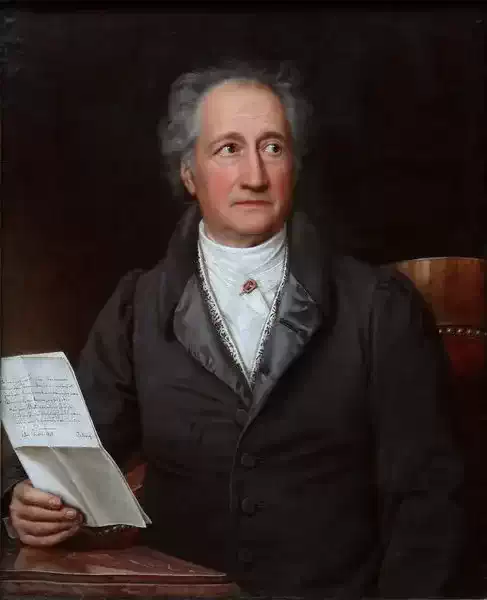
Johann Wolfgang von Goethe
The Traveller And The Farm-Maiden
The Traveller And The Farm-Maiden
HE.
CANST thou give, oh fair and matchless maiden,
'Neath the shadow of the lindens yonder,--
Where I'd fain one moment cease to wander,--
Food and drink to one so heavy laden?
SHE.
Wouldst thou find refreshment, traveller weary,
Bread, ripe fruit and cream to meet thy wishes,--
None but Nature's plain and homely dishes,--
Near the spring may soothe thy wanderings dreary.
HE.
Dreams of old acquaintance now pass through me,
Ne'er-forgotten queen of hours of blisses.
Likenesses I've often found, but this is
One that quite a marvel seemeth to me!
SHE.
Travellers often wonder beyond measure,
But their wonder soon see cause to smother;
Fair and dark are often like each other,
Both inspire the mind with equal pleasure.
HE.
Not now for the first time I surrender
To this form, in humble adoration;
It was brightest midst the constellation
In the hail adorn'd with festal splendour.
SHE.
Be thou joyful that 'tis in my power
To complete thy strange and merry story!
Silks behind her, full of purple glory,
Floated, when thou saw'st her in that hour.
HE.
No, in truth, thou hast not sung it rightly!
Spirits may have told thee all about it;
Pearls and gems they spoke of, do not doubt it,--
By her gaze eclipsed,--it gleam'd so brightly!
SHE.
This one thing I certainly collected:
That the fair one--(say nought, I entreat thee!)
Fondly hoping once again to meet thee,
Many a castle in the air erected.
HE.
By each wind I ceaselessly was driven,
Seeking gold and honour, too, to capture!
When my wand'rings end, then oh, what rapture,
If to find that form again 'tis given!
SHE.
'Tis the daughter of the race now banish'd
That thou seest, not her likeness only;
Helen and her brother, glad though lonely,
Till this farm of their estate now vanish'd.
HE.
But the owner surely is not wanting
Of these plains, with ev'ry beauty teeming?
Verdant fields, broad meads, and pastures gleaming,
Gushing springs, all heav'nly and enchanting.
SHE.
Thou must hunt the world through, wouldst thou find him!--
We have wealth enough in our possession,
And intend to purchase the succession,
When the good man leaves the world behind him.
HE.
I have learnt the owner's own condition,
And, fair maiden, thou indeed canst buy it;
But the cost is great, I won't deny it,--
Helen is the price,--with thy permission!
SHE.
Did then fate and rank keep us asunder,
And must Love take this road, and no other?
Yonder comes my dear and trusty brother;
What will he say to it all, I wonder?
HE.
CANST thou give, oh fair and matchless maiden,
'Neath the shadow of the lindens yonder,--
Where I'd fain one moment cease to wander,--
Food and drink to one so heavy laden?
SHE.
Wouldst thou find refreshment, traveller weary,
Bread, ripe fruit and cream to meet thy wishes,--
None but Nature's plain and homely dishes,--
Near the spring may soothe thy wanderings dreary.
HE.
Dreams of old acquaintance now pass through me,
Ne'er-forgotten queen of hours of blisses.
Likenesses I've often found, but this is
One that quite a marvel seemeth to me!
SHE.
Travellers often wonder beyond measure,
But their wonder soon see cause to smother;
Fair and dark are often like each other,
Both inspire the mind with equal pleasure.
HE.
Not now for the first time I surrender
To this form, in humble adoration;
It was brightest midst the constellation
In the hail adorn'd with festal splendour.
SHE.
Be thou joyful that 'tis in my power
To complete thy strange and merry story!
Silks behind her, full of purple glory,
Floated, when thou saw'st her in that hour.
HE.
No, in truth, thou hast not sung it rightly!
Spirits may have told thee all about it;
Pearls and gems they spoke of, do not doubt it,--
By her gaze eclipsed,--it gleam'd so brightly!
SHE.
This one thing I certainly collected:
That the fair one--(say nought, I entreat thee!)
Fondly hoping once again to meet thee,
Many a castle in the air erected.
HE.
By each wind I ceaselessly was driven,
Seeking gold and honour, too, to capture!
When my wand'rings end, then oh, what rapture,
If to find that form again 'tis given!
SHE.
'Tis the daughter of the race now banish'd
That thou seest, not her likeness only;
Helen and her brother, glad though lonely,
Till this farm of their estate now vanish'd.
HE.
But the owner surely is not wanting
Of these plains, with ev'ry beauty teeming?
Verdant fields, broad meads, and pastures gleaming,
Gushing springs, all heav'nly and enchanting.
SHE.
Thou must hunt the world through, wouldst thou find him!--
We have wealth enough in our possession,
And intend to purchase the succession,
When the good man leaves the world behind him.
HE.
I have learnt the owner's own condition,
And, fair maiden, thou indeed canst buy it;
But the cost is great, I won't deny it,--
Helen is the price,--with thy permission!
SHE.
Did then fate and rank keep us asunder,
And must Love take this road, and no other?
Yonder comes my dear and trusty brother;
What will he say to it all, I wonder?
355
Johann Wolfgang von Goethe
The Spring Oracle
The Spring Oracle
OH prophetic bird so bright,
Blossom-songster, cuckoo bight!
In the fairest time of year,
Dearest bird, oh! deign to hear
What a youthful pair would pray,
Do thou call, if hope they may:
Thy cuck-oo, thy cuck-oo.
Ever more cuck-oo, cuck-oo!
Hearest thou? A loving pair
Fain would to the altar fare;
Yes! a pair in happy youth,
Full of virtue, full of truth.
Is the hour not fix'd by fate?
Say, how long must they still wait?
Hark! cuck-oo! hark! cuck-oo!
Silent yet! for shame, cuck-oo!
'Tis not our fault, certainly!
Only two years patient be!
But if we ourselves please here,
Will pa-pa-papas appear?
Know that thou'lt more kindness do us,
More thou'lt prophesy unto us.
One! cuck-oo! Two! cuck-oo!
Ever, ever, cuck-oo, cuck-oo, coo!
If we've calculated clearly,
We have half a dozen nearly.
If good promises we'll give,
Wilt thou say how long we'II live?
Truly, we'll confess to thee,
We'd prolong it willingly.
Coo cuck-oo, coo cuck-oo,
Coo, coo, coo, coo, coo, coo, coo, coo, coo!
Life is one continued feast-(
If we keep no score, at least).
If now we together dwell,
Will true love remain as well?
For if that should e'er decay,
Happiness would pass away.
Coo cuck-oo, coo cuck-oo,
Coo, coo, coo, coo, coo, coo, coo, coo, coo!
OH prophetic bird so bright,
Blossom-songster, cuckoo bight!
In the fairest time of year,
Dearest bird, oh! deign to hear
What a youthful pair would pray,
Do thou call, if hope they may:
Thy cuck-oo, thy cuck-oo.
Ever more cuck-oo, cuck-oo!
Hearest thou? A loving pair
Fain would to the altar fare;
Yes! a pair in happy youth,
Full of virtue, full of truth.
Is the hour not fix'd by fate?
Say, how long must they still wait?
Hark! cuck-oo! hark! cuck-oo!
Silent yet! for shame, cuck-oo!
'Tis not our fault, certainly!
Only two years patient be!
But if we ourselves please here,
Will pa-pa-papas appear?
Know that thou'lt more kindness do us,
More thou'lt prophesy unto us.
One! cuck-oo! Two! cuck-oo!
Ever, ever, cuck-oo, cuck-oo, coo!
If we've calculated clearly,
We have half a dozen nearly.
If good promises we'll give,
Wilt thou say how long we'II live?
Truly, we'll confess to thee,
We'd prolong it willingly.
Coo cuck-oo, coo cuck-oo,
Coo, coo, coo, coo, coo, coo, coo, coo, coo!
Life is one continued feast-(
If we keep no score, at least).
If now we together dwell,
Will true love remain as well?
For if that should e'er decay,
Happiness would pass away.
Coo cuck-oo, coo cuck-oo,
Coo, coo, coo, coo, coo, coo, coo, coo, coo!
413
Johann Wolfgang von Goethe
The Spring Oracle
The Spring Oracle
OH prophetic bird so bright,
Blossom-songster, cuckoo bight!
In the fairest time of year,
Dearest bird, oh! deign to hear
What a youthful pair would pray,
Do thou call, if hope they may:
Thy cuck-oo, thy cuck-oo.
Ever more cuck-oo, cuck-oo!
Hearest thou? A loving pair
Fain would to the altar fare;
Yes! a pair in happy youth,
Full of virtue, full of truth.
Is the hour not fix'd by fate?
Say, how long must they still wait?
Hark! cuck-oo! hark! cuck-oo!
Silent yet! for shame, cuck-oo!
'Tis not our fault, certainly!
Only two years patient be!
But if we ourselves please here,
Will pa-pa-papas appear?
Know that thou'lt more kindness do us,
More thou'lt prophesy unto us.
One! cuck-oo! Two! cuck-oo!
Ever, ever, cuck-oo, cuck-oo, coo!
If we've calculated clearly,
We have half a dozen nearly.
If good promises we'll give,
Wilt thou say how long we'II live?
Truly, we'll confess to thee,
We'd prolong it willingly.
Coo cuck-oo, coo cuck-oo,
Coo, coo, coo, coo, coo, coo, coo, coo, coo!
Life is one continued feast-(
If we keep no score, at least).
If now we together dwell,
Will true love remain as well?
For if that should e'er decay,
Happiness would pass away.
Coo cuck-oo, coo cuck-oo,
Coo, coo, coo, coo, coo, coo, coo, coo, coo!
OH prophetic bird so bright,
Blossom-songster, cuckoo bight!
In the fairest time of year,
Dearest bird, oh! deign to hear
What a youthful pair would pray,
Do thou call, if hope they may:
Thy cuck-oo, thy cuck-oo.
Ever more cuck-oo, cuck-oo!
Hearest thou? A loving pair
Fain would to the altar fare;
Yes! a pair in happy youth,
Full of virtue, full of truth.
Is the hour not fix'd by fate?
Say, how long must they still wait?
Hark! cuck-oo! hark! cuck-oo!
Silent yet! for shame, cuck-oo!
'Tis not our fault, certainly!
Only two years patient be!
But if we ourselves please here,
Will pa-pa-papas appear?
Know that thou'lt more kindness do us,
More thou'lt prophesy unto us.
One! cuck-oo! Two! cuck-oo!
Ever, ever, cuck-oo, cuck-oo, coo!
If we've calculated clearly,
We have half a dozen nearly.
If good promises we'll give,
Wilt thou say how long we'II live?
Truly, we'll confess to thee,
We'd prolong it willingly.
Coo cuck-oo, coo cuck-oo,
Coo, coo, coo, coo, coo, coo, coo, coo, coo!
Life is one continued feast-(
If we keep no score, at least).
If now we together dwell,
Will true love remain as well?
For if that should e'er decay,
Happiness would pass away.
Coo cuck-oo, coo cuck-oo,
Coo, coo, coo, coo, coo, coo, coo, coo, coo!
413
Johann Wolfgang von Goethe
The Shepherd's Lament
The Shepherd's Lament
ON yonder lofty mountain
A thousand times I stand,
And on my staff reclining,
Look down on the smiling land.
My grazing flocks then I follow,
My dog protecting them well;
I find myself in the valley,
But how, I scarcely can tell.
The whole of the meadow is cover'd
With flowers of beauty rare;
I pluck them, but pluck them unknowing
To whom the offering to bear.
In rain and storm and tempest,
I tarry beneath the tree,
But closed remaineth yon portal;
'Tis all but a vision to me.
High over yonder dwelling,
There rises a rainbow gay;
But she from home hath departed
And wander'd far, far away.
Yes, far away bath she wander'd,
Perchance e'en over the sea;
Move onward, ye sheep, then, move onward!
Full sad the shepherd must be.
ON yonder lofty mountain
A thousand times I stand,
And on my staff reclining,
Look down on the smiling land.
My grazing flocks then I follow,
My dog protecting them well;
I find myself in the valley,
But how, I scarcely can tell.
The whole of the meadow is cover'd
With flowers of beauty rare;
I pluck them, but pluck them unknowing
To whom the offering to bear.
In rain and storm and tempest,
I tarry beneath the tree,
But closed remaineth yon portal;
'Tis all but a vision to me.
High over yonder dwelling,
There rises a rainbow gay;
But she from home hath departed
And wander'd far, far away.
Yes, far away bath she wander'd,
Perchance e'en over the sea;
Move onward, ye sheep, then, move onward!
Full sad the shepherd must be.
417
Johann Wolfgang von Goethe
The Shepherd's Lament
The Shepherd's Lament
ON yonder lofty mountain
A thousand times I stand,
And on my staff reclining,
Look down on the smiling land.
My grazing flocks then I follow,
My dog protecting them well;
I find myself in the valley,
But how, I scarcely can tell.
The whole of the meadow is cover'd
With flowers of beauty rare;
I pluck them, but pluck them unknowing
To whom the offering to bear.
In rain and storm and tempest,
I tarry beneath the tree,
But closed remaineth yon portal;
'Tis all but a vision to me.
High over yonder dwelling,
There rises a rainbow gay;
But she from home hath departed
And wander'd far, far away.
Yes, far away bath she wander'd,
Perchance e'en over the sea;
Move onward, ye sheep, then, move onward!
Full sad the shepherd must be.
ON yonder lofty mountain
A thousand times I stand,
And on my staff reclining,
Look down on the smiling land.
My grazing flocks then I follow,
My dog protecting them well;
I find myself in the valley,
But how, I scarcely can tell.
The whole of the meadow is cover'd
With flowers of beauty rare;
I pluck them, but pluck them unknowing
To whom the offering to bear.
In rain and storm and tempest,
I tarry beneath the tree,
But closed remaineth yon portal;
'Tis all but a vision to me.
High over yonder dwelling,
There rises a rainbow gay;
But she from home hath departed
And wander'd far, far away.
Yes, far away bath she wander'd,
Perchance e'en over the sea;
Move onward, ye sheep, then, move onward!
Full sad the shepherd must be.
417
Johann Wolfgang von Goethe
The Rule Of Life
The Rule Of Life
IF thou wouldst live unruffled by care,
Let not the past torment thee e'er;
As little as possible be thou annoy'd,
And let the present be ever enjoy'd;
Ne'er let thy breast with hate be supplied,
And to God the future confide.
IF thou wouldst live unruffled by care,
Let not the past torment thee e'er;
As little as possible be thou annoy'd,
And let the present be ever enjoy'd;
Ne'er let thy breast with hate be supplied,
And to God the future confide.
392
Johann Wolfgang von Goethe
The Reckoning
The Reckoning
LEADER.
LET no cares now hover o'er us
Let the wine unsparing run!
Wilt thou swell our merry chorus?
Hast thou all thy duty done?
SOLO.
Two young folks--the thing is curious--
Loved each other; yesterday
Both quite mild, to-day quite furious,
Next day, quite the deuce to pay!
If her neck she there was stooping,
He must here needs pull his hair.
I revived their spirits drooping,
And they're now a happy pair.
CHORUS.
Surely we for wine may languish!
Let the bumper then go round!
For all sighs and groans of anguish
Thou to-day in joy hast drown'd.
SOLO.
Why, young orphan, all this wailing?
"Would to heaven that I were dead!
For my guardian's craft prevailing
Soon will make me beg my bread."
Knowing well the rascal genus,
Into court I dragg'd the knave;
Fair the judges were between us,
And the maiden's wealth did save.
CHORUS.
Surely we for wine may languish!
Let the bumper then go round!
For all sighs and groans of anguish
Thou to-day in joy hast drown'd.
SOLO.
To a little fellow, quiet,
Unpretending and subdued,
Has a big clown, running riot,
Been to-day extremely rude.
I bethought me of my duty,
And my courage swell'd apace,
So I spoil'd the rascal's beauty,
Slashing him across the face.
CHORUS.
Surely we for wine may languish!
Let the bumper then go round!
For all sighs and groans of anguish
Thou to-day in joy hast drown'd.
SOLO.
Brief must be my explanation,
For I really have done nought.
Free from trouble and vexation,
I a landlord's business bought.
There I've done, with all due ardour,
All that duty order'd me;
Each one ask'd me for the larder,
And there was no scarcity.
CHORUS.
Surely we for wine may languish!
Let the bumper then go round!
For all sighs and groans of anguish
Thou to-day in joy hast drown'd.
LEADER.
Each should thus make proclamation
Of what he did well to-day!
That's the match whose conflagration
Should inflame our tuneful lay.
Let it be our precept ever
To admit no waverer here!
For to act the good endeavour,
None but rascals meek appear.
CHORUS.
Surely we for wine may languish!
Let the bumper then go round!
For all sighs and groans of anguish
We have now in rapture drown'd.
TRIO.
Let each merry minstrel enter,
He's right welcome to our hall!
'Tis but with the selfÄtormentor
That we are not liberal;
For we fear that his caprices,
That his eye-brows dark and sad,
That his grief that never ceases
Hide an empty heart, or bad.
CHORUS.
No one now for wine shall languish!
Here no minstrel shall be found,
Who all sighs and groans of anguish,
Has not first in rapture drown'd!
LEADER.
LET no cares now hover o'er us
Let the wine unsparing run!
Wilt thou swell our merry chorus?
Hast thou all thy duty done?
SOLO.
Two young folks--the thing is curious--
Loved each other; yesterday
Both quite mild, to-day quite furious,
Next day, quite the deuce to pay!
If her neck she there was stooping,
He must here needs pull his hair.
I revived their spirits drooping,
And they're now a happy pair.
CHORUS.
Surely we for wine may languish!
Let the bumper then go round!
For all sighs and groans of anguish
Thou to-day in joy hast drown'd.
SOLO.
Why, young orphan, all this wailing?
"Would to heaven that I were dead!
For my guardian's craft prevailing
Soon will make me beg my bread."
Knowing well the rascal genus,
Into court I dragg'd the knave;
Fair the judges were between us,
And the maiden's wealth did save.
CHORUS.
Surely we for wine may languish!
Let the bumper then go round!
For all sighs and groans of anguish
Thou to-day in joy hast drown'd.
SOLO.
To a little fellow, quiet,
Unpretending and subdued,
Has a big clown, running riot,
Been to-day extremely rude.
I bethought me of my duty,
And my courage swell'd apace,
So I spoil'd the rascal's beauty,
Slashing him across the face.
CHORUS.
Surely we for wine may languish!
Let the bumper then go round!
For all sighs and groans of anguish
Thou to-day in joy hast drown'd.
SOLO.
Brief must be my explanation,
For I really have done nought.
Free from trouble and vexation,
I a landlord's business bought.
There I've done, with all due ardour,
All that duty order'd me;
Each one ask'd me for the larder,
And there was no scarcity.
CHORUS.
Surely we for wine may languish!
Let the bumper then go round!
For all sighs and groans of anguish
Thou to-day in joy hast drown'd.
LEADER.
Each should thus make proclamation
Of what he did well to-day!
That's the match whose conflagration
Should inflame our tuneful lay.
Let it be our precept ever
To admit no waverer here!
For to act the good endeavour,
None but rascals meek appear.
CHORUS.
Surely we for wine may languish!
Let the bumper then go round!
For all sighs and groans of anguish
We have now in rapture drown'd.
TRIO.
Let each merry minstrel enter,
He's right welcome to our hall!
'Tis but with the selfÄtormentor
That we are not liberal;
For we fear that his caprices,
That his eye-brows dark and sad,
That his grief that never ceases
Hide an empty heart, or bad.
CHORUS.
No one now for wine shall languish!
Here no minstrel shall be found,
Who all sighs and groans of anguish,
Has not first in rapture drown'd!
371
Johann Wolfgang von Goethe
The Reckoning
The Reckoning
LEADER.
LET no cares now hover o'er us
Let the wine unsparing run!
Wilt thou swell our merry chorus?
Hast thou all thy duty done?
SOLO.
Two young folks--the thing is curious--
Loved each other; yesterday
Both quite mild, to-day quite furious,
Next day, quite the deuce to pay!
If her neck she there was stooping,
He must here needs pull his hair.
I revived their spirits drooping,
And they're now a happy pair.
CHORUS.
Surely we for wine may languish!
Let the bumper then go round!
For all sighs and groans of anguish
Thou to-day in joy hast drown'd.
SOLO.
Why, young orphan, all this wailing?
"Would to heaven that I were dead!
For my guardian's craft prevailing
Soon will make me beg my bread."
Knowing well the rascal genus,
Into court I dragg'd the knave;
Fair the judges were between us,
And the maiden's wealth did save.
CHORUS.
Surely we for wine may languish!
Let the bumper then go round!
For all sighs and groans of anguish
Thou to-day in joy hast drown'd.
SOLO.
To a little fellow, quiet,
Unpretending and subdued,
Has a big clown, running riot,
Been to-day extremely rude.
I bethought me of my duty,
And my courage swell'd apace,
So I spoil'd the rascal's beauty,
Slashing him across the face.
CHORUS.
Surely we for wine may languish!
Let the bumper then go round!
For all sighs and groans of anguish
Thou to-day in joy hast drown'd.
SOLO.
Brief must be my explanation,
For I really have done nought.
Free from trouble and vexation,
I a landlord's business bought.
There I've done, with all due ardour,
All that duty order'd me;
Each one ask'd me for the larder,
And there was no scarcity.
CHORUS.
Surely we for wine may languish!
Let the bumper then go round!
For all sighs and groans of anguish
Thou to-day in joy hast drown'd.
LEADER.
Each should thus make proclamation
Of what he did well to-day!
That's the match whose conflagration
Should inflame our tuneful lay.
Let it be our precept ever
To admit no waverer here!
For to act the good endeavour,
None but rascals meek appear.
CHORUS.
Surely we for wine may languish!
Let the bumper then go round!
For all sighs and groans of anguish
We have now in rapture drown'd.
TRIO.
Let each merry minstrel enter,
He's right welcome to our hall!
'Tis but with the selfÄtormentor
That we are not liberal;
For we fear that his caprices,
That his eye-brows dark and sad,
That his grief that never ceases
Hide an empty heart, or bad.
CHORUS.
No one now for wine shall languish!
Here no minstrel shall be found,
Who all sighs and groans of anguish,
Has not first in rapture drown'd!
LEADER.
LET no cares now hover o'er us
Let the wine unsparing run!
Wilt thou swell our merry chorus?
Hast thou all thy duty done?
SOLO.
Two young folks--the thing is curious--
Loved each other; yesterday
Both quite mild, to-day quite furious,
Next day, quite the deuce to pay!
If her neck she there was stooping,
He must here needs pull his hair.
I revived their spirits drooping,
And they're now a happy pair.
CHORUS.
Surely we for wine may languish!
Let the bumper then go round!
For all sighs and groans of anguish
Thou to-day in joy hast drown'd.
SOLO.
Why, young orphan, all this wailing?
"Would to heaven that I were dead!
For my guardian's craft prevailing
Soon will make me beg my bread."
Knowing well the rascal genus,
Into court I dragg'd the knave;
Fair the judges were between us,
And the maiden's wealth did save.
CHORUS.
Surely we for wine may languish!
Let the bumper then go round!
For all sighs and groans of anguish
Thou to-day in joy hast drown'd.
SOLO.
To a little fellow, quiet,
Unpretending and subdued,
Has a big clown, running riot,
Been to-day extremely rude.
I bethought me of my duty,
And my courage swell'd apace,
So I spoil'd the rascal's beauty,
Slashing him across the face.
CHORUS.
Surely we for wine may languish!
Let the bumper then go round!
For all sighs and groans of anguish
Thou to-day in joy hast drown'd.
SOLO.
Brief must be my explanation,
For I really have done nought.
Free from trouble and vexation,
I a landlord's business bought.
There I've done, with all due ardour,
All that duty order'd me;
Each one ask'd me for the larder,
And there was no scarcity.
CHORUS.
Surely we for wine may languish!
Let the bumper then go round!
For all sighs and groans of anguish
Thou to-day in joy hast drown'd.
LEADER.
Each should thus make proclamation
Of what he did well to-day!
That's the match whose conflagration
Should inflame our tuneful lay.
Let it be our precept ever
To admit no waverer here!
For to act the good endeavour,
None but rascals meek appear.
CHORUS.
Surely we for wine may languish!
Let the bumper then go round!
For all sighs and groans of anguish
We have now in rapture drown'd.
TRIO.
Let each merry minstrel enter,
He's right welcome to our hall!
'Tis but with the selfÄtormentor
That we are not liberal;
For we fear that his caprices,
That his eye-brows dark and sad,
That his grief that never ceases
Hide an empty heart, or bad.
CHORUS.
No one now for wine shall languish!
Here no minstrel shall be found,
Who all sighs and groans of anguish,
Has not first in rapture drown'd!
371
Johann Wolfgang von Goethe
The Pupil In Magic
The Pupil In Magic
I AM now,--what joy to hear it!--
Of the old magician rid;
And henceforth shall ev'ry spirit
Do whate'er by me is bid;
I have watch'd with rigour
All he used to do,
And will now with vigour
Work my wonders too.
Wander, wander
Onward lightly,
So that rightly
Flow the torrent,
And with teeming waters yonder
In the bath discharge its current!
And now come, thou well-worn broom,
And thy wretched form bestir;
Thou hast ever served as groom,
So fulfil my pleasure, sir!
On two legs now stand,
With a head on top;
Waterpail in hand,
Haste, and do not stop!
Wander, wander
Onward lightly,
So that rightly
Flow the torrent,
And with teeming waters yonder
In the bath discharge its current!
See! he's running to the shore,
And has now attain'd the pool,
And with lightning speed once more
Comes here, with his bucket full!
Back he then repairs;
See how swells the tide!
How each pail he bears
Straightway is supplied!
Stop, for, lo!
All the measure
Of thy treasure
Now is right!-
Ah, I see it! woe, oh woe!
I forget the word of might.
Ah, the word whose sound can straight
Make him what he was before!
Ah, he runs with nimble gait!
Would thou wert a broom once more!
Streams renew'd for ever
Quickly bringeth he;
River after river
Rusheth on poor me!
Now no longer
Can I bear him;
I will snare him,
Knavish sprite!
Ah, my terror waxes stronger!
What a look! what fearful sight
Oh, thou villain child of hell!
Shall the house through thee be drown'd
Floods I see that wildly swell,
O'er the threshold gaining ground.
Wilt thou not obey,
Oh, thou broom accurs'd?
Be thou still I pray,
As thou wert at first!
Will enough
Never please thee?
I will seize thee,
Hold thee fast,
And thy nimble wood so tough,
With my sharp axe split at last.
See, once more he hastens back!
Now, oh Cobold, thou shalt catch it!
I will rush upon his track;
Crashing on him falls my hatchet.
Bravely done, indeed!
See, he's cleft in twain!
Now from care I'm freed,
And can breathe again.
Woe, oh woe!
Both the parts,
Quick as darts,
Stand on end,
Servants of my dreaded foe!
Oh, ye gods protection send!
And they run! and wetter still
Grow the steps and grows the hail.
Lord and master hear me call!
Ever seems the flood to fill,
Ah, he's coming! see,
Great is my dismay!
Spirits raised by me
Vainly would I lay!
"To the side
Of the room
Hasten, broom,
As of old!
Spirits I have ne'er untied
Save to act as they are told."
I AM now,--what joy to hear it!--
Of the old magician rid;
And henceforth shall ev'ry spirit
Do whate'er by me is bid;
I have watch'd with rigour
All he used to do,
And will now with vigour
Work my wonders too.
Wander, wander
Onward lightly,
So that rightly
Flow the torrent,
And with teeming waters yonder
In the bath discharge its current!
And now come, thou well-worn broom,
And thy wretched form bestir;
Thou hast ever served as groom,
So fulfil my pleasure, sir!
On two legs now stand,
With a head on top;
Waterpail in hand,
Haste, and do not stop!
Wander, wander
Onward lightly,
So that rightly
Flow the torrent,
And with teeming waters yonder
In the bath discharge its current!
See! he's running to the shore,
And has now attain'd the pool,
And with lightning speed once more
Comes here, with his bucket full!
Back he then repairs;
See how swells the tide!
How each pail he bears
Straightway is supplied!
Stop, for, lo!
All the measure
Of thy treasure
Now is right!-
Ah, I see it! woe, oh woe!
I forget the word of might.
Ah, the word whose sound can straight
Make him what he was before!
Ah, he runs with nimble gait!
Would thou wert a broom once more!
Streams renew'd for ever
Quickly bringeth he;
River after river
Rusheth on poor me!
Now no longer
Can I bear him;
I will snare him,
Knavish sprite!
Ah, my terror waxes stronger!
What a look! what fearful sight
Oh, thou villain child of hell!
Shall the house through thee be drown'd
Floods I see that wildly swell,
O'er the threshold gaining ground.
Wilt thou not obey,
Oh, thou broom accurs'd?
Be thou still I pray,
As thou wert at first!
Will enough
Never please thee?
I will seize thee,
Hold thee fast,
And thy nimble wood so tough,
With my sharp axe split at last.
See, once more he hastens back!
Now, oh Cobold, thou shalt catch it!
I will rush upon his track;
Crashing on him falls my hatchet.
Bravely done, indeed!
See, he's cleft in twain!
Now from care I'm freed,
And can breathe again.
Woe, oh woe!
Both the parts,
Quick as darts,
Stand on end,
Servants of my dreaded foe!
Oh, ye gods protection send!
And they run! and wetter still
Grow the steps and grows the hail.
Lord and master hear me call!
Ever seems the flood to fill,
Ah, he's coming! see,
Great is my dismay!
Spirits raised by me
Vainly would I lay!
"To the side
Of the room
Hasten, broom,
As of old!
Spirits I have ne'er untied
Save to act as they are told."
345
Johann Wolfgang von Goethe
The Pariah - The Pariah's Thanks
The Pariah - The Pariah's Thanks
MIGHTY Brama, now I'll bless thee!
'Tis from thee that worlds proceed!
As my ruler I confess thee,
For of all thou takest heed.
All thy thousand ears thou keepest
Open to each child of earth;
We, 'mongst mortals sunk the deepest,
Have from thee received new birth.
Bear in mind the woman's story,
Who, through grief, divine became;
Now I'll wait to view His glory,
Who omnipotence can claim.
MIGHTY Brama, now I'll bless thee!
'Tis from thee that worlds proceed!
As my ruler I confess thee,
For of all thou takest heed.
All thy thousand ears thou keepest
Open to each child of earth;
We, 'mongst mortals sunk the deepest,
Have from thee received new birth.
Bear in mind the woman's story,
Who, through grief, divine became;
Now I'll wait to view His glory,
Who omnipotence can claim.
359
Johann Wolfgang von Goethe
The Pariah - Legend
The Pariah - Legend
WATER-FETCHING goes the noble
Brahmin's wife, so pure and lovely;
He is honour'd, void of blemish.
And of justice rigid, stern.
Daily from the sacred river
Brings she back refreshments precious;--
But where is the pail and pitcher?
She of neither stands in need.
For with pure heart, hands unsullied,
She the water lifts, and rolls it
To a wondrous ball of crystal
This she bears with gladsome bosom,
Modestly, with graceful motion,
To her husband in the house.
She to-day at dawn of morning
Praying comes to Ganges' waters,
Bends her o'er the glassy surface--
Sudden, in the waves reflected,
Flying swiftly far above her,
From the highest heavens descending,
She discerns the beauteous form
Of a youth divine, created
By the God's primeval wisdom
In his own eternal breast.
When she sees him, straightway feels she
Wondrous, new, confused sensations
In her inmost, deepest being;
Fain she'd linger o'er the vision,
Then repels it,--it returneth,--
And, perplex'd, she bends her flood-wards
With uncertain hands to draw it;
But, alas, she draws no more!
For the water's sacred billows
Seem to fly, to hasten from her;
She but sees the fearful chasm
Of a whirlpool black disclosed.
Arms drop down, and footsteps stumble,
Can this be the pathway homewards?
Shall she fly, or shall she tarry?
Can she think, when thought and counsel,
When assistance all are lost?
So before her spouse appears she--
On her looks he--look is judgment--
Proudly on the sword he seizes,
To the hill of death he drags her,
Where delinquents' blood pays forfeit.
What resistance could she offer?
What excuses could she proffer,
Guilty, knowing not her guilt?
And with bloody sword returns he,
Musing, to his silent dwelling,
When his son before him stands:
"Whose this blood? Oh, father! father!"
"The delinquent woman's!"--"Never!
For upon the sword it dries not,
Like the blood of the delinquent;
Fresh it flows, as from the wound.
Mother! mother! hither hasten!
Unjust never was my father,
Tell me what he now hath done."-"
Silence! silence! hers the blood is!"
"Whose, my father?"--"Silence! Silence!"
"What! oh what! my mother's blood!
What her crime? What did she? Answer!
Now, the sword! the sword now hold I;
Thou thy wife perchance might'st slaughter,
But my mother might'st not slay!
Through the flames the wife is able
Her beloved spouse to follow,
And his dear and only mother
Through the sword her faithful son."
"Stay! oh stay!" exclaim'd the father:
"Yet 'tis time, so hasten, hasten!
Join the head upon the body,
With the sword then touch the figure,
And, alive she'll follow thee."
Hastening, he, with breathless wonder,
Sees the bodies of two women
Lying crosswise, and their heads too;
Oh, what horror! which to choose!
Then his mother's head he seizes,--
Does not kiss it, deadly pale 'tis,--
On the nearest headless body
Puts it quickly, and then blesses
With the sword the pious work.
Then the giant form uprises,--
From the dear lips of his mother,
Lips all god-like--changeless--blissful,
Sound these words with horror fraught:
"Son, oh son! what overhast'ning!
Yonder is thy mother's body,
Near it lies the impious head
Of the woman who hath fallen
Victim to the judgment-sword!
To her body I am grafted
By thy hand for endless ages;
Wise in counsel, wild in action,
I shall be amongst the gods.
E'en the heav'nly boy's own image,
Though in eye and brow so lovely,
Sinking downwards to the bosom
Mad and raging lust will stir.
"'Twill return again for ever,
Ever rising, ever sinking,
Now obscured, and now transfigur'd,--
So great Brama hath ordain'd.
He 'twas sent the beauteous pinions,
Radiant face and slender members
Of the only God-begotten,
That I might be proved and tempted;
For from high descends temptation,
When the gods ordain it so.
And so I, the Brahmin woman,
With my head in Heaven reclining,
Must experience, as a Pariah,
The debasing power of earth.
Son, I send thee to thy father!
Comfort him! Let no sad penance,
Weak delay, or thought of merit,
Hold thee in the desert fast
Wander on through ev'ry nation,
Roam abroad throughout all ages,
And proclaim to e'en the meanest,
That great Brama hears his cry!
"None is in his eyes the meanest--
He whose limbs are lame and palsied,
He whose soul is wildly riven,
Worn with sorrow, hopeless, helpless,
Be he Brahmin, be he Pariah,
If tow'rd heaven he turns his gaze,
Will perceive, will learn to know it:
Thousand eyes are glowing yonder,
Thousand ears are calmly list'ning,
From which nought below is hid.
"If I to his throne soar upward,
If he sees my fearful figure
By his might transform'd to horror,
He for ever will lament it,--
May it to your good be found!
And I now will kindly warn him,
And I now will madly tell him
Whatsoe'er my mind conceiveth,
What within my bosom heaveth.
But my thoughts, my inmost feelings--
Those a secret shall remain."
WATER-FETCHING goes the noble
Brahmin's wife, so pure and lovely;
He is honour'd, void of blemish.
And of justice rigid, stern.
Daily from the sacred river
Brings she back refreshments precious;--
But where is the pail and pitcher?
She of neither stands in need.
For with pure heart, hands unsullied,
She the water lifts, and rolls it
To a wondrous ball of crystal
This she bears with gladsome bosom,
Modestly, with graceful motion,
To her husband in the house.
She to-day at dawn of morning
Praying comes to Ganges' waters,
Bends her o'er the glassy surface--
Sudden, in the waves reflected,
Flying swiftly far above her,
From the highest heavens descending,
She discerns the beauteous form
Of a youth divine, created
By the God's primeval wisdom
In his own eternal breast.
When she sees him, straightway feels she
Wondrous, new, confused sensations
In her inmost, deepest being;
Fain she'd linger o'er the vision,
Then repels it,--it returneth,--
And, perplex'd, she bends her flood-wards
With uncertain hands to draw it;
But, alas, she draws no more!
For the water's sacred billows
Seem to fly, to hasten from her;
She but sees the fearful chasm
Of a whirlpool black disclosed.
Arms drop down, and footsteps stumble,
Can this be the pathway homewards?
Shall she fly, or shall she tarry?
Can she think, when thought and counsel,
When assistance all are lost?
So before her spouse appears she--
On her looks he--look is judgment--
Proudly on the sword he seizes,
To the hill of death he drags her,
Where delinquents' blood pays forfeit.
What resistance could she offer?
What excuses could she proffer,
Guilty, knowing not her guilt?
And with bloody sword returns he,
Musing, to his silent dwelling,
When his son before him stands:
"Whose this blood? Oh, father! father!"
"The delinquent woman's!"--"Never!
For upon the sword it dries not,
Like the blood of the delinquent;
Fresh it flows, as from the wound.
Mother! mother! hither hasten!
Unjust never was my father,
Tell me what he now hath done."-"
Silence! silence! hers the blood is!"
"Whose, my father?"--"Silence! Silence!"
"What! oh what! my mother's blood!
What her crime? What did she? Answer!
Now, the sword! the sword now hold I;
Thou thy wife perchance might'st slaughter,
But my mother might'st not slay!
Through the flames the wife is able
Her beloved spouse to follow,
And his dear and only mother
Through the sword her faithful son."
"Stay! oh stay!" exclaim'd the father:
"Yet 'tis time, so hasten, hasten!
Join the head upon the body,
With the sword then touch the figure,
And, alive she'll follow thee."
Hastening, he, with breathless wonder,
Sees the bodies of two women
Lying crosswise, and their heads too;
Oh, what horror! which to choose!
Then his mother's head he seizes,--
Does not kiss it, deadly pale 'tis,--
On the nearest headless body
Puts it quickly, and then blesses
With the sword the pious work.
Then the giant form uprises,--
From the dear lips of his mother,
Lips all god-like--changeless--blissful,
Sound these words with horror fraught:
"Son, oh son! what overhast'ning!
Yonder is thy mother's body,
Near it lies the impious head
Of the woman who hath fallen
Victim to the judgment-sword!
To her body I am grafted
By thy hand for endless ages;
Wise in counsel, wild in action,
I shall be amongst the gods.
E'en the heav'nly boy's own image,
Though in eye and brow so lovely,
Sinking downwards to the bosom
Mad and raging lust will stir.
"'Twill return again for ever,
Ever rising, ever sinking,
Now obscured, and now transfigur'd,--
So great Brama hath ordain'd.
He 'twas sent the beauteous pinions,
Radiant face and slender members
Of the only God-begotten,
That I might be proved and tempted;
For from high descends temptation,
When the gods ordain it so.
And so I, the Brahmin woman,
With my head in Heaven reclining,
Must experience, as a Pariah,
The debasing power of earth.
Son, I send thee to thy father!
Comfort him! Let no sad penance,
Weak delay, or thought of merit,
Hold thee in the desert fast
Wander on through ev'ry nation,
Roam abroad throughout all ages,
And proclaim to e'en the meanest,
That great Brama hears his cry!
"None is in his eyes the meanest--
He whose limbs are lame and palsied,
He whose soul is wildly riven,
Worn with sorrow, hopeless, helpless,
Be he Brahmin, be he Pariah,
If tow'rd heaven he turns his gaze,
Will perceive, will learn to know it:
Thousand eyes are glowing yonder,
Thousand ears are calmly list'ning,
From which nought below is hid.
"If I to his throne soar upward,
If he sees my fearful figure
By his might transform'd to horror,
He for ever will lament it,--
May it to your good be found!
And I now will kindly warn him,
And I now will madly tell him
Whatsoe'er my mind conceiveth,
What within my bosom heaveth.
But my thoughts, my inmost feelings--
Those a secret shall remain."
420
Johann Wolfgang von Goethe
The New Amadis
The New Amadis
IN my boyhood's days so drear
I was kept confined;
There I sat for many a year,
All alone I pined,
As within the womb.
Yet thou drov'st away my gloom,
Golden phantasy!
I became a hero true,
Like the Prince Pipi,
And the world roam'd through,
Many a crystal palace built,
Crush'd them with like art,
And the Dragon's life-blood spilt
With my glitt'ring dart.
Yes! I was a man!
Next I formed the knightly plan
Princess Fish to free;
She was much too complaisant,
Kindly welcomed me,--
And I was gallant.
Heav'nly bread her kisses proved,
Glowing as the wine;
Almost unto death I loved.
Sun-s appeared to shine
In her dazzling charms.
Who hath torn her from mine arms?
Could no magic band
Make her in her flight delay?
Say, where now her land?
Where, alas, the way?
IN my boyhood's days so drear
I was kept confined;
There I sat for many a year,
All alone I pined,
As within the womb.
Yet thou drov'st away my gloom,
Golden phantasy!
I became a hero true,
Like the Prince Pipi,
And the world roam'd through,
Many a crystal palace built,
Crush'd them with like art,
And the Dragon's life-blood spilt
With my glitt'ring dart.
Yes! I was a man!
Next I formed the knightly plan
Princess Fish to free;
She was much too complaisant,
Kindly welcomed me,--
And I was gallant.
Heav'nly bread her kisses proved,
Glowing as the wine;
Almost unto death I loved.
Sun-s appeared to shine
In her dazzling charms.
Who hath torn her from mine arms?
Could no magic band
Make her in her flight delay?
Say, where now her land?
Where, alas, the way?
487
Johann Wolfgang von Goethe
The Mountain Village
The Mountain Village
"THE mountain village was destroy'd;
But see how soon is fill'd the void!
Shingles and boards, as by magic arise,
The babe in his cradle and swaddling-clothes lies;
How blest to trust to God's protection!"
Behold a wooden new erection,
So that, if sparks and wind but choose,
God's self at such a game must lose!
"THE mountain village was destroy'd;
But see how soon is fill'd the void!
Shingles and boards, as by magic arise,
The babe in his cradle and swaddling-clothes lies;
How blest to trust to God's protection!"
Behold a wooden new erection,
So that, if sparks and wind but choose,
God's self at such a game must lose!
455
Johann Wolfgang von Goethe
The Misanthrope
The Misanthrope
AT first awhile sits he,
With calm, unruffled brow;
His features then I see,
Distorted hideously,--
An owl's they might be now.
What is it, askest thou?
Is't love, or is't ennui?
'Tis both at once, I vow.
AT first awhile sits he,
With calm, unruffled brow;
His features then I see,
Distorted hideously,--
An owl's they might be now.
What is it, askest thou?
Is't love, or is't ennui?
'Tis both at once, I vow.
368
Johann Wolfgang von Goethe
The Maid Of The Mill's Treachery
The Maid Of The Mill's Treachery
WHENCE comes our friend so hastily,
When scarce the Eastern sky is grey?
Hath he just ceased, though cold it be,
In yonder holy spot to pray?
The brook appears to hem his path,
Would he barefooted o'er it go?
Why curse his orisons in wrath,
Across those heights beclad with snow?
Alas! his warm bed he bath left,
Where he had look'd for bliss, I ween;
And if his cloak too, had been reft,
How fearful his disgrace had been!
By yonder villain sorely press'd,
His wallet from him has been torn;
Our hapless friend has been undress'd,
Left well nigh naked as when born.
The reason why he came this road,
Is that he sought a pair of eyes,
Which, at the mill, as brightly glow'd
As those that are in Paradise.
He will not soon again be there;
From out the house he quickly hied,
And when he gain'd the open air,
Thus bitterly and loudly cried
'Within her gaze, so dazzling bright,
No word of treachery I could read;
She seem'd to see me with delight,
Yet plann'd e'en then this cruel deed!
Could I, when basking in her smile,
Dream of the treason in her breast?
She bade kind Cupid stay awhile,
And he was there, to make us blest.
'To taste of love's sweet ecstasy
Throughout the night, that endless seem'd,
And for her mother's help to cry
Only when morning sunlight beam'd!
A dozen of her kith and kin,
A very human flood, in-press'd
Her cousins came, her aunts peer'd in,
And uncles, brothers, and the rest.
'Then what a tumult, fierce and loud!
Each seem'd a beast of prey to be;
The maiden's honour all the crowd,
With fearful shout, demand of me.
Why should they, madmen-like, begin
To fall upon a guiltless youth?
For he who such a prize would win,
Far nimbler needs must be, in truth.
'The way to follow up with skill
His freaks, by love betimes is known:
He ne'er will leave, within a mill,
Sweet flowers for sixteen years alone.-
They stole my clothes away,-yes, all!
And tried my cloak besides to steal.
How strange that any house so small
So many rascals could conceal!
'Then I sprang up, and raved, and swore,
To force a passage through them there.
I saw the treacherous maid once more,
And she was still, alas, so fair
They all gave way before my wrath,
Wild outcries flew about pell-mell;
At length I managed to rush forth,
With voice of thunder, from that hell.
'As maidens of the town we fly,
We'll shun you maidens of the village;
Leave it to those of quality
Their humble worshippers to pillage.
Yet if ye are of practised skill,
And of all tender ties afraid,
Exchange your lovers, if ye will,
But never let them be betray'd.'
Thus sings he in the winter-night,
While not a blade of grass was green.
I laugh'd to see his piteous plight,
For it was well-deserved, I ween.
And may this be the fate of all,
Who treat by day their true loves ill,
And, with foolhardy daring, crawl
By night to Cupid's treacherous mill!
WHENCE comes our friend so hastily,
When scarce the Eastern sky is grey?
Hath he just ceased, though cold it be,
In yonder holy spot to pray?
The brook appears to hem his path,
Would he barefooted o'er it go?
Why curse his orisons in wrath,
Across those heights beclad with snow?
Alas! his warm bed he bath left,
Where he had look'd for bliss, I ween;
And if his cloak too, had been reft,
How fearful his disgrace had been!
By yonder villain sorely press'd,
His wallet from him has been torn;
Our hapless friend has been undress'd,
Left well nigh naked as when born.
The reason why he came this road,
Is that he sought a pair of eyes,
Which, at the mill, as brightly glow'd
As those that are in Paradise.
He will not soon again be there;
From out the house he quickly hied,
And when he gain'd the open air,
Thus bitterly and loudly cried
'Within her gaze, so dazzling bright,
No word of treachery I could read;
She seem'd to see me with delight,
Yet plann'd e'en then this cruel deed!
Could I, when basking in her smile,
Dream of the treason in her breast?
She bade kind Cupid stay awhile,
And he was there, to make us blest.
'To taste of love's sweet ecstasy
Throughout the night, that endless seem'd,
And for her mother's help to cry
Only when morning sunlight beam'd!
A dozen of her kith and kin,
A very human flood, in-press'd
Her cousins came, her aunts peer'd in,
And uncles, brothers, and the rest.
'Then what a tumult, fierce and loud!
Each seem'd a beast of prey to be;
The maiden's honour all the crowd,
With fearful shout, demand of me.
Why should they, madmen-like, begin
To fall upon a guiltless youth?
For he who such a prize would win,
Far nimbler needs must be, in truth.
'The way to follow up with skill
His freaks, by love betimes is known:
He ne'er will leave, within a mill,
Sweet flowers for sixteen years alone.-
They stole my clothes away,-yes, all!
And tried my cloak besides to steal.
How strange that any house so small
So many rascals could conceal!
'Then I sprang up, and raved, and swore,
To force a passage through them there.
I saw the treacherous maid once more,
And she was still, alas, so fair
They all gave way before my wrath,
Wild outcries flew about pell-mell;
At length I managed to rush forth,
With voice of thunder, from that hell.
'As maidens of the town we fly,
We'll shun you maidens of the village;
Leave it to those of quality
Their humble worshippers to pillage.
Yet if ye are of practised skill,
And of all tender ties afraid,
Exchange your lovers, if ye will,
But never let them be betray'd.'
Thus sings he in the winter-night,
While not a blade of grass was green.
I laugh'd to see his piteous plight,
For it was well-deserved, I ween.
And may this be the fate of all,
Who treat by day their true loves ill,
And, with foolhardy daring, crawl
By night to Cupid's treacherous mill!
408
Johann Wolfgang von Goethe
The Maid Of The Mill's Treachery
The Maid Of The Mill's Treachery
WHENCE comes our friend so hastily,
When scarce the Eastern sky is grey?
Hath he just ceased, though cold it be,
In yonder holy spot to pray?
The brook appears to hem his path,
Would he barefooted o'er it go?
Why curse his orisons in wrath,
Across those heights beclad with snow?
Alas! his warm bed he bath left,
Where he had look'd for bliss, I ween;
And if his cloak too, had been reft,
How fearful his disgrace had been!
By yonder villain sorely press'd,
His wallet from him has been torn;
Our hapless friend has been undress'd,
Left well nigh naked as when born.
The reason why he came this road,
Is that he sought a pair of eyes,
Which, at the mill, as brightly glow'd
As those that are in Paradise.
He will not soon again be there;
From out the house he quickly hied,
And when he gain'd the open air,
Thus bitterly and loudly cried
'Within her gaze, so dazzling bright,
No word of treachery I could read;
She seem'd to see me with delight,
Yet plann'd e'en then this cruel deed!
Could I, when basking in her smile,
Dream of the treason in her breast?
She bade kind Cupid stay awhile,
And he was there, to make us blest.
'To taste of love's sweet ecstasy
Throughout the night, that endless seem'd,
And for her mother's help to cry
Only when morning sunlight beam'd!
A dozen of her kith and kin,
A very human flood, in-press'd
Her cousins came, her aunts peer'd in,
And uncles, brothers, and the rest.
'Then what a tumult, fierce and loud!
Each seem'd a beast of prey to be;
The maiden's honour all the crowd,
With fearful shout, demand of me.
Why should they, madmen-like, begin
To fall upon a guiltless youth?
For he who such a prize would win,
Far nimbler needs must be, in truth.
'The way to follow up with skill
His freaks, by love betimes is known:
He ne'er will leave, within a mill,
Sweet flowers for sixteen years alone.-
They stole my clothes away,-yes, all!
And tried my cloak besides to steal.
How strange that any house so small
So many rascals could conceal!
'Then I sprang up, and raved, and swore,
To force a passage through them there.
I saw the treacherous maid once more,
And she was still, alas, so fair
They all gave way before my wrath,
Wild outcries flew about pell-mell;
At length I managed to rush forth,
With voice of thunder, from that hell.
'As maidens of the town we fly,
We'll shun you maidens of the village;
Leave it to those of quality
Their humble worshippers to pillage.
Yet if ye are of practised skill,
And of all tender ties afraid,
Exchange your lovers, if ye will,
But never let them be betray'd.'
Thus sings he in the winter-night,
While not a blade of grass was green.
I laugh'd to see his piteous plight,
For it was well-deserved, I ween.
And may this be the fate of all,
Who treat by day their true loves ill,
And, with foolhardy daring, crawl
By night to Cupid's treacherous mill!
WHENCE comes our friend so hastily,
When scarce the Eastern sky is grey?
Hath he just ceased, though cold it be,
In yonder holy spot to pray?
The brook appears to hem his path,
Would he barefooted o'er it go?
Why curse his orisons in wrath,
Across those heights beclad with snow?
Alas! his warm bed he bath left,
Where he had look'd for bliss, I ween;
And if his cloak too, had been reft,
How fearful his disgrace had been!
By yonder villain sorely press'd,
His wallet from him has been torn;
Our hapless friend has been undress'd,
Left well nigh naked as when born.
The reason why he came this road,
Is that he sought a pair of eyes,
Which, at the mill, as brightly glow'd
As those that are in Paradise.
He will not soon again be there;
From out the house he quickly hied,
And when he gain'd the open air,
Thus bitterly and loudly cried
'Within her gaze, so dazzling bright,
No word of treachery I could read;
She seem'd to see me with delight,
Yet plann'd e'en then this cruel deed!
Could I, when basking in her smile,
Dream of the treason in her breast?
She bade kind Cupid stay awhile,
And he was there, to make us blest.
'To taste of love's sweet ecstasy
Throughout the night, that endless seem'd,
And for her mother's help to cry
Only when morning sunlight beam'd!
A dozen of her kith and kin,
A very human flood, in-press'd
Her cousins came, her aunts peer'd in,
And uncles, brothers, and the rest.
'Then what a tumult, fierce and loud!
Each seem'd a beast of prey to be;
The maiden's honour all the crowd,
With fearful shout, demand of me.
Why should they, madmen-like, begin
To fall upon a guiltless youth?
For he who such a prize would win,
Far nimbler needs must be, in truth.
'The way to follow up with skill
His freaks, by love betimes is known:
He ne'er will leave, within a mill,
Sweet flowers for sixteen years alone.-
They stole my clothes away,-yes, all!
And tried my cloak besides to steal.
How strange that any house so small
So many rascals could conceal!
'Then I sprang up, and raved, and swore,
To force a passage through them there.
I saw the treacherous maid once more,
And she was still, alas, so fair
They all gave way before my wrath,
Wild outcries flew about pell-mell;
At length I managed to rush forth,
With voice of thunder, from that hell.
'As maidens of the town we fly,
We'll shun you maidens of the village;
Leave it to those of quality
Their humble worshippers to pillage.
Yet if ye are of practised skill,
And of all tender ties afraid,
Exchange your lovers, if ye will,
But never let them be betray'd.'
Thus sings he in the winter-night,
While not a blade of grass was green.
I laugh'd to see his piteous plight,
For it was well-deserved, I ween.
And may this be the fate of all,
Who treat by day their true loves ill,
And, with foolhardy daring, crawl
By night to Cupid's treacherous mill!
408
Johann Wolfgang von Goethe
The Maid Of The Mill's Treachery
The Maid Of The Mill's Treachery
WHENCE comes our friend so hastily,
When scarce the Eastern sky is grey?
Hath he just ceased, though cold it be,
In yonder holy spot to pray?
The brook appears to hem his path,
Would he barefooted o'er it go?
Why curse his orisons in wrath,
Across those heights beclad with snow?
Alas! his warm bed he bath left,
Where he had look'd for bliss, I ween;
And if his cloak too, had been reft,
How fearful his disgrace had been!
By yonder villain sorely press'd,
His wallet from him has been torn;
Our hapless friend has been undress'd,
Left well nigh naked as when born.
The reason why he came this road,
Is that he sought a pair of eyes,
Which, at the mill, as brightly glow'd
As those that are in Paradise.
He will not soon again be there;
From out the house he quickly hied,
And when he gain'd the open air,
Thus bitterly and loudly cried
'Within her gaze, so dazzling bright,
No word of treachery I could read;
She seem'd to see me with delight,
Yet plann'd e'en then this cruel deed!
Could I, when basking in her smile,
Dream of the treason in her breast?
She bade kind Cupid stay awhile,
And he was there, to make us blest.
'To taste of love's sweet ecstasy
Throughout the night, that endless seem'd,
And for her mother's help to cry
Only when morning sunlight beam'd!
A dozen of her kith and kin,
A very human flood, in-press'd
Her cousins came, her aunts peer'd in,
And uncles, brothers, and the rest.
'Then what a tumult, fierce and loud!
Each seem'd a beast of prey to be;
The maiden's honour all the crowd,
With fearful shout, demand of me.
Why should they, madmen-like, begin
To fall upon a guiltless youth?
For he who such a prize would win,
Far nimbler needs must be, in truth.
'The way to follow up with skill
His freaks, by love betimes is known:
He ne'er will leave, within a mill,
Sweet flowers for sixteen years alone.-
They stole my clothes away,-yes, all!
And tried my cloak besides to steal.
How strange that any house so small
So many rascals could conceal!
'Then I sprang up, and raved, and swore,
To force a passage through them there.
I saw the treacherous maid once more,
And she was still, alas, so fair
They all gave way before my wrath,
Wild outcries flew about pell-mell;
At length I managed to rush forth,
With voice of thunder, from that hell.
'As maidens of the town we fly,
We'll shun you maidens of the village;
Leave it to those of quality
Their humble worshippers to pillage.
Yet if ye are of practised skill,
And of all tender ties afraid,
Exchange your lovers, if ye will,
But never let them be betray'd.'
Thus sings he in the winter-night,
While not a blade of grass was green.
I laugh'd to see his piteous plight,
For it was well-deserved, I ween.
And may this be the fate of all,
Who treat by day their true loves ill,
And, with foolhardy daring, crawl
By night to Cupid's treacherous mill!
WHENCE comes our friend so hastily,
When scarce the Eastern sky is grey?
Hath he just ceased, though cold it be,
In yonder holy spot to pray?
The brook appears to hem his path,
Would he barefooted o'er it go?
Why curse his orisons in wrath,
Across those heights beclad with snow?
Alas! his warm bed he bath left,
Where he had look'd for bliss, I ween;
And if his cloak too, had been reft,
How fearful his disgrace had been!
By yonder villain sorely press'd,
His wallet from him has been torn;
Our hapless friend has been undress'd,
Left well nigh naked as when born.
The reason why he came this road,
Is that he sought a pair of eyes,
Which, at the mill, as brightly glow'd
As those that are in Paradise.
He will not soon again be there;
From out the house he quickly hied,
And when he gain'd the open air,
Thus bitterly and loudly cried
'Within her gaze, so dazzling bright,
No word of treachery I could read;
She seem'd to see me with delight,
Yet plann'd e'en then this cruel deed!
Could I, when basking in her smile,
Dream of the treason in her breast?
She bade kind Cupid stay awhile,
And he was there, to make us blest.
'To taste of love's sweet ecstasy
Throughout the night, that endless seem'd,
And for her mother's help to cry
Only when morning sunlight beam'd!
A dozen of her kith and kin,
A very human flood, in-press'd
Her cousins came, her aunts peer'd in,
And uncles, brothers, and the rest.
'Then what a tumult, fierce and loud!
Each seem'd a beast of prey to be;
The maiden's honour all the crowd,
With fearful shout, demand of me.
Why should they, madmen-like, begin
To fall upon a guiltless youth?
For he who such a prize would win,
Far nimbler needs must be, in truth.
'The way to follow up with skill
His freaks, by love betimes is known:
He ne'er will leave, within a mill,
Sweet flowers for sixteen years alone.-
They stole my clothes away,-yes, all!
And tried my cloak besides to steal.
How strange that any house so small
So many rascals could conceal!
'Then I sprang up, and raved, and swore,
To force a passage through them there.
I saw the treacherous maid once more,
And she was still, alas, so fair
They all gave way before my wrath,
Wild outcries flew about pell-mell;
At length I managed to rush forth,
With voice of thunder, from that hell.
'As maidens of the town we fly,
We'll shun you maidens of the village;
Leave it to those of quality
Their humble worshippers to pillage.
Yet if ye are of practised skill,
And of all tender ties afraid,
Exchange your lovers, if ye will,
But never let them be betray'd.'
Thus sings he in the winter-night,
While not a blade of grass was green.
I laugh'd to see his piteous plight,
For it was well-deserved, I ween.
And may this be the fate of all,
Who treat by day their true loves ill,
And, with foolhardy daring, crawl
By night to Cupid's treacherous mill!
408
Johann Wolfgang von Goethe
The Loving One Once More
The Loving One Once More
WHY do I o'er my paper once more bend?
Ask not too closely, dearest one, I pray
For, to speak truth, I've nothing now to say;
Yet to thy hands at length 'twill come, dear friend.
Since I can come not with it, what I send
My undivided heart shall now convey,
With all its joys, hopes, pleasures, pains, to-day:
All this hath no beginning, hath no end.
Henceforward I may ne'er to thee confide
How, far as thought, wish, fancy, will, can reach,
My faithful heart with thine is surely blended.
Thus stood I once enraptured by thy side,
Gazed on thee, and said nought. What need of speech?
My very being in itself was ended.
WHY do I o'er my paper once more bend?
Ask not too closely, dearest one, I pray
For, to speak truth, I've nothing now to say;
Yet to thy hands at length 'twill come, dear friend.
Since I can come not with it, what I send
My undivided heart shall now convey,
With all its joys, hopes, pleasures, pains, to-day:
All this hath no beginning, hath no end.
Henceforward I may ne'er to thee confide
How, far as thought, wish, fancy, will, can reach,
My faithful heart with thine is surely blended.
Thus stood I once enraptured by thy side,
Gazed on thee, and said nought. What need of speech?
My very being in itself was ended.
396
Johann Wolfgang von Goethe
The Magic Net
The Magic Net
Do I see a contest yonder?
See I miracles or pastimes?
Beauteous urchins, five in number,
'Gainst five sisters fair contending,--
Measured is the time they're beating--
At a bright enchantress' bidding.
Glitt'ring spears by some are wielded,
Threads are others nimbly twining,
So that in their snares, the weapons
One would think, must needs be captured,
Soon, in truth, the spears are prison'd;
Yet they, in the gentle war-dance,
One by one escape their fetters
In the row of loops so tender,
That make haste to seize a free one
Soon as they release a captive.
So with contests, strivings, triumphs,
Flying now, and now returning,
Is an artful net soon woven,
In its whiteness like the snow-flakes,
That, from light amid the darkness,
Draw their streaky lines so varied,
As e'en colours scarce can draw them.
Who shall now receive that garment
Far beyond all others wish'd-for?
Whom our much-loved mistress favour
As her own acknowledged servant?
I am blest by kindly Fortune's
Tokens true, in silence pray'd for!
And I feel myself held captive,
To her service now devoted.
Yet, e'en while I, thus enraptured,
Thus adorn'd, am proudly wand'ring,
See! yon wantons are entwining,
Void of strife, with secret ardour,
Other nets, each fine and finer,
Threads of twilight interweaving,
Moonbeams sweet, night-violets' balsam.
Ere the net is noticed by us,
Is a happier one imprison'd,
Whom we, one and all, together
Greet with envy and with blessings.
Do I see a contest yonder?
See I miracles or pastimes?
Beauteous urchins, five in number,
'Gainst five sisters fair contending,--
Measured is the time they're beating--
At a bright enchantress' bidding.
Glitt'ring spears by some are wielded,
Threads are others nimbly twining,
So that in their snares, the weapons
One would think, must needs be captured,
Soon, in truth, the spears are prison'd;
Yet they, in the gentle war-dance,
One by one escape their fetters
In the row of loops so tender,
That make haste to seize a free one
Soon as they release a captive.
So with contests, strivings, triumphs,
Flying now, and now returning,
Is an artful net soon woven,
In its whiteness like the snow-flakes,
That, from light amid the darkness,
Draw their streaky lines so varied,
As e'en colours scarce can draw them.
Who shall now receive that garment
Far beyond all others wish'd-for?
Whom our much-loved mistress favour
As her own acknowledged servant?
I am blest by kindly Fortune's
Tokens true, in silence pray'd for!
And I feel myself held captive,
To her service now devoted.
Yet, e'en while I, thus enraptured,
Thus adorn'd, am proudly wand'ring,
See! yon wantons are entwining,
Void of strife, with secret ardour,
Other nets, each fine and finer,
Threads of twilight interweaving,
Moonbeams sweet, night-violets' balsam.
Ere the net is noticed by us,
Is a happier one imprison'd,
Whom we, one and all, together
Greet with envy and with blessings.
380
Johann Wolfgang von Goethe
The Magic Net
The Magic Net
Do I see a contest yonder?
See I miracles or pastimes?
Beauteous urchins, five in number,
'Gainst five sisters fair contending,--
Measured is the time they're beating--
At a bright enchantress' bidding.
Glitt'ring spears by some are wielded,
Threads are others nimbly twining,
So that in their snares, the weapons
One would think, must needs be captured,
Soon, in truth, the spears are prison'd;
Yet they, in the gentle war-dance,
One by one escape their fetters
In the row of loops so tender,
That make haste to seize a free one
Soon as they release a captive.
So with contests, strivings, triumphs,
Flying now, and now returning,
Is an artful net soon woven,
In its whiteness like the snow-flakes,
That, from light amid the darkness,
Draw their streaky lines so varied,
As e'en colours scarce can draw them.
Who shall now receive that garment
Far beyond all others wish'd-for?
Whom our much-loved mistress favour
As her own acknowledged servant?
I am blest by kindly Fortune's
Tokens true, in silence pray'd for!
And I feel myself held captive,
To her service now devoted.
Yet, e'en while I, thus enraptured,
Thus adorn'd, am proudly wand'ring,
See! yon wantons are entwining,
Void of strife, with secret ardour,
Other nets, each fine and finer,
Threads of twilight interweaving,
Moonbeams sweet, night-violets' balsam.
Ere the net is noticed by us,
Is a happier one imprison'd,
Whom we, one and all, together
Greet with envy and with blessings.
Do I see a contest yonder?
See I miracles or pastimes?
Beauteous urchins, five in number,
'Gainst five sisters fair contending,--
Measured is the time they're beating--
At a bright enchantress' bidding.
Glitt'ring spears by some are wielded,
Threads are others nimbly twining,
So that in their snares, the weapons
One would think, must needs be captured,
Soon, in truth, the spears are prison'd;
Yet they, in the gentle war-dance,
One by one escape their fetters
In the row of loops so tender,
That make haste to seize a free one
Soon as they release a captive.
So with contests, strivings, triumphs,
Flying now, and now returning,
Is an artful net soon woven,
In its whiteness like the snow-flakes,
That, from light amid the darkness,
Draw their streaky lines so varied,
As e'en colours scarce can draw them.
Who shall now receive that garment
Far beyond all others wish'd-for?
Whom our much-loved mistress favour
As her own acknowledged servant?
I am blest by kindly Fortune's
Tokens true, in silence pray'd for!
And I feel myself held captive,
To her service now devoted.
Yet, e'en while I, thus enraptured,
Thus adorn'd, am proudly wand'ring,
See! yon wantons are entwining,
Void of strife, with secret ardour,
Other nets, each fine and finer,
Threads of twilight interweaving,
Moonbeams sweet, night-violets' balsam.
Ere the net is noticed by us,
Is a happier one imprison'd,
Whom we, one and all, together
Greet with envy and with blessings.
380
Johann Wolfgang von Goethe
The King Of Thule
The King Of Thule
IN Thule lived a monarch,
Still faithful to the grave,
To whom his dying mistress
A golden goblet gave.
Beyond all price he deem'd it,
He quaff'd it at each feast;
And, when he drain'd that goblet,
His tears to flow ne'er ceas'd.
And when he felt death near him,
His cities o'er he told,
And to his heir left all things,
But not that cup of gold.
A regal banquet held he
In his ancestral ball,
In yonder sea-wash'd castle,
'Mongst his great nobles all.
There stood the aged reveller,
And drank his last life's-glow,--
Then hurl'd the holy goblet
Into the flood below.
He saw it falling, filling,
And sinking 'neath the main,
His eyes then closed for ever,
He never drank again.
IN Thule lived a monarch,
Still faithful to the grave,
To whom his dying mistress
A golden goblet gave.
Beyond all price he deem'd it,
He quaff'd it at each feast;
And, when he drain'd that goblet,
His tears to flow ne'er ceas'd.
And when he felt death near him,
His cities o'er he told,
And to his heir left all things,
But not that cup of gold.
A regal banquet held he
In his ancestral ball,
In yonder sea-wash'd castle,
'Mongst his great nobles all.
There stood the aged reveller,
And drank his last life's-glow,--
Then hurl'd the holy goblet
Into the flood below.
He saw it falling, filling,
And sinking 'neath the main,
His eyes then closed for ever,
He never drank again.
372
Johann Wolfgang von Goethe
The Hunter's Even-Song
The Hunter's Even-Song
THE plain with still and wand'ring feet,
And gun full-charged, I tread,
And hov'ring see thine image sweet,
Thine image dear, o'er head.
In gentle silence thou dost fare
Through field and valley dear;
But doth my fleeting image ne'er
To thy mind's eye appear?
His image, who, by grief oppress'd,
Roams through the world forlorn,
And wanders on from east to west,
Because from thee he's torn?
When I would think of none but thee,
Mine eyes the moon survey;
A calm repose then steals o'er me,
But how, 'twere hard to say.
THE plain with still and wand'ring feet,
And gun full-charged, I tread,
And hov'ring see thine image sweet,
Thine image dear, o'er head.
In gentle silence thou dost fare
Through field and valley dear;
But doth my fleeting image ne'er
To thy mind's eye appear?
His image, who, by grief oppress'd,
Roams through the world forlorn,
And wanders on from east to west,
Because from thee he's torn?
When I would think of none but thee,
Mine eyes the moon survey;
A calm repose then steals o'er me,
But how, 'twere hard to say.
306
Johann Wolfgang von Goethe
The Hunter's Even-Song
The Hunter's Even-Song
THE plain with still and wand'ring feet,
And gun full-charged, I tread,
And hov'ring see thine image sweet,
Thine image dear, o'er head.
In gentle silence thou dost fare
Through field and valley dear;
But doth my fleeting image ne'er
To thy mind's eye appear?
His image, who, by grief oppress'd,
Roams through the world forlorn,
And wanders on from east to west,
Because from thee he's torn?
When I would think of none but thee,
Mine eyes the moon survey;
A calm repose then steals o'er me,
But how, 'twere hard to say.
THE plain with still and wand'ring feet,
And gun full-charged, I tread,
And hov'ring see thine image sweet,
Thine image dear, o'er head.
In gentle silence thou dost fare
Through field and valley dear;
But doth my fleeting image ne'er
To thy mind's eye appear?
His image, who, by grief oppress'd,
Roams through the world forlorn,
And wanders on from east to west,
Because from thee he's torn?
When I would think of none but thee,
Mine eyes the moon survey;
A calm repose then steals o'er me,
But how, 'twere hard to say.
306
Johann Wolfgang von Goethe
The Happy Couple
The Happy Couple
AFTER these vernal rains
That we so warmly sought,
Dear wife, see how our plains
With blessings sweet are fraught!
We cast our distant gaze
Far in the misty blue;
Here gentle love still strays,
Here dwells still rapture true.
Thou seest whither go
Yon pair of pigeons white,
Where swelling violets blow
Round sunny foliage bright.
'Twas there we gather'd first
A nosegay as we roved;
There into flame first burst
The passion that we proved.
Yet when, with plighted troth,
The priest beheld us fare
Home from the altar both,
With many a youthful pair,--
Then other moons had birth,
And many a beauteous sun,
Then we had gain'd the earth
Whereon life's race to run.
A hundred thousand fold
The mighty bond was seal'd;
In woods, on mountains cold,
In bushes, in the field,
Within the wall, in caves,
And on the craggy height,
And love, e'en o'er the waves,
Bore in his tube the light.
Contented we remain'd,
We deem'd ourselves a pair;
'Twas otherwise ordain'd,
For, lo! a third was there;
A fourth, fifth, sixth appear'd,
And sat around our board;
And now the plants we've rear'd
High o'er our heads have soar'd!
How fair and pleasant looks,
On yonder beauteous spot,
Embraced by poplar-brooks,
The newly-finish'd cot!
Who is it there that sits
In that glad home above?
Is't not our darling Fritz
With his own darling love?
Beside yon precipice,
Whence pent-up waters steal,
And leaving the abyss,
Fall foaming through the wheel,
Though people often tell
Of millers' wives so fair,
Yet none can e'er excel
Our dearest daughter there!
Yet where the thick-set green
Stands round yon church and sad,
Where the old fir-tree's seen
Alone tow'rd heaven to nod,-'
Tis there the ashes lie
Of our untimely dead;
From earth our gaze on high
By their blest memory's led.
See how yon hill is bright
With billowy-waving arms!
The force returns, whose might
Has vanquished war's alarms.
Who proudly hastens here
With wreath-encircled brow?
'Tis like our child so dear
Thus Charles comes homeward now.
That dearest honour'd guest
Is welcom'd by the bride;
She makes the true one blest,
At the glad festal tide.
And ev'ry one makes haste
To join the dance with glee;
While thou with wreaths hast graced
The youngest children three.
To sound of flute and horn
The time appears renew'd,
When we, in love's young morn,
In the glad dance upstood;
And perfect bliss I know
Ere the year's course is run,
For to the font we go
With grandson and with son!
AFTER these vernal rains
That we so warmly sought,
Dear wife, see how our plains
With blessings sweet are fraught!
We cast our distant gaze
Far in the misty blue;
Here gentle love still strays,
Here dwells still rapture true.
Thou seest whither go
Yon pair of pigeons white,
Where swelling violets blow
Round sunny foliage bright.
'Twas there we gather'd first
A nosegay as we roved;
There into flame first burst
The passion that we proved.
Yet when, with plighted troth,
The priest beheld us fare
Home from the altar both,
With many a youthful pair,--
Then other moons had birth,
And many a beauteous sun,
Then we had gain'd the earth
Whereon life's race to run.
A hundred thousand fold
The mighty bond was seal'd;
In woods, on mountains cold,
In bushes, in the field,
Within the wall, in caves,
And on the craggy height,
And love, e'en o'er the waves,
Bore in his tube the light.
Contented we remain'd,
We deem'd ourselves a pair;
'Twas otherwise ordain'd,
For, lo! a third was there;
A fourth, fifth, sixth appear'd,
And sat around our board;
And now the plants we've rear'd
High o'er our heads have soar'd!
How fair and pleasant looks,
On yonder beauteous spot,
Embraced by poplar-brooks,
The newly-finish'd cot!
Who is it there that sits
In that glad home above?
Is't not our darling Fritz
With his own darling love?
Beside yon precipice,
Whence pent-up waters steal,
And leaving the abyss,
Fall foaming through the wheel,
Though people often tell
Of millers' wives so fair,
Yet none can e'er excel
Our dearest daughter there!
Yet where the thick-set green
Stands round yon church and sad,
Where the old fir-tree's seen
Alone tow'rd heaven to nod,-'
Tis there the ashes lie
Of our untimely dead;
From earth our gaze on high
By their blest memory's led.
See how yon hill is bright
With billowy-waving arms!
The force returns, whose might
Has vanquished war's alarms.
Who proudly hastens here
With wreath-encircled brow?
'Tis like our child so dear
Thus Charles comes homeward now.
That dearest honour'd guest
Is welcom'd by the bride;
She makes the true one blest,
At the glad festal tide.
And ev'ry one makes haste
To join the dance with glee;
While thou with wreaths hast graced
The youngest children three.
To sound of flute and horn
The time appears renew'd,
When we, in love's young morn,
In the glad dance upstood;
And perfect bliss I know
Ere the year's course is run,
For to the font we go
With grandson and with son!
433